Private units blitzing it - Cfa
←
→
Page content transcription
If your browser does not render page correctly, please read the page content below
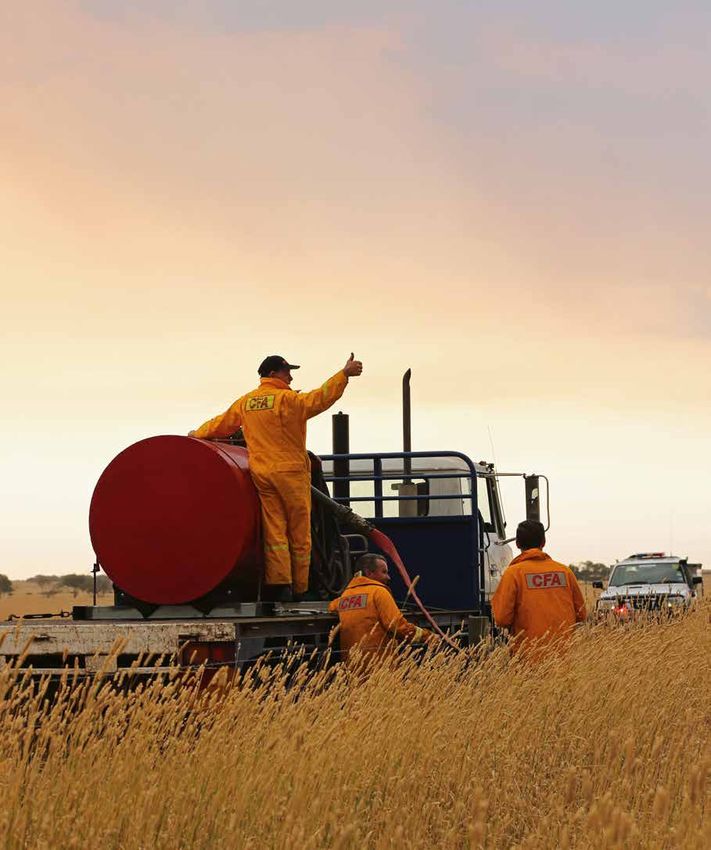
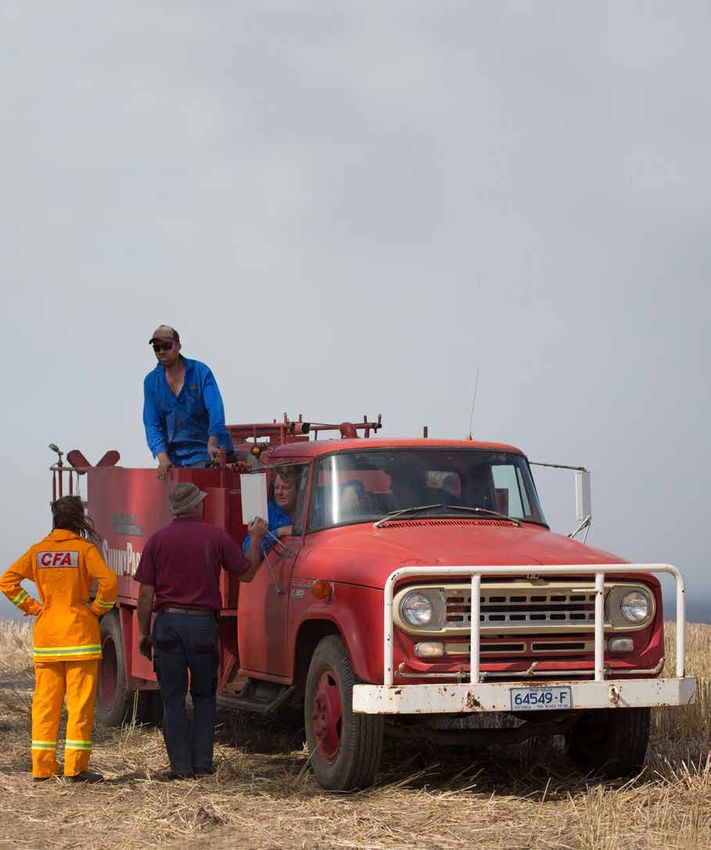
Private units blitzing it
12        CONTENTS                                                                                    31

                                                           Cover story                           32
                                                           Private units blitzing it
                                                           COVER PHOTO: SALLY PATTERSON

                                                         03 Incidents
                                                         06 Statewide news
                                                         06 CO’s column
                                                         08 CEO’s column
                                                         21 Learning from experience
                                                 24      25 Health matters                                                                             36
                                                         31 Brigade news
                                                         44 Youth
                                                         46 Through the ages
                                                         48 Memberlink

Sally lets her photos do the talking
Excellent photos of roadside planned burns in                  smoke can be produced by a small fire in safe conditions,
south-west Victoria by Sally Patterson have been               and then extend their thinking to what this same fire       Private units blitzing it

appearing on the Lismore and District Group’s                  could be like in hot and windy conditions. She wants
Facebook page.                                                 communities to realise that fires can be deadly and early
Sally, an operational member with Lismore Fire Brigade         preparation is essential.
and the secretary/treasurer of Lismore Group, is also a        “I hope the locals who see my photos think about
keen photographer.                                             how much time and effort the vols put in to keep the
“I love to capture a moment in time. Photography has           community as safe as possible,” she said.
made me look at the world in a different way,” Sally said.     STORY SALLY WHITE

Much of her photography focuses on planned burning
around Lismore, an activity she’s passionate about.
The photo on the cover of this issue, the photos of the
ultra-heavy tanker on page 7 and two of the shots in the
private units feature starting on page 32 are Sally’s.
“When I was a very small child, my mother left it too late
to leave home in a bushfire and, when the wind changed,
three firefighters perished at our front gate,” Sally said.
“That made a big impact on how I thought of fire and I
decided it was better to know your enemy, so to speak.
                                                                                                                                                       PHOTO: JOHN PATTERSON

Now that I have a better understanding of fire, I realise it
can be worked with and used as a tool.”
Sally hopes that, by capturing and sharing images of
roadside planned burns, those who don’t understand fire
will be encouraged to think about how much heat and
Fire and explosions                                                                                3,707
                                      False alarms/false calls                                                 2,166
                                           Good intent calls                                   1,331                               INCIDENTS        03
                   Motor vehicle accident, extrication, rescue                               1,203

Incident summary
                                       Hazardous condition                             992
                                                 Service calls                      830
                               Emergency medical response               434
    STATEWIDE INCIDENTS BY TYPE                                                                                   1 January – 31 March 2017
                                                                 0     500          1000       1500     2000      2500    3000      3500      4000
                                          Fire and explosions                                    NUMBER OF INCIDENTS                        3,707
                                       False alarms/false calls                                                 2,166
                                             Good intent calls                                  1,331
                    Motor vehicle accident, extrication, rescue                              1,203
     District 2              607         Hazardous condition                           992
     District 4    66                             Service calls                     830
     District 5       254       Emergency medical response              434
     District 6     152
     District 7                       1,032                     0      500       1000           1500   2000    2500   3000           3500     4000
     District 8                                                                3,054
                                                                                                  NUMBER OF INCIDENTS
     District 9       271
    District 10    144
    STATEWIDE
    District 11     INCIDENTS BY DISTRICT
                    180                                                                                           1 January – 31 March 2017
    District 12       248
    District 132
      District                 607      1,134
    District 14
      District 4  66                              1,833
    District 155
      District         254      696
    District 166
      District       215
                    152
    District 17
      District 7  138                  1,032
    District 188
      District         300                                                       3,054
    District 209
      District        252
                       271
    District 22
     District 10    144      553
    District
     District23
              11     207
                     180
    District
     District24
              12        314
                       248                                                                                              Brigades are reminded
    District 27          357
     District 13                         1,134                                                                       to submit their fire/incident
     District 14                                   1,833
     District 150        500       1000
                                 696        1500  2000    2500           3000          3500                           report as soon as possible
     District 16      215                 NUMBER OF INCIDENTS                                                        after attending an incident.
     District 17   138
     District 18        300
                                                                                                                       Brigades on strike teams
     District 20       252                                                                                          also need to submit a report.
     District 22              553
                                                                                                                           FIRS Call Centre,
     District 23      207
     District 24         314                                                                                            1800 628 844, is open
     District 27          357                                                                                              daily 8am-11pm.
               0         500       1000     1500   2000    2500              3000       3500
                                           NUMBER OF INCIDENTS

    ORIGIN OF FIRE                                                                                                1 January – 31 March 2017

                                 Lawn, paddock, open area                                                                        1,516
    On or near highway, roadway, street, public way, car park                          477
            Engine area, running gear, wheel area of vehicle               247
                                      Kitchen, cooking area               201
                                  Scrub or bush area, forest            166
                                               Undetermined           106
                                 Passenger areas of vehicle          86
                                         Court, terrace, patio       80
                                        Other area of vehicle        76
                       Garage, carport, vehicle storage area         68
                                  Lawn, paddock, open area                                                                       1,516
    On or near highway, roadway, street, public way, car park0                        500477             1000               1500               2000
             Engine area, running gear, wheel area of vehicle              247
                                        Kitchen, cooking area             201                      NUMBER OF INCIDENTS
                                   Scrub or bush area, forest           166
                                                Undetermined          106
                                  Passenger areas of vehicle         86
                                          Court, terrace, patio      80
04 INCIDENTS

                        ACO Sullivan helps man
                        escape burning building
                                                                                                     “The unit had a large window and there was a shop underneath. I
                       INCIDENT: Structure fire                                                     encouraged him to come out of the window and on to the awning.
                       DISTRICT: 12                                                                  “It took a lot of encouragement for him to come on to the awning. There
                       DATE: 16 March 2017                                                           were two young fellas who asked if a ladder would help. We needed to
                                                                                                     get him down somehow.
                       BRIGADES: Seymour,
                       Shepparton, Bendigo,                                                          “By this stage, he was pretty distraught. The fire was extending very
                       Avenel, Hilldene                                                              quickly through the building. I asked him to close any doors near to
                                                                                                     him, as that can help with smoke, and we were able to talk him down
                                                                                                     the ladder and to safety.”
                                                                                                     District 12 Operations Manager Rob Van Dorsser said the fire was
                        North East Region Assistant Chief Officer Ross Sullivan had just
                                                                                                     difficult to access because of its severity.
                        left a meeting in Seymour when he noticed a group of people on
                        the road and saw smoke coming from a unit complex.                           “Firefighters predominately did an external attack due to the intensity of
                                                                                                     the fire.
                        Before firefighters arrived at the unit on the upper level of a two-storey
                        complex on Station Road, Ross saw a man on the first floor standing          “There is significant damage to the two shops underneath the units.
                        near the window with fire behind him.                                        While the complex is still standing, the integrity of the building could be
                                                                                                     compromised, so inspectors will need to look at that.”
                        “I yelled out to him and asked him if he could get out of the building
                        any other way and if there was anyone else with him,” said Ross.             Rob said the fire was caused by unattended cooking.
                        “There was no one else. The man kept going back inside and coming
                        back to the window and coughing. I said, ‘You have to come out’.             STORY ANGELA PEACHEY

                      Paraglider rescue at Bright
                                                                                                     One activity that has led to an increase in rescue responses, particularly
                                                                                                     around Bright, is paragliding. Paragliders can fall from the sky for a
                                                                                                     variety of reasons and come to grief across a large swathe of the hilly
                                                                                                     country around the town.
                                                                                                     Recently, one paraglider encountered some trouble and fell from the sky
                                                                                                     near to town on to a steep hillside. Unlike most paraglider rescues, this
                                                                                                     pilot was on the ground and not stuck in a tree.
                                                                                                     Bright SES unit was called to rescue the pilot. Working with Victoria
                                                                                                     Police and Ambulance Victoria, the pilot was found down a steep slope
                                                                                                     off a four-wheel drive track. Due to the steepness of the terrain and the
                                                                                                     distance to the track, the Wangaratta High Angle Rescue Team was
                                                                                                     requested to support the SES crew.
                                                                                                     On arrival, the SES crew assisted the ambulance personnel to prepare
PHOTO: GRAHAM GALES

                                                                                                     the casualty for transport. The CFA team ran ropes down the slope and
                                                                                                     set up a system to haul up the casualty. Some members of the CFA team
                                                                                                     went down the slope to help the SES crew package the casualty into a
                                                                                                     stretcher. The long haul up the slope took some time as the casualty’s
                                                                                                     injuries were quite serious.
                                                                                                     A rescue that started in daylight ended in the dark, but it was a good
                      Rescues used to be straightforward. People could be rescued from
                                                                                                     outcome for the paraglider pilot and exemplified the successful teamwork
                      a car accident or a burning house; they could be dragged from
                                                                                                     between ambulance staff, SES and CFA.
                      flood waters or the sea, or lifted up a cliff face.
                      But as people take part in new activities, the types of rescues have
                      also changed.                                                                  STORY GRAHAM GALES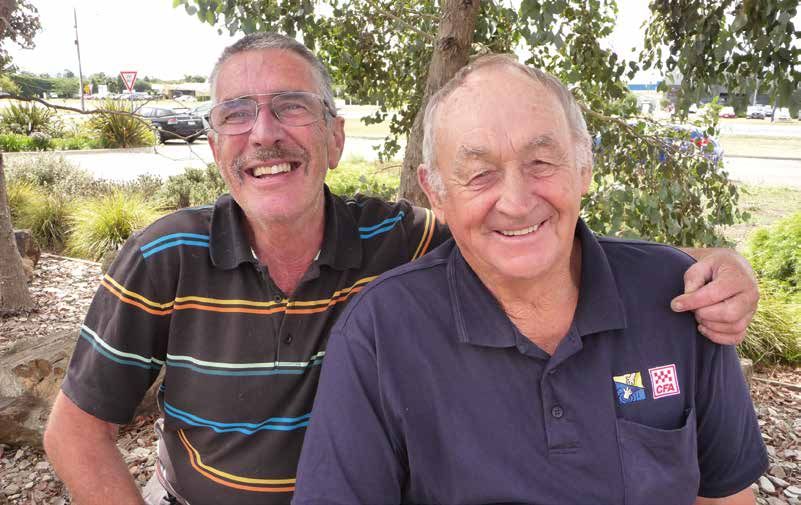
                                                                                                                                     INCIDENTS        05

Gone fishin’, gone firefightin’
                                                                               “We got back to shore about 300 metres away and looked back and
 INCIDENT: Bonegilla grass and                                                 could see the storm about the size of a footy field right where we’d been.”
 scrub fire                                                                    On the way in, however, Brian’s pager went off for a fire at Mahers
 DISTRICT: 24                                                                  Hill just above the Ebden Reservoir. He could see the fire up on the
 DATE: 22 February 2017                                                        relatively-inaccessible hill in Bonegilla brigade territory which causes
                                                                               them so much trouble. The initial fire he saw was about 10-foot round
 BRIGADES: Bonegilla, Wodonga,
                                                                               but, whipped up by strong winds, it was four times larger by the time they
 Baranduda, Kiewa, Bethanga
                                                                               reached shore.
                                                                               “I had the fire radio with me,” said Brian, “and called for aerial support
                                                                               and Make Tankers 10. Victoria Police and Ambulance Victoria were at the
The fire danger index was low and Bonegilla Fire Brigade Captain               Ebden boat ramp and so were the media to report on the rescue. The
Brian Church headed out with his friend Dick Osmand at 6am to                  passengers were helped off my boat and I ran the fire from the boat ramp.”
fish on Lake Hume.
                                                                               In shorts and Crocs.
The pair had filleted their 30 redfin at Churchy’s house and just put a
                                                                               “I had to stay on VicFire and talk to our trucks that way. The media heard
pot of coffee on the table when a call came in from a neighbour. She
                                                                               me talking and spun their cameras around and started filming the fire.
had received a panicked call from a friend in the process of capsizing
on the lake. A strong gust of wind had spun their four-metre craft             “Because of the inaccessibility, the Bomber 360 did four drops and that
around to face backwards into the waves which then swept over and              was 90 per cent of the job done. The Wodonga Group FCV arrived on
engulfed the vessel.                                                           scene and Alex Todd took over the job from me. They ran hoses down
                                                                               the hill to the fire and it was kept to about two hectares.”
Brian told his neighbour to call Triple Zero (000) while he and Dick shot
down to the lake and jumped back into Churchy’s 4.9-metre MakoCraft.           But Brian’s work was not done. He and Dick again headed out in Nemo
                                                                               2 alongside an SES vessel to tow the capsized craft. Brian jumped in
“We boated over to the Ebden boat ramp,” said Brian, “and picked up an
                                                                               and tied a rope to the boat and around it which rolled it back over. The
ambo. The capsize was about 1.5 kilometres from us and we could just
                                                                               rescued craft was towed three-quarters of a kilometre to shore where it
see the white hull. It wasn’t too choppy and we got there and found two
                                                                               was winched on to its trailer, then it was back out again to recover every
adults in life jackets clinging to the hull. They were getting pretty tired.
                                                                               last piece of gear – fishing lures, battery box, torches and sundry items.
They’d been in the water for about 40 minutes by then.”
                                                                               The reward for a day’s emergency response? Redfin for dinner.
The vessel was hanging perpendicular in about 60-feet of water
according to the depth sounder on Nemo 2, with a water temperature of          “The people from the boat came to my place the next day and dropped
24.5 degrees.                                                                  off a bag of chocolates,” said Brian, “but I don’t expect anything. I enjoy
                                                                               doing all this sort of stuff.
“We lifted the woman then the man in and were going to tow their boat,”
continued Brian, “but we saw a storm coming. It came out of nowhere            “It was quite an exciting day, but I should have had my fishing rod in the
with some of the heaviest rain I’ve ever seen around here; cold rain.          water while I was being the incident controller.”
Lightning was cracking into the water around us.                               STORY LEITH HILLARD

                                                                                                                                                             PHOTOS: SUPPLIED BY DAVID BROWN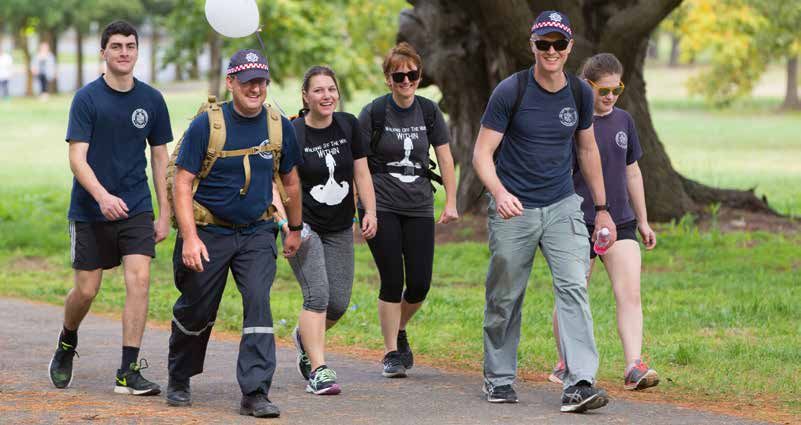
06 STATEWIDE NEWS

   CHIEF OFFICER               Steve Warrington

                        Let’s start a discussion
                        To ensure CFA remains as contemporary,              We’ve already flagged a review of all our response arrangements
                        agile and fit for purpose as every other            to ensure that CFA is providing the best service delivery. That
                        emergency services organisation, there              involves reviewing every assignment area to make sure we’re
                        are a number of items we need to discuss.           maximising our service delivery to the community.
 Broadly, CFA needs to look into capability, brigade viability and          At all incidents, particularly Code 1, we must know which trucks
 growth, our operational efficiency, how we educate the community           can attend the scene quickest based on our road mapping
 and our inclusion and fairness.                                            network.
 Some of the matters I raise in this column will generate divisive          An important aspect of this broader discussion is inclusion and
 opinions, but I believe they’re concepts and ideas that we need to         fairness at CFA. We must ensure we’re doing everything we can to
 put on the table for discussion and contemplate implementation at          make CFA an organisation of choice for a whole range of people
 some stage.                                                                with different backgrounds and abilities. It must be ingrained within
 First item for debate is baseline capability, particularly targeting the   communities that CFA is accepting.
 classification 4 and 5 brigades.                                           Finally, training. Through Deputy Chief Officer Gregg Paterson and
 By way of example, we are now able to ascertain actual numbers             his team, we are well and truly on the journey to improve training in
 of operational members who respond in a particular brigade. If we          CFA. We’ve had a significant focus on our competencies but we
 were able to reach agreement with each of our brigades around              need a greater focus on proficiency. (See Gregg’s column on page
 the actual number of operational members required, it would                8 for more about training.)
 allow us to ensure every operational member has the capability to          It is great that people have certificates and I understand that but,
 respond.                                                                   as Chief Officer, I want to know our operational members can wear
 So instead of 100 volunteers that some of our bigger brigades              breathing apparatus, can squirt water, can operate a pump and
 have, all requiring training, PPC, pagers and so on, CFA would             can deliver a community safety message.
 be able to provide a guarantee that training, PPC and pagers               Let’s give it some thought and have the debate. It’s my view that,
 would be provided. Let me be clear here – this is not restricting the      if we’re able to address some of these issues, we would be better
 number of volunteers, as brigades can still have more involved.            placed to move forward as a contemporary, agile emergency
 If we were able to reach an agreement around the number of active          services organisation.
 operational volunteers, I feel it would be reasonable to expect a
 degree of health and fitness of our people who perform the role.
 Additionally, I think we need to consider prerequisites for being an
 officer, particularly at our classification 4 and 5 brigades. Again, by
 way of example, to be considered for election, officers would need
 to have been a crew leader or undertaken leadership training.
 Obviously we would have to provide the training courses at
 different times and locations. However, we’ve identified that where
 we have strong and good leaders, we usually have good brigades.
 We need to consider building community safety into the response
 stage. Previously, community safety has been looked at as
 something to address before or after incidents.
 There is a real opportunity, particularly at some of the incidents
 we attend, to have a community safety presence at the site of the
 incident to educate members of the public who are checking out
 the incident as it occurs.
                                                                                                                                                    PHOTO: PAUL TOWNSEND

 We need to consider making the brigade viability indicator tool
 compulsory, which is basically a diagnostic test to assess the
 viability and potential growth of each brigade. This will allow us to
 provide more targeted support to each and every brigade across
 the state. (See page 13 for more about brigade viability.)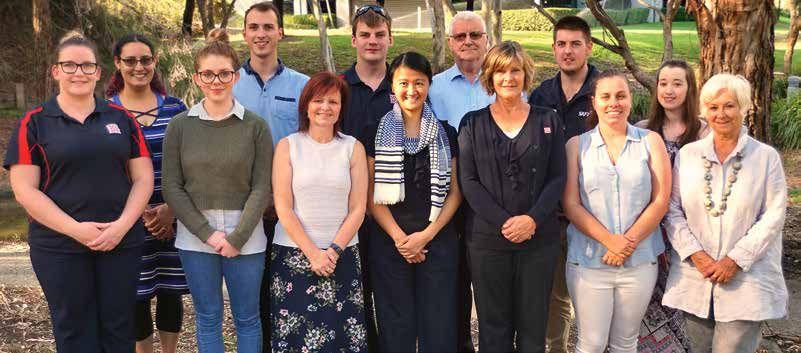
                                                                                                                                STATEWIDE NEWS                07

Firefighting ultra-heavy
tanker test
A New South Wales Rural Fire Service 9,000-litre heavy tanker with
firefighting capacity was trialled south of the border, with great
success, last summer.
The vehicle was put through its paces tackling grassfires in the Wimmera,
Mallee, south-west and north-east Victoria, with feedback sought from all
participating drivers and crew.
It responded to incidents and took part in planned burns. The Lismore
and District Group was impressed with its performance during break
burning, while its arrival in District 24’s Browns Plains Fire Brigade area

                                                                                                                                                                     PHOTOS: SALLY PATTERSON
coincided with a series of dry lightning strikes.
“A heap of fires dropped which kept the district busy,” said Captain Matt
Partridge. “We rolled this vehicle with a portable radio and it went out with
our medium tanker. It was very well set up with the monitor on the front
and an extra nozzle, so it could be driven to the fireline and the driver
presses a button.
“It’s such a useful thing to have in an agricultural area where there aren’t
so many people. We’ve got 16 to 20 active members but this vehicle              “The longevity of the water for knock-down and wet-down for burning
can fight fires with just two or three people on board and the 9,000 litres     was a big feature and this would also apply to mop up. There’s also the
means a longer time between refills. It was easy to shunt water into other      possibility of using the tanker as a bulk water carrier and mop up truck to
tankers so that’s a bonus when there’s not a water source close by.             support bushfires or planned burns.”
“It’s a much bigger vehicle so be mindful where you take it, but most of our    The trial also visited metro South East Region where a forum at
members drive heavy machinery all the time so that’s no stretch for us.”        Pakenham Fire Station was attended by 30 to 40 volunteers who
CFA has committed to building two of the 22.5-tonne vehicles although           provided further feedback.
changes will be made based on the trial feedback. Not being changed,            District mechanical officers around the state maintained the vehicle which
however, is the bullbar-mounted remote control monitor which performed          was driven between locations by project officer Toddy Small. Operations
so well under pressure. The crew protection system will be altered to meet      Manager, Wildfire Planning and Forestry Industry Brigades Gary Weir
CFA standards. Those trialling it were impressed by the rear deck which         oversaw the trial and welcomed all feedback.
allowed crew to deal with blacking out any fire the front monitor missed.       “All districts were extremely supportive and mentioned the gap in the
“District 6 would be very, very keen to be involved in the build and trial      current fleet with water-carrying capacity,” said Gary. “There was a
process,” said Instructor Mike Evans. “Many people see this as the future       definite feeling that it filled a void missing within the current CFA fleet.”
of grassland firefighting in rural areas with the declining availability of
volunteers to operate multiple smaller tankers.                                 STORY LEITH HILLARD AND GORDON KING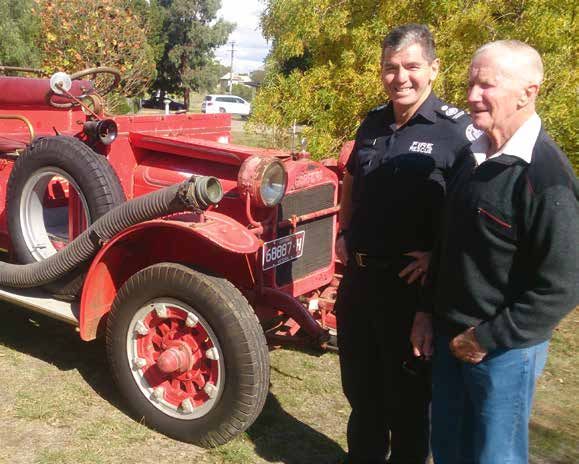
08 STATEWIDE NEWS

  CHIEF EXECUTIVE OFFICER                                           ACTING DEPUTY CHIEF OFFICER

                                        Frances                                                          Gregg
                                        Diver                                                            Paterson
  Many people across Victoria might expect our hard                 Our Chief Officer made a strategic decision to move the
  working volunteers to be spending the months after the            learning and development team into the Fire and Emergency
  summer season getting some well-earned rest, but that             Management (F&EM) directorate to ensure that front-line
  is to underestimate the spirit of the men and women who           service delivery was the focus for all F&EM portfolios.
  make up CFA.                                                      Charged with implementing this change, I’m extremely proud
  As proof there is no off-season when it comes to dedication       of our training team for the way it has embraced this direction at
  to the Victorian community, CFA volunteers and staff raised       state, regional and district level.
  more than $1.7 million for the Good Friday Appeal. This builds    A key commitment of our Learning Action Plan is “front-line
  on a strong legacy of our organisation supporting the Royal       learning develops confident, safely-trained CFA members
  Children’s Hospital through the Good Friday Appeal – a legacy     ready to perform critical roles aligned to risk and the Chief
  that now spans close to seven decades.                            Officer’s service delivery priorities”. We need to provide up-to-
  What started in 1949 with brigades dotted across the state        date, relevant and timely training and assessment. Effective
  rattling tins for shillings and pence, has become a partnership   immediately, training materials for strike team leaders, crew
  that has raised $17.6 million over the years.                     leaders, incident controllers (Level 1), maintaining safety at an
  This year, it was wonderful to see District 10 Operations         incident, suppressing wildfire, AIIMS 4 and low structure will
  Manager Allan Rankin and his father Jimmy present the 2017        be reviewed and updated to ensure they reflect current CFA
  cheque of $1,711,604.22 on live television. Jimmy has been        operational requirements. They will then be placed online.
  involved in raising money for the Good Friday Appeal for more     We will make sure CFA offers access to training at times and
  than 50 years, and we know there are countless more men           locations suitable for most CFA members. In early 2017, we
  and women throughout CFA just like Jimmy.                         changed the way we identified front-line training priorities. The
  The Good Friday Appeal involvement is an example of the           introduction of ‘bottom driven’ training plans that reflect what our
  many ways CFA brigades, volunteers and staff engage with          brigades, groups, districts and regions need, when and where
  the community. (see page 15 for more about this year’s Good       they want it, and how many people they want trained, has given
  Friday Appeal).                                                   us an overview of training priorities. The focus for training delivery
                                                                    for the 2017-18 financial year will be based on these priorities. On-
  At the MCG as part of the country game, Essendon versus
                                                                    and off-road driving, first-aid, breathing apparatus training and
  Geelong, a sea of yellow paraded around the ground as part
                                                                    low structure training are common priorities across the state.
  of National Volunteer Week. This was a wonderful presentation
  of our volunteers at a nationally-televised event, with one       Other key focuses will be to reduce training course cancellations,
  volunteer operating the air-raid siren as the Bombers’ players    and introduce digital learning that supports flexible, blended
  entered the ground.                                               learning and improved member satisfaction. The imminent launch
                                                                    of our CFA Learning Management System, the Learning Hub,
  Outside, a team of CFA people presented home fire safety
                                                                    will support this. It will replace TRAIN, web TRAIN and Training
  messages to a large audience at Australia’s greatest sporting
                                                                    Online Portal. The Learning Hub will be able to host online course
  stadium.
                                                                    content and provide greater reporting functionality. Members can
  CFA plays an important role beyond fighting fires. Whether        access the hub by logging on to Brigades Online.
  running education programs at schools, taking on rescue
                                                                    To ensure that CFA members’ skills and experience are
  roles at accidents or participating in fundraising events for
                                                                    recognised, respected and used to improve engagement and
  other organisations, our CFA brigades always put the needs of
                                                                    satisfaction, we have also started to implement two key projects
  their communities first.
                                                                    that will deliver:
  We perform tasks and engage with communities at so many           • improved Recognition of Prior Learning (RPL) with an initial focus
  different levels and everyone who is part of CFA should feel         on strike team leaders and sector commanders
  proud.                                                            • empowerment to volunteer trainers, assessors, facilitators,
                                                                       coaches and mentors so they can deliver and support active
                                                                       learning and improve the opportunities to develop all CFA people
                                                                    • formal transition from historical Australian Fire Competencies to
                                                                       the Public Safety Training Packages.
                                                                    I’m excited about the implementation of these initiatives and I look
                                                                    forward to your feedback.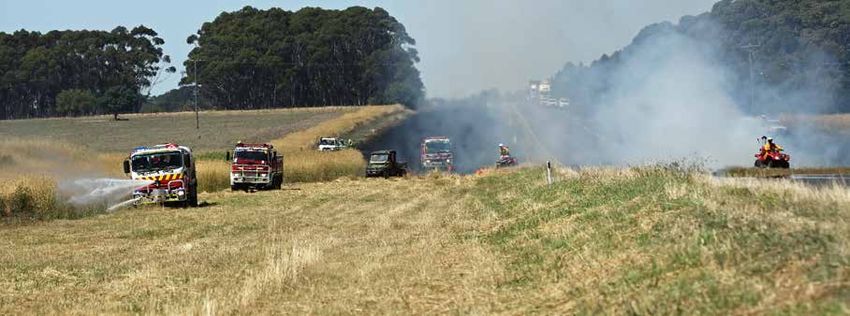
                                                                                                                  STATEWIDE NEWS             09

w
    ASSISTANT CHIEF OFFICER North West Region                            OPERATIONS MANAGER District 17

                                 Gavin                                                                             Dale
                                 Thompson                                                                          Russell
    What a busy six months it’s been for the team in the north-          I’ve had a busy time overseeing the many activities taking
    west. Thank you to all our members for their outstanding             place in District 17, and I’d like to tell you about some of the
    support over the prolonged 2016-17 Fire Danger Period.               highlights.
    The season presented a number of challenges for brigades after       In March, we ran a practical training day for women, the third
    the early spring rain across the region caused excessive growth      year this event that has been run for female volunteers and
    in the grassland and crops, and we dealt with an increased           staff. It has now become part of the district’s ongoing training
    number of incidents, especially in the Mallee. With the increased    schedule. It began as a District 17 initiative and has developed
    crops came a large number of header fires. Across District 18        across West Region as a full-day forum to:
    alone, there were more than 25 header fires. Work continues          • talk about how CFA can be proactive in contributing to positive
    with the Community Safety team and Victorian Farmers                    change to attract, support and retain female members
    Federation to see how we can best use current information and        • explore myths and legends about why women join CFA
    trends to reduce the number of these fires next season.              • discuss the development of district-based women’s
    If the fires weren’t enough, many brigades supported                    reference groups
    communities following extensive flooding in districts 2, 18 and 20   • share stories and enjoy time networking with each other.
    over spring. Then there was an extreme storm in the Sunraysia        In the 2016-17 fire season, we formally established the
    area that kickstarted our summer campaign. Many firefighters         District 17 Aviation Unit to better support the increasing use
    and members in support roles were involved in both incidents.        of firefighting aircraft. The unit responds to the needs of the
    Like most CFA members, I was recently reminded just how              regional district officer or incident controller, with volunteers
    dangerous this job can be, when four firefighters were injured       being activated on high-risk days. Airbases were established
    in a structure fire in Sale. This highlights the dangers our         at Horsham, Edenhope and Nhill, and two further airbases are
    firefighters face on a daily basis. As we move into the colder       being considered.
    months, there’s a higher likelihood our people will be responding    Twenty-four volunteer CFA crew members were trained to load
    to structure fires. Remember, everyone comes home. Train hard,       the bombers. Air support for District 17 usually comes from
    so when you have to turn out your training kicks in.                 the Stawell airbase which can mean turnaround times close to
    In the past few months, both the State Urban and Rural               two hours in the west of the district. Using the closest airbase
    Championships have been held. Once again, the Urban                  for reloading reduces this time to a matter of minutes which
    Championships were held in Bendigo and there was a solid             means that small fires remain small.
    contingent of North West Region brigades competing. With             For the first time in the Wimmera, fixed-wing aircraft were
    the championships being decided with the last run of the             based at Nhill for five weeks over the harvest period. Following
    champion fours, it definitely maintained the interest to the very    a successful application for an Emergency Management
    end. Congratulations to Maryvale for once again being state          Victoria grant, a permanent water supply will be set up at
    champions. Better luck next year to Kangaroo Flat – I reckon you     the Nhill aerodrome. This provides another vital form of fire
    can get them.                                                        protection for the Wimmera.
    The Rural Championships were held in Wodonga in early April,         This past summer saw districts 16 and 17 pilot a number of
    and a number of brigades from across North West Region               successful harvest fire workshops. District 17 Headquarters
    competed in both the senior and junior events. Our brigades          Brigade Captain and retired farmer Kevin Bolwell, developed the
    competed fiercely and secured some wins. Well done to all            pilot. It involved sharing information about mechanics, weather
    teams, especially the Sedgwick A junior team which finished          conditions, tiers of emissions, heat sources, the Voluntary Grain
    third in the race to be the champion team. We look forward to        Harvesting Guide, recommended practices for operators,
    hosting the Rural Championships in Bendigo in 2019.                  property owners’ responsibilities, insurance and harvest fire
    A number of events were held to celebrate National Volunteer         planning. These workshops have been well received and a DVD
    Week this year between Monday 8 and Sunday 14 May. I would           has been developed. Also, work has been done to roll out these
    like to thank all CFA volunteers for their dedication, passion and   workshops across the state next summer.
    commitment to CFA and their communities. I would also like           Once again, emergency services across the Wimmera have
    to extend these thoughts to all CFA volunteers and staff, both       continued to strengthen their partnership over the summer,
    operational and support. Together we are an amazing team and         with joint pre-summer community meetings, support in
    we should never lose sight of that. Remember, it’s all about CFA     incident control during floods and fire and readiness days at
    people delivering CFA services to the community.                     the Horsham Incident Control Centre.
10 STATEWIDE NEWS

                              Toxic plume modelling

                                                                                                    The software helps to answer some key questions: where is the plume
                                                                                                    likely to go?; when is it likely to get there?; which areas will be most
                                                                                                    affected? See the chemical model example, above.
                                                                                                    In addition, if detailed source information is available about the chemical
                                                                                                    and the release, modelling can also provide expected concentrations
                                                                                                    such as air quality exposure standards, explosive limits and odour
                                                                                                    thresholds.
                                                                                                    This information will help an incident controller manage the plume hazard
                                                                                                    and helps with decision making around:
                                                                                                    • community warnings for Shelter Indoors or Evacuation
                                                                                                    • equipment placement on the fireground
                                                                                                    • the location of staging and rehab areas
                                                                                                    • deployment of atmospheric monitoring equipment. As models are a
PHOTO: STEVE CROCKER, MFB

                                                                                                       prediction, they should always be validated by atmospheric monitoring
                                                                                                       as soon as possible.
                                                                                                    At a recent incident involving a ruptured natural gas main, plume
                                                                                                    modelling was used to provide guidance on the dispersion of the
                                                                                                    leaking gas, and helped to determine the immediate hazard area and
                                                                                                    isolation requirements. This was validated against results from onsite
                                                                                                    measurements.
                            In Victoria, CFA is leading the development of a toxic plume            The odour threshold model was particularly useful because it showed
                            modelling capability to predict the downwind dispersion of              that, although there was a smell of gas in a wide area, there was no
                            chemicals and smoke from incidents.                                     danger to the community. This prevented any unnecessary evacuations,
                            This work mainly focuses on dispersion of chemicals released from       which would have presented a greater health risk and disruption to the
                            hazmat or chemical, biological or radiological (CBR) incidents, as      community than the incident itself.
                            well as smoke from structure and non-structure fires such as tyre and   The plume modelling service is available through the on-call scientific
                            rubbish tip fires.                                                      officer, who can be contacted through the rostered duty officer. For
                            Plume modelling brings together a range of information including        more information about the Plume Modelling Project and its services, go
                            chemical properties, topography, building data and high-resolution      to CFA Online > Fire & Emergencies > Specialist Response, or email
                            gridded weather forecasts. Using this data and information about the    Darren Simon: d.simon@cfa.vic.gov.au
                            release (size, chemical type, duration) the system calculates how the
                            substance disperses downwind.                                           STORY DARREN SIMON
STATEWIDE NEWS 11
The sound of rescue
Wildfire Instructor Tony Scicluna’s office
in District 12’s Seymour HQ is much like
any other. Maps of the local terrain are at
the ready, spread across desks. A coffee
cup sits next to dozens of encyclopedia-
thick training manuals.
A sombre reminder of Tony’s decades of
service sits behind his desk, adorning the
wall in a quote from a survivor of a 2009
Black Saturday fire: “I knew help was coming
when I heard the chainsaws in the distance”.
“This quote was said to me by a badly-
burned resident after a few CFA vols and I
spent hours on the Sunday morning cutting
our way towards his property,” said Tony.
“He told me he was in a state of shock and
despair and, when he heard the chainsaws, it
lifted his spirits and kept him positive until we
PHOTO: NICOLE MATEJIC
got to him hours later.
“I’ll never forget that moment.”
That incident was one of the driving forces
behind Tony’s commitment to chainsaw
crosscut training, and CFA now has two
chainsaw training trailers for statewide use.
Together with his Wildfire Instructor colleagues With chainsaw operator training and train‑the- To watch Tony, Geordie and Mike’s video, go
Mike Evans from Colac (pictured), Geordie trainer training available to brigades, Gregg to YouTube and search for ‘CFA chainsaw
Akeroyd from Bairnsdale and DCO Operations emphasised that Mike, Geordie and Tony were training trailers’.
Training Gregg Paterson, Tony recently filmed subject matter experts brigades could draw on.
a video with one of the new trailers. To find out more about booking chainsaw
“Our aim is to build the CFA chainsaw training for your brigade, contact your local
capability across the state,” said Tony. district HQ. STORY NICOLE MATEJIC
Victorian Senior of the Year Awards
The Victorian Senior of the Year Awards acknowledge older contribution to the veteran community. The recipient of the award
Victorians who volunteer to assist, support and encourage others doesn’t need to be a veteran.
in their communities. Council on the Ageing (COTA) Victorian Senior Achiever Awards
There are a number of award categories recognising seniors as to individuals for significant contributions to local communities in
mentors, educators, role models, leaders, or behind-the-scenes Victoria.
workers. The Age-Friendly Victoria Award recognises an organisation for
creating age-friendly communities, promoting active ageing and
The categories are:
improving quality of life and inclusion for older people.
Premier’s Award for Victorian Senior of the Year to an individual for
an outstanding contribution to their local community and Victoria. The 2017 awards will be presented in October at a ceremony at
Promotion of Multiculturalism Award to an individual for a Government House.
significant contribution to promoting the benefits of cultural diversity in You can nominate a member of your brigade until 23 June 2017 by
the community. contacting Roz Long in the Volunteer Sustainability team
Healthy and Active Living Award to an individual for helping (email: r.long@cfa.vic.gov.au or phone 9262 8211).
to create active and healthy communities through community If you want more information about the awards, contact Seniors
involvement and as a role model. Information Victoria on 1300 135 090, email askcota@cotavic.org.au
Veteran Community Award to an individual for an exceptional or visit seniorsonline.vic.gov.au12 STATEWIDE NEWS
PHOTO: MITCH EMMETT
Burn camps: learning by doing
CFA planned burn training camps or burn camps have been ecological planned burns on private land, crown foreshore and shire
running since 2013. Planned burning is the controlled use of fire reserves.
under carefully-managed conditions to reduce fuel and so reduce During the camp, participants leaned about fire ecology and how
the intensity of a bushfire. burn planning incorporates biodiversity and environmental values.
Burn camps are run on a range of sites across the state and provide At the planned burn sites, participants learned about hazardous tree
flexible, practical planned burning training, experience and qualifications. assessment and undertook overall fuel hazard assessments and fuel
At the camps, volunteers gain vital experience and are mentored by moisture sampling.
a team of experienced instructors. Planned burning participation and Craig Aiton, a CFA volunteer with Langwarrin Fire Brigade said, “It was
training are recorded in CFA systems, such as WebTrain, and recorded in great to go out to the burn sites to learn about the very important role of
field evidence booklets. fuel moisture content, and to see firsthand the contrast between what’s
The partnership approach to CFA burn camps strengthens inter-agency involved in fire suppression and planned burning.”
relationships, and facilitates the transfer of knowledge and skills resulting Highlights for Mark Rowe of the Mornington Peninsula Shire Fire Crew
in flow-on benefits for fire suppression, planned burning and strategic were “learning about the benefits of fire to local biodiversity, and the
reduction of bushfire risk to communities. opportunity to get to know a whole lot of people and the fire roles within
Burn camps are also designed for volunteers and staff to gain training, different organisations”.
experience and practice in AIIMS (incident management team) roles The staging area for the Mornington Peninsula burn camp was run by Mt
such as: Martha Fire Brigade and was an opportunity for new and existing CFA
•o perations – incident controller/burn controller role, sector commander, staging area managers to practise their roles.
drip torch leader (ignition commander), drip torch member (ignition Staging Area Manager and Rye brigade member Ruth Aeschlimann
crew), staging area manager thought the burn camp was an ideal opportunity for her brigade
• public information – community liaison, media officer members to train and practise in a controlled, mentored environment.
• logistics – facilities and catering, supply officer, medical support, safety “Much better than learning while running a staging ground at a bushfire!”
officer CFA North East Region held a planned burn training camp at Shelley at
• planning – intelligence, mapping, resources, fire behaviour analyst, the beginning of April, which was attended by 52 volunteers and staff (see
management support, ground observer. photo, above). There were three days of intensive planned burn activities.
CFA scheduled six burn camps for 2017 and, despite some wet weather, Participants were placed in teams and then rotated through a series of
a lot has been achieved to improve CFA members’ skills in planned planned burning activities including burn plan development; planned burn
burning activities. complexity ratings; site preparation; natural values and asset protection;
CFA’s South East Region ran its first burn training camp at the end of overall fuel hazard assessment; fuel moisture assessment; cultural heritage;
March on the Mornington Peninsula. The camp was an inter-agency vegetation laws; control line construction and rehabilitation; traditional
event run in conjunction with Mornington Peninsula Shire Council, Parks burning practices; and ignition approval procedure.
Victoria and the Department of Environment, Land, Water & Planning. Participants also had the opportunity to inspect sites burnt a week ago,
CFA Vegetation Management Officer for South East Region Gareth a year ago and two years ago to see how the vegetation and fuel hazard
George led a team to plan the camp and the fuel reduction and had recovered. STATEWIDE NEWS 13
Bushfire partnership still delivering
A proactive bushfire prevention partnership developed between
CFA and Gippsland Community Correctional Services continues to
deliver results.
The Community Work Program, which won a Fire Awareness Award,
was established to support brigades and local land managers
prepare sites for planned burning in and around the Latrobe Valley.
PHOTO: PENNY RICHARDS
VicRoads, Latrobe City Council and landowners have all benefited
from this bushfire prevention work and, following its success
across the Latrobe Valley, it has been expanded to Bairnsdale and
neighbouring areas.
The Community Work Program has also expanded its scope to
include other vegetation management works and manual bushfire
The camp was a huge success with participants posting positive fuel removal to protect at-risk communities and locations where
comments on the Shelley Burn Camp Facebook page such as, “I planned burns may not be possible.
didn’t appreciate how much work went on in the background to plan a “The valuable work of the partnership creates planned burn control
controlled burn before this” and “best training I’ve ever done”. lines by manually removing and managing vegetation in targeted
For more information about burn camps, contact your local CFA locations across the region,” said CFA Vegetation Management
vegetation management officer. For more information about planned Officer John Crane.
burning, go to cfa.vic.gov.au/about/planned-burns/ and cfaonline.cfa. “This program has delivered in excess of $250,000 of labour in kind,
vic.gov.au/mycfa/Show?pageId=intraPlannedBurning assisting our brigades with excellent bushfire prevention outcomes.
STORY PENNY RICHARDS In return, CFA offers eduction and training to the participants.”
Assessing brigade viability
For many years, we’ve measured the health of brigades by focusing
on operational preparedness and response. But, as we develop our
understanding of risk, we know it’s much more than that.
Leadership, changing communities, prevention activities and the Station maintenance Social interaction
wellbeing of our people are just a few of the factors impacting service Appliance maintenance Membership diversity
Equipment maintenance Attracting new members
delivery. But how do we measure our strengths, risks and limitations? Protective clothing/equipment Recruiting a target group
Over the past three years, CFA has developed a Brigade Viability Equipment suitability for Retention & recognition of members
service delivery Managing member support/welfare
Indicator tool (BVI) to do just that. Basic needs/amenities Managing brigade HR issues
The tool was developed by the South East Region Brigade
Sustainability pilot team and operations managers in 2014 and
trialled in other regions in 2015. Since then, there have been
major improvements. Fundraising
Course availability
Assessing recognition
There has been a comprehensive review of all questions by Financial management of prior learning
False alarm Access to training &
operations and functional teams, and testing of questions management mentoring programs
with selected brigades and catchment teams. We are Member data BOSP adequacy
management Training delivery &
developing a user-friendly, web-based portal, and looking Brigade administration assessment activities
at a number of reporting tools to ensure the results are management Training calenders &
planning
meaningful to the audience. There will also be a robust
evaluation process.
Such is the focus on the urgent need to improve this part of CFA Community engagement Leadership development
business that Chief Officer Steve Warrington recently said, “It is & building partnerships Succession planning
Brigade profile BMT structure suitability
my view that this [BVI] tool will become one of the most significant in community Mentoring support
drivers of change we have seen in CFA for a long time”. Knowing your community Building your brigade
Understanding your management team
The BVI tool will help us capture the essence of what makes community risk
Fire prevention
a brigade viable by pinpointing strengths, risks and limitations Fuel reduction
associated with our brigades. In turn, this will help CFA to better direct Community education & information
Building your active responder strength
resources to help brigades mitigate risk and empower them do what they Specialist skills shortage
do best – serve their communities. Access to emergency alerting devices
The BVI is expected to roll out later this year.
STORY KERRY LAURIE14 STATEWIDE NEWS
The importance of
For the past three years, Alex has conducted
research into diversity and inclusion best
practice, interviewed a range of career and
cultural diversity
volunteer emergency service members with
various backgrounds, and investigated the
current and historic CFA culture.
“Much of my research has highlighted strong
benefits in building brigades that reflect the
communities they serve, both in gender and
cultural background,” Alex said.
“Advantages include enabling firefighters
to more easily build trust with community
members at incidents and increasing positive
outcomes with fire safety education.
“While we do have a lot of work to do, CFA
has already made significant changes and
improvements in relation to enhancing diversity
and inclusion,” Alex said.
“A recent example was that we recruited more
women as career firefighters than ever before to
our courses last year, with eight and 10 women
graduating from two consecutive courses when
PHOTO: MERLINDA MERSON
previously only two or three women would be
part of this training.
“My research will help CFA continue this
momentum in formalising processes and
policies to ensure we’re well equipped to
support a range of people in developing their
skills and experience to excel as volunteers and
CFA was again proud to sponsor and CFA continues to take significant steps in the career staff.”
participate in Cultural Diversity Week in areas of diversity and inclusion, and is developing STORY GEORGINA HILL AND BRIE SNARE
late March. Cultural Diversity Week brings an inclusion and fairness plan and establishing
together Victorians from all walks of life state and regional advisory councils.
to promote community, harmony and The state council will be chaired by the
celebrate the many cultures that make our Chief Officer and comprises Organisational
state so vibrant. Leadership Team members and CFA member
As part of the celebrations, the Victorian representatives with recognised subject-matter
Multicultural Commission hosted the expertise. The council will draw on external
Multicultural Festival at Federation Square. This guidance and support where appropriate.
year CFA had a joint display with MFB, SES, It will make sure CFA develops, implement
Surf Life Saving Victoria and the Department of and monitor organisation-wide inclusion and
Justice, who all provided valuable community diversity goals, action plans and performance
safety information. measures.
The area was buzzing with activities with The council will empower CFA to become an
a Bayswater Fire Brigade truck on display, inclusive organisation and ensure that diversity
entertainment and fire safety messages from April and inclusion are recognised as being central
and Captain Koala, and the kids could sit in Little to the protection of lives and property.
Pat the fire truck.
If you’re interested in learning more about
CFA also supported and participated in various the work of the CFA Diversity Council, email:
local activities across the state, including the diversityandinclusion@cfa.vic.gov.au
Harmony Festivals in Ballarat and Dandenong.
Cultural Diversity Week is always a wonderful FIREY’S RESEARCH INSPIRES CHANGE
opportunity for CFA to showcase what we Diversity and inclusion research will contribute
do in the community and our commitment to to organisational development at CFA.
embracing and encouraging diversity among Morwell Station Officer Alex Batty (pictured
our members. We know that greater diversity in right) is in the final stages of his PhD into
CFA will improve our performance, our ability to diversity and inclusion in emergency service
innovate and, ultimately, the safety of Victorian organisations – findings he hopes will help
communities. guide diversity and inclusion in CFA. STATEWIDE NEWS 15
CFA raises $1.7m for the kids
Victorians of all ages enjoyed the CFA display at this year’s Kids
Day Out festival on Good Friday, while raising valuable funds for
The Royal Children’s Hospital.
The young and the young-at-heart climbed aboard Bayswater Fire
Brigade’s tanker, tested their sea legs with the Coast Guard’s marine
rescue vessel, and picked up valuable fire safety advice from our team
on board the mobile education bus.
Family photos in Little Pat the fire truck and Little Lex the helicopter were
popular, and visitors danced along to the tunes of our very own Red
Austins band.
Captain Koala was also kept busy answering phones, taking a quick
health check in the Teddy Bears’ Hospital (luckily his heart was strong)
and starring in the Home Fire Safety Show with CFA volunteer April
Himmelreich.
CFA is extremely proud of its 68-year history with the hospital, which
has raised $17,605,662. This year, District 10 Operations Manager Allan
Rankin and his father Jimmy presented a cheque for $1,711,604.22
during the live telecast.
“It was a great privilege and honour for my dad and me to present this
PHOTO: MELINDA MERSON
incredible cheque on behalf of all the dedicated and committed CFA
members and their brigades across the state, who work tirelessly to
make this total possible,” said Allan.
“Well done, thank you and congratulations to all involved.”
STORY MELINDA MERSON
Juniors’ service
recognition
Following requests from our members and VFBV to consider
the recognition of Junior service as part of the total length of
members’ service, CFA investigated the issue. As a result, CFA
has changed the way members with Junior service receive
recognition.
The CFA Honours & Awards Committee and CFA Board Chair Greg
Smith are pleased to announce that the total length of Junior service will
now be retrospectively recognised for the purposes of CFA’s Service and
Life Membership awards.
Since 1 April 2017, current members who have accurate CFA Junior
membership records in CFA’s RMS database will have their Junior
service recognised as eligible service for CFA Service and Life
Membership awards.
This important change ensures CFA has a consistent approach to
recognising the significant contribution our members make within
different tiers of the organisation.
PHOTO: KEITH PAKENHAM
For more information about CFA honours and awards, search for ‘honours
and awards’ on CFA Online/Brigades Online. If you have any questions or
feedback, email: cfa-awards@cfa.vic.gov.au or phone 9262 8842.
STORY BELINDA GILLESPIE16 STATEWIDE NEWS
The changing landscape
of volunteering
As our way of life changes, the way we volunteer is changing too, they need to consider and plan for when working with spontaneous
presenting both challenges and opportunities for CFA and other volunteers – people who offer help following an emergency who may
emergency service organisations. not be part of a volunteer organisation. Important issues such as legal
New research by the Bushfire and Natural Hazards CRC has identified four obligations and social media are also covered, with the work of the
key forces that are reshaping how people volunteer: changing lifestyles and research team integral to the strategy’s content.
values and the changing nature of work; the impact of new communications Building on this, the Australian Institute for Disaster Resilience is
technology; greater private sector involvement; and growing government drawing directly on the research to develop a new handbook about
expectations of and intervention in the voluntary sector. spontaneous volunteer management. The handbook will provide
Emergency management organisations are aware of this shift in the important guidance for organisations on how to incorporate the
volunteering environment and its impacts and, in some instances, are principles of the National Spontaneous Volunteer Strategy and the
already responding to opportunities. There’s evidence and impetus to most recent research on spontaneous volunteering, into their own
shift away from a reliance on traditional, structured volunteering models, plans and procedures.
to models that are more adaptive and inclusive of newer and diverse The next stage of the study will focus on supporting the capacity
volunteering styles. for emergency services to move from the tradition of command and
The research has informed key national initiatives and was used control, to fostering the internal change required to embrace less
extensively to develop the National Spontaneous Volunteer Strategy by traditional styles of volunteering.
the Australia and New Zealand Emergency Management Committee. Find out more about this research at bnhcrc.com.au/hazardnotes/27
The strategy provides advice to emergency service agencies on best
practice principles, as well as what they need to be aware of, and what STORY NATHAN MADDOCK
Using CFA’s
photo collection
CFA’s official image gallery CFA Pix was recently upgraded to
make it easier to search and download images.
You can use the images in many ways, such as:
• training
• post-incident analysis and investigation
• recruitment
• community safety campaigns
• social media
• publications.
CFA Pix can now create themes or categories for files and
showcase specific topics depending on the time of year, for
example, electrical fires in the lead-up to winter.
All new and current subscribers need to sign up to the new
version of CFA Pix at http://cfapix.com.au
If you have any photos that might be useful for us to store on
CFA Pix, email Keith Pakenham: k.pakenham@cfa.vic.gov.au STATEWIDE NEWS 17
Spotlight on FIRS
In 1997 CFA established a call-taking service to collect data about Kylie works alongside fellow Team Leader Trish Swanson who joined the
incidents attended by our brigades. This database is called the organisation in 2016. Trish is passionate about expanding the department
Fire and Incident Reporting System or FIRS, and the friendly team and aims to reach out to volunteer and career firefighters to help shape
that runs FIRS is ready to take your calls from 8am until 11pm, the future system.
seven days a week. “The data collected by our callers provides us with information to make
The call centre now caters for CFA, SES Victoria, Tasmanian Fire Service evidence-based decisions,” Trish said.
and Grassland Curing, and recently took over the Volunteer Enquiry Line. “We’re looking at many different options to increase productivity, data
The information gathered in FIRS reports can be displayed in many ways integrity, customer service and project management.
– map overlays, by report tables, by incident type, dates, and locations – “We want our callers to know how important they are and that there are
and CFA uses it in many important ways including: many different avenues to get in contact with us and provide feedback to
• occurrences, distribution and causes of incidents help improve our processes.”
• strategy development and resource allocation The FIRS email is managed by the whole team, and the team leaders’
• risk assessment and management email addresses can be used for feedback and tricky enquiries. If you
• incident avoidance have a confidential issue, you can email the team leaders.
• development of fire safety programs “We aim to take all feedback as an opportunity for change, so we’re
• development of fire safety legislation and codes asking callers to let us know how we can make their experience even
• performance monitoring better,” Trish said.
• recording individuals’ and brigades’ attendance at incidents. The call centre is working on brigade visits and training.
We also use some of the data in every issue of Brigade magazine in the “We would love for all our callers to have the opportunity to visit us at
incident simmary on page 3. the call centre, ask any questions and learn about what we do,” said
It’s important for our members to understand how critical it is to gather Trish. “We’re pushing for a big change in how we capture data which will
as much information as possible at the scene. CFA uses this data to improve decision making across CFA.”
report to government and other agencies as part of our legislative If you need to log a report with FIRS, aim to call within 14 days of
responsibilities, and commitment to working with the sector to reduce the the incident to ensure you remember all the details and we meet our
likelihood, effect and consequences of emergencies. legislative responsibility.
One team leader, Kylie Fisher, started with CFA as a volunteer firefighter FIRS can be very busy between 9am and 12pm on Sunday so, if you
then became a call taker in the FIRS team. Kylie said the best part about can’t get through, leave a message with your preferred call back time and
being a call taker is engaging with firefighters and forming relationships. we’ll get back to you.
“We pride ourselves on being a call centre based on connecting with our If you have any questions or enquiries email: firs@cfa.vic.gov.au.
callers,” Kylie said. To contact the team leaders, email firs-supervisor@cfa.vic.gov.au
“Our call takers come from all over Victoria, some are volunteer
firefighters and a few are aiming to get into career firefighting. But all of
them are friendly people who love CFA.” STORY NICOLE RUSSO
PHOTO: KEITH PAKENHAMYou can also read


