Progress Report Good Food Network - CRFAIR
←
→
Page content transcription
If your browser does not render page correctly, please read the page content below
Good Food Network
Progress Report

                      0202
      GROWING TOGETHER (2020) | @KINGTIDEFILMS
TNETNOC
     01
     02
                The Good Food Network
                Land Acknowledgement

                The Good Food Leaders
                Video • A word from Alex Harned

     03         The 2025 Good Food Goals
                New 2020 Metrics

     04         2020 Continued Initiatives
                Food Literacy Committee • School Food Collaborative
                Youth Food Network • Justice & Belonging

     05         New Initiatives
                Growing Together • South Island FarmHub
                ggR

     06
                Stories of Impact
                Palenke Greens • Shelbourne Community
                Kitchen • SEED The City • Bio-diversity Zine
                • Farmpreneur • Economic Recovery Plan

     08         Progress Highlights
                Food Economy • Food Literacy • Food Access

     09         Network Bounty
                Key 2020 Accomplishments across the Network

     11         Good Food Champions
                Food Literacy, Food Access, Local Food Economy &
                Significant Contribution Award.

     12         Conclusion
                2021 Priorities •Final Word

  GOOD FOOD NETWORK REPORT | WWW.GOODFOODNETWORK.INFO
ALL ABOUT THE
GOOD FOOD NETWORK
 Seeded with the values of collective action and
 community, the Good Food Network, formalized in 2015,
 has flourished into a regional system of organizations,
 communities, non-profits, grassroots initiatives, teachers,
 researchers, health promoters, local government, planners,
 and farmers working towards a shared vision for a healthy,
 sustainable and more equitable food system in the Capital
 Region. Over the past five years, the network has grown to
 over 2000 members committed to accomplishing the
 collaborative Good Food 2025 collective impact strategy.
 The Good Food 2025 strategy is divided into three impact
 areas, each with varying strategic goals around Healthy
 Food Access, Food Literacy, and the Local Food Economy.

 The 2020 pandemic has created collective challenges and
 shown the discrepancies and cracks in the local, regional
 and national food system. The aim of this report is to give
 an update on the initiatives, projects and collaborations
 that happened across the network in 2020 while
 highlighting the resilience and action that the community
 displayed despite the crisis.

 From baking bread to seed sharing to local food hubs, this    GROWING TOGETHER (2020) | @KINGTIDEFILMS

 year is proof of the essential need to continue
 strengthening our network and food system around the
 values of reciprocity and community care.

                                                                     LAND
                 Get involve
                                                                     ACKNOWLEDGEMENT
                                                                      Colonialism has suppressed local well-being by
                                                                      harming Indigenous food systems, whether they
                                                                      be land-based or of the sky and sea. As the
                                              da

                                                                      damaging effects of colonial food systems
                The Good Food Network                                 continue, we must all intentionally work to
                                                nd conne

                                                                      reconsider our relationships with each other, and
                                                                      the land and waters of this region. We honour the
                goodfoodnetwork.info                                  stewards of these lands, including the people,
                youthfoodnetwork.com
                                                                      plants and animals, who have an intimate
                                                                      knowledge of the foods of this land. We hold
                                                                      them up for the work they continuously do to
                  @goodfoodsummit                                     protect and connect with the land. CRFAIR and the
                  @capregfair                                         Good Food Network are located on unceded
                                                                      Coast Salish Territories*, specifically of the
                                                        c

                                                                      Lekwungen (Songhees and Esquimalt Nations)
                                                         t

                                                                      and         W̱SÁNEĆ            (Tsartlip/W̱JOȽEȽP,
                                                                      Tseycum/WSIḴEM,        Tsawout/SȾÁUTW,        and
                                                                      Pauquachin/BO EĆEN Nations).

GOOD FOOD NETWORK REPORT | 2020                                                                                | PAGE 1
WATCH                                            THE GOOD
                         VIDEO                                            FOOD
                                                                          LEADERS
   "Prior to the pandemic, the Good Food Network Leadership        Collaboration is not all roses all the time; it can be messy,
   Group was navigating how to engage initiatives forwarding       and in reality, it takes time to build trust. Moreover,
   priority areas of the Good Food 2025. However, once the         collaboration isn’t the only motivator, honestly. The
   gravity of COVID-19 set in (and the uncertainty to what         collective power harbored by a harrowing fear of a
   severity this would impact our local food system), the focus    climate crisis paired with a global pandemic is a poignant
   of the leadership group quickly shifted to create and           propeller.
   disseminate essential information to the wider public
   regarding emergency food and ways to support the viability      The pandemic tests how prepared (or ill prepared) we are
   of the local food economy. The GFN leadership group’s role      when faced with sudden shifts and looming shortages to
   became clear -- our ability to tap into what is happening on    our food system. It has shed light on the compounded
   the ground and share it widely is powerful.                     fragility of the industrial food system. Extensive job loss
                                                                   and major changes to the financial sustainability of
   GFN Leadership monthly meetings shifted to weekly virtual       communities will continue to drastically affect levels of
   check-ins. ‘Rapid-fire’ style updates were shared by the        food insecurity. It solidifies the need for a regional food
   collective, and new programs and collaborations emerged. If     strategy so we can continue to grow, track, monitor and
   two or three organizations were trying to achieve the same      advocate for a resilient and equitable local food system.
   goal, they joined forces and began planning. This level of
   pure synapse-firing collaboration was exhilarating! There was   The next challenge we face is how to sustain the mindset
   a palpable energy in the air whereby a barrier or problem was   elicited by the pandemic (of turning fear into innovation
   met with a collective, “What can I do? How can I help?” Many    and action), so that we may continue to widen our gaze
   impactful, regional and local partnerships materialized.        and focus our action from a ‘food’ issue to a human
                                                                   rights issue; to advocate for affordable, fresh, healthy
                                                                   food as a human right for everyone, to fight for migrant
   The ‘collaboration buzz’ spurred far beyond the screens of      worker’s rights, to giving land back, to democratize and
   the GFN Leadership group. By taking a step back and             embed (food) sovereignty at the core of all our systems.
   observing the emergent programming and local champions
   stepping up across the region, historically under-represented
   voices were centered. Supporting, funding and prioritizing
   initiatives that focused on the needs of disenfranchised
   communities -- whereby the vision, goal and methods are
   tailored for community, by community -- (i.e. ŚW̱,ȻENEṈITEL,
   Palenke Greens & Produce Boxes, the Red Cedar Cafe, etc.),
   produced profoundly meaningful and crack-in-the-
                                                                     ALEX HARNED |
   hegemonic-food-system results.                                    2020 Good Food Leaders Co-chair,
                                                                     Food Systems Coordinator City of Vcitoria

GOOD FOOD NETWORK REPORT | 2020                                                                                        | PAGE 2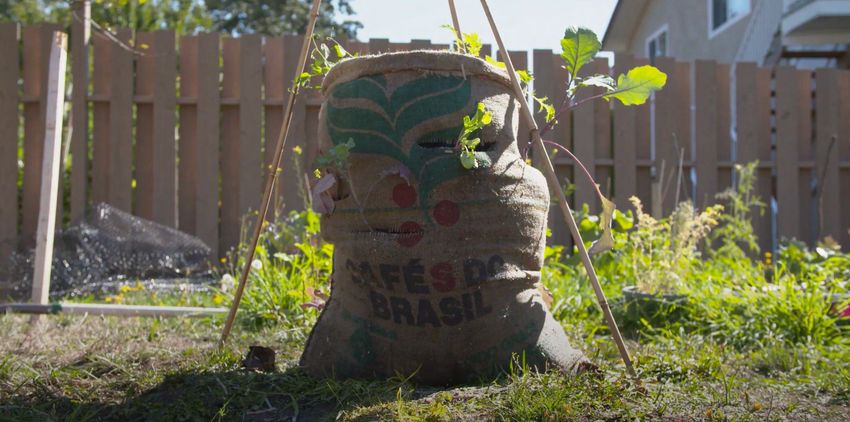
Good Food 2025 is a regional collective impact initiative focused

 2025 GOOD
                                                      on three main areas: Food Literacy, Food Access and Equity, and
                                                      the Local Food Economy. The Community Social Planning Council
                                                      and CRFAIR are working towards developing a framework to

 FOOD GOALS
                                                      monitor progress towards reaching these outcomes and targets
                                                      within the Capital Regional District (CRD). Through a collaborative
                                                      process with the network and community, detailed indicators have
                                                      been developed to track regional progress across impact areas.

          THE VALUE OF SHARED REGIONAL OUTCOMES
             Alignment: Shared regional           Capacity: Shared regional       Advocacy: The indicator
             indicators can help multiple         indicators can help             process is also key to
             organizations across the             support organizations that      regional advocacy; it can be
             food sector come together            have limited capacity to        a process for discussing
             and align for impact and             collect data for monitoring     what we are trying to
             progress towards                     and evaluating.                 accomplish.
             measurable outcomes.

               FOOD ACCESS AND
                    EQUITY                                                FOOD LITERACY
               Target: The number of                                      Target: The number of
               households who report                                      households in the CRD who
               that they are food insecure                                report growing or accessing
               drops by 25% from 14% of                                   healthy,     local,    and
               households in 2012 to 10%                                  traditional food steadily
               by 2025 decreasing food                                    increases from 23% in 2014
               insecurity.                                                to 46% by 2025.

                                        LOCAL FOOD ECONOMY
                                             Target: Local food sourced
                                             for the Capital Region
                                             increases from less than
                                             10%      of   total   food
                                             consumption in 2011 to 25%
                                             by 2025.

                                       LEARN MORE ABOUT THE NEW
                                          METRICS FRAMEWORK

GOOD FOOD NETWORK REPORT | 2020                                                                               | PAGE 3
2020
   CONTINUED
   COLLABORATIONS                                       FOOD LITERACY                       SCHOOL FOOD SHIFT
                                                             STEERING                          COLLABORATIVE
SEED THE CITY, 2020
                                                           COMMITTEE
                                               The Food Literacy Steering Committee        The School Food Shift Collaborative is a
                                               continued     to    support  networking     group of organizations leading efforts at
                                               opportunities for sharing promising         the community level in partnership with
                                               practices and research to align efforts     school, health and food production
                                               more strategically for greater impact.      sectors to improve school food
                                               Supporting Food Literacy efforts in the     environments. In 2020, the collaborative
                                               region as the pandemic began, the           supported the development of the
                                               committee was able to develop a seven-      Healthy School Food Framework as well
                                               part webinar series hosted bi-weekly        as progressed collaborative goals
                                                 discussing topics ranging from food       towards       Healthy     School     Food
                                               waste to restaurants to growing food at     Environments, outlined in the 2020
                                               home. The committee also coordinated        School Food Shift Progress Report. The
                                               the Food Literacy session at the 2020       participating organizations are CRFAIR,
                                               Good Food Summit. 2021 Priorities include   Farm to School BC, Island Health, Food
                                               the Food Security Connections Video         Share Network and LifeCycles. 2021
                                               project whereby individuals who have        priorities include support of the Coalition
                                               faced food insecurity share their           for Healthy School Food and leveraging
                                               experiences, and the development of the     resources and capacity for school garden
                                               Food Literacy Metrics.                      development.
                                                                                               ŚW̱ ,ȻENEṈITEL TEAM (Rose, Tiffany, Shiloh & Kati)

     YOUTH FOOD NETWORK
     The Youth Food Network has focused on the development of the Youth Food                      JUSTICE & BELONGING
     Justice group. This group is focused on developing advocacy skills for youth to                         ADVOCATE
     promote food security in their communities. Since October 2020, the group has         In 2020, Lajah Warren, CRFAIR's Youth
     had monthly check-ins, workshops with local food leaders, and is developing           Network Coordinator, began her work as
     community-based actions focused on their learnings in the community. They             Justice and Belonging Advocate. In this
     have also had leadership opportunities within food-related committees and             role, Lajah supports the organization by
     volunteer opportunities. The Youth Food Network has also created a podcast            ensuring that CRFAIR programming and
     that prioritizes the voices of local youth working on food related initiatives. The   initiatives are rooted in promoting
     podcast, "Sprouting Conversations" has reached 670 subscribers to this date, and      belonging within just and equitable
     has published eight episodes. Moving forward, the Network hopes to connect            spaces grounded on decolonial practices.
     land-based healing in their programming and develop a mentorship program for          Lajah advocates and makes space for the
     youth and local food leaders.                                                         voices of BIPOC and marginalized
                                                                                           communities, ensuring that CRFAIR
                                                                                           honors and continually works towards its
                                                                                           commitment to centering justice and
                                                                                           belonging in their work.

   GOOD FOOD NETWORK REPORT | 2020                                                                                            | PAGE 4
SEVITAITINI WEN
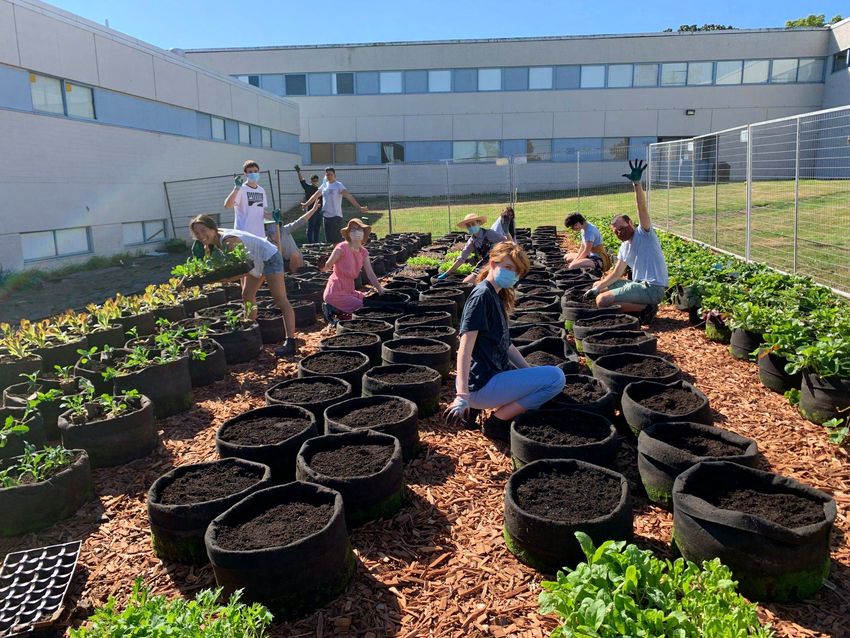
            GROWING TOGETHER
           As the COVID-19 pandemic exacerbated
           food insecurity, disconnected and isolated
           communities from resources, and impacted
           access to local and healthy foods, the
           Growing Together initiative sought to                                      Watch
           mitigate some of the harmful effects of the
           COVID-19 crisis. Growing Together is a
                                                                                      Video
           collaboration between 20+ organizations
           across Coast Salish Territory with a goal of
           supporting people learning how to grow their      GROWING TOGETHER (2020) | @KINGTIDEFILMS

           own food. Intersecting with the 2025 goals
           of increased Food Literacy and Food
           Access, the project in 2020, connected
                                                                    COMMUNITY PROJECTS
           115+ people with mentors, created
           informative how-to garden videos with local
           experts, dispersed food plants to over 300
           seniors in Saanich and supported the City of
           Victoria’s initiative ‘Get Growing, Victoria!’
           which grew over 81,000 plants.
                         LEARN MORE
                                                                     @growing.together.apart

           THE SOUTH ISLAND FARMHUB
            The South Island FarmHub was created in response
            to the COVID-19 pandemic to help farmers and
            communities alike as shifting local and global food
            and economic systems were rocked by the crisis.                                Watch
            As farmers lost valuable buyers with restaurants
            closing in March, communities were simultaneously                              Video
            facing increased levels of food insecurity and
            inaccessibility to local and healthy foods. The SI
            FarmHub was developed in response to these two
            intersecting interests in a win-win situation made
            possible with an injection of funding from the Rapid
            Release Fund. By developing infrastructure for
            aggregation and distribution of local food, local               "I DIDN'T QUITE BELIEVE WHEN IT
            farmers were able to continue distributing their
                                                                            FIRST HAPPENED... [THE SOUTH
                                                                            ISLAND FARMHUB] WAS A REAL
            products to new markets including Schools and                   LIFESAVER FOR OUR FARM"
            Charities, and home deliveries. As we head into
            2021, the SI FarmHub will continue to provide this                                          - MARY ALICE, ALM FARMS
            vital service for communities, organizations and
            farmers.                                                                         LEARN MORE
                    @southislandfarmhub

GOOD FOOD NETWORK REPORT | 2020                                                                                   | PAGE 5
TCAPMI FO SEIROTS
                   Palenke                                     Food
                   Greens                                    Literacy
                                                                    Seed the City is a program for high
                                                                    school students where they gain work
                                                                    experience in gardening and farming,
                                                                    earn credits towards graduation, and
                                                                    become part of the local food
                                                                    movement in their city. During this 8-
                                                                    week summer program, students
                                                                    build community and transferable
                                                                    skills through growing and selling
                                                                    food that is produced on school
                                                                    grounds, and participating in field
                                                                    trips and workshops at local farms.
                                                                    Through this program, students in the
                                                                    Greater Victoria School District are
                                                                    eligible to receive high school course
                                                                    credits.In 2020, Seed the City
                                                                    continued it's programing for it's
Recognizing the pandemic had                                        second year and engaged 11 high
exacerbated systemic pressures for                                  school students in growing, cooking,
many BIPOC communities, who                                         and selling vegetables grown on
have been historically under-                                       school grounds. This project is a
represented in local food systems'                                  partnership     between     LifeCycles,
food security initiatives, Iyé Creative                             TOPSOIL          Innovative      Urban
took bold action and launched                                       Agriculture, and the Greater Victoria
Palenke Greens, an educational                                      School District.
initiative wherein over 54 burlap
sack gardens were created, and
delivered to individuals across the
region. The project inspired the                                               Watch
development of the Palenke                                                     video
Produce Box program which
provided 2,200 pounds of fresh,
locally-grown produce, and locally
crafted canned products from
October-December to community

                                                                                                TCAPMI FO SEIROTS
members facing food insecurity,
and barriers to healthy and
culturally appropriate foods. Iyé
Creative mobilized in community
through an inspiring commitment to
community care and collective
action, prioritizing the stories and
voices of Black, Indigenous and
marginalized folks. Iyé Creative
supports a re-connection to the land
and a revitalization and reclamation
of ancestral practices.

                                       Food
                                      Access
                                                             Seed the
                  GROWING TOGETHER (2020) | @KINGTIDEFILMS
                                                             City                                     | PAGE 6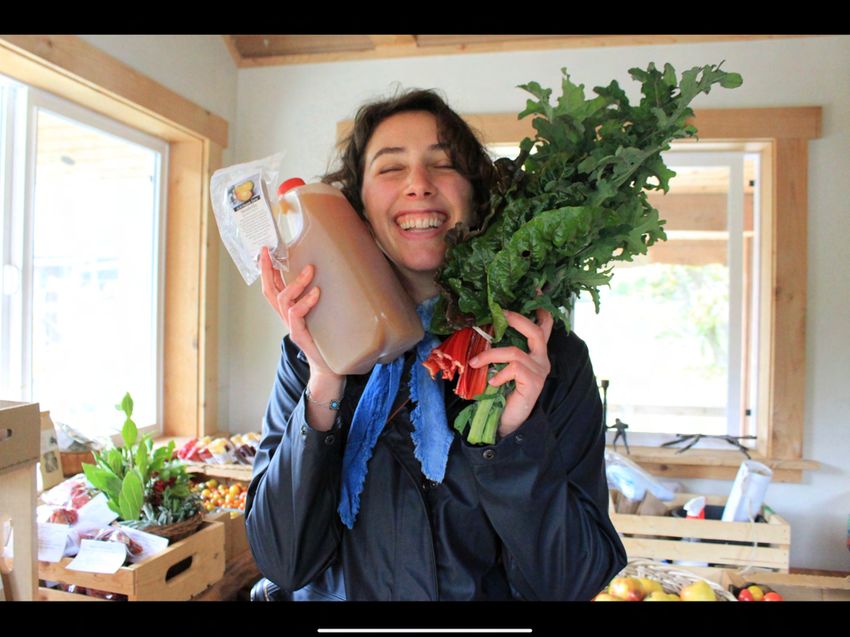
TCAPMI FO SEIROTS
                                                             Food
                                                            Security
                                                                     The Shelbourne Community Kitchen’s
                                                                     mission is to create opportunities for
                                                                     people living on a low income to cook,
                                                                     grow, share and connect for improved
                                                                     health and wellbeing. During the 2020
                                                                     COVID Pandemic, the urgent Food
                                                                     Support Fund raised close to $20,000
                                                                     going directly to funding the Pantry
                                                                     program, a food support program vital in
                                                                     distributing nutritious food to those who
                                                                     need it. The program began distributing
                                                                     food to 70 people twice a month,
                                                                     increased the amount of staple foods;
                                                                     offering healthy drink and snack packs
                                                                     for people experiencing homelessness;
                                                                     and expanded the home delivery system
BioDiversity is a zine that teaches all                              to support the most vulnerable
ages about the history of selected                                   members who could not leave their
Black and Indigenous ecological                                      homes, many of whom are seniors or
stewards. These stewards have                                        individuals with chronic illness. The
worked in the industries of soil health,                             Shelbourne Community Kitchen also
environmental       activism,     plant                              distributed important information about
knowledge and more. The zine,
 created by Zoë-Blue Coates, explains             Food               program updates, government subsidies
                                                                     and emerging community resources via
the role of ecological stewards, and
highlights BIPOC stewards from
                                                Literacy             email, social media and in print.

around the world. This educational
                                                                  Source: Shelbourne Community Kitchen, 2020
tool is critical to Food Justice and
Food Literacy efforts in the region,

                                                                                                               TCAPMI FO SEIROTS
acting as an accessible tool to explain
themes of ecological stewardship and
Food Justice to children. Zoë-Blue
works as the site and education
assistant at the Compost Education
Centre. The centre teaches all ages
about the importance of soil health.

Download the Zine

                 GROWING TOGETHER (2020) | @KINGTIDEFILMS                                                            | PAGE 7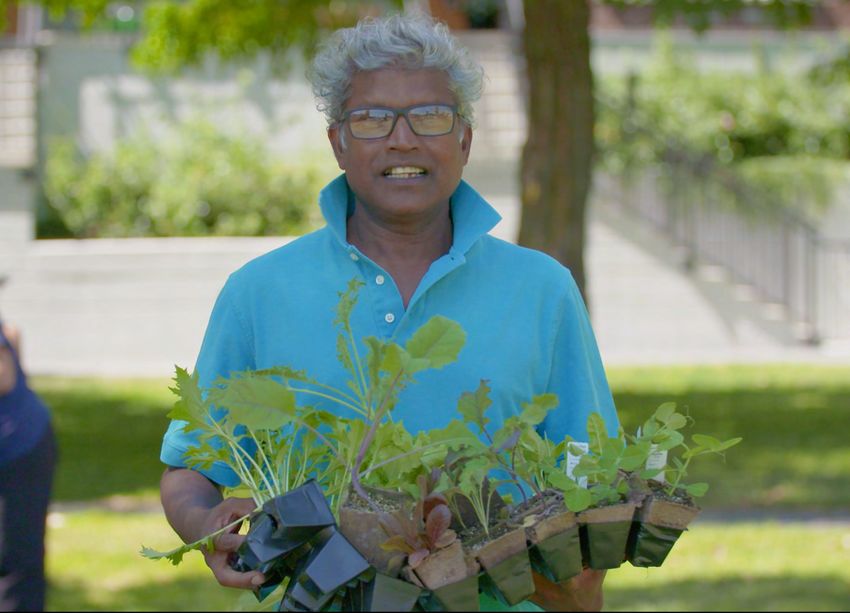
TCAPMI FO SEIROTS

                                          Local Food
                                           Economy

                                                  Approved by the District of North
                                                  Saanich in 2020, the Sandown Centre
                                                  for Regenerative Agriculture has
                                                  begun work on the 83 acres of land to
                                                  support and foster future farmers
                                                  while strengthening the local food
                                                  supply      and    enhancing      food
                                                  biodiversity. Sandown has launched
                                                  the Farmpreneur program, a supported
                                                  incubator plot program that provides
The Rising Economy Taskforce was                  emerging growers with access to land,
launched on April 16, 2020 - in total,            shared infrastructure and ongoing
more than 120 people came together                mentorship. The team received 28
to focus energy on key topics and                 eager applicants, a telling sign of the
priority areas. The economic recovery             demand of this type of program in the
plan outlines recommendations within              region. Sandown's current focus areas
food system work among other                      and priorities are wetlands and water
    sectors      including   supporting           testing, forest steward program and
agritourism through the Flavour Trails            fencing and livestock. You can learn
program, enhancing promotion of                   more here.
buying local food, creating consortium
organizations to aggregate suppliers
to build resilience, and increase funds

                                                                           TCAPMI FO SEIROTS
available for the BuyBC program to
help program partners shift consumer
behaviours to local markets. To learn
more about the Taskforce and read
the recommendations click here.

                             Local Food
                              Economy

                                                                                   | PAGE 8
Local Food Economy | Progress Highlights
Vancouver Island Agriculture & With the dedication of local First
South Island FarmHub
Climate Change Regional Nations, including the Homalco,
aggregates and distributed
Klahoose, K’ómoks, Kwaikah,
Adaptation Strategies series over $250,000 of local food Tla’amin, We Wai Kai and Wei Wai
2020 is released outlining a from famers to schools, Kum First Nations Federal
series of adaptation strategies community organizations, Government announces 18-month
and climate action goals for charities & community phase out of fish farms in Discovery
Vancouver Island. members. Islands.
Learn More Learn More Learn More
Food Access & Equity | Progress Highlights
$151,870 raised by Mustard Seed serves Red Cedar Cafe launches in
Fernwood NRG Gift of 501,000+ meals for April 2020 to provide healthy,
Good Food Fundraiser. individuals experiencing tasty, affordable meals to
Supporting 303 families homelessness and Food seniors, people in self-
with 83528 lbs of produce. Insecurity in Victoria. isolation and other people in
need.
Learn More Learn More Learn More
GOOD FOOD NETWORK REPORT | 2020 | PAGE 9Food Literacy| Progress Highlights
1000 pounds of vegetables W̱SÁNEĆ Ethnobotany Trail &
Growing Together creates Restoration Project, a partnership
were produced by students
a 24 video series with local project between PEPÁḴEṈ
through the Seed the City
farmers and growers to HÁUTW̱ and the Horticulture
Program on two school-yard Centre of the Pacific (HCP)
teach basic gardening
micro-farms (July - August) connects land, language and
skills to the community.
2020. learning.
Learn More Learn More Learn More
NETWORK BOUNTY | HIGHLIGHTS
Online engagement grew by 30%
1700+ have signed the good food
resolution.
Over a $1.2 million generated for Good Food
Network collaborative initiatives with
$360,000 (approximately 30% going directly
to BIPOC LED initiatives)
The Good Food Network created weekly
COVID-19 briefs sent to 70 government and
emergency response agencies to discuss the
impacts of the pandemic on food insecurity in
region.
GOOD FOOD NETWORK REPORT | 2020 | PAGE 9
GOOD FOOD NETWORK REPORT | 2020 | PAGE 10Palenke
PALENKE Amarjit
AMARJIT
GREENS
Greens FOOD CHAMPI Dhaliwal
DHARIWAL
OD O NS
GO
FOOD LITERACY LOCAL FOOD ECONOMY
Ariel Reyes Anutan South Island FarmHub
and Jess Reyes nominated Amarjit
Barton: creators of Iyé Dhariwal of Oceanview
Creative and Palenke Estates for a Good Food
Greens - Palenke Champion award. Amarjit
Greens is a new has been a supporter of
initiative that provided creating a robust local
burlap sac gardens, food economy for many
and now CSA food years.
boxes, to people of
colour within the He is always willing to
Greater Victoria area, attend meetings such as
encouraging people to Farmer Focus Groups,
grow their own food, Vision Viewfield and was
learning food literacy an anchor farmer for
skills while building Closing the Supply Gap
community. Demonstration Project.
Farmhub is especially
grateful for his generosity
in offering his farm as the
Saanich aggregation point
for South Island Farmhub.
Rudi is recognized for La Teranga Culturally
making a significant Relevant Food Baskets -
contribution to the goals this new project from the
of the Good Food African Arts and Cultural
Network, from Contribution Society, has
supporting greater been distributing
access to healthy food, culturally appropriate
to supporting local farm food baskets weekly,
viability to advancing since the start of the
critical work to pandemic, to 120+ black
decolonize and create families of African
new pathways for trust descent in the Greater
based philanthropy Victoria area. The
through the
ŚW̱,ȻENEṈITEL
RUDI LA baskets are individually
tailored, depending on
indigenous foods
initiative .
WALLACE TERANGA where that recipient is
from, providing them food
ACHIEVEMENT AWARD FOOD ACCESS from their homeplace.
GOOD FOOD NETWORK REPORT | 2020 | PAGE112021| Highlights Going Forward
Exploration of a regional food policy council
Expansion of training opportunities and partnerships to
advance equity
Pilot metrics framework- testing indicators
Climate change roundtable
Closing the Supply Gap Symposiums to propel food systems
development and leadership
Explore ways to increase income security in region
increase communications about our work to all decision
makers and stakeholders in the region
A FINAL WORD FROM
THE INCOMING GOOD
FOOD LEADERS CHAIR
"As a relative newcomer to the Good Food Leadership
group, I have been very impressed with their
demonstrated adaptability in a rapidly shifting
landscape. In my role as incoming co-chair I look
forward to building on these successes. In 2021, we
hope to address the need for a Regional Food Policy
Council as a way to support essential policy
development that fosters a vibrant and healthy local
food system. The pandemic has clearly exposed the
depth of food insecurity in our communities. Through
education and advocacy, we will call for income
solutions to food insecurity as the most effective way
to support Canada’s legal obligation under the
International Covenant on Economic, Social and
Get involv
e
Cultural Rights to “respect, protect and fulfil the right
to food”. And we will seek to imbed values and
actions in our food work to actualize true diversity,
da
equity and inclusion. I look forward to sharing this
journey towards food justice with you all."
The Good Food Network
nd conne
Joan Stonehocker | Executive Director Lifecycles goodfoodnetwork.info
Project Society, Good Food Leaders Co-Chair youthfoodnetwork.com
FOR MORE INFORMATION CONTACT @goodfoodsummit
CRFAIR, THE COORDINATING BODY OF @capregfair
THE GOOD FOOD NETWORK AT
c
ENGAGEMENT@CRFAIR.CA
t
GOOD FOOD NETWORK REPORT | 2020 | PAGE 12You can also read


