Quality and Accreditation for Cellular Therapy: A Global Perspective - WBMT
←
→
Page content transcription
If your browser does not render page correctly, please read the page content below
Quality and Accreditation for
Cellular Therapy: A Global Perspective
                    • Dietger Niederwieser, MD, University of Leipzig
 •   Alok Srivastava, MD, Centre for Stem Cell Research & Department of Hematology at
                            Christian Medical College, Vellore
        • Carlos Bachier, MD, Program Director and Processing Facility Director at
                  Sarah Cannon Transplant and Cellular Therapy Program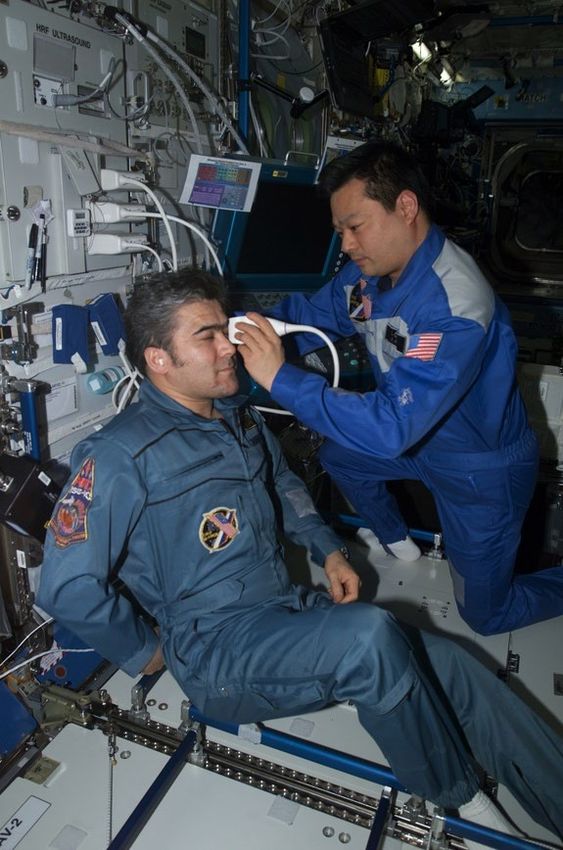
Dietger Niederwieser, MD
              Dr. Dietger Niederwieser is a Professor of Medicine at the
              University of Leipzig. Prof. Niederwieser joined the University
              Hospital Leipzig in 1998, where he became the Chairman of the
              Department of Hematology, Oncology, and Hemostaseology. He
              has authored over 600 publications in peer-reviewed journals
              and has held a number of society memberships. He was
              appointed as President of the EBMT in 2006 and as president of
              the Worldwide Network for Blood and Marrow Transplantation
              WBMT in 2011. He is currently the chair of the AML Working
              Party of the OSHO (East German Study Group Hematology and
              Oncology) and will present evaluations of the AML studies.
Alok Srivastava, MD
               Dr. Alok Srivastava is Professor of Medicine at the Christian
               Medical College in Vellore, India. He is the head of the
               Centre for Stem Cell Research at the same institute where a
               major focus is on gene therapy for the common inherited
               hematological diseases. He is Secretary of the Indian Society
               for Blood and Marrow Transplantation and co-chair of the
               Executive Board of the Asia Pacific Blood and Marrow
               Transplant group.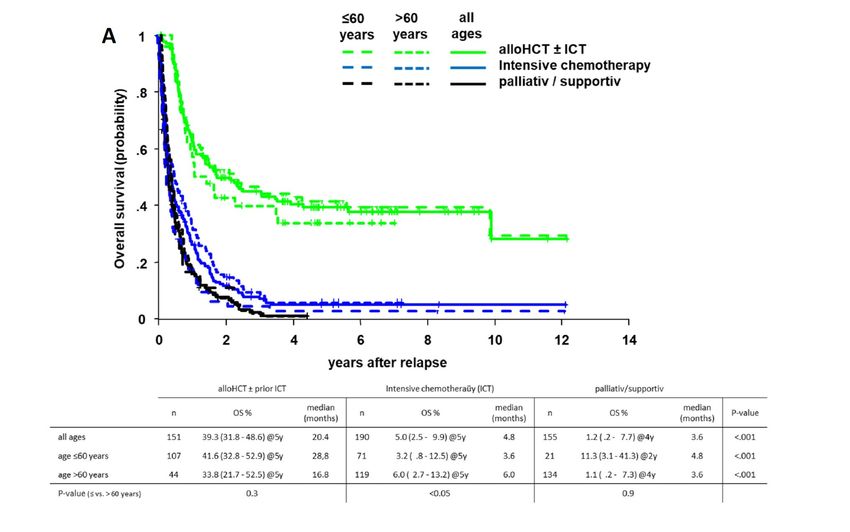
Carlos Bachier, MD
               Dr. Carlos R. Bachier joined Sarah Cannon in 2015 and serves as the director of
               cellular research. As part of his role, he designs and leads the clinical trial menu
               for stem cell transplant at the Sarah Cannon Center for Blood Cancer at TriStar
               Centennial in Nashville.

               Dr. Bachier has worked as an inspector for the Foundation for the Accreditation
               of Cellular Therapy (FACT) since 2003. He is a member of the FACT Cellular
               Therapy Accreditation and Global Affairs Committees. He serves on the
               Immune Effector Cell Standards Subcommittee and Immune Effector Cellular
               Therapy Task force. Dr. Bachier is also a member of the Board of Directors and
               Executive Committee for FACT.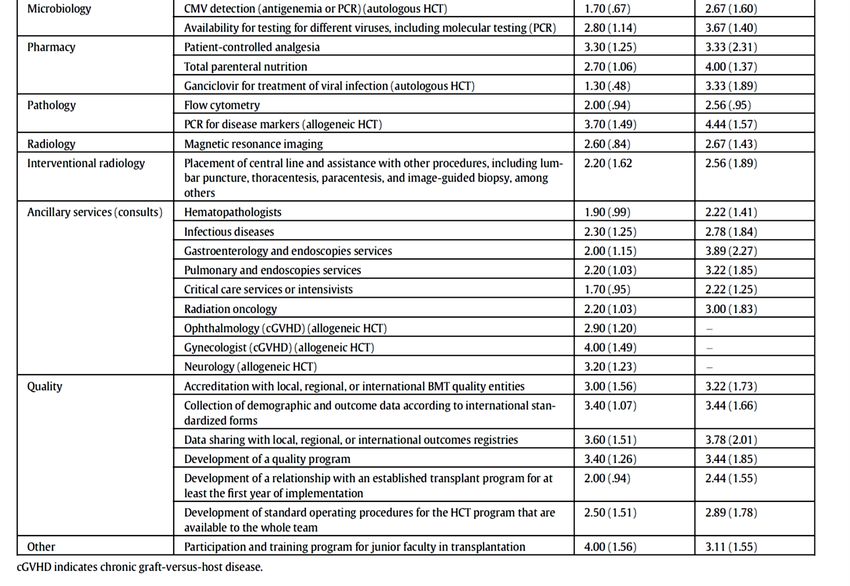
Establishing an HSCT Program:
       Essential Requirements
                    Presnted by: Dietger Niederwieser, MD
                                      University of Leipzig
   Worldwide Network for Blood and Marrow Transplantation
              NGO in official relations with World Health Organization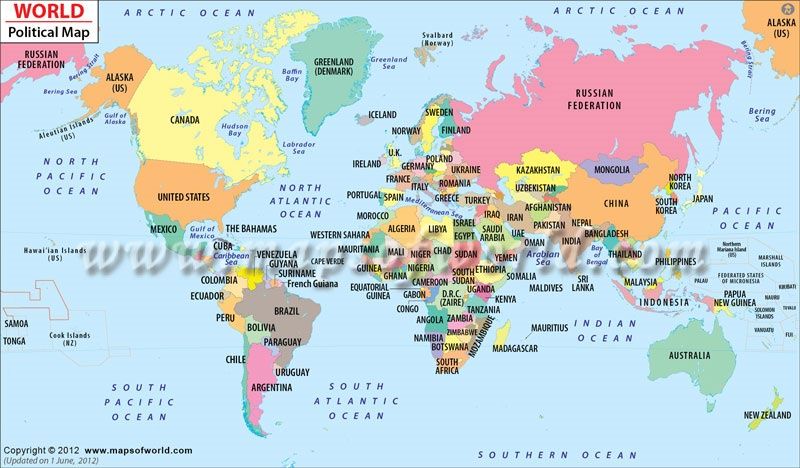
Mission of WBMT

     Promote excellence in stem cell
transplantation including cellular therapy
             at a global level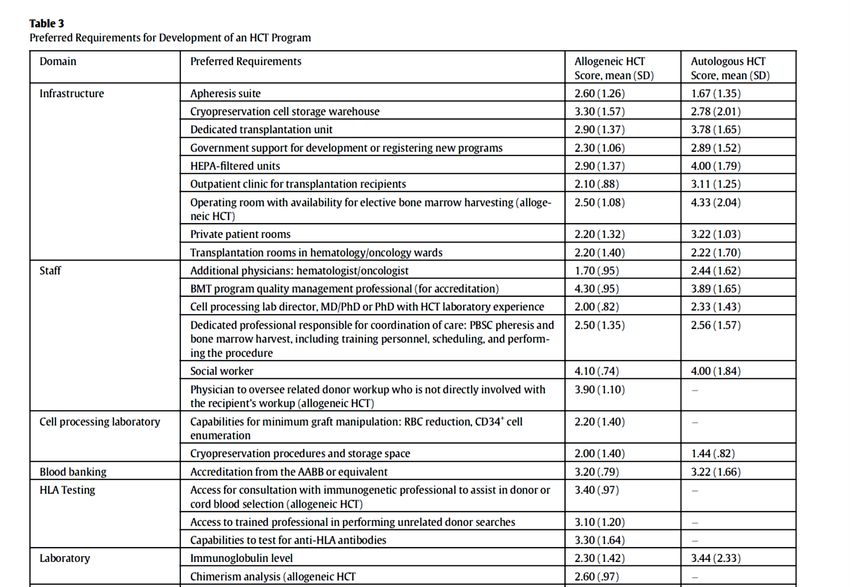
AML Results in First Relapse

                               Heinicke et al. Annals of Haematology 2021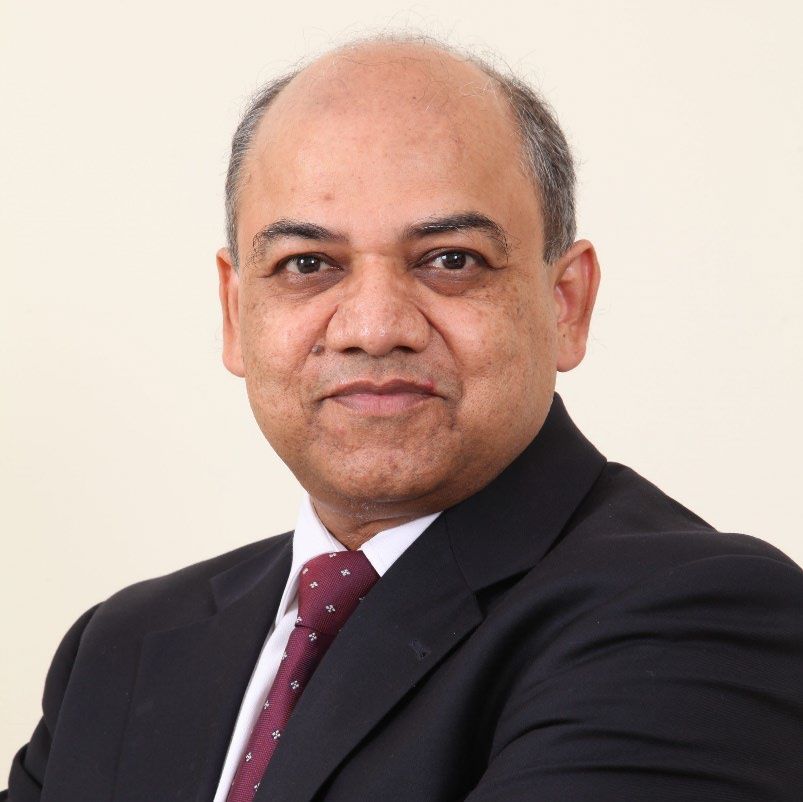
Donor type and stem cell
                                source availability
                             Related, unrelated donors and cord blood               Economics
    Patients                                                                       Country of origin
  Demographics                                                             Gross national income per capita
   Age, gender, race,                                                       Health expenditure per capita
  language and socio-                                                        Human Development Index
    economic status                                                              Insurance coverage

                                      Access to
                                      Allo-HCT

       Social                                                               Health care system
Geographical distance
                                                                                    Transplant rate
Patient/family attitudes
                                                                              Transplant center density
Availability of caregivers
                                                                            Infrastructure and complexity
                                          Provider                              Public and private care
                                   Physian referall and indications     National and International regulations
                                    Provider attitudes and biases
Increasing access to HCT worldwide
                  Target                                            Topic                                                  Actions
 Benchmarking activities among countries
                                           Global HCT activity reports                             Biannually survey since 20064,6,47–50
 and regions

                                           Alerting health authorities and politicians about the Organization of WBMT workshops in cooperation
                                           need for programs in countries with low HCT activity with WHO51

                                           Essential medication                                    Published previously52
                                           Training of physicians, nurses, technicians, and data   Scientific societies; accredited transplant centers
 Starting new programs
                                           manager
                                           Infrastructure                                          Define essential infrastructure37,53

                                           Site visit from experienced physicians                  Role of scientific societies

                                           Financial aspects                                       Optimize treatment
                                           Twinning and telemedicine                               Supervisory telemedicine42
                                           Outcome registries                                      Establish outcome registries
                                                                                                   Analysis of different techniques54
                                           Accreditation                                           Liaise with JACIE/FACT
                                           Utilization of HCT worldwide                            Analyzing incidence (tumor registries) and HCT
                                                                                                   activities for each disease in regions and countries55
 Optimizing existing programs

                                           Establishing alternate donor registry                   Describe challenges in developing countries56

                                           Establishing clinical studies                           Structures for local registries, non-interventional,
                                                                                                   interventional studies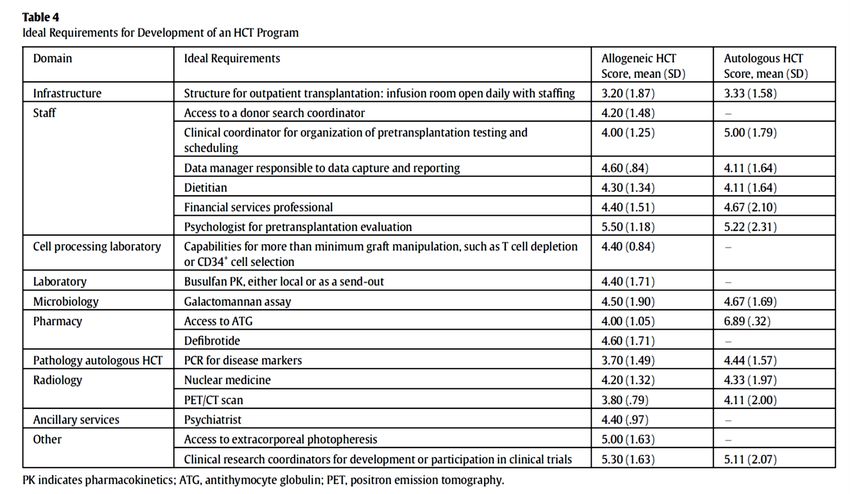
Transplant rate (TR) by world region and HCT type (2016)
                 REGION                    Allogeneic HCT Autologous HCT                        Total

       USA/Canada                              227                            334               561

       Europe                                  181                            258               439

       LABMT                                    30                             47                77

       Asia Pacific                             34                             20                54
       Eastern
                                                22                             14                36
       Mediterranean
       Africa                                    5                              5                9
                                                     Niederwieser D et al. Haematologica 2021

        TR, HCT / 10 million population.
WBMT Global Survey 2015
Transplant Rates per 10 million population
Allogeneic HSCT in 2015
0 or no report Hong Kong
1 - 10 Singapore
11 - 50
51 - 250
> 250Teams, Teams Density and HCT/Team Worldwide
Niederwieser D et al. Haematologica 2021Trends in HCT use and teams
90000 1800
80000 1600
70000 1400
HCT teams (n)
60000 1200
HCT / year (n)
50000 1000
HCT/team
40000 800
HCT (n)
30000 600 teams (n)
20000 400
10000 200
49.8
49.1
47.3
45.2
43.5
41.7
39.8
37.5
36.7
35.2
35.1
0 0
Niederwieser D et al. Haematologica 2021Recommendations for Establishing a HSCT Program
Pasquini MC et al. BBMT 25 (2019) 2322-2329 Aljurf M. et al. BBMT 25 (2019) 2330-2337
H. Baldomero 3.2013Recommendations for Establishing a HSCT Program
Pasquini MC et al. BBMT 25 (2019) 2322-2329
H. Baldomero 3.2013Recommendations for Establishing a HSCT Program
Pasquini MC et al. BBMT 25 (2019) 2322-2329
H. Baldomero 3.2013Recommendations for Establishing a HSCT Program H. Baldomero 3.2013 Pasquini MC et al. BBMT 25 (2019) 2322-2329
Recommendations for Establishing a HSCT Program

H. Baldomero 3.2013     Pasquini MC et al. BBMT 25 (2019) 2322-2329
Recommendations for Establishing a HSCT Program
H. Baldomero 3.2013
Pasquini MC et al. BBMT 25 (2019) 2322-2329Recommendations for Establishing a HSCT Program
Pasquini MC et al. BBMT 25
(2019) 2322-2329Recommendations for Establishing a HSCT Program H. Baldomero 3.2013 Pasquini MC et al. BBMT 25 (2019) 2322-2329
Mission of WBMT
Provide a list of essential medication for stem cell transplantation
Complex system:
     I. Price
     II. Availability
     III. Affordability
     IV. R&D
     V. Transparency of pricing and prices
     VI. Unintended negative consequences
     VII. Registration
Essential Medications
El Fakih R et al. Transplantation and Cellular Therapy 27 (2021) 267e1-267e5Stages of Development of HCT Programs
El Fakih R et al. Transplantation and Cellular Therapy 27 (2021) 267e1-267e5Essential Medications
El Fakih R et al. Transplantation and
Cellular Therapy 27 (2021) 267e1-267e5Cost Reduction Using Biosimilars
H. Baldomero 3.2013
Aljurf et al. BBMT 25 (2019) 2330-2337Population´s Age in Developing and Developed Countries
Aljurf M. et al. BMT 54 (2019) 1179-1188Location of Unrelated Donor Registries
Aljurf M. et al. BMT 54 (2019) 1179-11882012-2018 Trends - Donor Source for Allo
LABMT 2012 - 2018
1000
900
800
700
600
500
400
300
200
100
0
2012 2013 2014 2015 2016 2017 2018
HLA Id Sib/Twin Haplo UnrelatedTelemedicine History Einthoven W. Le télécardiogramme [The telecardiogram]. Archives Internationales de Physiologie, 1906, 4:132–164. Courtesy of D. Vaitiekus
Telemedicine (TM) program for HSCT
 1)   Training in a JACIE accreditated HSCT Center (6 months)

 2)   Establishment of core facilities in Kaunas

 3)   Site visit to the facilities

 4)   Selection of local experienced hematological staff

 5)   Start the program with protocols in place under supervision of experienced
      director (8/2015)
                                                                        n
                              TRM at 90 days                          1,4%
                              OS @ 1 years                           92,6%
                              OS @ 2 years                           88,4%
                              OS @ 3,5 years                         88,4%
                              PFS 3,5y                               63,8%
Increasing Access to HCT
Collaboration among
international organizations
Promote quality and
safety
Use of telehealth systems
Wearable devices
Research agenda focused on
Use of articifial issues affecting resource-
intelligence constrained populationsTHANK YOU!
Development of a Quality
Program in the Asia-Pacific
Region
• Presented by: Alok Srivastava, MD
• Centre for Stem Cell Research &
Department of Hematology at Christian
Medical College, Vellore
Asia Pacific region : ~50-55% of the world population
  2 most populous countries : ~40% of the world population
Very high economic & socio-cultural diversity within the region
Christian Medical College, Vellore, India Hematopoietic Stem Cell Transplantation Program *Established 1986: Within a multi-specialty university affiliated tertiary care hospital (established in 1900) -Currently with ~2500 beds Expanding to 3500 beds (later in 2021) -1 bed unit 3 bed unit 8 bed unit 18 bed unit 30 bed unit (later in 2021) *Annual HSCT number: 275-300 HSCTs (adult & pediatric) -200-225 allogeneic HSCTs -75-100 autologous *Quality program for Hospital: Accredited with National Boards -NABL / NABH in India *Quality program for HSCT -No specific accreditation for HSCT program but all HSCT related processes conducted as per written / reviewed protocols -Weekly review / audit of deaths / other unexpected adverse outcomes -Data submitted to CIBMTR (Undergone 2 CIBMTR audits successfully!)
Tata Medical Centre, Kolkata, India
Hematopoietic Stem Cell Transplantation Program
*Established May 16, 2011: Within a multi-specialty tertiary cancer hospital -Currently with ~400
beds
-9 bed HSCT unit (adult & pediatric)
*Annual HSCT number: ~75 (allo & auto together)
*Quality program for Hospital: Accredited with National Boards
-NABL / NABH in India
*Quality program for HSCT
-In the process of FACT accreditation
-Effort on for last ~3 years with one dedicated faculty coordinating
-“Self-assessment tool kit” - 4 sections: Clinical program; BM Collection; Apheresis; Cell Processing
-~700 items each, to understand and standardize policies & documents
-“Still working on the latest FACT Standards (8th Edition) published last month”
Very significant resources required for preparing for such accreditation
Information courtesy – Rizwan Javed / Mammen Chandy, TMCQuality Programs & HSCT in the Asia – Pacific Region
*Extremely low overall HSCT density
*Many countries / regions within countries lack expertise /infrastructure for HSCT
*Training manpower for HSCT a major requirement
*Significant proportion of HSCT activity in the ‘private’ healthcare sector in several
countries (‘user pay system’)
*Advocacy for government support for HSCT essential
*Establishment of quality programs impacted by these considerations
Quality Programs for HSCT – Absolutely essential
-Challenge is making it possible in a practical model applicable in all
HSCT centres all over the world!THANK YOU!
FACT-JACIE Accreditation in
             Latin America
                             Presented by: Carlos Bachier, MD
              Program Director and Processing Facility Director
        Sarah Cannon Transplant and Cellular Therapy Program
Background
• FACT-JACIE International Task Force
• The Latin American Bone Marrow Transplantation Group (LABMT)
sought guidance from FACT and JACIE to develop accreditation
programs.
• To provide uniform guidance, a FACT-JACIE International Task
Force was developed in 2015 with representation from FACT, JACIE
and the LABMT.Purpose
The FACT-JACIE International Task Force evaluates and
develops a collaborative approach for global accreditation
of transplant centers in regions outside of North America,
Europe, Australia and New Zealand.Initial Roster
FACT-JACIE INTERNATIONAL TASK FORCE
CO-CHAIR - JACIE
CHAIR - FACT John Snowden BSc (Hons), MBChB,
Carlos Bachier, MD MD, FRCP, FRCPath
Sarah Cannon Blood and Marrow Transplant Program Sheffield Teaching Hospitals
NHS Foundation Trust
Utrecht,
Jaap-Jan Boelens, MD, PhD JACIE Wilhelmina Children’s Hospital
Netherlands
Anna Sureda, MD, PhD JACIE Institut Català d'Oncologia, Hospital Duran i Reynals Barcelona, Spain
Rafael Duarte, MD, PhD JACIE University Hospital Puerta de Hierro Majadahonda, Madrid, Spain
Hugo Fernandez, MD FACT Moffitt Malignant Hematology & Cellular Therapy Pembroke Pines, FL
Phyllis Warkentin, MD FACT University of Nebraska Medical Center Omaha, NE
Edwin Horwitz, MD, PhD ISCT Nationwide Children’s Hospital Columbus, OHCurrent Task Force and Staff FACT JACIE Staff Carlos Bachier Kim Orchard Magaly Unruh, FACT Daniel Couriel Isabel Sanchez-Ortega Suzanne Birnley, FACT Phyllis I. Warkentin John Snowden Raquel Espada, JACIE Joan Garcia Lopez Ángela Ruso Martha Saldivar, JACIE Linda Miller, MPA Eoin McGrath
International Accreditation Program Development
 • Determine cost of accreditation in both developed and emerging or
   low-to-middle income countries (LMIC) countries.
 • Offer traditional full accreditation process at discounted price for
   advanced programs ready to be inspected.
 • For developing centers, determine Stepwise Accreditation Process
   including length of inspection cycles, inspection team composition,
   language of inspections (English vs primary language of program), and
   educational support.
 • Develop an action plan and timeline for the International Accreditation
   Program along with an approach to accreditation in incremental steps.
Stepwise Accreditation Program

                  01                           02                            03

              Preliminary                Intermediate                   Accredited
          Focus on quality systems    Build on the established      Evaluates the effectiveness
          and ensure operations for   foundation to develop a       of the quality program;
          patient and donor safety    complete quality management   ensures reporting to the
          .                           program                       appropriate regulatory and
                                                                    accrediting agencies; and
                                                                    evaluates clinical outcomes.
Stepwise Accreditation Program
International Accreditation Program
      Determine international accreditation program structures.

                  Step 3

                 Step 2

               Step 1
           Stepwise Accreditation        Full Accreditation
Stepwise Accreditation Program • Certification cycle = 2 years • Programs will be permitted a maximum of two years before being required to complete the next step in the process • Programs will be allowed to remain at the same step for two cycles. However, the program will be required to undergo another onsite inspection for that same step • By achieving compliance with all three steps, programs will meet FACT requirements and be granted accreditation • Accreditation will be valid for three years
International Accreditation Options
               Full Accreditation                Stepwise Accreditation

  Timeframe:   Inspected once every 3 years      Inspected at each step = 2 years

  Status:      Accreditation upon successful     Certification upon successful
               compliance with all Standards     compliance with Standards at each step

  Cost:        Emerging Economy Discount         $3,000/year ($6,000 for 2-year cycle)
               30% off full accreditation fees
FJI Accreditation Program – Organizational Chart
FJI Accreditation
Program –
Organizational
Chart
Activities
             Pilot Centers Two initial centers selected for the FJI Stepwise Accreditation Program
                             have undergone inspection. One center certified for step 1.
   01
                             One program that is preparing for reinspection to complete the first step, two
             Additional      programs are in the process of getting ready for inspection of step one, Seven
   02        Centers         programs are in the process of completing the compliance and preparing for
                             inspection, and two programs are working on the eligibility application.

             Standards       The 8th Edition FACT-JACIE International Standards for Hematopoietic Cellular
   03        Translation     Therapy have been translated to Spanish and are now available.

             On Demand       A dedicated web page for the FJI Program is under development and will include

   04        Education       access to recorded webinars in Spanish.
Global Affairs
Committee
Chair: Nadim Mahmud
Vice Chair: Carlos Bachier
Latin America Asia-Pacific
Subcommittee Subcommittee
FACT-JACIE FACT-SBTMO India New China
Task Force Working Group Working Group Working Group
Chair: Carlos Bachier Chair: Carlos Bachier Chair: Nadim Mahmud Chair: Nadim MahmudFACT-SBTMO Joint Accreditation Program in Brazil
FACT-SBTMO TASK FORCE
First meeting of the FACT-SBTMO Task Force to review strategy for
joint accreditation in Brazil occurred on October 17, 2018
• 7th Edition Cell Therapy Standards translated to Portuguese.
• BMT survey sent to 96 transplant centers in Brazil to assess
transplant activity, personnel, facilities, and quality systems.
• 20 transplants centers indicated interest in participating in
accreditation process.FACT-SBTMO Joint Accreditation Program in Brazil
FACT-SBTMO STRATEGY FOR ACCREDITATION
• Effort aims to:
• Improve quality and patient safety at cellular therapy programs.
• Increase access for patients to internationally accredited transplant
programs in Brazil.
• Provide an accreditation program at an affordable cost.
• FACT-SBTMO Task Force Meeting on July 31, 2019 to:
• Define the objectives, services, organizational structure, management,
and financial plan to administer the joint accreditation program.FACT-SBTMO Joint Accreditation Program in Brazil
Development of Accreditation Program
To facilitate the accreditation program and provide assistance to
applicant transplant centers, the following is being developed:

             Education           Regional           Accreditation
                                 Inspectors         Committee
             Online              Affiliated with    Membership
             webinars            applicant or       from FACT
             In-person           accredited         and SBTMO
             workshops           program            leadership
International Accreditation Program: Education
Webinars Workshops
Website: www.factwebsite.orgQuestion and Answer
SessionTHANK YOU
You can also read


