Queensland Ecotourism Plan 2016-2020 - Queensland Parks ...
←
→
Page content transcription
If your browser does not render page correctly, please read the page content below
Department of National Parks, Sport and Racing

Queensland Ecotourism Plan
                               2016–2020
Prepared by: Queensland Parks and Wildlife Service,
                                Department of National Parks, Sport and Racing.

                                ©State of Queensland, 2016.

Bp2128. September 2016.
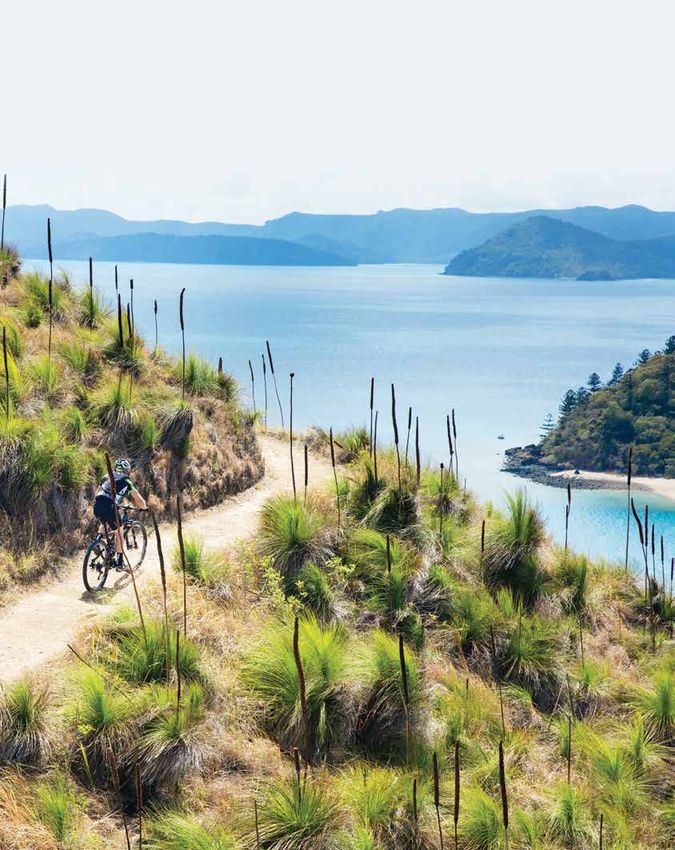
Front cover: Mountain biking, South Molle Island. Photo: © Justin Heitman.
Photos right: © Queensland Government.
All other photos are © Tourism and Events Queensland unless otherwise specified.

The Queensland Government supports and encourages the dissemination and exchange of its information.
The copyright in this publication is licensed under a Creative Commons Attribution 3.0 Australia (CC BY) licence.

Under this licence you are free, without having to seek our permission, to use this publication in accordance with the licence terms.

You must keep intact the copyright notice and attribute the State of Queensland as the source of the publication.

For more information on this licence, visit http://creativecommons.org/licenses/by/3.0/au/deed.en

If you need to access this document in a language other than English, please call the Translating and Interpreting Service
(TIS National) on 131 450 and ask then to telephone Library Services on +61 7 3170 5470.

This publication can be made available in an alternative format
(e.g. large print or audiotape) on request for people with vision
impairment; phone +61 7 3170 5470 or email library@npsr.qld.gov.au.
Queensland Ecotourism Plan 2016–2020

Foreword
Our breathtaking natural environment in Queensland inspires millions of visitors every year.

From the world-heritage Great Barrier Reef to the subtropical rainforests of the Gold Coast hinterland
—a Queensland ecotourism experience is unmatched anywhere in the world.

The care and sustainability of our natural and cultural assets makes our ecotourism industry strong.

We have an opportunity to build our reputation around the world as a tourism destination focussed
on conservation of our diverse landscape, unique natural wonders and significant cultural heritage.

The Queensland Ecotourism Plan 2016–2020 points to a better way forward in partnership with the
tourism industry, Traditional Owners, conservation and research sectors and the community.

It is through these partnerships that we will seize the opportunity to create visitor experiences
unique to Queensland and inspire learning, conservation and memories.

The plan sets out our vision to support sustainable growth, protect the environment and deliver new
ecotourism experiences for our visitors.

We are confident this plan will guide our ecotourism industry from strength to strength.

The Queensland Government looks forward to working with you to see the vision we share for
a prosperous future become a reality.

Steven Miles MP                                                Kate Jones MP
Minister for Environment and Heritage Protection and           Minister for Education and
Minister for National Parks and the Great Barrier Reef         Minister for Tourism and Major Events

                                                                                                                               iii
Contents
Foreword.....................................................................................................................................iii

Executive summary......................................................................................................................1

Setting our new direction............................................................................................................2

A fresh approach to ecotourism in Queensland ...........................................................................2

What is ecotourism......................................................................................................................4

The value of ecotourism...............................................................................................................4

Our partnerships.........................................................................................................................6

Meeting the challenges...............................................................................................................8
Focus on visitor experience........................................................................................................... 8
Foster investment and innovation................................................................................................. 9

Our vision ...................................................................................................................................10

Our guiding principle...................................................................................................................10

Our promise ................................................................................................................................10

Our strategic directions...............................................................................................................10

1. Driving innovation in ecotourism experiences..........................................................................12

2. Showcasing the world renowned Great Barrier Reef ................................................................13

3. Stimulating investment in new and refurbished ecotourism opportunities...............................14

4. Expanding authentic Indigenous ecotourism experiences........................................................14

5. Promoting Queensland’s world-class ecotourism experiences.................................................16

Action plan..................................................................................................................................18

Action plan (continued)...............................................................................................................20

Appendix 1..................................................................................................................................21
Actions from Reef 2050 Long-Term Sustainability Plan................................................................... 21

Appendix 2..................................................................................................................................22
Key to acronyms........................................................................................................................... 22

iv
Queensland Ecotourism Plan 2016–2020

Executive summary
The Queensland Ecotourism Plan 2016–2020 (the plan) responds to the changes and challenges impacting the tourism industry
and presents a fresh approach to ecotourism.

   Our vision for            Queensland is an internationally celebrated ecotourism destination, delivering
   ecotourism in             world-class interpretation and experiences that support the conservation of
   Queensland                special natural places and unique Indigenous and cultural heritage.

    Our guiding              Queensland’s treasured natural and cultural assets will be protected
     principle               and conserved for current and future generations to enjoy.

   Our promise               Unforgettable ecotourism experiences that exceed visitors’ expectations
       to our                and create lasting memories of Queensland’s outstanding natural and
      visitors               cultural areas and unique wildlife.

The plan’s vision, guiding principle and promise set our path       right ecotourism product or development in the right location
for the sustainable development of Queensland’s ecotourism          undertaken by the right proponent.
industry. The plan will foster best practice, innovative
development that provides a positive contribution back to           Authentic cultural experiences present a unique prospect to
Queensland’s natural areas and cultural heritage assets,            extend Queensland’s competitive advantage. Opportunities for
community and economy. The plan also complements the                Indigenous ecotourism will be supported and progressed in
strategic priorities within Advancing Tourism 2016–20 (draft).      partnership with local Indigenous groups.

To achieve our vision and deliver on our promise, the plan          A further priority is to reach and effectively engage with visitors in
outlines five new strategic directions:                             a way that inspires them to visit and spend time in Queensland’s
                                                                    national and marine parks and other natural areas. The focus will
1. Driving innovation in ecotourism experiences.                    be on raising the profile of our World Heritage areas and other
2. Showcasing the world renowned Great Barrier Reef.                special places through innovative interpretation, the smart use of
                                                                    consumer-orientated technology and communication strategies.
3. Stimulating investment in new and refurbished
   ecotourism opportunities.                                        With Queensland’s natural environment as its strongest
                                                                    competitive advantage, and the concerted efforts of the
4. Expanding authentic Indigenous ecotourism experiences.
                                                                    Queensland Government and tourism industry, ecotourism is
5. Promoting Queensland’s world-class ecotourism experiences.       now an important driver towards increasing visitor expenditure
                                                                    in Queensland.
Continued commitments to conserving our natural assets and
collaboration and partnerships are cornerstones of the plan.
Striking a balance between encouraging best practice ecotourism
experiences that showcase Queensland’s unique natural
landscapes, cultural heritage, wildlife and special places and
protecting the environments that visitors have come to
enjoy, is critical. Prospective developments will be
required to meet the highest environmental
standards and industry practices. A cross-
agency approach will be vital to attract
new investment that delivers the
                                                                                                                                             Cape Hillsborough National Park

                                                                                                                                        1
Setting our new direction                                                   A fresh approach to ecotourism
                                 The plan is the culmination of collaboration between the
                                 Queensland and Australian governments, the tourism industry
                                                                                                             in Queensland
                                 and other stakeholders. Public consultation was invited through             Proudly, Queensland has nine million hectares of terrestrial
                                 an online survey and written submissions. A cross-section                   protected areas2 and over eight million hectares of marine park
                                 of the community provided feedback, including the tourism                   and fish habitat areas encompassing world-class national and
                                 industry, conservation and research sectors, Traditional Owners,            conservation parks, marine reserves and five World Heritage
                                 community groups, key stakeholders and individuals.                         areas. Queensland is one of the most naturally diverse places
                                                                                                             on earth. Its landscapes include extensive reefs, Gondwanan
                                 An independent evaluation1 of the feedback revealed six                     rainforests and remote deserts, which can showcase
                                 recurring messages:                                                         iconic wildlife and unique cultural heritage. These unique
                                 • Protection and conservation of national parks and natural                 characteristics form a valuable competitive advantage for the
                                   assets should be the first priority for ecotourism planning.              tourism industry—experiencing nature is a primary motivator
                                                                                                             for domestic and international visitors’ travel to Queensland.
                                 • Protect the Great Barrier Reef.
                                                                                                             Today’s visitors want to explore and interact with wilderness
                                 • Engage in genuine collaboration with community sectors
                                                                                                             places, find hidden gems, connect with people and nature,
                                   and Traditional Owners.
                                                                                                             and create lasting memories.
                                 • Interpretation is integral to delivering high quality visitor
                                   experiences, including provision of Indigenous guides.                    The Queensland Ecotourism Plan 2016–2020 advances
                                                                                                             a fresh approach to ecotourism in Queensland to attract
                                 • Assist tourism operators in navigating regulatory and                     visitors who have the choice of many ecotourism destinations.
                                   approvals processes.
                                 • Recognise and incentivise high quality certified
                                                                                                             2 Terrestrial protected areas include national parks, conservation parks, nature refuges and
                                   ecotourism operators.                                                     coordinated conservation areas. Marine protected areas include marine parks, marine national
                                                                                                             parks and declared fish habitat areas.
                                 This feedback was considered in developing the plan.

                                 1 The independent evaluation was undertaken by Arcadis Australia Pacific.
Joseph Banks Conservation Park

                                 2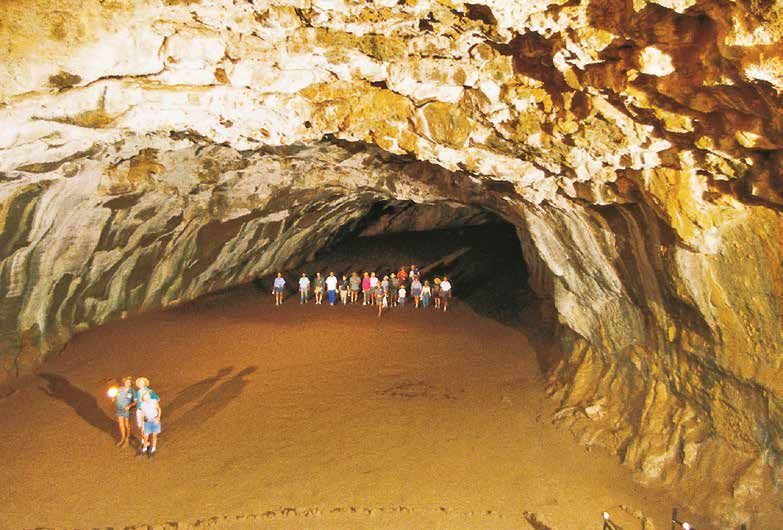
Queensland Ecotourism Plan 2016–2020

The Queensland Government will partner with private proponents
and ecotourism partners to ensure visitors have special
experiences in Queensland’s special places.

This fresh approach requires the dual focus of delivering best
practice, innovative ecotourism experiences and conserving
Queensland’s natural and cultural assets. It also demands
continued collaboration between the tourism industry,
Traditional Owners, the conservation and research sectors,
community and government. By working together, it will be
possible to enhance the quality of Queensland’s special places
and the visitor experiences they support.

  The Great Barrier Reef
  The iconic Great Barrier Reef (the Reef) is one of the most
  precious ecosystems on Earth and a significant part
  of Queensland’s identity. Stretching more than 2,300
  kilometres along the Queensland coast and covering an
  area of 348,000 square kilometres, it is the only living
  structure on earth visible from outer space. One of the
  seven natural wonders of the world, this majestic reef
  system is loved by Australians and more than 1.9 million
  visitors from across the globe who come to see it each
  year. It is also critical to the cultural, economic and social
  wellbeing of more than one million people who live in
  its catchment.

  For Traditional Owners the Reef is a place of great
  significance. They maintain a unique and continuing
  connection to the Reef and adjacent coastal areas.
  This connection to their land and sea country has
  sustained Traditional Owners for millennia—spiritually,
  culturally, socially and economically.

  Reef tourism plays a key role in shaping the experience
  and opportunities for ecotourism on the Great Barrier
  Reef. A cross-agency approach, working with industry,
  conservation and research sectors is essential to ensure
  ecotourism experiences showcase and protect the Reef’s
  natural integrity and cultural values.

  The Commonwealth and Queensland Government’s Reef
  2050 Long-Term Sustainability Plan (Reef 2050 Plan)
  provides a framework for protecting the values of the Great
  Barrier Reef to ensure its future health. The Reef 2050 Plan
  recognises the relationship between Reef health and the
                                                                                                          Snorkelling, Whitsundays

  viability of Reef-dependent industries such as tourism and
  the ongoing economic benefits and community wellbeing
  the Reef affords.
  Source: Reef 2050 Long-Term Sustainability Plan

                                                                                                     3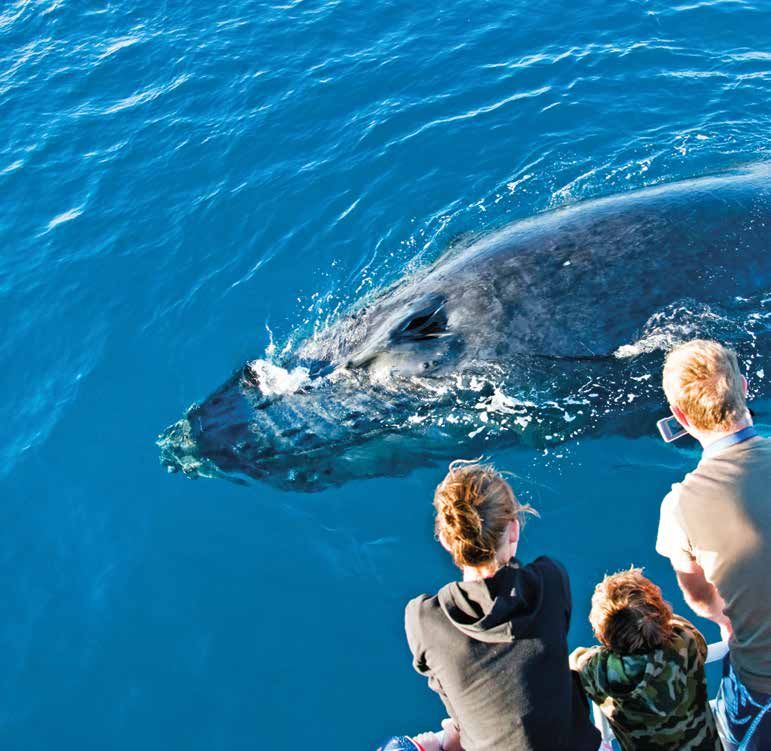
What is ecotourism
                                Ecotourism encompasses nature-based experiences that                      In the year ended March 2016, over 20 million Australians visited
                                increase visitor appreciation and understanding of natural                Queensland. Domestic overnight visitors spent $14.6 billion
                                and cultural values. These are experiences that are managed               and domestic day visitors spent $4.4 billion, with the majority
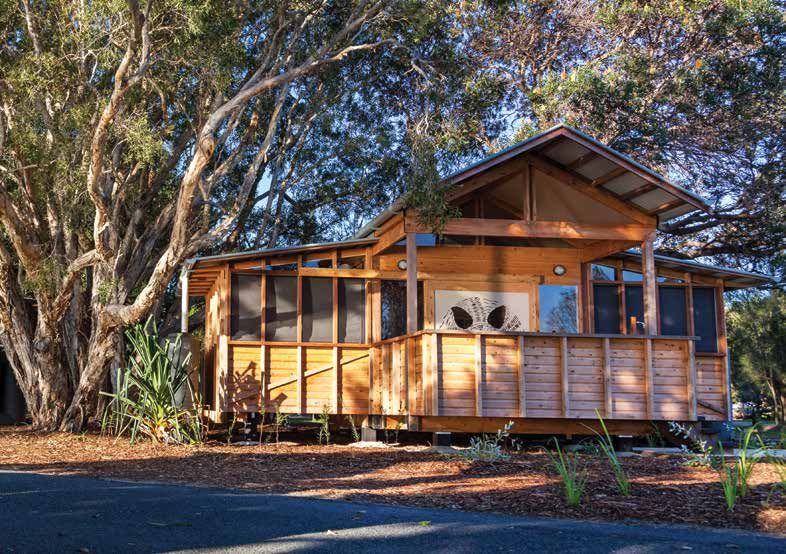
                                to ensure they are ecologically, economically and socially                of tourism regions experiencing growth in domestic travel.4
                                sustainable, contributing to the wellbeing of the natural areas           In the same period 2.4 million international visitors spent time
                                and local communities where they operate.                                 in Queensland, spending $5 billion, up 14.8 per cent on the
                                                                                                          previous year.5
                                Central to best practice ecotourism is excellence in interpretation
                                and experience delivery. Quality interpretation can enhance               Ecotourism is a key sector of the broader tourism experience in
                                a visitor’s experience by providing information that creates              Queensland, contributing to domestic and international visitor
                                meaning, stimulates curiosity, and provokes thought.                      arrivals and expenditure.

                                Ecotourism operators are both a partner and contributor to the            National parks alone are a significant contributor to the
                                conservation of Queensland’s special places. By delivering best           Queensland economy with research indicating that national
                                practice in ecotourism and visitor experiences, operators help            parks receive 51 million visits from domestic travellers and
                                to build a relationship between the visitor and the natural and           7.9 million visits from international travellers per year.6 The total
                                cultural features of the environment and encourage a life-long            spend by visitors who include a visit to a national park in their
                                commitment to caring for them.                                            holiday itinerary adds $4.43 billion to the state’s economy.
                                                                                                          It is estimated direct spending by visitors of over $749 million
                                                                                                          per annum can be attributed exclusively to the existence of
                                The value of ecotourism                                                   the national parks, adding around $345 million to gross state
                                                                                                          product per annum.7
                                Tourism is a $23 billion industry for Queensland, generating
                                                                                                          Ecotourism plays a vital role in rural and remote communities,
                                $65 million a day in visitor expenditure across the state, both
                                                                                                          generating economic and social benefits and creating resilience
                                directly and indirectly employing 230,000 Queenslanders.3
                                                                                                          through sustainable employment options and local pride.
                                Queensland has experienced substantial growth in both                     Visitor and market interest in Indigenous culture presents
                                domestic and international tourism markets.                               an important opportunity for employment and business
                                                                                                          development for Indigenous Australians.
                                3 Tourism and Events Queensland, Tourism Economic Key Facts, April 2016
                                                                                                          4 Tourism Research Australia, National Visitor Survey, March 2016
                                                                                                          5 Tourism Research Australia, International Visitor Survey, March 2016
                                                                                                          6 Queensland Parks and Wildlife Service community survey 2012
                                                                                                          7 Ballantyne R, Brown R, Pegg, S, Scott N, 2008, Valuing tourism spending arising
                                                                                                            from visitation to Queensland national parks, CRC for Sustainable Tourism
Undara Volcanic National Park

                                4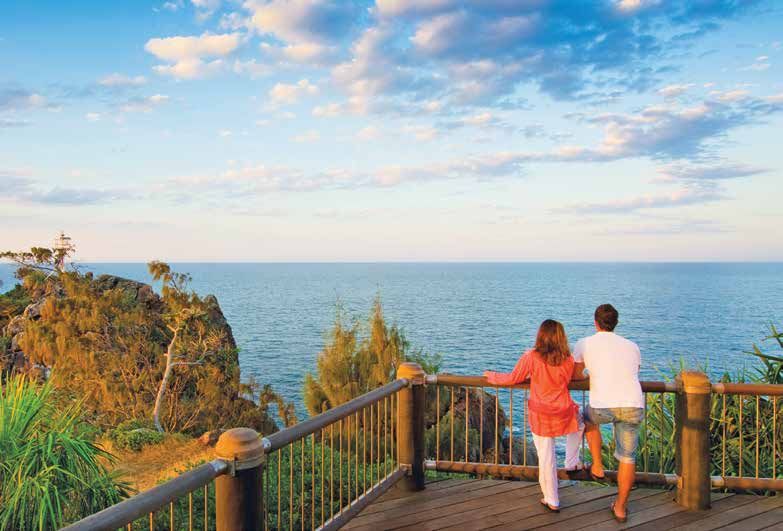
Whale watching, Hervey Bay

The World Tourism Organisation defines ecotourism as:
1. All nature-based forms of tourism in which the main motivation of the tourists is the observation and appreciation of nature
   as well as the traditional cultures prevailing in natural areas.
2. It contains educational and interpretation features.
3. It is generally, but not exclusively organised by specialised tour operators for small groups. Service provider partners at the
   destinations tend to be small, locally owned businesses.
4. It minimises negative impacts on the natural and socio-cultural environment.
5. It supports the maintenance of natural areas which are used as ecotourism attractions by:
   ÌÌ generating economic benefits for host communities, organisations and authorities managing natural areas with
      conservation purposes;
   ÌÌ providing alternative employment and income opportunities for local communities; and
   ÌÌ increasing awareness towards the conservation of natural and cultural assets, both among locals and tourists.

                                                                                                                                     5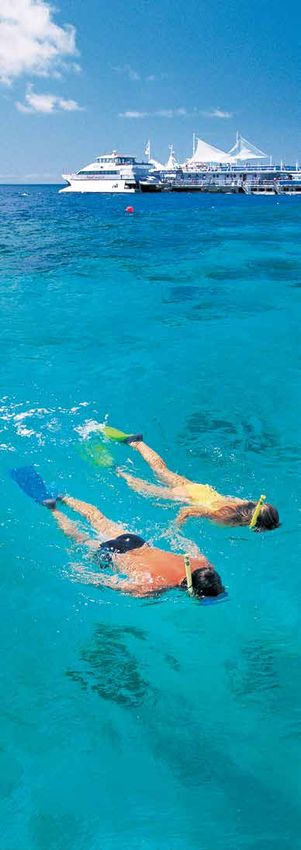
Our partnerships
                                  A fresh approach means tourism, government, Traditional              Queensland’s RTOs are aligning strategies, available resources,
                                  Owners, and conservation and research sectors establishing           and the efforts of industry and all levels of government toward
                                  a common ground and reaffirming our existing partnerships.           growing tourism. All DTPs are available on the TEQ website.
                                  As pioneers in ecotourism, the Queensland Government, tourism
                                  industry and community stakeholders have a long history of           Queensland Tourism Awards (QTA) accreditation:
                                  involvement and collaboration in its growth and development.         The Queensland Tourism Industry Council (QTIC) has developed
                                  The Great Barrier Reef Marine Park Authority’s (GBRMPA) Eye          and implemented a support model to ensure all entrants into
                                  on the Reef monitoring and assessment program is a current           2016 QTA will be certified or accredited through an accreditation
                                  exemplar of partnership in action. Department of National            program recognised by QTIC. QTIC have produced new
                                  Parks, Sport and Racing (NPSR), tourism operators and the            information and updates to all Awards criteria, and coordinated
                                  general community collaborate with GBRMPA in collecting              communication with certification/accreditation program owners
                                  information that contributes to the Reef’s long-term protection      and an entrant briefing by the QTA judging team. The receipt of
                                  while providing opportunities for visitors to have a ‘hands-on’      207 nominations in 2014 indicates the new criteria have not
                                  reef research experience.                                            caused a reduction in nominations from previous years. QTIC
                                                                                                       has and continues to provide guidance and advice to all non-
                                  For many years, Queensland was considered a leader in                accredited businesses on the most relevant program for each
                                  ecotourism with a growing number of new and innovative               business.
                                  visitor experiences. However, increasing competition from
                                  domestic and international destinations, and innovation not          Skill development: QTIC continues to play a leading role in
                                  keeping pace with changing visitor expectations resulted in          coordinating and promoting a coherent and quality-focused
                                  decreased visitor numbers. In recent years, significant effort has   approach to skill development across all parts of the industry
                                  focused on repositioning Queensland as Australia’s number            including ecotourism. Active engagement with training
                                  one ecotourism destination and a world leader in ecotourism.         providers, funding agencies and industry has been critical
                                  The tourism industry and the Queensland Government have              to all activities, including:
                                  achieved a number of positive outcomes through collaboration         • Providing advice to the Queensland Department of Education
                                  and partnerships:                                                      and Training on skill and qualification needs and funding
                                                                                                         priorities to achieve quality industry standards.
                                  United Nations Educational, Scientific and Cultural Organisation
                                  (UNESCO) Reef decision: UNESCO’s World Heritage Committee            • Producing and promoting a comprehensive Careers Guide
                                  has recognised the Australian and Queensland Governments’              for tourism and hospitality.
                                  increased commitment and proactive approach to protecting
                                                                                                       • Developing and disseminating a HR Best Practice Guide
                                  the Great Barrier Reef with the decision not to apply the ‘World
                                                                                                         for tourism employers to improve employee attraction,
                                  Heritage in danger’ listing. The additional investment in new reef
                                                                                                         recruitment and retention.
                                  management strategies and programs includes cutting-edge
                                  projects such as the ‘eReefs Project’ that gives people real-time    • Providing this business improvement program as part
                                  information about the quality of water in the Great Barrier Reef.      of a full suite of tourism accreditation programs across
                                  These initiatives demonstrate the partnership approach between         Queensland as a partner in the national Australian Tourism
                                  the governments, research sectors and industry for the future of       Accreditation Program.
                                  the Reef.
                                                                                                       • Supporting the recognition of suitable accreditation programs
                                  Destination Tourism Plans: Queensland’s 13 Regional Tourism            in regulating access for tourism operators to natural areas,
                                  Organisations (RTO), with support from Tourism and Events              particularly national parks.
                                  Queensland (TEQ), have developed Destination Tourism Plans           • Promoting the competitive raising of industry standards
                                  (DTP) for each of their regions. The DTPs reflect a shared vision      through QTA and national tourism awards, with the ecotourism
                                  across tourism operators and government for sustainable                category encouraging best practice and innovation.
                                  and competitive tourism destinations. Through these plans,
                                                                                                       National parks consumer website: NPSR will launch its national
                                                                                                       parks consumer website in 2016 with stage one featuring
                                                                                                       some of Queensland’s most iconic protected areas. This new,
                                                                                                         contemporary website will become the central hub for all
                                                                                                               digital marketing activities, providing a consumer-
                                                                                                                     focused, interactive, best practice experience
                                                                                                                         across all popular devices (desktop, mobile
                                                                                                                             phones and tablets).
Rainforest walk, Mossman Gorge.
Photo: © Mossman Gorge Centre

                                  6
Small group activity, Mossman Gorge. Photo: © Mossman Gorge Centre
National parks social media: NPSR has developed a social
media strategy to extend and improve engagement with
consumers about Queensland’s national parks and wildlife
experiences. Consumers can connect with ‘Queensland
National Parks’ through Facebook, Instagram and YouTube.
Ecotourism investment: The Queensland Government is
facilitating low impact, sensitively designed ecotourism
facilities on and off national parks. A number of projects are
currently progressing, including campground redevelopment
and ‘glamping’ experiences. NPSR is working in partnership with
ecotourism investors and has developed a strong partnership
with the operators of the Mamu Tropical Skywalk, the first
ecotourism lease holders. Best Practice Ecotourism Development
Guidelines have been prepared to assist ecotourism investors
to develop ecotourism facilities and experiences.
National Parks Gateway Visitor Centres rejuvenation:
An important commitment of NPSR is to revitalise a number
of national parks visitor centres to help maximise their unique Transitioning operators to long-term
offerings and promote the national park estate. Master plan agreements: For many years industry and
reports were developed for Walkabout Creek Visitor Centre, NPSR have been working together to develop an efficient,
The Gap, Brisbane; the David Fleay Wildlife Park, Burleigh, industry‑focused framework for the management of ecotourism
Gold Coast; and Mon Repos Turtle Centre near Bundaberg. in protected areas. As part of this process, ecotourism operators
These plans were prepared in partnership with the tourism at the most popular sites around Queensland are transitioning
industry, local government and the community. NPSR has to long-term Commercial Activity Agreements with mandatory
invested over six million dollars in a range of facilities, certification conditions. This change promotes best practice
infrastructure and innovative interpretation that will foster and will provide long-term security.
a greater appreciation of national parks and enhance visitor
experiences at the sites. In addition, $10 million has been Incentivising certified operators: TEQ, in partnership with
allocated from the Significant Regional Infrastructure Projects RTOs and Ecotourism Australia, is investigating ways to raise
Program to redevelop the Mon Repos Turtle Centre. This is due the profile of certified operators through TEQ and RTO tourism
for completion in 2018. marketing and development programs.
Award winning Indigenous ecotourism—the Mossman Gorge Centre
The Mossman Gorge Centre is an Indigenous tourism The centre is Respecting our Culture certified through
business committed to the conservation of Mossman Gorge Ecotourism Australia. This certification acknowledges
and Daintree National Park. The centre’s vision is that of the and respects Indigenous cultural heritage and protocols.
Elders of Mossman Gorge, who wish to see visitor impacts on Close working relationships with the Mossman Gorge
the natural and cultural environment minimised while creating Aboriginal Community and other Indigenous stakeholders
employment and training for the local Indigenous community. ensure their active participation. The centre employs over
90% local Yalanji workers and since opening has hosted and
Fundamental to achieving the vision is a focus on guiding
trained more than 60 nationally accredited Indigenous trainee
and enhancing the experience of approximately 400,000
students in hospitality and cookery.
annual visitors to Mossman Gorge. Visitors are offered
a range of amenities at the centre and opportunities The Mossman Gorge Centre is a recognised leader in
for authentic engagement with Indigenous Australia. sustainable Indigenous tourism, achieving many awards
Environmentally friendly shuttle buses operate to control for excellence and innovation, including Gold (2014) for
access to the gorge, reducing emissions and pollutants. Indigenous Tourism and Silver (2015) for Cultural Tourism
In addition, the facility has been designed to capture, in the Queensland Tourism Awards and Bronze (2014) for
store and re-use rainfall in and around the property. Indigenous Tourism in the Australian Tourism Awards.
7Meeting the challenges
The growth and development of Queensland’s ecotourism industry will demand smart and innovative responses to a number
of challenges facing the industry.
Focus on visitor experience
Competitive positioning: Develop emerging markets in ecotourism:
Competition for the Leverage Queensland’s position to develop new markets, host appropriate high profile events,
ecotourism dollar is very and capitalise on emerging markets such as drive and cycle tourism.
intense, both domestically
Innovative promotion:
and internationally.
Showcase the values of Queensland’s World Heritage areas and national parks by facilitating
enhanced static, digital and tour guide interpretation, and harnessing cross-sector partnerships
between protected area managers and the tourism industry.
Attracting high Expand and improve visitor experiences and tourism products:
yielding visitors: Work with the tourism industry to enhance the visitor experience, product development
In a globally competitive and marketing.
tourism market, Australia
Unique product offering:
has to offer value-for-
Highlight the Great Barrier Reef as a natural competitive advantage to other coastal and
money visitor experiences
reef destinations.
as it cannot compete on
price alone. Great Barrier Reef opportunities:
Facilitate investment in tourism products that showcase the Reef and address issues with
existing unoccupied island resorts.
Indigenous ecotourism:
Showcase the oldest living cultural history in the world by supporting the development of land
and sea country ecotourism opportunities in partnership with local Indigenous groups and
relevant agencies.
Excellence in interpretation:
Foster excellence in interpretation and product delivery, drawing on research, science and
storytelling to provide visitors with an enriching, unforgettable experience.
Big Red, near Birdsville
8Queensland Ecotourism Plan 2016–2020
Foster investment and innovation
Navigating the regulatory Support investors:
and planning system: Collaborate with private investors to provide the right opportunity, right information, right
Multiple tenure types, multi advice and targeted support to develop the right ecotourism product for the market and
–jurisdictional approval the location.
processes and native title
requirements can create
additional complexity
and cost.
Higher start-up and Foster strong partnerships with Traditional Owners:
operational costs: Identify and progress new opportunities to expand Indigenous involvement in ecotourism.
Developing high quality
Improve investment models:
Australian ecotourism
Work with the investment community and the tourism industry to identify ecotourism
opportunities is more
investment opportunities, ensure projects are ‘investor ready’ to attract private investors, and
expensive relative to
assist investors to meet the necessary project standards. Provide support for potential investors
some other countries.
by connecting them with the right areas of government as potential commercial partners.
Prioritise development of ecotourism opportunities and investment on private and other
state lands (off national park):
Work with the tourism industry to investigate and identify viable ecotourism projects on
tenure other than the protected area estate.
Foster innovation and excellence in ecotourism within protected areas:
Continue to facilitate low impact best practice private ecotourism investment opportunities
in suitable locations within national parks and other protected areas.
Prioritise innovation in regional ecotourism opportunities:
Work with the industry to ensure new projects align with DTP priorities, support innovative
product development and embrace technology and digital strategies to attract new markets.
Springbrook National Park. Photo: Maxime Coquard
© Queensland Government
9Our vision Our promise
Our vision for ecotourism in Queensland is: In the pursuit of our vision, the tourism industry, government
and community stakeholders have made a promise to
Queensland is an internationally celebrated ecotourism visitors:
ecotourism destination, delivering world-class
Unforgettable ecotourism experiences that exceed
interpretation and experiences that support the
our visitors’ expectations and create lasting
conservation of our special natural places and
memories of Queensland’s outstanding natural
unique Indigenous and cultural heritage.
and cultural areas and unique wildlife.
This promise embodies how we want ecotourism visitors to
Our guiding principle feel and seeks to capture the essence of Queensland as an
ecotourism destination.
Underpinning our vision is the guiding principle:
Queensland’s treasured natural and cultural assets Our strategic directions
will be protected and conserved for current and
Five new strategic directions outline the action required by the
future generations to enjoy.
tourism industry, government and community stakeholders to
achieve the vision and deliver our promise to visitors:
This guiding principle acknowledges that Queensland’s natural
heritage including our national parks, marine parks and World 1. Driving innovation in ecotourism experiences.
Heritage Areas are the foundation of our ecotourism industry.
2. Showcasing the world renowned Great Barrier Reef.
A successful and sustainable ecotourism industry is dependent
upon achieving the right balance between the aspirations of 3. Stimulating investment in new and refurbished
industry and the conservation of natural and cultural values. ecotourism opportunities.
Ecotourism operators play a pivotal role in securing the 4. Expanding authentic Indigenous ecotourism experiences.
long-term future of Queensland’s natural areas through their 5. Promoting Queensland’s world-class ecotourism experiences.
financial contributions for conservation and increased
community understanding and support they generate A suite of 36 actions aligned with the strategic directions are
for protecting the state’s natural and detailed in an attached action plan.
cultural heritage.
Ensuring best practice
ecotourism experiences
The quality of the ecotourism and national park brands
in Australia is important in attracting and gaining
repeat visitation. Ecotourism certification provides
the government, tourism industry and visitors with an
assurance that a certified tourism product will provide a
quality nature-based experience backed by a commitment
to sustainability.
NPSR requires mandatory ecotourism certification for some
activities on protected areas and is developing incentives
to encourage operators to obtain higher than compulsory
levels of certification for their tourism products.
Implementation of the compulsory ecotourism certification
requirements is staged to allow effective implementation
by both operators and certification providers.
Maranoa River
10Queensland Ecotourism Plan 2016–2020
Innovative interpretation brings Fort Lytton to life
Visitors are transported back in time while exploring the served in the civilian militia at Fort Lytton from 1903 before
colonial fortifications of Brisbane’s historic Fort Lytton. he enlisted in 1914. Lieutenant Colonel Stanley was also an
A new night-time lantern-lit tour brings to life the wartime enthusiastic photographer and many of his original images
experiences of a decorated Brisbane soldier who served are featured in the production.
in Gallipoli and the Western Front.
NPSR together with By Night Tours, developed the insightful
Fort Lytton at night—A lost story from the Great War unfolds and moving tour to commemorate the Anzac Centenary,
in a theatre promenade where the actors’ performance is pay tribute to the sacrifice of Australian men and women
enhanced using wireless sound, lighting, projections and in wartime, and to highlight the role Fort Lytton played in
voice recordings to tell the story of Raymond Stanley who World War I.
Fort Lytton National Park. Photo: Steve Browne
© Queensland Government
11Nightfall Wilderness Camp luxury tent.
Photo: © Nightfall Wilderness Camp
1.2. Provide a range of experience development tools for
industry to enrich their ecotourism experience delivery.
1.3. Foster a culture of quality ecotourism interpretation and
storytelling to enhance operator capabilities for the benefit
of their business and product delivery.
1.4. Develop an events framework to foster appropriate
1. Driving innovation in events in national parks that provide new and enriched
visitor experiences, support conservation of national
ecotourism experiences parks, deliver economic benefits and encourage
regional visitation.
Through the commitment and passion of tourism operators,
1.5 Promote certification programs that support a range
ecotourism products showcase and help to conserve
of tourism activities and provide multiple entry points
Queensland’s unique natural landscapes, cultural heritage and
for industry.
wildlife. In support of operators, encouraging innovation and
providing guidance in developing new products and achieving 1.6 Establish an interdepartmental steering committee to
excellence in interpretation and experience delivery will be a oversee and support the development of current and
priority. There are opportunities to extend product offerings, potential ecotourism projects.
to capitalise on existing drawcards, and to share stories of
special places and characters to create meaningful connections 1.7 Progress best practice, low impact ecotourism
for visitors. investment opportunities.
These initiatives will grow industry capacity and 1.8 Accelerate the uptake of certification among ecotourism
enhance Queensland’s reputation as a world-class businesses and support a database of certified businesses.
ecotourism destination.
1.9 Evaluate the outcomes and effectiveness of certification
1.1. Facilitate experience development programs that enhance programs on ecotourism products.
the industry’s capacity to deliver world-class ecotourism
visitor experiences.
Investment supporting best practice ecotourism—Nightfall Wilderness Camp
Nightfall Wilderness Camp is a low impact, environmentally with guests the natural beauty, cultural history and high
sustainable ecotourism experience adjacent to Christmas quality encounters with nature.
Creek and Queensland’s Lamington National Park section of
As a carbon-neutral facility, environmental practices include
the Gondwana Rainforests Of Australia World Heritage Area
on-site wastewater treatment and waste minimisation through
in the Gold Coast hinterland. This award winning ecotourism
reduction, re-use, recycling and recovery with composting.
facility demonstrates the success of encouraging private
A 5KW grid-connect solar power system generates the camp’s
investment in ecotourism ventures adjacent to national parks.
electricity. Local bio-sequestration tree plantings are planned
The Queensland Government (through the Department to offset the camp’s residual carbon footprint. Conservation
of Tourism, Major Events, Small Business and the also extends to the restoration and rehabilitation of damaged
Commonwealth Games) provided around $20,000 in funding parts of Nightfall’s 257 acre site and monitoring of Christmas
to the Nightfall Wilderness Camp project as part of the 2010 Creek and protected species.
Tourism Projects Prefeasibility Grants Program. The proponent
leveraged this grant to secure a $100,000 T-QUAL federal An exemplar of environmentally sustainable tourism, Nightfall
grant and contributed private capital to construct three Wilderness Camp is currently seeking the internationally
luxury tents. recognised Advanced Ecotourism certification from
Ecotourism Australia and won a Bronze Award (2015) for
The operation focuses on preserving and enhancing the
Hosted Accommodation in the Queensland Tourism Awards.
environmental and cultural values of the area while sharing
12Crown-of-thorns starfish eradication. Photo: © Gempearl
2. Showcasing the world
renowned Great Barrier Reef
The Great Barrier Reef and its islands are an iconic part of the
Queensland tourism industry and a significant contributor to the
economy. The tourism industry works closely with GBRMPA, NPSR
and the Department of Environment and Heritage Protection
(EHP) in showcasing, protecting and managing the Reef. In a
highly competitive market where reef destinations around the
world vie for visitors, innovation and investment in new reef
tourism experiences and infrastructure that capitalises on the
Great Barrier Reef’s unique selling points will be vital to increase
visitation and reinvigorate the established Great Barrier Reef
tourism industry.
The Australian and Queensland Governments have outlined Saving the Reef from crown-of-thorns
their commitment in the Reef 2050 Plan to protect the Reef’s
values, health and resilience while allowing ecologically
starfish outbreaks
sustainable development and use. UNESCO has recognised
the work undertaken by both governments to address In a concerted effort to minimise coral loss on the Great
concerns and protect the Reef. This global attention has Barrier Reef, the crown-of-thorns starfish management
generated unprecedented cooperation and investment by
program, delivered by the Association of Marine Park
government, industry and research sectors to develop and
implement the Reef 2050 Plan to ensure the Reef remains a Tourism Operators (AMPTO), and GBRMPA has culled
global icon into the future. When considering the potential for more than 370,000 crown-of-thorns starfish (COTS),
reinvigorating reef island resorts, the Queensland Government predominately from tourism sites, over the last two
will develop a strategy to attract investment in existing aged
years. While COTS are a native species, their outbreaks
or unoccupied facilities.
are a significant cause of coral loss alongside cyclones
2.1 As part of the development of Advancing Tourism and coral bleaching and the only factor that can be
2016–20 (draft), creating world leading quality products
directly controlled.
and experiences is a priority.
2.2 Implement the tourism actions identified in the In 2012, researchers from the Australian Research Council
Reef 2050 Long-Term Sustainability Plan. Centre of Excellence for Coral Reef Studies developed a new
2.3 Implement the Tourism and Events Queensland Great innovative single-injection method that uses a bile salts
Barrier Reef Tourism Strategy (2015–2018). solution to kill COTS with no adverse effects on the reef
ecosystem. Australia is a world leader in COTS control and
2.4 Leverage Tourism Australia’s Coastal and Aquatic
campaign including the David Attenborough Great research, sought after for training, materials and advice
Barrier Reef television series. throughout the Asia and Pacific regions.
2.5 Provide accurate information to the public on the health The success in reducing COTS numbers is due to a highly
of the Great Barrier Reef, including major events like
effective partnership between governments, researchers,
coral bleaching, and clearly communicate progress on
the range of initiatives to reduce key threats such as the tourism industry, AMPTO and the local community.
catchment runoff and crown-of-thorns starfish. This also Col McKenzie, Director of AMPTO, says aside from the large
includes engaging the tourism industry in regional healthy spawning numbers, one of the biggest challenges is the
waterways partnerships.
highly mobile nature of COTS. “Finding the aggregations is
2.6 Engage with GBRMPA, industry and key Great Barrier difficult and we rely on the tourism industry, Queensland
Reef stakeholders, such as GBRMPA’s Tourism Reef
Parks and Wildlife Service and the public to tell us where
Advisory Committee, in the consultation process for
new ecotourism opportunities. they have seen them.”
2.7 Actively engage in leveraging research opportunities The Reef 2050 Plan includes measures to reduce nitrogen
through the Reef and Rainforest Research Centre and run off and improve the quality of water entering the
other science and research organisations.
Reef over the longer term, further supporting efforts
2.8 Implement the Significant Regional Infrastructure Projects to minimise COTS.
Program (SRIPP) $2.375 million project to expand the
moorings and reef protection markers network in the GBR Source: www.diveplanit.com/2015/02/fight-crown-thorns-seastar/
to boost tourism and recreation use and reduce anchoring
impacts on coral ecosystems.
133. Stimulating investment 4. Expanding authentic
in new and refurbished Indigenous ecotourism
ecotourism opportunities experiences
To support a thriving ecotourism industry, low impact, Aboriginal and Torres Strait Islander cultures are complex,
sustainable experiences are required that reflect the Queensland diverse and enduring. The Indigenous cultures of Australia are
Government’s conservation responsibilities, are constructed the oldest living cultural history in the world, originating at least
and operated to the highest environmental standards and 50,000–65,000 years ago.
industry practices, and provide a positive contribution back
to the conservation of natural areas and the community. Australia’s unique Indigenous heritage presents the opportunity
There are opportunities available for privately owned ecotourism for authentic cultural experiences that complement the
experiences on and off protected areas. When considering environmental offering and create a distinctive point of difference
investment in national parks and other protected areas, from competitors. Cultural heritage interpretation adds depth to
preference will be given to previously disturbed sites ecotourism experiences and provides visitors with meaningful
(brownfield sites) rather than intact natural areas (greenfield connections with Traditional Owners and their communities.
sites). To facilitate investment, the Queensland Government There is potential to develop additional Indigenous tourism
is committed to assisting prospective investors in navigating experiences that draw on the knowledge, resources and skills
multiple tenures, regulatory approvals and best practice of Indigenous people, including partnerships with established
sustainability requirements. Indigenous operators to make these a ‘must do’ component
of Queensland ecotourism itineraries.
3.1 Develop a Queensland Ecotourism Development Toolkit to
guide prospective developers and/or proponents through Visitors are discerning about their cultural experiences,
government planning and regulatory systems. expecting authentic not contrived experiences and products,
and contemporary rather than just traditional expressions
3.2 Attract and facilitate private investment into island of the culture. The Queensland Government is committed to
tourism infrastructure. working with Traditional Owners and their communities to
3.3 Develop a portfolio of high quality ecotourism investment maximise Indigenous ecotourism opportunities, including but
projects located on state and other freehold land that not limited to national parks and jointly managed national parks.
demonstrate strong business cases and local support. These opportunities extend beyond the land to the involvement
of Indigenous people in all aspects of the tourism industry, for
3.4 Implement the Queensland Eco and Sustainable Tourism example, as rangers, hotel/resort managers, guides, chefs,
policy in the Moreton Island Recreation Area. service staff and artists.
3.5 Implement best practice approaches and certification
4.1 Work with existing and potential Indigenous ecotourism
programs (where appropriate) to ensure protection and
product to ensure long-term sustainability.
sustainable use of Queensland’s special natural areas.
3.6 Ensure tourism interests are considered in future reviews 4.2 Collaborate with members of the QTIC Tourism
of wildlife management regulations and processes. Indigenous Employment Champions Network to
encourage participation of Indigenous Australians
3.7 Implement the Queensland Eco and Sustainable Tourism in ecotourism products.
policy at Daintree National Park and in the Cooloola
Recreation Area. 4.3 Identify new Indigenous ecotourism opportunities in and
adjacent to Queensland’s national parks, including jointly
3.8 Implement the Significant Regional Infrastructure Projects
managed national parks.
Program (SRIPP) $10 million project to redevelop the
Mon Repos Turtle Centre creating a world class and 4.4 Investigate Indigenous ‘Sea Country’ ecotourism
interactive marine turtle visitor experience including opportunities in particular on the Great Barrier Reef.
contemporary research facilities.
4.5 Work with the Quandamooka Yoolooburrabee Aboriginal
Corporation and key stakeholders to implement tourism
actions proposed in the North Stradbroke Island Economic
Transition Strategy. 8
Moreton Island lighthouse. Moreton Island National Park.
4.6 Work with Traditional Owners and communities to support
development of commercially viable, indigenous-led
ecotourism investment across Queensland.
8 The North Stradbroke Island Economic Transition Strategy is currently under development.
The release of the final strategy is subject to Queensland Government approval.
Photo: © Adam Creed
14Queensland Ecotourism Plan 2016–2020
Blending Indigenous perspectives with contemporary camping
Straddie Camping is a small innovative Indigenous tourism The EcoShacks feature design work by a Quandamooka artist,
business of the Quandamooka People of Minjerribah their own rainwater tanks, large windows, fan cooling,
(North Stradbroke Island) that brings ancient perspectives and take advantage of the island breezes. Environmental best
to contemporary visitor experiences. The operation offers practice technology used for power generation and sewage
a camping experience that respects and celebrates the treatment minimises their environmental footprint.
island’s nature, rich Aboriginal history and the long standing
tradition within the Quandamooka culture of hosting visitors A recent initiative is a contemporary interpretive walk around
on Minjerribah. the Amity Point camping ground bringing to life the area’s
rich Aboriginal history and ancient stories. Using QR codes on
This first commercial joint venture of the Quandamooka bollards at points of interest, visitors can immerse themselves
Yoolooburrabee Aboriginal Corporation represents a new in the living cultural landscape of Minjerribah and learn about
era for the island’s camping grounds. The Corporation is the Quandamooka People’s connection to the land and sea.
involved as shareholders, trustee and Traditional Owners,
in partnership with Indigenous Business Australia, Straddie Camping’s pursuit of best practice has resulted
a commonwealth statutory authority. in national recognition including: Ecotourism Australia’s
Advanced Eco-certification, Respecting Our Culture
New elements of the experience are two EcoShacks at Amity and Climate Action certification; TripAdvisor Green
Point. They have been developed to add value to the existing Leader—Gold Level; ecoBiz Three Star Business rating;
beachfront camping grounds, which offer sites for tents, and Bronze Award (2014) for Tourist and Caravan Parks
camper trailers and caravans and 11 fully equipped cabins. in the Queensland Tourism Awards.
Ecoshacks, Amity campground, Minjerribah.
Photo: © Straddie Camping
155. Promoting Queensland’s
world‑class ecotourism experiences
Nature and wildlife and the special experiences they afford popular devices and social media are all essential to bring to
are a significant element of Queensland’s visitor offering. life Queensland’s special natural areas and encourage visitors
Their importance is acknowledged with the inclusion of to share their memories.
natural encounters as a theme of Queensland’s tourism brand,
Queensland, Where Australia Shines. Queensland’s protected 5.1 Deliver a streamlined and consumer-focused online
areas, including five World Heritage areas, showcase the state’s experience for Queensland’s protected areas including
precious natural and cultural heritage. Queensland Government a new booking service, social media and new
departments will work closely with TEQ in strengthening the consumer website.
association with the tourism industry and promoting nature
5.2 Partner with Tourism Australia to ensure there is a
within Brand Queensland. TEQ also has an important partnership
strong Queensland presence in any future Nature
to maintain with Tourism Australia in raising the profile of the
Australia initiatives.
World Heritage areas and other special places in international
visitor markets. 5.3 Maximise the ecotourism marketing potential of
Queensland’s destinations and operators.
Appropriate events in national parks and natural areas offer
another opportunity for people to discover and enjoy nature 5.4 Promote and support the Queensland Tourism Awards
and profile the National Parks brand. Within the digital space, which recognise and reward the outstanding achievements
fresh online content, a booking engine accessible across all of ecotourism operators.
5.5 Foster a stronger focus on the World Heritage Area brand
within the context of brand Queensland marketing
and promotion.
Forts Walk, Magnetic Island National Park. Photo: Maxime Coquard © Queensland Government
16Queensland Ecotourism Plan 2016–2020
Dedication to protecting the Reef—Lady Elliot Island Eco Resort
Lady Elliot Island is a coral cay at the southern tip of the additional solar panels directly feeding the island’s power grid
Great Barrier Reef World Heritage Area, approximately 80km and ongoing energy efficiency efforts, the resort’s daily diesel
north-east of Bundaberg, between Fraser and Lady Musgrave fuel usage has decreased from over 500 litres to less than
islands. Its location within a marine national park ‘Green Zone’ 140 litres per day. This project received Australian Government
affords the greatest level of protection to over 1200 species support through the sponsored Renewable Remote Power
of marine life. Generation Program with a grant of $198,000.
Lady Elliot Island Eco Resort is a leading ecologically A commitment to best environmental practice and continual
sustainable tourism operation that provides guests with a improvement has resulted in the resort receiving Advanced
genuine ecotourism experience. Key themes that underpin the Eco-certification and Climate Action certification with EA and
operation are education and knowledge sharing, transition numerous prestigious awards. The operation is the three-time
to renewable energy and good environmental management. winner of the Tourism Fraser Coast Environmental Tourism
The resort has reduced energy consumption and carbon Award, culminating in a Hall of Fame Award. It has also been
emissions with the goal being to achieve carbon neutrality. recognised at the Queensland Tourism Awards winning Silver
Initiatives introduced include solar and gas technology, (2013), Gold (2014) and Bronze (2015) in the Steve Irwin
wastewater treatment, water desalination, and a dedicated Award for Ecotourism and Silver (2015) in the Qantas Award
revegetation program in consultation with GBRMPA and QPWS. for Excellence in Sustainable Tourism.
Transitioning to renewable energy was spearheaded by
constructing a hybrid solar power station. Together with
Lady Elliot Island Eco Resort. Photo: © Darren Jew
17You can also read


