Recommendations to CDC for its Climate Strategy approach with Financial Institutions - INSEAD recommendations to CDC's FI team Celine Dumas, Cesar ...
←
→
Page content transcription
If your browser does not render page correctly, please read the page content below

Recommendations to CDC for its Climate Strategy approach with Financial Institutions
INSEAD recommendations to CDC’s FI team

Celine Dumas, Cesar Miranda, Matteo Parenti, Eva Perrett, Andrew Watcham, Katrina Yavash

CONTENTS

           Context

           Climate Finance Space

           Approach: Invest, Influence, and Involve

           Recommendations

           Appendix

                                                      2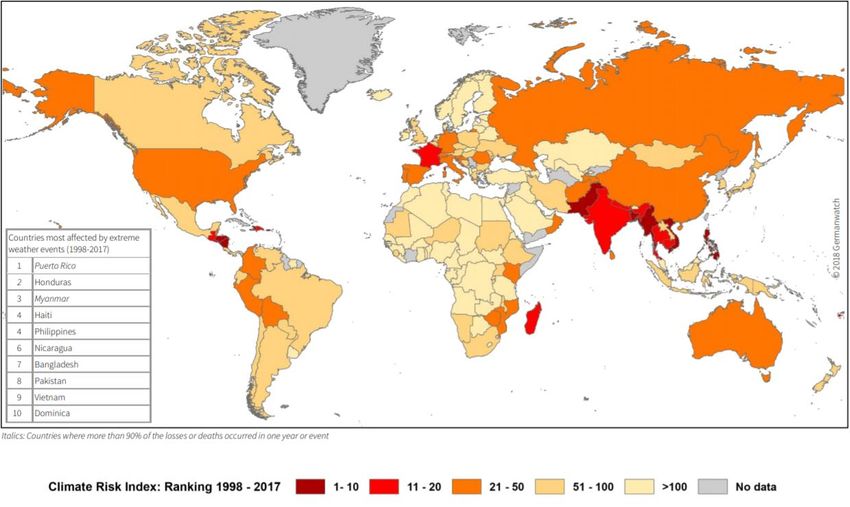
Executive Summary
The following work was done for the financial institutions equity team (FI Team) of CDC Group, a sector team within CDC’s Direct Equity team. CDC supports businesses
throughout Africa and South Asia to create jobs and make a lasting difference to people’s lives. The company has investments in over 1,200 businesses in emerging
economies and a total portfolio value of £5.8bn. This year CDC is expected to invest over $1.5bn in companies in Africa and Asia with a focus on fighting climate change,
empowering women and creating new jobs and opportunities for millions of people. CDC’s ambition is to play a leading role amongst its DFI peers and the wider investment
community in the global efforts to achieve a net zero carbon economy by 2050.
This document does not represent views of CDC, but the INSEAD team’s own independent recommendations to CDC and its Financial Institutions (FI) team, the sector team
within CDC who is the primary recipient of this document. CDC is expected to launch a new climate change strategy in 2020. This document is expected to inform CDC’s
own strategy which is being developed independently.
Climate change is a worldwide risk that generally impacts emerging countries more than developed countries. Climate risks can have a material impact on both the real
economy and the financial system. The overall finance industry is moving towards ESG and institutional investors towards “green” impact investing. By providing
adapted financing solutions, FIs can promote sustainable development. Financial Institutions looking to advance their climate missions should focus on some key end-
industries. More specifically, FIs must adapt to mitigate these risks and support economies in their green transitions. The taxonomy of climate change investing
frameworks, evaluation and reporting systems is maturing. Many of CDC’s peers have taken decisive action, consistent with their own sustainability goals.
The FI Team should (continue to) work with three stakeholder groups to pursue its climate mission. The FI Team should use 3 I’s in pursuing their climate strategy:
1. Invest
   FI targets are evaluated along three categories in DD phase to identify the appropriate engagement type. Detailed criteria have been defined to assign a climate score to
   each potential target. Example criteria include product offering and financial advisory (demand). Case study 1: Crop insurance in Africa protects
   the incomes of farmers. Case study 2: Intermediate loans by the EIB financed low-carbon public transport projects in Bulgaria.
2. Influence
   Following the investment assessment, a roadmap to climate readiness has been developed. CDC can play a role in driving investees to be more climate-conscious,
   building on the TCFD. CDC can support its investees in becoming more climate friendly in several specific ways. CDC can play a range of different roles to boost its
   investees’ climate maturity. Existing examples show how different types of FI can implement best practices. Case study: Access, an African bank with few climate-related
   projects, could be an influence target for CDC.
3. Involve
   CDC should work with co-investors and peers (incl. through blended-finance) in targeted ways to increase its efficacy in sustainability. CDC can partner with risk-analysis
   providers to improve their due diligence and increase their influence. Multilateral Development Banks have already formed partnerships to maximize their collective impact.
   Case study: CDC could collaborate with Global Parametrics in five different ways.
Once FI’s climate strategy is further defined, we suggest deployment in three phases over the next two years. Each phase will combine a broad range of activities to build and
embed the FI Team’s new climate strategy. Exceeding the 1.5°C target increase could adversely impact returns of some industries and asset classes. For example, a
climate-related disaster - the 2011 Thai floods - significantly hurt financials in the hardware sector. However, there are a number of key risks and challenges that CDC must
remain cognizant of. Hedging such risks and working toward a 1.5°C scenario could bring significant value to CDC and its investees.
                                                                                                                                                                                 3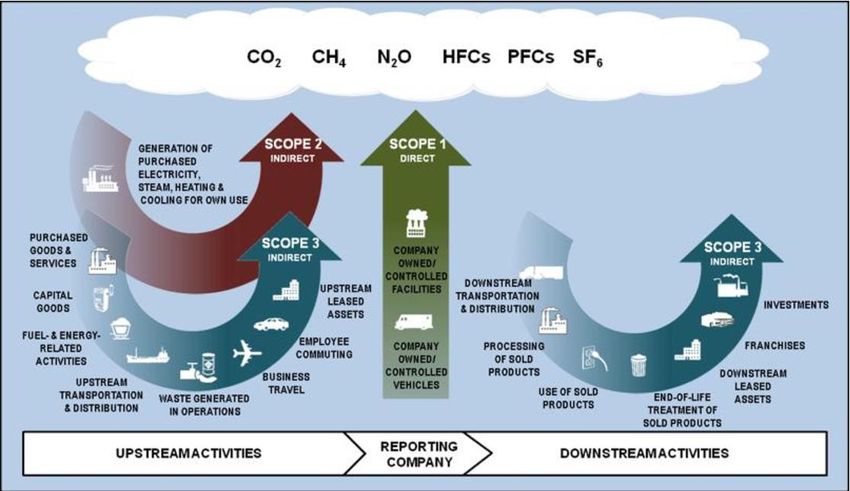
CONTEXT
CDC supports businesses in Africa & South Asia to
          create jobs & make a lasting difference to people’s lives
 Overview                                                               Portfolio size ($bn)                                            Direct jobs supported….
• CDC is UK government owned and operationally independent              Invested in >1,200 businesses (>690 in Africa)                  … at BoP by investee companies
  (public limited company with DFID as sole shareholder)                                                                                                                                820
• Support economic growth while delivering returns for taxpayers                                                  $4.8
                                                                                                                         $5.3    $5.6
                                                                                                                                                                              671
                                                                                                  $4.5    $4.4                   11%                  632        605
• Invests in South Asia and Africa                                                 $3.6
                                                                                          $4.0                                              509
                                                                                                                                 35%
Investment products:                                                        $3.0

• Direct equity
                                                                                                                                 52%
  • Typically influential minority positions
  • Ticket size: min $10m - $150m                                           2011 2012 2013 2014 2015 2016 2017 2018                        2014      2015        2016        2017       2018
• Debt                                                                               Africa     South Asia       RoW     Total
  • Project finance
  • Corporate debt
                                                                        Portfolio product breakdown                                     Portfolio sector breakdown
  • Trade finance
                                                                                                  1%
  • Financial institutions lending                                                    17%
                                                                                                                                                     35%
                                                                                                                                                                                27%

  • Ticket size: $20m – $100m
• Intermediated equity and debt                                                                                   47%
  • Active limited partner investing in funds across priority sectors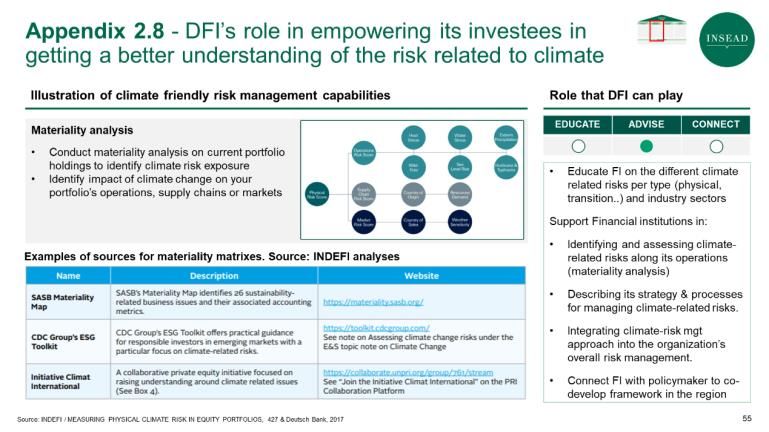
The Paris Agreement gives CDC a far-reaching climate
mandate to inform any future strategy
 CDC’s ambition is to play a leading role amongst its DFI peers and the wider investment community in the
 global efforts to achieve a net zero carbon economy by 2050
                  CDC identified combating climate change as a key commitment area in its 2017-2021 Strategic Framework
                                     CDC is expected to launch a new climate change strategy in 2020

  CDC’s approach to climate will likely impact how CDC invests and operates
                                                                                                                              “How it operates”
                                                   “How it invests”
                                                                                                                      Ensure future proof of CDC’s financial return and
                    Understand climate impact of portfolio and providing and                                          development impact by creating risk governance
                    mobilizing capital in climate sectors (e.g., green buildings,                                  structures, hedging financial risks, and maintaining
                    forestry, resilience of agriculture / ports), as well as adding                            accountability through scenario analyses and appropriate
                                               value to their firms beyond capital                                                                              metrics

  … drawing on alignment with the Paris Agreement
                      Net zero emissions
                                                                                 Just transition                                   Adaptation & Resilience
                            by 2050
                                                                                                                           Addressing vulnerabilities to climate shocks in
      Reducing resource consumption and carbon                                                                                sectors at risk (e.g., construction & real
                                                                      Delivering a net zero future in a socially
    emissions through investments in various sectors                                                                       estate, agriculture) and building up resilience
                                                                       inclusive manner, through job creation/
     (e.g., renewable energy, transport) to ensure a                                                                              (e.g., water infrastructure, etc.)
                                                                      upskilling in low-carbon/ resilient sectors
     maximum global temperature increase of 1.5°C

       FI Team is currently developing its own sector-specific climate strategy, which this document will inform
Source: CDC website, publications and interviews
                                                                                                                                                                             6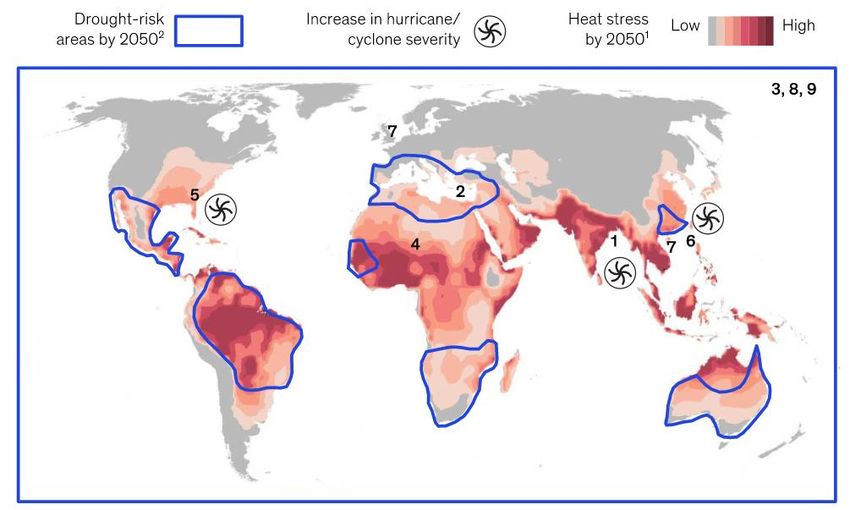
We are grateful to the individuals and CDC
teams that provided their insights on this topic

         Financial Institutions               Enika Jorgoni & Wasim Tahir

             Climate Team                     Dr. Amal-Lee Amin & Nicola Mustetea

 Intermediated Climate Initiative Team        Salma Moolji, Alex Goodenough

    Environment & Sustainability              Mark Eckstein

  This report has been developed in discussions with CDC, but might differ from CDC’s views and has not
                                         been endorsed by CDC
                                                                                                          7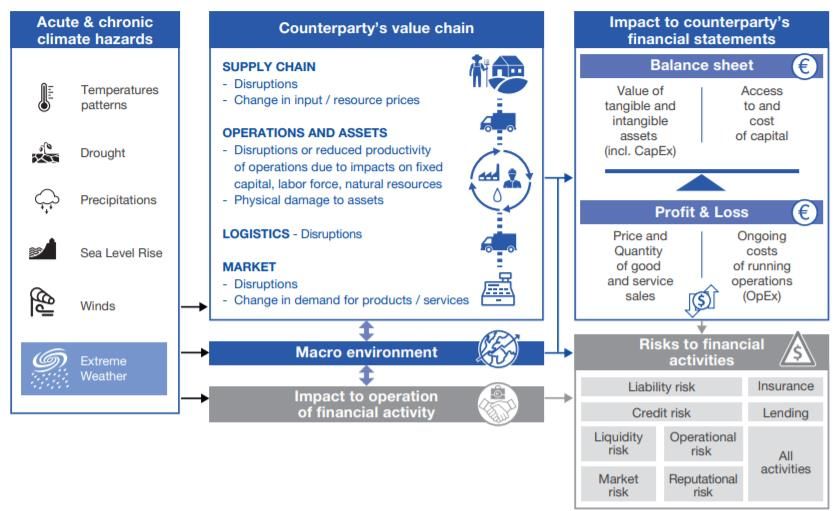
CLIMATE FINANCE SPACE
Climate change is a worldwide risk that generally impacts
          emerging countries more than developed countries
     Map of climate risks, reflecting countries’ vulnerabilities to climate change            Most impacted countries

                                                                                              Bangladesh:
                                                                                              • Sea level rise, flooding and cyclones
                                                                                                causing migration and displacement
                                                                                              Pakistan:
                                                                                              • Volumetric flow rate of rivers affecting
                                                                                                farmers
                                                                                              Myanmar:
                                                                                              • Droughts are causing diminished water
                                                                                                sources and destroying agricultural yields
                                                                                              Zimbabwe:
                                                                                              • Water supply, food security, vector borne
                                                                                                diseases and malnutrition
                                                                                              Mozambique:
                                                                                              • Sea level rise, frequent flooding, stronger
                                                                                                cyclones, climate driven vector
                                                                                                borne diseases and malnutrition
                                                                                              Madagascar:
                                                       Global Climate Risk Index 1998 –2017
                                                                                              • Sea level rise, stronger cyclones and
                                                                                                further droughts, which will have a
                                                                                                dramatic impact on food security and
                                                                                                infrastructure
Source: GLOBAL CLIMATE RISK INDEX, German Watch 2019                                                                                          9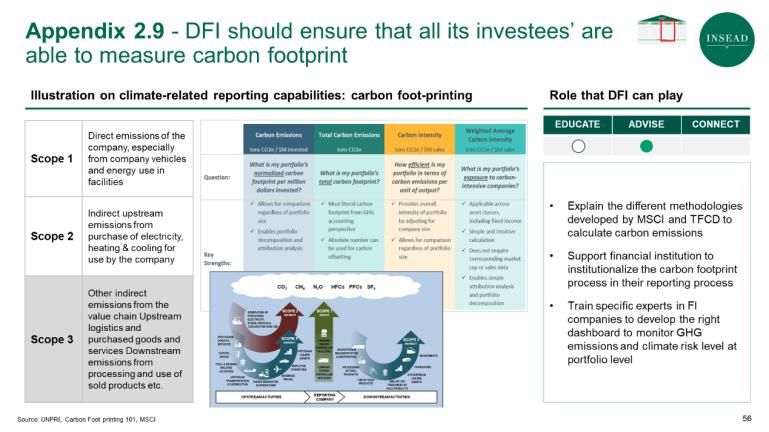
Climate risks can have a material impact on both the
            real economy and the financial system
      Propagation of climate-related risks to financial performance in the real economy     Key highlights

                                                                                            Climate change can cause:
                                                                                            •   Acute hazards: i.e. event-driven
                                                                                                hazards, including more frequent and
                                                                                                intense extreme events such as cyclones
                                                                                                or heatwaves

                                                                                            •   Chronic hazards: i.e. long-term change
                                                                                                in the mean and variability of climate
                                                                                                patterns such as mean temperatures

                                                                                            •   Those risks affect financial
                                                                                                institutions when their counterparties
                                                                                                suffer climate change impact and are
                                                                                                unable to pay back loans, provide
                                                                                                dividends or impact their valuation

                                                                                            •   It can translates into credit risks (e.g.
                                                                                                reduced counterparty creditworthiness),
                                                                                                market risks (e.g. change in equity
                                                                                                price), and finally liquidity risks (e.g.
                                                                                                abrupt repricing of physical climate risks)
               >> See Appendix 1.1 for more details on how climate impact infrastructure,
               TMT & Energy sectors

Source: Getting-started-on-physical-climate-risk-analysis, I4CE & ClimINVEST, 2017                                                            10
The overall finance industry is moving towards ESG and
institutional investors towards “green” impact investing
Climate trends with evidence ESG investing enhances performance Key trends in FI
Total AUM dedicated to ESG PE funds • 2019: AUM of $2.4 trillion pledged carbon
• Growing appreciation by the
finance industry of the impact that neutrality by 2050
green investments factors can
have on value creation, long-term • PE/VC AUM up from $8 bn in 2010 to $28
company performance, and the bn in 2019
health of society at large
• Banking and financial sectors are taking
• Green finance is having
a developmental approach to
a significant social impact in
prioritise economic opportunities emerging
emerging markets through
targeted investments and under ESG financing
improved management resulting in
lower prices for essential goods • Following development of the TCFD,
and services more banks reporting climate risk
exposure but few have started disclosing
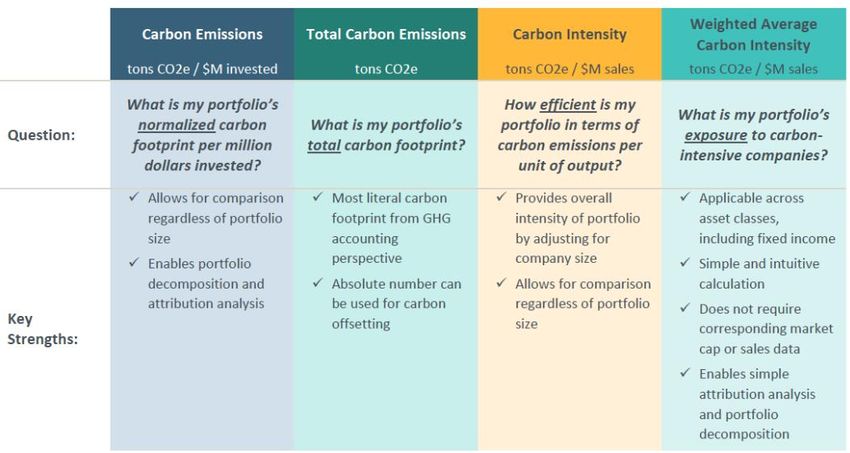
the carbon footprint from their portfolios
CASE STUDY 1 CASE STUDY 2 CASE STUDY 3
• Most banks’ climate risk management is at
PE firm Terra Firma Capital Partners Co-funding opportunity between KKR partnered with the
Environmental Defence Fund an early stage, but few have dedicated
demerged the non-core division, Partners Group and Quadriga Capital
Infinis, from Waste Recycling Group to AHT resulting in Cooling tech that to developed its Green Portfolio climate risk committees
to create the UK’s largest is significantly more energy efficient Program used as an “environmental
independent renewable energy than competing technologies lens” to assess business activities of • Visibility remains limited of potential
generator. Infinis had its IPO in 2013 KKR’s participating private equity impact of climate change-related risks on
portfolio companies banks’ financial performance
Source: Global Private Equity Report 2020, Bain & Co. 11By providing adapted financing solutions, FIs can
promote sustainable development
What is sustainable Finance Funded by both debt and equity
Financing that is focused on maximizing both social & financial Financing in the form of credit lines and direct investment
returns, or prioritizing impact over financial returns supporting targeted area
• Climate change mitigation Debt
Environmental • Climate change adoption
• Other environmental
Green Green Green
Green
corporate sovereign project Green loan
Other securitisat.
bond bond bond
environmental
Debt / Equity
Sustainable Development
Green
Climate change
adoption Green Green Green
perpetual
“Low carbon”
Green sukuk convertible mezzanine
bond bond bond
Climate
Climate change
mitigation
Equity
Private
• Gender equality Private Joint Instrument
Social Public
Equity Venture Trust
Partner.
• Impact investment
Economic
• Microfinance Credit Enhancement
• Transparency programmes A/B loans First loss Viability
Governance Guarantees
or grant piece gap funding
Source: Dimensions of sustainability in financial decision-making. Source: UNEP (2016). Source: ASEAN green Financial instruments Guide (Climate bond initiatives 2019) 12Financial Institutions looking to advance their climate
missions should focus on some key end-industries I L L U S T R AT I V E
Climate-positive/ least at risk industries Most affected industries
• Renewable energy • Traditional Energy (Oil, Gas, Coal, Utilities)
• Automakers producing hybrid/ electric cars • Infrastructure and buildings
• Clean Tech or Energy/ Water efficient co.s • Agriculture and forestry
• Apparel (if adapting to customer preferences) • Insurance
• Consumer goods (if adapting) • Tourism
• Innovative solutions (e.g. new building • Food & Beverages
materials and eco-friendly construction)
• Construction (incl. input materials)
• Transportation (incl. Air, Maritime, Rail, etc.)
Source: TCFD, 2018; European Commission, 2020
>> See Appendix 2.11 to know more about the key industries impacted by climate in SEA
13More specifically, FIs must adapt to mitigate climate
risks and support economies in their green transitions
Physical Risks FI Risks Opportunities
Banking • Direct losses due to exposure to at- • Strengthen the market for small energy
risk industries (through drought, providers
precipitation, soil erosion, flood, …) • Set up of carbon fund and fund custody
• Additional costs due to changes in • Microfinance for climate-friendly
weather patterns activities
• Regulatory risk
Insurance • Exposure to at-risk industries • Develop creative coverage solutions that
• Increased cost due to claims following will reduce losses for end-users in event
climate-related events of loss/ damage
• Need for increased expertise & • Risk differentials can be priced
capabilities for risk pricing • Carbon becomes an insurable risk
• Lack of capital/reinsurance
Asset • Market risk, due to exposure to at-risk • Resource efficiency creates value for all
Green investment / transition opportunities Manager industries stakeholders
• Increased volatility on returns • Harmonization of climate assets among
ASEAN green investments opportunities 2016 – 2030: $3tn • Need for increased expertise and different systems
capabilities across the organization • Develop an authentic and credible
investment approach
FinTech • Price volatility on carbon markets and • New products and services
carbon-related products • New market standard
• Direct losses due to exposure to at- • Barriers of entry against conventional
risk industries (through drought, brick and mortar competitors
precipitation, soil erosion, flood, …)
• Higher customer expectations
Source: Climate change risk and response (Mckinsey report 2020), Green Finance opportunities in ASEAN (DBS report, 2017), “Final Report: Recommendations of the Task Force on Climate-Related Financial Disclosures” 14The taxonomy of climate change investing frameworks,
evaluation and reporting systems is maturing NOT EXHAUSTIVE
Authority Description Users
Principles for • International network of investors working together to put Asset owners,
six targeted principles of ESG investing into practice investment managers
Responsible United Nations
& institutional
Investing • Based on fundamentals of ESG integration investors
• Voluntary climate-related financial risk disclosures for use
Taskforce for by companies in providing information to investors,
Carbon Financial Stability lenders, insurers, and other stakeholders Companies, banks,
Board investors
Disclosure • Wholistic consideration of physical, liability and transition
risks associated with climate change
Morningstar • Sustainability Rating used to help investors understand the Investors in public
Globe Ratings Morningstar vulnerability of their investment portfolios to markets, unit trusts,
environmental, social, and governance (ESG) factors ETFs
European • Classification system for sustainable activities and a
framework to facilitate sustainable investment. Provides Governments
Taxonomy European Union
screening criteria for activities that can make a substantial investors, companies
contribution to climate change mitigation or adaptation
• Standardised set of verification criteria for green bonds
Climate Bonds Climate Bonds
Standard • Tool allowing investors and intermediaries to assess the Banks, lenders
Initiative
environmental integrity of bonds
>> See Appendix 1.2 for more details on the regulations status in ASEAN & Appendix 1.3 on the maturity of green Finance in ASEAN 15Many of CDC’s peers have taken decisive action,
consistent with their own sustainability goals
Peer Approach Investment Examples
• Invest directly in climate-smart sectors, developing new • Standard Bank of South Africa’s Green Bond
de-risking and aggregation mechanisms Issuance (US$200M)
• Engaging public and private sector stakeholders through • Scale up sustainable energy investments,
international forums and working groups particularly for SMEs in Ukraine (up to US$50M)
• US$ 5.8B in combined mobilization and investment for
the IFC climate business in FY19
• Climate Investor One ($850M) is a fund with an • Cleantech Solar (rooftop solar panels in Asia)
emerging markets renewable energy mandate • Africa Hydro Holdings (hydro platform in Uganda)
• It is a ‘blended finance’ investment vehicle focused on • Acumen Resilient Agriculture Fund (ARAF)
providing capital to climate mitigation and adaptation
sectors in developing countries.
• Climate Fund Managers (CFM) are dedicated to these
investments
• ADB is facilitating greater flows of climate finance into • ADB Green Bonds (US$ 700M since 2018)
the Pacific region, with energy and transport as the • Pacific Funds (~US$ 500M for climate and
leading two sectors disaster relief in the Pacific Islands, focusing on
• At least 75% of the number of ADB’s committed green adaptation and mitigation
bond operations will be supporting climate change
mitigation and adaptation by 2030
• From 2011 to 2019 ADB approved over $36 billion in
climate financing
Source: IFC Press Releases. FMO Press Releases, ADB Press Releases 16APPROACH
The FI Team should (continue to) work with three
          stakeholder groups to pursue its climate mission
                  Co-investors and Peers                            New Target Companies                Current Portfolio Companies
             •     Private Equity Firms with dedicated          •   NBFIs                               •   Portfolio FIs with scope to reduce the
                   impact investing funds, including Apollo,          •   MFIs                              environmental impact, e.g., via
                   Bain Capital, Blackstone, Carlyle, KKR,            •   Housing                             •   Identification and tracking of climate
                   TPG                                                •   Leasing                                 KPIs to manage exposure to at-risk
                                                                                                                  industries and increase opportunities
             •     State Pension Funds with large PE            •   Commercial Banks (lower priority)         •   Reducing the carbon footprint or
                   allocations, including CalPERS,                                                                offsetting carbon from day-to-day
                   CalSTERS, New York State Pension             •   FinTechs                                      operations
                   Fund, Washington State Investment                  •   Payments
                   Board, CPPIB, PSP, OTTP, OMERS                     •   Alternative Lending           •   Portfolio FIs with the capabilities to
                                                                      •   Bank Infrastructure               support firms looking to prevent climate
             •     Sovereign Wealth Funds including GIC,                                                    change or increase resilience against the
                   Tamasek, ADIA                                •   Insurance Companies                     impacts of climate change, e.g., through
                                                                      •   Life/ Non-life/ Composite           •   Investing in renewables
             •     Development Finance Institutions                   •   Reinsurers                          •   Raising awareness of climate
                   (DFIs), including ADB, AfDB, DEG,                  •   Parametric & Insuretech                 change related topics
                   EBRD, EIB, FMO, IFC, Proparco                                                              •   Enabling local communities to protect
                                                                •   Others                                        themselves against the adverse
                                                                      •   Asset Managers                          impacts of climate change, such as
                                      >> See Appendix 3.1 for
                                                                      •   Credit Bureaus                          flooding and droughts
                                      acronym definitions
                                                                      •   Exchanges

                       How CDC should collaborate with each of these groups will be detailed in the following slides…

Source: Press search                                                                                                                                       18
The FI Team should use 3 I’s in pursuing their climate
strategy: Invest, Influence and Involve
INVEST INFLUENCE
… in New Target Companies … Current Portfolio Companies
• Invest in Financial Institutions with demonstrated • Encourage portfolio companies to become more
• Impact: Product or service offering have the climate conscious in three ways:
potential to support the most vulnerable populations • Educate on regulations and policies, climate trends
• Sensitivity: Measures in place to mitigate their and carbon tracking methodologies
portfolio climate risks • Advise on risk assessment and new financial
• Capabilities: Able to raise the profile of products
sustainability in their organisations • Connect with other organisations
INVOLVE
• Collaborate, co-invest, share resources and co-
develop training materials with other DFIs
… Co-investors and Peers • Jointly invest with PE firms, SPFs and SWFs
• Partner with FIs outside of CDC’s portfolio
• Connect portfolio companies with solutions providers
19Deep Dive: How the 3 I’s map to the standard PE
process
Standard PE fund operations
Ongoing
Deal Generation Due diligence First 100 days Exit
ownership
A - INVEST B - INFLUENCE
Climate mastery Climate maturity Final Climate impact
Targets list score personalized program assessment
Run Develop
climate- specific
Implement action plan & track Handover
impact Climate-
progress plan
due influence
diligence program
Target allocation vs. ideal state Personalized program
• Targets definition
Ideal FI state
• Roadmap
Non- • Action plan
Mature
Initial state Target • Governance structure
maturity • Team mobilization plan
C - INVOLVE Risk analytics providers
Co-investors
Financers Enablers Technical Assistance
Peers
Policy makers…
20INVEST INFLUENCE
… in New Target Companies … Current Portfolio Companies
INVOLVE
… Co-investors and Peers
21Invest: FI targets are evaluated along three categories in
DD phase to identify the appropriate engagement type
Categories of evaluation at due diligence Engagement type
Impact Sensitivity Capabilities
Capturing opportunities Mitigating risks Promoting stewardship Climate Engagement
Description
Evaluation of product offering & Evaluation of portfolio risk Evaluation of target’s score type
financial advisory and exposure, carbon operations, incl. carbon
investment portfolio to support emissions tracking*, and emissions tracking for target
transition & resilience of most TCFD reporting and willingness Boost existing
Invest
vulnerable populations >30 actions with
and scale
capital
Up to 20 points Up to 20 points Up to 12 points
Combined climate score: up to X points Provide capital for
growth & technical
Evaluation approach Invest and
0-30 support for
influence
development of
Data Inputs Evaluation along Definition of
climate approach
detailed criteria engagement type
Invest and
Product offering & scaleInvest: Detailed criteria have been defined to assign a
climate score to each potential target
Example on next slide - see
backup for detailed criteria
>> See Appendix 2.1 to 2.5 for more details
23Invest: Example criteria include product offering and
financial advisory (demand) EXAMPLE
Paris Detailed
Category alignment criteria Mature: 4 Advanced: 3 Emerging: 2 Idle: 1 No go: -1
Impact: Just transition / • Demand: - Current product - Majority of current - Presence of - No products N/A
Adaptation & Product offering offering focused products focused climate friendly relating to climate
capturing resilience focused on only climate on green investing investment friendly investing
opportunities climate friendly friendly investing - Climate friendly products in current - No mention of
investing - Clear strategic investing portfolio climate friendly
positioning as highlighted in - Climate investing in
green investment strategic vision friendly investing company strategy
vehicle - Majority of future mentioned in - No roadmap for
- Future products products expected strategy docs, not climate
expected to be to relate to green part of vision friendly investment
focused only on investing (e.g. - Some products products
green investing green bonds) expected to relate
(e.g. green bonds) to green investing
• Demand: - Current financial - Financial advice on - Financial advice on - Financial advice N/A
Financial advisory investments in investments in does not cover
advisory provided proactively climate friendly and climate friendly and investments in
to clients with suggests advice on resilient sectors/ resilient sectors/ climate friendly and
focus on climate investments in enterprises is enterprises can be resilient sectors/
friendly investing climate friendly and offered on demand referred to on enterprises
and resilient resilient sectors/ - Climate friendly demand
sectors enterprises and resilient - No concerted effort
- Climate friendly strategies are to align climate
and resilient mostly aligned with friendly/ resilient
investment required risk- strategies with risk-
strategies with returns returns
appropriate risk-
return is offered
Note: Climate criteria will be applied in addition to current investment criteria (e.g. ticket size, etc.)
Source: TCFD, 2017; Deutsche Asset Management, 2017 24Invest: Crop insurance in Africa protects
the incomes of farmers I L L U S T R AT I V E
CASE STUDY
Business model Markets served
RiskAssist Platform Farmer 1
Multi- Current operations
Type
Large (re-) Farmer 2
national (Ghana, Kenya, Uganda)
insurer Local Farmer 3
Product co. Planned operations
insurer
etc. (India, Indonesia,
Mexico, Brazil)
Ex.
May 2019
Direct customers Product sold Indirect beneficiaries/ partners
Key competitors Climate score and funding
Global Para- Parametric natural disaster insurance Africa, Asia,
metrics Capitalised disaster risk fund Latin America
• Series A funding round of $6M
– led by MS&AD ventures
Arbol Weather risk trading platform US, Costa Rica1
– backed by Y Combinator, Western Technology Investment, and
ACRE Weather insurance intermediary Africa
EchoVC
Pula Microinsurance for crop and livestock Africa
• Climate score: 36 (illustrative) suggests any potential
New Paradigm Natural disaster parametric (re)insurance US
investment in WorldCover should take an “invest and scale”
Large insurers2 Large-scale parametric (re)insurance Global approach
1) Costa Rica in partnership with Global Parametrics; 2) e.g. Swiss Re
Source: TechCrunch; WorldCover call; Global Parametrics call 25Invest: Intermediate loans by the EIB financed low-
carbon public transport projects in Bulgaria
CASE STUDY
European Investment Raiffeisen Leasing Low-carbon Public
Bank (EIB) (financial intermediary Transport Projects
specialised in leasing)
EUR 180 million intermediated At least 70% of funds from the loan used to
loan granted with a contractually finance zero-carbon or low-carbon transport
defined “climate window” – modes, including municipal bike-sharing
mandating that at least 70% of the schemes, electric or hydrogen public buses,
loan amount be invested in the electric passenger cars and vans for commercial
leasing of cleaner public transport. use, and investments in railway infrastructure.
EUR 126 million invested in climate mitigation
Source: World Bank, “Joint Report on Multilateral Development Banks’ Climate Finance” (2018), Market Screener 26INVEST INFLUENCE
… in New Target Companies … Current Portfolio Companies
INVOLVE
… Co-investors and Peers
27Influence: Following the investment assessment, a
roadmap to climate readiness has been developed
Climate assessment Influence: Climate readiness roadmap Top performer
Impact
Scale
Invest & influence
Sensitivity
Roadmap to climate readiness Invest
&
scale
Capabilities
Impact Sensitivity Capabilities
Climate score Readiness
28Influence: CDC can play a role in driving investees to
be more climate-conscious, building on the TCFD
Archetype of a climate-conscious Financial Institutions
Each element of the structure is a potential area that CDC can attempt to influence Roles that CDC can play
Impact Sensitivity Capabilities
Climate
Strategy & Governance
Define priorities and ambition for climate change, aligned with corporate strategy 1• EDUCATE on
Define clear organization governance around climate change • Regulations & policies
• Climate trends (Circular economy,
Customer Value Climate Targets & Team / Centre of
Proposition Risk Management Reporting Excellence climate…)
• Carbon tracking methodologies
• Provide dedicated • Understand climate-related • Define clear asset • Dedicated team of
financing solutions for risks & opp., ensuring allocation targets for specialists to guide product
climate change
2• ADVISE on
transition and resilience of sustainability / low-carbon development, taxonomy,
GO • Develop financial advisory most vulnerable populations investments policies and ensure
GREEN to guide clients in selecting • Develop climate risk tool • Develop clear, intuitive alignment of efforts with • Climate related risk assessment
appropriate financing tools reporting infrastructure to corporate strategy
• Develop technical advisory
to identify, measure &
ensure impact of initiatives / • Innovative financial products for
assess sust.-related risk • Up-to-date information on
unit (or partner), knowledge- • Include climate scenario
investments key market trends, climate sustainability
able on climate change • Measure carbon footprint investments, innovation,
analysis in decision process
initiatives, to advise clients across full portfolio leveraging key partnerships
• Proactively work with
• Develop investments to
increase resilience of most policymakers towards • Training courses and 3• CONNECT with
vulnerable populations market frameworks industry playbooks
• Risk analytics providers
BE • Policymakers & regulatory bodies
Sustainable Operations • Other climate FI
GREEN
• Procurement: redesign selection process towards climate • Energy: Monitor & reduce building energy consumption
friendly suppliers • Operations: Develop recycling initiatives on site
• Energy: re-balance your energy mix towards more RE
29Influence: CDC can support its investees in becoming
more climate friendly in several specific ways
1 2 3
EDUCATE ADVISE CONNECT
Climate • Help identify bus climate risk & opp.
• Provide market research & best • Connect companies with other top-
• Co-develop climate resilience
Strategy & practices on governance structure
scenario analysis
performer investees to share best
on climate practices
Governance • Help def. business case & targets
• Run continuous market research
• Support the investee in developing a • Share best practices from peers or
Customer Value • Gather latest trends and case
wider portfolio of instruments to other company’s in CDC portfolio
Proposition studies (both in the region and in
support green projects
mature countries like EU)
• Develop pool of knowledge across • Support detailed analysis of sus
Climate Risk investees on sustainability risks related risks • Connect with policy makers and
Management • Share risk classification methods per • Co-develop process and tools to regulatory bodies
sector manage identified risks
• Share latest documentation on • Support development of GHG • Connect with ESG analytics
Targets & sustainability KPIs (carbon foot- emission calculation process provider
Reporting printing , brown/green metrics) • Help disclose and build green • Connect with Risk analysis
• Educate on TCFD dashboard software
• Provide training on climate related • Advise on potential incentives
Team / Centre of
topics (circular economy, bio structure to push employee sell • -
Excellence forestry, climate, etc…) green products
• Share best practices on how • Provide High level guideline on • Connect with best in class FI
Sustainable
reducing FI’s own footprint and responsible procurement & • Connect with green provider that
Operations become net 0 operations strategy could support bank operations
CDC impact / implication 30Influence: CDC can play a range of different roles to
boost its investees’ climate maturity
See Appendix for details
>> See Appendix 2.6 to 2.10 for more details
31Influence: Existing examples show how different types
of FI can implement best practices I L L U S T R AT I V E
Banks/ Asset Mgrs Insurance MFIs & Fintech Funds (e.g. PE)
New • Offer dedicated green • Corporate insurance to • Loans targeted at • Investment in green
products, e.g. issuance promote growth of increased resilience in projects and climate
offerings of green bonds climate positive sectors vulnerable sectors (e.g. positive sectors
following • Insurance against loans for water pumps, • Promotion of climate
• Provide loans to green improved harvest
influence investments, e.g. climate shocks positive actions among
storage)
renewable infrastructure portfolio companies
• Issue/ cover catastrophe
projects • Loans to build up
bonds and insurance-
businesses in resilient
linked securities
• Develop of green sectors (e.g. solar tools)
securitization
Examples • DBS (SGP) issued a • WorldCover and Global • Grameen Shakti offers • PAI Partners includes a
$500m 5-y green bond to Parametric’s insurances to small financial packages preliminary climate risk
be allocated to green counter loss from weather/ to install solar home analysis at the due
building, transport, RE… natural disasters systems/ biogas plants diligence phase
• SwissRe issuance of • Finca Uganda provides
• $58M green loan to
$350M insurance-linked a dedicated Solar Loan, • Ardian assess exposure
finance solar panel in
securities (US storm risk) a credit facility intended of its Expansion portfolio
Malaysia
to give customers access to climate-related
• The V20’s Sustainable
to renewable energy physical and
• NMB Bank in Nepal Insurance Facility to transitional risks
financing Hydro Power protect MSMEs in • M-Kopa facilitating pay-
Projects vulnerable economies as-you-go access to
solar energy
MFIs = Microfinance Institutions; PE = Private Equity; (M)SMEs = (micro,) small & medium sized enterprises; V20 = Vulnerable 20, a group of economies most vulnerable to climate change
Note: Actions on sensitivity (mitigation of climate risks) and capabilities are excluded from this assessment
Source: Artemis, 2020; United Nations Environment Programme and DBS, 2017, Climate Bonds Initiative, January 2019, v-20.org, 2019 32Influence: Access, an African bank with few climate-
related projects, could be an influence target for CDC
CASE STUDY
Defined Few initiatives • Core focus on Social & financial
sustainability on climate & inclusion, Community
strategy green financing investment
approach
• Only few cases studies to date
(Solar panel ATM, Waste
recycling project)
Defined No risk
performance & assessment on • No reference in their
reporting climate risks sustainability report about risk
process management
• Operates in 7 African • No reference to TCFD or any
countries, the UK, other risk disclosure framework
China, UAE
• A top 5 player in the
Nigerian Banking Drive green 311 Trained experts
Industry operations Access Bank branches powered by on ESG
• Aspire to be the hybrid energy • Board member aware and
sensitive to climate-related risk
World’s Most
Respected African 92.64% • Training program on (E)SG
Bank Reduction in landfill waste due to
the bank’s recycling initiative
Source: EOSD, Embedding Sustainability in Bank - Access Bank Case (Access July 2016) Access’ maturity 33INVEST INFLUENCE
… in New Target Companies … Current Portfolio Companies
INVOLVE
… Co-investors and Peers
34Involve: CDC should work with co-investors and peers
in targeted ways to increase its efficacy in sustainability
Type of stakeholder Mode of Collaboration
• Collaborate (and co-invest) to raise awareness of investment opportunities in FI that can
advance progress towards the sustainability goals of CDC and peer organisations
• Share resources, best-practices and learnings from field work on how organisations can
Development Finance
effectively become more climate-conscious
Institutions
• Co-develop training materials and jointly run workshops for portfolio companies on how to
reduce their climate impact, increase their resilience against climate risks and generally become
more climate-conscious (see slide 32)
Funds, incl. PE, VC*, • Jointly identify and invest in companies that (i) have the potential to reduce their own climate
State Pension, Sovereign impact (e.g., via rationalising branch networks); (ii) invest in or support firms that reduce climate
Wealth, and climate and impact more broadly (e.g., renewables); (iii) protect the vulnerable by increasing resilience
innovation** funds against climate risks (e.g., flood protection)
Grant-making institutions • Co-invest in blended finance approach to leverage grant-making institutions’ technical
assistance capabilities and support shift in FIs’ behaviours
• Partner to increase the resilience of portfolio companies and ensure that investment (from
FIs outside of CDC’s
portfolio FIs to firms in the climate impact sphere) continues to be provided even amidst a crisis.
portfolio
E.g., ensuring portfolio MFIs continue to lend even when shocks (such as natural disasters) hit
Solutions Providers • Connect solutions providers with local banks and insurers to increase their ability to predict,
(e.g., Global Parametrics) monitor, and develop resilience against climate risk in emerging markets
*e.g. Omnivore Partners India Fund; **e.g. the Blue Orchard Insuresilience Fund, WaterEquity Global Acccess, and the Acument Resilient Agricuture Fund
35Involve: CDC can partner with risk-analysis providers to
improve their due diligence and increase their influence
Target Use Description of business model Granularity Target users
RISK SCORE • Two main services: Advisory & Analytics Project officers
Per project, and
Pre-screening before • Analytics: provide risk analysis tool to analyse physical risk exposure & and risk
per hazard
financing provide climate risk scores (per project) managers
FINANCIAL • Product: The Sequel – Research on climate scenario modelling and their
ESTIMATE financial impact on returns (per industry & asset class) Per hazard, asset
All Financial
class, sector, and
Scenario analysis & • Provide advisory services to help FI analyse annual return impact of climate on institutions
per scenario
measure of impact their portfolio
• Provide on-demand risk analytics to support our clients’ investment strategies
RISK SCORE Per element of
and climate risk disclosures (per hazard / per assets) All Financial
Analysis of physical value chain, and
• Provide climate risk scores for a wide range of listed instruments in equities institutions
risks hazard
and fixed income markets
• The tool provides insights into the potential stressed market valuation of
RISK SCORE investment portfolios and downside risks, translating climate-related costs into Per sector,
potential valuation impacts geography, All Financial
Climate value at Risk portfolio and per institutions
(VaR) • The tool covers more than 10,000 companies, assessing all their associated hazard
equities and corporate bonds within the analysis.
• Examine companies involvement in carbon solutions (RE, green infra etc.),
RISK SCORE Per portfolio, per All Financial
companies emissions (scope 1 & 2), companies policies (e.g. exclusion
hazard, per institutions &
Carbon risk ratings policies), assess carbon asset risks & quantify companies’ exposure and
sector business
management of material carbon issues
Source: Getting-started-on-physical-climate-risk-analysis, I4CE & ClimINVEST Dec 2018 / Provider website 36Involve: Multilateral Development Banks have already
formed partnerships to maximize their collective impact
Nine Multilateral Development Banks (MDBs) agreed, at the
UN Secretary-General’s Climate Action Summit in New York
in 2019, to jointly raise their climate finance contributions to:
USD 175 billion
by 2025
Source: European Bank for Reconstruction and Development, “MDBs pledge to join forces to raise annual climate finance to $175bn by 2025” (September 2019) 37Involve: CDC could collaborate with Global Parametrics
in five different ways
CASE STUDY
Global Parametrics (GP) was established in July 2016 with a social mandate backed by DFID and the
InsuResilience Investment Fund (IIF), an initiative of KfW of the German Government. GP aims provides
clients with tailored risk transfer products to better manage climate and natural disaster risks. It’s market-
ready products enable clients to more accurately predict the adverse impacts of earthquakes, tropical
cyclones, extreme rainfall, crop loss and drought. It’s bespoke products cover floods, atmospheric hazards,
wildfires and energy shortfalls. GP’s Natural Disaster Fund has capacity of ~USD 110 million.
FIVE ways that CDC could collaborate with GP
1 GP Direct Offering to CDC’s Clients: GP offers protection to CDC’s portfolio companies, helping them to acquire emergency
cash in case of a climate/ natural disaster; portfolio companies that purchase this product could receive favourable credit terms.
2 GP Direct Offering + CDC Contingent Loan: In addition to the offering above, CDC could provide contingent credit on the
same terms as CDC’s protection, providing additional liquidity to portfolio companies, enabling a more robust disaster response.
3 CDC “Climate Risk Guarantee” Product: CDC could act as an intermediary, providing portfolio companies with a guarantee
product triggered from a tailored index provided by GP.
4 CDC Bundled Loan Product: CDC could bundle traditional debt offerings with GP’s protection against climate/ natural
disasters (paid for via a premium on loan interest).
5 CDC Climate Resilience Facility: CDC could create a facility providing guarantees and/or contingent loans based on GP’s
product to portfolio companies, diversifying the risk and reducing the expected cost associated with providing each guarantee.
Source: Global Parametrics documents and team call with Global Parametrics on 17th April 2020 38RECOMMENDATIONS
Once FI’s climate strategy is further defined, we suggest
    deployment in three phases over the next two years
                         H2                                       H1                                      H2                                        H1                                         H2
                         2020                                     2021                                    2021                                      2022                                      2022

               A- STRATEGY IMPLEMENTATION PLAN                                                       B- PILOT STRATEGY                                               C- SCALE
             Define investing strategy &        Refine climate due diligence            Develop          Dry-run overall climate
             criteria by sub-sector & key       detailed criteria & investee maturity   influence                                    Adapt                 Train FI team on the approach &
                                                                                                         maturity assessment
             markets with possible              classification approach                                                              assessment            integrate climate DD in current DD
  Invest     pipeline
                                                                                        program for      approach with list of
                                                                                                                                     approach              process
                                                                                        selected pilot   identified prospects
                                              Select prospects for pilot
                                       High level                                Prospects                                                  Climate DD
                                    criteria defined                             selection                                                approach ready

             Collect & process data on        Create std         High level
                                                                                                                                     Adapt booster
             climate risks in Asia & Africa,  “climate booster” assessment of        Dry-run tailored influence program on                                 Scale booster program to the rest
                                                                                                                                     program
Influence    climate risk assessment          program / path for current portfolio   selected pilots                                                       of the portfolio & new investees
                                                                                                                                     &path
             methods, leveraging TCFD         investees
                                   Climate finance &             Select pilots
                                                                             Investee pilot                                                   Booster
                                   technical booklet                              selection                                                program ready

             Identify 10-20 peer DFIs and       For the identified organisations,
                                                                                        Test out new partnership model by co-        Refine                Create joint sustainability goals
             PE funds with a consistent         reach out and assess willingness to
                                                                                        designing a training programme with          expectations          with all target partner organisations in
             mission on mitigating climate      collaborate and co-invest with CDC
 Involve     impact to CDC; conduct due         and resources that could be
                                                                                        another DFI and jointly investing with an    for future            order to set expectations and prove
                                                                                        impact investing PE fund                     partnerships          accountability going forward
             diligence                          deployed / shared                                                                          Collaboration
                                    Longlist created                         Shortlist created                                            cadence refined

                                                 Assess            Prepare TCFD reports
  CDC FI     Define CDC FI targets & priority    investees’                                                                                                  Follow up & track overall CDC
             guidance                            portfolio CO2                                                                                               impact on climate resilience
Transform.                                       footprint                              Develop KPIs to track portfolio climate impact & maturity

                                                                                                                                                                                                      40
Each phase will combine a broad range of activities to
build and embed the FI Team’s new climate strategy
Phase Roadmap section Activity description Workshops
• Meet with best in class FI that accounts climate risk in their operations to define overall • Learning Expeditions LEX with
assessment framework & macro categories ING, DBS,
A- STRATEGY IMPLEMENTATION PLAN
A1 - INVEST • Detail further categories criteria & develop assessment questionnaire • WS to agree on HL assessment
• Gather a list of future prospects, analyze quickly their climate sensitivity, impact & readiness category
and prioritize prospects for Pilot • WS to validate detailed criteria
• Collect more detailed data on TCFD to be able to train future investee in using it • WS with TFCD
• Research & document the different types of climate risks in the target markets (Africa & Asia) • WS to validate influence program
A2 - • Collect data on existing green Finance instruments in the target regions / path
INFLUENCE • Develop training content on climate (technical & financial expertise) • WS to select pilots
• Develop “standard” influence program / path
• Collect AS-IS green initiatives from current portfolio & select pilots
• Hold introductory meetings with DFIs, PE firms, SPFs and SWFs to better understand how they • Individual WS with stakeholders
are approaching their sustainability goals on what sustainability and impact
• Where interests are aligned, determine willingness of stakeholders to collaborate and the investing mean to them
A3 - INVOLVE
amount of resources (people, budget, technology) that they would be willing to devote to a
partnership or joint-investment with CDC
• Create a short-list of organisations that are willing and able to collaborate with CDC
• Invest: dry-run assessment with future investee & document lesson learned
• Influence:
• Develop specific influence program for selected pilot
B - PILOT • Dry-run the program & document lesson learned
• Involve: begin to co-design training programmes and initiate joint investments
• CDC transformation: develop overall dashboard to track climate impact, sensitivity & readiness
of on-going portfolio
• Invest & Influence: Train FI team to the new methods
C- SCALE • Involve: Create joint sustainability goals with all target partner organisations
• CDC transformation: Run target governance and reporting processes
41Exceeding the 1.5°C target increase could adversely
impact returns of some industries and asset classes
Sequel - Financial estimate of annualized return impact due to climate change Key highlights
The Sequel is intended to help investors understand how climate change can influence their investment performance
• Physical damages risks could be
in both the short and long term and what steps they should take to protect and position portfolio assets
limited in a 2⁰C scenario while significant
in a 4⁰C and 3⁰C scenarios
• Transition opportunities emerge from a
2⁰C scenario, with transition now expected
to be a benefit from a macroeconomic
perspective, including the potential to
capture a “low-carbon transition (LCT)
premium
• Expected annual return impacts remain
most visible at an industry-sector level,
with significant variations by scenario,
particularly for energy, utilities, consumer
staples and telecoms
• Asset class returns can also vary
significantly by scenario, with
infrastructure, property and equities being
the most notable. Sustainability-driven
equity will thrive & generate positive return
on the long term
*Effective absolute loss of value is expected to occur in 2041 under a scenario in which global warming is limited to 2°C by 2100
Source: Mercer, The Sequel 2019 42For example, a climate-related disaster - the 2011 Thai
floods - significantly hurt financials in the hardware sector
Hardware manufacturers affected by 2011 Thai floods Financial impact is correlated to asset geographic concentration
• Annual precipitation in Asia is expected to increase by up to 50% over most land areas in the region, putting coastal & low-lying areas at an increased risk of flooding
• Bangkok is forecasted to be one of the top region impact by floods. 2011 floods were the worst the country had experienced in 50 years
• The total economic damages ensuing from the Thai floods, both locally and globally, were totaled at almost 44 billion $
• Thailand’s Stock Exchange Index, the SET, was down by 17% from its July 29th high point
• The technology hardware sector was particularly hit by the floods. KCE, a Thai manufacturer of printed circuit boards, whose shares fell by 35%. The damages
from the flooding to KCE were estimated at nearly $60 million ($36m fixed assets & $14m inventory)
Source: MEASURING PHYSICAL CLIMATE RISK IN EQUITY PORTFOLIOS, 427 & Deutsch Bank, 2017 43However, there are a number of key risks and
challenges that CDC must remain cognizant of
Key challenges Mitigation
In-depth due diligence and strict adherence to “Invest” selection criteria.
Monitoring intermediary risk: do acquisition
Continuous monitoring and benchmarking against FI investment principles.
1 targets really have green mandates or are
Post-investment involvement through CDC FI “Influence” capabilities (incl.
they just green-washing?
Educate, Advise, Connect dimensions)
Definition of target return profile for FI investments across products and
Balancing financial returns and climate impact
regions. Potential introduction of “return discount” based on respective climate
2 (e.g. adaptation projects with high-risk high-
score (e.g. score >30 merits X% IRR discount) – need for objective and
reward profile)
quantifiable process
Implementing is harder than strategy – Avoid Develop clear strategy with ambitious, but achievable, roll-out in phases (see
3 capital draw down away from highly effective “Recommendations”). Engage the organization by motivating stakeholders,
projects communicating internally & externally and defining key actions to be taken.
Business Integrity risks: How to support CDC FI aides with improvement of control frameworks; Development of
4 Financial Crime & Compliance teams to policies & procedures (e.g. AML/CFT, Sanctions, Anti Bribery etc.); Bespoke
prevent and detect integrity risks training for board, management and compliance personnel
Financial Risk: How to strengthen underwriting
CDC FI provides loan portfolio reviews; Assessment of underwriting practices;
5 practices and ensure development of high-
Improvement of financial & risk reporting
quality portfolios
44Hedging such risks and working toward a 1.5°C scenario
could bring significant value to CDC and its investees
Value creation linked to green / climate finance Building better beta
New Growth Opportunities Differentiation / Intangibles
• Finance the shift towards green and circular • Engage stakeholders to restore trust and goodwill
economies • Engage customers’ personal and business values to
• Satisfy demand for climate friendly banking choices enhance loyalty
and products • Higher brand value
Increase positive
• Increase customer base through new market • Attract and retain talent through a climate friendly
segments culture
• Financially include disadvantaged groups such as • Improved regulatory relationships
youth, micro-enterprises and low-income customers to • Higher scorings in sustainability rankings
unlock new growth opportunities
• Provide interested asset owners with investment-
solutions that integrate ESG-considerations
Climate
More certain /shorter term Friendly Value Less certain / longer term Results of meta-studies on link between
Creation ESG and financial performance (by type of relationship)
Cost Reduction Risk Mitigation
• Reduce cost of energy through efficient /smart buildings, • Understand risks resulting from climate change trends
Reduce negative
data centers, etc. • Integrate social and environmental risk in credit
• Leverage digital technologies to reduce costs and evaluation, asset management and corporate finance
resource usage, i.e. attracting clients to digital channels services
• Leverage climate friendly sourcing practices to reduce • Reduce regulatory risks
cost of supplies • Maintain license to operate
• Reduced costs from more efficient operating model • Reduce uncertainty of business risks
• Reduced resource consumption • Protect brand by respecting norms and emerging
• Avoid costs due to fines or settlements expectations
Source: Adapting portfolios to climate change, Blackrock 2016 / DWS and University of Hamburg ‘ESG and Financial performance evidence from More than 2,000 empirical studies 45APPENDIX
APPENDIX

           App 1.1 Impact of climate change on Infrastructure & energy sectors
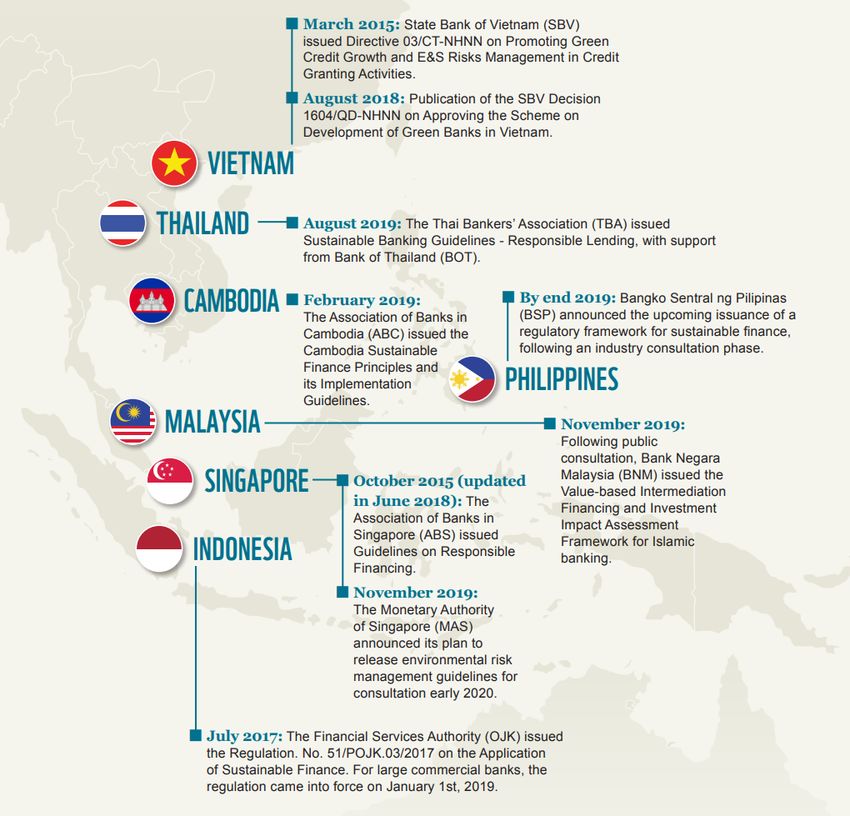
           App 1.2 Status on climate financial regulations in ASEAN
           App 1.3 ASEAN market maturity to support green Finance

           App 2.1 – 2.5 Illustration of criteria & climate maturity assessment questionnaire
           App 2.6 – 2.10 Illustration on how CDC can influence FI to become greener
           App 2.11 Green finance opportunities in ASEAN per sector

           App 3.1 Glossary
           App 4.1 Delivery Team

                                                                                                47
Appendix 1.1 - Impact of climate change in the infrastructure
sectors – a worldwide perspective
Vulnerability of Global infrastructure assets to climate hazards Key highlights
• Each infrastructure asset type has unique
vulnerabilities to climate hazards.
• Airport / Air freight can be significantly
impacted by sea level rising (25% of
busiest airport are less than 10meters from
sea level)
• Rail and roads are more affected by
flooding than by heat, because of the
vulnerability of signaling systems to water
exposure
• Telecommunications infrastructure assets
may be affected only to a minimal or
moderate degree by climate hazards
• The power grid is also vulnerable. Extreme
heat can lead to the combined effects of
efficiency losses and increase in peak load
from greater use of air-conditioning
Source: Climate risk & response, Mckinsey report Jan 2020 48You can also read


