Reconciliation Action Plan 2021-2022 - Macedon Ranges ...
←
→
Page content transcription
If your browser does not render page correctly, please read the page content below
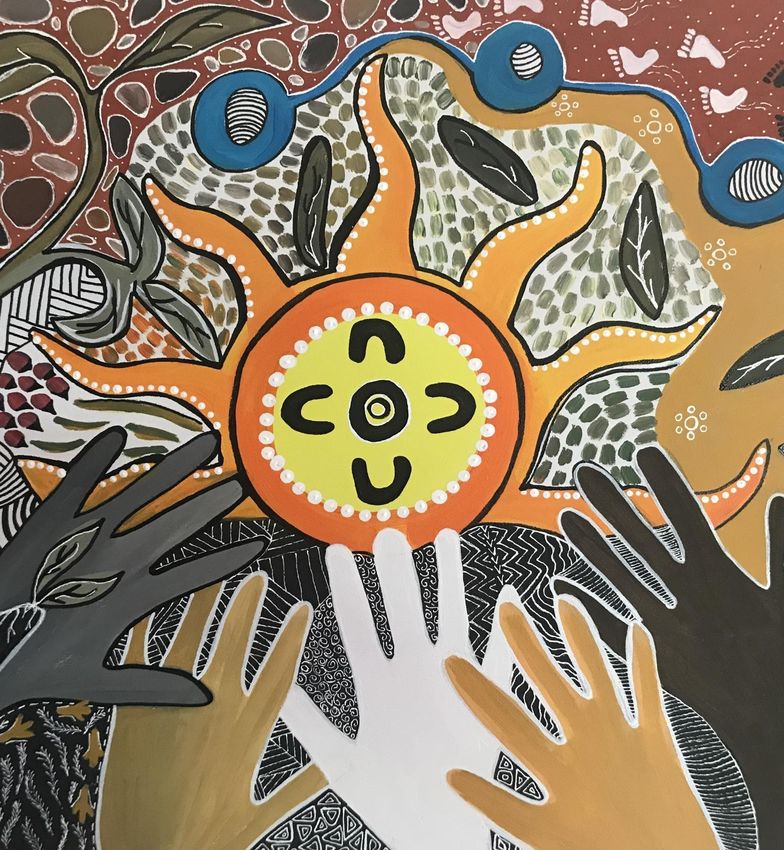
CX.2 ATTACHMENT

Reconciliation Action Plan
2021-2022

 To replace this cover image:
1. Click once over the cover template,
   then click again over the image to
   select it.
2. Right-click > Format picture
3. In the right-hand formatting pane,
   select the paint bucket icon
4. Click ‘File’ under ‘Insert picture from’
5. Browse to find a suitable PORTRAIT
   image (a landscape image will not fit
   the space).
6. Click ‘Insert’ to insert your image.
   Make sure it fits the space well and
   has not be stretched or squashed.

Contents
Acknowledgment of Country ..........................................................2
Mayor’s Statement ...........................................................................3
Our vision for reconciliation ...........................................................3
Traditional Owners and local Aboriginal and/or Torres Strait
Islander Peoples ..............................................................................4
Dja Dja Wurrung Peoples ............................................................... 4
Taungurung Peoples ...................................................................... 4
Wurundjeri Woi Wurrung Peoples ................................................. 4
Local Aboriginal and/or Torres Strait Islander Peoples ............... 4
Our place ..........................................................................................5
Our business....................................................................................5
Our RAP Journey .............................................................................6
Guiding Principles .......................................................................... 6
The RAP Working Group ................................................................ 6
The RAP Development Process..................................................... 7
Reconciliation Action Plan 2021-2022 ............................................8

                                               Draft Reconciliation Action Plan 2021 - 2022             Page 1
Acknowledgment of Country
Macedon Ranges Shire Council acknowledges the Dja Dja Wurrung, Taungurung and
Wurundjeri Woi Wurrung Peoples as the Traditional Owners and Custodians of this land
and waterways. Council recognises their living cultures and ongoing connection to
Country and pays respect to their Elders past, present and emerging.
Council also acknowledges local Aboriginal and/or Torres Strait Islander residents of
Macedon Ranges for their ongoing contribution to the diverse culture of our community.
Draft Reconciliation Action Plan 2021 - 2022 Page 2Mayor’s Statement
It is with great pleasure that I present Macedon Ranges Shire Council’s first Reconciliation
Action Plan (RAP). Council is genuinely committed to reconciliation and building strong
relationships, respect and trust between Aboriginal and Torres Strait Islander Peoples and
all our Macedon Ranges communities. Council recognises that the Dja Dja Wurrung,
Taungurung and Wurundjeri Woi Wurrung Peoples have been the Traditional Owners of
the Country on which Macedon Ranges is located for many thousands of years and
continue to have ongoing connection, rights and obligations in its management and care.
A key element of the RAP is supporting Aboriginal and Torres Strait Islander Peoples’
right to self-determination. Council sees economic independence and involvement in
decision-making as critical to this. The RAP aims to support economic opportunities for
Aboriginal and/or Torres Strait Islander Peoples, as well as developing natural resource
management agreements with the Traditional Owners to ensure their voice is central to
protecting and enhancing the natural environment.
We also recognise the need to make symbolic changes, to create a new story about our
shared history and to increase awareness about the cultural heritage of Aboriginal and
Torres Strait Islander Peoples. The implementation of the RAP will initiate these
community-wide changes and enable all Macedon Ranges residents to celebrate and
respect Aboriginal and Torres Strait Islander Peoples.
We also see this as an opportunity to learn from the Dja Dja Wurrung, Taungurung and
Wurundjeri Woi Wurrung Peoples ongoing connection to Country and make use of their
deep knowledge of what works to care for the land and waters and our communities. The
RAP will enable us to form strong partnerships to share and learn from each other.
The RAP has been developed over a period of 18 months to ensure that as an
organisation we could build our own understanding of what reconciliation means for us
and to listen to the voices of the Traditional Owners, local Aboriginal and/or Torres Strait
Islander Peoples and the broader community. As this is our first RAP we see this as
building the foundations for an ongoing process of reconciliation and partnership with
Traditional Owners and local Aboriginal and/or Torres Strait Islander Peoples. The RAP is
our roadmap for this process and provides an opportunity to understand how Council can
be most effective in reconciliation, test what works and how to develop meaningful and
respectful relationships with Aboriginal and/or Torres Strait Islander Peoples. We know we
may not always get this right but we are committed to continuously learning and changing
our approach so that there can be genuine reconciliation for all our communities.
Our vision for reconciliation
Our vision for reconciliation is one of equality and unity between Aboriginal and Torres
Strait Islander Peoples and all Macedon Ranges communities, which recognises past
injustices, our shared history and shared future, and strengthens Aboriginal and Torres
Strait Islander People’s right to self-determination.
Macedon Ranges Shire Council will contribute to a future where Dja Dja Wurrung,
Taungurung and Wurundjeri Woi Wurrung Peoples’ histories, cultures and rights are
respected, learnt from and celebrated and where Aboriginal and Torres Strait Islander
Peoples have access to equitable opportunities that enhance self-determination.
Draft Reconciliation Action Plan 2021 - 2022 Page 3Traditional Owners and local
Aboriginal and/or Torres
Strait Islander Peoples
Dja Dja Wurrung Peoples
The Dja Dja Wurrung Peoples are the Traditional Owners of the Country that stretches
from Woodend, Malmsbury and the west side of the Campaspe River in the Macedon
Ranges, to Castlemaine and Bendigo in the east, Boort in the north, Donald in the north-
west and Mount Avoca in the south-west. The Dja Dja Wurrung Clans Aboriginal
Corporation are the Registered Aboriginal Party that are the voice of Traditional Owners in
the management and protection of cultural heritage. The Dja Dja Wurrung Clans
Aboriginal Corporation negotiated a Recognition and Settlement Agreement with the
Victorian Government in 2013 which formally recognises them as Traditional Owners of
their land.
Taungurung Peoples
The Taungurung Peoples are the Traditional Owners of the Country which includes
Kyneton and Carlsruhe on the east side of the Campaspe River in the Macedon Ranges,
towards Mount Beauty in the east, Benalla in the north and the top of the Great Dividing
Range in the south. Taungurung Land and Waters Council are the Registered Aboriginal
Party that represents the interests of the Taungurung Peoples with respect to culture and
country. In 2018, the Taungurung Land and Waters Council negotiated a Recognition and
Settlement Agreement with the Victorian Government which formally recognises them as
Traditional Owners of their land.
Wurundjeri Woi Wurrung Peoples
The Wurundjeri Woi Wurrung Peoples are the Traditional Owners of the Country that
covers a large area around Melbourne and extends northwards to include Gisborne,
Lancefield, Macedon, Riddells Creek and Romsey in the Macedon Ranges. The
Wurundjeri Woi Wurrung Cultural Heritage Aboriginal Corporation are the Registered
Aboriginal Party that represent the Wurundjeri Woi Wurrung Peoples and engages in
cultural heritage, educational services and land management.
Local Aboriginal and/or Torres Strait
Islander Peoples
As a result of colonial policies and demographic shifts there are Aboriginal and Torres
Strait Islander Peoples living in Macedon Ranges who belong to different Traditional
Owner groups from all over Australia. Aboriginal and/or Torres Strait Islander Peoples
make up 0.6% (298) of the total population in Macedon Ranges shire.
Draft Reconciliation Action Plan 2021 - 2022 Page 4Our place
Macedon Ranges shire is located approximately 50km north west of Melbourne, in the
Central Victoria region. It is a diverse and contrasting landscape, an ancient folded terrain
which was once a sea bed, flattened in places by lava flows and cut with gorges by rivers.
Relative to other areas of Victoria, the Macedon Ranges shire retains large areas of native
vegetation in good condition, with much of it on private land.
At the geographic centre of the region is the Macedon Ranges and Hanging Rock. The
Macedon Ranges rises dramatically from the surrounding plains and low rolling
hills. Mount Macedon is an extinct volcano rising 1010m above sea-level, making it the
highest peak of the Macedon Ranges, as well as being culturally significant for the
Wurundjeri Woi Wurrung Peoples. Hanging Rock is located to the north of Mount
Macedon and is on the edge of several Traditional Owner groups’ boundaries and is
believed to be a shared place.
Wil-im-ee Moor-ring (Mount William), north of Lancefield, is one of the most important
cultural sites of the Wurundjeri Woi Wurrung Peoples, with highly-prized green stone
being extensively quarried for use as axe tools. Wil-im-ee Moor-ring was recently added to
the National Heritage List in recognition of its national significance.
Yelka Park, near Carlsruhe and on Taungurung Country, was named after the word for
this section of the Campaspe River which features heavily in local Aboriginal history as a
major meeting and trading place between local Aboriginal clans. On this site, the
Wurundjeri Woi Wurrung People from Wil-im-ee Moor-ring traded greenstone blanks that
could be shaped into axe heads, spear points and scraping tools.
The Macedon Ranges provides the headwaters for four major Victorian waterways; the
Campaspe and Coliban rivers to the north which make their way to Lake Eppalock and on
toward the Murray River, and the Maribyrnong and Werribee Rivers to the south which
feed into the Maribyrnong River before entering metropolitan Melbourne and Port Phillip
Bay.
Our business
Macedon Ranges Shire Council is responsible for managing, planning and delivering a
range of services to residents, businesses and visitors including early years and maternal
and child health services, sport and recreation, economic development and tourism,
environmental sustainability, community development, parks and open spaces, waste and
recycling collection amongst others. We deliver our services from across four sites in
Kyneton, Gisborne, Woodend, and Romsey.
Macedon Ranges Shire Council employs over 650 people of which a small number are
Aboriginal and/or Torres Strait Islander People.1 Council is governed by nine elected
Councillors who develop the Council Plan which is the primary vision and goal setting
document for Council during its term. The Council Plan is organised around five main
priorities.
Promoting health and wellbeing
Protecting the natural environment
Improving the built environment
Enhancing the social and economic environment
Delivering strong and reliable government
1 Council does not formally record data on employee’s identity.
Draft Reconciliation Action Plan 2021 - 2022 Page 5Our RAP Journey
For Macedon Ranges Shire Council, reconciliation is about recognising and respecting the
rights of Traditional Owners and local Aboriginal and/or Torres Strait Islander Peoples of
this country. It is about understanding and accepting the wrongs of the past, including
dispossession, violence and upheaval of the land and waters, and the impact of this on
Aboriginal and Torres Strait Islander Peoples. Council sees reconciliation as
strengthening Aboriginal and Torres Strait Islander Peoples’ right to self-determination and
working together for a more just, equitable and reconciled Australia.
Council sees a RAP as a way to build better relationships with Traditional Owners and
local Aboriginal and/or Torres Strait Islander Peoples. It will help identify ways for Council
to respect and recognise Traditional Owners’ cultures, provide an opportunity to learn from
the connection Aboriginal and Torres Strait Islander People have with their Country and
empower Aboriginal and Torres Strait Islander Peoples to participate equally in all areas of
life.
This is Macedon Ranges Shire Council’s first RAP but Council has been recognising and
acknowledging the histories and cultures of Aboriginal and Torres Strait Islander Peoples
and partnering with the Traditional Owners in a number of ways including:
Regularly organising community activities and events for National Reconciliation and
NAIDOC Week
Developing ‘Organisational Protocols for Recognising Traditional Owners and
Custodians’
Commissioning a Taungurung Elder to design a Welcome to Country sign for the
Kyneton Community Park
Establishing Yelka Park as a significant site in partnership with the Taungurung
Peoples
Employing Registered Aboriginal Parties enterprises for cultural burns and natural
resource management
Co-developing the Hanging Rock Strategic Plan with the Dja Dja Wurrung, Taungurung
and Wurundjeri Woi Wurrung Peoples
The outcome of these initiatives is the development of greater partnerships and
collaboration with the local Traditional Owner groups and greater understanding and
awareness in the local community of Traditional Owners’ histories and cultures.
Guiding Principles
The RAP was developed with five guiding principles. The RAP should:
Align with the strategic priorities of the Traditional Owner groups in Macedon Ranges
Reflect the needs and priorities of local Aboriginal and/or Torres Strait Islander
Peoples.
Strengthen Aboriginal and Torres Strait Islander People’s right to self-determination.
Support partnerships with Traditional Owners and Aboriginal and Torres Strait Islander
Peoples
Respect different knowledge systems
The RAP Working Group
The RAP Working Group is composed of representatives from across Council’s four
Directorates, local residents who identify as Aboriginal and/or Torres Strait Islander, a
representative from the Dja Dja Wurrung Clans Aboriginal Corporation and two non-
Draft Reconciliation Action Plan 2021 - 2022 Page 6Aboriginal community members. It is chaired by Angela Hughes, Council’s Director
Planning and Environment, as our RAP champion. The members of the RAP Working
Group are as follows:
Angela Hughes (Planning & Environment) – RAP Working Group Chair
Stephen Hiley (Community Places and Partnerships)
Awais Sadiq (Statutory Planning)
Robyn Till (Arts & Culture)
Michael O’Dwyer (Parks)
Anna Nicholson (Health Broker)
Anne Walsh (Hanging Rock)
Daniel Young (Hanging Rock)
Brad Tellis (Customer Service)
Leanne Manton (Communications)
Sarah Gilmour (Consultation and Engagement)
Moyra Douglas (People, Culture and Performance)
Vanessa Charles (Djandak/Dja Dja Wurrung Clans Aboriginal Corporation)
Maxine West (Aboriginal Community Member)
Dennis Batty (Aboriginal Community Member)
Rachel Dettman (Community Member)
Georgie Garvey-Hawke (Community Member)
Bonnie Chew (Mirriyu Cultural Consulting)
The RAP Working Group is grateful to Bonnie Chew, Director of Mirriyu Cultural
Consulting and proud Wadawurrung woman, who supported the working group and the
development of the RAP.
The RAP Development Process
The RAP Working Group explored what reconciliation means, what the guiding principles
were and what our local context was. It analysed the strategic priorities of the three
Traditional Owner groups through looking at their Country Plans, their main direction-
setting document, and other strategic documents and Council’s existing reconciliation
priorities.
Consultation took place with the three Traditional Owner groups (face to face meetings,
survey), local Aboriginal and/or Torres Strait Islander Peoples, (survey, workshop),
Council staff (team meetings, survey, workshop), Councillors (workshop), and all
Macedon Ranges residents (survey). Ideas from the consultation were ranked on the level
of support amongst stakeholders, level of impact, and whether they were achievable in the
two-year timeframe. These proposed actions were then discussed with Traditional Owners
and Councillors before being finalised in the RAP.
Draft Reconciliation Action Plan 2021 - 2022 Page 7Reconciliation Action Plan 2021-2022
Relationships
Building strong relationships with Traditional Owners and local Aboriginal and/or Torres Strait Islander Peoples based on trust and respect is
foundational for advancing reconciliation. It enables greater understanding and partnerships and ensures that any actions are relevant and
meaningful. Facilitating respectful relationships between Aboriginal and Torres Strait Islander Peoples and all Macedon Ranges residents supports a
more inclusive community.
Action Deliverable Timeline Responsibility
1. Develop and maintain Meet with local Aboriginal and Torres Strait Islander stakeholders and December Community
mutually beneficial organisations to develop guiding principles for future engagement. 2021 Partnerships
relationships with Aboriginal Officer
and Torres Strait Islander
Peoples, communities and Develop and implement an engagement plan to work with Aboriginal December Community
organisations to support and Torres Strait Islander stakeholders and organisations. 2022 Partnerships
positive outcomes Officer
2. Celebrate and participate in Organise a community National Reconciliation Week event each year 27 May- Community
National Reconciliation to raise awareness and engagement in our local community. 3 June Partnerships
Week by providing annually Officer
opportunities to build and Register our National Reconciliation Week events on Reconciliation 27 May- Community
maintain relationships Australia’s National Reconciliation Week website. 3 June Partnerships
between Aboriginal and annually Officer
Torres Strait Islander
Peoples and other RAP Working Group members to participate in an external National 27 May- Chair, RAP
Australians Reconciliation Week event. 3 June Working Group
annually
Encourage and support staff and senior leaders to participate in at 27 May- Manager,
least one external event to recognise and celebrate National 3 June Community &
Reconciliation Week. annually Culture
Draft Reconciliation Action Plan 2021 - 2022 Page 8 Provide opportunities for all Aboriginal and Torres Strait Islander staff 27 May- Manager People,
to participate with their cultures and communities during National 3 June Culture and
Reconciliation Week. annually Performance
Circulate Reconciliation Australia’s NRW resources and reconciliation 27 May- Manager,
materials to our staff. 3 June Community &
annually Culture
Explore hosting a youth event during National Reconciliation Week. 27 May- Coordinator,
3 June Youth
annually Development
3. Promote reconciliation Develop, implement and review a communications plan to promote March 2021 Community
through our sphere of our Reconciliation Action Plan to all internal and external Partnerships
influence. stakeholders. Officer
Communicate our commitment to reconciliation publically by December Community
developing a Council-endorsed statement of reconciliation that is 2021 Partnerships
displayed on our website and in our customer service centres. Officer
Implement strategies to engage our staff in reconciliation. December Manager,
2022 Community &
Culture
Explore opportunities to positively influence our external stakeholders December Manager,
to drive reconciliation outcomes. 2022 Community &
Culture
Collaborate with RAP and other like-minded organisations to develop December Manager,
ways to advance reconciliation including identifying collaborative 2022 Community &
opportunities with Reconciliation Victoria. Culture
4. Promote positive race Conduct a review of Human Resources policies and procedures to June 2021 Manager People,
relations through anti- identify existing anti-discrimination provisions, and future needs. Culture and
discrimination strategies. Performance
Engage with Aboriginal and Torres Strait Islander staff and/or June 2021 Manager People,
Aboriginal and Torres Strait Islander advisors to consult on our anti- Culture and
discrimination policy. Performance
Draft Reconciliation Action Plan 2021 - 2022 Page 9 Develop, implement and communicate an anti-discrimination policy December Manager People,
for our organisation. 2021 Culture and
Performance
Educate senior leaders on the effects of racism. December Manager People,
2021 Culture and
Performance
Draft Reconciliation Action Plan 2021 - 2022 Page
10Respect
Respecting Aboriginal and Torres Strait Islander, cultures, histories, knowledge and rights acknowledges their position as Traditional Owners of the
land and First Nations people. Respect is key to building strong relationships and by demonstrating and building respect in the community it will
enable all Macedon Ranges residents to appreciate and celebrate Aboriginal and Torres Strait Islander Peoples histories and cultures.
Action Deliverable Timeline Responsibility
5. Increase understanding, Review the cultural learning needs within our organisation. March 2021 Manager People,
value and recognition of Culture and
Aboriginal and Torres Performance
Strait Islander cultures, Consult with local Traditional Owners on the development and June 2021 Manager People,
histories, knowledge and implementation of a cultural learning strategy that incorporates Dja Dja Culture and
rights through cultural Wurrung, Taungurung and Wurundjeri Woi Wurrung cultural awareness Performance
learning. training.
Develop and implement an Aboriginal and Torres Strait Islander cultural December Manager People,
awareness training strategy which is integrated into Council’s Learning 2021 Culture and
and Development Strategy. Performance
Raise awareness of, and provide training on, Land Use Activity June 2021 Manager People,
Agreements from the Recognition and Settlement Agreements and Culture and
cultural heritage requirements under the Cultural Heritage Act. Performance
Provide opportunities for RAP Working Group members, Human June 2021 Manager People,
Resource managers and other key leadership staff to participate in Culture and
formal and structured cultural learning. Performance
Incorporate awareness of cultural protocols into our corporate induction June 2021 Manager People,
process. Culture and
Performance
6. Demonstrate respect to Implement, review and update our Organisational Protocols for June 2021 Manager,
Aboriginal and Torres Recognising Traditional Owners and Aboriginal and/or Torres Strait Community &
Strait Islander Peoples by Islander Peoples. Culture
observing cultural Have an Acknowledgment of Country on all staff email signatures. December Manager,
protocols. 2021 Communications
Draft Reconciliation Action Plan 2021 - 2022 Page
11 Develop a standardised Acknowledgment of Country to be used across December Coordinator, Early
all kindergartens. 2021 Years
Have an Acknowledgment of Country on all online external-facing December Manager,
communications (e.g. tourism website, Council website, intranet, social 2021 Communications
media site page guideline areas etc.).
Have an Acknowledgment of Country on selected Council print material. December Manager,
2021 Communications
Staff and senior leaders provide an Acknowledgment of Country or other June 2021 Manager,
appropriate protocols at all public events. Community &
Culture
Increase staff understanding of the purpose and significance behind December Community
cultural protocols, including Acknowledgment of Country and Welcome 2021 Partnerships
to Country protocols. Officer
Invite a local Traditional Owner or Custodian to provide a Welcome to December Community
Country or other appropriate cultural protocol at significant events each 2021 Partnerships
year. Officer
Include an Acknowledgement of Country or other appropriate protocols December Community
at the commencement of important meetings. 2021 Partnerships
Officer
7. Build respect for In consultation with Traditional Owner groups, organise at least one July Manager,
Aboriginal and Torres internal and external NAIDOC Week event. annually Community &
Strait Islander cultures Culture
and histories by
RAP Working Group to participate in an external NAIDOC Week event. July Chair, RAP
celebrating NAIDOC
annually Working Group
Week.
Review Human Resources policies and procedures to remove barriers to December Manager People,
staff participating in NAIDOC Week. 2021 Culture and
Performance
Promote and encourage participation in external NAIDOC events to all July Manager,
staff. annually Community &
Culture
Draft Reconciliation Action Plan 2021 - 2022 Page
12Opportunities
Opportunities, particularly related to economic development, are central to Aboriginal and Torres Strait Islander Peoples self-determination. Increasing
economic opportunities will support individual autonomy and a greater ability for people to determine their future. Creating opportunities will also allow
Council and the community to benefit from Aboriginal and Torres Strait Islander Peoples unique histories, cultures and knowledge systems.
Action Deliverable Timeline Responsibility
8. Improve employment Build understanding of current Aboriginal and Torres Strait Islander December Manager People,
outcomes by increasing staffing to inform future employment and professional development 2021 Culture and
Aboriginal and Torres opportunities. Performance
Strait Islander
recruitment, retention and Engage with Aboriginal and Torres Strait Islander staff to consult on our December Manager People,
professional recruitment, retention and professional development strategy. 2021 Culture and
development. Performance
Develop an Aboriginal and Torres Strait Islander recruitment, retention December Manager People,
and professional development strategy which is integrated into Council’s 2021 Culture and
Workforce Strategy. Performance
Advertise job vacancies to effectively reach Aboriginal and Torres Strait December Manager People,
Islander stakeholders. 2021 Culture and
Performance
Review HR and recruitment procedures and policies to remove barriers December Manager People,
to Aboriginal and Torres Strait Islander participation in our workplace. 2021 Culture and
Performance
Increase the percentage of Aboriginal and Torres Strait Islander staff December Manager People,
employed in our workforce. 2021 Culture and
Performance
9. Increase Aboriginal and Review and update procurement practices to remove barriers to December Manager, Finance
Torres Strait Islander procuring goods and services from Aboriginal and Torres Strait Islander 2021
supplier diversity to businesses.
Draft Reconciliation Action Plan 2021 - 2022 Page
13support improved Develop and implement an Aboriginal and Torres Strait Islander December Manager, Finance
economic and social procurement strategy which is integrated into Council’s procurement 2022
outcomes. policy.
Develop and communicate opportunities for procurement of goods and December Manager, Finance
services from Aboriginal and Torres Strait Islander businesses to staff. 2022
Investigate Supply Nation and Kinnaway membership. December Manager, Finance
2022
Develop commercial relationships with Aboriginal and/or Torres Strait December Manager, Finance
Islander businesses. 2022
10. Establish natural Develop a program with Traditional Owners to map cultural heritage December Coordinator,
resource management values and develop Aboriginal cultural heritage land management 2021 Environment
opportunities on Council- agreements or similar agreements for Council reserves.
managed reserves Initiate the process to develop an Aboriginal cultural heritage land December Coordinator,
management agreements or similar agreement with the Dja Dja 2022 Environment
Wurrung, Taungurung and Wurundjeri Woi Wurrung.
11. Investigate and develop Undertake a feasibility study to establish the Lancefield Megafauna December Coordinator, Arts
opportunities for Interpretation Centre that engages with and includes local Aboriginal 2021 & Culture
economic and histories and cultures.
educational outcomes Incorporate a preference for Reconciliation projects into the Community December Coordinator,
Funding Scheme. 2021 Community
Places and
Partnerships
Draft Reconciliation Action Plan 2021 - 2022 Page
14Governance
Action Deliverable Timeline Responsibility
12. Establish and maintain an Maintain Aboriginal and Torres Strait Islander representation on the RAP March 2021 Community
effective RAP Working Working Group. 2020 Partnerships
group (RWG) to drive Officer
governance of the RAP. Establish and apply a Terms of Reference for the RAP Working Group. March 2021 Community
Partnerships
Officer
Meet at least four times per year to drive and monitor RAP August, Community
implementation. November, Partnerships
February, Officer
May
annually
13. Provide appropriate Define resource needs for RAP implementation and develop business December Community
support for effective cases for each year’s implementation. annually Partnerships
implementation of RAP Officer
commitments. Engage our senior leaders and other staff in the delivery of RAP August, Chair, RAP
commitments. November, Working Group
February,
May
annually
Define and maintain appropriate systems to track, measure and report August Community
on RAP commitments. 2021 Partnerships
Officer
Appoint and maintain an internal RAP Champion from senior March 2021 Chair, RAP
management. Working Group
14. Build accountability and Complete and submit the annual RAP Impact Measurement 30 Community
transparency through Questionnaire to Reconciliation Australia. September Partnerships
reporting RAP annually Officer
Draft Reconciliation Action Plan 2021 - 2022 Page
15achievements, challenges Report RAP progress to all staff and senior leaders quarterly. August, Chair, RAP
and learnings both November, Working Group
internally and externally. February,
May
annually
Publically report our RAP achievements, challenges and learnings, July Manager,
annually. annually Communications
Investigate participating in Reconciliation Australia’s biennial Workplace May 2022 Community
RAP Barometer. Partnerships
Officer
15. Continue our Register via Reconciliation Australia’s website to begin developing our July 2022 Community
reconciliation journey by next RAP. Partnerships
developing our next RAP. Officer
Further Information
Jodie Turner
Coordinator, Community Places & Partnerships
Macedon Ranges Shire Council
03 5422 0247
jturner@mrsc.vic.gov.au
Draft Reconciliation Action Plan 2021 - 2022 Page
16You can also read


