EVERYONE'S BUSINESS 2018 - 2020 - Australian Labor Party
←
→
Page content transcription
If your browser does not render page correctly, please read the page content below
2018 – 2020

                                                                                                  I N N O VA T E

EVERYONE’S
BUSINESS

EVERYONE’S BUSINESS The Australian Labor Party’s Reconciliation Action Plan Dec 2018 – Dec 2020                1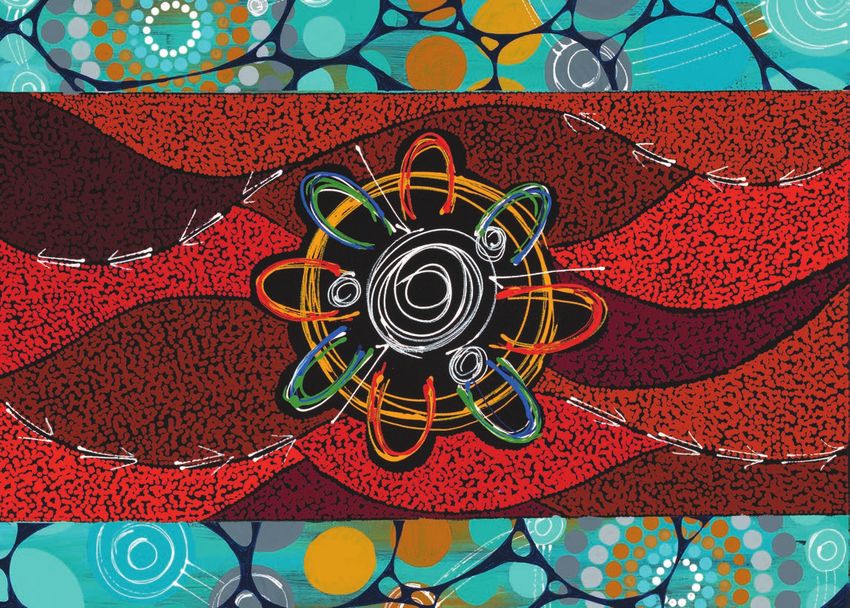
EVERYONE’S
    BUSINESS

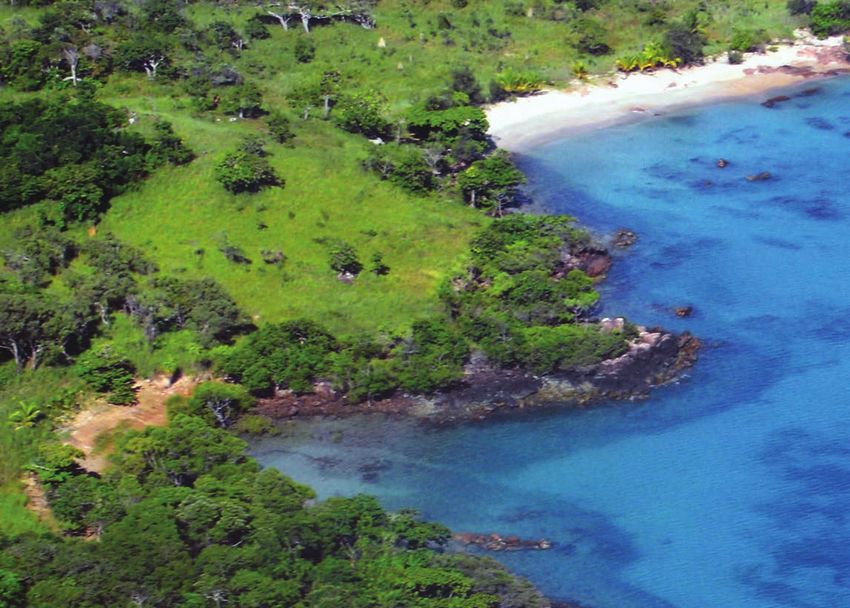
    Remote western coast of Badu Island, Torres Strait.
    The Mura Badulgal people are the traditional
    owners of Badu Island.
2      EVERYONE’S BUSINESS The Australian Labor Party’s Reconciliation Action Plan Dec 2018 – Dec 2020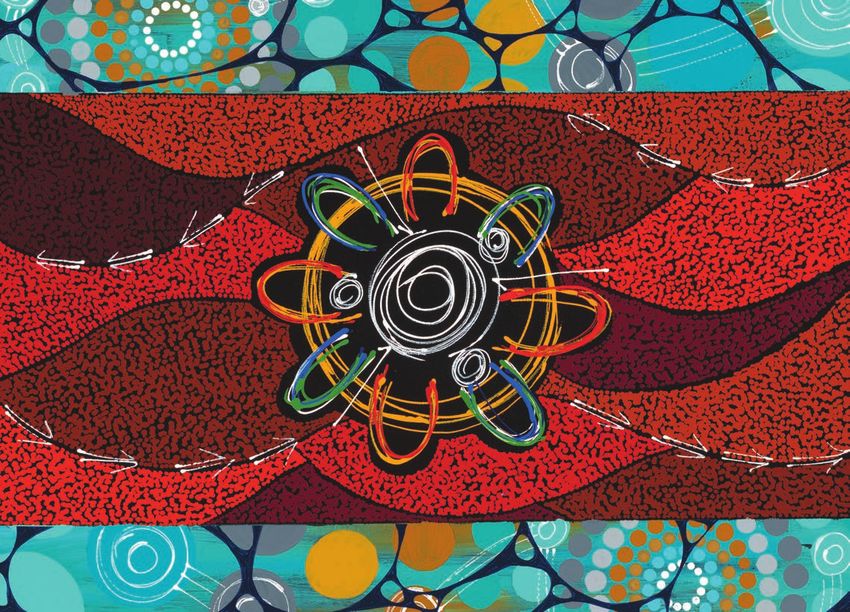
Australia’s First Peoples’ Acknowledgement
                                The Australian Labor party acknowledges that
                                Aboriginal and Torres Strait Islander Peoples
                                are the First peoples of Australia, and have
                                sustained spiritual beliefs, cultural and ceremonial
                                practices on traditional estates. In the true spirit of
                                reconciliation, the Australian Labor Party affirms its
                                equal partnership with Aboriginal and Torres Strait
                                Islander Peoples for the ongoing custodianship and
                                maintenance of land and 'sea country' throughout
                                this nation.

                               This document contains images and names of
                               people who have since passed away.

EVERYONE’S BUSINESS The Australian Labor Party’s Reconciliation Action Plan Dec 2018 – Dec 2020   3
4 EVERYONE’S BUSINESS The Australian Labor Party’s Reconciliation Action Plan Dec 2018 – Dec 2020
The Australian                                                                             MESSAGE FROM BILL SHORTEN MP - LABOR’S VISION
                                                                                           FOR RECONCILIATION AND RECOGNITION ..................................................................................... 7

Labor Party’s                                                                              THE AUSTRALIAN LABOR PARTY AND THE PATH TOWARDS RECONCILIATION .................. 9

Reconciliation                                                                             TIMELINE OF HISTORY OF LABOR AND FIRST NATIONS ............................................................10

                                                                                           EVERYONE’S BUSINESS – LABOR’S RECONCILIATION ACTION PLAN ....................................14
Action Plan                                                                                COMMISSIONED RECONCILIATION ARTWORK .............................................................................. 17

December 2018 -                                                                            STRATEGIES FOR RECONCILIATION..................................................................................................19

                                                                                                  People and Relationships .................................................................................................................19
December 2020
                                                                                                  Respect ................................................................................................................................................ 23

                                                                                                  Opportunities...................................................................................................................................... 27

                                                                                                  Governance, tracking progress and reporting ............................................................................. 31

                                                                                           ACKNOWLEDGEMENTS ........................................................................................................................ 33

Image (Left):
During an emotional ceremony
in 1975 Prime Minister Gough
Whitlam pours soil into the hand
of traditional land owner Vincent
Lingiari AM, symbolically handing
the Wave Hill station back to the
Gurindji people.
Photograph: Mervyn Bishop.
©Department of the Prime
Minister and Cabinet (PM&C)
Collection: Art Gallery of NSW.

EVERYONE’S BUSINESS The Australian Labor Party’s Reconciliation Action Plan Dec 2018 – Dec 2020                                                                                                                                                                 5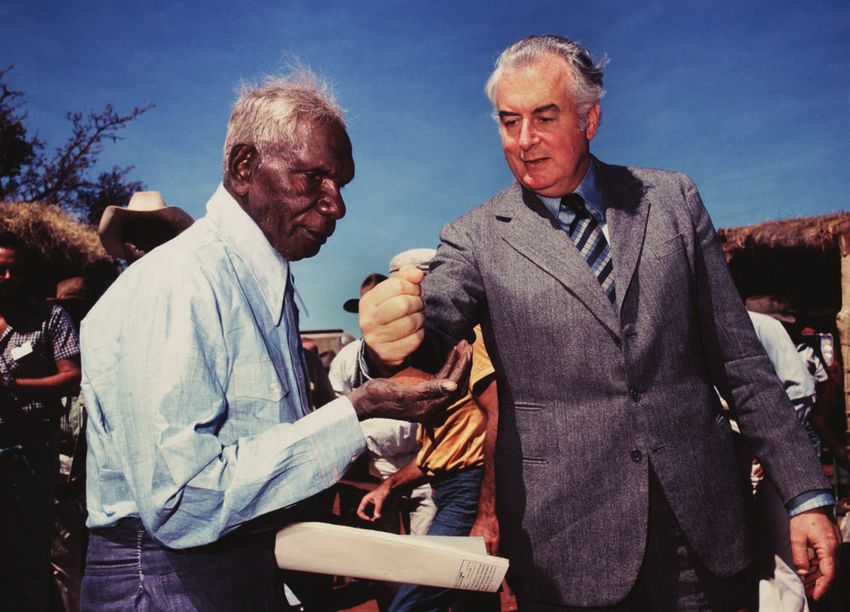
6 EVERYONE’S BUSINESS The Australian Labor Party’s Reconciliation Action Plan Dec 2018 – Dec 2020
MESSAGE FROM BILL SHORTEN MP

                                             LABOR’S VISION FOR RECONCILIATION
                                             AND RECOGNITION

                                             For Labor, reconciliation and recognition is about            Whether you live in the city, regions, or a remote
                                             ensuring that First Nations People have the same rights,      community, reconciliation is about making sure that First
                                             opportunities and outcomes as every other Australian.         Nations People enjoy the same rights and outcomes as
                                                                                                           other Australians.
                                             These goals have eluded us as a nation for more than
                                             two centuries.                                                It is about ensuring First Nations People have an equitable
                                                                                                           position as citizens within our modern democratic nation.
                                             It is time for that to change – and Labor wants to lead
                                             this change.                                                  I am proud to lead a Labor party that holds these ideals,
                                                                                                           and is committed to working with First Nations People to
                                             Reconciliation and recognition is about acknowledging -
                                                                                                           make this a reality.
                                             and celebrating - the unique place of Aboriginal and Torres
                                             Strait Islanders as the first inhabitants and custodians of   If we are to achieve these outcomes and create a truly
                                             Australia. We are home to the oldest surviving culture on     Reconciled Nation, First Nations People must have a say in
                                             earth. That is something that we can all take pride in.       all of the decisions that affect their lives.
                                             Reconciliation and recognition is about acknowledging the     That is why I am committed to ensuring that First Nations
                                             truth of our history, the wrongs that have been committed     People have a voice – entrenched in our Constitution.
                                             against first peoples–and not shying away from our
                                                                                                           With this Reconciliation Action Plan, I also commit my party
                                             historical pain. Without truth, there can be no healing.
                                                                                                           to practical measures to give First Australians a voice in our
                                             Reconciliation is about building relationships, and           party, in our parliament, and in our society. And, in doing so,
                                             about listening.                                              Labor can continue to lead the way on our nation’s path to
                                                                                                           Recognition, Reconciliation and Justice.
                                             Above all, it is about taking action to tackle disadvantage
Image (Left):                                and inequality. It is about introducing practical measures
The Hon. Bill Shorten, Leader of             to close the gap in health, housing, education, employment    Bill Shorten
the Opposition, Linda Burney                 and life expectancy.                                          Leader of the Opposition
MP, Senator Malarndirri McCarthy
and Senator Patrick Dodson.                  It is about protecting and celebrating Indigenous cultures,
Photograph: Andrew Meares.                   languages, arts and song.

EVERYONE’S BUSINESS The Australian Labor Party’s Reconciliation Action Plan Dec 2018 – Dec 2020                                                                              7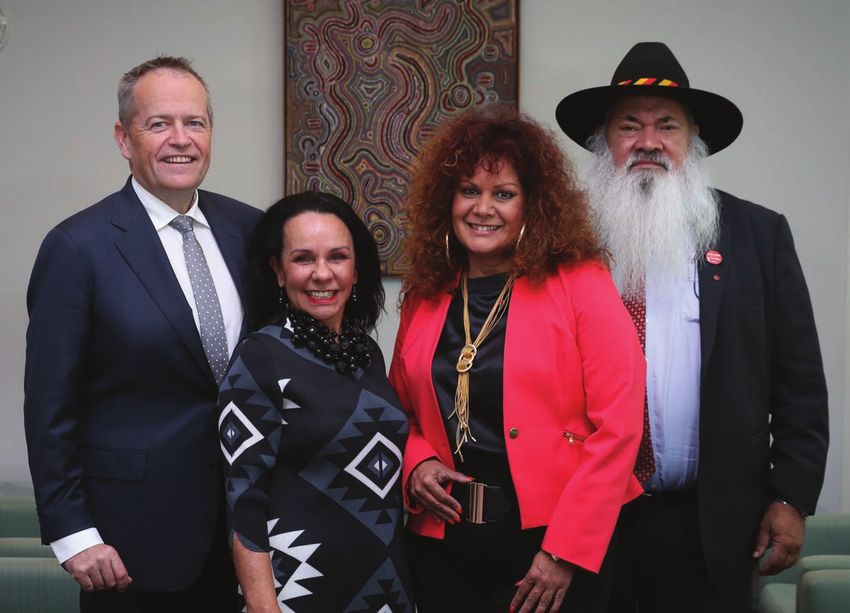
8 EVERYONE’S BUSINESS The Australian Labor Party’s Reconciliation Action Plan Dec 2018 – Dec 2020
THE AUSTRALIAN LABOR PARTY AND THE
                                              PATH TOWARDS RECONCILIATION

“to promote equality,                         The Australian Labor Party (ALP) has a long and proud             ALP PARTY STRUCTURE

 to involve the people
                                              history of supporting First Nations People on the path
                                                                                                                The party holds a National Conference every three years,
                                              towards recognition and reconciliation. Under the
 of Australia in the                          Reconciliation Action Plan, we commit to building on this
                                                                                                                comprising federal and state parliamentary members and
                                                                                                                delegates representing the state and territory branches and
 decision-making                              legacy while acknowledging the party’s past involvement
                                              in laws and policies of successive governments and
                                                                                                                Australian Young Labor. The National Conference decides
 processes of our                             parliaments that have negatively impacted on
                                                                                                                the party's policy platform, elects the National Executive,
                                                                                                                and appoints office-bearers such as the National Secretary,
 land, and to liberate                        Indigenous Australians.
                                                                                                                who also serves as the National Campaign Director during
 the talents and uplift                       The ALP is Australia’s oldest political party. It is a federal
                                              party, consisting of eight state and territory branches.
                                                                                                                elections.

 the horizons of the                          The party is descended from labour parties founded in
                                                                                                                The National Executive is the chief administrative authority
                                                                                                                of the party, subject only to National Conference. The
 Australian people.”                          the various Australian colonies, beginning in 1891. It was
                                                                                                                National Executive is responsible for organising the
                                              established federally after the first sitting of the Australian
 –Wenten Rubuntja AM                                                                                            National Conference; carrying out the decisions of National
                                              Parliament in 1901.
                                                                                                                Conference; interpreting the National Constitution, the
 Image (Left):                                The party has always aimed to, “promote equality, to              National Platform and decisions of National Conference; and
 In 1988 Aboriginal leader
                                              involve the people of Australia in the decision-making            directing federal parliamentary members.
 Galarrwuy Yunupingu AM                       processes of our land, and to liberate the talents and uplift
                                                                                                                The national head office of the ALP (the National
 presented the Prime Minister,                the horizons of the Australian people.” This objective is
                                                                                                                Secretariat) is managed by the National Secretary. The
 the Hon. Bob Hawke AC, with a                reflected in its commitment to fairness at work, access to
                                                                                                                National Secretariat acts as a permanent secretariat to
 painted statement, the Barunga               quality education, no matter what a person’s circumstance
                                                                                                                the National Executive and has the dual responsibility of
 Statement, which petitioned                  and a firm belief that all Australians should have the same
                                                                                                                administrating the affairs of the party and managing the
 the Commonwealth Parliament                  opportunities to succeed in life.
 to ‘negotiate a Treaty with                                                                                    national election campaign strategy. In 2018 there
 Indigenous Australians.                      Membership of the ALP is open to all residents of Australia       were 20 staff working for the National Secretariat,
 Photograph: Fairfax Syndication.             who share the party’s objectives.                                 none of these staff have identified as Aboriginal and Torres
                                                                                                                Strait Islanders.

 EVERYONE’S BUSINESS The Australian Labor Party’s Reconciliation Action Plan Dec 2018 – Dec 2020                                                                               9
HISTORY OF LABOR AND FIRST NATIONS

        1963                                                                                           1967                                       1972-75
        YIRRKALA
        BARK                                                                                                                                      THE WHITLAM
        PETITIONS                                                                                      REFERENDUM                                 GOVERNMENT
        In July 1963, two Labor                       The first two petitions, requesting an           The ALP supported the passage of the       In early 1972 the McMahon                 lands. Speaking on this, Lingiari said,
        parliamentarians, Kim Beazley (senior)        inquiry, were presented in the House             Constitution Alteration (Aboriginals)      Government ruled out land rights for      “We want to live on our land, our
        and Gordon Bryant visited Reverend            of Representatives on 14 August by               Bill 1967, to amend section 51 (xxvi)      Indigenous Australians, triggering the    way”. And, so began the eight-year
        Edgar Wells, Superintendent of the            Jock Nelson, Member for the Northern             and repeal section 127. The leader         establishment of the Aboriginal Tent      fight by the Gurindji people to obtain
        Yirrkala Methodist church mission in          Territory, and on 28 August by Arthur            of the then Federal Opposition, Mr         Embassy outside Parliament House.         tenure to their land. In August 1975,
        eastern Arnhem Land to offer their            Calwell, then Leader of the Opposition.          Whitlam, strongly campaigned for a                                                   Prime Minister Whitlam returned the
                                                                                                       Yes vote, saying that if the referendum    The Whitlam Government established
        assistance to the Yolngu people                                                                                                                                                     Daguragu lands to the Gurindji people
                                                      The petitions were the first traditional         was passed there would be no alibis        the Department of Aboriginal
        following the Australian Government’s                                                                                                                                               - the “Wave Hill Walk Off” strike action
                                                      documents prepared by Indigenous                 in the future for failing to improve the   Affairs and introduced the country’s
        decision to remove more than 300                                                                                                                                                    commenced almost a decade earlier.
                                                      Australians that were recognised by the          conditions of the Aborigines.              first policy of ‘self-determination’
        square kilometres of land from the                                                                                                                                                  This event also marked a turning point
        Arnhem Land Aboriginal Reserve to             Australian Parliament, and are the first                                                    in Indigenous Affairs. Also, the          in the way governments provide tenure
        allow Nabalco to mine and extract             documentary recognition of Indigenous                                                       expenditure in Indigenous Affairs         to First Nations People. Aboriginal land
        the bauxite. In August 1963, the              people in Australian law.                                                                   programs increased significantly during   rights was a driving force behind the
        Yolngu leaders sent petitions to the                                                                                                      the Whitlam Government.                   Woodward Commission Inquiry, the
        Commonwealth Parliament making                                                                                                            In 1966 Vincent Lingiari, a member        Aboriginal Councils and Associations
        plain their objection to the lack of                                                                                                      of the Gurindji working at Wave Hill      Act 1976, and the Aboriginal Land
        consultation and the secrecy of the                                                                                                       and recently returned from a period       rights (Northern Territory) Act 1976.
        Government’s agreement with Nabalco,                                                                                                      of hospitalisation in Darwin, led a
        and their concern about the impact                                                                                                                                                  The Whitlam Government also enacted
                                                                                                                                                  walk-off of his people, the Indigenous    the Racial Discrimination Act 1975,
        of the mining on the land unless their                                                                                                    employees of Wave Hill, in protest
        voices were heard.                                                                                                                                                                  which gave equal land rights to
                                                                                                                                                  against the exploitative working and      Indigenous Australians and bound
                                                                                                                                                  living conditions they suffered under.    the Commonwealth Parliament to
                                                                                                                                                  The Gurindji protesters established the   the International Convention on the
                                                                                                                                                  Wattie Creek Camp and demanded            Elimination of All Forms of Racial
                                                                                                                                                  the return of some of their traditional   Discrimination.
       10          EVERYONE’S BUSINESS The Australian Labor Party’s Reconciliation Action Plan Dec 2018 – Dec 2020

3 Page spread
1983-1991 1991-1996
HAWKE KEATING
GOVERNMENT GOVERNMENT
When the ALP returned to office People in state and territory The Hawke Government co-managed The Keating Government led the The year of 1993 also brought the
in 1983, ‘self-determination’ and jails, the Hawke Government the first boards with Aboriginal control way for recognition of past wrongs to establishment of the Office of the
land rights again became a policy established the Royal Commission of the Kakadu and Uluru-Kata Tjuta Indigenous Australians. In 1992, the Aboriginal and Torres Strait Islander
focus for the new Government, and into Aboriginal Deaths in Custody National Parks. High Court handed down the historic Social Justice Commissioner.
Indigenous Australians were given (RCIADIC) in 1987. Mabo Decision, ruling that the Meriam
In 1989, the Hawke Government people of the Murray Islands of Mer, Notable initiatives of 1995 include:
more control over administration
• The Barunga statement of 1988 established the Aboriginal and Torres Dauar and Waier held native title to
and service delivery through their • The establishment of the National
followed growing discontent Strait Islander Commission (ATSIC). their lands, debunking the doctrine
own incorporated entities. Three key Inquiry into the separation of
around the progress on land of Terra Nullius. In December 1992, in
initiatives include: In December 1990, Prime Minister Aboriginal and Torres Strait
rights and the lack of recognition his Redfern Speech to mark the Year
Hawke announced the Government’s Islander Children from Their
• The establishment of the of other civil, economic, social and for World’s Indigenous People, Prime
in principle support for a framework Families (which resulted in the
Maralinga Tjarutja Land Rights cultural rights for First Nations Minister Keating acknowledged past
‘advancing a process of reconciliation Bringing Them Home Report of
Act 1984, which returned the People. The Barunga statement injustices and mistakes and strongly
between Aborigines and Torres Strait 1997).
Maralinga lands to the Yalata petitioned the Commonwealth defended the Mabo Decision and
Parliament to ‘negotiate a Treaty Islanders and the wider Australian
people and granted former Native Title rights. He invited the • The passage of the Land Fund
with Indigenous Australians that community’. This framework was put
reserve and government lands to Australian public to imagine how they and Indigenous Land Corporation
recognises their prior ownership, in place by the Council for Aboriginal
an Indigenous corporate body. would feel if what had been done to (ATSIC Amendment) Act 1995.
continued occupation and Reconciliation Bill introduced on 31
This followed a Royal Commission First Nations People, had been done
sovereignty, and affirmed human May 1991. • Under the Keating Government,
set up by the Government to to them.
examine British nuclear testing on rights and freedoms’. Prime the strengthening of the Racial
Later that year the Hawke Government
sites including the Maralinga area. Minister Hawke pledged that a Building on the momentum of Discrimination Act of 1975.
allocated $400 million to implement
treaty would be negotiated with the Mabo Decision, the Keating
the recommendations of Royal
• In response to public concern Indigenous Australians. Government commenced consultations
Commission into Aboriginal Deaths in
about frequent and inadequately and negotiations on Native Title and
Custody (RCIADIC)
explained deaths of First Nations the Native Title Act 1993 was passed.
ThisEVERYONE’S BUSINESS – LABOR’S
RECONCILIATION ACTION PLAN
"It is the first A formal RAP Working Group (RWG) was established to Labor’s RAP is designed to ensure that at every level
time that
commence work on the RAP and to facilitate its passage of our party we are constantly building our understanding
through to the 2018 National Conference, members of the of the issues that affect First Nations’ People’s equality
a national RWG are: and aspirations, and developing practical ideas for
achieving change.
political party
Hon Linda Burney MP, Federal Member for Barton
Kyam Maher –SA Leader of the Opposition in the It focusses on building relationships, respect and
has developed Legislative Council opportunities.
a RAP" Tara Moriaty – Member of National Executive (2015-18)
Tim Ayres – Member of the National Executive
We have identified a range of practical measures that we
can adopt as a party to ensure that First Nations People
have more opportunities to be involved in our party, at
Paul Erickson – National Assistant Secretary
every level.
Alistair Webster – Director of Social Policy/Leader's Office
More than anything, this RAP aims to ensure First Nations
This Reconciliation Action Plan (RAP) outlines Labor’s People have equality in a Reconciled Nation, and a voice in
commitment to come together with First Nations People the matters that affect their lives.
and work towards equality, and a Reconciled and
just Nation. Today, Labor has an historic number of Indigenous
members in the Federal Caucus.
It is the first time that a national political party has
developed a RAP, and in doing so, outlines a comprehensive If Labor is successful at the next election, these three First
strategy for ensuring First Nations People are actively Nation’s people will be central to the decision-making of the
supported to participate in our party, our parliament, and Australian Government.
our nation.
14 EVERYONE’S BUSINESS The Australian Labor Party’s Reconciliation Action Plan Dec 2018 – Dec 2020EVERYONE’S BUSINESS – LABOR’S
RECONCILIATION ACTION PLAN
"Labor’s But of course, there is much more that we can do, and this
RAP demonstrates our commitment to doing just that.
The ALP’s National Executive will have responsibility for the
National
oversight and reporting of the RAP.
In its development we have consulted with the National To drive these initiatives, Labor has appointed a
Conference Indigenous Labor Network, State and Territory First Nations’ Reconciliation Action Group to be chaired by the first
– the largest
MPs, the union movement and rank and file members. female Indigenous member of the House of Representatives
– Linda Burney, the Federal Member for Barton,
political
It has been developed with and approved by the First
Nations’ Caucus Committee. The First Nations Caucus under the auspices of the National Executive and First
gathering in committee was established after the 2016 Federal election, Nations Caucus.
the FNC has an advisory role and also provides advice
Australia – to Shadow Cabinet and caucus on legislation relevant
has formally
to First Nations Peoples. The caucus members include
Members and Senators of First Nations Peoples and those
adopted this members and Senators who have an interest in First Nations
Peoples issues.
RAP"
EVERYONE’S BUSINESS The Australian Labor Party’s Reconciliation Action Plan Dec 2018 – Dec 2020 15RECONCILIATION ARTWORK
This artwork celebrates and reflects the Australian Labor
Party and it's commitment to Aboriginal and Torres Strait
Islander people, and is featured as part of the ALP’s
Reconciliation Action Plan.
Before embarking on the creation of this work, I spoke
with Linda Burney and her team to ascertain what it was
that they wanted this artwork to say, and through that
conversation, settled on the key concepts of equity, fairness,
self determination, and giving voice to Aboriginal and Torres
Strait Islander people.
The ALP is a national body, and as such, the artwork
needed to reflect and celebrate a diverse group of people. It
needed to speak to both inland, regional and remote living
mob like my own Pitjantjatjara and Yankunytjatjara people,
which is represented by the earth and red tones through the
centre of the artwork. This also uses a free flowing dot style
which is common in Central Australian art, thus representing
mob living in the bush and outside the major centres.
This work also needed to celebrate and speak to coastal
mob, for whom the ocean holds tremendous significance.
This also references the Islands of the Torres Strait, and is
represented by the deep blues, teals and golden sands.
It also represents the Australian coast, which also
encompasses a number of the major Australian cities, thus
urban living mob and Aboriginal language groups that are
Artwork for the Australian Labor
Party Reconciliation Action Plan
the custodians and traditional owners of the cities, are also
represented by these coastal hues, and the contemporary
By Elizabeth Yanyi Close dotwork within it, referencing Aboriginal and Torres Strait
Pitjantjatjara, Yankunytjatjara Islander people who live, work and practice culture to the
“Around Our Fire” beat of the cities.
Acrylic on canvas ,50x60cm ,2018
16 EVERYONE’S BUSINESS The Australian Labor Party’s Reconciliation Action Plan Dec 2018 – Dec 2020The centre of the artwork references a number of things. The flag. Some of the figures have lines next to them or white Elizabeth Close is an
yellow circle, adapted from the centre of the Aboriginal flag, circles in front of them; this denotes both male and female Anangu woman from
represents the sun. The pattern of the inner earthy themes (spears and coolamons or baskets respectively) but my the Pitjantjatjara and
and outer coastal themes is a subtle reference to the pattern intention here was to represent the full scale of gender Yankunytjatjara language
of lines on the Torres Strait Islander flag. It also references diversity and the place that all people have within ones groups in the APY Lands
the fact that we are an island, and we have existed here from Kinship group, language group, mob, clan, skin group, in outback South Australia.
coast to coast for many, many thousands of years. tribe, family or however any one group chooses to She was born in Adelaide
identify themselves. but spent much of her
The yellow circle references the Aboriginal flag itself and upbringing in remote
everything that Harold Thomas intended when he designed The use of the fine lines to illustrate the sun, campsite and communities, re-learning
it, but also the broader concept that the Australian sun, to persons sitting represents woven Tjampi (desert grass in her language and receiving
whom and under which we are all same, is steadfast in it's Pitjantjatjara). It is with these threads that all Aboriginal and cultural education.
very existence. It shone down on our ancestors and it looks Torres Strait Islander people are woven together. Whilst we
over us today, and will, with the right environmental policies, are rich in our diversity, from the azure seas of the Torres The evolution of her
continue to give life and warmth to this sunburnt country for Straits, to the deep warmth of the central desert, we are artwork reflects this.
our children and children’s children, and for everyone who inextricably linked together as First Australians. Indeed, as Elizabeth’s work is a vibrant
chooses to make Australia their home. we are with the wider Australian community, Indigenous or fusion of contemporary
not, we are woven together. and traditional Aboriginal
The background behind the sun is black. That references a art styles; using vivid
number of things; it, like on both flags, represents us as First We have a shared history that is heavy in it's sombre warmth to express her
Australians. It represents our connection to the dreaming, reflection of past policies. It is however, a shared history deep connection to
to the ancestors and to the night sky. The shapes imbedded from which we can learn and grow. And it is in that spirit of the Central Australian
within and around the sun, represent both Aboriginal and shared history, that we extend our invitation to sit Around landscape that she calls
Torres Strait Islander people, men and women, sitting around Our Fire and hear our truths. For it's in the warm glow of home, and bold designs
a campsite or in this case, the white circle which represents the firelight that our stories are told, understanding and that bring about awareness
a fire. Much Tjukurpa (the Pitjantjatjara word for stories, lore realisations are had, and the ancestors light the path ahead. of issues affecting
and culture) is shared around a fire. It is a space where all Because it’s only when one is truly listening, that one can Aboriginal and Torres Strait
Aboriginal and Torres Strait Islander people connect with truly understand. Islander people.
their families and cultures.
Elizabeth Close
The U-shapes, which are the universally understood symbol
for someone sitting, are comprised of line work within the
colours of both the Aboriginal and the Torres Strait Islander
EVERYONE’S BUSINESS The Australian Labor Party’s Reconciliation Action Plan Dec 2018 – Dec 2020 1718 EVERYONE’S BUSINESS The Australian Labor Party’s Reconciliation Action Plan Dec 2018 – Dec 2020
2007-2013                                                                                                                    2013

        RUDD/GILLARD                                                                                                                 SHORTEN
        GOVERNMENTS                                                                                                                  OPPOSITION
        Prime Minister Rudd delivered on 13       In 2010, the Rudd Government              In 2013, Labor released the Aboriginal   The Shorten Opposition has continued     •   First Nations representation
        February 2008 a National Apology to       passed the Social Security and Other      and Torres Strait Islander Health        the ALP’s support for constitutional         including Australia’s First Nations
        Indigenous Australians. The apology       Legislation Amendment (Welfare            Plan, developed in collaboration and     recognition and advocate for the             woman being elected into the
        particularly addressed the members of     Reform and Racial Discrimination          partnership with Aboriginal and Torres   introduction of a ‘Joint Select              House of Representatives, and
        the Stolen Generation.                    Act) 2010.                                Strait Islander peoples from across      Committee on Constitutional                  two First Nations Senators in
                                                                                            Australia. The National Congress of      Recognition Relating to Aboriginal and       the Senate.
        The Rudd Government introduced            In 2012, a National Partnership           Australia’s First Peoples and NACCHO,    Torres Strait Islander Peoples'.
        the initiative ‘closing the gap’          Agreement on Stronger Futures in the      through the National Health Leadership
        and established six targets aimed         Northern Territory was implemented,                                                Other initiatives of the Shorten
                                                                                            Forum, were critical partners in
        at reducing the disadvantage of           providing $3.4 billion in funding over                                             Opposition include:
                                                                                            the development of the Plan. The
        Indigenous Australians. To facilitate     ten years to address disadvantage for     Plan provided a framework for the        •    Establishing the First Nations
        these goals, seven National Partnership   First Nations People in the               development of Aboriginal and Torres          Caucus.
        Agreements were established in            Northern Territory.                       Strait Islander health policy over the
        specific areas for reform to address                                                                                         •    Acknowledgment of Country at all
                                                  The Rudd and Gillard Governments          next decade and beyond.
        this disadvantage. Prime Minister Rudd                                                                                            caucus meetings.
        also inaugurated the Prime Minister’s     advanced the issue of constitutional
        Annual ‘Closing the Gap’ Report to the    recognition for Indigenous Australians.                                            •    Aboriginal and Torres Strait
        Australian Parliament.                    The Aboriginal and Torres Strait                                                        Islander flags in the opposition
                                                  Islander Peoples Recognition Act 2013                                                   party room. Development of a
                                                  came into effect on 27 March 2013,                                                      Reconciliation Action Plan.
                                                  and the ALP continued to support
                                                  constitutional recognition.                                                        •    Embraced the Uluru Statement
                                                                                                                                          from the Heart.

This third page folds in
Marking 30 years since the Barunga Statement. Madeline King MP, Bill Shorten MP, Sharon Claydon MP, Senator Patrick Dodson, Warren Snowden MP and Linda Burney MP. Back of fold in page
STRATEGIES FOR RECONCILIATION:

                                                                People and
                                                                Relationships

                                              Trusting relationships between First                Labor will ensure that First Nations People have a voice
                                                                                                  in policy decisions that affect First Nations lives. And we
                                              Nations People and Governments are                  know, that only by ensuring our Ministers, Members and
                                              rarely established. This is why, as Labor           Senators, as well as our party officials and membership,
                                                                                                  have strong relationships with First Nations leaders, can
                                              prepares to be the next Australian                  we work together to achieve positive outcomes for First
                                              Government, our commitment to                       Nations People, and for our nation.
                                              building strong, trusting and lasting               This section of our RAP outlines practical measures to
                                              relationships with First Nations People             build trusting relationships both within, and outside, our
                                                                                                  party structures.
                                              is stronger than ever.

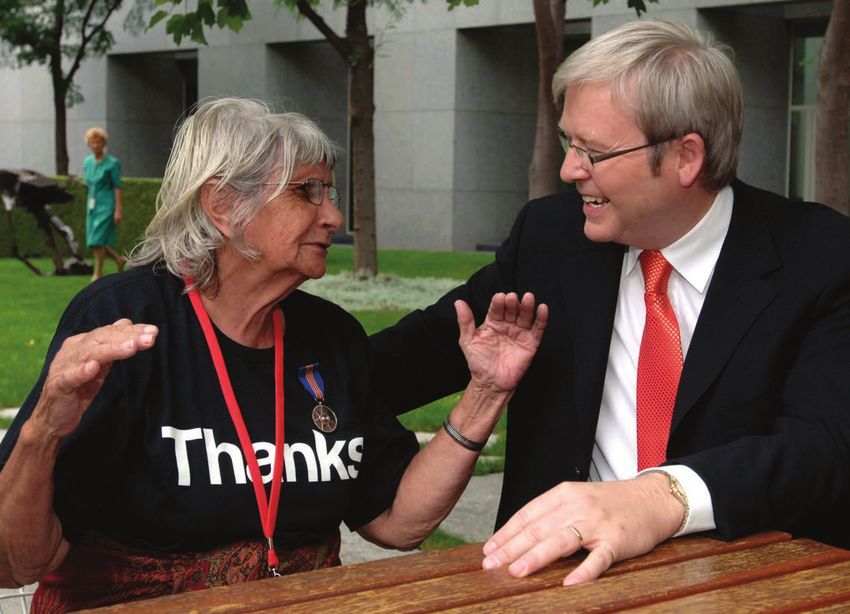
Image (Left):
Prime Minister Kevin Rudd
talks with stolen generation
member Lorna Fejo after his
apology to Indigenous
Australians in Canberra,
Wednesday, February 13, 2008.
Photograph: Michael Jones –
Auspic/DPS.

EVERYONE’S BUSINESS The Australian Labor Party’s Reconciliation Action Plan Dec 2018 – Dec 2020                                                                 19
STRATEGIES FOR RECONCILIATION
People and Relationships
ACTION DELIVERABLE TIMELINE RESPONSIBILITY
1 Labor will raise internal and external We will:
awareness of our RAP to promote • Launch the RAP at National Conference in December 2018
December 2018
reconciliation across our party, and provide copies of the RAP to all state branches.
including state and local branches. Leader's Office
• Develop and implement a strategy to communicate our December 2018 National Secretariat
RAP to all internal and external stakeholders.
• Promote reconciliation through ongoing and active August 2019
engagement with all stakeholders.
2 Labor will work to better We will undertake a survey to assess the current level of March 2019
understand the current involvement involvement of First Nations People in the structures of the
party across all state branches.
of, and relationships with,
First Nations People. This will include:
• Indigenous Party memberships
• Indigenous office holders National Secretariat
• Indigenous engagement in policy committees
• Membership of the National Indigenous Labor Caucus
• Indigenous MPs
• Indigenous Local councillors
3 Labor will celebrate and participate in We will: 27 May- 3 June,
National Reconciliation Week (NRW), • Organise at least one internal event for NRW each year. Annually
building and maintain relationships • Register all NRW events via Reconciliation Australia’s
with First Nations Peoples. NRW website.
• Support an external NRW event. National Secretariat
• Ensure our First Nations Caucus members participate in an Leader's Office
external event to recognise and celebrate NRW. First Nations Caucus
• Encourage staff to participate in external events to
recognise and celebrate NRW.
• The Leader will encourage members and senators to
engage in NRW activities.
20 EVERYONE’S BUSINESS The Australian Labor Party’s Reconciliation Action Plan Dec 2018 – Dec 2020STRATEGIES FOR RECONCILIATION
People and Relationships
ACTION DELIVERABLE TIMELINE RESPONSIBILITY
4 Labor will develop and maintain • Labor will develop an Indigenous Leadership Program, National Secretariat
mutually beneficial relationships aimed at supporting emerging Indigenous Leaders
through a year of one-on-one mentoring program
with the First Nations Peoples’ February 2019
supported by senior members of the ALP.
communities and organisations and
• Labor will develop a list of First Nations suppliers to First Nations Caucus
support positive outcomes. provide services and supplies for ALP events and functions.
5 Labor Members and Senators to • Labor will develop an Indigenous Leadership Program
develop and maintain mutually aimed at supporting emerging Indigenous Leaders
through a year of one-on-one mentoring supported by Leader’s Office
beneficial relationships with their February 2019
senior members of the ALP. Individual MPs and Senators.
local First Nations People.
• Labor MPs and Senators will be encouraged to develop
local First Nations Roundtables in their local electorates.
6 Labor will provide a permanent forum • The First Nations Caucus will host regular meetings with Every Monday of First Nations Caucus
of engagement between FPLP and Indigenous organisations and community leaders. Sitting weeks
Indigenous organisations.
Image (Left):. Nia Bellear Photograph: Linda Burney.
Image (Centre):The Hon. Bill Shorten MP and the Hon. Warren Snowden MP at the Barunga Festival. Photograph: Andrew Meares.
Image (Right):Face painting fun at the Tangentyere Family Day in Alice Springs Photograph: Mandy Taylor.
EVERYONE’S BUSINESS The Australian Labor Party’s Reconciliation Action Plan Dec 2018 – Dec 2020 2122 EVERYONE’S BUSINESS The Australian Labor Party’s Reconciliation Action Plan Dec 2018 – Dec 2020
STRATEGIES FOR RECONCILIATION:

                                                                Respect

                                              Australia is home to the oldest
                                              continuously surviving culture in the
                                              world. Yet for too many years, First
                                              Nations People have been relegated to
                                              the status of second class citizens. It is
                                              time for this to change.
Image (Left):
Ms Nova Peris OAM. Nova elected               Labor will ensure we respect the cultures, languages and
to the Australian Senate at the               history of First Nations People by developing appropriate
2013 federal election.                        protocols of engagement in all our forums.
Photograph: Alex Ellinghausen/
Fairfax Syndication.                          We will ensure our MPs and Senators have opportunities
Image (Right)                                 to engage in professional development and develop
Chansey Paech MLA - Namatjira,                their cultural awareness so that the ALP is regarded
Northern Territory in the Utopia              as a respectful and welcoming workplace for First
region. Photograph: Jillian Mundy.            Nations People.

EVERYONE’S BUSINESS The Australian Labor Party’s Reconciliation Action Plan Dec 2018 – Dec 2020           23
STRATEGIES FOR RECONCILIATION
Respect
ACTION DELIVERABLE TIMELINE RESPONSIBILITY
7 Labor will encourage our leadership We will:
to engage in cultural learning and key • Require Federal Labor Party (FLP) leadership to undertake
cultural activities and programs. Jan-April 2019 Leader’s Office
cultural competency training.
• Require the FLP leader or leadership to participate in one Ongoing – Leader’s Office
key FNP event per year, eg. Garma Festival. Review February
[Annually]
• National Executive will undertake cultural competency Jan – April 2019 National Secretariat
training and encourage state administrative committees to
undertake training.
8 Labor will support staff to identify We will:
continuous cultural learning
opportunities and increase their • Develop and implement a First Nations People cultural
awareness training strategy for our staffs which defines
understanding and appreciation of cultural learning needs of employees in all areas of our
First Nations People culture histories. business. And, consider various ways cultural learning can
be provided (online, face to face workshops or cultural
immersion). April 2019 Leader’s Office
• Investigate opportunities to work with local Traditional
Owners and/or First Nations People consultants to
develop cultural awareness training.
• Identify RAP champions, HR managers and other key
leadership staff to undertake cultural competency training.
24 EVERYONE’S BUSINESS The Australian Labor Party’s Reconciliation Action Plan Dec 2018 – Dec 2020STRATEGIES FOR RECONCILIATION
Respect
ACTION DELIVERABLE TIMELINE RESPONSIBILITY
9 Labor will ensure all members We will:
and employees understand the
significance of First Nations • Develop, implement and communicate a cultural protocol January 2019
People’s cultural protocols, such document for Welcome to Country and Acknowledgement
of Country.
as Welcome to Country and the
Acknowledgement of Country, to • Develop a list of key contacts for organising a Welcome to January 2019
ensure a shared understanding. Country and maintaining respectful partnerships.
• Invite a Traditional Owner to provide a Welcome to January 2019
Country at significant events, including state and national National Secretariat /
conferences. FNC
• Adopt the practice of including an Acknowledgement of January 2019
Country at the commencement of all important internal
and external meetings, including the first caucus meeting
at the beginning of a new parliament, cabinet and caucus
meetings.
• Encourage staff to include an Acknowledgement of Immediately
Country at the commencement of all meetings. on National
Conference
endorsement
10 Labor will provide opportunities for We will:
-all staff to engage with their culture
and communities by celebrating • Review HR policies and procedures to ensure there are no First week in July
barriers to all staff participating in NAIDOC Week.
NAIDOC Week. National Secretariat
• Provide opportunities for all staff to participate in events Review annually
associate with their culture and communities during prior to NAIDOC
NAIDOC Week. week
EVERYONE’S BUSINESS The Australian Labor Party’s Reconciliation Action Plan Dec 2018 – Dec 2020 2526 EVERYONE’S BUSINESS The Australian Labor Party’s Reconciliation Action Plan Dec 2018 – Dec 2020
STRATEGIES FOR RECONCILIATION:

                                                                Opportunities

                                              Providing opportunities for First Nations
                                              People to actively engage in our party’s
                                              administrative and parliamentary wings
Image (Left):                                 is a critical part of bringing about
On 10 December 1992, Prime                    change.
Minister Paul Keating delivered
a speech on the problems facing
Australia’s indigenous population.            Having Indigenous people at the table
Delivered at Redfern Park to a                when decisions are made means the
largely indigenous audience, the
speech is generally now known as              views of First Nations People will never
the Redfern speech.
Photograph: Bob Finlayson/
                                              be forgotten.
Newspix.
                                              Federal Labor now has three First Nations members. We
                                              can do more.
Image (right):
Patricia Dixon, A Dunguddy
                                              Labor is committed to ensuring all our party's structures
woman, was the first Aboriginal
woman elected to local
                                              have a variety of First Nations voices, and we will work to
parliament in New South Wales,                make sure our party is accessible, culturally appropriate
and the first Aboriginal woman                and that structures are in place to support First Nation
federal candidate for the ALP.                involvement in Labor politics and social change.

EVERYONE’S BUSINESS The Australian Labor Party’s Reconciliation Action Plan Dec 2018 – Dec 2020             27
STRATEGIES FOR RECONCILIATION
Opportunities
ACTION DELIVERABLE TIMELINE RESPONSIBILITY
11 Labor will investigate opportunities We will:
to improve and increase First Nations • Develop and implement a First Nations People
People employment outcomes within March 2019
Employment and Retention strategy.
our workplace.
• Engage with existing First Nations staff to consult March 2019
on employment strategies, including professional
development.
• Advertise all vacancies in First Nations People media. Review June
annually
National Secretariat
• Review HR and recruitment procedures and policies to Review June
ensure there are no barriers to career development for annually
First Nations staff and the recruitment of future applicants
into our workplace.
• Ensure all job advertisements include the text ‘First Review June
Nations People are encouraged to apply.’ annually
• Develop and implement First Nations People employment Review June
pathways (e.g. traineeships, cadetships and internships). annually
28 EVERYONE’S BUSINESS The Australian Labor Party’s Reconciliation Action Plan Dec 2018 – Dec 2020STRATEGIES FOR RECONCILIATION
Opportunities
ACTION DELIVERABLE TIMELINE RESPONSIBILITY
12 Labor will investigate opportunities We will:
to incorporate First Nations People
supplier diversity across our • Review and update procurement policies and procedures
organisation. to ensure there are no barriers for procuring goods and
services from First Nations businesses.
• Develop and communicate to staff a list of First Nations
businesses that can be used to procure goods and
services.
March 2019 National Secretariat
• Develop relationships with an Aboriginal and/or Torres
Strait Islander owned business to expand the First Nations
business list.
• Investigate and expand the Supply First Nations
membership.
• Develop and pilot a First Nations People procurement
strategy.
13 Labor will facilitate First Nations • Develop a First Nations working sub-group of National
People networking across the ALP. Executive to facilitate the First Nations People network
across the ALP.
• Develop a cultural mentoring network for existing staff
and managers.
March 2019 National Secretariat
• Investigate opportunities to increase pro bono activities.
• Support scholarships for First Nations students within
the party.
• Support the leadership of First Nations People within
the party.
Image (Left):Meeting of ALP Caucus.
Image (Centre):Kyam Maher, SA Leader of the Opposition in the Legislative Council and Senator Pat Dodson.
Image (Right):Senator Malarndirri McCarthy giving her first speech in the Senate. Photograph: Auspic.
EVERYONE’S BUSINESS The Australian Labor Party’s Reconciliation Action Plan Dec 2018 – Dec 2020 2930 EVERYONE’S BUSINESS The Australian Labor Party’s Reconciliation Action Plan Dec 2018 – Dec 2020
STRATEGIES FOR RECONCILIATION

             Governance, tracking progress and reporting
 ACTION                                                                   DELIVERABLE                                                       TIMELINE         RESPONSIBILITY
  14       Labor will establish a Reconciliation                           The RWG will be responsible for overseeing the development,
           Action Plan Working Group (RWG) to                              endorsement and launch of the RAP and ensuring First             Complete         National Secretary
           actively monitor RAP development.                               Nations Peoples are represented on the RWG.

  15       Labor’s National Executive will                                 National Executive will discuss and update progress of RAP
                                                                                                                                            May and Nov
           oversee the implementation of the                               implementation at least twice per year and report to First
                                                                                                                                            [Annually]       National Secretary
           Actions, track progress and monitor                             Nations Caucus (FNC) and the Federal Parliamentary Labor
           the reporting of the RAP.                                       Party (FPLP).

  16       Labor will report RAP achievements,                             We will:
           challenges and learnings to
           Reconciliation Australia.                                       •    Complete and submit the RAP Impact Measurement              30 September,
                                                                                                                                                             National Secretary
                                                                                Questionnaire to Reconciliation Australia annually.         2019, 2020

                                                                           •    Investigate participating in the RAP Barometer.             May 2020

  17       Labor will report RAP achievements,                             We will publicly report our RAP achievements, challenges and
           challenges and learnings internally                             learnings.                                                       June, December
                                                                                                                                                             National Executive
           and externally.                                                                                                                  2019, 2020
                                                                           The National Executive will every 6 months report on the
                                                                           progress of the RAP.

  18       Labor will review the Rap at                                    We will:
           the end of the 2 years and work
           with Reconciliation Australia on                                •    Liaise with Reconciliation Australia to develop a new RAP   June 2020
           developing a new RAP.                                                based on learnings, challenges and achievements.

                                                                           •    Send draft RAP to Reconciliation Australia for review and                    National Executive
                                                                                                                                            July 2020
                                                                                feedback.

                                                                           •    Submit draft RAP to Reconciliation Australia for formal
                                                                                endorsement.                                                November 2020

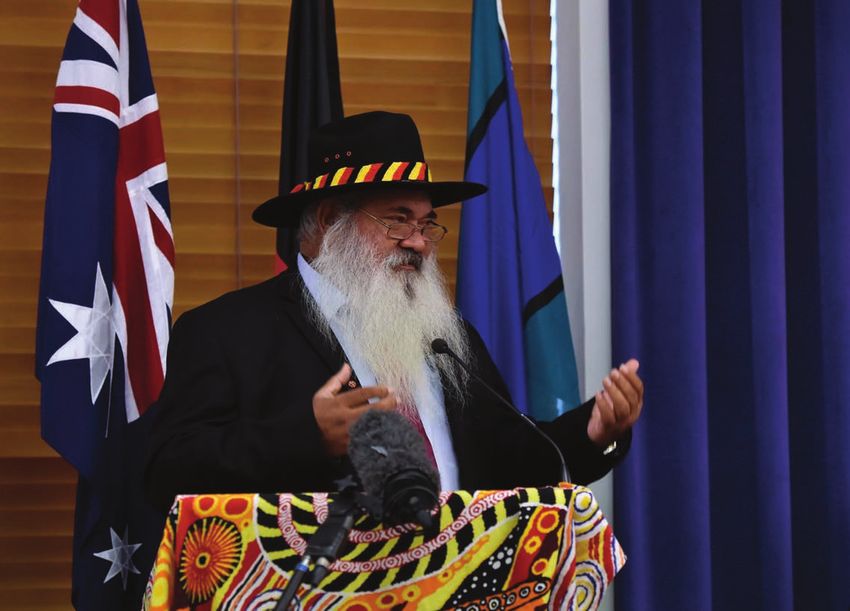
Image (Left):
Patrick Dodson, Yawuru man from Broome, is a
Senator for Western Australia and Shadow Assistant
Minister for Indigenous Affairs and Aboriginal and
Torres Strait Islanders.

EVERYONE’S BUSINESS The Australian Labor Party’s Reconciliation Action Plan Dec 2018 – Dec 2020                                                                                   31
EVERYONE’S BUSINESS 32 EVERYONE’S BUSINESS The Australian Labor Party’s Reconciliation Action Plan Dec 2018 – Dec 2020
ACKNOWLEDGEMENTS

                                              The Australian Labor Party would like to thank and         RECONCILIATION AUSTRALIA
                                              acknowledge Ochre Dawn Creative Industries for their
                                              guidance and advice in the process of developing the       The Australian Labor Party would like to acknowledge
                                              artwork and design for the Reconciliation Action Plan.     Reconciliation Australia for their leadership, assistance and
                                              As part of our commitment to building sustainable          guidance in preparing this Reconciliation Action Plan and
                                              partnerships with Aboriginal and Torres Strait Islander    looks forward to the continuing partnership.
                                              business, the ALP will actively procure services from
                                              suppliers that are Supply National providers.

                                                                                                         For more information on this RAP contact:
                                                                                                         Noah Carroll
                                                                                                         ALP National Secretary
                                              The ALP illustration designed by Elizabeth Close           Phone: 02 6120 0800
                                              represents the ALP's acknowledgement of first              Email: national.secretary@cbr.alp.org.au
                                              Australians, right across this country. We wish to thank
                                              Elizabeth for her creative collaboration and this unique
                                              and insightful representation.                             This document has been printed on 100% post consumer
                                                                                                         waste recycled paper which is manufactured carbon neutral.

EVERYONE’S BUSINESS The Australian Labor Party’s Reconciliation Action Plan Dec 2018 – Dec 2020                                                                          33
www.alp.org.au
34 EVERYONE’S BUSINESS The Australian Labor Party’s Reconciliation Action Plan Dec 2018 – Dec 2020
Artwork to be placed in grey sectionYou can also read


