Regional economic analysis - for the Adirondack North Country What's growing? Where should we invest? - Village of Saranac Lake
←
→
Page content transcription
If your browser does not render page correctly, please read the page content below
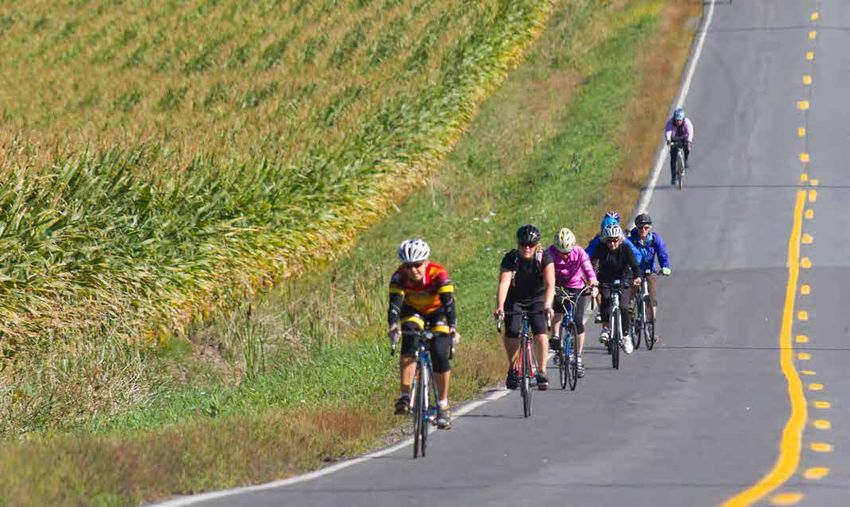
regional economic analysis
for the Adirondack North Country

What’s growing?
Where should we invest?

    CRAFTED MANUFACTURING                         LOCAL FOOD &                     SUStaINABLE TOURISM
                                            VALUE-ADDED AGRICULTURE

Produced in collaboration with regional partners                      www.adirondack.org
regional economic analysis
for the Adirondack North Country

What’s growing?
Where should we invest?

2             www.adirondack.org
Executive Summary                                                                Page 4

CONTENTS      Opportunity Analysis:
              Manufacturing                                                                    Page 8

              Opportunity Analysis:
              Local Food & Value-added Agriculture                                             Page 12

              Opportunity Analysis: Tourism					                                               Page 17

              Investable Opportunities                                                         Page 22

              Next Steps                                                                       Page 24

              Background Analyses						                                                        Page 25

 ACKNOWLEDGEMENTS                       Ben Dixon, Coordinator of              St. Lawrence University
 ANCA would like to thank the           Regional Development,                  SUNY Canton
 following groups and individuals       St. Lawrence University                SUNY Potsdam
 for their involvement in the           Kelly Chezum, Vice President,          Paul Smith’s College
                                        External Relations, Clarkson
 development and execution of                                                  Adirondack Council
                                        University
 this analysis.                                                                Farm Credit East
                                                                               Long Run Wealth Advisors, LLC
                                        Funding for this analysis
 PROJECT OVERSIGHT                                                             Bousquet Holstein, PLLC
                                        was provided by:
 Kate Fish, Executive Director,                                                Patrick McDonald
                                        ANCA
 ANCA                                                                          Brian and Ginny Ruder
 Cali Brooks, President and CEO,        Adirondack Foundation
                                                                               Paul and Susy Cantwell
 Adirondack Foundation                  The Community Foundation of
 Alicia Dicks, President and CEO,       Herkimer & Oneida Counties, Inc.
 The Community Foundation of            National Grid
 Herkimer & Oneida Counties, Inc.       Clarkson University

 ANCA and the project oversight team commissioned LOCUS Impact Investing (formerly the Center for
 Rural Entrepreneurship - CRE) to do this research and analysis. The consulting team uses data to help
 drive decisions about investments in regional economic development; works in partnership with regional
 organizations to produce analysis that is relevant and useful to decision making; uses standard assessment
 tools and then supplements that analysis with additional primary and secondary research targeted to the
 eco-economy sectors that are of interest to regional partners, and brings experience in rural economic
 development to the table. The consulting team that completed this analysis included Deb Markley, LOCUS
 Sr. Vice President and co-founder of the Center for Rural Entrepreneurship; Don Macke, LOCUS Sr. Vice
 President and co-founder of the Center for Rural Entrepreneurship; Dana Williams, LOCUS Lead Analyst;
 Travis Green, LOCUS Solutions Consultant.

 Cover photos, from left to right, courtesy of The Deer's Head Inn, Sugar House Creamery and ANCA.

                                                                     www.adirondack.org                        3
Executive Summary                                                Like local foods, tourism in the region is defined by its
                                                                 seasonality. Although the region is a destination for both
                                                                 winter and summer visitors, the number of summer visitors
This regional assessment of the 14-county Adirondack North
                                                                 dwarfs all other seasons. Visitors tend to be “rubber tire”
Country region began with an analysis of secondary data and
                                                                 visitors, which means they get to and around the region
identification of three sectors – manufacturing, local foods/
                                                                 via car, and visitors tend to be generational. Many visitors
value-added agriculture, and tourism – that are important
                                                                 were first introduced to the region as kids coming with their
economic drivers in the Adirondack North Country region.
                                                                 parents. To better capitalize on opportunities in the sector,
In an effort to understand the potential within these sectors
                                                                 the region has deep collaborations around destination
to grow the eco-economy of the region, the consulting
                                                                 marketing. There are also efforts to encourage second-home
team completed deeper analysis and interviews with key
                                                                 neighbors to stay in the region longer, even an extra week
sector experts. This report, the culmination of a year-long
                                                                 or two. The biggest barriers to a more lucrative industry
engagement organized by the Adirondack North Country
                                                                 are the lack of lodging and retail where visitors can spend
Association (ANCA), summarizes our assessment of these
                                                                 money. The lack of quality jobs in the sector also means that
three sectors and offers a framework for thinking about the
                                                                 there are workforce and housing challenges.
investable assets that ANCA and its partners might bring to
bear in supporting the growth and development of these
                                                                 Further progress in these three sectors (as well as in two
economic drivers.
                                                                 cross-cutting themes explored by the research team:
                                                                 quality of life place making and business transition, i.e., the
Manufacturing, particularly crafted manufacturing, is
                                                                 “silver tsunami”) can be achieved by regional community
garnering new energy. Although it is difficult to characterize
                                                                 economic development organizations and partners.
demand in such a diverse sector, manufactured goods that
                                                                 That will require partners deploying all their investable
overlap with tourism and food, craft beverages being the
                                                                 assets – advocating for policies to support these sectors,
most prominent example, appear to be flourishing. The
                                                                 promoting prototyping that helps identify new models and
sector is attracting new entrepreneurs who are prompting
                                                                 ways of doing, leveraging financial capital with creative
conversations about local supply chains, creating
                                                                 financing stacks, convening across sectors and jurisdictions,
opportunities to root more employment and businesses
                                                                 and regular coordination of partners and actors. The
locally. The barriers to growth include a lack of focused
                                                                 report provides examples of how these assets can be
effort to assist entrepreneurs in connecting small and
                                                                 collaboratively and simultaneously deployed to make a
medium businesses around supply chains. There is also no
                                                                 difference in the region.
entity focused on supporting the sector on a regional scale.

Local food/value-added agriculture, according to interviews,
is both seasonal in production and in demand. Seasonal
                                                                 A Regional Partnership
residents and visitors are more likely to purchase locally       and Assessment
produced food. More and more food gathering spaces
like butchers, farm stores, and breweries are helping local      The Adirondack North Country Association with its partners,
producers capitalize on this demand. Emerging processor          Adirondack Foundation, Community Foundation of Herkimer
and distributor hubs are also helping connect producers          and Oneida Counties, National Grid, Clarkson University,
with more reliable consumers. Even with the hubs, though,        St. Lawrence University, SUNY Potsdam, SUNY Canton, Paul
aggregation and distribution continue to be a problem            Smith’s College, Farm Credit East, and Adirondack Council
as well as limited value-added processing infrastructure.        and other investors, contracted to undertake a regional
The sector’s seasonality has also made it difficult for          assessment of the 14-county Adirondack North Country
entrepreneurs in the sector to connect with traditional          region. The purpose of this assessment was to better
financing.                                                       understand the economic drivers and opportunities related
                                                                 to the eco-economy of the region in order to support

4                              www.adirondack.org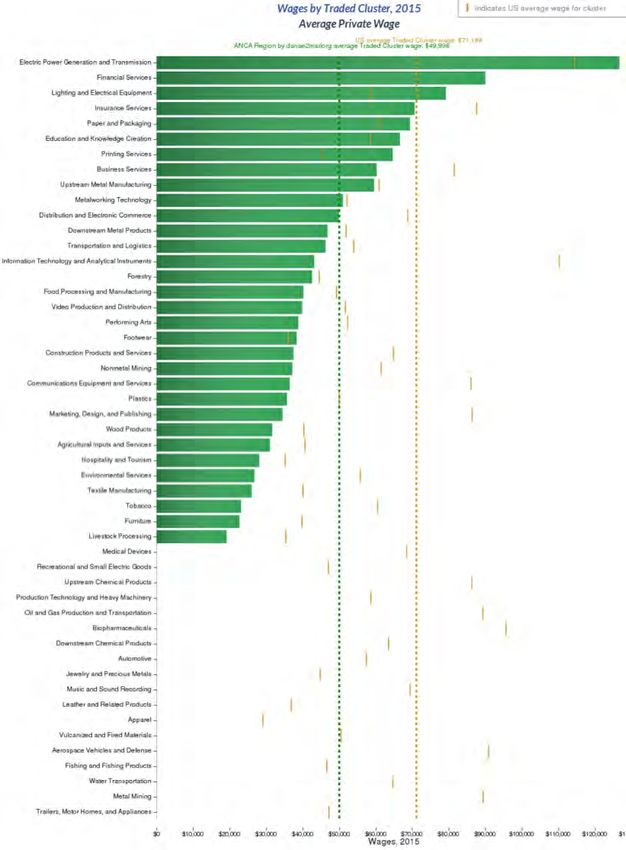
existing and attract new entrepreneurs and businesses                  THE ECONOMY
to the region. This understanding would then create a
foundation for strategic investment decisions that advance                        1. How have population, employment and

                                                                   QUESTIONS
a more sustainable economy and increase the number                                income changed in the region over time?
and growth of businesses in the region. In essence, this
                                                                                  2. How have earnings changed over time?
assessment would create an architecture to advance the
following goals:                                                                  3. What are the key economic drivers of the
                                                                                  region’s economy – what are the primary
     • Identify opportunities for job growth and                                  sources of income in the region?
     business expansion in the region’s eco-economy                               4. How has the entrepreneurial economy
     over the next 5 years.                                                       changed over time? Where is there
     • Understand trends, identify opportunities,                                 employment/establishment growth? Where
     make recommendations to leverage identified                                  is there employment/establishment decline?
     strengths and develop capacity to expand                                     5. What sectors are most important in terms
     existing, and attract new business and                                       of employment and income in the region?
     entrepreneurs to the region.
                                                                                  6. What opportunities exist to capture more
     • Use research to guide organizations that                                   retail trade?
     are working in the region to attract critical
     investments.                                                  KEY FINDINGS   The region’s population overall is growing
                                                                                  but there is important county-level variation.
This assessment was designed to unfold in three phases.
                                                                                  For example, while Saratoga is growing, the
Phase one involved secondary data analysis for the 14-county
                                                                                  population in Hamilton is declining.
Adirondack North Country region so that the partners
could identify important current or emerging sectors that                         With notable exceptions, the region is losing
warranted additional analysis. Phase two involved select                          its 20-34-year-olds. The exceptions include
data analysis in three sectors – tourism, local foods/value-                      Fulton, Jefferson, Lewis and St. Lawrence, places
added agriculture, and crafted manufacturing – combined                           influenced by higher education institutions.
with interviews of key informants deeply engaged in each                          Labor earnings make up a declining share
of these sectors. Interviews were also conducted to explore                       of total earnings in the region, reflecting the
the two cross-cutting themes of quality of life place making                      increase in retirees with their reliance on
and business transition, i.e., the “Silver Tsunami.” Phase three                  nonlabor sources of income as well as increased
involved ground truthing the findings from this assessment                        hardship-related transfer payments that
with ANCA staff and the regional partners.                                        support individuals and families on the margins.
                                                                                  Overall, income and earnings are improving in

Data Insights                                                                     the region.
                                                                                  In terms of the entrepreneurial economy,
Secondary data analysis is most useful when it is gathered                        self-employed and Stage 1 businesses (2-9
to address specific questions relevant for regional decision                      employees) grew significantly from 2001 to 2016
makers. For this assessment, the analysis focused on a                            while Stage 2 businesses (10-99 employees)
series of questions related to the economy, wealth and                            experienced solid growth.
demographics. A detailed data presentation was done for                           The region’s drivers of income are retirees,
ANCA and its partners in November 2018 as a recorded                              government/education, commuters working
webinar. Key findings for the region from that analysis are                       outside the region, health care and hardship-
shared below.                                                                     related payments; manufacturing remains an
                                                                                  important but declining sector.

                                                                                  www.adirondack.org                               5
WEALTH                                                                      DEMOGRAPHICS

                                                                  KEY FINDINGS QUESTIONS
               1. What is the estimated total net worth of the                             1. How is the region’s population distributed
QUESTIONS
               region?                                                                     across generations?
               2. How is this wealth distributed by households?                            2. How does this compare to the U.S. as a whole?
               3. What is the potential for philanthropic                                  3. What opportunities (challenges)
               give back?                                                                  does this generational diversity create?

               More than one-fourth (28%) of households
               in the region have limited net worth and, as a                              The region’s many educational institutions
KEY FINDINGS

               result, limited capacity for give back.                                     attract students, contributing to the region’s
                                                                                           above average (compared to the U.S.) numbers
               However, about the same percentage of                                       in the 20-24 age cohort.
               households have more significant net worth (>
               $250,000).                                                                  The region also has above U.S. average numbers
                                                                                           in the 45-59 age cohort. Given the findings
               While net worth peaks for the 65-74 age cohort,                             related to the economy, it is likely that within
               there is significant wealth held by 45-64-year-                             this group are younger retirees, commuters and
               olds in the region and they make up almost 40%                              entrepreneurs seeking a good quality of life.
               of the region’s population.
               There is philanthropic capacity in the region
               that can be tapped to support a broader
               regional investment vision and strategy.

6                                   www.adirondack.org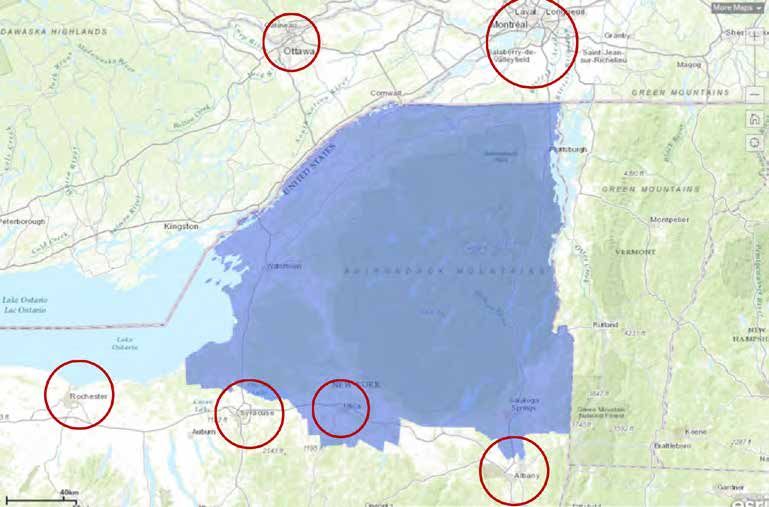
Promising Sectors                                             The following sections provide the critical insights from this
                                                              deeper analysis. Each section includes some background
Based on analysis of secondary data and additional            information or context about the sector, including some
investigation of economic diversification, economic           representative businesses before addressing five important
clusters, and workforce data, three sectors were identified   questions:
as important to the region based on growth in employment
and earnings (2010-2015):                                           1. Where is demand for the products and
                                                                    services provided by businesses in this sector
   Tourism – accounted for about 1/3 of total service               coming from?
   sector employment growth                                         2. What is new, innovative, and generating
   Manufacturing – accounted for almost all non-                    excitement in this sector?
   service sector employment growth                                 3. What sector businesses or activities already
   Local Foods/Value-Added Agriculture –                            attract investment?
   accounted for most of the remaining non-service                  4. Where are the gaps that are keeping the
   sector employment growth                                         sector from being more vibrant?
                                                                    5. What resources in the sector are not being
For each of the three sectors targeted for deeper analysis,         used right now but could be with more
the consulting team reviewed additional relevant secondary          investment, and where would stakeholders
data, reviewed the latest plans and reports from the four           like to see this investment flow?
economic development councils serving the 14-county
Adirondack North Country region (Capital, Central New         In addition to exploring these three sectors in greater
York, Mohawk Valley, and North Country), and conducted        depth, the consulting team also addressed two over-
28 phone interviews with key stakeholders and participants    arching themes related to place making – the quality of
in each sector. Initial results were shared with ANCA staff   life amenities needed to attract and keep both retirees
to ground truth both the findings and the approach to         and students – and the business transition opportunity
considering investment opportunities.                         associated with an aging group of business owners across
                                                              the region. These themes were explored in the context
                                                              of the three sectors and the findings are included in the
                                                              following discussion.

                                                                         www.adirondack.org                              7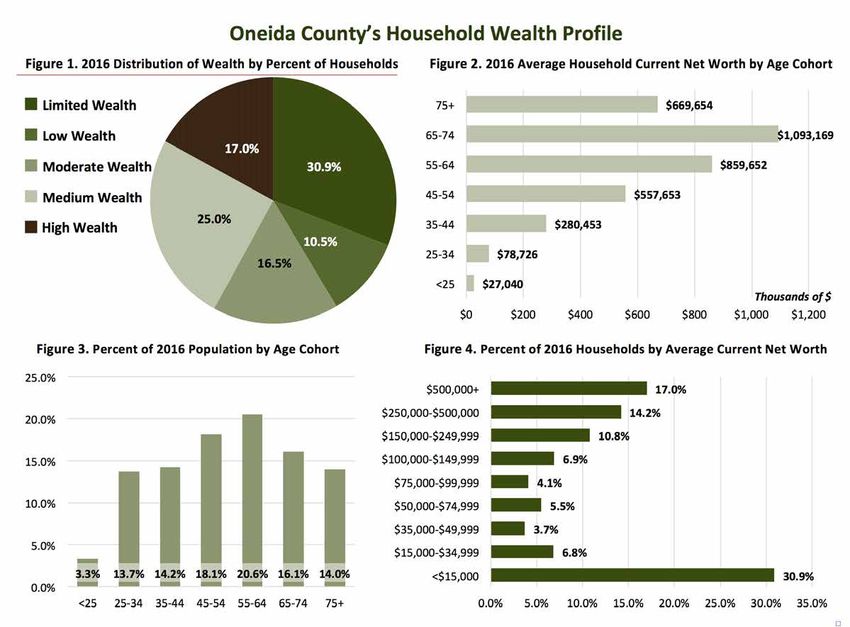
Opportunity Analysis:
       Manufacturing

For the 14-county Adirondack North Country region,            cluster in and around Saratoga county. Many of these
manufacturing continues to play an important role in the      companies represent significant investment from outside
economy. It ranks as the sixth most important economic        the U.S., including Canadian companies setting up
driver in the region but was the only driver in the top ten   operations in the U.S. in anticipation of a more restrictive
that declined in terms of earnings from 2001 to 2015. The     climate toward trade in the future.
sector accounted for more than 1,400 companies and            For this deeper assessment, however, the focus was on
almost 40,000 employees in 2015 but was out-paced by          smaller, niche or “crafted” manufacturers in the region.
growing employment in the health care, retail, hospitality,   “Crafted” manufacturing is defined here as companies
and education sectors.                                        that focus on producing more customized products, rely
Manufacturing across the region is diverse, including         on small runs rather than mass production and emphasize
the growing computer and electronics sector in the            quality and responsiveness to customers. Often they are
Capital region, food manufacturing in the Mohawk Valley       adding value by using unique place-based assets such
region and in Jefferson and St. Lawrence counties in the      as forest products (e.g., Birch Boys Adirondack Chaga),
North Country region, and the transportation sector           mountain biking trails (e.g., Solace Cycles) or the pristine
in the North Country region. There are notable large-         “brand” of the region (e.g., Carpé Insectae). While there
scale manufacturing stars, including Norsk Titanium in        is limited data on these types of manufacturers, there is
Plattsburgh and Global Foundries in Malta, as well as a       anecdotal evidence of demand for the “crafted,” authentic
burgeoning medical device and advanced manufacturing          products they produce.

8                             www.adirondack.org
The level of local ownership is higher for these smaller scale   legislation to require more local ingredients
manufacturers; they may be started by entrepreneurs              in these beverages. Related manufacturing
with long ties to the region or those who have moved             enterprises were also cited such as a cooperage to
into the region to take advantage of the amenities the           make barrels for distilleries. For the U.S., craft beer
region offers. And, as expressed by many interviewees            sales increased 5% in 2017 compared to an overall
from this sector, these firms have a reason to be in the         decline in beer sales generally. Craft distilleries
Adirondack North Country and therefore a “stickiness” to         increased their volume by over 18% in 2016, with
the region that helps them contribute to the creation of a       20% more craft distilleries operating by the end of
more diverse and, as a result, sustainable economy.              2017. There is growing demand for this sub-sector.
Where is demand for the products and services                    Intersection between innovation/entrepre-
provided by businesses in this sector coming from?               neurship and manufacturing. There is an emerg-
While the demand for crafted manufacturing products is           ing wave of innovative entrepreneurs creating
unique to each business, two themes from the interviews          manufacturing ventures in the region. In some
are worth elevating. One, there is emphasis on and the           cases, these entrepreneurs are supported by uni-
potential to further build out supply chain business             versity centers like Clarkson’s Shipley Center or the
relationships between some of the larger manufacturers           Hot Spots being supported by Clarkson across the
in the region and smaller manufacturing companies.               region. Ducted Turbines provides one example of
For example, there are opportunities to consider how             a company that, while still in the innovation stage,
smaller companies connect to the transportation sector           has the potential to create manufacturing oppor-
in and around Clinton county. Two, much of the crafted           tunities in the region. Another example is LC Drives,
manufacturing taking place across the region is currently        a company supported by the Shipley Center that is
– or could be – connected to tourism, agriculture and            now moving into manufacturing its product in the
the region’s natural assets. The fate of these smaller           region. Outside the universities, this trend was also
manufacturers is tied in no small part to the development        observed in the seven collaborative companies
of tourism as an economic driver as well as the continued        that are members of the Westport maker space –
growth in value added agriculture and some of the                including Solace Cycles, Jade Mountain, Inc., Court-
region’s other natural resource-based sectors (e.g.,             ney Fair Furniture, and Barnboy Skies. These new
forestry, biofuels).                                             ventures are in keeping with the trend of Stage 1
                                                                 (1-9 employees) and Stage 2 (10-99) businesses in
What is new, innovative and generating momentum                  the region growing sharply from 2014 to 2016, with
in this sector?                                                  both employment and income trending upward.
It is not easy to characterize a sector as broad as              Niche paper and forest products. Building on
manufacturing for a region as large and diverse as the           a traditional sector in the region, interviewees
Adirondack North Country. Based on key stakeholder               identified several innovative, niche paper
interviews and a review of economic development council          products being produced including diapers, high
reports, we highlight five categories of manufacturing           end diploma paper and athletic tape for hockey
activity that are emerging or gaining momentum in the            sticks. Plattsburgh Knife Co. represents another
region.                                                          manufacturer using forest scrap products to
                                                                 fashion the unique handles for its custom knives.
   Craft beverage manufacturing. This crafted
   manufacturing sub-sector has seen growth in the               Value-added local foods manufacturing.
   past 18-24 months, according to interviewees.                 Building on the strong agricultural history of the
   Craft beer, distilled liquors and wines fall into this        region, there is excitement around the potential
   category. There is strong synergy – and potential             for value-added manufacturing (e.g., Parker’s
   synergy – between these manufacturers and local               Real Maple expanding into maple cotton candy)
   farmers as customers demand more transparency                 to provide more income and employment to the
   around “local” beverages and the state considers              sector.

                                                                       www.adirondack.org                                  9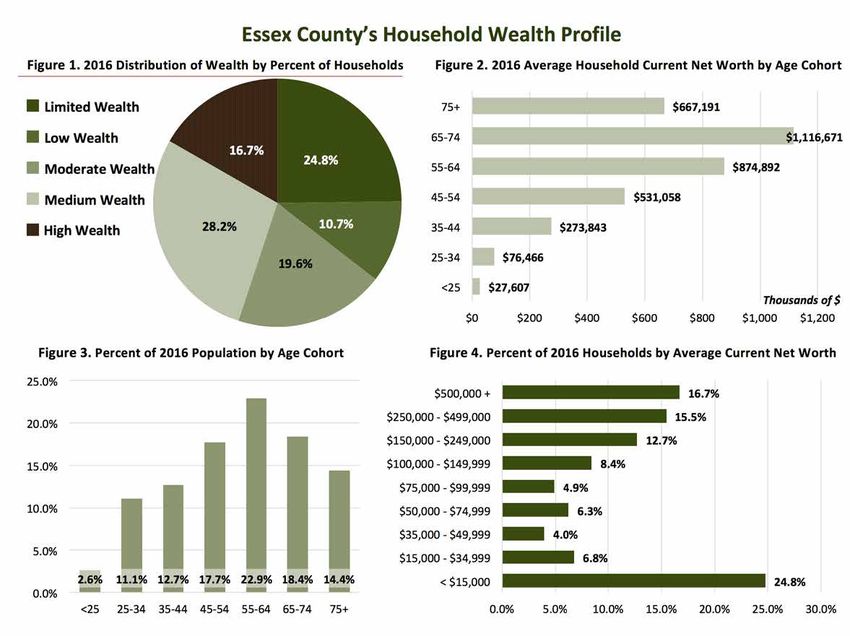
Sector-focused R&D. Interviewees pointed                  Where are the gaps that are keeping the sector from
     to interesting R&D happening in sub-sectors               being more vibrant?
     of    manufacturing,       including    advanced          Gaps in the ecosystem that supports each sector represent
     materials, biotech (e.g., Trudeau Institute) and          opportunities to do better – to create stronger businesses,
     pharmaceuticals/medical devices. This R&D focus           open job and career opportunities, and build a more
     was also identified in alternative energy (Ducted         prosperous region. These five gaps were highlighted by
     Turbines).                                                interviewees.
     Regionally-rooted crafted producers. These
     manufacturers are making products that benefit
                                                                   There is no focused, concerted effort to create
     from the brand and assets of the Adirondack
                                                                   supply chain relationships either between small
     region. Examples include Carpé Insectae (“tested in
                                                                   and medium/large companies or between small
     the Adirondacks;” “we know insects”), Adirondack
                                                                   companies and anchor institutions like hospitals
     Fragrance & Flavor Farm (“unique Adirondack
                                                                   and universities.
     fragrances”) and Solace Cycles (“designed for the
     Adirondacks, built to ride anywhere”).                        There is no single recognized entity focused on
                                                                   bringing together crafted manufacturers across
                                                                   the region – to build a stronger network and
What sector businesses or activities already attract
                                                                   potential partnerships – since these companies
investment?
                                                                   cut across product lines (e.g., craft beverages, food
Interviewees identified that, like many regions, the most          processing).
significant investments were going to large-scale projects.
                                                                   Local government entities in smaller towns do not
This investment includes both public sector resources
                                                                   always have the capacity to be the “front door”
(e.g., state economic development dollars) as well as
                                                                   or “first stop” for small manufacturers looking for
private sector investment both from inside the U.S. and
                                                                   resources, creating a potential access issue for
abroad. Investment is also flowing into higher tech sectors
                                                                   these businesses.
such as semi-conductors, medical devices and additive
manufacturing.                                                     Capital access, particularly for small and early stage
                                                                   companies, can be a challenge.
In addition to these investments, interviewees also
identified value-added agriculture as a sub-sector seeing          Most of the attention and incentives are going to
important new investments. Similar investments for other           large manufacturing concerns while smaller scale
types of niche or crafted manufacturing were not identified.       manufacturers already in the region need attention
In fact, interviewees identified few investments in smaller        and support as well.
manufacturers across the region, unless it was re-investment
by the companies to support their own growth.
                                                               What resources in the sector are not being used right
While there was some mention of angel investing in the         now but could be with more investment? Where would
region, it was not viewed as a widespread phenomenon.          stakeholders like to see this investment flow?
Two examples of innovative investing were offered
                                                               We asked interviewees to identify places where the region’s
by interviewees. One was the pitch competition for
                                                               many assets were not being used to their full advantage
entrepreneurs run by the Community Foundation of
                                                               and to identify where they would choose to invest dollars
Herkimer and Oneida Counties that provides a small startup
                                                               if they had the opportunity. Interviewees identified four
capital award to the winner. The other was a community
                                                               categories of under-tapped resources:
capital raise in Elizabethtown to support the acquisition of
land adjacent to mountain biking trails and the building of
alternative tourist housing.

10                             www.adirondack.org
Natural resources, particularly water and Value-added agricultural products and
forests. There are emerging and scaling businesses tourism. These sub-sectors may not generate 10x
that benefit from clean, abundant water – craft returns on investment, but they also cannot be
brewers and greenhouses were cited. Could there outsourced or replicated. For both, interviewees
be others? Similarly, there are forest lands that identified the need to invest in helping to grow the
still need to be managed even after the paper entrepreneurial companies that, in turn, will grow
companies have gone. What are biofuels, scrap these sectors.
wood and other opportunities? Supply chain strategies. Interviewees suggested
Business collaboration. As many are already that time and energy be put into developing
doing in the region, there are opportunities for strategies to connect small, local companies to
more crafted manufacturers to work together. large companies and other anchor institutions.
This collaboration could be formal, e.g., farmers
Distributed regional strategy. It is difficult to
growing hops to sell to craft brewers, cooperative
create a single strategy for a region as large and
members of a collaborative work space. It could
diverse as the Adirondack North Country. Instead,
also be less formal and focused on networking to
interviewees suggested that someone work on
each other and to resources.
a distributed regional strategy that focuses on
Good labor force. The region has skilled people building infrastructure “hubs” across the region
and a low cost of doing business, suggesting that (e.g., maker spaces, incubators, shared collaborative
companies can create good living wage jobs and space) that are focused on the unique assets in that
still be competitive. However, the region is still place (e.g., mountain biking/outdoor recreation
losing young people, so there is an opportunity to in the Westport collaborative space) and connect
connect workforce, higher education, and BOCES these efforts in a value-added way.
in a more intentional way.
Entrepreneurship education. An innovative,
Turning tourism into an economic engine. One crafted manufacturing sector in the region
interviewee put it this way – “Tourism is huge but depends, in part, on a pipeline of entrepreneurs.
it needs the economic converter – more hotels, Some interviewees recognized the lack of early
restaurants, events.” Thousands of acres of trails entrepreneurship education in the region and
cross private lands and, with some update of Unit the need to expose more young people to
Management Plans, could be used to strengthen entrepreneurship as a way to build this pipeline.
tourism.
Insights related to themes. Quality of life place making
In terms of investment, interviewees generally felt that and the “silver tsunami” are issues relevant to any discussion
about manufacturing, particularly crafted manufacturing.
a focus on manufacturing was important because of its
Interviewees noted that the region must continue to invest in
generally higher wages and ability to pull dollars into the
quality of place to attract people to the region – whether for
region from external markets. But, they also noted that
school, vacation or retirement. Younger retirees often bring
this may be a longer-term strategy; it can take years for a their entrepreneurial experience – or the resources from past
small manufacturer to test a product and market, scale entrepreneurial success – to new endeavors in the region. Once
up production and workforce, and then turn a profit. If these locally-owned manufacturers take root, the challenge is
there is going to be support for and investment in crafted to make sure that viable companies transition to new local
manufacturing in the region, it needs to be long term. ownership so that the wealth and economic activity remain
Specific investment opportunities include: in the region. Interviewees agreed that the “silver tsunami” is
real and an emerging crisis that could impact manufacturing
but also tourism-focused businesses and critical nonprofit
organizations as well. ANCA’s recent decision to focus energy
into understanding and addressing this issue is supported by
the insights shared during this assessment process.
www.adirondack.org 11Opportunity Analysis:
Local Food and
Value-Added Agriculture
First by exporting wood and now by exporting milk, New address systemic issues that prevent the local food and
York’s North Country has long been reliant on land-intensive value-added agriculture sectors from doing better. Principal
export economies. After all, the region includes 36% of among them are the region’s weak connections with larger
the state’s land but just 6% of the population. A quarter of markets.
the state’s farms, both in numbers and in acres, are in the A clear advantage of the nascent local food industry in the
North Country. Some value-added processing happens North Country is its strong connections to both tourism
in the region, but in most cases, the region harvests raw and manufacturing. In the tourism sector, a recent study
product and exports it to other regions for processing and commissioned to help the region better connect with
marketing. While this has permitted the land-intensive millennials indicated that 48% of the generation wants to
sectors to grow to significant scale, it exposes the region find “places to stay and eat” as compared to 42% who want
to the serious and risky fluctuations of commodity pricing to start with “activities they want to do.” Lodging and cuisine
and minimized and specialized labor associated with the come first. In manufacturing, some of the region’s most
region’s largest industries. exciting and emerging businesses are value-added food
But it’s not all big business. The 2012 Census of Agriculture products or ag-tech: inventions that are helping extend
identified 8,563 farms in the North Country: 269 are over growing seasons, mechanize routine farming processes
1,000 acres, but 590 are less than 10. An incredible 74% of or tech to help improve yields. And like other regions, the
farms in the region do less than $50,000 in sales each year. North Country has found success with craft beverages.
Several regional players are identifying and attempting to
12 www.adirondack.orgWhere is demand for the products and services provided Buffalo – there has been little success in doing
by businesses in this sector coming from? so. Interviewees indicated that urban consumers
Interviewees described a significant socio-cultural divide of offerings like CSAs (Community-Supported
among local consumers that prevents growth of demand Agriculture where customers have direct links to
for local food and value-added agriculture. Over 200,000 producers through a regular “share” or produce
households in the region – 41% of all households – box) are increasingly expecting year-round, full-
do not have enough income or wealth to afford basic diet (not just produce but meat, dairy and grains)
household necessities. Choosing local foods, according to and free-choice (being able to select what products
the interviewees, is perceived as a pointless extravagance. are delivered) suppliers. Very few producers in the
However, one local business we talked to reported having region can offer such a service.
local, low-income customers that preferred her products Brands that resonate. Some food businesses
because they saw them as the healthier choice. Some other report greater customer resonance with regional
demand trends worth noting include: brands like “Adirondack” versus a state-wide brand.
One person speculated that for communities
around Northern New York – in places like Vermont,
Summer demand. The growing season coincides New Hampshire, Pennsylvania and Canada –
with the period of greatest demand, according to that New York is not always the most compelling
our interviews. Peak demand for local and value- regional label.
added agriculture comes in the summer as the
region’s population swells with second-home Limited loyalty. Particularly for craft beverages,
owners, seasonal visitors and tourists. Even food customers’ willingness to try new brands has
businesses that are not seasonally dependent, helped local breweries get started and grow. It
such as butcher shops, see very little demand in also means customers are willing to switch away
the winter and can have trouble building financial to another local brand as soon as they become
reserves to make it through the off-season. available. New York State is now home to over 400
breweries and the North Country is home to over
Institutional buyers. Some institutional buyers 20. Essex County alone has 7 brewery licenses; that
like schools and summer camps are providing local equates to one brewery for every 5,497 people.
food producers with more reliable demand and
predictable schedules. One producer identified
a summer camp that ordered a season’s worth What is new, innovative and generating momentum in
of products and let the producer fulfill the order this sector?
over the winter, vacuum sealing and freezing the Although interviewees identified significant challenges
order for the coming summer. Schools are also to growing and sustaining the local food and value
increasingly making the switch to local suppliers. added agricultural sectors, there is no question that there
Saranac Lake Central School District, Lake Placid are pockets of energy and momentum. Producers are
Central School District and Watertown City School experimenting with new products, new markets, and new
District are working to build Farm to School organizational structures. Several interviewees reported a
programs. In Jefferson and St. Lawrence counties, noticeable influx in new farmers. Some of the ideas gaining
school districts are participating in the Drive to traction include:
25 initiative, which offers financial incentives to
schools to source 25% of school food from local
farms. Producers in the region are adding and expanding
value-added product lines that include cheese,
Weak links with cities. Despite significant North
mushrooms, grass-fed beef, craft beer, and maple
Country interest in building strong and profitable
products. Some notable producers include North
links with sizable urban markets from Boston
Country Farms (grains), Kilcoyne Farms (beef ), Tug
to New York – or even closer and smaller urban
Hill Vineyard (cold region grapes and wine), North
markets like Albany, Syracuse, Rochester and
www.adirondack.org 13Country Creamery, King Brothers Dairy, Redmond’s Development Council proposed establishing a $20
Red Deer Farm, Mace Chasm Farm LLC (diversified million revolving loan fund to support agriculture,
livestock) and Guppy’s Berry Farm (blueberries). food and tourism businesses. The proposed fund
The region is developing producer and would also offer technical assistance and business
consumer cooperatives. Mohawk Harvest skills to funded projects.
Cooperative Market, a consumer cooperative in
Gloversville, opened in 2009. North Country Grown What sector businesses or activities already attract
Cooperative, established in 2005, is a producer and investment?
grower cooperative near Massena supplying local
Interviews and review of secondary data surfaced several
schools, college dining halls and value-added
efforts attracting investment of state, federal and private
producers.
dollars.
Community organizing efforts like the Mohawk
Valley Food Action Network are bringing together
organizations to “create a healthy, secure future Federal investment. Since 2008, organizations
based on a resilient local food system where in the region have received $2.8 million in federal
affordable and nutritious food is accessible to all.” funding to support food businesses and food sector
development. It is likely that other organizations
Researchers are developing new business
just outside the region are also receiving federal
models and piloting demonstration projects.
money that supports food efforts in the North
For example, Cornell Cooperative Extension
Country. Grant programs supporting the sector
launched a grass-fed and grass and grain finished
include Business & Industry Loan Guarantees,
beef cooperative in Washington County to help
Community Facilities, Community Food Project
identify a financially viable model for farmers.
Competitive Grant Program, Farm to School Grant
Other parts of the region are exploring greenhouse
Program, Farmers Market Promotion Program,
techniques to lengthen the growing season.
Hunger-Free Communities Grants, Local Food
Local governments like the Village of Canton Promotion Program, Local Foods/Local Places,
are using food systems and agritourism to Rural Business Development Grants, Rural Business
revitalize downtowns, fill storefronts, and draw Enterprise Grants, Specialty Crop Block Program,
visitors. Producers are also experimenting with Sustainable Agriculture Research and Education,
food gathering spaces like breweries, farm stores, and Value-Added Producer Grants.
and butcher shops to combine products with
State investment. Through the regional economic
experiences that add value for customers.
development councils, New York State offers
New processor and distributor hubs, like significant resources to support many economic
Hub on the Hill in Essex County, as well as development activities including the local food
commercial kitchens, like Cornell Cooperative economy. Some examples include Z HUB, a new
Extension’s facility in St. Lawrence County, are business in Saratoga County which seeks to fill a
opening to support farmers and early-stage food gap in the state’s craft beer cluster by providing a
entrepreneurs. “reliable source for high quality craft beer brewing
The Capital Region commissioned Capital Roots ingredients by growing, harvesting, processing,
to conduct a two-year food systems assessment packaging, and shipping grains to craft brewers
which includes Saratoga, Fulton, Warren, and and distillers.” The $3.3 million project is receiving
Washington counties. The results will be available $300k in public funds. Oneida County’s George’s
in 2018. Farm Products received state resources to upgrade
The North Country is exploring strategies to provide its cold storage space to become compliant
financing for entrepreneurial food enterprises. with food safety regulations. The enlarged and
For example, the Capital Region Economic improved space will help the facility serve new
14 www.adirondack.organd larger customers. Finally, Redco Foods, a tea North-South corridors sitting above Albany, the
producer in Herkimer County, is receiving state Mohawk Valley, and Syracuse. East-West corridors
resources to buy new machinery to serve growing are underdeveloped. For example, Watertown, NY
demand and expand its product lines. is 140 miles from Burlington, VT. The most efficient
Philanthropic investment. Several philanthropic route, however, is a 4.5-hour drive. Navigating the
investors are supporting the local food economy. region takes significant time and drives up the cost
One interesting example is the Open Space for businesses.
Institute, an advocate for land conservation, Business cycles and financing. Several businesses
which has helped new and young farmers acquire we interviewed encountered difficulty securing
land with restrictive covenants protecting it from private financing. The sector’s narrow margins
development but permitting agricultural uses. and seasonality make it difficult for businesses to
Private investment. According to our interviews, acquire equipment and invest in the processing
private investment in the sector has focused facilities needed to scale their businesses out
on farm automation and season extending of their own cashflow. In almost all cases, the
technologies. There also have been some deals businesses turned to federal and state grant and
at the nexus of energy and agriculture where the loan programs.
return on investment is more evident. Affordable housing. As with tourism, local
food businesses struggle to find ready and able
workers and affordable workforce housing. Farms
Where are the gaps that are keeping the sector from increasingly provide housing for their employees,
being more vibrant? but this is a high cost amenity that most small
Building a vibrant ecosystem of local food and value- farms cannot afford.
added agricultural products will require addressing serious
barriers that prevent these businesses from reaching
scale, employing more residents, and contributing greater What resources in the sector are not being used right
prosperity for the North Country. Some of these gaps now but could be with more investment? Where would
include: stakeholders like to see this investment flow?
In our interviews, participants named underutilized assets
in the region that, with additional investment, would help
Limited value-added processing infrastructure. the sector grow. These include:
Historically, it has not been the role of North
Country producers and communities to process
their products. As a result, some of the essential Cornell Cooperative Extension. No asset
equipment, facilities and know-how were never was more mentioned in our interviews than
rooted in the region. One example is an Essex Cornell Cooperative Extension. Some
County farmer who drives two-and-a-half hours interviewees perceived their services as being
every Monday to take her livestock for slaughter committed to the region’s dairy farmers and that
and processing in Vermont, then returns to sell there are challenges to having Cornell commit
the meat at her butcher shop back on the farm. more resources to support emerging local
There have been efforts to address this lack of food and value-added businesses. Those
infrastructure, but it is a slow and challenging concerns aside, their work is highly relevant to
process. the principal gaps identified in the sector:
processing infrastructure, aggregation and
Aggregation and distribution to customers. distribution, and business cycles and financing.
The North Country and Adirondacks are a large Cornell also serves as a key innovator in the
region with widely distributed growers and value- region experimenting with new business
added producers. They are also naturally and models and products.
geologically constrained with three disconnected
www.adirondack.org 15The Hub on the Hill. Like Cornell Building out the supply chain. In addition to
Cooperative Extension, The Hub on the Hill is more investments in processing infrastructure,
seen as the organization addressing the several interviewees talked about concerted
sector’s most challenging problems. They too efforts to build out more of the food and value-
are innovating and bringing new equipment and added agriculture supply chain. In craft beverages,
ways-of-doing that are helping local businesses for example, there may be opportunities to source
do better. more of the inputs inside the North Country.
Tourism and local foods. Several
interviewees held up the Essex County Insights related to themes. Quality of life place making came
Cheese Tour as a successful example of up in discussions about local food’s role in creating a local
combing two important regional sectors. and regional identity. Local food can produce food gathering
Interviewees would like to see more regional spaces, an important piece of place making. Certainly, for
organizations marketing and organizing some, having places like breweries, butcher shops and food
similar experiences for visitors to the region. trucks make places more livable. Interviewees suggested
More strategic investments in the local that local foods are healthier, and therefore contribute to the
brand. Interviewees suggested doubling down region’s quality of life. Local food and value-added agriculture
on the “Adirondack” brand and making smart and are a bit more tangential to the “silver tsunami,” but the
strategic investments to build more of a interviewees indicated that it is likely that the traditional dairy
regional identity around local food and value- businesses have older proprietors and the new, local foods
added agricultural products. and value-added agriculture businesses skew younger. If that
difference is real, it is unclear how it might affect the region
over the next decade.
16 www.adirondack.orgOpportunity Analysis:
TOURISM
The North Country’s great natural amenities draw visitors Tourism in the 14-county region is highly seasonal and
and seasonal residents to hike, bike and canoe in the weather dependent. On average, 4% of housing in New York
summer and ski in the winter. Travel and tourism-related State and the United States is used for seasonal purposes. In
industries, a wide range of economic activities from arts the North Country, the percent is three times that, at 12%.
and entertainment to food services to retail stores and The cycle affects employment, too. For instance, in Hamilton
gas stations, generate $1.4 billion annually in wages and County, the heart of the Adirondack Park, unemployment
employ more than one in ten working persons in the North ranges from less than 4% in July and August to 11% in
Country. About 5,200 hospitality businesses operate in the December. All North Country counties show a similar
region and employ 65,000 residents, and together they seasonal employment cycle related to both tourism and
are responsible for two-thirds of the region’s employment agriculture.
growth back to 1998. Like other great natural destinations, there is a contradiction
The industries’ benefits do not distribute evenly among in building an industry to appreciate the natural solitude
residents or across the counties. The average annual wage in and admire the minimally disturbed wilderness. Local
the North Country’s travel and tourism industries, $20,000, leaders like ROOST advocate sustainable tourism that
is less than half the region’s average annual wage among helps communities in the North Country prosper without
all sectors, $43,000. And of the 14 counties in the region, “overtaxing any resources – whether human, environmental,
only five – Essex, Franklin, Hamilton, Oneida and Warren – or man-made.” Finding that balance between conservation
substantially exceed the national average in the percentage and community vitality is the challenge of building a
of people employed in the accommodation sector. successful tourism sector.
www.adirondack.org 17Where is demand for the products and services provided visitors to the North Country had generations-
by businesses in this sector coming from? long relationships with the region. Many visitors
Who is visiting and staying in the North Country? What types first came to the region with their parents or
of experiences are they seeking? When are they coming and grandparents. In some cases, they came to the
how long are they staying? The interviews identified four region for summer camps when they were kids.
broad categories that are generally applicable to the region: If this is true, it is unclear if this legacy continues
to hold true or if visitors to the region are being
introduced through other means.
Rubber tire traffic. A constraint that both limits
demand and contributes to the character of the
region is its lack of accessibility to people who What is new, innovative and generating momentum in
would otherwise enjoy visiting the North Country. this sector?
Local experts characterize the region’s visitors as Interviews indicated there is growing appreciation of the
“rubber tire traffic” or people who enjoy driving economic importance of tourism to the North Country
and access the region’s amenities primarily by among local governments, regional associations and the
car. Most drive to the North Country in trips that state. There are efforts to connect the region to larger
take 5-7 hours from other parts of New York, New destination marketing efforts, strategies to better capitalize
Jersey, Pennsylvania, Connecticut and Vermont. on existing visitors, and efforts to reach new visitors.
The exception is Plattsburgh International Airport,
with 132,000 enplanements in 2015. However, Destination marketing efforts. In addition to
visitors entering through Plattsburgh must also the region’s obvious tourism anchors like the
rent cars to access the region’s main attractions. Adirondacks and Lake George, there are many
Outdoor recreation visitors. Visitors come to newer efforts to organize, preserve and promote the
the region for its natural amenities: rivers, lakes, North Country’s sub-regions to visitors. Saratoga,
mountains and forests. They come to hike, bike, Washington, Warren, Essex, and Clinton counties
canoe and ski. Visitors who are coming for events are part of the Lakes to Locks Passage connecting
are most likely coming for outdoor sporting events. Montreal to Albany. Oneida and Herkimer counties
For a region to benefit from this kind of visitor, it are part of Brew Central, an effort to promote
must build lodging and retail to capture spending. beer history and craft breweries from Syracuse
Otherwise visitors will pack their car at home, hit to Utica to Albany. The effort enlists hop growers,
the hiking trail, and stay in a tent. While that may vineyards, breweries, cideries, distillers, and pubs.
make for a wonderful vacation, such a visitor does Golf courses in Oswego, Saratoga, Warren, Franklin,
not contribute much, if at all, to the local economy. and Essex counties are part of the New York Golf
Seasonal visitors. One year-round coffee shop Trail that promotes the state’s golfing facilities. Ski
in the region estimated that their business in the areas in Essex, Franklin, and St. Lawrence counties
winter is one fifth their business in the summer. participate in Ski Areas of New York promotions.
While visitors come to the North Country to Placemaking and Main Street redevelopment.
participate in both winter and summer recreational At the end of 2017, Watertown received a major
offerings, the region’s draw for summer recreation state grant to develop a strategic investment
is significantly larger than the draw for winter plan to “amplify ongoing efforts at placemaking
activities. This has brought about efforts to extend and adaptive reuse of historic and architecturally
the season by weeks or months hoping to have significant properties, improve walkability, and
visitors come in April and May and stay through increase opportunities for commerce.” Efforts
October and November. to make places like Watertown more livable for
Generational visitors. Although LOCUS was residents have the added benefit of making them
unable to find data to confirm this region wide, more attractive for visitors.
anecdotally there was evidence that many of the Second-home neighbors. The “low hanging
18 www.adirondack.orgfruit” of North Country visitors are the families Universiade. Large sporting events like these that
that already love the region and would stay there bring thousands of athletes and spectators for
longer but for commitments back home. Widening several weeks offer long planning horizons, market
availability of infrastructure like broadband means clarity and can spur investors to build hotels and
that some second-home visitors that would stay in retail, repair and refurbish existing buildings, and
the North Country for two weeks of the year now develop other amenities that improve the tourism
may be able to stay for eight weeks, the summer, infrastructure of the region.
or even half the year. Capital access. According to our interviews,
Craft tourism. Places like View Arts Center in Old increasingly, startup lending and grants to new
Forge are helping broaden and diversify the ways coffee shops, ice cream stores, bakeries, and
the region can convert outdoor recreational visitors other retail destinations frequented by visitors are
into tourists that are supporting the local economy. coming from economic development and local
It is also giving families something to do on days government organizations and less frequently
when it is less appealing to be biking, hiking and from banks. One interviewee indicated that
canoeing. Crafts offer a pathway for more residents without that support, her coffee shop could never
to be engaged and to benefit from the economic have opened. Traditional financing, according to
activity generated from visitors that goes beyond her, was not available for this kind of development.
traditional service sector employment. Significant resources in regional marketing.
Food experiences. Locals and visitors are Interviewees indicated there was significant
increasingly enjoying experiential food tours like support from I Love NY and regional economic
the Essex County Cheese Tour, which introduces development councils for traditional destination
participants to several local food producers, offers marketing.
samples and shares the story of local production.
Other farmers and producers in the region
Where are the gaps that are keeping the sector from
are expressing interest in developing similar
being more vibrant?
experiences and are working collaboratively to
make them happen. The principal tourism gaps identified by the interviewees
were unmistakably large and thorny challenges: the need
Biking and bike trails. An upswing in biking
for more lodging and retail, better transportation, a quality
interest in the region is now raising questions about
workforce, and reaching diverse and younger visitors.
how to better align the region’s infrastructure –
Interviewees also shared, however, small, incremental
particularly roads – to make for a better experience
actions that contribute some relief and permit tourism to
for cyclists.
grow. Each gap is detailed below:
What sector businesses or activities already attract
Additional lodging and retail. The region’s
investment?
limited lodging and retail, according to
Across such a large region, it was challenging to identify interviewees, inhibit the growth of tourism and
coherent private sector investment trends. Instead, most block the region’s ability to capitalize on the travel
interviewees identified ways larger regional actors like the and tourism industries. The question of what
state were helping direct and incentivize growth in the prevents the region from building more lodging
sector: and retail merits further inquiry. Interviewees
hypothesized barriers may include financing,
Hosting large events. Lake Placid has hosted the entrepreneurial supports, building stock, land use
Winter Goodwill Games, the Winter Universiade regulations, adequate market data, insufficient
and twice hosted the Winter Olympics. This regional coordination between local governments
spring, it signed an MOU to host the 2023 Winter and economic development actors, and cultural
www.adirondack.org 19inhibitions that discourage entrepreneurship. stage tourism businesses that cannot provide the
North Country Regional Economic Development same amenity.
Council convened a task force to address the issue Diverse and younger visitors. One interviewee
and, subsequently, Empire State Development indicated that the North Country and the
conducted a regional study (due in May 2018) to Adirondacks do not have the same travel appeal
assess lodging development opportunities. Such a among younger generations. In 2015, the Wild
study may help overcome siting and market data Center commissioned a study on how the region
questions. Some interviewees hoped the study could better cater to millennial visitors. A group of
would precipitate multiple, high-quality lodging millennials surveyed in the study said they were
developments across the region. more interested in visiting Vermont, Cape Cod and
Improved and linked transportation. Accessing Maine ahead of the Adirondacks. While previously
the North Country and getting around require a the region may have relied on older generations
car, but interviewees discussed several changes – to introduce new visitors to the region, there is
from smaller coordinating efforts to larger, lasting growing perception that the region needs to try
infrastructure investments – that were needed to new strategies. Relatedly, several interviewees
make the region more accessible and easier to mentioned a need for the region to work on
navigate for visitors. Smaller efforts included better being more welcoming to African Americans and
planning around multi-modal traveling: letting Latinos. One interviewee said, “It is important that
visitors reach the region by train or plane, rent or businesses have a better understanding of how
share a car, and then access a bus or a bike. Many their economic future success will be contingent
of these amenities currently exist in the region, but on a better understanding of diversity in the world
one interviewee discussed being more thoughtful now. [The region] has been a white, Caucasian
about where they are located and how they are destination, and we have to be much better
accessed to make using different modes easier. The positioned for diversity.” Some of that effort in
interviewees also identified more costly efforts like the region is currently being spearheaded by the
upgrading and expanding the region’s airports and Adirondack Diversity Initiative.
improving roads and making them more bicycle
friendly.
What resources in the sector are not being used right
Quality workforce and workforce housing. A now but could be with more investment? Where would
gap or challenge that is not unique to the North stakeholders like to see this investment flow?
Country but is a significant impediment to the
Interviewees identified several regional assets that are
growth and success of tourism is the challenge
currently underutilized by the tourism sector as well as
of finding and retaining high quality and trained
several areas where they would direct future investment.
workers. The industry’s sizable wage gap – workers
Together, they included:
in the travel and tourism industries earn less
than half the region’s mean wage – make it likely
that workers with a choice will move on to other Shared data and methods for collection. Regular,
opportunities. It also means that those who find frequent, region-wide and high-quality data on
jobs in the sector may ultimately be forced to tourism – number of visitors, average length
leave the North Country because of a shortage of stay, method of travel – could help lodging
of affordable workforce housing. Large and establishments and stores secure financing, help
established organizations, like the Wild Center, businesses budget and forecast demand, and help
are addressing part of the challenge by providing local governments plan and predict tax revenue.
housing for their employees. Long-term, though, The interviews uncovered some local government
that does not address the larger pay equity resistance to collecting or sharing this information
problems, and it does not solve the affordable using tax methods (i.e., occupancy taxes) saying
workforce housing challenge for startup and early that it would be burdensome for businesses.
20 www.adirondack.orgYou can also read


