Resilience and opportunity in a time of uncertainty - Impact Report 2020 Impact Report 2020 - Social and Sustainable Capital
←
→
Page content transcription
If your browser does not render page correctly, please read the page content below

Impact
                           Report
                           2020

Impact Report
2020

Resilience and
opportunity
in a time of
uncertainty

Finance for good.
Funding organisations
that support communities
and transform lives.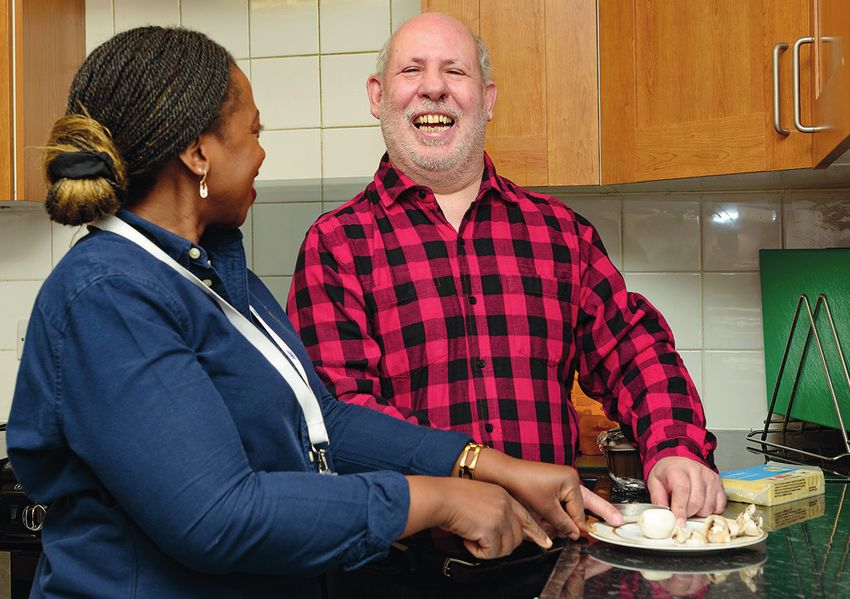
SASC IMPACT REPORT 2020

Contents
Introduction 		 3

Executive summary		 4

Our investors and investments 		 6

Our Board and Investment Committee – 		 8
new members

Reflections on 2020

Mark Simms, CEO of P3 		12

Supported housing – 		14
calling for a fresh approach

Dispatches from our portfolio CEOs 		16

What our funding supports             21

Our portfolio                         27

SASC IMPACT REPORT 2020
Introduction

Dear friends
    It is hard to know where to start when writing a letter looking back on the events
    of 2020. Like all organisations, SASC experienced challenges over the last 12
    months and, like everyone else, we had to work harder. But the pandemic has
    made a fund we launched 18 months ago even more relevant. The result is that in
    2020 we were able to support more organisations than in any previous year.

    We work with charities and social                             term vision. These investments saw                   SASH more than double in size over
    enterprises that operate on the                               us enter the first lockdown in a                     the course of 2020.
    front line. Doing so has been very                            strong and stable financial position.
                                                                                                                       We would like to thank our
    rewarding throughout this period.
                                                                  As the seriousness of the pandemic                   investors for helping us show
    Both as an organisation and as
                                                                  became clear, our overarching                        how social investment can unlock
    individuals we were grateful to feel
                                                                  priority became the ongoing health                   potential that might otherwise go
    we were doing something that was
                                                                  and resilience of the organisations                  unrealised. With SASH funding,
    making a difference. Meanwhile,
                                                                  in our portfolio. Throughout the                     frontline charities and social
    the inspiring work of our borrowers
                                                                  COVID-19 period we have maintained                   enterprises are playing a larger role
    was allowing SASC to raise
                                                                  close contact with our borrowers and                 in providing longer term solutions
    additional funds. This will increase
                                                                  provided whatever support we could.                  to the housing and support needs
    our investment activity in what
                                                                                                                       of people who are homeless, or at
    has come to be our core activity –                            Almost all our borrowers have
                                                                                                                       risk of becoming so.
    helping organisations buy housing                             been able to maintain both their
    to use in their services.                                     services and their revenue streams.                  The current situation has reinforced
                                                                  This underlines how strong the                       our determination to pursue
    We published our last impact report
                                                                  management, staff teams, and                         opportunities where social impact
    in July 2019. At that point SASC had
                                                                  governance structures of these                       can attract investment. One such
    just launched Social and Sustainable
                                                                  outstanding organisations are. We                    opportunity arose in September,
    Housing (SASH) with over £26m of
                                                                  continue to be impressed by the                      when SASC was able to acquire the
    commitments. Co-designing SASH
                                                                  agile and committed way in which                     investment arm of Pure Leapfrog,
    with potential borrowers helped
                                                                  they respond to their communities’                   now called SASC Bridge Finance.
    us to come up with an appealing
                                                                  needs during the pandemic.                           Given renewed policy focus on
    investment product. We believed
                                                                                                                       community renewable projects, we
    there was unmet demand from                                   SASC’s investment strategy is to
                                                                                                                       relish the prospect of building on
    charities and social enterprises for                          back charities and social enterprises
                                                                                                                       our combined track record of £68m
    funding that would allow them to                              that deliver vital services. A
                                                                                                                       of investment in this area.
    buy properties to use as supported                            challenging period like the pandemic
    housing. This in turn would help them                         was bound to show just how valuable                  SASC has always had two aims.
    expand the work they were already                             those organisations are. And SASH                    We want to provide funding that
    doing with disadvantaged people.                              specifically was the right fund at the               helps charitable organisations
                                                                  right time. In the early stages of the               become more sustainable and grow
    By December 2019 we had approved
                                                                  pandemic the government launched                     their impact. We can only do this if
    loans of more than £16m to six
                                                                  an initiative to find emergency                      we attract investors pursuing both
    inspiring charities across the UK.
                                                                  accommodation for what they                          financial and social impact returns.
    The high level of interest in SASH
                                                                  estimated to be at least 15,000 1                    As with many organisations, the
    meant we were already working to
                                                                  rough sleepers and homeless people.                  uncertainty created by COVID-19
    raise additional funds. We were also
                                                                  This shone a powerful spotlight on                   has tested our resolve. But we
    in discussions with Zamo Capital.
                                                                  the stark reality of those without                   ended 2020 on a positive note,
    Zamo invests in organisations like
                                                                  access to decent and sustainable                     full of energy to tackle the next
    SASC to help them grow their
                                                                  housing. What began as a response                    challenge. We believe that SASC
    investing activity and the social
                                                                  to the crisis has become a wake-                     is increasingly demonstrating our
    impact it generates.
                                                                  up call to government to address                     relevance and potential in the wider
    We are very grateful to Jim Roth                              homelessness for the longer term.                    social investment market. This
    and the Zamo team for concluding                                                                                   report sets out to explain in more
                                                                  This increased focus on supported
    the investment in SASC despite the                                                                                 detail why that is.
                                                                  housing created a need for additional
    early signs of COVID-19 uncertainty.
                                                                  funding. Meanwhile, investors
    We are also grateful to the members
                                                                  had been getting steadily more                       Nat Sloane      Benjamin Rick
    of the SASC Board and Investment
                                                                  interested in products that generate                 Board Chair     Co-Founder and CEO
    Committee whose co-investment
                                                                  both a financial and social return.
    showed their support for our longer-
                                                                  These two factors combined to see

    1. https://www.crisis.org.uk/media/242907/homelessness_monitor_england_2020_covid19_crisis_response_briefing.pdf

                                                                                              3
SASC IMPACT REPORT 2020
Executive summary

Executive summary

    It is 18 months since the publication of our last Impact Report. Reflecting in
    July 2019 on our first five years of investing, we said we thought SASC was on
    the cusp of a new phase of development. Looking back now, 18 months on:
    were we right?

    As 2019 came to a close, Social and        supporting disadvantaged
    Sustainable Housing’s early success        communities through the pandemic
    attracted interest from Zamo Capital,      soon became clear. It has been            The pandemic has
    a specialist investor in impact fund       inspiring to see how dedicated,
    managers. Two things had caught            resilient and resourceful our borrower    shone a spotlight
    Zamo’s attention. We had designed a
    product that married compelling
                                               organisations are. On pages 16-19 we
                                               hear how some of them have met the        on a significant
    risk-adjusted financial returns with
    significant impact; and then managed
                                               challenges of the last 12 months.
                                                                                         group of
                                               SASC’s ability to respond quickly and
    to turn the idea into a working reality.
    Funding from Zamo, alongside
                                               flexibly to organisations looking for     vulnerable people
                                                                                         who, with support
                                               finance has been invaluable during the
    investment from members of our
                                               pandemic. During 2020, we approved
    Board and Investment Committee,
    allowed us to push ahead with
                                               17 new investments into 14
                                               organisations.                            and decent
    confidence despite 2020’s challenges.
    First, we welcomed four new Board
                                               With our two generalist funds – the       housing, are able
                                               Community Investment Fund (CIF)
    members and two new members to
    our Investment Committee. You can
                                               and the Third Sector Investment Fund      to get their lives
    read about them and why they wanted
    to join SASC on pages 8 and 9.
                                               (TSIF) – we have continued to expand
                                               our reach. We approved an investment      back on track
                                               in Lincolnshire, where we will be
    Next we turned to an overhaul of our       supporting P3 to deliver an innovative
    design and branding. This allowed us       scheme renovating local housing for       charities in our portfolio respond to
    to reinvigorate our online presence        social rent in Gainsborough. In West      this growing need. We invited Mark
    and marketing. The new approach            Sussex we helped Active Prospects         Simms, CEO of P3, to offer his
    can be seen both on our re-launched        buy and renovate a property for use in    perspective on this issue (page 12).
    website and in this Impact Report. We      supporting adults with learning
                                                                                         Where does all this lead? On pages
    hope readers like it.                      difficulties. We were delighted to
                                                                                         14-15, we take a step back, and dare to
                                               approve follow-on loans to Affinity
    With our portfolio expanding at pace,                                                believe that there is a much bigger
                                               Trust and Brook, enabling them to
    we have refined our approach to                                                      prize now at stake. The pandemic has
                                               extend their work into new
    assessing and reporting on the                                                       shone a spotlight on a significant
                                               geographies. More detail can be found
    impact achieved by our borrowers.                                                    group of vulnerable people who, with
                                               on page 46.
    We have drawn on the internationally                                                 support and decent housing, are able
    recognised Impact Management               Turning to Social and Sustainable         to get their lives back on track. In
    Project framework and the                  Housing (SASH), our investment            many cases, small to medium sized
    Sustainable Development Goals              activity continued to build. We now       charities are playing a critical role
    (SDGs) to create a consistent              have eight organisations from across      supporting this group.
    reporting approach across all our          the UK in our portfolio, with a further
                                                                                         Research recently published by IPPR
    funds. This is shown on pages 28           three approved and in legal closing.
                                                                                         North gave a detailed insight into the
    onwards.                                   The eight organisations are illustrated
                                                                                         kind of housing needed for this work
                                               on the map on page 30 and more
    Like so many other organisations, the                                                to be successful. IPPR identified
                                               detail is provided on pages 32-35.
    SASC team moved to remote working                                                    significant issues with many aspects of
    when the pandemic struck. Within           Since 2014, SASC has approved             the current landscape, including policy
    weeks, it was clear that we needed to      investments of more than £56m to          and funding, and coined a new term to
    press ahead with our work with even        enable charities to make safe, high       make the sector more visible:
    more urgency than we had while             quality housing available to the          ‘Transitional Supported Housing’
    working together in the office.            individuals and families they support.    (TSH).
                                               COVID-19 underlined the importance
    The critical role that charitable                                                    Most of what is often called
                                               of this work. We are delighted that our
    organisations had to play in                                                         ‘supported housing’ is for the long
                                               investment has helped several

                                                                  4
SASC IMPACT REPORT 2020
Executive summary

   £43.8m of new
   investment into
   14 organisations
   approved in 2020
    term and needs to be specially adapted.
    Residents are typically either elderly or
    working-age people with severe                                                   As a specialist investor in the
    disabilities and their housing is
    technically defined as ‘specialist                                               impact investment sector, Zamo
    supported housing’.
    By contrast, TSH mostly involves people
                                                                                     looks to back high performing
    of working age who can live in regular                                           fund managers. SASC was a great
    dispersed housing. The ‘transitional’ in
    TSH reflects the fact that these are                                             fit. They are a well-led, agile and
    individuals who need help for a limited
    period (typically up to two years) before                                        thoughtful social investor that,
    they return to independent living.1
                                                                                     in 2019, had reached a critical
    Our experience to date suggests that
    TSH as a whole needs a fresh approach.                                           phase in their own development.
    Social investors have an important role to
    play in making finance available to                                              The importance and timeliness
    outstanding charities and social
    enterprises. This will help providers                                            of SASC’s work has been further
    expand their stock of transitional
    supported housing.                                                               borne out during the pandemic.
    It goes without saying that we can only                                          Through its flagship fund, Social
                                                                                     and Sustainable Housing, SASC has
    do what we do with the support of our
    investors. In 2020 we have been able to
    build relationships with new investors as
    well as attracting further funding                                               figured out a way to make great
    commitments from existing investors.
    They are all highlighted on page 6,
                                                                                     risk-adjusted commercial returns
    together with our pro bono support
    partners. The endorsement that comes
                                                                                     and simultaneously provide housing
    from being able to grow our funds in the
    face of the uncertainty created by the
                                                                                     with support to homeless people.
    pandemic makes us more determined                                                Zamo believes that the rapidly
    and ambitious. We are more focussed
    than ever on showing how effective a                                             expanding focus on responsible
                                                                                     investment will result in SASC’s
    sustainable, impact-led social investment
    market can be.
    The last 18 months have truly felt like a                                        current and future funds attracting
    new stage in our journey. We are resolute
    in our mission to connect investors and                                          an increasing number and range of
    social sector organisations. That creates
    a need for innovative funds that generate                                        investors
    both compelling financial returns and
    tangible social impact. The work that our
    borrowers do is inspirational, and we are                                        Jim Roth, Founder and
    hugely grateful for steadfast support
    from our investors and partners.
                                                                                     Managing Partner, Zamo Capital
    1. www.ippr.org/research/publications/at-a-crossroads-the-future-of-transitional-supported-housing

                                                                                                  5
SASC IMPACT REPORT 2020
Our investors and investments

Our
investors

                                                 Carolyn Aitchison   Adam Knight

                                                 Olly Benkert        Ben Rick

                                                 Paul Cannings       Nat &
                                                                     Rebecca Sloane
                                                 Louis G Elson
                                                                     Katherine &
                                                 John Kelting        David Soanes

                                Pro bono
                                supporters

                                             6
£135.1m
To Dec 2020                        To Dec 2016
£135.1m                            £25.1m
63 investments                     16 investments
To Dec 2019                        To Dec 2015
£91.3m                             £2.5m
46 investments                     4 investments
To Dec 2018                        To Dec 2014
£53.6m                             £300,000
32 investments                     1 investment
To Dec 2017
£47.2m
25 investments

                                                                          2020

       £91.3m
                                           2019

                                                       Cumulative
                                                       growth of our
  £53.6m                                               investments
                        2018

                                                    £47.2m       £25.1m
These numbers include loans
approved and still in legals in

                                                      2017
2020; and loans made by Leapfrog
Bridge Finance prior to its
acquisition by SASC.                                               2016     2015   2014

                                                             7
SASC IMPACT REPORT 2020
Our Board and Renewables Investment Committee

Welcome to our new...
Board members
                                I have worked in housing for over                                 In my role at Morgan Stanley
                                30 years, across a range of                                       Investment Management (MSIM), I
                                organisations including local and                                 specialise in sustainable investment
                                central government, and the                                       funds and serve as the Global
                                charitable sector. I have had the                                 Sustainability Regulatory and Policy
                                opportunity to develop new policies                               Lead for MSIM. In addition, I co-chair
                                and programmes alongside                                          Morgan Stanley’s Women’s Business
                                operational management                                            Alliance, which is the largest diversity
                                experience. This allows me now to                                 network of the Firm.
                                see the sector from many angles.
TERRIE                                                                      SONALI                Before taking up my role at Morgan
ALAFAT                          Early in my career I was given the          SIRIWARDENA           Stanley, I worked at Barclays Capital.
                                responsibility for delivering                                     Prior to that, I was an investment funds
Retired CEO of                  homelessness and supported
                                                                            Executive Director,   counsel at the City law firm, White &
the Chartered                   housing services in an inner-London         Morgan Stanley        Case LLP, where I was an advisor to fund
Institute of                    authority. This included                    Investment            sponsors, banks and endowment funds.
Housing and                     responsibility for the private rental       Management            I am a member of the Investment
active on Boards                sector (PRS) strategy. I saw many
                                                                                                  Association’s Working Group on
of housing                      examples of people struggling with
                                                                                                  Responsible Investment and a Non-
                                poor quality, unaffordable housing.
associations and                It doesn’t take much to tip someone
                                                                                                  Executive Director of Social Investment
charities                       over the edge – the loss of a job,
                                                                                                  Business (SIB).
                                family breakdown, or becoming                                     I am joining SASC as the board
                                unwell. But what really struck me                                 representative for SIB, which is an
                                was the positive impact that                                      investor in both SASC and their funds.
                                providing a home to an individual or                              As an investment funds lawyer
                                family in crisis can have on their                                specialising in sustainable investment,
                                lives. That is what gave me the bug                               I am looking forward to leveraging my
                                for housing in the early stages of                                professional experience and expertise
                                my career and it is what attracted                                in support of SASC and to exploring
                                me to SASC.                                                       ways to further strengthen the SIB –
                                                                                                  SASC partnership.

                                My degree was in nursing and                                      Over the last 20 years, I have worked
                                social work, with a focus on                                      in commercial businesses and large
                                learning difficulties. I was always                               audit and accountancy practices.
                                interested in how health and social                               This has enabled me to approach
                                care interact and was lucky to be                                 issues from both a strategic and
                                offered a community job looking                                   regulatory perspective. In my role as
                                at creating housing specifically for                              CEO of Foresters’ Friendly Society, I
                                people with head injuries. This was                               see some strong parallels with SASC,
                                in the days before supported                                      not least through a similar ethos of
                                housing was a mainstream idea.                                    providing finance to impact those
CAROLINE                        We had to rent housing on the
                                                                            RACHEL                most in need. As a Friendly Society,
PILLAY                          open market, which was tough                HARDY                 Foresters has a mutual ethos, which
Senior Partner,                 because many landlords were not             CEO, Foresters’       gives profits back to its members
Airey Miller and                interested in having people with            Friendly Society      through providing discretionary
Chair of Councils               head injuries as tenants.                                         benefits in their time of need, from
                                                                                                  healthcare grants to educational
Building Homes                  I thoroughly enjoyed that work. I
                                                                                                  support awards.
and Homes for                   saw instantly how the right house
Lambeth Group                   combined with specialist support                                  I am looking forward to bringing my
                                tailored to an individual’s needs                                 experience of compliance, audit and
                                allows them to flourish. I’ve always                              strategic leadership to the Board of
                                tried to retain this connection                                   an organisation that truly seeks to
                                between housing and impact in                                     find solutions to social challenges
                                my work. My role is more strategic                                through their investment funds.
                                now. Joining SASC gives me that                                   2020 has been a challenging year for
                                opportunity to contribute to the                                  us all and only increased the
                                work being done on the ground.                                    importance of the role organisations
                                                                                                  like SASC play in improving the
                                                                                                  wellbeing of individuals, families,
                                                                                                  groups and communities.

                                                                        8
SASC IMPACT REPORT 2020
Our Board and Renewables Investment Committee

Renewables Investment
Committee members
                                I come from the industrial north.                              I have more than 15 years’ experience
                                My father and my friends’ fathers                              in wholesale energy trading and
                                were all coalminers. During the                                renewable energy, and have built up
                                miners’ strike, I was surrounded                               specialist knowledge in wind
                                by a community that broke. It                                  renewable investment valuation and
                                was totally devastating, the loss                              routes to market. My focus initially at
                                of pride and community. I became                               E.ON Climate & Renewables and now
                                an infrastructure lawyer because                               at SSE Renewables has been on
                                I saw this sector as an enabler of                             large-scale renewable projects and
                                prosperity that could help                                     assets. More recently I was involved
LOUISA                          communities. With over 20 years’
                                                                          MARK                 in community energy projects whilst
CILENTI                         experience, in 2015 I helped set up       BILLSBOROUGH         procuring energy for Co-Op Energy
Founding Partner,               Lux Nova Partners, a boutique law         Head of Renewable    prior to their sale to Octopus Energy.
Lux Nova Partners               firm with a sole focus on the             Sales and Trading,   There is a lot of focus on large-scale,
                                renewable energy industry and
                                                                          SSE Renewables       offshore projects. But there is also an
                                supporting a just and impact-led
                                                                                               opportunity around onshore
                                transition to a decarbonised
                                                                                               renewables that communities can
                                economy. What sets our firm
                                                                                               take advantage of. This is not just
                                apart in this sector is that we are
                                                                                               about renewables, it is also about
                                mission-driven to prioritise market
                                                                                               enabling communities. SASC can
                                shaping and community-led
                                                                                               help empower communities to take
                                projects that have the greatest
                                                                                               on local projects and to develop
                                social and environmental impact.
                                                                                               skills that are sometimes missing in
                                At a national level, I sit on the                              community energy groups. I am
                                Finance Steering Committee of                                  looking forward to contributing to
                                the Renewable Energy                                           this through my membership of the
                                Association and support the                                    Renewables Investment Committee.
                                UK100’s secretariat and delivery
                                of the All-Party Parliamentary
                                Group on Sustainable Finance.
                                Joining the SASC Renewables
                                Investment Committee is an
                                opportunity to bring together my
                                legal experience and national level
                                advisory perspective in order to
                                contribute to the growth of
                                community renewable projects on
                                the ground. Local people are the
                                key to prosperity in a community.
                                As with the SASH fund, SASC has
                                the opportunity to structure a
                                product that addresses the risks
                                perceived by communities but
                                offers a consistent and reliable
                                return to investors. It is about
                                demonstrating to investors that
                                communities are credible partners.

                                                                                                  Visit our website
                                                                                                  to see the full
                                                                                                  SASC Board,
                                                                                                  Investment
                                                                                                  Committee and
                                                                                                  Team

                                                                      9
SASC IMPACT REPORT 2020
SASC IMPACT REPORT 2020

Reflections on 2020

The dedication,
resilience and
pragmatism
displayed by our
borrowers has
been inspiring
SASC IMPACT REPORT 2020
                          Reflections from Mark Simms, CEO of P3

                          Looking back
GUEST CONTRIBUTOR PIECE

                          on 2020
                          Mark Simms
                          CEO of P3
                          I have always felt that P3 people are a driven bunch, living and breathing a strong
                          set of values, and going above and beyond to develop authentic relationships of
                          support with the people we are here to serve. But in my seven years as CEO, I never
                          thought that my conviction would be put to the ultimate test. And not just once,
                          but twice in three years. How could any scenario planning or risk register ever test
                          our resolve as effectively as the combination of the Grenfell Tower tragedy and a
                          global pandemic have done? As I write this, both events continue to challenge and
                          occupy us, and our work is far from being over. However, an invitation from SASC to
                          contribute to their 2020 Impact Report has given me the opportunity to step back
                          and offer a perspective on P3 and its journey over the last five years.

                          In 2015, P3 was delivering one           Early on in our growth journey,
                          outreach service in the West             we realised it was important to
                          Midlands. That work taught us            make sure that P3’s systems and
                          the importance of learning from          infrastructure could cope, without
                          the people we’re here for, hiring        diluting our ethos. We are fortunate
                          good people to fulfil our mission        to have in our Board a group of
                          and not following the crowd! We          Trustees and a governance structure
                          learned that the success of our          that have made this possible.
                          services relies on our staff having      Despite the inevitable pressures on
                          the energy, talent and drive to          finance that characterise this sector,
                          listen to and support our clients        we have been able to achieve a level
                          in a very intentional way, each          of growth that is both manageable
                          and every day of their work.             and impactful. That has meant
                          From there we embarked on a              we have been able to support
                          growth path to work with socially        communities when and where it is
                          excluded and vulnerable people           most needed. In 2017, we mobilised
                          in new areas. We wanted to meet          our services to help respond to
                          the increasing demand for our            the need which arose out of the
                          services while staying true to our       Grenfell Tower tragedy. We continue
                          mission to make a real and lasting       to serve the children and young
                          difference to individuals within their   people in that community through
                          communities. We are proud to have        our work with the Rugby Portobello
                          teams now operating in Derbyshire,       Trust. More recently as the impact
                          Cambridgeshire, Staffordshire,           of the pandemic became clear, we
                          Lincolnshire, Wolverhampton,             were able to increase our capacity
                          Gloucestershire, and Warwickshire.       during the government’s ‘Everyone
                          In all these places, we help people      In’ campaign to support nearly
                          experiencing homelessness to             1,000 additional people to exit the
                          get off the streets and we work          streets and access safe, temporary
                          alongside people to prevent them         accommodation during the early
                          losing their homes.                      stages of lockdown.

                                                                                          12
SASC IMPACT REPORT 2020
Reflections from Mark Simms, CEO of P3
I believe that P3’s biggest
achievement over recent
years has been our ability to
flex resources and mobilise to
support communities when
and where it is most needed
Around 2018, we began to realise phase. We are already developing Mark Simms,
that in areas where we were new housing and support CEO of P3. For more
offering housing-related support solutions to meet people’s information about P3,
and street outreach, there were accommodation needs for the see page 35
significant issues around the next phase of response to the
availability of quality, secure pandemic: ‘Everyone In For Good’.
housing. In the absence of a decent This is a bold plan: to significantly
and stable house, our services increase the P3 housing
could only go so far in addressing portfolio over the coming twelve
the needs of vulnerable and months and provide people
disadvantaged people. That was experiencing homelessness and
when we met the SASC team. What social inequality with access to
SASC could provide addressed our sustainable, quality housing.
frustrations around access to good
I believe that P3’s biggest
housing. SASC loans have enabled
achievement over recent years
us to take charge of our own
has been our ability to flex
housing needs. P3 has been able to
resources and mobilise to support
co-create with SASC viable housing
communities when and where it is
solutions that are delivering
most needed. The fact that P3 is
affordable, quality and secure
needed in so many places in this
housing for the people we are
country is a genuine tragedy and
serving. This will lead to improved
we wish the societal problems
outcomes and better lives for the
we’re tackling didn’t exist at all.
people who make them their homes
Until that wish is granted, we will
and allow them to integrate into
be here, doing our level best to
their communities.
change as many lives as possible,
Taking control of our own for the better, every day.
housing needs has provided the
springboard for planning our next
13SASC IMPACT REPORT 2020
Supported housing – calling for a fresh approach
Supported housing –
SASC RESPONSE
calling for a fresh
approach
Drive, commitment, ambition and achievement all emerge clearly from Mark Simms’
article. The same can be said for all the other organisations which make up the
SASH portfolio. Post-pandemic, local and national governments are going to need
all the help they can get. We believe organisations like these can be a key resource,
especially when there is a desire to ‘level up’.
Two things make us worry that this for local commissioners. Other volume of general needs housing,
potential may not be fully realised. organisations that we are working SASC agrees.
To understand why that is, it is with seem to be on track to
But building new general needs
important to have a clear sense of achieve that status.
housing is not the whole story;
what a SASH organisation looks like.
In our view, policy makers should social housing also includes various
P3 and most other SASH borrowers want to see such local champions categories of supported housing.
share three key features. First, they flourish. But two potential barriers One of these is the Transitional
are truly social organisations: they lie in the way. Supported Housing (TSH) that
have no shareholders in the regular SASH focuses on. TSH represents
The first barrier is a high-level one.
sense. This means that unlike ‘profit about £14bn of housing stock
Some people believe that social
with purpose’ organisations, they and involves little if any new
housing should only be provided
face no distraction from their social construction. It accounts for around
or owned by housing associations
purpose. But in financial terms, their 30% of the broader supported
– ideally, at maximum scale. The
legal structure ties one hand behind housing category, including care
UK has more than 1600 Registered
their back because it limits the homes. It is around 5% of the total
Providers. They have a strong
funding they can get access to. This social housing market (see graphic
regulator and a clear identity:
in turn limits their ability to grow on page 24). Where disadvantaged
namely, they are the bricks and
and fulfil their potential. groups are concerned, TSH is what
mortar specialists. Housing
matters. And it needs to be thought
The second key feature is that SASH associations are also a key tool in
about in a different way.
borrowers deliver both support national government’s approach
and housing. This goes against a to what we at SASC call the UK’s In Transitional Supported Housing,
common mindset that says housing ‘main’ housing crisis – that is, the support and housing go together.
can and should only be delivered by shortage of general needs housing. We believe this combination can
specialists in bricks and mortar. In be delivered in a range of different
The scale and nature of that
many situations, housing ownership ways. But SASH has been working
‘main’ housing crisis has led to an
should indeed be left to housing with organisations that deliver
emphasis within the social housing
specialists – but not all. both: that is, they own the housing
sector on scale. A steady process
as well as delivering the support.
Finally, SASH borrowers are locally of consolidation over time has seen
Some of these organisations started
rooted. Even when they operate fewer, larger housing associations
out as charities; others, as smaller
in more than one area, they have emerge at the top end of the
housing associations with a focus
strong local connections in each sector. ‘There is now widespread
on support. From our perspective,
one. A strong local focus has acceptance in the housing sector,’
small support-oriented housing
always been part of our investment according to one leading property
associations have more in common
thesis at SASC, and our experience consultant, ‘of the need to operate
with large charities that provide
with SASH has reinforced that as property development and
supported housing than they
view. Several of our existing asset management businesses.’1
do with scale-oriented housing
SASH borrowers have come to When it comes to building and
associations that focus on general
play the role of a trusted partner managing the highest possible
needs housing.
1. Source: ‘Background to the UK Social Housing Market’, Civitas Social Housing REIT prospectus, 1 November 2016
14SASC IMPACT REPORT 2020
Supported housing – calling for a fresh approach
Whatever their origins, the local Even before COVID-19, investors
nature of the organisations SASH were becoming increasingly
works with may make them too
small to appear on national policy
enthusiastic about social housing.
Post-pandemic, the stability of Imagine that ...
makers’ radar screens. They may
also fly in the face of the drive
government-backed rental income
will be more attractive than ever.
national policy
to maximise scale across social
housing in general. But local
Investing in social housing also
addresses the growing interest in
makers and other
authorities commission these
local organisations to deliver vital
‘impact’. stakeholders,
services, and view them as ‘go-to’
But we believe there is a real
danger that some of the private
including private
partners.
This may reflect something called
investment that has been flowing
into social housing tilts risk
investors, come
diseconomies of scale. Maximum
scale may produce the lowest
and return heavily in favour of
the investor at the expense of
to agree that local
financial costs. But it may also lose the organisations receiving the ‘go-to’ champions
local insights and relationships – investment.
things that do not fit easily into
This raises serious issues for
have a key role to
spreadsheets. The pandemic has
provided all too many examples
many of the charities and housing
associations we are working
play in a mixed
of the tensions that exist between
national-scale ‘efficiency’ and the
with. They need funding that
does precisely the opposite of
social economy
benefits of local knowledge.
most of what is on offer. They
We also know it would be naïve want to provide a combined
to think that simply ‘being local’ is offer of housing and support for
enough. Policy makers are right to disadvantaged people. To do this,
worry that good intentions alone do they need an investment partner
not create a viable and sustainable that can absorb the risks that are
organisation. Not all local preventing them from scaling
organisations have the capacity up their response to this ‘other’
to become ‘go-to’ champions, housing crisis.
or should receive investment
It was to meet this need that we
support to do so. At SASC we
designed and launched SASH
try to be realistic and clear-eyed
in mid-2019. We believe the
about the organisations we meet.
success we have had with both
Sometimes this realism may feel like
investors and borrowers over the
‘tough love’, but we believe it is in
last eighteen months highlights
everyone’s best long-term interests.
the opportunity for truly social
Imagine now that the first barrier investment in this sector.
mentioned earlier – invisibility – has
Our hope is that policy makers and
been overcome. National policy
other stakeholders will come to
makers and other stakeholders,
share both parts of our vision: the
including private investors, come to
role that P3 and other local ‘go-to’
agree that local ‘go-to’ champions
champions can perform in the years
have a key role to play in a mixed
to come, and the need to think
social economy. This brings us to
about financing in a different way.
the second barrier – namely, how
these organisations can access the
right kind of funding to fulfil their
potential.
15SASC IMPACT REPORT 2020
Meeting the challenges of the pandemic – dispatches from our portfolio Chief Executives
Meeting the challenges
of the pandemic –
dispatches from our
portfolio CEOs
Many of the SASC portfolio organisations provide critical front-line support and
services to economically and socially disadvantaged individuals and communities.
In the past, this work relied mainly on regular and frequent face to face contact with
clients, many of whom are vulnerable. The onset of the pandemic and the resulting
lockdowns forced our borrowers to re-think their working practices. CEOs from
across the SASC portfolio have told us how their organisations set about meeting
the challenges of COVID-19.
Maintaining business as usual Our nurseries had to remain open,
during COVID-19 has not been in order to be available to key
without its challenges. But, as a workers and vulnerable children. In November
charity, rooted in the Hull
community, it has brought out the
Our parent mentor service, family
support and services for young
2020 Hull had
best in our staff, volunteers, people quickly adapted to home the highest
children and young people and working and found innovative ways
reinforced our commitment to our to remain connected to service infection rates in
work. Many of the young people
and children we support do not
users. Telephone and ‘virtual’
became the new way of working.
the country
have an adult they can rely on in However, these are not options for
their lives or a secure place to call everyone. Many people need
home. They often lack a routine or regular face to face support, and Financially, we implemented a
structure as they try and find their practical help. In response to this range of actions to mitigate impact
way in life. All our work is we provided food parcels, activity on both the long and short term,
developed and delivered with these packs, and welfare ‘checks,’ including revised budgets, use of the
children and young people in mind. working closely with equally Job Retention Scheme and
stretched statutory services. applications to specific COVID-19
The spring lockdown created rapid
funds. Impact continues to be felt on
change across our themes of work. Over the summer as restrictions
our trading income, specifically
eased, our teams adapted again. In
income from day-care and room hire
resuming much of our ‘pre-
along with reduced fundraising
lockdown’ provision we responded
activity. The financial impact
Our nurseries to the increased demand for
fluctuated throughout the year and
services as problems and issues,
had to remain hidden in lockdown, soon emerged.
will continue to do so going forward.
All that said, the resilience,
open, in order However, the onset of autumn gave camaraderie, commitment, and
us the greatest challenges. In
to be available November 2020 Hull had the highest
sheer determination shown across
our workforce and by all those
to key workers infection rates in the country. We using our service, demonstrates
had a number of staff self-isolating that people really do want to help
and vulnerable at the same time and saw the first and be there for each other.
children positive cases in our workforce. All
of which impacted on service
Caroline East
CEO, Child Dynamix
delivery, especially in our nurseries.
16SASC IMPACT REPORT 2020
Meeting the challenges of the pandemic – dispatches from our portfolio Chief Executives
As the Caring for Communities and lives including learning, work, and Following the government guidelines,
People (CCP) leadership team their wider social networks. Many as a ‘non-essential’ retail business,
gathered to prepare for the other support services closed, Storeroom2010’s furniture re-use
operational challenges imposed by which further restricted charity shop and warehouse were
COVID-19 and lockdown, our focus opportunities for social obliged to close during both lockdown
was the wellbeing of 150 homeless engagement. periods. With the charity being so
young people in our care and the dependent on walk-in customers, we
Anticipating the disproportionate
workforce who would be their were not able to operate any
impact of the COVID-19 restrictions
COVID-19 rock. alternative service during those times.
on the young people living in
supported accommodation, we From June, the charity shop and
spent significant time and energy warehouse were able to re-open and
Our focus was using a lens of Psychologically sales steadily progressed back to
Informed Environments to enhance normal levels. Unfortunately, other
the wellbeing the physical spaces where our furniture re-use charities on the island
of 150 homeless young people live. Upgrading TVs,
creating additional safe spaces,
struggled with volunteer issues.
young people in re-decorating and refurbishing
communal areas into even more
our care and the homely, inviting, and comforting With the SASC
workforce who areas where young people would
inevitably now spend more time.
loan ... we did
would be their We focused on support staff not have to
COVID-19 rock spending more quality time with worry about any
young people, encouraging them
out of their rooms to ensure landlord related
Young people’s wellbeing has been
no-one felt any more socially
isolated because of the restrictions.
issues during
central to our response and to our
achievements and successes
An enhanced set of activities the COVID-19
also engendered a feeling of
throughout the pandemic, even
more so through the second
togetherness, with themed days lockdowns
and nights helping young people
lockdown. Mitigating the wider
away from boredom and potential
impact of the restrictions on young
isolation. Great food became a With the SASC loan in 2016, we had
people has been key. We are careful
staple offer, further enhancing become the owner of the property
to consider each individual and their
their emotional wellbeing. where the charity is based. As a
own unique set of circumstances,
result, we did not have to worry about
and continuously assess the impact At the beginning of the pandemic
any landlord related issues during the
of the restrictions on their wellbeing many of the young people told us
COVID-19 lockdowns.
together with their physical, mental they were afraid of feeling lonely
and financial health and digital and isolated. But, through the To further protect the charity’s future
inclusion. measures implemented, friendships as much as possible, we furloughed
have blossomed. Many of the the maximum number of staff. For all
young people have benefitted but one week of the first lockdown we
significantly from more face to face had just one member of admin staff
Social contact contact with each other and have working. For the second lockdown the
is incredibly actively avoided digital platforms
for social contact.
assistant manager worked alone,
ensuring all the various tasks were
powerful for Safe spaces have also featured
completed as required and keeping all
staff and volunteers updated with as
the young highly in their feedback, where
young people have ‘hung out’ much
much information as possible.
people living more frequently. We have We were very pleased that our staff
in supported undertaken more targeted
communication with an emphasis
were able to receive 80% of their
wages using the Government scheme
accommodation on individual needs and using for both lockdown periods and we
trauma informed approaches in our also were able to receive the Retail,
interactions. Hospitality and Leisure Grant Scheme
monies for both our main premises
What has been so inspirational is
Social contact is incredibly powerful and the premises we own where our
how positive and resilient the young
for the young people living in Community Project, The Cowes Men’s
people and support workers have
supported accommodation. Many Shed is based.
been. For us, laughter, face to face
have faced years of neglect, have
contact and friendship has been the Despite the challenges, staff morale
become estranged from wider
real winner arising from the has remained strong. Staff elected to
family networks, and struggle with
restrictions placed upon young use up their remaining holidays during
the day-to-day rigours of their
people during COVID-19. the second lockdown, which now
young lives. Our support staff, and
means that we are looking forward to
other young people, therefore, play Cordell Ray
a fresh start in the New Year.
a vital role in their overall mental CEO, Caring for Communities
health and wellbeing. and People Nick Miller
CEO, Storeroom2010
The enduring nature of the
pandemic has been a real test to
many, affecting all aspects of their
17SASC IMPACT REPORT 2020
Meeting the challenges of the pandemic – dispatches from our portfolio Chief Executives
COVID-19 created a number of we have increased our “safe and
issues for us that we have done well” visits and distributed
our best to deal with. Throughout Our priority has resource packs. Our priority has
the period, we have continued to
take referrals into our services and
been to continue been to continue to offer support,
both over the phone and face to
have seen an increase in demand to offer support, face. At times we have been really
for safe accommodation in our stretched when staff have had to
domestic abuse service. In both over the self-isolate. What has been great
partnership with our Local
Authority we have increased the
phone and face to see is that all staff have taken
on additional tasks, covering other
number of accommodation units to face roles, when necessary.
to try and meet this demand.
At a senior management level, a
huge amount of time has been
Becoming COVID-19 secure was taken up, interpreting and
critical so that staff could still take implementing all the government
Throughout the referrals and move people into guidance, trying to balance
our accommodation. Initially, like
period, we have many organisations, we struggled
continuity of service with managing
our staff’s personal anxieties in
continued to to get the levels of PPE we
needed. But we were lucky to
relation to COVID-19. Yes, previous
plans and timelines have had to
take referrals receive a lot of support from the take a back seat. But, looking back
into our services local business community. The
Cooperative supermarket stepped
over the nine months, I am
extremely proud of what the Valley
and have seen in and donated a range of PPE so House team has been able to
we could continue seeing our achieve for the adults and children
an increase in service users. we support. We will emerge from
demand for safe Local supermarkets and food banks lockdown even more resolute in our
ambition to keep helping people
accommodation have supported us with food, which
we have been able to bag up and take control of their lives and their
in our domestic deliver directly to our service users. own futures.
Lj Winterburn
abuse service We have seen an increase in levels
of depression, mental health CEO, Valley House
concerns and loneliness across our
service users. To help manage this,
We were already set up to work our specialist fuel advice service;
remotely as a staff team, established a food delivery and
however our whole approach is Our already welfare check service for those in
based on relationships and
moving around the 500
strong focus most need; created a full programme
of activities for children and adults,
properties we own and manage, on our tenants’ including afternoon teas, film clubs,
so things had to change fast. arts workshops; provided tablets and
Lockdown brought the housing
welfare has internet access for our tenants, a
market to a halt in March. Despite intensified since Homes for Good community
Facebook group – all of which
this, we were able to support 36
move-ins by the end of June, for
March 2020 – continues today.
key workers required to isolate, or the whole team We carried on working successfully
people at risk of becoming or who with tenants on Love Home, our
were homeless. When the market essentially interior design project, despite the
opened back up in July, we were
busier than ever, with a further 62
became tenancy acute shortages of materials, and
teaching painting and decorating via
move-ins by the end of October. support officers Zoom – no mean feat!
Our partnerships with other
As an organisation, Homes for Good
support agencies also continued,
has come through 2020 well – we
with properties let as temporary
Our already strong focus on our have continued to provide homes for
accommodation for very
tenants’ welfare has intensified since people who need them most, collect
vulnerable homeless people.
March 2020 – the whole team the rent, support our tenants, work
Everything was an operational essentially became tenancy support together as a committed team – and
challenge – one which the team officers. We supported almost 130 we are ready for the next stage of
responded to superbly – accessing Homes for Good (HfG) tenants who our growth in 2021.
furniture for new properties, had never before required help;
Susan Aktemel
carrying out repairs and helped 57 tenants who had lost
Director, Homes for Good
maintenance, viewings – we had to their jobs with Universal Credit
Glasgow
come up with alternatives for claims; provided advice to external
everything to keep going. tenants and landlords who needed
help with their tenancies; started
18SASC IMPACT REPORT 2020
Meeting the challenges of the pandemic – dispatches from our portfolio Chief Executives
Every story of 2020 will now start in whilst others were contacted by
the same fashion “we were ticking phone, at least daily. Where clients
over quite nicely, surviving and didn’t have a phone, Target bought In more than 250
trying to make a difference, then
from nowhere….bang! COVID-19
one. We purchased over 50 phones
for clients to ensure we could keep
cases, we have been
changed everything.” in touch. able to provide
Here at Target Housing, we work with
homeless individuals who have
Then, a breakthrough happened
when a contact through SASC
a package of
multiple complex needs. Most often helped us source a regular supply of support and stable
it’s drug and alcohol issues combined
with an offending background to
PPE. From that moment we were
able to resume face to face working
accommodation
feed these addictions. with all our clients. We learned our
lesson. We now hold a minimum of
When lockdown started, the local authorities were unable to provide
three month’s supply of all PPE.
authorities were quick to point out real guidance, just lots of verbal
that we were an essential service. It is sometimes hard to accept that support. We didn’t know what to do;
And that we must therefore continue at this time of economic crisis we we just did it.
to deliver face to face support. For are growing; even harder when you
the first time we realised: staff PPE realise, we are growing because so Over the months we have developed
was no longer just specialist gloves too is homelessness and hardship. systems of working that mean we
for handling sharps. Our staff Since April, across Rotherham, continue to deliver support whilst
needed much greater protection. Barnsley, Doncaster and Hull, we keeping staff as safe as possible. Out
have worked with the most of a staff team of 127 we have had
With none available from local less than 10 confirmed cases of
vulnerable groups. Rough sleepers,
authorities, we had to fight for PPE COVID-19.
women fleeing domestic violence
like everyone else. As it turned out,
and homeless families. In more than Amongst our clients we have had
being a charity that had spent 30
250 cases, we have been able to similar very low numbers of cases.
years ducking and diving just to
provide a package of support and Long may this continue.
survive in normal times gave Target
stable accommodation.
the resourcefulness to deal with the Shaun Needham
COVID-19 challenge. Whilst PPE It will be no surprise to say that in CEO, Target Housing
supplies remained low, staff the early stages of the pandemic,
prioritised their clients. Those most we felt like we were wading
in need were supported face to face, upstream through treacle. Local
Community energy enterprises serve hardship fund and deliver meals to As community-owned enterprises, they
a dual purpose, which has been those isolating and shielding. Over were able to mobilise funds ahead of
brought into sharp focus with the the solar farm’s 25-year life, it is Government, and where it was urgently
onset of the pandemic. Over the long expected to generate up to £2 million needed, to support community-organised
term they support the transition to of community funding. aid networks.
net zero carbon emissions. In doing
Burnham and Weston Energy CIC This illustrates how local ownership of
so, they generate profits which are
(North Somerset)** has also set aside energy (and other infrastructure) can help
used to fund local community
£40,000 for a COVID-19 crisis fund to communities be more resilient: generating
projects. During 2020, three SASC
support longer term projects to help funds to deploy for the benefit of local
projects* came together to provide
the local community build back communities as needs arise; in this case
COVID-19 crisis funds.
better from the recession. for an unprecedented crisis.
Ferry Farm Community Solar (Selsey
Gawcott Solar CIC (Buckingham) Hopefully next year, they will return to
near Chichester) has allocated
has allocated £14,000 to a COVID-19 their longer-term purpose of supporting
£40,000 to a COVID-19 crisis fund to
crisis fund with donations going to their communities’ net zero transition and
support the community’s response to
the local Food Bank, the Young tackling fuel poverty, but at present there
the pandemic. The funds have been
Carers network and three local is no greater need and no better use for
used to provide laptops to schools in
schools to fund learning materials for the surplus funds than helping people in
the local area to enable remote
disadvantaged children and to their locality. If every town had a
learning, fund the work of the local
support home learning platforms. community energy enterprise, the story
foodbank for a year, establish a
could be repeated across the UK –
something to bear in mind as we plan our
new zero carbon energy future.
This illustrates how local ownership of Jake Burnyeat
energy (and other infrastructure) can help Director, Community for Renewables (CfR)
communities be more resilient: generating CfR manages Ferry Farm, Burnham and
Weston Energy and Gawcott Solar
funds to deploy for the benefit of local
communities as needs arise; in this case for
a crisis which has come out of the blue
*Two of which were financed by Leapfrog Bridge Finance (LBF) prior to the acquisition of LBF by SASC.
**Burnham and Weston is the community group associated with Verdant Community Energy CIC and financed by LBF prior to the acquisition by SASC.
19SASC IMPACT REPORT 2020
SASC IMPACT REPORT 2020

Impact

What our
funding supports
SASC IMPACT REPORT 2020
What our funding supports

We back organisations
working across
the UK
Access to capital can be a challenge for social sector                                    * This number does not
                                                                                            include loans approved and
                                                                                            pending legal completion
organisations. We back high performing charities and social                                 as at 31st December 2020.

                                                                                         ** All CLS organisations in
enterprises with demonstrable track records and strong                                      the SASC portfolio have
                                                                                            appropriate asset and

leadership. In this way we support them to maximise their                                   mision locks.

resilience and impact potential.

                             New organisations                Active portfolio   Total active portfolio
                             supported in 2020*               at end 2020        and alumni

Charity
        6 18                                                                                     21

CIC
    1 3                                                                              7

Registered societies
                     0 4                                                             5

CLS**
      0 0                                                                        2

Total
      7 25                                                                                                35

                                    Scotland
Where our active
portfolio is located:
                                           North
                                           East

                                        Yorkshire
                                         and the
                            North
                            West
                                         Humber

                                                     East
                                        West       Midlands
                                       Midlands
                                                                       Greater
                                                                       London

                                                      South
                              South                    East
                              West

                                                         22
SASC IMPACT REPORT 2020
What our funding supports
Our investments
focus on
three themes
Our funds offer practical financial solutions that address * This number does not
include loans approved and
pending legal completion
the needs of high performing charitable organisations. as at 31st December 2020.
New organisations Active portfolio Total active portfolio
supported in 2020* at end 2020 and alumni
Housing 6 £33.6m £34.9m
with support 57% 31%
Community 1 £19.5m £68m
renewables 33% 60%
Other support for 0 £6.3m £10.2m
marginalised communities 11% 9%
Total
7 £59.4m £113.2m
100% 100%
Our investment supports organisations to create lasting impact in their communities.
These are the SDGs that they, as organisations, address:
Our investments support Citizenship and community Housing and local facilities
work across a range of Education, Employment Mental health
impact areas: and Training (EET) Physical health
Financial inclusion Renewable energy
Our investments provide Addiction issues Ex-offenders
direct support to a range Asylum seekers and refugees Homeless
of disadvantaged groups: Children and young people Living in poverty
Disabled (learning) Long-term health conditions
Disabled (physical) Long-term unemployed
Domestic violence Mental health needs
23SASC IMPACT REPORT 2020
What our funding supports
We finance property
purchases that
house disadvantaged
people
Across our funds, we support social sector organisations * Includes housing due to
be purchased with money
committed from all funds,
that provide support services to their beneficiaries. All of as well as housing that is
expected to be purchased
them testify that they can create greater impact if their with money invested
in SASH but not yet
client is living in decent housing. Our funding gives them the
committed to charities.
power to build their own portfolios of suitable properties.
Bought All purchases What funds currently
in 2020 to date raised will support*
52
Properties 167 690
Bedspaces
114 361 1,310
Families, including more
than 100 children, are now in
safe, stable and appropriate
accommodation, as a result
of our funding
Social and Sustainable Housing, our largest
fund, addresses the specific needs of charities TOTAL RENTED HOUSING
working in the Transitional Supported Housing (INCLUDING PRIVATE),
market. In a 2020 report that SASC supported, INDICATIVE CAPITAL VALUE 1
IPPR North observed that it was lack of
access to suitable finance that stopped these £1,645bn
organisations doing more work in this sector.
TOTAL
The full report can be read at https://www.ippr. SOCIAL HOUSING
£300bn
org/research/publications/at-a-crossroads-the-
future-of-transitional-supported-housing
TOTAL
SUPPORTED HOUSING
£48bn
TRANSITIONAL
SUPPORTED HOUSING
1. Indicative figures based on SASC
analysis of data from MHCLG,
Blood Review (2016), JLL, Savills.
£14bn
24You can also read


