Retail News - Knight Frank
←
→
Page content transcription
If your browser does not render page correctly, please read the page content below
Retail News     R E TA I L WA R E H O U S I N G :
                C ATC H A FA L L I N G S TA R
                                                           ISSUE 11

              THE EYE OF
              A PERFECT
              STORM
              An increasingly compelling investment case

              A LT E R N AT I V E
              USE
              Not necessarily a slam-dunk

              KEY CLIENT
              I N T E RV I E W S
              M7 Real Estate and Halfords
Key                                                                                                                     Introduction
Takeaways
            	HUGE VOLUMES OF CASH (MAINLY FROM PRIVATE EQUITY) ARE
                                                                                                                         atching a falling star amidst a perfect storm. Or,
             TARGETING THE RETAIL WAREHOUSING SECTOR.
                                                                                                                         catching a falling knife against a backdrop of shifting
                                                                                                                         structural change.
            	THE SECTOR IS CAUGHT IN A PERFECT STORM OF FALLING CAPITAL                                                    Either metaphor is an apt summation as to where the
             VALUES, A VERY CHALLENGED OCCUPIER MARKET AND RETAIL                                                        retail warehousing market is right now. The out-of-town
                                                                                                                         retail sector is as exposed to retail headwinds and
             INDUSTRY STRUCTURAL CHANGE.
                                                                                                                         deeper structural change as its in-town counterpart,
                                                                                                                         albeit with the competitive advantage of being more
            	OOT OCCUPIERS ARE NOT IMMUNE TO WIDER RETAIL STRUCTURAL                                                    online compliant (an opportunity that has yet to be
             FAILINGS, BUT ARE ALREADY SHOWING SIGNS OF STABILISATION.                                                   exploited to the full).
                                                                                                                            After a couple of tumultuous years in which CVAs
                                                                                                                         have dominated the narrative, occupier markets are
            	RETAIL WAREHOUSING RENTS REMAIN SUBJECT TO DOWNWARD                                                        slowly returning to something like a degree of stability.
             PRESSURE – NO RETURN TO RENTAL GROWTH UNTIL 2022.                                                           But expectations of a return to rental growth are little
                                                                                                                         more than a pipe dream for the foreseeable future.
                                                                                                                            Retail warehousing capital values have already
            	RETAIL WAREHOUSING IS MORE ‘ONLINE COMPLIANT’ THAN IN-                                                     rebased significantly and investors are increasingly
             TOWN RETAIL AND IS MORE READILY ABLE TO FULFIL A NUMBER OF                                                  circling the sector for alternative use, be that industrial
             MULTI-CHANNEL FUNCTIONS.                                                                                    or residential, to name but two. The transfer of assets
                                                                                                                         from an over-supplied sector to higher performing
                                                                                                                         under-supplied ones may seem a no-brainer, but the
            	TUMBLING CAPITAL VALUES AND RE-PRICING INCREASINGLY
                                                                                                                         reality is often far less clear cut. Only within certain
             BRINGING RETAIL WAREHOUSING INTO PLAY AS ALTERNATIVE USE                                                    geographies (largely the M25) do the financials stack
             (PREDOMINANTLY INDUSTRIAL AND RESIDENTIAL).                                                                 up to make the repurposing process financially viable.
                                                                                                                            There is still an investment case for the right retail
                                                                                                                         warehousing stock as a “going concern” – its “raison
            	THE FLIGHT TO ALTERNATIVE USE IS ONLY FINANCIALLY VIABLE IN
                                                                                                                         d’être” as a low cost, affordable, flexible, easily acces-
             VERY SELECT LOCATIONS – WITHIN THE M25 AND CERTAIN AREAS                                                    sible alternative to the high street undiminished in
             OF THE SOUTH EAST.                                                                                          the current retail environment. Income remains one
                                                                                                                         of the sector’s key selling points.

            	INVESTMENT CASE FOR RETAIL WAREHOUSING AS A “GOING
                                                                                        The level of cash (predominantly Private Equity) waiting on the sidelines for retail
             CONCERN” IS STRONG FUNDAMENTALS (E.G. TENANT                               warehousing is astounding. The key question is whether the bottom of the market
             AFFORDABILITY), OFFERING STRONG INCOME RETURN (6.1%).                      is in sight and when the time is right to invest.

                                                                                        How soon is now?
            	STOCK SELECTION IS KEY AND INVESTMENT DECISIONS (FOR
             BOTH “GOING CONCERN” AND ALTERNATIVE USE) REQUIRE VERY                     We would be delighted to discuss any issues raised in this report with you.
             FORENSIC APPRAISAL.

            	INVESTMENT MARKET MAY BE CLOSE ENOUGH TO THE BOTTOM
             FOR INVESTORS TO SEE BEYOND THE STORM - AND ACT NOW.

                                                                                                   Dominic Walton                           Stephen Springham
                                                                            Partner – Head of Retail Warehousing Capital Markets              Partner – Head of Retail Research

                                                                                                            +44 20 7861 1591                             +44 20 7861 1236
                                                                                              dominic.walton@knightfrank.com            stephen.springham@knightfrank.com

                                                                                                                 -1-                                                                   R E TA I L N E W S
Retail warehousing
                    dashboard

  Occupier
  Markets           194            m
                                               +351                %
                                                                             20          %
                                                                                                               4.5           m
                                                                                                                                                  -3.5            %
                    Total Retail Warehousing   Total growth in Retail        Proportion of Retail Parks with   Combined Retail Warehouse          Decline in Retail Warehousing
                    floorspace in 2019         Warehousing rents             peak rents >£30/sq ft             space of Toys ‘R’ Us, Maplin,      rents in 2019
                    (sq ft)                    1981-2019                                                       Poundworld and Mothercare
                                                                                                               (sq ft)

  Alternative
  Use               457                        6.7          %
                                                                             6.50                %
                                                                                                               -250                 bps
                                                                                                                                                  £51.1               m
                    Total identified Retail    Retail Warehousing vacancy    Investment yields for Open        Discount of Open A1 /              Price paid by Prologis for
                    Park schemes in London     rate in London & South East   A1 / Fashion Parks Retail         Fashion Parks to prime             Ravenside RP in Edmonton
                    & South East                                             Warehousing                       distribution sheds                 Jan 2020

  Investment
  Markets           £1.7           bn
                                               £4.9                bn
                                                                             -12.2                %
                                                                                                               +10.6                    %
                                                                                                                                                  +6.1            %
                    Retail Warehousing         Retail Warehousing            Decline in Retail Warehousing     Average annual total returns for   Forecast annual income
                    investment volumes in      investment volumes in         capital values in 2019            Retail Warehousing 1981-2019       returns for Retail Warehousing
                    2019 across 116 deals      2015 across 190 deals                                                                              over next 5 years

ISSUE 11                         -2-                                                                                         -3-                                       R E TA I L N E W S
The Occupier: bedrock of the
Top 12 Locations in the UK by Retail Warehousing Supply per Household
Total RW Floorspace
Rank Centre Number of HHs ('000) RW Floorspace per HH
retail warehousing market
('000s sq ft)
1 Merthyr Tydfil 631 19 33.2
2 Llanelli 458 16 28.6
3 Stockton-on-Tees 1,291 57 22.6
W O R D S : S T E P H E N S P R I N G H A M – H E A D O F R E TA I L R E S E A R C H 4 Grantham 554 25 22.2
5 Harlow 778 38 20.5
6 Farnborough 597 33 18.1
Totally immersed or completely immune? Where does retail 7 Rugby 546 31 17.6
warehousing sit in the well-documented retail storm? Or is it actually one 8 Penrith 155 9 17.2
of the root causes of wider malaise? 9 Warrington 1,443 86 16.8
10 Neath 721 43 16.8
11 Stevenage 732 44 16.6
12 Llandudno 439 27 16.3
The very British tendency of referring to the retail market Top 12 Locations in the UK by Total Retail Source: PMA PROMIS, Knight Frank
under the generic term of “the High Street” affords the Warehousing Supply
retail warehousing market a slightly curious position. Given
the constant “High Street” narrative, a casual observer Total RW Floorspace
Rank Centre
could be forgiven for thinking that all the challenges and ('000s sq ft)
distress the retail sector is undergoing is restricted to the 1 Glasgow 4,760 Retail warehousing operators are as exposed to cost minimum wage will increase again, from £8.21 to £8.72.
town centre based channels of standard shops and shop- inflation pressures as their high street counterparts. Cumulatively, this represents an increase of £2.53 since
2 Belfast 3,064
ping centres. But they would be wrong. Increases in the minimum wage, for example, are a major 2012, or 40% - how many retailers have seen their top line
But flying under the radar also has its negative sides. 3 Cardiff 3,035 headache for retailers universally. In April 2020, the grow by 40% over the last eight years?
Consumers are far less precious about their local retail
4 Liverpool 3,012
warehousing than they are their town centre. We often hear
narrative around “saving the High Street”. When was the 5 Newcastle upon Tyne 2,912
last time anyone outside the property investment commu- 6 Leeds 2,905 Rental Growth Index 1990 - 2019 (1990=100)
nity talked about “saving the retail park”? Retail warehous-
ing is far less emotive than its town centre counterpart 7 Edinburgh 2,818 300
channels, yet it faces many of the same challenges. 8 Bristol 2,693
9 Birmingham 2,516 250
The 10 Key Structural Failings of UK Retail
We have previously identified and referenced ’10 Key 10 Manchester 2,434
Structural Failings’ in the UK retail market (see Retail News 11 Nottingham 2,259 200
Issue 10 – ‘The Price of Change’). To what extent, lesser or
greater, do these apply to the retail warehousing sector? 12 Southampton 2,013
The out-of-town retail market is unquestionably 150
over-supplied – there is too much retail warehouse Source: PMA PROMIS, Knight Frank
space in this country. While the rise of online has added
infinite capacity and irreversibly changed traditional supply Allied with the pace of retail warehousing development, 100
metrics, retail warehousing has also played its own part many retailers have clearly over-expanded, seduced by
in creating structural imbalances. Retail warehousing was a race for space. At the same time, many have not been
pioneered in the UK in the 1960s. ruthless enough in managing the ugly tail of under-per- 50
2000
2004
2006
2009
2002
2008
2003
2005
2007
1990
2001
2010
1994
1996
1999
2014
2016
2019
1992
1998
2012
2018
1993
2013
1995
2015
1997
2017
1991
2011
However, it was only as recently as the 1980s that forming outlets. There are exceptions to this – the ‘new
widespread OOT development took hold. According to breed’ of predominantly value operators such as The
TW Associates, there is currently ca. 194 million sq ft of Range, Home Bargains, B&M and Dunelm are still acquir- All Retail Standard Shops -All Standard Shops - Central London
Shopping Centres Retail Warehouses
retail warehousing space in the UK. From a virtual standing ing – but the direction of travel amongst most of the other
start, the majority of this has come onstream in the last retail warehousing operators is to weed out under-per- Source: MSCI, Knight Frank
30 – 40 years. forming stores and to retrench, rather than expand. New
space requirements are limited and there is continued
downward pressure on rents.
ISSUE 11 -4- -5- R E TA I L N E W S
Similarly on total property costs. One of the founding         ‘Headline’ retail warehousing rents paint an even more          Retail Warehousing Annual Rental Growth 2013 - 24f
           principles of retail warehousing is lower occupational and     sobering picture. Figures from TW Associates suggest that
           operating costs compared to high street retailing. But OOT     12% of retail parks historically achieved ‘headline’ rents of                        2
           rents have risen dramatically over the years. Figures from     more the £35/sq ft, while 53% achieved rents of more than
           MSCI (formerly IPD) show that retail warehousing rents         £20/sq ft. Whether rents above £20/sq ft are ‘affordable’                                                1.1                                                                              1.1
                                                                                                                                                                                          0.9    1.0
                                                                                                                                                                                                                                                           0.8
           have grown at an annual average rate of 4% since the           and indeed sustainable in the current retail market is a                             1
                                                                                                                                                                            0.5
           inception of the index in 1980. This is despite more recent    very moot point. Again, anecdotal evidence would suggest                                                                                                               0.3

                                                                                                                                          Annual Growth (%)
           re-basing, which has seen rents decline by an annual aver-     otherwise. Brookfield Shopping Park in Cheshunt was once
                                                                                                                                                               0
           age -0.5% over the last decade. In very base terms, retail     regarded as one of the pre-eminent schemes of its kind in
           warehousing rents have more than quadrupled over the           the country and achieved peak rents of £75/sq ft. Recent
                                                                                                                                                                                                                                       - 0.3
           last 40 years (2019 index vs 1980 = 451).                      re-gears and letting would suggest a current tone closer                            -1
                                                                                                                                                                   - 0.4

                                                                          to £20/sq ft.

                                                                                                                                                              -2
                                                                                                                                                                                                                             - 1.8
           Highest Achieved Retail Park Rents by Band 2018
                                                                                                                                                                                                        - 2.4
                                                                                                                                                              -3

                                        2%
                                                  12%
                                                                                                                                                                                                                     -3.5
                          16%                                                                                                                                 -4
                                                                              >£35.00                                                                              2013    2014   2015   2016   2017    2018       2019p    2020f     2021f    2022f     2023f    2024f

                                                             8%
                                                                              £30.00–£34.99
                                                                                                                                          Source: MSCI, Real Estate Forecasting, Knight Frank
                                                                              £25.00–£29.99

                                                                              £22.50–£24.99

                                                                              £20.00–£22.49
                                                                  15%                                                                     Structural failings of retail operators also apply to the            industrial sheds) more ‘both’. Hybrid sheds fulfilling both
                                                                              £15.00–£19.99                                               retail warehousing market. Many OOT retailers are guilty             functions, with seasonality a strong factor. An opportunity
               29%                                                                                                                        of brand devaluation through constant discounting, too               that is still embraced by too few (Argos perhaps being the
                                                                              £10.00–£14.99                                               many promotions and foolhardy embrace of Black Friday.               exception).
                                                                              55%) in electricals,         so than the high street generally. This is largely co-inci-
                                                                                                                                          but minimal (
Fastest Growing vs Fastest Retrenching RW Tenants 2018 The Carpetright and Homebase closure lists have been More pertinent are questions around remedial action
very revealing and, at times, highly surprising. Above all, to address wider structural failings. What can be done
they highlight the fact that there are no ‘sacred cows’ in to ease over-supply and reduce the national footprint
Fastest Growing Tenants
retailers’ store portfolios, and that affordability and profita- of retail? Simply converting ‘surplus’ retail warehousing
Rank Retailer Y-on-Y Space Increase (sq ft) Y-o-Y Change (%) bility (current and in the future) are the overriding concerns space to other under-supplied property use classes
for future viability and ongoing occupation. Homebase’s may seem a no-brainer, but in reality, it is anything but in
1 B&M 650,000 15%
closure list included several high profile locations, includ- most locations.
2 Home Bargains 380,000 16% ing Purley Way in Croydon, Wimbledon, Canterbury, At the same time, there is still a tendency to tar all retail
3 The Range 280,000 11% Southampton and Solihull, while Carpetright’s included assets with the same brush. The vast majority of retail
supposedly well-heeled towns such as Guildford, East warehousing space will neither change use nor become
4 Tapi 160,000 23%
Grinstead, Reading and Maidenhead. obsolete. How then to distinguish between a sustainable
5 Smyths Toys 120,000 10% The reason? Those stores didn’t make enough money, and a struggling asset? And how to make sense of the
in some cases because the rent was too high, in others fundamentals of catchment strength, trading story and
6 Wren Kitchens 90,000 11%
because sales volumes were too low (or indeed, both). affordability, and pay less heed to the more superficial
7 Poundland 90,000 9% The lesson? Retail warehousing is at its most sustaina- considerations of geography and park/asset aesthetics?
8 Oak Furnitureland 60,000 7% ble where it is at its most affordable, however apparently What of the investment case for retail warehouses?
unglamorous the town or location. Values may have fallen dramatically, but the logic of buying
9 JD Sports 50,000 10% retail warehouse stock purely on the basis that it is cheap
10 Dreams 50,000 5% Key questions is questionable - particularly without informed analysis as
When will occupier markets fully stabilise is the wrong to whether the income is sustainable as a going concern - or
question to be asking. It implies that we are merely in the whether the figures stack up fully as an alternative use.
midst of a downturn in a cycle when the reality runs far
deeper. All retail markets (including retail warehousing) These questions are addressed in greater depth in the
Fastest Retrenching Tenants are subject to permanent change that will take many years following sections of the Newsletter.
to play out.
Rank Retailer Y-on-Y Space Increase (sq ft) Y-o-Y Change (%)
1 Toys 'R Us -1,520,000 -100%
2 Homebase -1,120,000 -27%
3 Poundworld -870,000 -100% The Ten Key Structural Failings of UK Retail
4 Maplin Electronics -610,000 -100%
5 Carpetright -400,000 -16%
1
6 Fabb Sofas -190,000 -100%
7 Mothercare -150,000 -12%
8
9
10
Next
B&Q
Harveys
-100,000
-90,000
-90,000
-3%
-1%
-6%
10 Oversupply
2
Historic
Complacency
overexpansion
Source: Trevor Wood Associates
9 3
Miss-management
Under-Investment
The CVAs of Carpetright and Homebase have been equally impacts e.g. void units and rental decreases, there is also of the ‘ugly tail’
damaging as the failures of those that have disappeared the issue of “CVA contagion”, whereby other operators
completely. Carpetright’s CVA saw the closure of 80 stores seek comparable terms with those negotiated by their
(ca. 0.6 million sq ft), while the Homebase’s portfolio was distressed peers. This is probably a bigger issue in mul-
8 4
reduced by 47 outlets (ca. 1.1 million sq ft). But there is ti-let shopping centres, but can still manifest itself in the
ongoing negotiation on rents in stores that remain open. OOT market.
Carpetright reportedly secured rent-free terms on 23 Will there be further CVAs going forward? Inevitably there
outlets and is leveraging the fact that around 50% of its will be, but probably on a smaller scale than we have seen to
residual sites have a lease expiry in the next two years. date. And as landlord resistance to the CVA process mounts, Brand Rental / property
Devaluation cost inflation
Homebase renegotiated rents on 70 stores initially and we could see a move back towards pre-pack administrations,
further landlord discussions are presumably ongoing. only marginally the lesser of evils. In terms of retailers on the
The CVAs of Homebase and Carpetright (plus ongoing ‘watch list’, history would suggest that ownership structures
7 5
rationalisation at B&Q) have done little to stabilise retail are the first thing to assess and private equity is still a major
warehousing occupier markets. As well as the tangible red flag.
6
Over-geared Wider cost
balance sheets inflation
Rise of online
ISSUE 11 -8- -9- R E TA I L N E W S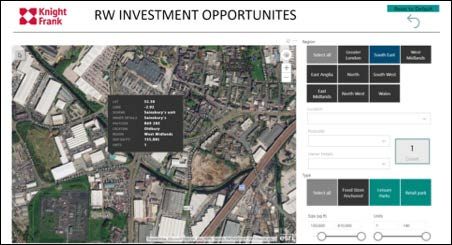
The Retailer View 3. 4.
The original premise of retail warehousing was to Online is obviously one of the key drivers of struc-
W O R D S : P H I L I P B E L L- B R O W N – P R I N C I P L E AT B B E L E M E N T S ( A D V I S O R T O H A L F O R D S ) offer easily accessible, large scale units at cost-ef- tural change in the retail industry, but it’s clearly
fective rental levels. The OOT sector has obviously not a binary ‘online vs physical stores’ issue. What is
evolved significantly, but to what extent do these Halfords’ multi-channel stance and strategy?
fundamentals still ring true in the modern market? As the Halfords business continues to develop its services
Historically, if you could provide an offer that would attract business, improving our customer journeys is critical to
customers away from the High Street, then Out of Town this success. Many customers today start their shopping
was a more cost-effective way to do this and well suited or services mission online and Halfords is investing in its
to the “bulky goods” retailers that drove the early retail own website to be able to direct our customers to the best
park development. This convenience and accessibility way to meet their needs. Whether this is a direct product
attracted a wider range of retailers and genuine shopping sale, booking a MOT, arranging a bike service or book-
destinations have been created in many markets. I believe ing a slot to replace your windscreen wiper, the website
this trend will only continue and as High Streets will adapt will guide you on that journey, point you to the best local
more into entertainment, dwellings and services to sur- branch, be that retail or Autocentre, book a time slot if
vive, Out of Town will continue to service retail in the many required and generally help with the process.
different forms that have emerged over the last 10 years. When you offer the level of services we do in both our
There are, however, a number of challenges for the mar- retail and branch network, the web journey becomes an
ket, oversupply and the challenge of pricing will be around enabler of the physical real estate, not an alternative.
1. 2.
for a while. Also, energy efficiency will become more of
an issue – heating the air to a typical 6m eaves height
underneath an uninsulated metal profile roof is expensive
and inefficient.
The UK retail market is undeniably tough at the The challenges of the UK retail sector generally
moment, but Halfords is more than holding its own. have been well-documented. To what extent is the
What are the factors behind the business’ retail warehousing market exposed/incubated
5. 6.
enduring success? from these challenges, compared to the high street?
Halfords is a specialist retailer with great brand heritage Today’s more successful retailers understand their cus-
and consumer awareness. The business is completely tomers and the customer journey required to sell their
customer-focused, adaptable to a changing consumer products and services. Convenience and accessibility are
and continue to developing its product and service prop- usually an integral part of many customer journeys and Talk us through your current UK store portfolio The notion of affordability has risen up the retail
ositions accordingly. For example, the business is able to if you have the need for physical real estate, out of town – are you at capacity or is there scope for further agenda across the board. Stores in ‘less celebrated’
tap into the consumer trend of “DIFM - Do It For Me” with naturally outperforms the high street here. expansion? What will a ‘right-sized’ Halfords store locations are often more affordable, more profita-
its core blades, bulb and batteries service. Not only do we If your customer journey is built on a price differential, portfolio ultimately look like? ble and therefore more sustainable. What is your
carry all these parts for most cars, we are able to fit it there then the convenience and efficiencies of “big box” retail- The group operates ca. 450 Halfords stores, ca. 370 experience?
and then. This service proposition is highly valued by the ing are important and we can see the success of value Halfords Autocentres and 22 Cycle Republic stores. All retailers need to look to drive operating efficiency
customer, a reason to visit the store and a significant part retailers over the past decade continuing to support this. We benefit from a relatively short average lease expiry through their offer and retail is increasingly “Darwinian”
of the future growth of the business. For those comparison good retailers out of town offers which gives us future portfolio flexibility. We typically close as more channels are available for customers.
There are also tremendous opportunities within the busi- the opportunity to showroom, deliver enhanced services around six stores a year at lease expiry. For most retailers with a leasehold estate, occupancy
ness, especially in motoring, where we can better align the or provide additional distribution points which are increas- We are planning to run some trials this year which will costs will be the second-highest cost after people. And
products and services we offer in our 370 autocentres and ingly important financial drivers for many. better join retail and autocentre services within some spe- for occupancy costs, you need to read rent, rates, ser-
450 retail units. We want to present the customer with a As good as this may be as a “general” rule, there is cific retail markets. The future shape of the portfolio will vice charge, utility and maintenance costs. These are all
consistent and convenient range of services whether they always the need to understand each local market, the be informed by this and other work ongoing. At this time it growing faster than the top line except rent and (outside
arrive online, in-store or in an autocentre. catchment it serves and the other opportunities that may is difficult to say what a “right-sized” portfolio would look of store closures) rent is the only lever a retail property
exist to serve that catchment more effectively. At a macro like and in my experience a retail property portfolio plan director has to pull when it comes to reducing occupancy
level there is too much physical retail real estate in the is never static, it is constantly refreshed to reflect both costs. As with many other retailers Halfords will increas-
United Kingdom and this can manifest locally both in and customer trends and local retail property markets. ingly use lease expiry to set a rent that is proportional to
out of town. the business generated in that location.
Generally, rental pricing is a real problem for the market
and there is no easy solution. If you ask most retailers to
plot store contribution against rent, there will be little or
no correlation. Having to pay a higher rent does not mean
you make a better return.
Factor in shorter leases driven by both market forces
and accounting standards and the inherent inefficiency of
the Landlord and Tenant Act to deal with pricing at lease
renewal, then this is a problem that will be around for some
time.
ISSUE 11 - 10 - - 11 - R E TA I L N E W S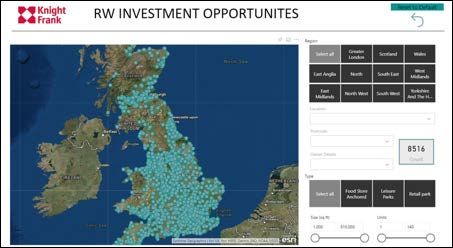
7.                                                                      8.
                    CVAs amongst retailers are understandably a very                        The relationship between some landlords and
                    contentious issue. Landlords clearly have their view,                   tenants can, at times, be a strained one. What
                    but how do you see it from the retailer side?                           opportunities and mutual benefits do you see
                    I don’t believe any occupier would enter into a CVA process             through closer collaboration between landlords
                    willingly, I know it is very difficult for all involved. However, it    and retailers?
                    further undermines the rental pricing model and can effec-              I don’t see any alternative to closer collaboration. With
                    tively penalise those retailers who have better managed                 the challenges of oversupply, pricing and reduced lease
                    their businesses. As I have said, retail is very “Darwinian”            lengths then an investor can no longer buy an asset simply
                    and the CVA could be viewed as an unwelcome antibiotic!                 from an income point of view. The well-advised investor will
                       The reality of UK retail can also be that the customer               need to understand the underlying strength of the retail
                    has moved faster than the retailer is able to keep up. The              location and its long-term ability to efficiently serve the
                    eternal challenge of a retail property director is keeping a            customers in its catchment.
                    very inflexible physical portfolio up to date with fast-moving             The landlord also has to understand the individual retail-
                    customer habits, this can catch even the best retailers out.            ers trading from their assets and support their customer
                       So, my personal view is that if your customer offer is               strategy. This is still not universal, for example, Halfords
                    good enough, a CVA may help you ride through this inflex-               still has issues with landlords not allowing the business to
                    ibility, if it isn’t, then it simply delays the inevitable.             operate the “WeFit” service from the car park, an integral
                                                                                            part of its service proposition.
                                                                                               I believe in the medium term fewer retail locations will
                                                                                            serve any given catchment. This will provide opportunities
                                                                                            for certain locations to consolidate their position, whereas
                                                                                            others will have to find an alternative use. Retailers and
                                                                                            landlords will have to collaborate to better understand
                                                                                            which is which and put plans in place accordingly.

                    9.
                    Will people still be shopping on retail parks in
                    10 years time?
                    The simple answer is yes but there will be fewer parks. Also
                    what we now understand as “shopping” will evolve. There
                    will still be purely transactional stores whose appeal will
                    be value-driven by being focused on the physical channel
                    only.
                      The rest will have a degree of simple transactions but
                    will have to adapt more of their physical space to offer
                    enhanced services, “showroom” their own or other brands’
                    products or as a useful extension to their physical distri-
                    bution network. Many, of course, will do a combination
                    of the above and those that don’t adapt to the changing
                    consumer are unlikely to survive, along with the retail parks
                    they occupy.

                    Philip Bell-Brown is the principle at BB elements,
                    a retail consultancy specialising in Corporate Real
                    Estate strategy and solutions, as well as retail real
                    estate investment advice. One of his principal cli-
                    ents is Halfords Group PLC where he is advising on
                    property portfolio strategy, amongst other things.

ISSUE 11   - 12 -                                                                      - 13 -                                                               R E TA I L N E W S
What’s the Alternative?
W O R D S : F R E D D I E M A C C O L L – A S S O C I AT E , R E TA I L WA R E H O U S I N G C A P I TA L M A R K E T S
When a retail shed’s not a retail shed, what is it? No punchlines,
just a string of alternative use options, ranging from industrial
sheds through to residential.
In the face of an increasingly multi-channel consumer, Industrial / ‘last mile’ distribution Conversion (full or partial) to industrial uses can intensify Institutions own a significant amount of retail parks and a
retail warehousing is arguably the most defensive retail The ongoing evolution of the online retail market will the land use through increased site coverage and even number are currently looking to reduce their exposure, whilst
sub-sector against the rise of online. That remains one continue to drive the pursuit of the ‘last mile’ logistics. multi-storey. also seeing an expansion into the build-to-rent sector as a
of its key selling points as a ‘going concern’. Additionally, Demand for ‘urban logistics’ facilities continues to exceed Retail parks in or near to large urban areas tick most of lucrative alternative.
retail warehousing space offers flexibility and is often current supply, as much from online only ‘pure-plays’ such the boxes for ‘last mile’ logistics, but they face significant A tightening of retail warehouse supply in London and
underpinned by alternative uses. We are currently as Amazon, as multi-channel operators looking to opti- competition from other uses. other urban areas will also lead to more stable values
exploring a number of opportunities for our clients, some mise delivery efficiencies. / rental growth going forward. Where there is a viable
infinitely more complex than others. Retail park locations and formats are well suited to aid this Self-storage alternative use, we expect to see an increase in the
process. By their very nature, they offer locations close to As retail parks tend to be in high traffic locations, they divergence of pricing between prime and secondary
Oversupply and falling values the customer, with the added benefit of good surrounding can make attractive self-storage facilities. Self-storage schemes / locations.
The flight to potential alternative use infrastructure. As part of our has often traditionally been Geography remains key – the values
has three key drivers: tumbling capi- focus on the sector, Knight Frank located within industrial prop- between residential and retail ware-
tal values, widespread retail malaise has developed a geospatial erties. However, 2018/2019 "Too much retail housing only currently align to make
and oversupply. In the 12 months to mapping tool which plots all the has seen a lack of stock of redevelopment viable in Greater London
December 2019, retail warehouse "OOT vacancy rates retail parks across the country, industrial property space and floorspace, a lack of and very select areas of the South East.
capital value growth has declined by
12.86%, according to MSCI (formerly
generally are much identifying schemes/assets
that are of a certain acreage
this has placed pressure on
self-storage to relocate.
housing – the logic Understanding locations
IPD). The occupational challenges of lower than in-town and are located on key arterial/ Moving self-storage units to may be overwhelming, It is more important than ever in the
the retailers are well documented and distribution arteries. retail parks where there is per- retail world to understand the market
until there is some stabilisation within equivalents." It is increasingly emerging haps an oversupply of square the realities actually far in terms of location, the supply and
the occupational market, this decline
in capital values will continue.
as a key competitive advan-
tage in the wider multi-channel
footage or a large car park /
service yard could provide effi-
more complex." demand dynamics, how retailers
trade but also what alternative uses
Supply issues are not clear cut and offensive for retailers to have a cient use of the land. potentially underpin the site. As
the retail warehouse market is perhaps not as oversupplied network of physical stores. Within this framework, the role well as input and intelligence from our Residential and
as some may believe/suggest. Although the vacancy rate is of the store is evolving rapidly. In addition to their traditional Residential Industrial colleagues, our dedicated planning team are
up to 7.5%, it is still lower than the peak vacancy rate in 2009 role as transactional ‘shops’, retail parks offer the opportunity Too much retail floorspace, a lack of housing – the able to guide us on likely use and densities when exploring
of 11.8%. OOT vacancy rates generally are much lower than to fulfil an increasing number of multi-channel functions: logic may be overwhelming, the realities actually far alternative angles.
in-town equivalents. more complex. Despite all negative narrative, retail parks clearly have a
The case remains that stock selection is key - there will • shipping from warehouse Increasing pressures to deliver more housing combined purpose and for the majority, this will continue, but there are
be some assets that see values continue to tumble, but • shipping from store with a shortage of available land, particularly in the South, select opportunities for existing owners, developers and local
there are also others that are under-priced and offer exciting • providing click & collect facilities have created higher residential values, which in some cases authorities to consider their development potential.
opportunities. The fall in retail warehousing values, set against • serving online returns makes a compelling case to redevelop retail parks. A final thought. As we have seen in the office market through
other real estate sectors that have continued to perform • providing national retailers with a distribution Retail parks offer low site coverage, typically circa 30%, permitted development rights, could we in five years begin
strongly, has created pricing mismatches and with them, network that can rival Amazon and redevelopment allows for an increase in density. Planning experiencing a real lack of good quality retail warehouse
an opportunity to explore alternative uses. authorities are normally positive on residential development in certain urban markets? Certainly not beyond the realms
Knight Frank’s extensive Residential and Industrial capabil- Where the service yard is large enough, the sheds can due to a desperate need for more housing in many areas. of possibility.
ities have enabled us to target these avenues of alternative even serve dual purposes, offering both ‘traditional retail’
use in particular. In both instances, retail parks may present (i.e. sales direct from the unit) and distribution capability,
excellent opportunities, in the right locations, for these uses. a good example being Argos’ hub model.
ISSUE 11 - 14 - - 15 - R E TA I L N E W S
Embracing Change:
our forensic approach
to site/stock selection
W O R D S : D A N S E R F O N T E I N – S E N I O R S U R V E YO R , R E TA I L WA R E H O U S I N G C A P I TA L M A R K E T S
D E W I S P I J K E R M A N – S E N I O R G E O S P A T I A L A N A LY S T
Technology is constantly evolving and to remain competitive, so must
we. How we have developed new methodologies to appraise retail
warehousing assets, primarily to uncover buy-side opportunities.
Any developments in the field of Geographical Information native use. An example of this demand is the acquisition A step-by-step approach Scenario: Be like Investor A
Systems (GIS) and Spatial Data are of great interest and of the B&Q store in Croydon by Royal London. Using this tool, we have been able to deliver to our clients By way of example, Investor A believes there is an oppor-
relevance to the property industry. However, it would be fair However, these prime assets are only a fraction of the a host of interesting off-market opportunities. Applying the tunity to acquire retail warehouse accommodation and
to say that real estate has tended to be slow in adopting retail warehouse offering in the UK. Outside prime, landlords client’s bespoke requirements and specifications, we are convert it for alternative use to industrial. Investor A pro-
new technologies, certainly compared to early adaptors have to work harder to make returns on their retail assets able to identify prospects by filtering on location, accessi- vides us with their requirements as follows:
such as the public sector or the insurance industry. and many are undertaking increasingly active asset man- bility, number of units and size, as
Whilst technology can improve efficiency, people still agement. Strategies include Pod development, re-letting well as several demographic layers Location: Within M25
have a desire for human contact. This is especially true
in a sector that is underpinned by trust and personal
vacant retail units or repositioning assets which are no
longer fit for purpose. Alternative use value is becoming
(e.g. residential base, worker popu-
lation, socio-economics etc).
"All locations are Units:
Size
1-4
> 50,000 sq ft
relationships. At Knight Frank, we look to combine new increasingly important, if not as a primary direction of intent, Once a select group of assets is different and retail
data solutions with up-to-date market knowledge and then at least as a safety net. identified, we can undertake further We input these requirements
long-standing relationships to bring best in class advice The matching process of appropriate retail stock with investigation into individual assets warehousing assets into our dashboard and it
to clients. these new alternative buyers is, how-
ever, not as straightforward as it may
through a step-by-step approach.
We would look to:
offer varying degrees of identifies all retail warehouse
accommodation that fits these
Structural Change seem. Sellers need to understand the • Identify who owns the asset potential – our tool offers parameters. We then filter out
and Change of Use
Whether you read the head-
"The matching process underlying value of their land for alter-
native use. At the same time, without
(likely to be one of our long-
standing relationships). a customised approach
sites suitable for residential use.
This filter alone reduces the list
lines, our Knight Frank retail of appropriate retail the stock being openly marketed, new • Analyse current tenants and
to forensically assess from nearly 9,000 to 99 proper-
research or have recently entrants will find it hard to navigate the vacant units and use our ties. We then have the ability to
been shopping you will be stock with these new market, identify the right opportunities extensive market knowledge
these nuances." apply additional filters including
well aware that the sector is
undergoing major structural alternative buyers and establish true value. to advise on covenant
strength and estimated rental
catchment demographics and
population drive times – this
changes. The last two years
have undeniably been very
is, however, not as Visualising Opportunities
To support our clients through the site
value.
• Consider surrounding land uses and liaise with our
process generates a final list of 43 properties.
We then review the ownership details and lease terms of
turbulent for the retail prop- straightforward as selection minefield, we have developed market-leading Residential and Industrial teams to all 43 properties and this results in a shortlist of 10 assets.
erty market. We have seen a an interactive tool to filter and identify establish the potential for alternative use underwrite We then provide Investor A with a summary of each asset
string of Company Voluntary it may seem." all retail parks, foodstores and leisure or development. and why we believe it is suitable for their requirement.
Arrangements (CVAs) and schemes across the country. The tool • Explore demographics to identify potential Investor A has now been provided with 10 potential off
administrations, wider occu- allows us to filter on relevant criteria by customers, residents or employees for our clients market opportunities.
pier unrest, tumbling capital values and negative investor potential use and identify which space is fit for purpose. (depending on proposed use). All locations are different and retail warehousing assets
sentiment. This volatility has been reflected in the pool of The tool has been built using a variation of traditional offer varying degrees of potential – our tool offers a cus-
buyers, with traditional buyers often heavily discounting real estate and alternative data sets. Visualising data Once a shortlist has been created, we revert to our net- tomised approach to forensically assess these nuances.
retail as an asset class. spatially and interactively provides a new opportunity to works and advise on the best strategy to acquire the iden-
Although reduced, there is still demand for prime retail search for assets and gives clients the chance to identify tified properties. Interested to know how we can help you find your
warehouse investments. From institutional buyers, there their hotspots and select their personal assets of interest. unique property? Contact Daniel Serfontein or Dewi
is demand for prime retail warehouse investments with an The tool is intended to be flexible rather and prescriptive Spijkerman for more information.
attractive weighted average unexpired lease term (WAULT), and can be used to assess retail parks as ‘going concerns’,
strong covenant, situated in locations underpinned by alter- as well as potential alternative uses.
ISSUE 11 - 16 - - 17 - R E TA I L N E W SThe Landlord View 4. 5.
What is the case for investment in retail warehous- What are you own key investment criteria?
W O R D S : W I L L H U N T I N G – D I V I S I O N A L D I R E C T O R – U K A C Q U I S I T I O N S , M 7 R E A L E S TAT E ing as a going concern? How important is income The buildings must be conventional steel portal frame, low
return, as opposed to rental growth? site cover and be located in larger towns and cities, with
One of the factors we really like in the sector is the income strong residential catchments. We look at both parks and
return it provides. REIP VIII was acquired for an attractive solus units and our lot size is generally sub-£15m.
blended NIY with less than 1% void, a WAULT of eight years Rental levels are very important to us. Whilst we are
and of an average rent of £9.90/sq ft. obviously very keen on the sector, we also think that rental
This has the ability to provide a great cash on cash levels are generally too high and there is a lot of re-basing
return with virtually no leakage and, given the profile of that will need to happen across the market. We aim for
the tenants in the portfolio, we believe this is also a stable, rents that are low and already stabilised, as mentioned
defensive income profile. above, our average rent across REIP VIII is £9.90/sq ft. Not
In the context of the wider real estate market and other only does this protect the downside versus competition
asset classes, this is an attractive income return that is in the local markets, it is also a level of rent that is more
very hard to find in the industrial market and we believe, attractive to the occupiers we like, which are discount and
again given the profile of our tenants, is less volatile value-orientated.
occupationally than parts of the regional office market. Capital value per square foot is also important. One of
However, we are conservative on rental growth and are M7’s key investment criteria, regardless of sector, is to be
not underwriting any short-term uptick in rents. buying below replacement cost, to protect the downside
1. 2.
The investment case is underpinned by the income against the development of competing stock. Our average
return, but the capital growth will come as the asset class capital value per square foot for REIP VIII fitted this criteria
becomes ever more important to the retailers and evolves well when considering the cost of land and development.
with the retail market. Income return is obviously important as already noted
M7 is a very active investor in retail warehousing. The trials and tribulations of the retail sector have and is a function of these rental levels and the capital
How much have you invested recently and what are been well-documented. To what extent is the retail value and vice versa.
your plans going forward? warehousing market exposed/incubated from
In the UK, the majority of the retail warehousing owned wider retail occupier malaise?
6. 7.
by M7 vehicles is in our first dedicated retail warehousing M7’s view is that retail warehousing is the most defensive
fund, M7 Real Estate Investments Partners VIII (REIP VIII). retail sub-sector to the current malaise in the retail market.
We acquired £126m across 20 assets between August We believe that the building construction (steel portal
2018 and April 2019. We also have other retail warehouse frame warehousing), site configuration (large, free car
assets in other funds/mandates acquired as part of port- parks, rear loading, very low site cover) and micro loca- Retail warehousing comes in a variety of guises – In retail generally, affordability increasingly
folios over the previous five years. tions (away from congested town centres, surrounded by shopping parks, clusters, solus, open A1, food-an- appears to be trumping geography. As a landlord,
The retail warehouse assets we are targeting are M7’s residential) provide better fundamentals than most high chored, convenience-based etc. What is your view how important is understanding tenant affordabil-
highest conviction theme in the UK at the moment and our streets and shopping centres, and will help the occupi- on the prospects for these various sub-sectors and ity and trading performance?
aspiration is to grow this strategy over the next 12 months. ers adapt to continued online penetration, rather than relative pricing? In our sub-sector, we think affordability and geography go
hinder them. Our strategy is currently focussed on one sub-sector – hand in hand. Generally, the levels of rent we are targeting
the smaller lot size, discount-led assets e.g. REIP VIII fea- are paid by the discounters and retailers associated with
tured tenants such as B&M, The Range, Home Bargains them, and they are located in geographies where there is
3.
and Matalan as well as DIY tenants such as Wickes and strong consumer demand.
B&Q. We are more comfortable with this sub-sector than An understanding of tenant affordability and trading
with others, mostly as a result of the low rental levels and performance is very important to us. Whilst we believe
the performance of many of the tenant credits, but also in the multi-channel future of the sector, we still need our
In the current market, the main rationale for invest- because of the synergy between the retailers and the income return to be defensive and protected. One of the
ment in retail warehousing amongst some investors demographics. first questions we are asked by investors, particularly our
is alternative use (industrial sheds/resi/hotels). We haven’t spent too much time on the other sub-sec- US-based investors who have better access to this infor-
What is your view? tors but the pricing of the larger, shopping park-style mation in their home market, is around effort ratios and
I think a lot of people think that we started buying retail assets looks like it has to continue to move out. The rental tenant affordability. This isn’t always readily available, for
warehousing with the view that we would be planning to levels are quite high in places and have moved against understandable reasons, so we leverage the relationships
convert everything to industrial, given our background in one of the original reasons retail warehousing came to of our agents and our developing relationships with the
the sector. prominence – its affordability for occupiers versus the retailers to understand affordability and performance.
Whilst we do see the potential for doing this in select high street.
cases, for M7 this is more about how we see the retail
market changing; the way retailers will continue to adapt
to the march of online, and our view that these assets are
the best prepared to service this going forwards. Retail
warehouse assets are well suited in terms of both location
and specification to fulfilling other uses including physical
retailing, click & collect and last mile delivery.
We also have one eye on land values and what this
means for potential future residential use, but this is an
underpinning factor, rather than a strategy.
ISSUE 11 - 18 - - 19 - R E TA I L N E W S8. 9.
Online is clearly one of the key drivers of structural CVAs continue to cast a negative shadow over the
change in the retail industry. In your view, how does retail market generally and remain a very conten-
retail warehousing sit within the multi-channel tious issue. What is your view as a landlord?
equation, in contrast to, say, high street retailing? Fortunately, we haven’t been exposed to many CVAs and,
It sits right at the centre of it and is the antithesis of high where we have, the outcome hasn’t been negative for our
street retailing in this sense. assets. For those that have been exposed, there is a feel-
One of the key tenets of our strategy is that the sector ing of frustration, which is down to the fact that landlords
provides the best real estate for retailers to adapt to the feel that their hands are tied with very little choice.
structural changes associated with online. We think that We can understand how a CVA can benefit a tenant
the buildings are ideally placed to be at the heart of a true when it is part of a genuine restructuring, but increasingly
multi-channel operation. it feels like the tide has shifted towards the use of the
The advantages over the high street in this sense are process to shed non-performing stores.
mostly physical, they provide everything that the high Hopefully, our approach to rental levels will go some
street doesn’t – uniform steel portal framed buildings way to protecting us from the affordability element of any
suitable for racking, simple loading, large, free car parks future CVA processes.
and surrounding chimney pots.
As a house, given our exposure to the industrial/ware-
10.
house sector, we are acutely aware of the shortage of
warehouse space in the UK, whether it be multi-let, mid-
box or big-box, and the impact this is having on voids
and rents.
Whilst we believe that many of these retail warehouse Will people still be shopping on retail parks
units will continue to trade as they currently do, we think in 10 years time?
that the natural evolution, given the shortage of traditional Yes, but the way they will be shopping will be different.
warehouse space, is that retailers will come to utilise their They won’t all be shopping in a traditional sense, some
retail warehouse units as part-physical retail, part-click & will be, but others will be picking up and returning online
collect and part-same day last mile delivery. orders, as the true last mile is serviced by vans loading at
You will end up with units with a smaller physical retail the rear of the units.
presence, say 30-40% of the unit, with the rest of the unit
racked out, almost trade counter-esque, for click & collect
and last mile delivery.
We actually call the asset class Enhanced Warehousing
– B2/B8-style warehousing with the benefit of an enhanced
planning consent – retail.
The other interesting comparison with the High Street,
and one of our underpinning factors, is that as Local
Authorities continue to try to protect the High Street, it
is going to be increasingly hard to get consent to build
retail warehousing, which feels at odds with the structural
changes the sector is going through.
ISSUE 11 - 20 - - 21 - R E TA I L N E W SThe Eye of a Retail Warehousing Investment Volumes and Deals 2011 - 2019
6,000 200
Perfect Storm? 5,000
4,923
180
160
140
4,000
Transactions
W O R D S : D O M I N I C W A LT O N – H E A D O F R E TA I L W A R E H O U S I N G C A P I TA L M A R K E T S 120
2,964 3,000
2,891
£m
3,000 100
2,643
Having enjoyed 20 years as the darling of the property market, retail 2,077 2,058
80
warehousing, along with the wider retail sector, is enduring a value decline 2,000
1,563
1,724
60
which perhaps started slowly but soon gained momentum. And some. 1,000
40
20
0 0
2011 2012 2013 2014 2015 2016 2017 2018 2019
Volumes (LHS) No of Deals (RHS)
But are we now close to the bottom of the market and politicians have done their level best to whip whatever
when is the right time to invest? Or even, how soon is now? remaining carpet was beneath the market in promoting Source: Property Data, Knight Frank
In September 2018 I debated with a client when might uncertainty, causing significant redemptions from retail
be the right time to ‘buy’ retail warehousing – at the time funds – perhaps also bolstered by broader global eco-
we felt the year-end valuations would possibly offer poten- nomic weaknesses. The General Election in December
tial in the first half of 2019. Here we are in early 2020, that has eliminated a degree of uncertainty, but we are still a
client is still on the sidelines, so where is the market and long way from total clarity. Not to mention rather biased Key Retail Warehousing Deals (>£30m) in 2019
what would the same conversation look like today? media coverage of retail in general.
The 20 years of growth enjoyed by the retail warehouse Town Property
Price Yield
Date Purchaser Vendor
(£m) (%)
A Perfect Storm sector was fundamentally fuelled by retailer expansion
All free markets are largely shaped by demand and supply and has created an oversupplied and, in large part, over- Portfolio Three retail parks 190.0 7.00 Dec-19 Tritax Management LLP Standard Life UK RP Trust
factors and current market characteristics have substan- rented market. Combined with the structural challenges of Oxford Seacourt Tower/Retail Pk 80.0 - Nov-19 Brockton Everlast Inc BA Pension Fund
tially increased the supply the retail sector, prospects for growth
side of the retail warehous- appear slim at best. Until, that is, the Paisley Abbotsinch Retail Park 67.0 7.80 Sep-19 AshbyCapital LLP Hammerson Plc
ing equation. The woes of market falls to ‘current value’ levels - Gloucester St Oswalds Retail Park 54.0 8.50 Nov-19 Gloucester City Council Hammerson Plc
the retail sector have been "As ever, where there whether that movement will result from
the valuation fraternity or open market
Portfolio B&Q Portfolio 53.3 6.60 Jun-19 Palmer Capital Partners B&Q Plc
well documented and are
covered elsewhere within is perceived distress, is the subject of fierce debate. London N18 Ravenside Retail Park 51.5 - Dec-19 ProLogis UK Ltd M&G Property Portfolio
this report, but they form
perhaps only half of what there is Private Equity, Volumes vs sector interest
London SE26 Bell Green Retail Park 50.0 5.90 Apr-19 West Midlands Pension Kier Property
we could describe as the
perfect storm – one that
for whom distress Trading volumes speak for themselves.
In 2019, there was just ca. £1.7bn trans-
Poole Poole Retail Park 44.7 8.00 Sep-19 Pimco Bravo Fund Landsec Plc
equals opportunity."
London NW2 Broadway Retail Park 44.5 - Mar-19 Montreaux Ltd Kingfisher Plc
was somewhat different to acted, a -16% reduction on 2018 (ca.
Manchester Hulme High St Retail Park 42.8 5.30 Aug-19 Warrington Bor Council Nuveen Real Estate
the effects of the Global £2.05bn). Compare this to ca. £5bn as
Financial Crisis some 10 recently as 2015. Significantly, 2019 Lisburn Springfield Retail Park 40.0 8.70 Nov-19 NewRiver REIT Plc Intu Properties Plc
years ago. marked the first time investors other than UK Institutions
Leeds Westside 38.0 6.75 Mar-19 AshbyCapital LLP British Land Plc
It would seem that the peak of bad news in the retail were the larger buyer in the sector, made up of Property
space was the outgoing tide uncovering some unpalatable Companies, Private Wealth, Councils and Private Equity. Croydon Hesterman Way 37.3 4.71 Jan-19 Royal London Asset Man B&Q Plc
structural issues and failings. In the wider property market As ever, where there is perceived distress, there is Aberdeen Kittybrewster Retail Park 35.2 8.90 May-19 NewRiver REIT Plc Zurich Assurance
discussion and debate was growing about ‘top of cycle’ Private Equity, for whom distress equals opportunity.
Oxford Uni
– this further focused attention on the retail sector and Most investment agents worth their salt should have been Hove Goldstone Retail Park 34.0 5.10 Nov-19
Endowment Fund
Aberdeen Standard Invest
the portfolio imbalances and over-weight to retail many spending recent months making ‘new friends’ in the PE
Knaresborough St James Retail Park 33.0 6.25 Aug-19 Private investor Aviva Investors
REIT and Institutional investors were exposed to. To rub world. However, the varied nature and motivation of the
salt into the wound, the PR and corporate governance global investor today means PE investors are now joined Brighton Pavilion Retail Park 32.0 5.53 Mar-19 CCLA Investment Man Aviva Investors
issues, resultant from the Woodford Fund events, began to on the starting grid (or is it the pit lane?) by Private Family
Londonderry Crescent Link Retail Park 30.0 11.50 Oct-19 David Samuel Properties Lotus Group
further affect motivation and strategy of many, particularly Offices, Property Companies and a wide array of Asset
the retail funds. Managers through whom domestic and global wealth are
As if all that wasn’t enough, our celebrity-seeking navigating their way to income and returns. Source: Property Data, Knight Frank
ISSUE 11 - 22 - - 23 - R E TA I L N E W SWhilst it would be wrong to totally ignore the Institutional In fact, the combined cash waiting on the sidelines Forecast Income Returns 2020 - 24f
investors on the buy side - indeed there are savvy fund focused on the sector is quite astounding. Most PE inves-
managers who find themselves under-weight to the sector tors are seeking to build considerable platforms – a factor
and with cash to invest - the fact the majority of buyers are which has motivated some sellers to offer portfolios to the 7
non-institutional does in itself somewhat direct pricing in market, rather than piecemeal assets.
Annual Income Return (%) 2020 24f
6.1
order that their returns criteria are met – these typically
6
being rather higher than those of Institutions. 5.3
5 4.6
4.3
4.1
Key Retail Warehousing Purchasers 2019 Key Retail Warehousing Vendors 2019 4
Purchaser Value (£m) % of Total Purchaser Value (£m) % of Total
3
Tritax Management LLP 190.0 11.0% Standard Life UK RP Trust 190.0 11.0%
AshbyCapital LLP 105.0 6.1% Hammerson Plc 144.9 8.4%
2
NewRiver REIT Plc 100.4 5.8% Aberdeen Standard Invest 125.6 7.3%
M7 Real Estate 82.5 4.8% B&Q Plc 115.8 6.7% 1
Brockton Everlast Inc 80.0 4.6% BA Pension Fund 80.0 4.6%
0
NFU Mutual Insurance 59.3 3.4% Aviva Investors 73.4 4.3%
Retail Warehouses All Retail All Industrial All Office All Property
Gloucester City Council 54.0 3.1% British Land Plc 69.8 4.0%
Palmer Capital Partners 53.3 3.1% Zurich Assurance 60.4 3.5% Source: MSCI, Real Estate Forecasting, Knight Frank
ProLogis UK Ltd 51.5 3.0% M&G Property Portfolio 51.5 3.0%
West Midlands Pension 50.0 2.9% Kier Property 50.0 2.9% Crucial at this stage is to underline the fact that the sector warehousing now offering yields (by and large) of 6% plus.
is incredibly fragmented – not every retail warehouse is a There is a school of thought that now is the time to invest.
CCLA Investment Man 48.1 2.8% Landsec Plc 44.7 2.6%
150,000 sq ft scheme. As a sub-sector, retail warehousing Structural issues in the sector also result in a greater
PIMCO BRAVO Fund 44.7 2.6% Kingfisher Plc 44.5 2.6% comprises large-format Regional Shopping Parks to solus perception of risk – and that demands reward for those
Montreaux Ltd 44.5 2.6% Nuveen Real Estate 42.8 2.5% Halfords stores and everything in-between. Each retail early pioneer investors. In January 2009 the Prime Yield
warehousing asset is different, be that in terms of sizing, for Open A1 retail parks was 8% (Jan 2007 – 4% and today
Greenridge Regional UK 42.9 2.5% Intu Properties Plc 40.0 2.3%
geography, rental tone and tenant composition. Historical 6%). All will recall the effects of the GFC on the whole prop-
Warrington Borough Council 42.8 2.5% FI Real Estate Management 36.4 2.1% classifications are looking increasingly outmoded. Prime erty market, but the pioneers of that market could perhaps
– what does that describe in today’s market? see through the mist to a retailer expansion story which
Royal London Asset Man 37.3 2.2% Columbia Threadneedle 34.1 2.0%
At the same time, we find ourselves in a low interest still had legs – as at the time, did the 10-15 year leases.
Oxford Uni Endowment Fund 34.0 2.0% Lotus Group 30.0 1.7% rate environment. Other property sectors are experienc- Today, to a greater or lesser extent, the economy would
Corum Asset Management 33.0 1.9% Other 489.9 28.4%
ing historic low yields and other investment media even be considered perhaps more stable, but even the moving
lower returns. A more settled political environment has parts of the retail market have changed and greater skill in
David Samuel Properties 30.0 1.7% Total 1,723.7 100.0% clearly refreshed investors perception of the UK and retail assessing them is demanded from an investor.
Other 540.6 31.4%
Total 1,723.7 100.0%
Retail Warehousing Yields vs Other Property Segments 2007 - 2020
Source: Property Data, Knight Frank 11.00%
10.00%
9.00%
Directions of travel? ers at ‘discounted’ pricing, enjoy the income, perhaps a
8.00%
With little rental growth to hope for, investors seem to be re-gear or two and wait for the funds to return to the fray
playing a relatively simple game – buy off motivated sell- enjoying the resultant yield compression. 7.00%
6.00%
5.00%
4.00%
3.00%
Jan 09
Jan 08
Jan 20
Jan 07
Jan 10
Jan 14
Jan 16
Jan 19
Jan 12
Jan 18
Jan 13
Jan 15
Jan 17
Jan 11
Prime Shops Regional Shopping Centre
RW - Open A1/Fashion RW - Bulky Goods Parks
RW - Solus Bulky Prime Distribution/Warehousing (20 yr fixed RPI)
Secondary Industrial Estates
Source: Knight Frank Yield Guide
ISSUE 11 - 24 - - 25 - R E TA I L N E W SYou can also read


