Safer Journeys: New Zealand's Road Safety Strategy 2010-20 - Colin Brodie Chief Advisor: Safety New Zealand Transport Agency October 2014
←
→
Page content transcription
If your browser does not render page correctly, please read the page content below

Safer Journeys:
New Zealand’s Road
Safety Strategy
2010-20

Colin Brodie
Chief Advisor: Safety
New Zealand Transport Agency
October 2014

140

Deaths per 1,000,000 population                              Road fatalities per population by country
                                  120
                                        Solid = 2013 data
                                        Hollow = 2012 data
                                  100

                                   80

                                   60

                                   40

                                   20

                                    0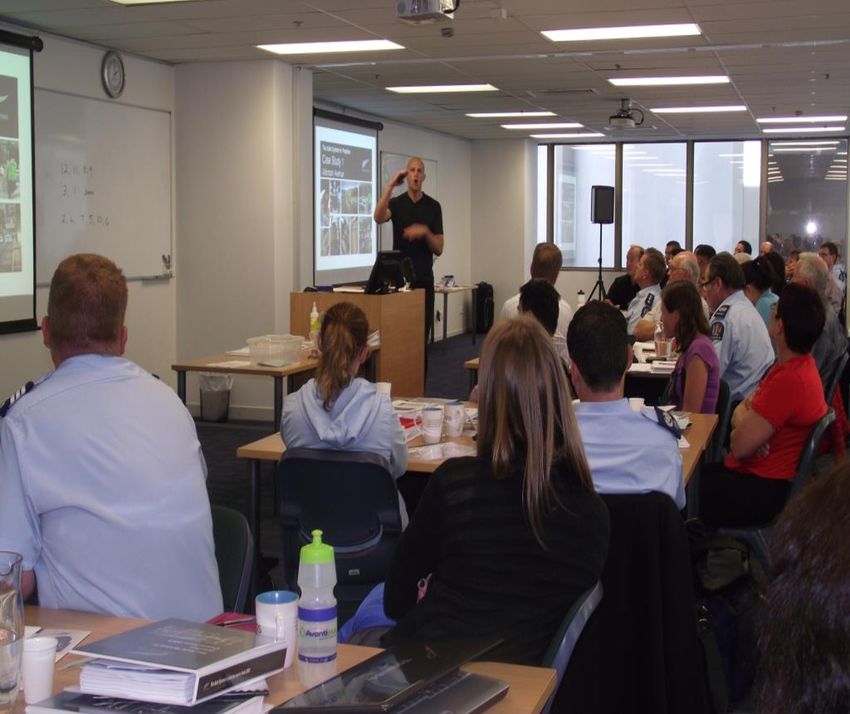
Fatal and serious injuries in crashes, 1991 - 2013
How are   5000
                               First National Road Safety Plan
                        First SAP: targeted enforcement resources

we
doing?    4000
                                           CBT and speed cameras

                                                              SRSP road safety advertising
                                                              and enforcement campaign

                                                                                             Highway
                                                                                                                  tougher drink-
                                                                                              Patrol
                                                                                                                driving provisions
          3000                                                                                                                       cellphone ban,
                                                                                                                                      drug testing
                                                            fatal and serious injuries

          2000                                                                                                                         higher licence age; zero
                                                                                                                                          youth alcohol limit

          1000
                  711
                                                                                               fatalities

                                                                                                                                                           254
             0
                 1991 1992 1993 1994 1995 1996 1997 1998 1999 2000 2001 2002 2003 2004 2005 2006 2007 2008 2009 2010 2011 2012 2013

                                                                        Figures shown are rolling 12 months totals
New Zealand’s Safe System journey
         Embed the Safe System approach

         Create a new road safety conversation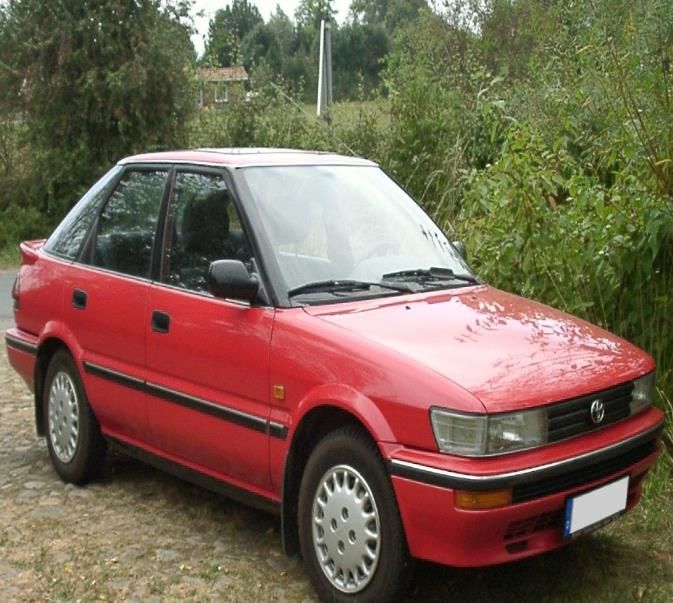
Transformational safe system principles

1                                   2

      People make      Accept we            People are
        mistakes       are human            vulnerable

3                                   4
    We need to share                        We need to
                         Manage         strengthen all parts
     responsibility    the system          of the system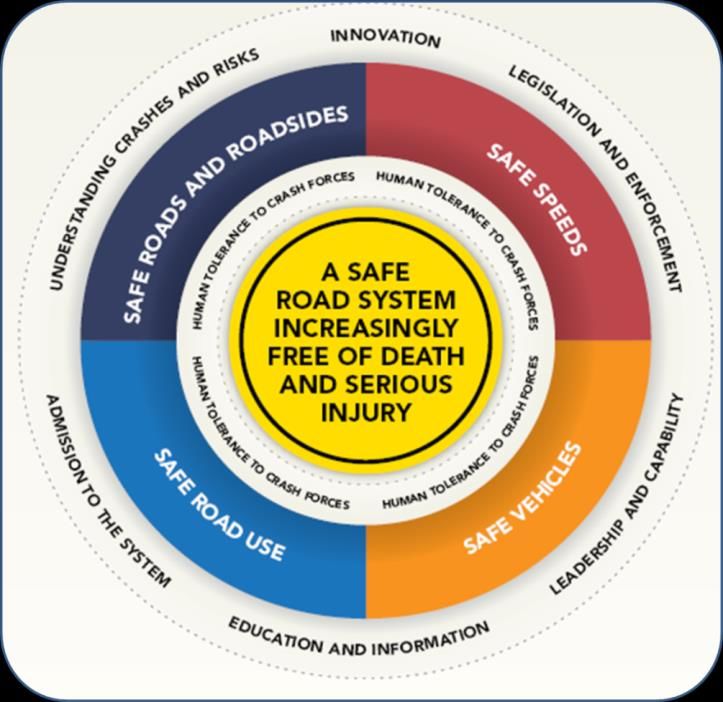
Safer Journeys areas of high concern:
110                          outcomes compared to 2010

100

 90                                                                                    motorcyclists
                                                                                       speed

 80                                                                                    roads & roadsides
                                                                                       alcohol/drugs
                                                                                       young drivers
 70

 60
  Jun-10        Jun-11                   Jun-12                  Jun-13      Jun-14*

           deaths or serious injuries in headon/runoff road crashes

           deaths or serious injuries in alcohol/drug crashes, per 100,000

           ACC entitlement claims from motorcyclists

           15-24 yr old drivers killed or seriously injured, per 100,000

           deaths or serious injuries in open road (80-100 km/h) crashes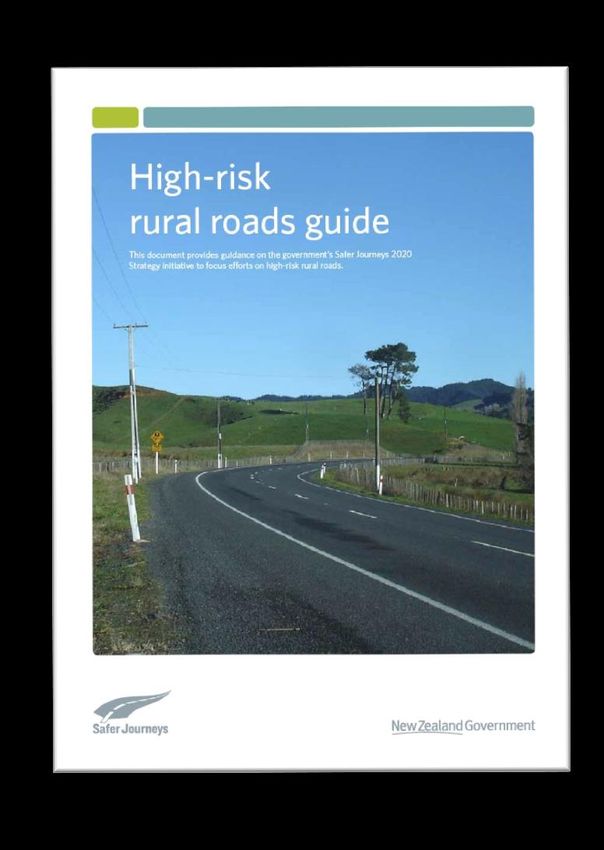
Embedding the Safe System
We’re challenging the belief that serious
         road trauma is inevitable

   Safe System in Practice: 2012 – 2014
21 courses, 13 locations, 1200 people

           A legacy of change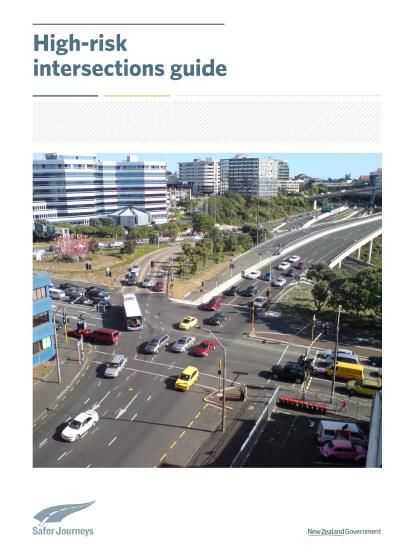
2013 – Evaluation of understanding before
           and after the course
      Before                  After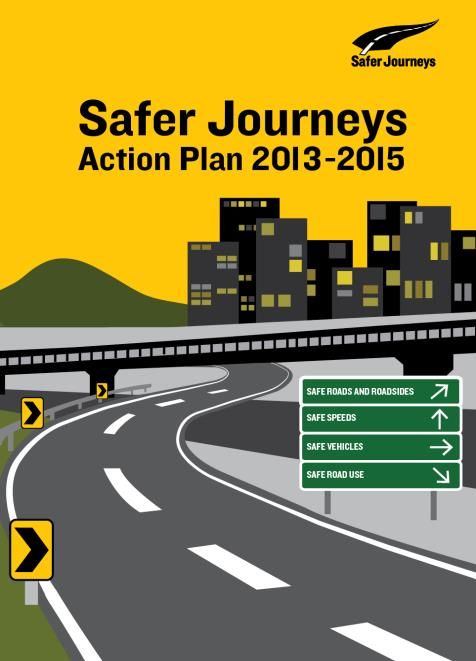
National Safer Speeds Programme
developed so travel speeds will suit
road function, design, safety and use:
        Implementation underway:
   a)   change the public conversation on speed
   b)   develop a Speed Management Guide
   c)   revise the Setting of Speed Limits Rule
   d)   support better compliance (rebalance penalty
        regime and support reduced enforcement
        tolerances)

                               Safer speeds
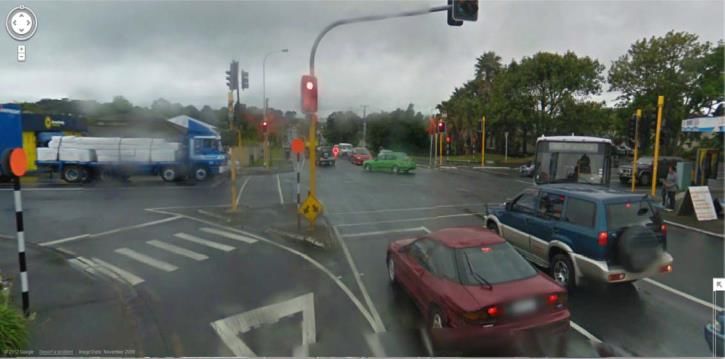
High risk rural roads and intersections being treated and investment targeted to risk
KiwiRAP
Well entrenched into our policies.

Urban KiwiRAP is a new
innovation that will enable future
investment to be better targeted
to risk
Reducing impairment
Lowered the Blood Alcohol Concentration
(BAC) level from .08 to .05. In force from 1
December 2014
   - .05 - .08 will be an infringement offence (fine
   and demerits)
   - over .08 will still result in a court appearance

Reviewing sanctions for drink driving
   - alcohol interlocks
   - vehicle impoundment and confiscation
   - rehabilitation treatment and assessment
   - penalties (level of fines, demerits etc)
Mandated Electronic Stability
Control (ESC)
- new MA light passenger and goods vehicles - 1 July
  2015
- used class MC (four-wheel-drive SUVs and off-road
  vehicles) 1 March 2016
- used class MA (passenger cars) with engine capacity
  greater than 2 litres - 1 March 2018
- all other used light passenger and goods vehicles - 1
  March 2020

Developing a Vehicle Standards
Map
- identify innovative interventions to improve the NZ vehicle
   fleet
- support a whole-of-vehicle lifecycle approach to
   improving vehicle safety and environmental standards
Accelerating the exit of less
safe vehicles
- identify less-safe vehicles and
  potential options to accelerate their
  exit
- the targeted vehicle group is exiting
  the fleet at a high rate
- further engage with stakeholders to
  facilitate a shared understanding of
  where we are at
- develop a prioritised list of actions to
  support the market-led exit of less-
  safe vehicles

                                Vehicles
Four ambitious Signature
Projects underway:
a) Rural road safety (Eastern Bay of Plenty)
b) Visiting drivers (Lower South Island)
c) Future streets – walking and cycling (Mangere)
d) High risk young drivers (South Auckland)
Supported by a group of international safe
system experts – who remind us just how
challenging the safe system principles are to
achieve on the ground!
SignatureImplementation Issues • Not everyone sees road safety as a problem • Understanding of Safe System still limited to a small minority • Driver blame still in many sectors • Making Safe System “real” to people is difficult • Lack of people resources and money • Fear of higher costs for implementation and maintenance • Safety versus efficiency debate in speed space
Thank You
You can also read


