Singapore Airlines report FY 2013/14 02-09
←
→
Page content transcription
If your browser does not render page correctly, please read the page content below
Singapore Airlines
                      02-09                10-14                15-22       23-27             28-35
report   FY 2013/14   About
                      Singapore Airlines
                                           Safety at
                                           Singapore Airlines
                                                                Focus
                                                                on People
                                                                            Supporting
                                                                            Our Communities
                                                                                              Caring for
                                                                                              the Environment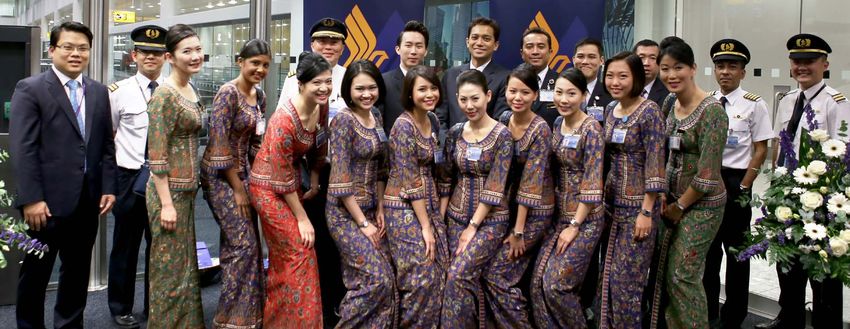
CONTENTS OVERVIEW
01
CEO’S MESSAGE “This year we are going further in our sustainability reporting by adopting the new • Online Booking • Online Check-in
This Sustainability Report aims
G4 reporting guidelines of the well-respected Global Reporting Initiative (GRI). • Sales Agent • Airport Check-in to inform stakeholders of
• Seat Selection
CES • Baggage Uplifted Singapore Airlines about our
These will enable us to be more focused in the reporting of the social, environmental RV I GR
• Meal Selection
SE OU to Aircraft
sustainability performance in
and economic dimensions of our operations.” ND • Meals Prepared
NS and Uplifted to a transparent and accountable
O Aircraft
manner. It covers issues related
SE
I
AT
to governance, stakeholder
RV
V
ER
ICE
engagement, community
RE S
PRODUCTS PRODUCT
ABOUT SAFETY AT SUPPORTING CARING
S
AND SERVICES INNOVATION projects and the environment.
SINGAPORE SINGAPORE OUR FOR THE • Cabin Products
AIRLINES AIRLINES COMMUNITIES ENVIRONMENT Through this report, we also hope to
02 10 23 28 identify opportunities for improvements
IN-FLIGHT ADVERTISING/
CATERING MARKETING to our sustainability management, as well
ES
IN-F
11 24 29 • ICP Chef
as issues that are integral to our business
VIC
SIA’s Safety Community Managing our in order to address them effectively
LI G
ER
Performance Engagement Environmental Impact and appropriately. We try to integrate
HT
S
SE
T
H
IG RV sustainability throughout our customer
FL • Cabin Crew In-flight experience and engagement process.
ES IC
T
POS Service
• Customer Together with relevant partners within
Feedback • Meals Served
• In-flight Entertainment
the process chain, we hope to explore
• KrisFlyer Miles
Accrual • In-flight Amenities ways to improve sustainability across all
04
aspects of our operations.
Route
Network
05
FOCUS
REPORTING PERIOD GRI GUIDELINES
Fleet Information
ON PEOPLE This report covers the Financial Year 2013/14 from 1 April 2013 to Singapore Airlines has moved towards
07 15 31 March 2014. the Global Reporting Initiative’s (GRI)
Corporate Governance reporting guidelines version G4,
16 REPORTING SCOPE where applicable, for this report.
09 Stakeholder Engagement:
Information and figures in this report refer to the Parent Airline, excluding subsidiaries
Sustainability at Employees
Singapore Airlines
in the Singapore Airlines Group, unless otherwise stated. The ‘$’ sign used in this FEEDBACK
20 report refers to Singapore Dollars unless otherwise stated.
Our stakeholders’ feedback is
Stakeholder Engagement:
REPORTING PROCESS important to us and we welcome
Customers
feedback on this report and any aspect
Singapore Airlines’ Management Committee, which consists of the Chief of our sustainability performance.
21
Executive Officer, the two Executive Vice Presidents and Senior Vice Presidents
Stakeholder Engagement:
from all divisions, directs the preparation of the report. The Committee
Partners Please address all feedback to
endorses the contents of the report, supported by a strategic team of
Vice President Public Affairs, at
department head-level staff. Information for this report is collected from
various departments and overseas offices, which are required to confirm the public_affairs@singaporeair.com.sg.
accuracy and authenticity of their data through documentary evidence or past
operational performance. We aim to improve on this process continually to
ensure that our data collection is effective and robust.
More information about Singapore Airlines Limited is available through our website at:
http://www.singaporeair.com/en_UK/about-us/ir-landing/ as well as in our Annual Report, which can be viewed or downloaded at:
http://www.singaporeair.com/jsp/cms/en_UK/global_header/annualreport.jsp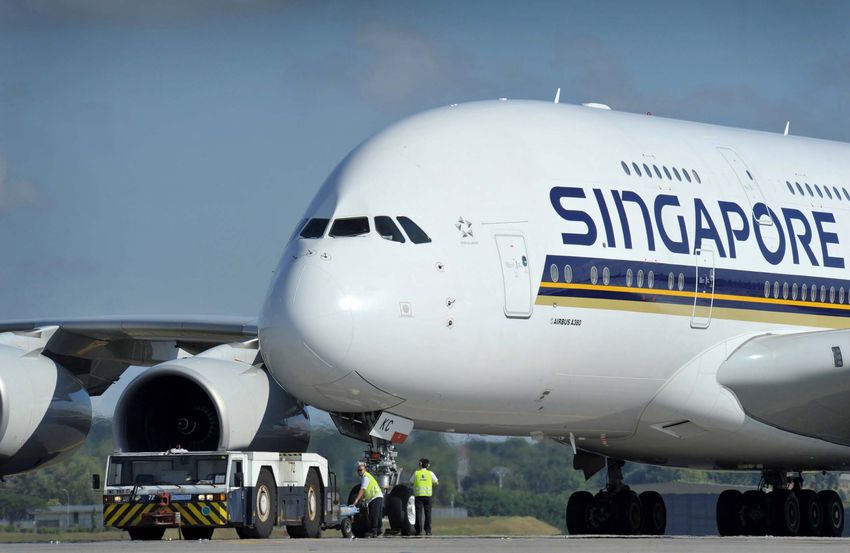
CEO’S
MESSAGE

THIS YEAR WE ARE                        uch has happened since we published our         AS PART OF OUR ONGOING
                                        first comprehensive Sustainability Report
                                                                                        DEVELOPMENT IN THIS AREA, WE
GOING FURTHER IN                        12 months ago.
                              We launched our next generation of in-
                                                                                        WILL BE PROGRESSIVELY EXPANDING
OUR SUSTAINABILITY        flight cabin products that have become the new                THE SCOPE OF OUR REPORTING TO
                          benchmark for premium air travel. We unveiled a new           COVER SUBSIDIARIES, STARTING THIS
REPORTING BY              lounge design that will be applied to all our lounges         YEAR WITH FLEET INFORMATION
ADOPTING THE              globally. We fostered and strengthened partnerships           FOR ALL AIRLINES IN THE SIA GROUP.
                          with more airlines to expand our network reach.
NEW G4 REPORTING          We continued to modernise our fleet and those of
                                                                                            Our sustainability practices are maturing and
                          our subsidiaries. We are setting up a new associate
GUIDELINES OF THE         airline in India. We are partnering with Airbus on            evolving, and this will continue in the years ahead.
                          pilot training. The list goes on.                             As part of our ongoing development in this area, we
WELL-RESPECTED                                                                          will be progressively expanding the scope of our

GLOBAL REPORTING          WE FOSTERED AND STRENGTHENED                                  reporting to cover subsidiaries, starting this year with
                                                                                        fleet information for all airlines in the SIA Group. In
                          PARTNERSHIPS WITH MORE AIRLINES
INITIATIVE (GRI).         TO EXPAND OUR NETWORK REACH.
                                                                                        this year’s report we also detail corporate governance
                                                                                        processes in reference to the revised Code of
THESE WILL ENABLE US                                                                    Corporate Governance issued by Singapore’s Ministry

TO BE MORE FOCUSED            While we continue to invest to enhance our
                          customers’ travel experience, we are also not resting
                                                                                        of Finance.
                                                                                            The operating environment remains challenging for
IN THE REPORTING          on our laurels with respect to sustainability efforts. This   the industry in which we operate, but we will not let up
                          year we are going further in our sustainability reporting     in our pursuit of new processes and practices that help
OF THE SOCIAL,            by adopting the new G4 reporting guidelines of the            us develop as a good corporate citizen.

ENVIRONMENTAL             well-respected Global Reporting Initiative (GRI). These
                          will enable us to be more focused in the reporting of
AND ECONOMIC              the social, environmental and economic dimensions of          GOH CHOON PHONG
                          our operations.                                               Chief Executive Officer
DIMENSIONS OF                 In support of efforts to adopt these more                 Singapore Airlines
OUR OPERATIONS.           comprehensive guidelines, we have made significant
                          progress in our sustainability journey over the past
                          year. We have mapped out a Sustainability Strategy
                          which can be found in the pages of this report, for
                          example; the Management Committee that I lead
                          has also been appointed as the highest authority to
                          provide strategic oversight of this Strategy and our
                          overall sustainability reporting approach.

01   SINGAPORE AIRLINES                                                                                              SUSTAINABILITY REPORT FY 2013/14
ABOUT
SINGAPORE AIRLINES

SINGAPORE                 With one of the world’s youngest fleets in the air, a network spanning six
                          continents, and the Singapore Girl as an iconic symbol of quality customer
                                                                                                                 MISSION
AIRLINES HAS COME         care and service, we have earned a reputation as an innovative market leader,          STATEMENT                            VALUES
A LONG WAY SINCE          combining quality products with excellent service.

OUR FOUNDING                 We have made a habit of leading the way, and along the way developed a
                          reputation as an industry trendsetter. Our ever-growing list of industry-leading       Singapore Airlines is a global       We hold firm to our six Core Values, which we strongly believe are key
IN 1972. NOW AN           innovations includes the following firsts:
                                                                                                                 company dedicated to providing       to the SIA mission:
INTERNATIONALLY-             First to offer free headsets,               First to offer audio and video on       air transportation services of the
RESPECTED BRAND,             a choice of meals and free                  demand (AVOD) capabilities              highest quality and to maximising
                                                                                                                                                        PURSUIT OF EXCELLENCE                   CONCERN FOR STAFF
WE HAVE BECOME               drinks in Economy Class,                    on KrisWorld in all classes, in         returns for the benefit of its         We strive for the highest               We value our staff and care for
                             in the 1970s.                               October 2001.
ONE OF THE                                                                                                       shareholders and employees.            professional standards in our work      their well-being. We treat them
                                                                                                                                                        and aim to be the best in everything    with respect and dignity and seek
WORLD’S LEADING                                                                                                                                         we do.                                  to provide them with appropriate
                             First to introduce satellite-based          First to fly the A380, from Singapore
CARRIERS WITH AN             in-flight telephones, in 1991.              to Sydney, on 25 October 2007.                                                                                         training and development so that
ADVANCED FLEET                                                                                                                                          SAFETY                                  they can lead fulfilling careers.

OF AIRCRAFT.                 First to involve a comprehensive
                                                                                                                                                        We regard safety as an essential part
                                                                                                                                                        of all our operations. We maintain      INTEGRITY
                             panel of world-renowned chefs, the
                                                                                                                                                        and adopt practices that promote the    We strive for fairness in all
                             International Culinary Panel,
                                                                                                                                                        safety of our customers and staff.      our business and working
                             in developing in-flight meals,
                                                                                                                                                                                                relationships.
                             in 1998.
                                                                                                                                                        CUSTOMER FIRST
                                                                                                                                                        Our customers are foremost              TEAMWORK
                                                                                                                                                        in our minds all the time.              We work with pride as a worldwide
                              Singapore Airlines Limited (“the Company”) is a limited liability company
                                                                                                                                                        We go the extra mile to exceed          team to achieve success together.
                          incorporated in the Republic of Singapore which is also the place of domicile.
                                                                                                                                                        their expectations.
                          The Company is listed on the Singapore Exchange Securities Trading Limited
                          (“SGX-ST”) and is a subsidiary company of Temasek Holdings (Private) Limited,
                          incorporated in the Republic of Singapore.
                              The registered office of the Company is at Airline House, 25 Airline Road,
                          Singapore 819829.
                              The principal activities of the Group consist of passenger and cargo air
                          transportation, engineering services, training of pilots, air charters and tour
                          wholesaling and related activities. The principal activity of the Company consists
                          of passenger air transportation.
                              Singapore Airlines is a member of Star Alliance and the International Air
                          Transport Association.

02   SINGAPORE AIRLINES                                                                                                                                                                                   SUSTAINABILITY REPORT FY 2013/14
HISTORICAL
TIMELINE OF SIA

1947 1968 1971 1989 1999 2011
MAY                                  FRENCH COUTURIER   JUNE                                       Singapore Airlines becomes the first
                                                                                                   airline to operate a Boeing 747-400
                                                                                                                                             The KrisFlyer programme is launched,
                                                                                                                                             allowing First, Business and Economy
                                                                                                                                                                                        MARCH
                                                        MSA’s first transcontinental flight on a                                                                                        Singapore Airlines launches three-
                                     PIERRE BALMAIN     Boeing 707 takes off for London.
                                                                                                   commercial flight across the Pacific.     Class customers to earn mileage credits.
                                                                                                                                                                                        times-weekly flights to Sao Paulo, its
                                                                                                                                                                                        first South American destination.
                                     DESIGNS THE
The maiden flight of Malayan
Airways Limited (MAL), operated by
an Airspeed Consul, takes off from
Singapore Kallang Airport.
                                     SARONG KEBAYA
                                     UNIFORM
                                     FOR MSA AIR
                                                        1972                                                                                 2007
                                                                                                   1995
                                     STEWARDESSES.      MSA SPLITS

1966
                                                                                                                                             SINGAPORE AIRLINES IS THE
                                                        INTO SINGAPORE                                                                       FIRST AIRLINE TO OPERATE
                                                        AIRLINES (SIA) AND                                                                   THE AIRBUS A380 SUPERJUMBO,
                                                        MALAYSIAN AIRLINE                                                                    THE LARGEST PASSENGER PLANE
MAY                                                     SYSTEM (MAS).                              APRIL                                     IN THE WORLD.
                                                        THE SINGAPORE                              KrisWorld, Singapore Airlines’
                                                                                                   advanced in-flight entertainment
                                                        GIRL IS BORN.                              system, is launched across all classes.

                                                        1981                                                                                                                            2014
                                                        JULY                                                                                                                            Today, Singapore Airlines serves
                                                                                                                                                                                        over 200 destinations in more than
MAL, which was renamed Malaysian                        Singapore Airlines moves to the                                                                                                 50 countries, including services by
Airways Limited in 1963, becomes                        new Singapore Changi Airport from                                                                                               Singapore Airlines Cargo, SilkAir and
Malaysia-Singapore Airlines (MSA).                      Paya Lebar.                                                                                                                     codeshare partners.

03   SINGAPORE AIRLINES                                                                                                                                                                              SUSTAINABILITY REPORT FY 2013/14
ABOUT SINGAPORE AIRLINES
ROUTE NETWORK
As at 31 March 2014, the passenger route network for Singapore Airlines and
its regional subsidiary SilkAir covers 100 destinations in 36 countries.
SILKAIR ROUTES
Hangzhou
Chongqing Wuhan
Chengdu
Changsha
Kathmandu Kunming Xiamen
Mandalay Shenzhen
Kolkata Hanoi
Chiang Mai
Visakhapatnam
Yangon Danang
Hyderabad
Bangalore Chennai Siem Reap
Kalibo Cebu
Coimbatore Phnom Penh
Koh Samui
Kochi Phuket Davao
Thiruvananthapuram Langkawi
Penang Kota Kinabalu
Medan
Kuala Lumpur Kuching Manado
Pekanbaru SINGAPORE Balikpapan
To Houston Palembang
To N
ew Yo
rk JF Bandung Surabaya
K
Solo Lombok
Darwin
Copenhagen Moscow
Manchester
London
Amsterdam NORTH
Brussels Frankfurt EUROPE AMERICA
Paris Munich ASIA To Frankfurt
Zurich Chicago To Moscow
Milan New York JFK
Istanbul San Francisco
Barcelona
Rome Beijing Dallas-Fort
Seoul
Los Angeles Worth
Nagoya Tokyo Narita
Osaka Tokyo Haneda
Fukuoka Houston
Nanjing
Cairo New Delhi Shanghai
lo
Pau Sharjah
To
S ao
Riyadh
Dubai Dhaka
Guangzhou
Xiamen
Taipei PACIFIC OCEAN ATLANTIC OCEAN
Jeddah Abu Dhabi Kolkata Hanoi
Ahmedabad Hong Kong
Mumbai
Manila
Chennai Bangkok
Bangalore
AFRICA Ho Chi Minh City
Lagos Colombo
Bandar Seri Begawan
Male Kuala Lumpur
SOUTH
Nairobi SINGAPORE
AMERICA
Jakarta
Denpasar To Barcelona
INDIAN OCEAN
Sao Paulo
Johannesburg
AUSTRALIA
Brisbane
Perth
Cape Town Sydney
Adelaide
Auckland
Melbourne
Christchurch
04 SINGAPORE AIRLINES SUSTAINABILITY REPORT FY 2013/14
ABOUT SINGAPORE AIRLINES

FLEET INFORMATION                                                                                                                                                                             Singapore Airlines has 103 aircraft in its fleet. As at 31 March 2014,
                                                                                                                                                                                              the average age of its aircraft is six years and nine months, while the
                                                                                                                                                                                              average age of its regional subsidiary SilkAir’s aircraft is five years
                                                                                                                                                                                              and 11 months. Both airlines’ fleets are amongst the youngest and
                                                                                                                                                                                              most fuel-efficient in the world.
As At 31 March 2014

SINGAPORE AIRLINES PASSENGER FLEET
Average age of passenger fleet : 6 years 9 months

 01.                                                                    04.                                                                       05.                                           07.

 02.                                                                    03.                                                  06.                                                                08.

Airbus                                      Airbus                      Boeing                      Boeing                          Boeing                          Boeing                            Boeing                           Boeing
A380-800                                    A330-300                    777-300ER                   777-300R (retrofitted)          777-200ER (retrofitted)         777-200R (retrofitted)            787-10                           777 (total)
In Fleet    On Order                        In Fleet   On Order         In Fleet   On Order         In Fleet		                      In Fleet		                      In Fleet		                        On Order                         In Fleet    On Order

19 5                                        26         8                22         5                7                               9                               11                                30                               58          5
Cabin Configuration 1                       Cabin Configuration         Cabin Configuration         Cabin Configuration             Cabin Configuration             Cabin Configuration
Suites        :   12                        Business   : 30		           First      :   8            First    : 8                    Business : 26                   Business : 38
Business      :   60                                                    Business   :   42           Business : 50                   Economy : 245			                Economy : 228
                                                                  02.
                                            Economy    : 255
Economy       :   399                       Total      : 285            Economy    :   228          Economy : 226			                Total    : 271                  Total    : 266
Total         :   471                                                   Total      :   278          Total    : 284
In Fleet      :   11                                                                                                                Boeing 777-200ER                Boeing 777-200
Cabin Configuration 2
                                                                                                                                    In Fleet		                      In Fleet
Suites        :   12                        Airbus
Business
Economy
              :
              :
                  86
                  311
                                            A350-900 XWB                                                                            4                               5
Total         :   409                       On Order
In Fleet      :   8                                                                                                                                                 Cabin Configuration
                                            70                                                                                      Cabin Configuration
                                                                                                                                    Business : 30                   Business : 30
                                                                                                                                    Economy : 255			                Economy : 293
                                                                                                                                    Total    : 285                  Total    : 323

                              01.                                 03.                         04.                             05.                             06.                            07.                           08.
05     SINGAPORE AIRLINES                                                                                                                                                                                                                SUSTAINABILITY REPORT FY 2013/14
ABOUT SINGAPORE AIRLINES

FLEET INFORMATION                                                  (continued)

As At 31 March 2014

SINGAPORE AIRLINES CARGO FREIGHTER FLEET                                 SILKAIR FLEET                                                                                 SCOOT FLEET
Average age of fleet : 12 years 3 months                                 Average age of fleet : 5 years 11 months                                                      Average age of fleet : 15 years 8 months

 01.                                                                       02.                                                    04.                                   06.                                              07.

                                                                           03.                                                    05.                                                                                    08.

Boeing                                     Airbus                         Airbus                                    Boeing                      Boeing            Boeing                                     Boeing            Boeing
747-400 Freighter                          A320 (total)                   A319                                      737-800                     737 Max 8         777-200                                    787-8             787-9
In Fleet   Total                           In Fleet                       In Fleet		                                In Fleet   On Order		       On Order          In Fleet		                                 On Order          On Order

9          9                               16                             6                                         2          21               31                6                                          10                10
                                           Cabin Configuration 1          Cabin Configuration                       Cabin Configuration                           Cabin Configuration 1
                                           Business   :   12              Business      :8                          Business   : 12                               ScootBiz    :   32
                                           Economy    :   138             Economy       : 120                       Economy    : 150                              Economy     :   370
                                           Total      :   150             Total         : 128                       Total      : 162                              Total       :   402
                                           In Fleet   :   14                                                                                                      In Fleet    :   5

                                           Cabin Configuration 2          Boeing                                                                                  Cabin Configuration 2
                                                                          737 (total)
                                           Business   :   16                                                                                                      Business    :   30
                                           Economy    :   126                                                                                                     Economy     :   293
                                           Total      :   142             In Fleet       On Order		                                                               Total       :   323
                                           In Fleet   :   2                                                                                                       In Fleet    :   1
                                                                          2              52

                               01.                                 02.                                 03.                                04.               05.                              06.                        07.                           08.
06     SINGAPORE AIRLINES                                                                                                                                                                                                       SUSTAINABILITY REPORT FY 2013/14
ABOUT SINGAPORE AIRLINES

CORPORATE GOVERNANCE

The Singapore Airlines Board and Management are committed to continually enhancing shareholder value by maintaining high           Audit Committee (AC)
standards of corporate governance, professionalism, integrity and commitment at all levels, underpinned by strong internal         The purpose of the AC is to assist the Board of Directors in fulfilling its oversight responsibilities by reviewing:
controls and risk management systems.                                                                                              • Financial information disclosed to shareholders and regulatory authorities
                                                                                                                                   • Adequacy and effectiveness of the Group’s material controls, including financial, compliance, information technology and
This Report sets out the Company’s corporate governance processes, with specific reference to the guidelines of the revised           risk management controls
Code of Corporate Governance issued by the Ministry of Finance in Singapore in May 2012.                                           • Audit scopes, plans and reports of the external and internal auditors
                                                                                                                                      o Interested Person Transactions
                                                                                                                                      o Whistle-blow programme instituted by the Company
The Singapore Airlines Board consists of Chairman Mr Stephen Lee, CEO Mr Goh Choon Phong and seven directors from
                                                                                                                                      o Any material loss of funds, significant computer security incidents and legal cases
diverse backgrounds with varied expertise in finance, legal, industry, business, marketing and management fields. The Board’s
principal functions include charting the Group’s strategic direction, reviewing and approving annual budgets and financial plans   Board Compensation and Industrial Relations Committee (BCIRC)
and monitoring the Group’s performance; approving major acquisitions and fund-raising exercises; and ensuring the Group’s          The Board Compensation and Industrial Relations Committee assumes the role of a Remuneration Committee.
compliance with all laws and regulations as may be relevant to the business.
                                                                                                                                   The BCIRC reviews and recommends for the Board’s approval the general framework of remuneration for the Board and
The Board currently comprises the following members:                                                                               Relevant Key Management Personnel. The BCIRC also recommends the specific remuneration packages for each Director
Mr Stephen Lee Ching Yen 		                Chairman/ Non-executive                                                                 and Relevant Key Management Personnel and administers the Company’s EVA-based Incentive Plan, Strategic Incentive Plan,
Mr Goh Choon Phong 		                      Director and CEO/ Executive                                                             Performance Share Plan and Restricted Share Plan for senior executives. The award of shares to senior executives is based
Mr Gautam Banerjee 		                      Independent/ Non-executive                                                              on organisational and individual performance. Professional advice is sought by the BCIRC, as it deems necessary, in the
Dr William Fung Kwok Lun 		                Independent/ Non-executive                                                              development and execution of the remuneration plan for the Company’s senior executives. For FY 2013-14, Carrots Consulting
                                                                                                                                   Pte Ltd was engaged as a remuneration consultant to provide professional advice on human resource matters. Further details
Mr Hsieh Tsun-Yan 		                       Independent/ Non-executive
                                                                                                                                   on Remuneration Matters are available on pages 51 and 55 of the Annual Report under the section Remuneration Matters.
Mrs Christina Ong 		                       Independent/ Non-executive
Dr Helmut Gunter Wilhelm Panke 		          Independent/ Non-executive
                                                                                                                                   The BCIRC plays an important role in providing appropriate guidance to Management in maintaining harmonious industrial
Mr Jackson Peter Tai 		                    Independent/ Non-executive                                                              relations. The Company’s three unions, namely ALPA-S, representing pilots, AESU, representing Administrative Officers, and
Mr Lucien Wong Yuen Kuai 		                Non-independent/ Non-executive                                                          SIASU, representing General Staff (including Cabin Crew), hold regular meetings with Management and Chairman of BCIRC.

*Full profiles of Directors are available on pages 6 to 9 of the Annual Report.                                                    Executive Committee (ExCo)
                                                                                                                                   The ExCo oversees the execution by Management of the overall strategy, policies, directions and guidelines set by the Board
LENGTH OF SERVICE                                                                                                                  for the SIA Group. It also reviews and makes recommendations to the Board on the annual operating and capital budgets and
Newly appointed Directors serve an initial term of three years, after which they are considered for re-nomination for another      matters relating to the Group’s wholly-owned subsidiaries. The ExCo is authorised to approve transactions beyond a designated
term(s). Their re-nominations are subject to the recommendations of the Chairman of the Board and the Nominating                   materiality threshold and to make decisions on routine financial, operational and administrative matters. It also functions as the
Committee. New Directors appointed in the year are subject to retirement and re-election by shareholders at the next Annual        Share Buy Back Committee of the Company.
General Meeting after their appointment. All new appointments and re-elections require the approval of the Special Member,
                                                                                                                                   Nominating Committee (NC)
the Minister for Finance.
                                                                                                                                   The NC considers and makes recommendations to the Board on the appointment and re-election of Directors. It also
                                                                                                                                   determines the independence of Directors. The NC’s recommendations are based on a review of the range of expertise, skills
Management briefs new Directors on the Company’s business and strategic directions, as well as governance practices. The           and attributes of current Board members and the needs of the Board, taking into account the Company’s future business
Company conducts orientation programmes and site visits for new Directors and arranges for Directors to be updated on new          direction, the tenure of service, contribution and commitment of each Board member. Board rejuvenation is a guiding principle
laws and regulations, as well as changing commercial risks and industry developments, as deemed appropriate. Formal letters        in determining the need for new appointees to the Board.
are issued to newly-appointed Directors upon their appointment, including details of their duties and obligations as Directors.
For FY 2013-14 Board Members attended briefings on the challenges facing the airline industry, as well as other related topics     Board Safety and Risk Committee (BSRC)
conducted by global airline industry leaders and experts.                                                                          The functions of the BSRC include:
                                                                                                                                   • ensuring that systems and programmes in the SIA Group comply with regulatory requirements and accord with the best
BOARD COMMITTEES                                                                                                                      practices of the aviation industry
                                                                                                                                   • reviewing regular reports on safety performance
Five Board Committees have been formed to assist the Board in the execution of its responsibilities. They comprise members of
                                                                                                                                   • reviewing accident investigation findings and recommendations
the Board delegated with authority to carry out specific functions and duties.                                                     • advising Management and reporting to the Board on safety issues
                                                                                                                                   • overseeing the risk governance framework and risk management system, including reviewing key risks and controls put in
                                                                                                                                      place by Management

07   SINGAPORE AIRLINES                                                                                                                                                                                                                  SUSTAINABILITY REPORT FY 2013/14
ABOUT SINGAPORE AIRLINES

CORPORATE GOVERNANCE                                                      (continued)

*Details of membership in Board Committees and attendance at Board and Committee meetings can be found on pages 60                   The Company’s commitment to corporate transparency and investor relations was recognised in 2012, when Singapore Airlines
and 61 of the Annual Report.                                                                                                         was inducted into the Hall of Fame in the Most Transparent Company Award Category at the 13th Investors Choice Awards
                                                                                                                                     presented by the Securities Investors Association of Singapore (“SIAS”).
Evaluating Board Performance
For FY 2013-14, the NC had engaged an independent global executive search firm not affiliated to the Company or any of               RISK ASSESSMENT AND MANAGEMENT
its Directors, to assist in conducting a formal evaluation of the SIA Board and its Board Committees. The process involved           The Board of Directors is responsible for Risk Governance, which includes oversight of the Enterprise-wide Risk Management
questionnaires which provided opportunities for feedback from the Directors. The evaluation confirmed that the SIA Board and         Framework, and corresponding processes. Through the Risk Management Process, all risks, including economic, environmental
its Board Committees were generally functioning effectively and performing well, within a highly competitive and challenging         and socio-political, are identified and managed accordingly. The effectiveness of the Risk Management Framework and Risk
environment. The performance of individual Directors was reviewed by the Chairman and the NC, while the Chairman’s                   Management Process is reviewed by the Board Safety & Risk Committee on behalf of the Board of Directors. The Board Safety
performance was reviewed by the rest of the Board.                                                                                   & Risk Committee reviews risks and controls quarterly on behalf of the Board of Directors. In addition, the Board of Directors
                                                                                                                                     reviews the risks annually.
The NC has reviewed the contribution by each Director taking into account their listed company board representations and
other principal commitments. The NC and the Board are of the view that, setting a maximum number of listed company board             The Risk Management Process provides for the identification and management of risks from ground up, including from staff
representations a Director should have is not meaningful, as the contribution of each Director would depend on their individual      working in contact with customers/consumers, suppliers/agents and regulatory bodies. The needs and expectations of these
circumstances, including whether they have a full time vocation or other responsibilities. Notwithstanding the number of listed      external parties are taken into consideration in identifying and managing the risks.
company board representations and other principal commitments which the Directors held, the NC was of the view that they were
able to devote sufficient time and attention to the affairs of the Company.                                                          The Risk Management Process also requires senior management to provide a top-down perspective to the identification/
                                                                                                                                     management of risks, so that corporate and shareholder needs and requirements are also taken into consideration.
INTERNAL CONTROLS AND INTERNAL AUDIT
SIA Internal Audit is an independent department that reports directly to the Audit Committee. It performs regular evaluations of     ETHICS AND INTEGRITY
the SIA Group’s internal controls, financial and accounting matters, compliance, business and financial risk management policies     As part of our commitment to corporate governance principles, Singapore Airlines attaches a very high priority to ethical
and procedures, and ensures that internal controls are adequate to meet the Group’s requirements. SIA Internal Audit is a            business conduct in the markets in which we operate. We engage employees, contractors and agents on the basis that their
member of the Singapore chapter of the Institute of Internal Auditors (IIA) and meets the Standards for the Professional Practice    integrity in the conduct of their work is critical to our business and reputation.
of Internal Auditing set by the IIA.
                                                                                                                                     SIA implemented a whistle-blowing programme called “Policy on Reporting Wrongdoing” in October 2005, for staff to raise
The Control Self Assessment (CSA) Programme, which was established during financial year 2003-04, provides a framework               concerns about possible improprieties in matters of financial reporting or any other matter, in confidence. Staff are reminded
for Management to obtain assurance on the state of internal controls. The CSA Programme requires operating departments’              through our internal Intranet and a mandatory e-learning training module that under the Policy on Reporting Wrongdoing, they
management to review and report annually on the adequacy of their respective units’ control environment. Internal Audit              could report suspected matters of wrongdoing affecting the Company, either through email at Ethics_Hotline@singaporeair.
performs independent and random reviews during the year to validate the results of these self assessments.                           com.sg or via telephone 93875667. The Audit Committee has reviewed and is satisfied with the adequacy of this programme.

COMMUNICATION WITH SHAREHOLDERS                                                                                                      We also welcome external comments, questions and thoughts about our Company’s ethics and integrity, to be sent through the
Singapore Airlines believes in timely and consistent disclosure of pertinent information to enable a transparent assessment          same email and telephone contacts.
of the Company’s value. The Company values dialogue with shareholders, and holds analyst and media briefings when
announcing half-yearly and year-end results. Full transcripts of the proceedings are made available on SGXNET and our                We also have a Suppliers’ Code of Conduct, which we expect all our suppliers to adhere to. Based on the principles of the
Company’s website at www.singaporeair.com/investor.                                                                                  United Nations Global Compact with respect to Human Rights, Labour, the Environment and Anti-Corruption, the Code’s
                                                                                                                                     contents were developed to be consistent with our business values. More information can be found in the section – Stakeholder
All financial results, as well as price-sensitive information, are released in a timely manner through various media, including      Engagement: Partners.
press releases posted on the Company’s website and disclosure via SGXNET. The Company’s website is an important source
of information for shareholders and the investment community. Quarterly results announcements, news releases, presentation
slides, monthly operating statistics, annual reports, sustainability reports and other key facts and figures about the Company are
available on the Investor Relations website.

The Investor Relations Department meets with analysts and investors on a regular basis through investor conferences and
roadshows, as well as ad-hoc meetings and teleconferences. A dedicated investor relations email and hotline are maintained for
the investing community to reach out to the Company for queries.

08   SINGAPORE AIRLINES                                                                                                                                                                                                                 SUSTAINABILITY REPORT FY 2013/14
ABOUT SINGAPORE AIRLINES
SUSTAINABILITY AT
SINGAPORE AIRLINES
OUR SUSTAINABILITY STRATEGY For our second year of our wider sustainability reporting, MATERIALITY ASSESSMENT
we have formalised a Sustainability Strategy for the first time.
Reporting on our sustainability practices is not new to us, as We believe that this strategy will not only enable us to retain our We have conducted a materiality assessment to identify
we had been producing an annual Environment Report since leadership position and fulfill the terms of our mission statement, sustainability issues that are pertinent to our business, which
the 2001/02 financial year. However, we recognise the need it will also empower us to effectively contribute to the areas we are focusing on for our Sustainability Report. Going
to widen the scope of our reporting to stakeholders to make and markets in which we operate. With this in mind, we seek to forward, we aim to expand the materiality assessment to
our operations more sustainable. constantly develop as a responsible corporate citizen. include the sustainable practices of our subsidiaries, so as
We will continue to refine our sustainability framework over time. to identify potential opportunities and create long-term
benefits for the SIA Group and stakeholders.
SUPPORTING COMMUNITIES CUSTOMER FOCUS
We practice good corporate We are committed to offering
citizenship and contribute and our customers the best travel
Customers: Safety is an essential part invest in the communities in experience through product and
which we operate service innovation, our modern
We are committed to of our operations and
fleet and extensive network
offering our customers we constantly strive to
the best travel improve safety practices
experience through
product and service
innovation, our modern
fleet and extensive
network SUPPLIERS ENVIRONMENT
Shareholders: SAFETY We treat our suppliers We are committed to
We maximise returns for with respect and environmental sustainability
emphasise fairness in our and ensure that our
long-term profitability,
relationships with them operations are carried out
with the aim of creating
in a responsible manner
sustainable shareholder
value
MANAGING MATERIAL
Staff: STAKEHOLDER
ENVIRONMENTAL ASPECTS OF
We value our staff
ENGAGEMENT SINGAPORE
and care for their well IMPACT SHAREHOLDERS EMPLOYEES
being and development AIRLINES
We maximise We value our employees
Suppliers: returns for long- and care for their well
We treat our suppliers term profitability, being and development
with respect and with the aim of
creating sustainable
emphasise fairness SUPPORTING shareholder value
in our relationships
OUR COMMUNITIES
with them
SAFETY GOVERNANCE
Safety is an essential part We are committed to
We practice good We are committed of our operations and we continually maintaining
corporate citizenship and to environmental constantly strive to improve high standards of corporate
contribute and invest in sustainability and ensure our safety practices governance, professionalism,
the communities in which that our operations
integrity and commitment at all
we operate levels, underpinned by strong
are carried out in a
internal controls and risk
responsible manner management systems
09 SINGAPORE AIRLINES SUSTAINABILITY REPORT FY 2013/14Safety at Singapore Airlines
SAFETY AT SINGAPORE AIRLINES

SIA’S SAFETY
                                                               We believe that it is every employee’s          management. We subscribe to              SAFETY & HEALTH POLICY
                                                               responsibility to work towards a                the Just Culture principles when         We place the greatest importance
                                                               strong and positive safety culture and          handling reported incidents and          on the safety of our customers and

PERFORMANCE
                                                               we have put in place Flight Safety and          accidents. This refers to a way of       employees and will do our utmost
                                                               Safety and Health policies to achieve           safety thinking in which there is an     to provide and maintain a safe and
                                                               that goal. SIA’s Flight Safety policy is        atmosphere of trust for incidents        healthy work environment. We:
                                                               founded on the premise that:                    and safety-related information to be
                                                                                                               reported freely so that lessons can         Strive to anticipate and eliminate
                                                                  We will consistently provide quality                                                     hazards that may result in personal
                                                                                                               be learnt and improvements made.
                                                                  training to our employees.                                                               injury or illness and/or loss or
                                                                                                               The culture supports learning and
                                                                  Our employees are proficient and             sharing, and is necessary to ensure         damage to property and equipment.
                                                                  comply with applicable regulations           safe operations.                            Take responsible steps to provide the
                                                                  and standards.                                                                           best possible care in the maintenance
                                                                                                               Our safety management systems
                                                                  Our equipment and operating                  deal with safety issues in a                of equipment and facilities.
                                                                  systems are well maintained and in           comprehensive and responsive                Instill and promote safety
                                                                  good working condition.                      manner, and are able to inform,             consciousness among our employees
                                                                  We support and promote a strong              educate and strengthen our safety           to prevent accidents and injuries.
                                                                  safety culture and continuous                values effectively.
                                                                  improvement in terms of safety

                                                                                                                    TARGETS         ACTUAL

                                                                High Risk or Severe Incidents                       0               2

                                                                Flight Incident Report Rates (per 1,000 flights)    below 1.51      1.14

                                                                IATA Operational Safety Audit (IOSA)                Y               6th IOSA completed in January 2014

                                                                Lost time injury frequency rate (LTIFR)             -               i) SIA ground injury = 0.7 per million manhours
                                                                                                                                    ii) Cabin Crew in-flight injury = 11.7 per million manhours

                                                                Line Operations Safety Audit (LOSA) by TLC          Every 4 years   3rd LOSA completed in December 2013
                                                                (The LOSA Collaborative), Klinect Group L.L.C.

SAFETY IS ONE OF SIA’S CORE VALUES. IN OUR DAILY OPERATIONS,    Departmental & Corporate Risk                       Quarterly       Reviewed quarterly

THE SAFETY OF OUR CUSTOMERS AND EMPLOYEES IS OUR FIRST AND      Register (Operations)

FOREMOST PRIORITY.
                                                                Accident Crisis Management Exercise                 1               Crisis exercise carried out in October 2013

11   SINGAPORE AIRLINES                                                                                                                                             SUSTAINABILITY REPORT FY 2013/14
SAFETY AT SINGAPORE AIRLINES
SIA’S SAFETY
PERFORMANCE
SAFETY IS AN ESSENTIAL PART OF ALL Staff health initiatives CABIN SAFETY OBSERVATIONS (CSO)
Audiometric tests were conducted for relevant staff who are The CSO programme was put in place to allow us to have
OUR OPERATIONS. ALL EMPLOYEES exposed to noisy working environments in Engineering & a better understanding of the level of cabin safety on
ARE COLLECTIVELY RESPONSIBLE
N
Flight Operations Divisions. Full attendance of nominated our flights. This also enables us to assess and review the
OM ION
IO
staff was recorded. effectiveness of the safety procedures currently in place.
FOR SAFETY AND SECURITY. WE HAVE
OT
PR C AT
Employee observers from selected departments go on
ALSO PUT IN PLACE A WIDE RANGE GROUND/RAMP INCIDENT PREVENTION (GRIP)
OV
flights to observe how crew perform their safety duties.
A N EDU
PROGRAMME
OF POLICIES AND PROCEDURES
E
The observations are then collated and shared with Cabin
D
RS
The SIA Ground Ramp Incident Prevention (GRIP) programme SAFETY Crew Management and crew members. Action plans, where
IG
TO ENSURE THE SAFETY OF OUR MANAGEMENT
HT
focuses on preventing ground/ramp incidents at our stations. appropriate, are followed up on.
ACTIVITIES
CUSTOMERS AND COLLEAGUES. The objective of the GRIP programme is to:
SAFETY SURVEYS
Raise awareness of safety practices on the ground.
STAFF SIA carries out a company-wide online Safety Survey with air
Reduce ramp incidents. FEEDBACK crew every two years. The Safety Survey assesses a number
Raise safety competency levels. of areas, such as safety management, violations observed
during operations and readiness of our crew to report safety
Measure safety performance standards for continual occurrences or issues. It provides an overall assessment of the
improvement.
THE KEY SAFETY PROGRAMMES safety climate and culture in our operational environment, as
Through the GRIP programme, observations are carried well as any safety concerns of our aircrew.
SIA SAFETY PROGRAMME ARE CARRIED OUT ACCORDING TO
out during ramp operations to review compliance with ramp
The SIA Safety Programme serves to strengthen safety as safety regulations and practices without imposing punitive THREE MAIN THRUSTS. WE RUN A EMPLOYEE FEEDBACK
a core value and to promote greater understanding and action on offenders. The aim of these observations, carried SERIES OF PROGRAMMES UNDER We place emphasis on using employee feedback to
out by supervisory employees, is to identify weak and unsafe improve the safety environment in the workplace and
awareness of safety concepts and the Company’s efforts EACH THRUST TO MANAGE SAFETY
towards safety management. This gives employees a practices for effective correction through focused education encourage employees to identify hazards and report
and safety promotion. It also serves to measure our safety ACTIVELY AS PART OF THE SIA incidents, no matter how minor, to create awareness and
better appreciation of the roles they play, as well as the
contributions they can make towards higher safety standards
levels on the ramp. SAFETY MANAGEMENT SYSTEM. highlight risks. Procedures are put in place for employees to
The observations help identify common safety lapses report such incidents for both flight and occupational safety.
in the Company. The programme covers: Introduction to
to allow corrective action to be taken early. The GRIP SIA’s safety governance structure consists of five groups
Safety, Effective Safety Management, Safety Culture and
programme has helped to inculcate a higher level of safety to guide safety management:
Our Approach and Commitment to Safety. Every employee awareness among employees.
is enrolled in the Safety Programme and takes a refresher Board Safety and Risk Committee (BSRC).
assessment test every three years. FLIGHT DATA ANALYSIS PROGRAMME (FDAP) Occupational Safety, Health and Environment Committee
(OSHE).
Flight data is captured in Quick Access Recorders (QAR) in
RISK MANAGEMENT TRAINING COURSES
aircraft. This data, capturing much of the aircraft’s flight and Air Safety Committee (ASC).
One of the key components of the Workplace Safety and systems performance, is downloaded from the QAR and used
Safety, Security & Environment (SSE).
Health (Risk Management) Regulations is risk assessment by engineering maintenance staff, as well as flight crew, to
of workplaces and the reduction of risks to an acceptable support safe operations. Divisional safety departments/Safety Action Groups (SAG).
level. To equip employees with the necessary knowledge The data for every flight is screened, focusing on any We also have a comprehensive list of quantitative
in carrying out hazard identification and risk assessment, a deviations from the norm. Where such deviations are and qualitative performance indicators to measure
risk management course was conducted on 23 July 2013. identified, the data is further analysed and, where necessary, the effectiveness of our efforts. These indicators are
Twenty-nine staff from various divisions as well as staff from corrective and/or preventive measures are taken. reviewed on a quarterly basis and are benchmarked
SIA Cargo, Scoot, Singapore Flying College and Tradewinds against industry standards.
attended the training.
12 SINGAPORE AIRLINES SUSTAINABILITY REPORT FY 2013/14SAFETY AT SINGAPORE AIRLINES
SIA’S SAFETY
PERFORMANCE
SAFETY & SECURITY WEEK, 2013 INITIAL PILOT TRAINING
SAFETY AND SECURITY IS AN
EVERYDAY CONCERN FOR EVERYONE
IN SIA. THIS WAS HIGHLIGHTED IN A
01 02 03
Ab-initio Second Officer Initial Command
SERIES OF ACTIVITIES HELD DURING pilot training training to qualify Training for
THE WEEK FROM 9 TO 13 SEPTEMBER conducted by as First Officers: First Officers to
Singapore Flying Cadet pilots become qualified
2013 DEDICATED TO THE SUBJECT. College: Training who complete Captains: First
cadet pilots their initial pilot Officers who meet
with no flying training undergo the standards
experience to a conversion to qualify for
“Global Issues, Local Perspective” was the theme of our Safety achieve an ATPL training command are
and Security Week in 2013, stressing how we should be (Airline Transport programme to put through a
aware of global industry developments such as international Pilot’s Licence) qualify to fly the rigorous training
terrorism and aircraft accidents. We should then review our rating. Airbus A330 or programme
training and operational practices in light of these issues, and Boeing 777. They before they are
apply proactive, adaptive and localised solutions to enhance then undergo a promoted to
04
safety and security. structured Second Captain.
At the launch event, awards and citations were Officer training
presented to individuals and teams who displayed Conversion programme.
outstanding safety and security awareness in the course of training to qualify On successful
their work. The event included a safety and security forum
where speakers shared insights and challenges. During the
pilots for an
aircraft rating: Any
completion, they
are appointed as
First Officers in
06 RECURRENT TRAINING
Recurrent Training for pilots: Conducted twice a year in the full-
DEVELOPMENTAL TRAINING
SIA has a Pilot Development Unit that takes charge of
week, other promotional and awareness activities were held pilot who moves Initial SEP
for Cabin Crew, Engineering, Flight Operations, SIA Cargo to a different fleet SIA, after which (Safety and flight simulator, the recurrent training programme enhances development training programmes for pilots. Most of
and SilkAir to drive home the Safety and Security message must undergo they operate as Emergency the proficiency of our pilots in handling and managing these courses are conducted by in-house presenters
among employees. conversion qualified co-pilots. Procedures) abnormal and emergency situations. Recurrent training also and facilitators, with some courses run by external
training. training is allows our pilots to practice manual flying of aircraft under consultants. We also conduct Instructor Pilot Training
OPERATIONAL SAFETY required for all different situations and environmental conditions. Programmes for instructor candidates.
For our pilots, operational safety is key. To ensure the highest
standards of flight operations, our pilots undergo rigorous 05
Initial CRM
pilots. Proficiency in manual flying is a key skill for pilots in the face of
increasing automation in modern flight decks.
training with continuous refresher courses to ensure they are Recurrent SEP Training: Conducted every year, the training
at the top of their game. (Crew Resource
ensures our pilots’ knowledge is refreshed and tested. It also
Management)
ensures they remain competent in aircraft and cabin safety
training is required
and emergency procedures.
for all pilots.
Recurrent CRM Training: This is conducted for pilots once
every two years. In addition, annual recurrent CRM training is
conducted jointly for pilots and cabin crew.
Recency Training: This is conducted for any pilot who has
been absent from flying for more than 35 days.
13 SINGAPORE AIRLINES SUSTAINABILITY REPORT FY 2013/14SAFETY AT SINGAPORE AIRLINES
SIA’S SAFETY
PERFORMANCE
OTHER TRAINING performance through teaching, AIRCRAFT MAINTENANCE ISO 9001:2008 ISO 14001:2004 BS OHSAS FOOD SAFETY
coaching and role modelling. It also Quality Environmental 18001:2007
Within the framework of mandatory
supports the transition of our pilots
SIA COMPLIES WITH RECOMMENDED Management Management Occupational
SIA is committed to serving in-flight
training, SIA also conducts other meals that meet the highest levels
training for pilots, deemed useful or in their new roles as they advance SAFETY MANAGEMENT SYSTEM (SMS) System for the System for the Health & Safety of food safety and hygiene. We have
necessary in light of our operating through the ranks, from cadet pilots PRACTICES BY THE CIVIL AVIATION Provision of Provision and Management
a policy of not using Monosodium
to instructors. Technical Support Management System for
experience or recent events or
In addition, this mentoring
AUTHORITY OF SINGAPORE (CAAS). for SIA’s Aircraft of Aviation and Provision and
Glutamate (MSG) in our freshly
incidents by other airlines (evidence- prepared meals as far as possible
framework provides opportunities Acquisition and Engineering Management
based training). Every year our staff - although traces of MSG may be
for our senior pilots to develop Disposal, Aircraft Support Services of Aviation
from Flight Crew Training attend major The CAAS SMS elements mirror those prescribed by the found in commercially available,
their coaching, mentoring and Maintenance to SIA; and Engineering
pilot training conferences and seminars International Civil Aviation Organization (ICAO) in the ICAO pre-packaged food products. Our
Activities, and Support Services
held by industry organisations and communication skills. caterers ensure that food sources
Safety Management Manual. Engineering to SIA.
aircraft manufacturers to gain insight The goal of the mentoring are from licenced and accredited
and Spares
into new and innovative training programme is to develop our pilots Additionally, our Engineering division has been accredited establishments which conform to
Management;
methodology and to share training to their full potential, enhance safety by TUV SUD PSB Pte Ltd, a global testing, certification, requirements of relevant regulatory
attitudes and behaviours by building inspection and training provider, in the following aspects:
experiences within the industry. authorities, as well as the Hazard
In addition to recurrent training and on their professional values, and Analysis and Critical Control
developmental training, every pilot propagate SIA’s organisational PASSENGER SAFETY Points (HACCP) and International
undergoes a minimum of three checks a core values. All cabin crew undergo training courses Organization for Standardization (ISO).
year - two Base Checks in the full-flight that inculcate safety and security Locally-manufactured items are
FATIGUE RISK MANAGEMENT
simulator to demonstrate competency awareness and focus on safe work procured only from suppliers with an
SYSTEM (FRMS)
in manual flying and in handling and habits. From the earliest stages of their AVA Factory Grading B and above
managing abnormal and emergency SIA IS AN ACTIVE flying career, cabin crew are educated (in the case of Singapore), or the
procedures, as well as one Line Check equivalent (in the case of overseas
in the aircraft to assess competency in
PARTICIPANT IN THIS on the importance of balancing service
with safety and security. They also learn countries). The Quality Assurance team
operating a regular flight in accordance PROGRAMME, WHICH about the importance of situational and conducts factory audits, especially for
with company policies and standard
LOOKS AT ISSUES safety awareness, as well as teamwork high risk food materials, apart from
operating procedures. and effective communication. Cabin regular sampling laboratory tests and
This continues throughout the RELATED TO PILOT crew undergo Safety and Emergency random quality checks on incoming
pilot’s career and a pilot will visit the FATIGUE TO ENHANCE Procedures (SEP) training, which our raw materials.
full-flight simulator at least once every pilots undergo as well, and are involved
three months either for a training
SAFETY AND ENSURE in the Fatigue Risk Management System
session or a check. This ensures OPTIMAL OPERATING (FRMS) programme to enhance safety
that a pilot’s knowledge, flying skills
LEVELS OF OUR CREW. and ensure optimum rest is available
and cockpit management skills are for our crew. Resources such as videos,
continuously practiced, refreshed circulars, campaigns and various
and updated. Another key initiative in communication sessions are used to
Crew rest facilities on our aircraft are
our pilot development is the launch promote safe work habits and increase
carefully evaluated to ensure proper
of the pilot mentoring programme crew awareness on workplace safety.
rest is available for our crew who are
in 2012. This mentoring framework
on duty.
aims to further improve our pilots’
14 SINGAPORE AIRLINES SUSTAINABILITY REPORT FY 2013/14Focus on People
FOCUS ON PEOPLE
STAKEHOLDER
ENGAGEMENT:
EMPLOYEES
SIASU:
PERCENTAGE BREAKDOWN Graded/junior staff and cabin crew in SIA Group of
OF WORKFORCE (REGION)
Companies fall under this representative body. About 61% of
1.02% Americas 2.65% Europe them are members of SIASU.
SIA and these union bodies adopt a collaborative
North
As a global airline, SIA is dedicated to 86.81% Headquarters 3.17% Asia problem-solving approach in our engagements. Regular
providing air transportation services of
monthly meetings are held between management and the
the highest quality. With an unyielding PERCENTAGE 2.46% Southeast
Asia 2.20% Southwest
Pacific
BREAKDOWN OF unions to address staff and operational issues.
commitment to fleet modernisation,
WORKFORCE 1.69% West Asia SIA’s Chairman and Senior Management meet the unions
product and service innovation, as well as & Africa
(GENDER)
market leadership, we are proud to be one in quarterly luncheon sessions to discuss the outlook of the
of the world’s most respected travel brands. Company as well as issues relating to labour-management
Our success would not have been possible without the relations. Union leaders are also invited to Company
efforts of our people. We recruit dynamic individuals from functions, such as retirement and long service awards
diverse backgrounds and are committed to providing
ceremonies, and business meetings.
our employees with equal opportunities to achieve their
Some of the agreements concluded for FY 2013/14
full potential.
include the following:
In 2014, we were awarded the title of Singapore’s most
attractive employer at the Randstad Awards for the third New AESU Collective Agreement effective 1 April 2013 for
year running. The Award recognises organisations which 3 years
Singaporeans want to work for most (for 2013).
PERCENTAGE BREAKDOWN Service Increment 2013 with AESU & SIASU effective 1 July 2013
OF WORKFORCE (GENDER)
OUR DIVERSE WORKFORCE Service Increment 2013 with ALPA-S effective 1 January 2013
As at 31 March 2014, our employee strength was 14,181, with Contract Permanent
The Company also recently worked in collaboration
a 1.1 per cent decrease over the previous year. Of this, 30 per 18% Female
33% Female with SIASU to launch the Workforce Productivity Initiative
cent of employees are ground employees, 55 per cent are
- Towards Optimal Productivity (TOP) programme for our
cabin crew and 15 per cent are pilots. 10% Male 39% Male
PERCENTAGE Singapore-based ground administrative employees. TOP
puts in place a framework that embraces a performance-
INDUSTRIAL RELATIONS BREAKDOWN OF
We work closely with the Airline Pilots Association Singapore based culture and a developmental framework that
WORKFORCE
(ALPA-S), Air Transport Executive Staff Union (AESU) and recognises and rewards good performance.
Singapore Airlines Staff Union (SIASU) to ensure that fair and (REGION)
sustainable wage settlements and employment terms are EMPLOYEE CODE OF CONDUCT
provided to employees. We have a total of three collective
We encourage all employees to embrace and exemplify our
agreements in place with the unions.
core values, i.e. pursuit of excellence; safety; customer first;
concern for staff; integrity; and teamwork, in the course of
ALPA-S:
This is the representative body for airline pilots in Singapore. their work and dealings with other parties. These core values
About 97% of the pilot population is a member of ALPA-S. are constantly reflected in our employees’ induction and on-
boarding programmes.
AESU: All employees are also expected to adhere to an
This is the union body for staff in SIA Group of Companies employees’ code of conduct (or staff regulations) which is
who are executives and above. About 48% of this population found on our corporate Intranet.
is part of AESU.
16 SINGAPORE AIRLINES SUSTAINABILITY REPORT FY 2013/14FOCUS ON PEOPLE
STAKEHOLDER ENGAGEMENT:
EMPLOYEES
EMPLOYEE COMMUNICATIONS AND ENGAGEMENT
OUR PEOPLE REPRESENT A KEY
We make use of multiple channels to communicate our
latest news and happenings to our people. Examples of our
COMPETITIVE ADVANTAGE AND
internal communication channels include: WE PLACE A STRONG EMPHASIS
Outlook, our in-house magazine, which is published on a ON THE DEVELOPMENT OF
monthly basis. OUR EMPLOYEES. WE INVEST
Our corporate Intranet site which can be accessed by all
SIGNIFICANT RESOURCES EACH
employees. The different divisions (e.g. Cabin Crew, Flight
Operations, Sales and Marketing) have their own portals to YEAR TO TRAIN OUR PILOTS, CABIN
disseminate information specific to their areas of work. CREW AND GROUND EMPLOYEES.
Business Meetings for employees are organised twice
a year and cover a review of the Group’s commercial
activities and financial results.
Other forms of employee communications include regular
communication sessions, departmental debriefs, and
sessions between senior managers and team members
who are two or more levels below them.
LCD TVs in employee canteens which broadcast company-
related videos and news.
TRAINING
One of the main forms of regular feedback is the
Organisational Climate Survey (OCS) that we conduct once
Onboarding As part of the onboarding continuous pilot training specific customer groups
every two years. The purpose of the survey is to gather
programme for AOs, the Technical programmes are in place to Cabin Crew such as young children,
employees’ feedback on employee engagement and Crew Training Training
SIA Mentorship Scheme has enhance their operational the elderly and mobility-
workplace issues.
been ongoing and continues and flying skills. challenged individuals, as
The fourth instalment of the OCS was conducted in New administrative
to stand as a unique We conduct all required In addition, we offer Our cabin crew members well as techniques and skills
January 2013. Towers Watson, a US-based global research and officers (AOs) attend
opportunity for newly hired a mentoring framework for communicating with and
consulting company, was engaged to conduct the survey. The induction and orientation regulatory training for undergo a 15-week-long
employees to engage with for all ranks of pilots as relating to customers.
feedback from these surveys will be used to identify areas for programmes soon after our pilots and ensure that basic training programme
senior leaders, providing well as online learning This area of training equips
improvement and implement organisation-wide action plans. joining. The objective of the our training programmes which comprises
access for new employees programmes in our cabin crew with skills to
programmes is to provide meet not only our training classroom and on-the-
to the rich resources
them with an overview of the objectives but are approved e-learning portal SKIES. job training. It includes a better understand and
and wisdom of SIA’s top
Company and the functions by the regulatory authorities. This mentoring framework wide variety of modules meet the needs of a wide
leadership. Through the
of the various divisions. Apart from mandated is an important facet of their such as fundamentals range of customers.
course of a year, the AO
Besides learning how training, we conduct continuing development of social etiquette, In line with our focus on
has opportunities to ask
key policies and company development training and is another way that personal grooming, meal safety and security, cabin
questions, hear insightful
strategies have developed programmes for pilots of we invest in the careers service procedures, food crew are also trained in
stories and personal
and evolved over time, all ranks, from Cadet Pilots, and personal growth of knowledge and wine security, safety and first
experiences, and become
the programme provides Second Officers and First our pilots. More details appreciation courses. aid procedures, including
more closely integrated
a good opportunity for Officers to Captains and on our flight operations Cabin crew are also taught cardiopulmonary resuscitation
into the SIA family and
new employees to meet Instructors. During the training can be found in the passenger handling skills, (CPR), during their basic
work culture.
others in the Company. Operational Safety section. training programme.
course of their careers, including methods of handling
17 SINGAPORE AIRLINES SUSTAINABILITY REPORT FY 2013/14You can also read


