Social Bond Framework - March 2021 The Housing Finance Corporation Limited - The Housing Finance Corporation ...
←
→
Page content transcription
If your browser does not render page correctly, please read the page content below
THFC Social Bond Framework 2021   1

  The Housing Finance
  Corporation Limited

 Social Bond Framework
 March 2021
2                                                                                      THFC Social Bond Framework 2021

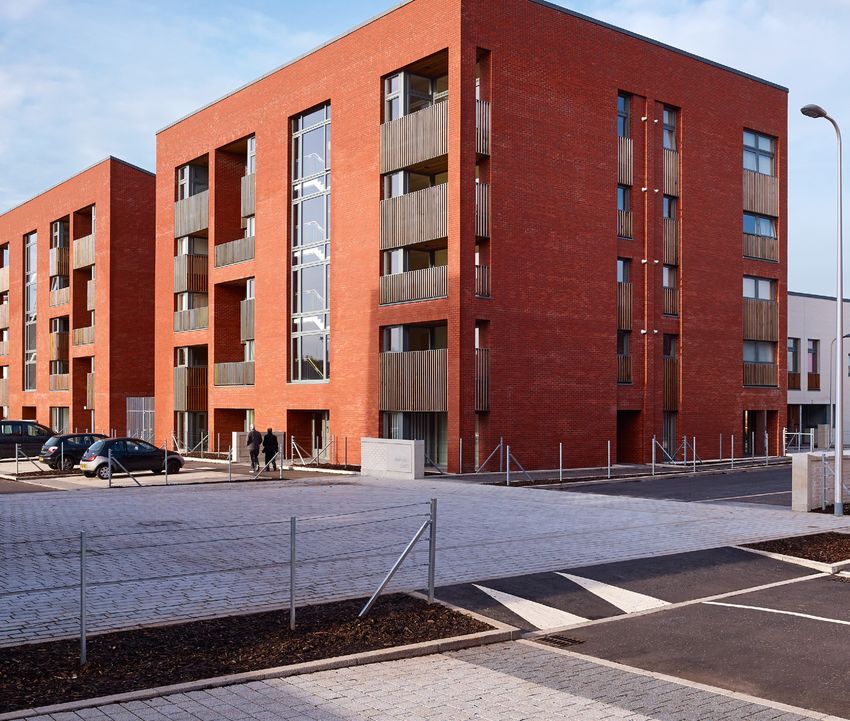
                                                     New Gorbals’ award-winning regeneration
                                                     projects in Glasgow’s city centre received
                                                     funding through the UK Government’s first
                                                     Affordable Homes Guarantee Programme,
                                                     which was managed by THFC through its
                                                     subsidiary Affordable Housing Finance Plc.

                                                     Cover: Jigsaw’s Ellesmere Port development
                                                     received funding through the UK
                                                     Government’s first Affordable Homes
                                                     Guarantee Programme, which was
                                                     managed by THFC through its subsidiary
                                                     Affordable Housing Finance Plc.

    Contents
    Foreword                                                      1
    Section 1: Introduction                                       2
    1.1   Corporate Governance                                    3
    1.2   Identification of Target Population                     3
    1.3   Regulatory Framework                                    4
    1.4   Rationale for Social Bond Issuance                      5
    1.5   Sustainability Reporting Standards                      6
    Section 2: Social Bond Framework                              7
    2.1   Use of Proceeds                                         7
    2.2   Process for Project Evaluation and Selection            9
    2.3   Management of Proceeds                                  9
    2.4   Reporting                                              10
    Section 3: External Opinion                                  11
THFC Social Bond Framework 2021                                                                                                     1

Foreword

As a not-for-profit lender to Registered Providers                 The social housing sector is characterised by a high-level
of social housing, the very core of THFC’s business                of regulatory oversight through the respective Regulators in
                                                                   England, Northern Ireland, Scotland and Wales, which oversee
and mission is about social impact. The loans
                                                                   compliance with high standards of governance. As part of
THFC has written over its thirty-three year history                this regulatory framework all housing associations measure
have contributed to the robust financial health                    and assess the value-for-money of their business operations,
of the social housing sector and the building of                   to ensure every penny spent has a positive social and
thousands of quality, affordable homes.                            environmental impact.

The UK’s housing associations go above and beyond the              This Social Bond Framework is driven by our purpose to
provision of affordable housing, with many providing advice        enable regulated housing associations to achieve their
and support to their tenants and communities in relation to        social objectives as well as meet housing needs in their local
employment and training, homelessness, welfare services and        communities. It demonstrates the link between the funding
financial inclusion. In addition, housing associations have long   THFC can make in this area, and the social benefits our
been innovating to tackle the challenges posed by climate          customers will experience as a result.
change. THFC signed some of the first green loans in the
                                                                   Piers Williamson
sector to help its borrowers build new environmental houses
                                                                   Chief Executive
and improve existing stock.

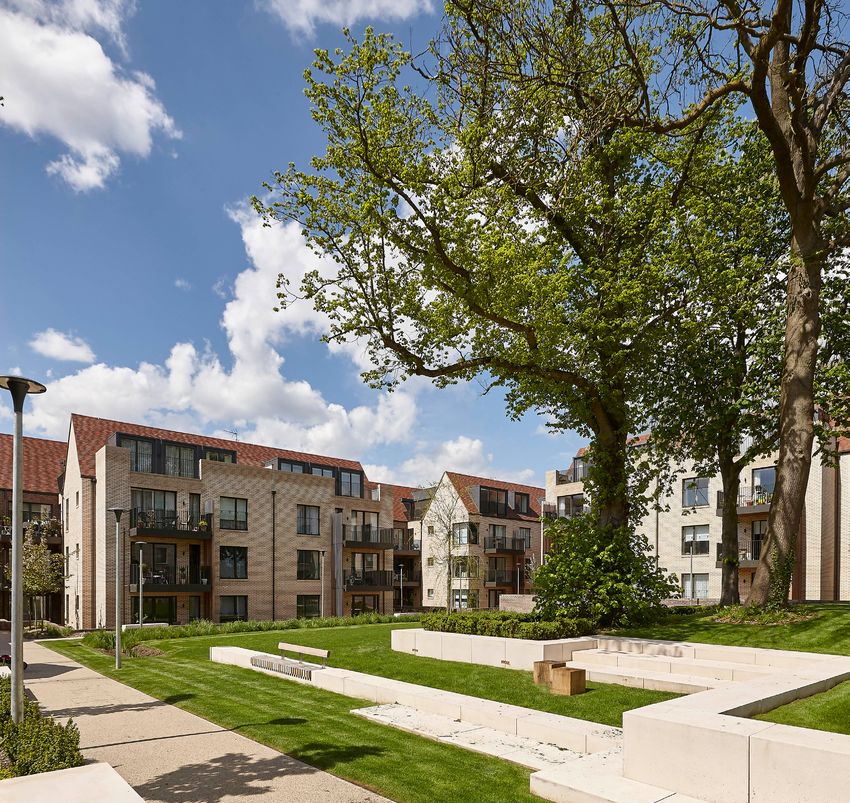
                           Anchor Hanover’s Woodside Square
                           development received funding through
                           THFC’s partnership with the European
                           Investment Bank
2                                                                                                           THFC Social Bond Framework 2021

Section 1: Introduction

The Housing Finance Corporation (THFC) has
been funding the provision of affordable housing                         THFC’s purpose is to build
in the UK since it was established in 1987.
Founded as a not-for-profit organisation with the
                                                                         relationships with housing
purpose of lending to Registered Providers of                            associations to enable them to
social housing (RPs) through issuing bonds in the
Sterling capital markets, THFC has a unique and
                                                                         achieve their social objectives
longstanding relationship with the sector it serves.                     and meet housing needs in
THFC and its subsidiaries have a loan portfolio
exceeding £7billion, with over 160 housing
                                                                         their local communities.
association borrowers.
By giving access to low-cost and long-term finance THFC
helps housing associations further the provision of quality,
affordable homes as well as deliver targeted services to
alleviate social exclusion. With thirty years of experience and
a dedicated and professional staff, THFC can offer borrowers
a comprehensive in-house service as well as a deep
knowledge of affordable housing finance.

THFC’s core commitments:

    Social Impact                    Competitive Pricing               Responsibility                     Financial Sustainability

    THFC lends exclusively to        By fostering relationships with   All THFC Group loans are fully     THFC monitors and forecasts
    Registered Providers of social   investors and maintaining         secured and covenanted,            the health of its borrowers
    housing for the purposes of      high standards and good           and rigorous analysis of           and its systems ensure regular
    maintaining and building         practices, THFC works to          prospective and existing           measurement of key financial
    affordable housing, as well      obtain the best possible rates    borrowers is done on an            metrics throughout the life of
    as providing other services      of funding for its borrowers.     ongoing basis. THFC makes          the loan to maximise its social
    designed to address social       Funds raised through bond         its own independent credit         impact through the continued
    problems and tenant needs.       issuance are on-lent on           assessment of borrowers            financial health of the Group
                                     materially matched terms, so      using its bespoke credit rating    and its borrowers.
                                     savings are passed on to the      system, as well as maintaining
                                     borrower.                         its own strong credit ratings to
                                                                       mitigate credit risk.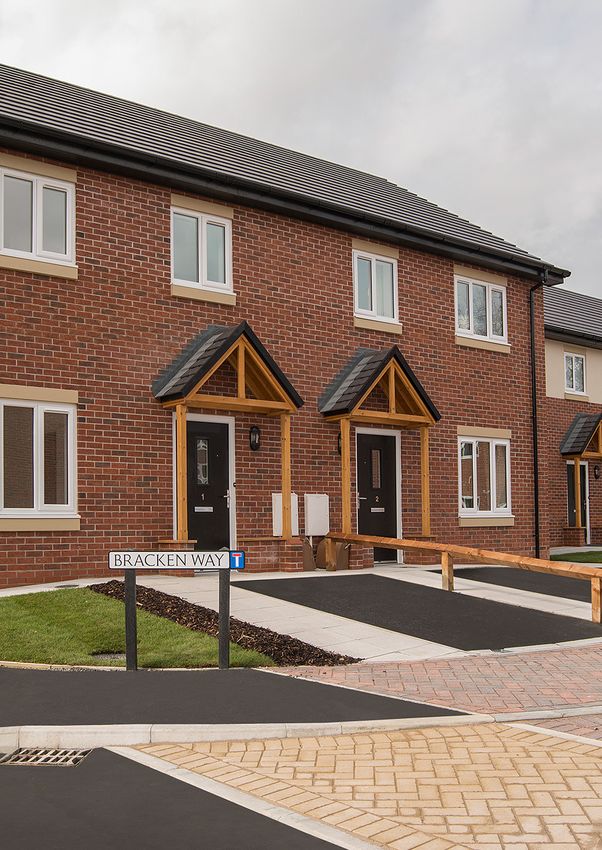
THFC Social Bond Framework 2021                                                                                                     3

Section 1: Introduction

1.1 Corporate Governance                                           1.2 Identification of Target Population
THFC is registered at the Financial Conduct Authority which        Local planning authorities use methodologies set out in the
acts (amongst other more substantive functions) as the             National Planning Policy Framework1 and planning guidance
registrar for community benefit societies. Consequently,           to identify the need for market or affordable housing within a
although registered with the FCA, THFC is a non-profit             specifically defined Housing Market Area. The methodology
distributing unregulated finance company abiding by                for determining housing need for a given target population
conservatively set covenants to mitigate against financial risk.   is set out by the UK Government and uses the latest national
                                                                   statistics for projected household formation as a starting point.
Managerial and administrative functions of the group are
                                                                   This is then adjusted to take into account a range of issues such
carried out by THFC (Services), a wholly owned subsidiary of
                                                                   as affordability, employment growth and the current status of
THFC with identical board membership.
                                                                   relevant strategic policies for housing in that area.2
The group’s Board sets the group’s strategic objectives and
                                                                   Homes developed by housing associations for either social or
monitors compliance with them and other policies as well
                                                                   affordable rent aim to meet the identified local need. Newly
as overall performance. The Board governs through clearly
                                                                   developed rental units or existing homes that have become
mandated Board committees, and includes representatives
                                                                   void are let to tenants in housing need via housing registers
from the Regulator of Social Housing and the National
                                                                   that are generally maintained by local authorities. The
Housing Federation. The Board committees are:
                                                                   housing registers use a point or band-based system to identify
•   Credit Committee                                               specific housing need and prioritise applicants. Typically, the
•   Audit Committee                                                demand far outstrips supply.
•   Remuneration Committee
•   Nominations Committee

THFC Group complies with the UK Corporate Governance
Code (2018) as issued by the FRC, as well as its best practice
                                                                                     Catalyst received funding for the Wornington
guidelines where relevant to the Group structure.
                                                                                     Green development from the first Affordable
                                                                                     Homes Guarantee Programme, which was
Social Bond Proposition                                                              managed by THFC through its subsidiary
Bonds issued under this Social Bond Framework (the                                   Affordable Housing Finance Plc.
“framework”) may be issued by any member of the THFC
group and in all cases will have proceeds lent exclusively
to regulated housing associations in the United Kingdom,
for the purposes of maintaining, improving, purchasing or
building social and affordable housing; supporting tenants
through targeted service provision (including but not limited
to programmes to alleviate fuel poverty or unemployment); or
any other purposes which support these, consistent with the
regulatory obligations and expectations housing associations
are beholden to.

1   https://assets.publishing.service.gov.uk/
    government/NPPF_Feb_2019.pdf
2    https://assets.publishing.service.gov.uk/
    government/minimum_annual_local_hous-
    ing_need_figure_standard_method.pdf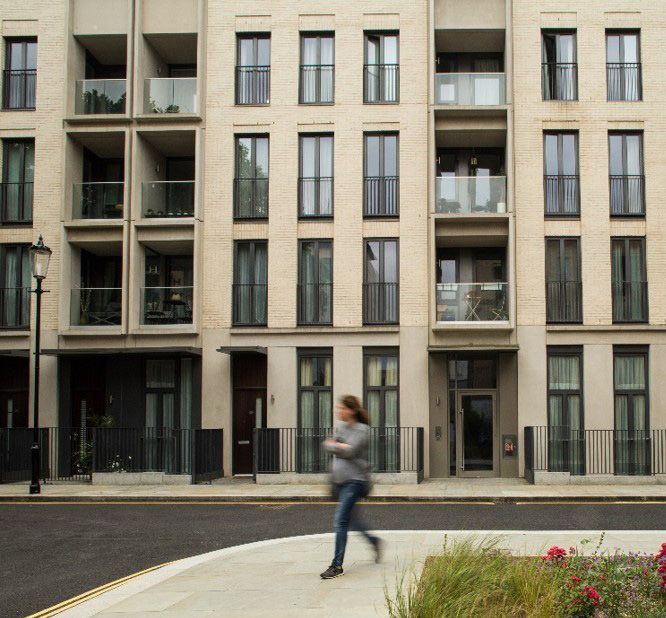
4                                                                                                             THFC Social Bond Framework 2021

Section 1: Introduction

1.3 Regulatory Framework                                                  Consumer standards:
                                                                          •   Home Standard, which sets expectations for registered
THFC lends to housing associations (HA) in all four parts of the
                                                                              providers of social housing to provides tenants with quality
United Kingdom, each of which has its own regulatory regime
                                                                              accommodation and a cost-effective repairs and
for HAs. Many of the principles of economic regulation are
                                                                              maintenance service.8
common, but there are distinct nuances between all four
regimes. Housing associations’ core business objective is the             •   Tenancy Standard, which sets expectations for registered
provision of social housing. In all four parts of the UK they                 providers of social housing to let their homes to tenants in
operate under a regulatory framework consisting of:3                          a fair, transparent and efficient way.9

•   Regulatory framework requirements                                     •   Neighbourhood and Community Standard, which sets
•   Codes of practice                                                         expectations for registered providers of social housing
•   Regulatory guidance                                                       to keep the neighbourhood and communal areas
                                                                              associated with the homes they own clean and safe, co-
These are maintained by the regulator in the respective                       operate with relevant partners to promote the wellbeing
regional jurisdiction. The framework requirements are                         of the local area and help prevent and tackle anti-social
comprised of standards falling into two groups:4                              behaviour.10
Economic Standards                                                        •   Tenant Involvement and Empowerment Standard, which
•   	Governance and Financial Viability Standard, which                      sets expectations for registered providers of social housing
    considers how well an organisation is run and if it is                    to provide choices, information and communication
    financially viable.5                                                      that is appropriate to the diverse needs of their tenants, a
                                                                              clear approach to complaints and a wide range of
•
    Value for Money Standard, which considers whether a
                                                                              opportunities for them to have influence and be involved.
    provider is making the best use of the resources that it has
    to meet it objectives.6                                               The presence of the regulator ensures housing associations
•   	Rent Standard, which considers whether social housing               fulfil their core business objective, and as such the social
    rents are set in accordance with Government policy.7                  impact and benefit of housing associations is well monitored
                                                                          and reported on. Each of these standards includes
                                                                          specific reporting requirements, reflected in the statutory
                                                                          accounts or annual reporting of housing associations.
                                                                          The English regulator (RSH), for instance, is an assurance-
                                                                          based regulator, meaning that Housing Associations are
                                                                          required to meet these disclosure requirements in order to
                                                                          demonstrate compliance. The RSH publishes regulatory
                                                                          notices against providers that are found to be in breach.

3  See part 2 of the Guide to regulation of registered providers
4   See the guidance on regulatory standards at https://www.gov.uk/guidance/regulatory-standards, for Scotland see the Scottish Housing
   Regulator’s guidance on its regulatory requirements and statutory guidance https://www.housingregulator.gov.scot/regulatory-framework, for
   Wales the Welsh Government’s Regulatory Framework, and for Northern Ireland https://www.communities-ni.gov.uk/articles/housing-regulation
5 https://www.gov.uk/government/publications/governance-and-financial-viability-standard
6 https://www.gov.uk/government/publications/value-for-money-standard
7 https://www.gov.uk/government/publications/rent-standard
8 https://www.gov.uk/government/publications/home-standard
9 https://www.gov.uk/government/publications/tenancy-standard
10 https://www.gov.uk/government/publications/neighbourhood-and-community-standard
THFC Social Bond Framework 2021 5
Section 1: Introduction
1.4 Rationale for Social Bond Issuance
The housing crisis in the UK is well documented and the HA 8. Decent Work and
sector makes a valuable contribution to providing much
Economic Growth
needed affordable housing and improving tenants’ lives. Promote sustained, inclusive a
Housing associations are non-profit
THFC’s purpose is to enable our housing association borrowers
to achieve their social objectives and meet housing need
full and productive employmen
organisations that reinvest surpluses into
their businesses and core service provision.
in their local communities and we can achieve this by
In England RPs are regulated by the Value
providing long term bond finance, attracting investment from
for Money Standard and the Governance
investors interested in allocation of capital toward positive
and Financial Viability Standard and
social outcomes.
must report on how they are adhering to
The core business activities of housing associations in
Before Covid-19 financial best practices and mitigating risk
accordance with the regulatory framework also demonstrates to protect tenants, as well as how they are
fulfilment of a number of the United Nations’ Sustainable delivering value for money for their tenants.
Development Goals (UN SDGs):
Global economic growth
They are rated and monitored on their
governance by the Regulator. As such, the
1. No Poverty
was slowing down
sector has demonstrated a capacity for
Through the provision of social and responsible and sustainable growth that
End poverty in all its forms
affordable rented homes, and the
services targeted at tenants including everywhere
11. Sustainable Cities and
maximises social impact.
the accessing of welfare support, housing
associations contribute directly to the
alleviation of poverty in the UK. Further Make cities and human
Communities
The presence of a regulatory framework
to this, and in part related to a statutory
target for energy efficient improvements to safe, resilient and sust
ensures that housing associations operate
responsibly, and the consideration for
Before Covid-19 all homes by 2035, housing associations are tenants that drives the provision of quality
realising savings for tenants’ bills that help and environmentally friendly housing
to tackle fuel poverty. means that housing associations are
The world
3. Good Health and Well-being
sustainable organisations contributing to
Before Covid-19 2.0% 1.5%
sustainable communities. In particular, the
wasEnsure
off track
healthy to
lives and promote GDPemphasis
per capitaongrowth
Housing associations adapt service mixed tenuresGDP
andper capita growth
tenure
provision to best meet needs of tenants blind process when developing means that
(2010–2018) (2019)
end poverty by 2030 Share of urban populatio
well-being for all at all ages
and the wider community, with a view
to promoting wellbeing. In addition, RPs’
housing association developments tend to
produce diverse and thriving communities.
Young workers are
stock is required under the Decent Home
Standard and PAS 2035 retrofit standards to
take action against homes that cause poor living in slums
Social impact is therefore fundamental to the activities of
twice as likely to be
Covid-19 Implications
housing associations, and this is both mandated by and
measurable against the regulatory framework of the sector.
living in extreme poverty
rose to 24% 2018
health including the removal of damp,
15.7%
Before Covid-19 improvement to insulation and ventilation,
in(2019)
By raising funds in the Sterling capital markets to on-lend
the air quality, and the energy efficiency.
10%
Theasworld
adult workers
faces the
to housing associations on materially matched terms, THFC
contributes
GDP
perto the financial health of its borrowers and their
Progress in8.2%many health provisionCapita
worst economic
The pandemic has recession
of affordable housing. Crucially, access to low-cost
and long-term funding via a Social Bond will allow housing
6%
areas continued, but since the Great Depression
associations to achieve ambitious but financially sustainable
interrupted
growth, tackling the challenges of the future to continue
needs acceleration childhood
delivering on their social purpose.
2010 2015 2019 2030 immunization
GDP per capita
expected to decline
programmes
Covid-19 Implications
in aroundby 4.2% in 2020
70 countries6 THFC Social Bond Framework 2021
Section 1: Introduction
1.5 Sustainability Reporting Standards
The Sustainability Reporting Standard for Social Housing has
been developed by the ESG Social Housing Working Group.
The Standard brings consensus on how to measure and report
on ESG performance in the social housing sector and as such
will help reduce the ESG reporting information burden on
housing associations.
The reporting standard is based on 12 themes including
“Affordability and security”, “Building safety and quality”,
“Resident voice”, “Resident support” and “Climate change”
– and 48 criteria for ESG reporting by housing associations.
The criteria are aligned with international ESG frameworks
and standards including the Sustainable Development Goals
(SDGs), the Global Reporting Initiative (GRI), the Sustainability
Accounting Standards Board (SASB), and the International
Capital Market Association (ICMA).
THFC has made a commitment to become an early adopter,
which as a lender means we will integrate the Standard into
our investment policies and processes and will encourage our
borrowers to adopt the Standard to allow for meaningful and
consistent ESG reporting across our loan portfolio.
A2 Dominion’s award-winning Bicester Eco Town
development received funding from THFC.THFC Social Bond Framework 2021 7
Section 2: Social Bond Framework
We have devised the framework to issue Social Bonds, for bLEND
2.1 Use of Proceeds
Funding Plc,11 that are aligned with ICMA’s Social Bond Principles
2020.12 This Social Bond Framework has four core components: Proceeds of any bond issued under this Social Bond
Framework will be lent solely to non-profit regulated housing
I. Use of Proceeds
associations providing social housing in the United Kingdom,
II. Process for Project Evaluation and Selection
on materially matched terms – Eligible Housing Associations.
III. Management of Proceeds
IV. Reporting Loans will be used by Eligible Housing Associations to finance
social and affordable housing projects falling within the
Eligible Social Project categories as detailed below. Eligible
projects are also mapped to the relevant Sustainable
Development Goals. Proceeds will be used by Eligible Housing
Associations to maintain or build affordable housing, or to
support services for tenants designed to maximise the social
impact of the Association; use of funds for refinancing or
to support wider business needs consistent with the core
and regulated mission of RPs is deemed consistent with the
principles of the Social Bond Framework.
Social Bond Principles – Eligible Use of Eligibility Criteria, Target population Relevant
Social project categories Proceeds and benefits SDGs
Affordable Housing Financing construction, Eligibility Criteria: 1,8,11
refurbishment and • Projects must be located in the UK
acquisition of social and • Units must comply with Government
affordable housing in definition of affordable housing
the UK Target populations:
• People on low incomes
• In receipt of Universal credit or other
state benefits
• Those eligible for shared ownership
or other routes to affordable home
ownership
Benefits:
• Increase in number of homes available
for target populations
11 https://blendfundingplc.com/
12 https://www.icmagroup.org/sustainable-finance/the-principles-guidelines-and-handbooks/social-bond-principles-sbp/8 THFC Social Bond Framework 2021
Section 2: Social Bond Framework
Where a housing association engages in market-oriented Financing for housing associations supports the following
practices, such as the inclusion of market-rate sale properties in social objectives in line with the ICMA Social Bond Principles
a development to subsidise the building of affordable housing, Project Categories:
this is not regarded as incompatible with the Social Bond
Framework so long as it functions to further the overall health of
the HA and its core social purpose, as covered by the regulatory
framework and the reporting obligations which ensure
information proving regulatory compliance is publicly available.
SBP Project Categories Use of proceeds
Access to essential services (e.g. health, education and In addition to the core mission of providing affordable housing,
vocational training, healthcare, financing and financial housing associations provide a number of other services to
services) address social issues, including those relating to care, training
and education, digital skills and financial literacy. In England,
regulated housing associations: ‘Regulated Providers (‘RPs’) are
required by the Tenancy Standard13 to provide services to support
tenants, and through the Home Standard14 are required to adapt
existing services to meet tenants’ needs.
Employment generation, and programs designed to Many housing associations also run programmes to help tenants
prevent and/or alleviate unemployment stemming from into employment, as well as signposting welfare support that
socioeconomic crises, including through the potential effect has a beneficial effect on the capacity to gain employment.
of SME financing and microfinance Some provide forms of SME financing as part of community
regeneration and empowerment.
Socioeconomic advancement and empowerment (e.g. The Tenant Involvement and Empowerment Standard15 obliges
equitable access to and control over assets, services, RPs to have mechanisms for tenants to feedback and engage
resources, and opportunities; equitable participation and with the organisation, as well as an accessible complaints
integration into the market and society, including reduction procedure. There are a variety of models across the sector, but all
of income inequality) associations have some form of tenant involvement whether it be
through Board representatives, scrutiny panels or forums. Further
to this, the provision of services and housing to vulnerable and
marginalised groups functions to reduce inequality. The Value for
Money Standard16 requires RPs to demonstrate how their business
activities are actually realising these objectives.
13 See the Tenancy Standard 2012 at https://assets.publishing.service.gov.uk/Tenancy_Standard.pdf
14 See the Home Standard 2012 at https://assets.publishing.service.gov.uk/Home_Standard.pdf
15 See the Tenant Involvement and Empowerment Standard https://assets.publishing.service.gov.uk/Tenant_Involvement_and_Empowerment_
Standard.pdf
16 See the Value for Money Standard 2018 https://assets.publishing.service.gov.uk/VfM_Standard_April_2018.pdfTHFC Social Bond Framework 2021 9
Section 2: Social Bond Framework
Exclusions: As this is corporate lending and not project finance, it is
Though generally speaking all RP activities are deemed to important that, in assessing eligibility, THFC considers all
fulfil the Social Bond principles for reasons stated above, THFC activities of the Housing Association in relation to its corporate
reserves the right to exclude a borrower from eligibility for purpose and mission and its provision of social and affordable
loans from a bond issued under this Social Bond Framework if housing. Subject to the exclusion noted above, all activities of
it cannot be ascertained with confidence that the funds will an Eligible Housing Association are deemed acceptable.
go toward activities compliant with this framework. If an HA is Eligible Housing Associations will be responsible for
no longer eligible this would mean it was no longer an RP, in implementation of the Affordable Housing projects and the
which case it would be in breach of its loan agreement and underlying “projects” will not be individually assessed by
the loan would have to be repaid. THFC.
If an HA ceases to be eligible and repays its loan, or prepays As part of its role in overseeing the framework, the Executive
its loan for any other reason, funds may potentially be Committee will:
reallocated to another Eligible Housing Association. However,
if funds cannot be reallocated within 6 months THFC commits •
Oversee the eligible project portfolio, confirming its
to redeeming the bonds. continued compliance with THFC’s Social Bond Framework
•
Review the content of THFC’s Social Bond Framework and
2.2 Process for Project Evaluation update it to reflect changes in market standards (such as
and Selection relevant ICMA principles) and the organisation’s strategy
on a best-efforts basis
All borrowers undergo a thorough credit review prior to
being approved for a loan. This involves analysis of accounts, • Facilitate the reporting provision under the framework
business plans and projections, scrutiny of regulatory and
audit reports, comparison of performance indicators, 2.3 Management of Proceeds
review of risk registers and an assessment of management Social Bonds issued are wholly allocated at issue to Eligible
capabilities, or for prospective borrowers from Blend Funding Housing Associations. In the majority of cases, at the time of
Plc, an external credit review by Moody’s. Part of the internal drawdown of funds from a Social Bond issuance, proceeds
analysis will involve an assessment of eligibility of a housing are immediately on-lent to Eligible Housing Associations for
association as a recipient of proceeds of a Social Bond the purposes stated in the Use of Proceeds section above,
issuance with an Executive Committee comprising the Chief although this may be several months after the issuance of the
Executive, Group Treasurer, and the Credit and Risk Director bonds (so called deferred drawdown). In this case there is no
approving the utilisation of Social Bond proceeds in requirement for arrangements to temporarily hold, disburse or
accordance with this Framework. otherwise manage proceeds.
Eligible Housing Associations will be required to be registered In certain very limited circumstances, proceeds of a
and regulated non-profit providers of social housing drawdown under a Social Bond issuance may be retained by
registered with the relevant regulator. Their core business must THFC pending on-lending to the Eligible Housing Associations
be the provision and management of social and affordable to which the funds have been allocated. In this case,
housing and a significant proportion of their turnover proceeds will be invested in products which minimise risk and
should relate to that provision. Their development of new include UK bank deposits and Government securities for a
homes should include a significant proportion of social and maximum period of 24 months.
affordable homes.10 THFC Social Bond Framework 2021
Section 2: Social Bond Framework
2.4 Reporting
In addition to existing annual reporting on its loan portfolio, • Example case studies including qualitative reports on the
THFC will publish annually a Social Bond report specifically for social impact of the borrowers whose loans were issued
loans financed by Social Bonds issued under this Social Bond under this Social Bond Framework, demonstrating how
Framework, to ensure full transparency, for the lifetime of their overall business is making its social impact
each Social Bond. The report will include:
Impact reporting for any debt issuance under this framework
• A list of Eligible Housing Associations and amounts will leverage metrics from the Sustainability Reporting
allocated and amounts on-lent Standard for Social Housing, as well as include additional
metrics to monitor our performance.
• A statement of amounts allocated but not yet drawn
down and of any funds held by THFC pending drawdown The reporting will be independently reviewed internally. The
report will be made publicly available on THFC’s website.
• Outcomes in terms of number of units constructed by
tenure
Indicative Impact Alignment with the Sustainability Reporting Standard
ICMA Category Use of Proceeds
Metrics (SRS) for Social Housing
Affordable Housing Construction of new Number of units Theme 1: Affordability and Security
Social and Affordable constructed by
Criteria: Core – C3 - Share and number, of new
Housing in the United tenure
Kingdom Homes, allocated to: General needs (social rent),
Intermediate rent, Affordable rent, Supported Housing,
Housing for older people, Low-cost home ownership, Care
homes, Private Rented SectorTHFC Social Bond Framework 2021 11
Section 3: External Opinion
THFC has engaged Vigeo Eiris to provide a
Second Party Opinion (SPO) on this Framework,
who confirm that the Framework is aligned
with ICMA’s Social Bond Principles 2020. The
SPO will be available at our website
www.thfcorp.com/bond-frameworks.
Islington & Shoreditch Housing Association’s
development on Kingsland Road received
funding through THFC’s partnership with the
European Investment Bank.The Housing Finance Corporation Limited
A Registered society under the Co-operative and
Community Benefit Societies Act 2014
Registered No: IP25862R
3rd Floor, 17 St Swithin’s Lane, London EC4N 8AL
T: 020 7337 9920 F: 020 7337 9935 E: offices@thfcorp.com
www.thfcorp.comYou can also read


