SOUTHERN AFRICAN ASSOCIATION FOR RESEARCH IN MATHEMATICS, SCIENCE AND TECHNOLOGY - SAARMSTE
←
→
Page content transcription
If your browser does not render page correctly, please read the page content below
26TH ANNUAL CONFERENCE OF THE
SOUTHERN AFRICAN ASSOCIATION FOR RESEARCH IN MATHEMATICS, SCIENCE AND TECHNOLOGY
                                   EDUCATION
                                                           Conference Theme:
    Pursuing sustainable and inclusive quality education through research informed practice in Mathematics. Science and Technology

                                             16 JANUARY – 19 JANUARY 2018
                                             Hosted by University of Botswana
                                                  Gaborone, Botswana
Parallel sessions): Short papers (SP) & Symposium (SYM)

                                                                    THANK YOU
The SAARMSTE Executive Committee would like to thank the following sponsors for continued support over the years for SAARMSTE activities.
The sponsors make it possible for SAARMSTE to sustain the development of Mathematics, Science and Technology Researchers in Southern Africa:

                                                                          2
Parallel sessions): Short papers (SP) & Symposium (SYM)
PLENARY SPEAKERS 2018, SAARMSTE CONFERENCE, UNIVERSITY OF BOTSWANA
Professor Dame Celia Hoyles, UCL Institute of Education, University College London, U.K
Professor Kgomotso Garegae, University of Botswana, Botswana
Professor Merrilyn Goos, University of Limerick, Ireland
Professor Fred Lubben, University of York, U.K.
CELIA HOYLES
Short Biography: Professor Dame Celia Hoyles, D.B.E, O.B.E, PhD, M.Ed, BSc. (Hons), CMath, Professor of
Mathematics Education, UCL Institute of Education, University College London, U.K
Celia was awarded a first class honours degree in mathematics from the University of Manchester and holds a
masters and doctorate in mathematics education. She taught mathematics in London schools from the late 60s
before moving into higher education. She was inspired by the vision of using digital technology to open access to
mathematics and has led many research and development projects to promote this aim. Her main research is
building research-informed curriculum interventions embedding digital technology that enhance mathematical
learning for all age groups. Other research includes secondary students’ conceptions of proof, the mathematical
skills needed in modern workplaces, evidence-informed mathematics policy, and effective continuing professional
development and learning for mathematics teachers.
She has published widely and worked constantly to change the public face of mathematics, initially by co-
presenting a popular TV mathematics quiz show, Fun and Games, which topped the prime-time ratings between
1987 and 1990. Celia was the first recipient of the International Commission of Mathematics Instruction (ICMI) Hans Freudenthal medal in 2004, and of the
Royal Society Kavli Education Medal in 2011 both for her research work. She was the UK Government's Chief Adviser for mathematics (2004- 07), and the
director of the National Centre for Excellence in the Teaching of Mathematics (2007-13). She was President of the Institute of Mathematics and its
Applications (IMA) (2014-15), the professional and learned society for qualified and practising mathematicians. Celia was made an Officer of the Order of
the British Empire in 2004 and a Dame Commander in 2014. In 2016, she was selected for the Suffrage Science award for Communications to acknowledge
her scientific achievements and ability to inspire others.
3
Parallel sessions): Short papers (SP) & Symposium (SYM)

Plenary Address Abstract: Exploiting digital technologies for inclusive mathematics learning
A key challenge for task design in mathematics education and in STEM education more generally, is to design to enhance engagement with mathematics for
all. One way to achieve this is to exploit digital technology to reveal more of what mathematics actually is; first, by offering a glimpse of the mathematical
models underlying a given (and carefully chosen) phenomenon; and second, by fostering an approach to mathematical tasks that
transcends the purely procedural. In this talk I will describe in this paper how we have attempted to address these challenges in two research projects in
England.

Workshop Topic: Blending computational and mathematical thinking in primary education
(together with Prof Richard Noss, UCL Knowledge Lab)

In this hands-on workshop, we will present an overview and the aims of the 2-year ScratchMaths intervention for 9-11 year old pupils. The ScratchMaths
Project aims to promote mathematical thinking through carefully designed programming activities supported by teacher professional guidance and
professional development. Participants need not have any prior experience of Scratch, They will work in pairs on some selected projects and share the
outcomes in terms of mathematics and computational challenge and learning.
(Please bring a laptop to this workshop or share with a partner)

                                                                              4
Parallel sessions): Short papers (SP) & Symposium (SYM)

KGOMOTSO GERTRUDE GAREGAE
                     Short Biography - Kgomotso Gertrude Garegae is an Associate Professor in the field of Mathematics Education and Head of the
                     Department of Mathematics and Science Education (DMSE) at the University of Botswana. She obtained her PhD from the
                     University of Manitoba, Canada. She is currently a member of AMU Commission of Women in Mathematics and participates in
                     many committees dealing with the development of mathematics education in the country. She played an instrumental role in
                     the preparation of the winning bid that brought the Southern and Eastern Africa Consortium for Monitoring Educational Quality
                     (SEACMEQ) Coordinating Centre (SCC) from Paris to Africa, the University of Botswana, in 2014. She led a team of researchers
                     in a benchmarking trip to USA, UK and South Africa with the aim of improving the uptake of mathematics, science and
                     technology in Botswana. Her sustained interest in equity issues and inclusiveness in mathematics education has opened
                     another perspective of affective domain realising how its negligence has to a certain extent failed teacher education.

Plenary Address Abstract: Pursuing sustainable and inclusive quality STEM education through research informed practice in Southern Africa: An
introspection

The fourth sustainable development goal (SDG4) encourages countries globally to “ensure inclusive and quality education for all children and promote
lifelong learning” among youth and adults. This plenary intends to raise questions as to how far African countries are realising or preparing to realise this
goal. In particular, the presentation aims at stimulating minds to think about the impact and types of research that we usually engage in by taking an
introspection of STEM studies in S outhern Africa in relation to the theme of the conference—Pursuing sustainable and inclusive quality education
through research informed practice. The research articles were categorised into (i) teaching, (ii) tools for teaching and (iii) learning, environments for
teaching and learning. Inclusive of the discussion will be the role of African universities pertaining to sustainable quality education.

Workshop Topic: Gender issues in mathematics performance overturned: A potential window to understanding gender-biased classroom practices
(together with Dr Sesutho Kesianye, University of Botswana)

          Inclusion and equity in and through education is the cornerstone of a transformative education agenda… No education target should be
          considered met unless, met by all (Education 2030, page 7).

                                                                                5
Parallel sessions): Short papers (SP) & Symposium (SYM)

Over the past 4 decades the girl-child’s underrepresentation in the STEM disciplines have been blamed on several factors including cultural practices that
preferred the boy child for economic gains, the aggressive classroom interactions dominated by the boys, poor performance and stereotypical depiction of
women in textbooks and other educational materials. Furthermore, after school time is not used equitably in that the girl child would engage in home chores
while the boy child has more time to study, thus causing the girl child to lag behind.

However, current data show a reversed trend in girls’ performance. It is reported that recently girls have, in the midst of a continued aggressive learning
environment and unfavorable cultural practices, begun to outperform boys in local, regional and international assessments. What could have happened?
Could it be possible that gender issues ebb and flow with a political currency that is reinforced by positive behavior? What behaviors do teachers adopt (do,
say or act), that propel girls to perform well in mathematics? What activities do teachers engage in that seem to minimize gender bias in teaching
environments? Or could it be a reverse bias against boys?

This workshop will give teacher educators and classroom practitioners an opportunity to reflect and/or explore the teacher and his/her classroom conduct in
an attempt to address the question: What instructional practices do teachers engage in to discourage boys from doing well in mathematics as they used to?
The understanding of such practices may be a long sought out answer to the issue of gender disparity in STEM disciplines.

                                                                             6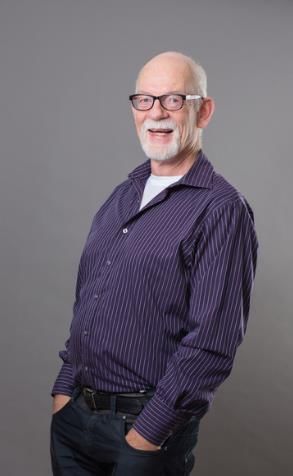
Parallel sessions): Short papers (SP) & Symposium (SYM)

MERRILYN GOOS
                               Short Biography: Merrilyn Goos is Professor of STEM Education and Director of EPI*STEM, the National Centre for STEM
                               Education, at the University of Limerick, Ireland. Before taking up this position she worked for 25 years at The University of
                               Queensland, Australia, in a range of academic roles including Head of the School of Education and Director of the University’s
                               Teaching and Educational Development Institute, working with all Faculties and disciplines to improve the quality of teaching
                               and learning in the University. She is an internationally recognized mathematics educator whose research is known for its
                               theoretical innovation and strong focus on classroom practice. Her research interests have included students’ mathematical
                               thinking, the impact of digital technologies on mathematics learning and teaching, the professional preparation and
                               development of mathematics teachers, numeracy across the curriculum, curriculum and assessment reform, and teaching and
                               learning in higher education. She is currently Editor-in-Chief of Educational Studies in Mathematics, one of the leading research
                               journals in mathematics education, and Vice-President of the International

                         Commission on Mathematical Instruction. She has won an Australian Award for University Teaching for her work as a
mathematics teacher educator, and a Mathematics Education Research Group of Australasia Award for Outstanding Contribution to Mathematics
Education Research.

Plenary Address Abstract: Sustaining and Scaling Up Research-Based Professional Learning for Mathematics Teachers

Education research journals regularly report on small-scale studies that have been successful in changing mathematics teachers’ classroom practices. But it
is rare to find large-scale transfer of research knowledge into practice in mathematics education. This presentation describes a research-informed, large-
scale professional development project initiated by a state education system in Australia that now involves a large number of schools and teachers. The
project developed a cluster model for bringing together primary and secondary school teachers to build their curriculum knowledge, confidence, and
enthusiasm for teaching mathematics. The research study aimed to identify factors that contribute to the sustainability and scaling up of this initiative.
Drawing mainly on interviews with 61 participants – teachers, school curriculum leaders, principals, and regional education leaders – the study identified
factors related to professional development content, collective action, and leadership at the school and regional levels. The findings contribute to the
literature on mathematics education reform and identify implications for supporting teachers and schools in this enterprise.

                                                                                 7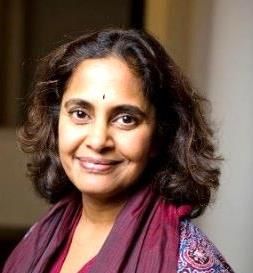
Parallel sessions): Short papers (SP) & Symposium (SYM)

Workshop Topic: Mathematical Knowledge for Teaching: What Do Teachers Need?

    Internationally, there is a great deal of interest in describing and measuring the kinds of mathematical knowledge needed to teach mathematics effectively
in primary and secondary schools. This workshop provides an opportunity for mathematics educators to consider the nature of mathematical knowledge
needed by beginning teachers of mathematics. It is informed by a national project involving seven Australian universities that offer pre-service teacher
education programs. The aim of the project was to improve the quality of university-based pre-service teacher education in mathematics.
    Online questionnaires were devised to measure two types of knowledge needed for effective teaching of mathematics: mathematical content knowledge
and pedagogical content knowledge. The latter type of knowledge is important because it enables teachers of mathematics to recognise student ways of
thinking, address student misconceptions about a mathematical concept, identify aspects of a mathematical task that affect its complexity, select appropriate
representations of concepts, use a variety of examples and resources, and explain how mathematical topics fit into the curriculum.
     The workshop will explain the process of creating multiple choice questionnaire items that aim to measure mathematical content knowledge and
pedagogical content knowledge for teaching primary and secondary school mathematics. It will invite discussion of alternative responses to selected items,
share questionnaire data from pre-service teachers, and ask participants to create new questionnaire items that probe mathematical knowledge for teaching
in primary and secondary schools.

FRED LUBBEN
Short Biography: Things you may not know about me: I am a trained Civil Engineer up to Masters level, specialised in Drinkwater and Sewerage treatment,
an interest directly related to Rachel Carson’s environmental science book ‘Silent Spring’ published in the 1960s. I never practiced as a civil engineer, but
kept the engineering mindset and the concern about environmental sustainability. After discovering that I am more interested in working with people than
with constructions, I trained as a teacher: in mathematics, physics and technical drawing. It kept me out of conscription in the Netherlands by allowing me
to teach in secondary schools in Zambia, then in Ghana, the Netherlands, the UK and Swaziland. The LoLT was never my mother tongue, and seldom that of
the learners.

                                                                              8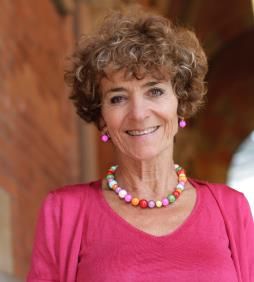
Parallel sessions): Short papers (SP) & Symposium (SYM)

                                     My passion was in-service teacher development (in Namibia and Swaziland) – I was a practitioner in a professional learning
                                     community. And then came research training in York, UK, and my life as researcher (not a lecturer): based in York, UK, but
                                     researching mainly developing country contexts adding Trinidad and Zimbabwe to the countries I had previously practiced
                                     in. My research foci include context-based science teaching (a major focus in York, but also in Swaziland and Trinidad); the
                                     role of practical work (in the UK, and in Namibia, South Africa and Swaziland); science teacher professional development
                                     (South Africa, Swaziland, UK and Zimbabwe); and sustainable development in learning science and technology
                                     (Netherlands, Swaziland and the UK). It resulted in over 70 journal and book chapter publications with more than 3200
                                     citations. Over the last eight years I have been chief-editor of the African Journal of Research in Mathematics, Science and
                                     Technology Education (AJRMSTE) the research journal of SAARMSTE, and I love being a member of this professional
                                     learning community.

                                  Plenary Address Abstract: A review of science education research in South Africa 2007-2016: Any pointers for STEM
                                  Education?
                                  The presentation reports on a review of 10 years (2007-2016) of research in science education in South Africa.
                                  Comparisons will be made with the previous review (2000-2006) of science education research in the country published in
AJRMSTE in 2009, and with the parallel review (2007-2015) of research in mathematics education reported early 2017 in AJRMSTE, to identify trends in the
characteristics of contributing authors, the use of research outlets, research methodologies, research foci and local and international uptake. Several
interpretations of the notion of STEM Education will be presented and the identified research foci in the review will be interrogated for contributions to
each of the interpretations of STEM Education. Opportunities for further STEM Education focused research will be suggested.

Workshop Topic: Getting your science education research published in Africa and beyond
The workshop is experiential and will provide hints and suggestions on ways of structuring a research paper, including differences between research papers,
extended abstracts, reports and theses; aspects reviewers will be looking for; ways of improving coherence within the paper; ways of linking with the
existing literature; ways of structuring a results section; ways of selecting a target journal, in Africa and beyond. Contributions by participants sharing their
experiences of submitting science education papers and dealing with reviews will be very welcome.

                                                                                  9
Parallel sessions): Short papers (SP) & Symposium (SYM)
SAARMSTE CONFERENCE LOCAL ORGANISING COMMITTEE (LoC) - 2018
Conference Chairperson: Dr A A Nkhwalume University of Botswana
Conference Secretary: Dr L. Tawana University of Botswana
Editor of Research Papers: Prof K.G. Garegae University of Botswana
Maths Coordinator: Mr O. Pitso University of Botswana
Science Coordinator: Dr K.M. Mphale University of Botswana
Technology Coordinator: Mr E. Zimudzi University of Botswana
Fundraiser: Dr P. Chakalisa University of Botswana
Dr C. Mannathoko University of Botswana
Marketing: Mr M.V. Lanka University Botswana
Mr M. Masole Tlokweng College of Education
Treasurer: Dr S.M. Suping University of Botswana
Programme: Dr S.K. Kesianye University of Botswana
Logistics: Chairs Ms S. Mogotsi University of Botswana
Ms C. Kealeboga University of Botswana
Members Mr. R. Polelo University of Botswana
Ms. E. Atang Botho University
Ms. K. O. Obakeng Nanogang JSS
Ms. E. Tshukudu University of Botswana
Secretary Mr. G. Bagwasi Curriculum Development & Evaluation (CD&E)
Additional Members: Prof. L. Narasimhan (CS) University of Botswana
Prof. Prakash (Maths) University of Botswana
Mr E. Salani (DPE) University of Botswana
Ms K.M. Matongo University of Botswana
Ms T. Mokoka Moselewapula JSS
Dr M. Motswiri University of Botswana
Dr D. Gaotlhobogwe University of Botswana
10Parallel sessions): Short papers (SP) & Symposium (SYM)
Message from the SAARMSTE President 2018: Lyn Webb
A conference does not just ‘happen’… Thank you to the University of Botswana LoC under the chairpersonship of Alex
Nkhwalume – and all those unsung heroes who have quietly gone the extra mile to make SAARMSTE 2018 a memorable
experience. Thank you to the SAARMSTE Executive Committee for a year of dedicated hard work and friendship.
We are privileged to welcome to Botswana plenary speakers of international renown:
Celia Hoyles; UCL Knowledge Lab, University College London, United Kingdom;
Kgomotso Garegae, University of Botswana;
Merrilyn Goos, University of Limerick, Ireland;
Fred Lubben, University of York, United Kingdom.
I am sure that we will be enriched by their wisdom and wealth of research experience.
In order to maintain an institutional memory, the SAARMSTE Proceedings for the last 20 years have been saved on to the CASIO
memory sticks which have been given to each delegate at the 2018 conference.
This year the Executive has sponsored three emerging researchers to attend the conference in Botswana and Taylor & Francis has provided funds for an award
for the best article published in AJRMSTE during 2017 by an early career researcher.
Although this conference is the culmination of months of planning and hard work, the Executive Committee has reached many milestones:
Ken Ngcoza has been a strength, inspiration and support as President Elect this year.
Fred Lubben, Editor of AJRMSTE, has negotiated a very favourable contract with Taylor & Francis going forward. He has also compiled an electronic Special
Issue in 2017/18 of the best articles published in AJRMSTE in the last 10 years. Along the way, he continues to regularly orchestrate Writing Workshops during
the year and has coached developing researchers into becoming published authors.
Hamsa Venkat and her Research Capacity Building Committee worked with Washington Dudu and Percy Sepeng from North-West University to arrange
another inspiring Research School in North West Province mid-year. Merrilyn Goos and Frackson Mumba participated as expert international facilitators.
Doctoral researchers continue to offer very positive evaluations of the Research School, with many returning as graduate alumni– a fitting tribute to the
developmental and collegial environment that has been built and sustained over time.
11Parallel sessions): Short papers (SP) & Symposium (SYM)
Tulsi Morar has kept SAARMSTE finances in check, so that we can celebrate achieving the milestone we set ourselves two years ago. SAARMSTE is becoming
self-sustaining…
Mike Mhlolo and Audrey Msimanga keep the Chapters up to date with events and activities. Chapter activities included two well-presented and attended
colloquia – Eastern Cape; Annual conference in collaboration with the DBE – North West Province; Involvement in National Assessment Report and Current
Trends Research – Mozambique.
Carolyn Stevenson-Milln makes sure the wheels turn smoothly. She has once again run the online paper submission and registration for the conference and
deals with queries and requests with a quiet efficiency – and sense of humour.
The theme of this year’s conference: “Pursuing sustainable and inclusive quality education through research informed practice in Mathematics. Science and
Technology” underlines the importance of research intertwined with practice. We look forward to discussing, debating and sharing ideas and experiences in
the warm and nurturing environment of the SAARMSTE family.
Welcome to beautiful Botswana!
Lyn
Hamsa Venkat Audrey Msimanga Ken Ngcoza
Mike Mhlolo Tulsi Morar Carolyn Stevenson-Milln Fred Lubben
12Parallel sessions): Short papers (SP) & Symposium (SYM)
Guidelines for paper submission and presentation at SAARMSTE 2018, University of Botswana
Long paper: Maximum of 6000 words, (including references), for a 30 minute presentation followed by 15 minutes Q&A. Long papers are equivalent to
journal publications utilising the same criteria as AJRMSTE articles; and are reviewed accordingly.
In accepting a Long Paper for presentation at the SAARMSTE conference, the Review Panel presumes that:
1) The paper is original and has not been published elsewhere;
2) Permission will be granted by the author for the accepted long paper to be published in the accredited Book of Proceedings;
3) At least one of the authors will register and attend the conference to present the paper;
4) First authors may only present one long paper at each conference.
Long papers are fully peer reviewed and thus attract DHET subsidy
Short paper: Maximum of 1500 words, (including references), for a 20 minute presentation followed by 10 minutes Q&A. Short papers should highlight
preliminary findings and significance of the research. Short paper submissions could be the first draft of a journal article consisting of: abstract, introduction
literature review, methodology, results and conclusions. Authors are encouraged to submit short papers for development of an article at the post conference
workshop.
After acceptance of the 1 500 word short paper, authors may elect to develop their research further into a 3 600 word paper which will NOT be reviewed but,
after consultation with the editor, could be published in the Book of Short Papers, but will not attract subsidy.
Snapshot paper: Maximum of 1500 words, (including references), for a 10 minute presentation followed by 5 minutes Q&A. Snapshot papers should be based
on emerging research, not necessarily with results, but with a framework of: abstract, introduction, literature review, methodology and the way forward.
Symposium / panel paper: Maximum of 1500 words, (including references), for a 90 minute team discussion around issues where different points of view,
approaches, debates or analysis of the same problem are presented. The paper should contain details of each speaker’s contribution and how these come
together to create a forum for debate. This is not a forum for the presentation of multiple short papers. The emphasis is on exchange of ideas and discussion.
Short papers, snapshots and symposia/panel papers are not fully peer reviewed and thus do not attract DHET subsidy.
In future only the Book of Proceedings will be published in hard copy. All other submissions will be available electronically.
13Parallel sessions): Short papers (SP) & Symposium (SYM)
OFFICIAL OPENING PROGRAMME
Pursuing sustainable and inclusive quality education through research informed practice in Mathematics,
Science and Technology
16th January 2018
Venue: Block 252 Room LT004
11:35 - 11:40: Master of Ceremony: Prof Kgomotso Garegae, Head, Department of Mathematics & Science Education,
University of Botswana
11:40 – 11:45: Welcome to Faculty of Education by Prof Lily Mafela Dean, Faculty of Education, UB
11:45 – 11:50: Ushering Vice Chancellor of the University of Botswana, Prof. Sebudubudu, DVCAA,
11:50 – 12:20: Opening Address by the University of Botswana Vice Chancellor, Prof David Norris
11:20 – 12:30: Welcome by SAARMSTE President Dr Lyn Webb
11:30 – 12:35: Announcements by Dr Alex Nkhwalume, SAARMSTE 2018 LoC Chair
12:35 – 13:45: Lunch www.ub.bw
14Parallel sessions): Short papers (SP) & Symposium (SYM)
Tuesday 16JANUARY 2018
TIME VENUE
8:00 – 10:00 REGISTRATION and TEA
10:00 - 11:30 PLENARY WORKSHOPS
Professor Kgomotso Garegae and Dr Sesutho Kesianye, University of Botswana, Botswana - Gender issues in mathematics performance overturned: A
ROOM 1
potential window to understanding gender-biased classroom practices.
Professor Merrilyn Goos, Limerick University, Ireland - Mathematical Knowledge for Teaching: What Do Teachers Need? ROOM 2
Professor Dame Celia Hoyles and Professor Richard Noss, UCL Knowledge Lab, University College London, United Kingdom - Blending
ROOM 3
computational and mathematical thinking in primary education. (Bring a laptop to work In pairs.)
Professor Fred Lubben, University of York, United Kingdom – Getting your science education research published in Africa and beyond ROOM 4
11:30 – 12:35 Official Opening Programme
12:35 – 13:45 LUNCH
13:45 – 14:00 Venue change to Block 252 Room LT004
PLENARY SESSION 1: Professor Fred Lubben – A review of science education research in South Africa 2007 – 2016: Any
14:00 – 15:00 Block 252 Room LT004
pointers for STEM education? Introduced by Prof Meshach Ogunniyi
15Parallel sessions): Short papers (SP) & Symposium (SYM)
15:00 – 16:45 Tuesday 16 JANUARY 2018
Session 1 (Parallel sessions)
TIME / ROOM 1 ROOM2 ROOM 3 ROOM 4 ROOM 5 ROOM 6 ROOM 7
VENUE
15:00 – 15:15 Venue change: Afternoon tea /coffee available throughout the afternoon
Parallel 1 Parallel 2 Parallel 3 Parallel 4 Parallel 5 Parallel 6 Parallel 7
15:15 – 16:00 Chair: Lise Chair: Marissa Rollnick Chair: Marc Schäfer Chair: Angela Stott Chair: Ann MacKenzie, Chair: Lucy Sibanda Chair: Washington
Westaway Dudu
8682 A research and 8411 Analysing science 8806 Code switching as a 8785 Creating online 8717 Pre-service science 8694 Linguistic complexity 8808 Exploring South
development project teachers' Pedagogical teaching strategy: What are videos for a first year teachers’ attitudes and and related student errors in African senior phase
for the development of Content Knowledge - the the implications for engineering course (LP). preconceptions of teaching mathematical literacy Natural Science teachers'
prospective primary second PCK summit: mathematics teaching in Bevan Smith climate change in the examinations: Improving perceptions of selected
school teachers' Perspectives from multilingual classrooms? (LP). classroom (LP). Ann Haley inclusive assessment CAPS elements:
competence in participants and Clemence Chikiwa, Marc MacKenzie, Jenna Haley practices for English development and
understanding and spectators (SYM). Marissa Schäfer language learners (LP). validation of a research
developing number Rollnick Pamela Vale instrument
SYM 90 mins
LP 45 mins sense (SYM). Lise (SP).Washington T Dudu ,
SP 30 mins Westaway, Zain Davis, Kgomotsego B. Samuel
SN 15 mins Samukeliso Chikiwa,
Please note Nick Taylor, Corin
duration of Mathews
each
presentation
8735 Images of a scientist
8769 Title: Analysing the role 8347 Physical sciences 8433 Educators' conceptions 8776 The linguistic
from secondary school
and use of visualization teachers' beliefs about of the nature of science (LP). component in mathematics
students in high density
objects in textbooks in technology for teaching Meshach Ogunniyi assessment and attendant
suburbs in Chinhoyi,
Namibia (LP). Selma and factors influencing tensions and dilemmas: The
16:00 – 16:45 Zimbabwe (SP).Welensky
Ndilipomwene Nghifimule, their uptake of a specific teachers' experiences (LP).
Mashavave, Elaosi
Marc Schäfer. technology (LP). Angela Lucy Sibanda.
Vhurumuku
SYM 90 mins Stott
LP 45 mins 8323 From didactic to
SP 30 mins dialogical teaching -
SN 15 mins Intervention to foster
Please note
scientific argumentation
duration of
and dialogical teaching in
each
presentation Ethiopian teacher
education (SP). Mekbib
Alemu, Per Kind, Vanessa
Kind, Mesfin Tadesse,
Mulugeta Atnafu, Kassa
Michael, Taha Rajab
16:45 – 17:00 Venue change: Afternoon tea /coffee available throughout the afternoon
16Parallel sessions): Short papers (SP) & Symposium (SYM)
Tuesday 16 JANUARY 2018 (contd)
17:00 – 18:00
Session 2 (Parallel sessions)
ROOM 1 ROOM2 ROOM 3 ROOM 4 ROOM 5 ROOM 6 ROOM 7
Parallel 1 Parallel 2 Parallel 3 Parallel 4 Parallel 5 Parallel 6 Parallel 7
Chair: Kgomotso G. Chair: Audrey Chair: Pieter van Chair: Ken Ngcoza Chair: Nellie Mbano Chair: Bernard Chigonga Chair: Megan Doidge
17:00 – 18:00
Garegae Msimanga Jaarsveld
8629 Language 8353 The influence of 8654 Mathematical 8787 Indigenous cultural 8661 The metacurriculum 8805 Sketching the cubic 8612 Perceptions of science student
preferences in continuous collaborative symbolisation: how practices and artefacts of first year science function from the graph of teachers during teaching practice: A
mathematics learning: reflection sessions on does it affect learners' as models in science courses: the messages its first and second case of one college in Lusaka,
perspectives from high how Gr 8 Natural understanding of teaching (SP). Muzwa lecturers give to help derivatives and vice-versa: Zambia (SP). Lloyd Nsingo, Choshi
school learners in rural Sciences teachers reflect mathematical concepts? Mukwambo, Kenneth students succeed (SP). deficiencies inherent in Kasanda
contexts (SP). Michael on working with learner (SP).Paul Mutodi Ngcoza, Charles Dale Taylor teachers' graphing fluency
Allie Makupe, Willy prior knowledge (SP). Chikunda received (SP). Bernard
Mwakapenda Jenny Woolway, Audrey Chigonga
Msimanga, Anthony
Lelliott
SP 30 mins
SN 15 mins 8702 Mathematics 8609 Exploring the nature 8703 Promoting 8799 The influence of 8775 Learning to use ASEI 8771 Using mathematical 8665 What will they teach? Student
Please note Teachers' Beliefs About of students' written conceptual mathematics marine science camp on in a Community of knowledge for teaching to teachers' concerns about teaching
duration of
Their Current Classroom arguments in Grade 11 for teachers and learners' motivation and Practice (SP). Nellie examine the growth of human reproduction in secondary
each
Practices (SN). Fikile science classrooms (SP). learners by methods of dispositions towards Mbano preservice teachers' schools (SP). Megan Doidge
presentation
Mdluli Maletsau Mphahlele, abductive and scientific inquiry (SP). knowledge for teaching
Audrey Msimanga retroductive inference - Nozipiwo Hambaze, (SP).Dun Nkhoma Kasoka
8714 Parents' making what is Ken Ngcoza, Zukiswa
engagement in their algebraically tacit Kuhlane
children's school work: graphically explicit (SP).
The case of Mathematics Pieter van Jaarsveld
(SN). Tlhatlogo
Sengawane, Kgomotso
G. Garegae
18:00 – 19:00 SAARMSTE Choir Practice (conducted by Marissa Rollnick). Venue to be announced
19:00 – 20:30 SAARMSTE Welcome Function – Introduce yourself to at least 10 people
17Parallel sessions): Short papers (SP) & Symposium (SYM)
WEDNESDAY 17 JANUARY 2018
8:15 – 9:45 Session 3 (Parallel sessions)
ROOM 1 ROOM2 ROOM 3 ROOM 4 ROOM 5 ROOM 6 ROOM 7
Parallel 1 Parallel 2 Parallel 3 Parallel 4 Parallel 5 Parallel 6 Parallel 7
8:15 – 9:45 Chair: Mercy Kazima Chair: Stephen Malcolm Chair: Debbie Stott Chair: Leila Goosen Chair: Mamotena Chair: Chair: Rene Toerien
Mpeta
8571 Strengthening 8427 : The shape of TSPCK in a 8528 'It's the context that 8314 Sustainable and 8781 Affordances and 8720 Pre-service 8779 How spiral is the
numeracy in early years classroom (SYM). Elizabeth confuses them': Inclusive Quality limitations of integrating Mathematics Teachers CAPS curriculum on the
through professional Mavhunga, Nonkanyiso Intermediate phase Education through learners' socio-cultural Semiotic Transformation of topic Chemical Change
development of teachers Vokwana, Kgomotsego learners' performance on Research Informed backgrounds in science Similar Triangles (SP). and its fundemental
in Malawi (SYM). Mercy Samuel, Mamohato arithmetical items Practice on Information teaching (LP). Lydia Ifunanya J.A. Ubah, Sarah concepts (SP). Brighton
Kazima, Arne Jakobsen, Makhechane, Stephen presented as context and Communication Mavuru Bansilal Mudadigwa
Janne Fauskanger, Malcolm, Washington Dudu problems or bald Technologies in
Raymond Bjuland calculations (SP). Mike Education (LP). Leila
Askew, Hamsa Venkat, Goosen
Patrick Barmby, Sameera
Hansa, Corin Mathews,
Samantha Morrison, Viren
Ramdhany
8641 Visualising Grade 6 8738 Cool Science is not 8733 Determination of The 8430 Teaching for
SYM 90 mins after-school mathematics low kinetic energy PredictIve Relationship conceptual progression:
LP 45 mins club learners shifting (SP).Peter Horszowski Between Pre-service An explanatory
SP 30 mins mathematical proficiency Teachers' TPACK and framework analysis of
SN 15 mins along a spectrum of Attitudes Toward teachers' knowledge of
Please note progression (SP). Integration of ICT in chemical bonding models
duration of each Debbie Stott , Noluntu Casio Calculators Mathematics Teaching (SP). (SP). Rene Toerien,
presentation Baart Demonstration and Edgar John Sintema Marissa Rollnick,
Discussion (45 mins). Annemarie Hattingh
Astrid Scheiber
8818 Algebraic thinking in 8777 The 8607 Kindergarten and 8449 Measuring the
Grade 3: a comparative implementation of primary teachers' Quality of Physical
study of South Africa and Natural Sciences and specialized knowledge in Science Teachers' Topic
Singapore curricula (SP) Technology by primary and for defining geometric Specific Pedagogical
Sharon Mc Auliffe, schools in Vhembe figures (SP). Milena Content Knowledge in
Dominique Afonso District, Limpopo (SN). Policastro, Alessandra Electrochemistry in
Mamotena Mpeta, Ivy Almeida, Miguel Ribeiro Mpumalanga (SP). Fumai
N. Mathuba, Sam J.
M. Mudindo, Megan
Kaheru
Doidge, Marissa Rollnick
9:45 – 10:15 TEA
18Parallel sessions): Short papers (SP) & Symposium (SYM)
Wednesday 17 January 2018
10:15 – 11:45
Session 4 (Parallel sessions)
TIME / VENUE ROOM 1 ROOM2 ROOM 3 ROOM 4 ROOM 5 ROOM 6 ROOM 7
Parallel 1 Parallel 2 Parallel 3 Parallel 4 Parallel 5 Parallel 6 Parallel 7
10:15-11:45 Chair: Lyn Webb Chair: Margaret Probyn Chair: Nicky Roberts Chair: Chair: Kenneth Chair: Craig Pournara Chair: Frackson Mumba
Jeanne Kriek Mlungisi Ngcoza
8289 Understanding and 8742 Talking to learn 8660 Mathematical 8774 Pre-service 8815 Grade 10 learners' 8436 Teacher Profiles for
Fostering the Mathematics science and mathematics: inclusion in 4 SADC 8361Exploring which teachers' perceived errors with negative Teaching Stoichiometry Based
Learning of Language by Lessons from South counties (SYM). Nicky technologies do student views about teaching numbers (SP). Yvonne on Topic-Specific Pedagogical
Learners - Overview of a African and UK classrooms Roberts, Lindiwe Tshuma, believe enhance their science through Sanders, Craig Pournara Content Knowledge, Content
chain of projects with (SYM). Audrey Msimanga, Nkosinathi Mpalami, learning (SP). Jeanne argumentation (LP). Knowledge and Conceptions of
different research Margaret Probyn, Sue Tionge Saka Kriek, Annaretha Coetzee Senait Ghebru, the Mole (SP). Stephen Andrew
approaches (SYM). Johnston-Wilder, Martin Meshach Ogunniyi Malcolm, Elizabeth Mavhunga,
Susanne Prediger, Lyn Braund Marissa Rollnick
Webb
8744 Challenges in 8749 A preservice 8428 US Chemistry teaching
implementing the use of secondary school teacher's tssistants' knowledge of
SYM 90 mins digital technologies for 8811 A diagnostic eliciting, interpreting and chemical bonding & the
LP 45 mins teaching and learning at developing students' explanatory principles they use
assessment of learners'
SP 30 mins eight public secondary thinking in linear equations to explain it (SP). Marissa
prior electricity
SN 15 mins schools in Tshwane South (SP).Florence Mamba Rollnick, Frackson Mumba,
Please note knowledge before
District, South Africa (SP). learning Ohm's law (LP). Laura O. Pottmeyer, Rene
duration of
Olika Moila, Moses Lineo F. Ramasike & Toerien
each
presentation Makgato, Sibongile Kenneth Mlungisi
Simelane-Mnisi Ngcoza
8414 Pursuing Sustainable 8762 Investigating 8755 Indigenous technology
and Inclusive Quality Secondary Mathematics approach of the peanut flour
Education through Teachers use of processing in science
Research Informed exemplification and the education: Case study of grade
Practice in Information affordances these provide 12 graduated students in
and Communication for learning Mathematics Chidenguele (SP). Geraldo F.
Technology (SP). Leila (SP). Vasantha Moodley. Nhapulo
Goosen, Lizelle Naidoo
11:45 – 12:00 Venue change to Block 252 Room LT004
PLENARY SESSION 2: Prof Merrilyn Goos - Sustaining and Scaling Up Research-Based Professional Learning
12:00 – 13:00 Block 252 Room LT004
for Mathematics Teachers. Introduced by Hamsa Venkat
13:00 – 14:15 LUNCH
19Parallel sessions): Short papers (SP) & Symposium (SYM)
Wednesday 17 January 2018
14:15 – 15:15
SESSION 5 (Parallel sessions)
TIME / VENUE ROOM 1 ROOM2 ROOM 3 ROOM 4 ROOM 5 ROOM 6 ROOM 7
Parallel 1 Parallel 2 Parallel 3 Parallel 4 Parallel 5 Parallel 6 Parallel 7
14:15 – 15:15 Chair: Marthie van der Chair: Femi Otulaja Chair: Thea Corbett Chair: Leila Goosen Chair: Elizabeth Chair: Andile Mji Chair: Thomas Sedumedi
Walt Mavhunga
8605 The impact of 8716 Designing an 8422 Framework for the 8457 Drivers of Innovative 8796 The development 8698 Exploring mathematics 8633 An evaluation of
mathematics professional Intervention Programme continuance use intention Behaviour: Modelling the and validation of a teachers' beliefs about assessment practices of
development on learner Merging Music and of mobile mathematical Mediating Effect of rubric for assessing teaching Geometry at teaching practicum in initial
attainment: Issues in the Mathematics in learning games (SP).Marisa Knowledge Sharing TSPCK in classroom school level (SP). Dikeledi science teacher preparation
design of an instrument Foundation Phase (SP) I. Venter, Lizette De Wet Behaviour on Information practice (SP). Josephat Mamiala, Andile Mji, (SN).Thomas Sedumedi
and initial results from a Carolyn Stevenson-Milln Technology Students' Miheso, Elizabeth Sibongile Simelane-Mnisi
quasi-experimental study Individual and Contextual Mavhunga
(SP). Craig Pournara, Antecedents (SP). Leila
Patrick Barmby Goosen, James Ngugi 8768 A reflection on the
SP 30 mins approach of inorganic
SN 15 mins reactions in general secondary
Please note school - Case of Zona Verde
duration of each 8583 Mathematics 8618 The use of music in 8790 8790 'Is the juice 8763 Probing effective use 8741 The journey of 8801 Investigating students'
teachers' perceptions of learning: Locating worth the squeeze?': of selected assessment TSPCK episodes from perception of a blended Secondary School (SP). Antonio
presentation
the value of an ethno- traditional songs as a Impact of collaborative theories in Civil lesson planning to classroom approach used in Goenha
mathematical approach: learning device in the project work assignments Technology theory and classroom teaching (SP). a post-graduate module at
The case of a professional classroom (SP). Sina J. in Statistics and Academic hands-on practical lessons. Denise van der Merwe, an urban university in South 8672 Acid-base Threshold
development intervention Fakoyede, Femi Otulaja Literacy (SP). Thea A case of five schools in Elizabeth Mavhunga Africa (SP). Benita Nel Concepts and Chemistry
(SP). Marthie van der Corbett, Ilse Fouché, Susan Ekurhuleni Metropolitan Students' High Drop out (SN).
Walt, Divan Jagals, Erika Immelman municipality (SP). Royda Kampamba
Potgieter Thokozani I. Mtshali, Sylvia
Manto Ramaligela, Moses
Makgato
15:15 – 15:30 Venue change to Block 252 Room LT004
Block 252 Room LT004
15:30– 17:00 SAARMSTE AGM – Chaired by Lyn Webb
Block 252 Room LT004
17:00 SAARMSTE Chapter Meetings – Chaired by Mike Mhlolo
20Parallel sessions): Short papers (SP) & Symposium (SYM)
8:15 – 9:45 THURSDAY 18 JANUARY 2018
SESSION 6 (Parallel sessions)
TIME / ROOM 1 ROOM 2 ROOM 3 ROOM 4 ROOM 5 ROOM 6 ROOM 7
VENUE
Parallel 1 Parallel 2 Parallel 3 Parallel 4 Parallel 5 Parallel 6 Parallel 7
8:15 – 9:45 Chair: Susanne Prediger Chair: Neal Petersen Chair: Minenhle Ngcobo Chair: Duncan Chair: Frikkie George Chair: Deepak Pravin Chair: Tulsi Morar
Mhakure Mavani
8772 University of Swaziland Casio Calculators 8816 Pre-service teachers' 8766 Dynamic Geometry 8807 Senior Phase learners'
8732Indian indigenous first year students' beliefs Demonstration and reflections of the assessment Software as a multilingual language
knowledge in South African about mathematics and how Discussion. 45 mins of practical work in Physical visualisation tool to resources as a third space in
life sciences? (SP). Camantha they compare with their Astrid Scheiber Science (SP). Suresh Singh enhance the learning of enabling the learning of
Reddy, Josef De Beer, Neal performance in a first Geometry (SP). Deepak science (SN). Rochelle
Petersen semester course (LP). Pravin Mavani, Beena Thorne, Paul Webb,
Quinton T. Ndlovu, Deepak Mavani, Marc Nokhanyo Mayaba
Minenhle Ngcobo Schäfer
8301 Symposium on students' 8810 Using language as a
active participation in resource through 'vehicles
mathematics classroom for learning' to facilitate
discussions (SYM). Kirstin learner engagement within
Erath science classrooms (SN).
SYM 90 mins Hermione Kemp, Tulsi
LP 45 mins Morar
SP 30 mins 8783 Decolonizing science 8689 Dialogical Argumentation 8765 The use of DGS as a 8626 Exploring physical
SN 15 mins education curriculum in and Assessment for Learning visualisation tool in sciences teachers strategies
Please note Higher Education Instructional Model (DAAFLIM) teaching of Geometry of doing practical work
duration of Institutions: Reclaiming and the conception of N2- (SP). Beena Deepak activities in schools with
each cultural heritage as a source science concepts (SP). Frikkie Mavani, Deepak Pravin lack of scientific equipment
presentation
of knowledge (SP). Kenneth George Mavani, Marc Schäfer (SN). M.J. Kokonyane,
M. Ngcoza Benedict Khoboli
8804 Investigating 8746 Using diffusion of 8648 Earth's movement in
procedural and conceptual innovation theory to space: Exploring knowledge
knowledge of grade 7-9 understand how building and meaning-
students: A focus on fraction technology is adopted making (SN).Ngonidzasi
operations (LP). David in teaching Mushaikwa, Mpunki
Mogari, HS Willers mathematics in higher Nakedi, Lee Rusznyak
education (SP). Sabelo
Chizwina, Duncan
Mhakure
21Parallel sessions): Short papers (SP) & Symposium (SYM)
09:15 – 09:45 THURSDAY 18 JANUARY 2018 (Continued)
Session 6 (Parallel sessions)
TIME / ROOM 1 ROOM 2 ROOM 3 ROOM 4 ROOM 5 ROOM 6 ROOM 7
VENUE
Parallel 1 Parallel 2 Parallel 3 Parallel 4 Parallel 5 Parallel 6 Parallel 7
09:15-
Chair: Susanne Prediger Chair: Neal Petersen Chair: Minenhle Ngcobo Chair: Duncan Mhakure Chair: Frikkie George Chair: Deepak Pravin Chair: Tulsi Morar
09:45
Mavani
8809 Status of Indigenous 8740 A microanalysis of 8770 Patterns in Collective 8646 The geographies of the
Knowledge Systems in difficulties experienced by Efficacy and Self-Efficacy learning experience of girls
selected public schools': A students in the Physical Beliefs of Teachers and the in learning the Science
review and reflection using Science grade 12 Teaching of Mathematics in subject in schools (SN).
the DAIM-model (SP). Alvin examinations (SP). Poorly Resourced High Nelisiwe Nick Ndwandwe
Riffel Leelakrishna Reddy schools (SP). Winston
8532 Assessing the Level Hendricks 8699 Conceptualizing value
of eReadiness among the as a factor in Natural
Secondary School Learners Sciences learning in grade 9
in Botswana (SN). Edward classrooms in South African
Zimudzi, Watson schools (SN). Eyitayo Julius
Manduna, Salome M. Ajayi, Shalini Dukhan, Femi
Mogotsi Otulaja
9:45 – 10:15 TEA
22Parallel sessions): Short papers (SP) & Symposium (SYM)
10:15 – 11:45 THURSDAY 18 JANUARY 2018 (Continued)
Session 7 (Parallel sessions)
TIME / VENUE ROOM 1 ROOM2 ROOM 3 ROOM 4 ROOM 5 ROOM 6 ROOM 7
Parallel 1 Parallel 2 Parallel 3 Parallel 4 Parallel 5 Parallel 6 Parallel 7
10:15 – 11:45 Chair: Nicky Roberts Chair: Auxilia Kaunda Chair: Lisnet Chair: Nadaraj Govender Chair: Marissa Rollnick Chair: Ingrid Sapire, Chair: Judith Lederman
Mwadzaangati
8752 Exploring National 8786 Towards a 8359 Natural Science 8350 A Lesson on Teaching 8625 Effectiveness of 8367 International Study of
SYM 90 mins Certificate Vocational (NCV) comprehensive conception teachers' use of ICT (SP). the Mole Concept semiosis for solving the Seventh Grade Students'
LP 45 mins level two students' of mathematical proof Nadaraj Govender, Avash Conceptually: A Learning quadratic equation (SN). Understandings of Scientific
SP 30 mins misconceptions based on a among Zimbabwean Juggernath Study (LP). Stephen Clement Ayarebilla Ali, Inquiry (SP). Selina Bartels,
SN 15 mins hyperbola function (SP). mathematics education Andrew Malcolm, Ernest Kofi Davis, Judith Lederman, Norman
Please note Abongile Ngwabe, Clyde undergraduates (SP). Elizabeth Mavhunga, Douglas Darko Agyei Lederman
duration of each Felix Zakaria Ndemo Marissa Rollnick
presentation
8812 Multilingualism in
Foundation Phase
Mathematics - a
language survey in
8304 Situation Analysis for 8282 An exploration of 8574 Investigating the twenty schools 8324 Learning to teach
8664 How do we Introducing EDMS at Tertiary the work of teaching impact of using the TSPCK (SN).Ingrid Sapire, Dineo biodiversity: beginner
determine if a Education: A Case of The geometric proofs: The framework on the content Makoro, Thompho teachers' lesson planning
mathematics Polytechnic in Malawi (SP). case of Malawian knowledge of in-service Rambuda, Benny experiences and reflections
education intervention Auxilia Kaunda, Patrick secondary mathematics teachers: An exploratory Mojela (SP). Cecilia Mukundu
is successful? (SYM). Chikumba, Ramsey Banda, teachers (SP). Lisnet case study (SP). Eunice 8813 Multilingualism in
Lynn Bowie, Andrew Umali Leonard Mwadzaangati Nyamupangedengu, Foundation Phase
Barrett, Nicky Narendra Deshmukh Mathematics - an
Roberts, Craig analysis of learning and
Pournara, Lindiwe 8614 Novice unqualified teaching support
Tshuma science teachers' change material (SN). Ingrid
in PCK of the particulate Sapire, Michael Louw,
nature of matter as Sylvester Molokoane,
identified by their content Ntombikayise Zulu
8685 Using fractions as 8760 The correlation 8444 Learning about representations (LP). 8405 Is design-based 8627 Investigating natural
measures for reasoning between metacognition interactions in a university Phihlo Pitjeng-Mosabala, research important in a sciences teachers strategies
SYM 90 mins about fractions: A design and mathematics biology classroom through Marissa Rollnick Southern African of creating learning
LP 45 mins experiment (SN). Pamela achievement in a non- lecture observations: mathematics education opportunities to primary
SP 30 mins Vale, Mellony Graven complex and a problem- Reflections of a novice context? (SN) Brantina students in Lesotho (SN).
SN 15 mins solving task (SP). Stephan teacher educator (SP). Chirinda, Patrick Benedict Khoboli, M. J.
Please note Du Toit Hlologelo C. Khoza, Eunice Barmby Kokonyane
duration of each Nyamupangedengu
presentation
23Parallel sessions): Short papers (SP) & Symposium (SYM)
11:15 – 11:45
THURSDAY 18 JANUARY 2018 (Continued)
Session 7 (Parallel sessions)
TIME / VENUE ROOM 1 ROOM2 ROOM 3 ROOM 4 ROOM 5 ROOM 6 ROOM 7
Parallel 1 Parallel 2 Parallel 3 Parallel 4 Parallel 5 Parallel 6 Parallel 7
11:15 – 11:45 Chair: Nicky Roberts Chair: Auxilia Kaunda Chair: Lisnet Chair: Nadaraj Govender Chair: Marissa Rollnick Chair: Ingrid Sapire, Chair: Judith Lederman
Mwadzaangati
8690 Snapshot: Grade R 8637 Visualisation and 8791 General self-efficacy as
teacher identity in policy mathematical reasoning a capability towards
(SN). Roxanne Long in geometry word appropriate choice regarding
problem solving (SN). grade 10 physical sciences
Beata Dongwi, Marc (SN). Zettie Venter, Angela
Schäfer Stott
8709 Zimbabwean
Science and
Mathematics Teacher
Migrants in South Africa:
Experiences and
Perceptions of
Treatment (SN). Judah
Makonye, Elaosi
Vhurumuku
11:45 – 12:00 Venue change to Block 252 Room LT004
Block 252 Room LT004
12:00 – 13:00 PLENARY SESSION 3: Professor Dame Celia Hoyles - Exploiting digital technologies for inclusive mathematics
learning. Introduced by Dr Lyn Webb
13:00 – 14:15 LUNCH
24Parallel sessions): Short papers (SP) & Symposium (SYM)
14:15 – 15:45 THURSDAY 18 JANUARY 2018 Session 8 (Parallel sessions)
TIME / VENUE ROOM 1 ROOM 2 ROOM 3 ROOM 4 ROOM 5 ROOM 6 ROOM 7
Parallel 1 Parallel 2 Parallel 3 Parallel 4 Parallel 5 Parallel 6 Parallel 7
14:15 – 15:45 Chair: Hamsa Venkat Chair: Marissa Rollnick Chair: Norman G. Chair: Thabo Tholo Chair: Andile Mji Chair: Fatou Sey Chair: Washington
Lederman Dudu
Possibility of a grand 8789 Use of Games in the 8800 Factors affecting 8642 Using classroom 8793 The role of video 8705 South African Science
rubric for differentiating Teaching of Mathematics: performance in first-year talk to practice scientific analysis in developing Learners' Knowledge,
the quality of science Experiences of Two Cohorts programming (SP). talk in physics the Foundation Phase Attitudes, Perceptions and
teachers’ pedagogical of Pre-Service Teachers Yirsaw Ayalew, Ethel classrooms: A case of Pre-service teachers' Practices in Climate Change -
content knowledge (SP). Fraser Gobede Tshukudu, Moemedi two physics teachers reflective practice and a Baseline Study (SP).
(PCK) (SP) Marissa Lefoane (SP). Makomosela Mathematical Mpunki Nakedi
Rollnick, Kennedy Chan , Qhobela, Eunice K. Moru Knowledge for teaching
Julie Gess Newsome (SN).Samukeliso
Chikiwa
8492 Using 'Boundary
8659 Online assessment of Crossing' and 'Boundary
mathematics for B.Ed Objects' to investigate
students (SYM). Nicky Teachers' Take-up of
Roberts, Lynn Bowie, Mathematics
Kathleen Fonseca, Sharon Professional
McAuliffe, Hamsa Venkat Development (SN)
SYM 90 mins Fatou Sey
LP 45 mins 8589 What is the nature of 8817 An emerging 8653 Appraisal of 8758 Understanding 8572 Gender-Related 8803 Exploring pre-service
SP 30 mins Physical Science teacher framework to inform the curriculum and learning styles and Effects of arts infused teachers' prior knowledge
SN 15 mins
identity following learning and teaching of assessment policy learning style-based Mathematics lesson on and understanding of
Please note
participation in a additive relations problem- statements for technical instructional strategies learners' performance baseline genetics concepts: A
duration of
each professional learning solving (SP). Herman subjects with specific and the impact on in elementary school case study at a South African
presentation community? (SP) Tshesane reference to Mechanical Physical Science (SN).Olusola Ariba, university (SP). Eunice
Suzan Segwe Technology (SP). Thabo education success: The Kakoma Luneta Nyamupangedengu
Tholo, Duma Sithebe case of Mthatha high 8582 Using two
schools in South Africa contrasting pedagogic
(SP). Sakyiwaa Danso, strategies to close and
Emmanuel Mushayikwa open scaffolding
(SN).Shadrack Moalosi,
Noziziwe J. Ximba
8473 The conceptions of PCK 8303 Student Responses to 8308 The experience of 8565 The 8559 Students' 8407 Teaching Genetics
in Mathematics Education Academic Behavior Specific using learning objects phenomenological mathematical Using Modern Learning
and Science Education (SN). Feedback When Engaged in (SN). Arlete M. V. Ferrao, thinking and semiotic competency levels in Technologies: A Snapshot of
Kim Ramatlapana, Marissa Unfamiliar Math Content Rosa M. Vicari devices: Perspectives SACMEQ III study: key Four Case Studies (SN).
Rollnick, Hamsa Venkat (SP). Kathryn M. Rupe, from physical science drivers of SDG 4 (SN). Dionysius Gnanakkan,
Judith S. Lederman, educators (SP). Asaph Salome Mogotsi, Norman Lederman, Judith
Norman G. Lederman Nkomo, Andile Mji Sesutho Kesianye Lederman, Miriam Schmid,
Elizabeth Druger, Bridget
Lesinski, Sue Jones
25Parallel sessions): Short papers (SP) & Symposium (SYM)
15:45 – 17:00 THURSDAY 18 JANUARY 2018 Session 9 (Parallel sessions)
TIME / VENUE ROOM 1 ROOM 2 ROOM 3 ROOM 4 ROOM 5 ROOM 6 ROOM 7
Parallel 1 Parallel 2 Parallel 3 Parallel 4 Parallel 5 Parallel 6 Parallel 7
15:15 – 15:45 Chair: Chair: Marissa Rollnick Chair: Chair: Thabo Tholo Chair: Fatou Sey Chair: Washington
Dudu
8326 Biology laboratory 8657 TPACK Framework 8305 Examining 8332 A kinaesthetic
work in pre-service teacher for Pre-Service and In- Secondary School approach to learning about
education: the potential for Service Programs for the Teachers' Perspective of the heart and circulatory
argumentation as a learning Integration of Connection and system (SN). Sanette Brits,
tool (SN). Naomi Thomas Technology in the School Conceptual Connection Josef de Beer, Martin
Of Education (SN). Between Mathematics Braund
Sibongile Ngcapu, Andile and Science in Zambia
Mji, Sibongile Mnisi (SN) Masato Kosaka
15:45 – 16:00 Venue change: Afternoon tea /coffee available throughout the afternoon
Parallel 1 Parallel 2 Parallel 3 Parallel 4 Parallel 5 Parallel 6 Parallel 7
16:00 – 17:00 Chair: Eunice Chair: Zukiswa Kuhlane Chair: Martie Sanders Chair: Washington Chair: Audrey Chair: Judith Chair: Arsénio José Mindú
Nyamupangedengu Dudu Msimanga Lederman
8750 Perceptions of 8579 Exploring Inquiry Based 8343 Grade 8 learners' 8652 School Laboratory 8290 The Language of 8277 Influencing 8570 The feasibility of a third
student-teachers to use Learning Approach used to interpretations of Chemical Waste Instruction in the Secondary Students' partner in science teacher
puppetry as pedagogy to develop Basic Scientific problematically worded Management Practices in Learning and Teaching of Understanding of education (SN). Josef de Beer
enhance the affective Process Skills and Scientific textbook statements about Lesotho: Appreciating Science: Messages from Nature of Science with
domain in Life Sciences Knowledge in Grade 3 evolutionary adaptation Education for Sustainable South African Grade 9 Socioscientific Issues 8312 Functional and
teaching (SP). Lounell Foundation Phase (SP).Shaun Robertson, Development (ESD) (SP). Learners' Meanings of (SP). Dawnne LePretre, structural model of a
White, Neal Petersen Classrooms (SP). Zukiswa Martie Sanders Tom Ssendija, Non-technical Words Norman Lederman, hydroelectric power plant: A
Kuhlane Makomosela Qhobela (SP). Samuel Ouma Judith Lederman didactic proposal designed
Oyoo, Tebogo Simelane from local material (SN).
SP 30 mins Ezar E. Nharreluga, Floid E.
SN 15 mins F. Bata
Please note 8670 The use of 8782 Grade two Learners' 8802 A longitudinal study of 8419 Engineering Design 8441 Participation and 8679 Online assessment 8410 Validation of Medicinal
duration of Legitimation Code Theory Cognitive Shifts on the Life Sciences students' in Science Teacher engagement in the of thinking skills in Plants with Therapeutic
each to explore the pre-service movement of the day and acceptance of evolution Education Project: science classroom: science context and Effect in the Control of
presentation teachers' knowledge of the night cycle (SP). Florence (SP). Sean Lawrence, Teachers' Pedagogical parallel or independent motivation to learn Diabetes used by the
nature of Life Science (SP). February, Cynthia Fakudze, Martie Sanders Knowledge for variables? (SP). Paul science among the Community of Manhiça (SN).
Uchechi Ahanonye, Eunice Lorraine Philander Engineering Design Denley, Audrey grade 7 students in Fernando Come
Nyamupangedengu Integrated Science Msimanga Oshana regon, Namibia 8273 Pre-conceptions of
Teaching, and Student (SP). Linus Kambeyo, Renewable Energy
Learning (SP). Frackson Attila Pasztor, Erzsébet Graduation Students about
Mumba, Vivien Korom, Mária B. Energy Efficiency in
Chabalengula Németh Pedagogical University -
Mozambique (SN). Arsénio
José Mindú
19:00 Gala Dinner
26You can also read


