STATEMENT OF INTENT SPORT NZ GROUP - 1 JULY 2018 - 30 JUNE 2022 - HPSNZ
←
→
Page content transcription
If your browser does not render page correctly, please read the page content below
SPORT NZ GROUP

STATEMENT OF
INTENT
—
1 JULY 2018 – 30 JUNE 2022
1

CONTENTS
           FOREWORD FROM                                  PAGE 2

           THE BOARD AND CHIEF EXECUTIVE
           PART 1:                                        PAGE 6

           STRATEGIC FRAMEWORK
           PART 2:                                        PAGE 16

           HOW WE WILL ASSESS SUCCESS –
           OUR PERFORMANCE MEASURES
           APPENDICES                                    PAGE 22

                                           SPORT NEW ZEALAND GROUP
2

FOREWORD
FROM THE BOARD
AND SPORT NZ
CHIEF EXECUTIVE
As we approach the last two          We made significant changes to our Community Sport Strategy in response to the changes
years of the Sport NZ Group          in the way New Zealanders’ participate in sport and active recreation. We have been
                                     challenged with declining rates of participation and in addressing this we have become
Strategic Plan 2015-2020,            participant-focused, particularly on young people, and we are working with partners to
we can reflect on the strong         adapt and change our sport system, so it can keep pace with a rapidly changing world.
foundation we and our partners       There has also been a positive change in the way we are delivering our strategy. Having
have built for future achievement.   launched a number of important plans and initiatives over the last two years, it is pleasing
                                     to see Regional Sports Trusts (RSTs) and National Sport Organisations (NSOs) embrace
                                     this new way of thinking and leading. Many have reset their strategic direction and developed
                                     capability in key areas such as insights, locally-led delivery, and spaces and places.
                                     The aim of our Community Sport Strategy is to ensure young New Zealanders develop a
                                     life-long love of sport and active recreation. The sector understands that this can only be
                                     achieved by improving the physical literacy of our young people, through programmes like
                                     Play.sport, and by providing quality opportunities and experiences. To support this, we are
                                     working with our partners to improve our understanding of participants through greater
                                     research, insights and intelligence, capability, and through the power of connecting
                                     communities to drive local solutions.
                                     Fairness and fair play is fundamental to our national attitude to sport. To protect the
                                     integrity and avoid damage to the value of sport, we are undertaking an important review
                                     of sports integrity in New Zealand.
                                     There’s no question sport is at the heart of our national identity, and our recently released
                                     study ‘The Value of Sport’ tells us that being physically active also creates happier, healthier
                                     people, better connected communities and a stronger New Zealand.
                                     Sporting success can inspire, unite the nation and provide a platform to enhance ‘Brand NZ’.
                                     High Performance Sport New Zealand (HPSNZ) leads the high performance sport system to
                                     achieve ambitious performance targets – and under its leadership, the high performance
                                     system is delivering unprecedented results.
                                     New Zealand experienced its best ever Olympic Games during Rio 2016. HPSNZ in
                                     partnership with Paralympics NZ retained New Zealand’s ranking of number one in the
                                     world per capita at the Rio 2016 Paralympic Games and exceeded targets for the
                                     PyeongChang 2018 Paralympic Winter Games.
                                     PyeongChang 2018 was New Zealand’s most successful Winter Games. Two bronze
                                     medals won by 16-year-old athletes topped our first and only previous medal won in 1992.
                                     This year’s Commonwealth Games proved to be the best away games ever, with New Zealand
                                     achieving an increased medal tally of 46 and a gold count of 15, moving up to 5th place from
                                     our 6th place ranking at the previous games in Glasgow.
                                     There is no doubt that winning on the world stage plays an important role in enhancing
                                     national pride and helps to shape our national identity.

STATEMENT OF INTENT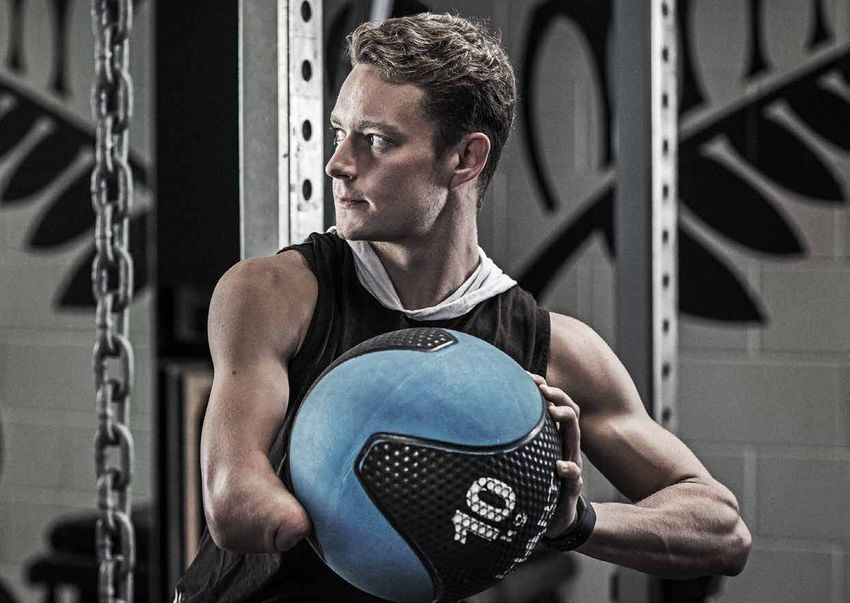
3

MEASURING OUR PERFORMANCE
Over the last three years we have   The performance framework measures are included in this Statement of Intent, which
reviewed our performance and set    covers the next four years to 2022, where we expect to be continually challenged by
                                    declining national participation for adults, observed through research conducted in 2013/14.1
ourselves ambitious challenges,     To address this challenge, we must continue to focus our efforts on reaching young people
so we can continue to drive         and communities where participation has been low – and on promoting the integrity,
improvement. We have developed      diversity and inclusivity of the sport system.
a new performance measurement       We recognise that we must apply our resources, including public money, with due
framework, covering our Community   diligence, so that New Zealanders get the benefits that sport and physical activity can
                                    offer. We therefore continue to check the efficiency and effectiveness of our business.
Sport and Strategic Support         For example, internally we control operating costs by benchmarking salaries with market
functions, designed to help us      rates, and we monitor the programmes delivered through our partners to ensure we have
address those challenges.           solid information about the impact we are making at every level of delivery.
                                    We are working closely with our international counterparts in Australia, England, Scotland,
                                    Wales and Canada who face the same problems with declining participation as New Zealand,
                                    and we are proactively sharing information and best practice on initiatives to help turn these
                                    rates around.
                                    We continue to open up exciting new work areas with our Government partners, including
                                    the Ministry of Health and the Ministry of Education, to explore opportunities where sport
                                    and active recreation can make a difference for New Zealanders. We have developed a set of
                                    resources based on The Value of Sport study to demonstrate to Government agencies and a
                                    broader audience that recognise sport and active recreation can add to outcomes (beyond
                                    participation and winning on the world stage) which contribute to the Government’s wider
                                    priorities across the social sector.
                                    We have liaised with the Ministry of Culture and Heritage on The Value of Sport, ensuring
                                    alignment with the Ministry’s Cultural Sector Narrative. Finally, we are eager to find out how
                                    Treasury’s Living Standards framework can help us frame our target outcomes in the wider
                                    context of wellbeing as we start to prepare for our next strategy to 2025.

                                    1. A 7.7% decline between 1998 and 2014 (from 73.3% to 65.6%). 16-Year Adult Participation Trends Report 1998-2014.
                                       www.sportnz.org.nz/assets/Uploads/Young-People-Quality-Indicators-FINAL.pdf

                                                                                                                                               SPORT NEW ZEALAND GROUP
5

INTRODUCTION                         This Statement of Intent (SOI) spans beyond the period of the
                                     Sport NZ Group Strategic Plan 2015-20 and offers an insight
                                     into our current thinking about our next strategic period 2020
                                     to 2025. The SOI will be revised again following the launch of
                                     our new strategic plan.

ABOUT THE SPORT AND
RECREATION SECTOR
This year we launched                The study gives a voice to the wider value New Zealanders place on sport and recreation
‘The Value of Sport’ – a study       through sport (rather than for sport’s sake). We believe it will be a powerful tool for
                                     organisations across the sector to better represent the wider contribution their sports
that presents the key findings of    make to the communities involved.
research commissioned by Sport
                                     There’s no question sport is at the heart of our national identity, but this study tells us that
NZ during 2016/17 and compiled       being physically active also creates happier, healthier people, better connected communities
in a comprehensive report of that    and a stronger New Zealand.
research called The Value of Sport   Sport and Recreation New Zealand (Sport NZ) is Government’s lead advisor on the sport
and Active Recreation to             and recreation sector. As leaders of the sport and recreation system, we are best placed
New Zealanders in 2017.              to offer a holistic view and have a role in leading, guiding, connecting and protecting the
                                     sector. We are advocates for the value of sport and recreation in all forms and are driven
                                     to increase participation for the wider social benefit of all New Zealanders.
                                     We work across Government to ensure there is a strong legislative and regulatory
                                     framework that supports participation and winning, and with key agencies where there are
                                     opportunities for shared outcomes (such as working with the Ministry of Health to help
                                     address childhood inactivity and obesity). We also have an ongoing commitment to promote
                                     sport and recreation in a way that is culturally appropriate to Ma-ori.
                                     High Performance Sport New Zealand (HPSNZ), the wholly-owned subsidiary of Sport NZ,
                                     is responsible for leading the high performance system. HPSNZ targets investment where
                                     we can maximise outcomes. HPSNZ is able to move quickly and offer innovation to respond
                                     to the needs of athletes and coaches, maintaining New Zealand’s competitive edge.
                                     Collectively, Sport NZ and HPSNZ lead the sport system from grassroots through to high
                                     performance and ensure there is an integrated pathway.
                                     Sport NZ receives more than $54m each year from the New Zealand Lottery Grants Board.
                                     This is primarily for Community Sport purposes, invested across our sport and recreation
                                     partners including National Sport Organisations and Regional Sport Trusts, among others.
                                     In addition, Sport NZ receives $19.1m in Vote Sport and Recreation to fund Sport NZ
                                     operations and the Kiwisport Partnership Fund.
                                     HPSNZ receives $62m from Vote Sport and Recreation for the output expense of High
                                     Performance Sport, of which 94% is directly allocated to National Sport Organisations, the
                                     New Zealand Olympic Committee, Paralympics NZ, and individual athletes and coaches and
                                     HPSNZ sector facing activity. A further $4.2m is received from Vote Sport and Recreation
                                     for Prime Minister’s Sport Scholarships.

                                                                                                            SPORT NEW ZEALAND GROUP
6
PART 1 –
STRATEGIC
FRAMEWORK
STRATEGIC CHALLENGES
While New Zealand is an active There is a growing recognition across the sport sector that there is no ‘one size fits all’ in
nation, this is changing. Adult how sports are delivered and that sport organisations need to adapt to meet changing
needs and circumstances of New Zealanders.
participation in sport and active
recreation declined by 7.7 per cent A range of factors affect participation. In response to a shift away from demand for some
traditional sports, particularly in traditional competitive structures, there is an increasing
between 1998 and 2014. diversity of sports and levels of participation. Some sport organisations and clubs are
Participants experience different experiencing financial pressure as demand shifts away from their offerings toward more
levels of opportunity, support and flexible and personalised activities.
quality of experience, and there is Information from our recent Active NZ Survey indicates that having fun is the biggest motivator
room for improvement in delivery. to participate for young people, whereas adults are more motivated by physical wellbeing.
As expected, young people also participate as a way to hang out with family and friends.
The Survey also suggested that the biggest barriers to participation are other commitments
(which vary depending on life stage) taking priority or being too busy (for reasons which
depend on life stage), as are feeling tired and struggling to self-motivate. Despite these
challenges, two-thirds of young people and three-quarters of adults, whether currently
participating or not, want to do more, and we have a responsibility to help meet the needs
of different groups to break down these barriers.
We are seeing a shift in how some of our partners engage with their communities.
While some continue to focus on their traditional sport offerings, others are becoming more
involved in their communities to achieve broader outcomes (such as better health and/or more
connected communities). More community hubs for sports and other organisations/activities
are also appearing, which share facilities and resources to improve the sustainability of
clubs, and can help make other services more accessible for local communities.
In the wider environment and at local level, there is increasing demand to demonstrate
the positive impacts of investment in sport and active recreation. The flow-on effect for
the Sport NZ Group is rising demand from our partners for our services and guidance.
In particular, there is demand for the Group’s help with leadership development, and
research and evaluation capability, within sports organisations.
We expect rapid technology development over the next few years, which will present both
challenges and opportunities for participation. For example, young people will continue to
use mobile devices for recreation and this may lead to sedentary behaviour. On the other
hand, fitness trackers and smart/interactive sports equipment and facilities can attract
and engage young people.
High performance sport is becoming increasingly competitive as more countries participate
in the Olympics and world championship competitions. Higher investment levels and larger
relative populations from which to draw athletes can influence our competitors’ sporting
success. This means the costs of being internationally competitive are increasing, and there
are ongoing challenges to be financially responsible and sustainable. It is therefore essential
for New Zealand’s international sporting success that we retain critical skillsets and
experience in high performance sport.
Integrity in sport is receiving increasing attention at an international level, not only in the
use of prohibited substances, but also for the duty of care in sports, and in the occurrence
of corruption. Athletes, administrators and sport organisations will need to remain vigilant
and responsive to these realities. Our Integrity Review will inform our future approach to
protecting the integrity of New Zealand sport.
There is also a greater emphasis on using sport to help address broader societal challenges,
such as social and economic inequalities. The Government has signalled that the Living
Standards Framework will be increasingly used to improve intergenerational wellbeing.
STATEMENT OF INTENT7
STRATEGIC DIRECTION
The sport and recreation sector The work we have undertaken around The Value of Sport study articulates very clear
supports wider Government messages about the breadth of health and educational benefits, community inclusion and
cohesion, and national identity and pride that New Zealanders get out of sport and active
outcomes by contributing to recreation.
New Zealanders’ wellbeing.
Our simple logic is that building a world-leading sport system that promotes equity of access
for all and provides quality experiences for participants will lead to increased participation,
which in turn offers health and education benefits and improved social connectedness.
Creating a world-leading, sustainable high performance system will lead to more New
Zealanders winning on the word stage, providing inspiration and a sense of pride.
2015-20 STRATEGIC PLAN
The Strategic Plan continues to chart our course to 2020.
The Sport NZ Group Strategic Plan 2015-20 covers all areas of the Sport NZ Group’s work –
young people, adults and elite athletes.
PARTICIPANT-FOCUSED
Participants are at the heart of our We are focused on gathering insights into why and how people participate and translating
strategy – whether they’re Kiwi kids these into intelligence, to support the system to provide sporting experiences which meet
participants’ changing needs at all levels.
just starting on the sporting pathway,
club members or gym-goers, weekend We will continue to promote and support the development and implementation of sport and
warriors, rising stars or established recreation in a way that is culturally appropriate for Ma-ori.
high performance athletes. We will also continue to promote participation by traditionally lower-participation groups
such as women, older people, Pacific peoples and those with disabilities.
SPORT NEW ZEALAND GROUP8
PART 1 –
STRATEGIC
FRAMEWORK
SYSTEM-LED
A key tenet of coaching sport is The New Zealand sport system is dynamic and complex with lots of moving parts. It’s helpful
that if you focus on playing the game to consider a system like ours have five attributes or parts as shown in the diagram above.
So instead of focusing solely on the results – more kids, more Kiwis, more winners – we are
well, the result will look after itself.
focusing on the crucial attributes of a successful system. If we get these right, we’re
We believe the same to be true of confident the results will follow.
our sport system.
UCESSFUL SPORT
OST S ING
’S M NA
LD TIO
R
MORE ADULTS
WO
N
MO
S
RE
KID
WI
RE
NN
MO
ERS
E N V I R O N syste m
T h e c o n t ex t s w i t h i n
d p h ysic al
ES
o p e r at e
OU RC
ial a n
the
MEN
RES
an c
T
Fin
TY
I N T Kn
ow L L I
VI
CT
E
a p le d g I G E
ts
E
ar
dp
it s
p li e , N C
tio d E
ca a n CO NN e cte
n CAPABILIT Y C onn
Pe o p l e
and organisations
WO M
TE
RLD
- L E A D IN G S P O R T S YS
PERFORMANCE-DRIVEN
As leaders, we will hold ourselves We will ensure there is a clear return on investment for all money we receive and invest.
and others accountable for our impact We will maximise the financial and operational performance of our own business, of
partners we invest in, and of the system, to ensure we provide the maximum possible value
on the system through robust and
to New Zealanders.
timely measurement.
STATEMENT OF INTENT9
BEYOND 2020
We are in the process of determining our future strategic direction. This will continue for
the remainder of 2018 and include different stages of stakeholder consultation. Our work
programme in 2018/19 includes undertaking a number of foundation reviews to better inform
our thinking: Integrity Review, Disability Review, Kiwisport Review and Secondary School
Sports Review.
Early indications are that these things are unlikely to change:
≠≠ We will still seek greater levels of quality participation and winning is still important.
≠≠ We will focus on young people to achieve intergenerational change and the value we
place on competitive sport and club structures.
≠≠ We will continue to target low participating communities.
≠≠ We will continue to focus on winning in Olympic/Paralympic Games and World
Championships for targeted sports.
≠≠ Delivering quality experiences and producing winners by strengthening the sport system
and ensuring its sustainability are still key to our success.
≠≠ We will continue to recognise the role sport and recreation has in our cultural identity
as New Zealanders: the pride we have in New Zealanders winning on the world stage,
regional connectedness and comradery, and community connections developed by
participating at grassroots level.
Areas of possible change include:
≠≠ Through our work around the Value of Sport study, we are working to make more
tangible links between participation, winning and the Government’s goal to improve
the intergenerational wellbeing of all New Zealanders.
This will require a continued focus on those currently missing out on the level of quality
opportunities that they should have. We will be working hard to ensure our sport and
active recreation system provides equity for all and is a true reflection of the diversity
of our communities.
≠≠ We intend to further strengthen our leadership role by leading in and across a range of
systems including Government, Local Government and our sport sector partners.
This involves undertaking policy development in the following areas:
– P hysical Activity – in conjunction with the Ministries of Health and Education we are
developing a National Physical Activity Plan. Levels of physical activity are a
significant indicator of physical and mental health. With the strong link between
participation in sport and active recreation to physical activity, it is important we are
part of leading a collective approach to ensuring New Zealanders become more
physically active.
– L iving Standards Framework – the Treasury is currently progressing the development
of the Living Standards Framework, including measures. We are developing our own
thinking on how sport and recreation outcomes contribute, particularly in relation to the
Human and Social Capitals within the Framework. We will continue to work with
Treasury as our thinking develops.
SPORT NEW ZEALAND GROUP10
PART 1 –
STRATEGIC
FRAMEWORK
–W omen and Girls in Sport – there are clear inequalities for women and girls when it
comes to participation and their wider involvement/visibility in New Zealand sport
and active recreation. We recognise the power that sport and gender balance has in
positively changing the social, economic and cultural future of New Zealand. To
provide greater leadership in this area, we are developing a strategic approach to
Women and Girls in Sport. We expect to have a published framework and work
programme by Q3 2018/19.
≠≠ Maori Participation – In response to the Ma-ori and Community Sport Review, the
-
Sport NZ Board accepted all recommendations in principle and is committed to
improving its responsiveness to Ma-ori Participation. In addition to the appointment
of a Toihautu- Principal Advisor Ma-ori, the key success factors to achieve this are:
– E stablish Te Tuara- – working Group that will develop a Ma-ori Participation Strategy.
– Increase cultural capability of Sport NZ Board and staff.
– Review the Sport NZ kaupapa Ma-ori framework Te Whetu- Re-hua and He Oranga
Poutama programme to ensure current and future relevance.
– Develop genuine partnerships with Ma-ori, re-build trusting relationships with
He Oranga Poutama providers, establish kaupapa-driven connections with key
Ma-ori Organisations.
– Provide advocacy and guidance in cultural capability build for sector partners.
≠≠ Across Local Government, we will continue to identify key opportunities, risks and
issues that influence quality participation at regional and local levels. For example,
the quality and accessibility of council-owned spaces and places.
≠≠ We will also continue to lead the sport sector in achieving a major shift in the
fundamental approach to sport delivery through the education and adoption of our three
strategic approaches: insights, physical literacy and locally-led development.
≠≠ Within the high performance system, we are developing a 10-year blueprint that seeks
to develop a sustainable system across multiple Olympiads. This will be represented
in a revised HPSNZ Strategic Plan.
STATEMENT OF INTENT11
OUR STRATEGIC Our Community Sport and High Performance Sport New Zealand Strategies are
refreshed regularly and represented in the diagram below. This is likely to change
FRAMEWORK
again after consideration of our new strategic direction for 2020 and beyond.
2018–2020
OUTCOME FRAMEWORK
PURPOSE ENRICHING LIVES AND INSPIRING THE NATION
VISION WORLD’S MOST SUCCESSFUL SPORTING NATION
BY BUILDING A WORLD LEADING SPORT SYSTEM
OUR SUCCESS WIL More New Zealanders winning on the world stage at
More kids involved in More New Zealanders involved
BE SEEN THROUGH Olympics/ Paralympics Games and World Champs with
Sport & Recreation in Sport & Recreation
a focus on targeted sports
Podium System
Increased participation of Young People 5-18, particularly; Performance Sustainability Aspiration
Olympic Games Repeatable success World leading:
TO ACHIEVE THIS Those playing in Those in low participation Paralympic Games System Capability - People - System
Teenage girls
WE WILL FOCUS competitive sport communities - especially Winter Games System Capacity - Results
10-18
OUR EFFORTS ON Ma-ori, Samoan, Indian Non-Olympic Sports System Intelligence - Recognised
internationally
Lead a highly effective performnce system that
KEY PRIORITIES
WE WANT THE SYSTEM TO:
DELIVER QUALITY EXPERIENCES FOR PARTICIPANTS BY: 1 ensures resources are targeted and prioritised to
deliver performance outcomes
THREE APPROACHES 2 Work in partnership to increase the stability and
high performance capability of NSOs
1 Insights 2 Physical Litercay 3 Locally-led Delivery 3 Partner with NSOs to build world-leading coaching
and high performance programme leadership
AND FIVE SYSTEM BUILD PRIORITIES 4 Deliver world-leading performance support for our
athletes and coaches
1 Insights 2 People
3 Spaces
and Places 4 Providers 5
Partner/
Pathways
5 Enhance the daily training and competition environments
6 Strengthen high performance athlete development systems
7 Lead an intergrated and robust innovation, technology and
knowledge programme to drive increased performance
WE ACHEIVE
THIS THROUGH PROVISION OF THESE OUTPUTS
Investment Expertise and Performance Athlete Capacity Business
and Intelligence Capability Partnerships Policy and Strategic Performance and Operations
Performance Development Investment Support Expertise and Logistics
SPORT NEW ZEALAND GROUP12
PART 1 –
STRATEGIC
FRAMEWORK
COMMUNITY SPORT STRATEGY
Our Strategic Outcomes for The Community Sport Strategy 2015-20 has a strong focus on young people 5-18 years, particularly:
participation are: ≠≠ Girls 10-18 years.
≠≠ Those playing competitive sport.
1 More kids involved in sport ≠≠ Those in low participating communities, especially Ma-ori, Samoan and Indian.
and recreation This focus on young people aims to encourage New Zealanders’ to develop a life-long love of
participating in sport and active recreation. Alongside other broader elements which help to
2 More New Zealanders involved
build a resilient sport system, the strategy is also designed to enable system improvements
in sport and recreation. that will deliver quality experiences2 to participants, which together will attract and support
more people to participate at each stage of their lives.
Community Sport investment principles underpin the Community Sport Strategy and are
aimed at ensuring effective stewardship of public funding. Investment will:
≠≠ Be made where there is a clear value proposition.
≠≠ Improve the sustainability of the system.
≠≠ Be targeted for greatest impact.
≠≠ Be grown through partnership and leverage.
To achieve the required level of system improvements, we have prioritised three approaches
and five system-build components:
THREE APPROACHES FOR LONG-TERM IMPACT
≠≠ I NSIGHTS – through the development of surveys, data collection and analytical
techniques, we are supporting our partners to identify what New Zealanders want and
need in terms of participation and translating this into intelligence, to help the sport
system respond effectively.
≠≠ P HYSICAL LITERACY – we are working to improve system understanding and adoption of
the National Physical Literacy Framework and to support partner capability in delivering
participation opportunities that are founded on the Physical Literacy approach.
≠≠ L OCALLY-LED DELIVERY – supporting our partners to engage with local communities,
including those with lower socio-economic conditions or facing greater barriers to
participation which require the sport system to respond differently.
INSIGHTS APPROACH
CS, TRENDS AND BEH
APHI AVIO
A combination of facts, data, MOGR UR
DE A L COMMU NI S
voice-of-the- participant, local LOC TY
knowledge and analysis to help better
understand participants.
CY
PHYSICAL LITERACY APPROACH RA
ITE
INS
LL
IGH
The motivation, confidence,
PHYSICA
TS
physical competence, knowledge
and understanding to choose
participating in physical activity
and sport for life.
LO
CAL RY
LOCALLY-LED DELIVERY APPROACH LY-L E D D ELIVE
Local communities empowered to
make decisions and take action to
improve their lives and communities.
2. www.sportnz.org.nz/assets/Uploads/Young-People-Quality-Indicators-FINAL.pdf
STATEMENT OF INTENT13
FIVE STRATEGIC PRIORITIES
To build the sport system through the provision of quality advice, guidance, tools,
training and investment.
INSIGHTS – a better informed sporting system
≠≠ Lead and make available information and knowledge that helps the sport system
understand the rapidly changing environment within which potential participants
are making decisions regarding their engagement (or not) with sport.
≠≠ Provide data and tools for the system to assist in understanding participants.
≠≠ Support our partners as they develop strategies to understand and target specific
trends and demographics.
PEOPLE – improved people capability
≠≠ Enhance our partners’ understanding of their future workforce needs and
take a proactive and coordinated approach to workforce planning, recruitment
and development.
≠≠ Implement opportunities for development and connectivity for those in critical
Community Sport roles at local, regional and national levels.
SPACES & PLACES – better spaces and places to participate in community sport
≠≠ Engage across the sport system, facilitating alignment and collaboration between all
those with an interest in the planning and development of sporting spaces and places,
including development of regional facility plans.
≠≠ Using the Sporting Facilities Framework, guide and influence investment into sport
and recreation spaces and places.
≠≠ Develop, and make more available, our space and place knowledge and resource base.
PARTNERS/PROVIDERS – increased capability of partners and providers
≠≠ Work with and invest in partners and providers who can make the biggest difference to
our sport system for the greatest number of people.
≠≠ Build long-term partnerships with the above partners. Partnership will focus on building
the partners’ impact on our five strategic priorities.
≠≠ Support our partners to utilise the participant (current and potential) knowledge
available to them and translate that into planning and delivery of relevant services and
products to their people.
≠≠ Bring our partners together to share learning and seek meaningful collaboration.
PATHWAYS – increased and improved opportunities to meet the needs of participants
≠≠ Promote system understanding that builds on the Physical Literacy approach and
develops pathways and opportunities for those wanting to participate in sport and
active recreation.
≠≠ Support our partners to incorporate the Physical Literacy approach and Talent plan
into their planning and delivery.
SPORT NEW ZEALAND GROUP14
PART 1 –
STRATEGIC
FRAMEWORK
HIGH PERFORMANCE SPORT
NEW ZEALAND (HPSNZ) STRATEGY
Our Strategic Outcome for high Seven strategic priorities underpin the Strategic Outcome and mission statement.
performance is: More New Zealand From 2018, the refreshed strategic priorities are to:
winners on the world stage. ≠≠ Lead a highly effective high performance system that ensures resources are targeted
and prioritised to deliver performance outcomes.
≠≠ Work in partnership to increase the stability and high performance capability of NSOs.
≠≠ Partner with NSOs to build world-leading coaching and high performance
programme leadership.
≠≠ Deliver world-leading performance support for our athletes and coaches.
≠≠ Enhance the daily training and competition environments.
≠≠ Strengthen high performance athlete development systems.
≠≠ Lead an integrated and robust innovation, technology and knowledge programme to
drive increased performance.
We have also identified specific 2018 priorities as part of a broader review of the high
performance strategy in New Zealand. The aim of this review is to develop an overarching
10-year Blueprint for High Performance to ensure we are fit for purpose for the future:
≠≠ Developing a national infrastructure strategy (people and facilities).
≠≠ Partnering with NSOs to implement a joint engagement model.
≠≠ Partnering with Sport NZ to support enhanced NSO sustainability and stability.
≠≠ Creating partnerships with industry, universities, commercial and/or philanthropic
networks to leverage high performance sport.
≠≠ Initiating a gender equality project that will promote meaningful opportunities for
women in high performance sport.
≠≠ Improving long-term planning and decision-making across the sector by providing
quality intelligence and data.
≠≠ Further developing and enhancing our culture by living our values and improving
collaboration with staff, contractors and other key stakeholders.
≠≠ Developing the Athlete Voice to ensure our services match athlete needs.
Whilst HPSNZ punch above their weight internationally in terms of results, competition is
catching up, and we need to evaluate and move to strengthen and protect our system over
the next four years.
STATEMENT OF INTENT15
HPSNZ and its partners ensure a highly effective and efficient high performance system.
The main factor is the HPSNZ ‘one-stop shop’ – integrated service delivery which responds
quickly and decisively to meet the needs of the New Zealand high performance system
through centralised specialist expertise. HPSNZ has a unique, direct line of sight into
campaigns, athletes and coaches, enabling it to provide best practice sport science and
sports medicine or strategic decision-making directly where it is needed. This direct and
integrated approach is a strong competitive advantage, which international competitors
are beginning to emulate.
HPSNZ’s targeted investment approach requires a strong understanding of the needs of
sports, and as such works in partnership with NSOs to achieve the desired results.
The investment approach includes tiered criteria, ensuring only genuine medal potential
sports and athletes are supported. This approach includes Key Performance Indicators
and annual performance targets for sports, which enable progress to be tracked.
The primary objective of HPSNZ involves delivering increased and repeatable podium
performances at Olympic, Paralympic and non-Olympic World Championships and World
Cups. HPSNZ’s targeted investment approach supports emerging talented athletes to fulfil
their potential beyond the immediate Olympic cycle. This is an area where we need to do
more if we are to retain our current levels of performance.
We can gauge our high-level efficiency by comparing our level of Olympic cycle investment
against key competitors through a comparison of our highest priority sports (Tier 1),
noting that this level of investment is targeted at the same number of medal opportunities,
requiring HPSNZ to compete with an innovative and targeted strategy to deliver success
on the world stage.
We also monitor the conversion rate of high potential campaigns into Olympic and
Paralympic medals against the global average as a means of measuring effectiveness.
Another measure of high performance system effectiveness is the relative change in medals
and gold medals won in the next Olympic campaigns compared to previous campaigns and
world comparison of overall system gain.
HPSNZ is committed to maximising Government investment and therefore ensures it
prioritises Sports, athletes and coaches above the agency. This is demonstrated by 94% of
Government investment allocated directly to sports, athletes and coaches. 90% of HPSNZ
staff are ‘frontline’ and deliver directly into sports and their high performance programmes.
SPORT NEW ZEALAND GROUP16
PART 2 – HOW WE WILL This section contains measures used
to assess Strategic Outcomes and other
ASSESS SUCCESS – OUR selected results/impacts. For measures
of Outputs and other lower level results,
PERFORMANCE MEASURES please refer to our Statement of
Performance Expectations 2018/19.
STRATEGIC OUTCOME 1 –
MORE KIDS INVOLVED IN
SPORT AND RECREATION
We will continue to monitor national BASELINE 2021/22
OUTCOME DESCRIPTION MEASURE
levels of participation to provide a (2016/17 RESULT) TARGET
view of sector performance. We have Young people participation % of young people (age 5-17 years*) 82% >82%
developed a new, more accurate in sport and active participating in at least 3hrs of
recreation organised and/or informal activity
survey of national participation levels. over the last 7 days
For the first time, Active NZ captures
participation data for young people and Young people participation % of young people (age 5-17 years*) 51% >51%
adults in the same survey. Each year, Active in organised sport participating in at least 3hrs of
NZ will survey at least 5,000 young people organised sport over the last 7 days
(5-17 years) and 20,000 adults (18+ years).
For year 1 of Active NZ (2017), a sample size Young people participation % of young people (age 5-17 years*) 59% >59%
of 6,004 young people and 27,038 adults in informal sport participating in at least 3hrs of
was achieved. informal sport over the last 7 days
New survey findings will inform measures *up to 18th birthday
for Outcomes 1 and 2.
STRATEGIC OUTCOME 2 – MORE
NEW ZEALANDERS INVOLVED IN
SPORT AND ACTIVE RECREATION
We will continue to monitor national BASELINE 2021/22
OUTCOME DESCRIPTION MEASURE
participation levels to provide a view (2016/17 RESULT) TARGET
of sector performance. Adult participation in sport % of adults (18+ years) that have 73% >73%
and active recreation participated in sport and active
recreation in the last 7 days
% of adults (18+ years) that are 24% >24%
currently in a sport or recreation club
Adult participation as % of volunteered for sport and 25% >25%
volunteers in sport and active recreation activity over the
active recreation last 12 months
STATEMENT OF INTENT17
PROGRESS OF THE COMMUNITY BASELINE 2021/22
SPORT STRATEGY 2015-2020
PRIORITY OUTCOME DESCRIPTION MEASURE
(2016/17 RESULT) TARGET
Girls (10-18) Girls’ participation % of young girls (10-18) 81% >81%
in sport and active participating in 3hrs+ of sport and
To achieve our high-level recreation active recreation every week
outcomes of increased participation Girls’ (10-18) Evidence (Case study) where – Qualitative
(more adults, more kids), we will participation in sport target participant groups Evidence
progress the Community Sport and active recreation (TPG) investment has improved
through investment participation in sport and active
Strategy, in particular by in RSTs recreation in girls (10-18)
understanding the impact on Girls’ (10-18) Evidence (Case study) where NSO – Qualitative
quality participation experiences. participation in sport Grow investment has improved Evidence
through investment participation in sport in girls (10-18)
in NSOs
Young Young people’s Number of young people 666,026 >666,026
People in participation in sport (5-18) participating in sport
competitive through National Sport (through clubs)
sport Organisations we are
investing in
Young people are Satisfaction level of young people 59% >59%
satisfied with their (5-18) in competitive sport outside
sport club experience of school in NSOs implementing
‘Voice of the Participant’ [Club
Experience Survey, Very OR
Extremely Satisfied]
Low Young people in % of young people in low 75% 23%
participation in physical participating in sport and active
education, sport and recreation in Play.sport schools
active recreation
through the schools we
are investing in
Young people’s % young people who have a 56% >65%
level of engagement high level of engagement and
and belonging at belonging at school and with
school, and physical their PE learning
education learning [Play.sport survey - High]
Physical Young people have % young people who understand 89% >89%
Literacy the knowledge, why taking part in physical
motivation, confidence activities is good for them
and competence to
% young people who want to take 85% >85%
take part in physical
part in physical activities
education, sport and
[Active NZ Survey - Agree a little
active recreation
OR Agree a lot]
% young people who feel confident 73% >73%
to take part in different physical
activities [Active NZ Survey -
Agree a little OR Agree a lot]
% young people who believe 73% >73%
they are good at lots of different
physical activities [Active NZ
Survey - Agree a little OR
Agree a lot]
SPORT NEW ZEALAND GROUP18
PART 2 – HOW WE WILL
ASSESS SUCCESS – OUR
PERFORMANCE MEASURES
We will follow our Partners’ FOCUS AREA/ OUTCOME BASELINE 2021/22
MEASURE
progress in embedding our PRIORITY DESCRIPTION (2016/17 RESULT) TARGET
strategic approaches and gaining Insights Partners embedding the % of Partners embedding 50% 60%
impacts from system build. approach Insights approach by the Insights approach
identifying participant [Partner Confidence
needs and wants Survey - process of
embedding this approach
and have support OR
successfully embedded
this approach]
Physical Partners embedding % of Partners embedding 43% 55%
Literacy the Physical Literacy the Physical Literacy
approach approach by applying a approach [Partner
holistic approach to Confidence Survey -
the participant process of embedding
this approach and have
support OR successfully
embedded this approach]
Locally-led Partners embedding the % of Partners embedding 53% 55%
approach Locally-led approach the Locally Led approach
by enabling local [Partner Confidence
communities to co- Survey - process of
design sport and active embedding this approach
recreation to meet and have support OR
local needs successfully embedded
this approach]
Our investment underpins our BASELINE 2021/22
OUTCOME DESCRIPTION MEASURE
strategy and we are using this (2016/17 RESULT) TARGET
to improve the quality of delivery An informed sporting Sport NZ’s activity in the Insights area 83% 85%
by partners to provide quality system has had a positive impact on Priority
Partner Organisations
opportunities and support to [Partner Confidence Survey - Positive impact]
participants. Our key People capability Sport NZ’s activity in the People area has 52% 75%
performance indicators are: had a positive impact on Priority Partner
Organisations
[Partner Confidence Survey - Positive impact]
Spaces and places Sport NZ’s activity in the Spaces and Places 48% 75%
to participate in area has had a positive impact on Priority
Community Sport Partner Organisations
[Partner Confidence Survey - Positive impact]
Capability of partners Sport NZ’s activity in the Partners/ 91% 85%
and providers Providers area has had a positive impact on
Priority Partner Organisations
[Partner Confidence Survey - Positive impact]
Opportunities to Sport NZ’s activity in the Pathways area 48% 75%
meet the needs of has had a positive impact on Priority
participants Partner Organisations
[Partner Confidence Survey - Positive impact]
STATEMENT OF INTENT19
During 2017/18 we have simplified BASELINE 2021/22
OUTCOME DESCRIPTION MEASURE
and enhanced the Partner (2016/17 RESULT) TARGET
reporting process, effective for Sport NZ’s Impact on ability % of Partners that believe the 78% 80%
2018 reporting. The revised to increase participation Community Sport Strategy is
able to improve participation
reporting structure is based on a [Partner Confidence Survey,
Results Based Accountability (RBA) Good OR Excellent]
approach asking how much, how
well and what impact an initiative
had relative to our investment.
We have also introduced face-to-face
meetings to better understand the work of
our Partners, and from these expect to get
richer information around how our Partners
are impacting on the outcomes of our
strategic priorities.
We also want to know that our Partners
have confidence that the Community Sport
strategy is able to improve participation.
SPORT NEW ZEALAND GROUP20
PART 2 – HOW WE WILL
ASSESS SUCCESS – OUR
PERFORMANCE MEASURES
STRATEGIC OUTCOME 3 –
MORE NEW ZEALAND WINNERS
ON THE WORLD STAGE
With our partners, we are aiming PINNACLE EVENT PAST PERFORMANCE TARGET RESULTS
for the following results on the world Olympic Summer Games Tokyo 2020 Rio 2016 - 18 medals 16+
stage from New Zealand athletes (Exceeded target by 2 medals)
and teams. With a greater focus Winter Olympics Beijing 2022 PyeongChang 2018 – 2 medals TBD
on gold medals: (Exceeded target by 1 medal)
World Championships 19 World Championships across Winning in
8 Sports in the Rio Cycle. non-Olympic sports
Paralympics Tokyo 2020 Rio 2016 – 21 medals (9 gold) 10-14 gold medals
Winter Paralympics Beijing 2022 PyeongChang 2018 – 3 medals TBD
(1 gold) (Exceeded target by 2 medals)
We will monitor progress towards RESULTS SOUGHT COMPARATOR ANNUAL TARGET RESULTS
Olympic and Paralympic success Consistent numbers of New The annual results for the Top 3:16
through these annual results: Zealand athletes placed in top 3, comparative year in the previous Top 5: 24
5 and 8 in the world in Olympic Olympic cycle e.g. 2015 as
disciplines compared to 2019, one year Top 8: 32
out from the Olympic Games
Consistent numbers of New The annual results for the Top 3:18
Zealand Paralympic athletes comparative year in the previous Top 5:24
placed in the top 3 and top 5 in Olympic cycle e.g. 2015 as
Paralympic disciplines compared to 2019, one year
out from the Olympic Games
Annually, we monitor progress by EXPECTED PROGRAMME STATUS MEASURE PAST PERFORMANCE
targeted sports across the high More than 80% of high Regular assessment of KPIs 2017: 89%
performance programme as follows: performance programme goals for targeted sports
are achieved by targeted sports
STATEMENT OF INTENT21
MANAGING THE
ORGANISATION
OUR KEY PRIORITIES TO 2022
We will give a high priority to ≠≠ Stakeholder engagement – embedding better processes and behaviours through
optimising our organisational development and adoption of a Stakeholder Engagement Plan.
performance and the way we ≠≠ Cross-government collaboration – building on existing relationships with Health
operate through: and Education to further influence joint outcomes.
≠≠ Active NZ Survey findings – embedding the Survey to inform decision-making for us
and the wider sector.
≠≠ Sport NZ performance framework – ongoing development of performance measures
to measure strategic progress (including return on investment), organisational
effectiveness and efficiency.
Ongoing financial sustainability remains a key focus. We have been grateful to Lotto NZ
and the New Zealand Lottery Grants Board for the continued strengthening of this essential
revenue base over the last couple of years. It has allowed us to ensure our four-year forecast
shows a sustainable equity position, maintain our commitments to our sector partners and
take the opportunity to further progress our strategic objectives.
There is, however, always more we can do within a sector that is not wealthy and heavily
reliant on volunteers. It is also within the context of increasing high performance costs
as we continue to compete against large, well-resourced nations. This requires a constant
vigilance to ensure our own operating costs are working as efficiently as possible and
getting best value for money, and that we continue to look at the efficiency of our investment
and work to establish an understanding of return on investment where it is possible to do so.
To underpin organisational effectiveness and efficiency, we will continue to progress culture
change and the organisational development that is required through these initiatives:
≠≠ The Sport NZ Way – we will complete Sport NZ’s Culture Plan to enable change.
≠≠ Organisational capability programme – the next phase aims to address urgent business
needs such as intelligence and evaluation, aligned with better practice to balance
diversity across our workforce.
We will continue to be future-focused – we will create the vision and influence the development
of the future state of New Zealand’s sport and active recreation system through:
≠≠ Policy review – to provide the platform for future development, particularly across
wellbeing, Living Standards, physical activity, diversity and integrity.
≠≠ Strategy development – across Sport NZ and HPSNZ, informed by policy review.
SPORT NEW ZEALAND GROUP22
APPENDIX 1 –
WHO WE ARE
Sport and Recreation New Zealand Funded by both Government appropriations and New Zealand Lottery Grants Board revenue,
(Sport NZ) is a Crown entity, Sport NZ invests directly in the sport and recreation sector, and leads the country’s sport
system in working towards achieving the following strategic outcomes:
operating under the Sport and
Recreation New Zealand Act 2002 ≠≠ More kids in sport and recreation.
to “promote, encourage and support ≠≠ More New Zealanders involved in sport and recreation.
physical recreation and sport in ≠≠ More New Zealand winners on the world stage.
New Zealand”. Its functions are set High Performance Sport New Zealand (HPSNZ) is a wholly-owned Crown Entity Subsidiary
out in Section 8 of the Act. of Sport NZ. Established in 2011, its purpose is to provide a one-stop-shop to support high
performance athletes in their endeavours to win on the world stage.
For the purposes of combined financial reporting and performance reporting, including
in this document, the two organisations are referred to as the Sport NZ Group.
APPENDIX 2 –
REPORTING TO
THE MINISTER
The Board of Sport New Zealand Sport NZ is committed to meeting its reporting requirements set out in the Crown Entities
provides the Minister for Sport Act 2004, including giving notice to the Minister prior to acquiring subsidiaries or shares.
and Recreation with annual and The Ministry for Culture and Heritage advises the Minister for Sport and Recreation as
six-monthly reports on the Sport the performance monitor of the Sport NZ Group.
NZ Group consolidated operations
and its progress towards meeting
agreed performance targets.
STATEMENT OF INTENT23
APPENDIX 3 –
SPORT NZ GROUP
GOVERNANCE
Sport NZ is governed by a Board BOARD OF SPORT NZ
whose members and Chairperson BOARD MEMBER APPOINTED TERM ENDS
are appointed by the Minister for
Sir Paul Collins (Chair) May 2009 June 2018
Sport and Recreation. The Board
is responsible for setting Sport Jason Shoebridge (Deputy Chair) January 2017 December 2019
NZ’s strategic direction and for Jackie Baron May 2013 June 2018
providing governance and Darrin Sykes August 2013 December 2018
leadership for the agency.
Paul Cameron July 2015 June 2018
Bill Moran September 2016 July 2019
Hilary Poole July 2017 June 2020
Kylie Clegg July 2017 June 2020
GOVERNANCE OF HPSNZ
The directors of HPSNZ are appointed BOARD OF HIGH PERFORMANCE SPORT NEW ZEALAND
under the Constitution of HPSNZ, to BOARD MEMBER APPOINTED TERM ENDS
lead the high performance system.
Sir Paul Collins (Chair) July 2011 June 2018
Alison Shanks July 2015 July 2018
Ian Hunt July 2015 July 2018
Bill Moran January 2017 Dec 2019
Hilary Poole January 2017 Dec 2019
Waimarama Taumaunu August 2017 July 2020
Tony Hall (NZOC appointment) January 2018 December 2020
Peter Miskimmin* (CE of Sport NZ) July 2011
*non-voting, ex-officio member.
SPORT NEW ZEALAND GROUP24
APPENDIX 4 –
STATEMENT OF
RESPONSIBILITY
In signing this statement, we acknowledge responsibility for the information contained in
the Statement of Intent for the Sport NZ Group. This Statement of Intent has been prepared
to meet the requirements of the Crown Entities Act 2004. It outlines for Parliament,
Ministers and interested stakeholders the Sport NZ Group’s strategic intentions and
performance expectations from 1 July 2018 – 30 June 2022.
SIR PAUL COLLINS JASON SHOEBRIDGE
Chairperson, Sport NZ and HPSNZ Deputy Chairperson, Sport NZ
23 May 2018 23 May 2018
STATEMENT OF INTENTLevel 1, Harbour City Centre 29 Brandon Street Wellington 6011, New Zealand PO Box 2251 Wellington 6140 Phone: +64 4 472 8058 SPNZ00004 SPORTNZ.ORG.NZ ISBN 978-0-947502-76-8
You can also read


