STUDENT-MANAGED ENDOWMENT FUND - Spring 2019 - 19 Years 2000 - 2019 of building leadership, producing returns - UW Oshkosh
←
→
Page content transcription
If your browser does not render page correctly, please read the page content below
STUDENT-MANAGED
ENDOWMENT FUND
           Spring 2019

              19 Years
of building leadership, producing returns

           2000 - 2019
Table of Contents
Program Distinction by Dean Barbara Rau . .  .  .  .  .  .  .  .  .  .  .  .  .  .  .  .  .  .  .  .  .  .  .  .  .  .  .  .  .  . 4
Faculty Adviser .  .  .  .  .  .  .  .  .  .  .  .  .  .  .  .  .  .  .  .  .  .  .  .  .  .  .  .  .  .  .  .  .  .  .  .  .  .  .  .  .  .  .  .  .  .  .  .  .  .  .  .  . 5
From the Managers’ Desk .  .  .  .  .  .  .  .  .  .  .  .  .  .  .  .  .  .  .  .  .  .  .  .  .  .  .  .  .  .  .  .  .  .  .  .  .  .  .  .  .  .  .  . 6
Introducing the Students
Student Managers .  .  .  .  .  .  .  .  .  .  .  .  .  .  .  .  .  .  .  .  .  .  .  .  .  .  .  .  .  .  .  .  .  .  .  .  .  .  .  .  .  .  .  .  .  .  .  .  .  . 7
Student Biographies.  .  .  .  .  .  .  .  .  .  .  .  .  .  .  .  .  .  .  .  .  .  .  .  .  .  .  .  .  .  .  .  .  .  .  .  .  .  .  .  .  .  .  .  . 8 - 15
Overview and History .  .  .  .  .  .  .  .  .  .  .  .  .  .  .  .  .  .  .  .  .  .  .  .  .  .  .  .  .  .  .  .  .  .  .  .  .  .  .  .  .  .  .  .  .  .  . 16
Program Funds..  .  .  .  .  .  .  .  .  .  .  .  .  .  .  .  .  .  .  .  .  .  .  .  .  .  .  .  .  .  .  .  .  .  .  .  .  .  .  .  .  .  .  .  .  .  .  .  .  .  .  . 17
Hillenbrand Fund .  .  .  .  .  .  .  .  .  .  .  .  .  .  .  .  .  .  .  .  .  .  .  .  .  .  .  .  .  .  .  .  .  .  .  .  .  .  .  .  .  .  .  .  .  .  .  .  .  . 18
Brinkman Fund .  .  .  .  .  .  .  .  .  .  .  .  .  .  .  .  .  .  .  .  .  .  .  .  .  .  .  .  .  .  .  .  .  .  .  .  .  .  .  .  .  .  .  .  .  .  .  .  .  .  .  . 19
College of Business Alumni Association (CBAA) Fund .  .  .  .  .  .  .  .  .  .  .  .  .  .  .  .  .  .  .  . 20
Student-Managed Endowment (SMEF) Fund .  .  .  .  .  .  .  .  .  .  .  .  .  .  .  .  .  .  .  .  .  .  .  .  .  .  . 21
Mersberger Fund .  .  .  .  .  .  .  .  .  .  .  .  .  .  .  .  .  .  .  .  .  .  .  .  .  .  .  .  .  .  .  .  .  .  .  .  .  .  .  .  .  .  .  .  .  .  .  .  .  . 22
Wisconsin Family Business Forum (WFBF) Fund .  .  .  .  .  .  .  .  .  .  .  .  .  .  .  .  .  .  .  .  .  .  .  .  . 23
Chalberg Fund .  .  .  .  .  .  .  .  .  .  .  .  .  .  .  .  .  .  .  .  .  .  .  .  .  .  .  .  .  .  .  .  .  .  .  .  .  .  .  .  .  .  .  .  .  .  .  .  .  .  .  . 24
Sector Analyses
Basic Materials - Scott Peterson .  .  .  .  .  .  .  .  .  .  .  .  .  .  .  .  .  .  .  .  .  .  .  .  .  .  .  .  .  .  .  .  .  .  .  .  .  . 25
Communication Services - Alexandra Nett .  .  .  .  .  .  .  .  .  .  .  .  .  .  .  .  .  .  .  .  .  .  .  .  .  .  .  .  . 26
Energy - Beau Ermatinger .  .  .  .  .  .  .  .  .  .  .  .  .  .  .  .  .  .  .  .  .  .  .  .  .  .  .  .  .  .  .  .  .  .  .  .  .  .  .  .  .  .  . 27
Real Estate - Ally Golata. .  .  .  .  .  .  .  .  .  .  .  .  .  .  .  .  .  .  .  .  .  .  .  .  .  .  .  .  .  .  .  .  .  .  .  .  .  .  .  .  .  .  .  . 28
Consumer Defensive - Kyle Radavich .  .  .  .  .  .  .  .  .  .  .  .  .  .  .  .  .  .  .  .  .  .  .  .  .  .  .  .  .  .  .  .  .  . 29
Industrials - Eric Washkovick. .  .  .  .  .  .  .  .  .  .  .  .  .  .  .  .  .  .  .  .  .  .  .  .  .  .  .  .  .  .  .  .  .  .  .  .  .  .  .  .  . 30
Consumer Cyclical - Nathan Kuether. .  .  .  .  .  .  .  .  .  .  .  .  .  .  .  .  .  .  .  .  .  .  .  .  .  .  .  .  .  .  .  .  .  . 31
Financial Services - Tyler Becker and Manny Johnson .  .  .  .  .  .  .  .  .  .  .  .  .  .  .  .  .  .  .  . 32
Healthcare - Austin Summers and Quinton Boeck.  .  .  .  .  .  .  .  .  .  .  .  .  .  .  .  .  .  .  .  .  .  .  . 33
Technology - Drew Krepline and Logan Noffke . .  .  .  .  .  .  .  .  .  .  .  .  .  .  .  .  .  .  .  .  .  .  .  .  . 34
Utilities - Avery Williams . .  .  .  .  .  .  .  .  .  .  .  .  .  .  .  .  .  .  .  .  .  .  .  .  .  .  .  .  .  .  .  .  .  .  .  .  .  .  .  .  .  .  .  . 35
Portfolio Values and Returns Charts
Cumulative Donations and Values from 9/2000 – 2/28/19.  .  .  .  .  .  .  .  .  .  .  .  .  .  .  .  .  . 36
Cumulative Scholarships Granted and Fees Paid through 2/28/2019 .  .  .  .  .  .  .  . 37
Monthly Portfolio Values for SMEF from 1/2008 – 2/28/2019 .  .  .  .  .  .  .  .  .  .  .  .  .  .  . 38
Annualized Trailing Returns for Total Assets Under Management
  of the SMEF Program Compared to the Composite Benchmark
  through February 28, 2019. . . . . . . . . . . . . . . . . . . . . . . . . . . . . . . . . . . . . . . . . .39
Annualized Total Returns for each of the SMEF Funds Compared to
  the UW Oshkosh Foundation’s Total Returns for the 5 years
  ending February 28, 2019. . . . . . . . . . . . . . . . . . . . . . . . . . . . . . . . . . . . . . . . . .40
Annualized Equity Returns for each of the SMEF Program Funds
  for the 5 years ending February 28, 2019 .  .  .  .  .  .  .  .  .  .  .  .  .  .  .  .  .  .  .  .  .  .  .  .  .  .  .  . 41
Annualized Total Returns for each of the SMEF Program Funds Compared
  to Other Foundations for the 5 Years Ending June 30, 2018. . . . . . . . . . . . . . 42
Trailing Twelve Month (TTM) Total Returns Through February 28, 2019
  for Each Portfolio Compared to Composite Benchmark . . . . . . . . . . . . . . . . .43
Past SMEF Participants. . . . . . . . . . . . . . . . . . . . . . . . . . . . . . . . . . . . . . . . . . 44 - 47
Program Distinction                                                                  Faculty Adviser
Dear Stakeholders, Faculty, Alumni,                                                  PROFESSOR STEPHEN P. HUFFMAN,
and Community Friends:
                                                                                     CFA, FRM
Outside the winter winds blew and the snow flew,
                                                                                     Professor Huffman has been a finance professor at
but inside, our SMEF students were tucked safely in
                                                                                     UW Oshkosh since 1990. He earned his Ph.D. from
the SMEF Trading Room, working on their research
                                                                                     Florida State University and both his Bachelor of
and making some tough decisions. The work ethic
                                                                                     Business Administration and Master of Business
and enthusiasm that these students show in their
                                                                                     Administration from James Madison University in
roles in the Student-Managed Endowment Fund
                                                                                     Harrisonburg, Virginia.
(SMEF) are always inspiring.
                                                                                     His research interests include foreign exchange rate
Since the program was established in 2000, assets
                                                                                     exposure, alternative risk measures and financial distress
managed by the students have earned over
                                                                                     assessment models. Articles written by Professor
$600,000 in income and capital gains. The students
                                                                                     Huffman have been published in numerous academic journals, including
in the SMEF program currently manage more than $806,500 in assets. Over the
                                                                                     Global Finance Journal, Journal of Multinational Financial Management,
past 18 years, the program has made payouts of over $180,500 in scholarships
                                                                                     Managerial Finance and Journal of International Financial Management and
and over $87,000 in fees paid to the Foundation. That is, the students in the
                                                                                     Accounting. Since 2006, he has been a regular contributor of article summaries to
program have managed over $1,074,000 in assets (i.e., the current assets of
                                                                                     the CFA Digest and currently serves on the editorial board of CFA Digest.
over $806,500 plus the $267,500 of payouts). Subsequent to the initial donation
of $25,000, the program has received additional donations of $447,000. Over          In addition to serving on numerous University and College committees,
the years, over 350 students have participated in the program, and they have         Professor Huffman served as finance and business law team leader from
out-performed the program’s composite benchmark, as of February 28, 2019, in         1999 to 2004. After being awarded the Chartered Financial Analyst designation
the short- and long-term (one year: 7.4% versus 2.8%; three years: 15.7% versus      in 2003, he has participated in various volunteer activities at the CFA Institute
12.3%; and ten years: 13.1% versus 11.4%).                                           and the Milwaukee CFA Society. In 2004 he also earned the Financial Risk
                                                                                     Management designation.
Thanks to your continued support of SMEF, we are able to bring this high impact
learning opportunity to students. The program thrives, and so do they. Building      Professor Huffman has been involved with the Student-Managed Endowment
their personal and professional skills is our top priority, and this real-world      Fund program since its inception in 2000.
snippet of life after graduation increases their personal awareness, hones their
skills, and prepares them to compete for jobs with the best business students in
the country. Your money is well-placed as you look at the achievements of our
past SMEF students and those of this current talented group of students.
We look forward to seeing what their futures bring.
On behalf of the UW Oshkosh, the College of Business, the SMEF program,
and all of our SMEF students, I wish to thank you for your past support and invite
you to review our latest semi-annual report. I know you will be impressed by
what you see on paper, and invite you to meet, in person, some of our incredibly
hardworking students and staff. As always, our College of Business and the SMEF
Trading Room are open for tours!
Sincerely,

Barbara Rau, Dean, College of Business
February 28, 2019

                                         4                                                                                    5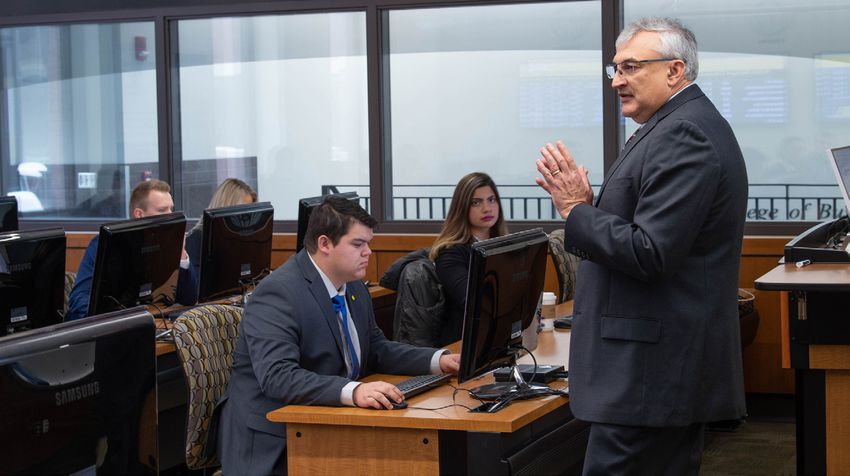
From the Managers’ Desk                                                            Introducing the Managers
On behalf of all students participating in the Student-Managed Endowment
Fund (SMEF) program, we are proud to present our Spring 2019 Semi-
annual Report. This past semester has been an exciting time for the SMEF
program. The program’s total returns continue to match our benchmarks
over the long-term. As of February 28, 2019, the program’s market value of
assets under management has grown to over $806,500, while paying out over
$35,500 in scholarships and fees in the last year. In contrast, on December 31,
2018, the program had a market value of assets under management of just
under $746,000.
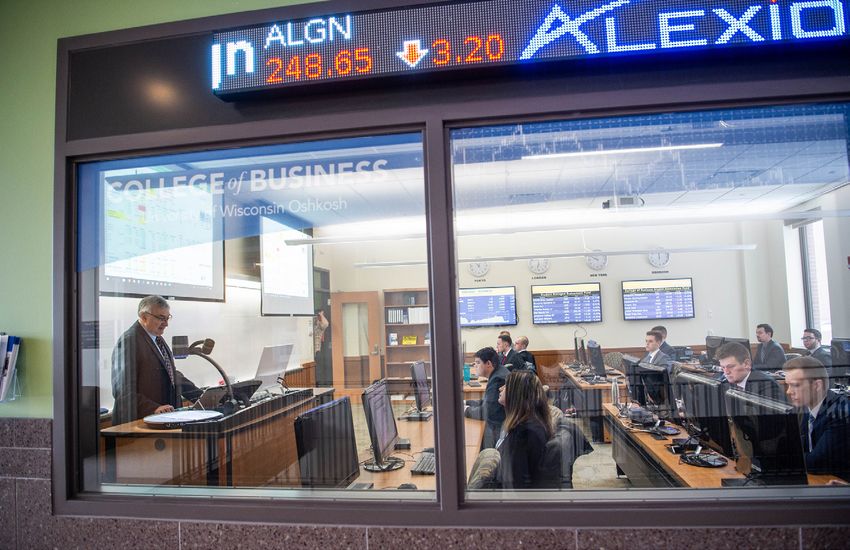
The Trading Room has become a showcase room for the College of Business
and the University, and we have added signage on the windows and a new
bulletin board poster. During the summer of 2018, the computers were
replaced and some were added, to increase the number to 20. The SMEF
program moved into the Trading Room in September 2011, and continues
to provide a hands-on learning experience in a state-of-the-art facility,
with individual workstations and access to valuable resources. We are very
grateful for this enhanced learning environment.
Currently, we actively manage seven funds, which have a market value of
more than $806,500: the Brinkman Fund, the College of Business Alumni
Association (CBAA) Fund, the Chalberg Fund, the Hillenbrand Fund, the
SMEF Fund, the Wisconsin Family Business Forum (WFBF) Fund, and the
Mersberger Financial Group Fund.
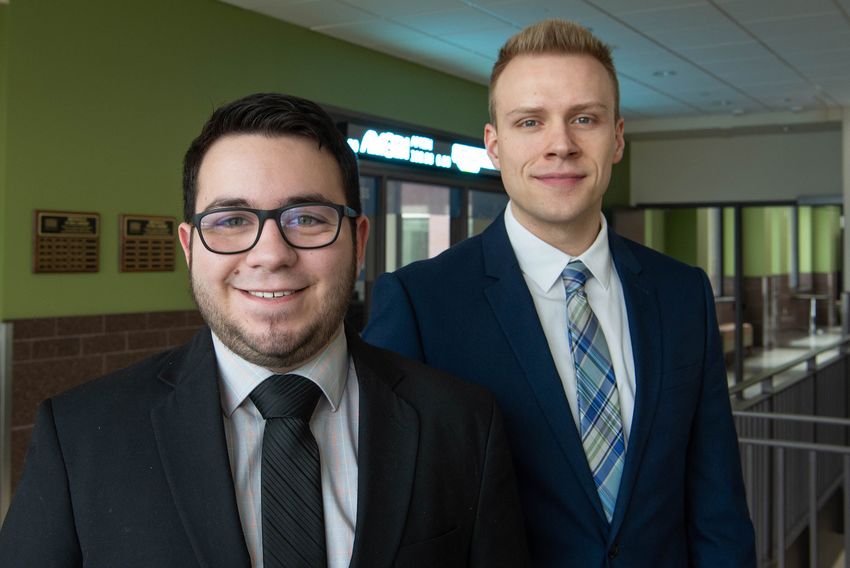
                                                                                             From left to right:
                                                                                          Luiz Spim and Ben Boots
Since the SMEF program’s inception, over 18 years ago, over 350
UW Oshkosh students selected to participate in the program have had the
opportunity for a hands-on investment management experience. Knowledge
gained from the other business and finance courses is applied to perform the
research and evaluation responsibilities that are required to meet the class
objectives. The environment provides students with real-world experience
in portfolio-related decision-making.
This semester, three students returned to the SMEF program, two of whom
are now portfolio managers. These students use their past knowledge and
experiences to further add value to the SMEF program and help mentor
the ten new analysts. This report contains the students’ profiles and their
respective sector analyses, as well as individual fund updates.
We are extremely grateful for all who have donated their time, resources, money,
and knowledge to help our program succeed. A deserving thank you goes to
Professor Stephen P. Huffman for his consistent and professional guidance.
Additionally, we thank the Mark Orgel Investment Group for providing free
brokerage services to our program.
Sincerely,
Ben Boots, Luiz Spim, and the UW Oshkosh College of Business SMEF
Program Class of Spring 2019

                                       6                                                             7
Introducing the Students
           Tyler is a senior from Appleton, Wisconsin, and will                   Ben is a senior from Kimberly, Wisconsin, and will
           graduate in May 2019 with a major in finance and                       graduate in May 2019 with a major in finance. This
           a minor in risk management and insurance. This                         is his second semester in the SMEF program, and
           is his first semester in the SMEF program. Tyler                       first semester as a portfolio manager. Ben has
           spends time participating in Gamma Iota Sigma, an                      career interests in investment analysis and financial
           insurance, risk management and actuarial science                       planning, and plans to earn his Chartered Financial
           collegiate fraternity. In Spring 2018, he was elected                  Analyst (Chartered Financial Analyst (CFA) ) and
           the President of the Beta Rho Chapter at the UW                        Certified Financial Planner (CFP) designations.
           Oshkosh campus. This professional organization
           aims to connect students to internships, full time                     Ben spends much of his time on the basketball court,
           jobs and scholarships. After graduation, he will                       as he is a captain of the men’s basketball team at UW
  Tyler    start a full-time job with SECURA Insurance as a             Ben       Oshkosh. In addition to playing basketball, he enjoys
 Becker    commercial lines underwriter. In his free time, Tyler       Boots      traveling, playing darts, watching sporting events
           can be found hiking through national parks, cycling                    and spending time with those close to him.
           and training to run his next marathon.

           Quinton is a senior from Omro, Wisconsin, and will                     Beau is a junior from Ripon, Wisconsin, and will
           graduate in May 2019 with a major in finance and                       graduate in May 2020 with a double major in
           economics. This is his first semester in the SMEF                      finance and economics. This is his first semester
           program and found it to be a good experience                           in the SMEF program. He plans to pursue a career
           to gain knowledge in money management and                              in corporate finance. In Beau’s free time, he loves
           to further understand firsthand the role of people                     being outdoors, playing sports and spending time
           managing finances. In his free time, Quinton                           with friends and family.
           enjoys exercising, listening to podcasts, reading
           and spending time with friends and family. After
           graduation Quinton will be seeking a career in
           finance with particular interest in financial planning,
 Quinton   investment banking or real estate fields.                   Beau
  Boeck                                                              Ermatinger

                           8                                                                     9
Introducing the Students
           Ally is a senior from South Milwaukee, Wisconsin,                   Drew is a junior from Kaukauna, Wisconsin, and
           and will graduate in May 2019 with a major in finance,              will graduate in May 2020 with a double major in
           a minor in insurance and risk management and an                     finance and economics. This is his first semester in
           international management emphasis. This is her first                the SMEF program. Drew has held three internships
           semester in the SMEF program. On campus, Ally                       with Menasha Corporation in business development,
           is very involved in Greek life and recently served a                marketing and sales. Outside of the classroom, Drew
           term as president for the Delta Tau chapter of Alpha                has a passion for bettering the Oshkosh community.
           Xi Delta sorority. She serves as marketing executive                He is the vice president of the Finance Club and has
           for the Finance Club. Ally has interned with three                  been elected controller for the Student Allocations
           companies in the Fox Valley in the last two years. In               Committee. Also, he served as a senator for the
           her free time, Ally enjoys working out, playing sports,             Oshkosh Student Association and has worked for two
  Ally     reading, writing and spending quality time with family     Drew     years as a community advisor. In his free time, Drew
 Golata    and friends. Upon graduation, she plans to acquire an     Kepline   enjoys working out, playing golf and reading. After
           opportunity that ties together her passion for writing              graduation Drew plans to pursue a graduate degree
           and interests in finance and insurance.                             in finance and work towards achieving the Chartered
                                                                               Financial Analyst (CFA) designation.

           Manny is from Appleton, Wisconsin, and will                         Nathan is a senior from Neenah, Wisconsin, and
           graduate in May 2019 with a major in finance and a                  will graduate in May 2019 with a double major in
           minor in insurance. This is his first semester in the               finance and marketing. This is his first semester in
           SMEF program. He currently is working as a college                  the SMEF program. He has had several internships
           financial representative with Northwestern Mutual.                  over the years, and is interested in pursuing a career
           Outside of academics, he enjoys spending time with                  in corporate finance upon graduation. He also is
           his wife Emme, being outdoors and woodworking.                      considering working as a financial analyst while
                                                                               working to earn his Chartered Financial Analyst (CFA)
                                                                               designation. During the winter, Nathan spends most
                                                                               of his free time exercising and reading. As soon as
                                                                               spring rolls around, he can be found outdoors hiking,
  Manny                                                              Nathan    camping, kayaking and playing soccer. Spending time
 Johnson                                                             Kuether   with family and friends is one of his favorite pastimes,
                                                                               no matter the season.

                          10                                                                  11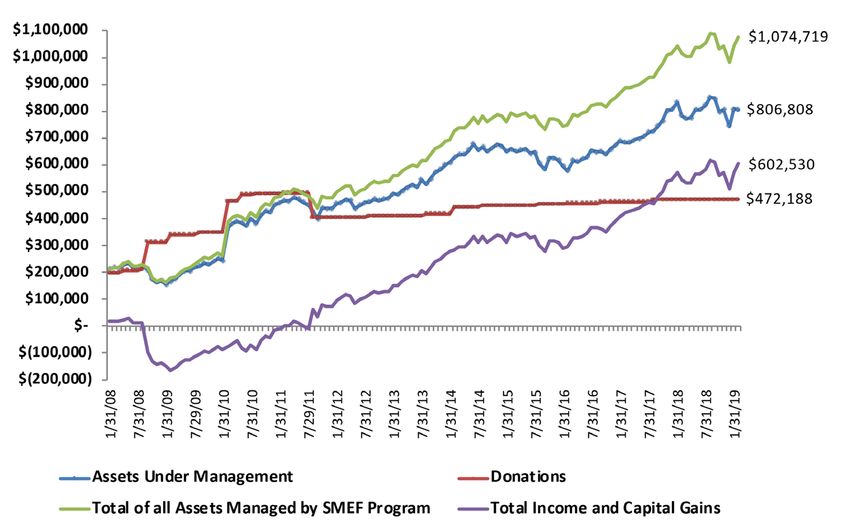
Introducing the Students
            Alexandra is a senior from Appleton, Wisconsin, and                Scott is a senior from Appleton, Wisconsin, and will
            will graduate in May 2019 with a major in finance.                 graduate in December 2019 with a major in finance
            This is her first semester in the SMEF program.                    and a minor in insurance and risk management. This
            Alexandra is currently an investment analyst intern                is his first semester in the SMEF program. Outside of
            at Schaper, Benz & Wise Investment Counsel. Upon                   the classroom, he spends his free time playing golf,
            graduation, Alexandra plans to pursue a career as an               participating on intramural sports teams or spending
            investment research analyst while working to earn her              time with friends and family.
            Chartered Financial Analyst (CFA) designation. Aside
            from academics, Alexandra spends much of her free
            time being outdoors, showing horses, reading and
            enjoying great company.
Alexandra                                                            Scott
   Nett                                                             Peterson

            Logan is a junior from Peshtigo, Wisconsin, and will               Kyle is a junior from Greenfield, Wisconsin, and will
            graduate in May 2020 with a double major in finance                graduate in December 2020 with a double major in
            and economics. This is his first semester in the SMEF              finance and economics. This is his first semester in
            program. Logan served as secretary of the Finance                  the SMEF program. Outside of the classroom, Kyle
            Club for four semesters. Outside of the classroom,                 plays quarterback on the UW Oshkosh football team.
            Logan enjoys being outside, traveling, shooting pool,              In his free time, he enjoys playing golf, traveling
            hanging out with friends and family, and watching                  and spending time with family and friends. After
            and playing sports. He is a die-hard Wisconsin sports              graduation, he plans to pursue a career as an equity
            fan who loves watching and talking about the Bucks,                research analyst while working to earn his Chartered
            Packers, Brewers and Badgers. After graduation,                    Financial Analyst (CFA) designation.
            Logan plans to pursue a career in financial planning
 Logan      and analysis, while also working toward his Chartered     Kyle
 Noffke     Financial Analyst (CFA) and/or Certified Financial      Radavich
            Planner (CFP) designations.

                          12                                                                 13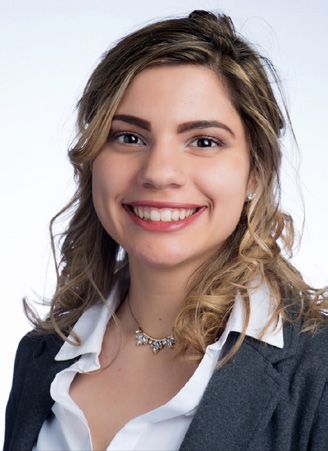
Introducing the Students
           Luiz is a senior from São Paulo, Brazil, and will                         Eric is a senior from Princeton, Wisconsin, and will
           graduate in May 2020 with a double major in finance                       graduate in May 2019 with a major in business
           and management with an emphasis in international                          management and a concentration in project
           business management and a minor in Spanish. This is                       management. This is his first semester in the SMEF
           his second semester in the SMEF program, and first                        program. After graduation, he plans to return home
           semester as a portfolio manager. He plans to pursue                       and work for his family’s business. Outside of class,
           a career in corporate finance or investment banking.                      Eric enjoys snowmobiling, deer hunting and being
           After his first internship in Madrid, Luiz plans to pursue                outside. He also enjoys reading, woodworking,
           a career that allows him to align his knowledge in                        watching Wisconsin sports and learning new things.
           finance and his passion for traveling and meeting new
           cultures. Outside of the classroom, Luiz is the president
  Luiz     of the International Business Club, and treasurer of the        Eric
  Spim     finance Club. Luiz also has been elected chairman for        Washkovick
           the student allocations committee and has held several
           other student government positions. In his free time,
           Luiz enjoys watching soccer matches from all over the
           world, as well as spending time outdoors with friends
           and family. After graduation Luiz will work to earn his
           Chartered Financial Analyst (CFA) designation and plans
           to pursue an MBA at Wharton School of Business or
           Chicago Booth.

           Austin is a senior from Antioch, Illinois, and will                       Avery is a senior from DeForest, Wisconsin, and
           graduate May 2019 with a double major in finance                          will graduate in May 2019 with major in accounting,
           and economics. This is his second semester in the                         finance and economics. This is his first semester in the
           SMEF program. After graduation, Austin plans to                           SMEF program. During his five years at UW-Oshkosh,
           pursue a career in investment analysis and work to                        he completed six internships, in which he gained
           earn a Chartered Financial Analyst (CFA) designation.                     experience in banking, internal audit, accounting and
           Outside of the classroom, Austin played four years on                     tax preparation. Avery enjoys working out, reading,
           the UWO football team as an offensive lineman. In his                     hiking and woodworking.
           free time, he enjoys spending time with friends and
           family and playing video games.
  Austin                                                                  Avery
 Summers                                                                 Williams

                          14                                                                        15
Overview and History                                                                      Program Funds
As of February 28, 2019, the Student-Managed Endowment Fund (SMEF) had more
than $806,500 in managed assets, divided among seven portfolios.                                       Distribution of Program Assets
The intent of the SMEF program is to strengthen and broaden each student’s                                 asDistribution
                                                                                                               of February        28, 2019
                                                                                                                          of Program Assets
academic understanding by providing hands-on investment management                                                    as of February 28, 2019
experience. Students actively manage the portfolios by developing and
revising each portfolio’s investment policy statement (IPS) and target asset                                       Mersberger    Brinkman
                                                                                                                      5%            7%
allocation, evaluating numerous financial assets and investment strategies,
implementing appropriate investment strategies, monitoring and re-balancing                                                                     SMEF
                                                                                                 WFBF                                            7%
each portfolio relative to its IPS and evaluating the performance of each                        14%
portfolio and individual holding.

Program Inception: September 2000
• Founder: Larry R. Lang, Professor Emeritus                                                                                                           CBAA
• Initial Contribution of $25,000: Thomas J. and Antoinette Candela Brinkman                                                                            12%

Former Instructors
• Kristine Beck and Larry R. Lang
Major Contributors/Clients:
• Arnold Peterson Chalberg and Charlene Barr Chalberg                                                                                                  Chalberg
• Anne Hillenbrand Family                                                                                                                                8%
• Barbara and Roderick Barr Fund of The Greater Cincinnati Foundation
• College of Business Alumni Association
• Larry R. Lang, Professor Emeritus
• Robert Niendorf, Professor Emeritus
• Thomas J. and Antoinette Candela Brinkman                                                          Hillenbrand
• Mersberger Financial Group                                                                             47%
• Thrivent Financial for Lutherans
• Wisconsin Family Business Forum
Fund Growth since Inception:                                                                                       Investment Styles of
$25,000 to more than $806,500 (as of February 28, 2019)
Investment Objective:
                                                                                                                      Program Funds
Managers will follow a total return objective, seeking a return equal to the
spending rate plus inflation, with a moderate amount of risk. Trading Constraints:
Initial investments are limited to 5 percent of the overall portfolio. The portfolio is    Hillenbrand                Brinkman                  CBAA        Large-Cap
rebalanced if any stock holding is greater than 10 percent of the overall portfolio.
Students Role in Fund Management:
An important distinction of the UW Oshkosh College of Business SMEF program is                                        WFBF                      SMEF        Mid-Cap
that the students who participate in the program make all portfolio-related decisions.                              Mersberger
Program Participants:
Each semester, students apply for acceptance into the SMEF program, indicating
interest as analyst and/or manager. The finance faculty review all applications and
make final selections.                                                                                                Chalberg                              Small-Cap
More than $267,500 paid to UW Oshkosh organizations and students:
• More than $180,500 paid out in scholarships                                                Value                       Core               Growth
• More than $87,000 contributed to university-related organizations

                                          16                                                                                     17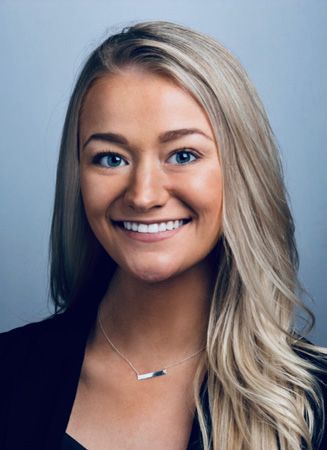
Hillenbrand Fund                                                                         Brinkman Fund
HILLENBRAND FUND                                                                         BRINKMAN FUND
LARGE-CAP VALUE                                                                          LARGE-CAP CORE

Primary Donors: Anne Hillenbrand Family                                                  Primary Donors: Thomas J. and Antoinette Candela Brinkman

Message from the Manager: Ben Boots                                                      Message from the Manager: Ben Boots

Overview                                                                                 Overview
The Hillenbrand Fund was established in December 2007, and has since provided            The Brinkman Fund, established in 2000, continues to provide students with a
semi-annual scholarships to incoming freshmen. As of February 28, 2019, the              scholarship based on 1% of the assets under management in the fund. As of
Hillenbrand Fund had a value of almost $390,000. The fund focuses primarily on           February 28, 2019, the Brinkman Fund’s portfolio has grown to over $54,000 in
investing in large-cap value firms while also maintaining exposure to alternative        assets under management. The fund’s primary investment style objective is to
assets. By allowing significant exposure to alternative assets, the Hillenbrand          invest in domestic large-cap core holdings.
Fund is able to achieve higher diversification benefits and the ability to implement
unique investment strategies.                                                            Through February 28, 2019, the Brinkman Fund has achieved trailing twelve-
                                                                                         month returns of 3.7%, compared to the composite benchmark of 3.6%. Over
Over the past twelve months, the Hillenbrand Fund has outperformed its                   the long run, three-year annualized total returns for the Brinkman Fund and
corresponding benchmark by a substantial margin, with returns of 7.9%, compared          its benchmark were 10.4% and 13.1%, respectively. The strongest performing
to the benchmark return of 2.5%. Over the long run, the three-year annualized            holdings over the past twelve months include Ventas Inc. (VTR), Visa (V), Microsoft
total returns for the Hillenbrand Fund and its benchmark were at 15.7% and 11.9%,        Corp. (MFST), MGE Energy Inc. (MGEE), and Cisco Systems Inc. (CSCO).
respectively. The best performing stocks over the past year include Alarm.com
Holdings Inc. (ALRM), Agree Realty Corp. (ADC), and Nike Inc. (NKE).                     When seeking potential investment opportunities for the Brinkman Fund, our
                                                                                         focus is on finding companies with the most favorable combination of current
Beginning in July 2018, we began to reassess our tactical asset allocation that saw      valuation, company fundamentals, and future earnings potential. Through
the fund’s cash position in excess of the upper target range. With the excess cash,      this process, we expect to meet or exceed the relative benchmark long-term.
we purchased positions in Synchrony Financial (SYF) and Air Products & Chemicals         Currently, we have decided to temporarily implement a defensive investing
Inc. (APD), which helped us to align better with the fund’s asset allocation             approach by increasing the fund’s cash position because we believe there
targets. In the near future, a focus will be researching alternative assets with a low   are potential threats to the market that include rising interest rates, trade war
correlation to the overall market in order to further diversify the fund. We believe     potential, and high valuations (as seen in the Shiller P/E ratio).
adding assets with a less-than-perfect correlation to the broader markets will help
us to hedge against potential systematic risks that include rising interest rates,       Fund Goals & Objectives
tariffs, and high equity valuations.                                                     The Brinkman Fund strives to achieve long-term capital appreciation by investing
                                                                                         in large-cap domestic companies, across all 11 industry sectors. Being a core
Fund Goals & Objectives                                                                  fund, we consider stocks with both growth and value characteristics. The target
The Hillenbrand Fund takes a long-term approach toward investment decisions              allocation for the fund is 77.5% in U.S. stocks, 10% in foreign stocks, 10% in
in order to achieve its goal of capital appreciation. The focus within the fund is on    bonds, and 2.5% in cash.
large-cap value equities and alternative investments, such as ETFs (including levered
and inversed ETFs), ETNs, mutual funds, and REITs. The target asset allocation for       Benchmark Index
the Hillenbrand Fund is 77.5% in equities (domestic and foreign), 20% in alternative     Customized composite benchmark based on the target asset allocation, with the
assets, and 2.5% in cash. The Hillenbrand Fund allows SMEF participants to gain          most weight on the S&P 500 index.
experience with alternative assets, which are less common in other funds. The target
alternative investments exposure is 20%, but no single investment vehicle within this
asset class can be more than 5% of the total portfolio.

Benchmark Index
Customized composite benchmark based on the target asset allocation, with the
most weight on the S&P 500 index.

                                          18                                                                                      19
CBAA Fund SMEF Fund
COLLEGE OF BUSINESS ALUMNI ASSOCIATION (CBAA) FUND STUDENT-MANAGED ENDOWMENT (SMEF) FUND
LARGE-CAP GROWTH MID-CAP GROWTH
Primary Donors: College of Business Alumni Association (CBAA) Primary Donors: Thrivent Financial
Finance Faculty and Individual Alumni
Message from the Manager: Ben Boots
Message from the Manager: Luiz Spim
Overview
The College of Business Alumni Association has invested scholarship funds with Overview
the Student-Managed Endowment Fund since 2007. Since its inception, the The SMEF Fund portfolio has a primary investment style in mid-cap value
CBAA Fund has grown to over $94,000 in assets as of February 28, 2019. The fund stocks. As of February 28, 2019, the SMEF Fund portfolio controlled assets
is comprised principally of large-cap domestic growth firms. under management of over $58,000 and has yielded a trailing twelve-month
total return of 4.0%, which has outpaced the benchmark’s return of 3.4%. Over
As of February 28, 2019, the CBAA Fund had trailing twelve-month returns of the past 3 years, the SMEF Fund has produced annualized returns of 12.6%,
10.1%, compared to a 3.6% return earned by the composite benchmark. The compared to the composite benchmark’s return of 12.8%.
three-year annualized total returns for the CBAA and its benchmark were 15.3%
and 12.4%, respectively. The best performing stocks of the last year include The program’s main priority with the SMEF Fund this year has been correcting
W.P. Carey Inc. (WPC), MasterCard Inc. (MA), Gildan Activewear Inc. (GIL), and asset allocation issues, reducing the number of holdings, liquidating poor
Gladstone Investment Corp. (GAIN). performers, and adding strong dividend yield stocks. Overall, analysts in the
program feel confident we have structured the SMEF Fund for continuous and
When analyzing growth firms for the CBAA Fund, we seek companies that are prosperous long-term gains. The best performing holdings this year have been
expected to achieve higher earnings growth relative to the overall market. These Iridium Communications Inc. (IRDM), Omega Healthcare Investors Inc. (OHI),
companies typically do not pay dividends and can be risky, as shareholders rely and Ulta Beauty Inc. (ULTA).
on a company’s success to generate sufficient returns on investment. Over the
past twelve months, growth stocks have outpaced value stocks, as the market has As the result of a tactical asset allocation decision, the SMEF Fund currently
grown rapidly. However, recently we made a tactical decision to increase the fund’s is overweight in cash. We believe the market faces potential risks that include
allocation toward cash in order to protect against any unfavorable market trends. rising interest rates, tariffs, and high equity valuations. We aim to allocate the
cash toward investments that we view as undervalued, or that have a low beta
Fund Goals & Objectives and provide diversification benefits.
The CBAA Fund preserves the asset allocation targets of a large-cap growth
fund. The target equity styles consist of 60% large-cap, 20% mid-cap, and 20% Fund Goals & Objectives
small-cap stocks. Furthermore, we aim to achieve a balance of 50% growth, 25% The SMEF Fund is designed to be a mid-cap growth fund. The target allocation
core, and 25% value stocks. The current asset allocation objective of the CBAA for the fund is 15% large-cap, 70% mid-cap, and 15% small-cap. The fund has a
Fund is 72.5% U.S. equity, 15% bonds, 10% foreign stocks, and 2.5% cash. goal of 33% value, 33% core, and 33% growth stocks. The investment strategy
used by the fund is 77.5% in U.S. stock, 10% in foreign stock, 10% in bonds, and
Benchmark Index 2.5% in cash.
Customized composite benchmark based on the target asset allocation, with the
most weight on the S&P 500 index. Benchmark Index
Customized composite benchmark based on the target asset allocation, with the
most weight on the S&P 400 index.
20 21Mersberger Fund WFBF Fund
MERSBERGER FUND WISCONSIN FAMILY BUSINESS FORUM (WFBF) FUND
MID-CAP CORE MID-CAP CORE
Primary Donors: Mersberger Financial Group Primary Donors: Wisconsin Family Business Forum (WFBF)
Message from the Manager: Luiz Spim Message from the Manager: Luiz Spim
Overview Overview
The Mersberger Fund, the newest fund in the SMEF program, was established The WFBF Fund, established in May 2010, provides scholarships for students
in February 2014, with a $25,000 donation from the Mersberger family. The fund with an interest in, or connection to, family business. As of February 28, 2019, the
has grown to over $40,000 in assets under management as of February 28, 2019. Student-Managed Endowment Fund is managing more than $110,000 of securities
The fund’s investment style objective is to invest primarily in U.S. based small-cap in the WFBF Fund portfolio. The WFBF Fund’s trailing twelve-month (TTM) return
and mid-cap holdings. To initialize investment in the portfolio, the students in (February 28, 2019) is 9.30%, which is greatly outperforming the benchmark’s
the SMEF program voted to purchase a variety of ETFs to obtain equity exposure TTM return of 2.50%. Also, when considering returns over the last three years,
rather than to hold excess cash. Since then, some of the ETFs have been sold to ending February 28, 2019, total returns for the WFBF Fund amounted to 20.90%,
fund the purchase of individual securities. compared to 12.40% for benchmark returns.
Through February 28, 2019, the Mersberger Fund has posted a trailing twelve- During the last several months, analysts have been working hard to reallocate the
month return of 3.50%, compared to the benchmark 2.40% return. In addition, WFBF Fund portfolio back to targets, while reducing risk in order to strategically
total returns for the three years ending February 28, 2019, were 18.04% in the position the fund. Some of the best performers so far this year have been
Mersberger Mid-Cap Core Fund, versus 11.80% for its composite benchmark Alkermes PLC (ALKS), LogMeIn Inc. (CRM), and Simulations Plus Inc. (SLP). Recently
returns. A good portion of the return is explained by the large price increase of purchased securities include: Alkermes PLC (ALKS) and Marathon Petroleum Corp
Zoetis Inc. (ZTS), which was purchased in March 2014 for $29.31 per share. Shares (MPC). The fund analysts and managers feel confident that the current holdings will
of ZTS have been trimmed once since it was purchased, in February 2015, for provide returns consistent with the long-term nature of the endowment program.
$45.74. The current price of the stock is $95.75. Newly-acquired holdings include:
Walgreens Boots Alliance (WBA), Walt Disney Co. (DIS), and Enbridge Inc. (ENB). Fund Goals & Objectives
This semester, program initiatives for the portfolio were to sell underperforming The return objective of the WFBF Fund is to fund $5,000 in undergraduate
securities and replace them with new prospective stocks. The Mersberger Fund scholarships to College of Business students. The fund is managed to be
is well diversified and set with equities that will continue to provide long-term self-sustaining, so that returns earned each year will cover the cost of the
growth in this fund. scholarships, while maintaining the fund’s principal. The WFBF Fund is designed
to be a mid-cap core fund. The target allocation for the fund is 20% large-cap,
Fund Goals & Objectives 60% mid-cap, and 20% small-cap. The fund has a goal of 33% value, 33% core,
The Mersberger Fund is designed to be a mid-cap core fund. The target size and 33% growth stocks. The investment strategy used by the fund is 67.5% in
allocation for the fund consists of 20% large-cap, 40% mid-cap, and 40% small- U.S. stock, 20% in foreign stock, 10% in bonds, and 2.5% in cash.
cap stocks. The fund also has target equity styles of 33% value, 33% core, and
33% growth stocks. The current investment strategy of the Mersberger Fund is to Benchmark Index
expose its value to 60% U.S. equities, 22.5% foreign equities, 15% fixed income Customized composite benchmark based on the target asset allocation, with the
ETFs, and 2.5% in cash. The primary goal of the fund is to accumulate enough most weight on the S&P 400 index.
value to provide one to two annual scholarships to finance students of the
College of Business.
Benchmark Index
Customized composite benchmark based on the target asset allocation, with the
most weight on the S&P 400 index.
22 23SECTOR ANALYSIS:
Chalberg Fund Basic Materials
CHALBERG FUND
SMALL-CAP CORE Scott Peterson
Primary Donors: Barbara and Roderick Barr The basic materials sector consists of companies engaged in the extraction and
Arnold Peterson Chalberg primary refinement of chemicals, metals, nonmetallic and construction materials;
Charlene Barr Chalberg forest, wood and paper products; and containers and packaging products.
Dr. Larry Lang
Dr. Robert Niendorf The materials sector has struggled at times over the past year as global growth
concerns, combined with trade dispute worries. caused concerns. However,
Message from the Manager: Luiz Spim it is believed for now, that those concerns are overdone, and the market will
continue to appropriate. The sector has been rebounding recently, and the trade
Overview
dispute between the United States and China has improved. Overall, historical
The Chalberg Fund was established in September 2005, with an initial donation
and current prices in this sector have been influenced by macroeconomic trends,
of $20,000 from the Chalberg family, and has grown to over $60,000 in assets
under management as of February 28, 2019. The fund’s primary investment style and because the basic materials sector still is experiencing a large push in
objective is to invest predominantly in small-cap core holdings. This has enabled demand from developing nations as more raw materials are needed to support
participants in the Student-Managed Endowment Fund to utilize their knowledge infrastructure building, the rate of growth within the sector is expected to
to conduct in-depth research of small-cap funds. decline, but buoyant global sector conditions still are anticipated.
Through the end of February 28, 2019, the Chalberg Fund has posted a trailing twelve- Additionally, despite the recent positive developments with China, the possibility
month return of 6.10%, compared to the benchmark of 2.60%. Over the long run, of a damaging trade war with China or Europe cannot be discounted and
three-year trailing total returns for the Chalberg Fund and the benchmark were 15.10% remains a risk to the materials sector. There still is uncertainty surrounding both
and 13.90%, respectively. Because the Chalberg Fund is exposed to more small-cap U.S. monetary policy and global economic growth. European economic growth
equities, which allows for higher returns, the fund also has a higher volatility. One of the remains concerning, and European countries are still dealing with structural
best performing holdings so far this year has been PC Connection Inc (CNXN), which problems. Chinese economic growth has slowed compared to the past several
was purchased in February 2015. CNXN has experienced 40% growth this year alone, years, though it has stabilized recently, and the country appears to be enacting
and currently has an unrealized gain of over $1,500 in the Chalberg Fund. measures to stimulate the economy. Also, a further strengthening of the U.S.
dollar could hurt the sector, although that could be mitigated somewhat by
Recent stocks added to the portfolio include: Duni AB (DUNIY), Evolution Petroleum better U.S. economic growth.
Corp. (EPM). and Cirrus Logic Inc. (CRUS)
Current Holdings as of February 28, 2019:
Collectively, students of the SMEF program believe the Chalberg Fund is well- Nucor Corp. (NUE), Universal Foresting Products, Inc. (UFPI), Interfor Corp.
positioned to exploit the ever-changing economic conditions, as well as the rise
(IFSPF), Vanguard Materials ETF (VAW), Air Products & Chemicals Inc. (APD)
of consumer and investor sentiment. Given our outlook on the future and our
current investment objectives, we believe the Chalberg Fund will continue to be
a strong performer.
Fund Goals & Objectives
The Chalberg Fund follows the asset allocation of a small-cap core fund. The
target size allocation of the fund consists of 25% mid-cap and 75% small-cap
stocks. Given our target size allocation, we aim to hold 20% growth, 60% core,
and 20% value stocks. The current strategy of the Chalberg Fund is to expose
its value to 70% in U.S. equity, 25% in foreign stocks, 2.5% in bonds, and 2.5% in
cash. Given these allocations, the Chalberg Fund’s return objective is to provide
an annual $1,000 annual scholarship.
Benchmark Index
Customized composite benchmark based on the target asset allocation, with the
most weight on the Russell 2000 index.
24 25SECTOR ANALYSIS: SECTOR ANALYSIS:
Communication Services Energy
Alexandra Nett Beau Ermatinger
The communication services sector consists of company holdings that The energy sector is a classification of stocks that relate to producing and/
provide everyday access to cellular devices, internet, cable television, and or supplying energy. The sector consists of companies that specialize in the
telecommunications by using fixed-line networks or wireless access and services. exploration, extraction, refinement, production, and transportation of energy
resources such as oil, natural gas, and coal. The companies that comprise this
Over the last year, the sector as a whole has been underperforming the market. sector often are leading infrastructure and economic drivers of development
The stock holdings that we currently own have seen volatile returns individually, around the world.
but have done well as a whole. Verizon (VZ) is our largest holding in the sector.
Our poorest performer has been Centurylink (CTL). Performance in the energy sector is dependent largely on the global supply
and demand of energy resources, worldwide economic development, and
The communication services sector often is characterized by intense competition. government regulations. Alternative forms of energy are beginning to rise;
New technology, new content and new ways to consume content are all however, the sector still is dominated largely by crude oil. The industry can be
interesting to us as investors. Perhaps one of the most interesting is the potential extremely volatile, as crude oil prices have fluctuated from the 52-week low price
rollout of 5G, which has the potential to affect the entire sector. We feel our of $46.02 per barrel to a high of $73.78 per barrel, and the Energy Select Sector
holdings warrant close observation with regard to costs and competition because SPDR ETF (XLE), which has broad exposure to energy stocks, has traded for a 52-
1) the costs to remain competitive are high, and 2) the market is approaching a week low of $53.36 and a high of $79.42.
saturation point.
The future outlook for the sector remains volatile. There are many who feel
Current Holdings as of February 28, 2019: that we have bottomed out on oil prices. Many countries and companies are
ATN International Inc. (ATNI), Comcast Corp. Class A (CMCSA), Verizon looking at slowing down production in hopes of rising prices. We are currently
Communications Inc. (VZ), Iridium Communications Inc. (IRDM), Centurylink (CTL) in an unsustainable situation, and we are using more barrels of oil than we have
discovered. This could cause potential consequences unless we start to use less
now and switch to different types of energy. Technology is giving us the ability to
produce around 25% more out of a field than before. Currently, gas is growing
faster than any other fossil fuels; however, renewable energy continues to be
dominant with higher growth rates. The energy sector outlook is good overall
as the technology increases in order for the change from primary oil to another
source of energy to occur. During the fall of 2018, the U.S. energy sector was
performing worse than the market as a whole.
Current Holdings as of February 28, 2019:
Tallgrass Energy (TGE), Magellan Midstream Partners (MMP),
Evolution Petroleum Corp. (EPM), Noble Midstream Partners (NBLX),
Exxon Mobil Corp. (XOM), Enbridge Inc. (ENB), Marathon Petroleum Corp. (MPC)
26 27SECTOR ANALYSIS: SECTOR ANALYSIS:
Real Estate Consumer Defensive
Ally Golata Kyle Radavich
The real estate sector consists of Real Estate Investment Trusts (REITs), The consumer defensive sector consists of relatively large companies with
companies that manage groups of income-producing properties and offer shares recognizable brand names that take a leading market share in their respective
for purchase by the public. The real estate sector is heavily influenced by energy, fields. Companies in the consumer defensive sector produce staples like food,
healthcare, and governmental sectors and geared for long term growth and beverages, tobacco, packaging, and other household products. Consumer
steady income to investors. This dependency causes the real estate sector to be staples stocks can lend stability to a portfolio, due to the relatively consistent
one of the most stable yet exposed in the SMEF portfolio. nature of consumer demand for their products. However, during time of
economic expansion, these companies tend to underperform the benchmark.
Since the economic crash in 2008-2009, the real estate sector has improved
significantly while experiencing only minimal market irritations and sell-offs. For this reason, the consumer defensive sector has underperformed most other
Job growth, consumer spending, and a healthy manufacturing and healthcare sectors and the S&P 500 Index as a whole over the past year. Despite a loss
market have driven demand in real estate to increase in the recent past. The Federal during 2018, the consumer defensive sector has bounced back in 2019 and
Reserve also has released that they will continue increasing interest rates throughout returned over 7% as of February 28, 2019. In addition, increasing domestic and
2019. Although this may cause a momentary decline in REIT values, long term growth geopolitical tensions make having a market-weight position in the consumer
is expected to continue overall in the real estate sector and the entire market. defensive sector prudent in order to ensure some stability in a portfolio.
The entire market has benefitted from a positive outlook; the Dow Jones Industrial Consumer defensive companies often offer products that are necessities for
Average has continued to climb, and it is expected that the real estate market will everyday life regardless of the strength of the economy, making this sector more
continue to retain stability while growing along with the overall market. important with possible economic downturn in the near future.
Since last spring, the real estate sector has had steady growth and kept dividend Historically, one of the strongest aspects of the consumer defensive sector has
yields high. The summer showed signs of recovery from the winter sell-offs and been the prevalence of dividend yielding stocks. Unlike most bonds where
continued the growth into early fall 2018. However, short-term hiccups because interest payments are fixed, many staples stocks have successfully increased their
of rate hikes in treasury yields have caused some growing pains and are expected dividends over time. Looking forward, despite disruptive forces, the consumer
to continue, and possibly could turn investors toward less risky yields provided staples sector should continue to benefit from its reputation for steady growth,
by government bonds. The REIT market in general was underperforming from dividend income, and low volatility.
September to December 2018. The SMEF Program currently has four holdings in
the real estate sector: Agree Realty Corporation (ADC) in the Hillenbrand fund, Current Holdings as of February 28, 2019:
Ventas Inc. (VTR) in the Brinkman fund, WP Carey (WPC) in the CBAA fund, and Costco Wholesale Corp. (COST), Dollar Tree Inc. (DLTR), Duni AB (DUNI.ST),
Omega Healthcare Investors (OHI) in the SMEF fund. The unrealized gains since Hormel Foods Corp. (HRL), Procter & Gamble Co. (PG), J M Smucker Co. (SJM),
purchase are 21.21%, 2.19%, 3.43%, and 11.3%, respectively. The SMEF Program’s Unilever PLC ADR (UL), Walgreens Boots Alliance Inc. (WBA)
year to date return for the real estate sector is 12.69%. The 1-year return, from
March 2018 to February 2019, is a staggering 20.39%. As far as 2019 goes, REITs
have been outperforming the broader market. Analysts predict that a bullish
market could be on the horizon for REITs throughout 2019.
Current Holdings as of February 28, 2019:
Agree Realty Corporation (ADC), Ventas Inc. (VTR), WP Carey (WPC),
Omega Healthcare Investors (OHI)
28 29SECTOR ANALYSIS: SECTOR ANALYSIS:
Industrials Consumer Cyclical
Eric Washkovick Nathan Kuether
The industrials sector consists of companies engaged in providing industrial and Put simply, the consumer cyclical sector consists of companies that rely heavily
commercial supplies and services, diversified trading, distribution operations and on economic conditions, and are highly exposed to fluctuations in consumer
transportation services. Most stocks in this sector share the common purpose of spending. They represent goods that are not necessary, but are discretionary
producing manufacturing and construction goods. purchases. Consumer cyclical includes industries such as automotive, housing,
entertainment, and retail. The sector can be divided even further into durable
From a historical perspective, the performance of industrial goods is driven and non-durable sections. Durable includes physical goods such as hardware or
largely by supply and demand in construction (residential, commercial, and vehicles, whereas non-durable includes items that are consumed quickly such as
industrial) as well as the demand for manufactured products. Because this cleaning supplies, clothing, or food.
sector’s performance is heavily dependent on macroeconomic factors, when the
economy contracts, consumers save more and spend less, thus causing activity The consumer cyclical sector is considered to be more volatile in general, but
in this sector to decrease due to postponing expansions and producing fewer has a larger potential for growth. In 2018, it managed to outperform most
goods. However, the opposite is true during periods of economic growth. With sectors with the exception of healthcare and utilities. So far in 2019 it has been
more widespread manufacturing practices like digitization and integration of performing in the middle of the pack when compared to the other sectors, but
systems, industrials are better equipped to serve customers, while enhancing still is performing better than it did in 2018. Nike Inc. and Norwegian Cruise Line
their own efficiencies and profit margins. Holdings Ltd. are two of the current holdings that have been performing well
since the end of 2018.
Overall, the industrials sector has been consistently outperforming the U.S.
market over the past five years, proving to be a reliable sector to invest in. The outlook for consumer spending appears to be solid going forward with
The change in the presidency also has brought positivity and expectations for strong consumer confidence, unemployment at near-historic lows, relatively low
growth in the industrials sector. These expectations come from conversations of interest rates, and rising wages. Retail stocks have had a rough ride over the past
initiatives to increase spending on infrastructure and policies to reduce industry several months, due to the Census Bureau reporting relatively weak December
regulations, and revise trade laws. With recent discussion of steel and aluminum sales. Despite this, the sector still held up comparatively well during the selling
tariffs, many people fear that the increased prices of parts can have a cascading at the end of 2018. Although the status of consumer spending looks strong, at
impact on the market and the domestic industries’ competitiveness. There is the current stage of the business cycle, the sector is more likely to perform along
potential that ramping up the current trade war will have a negative effect on the with the market, rather than above it. Some negative influences to monitor in the
industrial sector, but currently industrials are faring well with the current situation. sector include fierce retail competition, trade disputes, faster-than-expected Fed
Another issue that would affect the industrial sector is interest rate rise due to rate hikes, and changing consumer habits.
inflation. If the Federal Reserve raises interest rates, that will make debt financing
more expensive, slowing growth of industrial companies who rely on it. Current Holdings as of February 28, 2019:
The Student-Managed Endowment Fund currently holds several stocks in this Advance Auto Parts, Inc. (AAP), Fortune Brands Home & Security (FBHS),
sector, and these holdings are viewed as good mid- to long-term investments. Gentex Corp. (GNTX), Gildan Activewear Inc. (GIL), Lear Corporation (LEA),
Additionally, the current outlook for industrials is encouraging, as many indicators Nike Inc. (NKE), Norwegian Cruise Line Holdings (NCLH), Skechers USA Inc.
in this sector are showing steady improvements in performance. New additions (SKX), Ulta Beauty Inc. (ULTA), Walt Disney Co. (DIS)
to the sector, like Zebra Technologies Corp. (ZBRA), Tetra Tech, Inc. (TTEK),
United Rentals Inc (URI), Matthews International (MATW), and ASGN Inc (ASGN),
will help to provide promising returns for shareholders throughout 2018.
Current Holdings as of February 28, 2019:
Ritchie Bros Auctioneers (RBA), Allegion PLC (ALLE), Stanley Black & Decker Inc. (SWK),
Tennant Company (TNC), Fiserv Inc. (FISV), Toro Co. (TTC),
Lockheed Martin Corp. (LMT), Zebra Technologies Corp. (ZBRA), AECOM (ACM),
Tetra Tech Inc. (TTEK), ASGN Inc. (ASGN), Matthews International (MATW),
United Rentals Inc. (URI)
30 31SECTOR ANALYSIS: SECTOR ANALYSIS:
Financial Services Healthcare
Tyler Becker and Manny Johnson Austin Summers and Quinton Boeck
The financial services sector consists of companies that manage money. This The healthcare sector consists of companies that provide medical services,
sector is dominated by large conglomerates and a number of smaller institutions. medical equipment, drugs, medical insurance, or otherwise facilitate the
Commercial banking is the framework of the sector, engaging in providing provision of healthcare to patients. The healthcare sector is one of the largest
security for large cash deposits, lending money and issuing credit/debit cards. and most complex in the U.S. economy, accounting for close to a fifth of overall
gross domestic product (GDP). Some of the highest-quality care in the world
During the beginning of 2019, the financial sector has stabilized after a rough can be found in the U.S. According to recent data published by the OECD,
patch as investors appear to be attracted to the lower valuations and solid life expectancy is 78.8. With the increasing aging population, this presents
balance sheets that appear to be in place, while the fall in yields has reversed a larger opportunities for the healthcare sector in long term care, long term care
bit, also helping support the financial sector. Also, it appears that the sector has insurance, geriatric medical services, and pharmaceuticals.
been strongly correlated to the S&P 500 for much of the past twelve months. The
sector has been moving in a bearish trend, and since the beginning of 2018, has Overall, healthcare companies’ balance sheets are strong, their stocks have
underperformed relative to the S&P 500. offered attractive dividend yields, and the sector’s overall cost structure appears
to have improved. Demand seems to be on the rise for health care products and
Reasons for this bearish trend stem from the fear of an eventual hike in rates services. With 2018 returns at just under 6% and 2019 YTD returns above 7%,
that will adversely affect the market as a whole. Some would even point to the growth in the sector is steady. As providers fight to reduce costs and strategic
pullback in February 2018 to validate their concerns. Chatter would leave you to mergers and acquisitions are made, only time will tell if these trends will continue
believe that these rate increases would damage money lenders and the financial the growth of the sector.
services sector the most. We would argue the contrary, however. When looking
at S&P 500 returns since 1962, the market has responded positively to the In recent years, healthcare providers have been squeezed financially by the
increases, because the rate increases are much more a reflection of growth than increasing cost of care and cuts in traditional financial pools, such as Medicare
of hindrance to it. reimbursements. To combat this financial pressure, these healthcare providers
are turning their sights to drug manufacturers. They are looking to slow the
The new tax bill passed into law should inspire a positive outlook for the sector growth in price, which is up 12% since 2016, and to limit the patent protection
as well. Following a tax reform that lowers personal income taxes, the Financial loopholes to increase the competition in the industry. Although these price cuts
Services Sector has outperformed the S&P 500 64% of the time. The one area and increased competition would benefit providers, they will have adverse effects
that can be hit by the hikes is traditional banks and mortgage lenders that are on manufactures and only time will tell if the industry as a whole will benefit or
more rate sensitive. A lingering issue plaguing the sector has been the lack suffer from this shift.
of growth in consumer credit since 2009. With this tax bill, we may be seeing
a strong acceleration in credit growth by looking at historical trends. More This year has also been the year of mergers and acquisitions across the sector.
specifically on current holdings, we would like to spotlight Progressive Corp. Driven by the need to cut cost and innovate, companies are looking to mergers
(PGR) for the great returns we have received for the past 12 months. Also, Charles and strategic acquisitions for answers. With the recent corporate tax cut by the
Schwab Corp. (SCHW) has a positive outlook with strong key ratios and would Trump administration, from 35% to 21%, companies find themselves with a lot
benefit the most from interest rate hikes. of extra cash on hand to make these deals. The shift to M&A has been adapted
across the industry from Hospitals and Drug Manufactures, to non-providers such
Current Holdings as of February 28, 2019: as the CVS and Aetna merger. This shows a strategic shift across all areas of the
Argo Group International Holdings, Ltd. (ARGO), Chubb Ltd. (CB), sector and we are early into a year that may see more blockbuster deals.
Blackstone Group LP (BX), Essent Group Ltd. (ESNT), Huntington Bancshares
Inc. (HBAN), Apollo Global Management LLC (APO), Sun Life Financial Inc. (SLF), Current Holdings as of February 28, 2019:
Lazard Ltd. (LAZ), Discover Financial Services (DFS), Capital One Financial Corp. Align Technology (ALGN), Amgen (AMGEN), Alkermes (ALKS),
(COF), Allstate Corp. (ALL), Gladstone Investment Corp. (GAIN), Charles Schwab Chemed Corp. (CHE), Canopy Growth Company (CGC), Centre Corp. (CNC),
Corp. (SCHW), Main Street Capital Corp. (MAIN), Eagle Bancorp Inc. (EGBN), Ipsen (IPSEY), Johnson & Johnson (JNJ), Novartis (NVS), Pfizer Inc. (PFE),
Visa (V), Progressive Corp. (PGR), Mastercard Inc. (MA), Synchrony Financial Steris PLC (STE), Universal Health Services (UHS), Zoetis Inc. (ZTS)
Group (SYF), Principal Financial Group Inc. (PFG)
32 33You can also read


