Surgical Home for the Patient with Congenital Heart Disease - Luis M. Zabala M.D Associate Professor UT Southwestern Medical Center Children's ...
←
→
Page content transcription
If your browser does not render page correctly, please read the page content below

Surgical Home for the Patient with
                    Congenital Heart Disease
                          Luis M. Zabala M.D
                          Associate Professor
                     UT Southwestern Medical Center
                         Children’s Health Dallas

                   Congenital Cardiac Anesthesia Society
                           Annual Meeting 2016
                          Colorado Springs, CO

Dallas, Texas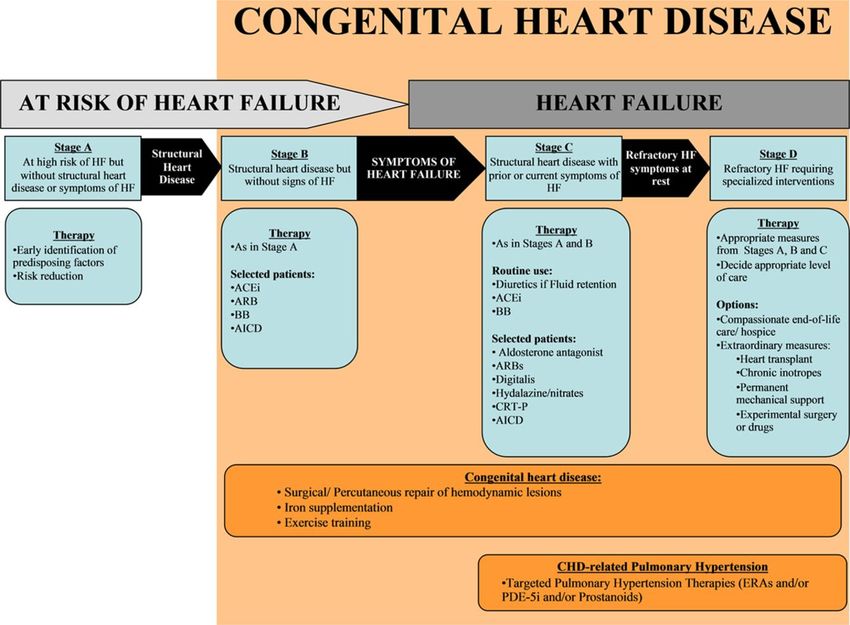
Conflict of interest disclosure

• No financial disclosures

Dallas, Texas

Learning Objectives
Session V: Adult Congenital Heart Disease
• At the end of this session, the participant will be able to:

       – Recognize the changing demographics of patients with CHD

       – Report on the improved outcomes of CHD

       – Demonstrate how congenital cardiac anesthesiologist can
         enhance the perioperative care of patients with CHD at all
         stages and ages

       – Identify some of the issues faced by adults with CHD
         including the patient’s perspective of living with CHD

Dallas, Texas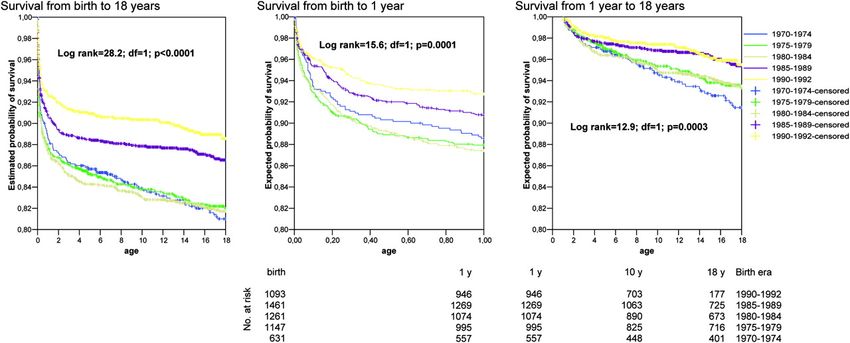
Presentation
Objectives and Outline
20 minutes:
•    Describe the current landscape of medical care for children/adults
     with CHD in the US

•    Surgical Home model - goals

•    Role of the anesthesiologist in the perioperative encounter
      •     Risk assessment and basic clinical aspects
      •     Major pathophysiologic pathways

•    Children’s Health, Dallas
      • Role of Pediatric Cardiac Anesthesia Coordinator (CAC)

Dallas, Texas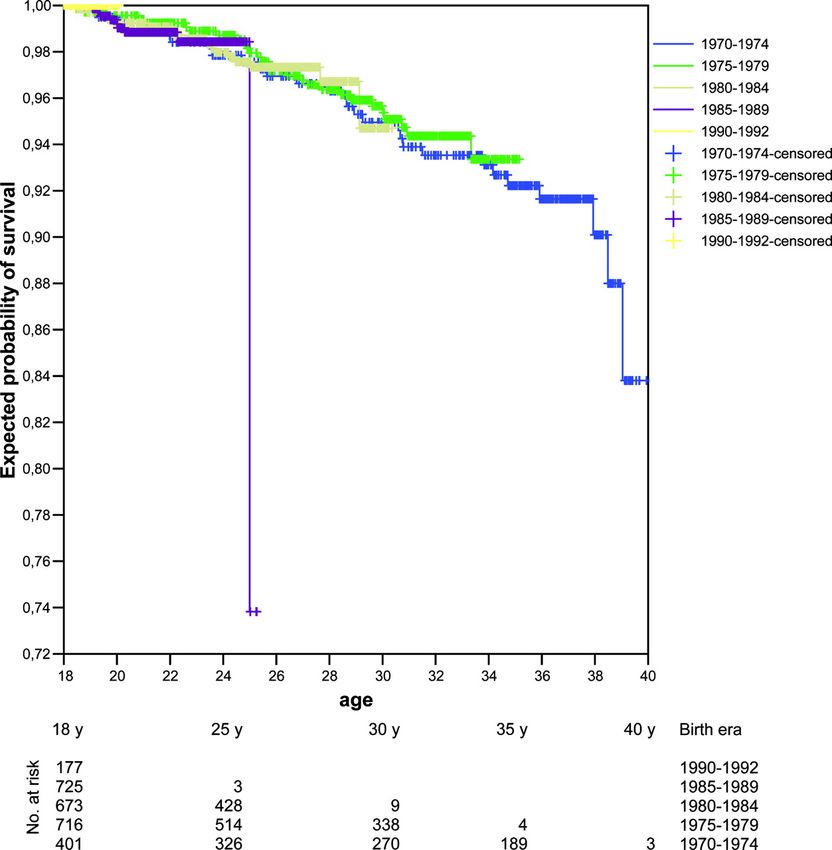
Landscape of Medical Care of Congenital Heart
Disease in the US - Setting the Stage
•     Birth prevalence reported to be 10 per 1000 live births and estimated incidence between 3
      and 20 per 1000 live births

•     Natural history of lesions and overall survival rate have changed dramatically

•     Classification of CHD Diagnoses - Stratified by severity into 3 levels:
       – Simple, moderate and severe complexity based on cardiac lesion (ACC/AHA)
       – Minor, major and severe based residual lesion – functional status (ACS NSQIP)

•     25 – 30% of all CHD patients have associated another mayor congenital anomaly

•     As life expectancy increases - also does the need for medical attention for:
       – Know natural history of the primary cardiac diagnosis
       – Comorbidities related to normal aging

                  “Substantial health service needs and resource utilization”

Dallas, Texas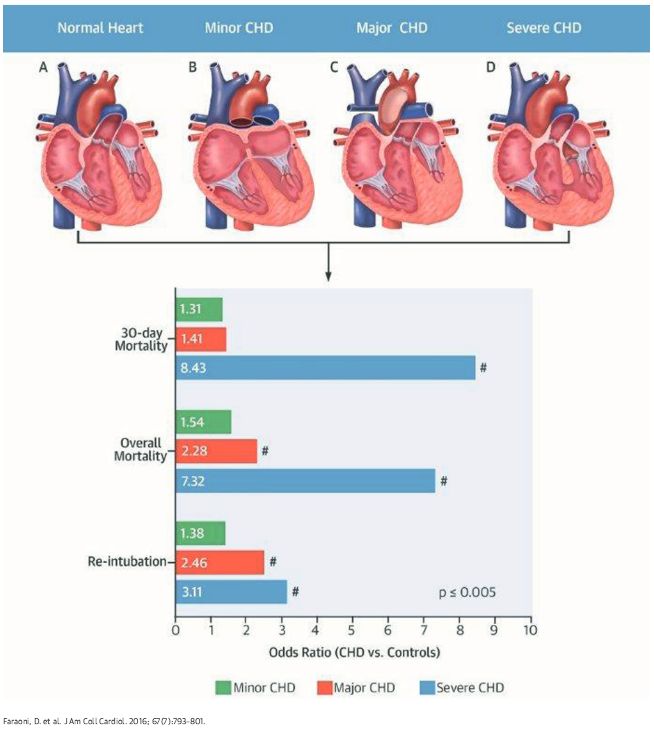
Survival: Temporal Trends in Survival Among Infants with Critical
Congenital Heart Disease - Oster ME. Pediatrics 2013

                           97%                             95.4%

                          75.2%
                                                           68.8%

                Survival for persons with CCHD versus CHD: Atlanta, Georgia, 1979-2005

Dallas, Texas
Estimated survival according to the era of birth.

   Philip Moons et al. Circulation. 2010;122:2264-2272

                                                               Copyright © American Heart Association, Inc. All rights reserved.

Dallas, Texas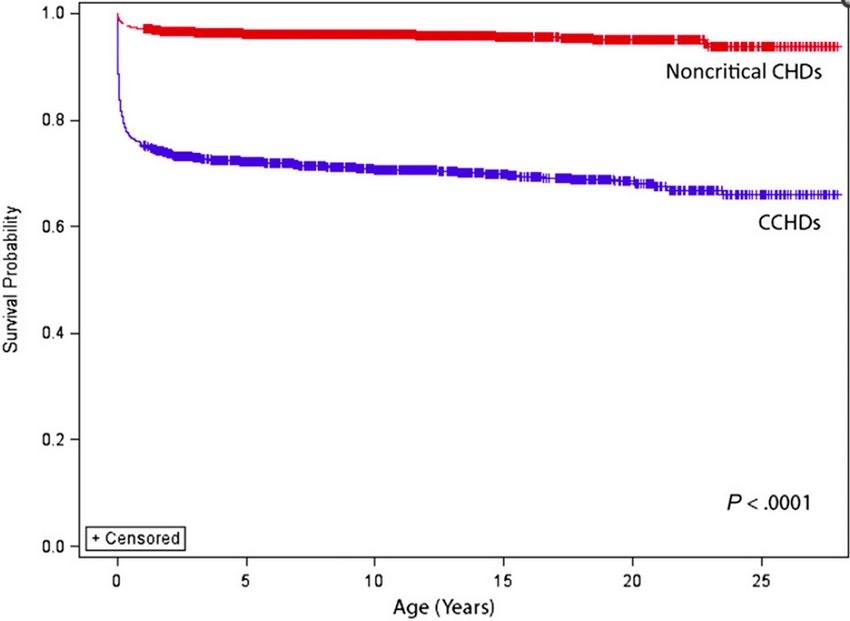
Estimated survival beyond 18 years of age.

                Philip Moons et al. Circulation. 2010;122:2264-2272

                                                                Copyright © American Heart Association, Inc. All rights reserved.

Dallas, Texas
Trends in Hospitalization for Adults with Congenital Heart
Disease in the US – Opotowsky A. et al. JACC 2009

                                   Frequency of specific diagnosis and procedure
                                   associated with hospitalizations for ACHD

 Mean hospital charges per hospitalization increased:
  127% from $19,186 +-$803 to $43,496 +-$2166
 Total national charges for these hospitalizations in 2005 $3.16 B

Dallas, Texas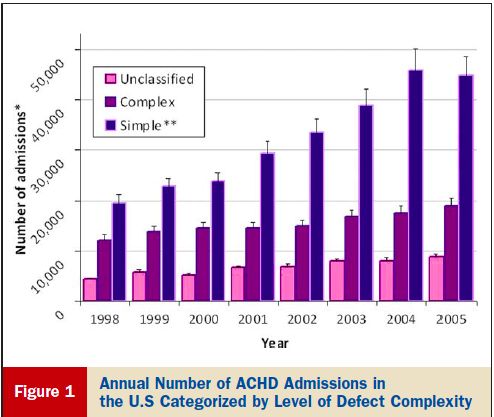
Overall Hospital Cost Estimates in Children with Congenital
Heart Disease: Analysis of the 2012 Kid’s Inpatient Database

                       Total Cost Estimates in 2012: 6,722 M$

                              3%

                                     20%
                                                     Cardiac Catheterizations
                                             8%      Cardiac Surgery
                                                     Non Cardiac Surgery
                 69%
                                                     Medical

  Faraoni D. et. Al. Pediatr Cardiol. 2015

 Dallas, Texas
Financial Implications in the Care of Complex
Congenital Heart Disease – Ungerleider RM, et. al. Ann Thorac Surg 1997
Cost of care for congenital heart surgery
Department Cost % Total
Hospital $33,658 79.5
Surgery $4,185 10.0
Anesthesia $1,080 2.6
Critical Care $1,174 2.7
Cardiology $1,250 3.0
Other $750 1.9
Total $42,097 100% 2011 - $92.000
“…decision makers, e.i., the surgeon, cardiologist, anesthesiologist,
and intensivist are only 20% liable for the cost, yet influence the remaining
80% cost figure through their decisions”.” William J. Greeley, MD, MBA
Dallas, TexasReality of our Current Practice
• Children with CHD = Children with Medical Complexity
• Diagnoses are multiple and varied, generating significant cost
• Prevalence and demographics are changing
• Patients are under the continuous care of multiple pediatric specialist, and
many transitioning to adult care
• Travel regionally or even nationally for diagnosis and treatment services
• Information is disorganized, fragmented and often unavailable
• Ramifications today for Anesthesia care:
– Inadequate workup, delays, cancellations, unanticipated or prolonged
admissions, multiple anesthetics, readmission, and increased cost.
– What can we do?
Dallas, TexasSurgical Home:
A case for better Coordination/ Risk Stratification/ Cost
• ASA – Perioperative Surgical Home
– Patient centric / team based approach to emphasize
outcome, patient satisfaction and reduce cost
• Anesthesiologist acts as coordinator of the surgical encounter:
– preoperative, intraoperative and postoperative
– inefficient resource utilization, optimize the clinical and
surgical encounter process and decrease cost
• Integrating a continuous Quality Improvement (QI) process
Limited data available outlining the application of the
Perioperative SH model in the pediatric population
Clinical + Encounter Optimization and Coordination
Dallas, TexasOptimization: Clinical and Surgical Process • The concept: …“ an act, process, or methodology of making something (as a design, system, or decision) as fully perfect, functional, or effective as possible……” Merriam-Webster Dictionary • In medicine: …” optimization has become an essential tool in addressing the limitations of resources and need for better medical decision-making.” Alves C. Optimization in Medicine. 2008 Spinger Dallas, Texas
Prerioperative Optimization in CHD

• Heterogeneous group of patients across all ages
• Countless permutations: physiologic variables, hematologic and
  hemostatic conditions, comorbidities, medications, stage of
  disease and known natural history
• Surgical trespass needs consideration
• Lack of standardized risk stratification
• Optimization comes down to:
   – Controlling variables and unexpected outcomes:
      • Adequate preoperative evaluation
      • Risk Assessment
      • Location of surgery and personnel
      • Planned disposition / Post Operative follow-up

Dallas, Texas
Risk Assessment is Essential
Hypoxia
Hypercardia
Hypotension
Pain
Sympathetic surgeres
Blood Loss
Arrhythmias
Fluid shift
Homeostatic equilibrum of adequate
circulatory function in patients with
limited reserve
Dallas, TexasCardiac Lesions associated with highest risk of Morbidity and Mortality undergoing Anesthesia Dallas, Texas 17
Post-Operative Outcomes in Children With and Without Congenital Heart
Disease Undergoing Noncardiac Surgery – Faraoni D, et. al. JACC 2016

ACS NSQIP Classification of CHD

Minor CHD:
Cardiac condition with or without medication
and maintenance
Repair of cardiac condition with normal function
and no medication

Major CHD:
Repair of CHD with residual hemodynamic
abnormality with or without medication

Severe CHD:
Uncorrected cyanotic CHD
Documented Pulmonary Hypertension
Ventricular dysfunction
Listed for Heart transplantation

 Dallas, Texas
Cardiac Lesions associated with highest risk of Morbidity and Mortality
undergoing Anesthesia in the ACHD Population
ACC/AHA 2008 Guidelines for the Management of Adults with Congenital Heart Disease

                 Congenital Cardiac Lesions and Perioperative Risk
                 for Non-cardiac Surgery

                 High Risk
                     Pulmonary hypertension, primary or secondary
                     Cyanotic CHD
                     New York Heart Association class III or IV
                     Severe systemic ventricular dysfunction
                     Severe left sided heart obstructive lesions
                 Moderate Risk
                     Prosthetic valve or conduit
                     Intracardiac shunt
                     Moderate left-sided heart obstruction
                     Moderate systemic ventricular dysfunction

                 JACC VOL. 52 NO 23, 2008

 Dallas, Texas
Common Pathophysiologic Pathways:
At Risk of Low Cardiac Output in the Perioperative Period
– Pulmonary Hypertension
– Single Ventricle
– Systemic Right Ventricle
– Progressive Contractile Dysfunction (Decreased SF)
Congenital or acquired cardiomyopathies
– Left sided obstructive lesions
– Progressive Electrophysiological Abnormalities
– End Organ Dysfunction
Dallas, TexasSingle Ventricle and the Perioperative period
• Predictable complications of the Fontan pathway:
– Right atrial dilation
– Atrial arrhythmias
– Baffle leaks / Pulmonary venous obstruction and conduit
obstruction
• Perioperative Optimization:
– Maintain an adequate transpulmonary gradient
– Prevent increases in pulmonary vascular resistance
– Ventilation without compromising pulmonary blood flow
– Intravascular volume optimization is essential
Dallas, TexasThe Systemic Right Ventricle
The unnatural history of the systemic RV
• Adults with systemic RVs:
– 68% - RV dysfunction
– 64% - tricuspid regurgitation
– 20% - tachyarrhythmias
– Average RVEDV is 40% greater than the LVEDV.
• Perioperative Optimization:
– Regulation of volume status, heart rate and inotropic function.
– Sinus rhythm
– Hypotension should be avoided
– Concerns with paradoxical emboli during conditions of RV
compromise
Dallas, TexasSubstrates for Late Heart Failure in ACHD ACC/AHA 2008 Guidelines for the Management of Adults with Congenital Heart Disease • Severe AS and/or regurgitation, BAV and variants, subvalvar or supravalvar obstruction, superimposed coarctation • Severe congenital mitral stenosis/regurgitation • Unoperative ASD or partial AVSD • CCTGA • D-transposition after Mustard or Senning operation • Tetralogy of Fallot with early-era surgery • Single ventricle physiology • Fontan surgery Dallas, Texas
American Heart Association/American College of Cardiology congestive heart failure stages.

                Karen K. Stout et al. Circulation. 2016;133:770-801

                                                                      Copyright © American Heart Association, Inc. All rights reserved.

Dallas, Texas
CV Anesthesia guided Surgical Home:
Perioperative Coordination Model
Neuro MRI SH or
GI Ortho Cardiac
Diagnoses Anesthesia
HLHS, Coordinated
Care
Pulm
BDG,
Specialist AVVR,
Seizures,
Scoliosis
Cardio
Preop Intraop Post
Information Right personnel Right disposition
Clinical and Equipment Integrated plan
Mom, Dad, Home Risk Pain mgt
2 siblings Environment Medical Reduced variations
Records Assessment Prevention of
Optimization complications
EB Protocols Discharge
Care Plan
1 Job
El Paso,
TX
Quality Improvement & Database
Medications &
Diag Studies
Dallas, TexasConcentrating on Care Coordination during the Perioperative Period – Case for a Cardiac Anesthesia Coordinator (CAC) • The goal of anesthesia-led coordination is to optimize safety of children with CHD requiring procedures under general anesthesia or sedation, by providing complete preoperative workup, risk stratification within our system, and postoperative follow-up. • We created a job description under the title: “Pediatric Cardiac Anesthesia Coordinator” that would serve as clinical leader, resource and program coordinator to all children's’ with CHD requiring anesthesia services. • Program began 2012: > 3000 Anesthesia review a year. Dallas, Texas
Current Anesthesia Coordinated Pathway
Children’s Healthcare, Dallas

                              Rate Limi'ng Step:
                              Incomplete workup,
                              Coverage or disposi'on
                              problem

 Preopera've evalua'on
                                                            Surgical Care
 Laboratory Imaging tes'ng
 tes'ng                        Cardiac Anesthesia           Anesthesia Care
                                                            • Evidence based
 Med Rec consolida'on             Coordinator               • Safety
                                                            • Intraopera6ve metrics
 Func'onal assessment

                             Integra'on of Informa'on
                             Risk Assessment
                             Disposi'on Planning (CVPACU,
                             Floor, CVICU , PICU)
                             Case Assignment
                             Dissemina'on of Informa'on
Surgeon’s office or            Coordina'on and planning for
                             ECMO
Preopera6ve Clinic
CHD Pa6ent Anesthe6c Risk Assessment
Low Moderate High
• Unrepaired Isolated • Mild-Mod PAH Well • Mod-Severe PAH
lesions: Small to controlled on PO +/- O2 (including pa'ents on IV
moderate sized/ Tx therapy)
restric've L to R PDA/ • Single V s/p Glenn or • Single V Pre-Glenn
ASD/VSD Fontan (with mild-mod • Single V with Severe
• Repaired ASD/VSD AVVR & preserved AVVR and/or ventricular
• Repaired TGA ventricular func'on) dysfunc'on
• Repaired AVC with trivial • Moderate PS/RVOTO • Severe AS/LVOTO
– mild AVVR, normal • Moderate AS/LVOTO • Severe PS/RVOTO
func'on, no ventricular • Cardiomyopathy w/ mild
ouWlow obstruc'on • Unrepaired TOF/DORV/
ventricular dysfunc'on AVC/PA
• Repaired TAPVR/PAPVR without dysrhythmias
without pulmonary • Shunted lesions
• Dysrhythmia s/p
venous obstruc'on Pacemaker or ICD (stable) • Cardiomyopathy with
• Mild PS/RVOTO mod-severe ventricular
• Dysrhythmias well dysfunc'on +/-
All pa'ents with repaired CHD are controlled on PO therapy dysrhythmias
screened to assure no change in • Repaired TOF w/ stable
status. This includes: most recent • Inotropic dependent
mild-mod RVOTO pa'ents
progress note/ECHO/ECG report
from primary cardiologist, most • Pulmonary vein • Pa'ents listed for heart
recent Cath report and/or holter as obstruc'on- Isolated transplant
Single
indicated, and current evalua'on • Pulmonary vein
when pa'ent presents to pre op. obstruc'on - mul'pleCardiac Anesthesia High Risk Bundle Cases
Introduction to Cardiac Anesthesia Coordinator (CAC)
Prior to introduction of the CAC, frequently procedures (surgery, radiology, IR , ENT)
were requested by different services/ significant fragmentation; leading to repeated
exposure to anesthesia, increase risk and unwanted ICU admission.
Total Cases
Primary 40
Service 35
Pre- 30
opera6ve
&
Surgery 25
Recovery #1
CAC 20
Plan
PA-C
15
10
OR & Surgeon
Nursing #2 and/or 5
Staff RAD
0
2013 2014 2015
Dallas, TexasOther Areas of Interest:
Ventilator Weaning Protocol
Average intubation time:
1.6 to 0.9 days
CICU stay
8.7 to 5.5 days
Average hospital stay
18.9 to 12.4 days
Dallas, TexasConclusion: Dallas, Texas
“

Dallas, Texas
You can also read


