CODES 2018 COMMONLY BILLED - Melody - Medtronic
←
→
Page content transcription
If your browser does not render page correctly, please read the page content below
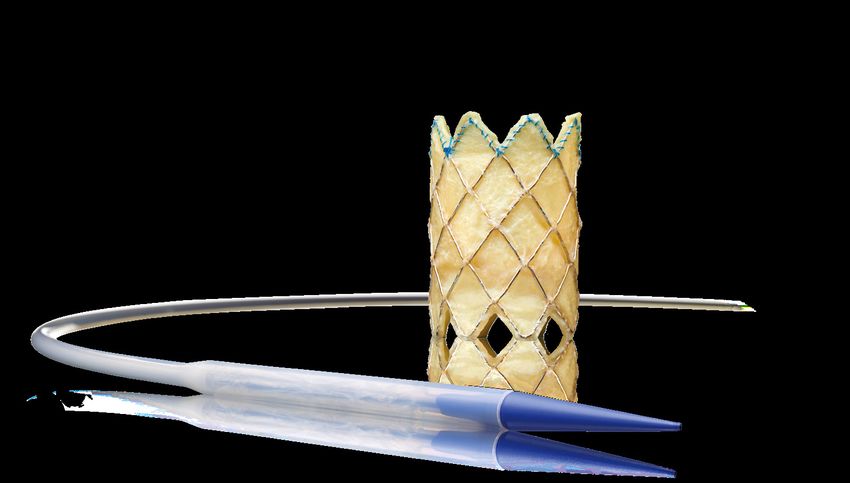
Melody™
Transcatheter Pulmonary Valve

Ensemble™ II
Transcatheter
Valve Delivery System

2018
COMMONLY
BILLED
CODES
INDEX
For Right Ventricular Outflow Tract
Conduit Dysfunction.  .  .  .  .  .  .  .  .  .  .  .  .  .  .  .  .  .  .  .  .  .  .  .  .  .  .  .  .  .  .  . 1

Hospital Inpatient Coding and Reimbursement.  .  .  .  .  .  . 2

ICD-10 PCS Procedure Codes .  .  .  .  .  .  .  .  .  .  .  .  .  .  .  .  .  .  .  .  .  .  . 2

Physician Coding and Reimbursement .  .  .  .  .  .  .  .  .  .  .  .  .  .  . 3

Hospital Outpatient Coding
and Reimbursement .  .  .  .  .  .  .  .  .  .  .  .  .  .  .  .  .  .  .  .  .  .  .  .  .  .  .  .  .  .  .  . 3

Select ICD-10 Potential Diagnosis Codes .  .  .  .  .  .  .  .  .  . 5-6

                                                                                                                      COMMONLY
                                                                                                                      BILLED
                                                                                                                      CODES

2018
FOR RIGHT pulmonary artery (RV/PA) and are now
experiencing conduit dysfunction of
paid to providers of service. The provider
of service has the responsibility to
VENTRICULAR their right ventricular outflow tract. determine medical necessity and to
submit appropriate codes and charges
OUTFLOW Reimbursement information provided by
Medtronic is for illustrative purposes
for care provided. Please contact your
local payers, reimbursement specialists
TRACT only and does not constitute legal
advice. Information provided is gathered
and/or legal counsel for interpretation of
CONDUIT from third party sources and is subject
to change without notice due to
coding, coverage, and payment policies.
Medtronic does not promote the use of
DYSFUNCTION frequently changing laws, rules and
regulations. Medtronic makes no
its products outside FDA-
approved labeling.
The Medtronic Melody™ Transcatheter guarantee that the use of this Medtronic provides this information for
Pulmonary Valve is used to treat patients information will prevent differences of your convenience only. It is not intended
with congenital heart defects who opinion or disputes with Medicare or as a recommendation regarding
previously had a surgical conduit created other third party payers as to the correct clinical practice.
between their right ventricle and form of billing or the amount that will be
CPT copyright 2018 American Medical Association (AMA). All rights reserved. CPT is a trademark of the American Medical Association. Applicable FARS/
DFARS Restrictions Apply to Government Use. Fee schedules, relative values units, conversion factors and/or related components are not assigned by the
AMA, are not part of CPT, and the AMA is not recommending their use. AMA does not directly or indirectly practice medicine or dispense medical services.
AMA assumes no liability for data contained or not contained herein.
1 | COMMONLY BILLED CODESHOSPITAL ICD-10 PCS PROCEDURE CODES
INPATIENT Effective October 01, 2015, hospitals use ICD-10- PCS procedure codes for
inpatient admissions.
CODING AND Select ICD-10 PCS Codes
REIMBURSEMENT Note: The ICD-10-PCS codes shown are those that reflect the typical procedure,
using known Medtronic devices where appropriate. Theoretical possibilities are not
FY2018 (EFFECTIVE shown, eg. approaches that are not common, device types that are not currently on
the market.
OCTOBER 01, 2017 TO
SEPTEMBER 30, 2018)
TRANSCATHETER PULMONARY VALVE PROCEDURE CODES
Potential Equivalent
Procedure Code Description ICD-10 PCS ICD-10-PCS Procedure Code Description
Procedure Code
Replacement of Pulmonary Valve with Autologous Tissue
02RH37Z
Substitute, Percutaneous Approach
Replacement of Pulmonary Valve with Zooplastic Tissue,
02RH38Z*
Percutaneous Approach
Endovascular replacement of pulmonary valve
Replacement of Pulmonary Valve with Synthetic
02RH3JZ
Substitute, Percutaneous Approach
Replacement of Pulmonary Valve with Nonautologous
02RH3KZ
Tissue Substitute, Percutaneous Approach
*Suggested code for Melody
TRANSCATHETER PULMONARY VALVE DRGs
MS- DRG Description FY18 Medicare National Average2
266 Endovascular Cardiac Valve Replacement with MCC $46,720
267 Endovascular Cardiac Valve Replacement without MCC $36,801
MCC = Major Complication or Comorbidity
1
015 ICD-9 CM for hospitals, volume 1,2 & 3/ Carol J. Buck. Professional ed.
2
2
FY18 Medicare inpatient rates are estimated only based upon information published by CMS in the FY 2018 Medicare Inpatient Prospective
Payment System Final Rule issued August 02, 2017 available at http://tinyurl.com/jtkr4go
2 | COMMONLY BILLED CODESPHYSICIAN CPT PROCEDURE CODES
*
CODING AND Physicians use CPT codes for services and hospitals use CPT for outpatient
services. Relative Value Units (RVUs) present a mechanism for calculating
REIMBURSEMENT payment. For carrier-priced codes, the carrier establishes RVUs and payment
amounts on an individual case basis following review of documentation such as an
operative report.
Valve Replacement (Coding option effective January 01, 2016)
A new category I CPT* code was implemented on January 1, 2016.
Transcatheter pulmonary valve 2018 Total 2018 Medicare
New Code Effective January 01, 2016 Facility RVUs Ntl Pymt3
implantation, percutaneous approach,
for transcatheter implantation of 33477
including pre-stenting of the valve
pulmonic heart valve. delivery site, when performed 39.65 $1,427
Included In the Procedure:
Code 33477 includes the work, when performed, of percutaneous access, placing the access sheath,
advancing the repair device delivery system into position, repositioning the device as needed, and
deploying the device(s). Angiography, radiological supervision, and interpretation performed to
included in the code.
Code 33477 includes all cardiac catheterization(s), intraprocedural contrast injection(s), fluoroscopic
radiological supervision and interpretation, and imaging guidance performed to complete the
pulmonary valve procedure. Do not report 33477 in conjunction with 76000, 76001, 93451, 93453,
93454, 93455, 93456, 93457, 93458, 93459, 93460, 93461, 93530, 93531, 93532, 93533, 93563,
93566, 93567, 93568 for angiography intrinsic to the procedure.
Code 33477 includes percutaneous balloon angioplasty of the conduit/treatment zone, valvuloplasty
of the pulmonary valve conduit, and stent deployment within the pulmonary conduit or an existing
bioprosthetic pulmonary valve, when performed. Do not report 33477 in conjunction with 37236,
37237, 92997, 92998 for pulmonary artery angioplasty/valvuloplasty or scenting within the prosthetic
valve delivery site.
Separately Reportable:
Codes 92997, 92998 may be reported separately when pulmonary artery angioplasty is performed
at a site separate from the prosthetic valve delivery site.
Codes 37236, 37237 may be reported separately when pulmonary artery scenting is performed
at a site separate from the prosthetic valve delivery site.
Other Procedures:
Diagnostic right heart catheterization and diagnostic coronary angiography codes (93451, 93453,
93454, 93455, 93456, 93457, 93458, 93459, 93460, 93461, 93530, 93531, 93532, 93533, 93563,
93566, 93567, 93568) should not be used with 33477 to report:
1. Contrast injections, angiography, roadmapping , and/or fluoroscopic guidance for the TPVI,
2. Pulmonary conduit angiography for guidance of TPVI, or
3. Right heart catheterization for hemodynamic measurements before, during, and after
TPVI for guidance of TPVI.
3
he amounts indicated are based upon information published by CMS in CMS1676-F dated 11/2/17. The amounts indicated are effective for
T
services provided from January 01, 2018 to December 31, 2018, and do not include sequestration adjustments to the amount payable to the
provider. CMS may make adjustments to any or all of the data inputs from time to time without notice. All CPT codes are copyright AMA.
3 | COMMONLY BILLED CODES Diagnostic right and left heart catheterization codes (93451, 93452, 93453, 93456, 93457, 93458,
93459. 93460, 93461, 93530, 93531, 93532, 93533), diagnostic coronary angiography codes
(93454, 93455, 93456, 93457, 93458, 93459, 93460, 93461, 93563, 93564), and diagnostic pulmonary
angiography code (93568) may be reported with 33477, representing separate and distinct services
from TPVI, if:
1. No prior study is available and a full diagnostic study is performed, or
2. A prior study is available, but as documented in the medical record:
a. There is inadequate visualization of the anatomy and/or pathology, or
b. The patient’s condition with respect to the clinical indication has changed
since the prior study, or
c. There is a clinical change during the procedure that requires new evaluation.
Other cardiac catheterization services may be reported separately when performed for diagnostic
purposes not intrinsic to TPVI.
For same session/same day diagnostic cardiac catheterization services, report the appropriate
diagnostic cardiac catheterization code(s) appended with modifier 59 to indicate separate and distinct
procedural services from TPVI.
Diagnostic coronary angiography performed at a separate session from an interventional procedure
may be separately reportable, when performed.
Percutaneous coronary interventional procedures may be reported separately, when performed.
Percutaneous pulmonary artery branch interventions may be reported separately, when performed.
When transcatheter ventricular support is required in conjunction with TPVI, the appropriate code may
be reported with the appropriate percutaneous ventricular assist device (VAD) procedure codes
(33990, 33991, 33992, 33993), exrracorporeal membrane oxygenation (ECMO) or extracorporeal life
support services (ECLS) procedure codes (33946-33989) , or balloon pump insertion codes (33967,
33970, 33973).
When cardiopulmonary bypass is performed in conjunction with TPVI, code 33477 may be reported
with the appropriate add-on code for percutaneous peripheral bypass (33367), open peripheral
bypass (33368), or central bypass (33369).
HOSPITAL MEDICARE AMBULATORY PAYMENT
OUTPATIENT CLASSIFICATIONS (APCs)
CODING AND Medicare pays for hospital outpatient procedures separately via APCs. Hospital
outpatient services are identified using the CPT Level I HCPCS codes. These CPT
REIMBURSEMENT codes are grouped to one of approximately 800 different APCs.
Effective January 01, 2016:
The category I CPT code (33477) for endovascular replacement of pulmonic valve
has no APC assignment because this code is on Medicare’s Inpatient Only list. This
means that Medicare will only reimburse for the procedure in the inpatient setting
for Medicare beneficiaries. Site of service determination is the responsibility of the
clinician relative to the patient’s clinical condition.
Private Payers
Private payers use various payment mechanisms such as APCs, percent of charge, carve out, fee schedule etc.
Private payers may or may not follow Medicare. Working with private payers during the pre-certification/ pre-authorization
process may provide insight on how the specific payer intends to adjudicate the claim for reimbursement.
4 | COMMONLY BILLED CODESTRANSCATHETER PULMONARY VALVE POTENTIAL DIAGNOSIS CODES
Potential Equivalent
Procedure Code Description ICD-10 CM ICD-10 CM Procedure Code Description
Diagnosis Code
I37.0 Non-rheumatic pulmonary valve stenosis
I37.1 Non-rheumatic pulmonary valve insufficiency (regurgitation)
Pulmonary valve disorders
(insufficiency, stenosis, I37.2 Non-rheumatic pulmonary valve stenosis with insufficiency
regurgitation)
I37.8 Other non-rheumatic pulmonary valve disorders
I37.9 Non-rheumatic pulmonary valve disorder, unspecified
Common truncus Q20.0 Common arterial trunk
Complete transposition of
Q20.3 Discordant ventriculoarterial connection
great vessels
Double outlet right ventricle Q20.1 Double outlet right ventricle
Corrected transposition of
Q20.5 Discordant atrioventricular connection
great vessels
Q20.2 Double outlet left ventricle
Other transposition of great
vessels
Q20.8 Other congenital malformations of cardiac chambers and connections
Tetralogy of Fallot Q21.3 Tetralogy of Fallot
Congenital pulmonary valve Q22.3 Other congenital malformations of pulmonary valve
anomaly, unspecified
Pulmonary valve atresia,
Q22.0 Pulmonary valve atresia (congenital)
congenital
Pulmonary valve stenosis,
Q22.1 Congenital pulmonary valve stenosis
congenital
Q22.2 Congenital pulmonary valve insufficiency
Other congenital anomaly of
pulmonary valve
Q22.3 Other congenital malformations of pulmonary valve
Tricuspid atresia and stenosis,
Q22.4 Congenital tricuspid stenosis (atresia)
congenital
Q22.8 Other congenital malformations of tricuspid valve
—
Q22.9 Congenital malformation of tricuspid valve, unspecified
Congenital stenosis of aortic
Q23.0 Congenital stenosis of aortic valve (atresia)
valve
Congenital insufficiency of Congenital insufficiency of aortic valve
Q23.1
aortic valve (bicuspid valve)
Congenital mitral stenosis Q23.2 Congenital mitral stenosis (atresia)
Congenital mitral insufficiency Q23.3 Congenital mitral insufficiency
5 | COMMONLY BILLED CODESTRANSCATHETER PULMONARY VALVE POTENTIAL DIAGNOSIS CODES — CONTINUED
Potential Equivalent
Procedure Code Description ICD-10 CM ICD-10 CM Procedure Code Description
Diagnosis Code
T82.01xA Breakdown (mechanical) of heart valve prosthesis, initial encounter
T82.02xA Displacement of heart valve prosthesis, initial encounter
T82.03xA Leakage of heart valve prosthesis, initial encounter
T82.09xA Other mechanical complication of heart valve prosthesis, initial encounter
Mechanical complication due to
heart valve prosthesis T82.221A Breakdown (mechanical) of biological heart valve graft, initial encounter
T82.222A Displacement of biological heart valve graft, initial encounter
T82.223A Leakage of biological heart valve graft, initial encounter
Other mechanical complication of biological heart valve graft, initial
T82.228A
encounter
Breakdown (mechanical) of other cardiac and vascular devices and
T82.518A
implants, initial encounter
Mechanical complication of Leakage of other cardiac and vascular devices and implants, initial
T82.538A
device, implant, and graft, other encounter
Other mechanical complication of other cardiac, and vascular devices and
T82.598A
implants, initial encounter
Embolism of cardiac prosthetic devices, implants and grafts, initial
T82.817A
encounter
T82.827A Fibrosis of cardiac prosthetic devices, implants and grafts, initial encounter
Other complication due to heart Hemorrhage of cardiac prosthetic devices, implants, grafts, initial
T82.837A
valve prosthesis encounter
T82.847A Pain from cardiac prosthetic devices, implants and grafts, initial encounter
Other complication due to other
Stenosis of cardiac prosthetic devices, implants and grafts, initial
cardiac device, implant and graft T82.857A
encounter
(including coronary artery
bypass graft) T82.867A Thrombosis of cardiac prosthetic devices, implants, grafts, initial encounter
Other specified complication of cardiac prosthetic devices, implants and
T82.897A
grafts, initial encounter
Personal history of other
Personal history of (corrected) congenital malformations of heart and
(corrected) congenital Z87.74
circulatory system
malformations
Z95.3 Presence of xenogenic heart valve (transplant)
Heart valve replaced
by transplant
Z95.4 Presence of other heart valve replacement
Z95.2 Presence of prosthetic heart valve(mechanical)
Heart valve replaced by
other means
Z95.3 Presence of xenogenic heart valve (bioprosthesis)
Fitting and adjustment of other
Z45.09 Encounter for adjustment and management of other cardiac device
cardiac device
6 | COMMONLY BILLED CODESMelody™ Transcatheter Pulmonary Valve, Ensemble™ II Transcatheter Valve Delivery System
Important Labeling Information for the United States
Indications: The Melody TPV is indicated for use in the management of pediatric and adult patients who have a clinical indication for
intervention on a dysfunctional right ventricular outflow tract (RVOT) conduit or surgical bioprosthetic pulmonary valve that has ≥ moderate
regurgitation, and/or a mean RVOT gradient ≥ 35 mmHg.
Contraindications: None known.
Warnings/Precautions/Side Effects:
DO NOT implant in the aortic or mitral position. Pre-clinical bench testing of the Melody valve suggests that valve function and
durability will be extremely limited when used in these locations.
D O NOT use if patient’s anatomy precludes introduction of the valve, if the venous anatomy cannot accommodate a 22 Fr size introducer,
or if there is significant obstruction of the central veins.
D O NOT use if there are clinical or biological signs of infection including active endocarditis. Standard medical and surgical care should be
strongly considered in these circumstances.
A ssessment of the coronary artery anatomy for the risk of coronary artery compression should be performed in all patients prior to
deployment of the TPV.
T o minimize the risk of conduit rupture, do not use a balloon with a diameter greater than 110% of the nominal diameter (original implant size)
of the conduit for pre-dilation of the intended site of deployment, or for deployment of the TPV.
T he potential for stent fracture should be considered in all patients who undergo TPV placement. Radiographic assessment of the stent with
chest radiography or fluoroscopy should be included in the routine postoperative evaluation of patients who receive a TPV.
I f a stent fracture is detected, continued monitoring of the stent should be performed in conjunction with clinically appropriate hemodynamic
assessment. In patients with stent fracture and significant associated RVOT obstruction or regurgitation, reintervention should be
considered in accordance with usual clinical practice.
Potential procedural complications that may result from implantation of the Melody device include the following: rupture of the RVOT conduit,
compression of a coronary artery, perforation of a major blood vessel, embolization or migration of the device, perforation of a heart chamber,
arrhythmias, allergic reaction to contrast media, cerebrovascular events (TIA, CVA), infection/sepsis, fever, hematoma, radiation-induced
erythema, blistering, or peeling of skin, pain, swelling, or bruising at the catheterization site.
Potential device-related adverse events that may occur following device implantation include the following: stent fracture,* stent fracture
resulting in recurrent obstruction, endocarditis, embolization or migration of the device, valvular dysfunction (stenosis or regurgitation),
paravalvular leak, valvular thrombosis, pulmonary thromboembolism, hemolysis.
*The term “stent fracture” refers to the fracturing of the Melody TPV. However, in subjects with multiple stents in the RVOT it is difficult to
definitively attribute stent fractures to the Melody frame versus another stent.
For additional information, please refer to the Instructions For Use provided with the product or available on http://manuals.medtronic.com.
CAUTION: Federal law (USA) restricts this device to sale by or on the order of a physician.
The Medtronic CardioVascular Coding Hotline is available to respond to your coding questions at 866-616-8400.
710 Medtronic Parkway Europe Asia
Minneapolis, MN 55432-5604 Medtronic International Trading Sàrl Medtronic International Ltd.
USA Route du Molliau 31 49 Changi South Avenue 2
Tel: (763) 514-4000 Case Postale Nasaco Tech Centre
Fax: (763) 514-4879 CH-1131 Tolochenaz Singapore 486056
Toll-free: (800) 328-2518 Switzerland Singapore
Tel: (41 21) 802-7000 Tel: (65) 6436-5000
LifeLine
CardioVascular Technical Support Canada Latin America ©2017 Medtronic.
Tel: (877) 526-7890 Medtronic of Canada Ltd. Doral Corporate Centre II All rights reserved.
Tel: (763) 526-7890 99 Hereford Street 3750 NW 87th Avenue, Suite 700 Medtronic, Medtronic logo
Fax: (763) 526-7888 Brampton, Ontario L6Y 0R3 Miami, FL 33178 and Further, Together are
rs.cstechsupport@medtronic.com Canada USA trademarks of Medtronic.
Tel: (905) 460-3800 Tel: (305) 500-9328
TM
*Third party brands are trademarks
Toll-free: (800) 268-5346 of their respective owners.
All other brands are trademarks
of a Medtronic company.
UC201602023c EN
medtronic.com 12/2017You can also read


