Sushi: A Global Love A air - PIKE JAPAN
←
→
Page content transcription
If your browser does not render page correctly, please read the page content below

2019 FEB
₈
for people curious about japan
Sushi: A Global Love Affair
INSIDE: Seattle’s Sushi Story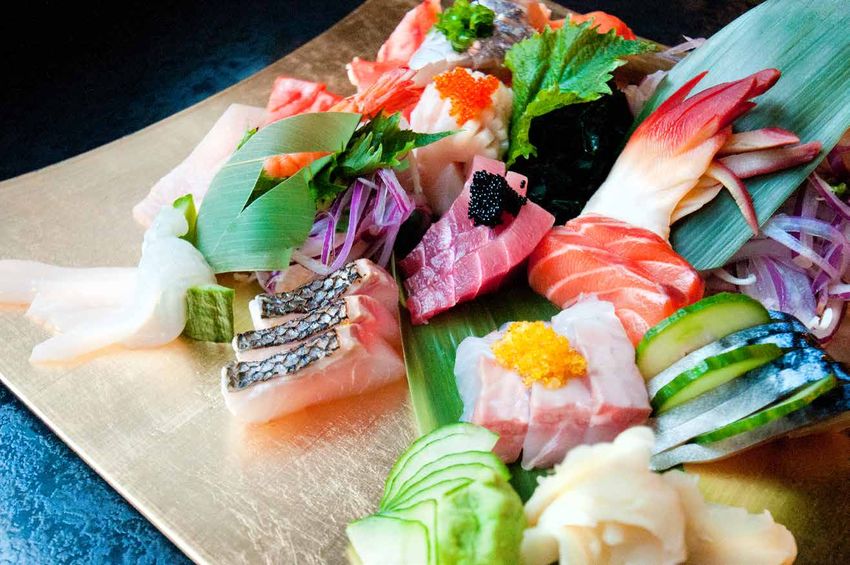
A phoenix fantastically painted with a “Taka-makie”
technique (lacquerwork in which multiple layers of
“Makie” create a beautiful, embossed design). In order
to bring the divine phoenix to life, genuine gold “Makie”
designs were boldly layered and subtle attention was paid
to every single feather. Special lacquering techniques such
as “Nashiji” and “Raden” were lavishly used on details
bringing the gorgeous art of Urushi to life.

                                   Traditional Japanese Art
                                                           –––––––

                                    Handcrafted Urushi Lacquerware

                 E XC L U S I V E U . S . D I S T R I B U T O R O F WO R L D - R E N OW N E D YA M A DA H E I A N D O L AC Q U E RWA R E

                                                        –––––––
                                                       www.heiandoamerica.com
                                                         usa@heiando.com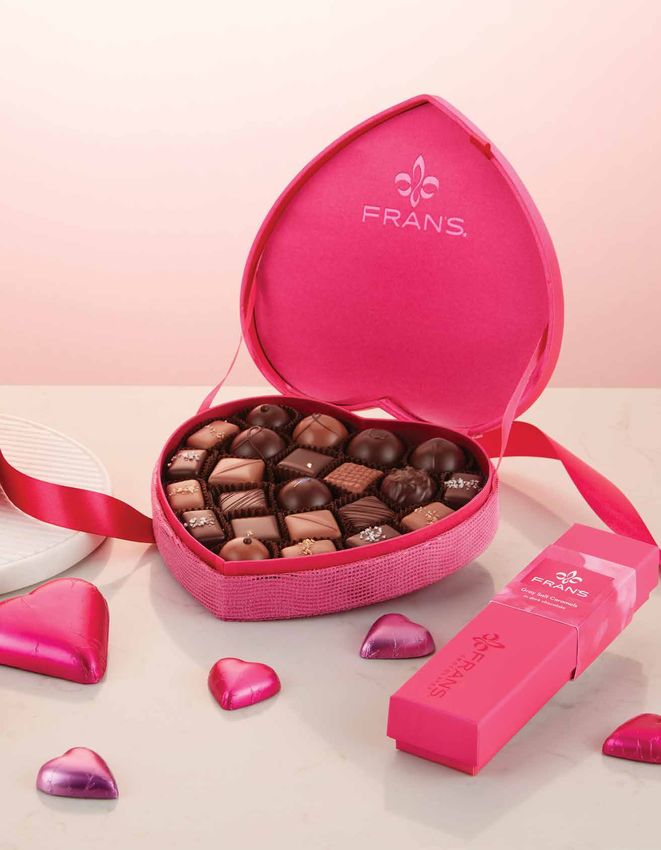
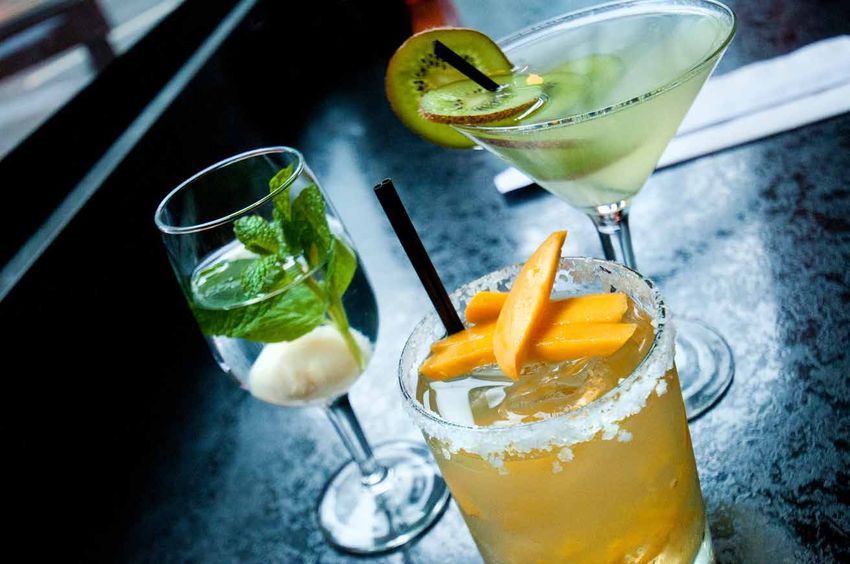
MODERN JAPANESE
 CUISINE WITH A     1400 1ST AVE SEATTLE
  LATIN FLAIR       500 BELLEVUE WAY NE
                    SUITE 130 BELLEVUE
HAPPY HOURS DAILY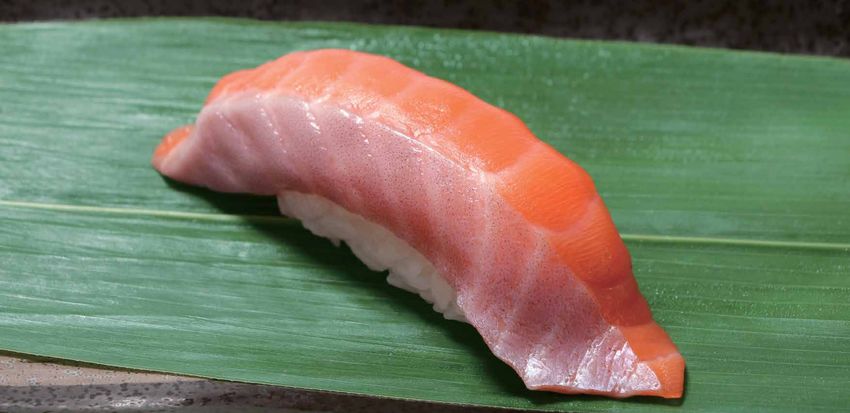
₈ contents
2019 FEB
PUBLISHER’S NOTE
IN JAPAN, we say “New Year’s Day is the key of the year.”
As a cultural bridge between the US and Japan, we are
planning to expand Origami to the online platform
and to other cities so Americans will learn even more
about Japan.
e Affair
We are preparing online content that will make you want
to dive into Japan. Our online offerings will include
information that could not be included in the magazine.
We want to introduce a more interesting and unique FEATURE Sushi: A Global Love Affair
“Japan.” The site will be full of rarely seen Japanese cuisine, 2
dances, events, and much more. Don’t miss it!
Now that we have raised your expectations for Origami,
here is some big news: More direct flights between Seattle
and Japan will become available in 2019. A direct flight to
the Kansai region, home to Kyoto and Osaka, is making a
comeback. Japan is closer than ever. FEATURE FEATURE FEATURE
Sushi Seattle Style Seattle’s Sushi New-Generation Chef
This year is going to be a year of progress for Origami. 3 Godfather Aims to Sustain
Let’s make a leap together (to Japan)! 4 5
Ryosuke Komori
President, Pike Japan Inc.
ORIGAMI MAGA ZINE FEATURE FEATURE HOLIDAY
Publisher Ryosuke Komori Trendy in Seattle Tools for Making Valentine’s Day in
Editor in Chief Bruce Rutledge 6 Sushi at Home Japan
Sales Manager Akemi Ikeda 10 12
Associate Editor Yasushi Kurita
Advisors Yasuki Matsumoto
Kyo Paxi Satani
Shigeki Taguchi
Contributing Editors Makiko Pierce
Designers Hirotaka Matsuda
Dan D Shafer
Kyle Leitch
SIDEBAR SIDEBAR TRAVEL
For advertising opportunities: The Mystery of Stand & Devour: How to Experience
Sales Manager Akemi Ikeda, PikeJapan, Inc. Salmon Standing Sushi True Edomae Sushi
425 802 9842 • www.pikejapan.com 16 Comes Back 22
20
Questions and inquiries: info@pikejapan.com
Special thanks to the following people and businesses for their
contributions to Origami 08:
Takashi Tomiya of Sushi Mania for his mouthwatering shellfish
photos; Shiro Kashiba, Sushi Kashiba, Taichi Kitamura, Sushi Kap-
po Tamura, Maneki, Kamonegi, Japonessa, Seattle Fish Guys for
their support in the Sushi Seattle article; Chef Tsutsui at Tsutsui
and Chef Toshio Kawakubo at Umenoki for help with the feature
article; Yasunori Hirose for information on the City Pop trend in J-POP SHOP COLORING
the Windy City; and Fran’s Chocolates, Indi Chocolate, and Tokara Chicago Bops to Kinokuniya Comes Morning Scene
for help with the Valentine’s Day article.
City Pop to Portland at Nihonbashi
23 25 26
1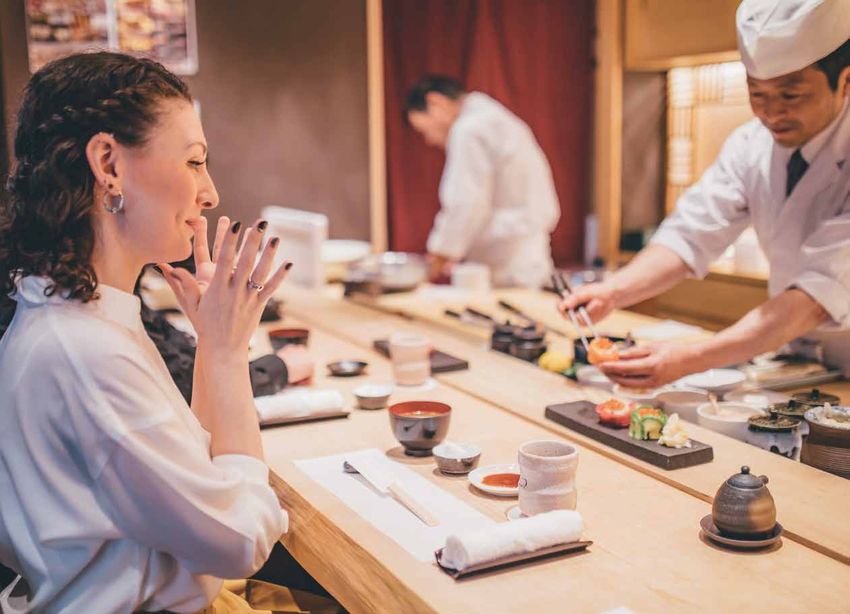
F E AT U R E

                       A GLOBAL
                     LOVE AFFAIR
                   THERE ARE ABOUT 250,000 sushi restaurants in           people developed a taste for it on their trips to
                   Japan, but if you count the number of izakaya and      Japan, and then sushi became trendy as a healthy
                   other restaurants that have sushi on their menus,      choice in always-diet-conscious America.
                   the buy is much, much higher.                                Until 2010, North America had the most
                        For its first century or so, sushi was a Tokyo-   Japanese regions outside of Japan. But today,
                   centric dish. Edomae sushi was focused on the fish     Asia (not including Japan) leads the way with a
                   in Edo (now Tokyo) Bay. Then the devastation           whopping 69,000 Japanese restaurants. North
                   of the 1923 Great Kanto Earthquake sparked             America has 25,000, followed by Europe with
                   an exodus of sushi chefs to other parts of Japan.      12,000, according to statistics from 2013.
                   Unsurprisingly, people in those other regions                Breaking it down further, China has 23,000
                   liked sushi just as much as Tokyoites did.             Japanese restaurants, and the US has 22,000.
                        In the latter part of the 20th century, sushi     South Korea and Taiwan take third and fourth
                   spread overseas. Today, the Japanese government        place, respectively. In Europe, France leads the
                   estimates that there are about 120,000 Japanese        way with 3,000, more than triple the number in
                   restaurants outside of Japan, and many of these        Italy, Spain, or the UK.
                   serve sushi.                                                 The proof is in the numbers: The world loves
                        The world’s love affair with Japanese cuisine     sushi. Let’s take a look at Seattle’s sushi scene, and
                   is said to have started in Los Angeles and New         later in this issue, some of this popular cuisine’s
                   York in the 1970s. Traders and other business          latest trends in Japan.

2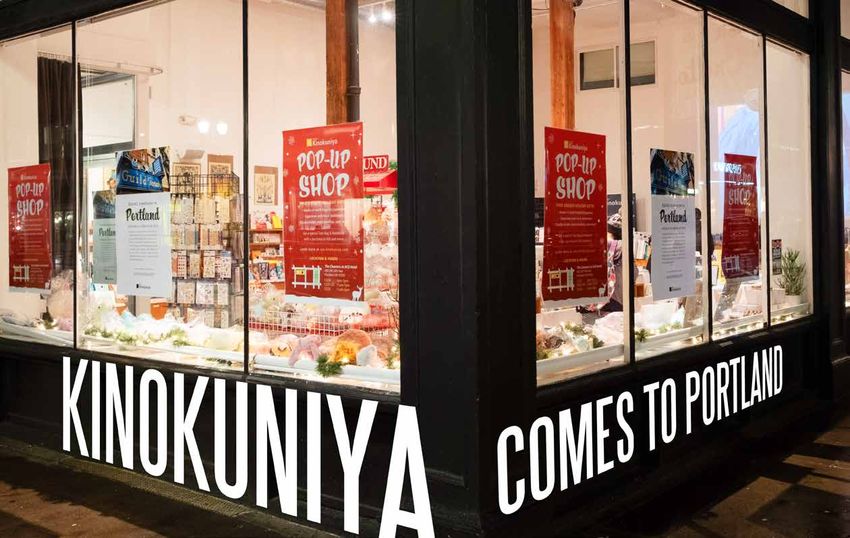
SUSHI,
SEATTLE
STYLE

SEATTLE’S LOVE AFFAIR with sushi start-             turn to these ingredients often to give their
ed in the back bar of Maneki Restaurant in          dishes a local flair.
the late 1960s. There, a young Shiro Kashiba             In the 1970s, US trade with a resurgent
started serving nigiri sushi to the delighted pa-   Japan boomed. Japanese cars started to appear
trons. Until that point, most Americans had an      in big numbers on US highways, especially
aversion to raw fish. But, as we all know now,      when the Oil Crisis hit and drivers turned
that aversion would disappear over the ensuing      away from their American gas guzzlers to
decades.                                            buy Toyotas and Hondas. Traders traveled to
     Today, Maneki is still going strong ;          Japan and got a taste for good sushi. Maneki
Chef Kashiba has moved to his renowned              in those days would be filled with people
restaurant in Pike Place Market; and the city’s     from Boeing , Mitsubishi, and other big
palate has matured to the point where even          manufacturers.
sea urchin is a much sought-after treat. A               Today, a similar phenomenon is occurring,
love affair that started half a century ago has     with software engineers from Microsoft,
brought new delights: award-winning sushi           Amazon, and local AI startups traveling to
restaurants like Tamura Kappo in Eastlake,          Japan on business and getting a taste for uni,
ramen restaurants galore, izakaya, and even         flaky, crisp tempura, and other exotic offerings.
specialty shops like the very popular tempura-           Seattle sushi is also beginning to focus
and-soba restaurant Kamonegi in Fremont.            on sustainability. Overfishing of bluefin and
     The b est S eattle sush i invo kes the         other fish has left stock depleted, and some
spirit of Edomae sushi by incorporating             chefs are starting to turn to more sustainable
local delicacies. Salmon is a Seattle staple,       options . On the fol lowing pa g es, we’l l
for example, be cause the fish return to            hear from the man who started it all, Shiro
Washington’s rivers every year. Sea urchin          Kashiba, and one of his early students, Taichi
can be found in the Strait of Juan de Fuca.         Kitamura , a restaurant owner, chef, and
Albacore tuna ply the North Pacific waters.         fisherman who takes sustainability seriously.
And the forests of the Cascades still grow               Seattle’s love affair with sushi continues
matsutake mushrooms. Inspired Seattle chefs         to evolve.

                                                                                                        3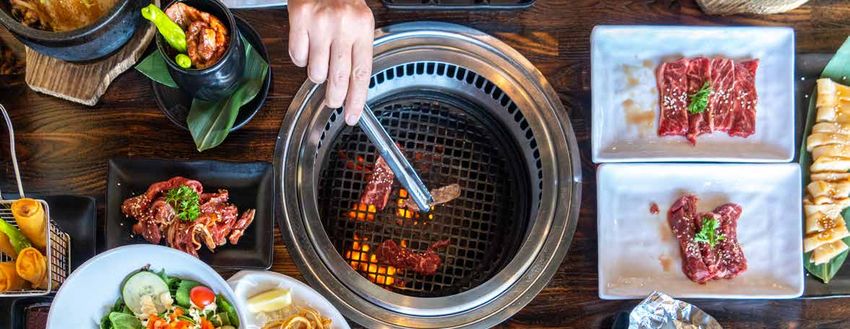
SEATTLE’S
                                                   CHEF SHIRO KASHIBA, more than anyone else, em-
                                                   bodies the Seattle sushi scene. From his early days mak-

    SUSHI
                                                   ing sushi at Maneki in the late 1960s to his current job
                                                   serving sushi at the swanky Sushi Kashiba across from
                                                   the Inn at the Market, Chef Shiro has helped guide
                                                   Seattle’s sushi history. At 77, he’s still innovating. Of

    GODFATHER
                                                   course, former boss Jiro Ono (of Jiro Dreams of Sushi
                                                   fame) is still serving customers in Tokyo at the age of
                                                   93, so Shiro has a long way to go.
                                                        Chef Shiro was trained at a high-end sushi bar
                                                   in Tokyo’s Ginza district before coming to the United
                                                   States. He worked at and founded several restaurants

    CHEF SHIRO   KASHIBA                           over his career, but his short stint at Maneki is widely
                                                   seen as the moment when traditional Edomae-style
                                                   sushi was first served in Seattle.
                                                        When we sat down with him at Sushi Kashiba
                                                   recently, he served us some homemade plum wine
                                                   that tasted like the very essence of plum. The man
                                                   doesn’t do anything halfway.
                                                        He recalls his time at Maneki fondly. “Back then,
                                                   people ate tempura, sukiyaki, futomaki, inarizushi and
                                                   barazushi, which was big in Kansai, but I was the first
                                                   to serve Edomae sushi,” he remembers. “In those days,
                                                   the customers were 90% Japanese, with some Boeing
                                                   people and traders and shipping company people.”
                                                        Chef Shiro often went to Los Angeles to get
                                                   inspiration since the metropolis had more Japanese
                                                   cuisine than Seattle. Over time, he realized what
                                                   abundance was in his adopted backyard and started
                                                   incorporating more local ingredients into his dishes.
                                                   “We are doing Seattle-style Edomae sushi,” he says
                                                   of his current restaurant.
                                                        Over the years, Chef Shiro was the first to serve
                                                   geoduck and black cod kasuzuke (his recipe was
                                                   written up in the New York Times). He even tried to
                                                   open a conveyor-belt sushi restaurant in the 1980s (that
                                                   venture didn’t pan out). The septugenarian chef shows
                                                   no signs of slowing down. Lately, he’s been raving
                                                   about nishin (Pacific herring ) sushi. The fish earns
                                                   a “best choice” designation from the Monterey Bay
                                                   Aquarium’s Seafood Watch program for sustainability.

                           OVER THE YEARS, CHEF SHIRO WAS THE FIRST TO
                           SERVE GEODUCK AND BLACK COD KASUZUKE
                                                   Chef Shiro also loves experimenting with local
                                                   sardines. And don’t get him started on his beloved
                                                   smelt: One of his favorite meals is a smelt sandwich.
                                                        Long ago, when a young Shiro Kashiba was
                                                   sending hundreds of letters to Japanese restaurants
                                                   in the US to try to find work, he received exactly
                                                   one response. A chef in San Francisco wrote back to
                                                   warn him that there was “no money tree in the US.”
                                                   While that may be true, Chef Shiro has shown that
                                                   hard work and charisma can still take you far.

4
NEW- GENERATION
CHEF AIMS TO
SUSTAIN
CHEF TAICHI                              KITAMURA
SUSHI KAPPO TAMURA
A d d r e s s : 2 9 6 8 E a s t l a ke A v e E .
S e a t t l e , W A 9 8 10 2
                                                                     admits that not many chefs are following this path.
Te l : +1 - 2 0 6 - 5 47 - 0 9 3 7                                   “Atlantic farmed salmon is still being used heavily,”
sushikappotamura.com                                                 he says by way of example.
                                                                           After working at Shiro’s under the tutelage
CHEF TAICHI KITAMURA’S popular Sushi Kappo                           of Shiro Kashiba and at I Love Sushi, Kitamura
Tamura restaurant in Eastlake was the only restau-                   founded Chiso in Fremont a few weeks after
rant in Washington state to make Open Table’s 100                    the 9/11 terror attacks in 2001. “I didn’t know
Best Restaurants in America list for 2018. The list is               what to expect,” he recalls of that unsteady time.
compiled based on enthusiastic feedback from din-                    Soon, the restaurant started winning fans in the
ers who use the Open Table reservation system, not                   predominantly Caucasian neighborhood. When
reviews by professional food critics.                                Adobe and Google campuses moved into the
      The award is in part a tribute to Kitamura’s                   Fremont area, he knew he had bet correctly.
affable style. “It’s just my personality. I always                         Kitamura stepped aside in 2010 to launch
thought sushi chefs were too serious, but now I                      Sushi Kappo Tamura, an open-kitchen restaurant
understand,” he says with a laugh. “It’s hard to                     where the friendly chef and staff can chat with
converse and also accommodate everybody’s tastes.                    customers while they prepare dishes.
It’s incredible multitasking!”                                             The restaurant sources some of its leaf y
      The Open Table award also reflects the care                    vegetables from its rooftop garden, started in
and precision Kitamura brings to ever y dish.                        2012. Kitamura also goes out of his way to connect
His three touchstones are “local,” “seasonal,” and                   with local farms and fisheries.
“sustainable.” The menu at Sushi Kappo Tamura                              The chef says he sees the blossoming of
comes with notes showing which dishes are                            what he calls “micro-Japanese cuisine” in Seattle.
sustainable. But Kitamura, an avid fisherman,                        Specialty shops like Kamonegi (soba and tempura)
                                                                     fall into this category, as do robata-yaki restaurants
                                                                     like Issian or Junkichi, the many ramen shops
                                                                     dotting the Seattle landscape, and the upscale
                                                                     kaiseki or course restaurants like Wa’z and Adana.
                                                                           “Today more people are going to Japan and
                                                                     tasting the real thing,” he says, “but you still have
                                                                     to hit it right, with the right location and the right
                                                                     timing to be successful.”
                                                                           Kitamura is concerne d ab out the lab or
                                                                     shortage in Seattle. He wants to bring together
                                                                     Japanese restaurateurs to see if they can brainstorm
                                                                     some solutions to healthcare costs, long commutes,
opentable.ca /r/sushi- kappo -tamura - seat tle
                                                                     and the rising cost of living. “If we can do that,” he
S U S H I K A P P O TA M U R A w a s c h o o s e n " T h e B e s t
R e s t a u r a n t " o f O p e nTa b l e                            says, “I think the Japanese restaurant scene will get
                                                                     much better.”

                                                                                                                              5
TRENDY IN SEATTLE
                                                                                       SUSHI KAPPO
                                                                                       TAMURA
                                                                                       WINS OPEN TABLE HONORS
                                                                                       Sushi Kappo Tamura in Eastlake was the only restaurant in Wash-
                                                                                       ington state to make the Open Table list of the top 100 restaurants
                                                                                       in the US in 2018. Open Table, an online reservation system, uses
                                                                                       feedback from diners to compile the list. The restaurant has an
                                                                                       exceptional rating on Open Table with 97% of the 993 reviews rec-
                                                                                       ommending it. For more on Sushi Kappo Tamura and Chef Taichi
                                                                                       Kitamura, turn to page 5 of this issue.

                                             SUSHI KASHIBA
                                             SERVES PACIFIC
                                             HERRING SUSHI
                Ever the innovator, Chef Shiro Kashiba has found a new favorite
                fish. He’s been serving nishin (Pacific herring) sushi lately at his
                restaurant in Pike Place Market. Kashiba wasn’t much of a fan of
                the traditional pickled herring, so he freed the fish from the pick-
                ling process and found out it is quite delicious as a sushi topping.
                For more on Chef Shiro Kashiba, including the story of how he
                brought nigiri sushi to Seattle in the 60s, turn to pages 3 and 4 of
                this issue.

                                                                                       KAMONEGI                                                                @djspecialdark

                                                                                       KEEPS RAKING IN AWARDS
                                                                                       Mutsuko Soma’s hit soba-and-tempura restaurant, Kamonegi, keeps
                                                                                       getting accolades. Eater called it one of the best new restaurants of
                                                                                       2018. Seattle Met magazine named it restaurant of the year. And
                                                                                       Seattle Times food critic Providence Cicero put it at 1st and 11th
                                                                                       on her 20 Best Bites list. This year, Soma plans to open a sake bar
                                                                                       called Hannyatou in the same building as Kamonegi in Seattle’s
                                                                                       Fremont neighborhood. She’s also going to use the space to ferment
                                                                                       pickles, miso, and other staples of Japanese cuisine. The bar and re-
                                                                                       tail space is scheduled to open this spring. Check for updates at the
    @lecolton

                                                                                       website: www.hannyatou.com.

6
MASA’S CORNER
AT JAPONESSA BELLEVUE
One of the more intimate dining experiences in
the Puget Sound area can be had at Japonessa in
Bellevue. Chef Masa Nakashima has set aside
four seats at the end of the sushi bar for diners
who want to try his omakase course. Chef Masa
prepares the sushi right in front of the custom-
ers, providing an intimate private dining expe-
rience. When you consider that the 10-piece
omakase course, which also includes two hot
appetizers, starts at $60, this is an incredible
deal. Plus, Chef Masa keeps meticulous notes on
every customer who tries his omakase course to
be sure to prepare something that suits each in-
dividual palate. “I try to make sushi so that every
piece is like a separate dish,” he says. He’ll pre-
pare his sushi with truffle salt, soy sauce, thinly
sliced grapes, and other seasoning to create a
unique, memorable meal. Our favorite bite:
scallop nigiri with a dollop of foie gras, seared to
perfection. For a reservation at Masa’s Corner,
go to bellevue.japonessa.com.
FISH GUYS
SERVE UNI IN ITS SHELL
If you love uni, get over to Seattle Fish Guys and try the $11 sea
urchin served in its spiny casing. Mix in a little soy sauce and wasa-
bi and enjoy. And while you’re there, don’t forget to pick up some
authentic Hawaiian-style poke, oysters, fresh fish, or any other
seafood item you can think of. This Central District store is full of
top-shelf seafood options at affordable prices. Plus, the staff is very
friendly, Aloha style. The store has a few counter spaces and tables
and an outdoor patio area for people who want to eat at the store.
The fishmongers are more than happy to whip up simple dishes on
request. Perhaps some grilled shrimp or mouthwatering black cod
kasuzuke? Just ask. To learn about the store’s roots and its ties to
the historic Linc’s Tackle shop, turn to page 8.
7A Store Steeped
In Seattle History
Next time you drop by Seattle Fish Guys on 23rd & Jackson to pick up your black cod
kasuzuke or your fresh salmon or your poke lunch, take a look around and see if two elderly
Asian gentlemen happen to be enjoying lunch together at one of the tables. If so, you may
be in for a history lesson.
Jerry Beppu, father of Seattle Fish Guys owner Sal Panelo, and Hing W. Chinn, father
of “boss lady” Desiree Chinn, often break bread together at their kids’ store, reminiscing
about the old days when Jerry ran the famous Linc’s Bait & Tackle and Hing opened the
ID’s first Chinese herbal shop.
Linc’s Bait & Tackle on Rainier Ave. was a community hub. Jerry’s father, Lincoln, ran
Togo’s Tackle Shop on 3rd Ave. & James St. before World War II only to have the business
taken away from him when he and his family were imprisoned in Minidoka. Undeterred
after the War, Lincoln founded Linc’s, which became the favorite hangout of every fisher-
man worth his salt. Governor Daniel Evans, members of the Nordstrom family, and other
local luminaries would stop by for advice or to pick up new gear. Linc and Jerry were
full of tips for the fishermen. They knew just what bait to use to lure trout (maggots), for
example, or how to flash cook calamari, or tie any sort of fishing knot.
After Lincoln passed away in 1992, Jerry and his wife, Maria took over. “I know it sounds kind
of corny, but every morning, when I opened the shop, I would say, ‘Hi Dad,’” Jerry recalls.
Jerry ran the shop until 2017, when glaucoma made it difficult to continue. “I had to have
somebody come behind the counter and help me tie the knots,” the soft-spoken Jerry said.
His frequent dining partner, Hing, worked for Boeing for 32 years and has been extremely
active in the Chinese-American community, serving on a host of societies and associations,
from the Seattle Oak Dong Investment Company to the Gee How Oak Tin Association
Foundation. He also opened Seattle’s first Chinese herb shop, which also ran a lucrative
side business renting videotapes of the latest Hong Kong soap operas. “People loved
those soap operas,” Hing recalls with enthusiasm. The herb shop, on 7th Ave. & King St.,
also doubled as a grocery store. “It was a lot more than an herb shop,” he says.
Jerry and Hing both say they are proud of Sal and Desiree for creating a store that is much S E AT T L E F I S H G U YS
more than a fish shop. Like Linc’s, it’s a community hub. The two proud papas, both graduates 411 2 3 r d A v e . S .
of Garfield High School, will regale you with stories of old Seattle. Shopping and dining at S e a t t l e , W A 9 8 14 4
Seattle Fish Guys, you get a sense of what the old Central District and ID must have been like. O p e n 10 to 6 : 3 0 ( 5 : 3 0 o n
Generations, ethnicities, and income levels of all sorts comfortably mix here. Plus – not to put Sundays)
too fine a point on it – the store has some of the best seafood in the city for sale. Next P h o n e: ( 2 0 6 ) 4 8 5 -7 3 8 8
time you are shopping for seafood, make sure to visit this very friendly store. Email: seattlefishguys@gmail.com
8 Advertising Partner FeatureHamanasu Nears
Silver Anniversary
This year marks the 49th in Hamanasu’s long, illustrious history of serving
teppanyaki, sushi, and other Japanese favorites at its downtown restaurant. For
years, the restaurant has been a magnet for local and out-of-town celebrities.
Bill Gates dines here often. Photos of Seahawks, visiting NBA stars, comedians,
politicians, and movie stars line the wall. And today, Hamanasu is thriving as an
independently run local restaurant that severed ties with a famous steakhouse
chain in 2016 so that it could offer more local fare and keep its gas grills (the chain
switched to electric).
Hamanasu, named after a type of rose that is the official flower of Hokkaido, JANUARY SPECIAL DEAL
offers all the ambience of the former steakhouse chain with better service and Sundays through Thursdays in January, Hamanasu offers
food. Situated near the Fairmount Hotel and the 5th Avenue Theatre, it is a a truly special deal to celebrate the new year: Two people
spacious downtown spot with some superb deals. Try the all-you-can-eat sushi dine on a steak and chicken hibachi dinner for $20.19!
lunch, for example, or the New Year’s special dinner offer detailed below. Deals The meal includes Japanese onion soup, salad, a shrimp
this good are hard to find, especially in a central downtown restaurant. appetizer and hibachi grilled veggies and steamed rice. For
$12 more, you can add a pair of drinks and ice cream for
When it separated from the steakhouse chain in 2016, Hamanasu wasn’t allowed a five-course meal. One catch: You need to print out the
to advertise. But its ability to retain almost all its employees helped ease the coupon at hamanasuseattle.com to be eligible for this
transition. Current owner Eriko Sugawara takes special pride in that fact. Her deal. Screen shots are not honored. This deal is good
late husband, Greg Sugawara, was the long-time owner and general manager of through January 31.
the restaurant. He was involved from the construction phase, and he and Eriko
always considered the employees like an extended family, she says. After Greg
passed away in 2010, Eriko wanted to preserve the passion, love, and attention
to detail he put into the restaurant over the decades, so she dedicated herself to
continuing to operate the restaurant.
Over the years, Sugawara and her staff have kept some things remarkably
consistent: the friendly atmosphere, attentive service, and delicious food
that is the same or better than it was nearly 50 years ago. When you visit Seattle,
make sure to dine at one of its longest-running Japanese restaurants.
1200 5th Ave. info@hamanasuseattle.com
Seattle, WA 98101 www.hamanasuseattle.com
Tel.: 206-682-4686
Advertising Partner Feature 9
29UWAJIMAYA
TOOLS FOR MAKING
SUSHI AT HOME
HAVING FRIENDS OVER to watch the Super Bowl or ex-
pecting a cozy Valentine’s date at home? Why not impress
your friends by making sushi at home? Too difficult, you say?
Not true. Kits available at Uwajimaya supermarket make it
quite easy to whip up both rolls and nigiri sushi in the com-
fort of your kitchen.
For starters, tr y the Hand-Rolled Sushi Kit . Add
cooked rice and seasoning to the wooden bowl and mix it
all together with the wooden paddle. That’s your sushi rice.
Then place a sheet of nori seaweed on the bamboo mat,
spread out some rice onto the seaweed, add your favorite
ingredients, and roll it all up. Voila! A homemade sushi roll
that you can slice and serve.
If you want to serve nigiri sushi, try the Tobidase O
Sushi kit . All you have to do is place the sushi rice in the
mold and put your favorite topping on top. Then place the
mold on the sushi piece, slide it down, and you have a piece
of nigiri sushi!
If that sounds like too much work, there’s always
a surefire way to enjoy great sushi at home : order an
U w a j i m a y a P a r t y P l a t t e r . Uw a j i m a y a’s s u s h i a n d
sashimi platters start as low as $34 and offer all kinds of
combinations of rolls, nigiri sushi, and mouthwatering
sashimi. The platters are ideal for office gatherings and
house parties. Check out the Uwajimaya website for more
UWAJIMAYA PARTY MENU
details. Orders must be placed with the store’s seafood
department at least 48 hours in advance.
Finally, Uwajimaya sells Iwako erasers in the shape
of your favorite piece of sushi. They look a lot like the real
thing, but they definitely taste like an eraser (don’t ask how
we know, please), so take our advice and don’t eat them.
10Ake-Ome! あけおめ☀︎
JANUARY—MARCH 2019
Happy Hour after 5 p.m.
53% off any one item
when you buy three items
Bringing 20 years’ mastery to Seattle
The Master Sushi Chef and owner of Ten Sushi, Shinichiro Takahashi, was born
and raised in Aizu Wakamatsu, a small town in the Fukushima region of Japan. For 20
years, he has committed his focus and energy working in the kaiten (conveyor belt) sushi
industry, five of those years being here in the USA. As a Kaiten Sushi Master, Shin was
able to share his knowledge with those interested in becoming a sushi chef, helping them
to perfect various techniques; many of those individuals have since then, “graduated”.
In 2013, Sushi Master Shin was given the opportunity to start his very own kaiten sushi
restaurant—Ten Sushi.
Lower Queen Anne Store Little Saigon Store
500 Mercer St. #2B 1207 Jackson St.
Seattle, WA 98109 Seattle, WA 98144
206.453.3881 206.568.0404
S Jackson St
S E AT T L E F I S H G U YS
12 Ave S
O p e n 11 to 10 d a i l y Mercer St
Capitol Hill
tensushiseat tle.com
5 Ave
King St
China Town
Advertising Partner Feature 11H O L I D AY
Valentine’s Day in Japan:
Women’s Work
PICTURE THIS: It’s the morning of February 14 at M High School, simple way to indicate that you liked someone.
a private school in the Tokyo suburbs. The school is in total chaos. In the 1980s, the concept of giri choco, or charity chocolate,
About half of the 300 students are female. They arrived earlier was born. These were gifts of chocolate from women to co-workers
than usual on this day to line up by the school’s grand staircase. They or bosses where no romantic feelings were attached. People say the
form lines on both sides of the stairs extending to the third floor. tradition of giving giri choco provided cover for women who didn’t
As the male students start to arrive, every girl starts handing want to make their true feelings obvious to others. They could give
out chocolates to every student. And we mean every student. It chocolate to everyone but slip a little love letter into the box for
doesn’t matter if they are seniors, juniors, boys, or girls. Every girl that special someone.
gives every student a piece of chocolate! And, while they are doing But then, married women and women who were going steady
this, they are also receiving chocolates from with someone started giving giri choco too.
other girls. In the end, the girls will have Perhaps it was Japan’s unique brand of peer
given out about 300 pieces of chocolate V A L E N T I N E ’ S D AY I N J A P A N pressure that got all the women involved.
and received 150 or so. Ever y boy will Next was tomo choco, which is given to
also receive 150 chocolates but won’t have H A S T U R N E D I N T O A F R E N Z Y friends. The younger generation started this
done a darn thing to earn them! That’s trend. Girls give chocolate to their male and
Valentine’s Day in Japan. OF CHOCOLATE GIVING female friends. But of course, nervous girls
“I feel depressed ever y year when who didn’t want to offend anyone started
Valentine’s Day gets closer,” said one female student. “I hope this giving tomo choco to just about everyone. Thus, Valentine’s Day in
tradition changes.” Japan has turned into a frenzy of chocolate giving.
What gives? Why do women put up with this Valentine’s inequity? Because
Valentine’s Day gained a foothold in Japan in the late 1970s as one month later, on March 14, Japan celebrates White Day, where
a day when women would give chocolates to certain men to express women receive gifts from men. The women may receive a piece of
their affection. No one is quite sure how it became women’s work – jewelry, for example, or some other simple gift.
a misinterpretation? A marketing ploy by the chocolate industry? – Perhaps in the age of the Internet, this is a way to keep direct
but that tradition has stuck. communication among peers. At any rate, as our US editor noted,
Back then, Japan’s consumer culture was maturing, people had American men are the ones who shoulder the burden here in the US
more cash to spend, and women didn’t feel comfortable expressing on February 14. In Japan, Valentine’s Day is women’s work.
their true feelings to a male counterpart. A gift of chocolates was a
12CHOCOLATE LOVE Looking for that special gift this Valentine’s Day?
Here are some suggestions from the Origami staff.
FRAN’S CHOCOLATES
Check out Fran’s Japanese collection of urushi lacquer boxes and
bowls filled with the chocolatier’s legendary salted caramels. These
elegant gifts start at $75. Or perhaps a heart-shaped box of truffles and
caramels is more your speed. Those start at $34.
Green tea lovers should try Fran’s matcha bar, released last summer.
It’s made with organic matcha and white chocolate. The bar has a
strong matcha flavor.
Another fun option is to take the Fran’s “guided tasting experience”
tour at the flagship store in Seattle. Tours are offered Monday through
Friday at 11. The tour is just $10 a person and includes a generous array
of samples. Make a reservation at 206-322-0233 or email customer-
care@frans.com.
TOKARA
Tokara’s seasonal sweets are little
works of art. Check out the website
tokaragashi.com to view them all.
Chef Tokara makes the Japanese
confections to reflect the seasonal
changes and the beauty of nature.
INDI CHOCOLATE
The color, shape, and taste of each
confection is carefully crafted with
precision and care. The confec-
This Pike Place Market chocolatier has some unique tions are also delicious – the per-
gifts like chocolate body lotion, handmade chocolate fect gift for a person who cares
soap, and chocolate spice rubs. Stop by and try their about appearance and balance in
drinking chocolate, too. Or purchase a class starting life. You can order directly via the
at $35. Indi has held classes on pairing chocolates website or find Tokara sweets at
with sake, for example. Or try the Chocolate Tasting Ten Sushi, Junkichi, the Panama
101 class. If you have children, consider the Chocolate Hotel Teahouse, and other local
Class for Youngsters, where children learn to make establishments. A complete list is
their own chocolate bar. More at indichocolate.com. on their website.
13Fire Up the Grill
at Gyu-Kaku
For your next outing with friends or family, head to Gyu-Kaku in Bellevue for a
Japanese barbecue feast. You cook succulent strips of beef, freshly cut vegeta-
bles, and all sorts of seafood right at your table on a grill with a special down-draft
exhaust system that eliminates the smoke. Choose from a variety of tasty dipping
sauces and let the yakiniku party begin.
Gyu-Kaku is made for parties. You can choose from a selection of party
courses: The $130 Samurai course serves four people like…well, samurai. Or go
for the $180 Shogun course that will serve six people like…you get the idea. The
Shogun includes miso soup, salad, edamame, bibimbap, pork dumplings and way
too much beef, pork, and shrimp to list here. In short, it’s a feast. For dessert, the
staff comes by with a new grill face so you can make s’mores!
There’s something festive about cooking at your table with loved ones. You order
shared plates, eat at your own pace, and order other side dishes from the friendly
and attentive staff. For special occasions, go for the 21-day aged Angus Beef,
which melts in your mouth. Or try the best-selling Harami Miso Skirt Steak, which
offers exceptional value.
A new addition to the menu is a crispily deepfried batch of calamari.
There are more than 700 Gyu-Kaku restaurants around the world, but there’s only
one in the Seattle/Bellevue area. Follow the Bellevue store on Facebook (www.
facebook.com/GyuKakuBellevueWA/ ) and Instagram (www.instagram.com/gyuka-
kujbbq/ ), and plan your next Japanese barbecue party today!
GYU-KAKU
14506 NE 20th Street, Suite 2
Bellevue, WA 98007
Phone: (425) 296-8818
Open 11:30 to 10:30 every day
www.gyu-kaku.com/bellevue
14 Advertising Partner FeatureSCHEDULE
Seattle Necchu Continuing Feb. 23, Mar. 30, Apr. 27, May
Education Program
25, Jun 29/30
Registration Now Open!
Morning Sessions
9:30 am – 12:30 pm
Afternoon Sessions
4 pm – 7 pm
OUR AMAZING INSTRUCTORS FROM JAPAN
DETAILS & FEES
Fee: $100 for the semester.
60 people max class size
per session.
Ages 15 years and older
Kei Kurasaki Masachika Eto Rica Maki INSTRUCTORS
Saturday, February 23 Saturday, March 30 Saturday, April 27
FROM SEATTLE
“The Moment People “The Latest on E-Commerce “Let’s Make a Paul Atkins, Jay Rubin, Hiroko
Feel: Behind the Scenes and the Necchu Store” Necchu My Song” Huntoon, Lori Matsukawa,
of a TV Program” Mina Miller, Yoichiro Yamada,
CEO of EC Consul Company Lyricist, Composer,
Director of NHK Taiga Musical Author Siro Kashiba, Tatsuhiko
Drama “Idaten” Konno, Douglas Palmer, Allen
Nakamoto, Kohtoku Kurachi,
Rintaro & Asako Tateishi, Satoshi
Nakajima, Keiko Tanaka, and
more...
Hideo Harada Masako Wakamiya Kyota Omori
Saturday, May 25 Saturday, May 25 Sat. June 29 / Sun. June 30
“Latest WAGYU Situation” “I Want to Stay Creative” Chairman of Mitsubishi
Research Institute, Inc.
Former Head of the Livestock Vice-President of Melow Club,
Department of the Ministry Board of NPO Broadband More Instructors Coming...
of Agriculture, Forestry, and School Association, World’s
Fisheries. Chair of the General Oldest Programmer info@necchu-seattle.org
Corporation Association, 425.785.8032
Livestock Environment 14640 NE 24th St.
Maintenance Organization Register Today! Bellevue WA 98007
More info available at
www.necchu-seattle.org Asunaro d.b.a. Necchu School is a
501(c)(3) non-profit organization.SIDEBAR
THE
“MAGURO” (TUNA) HAS ALWAYS BEEN the most popular
sushi item all over the world, but recently “Salmon” is gaining its
popularity almost to strip Maguro’s No. 1 status.
MYSTERY
Salmon is widely known in the world. It is the fish those
sushi beginners can feel confortable to try. Salmon goes well
with western seasoning such as mayo, olive oil and cheese. It
must be one of the reasons that Salmon is catching on these days.
OF
Surprisingly, Salmon was never served at sushi restaurants in
Japan until 1990s.
In Japan, Salmon is called “Sake.” Sake was never eaten raw
because of parasites. The parasites can be contaminated if heated
SALMON
or frozen, but such freezing technolog y did not exist when
Edomae Sushi was developed in Edo period. Since the freshness
of fish is the most important in sushi, Sake was not a choice of
fish back then.
Edomae Sushi chefs gave a skillful twist to the perishable
shrimps and clams by simmering, broiling, or steaming them.
You would think, “Oh, they should have cooked Sake as well.”
But they could not use Sake anyways because it was not caught in
Tokyo Bay.
Salmon started to be served as a sushi item in Japan when
Atlantic salmon became available from Norway and Canada.
Thanks to the emergence of popular California Roll, salmon
became widely served as a staple at sushi restaurants.
Nowadays, you will see high-end sushi restaurants in Japan
also serve salmon.
Possibility of salmon is expanding; it is served after slightly
roasted, marinated in soy sauce and dashi broth (“zuke”),
wrapped with konbu seaweed to add umami (“kobujime’).
Salmon is indeed a popular sushi ingredient that was born in
America.
16SHELLFISH
Shellfish is an indispensable part of sushi.
About 20 types of clams and abalone are used
& SUSHI
in the cuisine to add different texture and flavor.
Here are some of the most delicious choices.
HOKKIGAI
SURF CLAM
Hokkigai has a unique look: white flesh with a red
pointy end. It is thick and chewy. A strong sweet-
ness and umami fill your mouth with every bite.
Surf clams can be found only in the waters off Hok-
kaido. Surf clams with black shells are called kuro
hokkigai and considered especially delicious. They
AKAGAI
RED CLAM
Akagai has a beautiful, vivid orange color. It is
known for giving off the scent of the ocean and hav-
ing a soft but springy texture. Chefs make shallow
slits in the red clams to make them easier to eat.
17TORIGAI
HEART CLAM
Torigai has a striking black color on the surface.
It is easy to bite through and known for its slight
sweetness and moderate texture. The flavor does
not change when it is frozen. Usually, heart clams
are served boiled, but they are served raw during
summer when in season.
TAIRAGI
RAZOR CLAM
Razor clams look like scallops but have more fiber
and a flakier texture that has a concentrated sweet-
ness. Sushi chefs may lightly roast razor clams,
giving them a different flavor from when they are
served raw. They are in season in spring.
18HAMAGURI CLAM
Hamaguri that is cooked with traditional tech-
niques is called nihama. The best season for these
clams is early summer. Large clams in season are
carefully cooked to preserve their plump texture
and abundant umami. These are not easy shellfish
to prepare. A chef must know how long to cook
them and at what temperature to get the perfect ni-
hama. If you find a sushi restaurant that can prepare
nihama in early summer, it is probably a very good
restaurant.
AWABI
ABALONE
In Japan, abalone has been offered to the gods
during holy rituals for more than two millennia.
The Japanese consider abalone a sign of good for-
tune. Raw abalone is firm bordering on tough, so
chefs use well-place cuts to make them easier to eat.
They pack a strong scent of the ocean, a crunchy
texture and an elegant sweetness. Traditional sushi
restaurants may prepare the abalone salted and
steamed or in what is called niawabi style, where
the abalone doesn’t harden when it cools. Abalone
19SIDEBAR
STAND & THE COMEBACK OF
DEVOUR
STANDING SUSHI
BARS IN JAPAN
WHEN YOU’RE LOOKING for a reasonable, ca- Gradually, high-end sushi restaurants and
sual alternative to the high-end sushi bars, kaiten kaiten-sushi outlets pushed aside the standing-
(conveyor belt) sushi restaurants spring to mind. In only venues. It came to the point that tachigui
Japan, another option has been catching on lately: sushi was almost extinct. Then, beginning a few
tachigui, or stand-and-eat, sushi restaurants. No years ago, a resurgence began.
seats, no frills, no omakase courses, no scary bills Part of the resurgence has to do with larger
to worry about. You can order six pieces of maguro franchises jumping into the business. In the old
and call it a day if you want. This is a convenient, days, a standing sushi bar would be a business run
inexpensive sushi option that is closer to the way by a single chef trying to keep overhead low. But
Japanese ate sushi during the Edo Era. today, larger chains are opening their own versions
Sushi as we know it today, called nigiri sushi, of the standing sushi shop. These standing shops
originated around 1820. Until then, fermented have become popular because they are reasonably
fish with vinegar was called sushi. It was served priced, yet they still give diners the experience of
separately from rice. As Edo (the old name for watching the sushi chef prepare pieces right before
Tokyo) boomed to a population of 1.1 million, their eyes.
quick-thinking sushi vendors began to serve the fish Standing sushi bars tend to be very small
atop a small ball of viengared rice for convenience. in Japan. Many fit 10 people or fewer. You can
The snack became a hit with busy merchants and visit them alone, and there is no pressure to order
craftsmen, and sushi vendors began to spring up alcohol. On your next visit to Japan, when you
all over the city. They were the original fast-food are in the mood for a quick snack, drop into a
vendors and the precursors to the food trucks and standing sushi shop for a bite. If you’re in Tokyo,
burger joints that serve us today. we have a recommendation for you.
20TOKYO’S HOTTEST STANDING SUSHI SHOP
Tsutsui in Tokyo’s Gotanda neighborhood location in the same neighborhood, but he was
opened its doors in 1990. It offers delicious, high- hesistant to plunge ahead with all the renovation
quality sushi at a reasonable price. The maguro is costs. What if the new landlord ended up doing
amazing and costs just 150 yen (about $1.30). The the same thing to him? He was at a crossroads.
shop serves white-flesh fish, known as shiromi, as Ts u t s u i ’s r e g u l a r s d e c i d e d t o s t a r t a
sushi as well as blue-skin, known as aozakana using crowdfunding campaign to help him out. In about
traditional Edomae techniques. Tsutsui is known a month, they had raised $20,000. Today, thanks
as Japan’s most delicious tachigui sushi shop. to the support of the regulars and Tsutsui-san’s
Howe ver, in March 2017, the landlord persistence, Japan’s favorite standing sushi shop
notified Tsutsui that its lease would not be is back in business. And because of the publicity
extended. The restaurant had to close. In early surrounding the crowdfunding campaign, Tsutsui
2018, owner and chef Tsutsui-san found a new is more popular than ever.
TSUTSUI
A d d r e s s : 1s t F l o o r, 1 - 9 - 3 N i s h i
G o t a n d a , S h i n a g a w a - k u , To k y o
P h o n e: + 8 1 3 - 6 417 - 3 5 6 4
21T R AV E L
HOW YOU CAN EXPERIENCE
TRUE
EDOMAE
SUSHI
IN JAPAN
T H E U N P R E T E N T I O U S U M E N O K I sits could go to the fish market and bid with octopus, a small squid dish, and seasonal
in a hard-to-find alley in Tokyo’s Akasaka gusto were considered cool, or iki. vegetables as appetizers prepared using
neighborhood. The exterior is black, and only Kawakubo expects the same alertness Edomae techniques. If you like sake, you’ll
a colorful noren curtain that changes with in his guests. No moping around, or he’ll be in for a treat. Kawakubo invented “frozen
the seasons indicates there’s something going ask you to leave. That’s why even though sake,” where sake is half frozen to a sorbet-
on inside. It’s easy to pass right by this sushi there’s a pre-set course on the menu, no one like texture and served in a square wooden
shop. orders it. They tell the chef if they have any cup made of Japanese cypress. It goes down
But if you do pass it by, you’ll be allergies or if there are things they cannot so smooth, you need to make sure to pace
missing out. Duck inside the noren and eat, then they let the chef decide what to yourself.
you’ll find a larg e, plain wooden sushi Umenoki is usually fully booked with
counter with nine seats. There is no menu regulars. It’s hard to make a reservation if
or price list on the wall, and not even a you don’t have a referral. Even Japanese first-
cooler to store the fish. The wall behind timers can’t just walk in unannounced. And
the counter is painted a nondescript black. Kawakubo is known for not checking his
There is no place for anything extraneous at email. But there is a way to experience this
Umenoki. special restaurant.
Owner Toshio Kawakubo is in his 70s. Umenoki is open for lunch. It offers a
He’s been serving sushi here for more than fixed sushi course for about $20. That’s the
40 years. He was taught by a master sushi best way to (literally) get your foot in the
chef who once ser ved the late Emperor door. But once you’re in, remember not to
Showa (Hirohito). Kawakubo is a classic mope or stare at your cellphone while you
Edomae sushi chef. He can be intimidating eat, and keep in mind that the chef does not
with his sharp stare, lean frame, and bald speak English. Show some iki, or the chef
head. But give him a chance. He actually is serve. And they are handsomely rewarded might just show you the door!
talkative, outgoing , and frank. He knows for their deference with a memorable sushi For more information, check out the
what he’s talking about and can make quick experience. website: umenoki.jp.
decisions. In the Edo Era, guys like him who Kawakubo may serve sashimi, cooked
22CHICAGO
J-POP
BOPS TO CITY POP
SWEET HOME CHICAGO has found a penchant for J-Pop. At an event last year, a
downtown bar was packed with American fans of Japan’s City Pop, a genre of 1980s
pop that focuses on adult urban life and features music by Anri, Mariya Takeuchi,
and Tatsuro Yamashita, among others.
In a town known for gritty blues musicians like Bo Diddly and Howlin’ Wolf,
who would expect to find a barrroom swaying to “Cat’s Eye” by Anri? In fact, the
57-year-old Anri sold out a show in Chicago recently.
Much of the credit for Chicago’s embrace of City Pop goes to DJ Van Paugam,
who discovered the genre when trying to track down the source of samples from
music he liked. Turns out the “vaporwave” samples were from City Pop songs.
Paugam told the Chicago Reader that it took some sleuthing to find the
sources to the samples. “It took some work between myself and a friend of who lives
in Japan to find a lot of the music,” he told the paper. “We traded records back and
forth and worked with record shops online and in person, eventually discovering
the roots of this little genre.”
Paugam’s YouTube following skyrocketed as people fell for the happy City
Pop sound. He went from 80 subscribers to more than 88,000 today, the Reader
reported.
City Pop is optimistic, urban music that has a tinge of disco to it. Songs like
“Christmas Eve” by Tatsuro Yamashita and “Plastic Love” by Mariya Takeuchi are
emblematic of the genre. “Plastic Love” had over 20 million views on YouTube
before copyright issues forced a take down of the video.
Another City Pop star, Taeko Onuki, re-issued her 1977 album last year.
Western fans have even been spotted in Japan’s vinyl shops looking for their
favorite City Pop records. The trend has caught on in London, too, also thanks to
an enthusiastic DJ. After 30 years, City Pop is officially back.
Ginza: Your Eastside Izakaya
Ginza is a casual, friendly restaurant with some- duck sauteed in butter and the cooked-just-
thing for everyone. In true izakaya style, it has right gyoza. And try pairing them with a sake
an extensive menu that offers sushi, yakiniku, or shochu drink. Ginza has a wide array of
noodle dishes, dinner sets and all sorts of otsu- choices and a full bar.
mami appetizers like yakitori. It’s a great place
for parties, with two private rooms that can Finally, Ginza has a top-notch sushi bar. Its
host 8–10 people each. Try the mouthwater- sushi dinner sets are reasonably priced and
ing yakiniku. All the beef, whether wagyu or come with healthy portions. There is truly
American, is grass-fed and free of hormones, something for everyone here.
antibiotics and GMOs. Ginza was the first
restaurant in the greater Seattle area to offer GINZA JAPANESE RESTAURANT
grilled meats Japanese barbecue style, and it’s & YAKINIKU
still the best. 103 102nd Ave SE Bellevue, WA 98004
Phone: 425.709.7072
The appetizer menu has so many items, it feels Open for lunch Monday through Friday and dinner
every night. Parties of three or more can make
like an authentic Japanese izakaya menu. Try
reservations.
the yakitori (chicken) skewers, the sliced geo-
Advertising Partner Features 23Bring home
a wild boar
this winter
Kinokuniya has everything you need to make sure you are ready for 2019, the year of the
wild boar. The Japanese zodiac is a 12-year cycle with an animal assigned to each year. If you are
turning any number divisible by 12 this year, then the Year of the Boar is your year.
Each year, shrines and stores will sell cute little displays of that year’s zodiac animal. This year, the
shelves of Kinokuniya Seattle are stocked with the cutest little boars you’ve ever seen. They
come in felt, wood, and ceramics, and include little bamboo baskets, platforms, or trays. You’ll
find them lined up by the Maneki Neko, or waving cats, that are said to bring prosperity and good
personal relations. Display them at your work, in your home, or give them to that special someone
who happens to be born in the year of the boar.
Here’s a quick look at the Japanese zodiac with birth years for each:
子 丑 寅 卯 辰 巳 午 未 申 酉 戌 亥
RAT OX TIGER RABBIT DRAGON S NAK E HORSE S H E E P MONKEY ROOSTER DOG BOAR
2008 2009 2010 2011 2012 2013 2014 2015 2016 2017 2018 2019
1996 1997 1998 1999 2000 2001 2002 2003 2004 2005 2006 2007
1984 1985 1986 1987 1988 1989 1990 1991 1992 1993 1994 1995
1972 1973 1974 1975 1976 1977 1978 1979 1980 1981 1982 1983
1960 1961 1962 1963 1964 1965 1966 1967 1968 1969 1970 1971
1948 1949 1950 1951 1952 1953 1954 1955 1956 1957 1958 1959
1936 1937 1938 1939 1940 1941 1942 1943 1944 1945 1946 1947
1924 1925 1926 1927 1928 1929 1930 1931 1932 1933 1934 1935
Kinokuniya changes its displays each January to reflect that year’s
zodiac. Each animal has some meaning behind it too. For example,
people born in the Year of the Boar are said to be strong-willed and
determined. They can have a short temper, but they’d prefer not to fight.
And they are very kind to family members.
Kinokuniya also stocks books on the zodiac that have details about every year.
Kinokuniya Seattle Kinokuniya Beaverton
525 S. Weller St. (Inside Uwajimaya) 10500 S.W. Beaverton-Hillsdale Hwy
Seattle, WA 98104 Beaverton OR 97005
Tel: 206.587.2477 Tel: 503.641.6240
Mon – Sat: 10am – 9pm Open Daily: 11am – 8pm
Sun: 10am – 8pm
24i Advertising Partner FeatureSHOP
THIS SPRING, Kinokuniya, the popular book and stationery chain from Japan, will
open a store in downtown Portland. It will take over the space of the historic Guild
Theater, which has been shuttered for 12 years.
To whet Portlanders’ appetite for Japanese books, toys, and stationery, Kinokuniya
held a pop-up shop just before Christmas in Portland’s Ace Hotel. Hundreds of people
came to the pop-up shop every day between December 20th and Christmas Day.
Origami dropped by the pop-up shop to see how Portlanders were reacting to all
the Japanese goods on display. Our initial impression, based on the enthusiastic crowds,
is that Kinokuniya Portland will be a resounding success.
One of the more popular products was the Kobe INK Monogatari bottled fountain
pen ink developed in Kobe in 2007. The ink comes in 69 different colors inspired by
the scenery of Kobe. In Japan, about 30,000 bottles of the popular ink are sold each
year.
A lot of character merchandise was on display too. Kinokuniya has exclusive deals
with Studio Ghibli, so fans of Spirited Away, My Neighbor Tottoro or any of the other
classics by that studio will want to check out the offerings. The store also had lots of
Gudetama goods on display.
The stationery selection is always inspiring at Kinokuniya. Lovers of cute design
and high-quality paper are in heaven when browsing the store shelves. That was true at
the Portland pop-up too.
Kinokuniya Portland is scheduled to open in April, giving life to a spot that has
long been dormant. The Guild Theater opened in 1927, which, coincidentally, is the
same year Kinokuniya was founded in Japan. Kinokuniya plans to include a café and
two levels of shopping in the new store.
In recent years, Kinokuniya has expanded in the US on the back of increased
demand among Americans for Japanese culture of both the pop and traditional variety.
Indications at the Portland pop-up were that the demand won’t be letting up any
time soon.
25COLORING Morning Scene at Nihonbashi
Send us photos of your finished product by tagging them
#origamimagazine on social media. Scan the QR code or visit
https://pikejapan.com/nurie to see a fully colored example.
26celebrating the
YEAR of
the
BOAR Lunar New Year is
February 5, 2019
2019
Those born in the Year of the Boar (1923, 1935, 1947, 1959, 1971, 1983, 1995, 2007, 2019)
might not stand out in a crowd, but are very realistic. They are not extravagant, although
they let themselves enjoy life, providing motivation for working hard. They are always
energetic in everything they do.
Lunar New Year Sale
January 30 - February 12, 2019
Lucky Red Envelope Giveaway
Spend $30 or more during our Lunar New Year Sale
and receive a lucky red envelope in honor of Lunar
New Year. Open to reveal your special prize!
*While Supplies Last. Limit One Per Customer, Per Day.
seattle | bellevue | renton | beaverton | uwajimaya.comSUNDAY, JANUARY 27 AT 4PM Shiyeon Sung, conductor Seong-Jin Cho, piano Kathleen Kim, soprano Seattle Symphony CELEBRATE ASIA CONCERT | 4PM S. MARK TAPER FOUNDATION AUDITORIUM JOHN ADAMS: The Chairman Dances from Nixon in China CHIA-YING LIN: Ascolsia (World Premiere) RACHMANINOV: Rhapsody on a Theme of Paganini UNSUK CHIN: snagS&Snarls NARONG PRANGCHAROEN: Pubbanimitta “Arirang” “I Miss Mt. Keumkang” PRE-CONCERT | 2:30–4PM SAMUEL & ALTHEA STROUM GRAND LOBBY Aleksa Manila, emcee Morning Star Korean Cultural Center Swaranjali School of Music Seattle International Lion Dance Team POST-CONCERT | 6PM SAMUEL & ALTHEA STROUM GRAND LOBBY CHIKIRI and The School of TAIKO Apna Bhangra Crew HERITAGE ATTIRE ENCOURAGED FOR TICKETS: 206.215.4747 | SEATTLESYMPHONY.ORG
You can also read


