OHEL YA'AKOV COMMUNITY KOLLEL - The Kollel
←
→
Page content transcription
If your browser does not render page correctly, please read the page content below
HIGH
   HOLIDAY
      Rosh Hashanah, Yom Kippur,
           Sukkot, Simchat Torah   HANDBOOK

OHEL YA’AKOV COMMUNITY KOLLEL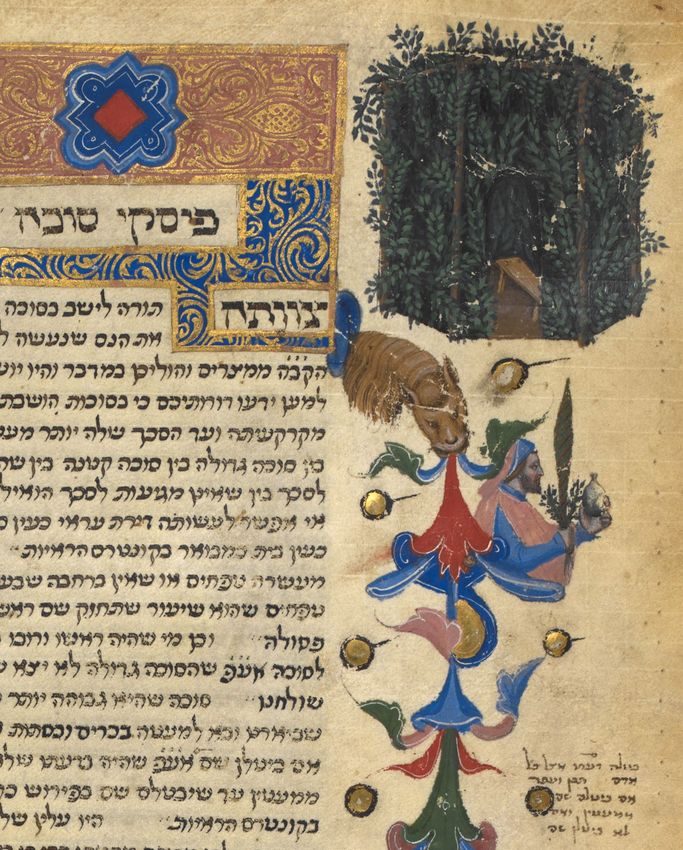
Foreword
The Jewish New Year is almost here—sweet honey, kind
wishes, sincere prayers, and an ancient plaintive sound that
dissolves the deepest indifference. Rosh Hashanah begins at
sunset on Monday, September 6, and its two days launch us
into a fresh year with brighter, more meaningful goals.

Some communities welcome Rosh Hashanah eve by reciting “Achot
Ketanah,” a thirteenth-century poem composed in Gerona. Its chorus
implores, “May the year and its woes end!”—until its final stanza, which
entreats, “May the year and its blessings commence!” We can appreciate the
unknown author’s message: We all endured some hardship during the past
year—physical, emotional, financial, or spiritual. But with Rosh Hashanah,
we optimistically turn the page and await blessings in our path ahead.

Our teacher, the Rebbe—Rabbi Menachem Mendel Schneerson—
once commented about the shortcomings of this poem. In truth,
we ought to carefully review the outgoing year and highlight the
wonderful things it contained. We should delight in those, praise G-d
for them, and then ask Him for even greater blessings in the future.
Rather than focusing on woes to frame our dreams for the future,
we should lovingly appeal, “May the year and its blessings end, so
that the new year with its far greater blessings can commence!”

This captures our wish for you and your loved ones: certainly, we
pray that current difficulties cease with the turn of the year, but far
beyond that, we bless you that the positive elements and experiences
of this past year pale in comparison with the welcome material
and spiritual growth that you achieve in the months to come.

To begin this season with inspired focus, we are delighted to offer
you this High Holiday Handbook geared to enhance your holiday
experience. It delivers fascinating and inspirational insights
into the diverse natures of the upcoming festivals, with practical
guidance for facilitating a meaningful and productive new year.

Best wishes for a meaningful, joyous holiday experience!
May you and yours be inscribed for a good and sweet year!

Rabbi Avraham & Shifra Feigelstock
Rabbi Shmulik & Rivki Yeshayahu
Contents

           High Holiday Flowchart: Human-Driven Initiative                          4
10
           Rosh Hashanah Observances and Customs                                    8

           Rosh Hashanah Foods                                                 10

           Rosh Hashanah Recipes	                                               11

           The Shofar                                                          12

           Rosh Hashanah Prayer                                                14

           Tashlich                                                            16
12
           Yom Kippur                                                          17

           Preparing for Yom Kippur                                            18

           Teshuvah                                                           20

           Kol Nidrei                                                          21

           The Medieval German Machzor                                        22

           Yom Kippur Finale                                                  24

26         Sukkot                                                             25

           The Sukkah                                                         26

           Sukkah Specs                                                       27

           The 4 Kinds                                                        28

30         Shemini Atzeret and Simchat Torah                                  30

           This booklet contains sacred writings. Please do not deface or discard.
High Holiday
Flowchart:
Human‐Driven
Initiative Elul
AUGUST 9–SEPTEMBER 6, 2021
Elul is the final month of the
expiring Jewish year. It is a time for
introspection and contemplation,
Our sages describe the month of
for an honest reckoning of
Tishrei as “sated” with occasions of
missed opportunities, and
celebratory importance. Its diversity
careful consideration of ways to
of auspicious dates, beginning with the
advance during the coming year.
High Holidays, allows us to stockpile
spiritual resources necessary to live
meaningfully throughout the coming year. MONTH OF MORTAL INITIATIVE
Chabad mysticism draws a contrast Song of Songs 6:3 alludes to the
between Tishrei (High month of Elul by way of acronym.
Holiday season) and The initials of ani ledodi vedodi li
Nisan (Passover (“—)אני לדודי ודודי ליI am my
season). The Exodus Beloved’s and my Beloved is
was a series of mine”—spell “Elul” ()אלול. The
divine initiatives verse depicts the Jewish nation
that rained down as G-d’s romantic bride, and she
from Above. Not so sings of the mutual devotion she
Tishrei. Here, we must take the initiative shares with G-d. However, a closer
and work our way upward toward G-d. look reveals that she, the Jewish
nation, must make the first move.
Presented here are descriptions of Tishrei’s
Her song begins with “I am my
special occasions, followed by insights on
Beloved’s”—I must make the first
the theme of human initiative, as presented
move toward the love of my soul
in the teachings of the Lubavitcher Rebbe,
during the preparatory month of Elul.
of blessed memory. A pattern emerges
in which our personal efforts forge a
series of steady steps on a ladder that
begins within our deepest selves and
stretches to the profoundest heavens.
4 H I GH HOL I DAY H A N DB O OK 5782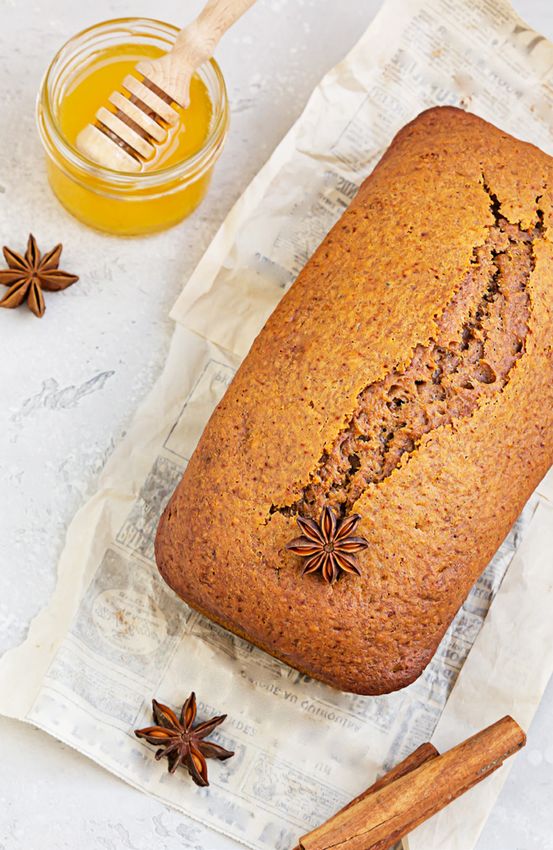
Rosh Hashanah
SEPTEMBER 7–8, 2021

Rosh Hashanah is the anniversary
of the creation of Adam and Eve.
It is the launch of the human
story. On this date each year,
we remind ourselves that G-d
created us in His image to fulfill
a critical mission of partnering
                                     Ten Days of
with Him to perfect His creation.
                                     Repentance
                                     SEPTEMBER 7–16, 2021

                                     Maimonides taught, “Although
CORONATION BY HUMAN EFFORT
                                     teshuvah (returning to G-d) and
The Talmud reveals that through      calling out to G-d are desirable
sounding the shofar and reciting     at all times, during the ten days
the accompanying Rosh Hashanah       of repentance these activities
prayers, we coronate G-d as king,    are even more desirable and will
reaccepting His rule over us. The    be accepted immediately.”
language of the Talmud underscores
that G-d doesn’t impose Himself as
king; it is we humans who have the
choice and privilege to coronate
Him, thus underscoring the theme
of human-based initiative.
                                     CHANGE FROM WITHIN
                                     Maimonides composed a careful list
                                     of the Torah’s 613 commandments,
                                     but he did not include teshuvah as
                                     one of them. That’s because genuine
                                     return is not imposed and cannot
                                     be commanded. True teshuvah
                                     must spring from deep within an
                                     individual. And the supreme time
                                     for teshuvah is these ten days
                                     of unlocking one’s truest self.

                                              continue the journey

                                                   H IGH HOL I DAY H A NDB O OK 5782   5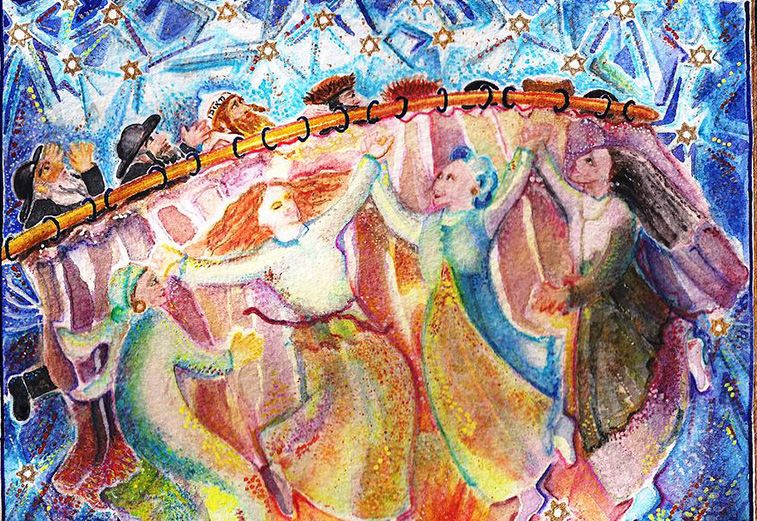
Sukkot
                                                  SEPTEMBER 21–27, 2021

                                                  Sukkot is an extraordinarily joyful
                                                  festival, as the Torah urges us: “Be
                                                  joyful on your festival . . . and you will
                                                  experience only joy” (Deuteronomy
                                                  16:14–15). When the Holy Temple
                                                  stood in Jerusalem, it hosted major
                                                  public celebrations of sacred song
                                                  and inspired dance during Sukkot.

         Yom Kippur                               THE JOY OF OUR RETURN
          SEPTEMBER 16, 2021
                                                  The great joy of Sukkot results from
          The Torah informs us (Leviticus
                                                  the human-driven teshuvah we
          16:30) that the presence of this date
                                                  completed on Yom Kippur. This can
          itself and the divine disclosure
                                                  be understood by reflecting on human
          that it conveys atones for our sins.
                                                  nature: When a couple lives together in
          Nevertheless, the sages of the
                                                  harmony, their mutual passion flows in
          Talmud clarify that this atonement
                                                  measured intensity. By contrast, when
          depends on teshuvah—our return
                                                  they are forced to spend time apart
          to G-d through sincere regret
                                                  and are subsequently reunited, they
          for shortcomings and a sincere
                                                  experience passion that far outranks
          commitment to doing better.
                                                  ordinary harmony, and this leads to
                                                  immense joy. Similarly, our imperfect
          ACTIVATED VIA MORTAL ACHIEVEMENT        choices struck distance into our
                                                  relationship with G-d, so when we
          Despite the fact that Yom Kippur
                                                  draw close during the ten days
          delivers a powerful measure of
                                                  of repentance, we fall
          atonement, the Talmud insists that
                                                  into a
          we must also engage in the process
                                                  tight embrace.
          of teshuvah. Yom Kippur then raises
                                                  This reunion
          us on the wings of our own teshuvah
                                                  after a period of
          and transports us to a far deeper
                                                  distance inspires
          place within ourselves and within
                                                  the tremendous joy of Sukkot.
          G-d’s passionate embrace. Even
          when Yom Kippur itself delivers
          atonement, the work must be done
          by us mortals for it to be activated.

6   H I GH HOL I DAY H A N DB O OK 5782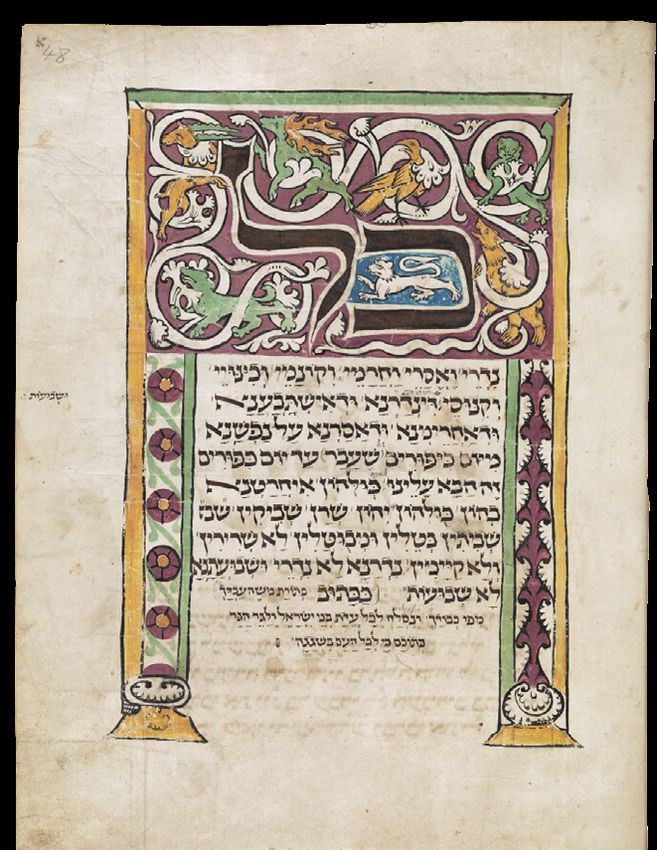
Simchat Torah
                                                                         SEPTEMBER 29, 2021

                                                                         On each Shabbat, another portion
                                                                         of the Torah is read publicly from a
                                                                         Torah scroll in synagogues around the
Shemini Atzeret                                                          world. On Simchat Torah, the annual
SEPTEMBER 28, 2021
                                                                         cycle is completed, which is cause for
Sukkot lasts for seven days. The                                         tremendous rejoicing—hence the name
subsequent day is a stand-alone festival                                 Simchat Torah, the joy of the Torah.
called Shemini Atzeret. Its name
is self-explanatory: shemini means
                                                                         AN EARNED TORAH
“eighth”—it is the eighth day from the
start of Sukkot—and atzeret means                                        G-d presented the Jews with two sets
(among other things) to gather—it is                                     of tablets. The original tablets (which we
a day to gather in sacred celebration.                                   celebrate on Shavuot) were shattered by
                                                                         Moses when our ancestors sinned. He
                                                                         then inspired the people to repentance,
INTERNALIZATION
                                                                         implored G-d to reconcile with us, and
Humans are adept at experiencing                                         returned bearing the second tablets
without internalizing, relating only                                     and tidings of atonement on Yom Kippur.
superficially to an event. We can even                                   This is why we decline to complete the
experience substantial joy without                                       Torah on Shavuot but celebrate this
internalizing it. During Sukkot, we                                      joyous occasion in the days following
rejoice in our repaired relationship with
G-d, but that joy needs to become
part of us, so that we are changed
as a result. Shemini Atzeret is the
                                                                         Yom Kippur. When we received the first
designated time to gather in (atzeret)
                                                                         tablets, we were righteous. Conversely,
and internalize our Sukkot experience.
                                                                         we received the second tablets as
                                                                         sincere returnees. The human initiative
                                                                         demanded for such a process raised us
                                                                         to a degree that outranked our pre-sin
                                                                         state. A Torah experience that is earned
                                                                         through human
                                                                         toil is far
SOURCES                                                                  deeper
Introduction: Pesikta DeRav Kahana     Yom Kippur: Talmud,
23:9; Sefer Hamaamarim 5736, p. 41.    Shavuot 13a; Likutei              and
Elul: Kitzur Shulchan Aruch 128:1;     Sichot 4, pp. 1149–1150.          elicits the
Torat Menachem 54, p. 140.             Sukkot: Yalkut Shimoni, Emor
Rosh Hashanah: Zohar, vol. 1, p.       654; Torat Menachem 48, p. 107.   truest joy.
221b; Talmud, Rosh Hashanah 16a;       Shemini Atzeret: Targum
Sefer Hamaamarim 5736, pp. 40–41.      Yonatan, Numbers 29:35;
Ten days: Talmud, Rosh Hashanah 18a;   Torat Menachem 32, p. 120.
Mishneh Torah, Laws of Repentance      Simchat Torah: Rashi,
2:6; Sefer Hamaamarim Melukat          Exodus 33:11; Torat Menachem
1, p. 223; Likutei Sichot 38, p. 23.   5748, 1, pp. 359–360.

                                                                                         H IGH HOL I DAY H A NDB O OK 5782   7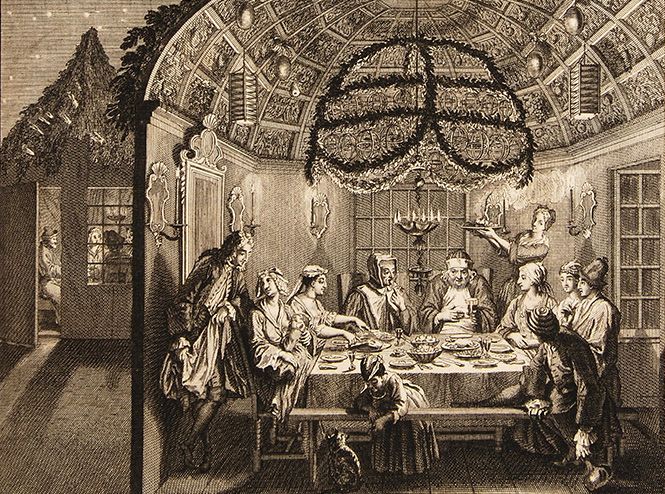
ROSH HASHANAH
Observances
and Customs
CANDLES CELEBRATORY MEALS
We welcome the birth of a new year by lighting distinctive We celebrate Rosh Hashanah
candles or oil lights to mark the onset of Rosh Hashanah. with several lavish meals. The
Glowing flames generate an atmosphere of reverence that traditional meal begins with
reflects the divine dignity of this day and increases our the recital of Kiddush over
sensitivity to its palpable sanctity. This ritual, primarily wine and includes challah,
the privilege of Jewish women and girls, has survived in a fish course, and a meat or
an unbroken chain from ancient times and permits us to chicken course. The dinner
forge a tangible link with our Jewish ancestors. See the served on the first night of
back of this booklet for local candle lighting times. Rosh Hashanah features a
rich tradition of foods imbued
with symbolic meaning,
as elucidated on p. 12.
לשנה
ﬣ
ט וב
BEST WISHES
NEW FRUIT
On Rosh Hashanah eve, it
A unique custom for the second night is to eat a new fruit
is customary to bless those
immediately after Kiddush. A new fruit is defined as one
around you with, “May you
that you have not yet enjoyed since it came into season.
be inscribed and sealed
for a good year!” (Hebrew: This custom is rooted in a halachic uncertainty about the propriety of
Leshanah tovah tikatev reciting the Shehecheyanu blessing at the conclusion of Kiddush on the
vetechatem!). It is worth second night of Rosh Hashanah: If Jewish law regards the second day
bearing in mind a tradition of Rosh Hashanah as a continuation of the first, the blessing cannot
of our ancient sages be recited, because it was already recited on the previous night. But
(Megilah 15a): “An ordinary if the second day is distinct, it deserves a Shehecheyanu blessing. Our
person’s blessing should not solution is to find an unquestionable way to recite the blessing—by
be regarded dismissively.” associating the Shehecheyanu with the opportunity to eat a new fruit.
8 H I GH HOL I DAY H A N DB O OK 5782
PRAYERS
                                        SHOFAR
We offer many special prayers
                                        Each Jewish holiday has its special mitzvah
on Rosh Hashanah to project
                                        deserving of special attention. Rosh Hashanah’s
two general themes: (a) our
                                        primary mitzvah is to hear the sound of the
acceptance of G-d as sovereign,
                                        shofar, which prompts us to reflect on the
and (b) our request that G-d inscribe
                                        awesome themes of this day (as explained on
us for a good year. These themes
                                        pp. 12–13). As you prepare to celebrate Rosh
blend in a unified synthesis: G-d
                                        Hashanah this year, be sure to plan to hear the
desires to be intimately present and
                                        shofar in person on Tuesday, September 7, and
felt in our physical experience. Our
                                        then again on Wednesday, September 8,
souls sense G-d’s desire, and we are
                                        the second day of the holiday. If you
moved to beseech G-d for material
                                        cannot attend a synagogue to hear
blessing to enable its fulfillment—
                                        the shofar during prayers, be sure to
turning this world into G-d’s home.
                                        hear the shofar at some
We might not be conscious of this
                                        other point
inner significance to our drive for
                                        during the
material success, but if we train
                                        day.
ourselves to listen well, we may
begin to hear echoes of the soul’s
footprints in our personal requests.

TASHLICH                                       ALERT
Tashlich, or “casting,” is a popular           Even though napping on Shabbat is a
custom for the first day of Rosh               proper way to celebrate the day of rest,
Hashanah: we stroll to a nearby                the Code of Jewish Law states that on
brook, pond, well, ocean, or similar           Rosh Hashanah we make a point of
body of water to recite a short                not napping. It is important to use the
prayer. (Contrary to common                    time constructively, such as by reciting
myth, feeding fish is not part of              Psalms, performing mitzvot, studying
the ritual.) This custom invokes               Torah, or sharing Judaism’s insights.
the prophet Micah’s depiction
of G-d removing our sins—“You
will cast all their sins into the
depths of the sea!” We quote
this verse and others beside the
body of water. See further, p. 16.

                                                                                RO SH H AS H A NA H   9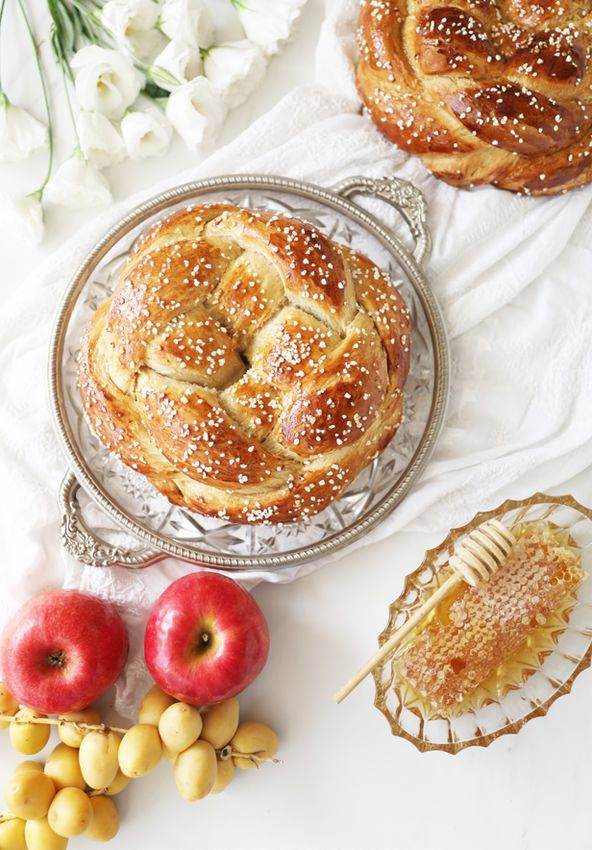
Rosh Hashanah Foods
The meal served on the first night of Rosh Hashanah
features a rich tradition of foods imbued with symbolic
meaning. Here are some famous examples.
ROUND CHALLAH
For a year in which blessings
continue without end.
HEAD OF THE FISH POMEGRANATE
That we be a head, That our merits be as numerous
not a tail. as the seeds in a pomegranate.
APPLE DIPPED IN HONEY
For a sweet new year.
BEFORE WE EAT THE APPLE DIPPED IN HONEY,
WE RECITE A BLESSING AND SHORT PRAYER:
ְ ֶ ֶאלֹ־הֵ ינ ּו מ,ד ־נָי
לֶך ֹ ּ ָבר ּו ְך ַא ּ ָתה ַא
. ּבוֹ ֵרא ּ ְפ ִרי הָ עֵץ,הָ עוֹ לָ ם
BEETS CARROTS ש ְּתחַ ֵד ׁש עָ לֵינ ּו ָ יְ ִהי ָרצוֹ ן ִמלְ פָ נ
ֶ ׁ ,ֶיך
That our foes be To multiply.
.שנָה טוֹ בָ ה ּו ְמת ּו ָקה ָׁ
removed. (Beets in (Carrots in Yiddish
Aramaic is silka, is merin, which
which also means also means “to
“to remove.”) multiply.”) Baruch atah Ado-nai, Elo-heinu
melech ha’olam, borei peri ha’ets.
Yehi ratson milfanecha, she-tichadesh
aleinu shanah tovah umetukah.
SQUASH
That our merits be Blessed are You, L-rd our G-d, King of the
read and noticed. Universe, Who creates the fruit of the tree.
(The Hebrew word
May it be Your will to renew for us a
for squash is kara,
good and sweet year.
which also means
"to be read aloud.”)
10 H I GH HOL I DAY H A N DB O OK 5782ROSH HASHANAH RECIPES
Rosh Hashanah Prepare the Dough
Streusel Place the sugar, yeast, and warm water
in the bowl of an electric mixer or any
Challah large bowl if mixing by hand. Let the
yeast proof for 15–20 minutes.
Add oil, eggs, and flour. Add the salt as
Dough a dough begins to form, and knead it on
3 packets active dry yeast medium speed for seven to eight minutes.
2½ cups lukewarm water (Optional) Add the raisins and
1 cup sugar knead on low speed for one more
minute, just until incorporated.
4 eggs
½ cup oil Place about one teaspoon of oil in
the center of a large bowl. Transfer
8–9 cups flour
the dough into the bowl and flip it to
1½ tbsp. salt
coat completely with the oil. Cover the
½ cup raisins (optional) dough and let it rise for one hour.
Egg wash
Shape and Bake
1 egg yolk
1 tbsp. water
Divide dough into 4 equal parts and roll into long ropes. Beginning at
the end, spiral the rope on itself creating a round loaf. Pinch the end
1 tsp. vanilla sugar
in on the bottom to make sure the spiral doesn't come loose.
Streusel topping Combine the ingredients for egg wash and brush it on the dough. Let the dough
6–7 tbsp. margarine or oil rise for another 45 minutes to one hour. Meanwhile, preheat the oven to 375°F.
1 cup flour Mix together the streusel ingredients with your fingers until a
1 cup sugar crumbly consistency forms. Sprinkle on top of the challah.
Bake for 30 minutes or until golden on top and bottom.
The Torah teaches that when preparing a batch of dough for baking, we are to set aside a portion of it for a Kohen—
one of the priestly descendants of Aaron. Today, the custom is to burn this portion of the dough before enjoying the
rest of the soon-to-be baked goods. To learn more about this special mitzvah, visit: www.chabad.org/363323.
Honey
Cake Hack Preheat oven
to 350 degrees
Fahrenheit.
Combine all
1 box Duncan Hines Spice Cake ingredients and
1 cup water pour into greased
3 eggs 9x13-inch pan.
1 cup oil Bake for 23–28
1 cup honey minutes or until
toothpick inserted
comes out clean.
RO SH H AS H A NA H 11The “The primary mitzvah of
Rosh Hashanah is the shofar.”
Shofar Mishnah, Rosh Hashanah 3:3
The central Rosh Hashanah observance CORONATION
is hearing the shofar blasts on both days Rosh Hashanah marks the
of the holiday, September 7–8. There are beginning of Creation, when G-d
many laws governing the proper way to became king over the world that He
observe this mitzvah, which is why we created. When a king is coronated,
make every effort to hear the shofar from trumpets and horns are sounded to
someone who is well versed in these laws proclaim the beginning of
and who sounds the shofar properly. his reign. We do the same
for G-d on this day.
Jewish sages throughout the ages offered
Rabbi Saadia Ga’on (882–942)
numerous insights into the import and Cited in Abudraham, Seder
deeper meaning of the shofar—all, of Tefilot Rosh Hashanah
course, in addition to the underlying
fact that this is G-d’s
REVELATION
mitzvah and is thus
The shofar
the way to connect
reminds us of
with Him on
the scene at Mount
this sacred
Sinai, when the Torah was
day.
given. As it says (Exodus 19:16),
“Then on the third day, in the
morning, there were thunderclaps and lightning
flashes, and a heavy cloud on the mountain, and
WAKE-UP CALL an exceedingly loud sound of the shofar.”
Although the sounding of the shofar on Rabbi Saadia Ga’on, ibid.
Rosh Hashanah is a G-dly decree, it also
serves as an important wake-up call. The
REDEMPTION
shofar’s sound is saying, “Wake up, you
The sound of the shofar reminds us of the future
sleepy ones, from your slumber. Inspect
ingathering of the exiles and stirs us to yearn for it.
your deeds, repent, and remember your
As it says (Isaiah 27:13), “It
Creator. Those who forget the truth devote
shall come to pass on that
their energies to vanity and emptiness
day, that a great shofar shall
that yield no benefit. Look to your souls.
be sounded, and those lost
Improve your ways and your deeds.
in the land of Assyria and
Abandon your evil path and thoughts.”
those exiled in the land of
Maimonides (1135–1204)
Mishneh Torah, Laws of Repentance 3:4 Egypt shall come, and they shall prostrate themselves
before G-d on the holy mount in Jerusalem.”
Rabbi Saadia Ga’on, ibid.
12 H I GH HOL I DAY H A N DB O OK 5782A CRY FROM DEEP WITHIN
A king had an only child who was very bright the palace, he couldn’t communicate with the
and much adored. The king and prince guards. He attempted to signal that he was
decided together that it would the prince, but the guards laughed at him. In
be best for the prince’s utter despair, he cried out in a loud voice. The
growth and development king recognized his son’s voice and went out to
if he traveled to different investigate, whereupon they hugged and kissed.
countries to master different fields
The meaning of the parable: The king is G‑d.
of wisdom and experience various
The prince is the Jewish people. The king sends
cultures. So the king supplied his child with
a soul down to this world in order to fulfill the
servants and valuables and sent him off.
Torah and mitzvot, which can propel the soul to
However, during his travels, the son new heights. However, we get distracted by the
squandered all the money on the pleasures pleasures of the physical life. We forget who we
he was so used to having in the palace; in really are. So we utter a simple cry to our Father
fact, being away from home, he spent money in Heaven. This is the blowing of the shofar, a cry
on many additional pursuits that were not from deep within, expressing regret
befitting a prince, until he was left completely for the past and determination
destitute. He eventually reached a foreign for the future. This cry
land where his father’s name was unknown elicits G‑d’s mercies,
and no one believed that he was a prince. and He demonstrates
His abiding affection
After many years of having absolutely nothing,
for us and forgives us.
the prince resolved to return to his father’s house.
The Baal Shem Tov
However, he had been away for so long that he (1698–1760)
forgot his native tongue. When he returned to Keter Shem Tov, addenda 194
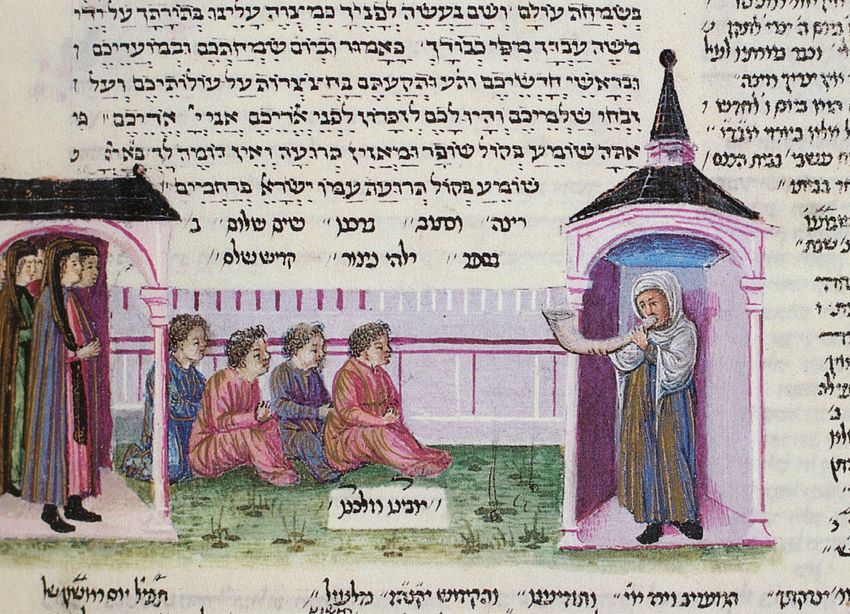
Detail from the Rothschild
Miscellany, a strikingly elegant
Hebrew manuscript comprised
of thirty-seven distinct texts
accompanied by masterful
artwork, crafted in northern
Italy between 1460–1480.
Presented here is the shofar
blessing recited in musaf of
Rosh Hashanah alongside a
drawing of someone sounding
the shofar for his fellow Jews.
(Israel Museum, Jerusalem)
RO SH H AS H A NA H 13Rosh Hashanah “From the depths I have called to You.”
Prayer Rosh Hashanah Morning Prayer
(from Psalms 130:1)
RENEWAL THROUGH PRAYER
An elementary question about prayer was by Jewish thinkers resonates profoundly on
first asked long ago: The events of our lives Rosh Hashanah, when we seek inner renewal.
are not random but the direct outcome of According to this answer, when we pray in
G-d’s desire. If G-d determined that we a mindful way—“From the depths I have
should undergo certain experiences, it called to you”—we experience a fundamental
would seem that nothing could alter that. shift. Praying reduces our spiritual sloth and
What, then, is the purpose of prayer? intensifies our consciousness of and connection
to G-d, so much so that, in a sense, we become a
However, once we recognize that G-d is
new person. G-d’s original plan never pertained
limitless, we can easily observe the frailties
to the new person we became through prayer.
of this question. For the infinite G-d
could surely choose to create Accordingly, prayer is an inner journey that
the world in such a way that never fails to leave its mark on our identities.
prayer can effect change “Prayer In the traditional machzor, there are many
and alter one’s destiny. Rosh Hashanah prayers that provide
Nevertheless, one
is an inner us with multiple entry points to
experience this voyage of renewal.
answer provided
journey that
never fails to leave
its mark.”
14 H I GH HOL I DAY H A N DB O OK 5782THEME OF BLESSING 1
THREE BLESSINGS OF NOTE MALCHIYOT · KINGSHIP
The Amidah for musaf G-d created the world at large, and each of
features three unique us in particular, for a purpose.
blessings that convey
Passage from the blessing:
three fundamental
tenets of the Jewish וְ י ֵַדע ּ ָכל ּ ָפע ּול ִּכי ַא ּ ָתה ְפעַלְ ּתוֹ וְ י ִָבין
faith. In each of
. ֹּ ָכל יְ צ ּור ִּכי ַא ּ ָתה יְ צַ ְר ּתו
these blessings, ten
biblical verses on the Let all that has been made know that You made it;
relevant theme are Let all that has been created know that You created it.
quoted: three from
the Pentateuch, three
from Psalms, three
THEME OF BLESSING 2
from the Prophets,
and one final ZICHRONOT · REMEMBRANCE
verse from the G-d is involved in each aspect of His world, thus knowing and
Pentateuch. remembering all that transpires. Our choices matter.
Passage from the blessing:
נִש ּ ָכחוֹ ת ַא ּ ָתה ה ּוא מֵ עוֹ לָ ם
ְׁ ִַּכי זוֹ כֵ ר ּ ָכל ה
.וְ ֵאין ִׁש ְכחָ ה לִ ְפנֵי ִכסֵ א ְכבוֹ ֶד ָך
For you are One Who remembers forever all forgotten things,
and there’s no forgetting before the throne of Your glory.
THEME OF BLESSING 3
SHOFAROT · SHOFAR BLASTS
G-d revealed Himself at Mount Sinai following a strong shofar
blast and instructed for all time how we ought to live.
Passage from the blessing:
. . . לֵת ּ ַב ֲענַן ְּכבוֹ ֶד ָך עַל עַ ם ָק ְד ְׁש ָך לְ ַד ּ ֵבר עִ ָמםָ ְַא ּ ָתה נִג
ִׁ ִ וַיְ ִהי בַ יוֹ ם הַ ְׁשל:ּ ַכ ּ ָכת ּוב ְּבתוֹ ָר ֶת ָך
ישי ִּב ְהיֹת הַ ּב ֶֹקר וַיְ ִהי
.קלֹת ּו ְב ָר ִקים וְ עָ נָן ּ ָכבֵ ד עַל הָ הָ ר וְ קֹל ׁשֹפָ ר חָ זָק ְמאֹד
ֹ
You revealed yourself in a cloud of Your glory to your holy nation, to
speak with them. . . . As it is written in Your Torah, “Then on the third
day, in the morning, there was thunder and lightning, and a heavy
cloud on the mountain, and an exceedingly loud sound of the shofar.”
RO SH H AS H A NA H 15Tashlich
Tashlich, or “casting,” is a
popular Rosh Hashanah
custom, whereby we walk to
a brook, pond, well, or any
other body of water, and recite
a short prayer. (Contrary to
what some believe, feeding
the fish is not part of the
Tashlich ritual.) This year, the
custom is practiced on the
first day of Rosh Hashanah,
Tuesday, September 7.
THE ORIGINS OF TASHLICH
When the prophet Micah fervidly
described how G-d forgives
iniquity, he said (Micah 7:18–19):
DIVINE KINDNESS
Water, the prerequisite
for life, represents G-d’s
Who, G‐d, is like You,
kindness. We recite a
Who pardons iniquity and prayer near water to
forgives the transgression of represent our wish for
the remnant of His heritage? a year of kindness.
He does not remain Rabbi Shne’ur Zalman
INVOKES CREATION of Liadi, Siddur
angry forever,
By standing where water
But delights in loving‐ meets dry land, we WATCHFUL EYE
kindness. remind ourselves of the Unlike other animals,
He will again have third day of Creation, most fish do not have
compassion on us, hide our when G-d separated the eyelids, so they don’t
iniquities, and cast into the water from the dry land close their eyes to sleep.
depths of the sea all their sins. (Genesis 1:9). Invoking Standing near a body of
Creation prompts us water with fish reminds
to remember that we us of the Almighty’s
are created beings watchful eye that neither
and, therefore, obliged sleeps nor slumbers.
To invoke the imagery of this final to the task for which Rabbi Yeshayahu Horowitz,
Shenei Luchot Haberit,
verse, we stand near a body of we were created.
Tractate Rosh Hashanah
water to recite this passage, along Rabbi Moshe Isserlis,
Torat Ha’olah 3:56
with some additional prayers.
16 H I GH HOL I DAY H A N DB O OK 5782Yom Kippur
“On this day, G‐d will atone for you, to purify you.”
Leviticus 16:30
Yom Kippur, the holiest
day on the Jewish
calendar, begins at
sunset on Wednesday,
September 15, and ends
at nightfall on Thursday,
September 16. On this
Day of Atonement, we
abstain from eating
and drinking, bathing
or anointing our bodies,
wearing leather shoes,
or engaging in marital
relations. (The fast
begins and ends at the
times noted on the back
cover). Refraining from
these everyday comforts
emphasizes that we can
be more than creatures
of impulse and that
we must endeavor to
nourish our souls as
we do our bodies.
The history of this
solemn day takes
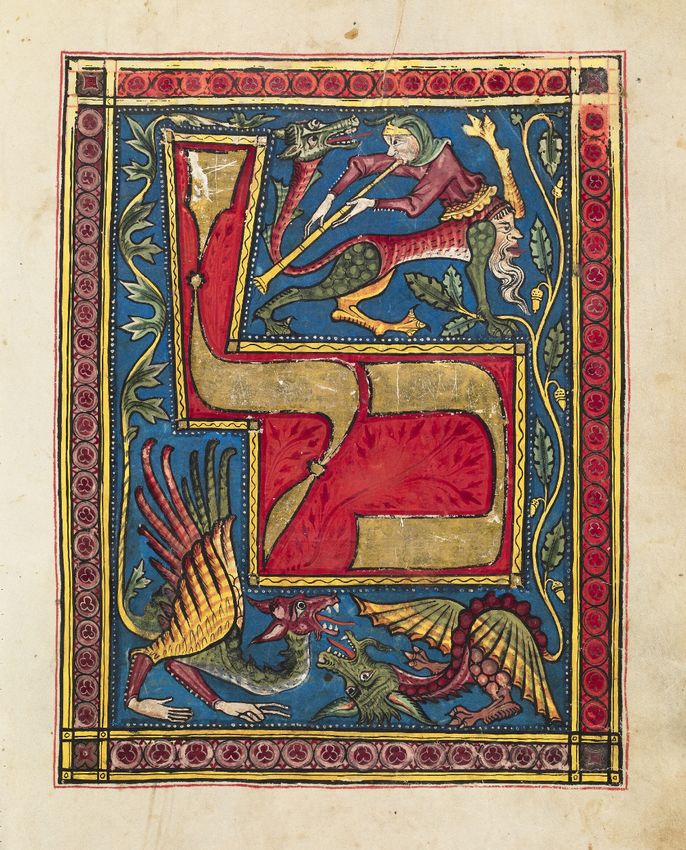
Decorated initial word us back to the
panel for Kol Nidrei generation that received the Torah at Mount Sinai. Not long after
(presenting the first
word: “kol”) from a this climactic event, some Jews engaged in an idolatrous practice,
Machzor for the High which our sages compared to a bride committing adultery at her
Holidays according wedding. Moses pleaded with G-d to forgive the people he had
to the Western
Ashkenazi rite. MS. led out of Egypt. On the tenth day of Tishrei, the day that would
Michael 619, created become Yom Kippur, G-d forgave the Jewish people. Since then,
in Germany, ca. 1322 Yom Kippur has served as the annual Day of Atonement.
(Bodleian Library,
University of Oxford).
YOM K I P P U R 17Preparing for Wednesday, September 15, the day preceding Yom
Kippur, is treated as a holiday. Several observances on this
Yom Kippur day help prepare us for the awaited Day of Atonement.
FESTIVE MEAL
The Talmud (Berachot 8b) teaches that when we
partake in a festive meal on the day preceding
Yom Kippur and then fast on Yom Kippur itself,
we are credited as though we fasted for two days.
Practically, the festive meal is important because it
lends us the strength to endure the subsequent fast
and its many hours of immersive prayer. In addition,
by celebrating the ninth of Tishrei, we demonstrate
our eagerness for the renewal that Yom Kippur
provides. In fact, Yom Kippur is a day most TZEDAKAH
worthy of celebration, and in Judaism It is important to donate extra charity
we usually celebrate with a festive on this day. Earnings are the product
meal. Because no festive meal can of planning, creativity, effort, and
occur on Yom Kippur itself, we fulfill investment—and with a single act of
this missing aspect of the Yom Kippur charity, all of these areas of personal
celebration on the preceding day. investment are spiritually elevated
and synced to the Divine purpose of
bringing Heaven down to earth.
FORGIVENESS
Yom Kippur atones for transgressions between an individual and G-d. It does not atone for transgressions
between one person and another—unless the offender has placated the victim. For that reason, Jewish law
urges us, in the run-up to Yom Kippur, to request forgiveness from whomever we may have aggrieved. Only
through the human interaction of the offender appeasing the victim and the victim granting forgiveness
can the victim achieve full internal healing, while the wrongdoer achieves the profoundest internal change.
HONEY CAKE
On this day, it is customary to request—from a parent, rabbi, or friend—a piece
of honey cake (known in Yiddish as lekach) to symbolize our wish for a sweet
year. We verbally request the slice of cake so that if it has been decreed that we
will resort to requesting a handout during the year, we should preemptively
fulfill the unsavory decree by verbally requesting a delectable slice—and
not have to plead for further assistance during the entire coming year.
18 H I GH HOL I DAY H A N DB O OK 5782DRESS CANDLES
Before the fast We kindle holiday
begins we remove lights in the
any leather footgear, moments prior to the
which may not be commencement of
worn on Yom Kippur. Yom Kippur, just as
It is customary to we do for any Shabbat
wear a white and festival. See the
garment on back of this booklet
Yom Kippur to reveal our potential for for local candle
achieving purity; it also reminds us of a lighting time.
shroud—inspiring the humility and self-
accounting that arrives from reflecting
on our mortality. It is also customary to In addition, before Yom Kippur begins, many
avoid wearing anything made of gold, to kindle a special candle in honor of the Yizkor
avoid invoking the sin of the Golden Calf. prayers that they will recite the next day.
BLESSING CHILDREN
It is customary for parents to bless their children individually—young children
and adult children alike—before the onset of Yom Kippur. Some have the custom
to recite the blessing while their hands are placed over the head of the child. The
common custom is to invoke the notable blessings mentioned in the Torah:
For a son ( from Genesis 48:20)
ֶ ׁ ימ ָך אֱ ל ִֹקים ְּכ ֶא ְפ ַריִ ם וְ ִכ ְמנ
.ַשה ְ שׂ ִ ְי
“May G-d make you like Ephraim and Menashe!”
For a daughter (based on Genesis, ibid., and Ruth 4:11)
.לֵאה ׂ ָ שימֵ ְך אֱ ל ִֹקים ְּכ
ָ ְש ָרה ִר ְב ָקה ָרחֵ ל ו ׂ ִ ְי
“May G-d make you like Sarah, Rebecca, Rachel, and Leah!”
It is also customary to recite, for both a son and daughter, the blessings recorded in the Torah in Numbers 6:22–27.
Naturally, parents should add additional heartfelt wishes in their own words.
YOM K I P P U R 19Teshuvah WHAT YOM KIPPUR CANNOT DO
“You will be purified of all your transgressions before G-d”
(Leviticus 16:30). With this the Torah implies that Yom
The central theme of Yom
Kippur atones only for transgressions between an individual
Kippur is teshuvah, commonly
and G-d. It cannot atone for wrongs inflicted by one person
translated as “repentance,”
against another until the offender placates the victim.
but more accurately meaning
Mishnah, Yoma 8:9
“return.” Judaism teaches that
teshuvah can be performed
by any individual, for any act, LOFTY STATION OF PENITENTS
at any time. However, Yom In the place where penitents stand, even the perfectly righteous cannot
Kippur is particularly conducive stand! This is alluded to in the verse, “Peace, peace to those distant and
for teshuvah because the those near” (Isaiah 57:19). Greetings of peace are extended first to those
sacredness of the day itself who were distant spiritually but have since repented, and only then to
achieves atonement for those those who were always spiritually close to G-d, never having tasted sin.
who tap into its potential by Talmud, Berachot 34b
engaging in teshuvah.
TRANSGRESSIONS INTO MERITS
Great is the power of teshuvah, for it transforms willful
transgressions into merits!
Talmud, Yoma 86b
THE “HOW” OF TESHUVAH
Teshuvah occurs when
INSPIRING OTHERS
transgressors abandon their
As part of their own teshuvah, each
transgressions, remove them
returnee should also inspire others to do teshuvah,
from their thoughts, and
teaching and instructing them to follow the correct path.
resolve in their hearts never to
Rabbi Elazar of Worms, Yoreh Chata’im 58
commit them again. This is the
message of the verse—“Let the
wicked forsake their ways, and BETWEEN TESHUVAH AND REPENTANCE
the unrighteous their thoughts” “Repentance” involves regret for sins or omissions, whereas the
(Isaiah 55:7). It is also important Torah emphasizes teshuvah, “return.” Repentance means becoming
to regret the past, as the verse a good person; teshuvah is reclaiming the purity that shines at our
states, “After I returned, I core. Repentance asks us to construct something new, imposing
regretted” (Jeremiah 31:18). perfection on a flawed human, which is difficult. Teshuvah
Maimonides, Mishneh Torah, restores our original purity by shedding the alien imposition
Laws of Teshuvah 2:2
of sins, empowering our souls to guide us in our daily life.
The Rebbe, Rabbi Menachem Mendel Schneerson, Likutei Sichot 2, p. 409
Detail from the Rothschild machzor, composed in Italy in 1490.
It presents a liturgical poem recited by Italian Jews on the morning
of Yom Kippur, composed by Rabbi Yehudah Halevi (1075–1141),
opening with the words, “Sleeper! Do not slumber / Abandon your
madness.” Illustrating this line is a crouching, sleeping young man.
(JTS Library, New York)
20 H I GH HOL I DAY H A N DB O OK 5782Kol Nidrei The most famous segment of High Holiday liturgy is
undoubtedly Kol Nidrei, a passage composed in ancient
Aramaic that inaugurates the Yom Kippur services, chanted
solemnly in a moving melody with keen emotional appeal.
AVOIDING FUTURE TRANSGRESSION REVERENCE FOR OUR PURPOSE AND FOR G-D
Kol Nidrei is a legal formula rather than a In Jewish thought, humans are described as
prayer. Through it, we preemptively void medaber—“articulate creatures.” Among a range
vows we may utter during the coming of possible designations, Judaism zeroed in on the
year. (It is limited to personal vows not attribute of speech. Accordingly, if G-d created
involving commitments to others.) everything in His world for a deliberate purpose, the
speech by which we are identified must lie at the
Judaism regards vows as implicitly directed
heart of the human purpose. Thus, when we wield
to G-d, even if this is not explicitly stated. It
our words in improper ways, we undermine our
therefore strongly discourages vow taking,
humanity in a particularly acute manner. We have
for if the vow is not kept, the individual has
failed to take ourselves and our purpose seriously.
sinned against G-d. In case we do end up
taking a vow, the Kol Nidrei proclamation One of the misapplications of speech that severely
serves to void it. Kol Nidrei is therefore damages our purpose on earth is the utterance
a preemptive measure to avoid sin. of a vow—deemed an automatic commitment to
the Creator—that we fail to uphold. We thereby
Having demonstrated our eagerness
deploy a key human function in a manner that
to avoid future transgression, we are
diminishes our appreciation for the Creator,
empowered to approach G-d and
for we have neglected to take G-d seriously.
plead forgiveness for our
past failings. Kol Nidrei is therefore our declaration that we
seek to align ourselves with the purpose for which
G-d created us, and that we are earnest in our
reverence for G-d. With this, we have appropriately
set the tone for the Yom Kippur service.
SYMBOLIC MEANING
According to Chabad Chasidism (Likutei Torah, Matot
85a), the preemptive release from our vows on Yom Kippur
represents our soul’s release from our body’s default habits
and its pursuit of material gratification. For most of the
year, our corporeal tendencies chain our divine souls, taking
them captive. The Yom Kippur teshuvah (return to G-d)
releases our souls from this captivity, and we become free
to be who we are at our essence—divine souls pursuing
spiritual aspirations, fueled by boundless love for G-d.
YOM K I P P U R 21The Medieval
German Machzor
Prior to the genesis of the printing press, the machzor (lit.:
cycle), which presented the prayers for the yearly cycle of
Jewish festivals, was painstakingly handcrafted. Jews invested
heavily in these handwritten productions, commissioning
calligraphers to produce elegant scripts and, occasionally,
artists to illustrate the liturgy. Presented here are several MACHZOR MINHAG ASHKENAZ
samples of the medieval machzor from Germany.
Created: ca. 1275–1325
Featured Prayer: Aleinu leshabe’ach
from the Rosh Hashanah musaf
service.
MUNICH MACHZOR As can be seen by the lacuna
Created: late thirteenth century on the page, part of this prayer
Featured Prayer: HaMelech was intentionally erased. The
(“The King”—in reference to G-d), censored sentences expose
from the Rosh Hashanah morning the vanity and falsehood of
prayers.
idolatry. During the Middle Ages,
The calligrapher employed Christians regularly accused the
red and green inks to highlight Jews of mocking Christianity
the names of our patriarch with these lines, and due to direct
Isaac and matriarch Rebecca orders from the authorities, or
that appear via acronym within to preempt (often fatal) trouble,
this prayer. Rosh Hashanah is a Jews were forced to erase them.
day of intense prayer, and the Torah depicts this righteous couple Folio 8v, CAJS Rar Ms 382, Penn
Libraries, Philadelphia
engaged in particularly fervent prayer to be blessed with children.
Folio 53r, Cod. Hebr. 86, Bavarian State Library, Munich
WORMS MACHZOR This machzor was used by the cantors in the
Created: 1272 community of Worms until the synagogue’s destruction
during Kristallnacht, November 1938. On one of its
Featured Prayer:
pages, a scribe penned a rhymed blessing in Yiddish
Avinu Malkeinu (“Our Father,
our King”), from the Rosh for whoever carried this heavy volume from its
Hashanah morning service, owner’s house to the synagogue: “Let a good day shine
with red ink emphasizing for he who carries this machzor to the synagogue!”
“our King,” as per the theme This is the oldest dated Yiddish text known to us.
of Rosh Hashanah. Heb. 4781/1, National Library of Israel, Jerusalem
22 H I GH HOL I DAY H A N DB O OK 5782ULM MACHZOR
Created: 1459 This version of
Kol Nidrei offers
Featured Prayer: First blessing
prior to the Shema, Yom Kippur worshippers the ability
morning service. to annul their vows of
the past year. Rabbi
In the morning service, the Yaakov Tam (1100–1171)
recital of Shema is preceded objected to this practice
by two blessings, the first of on halachic grounds and
which praises G-d’s creation advocated for amending
of light. On Yom Kippur, the liturgy to nullify
according to the ancient future vows instead.
Ashkenazi rite, an addition Until today, divergent
to this blessing describes versions of Kol Nidrei
G-d as “He Who opens for us persist; however, the
the gates of mercy and who
MICHAEL MACHZOR custom preserved in
enlightens the eyes of those Created: 1258 this manuscript is no
who await Him.” This blessing Featured Prayer: Kol Nidrei, from the longer common.
is presented here alongside an Yom Kippur eve service, presented Folio 48r, MS. Michael 627,
artistic rendering of an open inside a full-page illustrated frame. Bodleian Library, Oxford
ark that contains three Torah
scrolls, each bedecked in a
unique color. The illustration
captures the practice of ESSLINGEN MACHZOR
opening the synagogue’s Created: 1290
ark for this blessing. Featured Prayer: Unetaneh tokef, from
Fol. 48, Cod. Hebr. 3/1, Bavarian the Rosh Hashanah musaf service.
State Library, Munich
This text deviates slightly from
today’s standard. It states that
G-d decides on Rosh Hashanah
“who shall be raised up and
who shall be cast down; who
shall grow rich and who shall
turn poor.” In the centuries
that followed, the order was
deliberately inverted so that the negative options precede
their positive counterparts, presumably in keeping with
a Jewish tradition to always conclude on a positive note.
The prayer then closes with the legendary declaration—
offset here with a pattern of circles—“Repentance,
prayer, and charity annul the severity of the decree!”
Folio 16v, MS 9344, JTS Library, New York
YOM K I P P U R 23Yom Kippur
Finale
POTENT STATEMENTS OF FAITH
At the finale of ne’ilah itself, we declare
FIVE LEVELS OF THE SOUL with all our power three most potent
Jewish mysticism reveals that the divine soul statements of our eternal faith:
within us is multilayered, each rung equipped with
. ה' ֶאחָ ד, ה' אֱ לֹ־הֵ ינ ּו,ש ָר ֵאל
ׂ ְ ְִׁשמַ ע י
another variation of a relationship with G-d:
Hear O Israel, the L-rd is our
5
NAME RELATIONSHIP WITH G-D THROUGH . . .
G-d, the L-rd is one.
ֵ ׁ ּ ָבר ּו ְך
Nefesh Action
Ru’ach Emotion ֹשם ְּכבוֹ ד מַ לְ כ ּותו
Neshamah Intellect .לְ עוֹ לָ ם וָעֶד
Chayah Will
Yechidah Oneness Blessed be the name of His
glorious kingdom forever and ever.
The kabbalists explain that the first three soul layers are
.ה' ה ּוא הָ אֱ לֹ־ ִהים
fully available on the average day. By contrast, the deeper
soul layers (chayah and yechidah) transcend our conscious The L-rd is our G-d.
psyche and are excluded from our regular experience.
There is a further distinction between the first four
layers and yechidah: Even when we dedicate ourselves
to G-d using the four layers—deploying our action,
JOY AND HOPE
emotion, intellect, and will—we remain distinct
The Chabad custom is to conclude the
from G-d. That is due to these four layers recognizing
Yom Kippur service with boundless joy
themselves as independent spiritual entities. Not so the
and exuberant song, demonstrating
fifth level. Our yechidah, our deepest core, recognizes
our confidence that our teshuvah
that it is a part of G-d. Its profound longing for G-d
has been accepted and that we will
is similar to self-love, although it never focuses on
indeed be inscribed for a year filled
itself but is locked in a perpetual bond with G-d.
with physical and spiritual goodness.
For the majority of our daily living, our conscious minds
In the synagogue, the shofar is sounded
experience a degree of separation from G-d, even while
after the recitation of the above verses,
we engage our powers of action, emotion, intellect,
and we then proclaim loudly in unison:
and desire to relate to G-d. On Yom Kippur and, more
specifically, during the final moments of this sacred
day, a fundamental shift occurs. In these climactic
! לְ ׁ ָשנָה הַ ּ ָב ָאה ִּביר ּו ׁ ָשלַיִ ם
moments, our yechidah shines through and we can Next year in Jerusalem!
become conscious of our inherent unity with G-d.
In the closing hour of Yom Kippur, we pray the ne’ilah
(“closing”) service. We seek to complete our Yom Kippur
journey by expressing in prayer the profound oneness
with G-d that is available to us overtly at this special time.
24 H I GH HOL I DAY H A N DB O OK 5782Sukkot
“Celebrate the festival of Sukkot for seven days. . . .
Be joyful in your festival. . . . And you will have only joy.”
Deuteronomy 16:13–15
The joyous festival of
Sukkot will begin in the
evening of Monday,
September 20 and
extend until the evening
of Monday, September
27. The first two days
are the festival’s primary
days: we kindle festival
lights in the evening (for
precise timing, see the
back of this booklet),
enjoy festive meals
preceded by Kiddush,
refrain from work and
restricted activities, and
recite special festival
prayers. The remaining
days are known as
chol hamo’ed, “the
weekdays of the festival.”
Throughout the seven
days of Sukkot, we eat
our meals in the sukkah,
a hut of temporary
construction with a roof
comprised of detached
Detail of Piskei Rabbi Yeshayah branches, and (except on Shabbat) we recite a special
Acharon, a halachic compendium blessing while holding four specific plant species.
by Rabbi Yeshayah of Trani (d. 1280),
created in northern Italy in 1374. We place a major emphasis on joy during this holiday.
Presented alongside the laws of the
sukkah is a miniature of a man in profile Our joy is derived from reflecting on the many blessings
holding a lulav branch and an etrog in our lives, both physical and spiritual—and realizing
positioned below a botanical sukkah that these gifts demonstrate that G-d is caring for
furnished with a bench. (MS. Oriental
5024, British Library, London) us, loving us, and providing us with our needs.
S U K KO T 25TH E
THE MITZVAH
Sukkah For seven days you shall
live in temporary shelters.
Every resident among the
Israelites shall live in such
CONNECTION TO THE SEASON shelters. This will remind each generation
The Torah refers to Sukkot as that I had the Children of Israel live in
the “Festival of the Ingathering,” temporary shelters when I took them out of
for in the Land of Israel this the land of Egypt. I am the L-rd your G-d.
holiday coincides with the Leviticus 23:42–43
farmers bringing their harvested crop into their
homes and storehouses. It is precisely at this TALMUDIC DEBATE
juncture, when farmers witness the success “I had the Children of Israel
of their toil, that they are most vulnerable to live in temporary shelters”:
overlooking their dependence on G-d. Through Rabbi Eliezer taught that
removing themselves from the comfort of their this refers to the miraculous
homes—into which they have just delivered clouds of glory that sheltered the Jews as
an abundance of grain—they are prompted to they dwelt in the wilderness. Rabbi Akiva
recall that their success was not inevitable, for explained it literally: the Jews made actual
G-d is the source of all of their blessings. They shelters for themselves during that period.
are reminded to bear this truth in mind even as Talmud, Sukkah 11b
they feel secure and satisfied with their labors.
Rabbi Shmuel ben Meir (Rashbam), Leviticus 23:43 EXPLAINING THE DEBATE
The first view understands the function of
Sukkot as a means of commemorating G-d’s
special protection and care for our ancestors
during their journey through the wilderness. We
A MESSAGE FOR LIFE
replicate their experience by dwelling in our
The mitzvah of sukkah is
own sukkot for the sake of reliving the loving
unique in the sense that
care that G-d displayed to our ancestors—and
it encompasses our entire
that He continues to extend to us today.
lives. According to Jewish law,
throughout the festival we are supposed to eat The second view understands
in the sukkah, sleep in the sukkah, and to spend the function of Sukkot as a
the maximum possible time there. In short, we means of experiencing the
bring our entire lives into the mitzvah of sukkah. contrast between our ordinary,
relatively prosperous living
This imparts a critical message about our faith:
conditions and the primitive desert dwellings of
Judaism is not just a minor facet of our lives.
our ancestors. We are thereby inspired to express
Judaism is designed to sanctify and guide the
gratitude for the positive blessings in our lives,
entirety of our lives, including superficially
which leads to a sense of joy and indebtedness
meaningless and mundane activities. Even
to G-d. It is an exercise in escaping the all-too-
such endeavors can be infused with sanctity.
human vice of taking our blessings for granted.
The Rebbe, Rabbi Menachem Mendel Schneerson,
Rabbi Yitzchak Abarbanel, Leviticus 23
Torat Menachem 4, p. 32
26 H I GH HOL I DAY H A N DB O OK 5782Sukkah Jewish law sets forth specific guidelines for the
appropriate observance of the mitzvah of sukkah.
Specs Here are some of the notable building specifications.
SECHACH
The sukkah’s
most important
feature is its
natural roof,
referred to as sechach—“covering”
in Hebrew. Only nonedible plant
matter that is detached from the
ground and remains in its raw
state (not having been developed
into any tool, processed item, or
the like) may be used to create
the roof. Common examples
include bamboo poles, evergreen
branches, and palm fronds.
Enough foliage must be present
to ensure that the shade is greater
Copper engraving of a Jewish family eating a festive meal in a lavishly decorated
than the sunlight that reaches sukkah, featured in the first volume of Bernard Picard’s Cérémonies et Coutumes
inside the sukkah through its roof. Religieuses de Tous les Peuples du Monde (Amsterdam, 1723). Picard worked
hard to learn about the customs of the Sefardic Jewish community residing
in Amsterdam. The resulting engravings are now considered among the best
POSITION sources for early eighteenth-century Dutch Jewish life.
A sukkah must
be positioned
directly
under the ֶאלֹ־הֵ ינ ּו,ד־נָי ֹ ּ ָבר ּו ְך ַא ּ ָתה ַא
sky. It cannot be situated
under a tree or overhang.
The שנ ּו
ָ ׁ שר ִק ְד ְ ֶמ
ֶ ׁ ַא,לֶך הָ עוֹ לָ ם
Blessing .לֵישב ּ ַבס ּו ּ ָכה
ֵׁ וְ ִצוָנ ּו,ְּב ִמ ְצוֹ ָתיו
WALLS
A sukkah
During the Sukkot festival, Baruch atah Ado-nai,
must have at when we are inside the Elo-heinu melech ha’olam,
least three sukkah and about to eat asher kidshanu bemitzvotav,
walls. Any a meal (defined as eating
vetzivanu leishev basukkah.
material is satisfactory for a species of grain or
the walls, provided the drinking wine), we recite
(a) the blessing specific Blessed are You, L-rd our G-d, King
results are sturdy enough to
to the kind of food or of the Universe, Who has sanctified
withstand an ordinary gust
beverage, and then (b) the us with His commandments, and
of wind without swaying.
following sukkah blessing: commanded us to dwell in the sukkah.
S U K KO T 274
E
“You shall take for yourselves, on the first day [of Sukkot], the fruit
TH
of the citron tree, an unopened palm frond, myrtle branches, and
Kinds willows of the brook; you shall rejoice before G‐d for seven days.”
Leviticus 23:40
SPECS
We take the four species
THE BENEFITS OF UNITY
in our hand on each day of
An etrog (yellow citron) represents one type of Jew: just
Sukkot (except for Shabbat).
as the etrog has a taste and aroma, so does Israel include
The four kinds are:
those who have both Torah learning and good deeds.
a Etrog—citron
A lulav (unopened palm frond), taken from the date
palm, represents a second type of Jew: the date has b Lulav—an unopened
a taste but no aroma; so does Israel include those palm frond
who have Torah but do not have good deeds.
c Hadas—myrtle
A hadas (myrtle) represents a third type of Jew: (a minimum of
the hadas has an aroma but no taste; so does Israel three is required)
include those who have good deeds but no Torah.
d Aravah—willow (two)
An aravah (willow) represents a fourth type of Jew: just
It is customary to tie the latter
as an aravah has no taste and no aroma, so does Israel
three together at the lower
include those who do not have Torah or good deeds.
stem end before the
Says G-d, “Let them all bond together in a single bundle and holiday, and the etrog
atone for each other. And when you do so, I will be elevated, for remains separate.
G-d is elevated when the people of Israel come together as one.”
Midrash, Vayikra Rabah 30:12
GRATITUDE FOR VEGETATION
The four species are a symbolic expression of our rejoicing over
our ancestors leaving the wilderness, an uninhabitable place, and
entering a country full of fruit trees and rivers. To remember
this, we take the etrog, a most pleasant-looking fruit; the
myrtle, a most fragrant plant; the lulav, which has the most
beautiful leaves; and the aravah, one of the best plants.
These four kinds also have the following three qualities: They
are found aplenty in the Land of Israel so that everyone can
obtain them. They look pleasant, and the etrog and hadas
have a pleasant aroma while the other two have neither a
good nor bad smell. Thirdly, they keep fresh and green for
seven days, which is not the case with many other fruits.
Maimonides, Guide for the Perplexed 3:43
28 H I GH HOL I DAY H A N DB O OK 5782THE RITUAL
On each day of the holiday, preferably in the morning, we perform the mitzvah as follows:
BLESSING 1
1 Hold the lulav (with the hadasim and aravot
ְ ֶ ֶאלֹ־הֵ ינ ּו מ,ד־נָי
לֶך ֹ ּ ָבר ּו ְך ַא ּ ָתה ַא
attached to it) in your dominant hand. The
etrog should be within reach on the table.
שנ ּו ְּב ִמ ְצוֹ ָתיוָ ׁ שר ִק ְדֶ ׁ ֲהָ עוֹ לָ ם א
.נְטילַת ל ּולָ ב ִ וְ ִצ ּוָנ ּו עַל
2 Recite the blessing on the lulav.
Baruch atah Ado-nai, Elo-heinu
3 Lift the etrog with your other hand. melech ha’olam, asher kidshanu
bemitzvotav, vetzivanu al netilat lulav.
4 If this is the first time this year that you are Blessed are You, L-rd our G‑d, King of the Universe,
performing this mitzvah, recite a second Who has sanctified us with His commandments and
blessing (Shehecheyanu). On the remaining commanded regarding taking the lulav.
days of Sukkot, skip this step.
BLESSING 2
5 Bring the etrog and lulav together and ensure
that they touch while each remains in its ְ ֶ ֶאלֹ־הֵ ינ ּו מ,ד־נָי
,לֶך הָ עוֹ לָ ם ֹ ּ ָבר ּו ְך ַא ּ ָתה ַא
respective hand. This accomplishes the
mitzvah. .חיָנ ּו וְ ִקיְ ָמנ ּו וְ ִהגִ יעָ נ ּו לִ זְמַ ן הַ זֶה
ֱ ֶשה
ֶׁ
Baruch atah Ado-nai, Elo-heinu melech
6 It is customary to add movement to the ritual.
ha’olam, shehecheyanu, veki’yemanu,
Gently move the species together three times
to and fro in the following manner: to the right, vehigi’anu lizman hazeh.
to the left, in front of you, in an upward motion, Blessed are You, L-rd our G‑d, King of the Universe,
in a downward motion, and behind you (by
Who has granted us life, sustained us, and enabled us
turning somewhat to the right).
to reach this occasion.
Detail from the Rothschild Miscellany (about which,
see p. 13). On the left, a man adorned in his talit waves
the “four kinds.” To the right, a decorated initial-word
panel introduces a prayer to be recited while holding
the lulav. It presents two equestrian youths jousting
with lances (a common medieval sports contest).
This invokes a teaching in the Midrash (Vayikra Rabah
30:2) that compares the Jew’s taking of the lulav on
Sukkot to the victor’s displaying his lance after victory.
S U K KO T 29Shemini Atzeret
and Simchat Torah
RESTARTING THE TORAH
The festival of Sukkot leads directly into It is appropriate to rejoice when
another two-day festival: Shemini Atzeret, which we complete the Torah. It is
begins the evening of Monday, September also customary to begin the
27, and Simchat Torah that begins the next cycle again immediately,
evening, Tuesday September 28. The most reading from the very beginning
familiar feature of this festival is the universal of the Torah right after completing it. This
custom to complete the yearly Torah cycle prevents anyone from alleging that we consider
on the day of Simchat Torah, which infuses ourselves having finished with the Torah and
the two-day holiday with incredible joy. that we do not want to study it anymore. . . .
We partake of joyous festive meals on this day
in honor of completing the Torah, and to
express our delight at having begun it anew.
THE THEME OF SHEMINI ATZERET
Rabbi Yaakov ben Asher (1269–1343),
“The eighth day shall be a Tur, Orach Chayim 669
time of restraint [atzeret]”
(Numbers 29:35). This
means, “Restrain yourselves DANCING WITH THE TORAH
from leaving.” With this The Torah longs to dance
command, G-d implores the Jewish around the synagogue’s
people, “Although you have been with reading table on Simchat
Me throughout the seven-day Sukkot Torah. But the Torah has
festival, please remain with Me a little no feet. Therefore, on Simchat
longer.” It expresses G-d’s affection for Torah, the Jews themselves
Israel. It is comparable to children about become the Torah’s dancing feet.
to take leave of their father, who tells Rabbi Yosef Yitzchak Schneersohn (1880–
1950), cited in Likutei Sichot 4, p. 1169
them, “It is difficult for me to part with
you! Please stay just one more day!”
Rashi (1040–1105), Numbers 29:35–36
AT THE BEGINNING
When we complete the Torah,
we immediately begin the cycle
CONCLUDING THE TORAH again, reading, “In the beginning,
On the final day of the festival, we conclude our G-d created . . .” (Genesis 1:1).
annual public Torah reading cycle. It is customary Our message is clear: True,
to sing several liturgical poems and praises about we studied the entire Torah.
the Torah and to promote joyfulness on this day. Nevertheless, we are still at “the beginning”
This day has become known as Simchat Torah. . of our studies. If we continue studying, we will
. . It has been our longstanding custom that even see for ourselves that all the knowledge we gained
the elder members of the community participate until now is truly insignificant relative to the fresh
in the dancing while the Torah’s praises are sung. depths of insight waiting for us within the Torah.
Rabbi Yitzchak ibn Ghaya (1038–1089), The Rebbe, Rabbi Menachem Mendel Schneerson
Hilchot Lulav, p. 199 (1902–1994), Torat Menachem 10, p. 237
30 H I GH HOL I DAY H A N DB O OK 5782You can also read


