Systemic Lupus Erythematosus Overview - Clinical presentation, pathophysiology, and therapeutic strategies over the course of disease
←
→
Page content transcription
If your browser does not render page correctly, please read the page content below

Systemic
               Lupus
       Erythematosus
            Overview
      Clinical presentation,
     pathophysiology, and
therapeutic strategies over
     the course of disease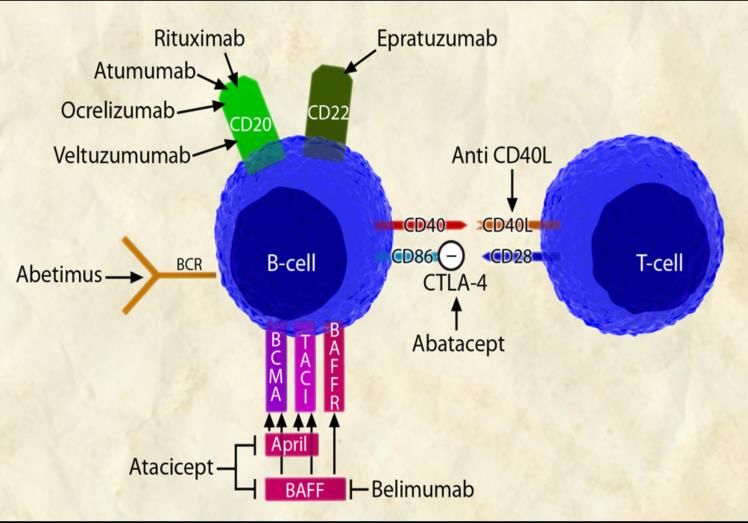
Systemic Lupus Erythematosus (SLE)

• An inflammatory, multisystem, autoimmune disease of
  unknown etiology with protean clinical and laboratory
  manifestations and a variable course and prognosis
• Lupus can be a mild disease, a severe and
  life-threatening illness, or anything in between
Clinical Manifestations of SLE—
             Important Concepts

• The diversity of clinical symptoms in SLE is great,
  and all organ systems are vulnerable
• Different ethnic backgrounds are associated with
  differences in disease prevalence and severity
• Disease is characterized by periods of flare
  and remission and can culminate in irreversible
  end-organ damage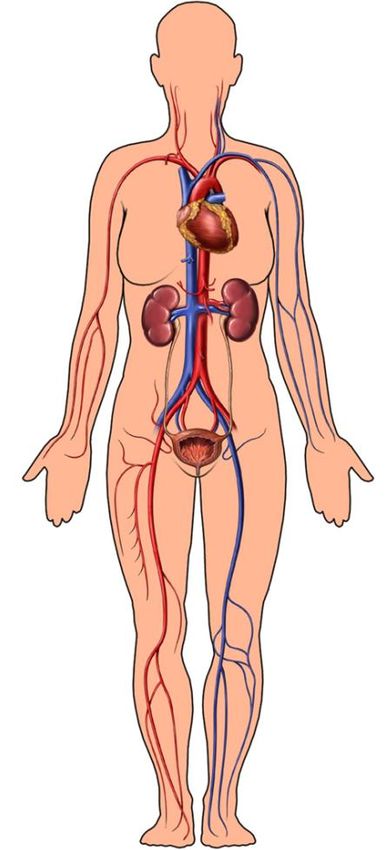
Video of Dr. Graciela Alarcón

The University of Alabama at Birmingham

Introduction

• Epidemiology
• Diagnosis
• Pathogenesis
• Mortality
• Therapeutic principles

Epidemiology

• Prevalence: 2–140/100,000 worldwide but as high as
  207/100,000
• Incidence: 1–10/100,000 worldwide
• Population at highest risk:
  – Women in their reproductive years
  – Female:male ratio is approximately 9:1 postpuberty and
    premenopausal
• Variation in race/ethnicity: More common in Black (3−6x),
  Hispanic and Native American (2–3x), and Asian (2x)
  populations
• Cost: There are direct costs associated with treatment
  (eg, $100 billion in healthcare cost associated with
  autoimmune diseases) and indirect cost related to lost
  productivity and wages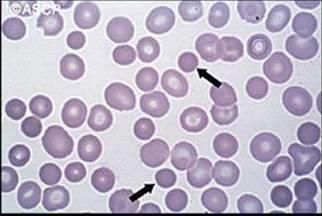
Video of Dr. Graciela Alarcón

The University of Alabama at Birmingham
ACR (Revised) Criteria for Classification
                   4/11= 95% Specificity; 85% Sensitivity

              •   Malar rash                                                  • Hematologic disorder:
              •   Discoid rash                                                  Immune-mediated hemolytic
                                                                                anemia, leukopenia,
              •   Photosensitivity
                                                                                lymphopenia,
              •   Oral ulcers                                                   thrombocytopenia
              •   Arthritis                                                   • Antinuclear antibodies (ANA)
              •   Serositis                                                   • Immunologic disorder:
              •   Glomerulonephritis                                            anti-DNA antibody, anti-Sm
              •   Neurologic disorder:                                          antibody, or antiphospholipid
                  Seizures and/or                                               antibodies
                  psychosis

Tan EM, Cohen AS, Fries JF, et al. Arthritis Rheum. 1982;25:1271-1277. Hochberg MC. Arthritis Rheum. 1997;40:1725. [Letter].
Lupus on the Outside
Synovitis Malar rash Oral ulcer Subacute
cutaneous lupus
erythematosus
Discoid rash Jaccoud’s arthropathy Vasculitis Lupus profundusLupus on the Inside
Serositis Pericardial Cerebral infarct
effusion
C
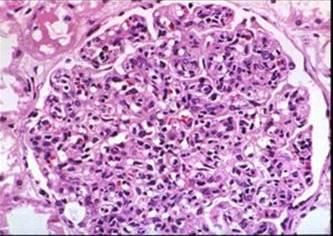
Brain atrophy Spherocytes GlomerulonephritisLupus Intangibles
Fatigue
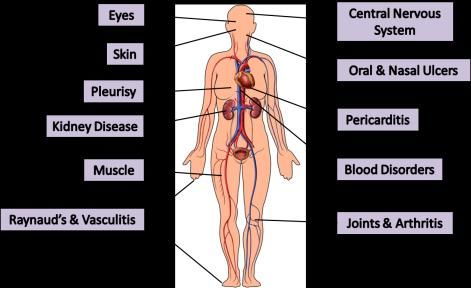
Memory thief DepressionExamples of Organs Involved,
Signs, and Symptoms
Eyes Central nervous
system
Skin
Oral & nasal ulcers
Pleurisy
Pericarditis
Kidney
disease
Muscle Blood
disorders
Raynaud’s & Joints & arthritis
vasculitis
Medical Illustration Copyright © 2012. Nucleus Medical Media. All rights reserved.Case Presentation • History: A 23-year-old Hispanic female with no past medical history presented to the emergency department (ED) with an 8-week history of joint pain and swelling in the hands, knees, and ankles; fever; myalgias; pleuritic chest pain; weight loss; and a facial rash that worsened with sun exposure. She had been seen initially at a local clinic and treated for “cellulitis” with oral Keflex. Two days prior to this presentation, she was seen in another ED, found to have a temperature of 103 F, proteinuria, and anemia; she was told it was a “viral syndrome” and discharged home
Case Presentation (cont.) • Exam: T 37.9 C, BP 130/90, painless ulceration on the palate, erythematous malar rash, diffuse lymphadenopathy, and synovitis of the MCP/PIP joints • Labs: WBC 2.5x10⁹/L, total protein 9 g/dL, albumin 3 g/dL, Hgb 11g/dL, Hct 32%, BUN 11 mg/dL, Cr .06 mg/dL UA: 100 mg/dL protein, RBC 20–40/hpf, WBC 0–1/hpf ANA+, anti-dsDNA+, Sm+
What Do All Lupus Patients Have in Common—
        Antinuclear Antibodies (ANA)

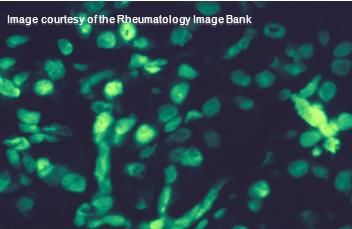
 • Multiple methods for detection but
   immunofluorescence (IF) is the
   most reliable
 • In an IF ANA assay, a serum sample
   is applied to a glass slide covered
   with fixed cells (to allow access to
   nuclear antigens)
 • The antigen-antibody reaction is
   revealed by fluorochrome conjugated    ANA present in 95%–98%
   antihuman immunoglobulin antibodies        of SLE patients

 • The slide is then examined by
   fluorescence microscope
ANA • Autoantibodies against various components of the cell nucleus • Present in many autoimmune disorders as well as some healthy subjects • Sensitive (not specific for SLE)
ANA (cont.)

• Because of low specificity, ANA usefulness
  increases if the pretest probability for lupus is high;
  ie, the patient has symptoms and signs that can be
  attributed to SLE
• Because of the high sensitivity of the ANA, a patient
  with negative ANA is unlikely to have lupus even
  when her/his clinical presentation is suggestive
  of lupus
Incidence of Positive ANA

• Normal subjects 3%−4%
• SLE 95%−99%
• Scleroderma 95%
• Hashimoto’s thyroiditis 50%
• Idiopathic pulmonary fibrosis 50%
• Incidence increases with age, chronic infections,
  and other chronic conditions
Pathogenic Autoantibodies—
               Anti-SSA and Anti-SSB

Subacute                  Neonatal
cutaneous                 lupus
lupus

     Complete                        Images in Paediatric Cardiology

     heart block
     in utero
Autoantibodies in SLE
Antibodies Lupus Specificity Clinical Associations
ANA Low Nonspecific
Anti-dsDNA High Nephritis
Anti-Sm High Nonspecific
Anti-RNP Low Arthritis, myositis, lung disease
Anti-SSA Low Dry eyes/mouth, subacute
cutaneous lupus erythematosus
(SCLE), neonatal lupus,
photosensitivity
Anti-SSB Low Same as above
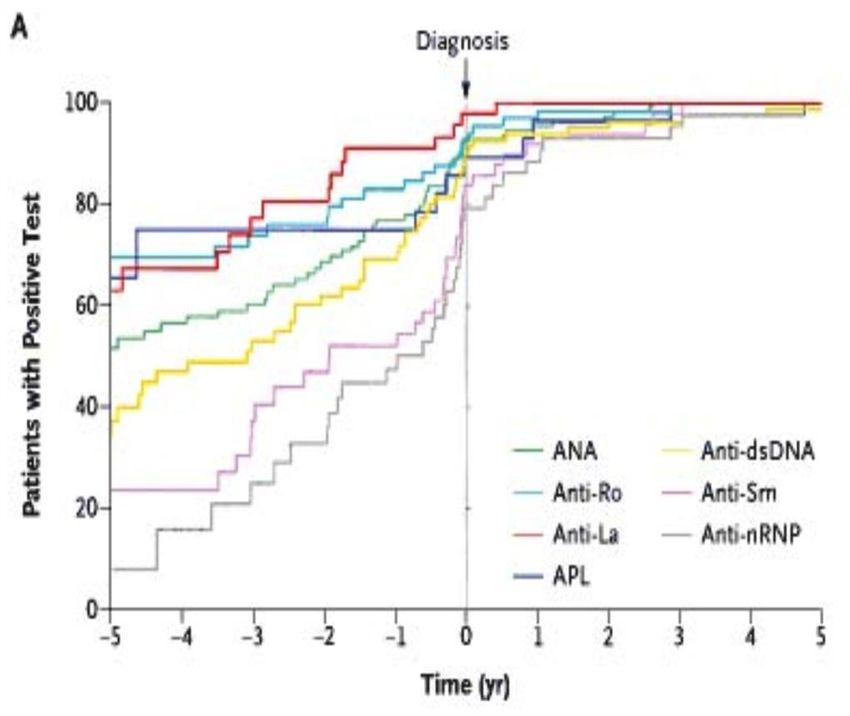
Antiphospholipid Intermediate Clotting diathesisAutoantibodies—Preclinical Detection
• Autoantibodies
precede diagnosis by
many years
• We are currently not
able to predict which
subjects with positive
autoantibody *
titers will develop **
disease
*Anti-Ro = Anti-SSA
**Anti-La = Anti-SSB
Arbuckle MR, McClain MT, Rubertone MV, et al. N Engl J Med. 2003;349:1526-1533.Phases of Disease Pathogenesis
• Initiation
– Multiple proposed mechanisms that may vary from
patient to patient
– Occurs years prior to onset of clinical symptoms
• Amplification and perpetuation of dysregulated
immune mechanisms and response of target organs
to inflammatory insults
• Irreversible damage from disease and secondary
effects of treatmentGenetic Susceptibility—Clinical Studies
• Rate of SLE concordance in monozygotic twins is
24%–35%; in dizygotic twins is 2%–5%
• 10%–12% of SLE patients have 1st- or
2nd-degree relatives with SLE compared withVideo of Dr. Lindsey Criswell
University of California, San Francisco
School of MedicineVideo of Dr. Lindsey Criswell
University of California, San Francisco
School of MedicineCauses of Autoimmune Disease
Are Multifactorial
Genes
Risk
Behavior Environment
Antigen
Smoking Hormones (estrogen)
Sun exposure Infections
Stress Toxins
Toxins Medications
Sun exposure
Vitamin D deficiencySLE
Genetic
Initiation
alterations
Amplification
Perpetuation Environmental
exposures
Abnormally functioning
B-cells
T-cells
pDC
Autoantibodies Proinflammatory
ICs molecules
TISSUE INJURY Medical Illustration Copyright © 2012
Nucleus Medical Media. All rights reserved.Examples of Immune
Dysregulation in Lupus
• B-cells
– Defective selection/signaling
– Autoantibody production
• T-cells
– Increased numbers of Th17 and Th2 cells and decreased
numbers of Tregs
– T-cells are less susceptible to activation-induced cell death
• Plasmacytoid dendritic cells
– Produce large amounts of interferon
– Plasmacytoid dendritic cells: Stimulate activation and
proliferation of autoreactive T- and B-cellsPathogenesis of Lupus—
Important Concepts
• Autoimmunity is an altered immune homeostasis that
leads to autoreactivity, immunodeficiency, and
malignancy
• Immune dysregulation leading to autoreactivity
and autoantibodies in SLE occurs in different
phases and likely represents the untoward effects
of environmental triggers on the genetically
susceptible hostDisease Activity • SLE is characterized by periods of flare (increased disease activity) and remission or low-level disease activity • Varying flare rates • Predictors of flare (in some but not all cases) – New evidence of complement consumption – Rising anti-dsDNA titers – Increased ESR – New lymphopenia
Disease Severity

• Characterized by
  – Abrupt onset of symptoms
  – Increased renal, neurologic, hematologic, and serosal
    involvement
  – Rapid accrual of damage (irreversible organ injury)
• Associated with
  – Race/ethnicity (Black, Hispanic, Asian, and Native American
    populations)
  – Younger age of onset
  – Male gender
  – Lower socioeconomic status
Mortality
• 5-year survival rate in 1953 was 50%; currently >90%
• Leading causes of mortality are heart disease,
malignancy, and infection
• Factors contributing to increased mortality*
- Disease duration; increased mortality early on
- High disease severity at diagnosis
- Younger age at diagnosis
- Ethnicity: Black, Hispanic, Asian, and Native American populations
are at greater risk
- Male gender
- Low socioeconomic status
- Poor patient adherence*
- Inadequate patient support system*
- Limited patient education*
*Indicates opportunity for improvement.
Bernatsky S, Boivin JF, Joseph L, et al. Arthritis Rheum. 2006;54:2550-2557.Therapeutic Principles—
Important Concepts
• Goals of therapy
– Stop and reverse ongoing organ inflammation
– Prevent or limit irreversible end-organ damage
• Potential toxicities of immunosuppressive therapies
demand vigilant management
• Strategic use of targeted immunobiologic therapies
based on pathogenic mechanisms vs global
immunosuppressionCurrent Therapy for SLE • Corticosteroids • Cyclophosphamide • Methotrexate • Mycophenolate mofetil • Azathioprine • Hydroxychloroquine • Belimumab
Current Therapy—Limitations

• Immunosuppressive drugs confer an increased risk for
  – Infection
  – Cancer
  – Infertility
• Common side effects of corticosteroids
  – Infections               – Diabetes
  – Cushingoid appearance    – Mood disturbances
  – Osteoporosis             – Hypertension
  – Osteonecrosis            – Lipid abnormalities
New Therapeutic Strategies—
                                    Targeted Immunotherapy

             • Immune targeted therapy
                   – B-cell directed
                   – Cytokine inhibitors
                   – Costimulation blockade
                   – Peptide inhibitors
                   – Kinase inhibitors                                                                        *

                                                                           *Recently FDA approved for lupus
                   – T regulatory cells
             • Stem cell transplant

Yildirim-Toruner C, Diamond B. J Allergy Clin Immunol. 2011;127:303-312.
Guiding Therapeutic Strategies • Therapeutic combinations aimed at induction of remission, maintenance therapy, and supportive therapy • Titrate dose to treat effectively with focus on involved organs, and to minimize toxicity • Strategic use of preventive therapies, antibiotics, and vaccinations • Cardiovascular screening • Cancer screening • Osteoporosis screening
Lupus—In Summary

• Clinical disease is characterized by
  – Symptom diversity
  – Periods of flare and remission
• Pathogenesis is related to
  – Genetic susceptibility combined with environmental and/or
    behavioral triggers
  – Immune dysregulation characterized by autoantibody
    production
• Treatment is targeted to
  – Clinical manifestations
  – Severity of organ system involvement
Bibliography
Slide 10 References
Tan EM, Cohen AS, Fries JF, et al. The 1982 revised criteria for the classification of systemic lupus
erythematosus. Arthritis Rheum. 1982;25:1271-1277.

Hochberg MC. Updating the American College of Rheumatology revised criteria for the classification of
systemic lupus erythematosus [letter]. Arthritis Rheum. 1997;40:1725.

Slide 23 Reference
Arbuckle MR, McClain MT, Rubertome MV, et al. Development of autoantibodies before the clinical onset of
systemic lupus erythematosus. N Engl J Med. 2003;349:1526-1533.

Slide 25 Reference
Sestak AL, Fϋrnrohr BG, Harley JB, Merrill JT, Namjou B. The genetics of systemic lupus erythematosus and
implications for targeted therapy. Ann Rheum Dis. 2011;70(suppl 1):i37-43. doi: 10.1136/ard138057.

Slide 36 Reference
Bernatsky S, Boivin JF, Joseph L, et al. Mortality in systemic lupus erythematosus. Arthritis Rheum.
2006;54:2550-2557.

Slide 40 Reference
Yildirim-Toruner C, Diamond B. Current and novel therapeutics in the treatment of systemic lupus
erythematosus. J Allergy Clin Immunol. 2011;127:303-312.

.
You can also read


