Taxi and Hire Car Knowledge Handbook - Study Guide for the Driver Behaviour Assessment - DRIVER BEHAVIOUR
←
→
Page content transcription
If your browser does not render page correctly, please read the page content below
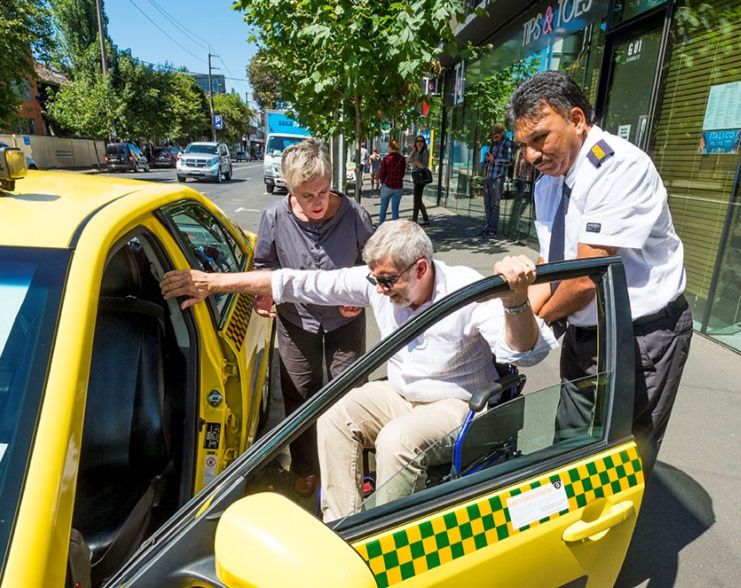
Taxi and Hire Car Knowledge Handbook

DRIVER BEHAVIOUR

Study Guide for the Driver Behaviour Assessment
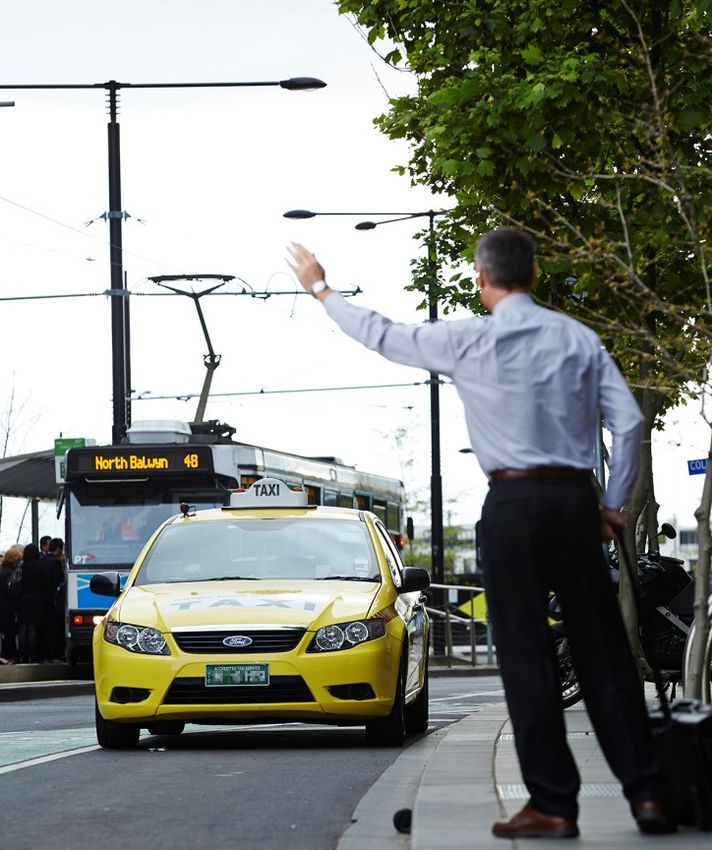
The Taxi Services Commission (TSC) has prepared the Taxi and Hire Car Knowledge Handbook for the
purposes of preparing for taking one or more modules of the Knowledge test. There are five sections in this
handbook:

     •    Introduction
     •    Driver Behaviour
     •    General Understanding for Drivers
     •    Knowing Your Way Around Melbourne
     •    Driving a Hire Car.

There is also the Wheelchair Accessible Taxi (WAT) Handbook for the purposes of preparing for taking the
Wheelchair Accessible Taxi (WAT) Endorsement:

     •    Theoretical assessment (computer based)
     •    Practical assessment.

Published by Taxi Services Commission
80 Collins Street
Melbourne VIC 3000.

© Taxi Services Commission 2015

This publication is copyright. No part may be reproduced by any process except in accordance with the provisions of the
Copyright Act 1968.

Authorised by Taxi Services Commission, 80 Collins Street, Melbourne VIC 3000.

Disclaimer
The TSC may update this handbook from time to time. Please visit www.taxi.vic.gov.au for the most up to date version of
this handbook.

The information presented in this and the other Knowledge handbooks is of a general nature only. It is a summary of the
information taxi and/or hire car drivers will need to know to pass relevant modules of the Knowledge test, and does not
replace the need to consult relevant laws or any conditions that may apply to your accreditation. Driver accreditation
applicants using this handbook are responsible for their own preparation. The Taxi Services Commission does not
guarantee or make any representations that users of this handbook will be able to obtain driver accreditation. For more
information on driver accreditation, please visit www.taxi.vic.gov.au.

You can view laws relevant to the Knowledge test, including the Transport (Compliance and Miscellaneous) Act 1983,
Transport (Taxi-Cabs) Regulations 2005, Road Safety Road Rules 2009, and other Acts or Regulations at
www.legislation.vic.gov.au. Commonwealth legislation, including the Disability Discrimination Act 1992, is available at
www.comlaw.gov.au.
CONTENTS
1. THE DRIVER BEHAVIOUR MODULE OF THE KNOWLEDGE TEST ............................................................................................. 1

2. YOUR RESPONSIBILITIES: RULES AND REGULATIONS .................................................................................................................. 2

         2.1 The basics ............................................................................................................................................................................................... 2

         2.2 Accepting and refusing fares........................................................................................................................................................ 3

         2.3 Obeying the Victorian road rules ............................................................................................................................................... 4

         2.4 Using mobile phones ....................................................................................................................................................................... 4

         2.5 Seatbelts for passengers ................................................................................................................................................................. 5

         2.6 Using the ‘Not For Hire’ sign ....................................................................................................................................................... 5

         2.7 Advertising in the taxi ...................................................................................................................................................................... 6

         2.8 What to display on the dashboard ........................................................................................................................................... 6

         2.9 Property left behind .......................................................................................................................................................................... 6

         2.10 If you are ill......................................................................................................................................................................................... 6

         2.11 Changes to your details ............................................................................................................................................................... 6

3. CUSTOMER SERVICE ...................................................................................................................................................................................... 7

         3.1 Greeting passengers ......................................................................................................................................................................... 7

         3.3 Passengers with communication difficulties ......................................................................................................................... 8

         3.5 Understanding disability ................................................................................................................................................................. 9

         3.6 Passengers with limited mobility ............................................................................................................................................. 10

         3.7 Passengers with assistance animals ....................................................................................................................................... 10

         3.8 Responding to passenger needs ............................................................................................................................................. 11

         3.9 Customer service and mobile phones .................................................................................................................................. 12

         3.10 Finding the best route ............................................................................................................................................................... 13

         3.11 What to do if you lose your way .......................................................................................................................................... 13

         3.12 Dealing with difficult situations ............................................................................................................................................. 13

         3.13 Handling customer dissatisfaction ....................................................................................................................................... 14

         3.14 Dealing with difficult customers............................................................................................................................................ 14

4. USING THE TAXIMETER, FARES AND PAYMENTS ........................................................................................................................ 15

         4.1 Using a taximeter ............................................................................................................................................................................ 15

         4.2 Calculating fares............................................................................................................................................................................... 15

         4.3 Managing payments ...................................................................................................................................................................... 16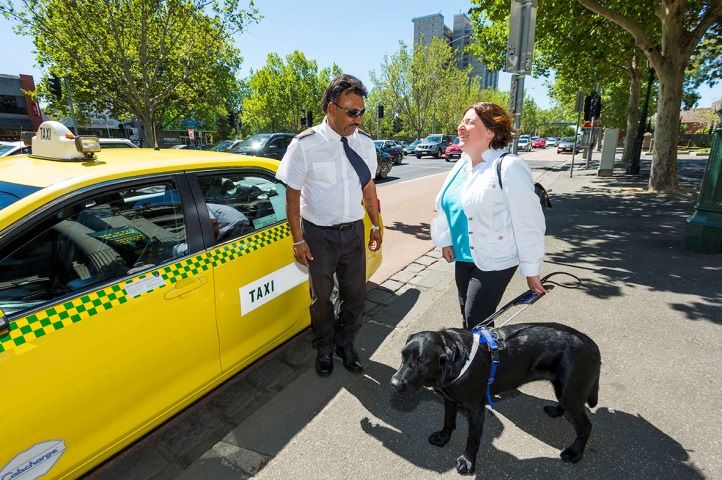
5. YOUR SAFETY AND DEALING WITH EMERGENCIES ................................................................................................................... 18

        5.1 Your personal safety ...................................................................................................................................................................... 18

        5.2 Checking the safety of your taxi.............................................................................................................................................. 20

        5.3 Recognising and managing fatigue ....................................................................................................................................... 20

        5.4 Dealing with emergencies ........................................................................................................................................................... 21

6. UNACCEPTABLE BEHAVIOUR AS A DRIVER .................................................................................................................................... 23

        6.1 Racism ................................................................................................................................................................................................... 23

        6.2 Sexual harassment .......................................................................................................................................................................... 23

        6.3 Theft ....................................................................................................................................................................................................... 23

        6.4 Intimidation of passengers ......................................................................................................................................................... 23

        6.5 Assault of passengers.................................................................................................................................................................... 24

        6.6 Sharing driver logins, driver identification cards and accreditation certificates .............................................. 24

SAMPLE KNOWLEDGE QUESTIONS .......................................................................................................................................................... 25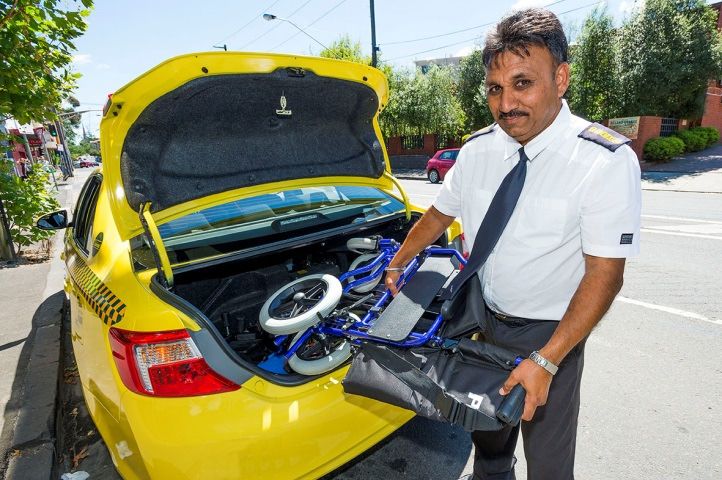
1. THE DRIVER BEHAVIOUR MODULE
  OF THE KNOWLEDGE TEST
This section of the handbook is designed to provide
useful information that can act as reference and support
for the taxi industry, existing drivers and other interested
parties. This section is also a useful guide to those
wishing to prepare to sit the Driver Behaviour module of
the Knowledge.

New drivers who want to be accredited to drive in the
Melbourne metropolitan taxi zone or in the urban and
large regional taxi zone will need to pass the Driver
Behaviour module of the Knowledge.

Drivers who have been accredited for less than five years
and want to continue driving a taxi in the Melbourne
metropolitan taxi zone or in the urban and large regional
taxi zone, will need to pass the Driver Behaviour module
of the Knowledge test prior to their accreditation
expiring. If a driver fails to complete the module required
for the zone they drive in, the TSC may restrict the driver
from continuing to drive in that zone.

For more information refer to the   Introduction   section of
this handbook or visit www.taxi.vic.gov.au.

                                                                1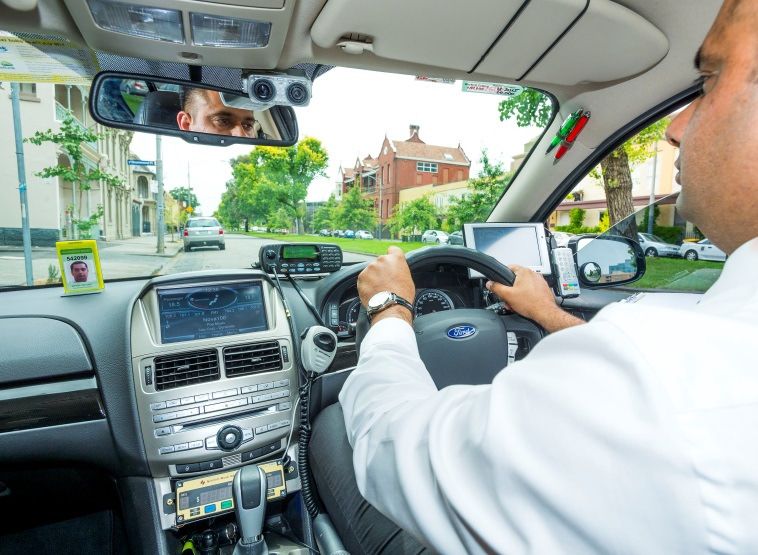
2. YOUR RESPONSIBILITIES:
      RULES AND REGULATIONS

2.1 The basics
As a taxi driver you are expected to:

•     be courteous and helpful at all times
•     know, obey and respect the Victorian road rules
•     respect other road users and share the road safely
      with them
•     understand, read and speak English
•     provide honest, ethical service – in other words be
      fair and respectful to everyone and do the right
      thing
•     be neat, clean and tidy in appearance and free of
      offensive body odour.

The main difference between taxi drivers and hire car
drivers is that:

•     taxi drivers can accept passengers who hail the taxi
      from the street, undertake taxi-rank work as well as
      accept pre-booked jobs
•     hire car drivers can only accept pre-booked jobs.

See   2. About the Industry   in the   General Understanding

section for more details of the differences between taxis
and hire cars.

Compliance with legal requirements
As a taxi driver, you are required to comply with all the
requirements relevant to your accreditation, including
but not limited to any requirements imposed by or
under:

      •   the   Transport (Compliance and Miscellaneous)

          Act 1983

      •   the   Road Safety Act 1986

      •   any regulations made under these Acts
      •   any conditions imposed on your accreditation.

                                                               2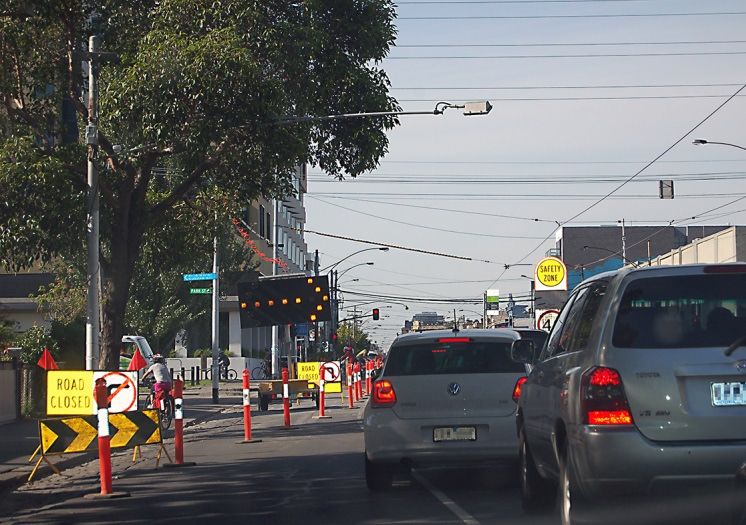
2.2 Accepting and refusing fares                              Note that if a passenger requests to be taken to a
                                                              hospital, you must take them to the hospital, even if they
It is important to know which fares you must accept and
                                                              are violent, offensive, very dirty or noisy. If you think
which you can refuse.
                                                              taking the passenger would put you or them in danger,
You must accept the fare:                                     you should call 000 to access emergency services.
•   regardless of distance (for example if the passenger      You are expected to accept the fare for:
    asks to be taken only a few streets away, even if you
                                                              •   bookings offered or allocated through a dispatch
    have waited for a long time at taxi rank for a fare or
                                                                  system
    have just had several short fares)
                                                              •   a person using a collapsible (folding) wheelchair,
•   for a pre-booked fare where the person changes the
                                                                  providing it can be safely stowed in the taxi – a
    destination to only a short distance away
                                                                  wheelchair accessible taxi (WAT) should be called for
•   for a person who uses an assistance animal, such as
                                                                  a person in another type of a wheelchair or who is
    a guide dog for a passenger who is visually or
                                                                  using a scooter.
    hearing impaired (for more information about
    transporting assistance animals: www.taxi.vic.gov.au)
•   for a mother who is breastfeeding a child
•   for a person who seems to have been drinking, but
    not if they are violent or offensive
•   even if the destination is in an area where you do
    not think you will pick up another fare
•   even if you are in a taxi-rank, but are not the first
    taxi in line, you must still take a fare if a passenger
    asks you (passengers have the right to choose any
    taxi in a rank)
•   if someone is injured and asks you to take them to
                                                                            You can take a fare to deliver an

    hospital.                                                               unaccompanied parcel or other object, as

                                                                            long as you can safely stow and carry it

                                                                            in the taxi.

                                                              You may refuse a fare or not continue with the trip if:

                                                                  •    a passenger is violent, noisy, misbehaving, very
                                                                       dirty or offensive
                                                                  •    a passenger is carrying an object that cannot be
                                                                       carried safely in the taxi
                                                                  •    a passenger is unable to demonstrate an ability
                                                                       to pay an estimate of the fare

                                                                                                                          3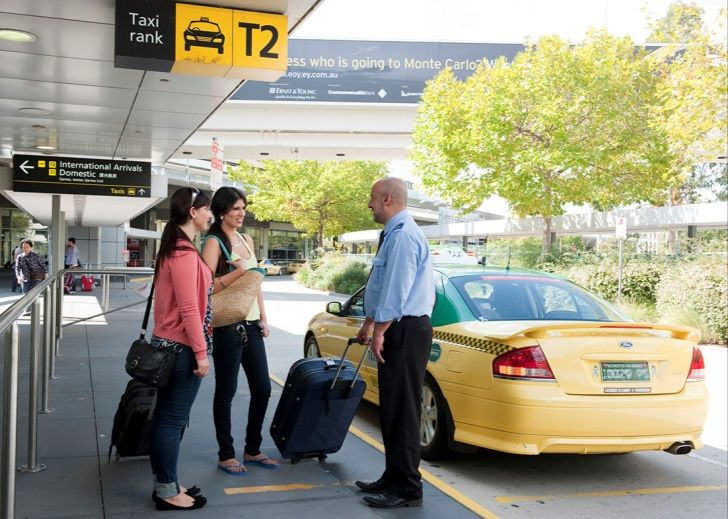
•    you have an approved “not for hire” sign            Taxis are able to use a loading zone to drop off and pick
           displayed                                           up passengers or goods. You must not stay more than
                                                               the time limit specified on the sign, or more than 30
      •    the destination is not within five kilometres of
                                                               minutes when there is no time limit specified.
           the suburb displayed on a destination sign.
                                                               Taxis are the only vehicles allowed to use a taxi rank.
You may indicate that you will only accept fares to a          However, it is a legal requirement that all taxis must be
specific destination. In this situation you will need to       safely parked and not blocking traffic. If there is no room
display a Taxi Services Commission (TSC) approved              at the rank you should move away until a space
destination sign that is clearly visible to passengers and     becomes available or move to another rank. If you have
indicates your destination suburb.                             parked in a taxi rank it is considered that you are
                                                               available for hire and you must fulfil any request for hire.
                 If a passenger is being difficult, you must
                                                               At present the Victorian child restraint road rules do not
                 still take the fare. If the behaviour
                                                               require taxis to provide child restraints or booster seats
                 becomes offensive, then there are
                                                               for children. See    2.5 Seatbelts for passengers   for further
                 grounds to refuse the fare or not
                                                               details.
                 continue with the trip.

2.3 Obeying the Victorian road rules                           2.4 Using mobile phones
You must know, obey and respect all the Victorian road         A mobile phone can legally be used when the car is
rules as a professional taxi driver. You must obey the         parked. It is illegal to use a mobile phone in certain ways
road rules even if a passenger asks you to do something        while you are driving and the vehicle is moving or sitting
illegal, such as:                                              stationary in traffic. You can legally use a mobile phone
                                                               when driving under the following circumstances:
  •       make an illegal U-turn
  •       drive faster than the speed limit                      •        making or receiving a phone call using voice

  •       double park to drop them off                                    activation (hands free), if you are not touching the

  •       stop in a no stopping zone.                                     phone or the mobile is in an approved holder
                                                                          (commercially designed mobile phone holder,
                                                                          affixed to the vehicle)
                                                                 •        playing music while driving, if the mobile is not
                                                                          being held by you or it is in an approved holder
                                                                          and you do not touch the phone
                                                                 •        using a map application with the mobile in an
                                                                          approved holder and you do not touch the phone
                                                                          unless you are legally parked.

                                                                                 “Legally parked” means stopped on the
Taxis may stop to pick up or drop off passengers in a
                                                                                 side of the road, though you may still
clearway, bus lane, transit lane or truck lane when it is
                                                                                 have the engine running. It does not
safe to do so.
                                                                                 mean stationary in traffic.

                                                                                                                                 4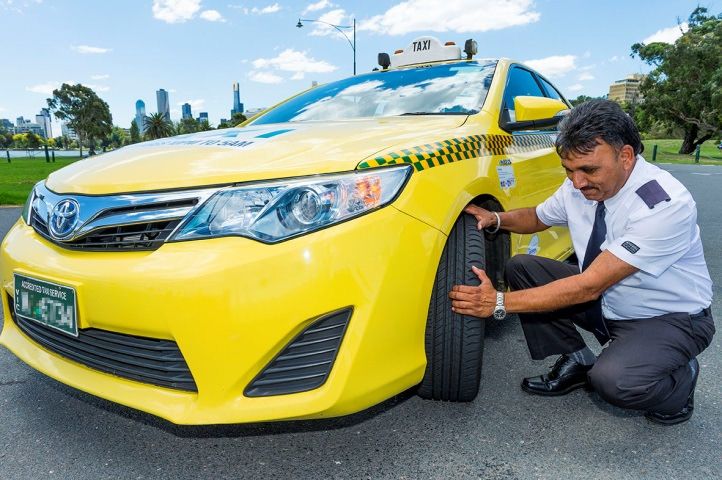
•    under 1 year do not have to use a child
                                                                      restraint, but they must travel in the back seat,
                                                                      and sit in the lap of a passenger aged 16 years
                                                                      or over
                                                                 •    over 1 year but under 7 years must travel in the
                                                                      back seat, and be wearing their own properly
                                                                      fastened seatbelt, if no suitable child restraint or
                                                                      booster seat is available (not sitting on
                                                                      someone’s lap).

While you are driving (when the vehicle is moving or         Note that this exemption may be removed in future and
stationary in traffic) you must not:                         a child restraint would be required to be provided by the
                                                             passenger, permit holder (taxi operator) or driver if you
  •    hold or touch the phone or have it resting
                                                             wish to carry a child in the vehicle.
       touching your body (for example, it is not allowed
       to be on your lap)
  •    send or read a text message
  •    send or read emails, or any similar message
       communications
  •    watch movies or similar entertainment.

              If you need to use your mobile to send

              or read a text message, then pull over

              and park legally on the side of the road

              first. It is not necessary to turn off the

              engine.

                                                             2.6 Using the ‘Not For Hire’ sign
2.5 Seatbelts for passengers
                                                             The ‘Not For Hire’ sign is located on the back of the sun
As a taxi driver, you have a legal responsibility to make    visor in each taxi. The ‘Not For Hire’ sign should be used:
sure that any passenger aged under 16 years is wearing
                                                                 •    to tell customers that you are unavailable as you
a seat belt. While all passengers are expected to wear
                                                                      are on your way to a pre booked job
seat belts you are not responsible for adult passengers
                                                                 •    when you are parked in a taxi zone which is
aged 16 years or over.
                                                                      designated as a meal stand, and you are having
At present the Victorian child restraint road rules do not
                                                                      a meal break
require you to provide child restraints or booster seats
for customers. However, the taxi must be fitted with at          •    when you are returning to the depot at the end

least one anchor fitting ready for passengers who wish                of a shift and the dome light and tariff lamps
to supply their own restraint. At present, when travelling            are turned off
in a taxi, children aged:

                                                                                                                          5
•    when you are using the taxi solely for the
         purpose of carrying goods.

                                                            2.9 Property left behind
2.7 Advertising in the taxi
                                                            Any item left by a passenger in a taxi should be reported
Any advertising must comply with the Australian             to your taxi booking service and immediately handed
Association of National Advertisers (AANA) Code of          into a police station.
Ethics. You are not permitted to:

         have advertising for sexual or erotic services
                                                            2.10 If you are ill
    •
    •    use overtly sexualised imagery or messaging
    •    have references to a religious service or belief   It is a requirement of your driver accreditation that you
    •    advertise a political party, group or belief.      must inform the TSC within seven days if you develop a
                                                            medical condition that may affect your fitness to drive a
Only visual display units (VDUs) that are approved by the
                                                            taxi.
TSC for displaying commercial advertising for rear seat
viewing are permitted.

                                                            2.11 Changes to your details
2.8 What to display on the                                  It is a requirement of your driver accreditation that you

dashboard
                                                            must inform the TSC within seven days if you have had a
                                                            change of name or residential address. It is also good
You must only display your taxi driver photo ID and taxi    practice to inform the TSC if your contact details have
number on the dashboard, as well a dispatch system if       changed, such as your telephone number.
your taxi is affiliated with a taxi booking service.

You are not permitted to mask or alter your photo ID or
display any decorations, ornaments or religious items on
the dashboard. This is because unsecured items placed
on the dashboard may block airbags, vents and visibility
and may become dangerous in the event of an accident
or emergency.
                                                                                                                        6
3. CUSTOMER SERVICE
3.1 Greeting passengers 3.2 Talking to passengers
Talking to customers is part of the job and you need to
be polite but not intrusive. Here are some examples of
what you could do and what you should not do.
You pick up a customer from the airport
You could ask NOT
How was Are you
your flight? single?
Greeting passengers positively can involve greeting
different people in different ways. When you greet a
passenger you should always be polite and courteous. What was the Do you go to
weather like? church often?
You should:
• smile
• speak in a friendly voice
This is polite and not
• be polite, even if they are rude
intrusive.
• use positive body language
• show respect for all customers
• give passengers reasonable help with putting You pick up a customer from a doctor’s surgery
luggage or belongings into the taxi or boot.
You could ask NOT
Where can I Will you be
take you? sick in the car?
How sick are
you?
This is polite and not
intrusive.
73.3 Passengers with communication
difficulties
You pick up a group of people from the Aussie rules
footy final. It is obvious that they have been drinking.
You will sometimes carry a passenger who has difficulty
You could ask NOT
speaking to you or hearing you. In this situation:
• Be clear, concise and courteous when talking to
Did you Are you
enjoy the the passenger.
drunk?
game? • Ask what your passenger's preferred method of
communication is. The TSC has produced
Do you drink ‘Talking Taxis Communication Boards’ to help
a lot? you with passengers with communication
This is polite and not difficulties (contact the TSC for details).
intrusive • Speak clearly, but not aggressively, when
communicating with your passenger.
Listen to what your passenger tells you they
You pick up an elderly woman from a house
•
need. Do not prejudge their requirements.
You could ask NOT
• Politely ask your passenger to repeat themselves
if you did not understand them.
Politely confirm your passenger's instructions or
How was your Is that your •
day/evening? house? directions to ensure you have understood what
they have told you.
Keep your explanations brief and clear.
Are you a •
widow? • Check that your passenger has understood what
you have told them.
This is polite and not
intrusive.
It is never acceptable to use offensive language or to
swear in front of a passenger, even if:
• the passenger swears during their conversation
with you
• you feel threatened or offended by the
passenger's behaviour
• another road user is aggressive toward you.
83.4 Dealing with different people 3.5 Understanding disability
Taxi drivers are required to deal with different people Disability is defined under the Federal Disability
every day, including: Discrimination Act 1992 very broadly to include physical,
intellectual, psychiatric, sensory, neurological, learning
• people from a range of cultural backgrounds
disabilities, physical disfigurement and disease or illness.
• people of different ages, ranging from children
to the elderly Different types of disability and their characteristics are:
• people with disability
• Sensory – e.g. vision impairment and hearing
• people with different gender and sexual
impairment.
orientations, including lesbian, gay, bi-sexual,
• Physical – e.g. cerebral palsy (movement and
transgender and intersex.
posture is affected), paraplegia (paralysis of both
You need to be polite, courteous and show respect to all
lower limbs) and quadriplegia (both arms and
your passengers no matter who they are. Passengers are
both legs are affected by paralysis).
paying for you to provide a professional service.
• Neurological impairment or acquired brain injury
People with disability or elderly passengers may require or any combination thereof, which may lead to
some additional assistance. This may range from help in developmental delay and learning disability, and
getting in and out of the taxi or assistance with communication difficulties – e.g. autism
belongings, to communicating with a passenger who has spectrum disorder.
difficulty speaking to you or hearing you (see 3.3 • An intellectual disability – e.g. Down Syndrome
Passengers with communication difficulties ). (some level of intellectual disability and
characteristic facial and/or physical features).
There are times when a passenger may fall asleep in your
• Medical conditions that result in total or partial
taxi. Avoid touching the passenger to wake them and be
loss of body function – e.g. multiple sclerosis,
careful to act appropriately. As you approach your
circulatory diseases and respiratory diseases.
passenger's destination try:
• raising your voice slightly, and repeating that
you have reached their destination
• turning on the interior light
• turning the air conditioner to a low temperature
• turning on the radio.
In the event that a passenger does not wake up after
falling asleep in your taxi, contact your taxi booking
service if you are affiliated, or you may need to take the
passenger to the nearest police station.
93.6 Passengers with limited mobility When driving people with disability make sure you:
• do not move, touch or lean on a passenger’s
wheelchair, unless you have permission
• offer to assist the passenger in loading and
unloading any mobility aids
• attract the attention of a passenger with a
hearing impairment before speaking, so they
know you are talking to them
• maximise the comfort for a passenger with a
disability or a medical condition, such as an
injury, by taking the smoothest route and
avoiding road obstacles and hazards, if they ask
you to.
You should offer to assist passengers with limited 3.7 Passengers with assistance
animals
mobility (such as people with disability and the elderly)
as much as possible, including providing help with
getting into and out of the taxi. You must take a passenger with an assistance animal,
You should accept a fare for a person using a collapsible such as a guide dog for someone who is visually or
(folding) wheelchair, if the chair can be safely stowed in hearing impaired, in the passenger area of the taxi. If you
the vehicle. Conventional taxis can often carry a folding are driving a station wagon taxi you cannot insist the
wheelchair in the boot. You should assist in organising a animal travel in the caged area at the rear. For more
wheelchair accessible taxi for a person in another type of information about transporting assistance animals:
wheelchair or who is using a scooter. www.taxi.vic.gov.au.
Passengers who use a mobility aid must be given priority
service. You should always stop to pick up passengers
with limited mobility as close as possible to where they
are situated. This also applies to dropping passengers at
their destination. However, you must obey the road rules
and all parking restrictions, even if the passenger asks
you to stop illegally, such as in a no stopping zone.
If someone is in a wheelchair ask
permission before you move or touch
their wheelchair.
103.8 Responding to passenger needs the taxi. This assistance should only be provided if the
passenger is happy for you to do so. You must let a
It is important that you respond as much as possible to passenger unload their own luggage or other items if
your passengers’ needs. This may range from helping they choose to, even if it delays you getting to a pre-
with luggage or assisting an elderly passenger with their booked job. If you see the passenger struggling with
seatbelt to providing advice to tourists. However, you their luggage or belongings you should offer again to
should always ask first if you can help and only do so if assist them and do so if they give their consent.
the passenger consents (gives their permission for you to
The taximeter should be paused for a Multi Purpose Taxi
help).
Program (MPTP) member while luggage or other items
are being loaded or unloaded.
When you have the right to not respond to the needs You are not expected to move luggage when it may
of your passenger cause injury to you or others. Nor are you expected to
carry more luggage than what can be safely stowed in
It is important that you try to respond as much as
the vehicle. If a passenger has more luggage than can be
possible to your passengers’ needs; however, this must
safely stowed in one taxi, then you could advise the
not involve driving unsafely, breaking the road rules or
passenger that they should hire another taxi to carry the
any other laws.
remaining luggage.
If a passenger asks you to do something
illegal you should explain that you are
not permitted to do this. Tell them that
you will do your best to get them as
close as possible to their destination or
to be on time, without breaking road
rules or driving unsafely.
There are some other situations where you are not
required to do as your passenger requests, although you
should politely explain why. This includes where you may
experience unreasonable discomfort, for example:
• a passenger request to turn up the radio too loud
• changing the air conditioning to an extreme level.
Assisting tourists
Helping with luggage and other items As a professional driver you should be able to
recommend places that people unfamiliar with
It is considered good customer service to provide
Melbourne may want to visit. This gives you an
reasonable help to get passengers and their luggage, or
opportunity to provide an extra service to your
other items, into and out of the taxi. It is also a legal
passengers at no charge. You may also be asked to take
requirement of holding your driver accreditation. This
a more scenic route and you should do this, but let the
includes assistance with getting luggage into and out of
11passenger know if it is not the most direct route and if
3.9 Customer service and mobile
the fare will cost more money.
You are expected to know places of interest to tourists
phones
around Melbourne and this is covered in Geographical As well as obeying the laws related to using a mobile
Assessment module of the Knowledge test (details can phone (see 2.4 Using mobile phones ), it is important that
be found in the Knowing Your Way Around Melbourne you consider good customer service when it comes to
section of this handbook). using your mobile around passengers. Make sure that
you make your passengers feel comfortable by not
making or receiving calls while you are driving because:
Taking the most direct route
• a passenger may not feel safe, because they may
You are required to take a passenger to their destination
feel you could be distracted by talking on your
via the most direct route. If the passenger tells you they
mobile while driving
want to travel by another route you should do this.
However, if this route will take longer and will cost more • a passenger may want to give directions or ask you
money you should explain that this is the case and seek a question, but may feel uncomfortable interrupting
the passenger's approval. The passenger may not realise your conversation.
their route is longer, or they may have a reason for
wanting to go via the most direct route. It is poor customer service to use a mobile phone while
driving, even if it can be used legally. It is best to have
your phone on silent while driving and let mobile calls
Helping out with a passenger emergency go through to a voicemail service while you have
You should help in any way that you can in an passengers. Do not have a ringtone that could be
emergency situation, as long as it is safe to do so. If a considered offensive by a passenger.
passenger requests to be taken to a hospital, you must
take them to the hospital, even if they cannot pay the There are some situations where it is
fare, are violent, noisy, misbehaving, very dirty or okay to use your mobile, such as while
offensive. parked in a taxi rank, but when a person
For example you may be asked to take someone who is opens the door to get in, you should end
injured to hospital, even though they tell you that they the call and greet them.
cannot pay a fare. The right thing to do is to take them
to hospital, but you should turn on the meter so that the
journey is recorded, even though you will not be able to
collect a fare.
However, if you consider that taking the passenger
would put you or the passenger in danger, you should
call 000 to access emergency services.
123.10 Finding the best route 3.11 What to do if you lose your
You need to take note of things such as road closures, way
traffic flows and special events that will affect route
There are times when you may lose your way when
choice and travel times. VicRoads has up-to-date details
driving in an unfamiliar suburb. The professional way to
of major roadworks and incidents on its website
deal with this is to apologise and advise your passenger
www.vicroads.vic.gov.au.
that you have lost your way.
You should offer to pause the meter until you are back
on the correct route and ask if they can help with
directions to the destination, or check a map. Asking
your passenger for help as a last resort is not
unprofessional. It can often be the quickest solution. You
should advise your passenger when you are ready to
start the meter again once you are back on the correct
route.
3.12 Dealing with difficult situations
If there are major roadworks or other delays on the most As a taxi driver you will occasionally face difficult and
direct route to a passenger’s destination then you challenging situations with passengers. Here are some
should: examples of possible situations and strategies for how to
• advise them of the possible delay deal with them.
• suggest an alternative route Examples of difficult
let the passenger decide which route to take.
Strategies to deal with these
• situations
If you are in an area you are not familiar with you should Apologise to the passenger in a
monitor the road and traffic conditions and adjust your polite and calm voice, explain
Making a mistake
route, if needed. It is okay to check a map if you are that you have made a mistake
with change.
unsure of where to go. You should also be prepared to and immediately give them the
ask your passenger for information about the area, if correct change.
there are things you are not sure about rather than
Apologise to the passenger in a
losing your way.
polite and calm voice. Explain
Going the wrong that you have made a mistake
A GPS unit may not always give you the way. and offer to pause the meter
most efficient route of travel. Take into until you are back on the
account all factors that affect travel correct route.
times.
13website will also allow a passenger to log a complaint on
Examples of difficult the spot using their mobile phone.
Strategies to deal with these
situations
3.14 Dealing with difficult customers
Apologise to the passenger in a
Having an accident polite and calm voice. If
or a near miss. appropriate, explain that you
As a taxi driver, you may from time to time experience
were not at fault.
difficult or challenging behaviour from your passengers.
Apologise to the passenger in a It is important to know what you should do in these
polite and calm voice. If you are situations:
Someone
driving quite safely then explain be courteous and polite to difficult passengers at all
commenting •
that this is the case. Consider
negatively on your times
slowing down or taking similar
driving. • ensure you have the correct address and/or
actions to reassure the
directions for a passenger’s destination
passenger.
• speak clearly and repeat what a passenger says to
Complaints about Politely offer to turn it off or
ensure you have understood them correctly
the radio station you ask if there is a radio station
• listen carefully to what your passenger says and
are listening to. the passenger would prefer.
offer to help in any way you can.
At times you may need to carry a passenger who has
3.13 Handling customer drunk too much alcohol. You cannot refuse a fare
dissatisfaction
because someone is drunk. Do not assume that because
they are drunk they will be difficult or offensive. Engage
Be courteous and polite and listen carefully to what your with the passenger, for example by asking them to pay a
passenger’s concerns are. If you need to apologise do prepaid fare or having a friendly conversation with them.
this in a polite and calm voice and take action to address
the concerns (see 3.11 Dealing with difficult situations ). Remember that you may refuse a fare or
It may be that a passenger has had a poor customer not continue with the trip if a passenger
service experience earlier with another taxi driver. If this is violent, noisy, misbehaving, very dirty
is the case you should: or offensive.
• see this trip as an opportunity to improve the
passenger's day by providing better customer service
• listen to the passenger attentively if they want to tell
you about their experience
• advise them on how to make a formal complaint.
If a passenger wishes to make a formal complaint you
could direct them to your taxi booking service and/or
the TSC website: www.taxi.vic.gov.au. The TSC’s mobile
144. USING THE TAXIMETER,
FARES AND PAYMENTS
4.1 Using a taximeter If you have arrived at the passenger’s pick up location
and the passenger is running late, and they ask you to
The taximeter is used to calculate fares. It must be used wait, you may turn the meter on at the time they booked
for all trips even if you have agreed to a lower set fare for pick up.
for the journey.
Where you have been hailed on the street or at a taxi
In a taxi, the meter must be: rank, you should wait to start the meter until the
passenger has entered your taxi and you are about to
• visible to passengers who are facing forward
indicate to pull out into traffic.
• turned to the correct hiring rate (fare)
• showing the fare to be paid at all times during
the journey (unless a lower set fare is agreed). When to pause the taximeter
You should pause the meter when you are responsible
You must not take passengers unless you are on duty
for a delay. For example:
and logged onto all required equipment/systems,
including the dispatch system if you are affiliated with a • if you need to stop to refuel the taxi, and this
taxi booking service. should be done when you have no passengers
• if you need to stop to repair the taxi (e.g. flat
tyre)
• until you are back on the correct route when
you have lost your way.
You must also pause the meter when instructed to do so
by a TSC Industry Compliance Officer.
4.2 Calculating fares
It is your responsibility to ensure you understand taxi
fare structures. You should always provide your
passenger with a receipt.
You must only charge the amount shown on the
taximeter, plus any additional fees and charges, such as
booking fees, toll road fees or airport rank fees.
When to start the taximeter You need to provide a full breakdown of how the fare
With pre-booked fares you should make contact with the has been calculated, including any additional fees and
passenger to let them know you have arrived. You must charges, if a passenger questions the fare amount.
speak to them. Leaving a voicemail message is not
considered as having made contact. You may not start
the meter until you have made contact with the
passenger.
154.3 Managing payments • do not take any more passengers until the fault is
fixed.
However short or long the journey, passengers can pay
with cash, credit or debit card, e-ticket or voucher.
Electronic payments (EFTPOS)
Cash transactions
A passenger has the right to pay using cash. You must
carry enough cash to give the passenger change – even
if the passenger gives you $100 and the fare is $5.
You must provide the passenger with correct change and
offer a receipt. If you are running low on change you
must still accept payment in cash; however, it is
acceptable to ask a passenger if they have smaller, or
exact change, or if they could pay using EFTPOS instead.
Passengers can pay their fare electronically no matter
what the fare is.
Prepayments can be made electronically or in cash.
Only use the manual swipe machine if the electronic
EFTPOS has malfunctioned. You can only use an EFTPOS
terminal that has been approved for use by the TSC.
Deposit or prepaid fares
You may like to carry a calculator to
Taxi fares should be prepaid for all trips between 10pm
calculate the correct change.
and 5am. However a driver has a right to ask for
prepayment at any time of the day or night.
Payment by e-ticket or voucher
A passenger can pay by e-ticket or voucher. If the e-
ticket or gift voucher does not work:
• gain the passenger’s agreement to process the
payment manually
• provide a receipt for the fare and any additional
charges
• ensure that all fields are completed accurately on
the manual voucher
16At the beginning of the trip you must estimate as
accurately as possible how much the fare will cost and
tell the passenger. When the passenger gives you that
amount, give them a receipt for that amount.
You may refuse a fare if a passenger is unable to
demonstrate an ability to pay an estimate of the fare.
If you take a prepaid fare you must still use the meter
and the final amount on the meter is what the passenger
should pay (unless you have agreed a lower set fare). For
example:
if the passenger prepays $30 and the fare
Accepting a tip from a passenger
•
comes to $35, the passenger must pay an extra
It is okay to accept a tip from a passenger as this is a
$5
way of them showing their appreciation for your good
• if the passenger prepays $30 and the fare
service. However, if the passenger has clearly made a
comes to $25, you must give the passenger $5. mistake and gives a larger amount than is to be
reasonably expected, you should be ethical and do the
Give the passenger a receipt at the end of the trip for
right thing in telling them that this amount is very large
the correct amount.
for a tip.
If the passenger does not provide you with a tip, you
cannot ask the passenger for additional money to the
fare on the taximeter.
Cleaning charges
If a passenger makes a mess in a taxi, such as someone
who has vomited, you must not ask the passenger to pay
extra for cleaning. Cleaning costs are considered as a
cost of operating a business.
Multi Purpose Taxi Program (MPTP)
All MPTP fares must be calculated using the taximeter.
You must return a MPTP member’s card to them or their
carer immediately after the fare is processed.
If a MPTP member does not have their card with them,
you must charge them the full amount and provide a
receipt. Tell them to contact the TSC and use the receipt
to claim the subsidy.
175. YOUR SAFETY AND
DEALING WITH EMERGENCIES
5.1 Your personal safety
Note: that security cameras are fitted to the taxi to assist
Passengers who do the wrong thing
in making you and your passengers safer.
You may refuse to continue with the trip if a passenger
is:
• violent, noisy, misbehaving, very dirty, offensive
or abusive towards you
• unable to demonstrate an ability to pay an
estimate of the fare
• in possession of an object that cannot be
carried safely within the vehicle.
However, it is important that you deal with such
situations carefully and make sure that you remain safe.
The following are typical of some situations with
passengers that you may experience.
SITUATIONS YOU MAY FIND
WHAT YOU SHOULD DO: WHAT YOU SHOULD NOT DO:
YOURSELF IN
You have arrived at your Remain in the taxi and let them go. Get out of the taxi and chase after them.
passenger's destination when Report the passenger’s behaviour to the Remain in the taxi and chase after them.
they suddenly leap from the police.
vehicle and start running away
without paying the fare.
You have arrived at your Press your emergency button. Lock the doors so the passenger cannot
passenger's destination. When Allow the passenger to leave the vehicle. run away.
you advise them of the fare, Physically restrain them and call for the
Report the passenger’s behaviour to the
they try to hit you. police.
police.
A passenger tells you that they Organise a time for you to return and Offer to waive the fare if the passenger
cannot pay the fare when they collect the money for the fare. agrees to pay you in another way.
arrive at their destination. Let them out and report them to the Lock the passenger in the taxi and drive
police, if the passenger refuses to make to the nearest police station.
payment at a later date.
18SITUATIONS YOU MAY FIND
WHAT YOU SHOULD DO: WHAT YOU SHOULD NOT DO:
YOURSELF IN
A passenger starts being racist Try to remain polite and courteous Use offensive language when responding
toward you. regardless of what your passenger says. to the passenger.
Ignore the comments if you can, as that Lock the passenger in the taxi and drive
is often the easiest way to handle the to the nearest police station.
situation.
Ask the passenger to stop, which you are
within your rights to do. If they refuse to
stop, you can refuse to continue to drive
them.
Report the passenger’s behaviour to the
police.
A passenger starts swearing. Ignore the comments if you can, as that Use offensive language when responding
is often the easiest way to handle the to the passenger.
situation. Lock the passenger in the taxi and drive
Ask the passenger to stop, which you are to the nearest police station.
within your rights to do. If they refuse to
stop, you can refuse to continue to drive
them.
Report the passenger’s behaviour to the
police.
A passenger starts using Try to remain polite and courteous Use obscene language when responding
obscene language. regardless of what your passenger says. to the passenger.
Ignore the comments if you can, as that
is often the easiest way to handle the
situation.
Ask the passenger to stop, which you are
within your rights to do. If they refuse to
stop, you can refuse to continue to drive
them.
19Other road users who do the wrong thing
5.3 Recognising and managing
fatigue
Taxi drivers are professionals. They are expected to be
able to handle difficult road users in a professional way.
For instance you should allow another driver to pass if Driver fatigue (being tired) is a risk to your health and
they are tailgating you, rather than react inappropriately. safety and to the public. Being able to see the signs of
You should never, for example: fatigue can help you to decide if it is safe for you or
someone else to drive a taxi. Always be aware of high
• sound your horn because you are annoyed when
fatigue risks that exist at night. Some signs of fatigue
another driver cuts you off are:
• yell at other drivers, or make rude hand gestures
• poor concentration
• flash your hi-beams when other drivers cut you • difficulty remembering periods of time when
off driving
• tailgate other drivers if they cut you off. • not being able to see clearly
• having blurred vision
Remember that a passenger has the right to raise an • sore or heavy eyes
official complaint about a taxi driver’s customer service • difficulty keeping eyes open and on the road
or behaviour on the road. You also risk being fined and • always yawning
incurring demerit points if caught by the police acting in • falling asleep
this way. • not feeling refreshed after sleep
• the need for longer sleeps during breaks
wanting things done quickly (or having a short
5.2 Checking the safety of your taxi
•
temper)
• fidgeting
It is good practice to carry out a daily vehicle inspection.
• stretching
All faults must be fixed before the taxi can be used.
• stiff muscles
If you find a fault or defect, report it to the permit holder • poor control when driving a taxi or car
(taxi operator) immediately. You should never drive a taxi • difficulty maintaining steady speed
which you know has faults or defects. • drifting outside your lane.
Not drinking enough water can also make
you feel tired.
Stop driving immediately if you find it hard to keep your
eyes open and/or your head is nodding – these often
happen after microsleeps. Microsleeps are very short
periods of sleep you may not even be aware of.
The only real way to treat fatigue is to sleep. Aim to get
seven and a half hours of quality (uninterrupted) sleep
each day or night.
205.4 Dealing with emergencies
Traffic accidents
If you are involved in a traffic accident or crash you must
act in accordance with Section 61 of the Road Safety Act
1986 .
If you hit Stop the taxi.
another car
Exchange details (your name and
or other
address, the name and address of the
property but
permit holder (taxi operator), the
there is no
vehicle registration number) with the
damage.
other driver or, if the other driver is not
present, report the crash in person to
Make sure you get out of the taxi and have a break
the nearest police station.
every two hours. Even if it's only for ten minutes, this
helps manage fatigue. You should also drink plenty of If police are present at the accident,
water to keep well hydrated, as this will help to keep you give them your name and address, and
aware and thinking clearly. the name and address of the permit
holder (taxi operator) holder.
Make sure you get a decent sleep before your shift
starts, especially if you are changing from day shift to If a car or Stop the taxi.
night shift. other
Exchange details with the other driver
property is
To help manage driver fatigue, the TSC has developed or, if the other driver is not present,
damaged.
Fatigue Management Guidelines . These include: report the crash in person to the
nearest police station.
Maximum working hours (including
12 hours If police are present at the accident,
breaks) in a 24 hour period
give them your name and address, and
Minimum break between shifts 10 hours the name and address of the permit
holder (taxi operator) holder.
Minimum break when changing from
24 hours
day to night shift
You can find the Fatigue Management Guidelines on the
TSC website: www.taxi.vic.gov.au.
21If a person is Stop the taxi.
Remember, you must provide your name
injured, but
If there are no police at the scene of and address, and the name and address of
not seriously.
the accident, you must exchange details the permit holder (taxi operator) to others
and provide assistance. involved in the accident.
Offer to call an ambulance on
Giving way to emergency vehicles
emergency phone number 000 (triple
zero). You must move out of the way of any emergency vehicle
(such as police, ambulance or fire service) driving with its
If police are present at the accident,
siren and lights on. This applies whether or not you have
give them your name and address, and
a passenger.
the name and address of the permit
holder (taxi operator).
If police are not present report the
accident in person to the nearest police
station.
If a person is Stop the taxi.
seriously
If there are no police at the scene of
injured.
the accident, call an ambulance.
Give your details to the injured person
or to someone who is with the injured
person.
If police are present at the accident,
give them your name and address, and
the name and address of the permit
holder (taxi operator).
If police are not present report the
accident in person to the nearest police
station.
226. UNACCEPTABLE BEHAVIOUR
AS A DRIVER
6.1 Racism • keep money in excess of the fare from a passenger
who accidentally makes an overpayment
Racism is treating someone unfairly simply because of
• notice that a passenger drops money or some of
their race, colour, descent, national or ethnic origin or
their belongings, but you do not tell them
immigrant status. Racism is unacceptable and illegal, and
• keep a passenger’s belongings or money they have
under the law you must treat people of all backgrounds
equally. left behind, rather than handing these in to a police
station
As a taxi driver you must accept all fares and treat all
passengers equally with politeness, courtesy and respect. • use credit cards illegally when they are left behind
by a passenger.
A complaint of racism could lead to you having your taxi
driver accreditation cancelled. It is also theft if you:
• drive off with a passenger’s belongings when they
6.2 Sexual harassment have refused to pay the fare
• take money or use credit cards from a passenger
Sexual harassment is unwelcome sexual behaviour, which
without their permission, even where a passenger
could be expected to make a person feel offended,
who has refused to pay the fare has accidentally left
humiliated or intimidated. It can be physical, verbal or
written. Sexual harassment is against the law, and some behind their wallet.
types of sexual harassment may also be offences under
In both of these situations you should go to a Victoria
criminal law.
police station and hand in the items left behind and also
As a taxi driver you must not engage in sexual file a report on the passenger.
harassment of any kind, such as:
making comments of a sexual nature to a passenger
6.4 Intimidation of passengers
•
• repeatedly or insistently asking a passenger if they
would like to go on a date It is not acceptable to detain a passenger (such as
• offering to waive the fare in return for sexual locking them in the taxi), threaten them or intimidate
favours. them. If you were to intimidate a passenger you could
face numerous criminal charges, large fines, and lose
A complaint of sexual harassment could lead to you your driver accreditation.
having your taxi driver accreditation cancelled.
There are no circumstances which can justify you
intimidating or threatening a passenger. Situations which
6.3 Theft
would be considered as intimidation are if you:
• lock a passenger in the taxi unless they pay the fare
Theft is a criminal offence and offenders can incur • take a passenger somewhere other than their
criminal charges and large fines. As a taxi driver you can
destination and threaten to leave them there unless
be accused of theft if you:
they pay the fare.
• overcharge for a fare
236.5 Assault of passengers
It is not acceptable for you to assault a passenger under
any circumstances, even if the passenger is being
offensive or racist towards you.
If you assault a passenger you have committed an
offence and could face criminal charges, large fines and
lose your driver accreditation.
6.6 Sharing driver logins, driver
identification cards and accreditation
certificates
You must never allow another driver to use your login,
driver identification card or accreditation certificate.
These are breaches of the driver accreditation conditions
for which you may be fined and have your driver
accreditation cancelled.
24SAMPLE KNOWLEDGE
QUESTIONS
1. A new taxi driver asks you: “What behaviours are expected from taxi drivers?”
What would you tell them?
[Identify the three correct responses]
A. To respect other road users and share the road safely with them.
B. To get your passenger to their destination as quickly as possible, even if you have to break a few rules.
C. To know, obey and respect the Victorian road rules. E,
D. To be able to speak English even if you cannot read it. C,
A
:s
E. To be courteous, honest and helpful and provide a safe and comfortable service at all times. re
w
sn
A
.1
2. You are first in the taxi rank when a person with a seeing guide dog opens the door and asks you to take them a
short distance away.
What should you do?
[Identify the correct response]
o A. Only take the fare if you are comfortable with carrying an animal in your taxi. B:
re
o B. Take the fare and allow the dog to travel in the passenger area of the taxi. w
sn
o C. Offer to call a wheelchair accessible taxi as they are permitted to carry assistance animals. A
.2
3. When can a taxi driver refuse a fare?
[Identify the two correct responses]
A. If you have waited for a long time at taxi rank for a fare or have just had several short fares, you may refuse a
short journey fare.
B. If you arrive for a pre-booked fare and the person changes the destination to a very short distance away.
C. If a person seems to have been drinking and is slurring their words.
D. If a person is carrying a surfboard that you cannot carry safely in the taxi. E,
E. If a person is swearing and being offensive. D
:s
re
w
sn
A
.3
25You can also read


