THE BIOFORE TEA HOUSE - UPM.com
←
→
Page content transcription
If your browser does not render page correctly, please read the page content below
THE BIOFORE TEA HOUSE
FOREWORD

There is something in the
 nature of tea that leads   Chinese tea house takes
 us into a world of quiet
  contemplation of life.
                            new form with Biofore
              Lin Yutang
                                                         UPM integrates bio and forest industries to build a sustainable future
                                                         with innovative solutions based on renewable forest biomass.
                                                         Our Biofore thinking has deep roots in our heritage while
                                                         reaching out far into the future.

                                                         A rich cultural heritage meets visionary thinking also in the Biofore Tea
                                                         House. The traditional Chinese tea house, dating back thousands of
                                                         years, was the perfect inspiration and starting point for the journey
                                                         described in this brochure.

                            A team of design students from the Tongji University College of Design and Innovation were asked
                            to redefine the design of a traditional Chinese tea house. The aim was to come up with a highly
                            aesthetic and harmonious, yet modern and functional conceptby using UPM’s innovative wood-
                            based biomaterials.

                            The team of six highly skilled design students explored the many aspects of the Chinese tea culture,
                            UPM’s Biofore thinking and innovative wood-based biomaterials to come up with a symbol
                            for Biofore in China – The Biofore Tea House.

                            I would like to thank professor Chen Yongqun and Ms. Mo Jiao of Tongji University,
                            and the talented members of the design team: Shen Jingliang, Li Yunpeng, Tang
                            Shitao, Wang Mengting, Zhang Yiding and Ye Weijun, for their magnificent work.

                            The Biofore Tea House is more than a beautifully designed space. It has real character and spirit.
                            Welcome to the Biofore Tea House!

                            Elisa Nilsson
                            Vice President, Brand and Communications, UPM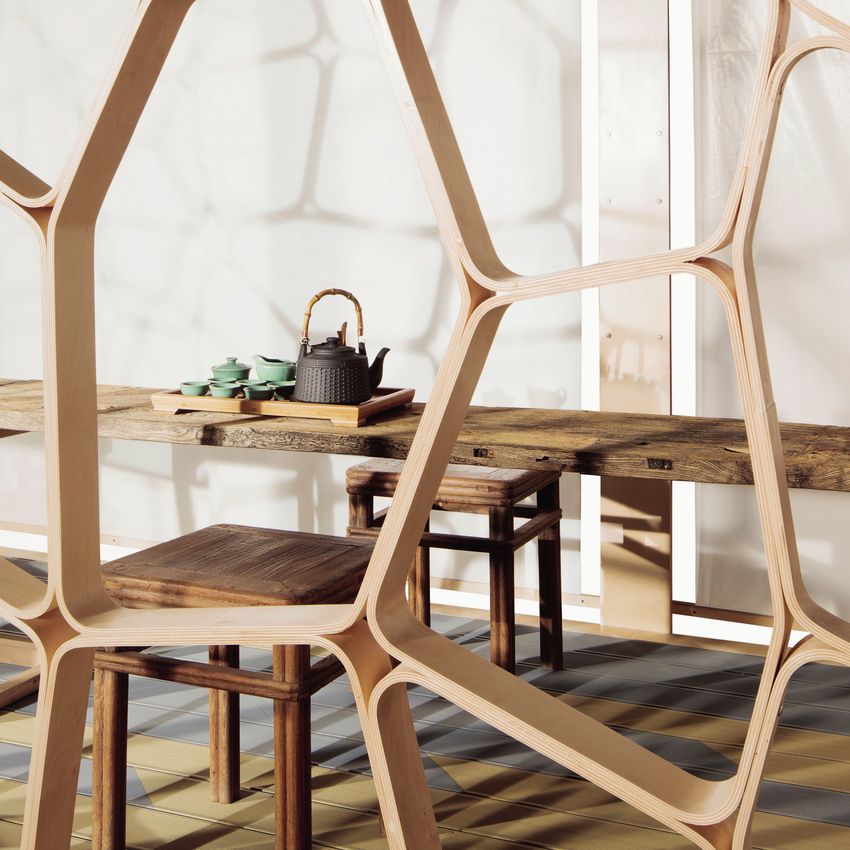
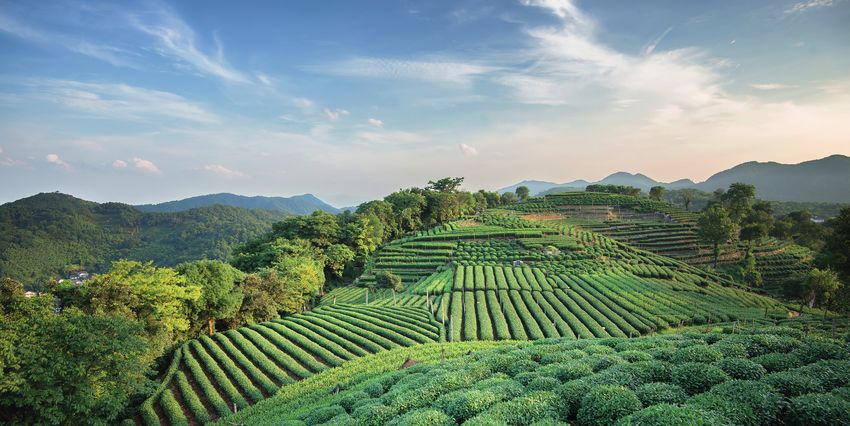
A taste of Chinese tea history
The tea house has been used for generations Yunnan province, tea is now enjoyed throug-
for sharing ideas. The ritual of preparing and hout the day – every day – and is considered
serving tea immersed in debate and lively one of the so called seven necessities of
discussion has always been important. Chinese life.
In the Chinese tea house every person Combining usability
and idea is valuable and respected.
and meaningfulness
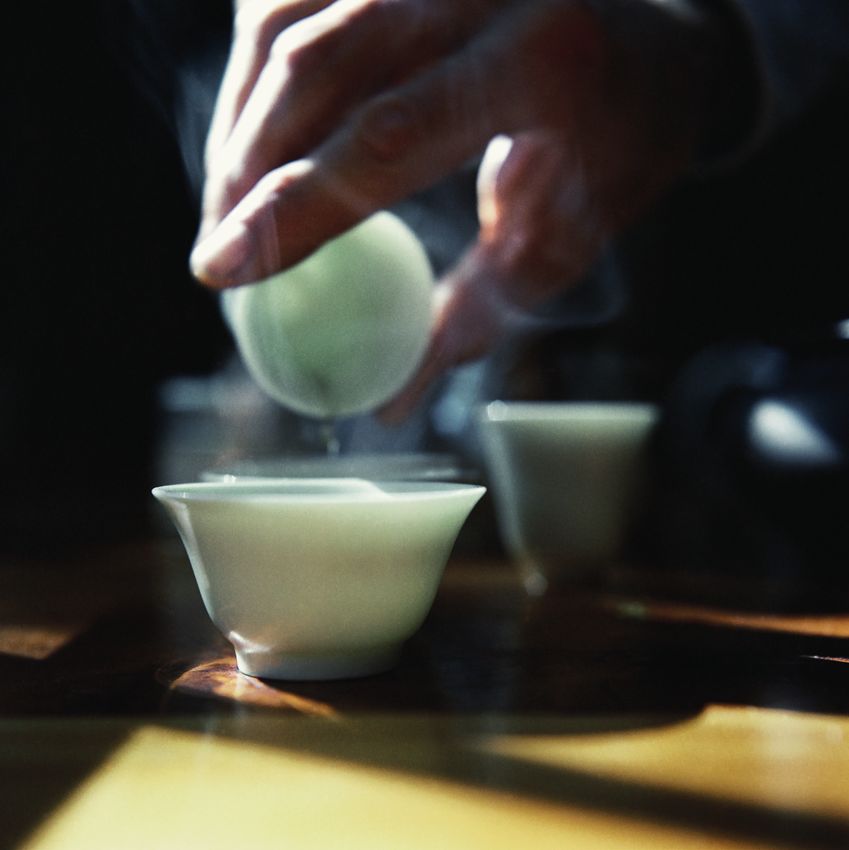
Tea is rooted For thousands of years, tea ware have had an
in Chinese culture important role in the tradition of Chinese han-
dicraft. The changing of the materials used for
Tea is woven into the history and culture making ceramic tea ware was closely related to
of China. This is visible in the numerous poems, the development of firing craft and kiln facto-
calligraphy works, paintings and pieces of ries: from the crude pottery in the early period
literature eulogizing tea. First enjoyed as a to the exquisite ceramics in the later.
herbal medicine over 2.600 years ago in the
One thing, however, remained immutable:
The design of the tea ware always aimed for
both usability and meaningfulness, not only
aesthetics. Being different without a meaningful
idea behind it was and is not enough.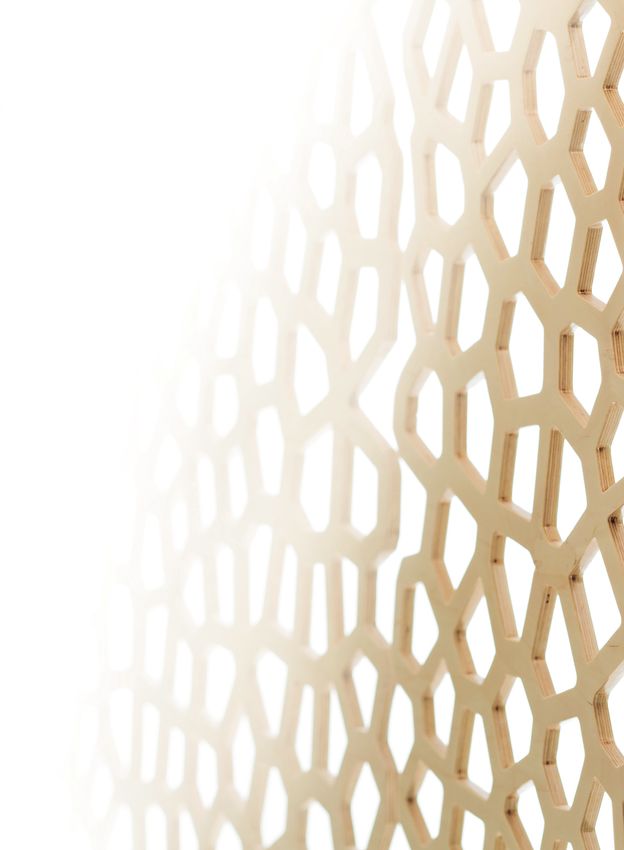
Tea is a divine herb.

     –Xu Guangqi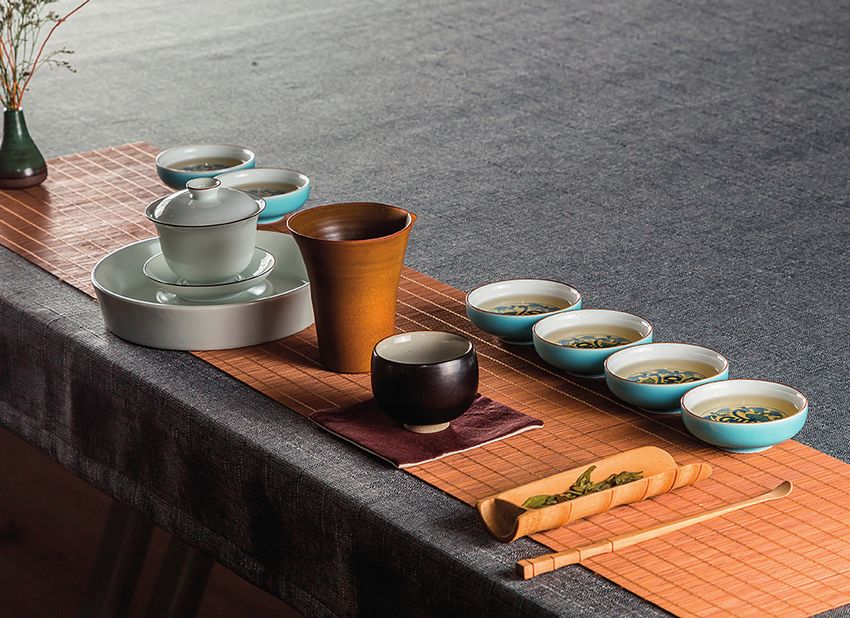
Biofore – Sustainability is the main
task of innovation
rooted in heritage, ”At Tongji University’s College of Design
and Innovation sustainability is
regarded and valued as the main
Sustainability is one of the
most important issues
driven by innovation task of innovation. The college
is committed to the mission
of cultivating future leaders
“My future as a designer will
be characterized by the fact that sustainability
is already now one of the important issues in the
of sustainable design and
modern world. As a design student it has been
Biofore is a word that pays tribute to UPM’s heritage and inspires us innovation. It has been very
very rewarding for me to learn about UPM’s
to create a more sustainable future. We are driven by commitment natural to work together with
Biofore thinking and strategy regarding eco-
to finding solutions that are sustainable and address the many global UPM whose Biofore strategy
friendly operations and products. Green thinking
challenges the world is facing. shares the same values and
and sustainability are becoming more and more
objectives.”
important everywhere all the time.”
The wood fibres growing in the forest are the perfect ingredient for
innovative biomaterials which can be used to replace non-renewable ”In China, one of the most important
traditions is the harmony of nature and human
Designer SHEN Jingliang
materials in countless enduses.
being (天人合一). This old wisdom
The Biofore Tea House celebrates the immense design opportunities is true and correct also in the modern times.
offered by wood and biomaterials. Moreover, it salutes the international Respecting the nature in order to improve people’s
teamwork to create something new drawing from the long traditions of lives is the core of UPM’s Biofore thinking. It
the Chinese tea culture. matches well the Chinese philosophy of life.”
Lecturer MO Jiao, Tongji University College
of Design and Innovation
The Biofore Tea House celebrates the
immense design opportunities offered
by biomaterials.
UPM’s biomaterials
                                              give creative freedom
                                              for design
  ”We decided to use WISA plywood             One of the main design criteria for the Biofore Tea House was to come up with     ”It was very interesting for us to try these
 for the roof of the tea house. It’s a very   a modular design that allows flexibility and mobility. Moreover, the design had    new materials for the tea house design,
workable and clean material that doesn’t      to showcase the properties offered by UPM’s innovative materials: UPM Grada          especially in combination with other
 produce dust when cutting it compared        thermo-formable wood material, UPM ProFi biocomposite, WISA plywood and           materials. It is our duty as designers in this
   to other materials I’ve tested earlier.    UPM’s label paper. The wood raw material in UPM’s products is from sustainably    age to try new possibilities to form the tea
                                              managed forests and conforms to relevant standards and regulations.                    house. It’s a historical challenge
  UPM Grada is an impressive material                                                                                                       and an opportunity.
      as it enabled very elegant and
 light-looking structures that could carry                                                                                             Our students were delighted to
         a lot of weight. Moreover,                                                                                             see the results in the varied concepts for the
      the bended design looks very                                                                                                tea house. The flexibility of the materials
    elegant allowing exactly the kind                                                                                           and their special characteristics were really
           of sophisticated design            The materials used for the Biofore Tea House:                                         different from what our students had
            we were aiming for.”                                                                                                   learned earlier in terms of details and
                                                                                                                                             space expression.”
       Designer SHEN Jingliang                              UPM Grada                             UPM ProFi
                                                            main walls                            floor                                 Professor CHEN Yongqun
                                                            upmgrada.com                          upmprofi.com

                                                            WISA Plywood                          UPM label paper
                                                            Frame and                             back wall
                                                            decorative skin                       upmpaper.com
                                                            wisaplywood.com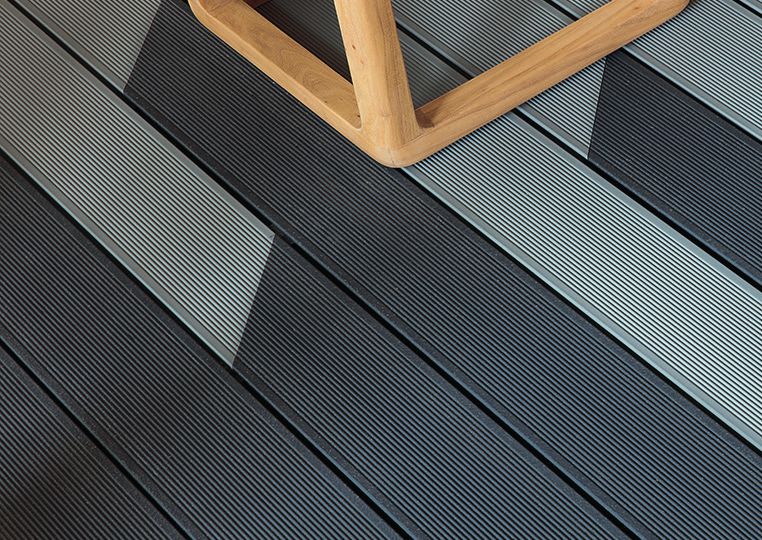
Design that draws
from the heritage
  Shen Jingliang, explains the thinking behind the      Designer Shen Jingliang elaborates:
  tea house design, whose working name
  translated from Chinese means                         ”Light and shadows create moods and
  “individual spiritual room”.                          feelings. We wanted people to have
                                                        different experiences in the tea house by
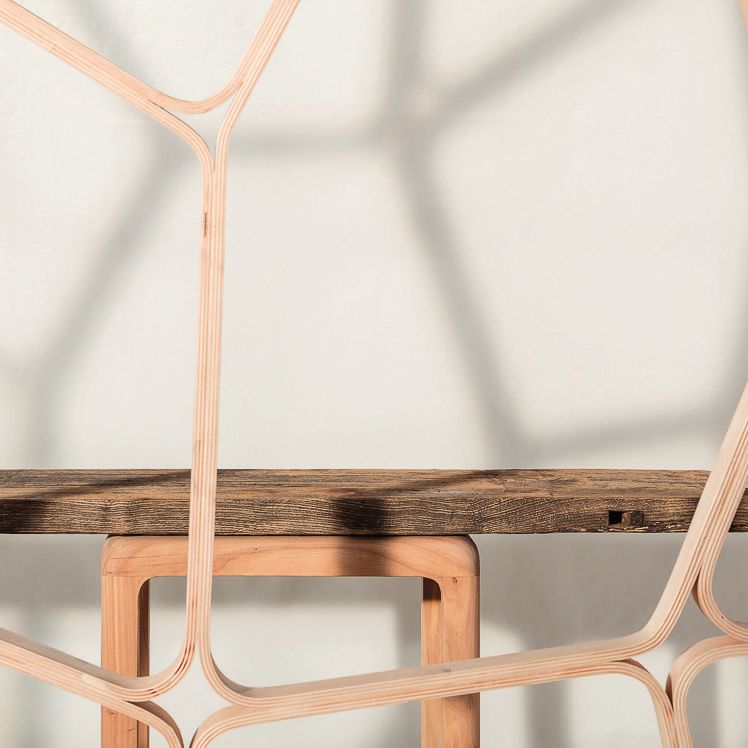
  “The main design was based on the craquelure          alternating the density of the pattern of
  pattern – a very traditional pattern and glazing      the wall and the ceiling from the entrance.
  effect in the porcelain process. The so called        You enter a darker space – and as you
  crackle porcelain has a long history in China         move forward towards the tea table the
  and has a direct connection to the history of         mood changes as more light filters in
  Chinese tea culture. Not only is this pattern light   through the wall and ceiling patterns.
  and aesthetic, it also showcases perfectly the        The more dense the pattern, the less
  properties of thermoformable UPM Grada.               light filters inside – We didn’t just
  The modular bended elements of the pattern            design the space,we designed the
  are quick and easy to manufacture by form             experience.”
  pressing.”

  Designing an experience
  The Biofore Tea House was designed
  to be more than a beautiful space for enjoying
  tea and good company. It was designed to be                                                         Every design feature of the Biofore
  an immersive experience for anyone entering it.                                                        Tea House aims for usability
                                                                                                             and meaningfulness.
Welcome to the
Biofore Tea House

Water is the mother of tea,
a teapot its father, and fire
the teacher.

–Chinese Proverb
”Starting with great teamwork and the fascinating tea
   culture to understanding the properties of UPM
  materials. This was a great learning experience!”
                   Designer Shen Jingliang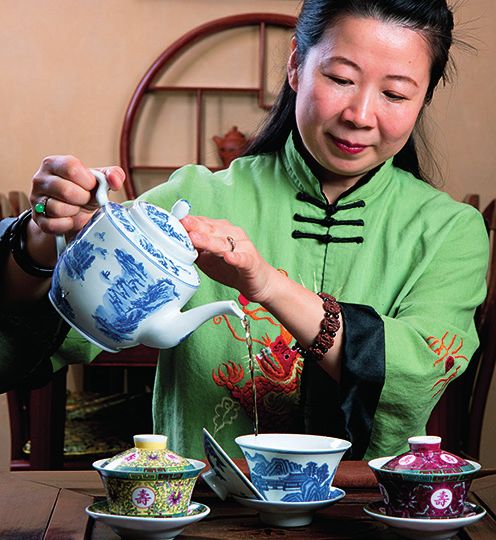
At Tongji University’s College
of Design and Innovation
sustainability is regarded
and valued as the main
task of innovation.
Lecturer Mo Jiao

”The thing I especially like about the final design of the tea house is the
 scene of the partly hidden and partly visible. It allures people to enter
 and experience it for themselves.”
									Designer YE Weijun
www.upm.com
Printed 05/2019. Copyright: UPM-Kymmene Corporation.
You can also read


