The Effect of Transcranial Direct Current Stimulation on Relapse, Anxiety, and Depression in Patients With Opioid Dependence Under Methadone ...
←
→
Page content transcription
If your browser does not render page correctly, please read the page content below
CLINICAL TRIAL
                                                                                                                                            published: 03 April 2020
                                                                                                                                     doi: 10.3389/fphar.2020.00401

                                          The Effect of Transcranial Direct
                                          Current Stimulation on Relapse,
                                          Anxiety, and Depression in Patients
                                          With Opioid Dependence Under
                                          Methadone Maintenance Treatment:
                                          A Pilot Study
                                          Mohammad Sadeghi Bimorgh 1, Abdollah Omidi 2, Fatemeh Sadat Ghoreishi 3,
                                          Amir Rezaei Ardani 4, Amir Ghaderi 1,3 and Hamid Reza Banafshe 5,6*
                         Edited by:       1 Department of Addiction Studies, School of Medical, Kashan University of Medical Sciences, Kashan, Iran, 2 Department of
            Francisco Lopez-Munoz,
                                          Clinical Psychology, School of Medicine, Kashan University of Medical Science, Kashan, Iran, 3 Clinical Research
         Camilo José Cela University,
                                          Development Unit, Matini/Kargarnejad Hospital, Kashan University of Medical Sciences, Kashan, Iran, 4 Psychiatry and
                              Spain
                                          Behavioral Sciences Research Center, Mashhad University of Medical Sciences, Mashhad, Iran, 5 Physiology Research
                     Reviewed by:         Center, Institute for Basic Sciences, Kashan University of Medical Sciences, Kashan, Iran, 6 Department of Pharmacology,
                     Wolnei Caumo,        School of Medicine, Kashan University of Medical Sciences, Kashan, Iran
           Clinical Hospital of Porto
               Alegre (HCPA), Brazil
               Jose Antonio Guerra,       Background and Objective: Patients under methadone maintenance therapy (MMT)
   Complutense University of Madrid,      are susceptible to several complications including mental disturbances and risk of relapse.
                                Spain
                                          The present study was designed to evaluate the effects of tDCS on relapse, depression,
                *Correspondence:
              Hamid Reza Banafshe
                                          and anxiety of opioid-dependent patients under methadone maintenance treatment
           banafshe57@hotmail.com         (MMT).
                                          Methods: It was a randomized-clinical trial that conducted among 27 male patients
                  Specialty section:
        This article was submitted to     referred to the outpatient addiction clinic of Ibn-e-Sina psychiatric hospital in Mashhad
                 Neuropharmacology,       from July 2018 to May 2019. Participants were allocated to two treatment groups
              a section of the journal
          Frontiers in Pharmacology
                                          including intervention and sham groups. The intervention group received seven
      Received: 26 November 2019
                                          sessions of tDCS, in the F3 (cathode) and F4 (anode) areas of the brain, each one lasts
         Accepted: 17 March 2020          20 min, in two consecutive weeks. Depression, anxiety, and stress scale-21 (DASS-21)
          Published: 03 April 2020
                                          were measured before, during, and after the intervention in patients under MMT. Relapse
                           Citation:
                                          on the morphine, cannabis, and methamphetamine was screened by urine dipstick tests
      Sadeghi Bimorgh M, Omidi A,
      Ghoreishi FS, Rezaei Ardani A,      of morphine, cannabis, and methamphetamine.
        Ghaderi A and Banafshe HR
    (2020) The Effect of Transcranial
                                          Results: Depression, anxiety, and stress of participants were significantly reduced in the
       Direct Current Stimulation on      intervention group compared with the control after the seventh session of tDCS (P <
 Relapse, Anxiety, and Depression in
                                          0.001, P=0.01, and P=0.01, respectively). In addition, the relapse rate showed no
  Patients With Opioid Dependence
     Under Methadone Maintenance          significant changes between the two groups (P=0.33).
            Treatment: A Pilot Study.
           Front. Pharmacol. 11:401.
                                          Conclusion: Overall, our study demonstrated that depression, anxiety, and stress of
     doi: 10.3389/fphar.2020.00401        participants were significantly reduced after the seventh session of tDCS, but did not affect

Frontiers in Pharmacology | www.frontiersin.org                                  1                                              April 2020 | Volume 11 | Article 401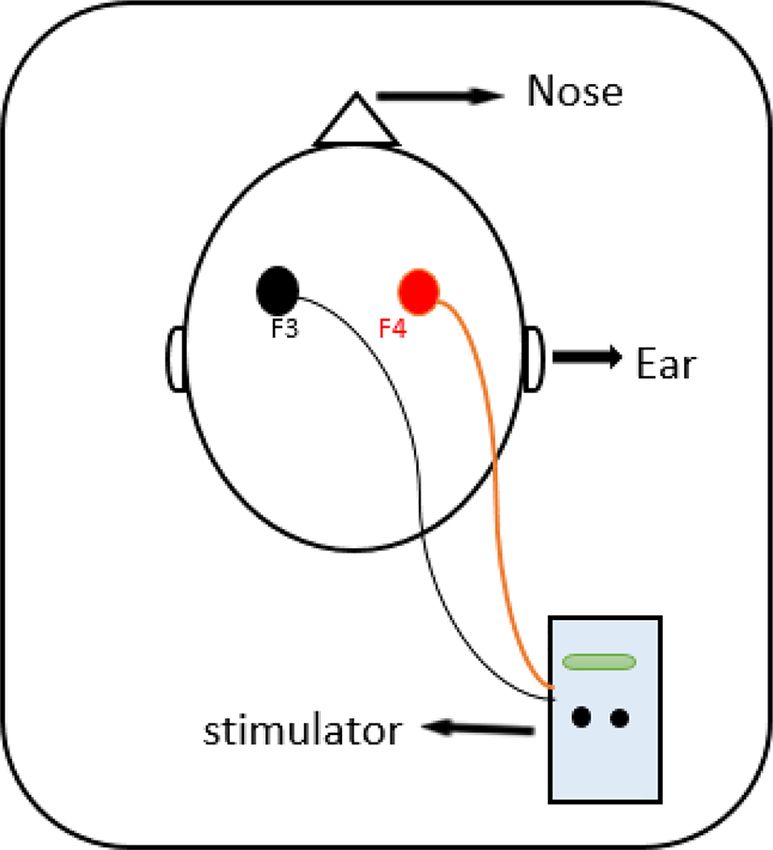
Sadeghi Bimorgh et al.                                                                                             tDCS and Relapse, Depression, and Anxiety

                                          on the relapse rate. Therefore, it can be applied as a safe and effective technique to relieve
                                          mental disorder among receiving MMT.
                                          Clinical Trial Registration: http://www.irct.ir, identifier IRCT20180604039979N1.
                                          Keywords: transcranial direct current stimulation, opioid dependence, relapse, depression, anxiety, stress

INTRODUCTION                                                                      reduces cortical excitability. tDCS has few temporary side effects,
                                                                                  including burning sensation and itching under the electrodes,
Addiction is a complex disease that is manifested by compulsive                   headache, and fatigue (Fitzgerald et al., 2014; Fertonani et al.,
substance use despite harmful consequences (Bromley, 1992).                       2015). However, these side effects are reported to be mild and
Nowadays, a large number of people diagnosed having drug use                      transient (Brunoni et al., 2014b; Cosmo et al., 2015). According
disorders and suffered from physical, psychological, cultural,                    to brain imaging findings, the dorsolateral prefrontal cortex
economic, and social consequences of using substances (Lievens                    (DLPFC) has an essential role in the pathophysiology of drug
et al., 2017). The World Health Organization's annual report                      craving and emotional distress in patients suffering from
estimates that there are about 200 million opiate addicts in the                  addiction (da Silva et al., 2013). DLPFC has been implicated in
world (0.6 to 0.8% of the general population), while Iran has nearly              spontaneous and cue-elicited cravings. It is involved in different
three times higher prevalence compared with the mean prevalence                   cognitive tasks such as decision making, inhibitory control, and
of the world. Eastern Iran shares a border with Afghanistan where                 attentional bias, too (Luigjes et al., 2019). Therefore, DLPFC
the majority of opium in the world is produced. Iran is the major                 could be a target for stimulation in order to alleviate the craving
route for drug transport into Europe (Amirabadizadeh et al., 2018;                and relapse rate of patients with drug dependence disorder.
Soroosh et al., 2019). The most commonly used opioid in Iran is                   However, stimulation of the DLPFC may affect the reward
opium (82%), followed by opium ashes (28%), methadone for non-                    system via efferent pathways from ventral tegmental area to
medical usages (16.6%), heroin and heroin/cracked (16%), and                      the nucleus accumbens (Luigjes et al., 2019). As these pathways
morphine (2.6%). Apart from opioids, the common substances that                   are involve in the hedonic responses of the brain to the
are illegally used in Iran include alcohol with a prevalence of 2%                environmental stimuli (Heshmati and Russo, 2015).
within the past 12 months, cannabis with a prevalence of 1%, and                  Stimulating DLPFC could attenuate negative emotional states
methamphetamine with a prevalence of 0.5%. There are around                       (e.g. depression and anxiety) of patients.
5000 outpatient buprenorphine or MMT clinics for the sole                             These lines of evidence emphasize the importance of tDCS on
purpose of the treatment of opioid dependency in Iran and                         relapse and mental health, suggesting tDCS may have favorable
covered about 500,000 people for treatment (Eskandarieh et al.,                   effects in patients under MMT programs. In addition, it may
2014; Amin-Esmaeili et al., 2016; Ghaderi et al., 2017).                          potential impact with nursing care, functional activities,
    According to the National Institute on Drug Abuse, between                    rehabilitation potential, and functional recovery. To our
40% and 60% of people recovering from drug addiction will                         knowledge, data from studies investigating the effects of tDCS
relapse (Saitz, 2007). The strong desire to re-experience the                     on promote mental health and relapse in MMT patients are
effects of the substances after reaching the abstinence, known                    limited. Therefore, this study was aimed to evaluate the effect of
as craving, leads to the high relapse rate in patients                            tDCS on relapse, depression, and anxiety among patients who
(Ahmadpanah et al., 2013). Studies have shown that 20 to 90%                      underwent MMT.
of addicts who receive treatment will relapse in the next 6
months (Sotodeh Asl et al., 2013). Therefore, treatment of the
addiction usually targets the craving in order to decrease the                    MATERIALS AND METHODS
relapse rate. In some cases, mental disorders such as anxiety,
depression, or schizophrenia precede addiction; in other cases,                   Trial Design and Participants
drug use disorder may trigger or worsen those mental health                       This randomized, double-blinded, sham-controlled clinical trial,
conditions, particularly in people with specific vulnerabilities                   registered in the Iranian clinical trials website at (http://www.irct.
(Langas et al., 2011). So, any treatment protocol for drug                        ir: IRCT20180604039979N1), followed the Declaration of
addiction usually requires several courses of treatment and                       Helsinki guideline, informed consent was given by all patients.
various treatment modalities (Scott et al., 2005).                                This trial was conducted among 27 participants undergoing
    Transcranial Direct Current Stimulation (tDCS) is one of the                  MMT, who referred to the Ibn-e-Sina Hospital in Mashhad,
techniques of brain stimulation which involves the use of a weak                  Iran, from July 2018 to May 2019. Twenty-seven patients were
direct electric current (e.g., 1 to 2 mA) through two or more                     selected through convenient sampling method based on the
electrodes, usually an anode and a cathode, on the scalp                          criteria. Then, they were divided into the experimental (n=14)
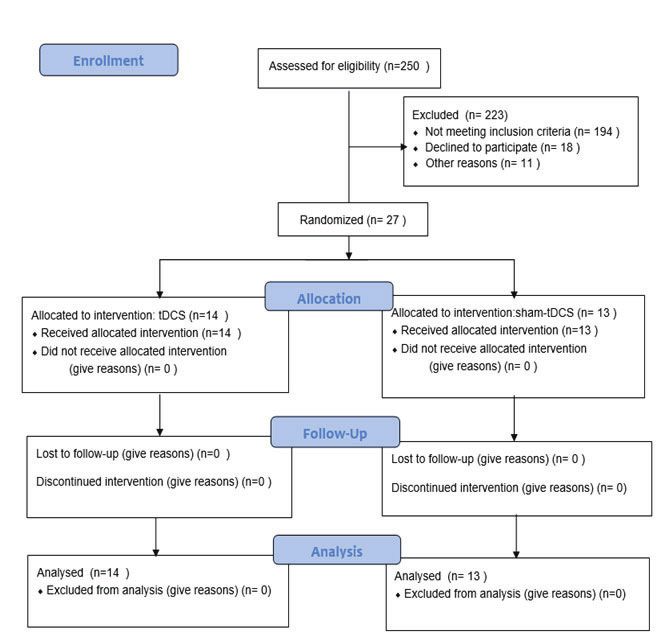
(Talimkhani et al., 2019). This stimulation acts as a non-                        and the sham groups (n=13) (Diagram 1). In term of ethical
invasive, inexpensive, and safe method for altering the resting                   considerations, the researchers provided the needed information
potential of cortical neural cells. Anodal stimulation leads to an                to all patients such as process of treatment, probably side effects
increase of cortical excitability, whereas cathodal stimulation                   of tDCS (such as sense of mild burning or headache) and

Frontiers in Pharmacology | www.frontiersin.org                               2                                          April 2020 | Volume 11 | Article 401
Sadeghi Bimorgh et al. tDCS and Relapse, Depression, and Anxiety
DIAGRAM 1 | Summary of patient flow diagram.
duration of treatment. Then, they ask patients to write consent 60 years, educational attainment of higher or equal to mid-high
form. All patients received tDCS in 7 sessions (every other day). school (necessary for completing the questionnaires), not having
The study was approved by the ethics committee of Kashan diabetes and specific neurological diseases including the history
University of medical sciences. of head trauma and seizure, not having any metal objects or
prosthesis near the site of brain stimulation, not having cerebral
Inclusion Criteria shunt or cardiac pacemaker.
Participants included into the study based on the following
criteria: receiving MMT as the only treatment protocol and for Exclusion Criteria
less than 1 year, evaluated by the drug abuse section of the The exclusion criteria of the study were the patient's
Structured Clinical Interview for DSM-IV, aged between 18 and unwillingness to continue participation, any undesirable side
Frontiers in Pharmacology | www.frontiersin.org 3 April 2020 | Volume 11 | Article 401Sadeghi Bimorgh et al. tDCS and Relapse, Depression, and Anxiety
effects attributed to tDCS, or patients' refusal to continue the tension, and subjective experience of anxiety; while the stress
methadone maintenance treatment. sub-scale measures the levels of chronic arousal, difficulty
relaxing and being easily upset, irritable, and impatient. Each
Randomization and Blinding respondent asked to indicate the presence of any symptoms
Randomization was performed with blanced blocked over the last week. Each question is scaled on the 4-points
randomizaton and random numbers generated by computer Likert scale from 0 to 3. To calculate the final score of DASS-
software (Stat Trek software) which choose the random 21, the final score of each sub-scale (depression, anxiety, and
numbers. Randomization and allocation concealment were stress) should be multiplied by two (Lovibond, 1995). The
conducted by the researchers and participants and were carried Persian translation of DASS-21 is reported to be valid by
out by a trained staff at the clinic. Subjects were randomly (Sahebi et al., 2005; Babazadeh et al., 2016). Internal
allocated into two groups to receive tDCS or sham tDCS. Also, consistency of the DASS-21 subscales with Cronbach's
the participants and researcher were blinded, but the research alphas for depression (0.91), anxiety (0.87), and stress
assistant was not blinded. Research assistant regulate device on (0.90) respectively reported (Yazdi et al., 2019). In the
real or sham mode in the intervention or the sham groups. present study, we considered the anxiety and stress sub-
scales as different aspects of anxious affect. So, depression
Outcomes of Interest subscale score of the DASS-21 is interpreted as the level of
Relapse rate was considered as the primary outcomes of interest. depression, while anxiety and stress subscales scores are
Depression and anxiety were considered as the interpreted as the level of anxiety of the participants.
secondary outcomes.
Research Instruments Research Process
Transcranial Direct Current Stimulation (tDCS) usually involves the
1. Researcher-made background profile form: This form was use of a weak and direct electric current (e.g. 1 to 2 mA) through
used to collect the demographic variables, the daily dosage of two or more electrodes which are placed on the scalp (Talimkhani
methadone consumed by participants and the duration of et al., 2019). The connection of two electrodes with different poles
MMT of each participant. (usually an anode and a cathode) in different parts of the skull
2. Urine dipstick tests for the detection of morphine, cannabis, surface, leads to the stimulation of the lower neurons. Anodal
and methamphetamine: According to the American Society stimulation induces an increase of cortical excitability, whereas
for Addiction Medicine (ASAM), drug testing should be used cathodal stimulation decreases cortical excitability (Brunoni et al.,
“to discourage nonmedical drug use and diversion of 2012). Safety of the use of tDCS has been reported in human adults
controlled substances, to encourage appropriate entry into (Brunoni et al., 2014b; Cosmo et al., 2015).
addiction treatment, to identify an early relapse, and to In the present study, the intervention group received 7
improve outcomes of addiction treatment (Hadland and sessions of tDCS, once a day, every other day with the
Levy, 2016). Urine dipstick drug tests are practical tools for intensity of 2 mA for 20 min. For anodal stimulation, the
assessing the relapse in primary care (McDonell et al., 2016). anode electrode was placed over right DLPFC (F4) and for
They are lateral-flow test strips which are analyzed the urine cathodal stimulation, the cathode electrode was centered over
sample based on the immunochromatography technique. In left DLPFC (F3) based on international 10–20 EEG system
the present study, we used Rojan dipsticks (Rojan Azma (Batista et al., 2015) (Figure 1). Direct current was transferred
Company, Tehran, Iran), which are designed for the via two electrodes coated in saline-soaked sponges with 35-cm2
detection of morphine, cannabis, and methamphetamine, size and delivered by a battery-driven stimulator (Oasis Pro,
because of the high relapse rate of these substances. Using Mind Alive, Canada). For the sham group, the same methods
dipsticks are very simple, and the results obtained in about 5 were used, and the electrodes were placed in the same areas.
min. The results are reported as positive, negative, and invalid However, the device was turned up to 2 mA for only 30 s to
according to the number of color bands appear in the control produce the sense of initial irritation, then slowly ramped-down
and the test region of the strips (Zare et al., 2016). The to 0 mA over the period of 1 min, and finally turned off, while the
Positive result is interpreted as having a relapse, the negative electrodes stayed on the scalp up to 20 min.
result is interpreted as to have no relapse, and the invalid In the first session, all participants were asked to fill out
results need to repeat the urine test. DASS-21 and screened for any relapses on morphine,
3. Depression, Anxiety, and Stress Scale-21 (DASS-21): The amphetamine or cannabis by urinary dipstick before receiving
original version of this scale has 42 questions. However, we tDCS or sham. Participants were asked to complete DASS-21
used the short version, called DASS-21. DASS-21 contains 21 after the fourth the seventh sessions, while the same urinary
items, seven questions measure depression, seven items screening test was conducted at the end of seventh session, too.
measure anxiety, and the rest of them are for measuring
stress. The depression sub-scale measures dysphoria, Sample Size
devaluation of life, hopelessness, self-deprecation, Regarding the relapse rate as the main outcome, no study was
anhedonia, lack of interest, and inertia. The anxiety sub- found to calculate sample size. Therefore, this is a pilot study.
scale assesses autonomic arousal, situational anxiety, muscle Considering the obtained results of relapse rate in this study
Frontiers in Pharmacology | www.frontiersin.org 4 April 2020 | Volume 11 | Article 401Sadeghi Bimorgh et al. tDCS and Relapse, Depression, and Anxiety
(7.1% and 23.1% for intervention and sham groups), the studies significant differences were found between the two groups in
power was calculated 20% (P-value=0.05). It was obtained 15 the mean score of depression, anxiety, and stress before and
patients for each group. However, considering the possibility of during the intervention, at the end of the study, significant
sample loss, we interred 30 participants in the study, but before differences were appeared between the two groups in all three
randomization, three subjects declined to participation. variables (P < 0.001, P=0.01, and P=0.01, respectively).
Eventually, 27 patients terminated the study (14 in the Compared with the sham group, tDCS resulted in a
intervention group and 13 in the sham group). significant improvement in depression (P < 0.001), anxiety (P <
0.001) and stress (P < 0.001) in the intervention group (Figures
Statistical Analysis 2–4). The post hoc comparison between the intervention and
The Kolmogorov-Smirnov test was done to determine the sham patients showed a significant group × treatment interaction
normality of data. We used the Chi-square test, Independent on depression (F (2.50) =10.71; p < 0.001), anxiety (F (2.50) 6.48;
sample t-test, repeated measures ANOVA, Fisher's exact test, P=0.003) and stress (F (2.50) 14.64; P < 0.001). Repeated
and Mann-Whitney test to analyze the data, using SPSS-25. P- measures depression as dependent variables produced a
valuesSadeghi Bimorgh et al. tDCS and Relapse, Depression, and Anxiety
2006). In several studies, electrical stimulation was used as a left 2019). Garg et al. reported that the effect size of repeated sessions
anodal/right cathodal and right anodal/left cathodal to reduce of tDCS targeted at prefrontal cortex (left anodal/right cathodal)
anxiety and depression (Brunoni et al., 2014a; Taremian et al., on the craving reduction in patients with opioid dependence
2019). However, we apply the anode electrode on right DLPFC disorder was moderate. They could not show any significant
(F4) and the cathode electrode on the left DLPFC (F3). All difference in self-reported craving between the intervention and
participants tolerated the procedure and did report no side effects control groups (Garg et al., 2019). In another study, Taremian
except for the redness of the stimulation site, which was resolved et al. examined the effect of tDCS at the dorsolateral prefrontal
after a few minutes. cortex (right anodal/left cathodal) on the craving to opium in a
group of participants with opium use disorder enrolled in MMT
Effects on Relapse program. The study showed that the active tDCS significantly
This study indicated that, compared with the sham groups, tDCS reduced craving (Taremian et al., 2019). Martinotti et al. applied
for 7 sessions in patients with opioid dependence under the same protocol (right anodal/left cathodal) on participants
methadone maintenance treatment had no significant with substance use disorder or gambling disorder in which they
differences on the relapse rate. Researchers have performed reported a significant reduction of craving in the intervention
different studies on the efficacy of the tDCS on the craving of group (Martinotti et al., 2019). Sharifi-Fardshad et al. compared
patients with substance dependence disorders (Boggio et al., 2008; the effects of active tDCS on the DLPFC with the right anodal and
Sharifi-Fardshad et al., 2018; Garg et al., 2019; Martinotti et al., left anodal protocols with the control group and reported that
right anodal active tDCS could reduce the craving in former
TABLE 2 | Comparison of relapse rate, mean depression, anxiety and stress
heroin users under MMT (Sharifi-Fardshad et al., 2018).
scores between the intervention and sham groups before and after intervention. However, Wang et al. examined a different tDCS treatment
protocol on a group of heroin-addicted participants. While they
Variables Group P
targeted the bilateral frontal-parietal-temporal circuitry and
Intervention Sham placed the cathodes over T3 and T4 and anodes over O2 and
Number Number
Relapse rate Before Negative 11(78.6) 10(76.9) < 0.999*
intervention Positive 3(21.4) 3(23.1)
After Negative 13(92.9) 10(76.9) 0.33*
intervention Positive 1(7.1) 3(23.1)
Depression Before intervention 30. 71 ± 27.85 ± 8.46 0.37**
7.75
During intervention 23.29 ± 7.04 28.31 ± 8.60 0.11**
(after the 4th session)
After intervention 17.57 ± 4.45 25.85 ± 7.09 < 0.001***
Anxiety Before intervention 27.00 ± 8.25 25.38 ± 9.36 0.64**
During intervention 22.29 ± 6.07 25.08 ± 8.31 0.33**
After intervention 16.86 ± 4.20 23.23 ± 7.68 0.01***
Stress Before intervention 33.00 ± 8.07 29.08 ± 8.23 0.14***
During intervention 26.29 ± 7.23 27.69 ± 8.90 0.66**
After intervention 17.28 ± 4.28 25.85 ± 8.38 0.01***
*Fischer's exact test. FIGURE 3 | Mean anxiety score and in the intervention and sham groups at
**Independent t-test.
each time point.
***Mann-Whitney.
FIGURE 2 | Mean depression score and in the intervention and sham groups FIGURE 4 | Mean stress score in the intervention and sham groups at each
at each time point. time point.
Frontiers in Pharmacology | www.frontiersin.org 6 April 2020 | Volume 11 | Article 401Sadeghi Bimorgh et al. tDCS and Relapse, Depression, and Anxiety
O1 (based on 10/20 EEG system), significant lower craving scores Taremian and his colleagues applied the tDCS in a group of
were reported after active treatment (Wang et al., 2016). opioid-dependent individuals with MMT and reported a
Although these studies showed promising effects of tDCS in significant reduction in the self-reported craving, anxiety, and
decreasing the craving of patients with opioid dependence depression of the patients (Taremian et al., 2019). It seems that
disorder, they may not be helpful enough in clinical practice. tDCS could affect the comorbid depression in patients under MMT,
Assessment of craving in all the above-mentioned studies are although it is not an early outcome. Comorbid depression in
based on self-reports questionnaires or scales. They did not substance-dependent individuals has different explanations,
measure clinical outcomes, and the literature suffered from the including elevated risk of vulnerability for the second disease
lack of data on the parameters such as relapses (Batista et al., caused by the primary disease, common risk factors between
2015).We could consider the lapse/relapse as the clinical disorders, using substances as self-medication of depression,
consequence of the craving; therefore, assessment of the residual depression from interpersonal or social consequences of
relapse rate could be a good indicator of the clinical outcome addiction, delayed recovery caused by the comorbid disorder, and
of applying the tDCS on the craving. substance-induced depressive episodes caused by direct biological
In our study, applying the right anodal active tDCS, which has changes of addiction (Davis et al., 2008). As depression in opioid-
more evidence in reducing craving in different studies, could not dependent individuals is not a single disorder with a unique etiology,
significantly reduce the relapse rate in patients with opioid we suggest that the right anodal tDCS could have a therapeutic effect
dependence disorder enrolled MMT program (Klauss et al., on some types of comorbid depression.
2018; Taremian et al., 2019). However, after seventh session of Anxiety is a well-known comorbidity of addiction (Cohn
tDCS, the intervention group had lower relapse rate compared to et al., 2011). While feeling anxious is related to the over-activity
the sham group. Lack of significant efficacy of tDCS in our study of the noradrenergic system, the core mechanism of action in
could be due to the effect of MMT program on the relapse rate of opioid withdrawal syndrome is related to the noradrenaline
participants. MMT could reduce the craving for opioids in release in the brain, too (Aston-Jones and Kalivas, 2008).
opioid-dependent patients. Therefore, it could interfere with Therefore, it is usual for opioid-dependent individuals to find
the efficacy of the tDCS. Other possible reasons of limited themselves, feeling restless, anxious, and worried. Addressing
effect of tDCS could be the limited sessions of therapy and the anxiety has an important role in the management of addiction.
limited number of participants of the study. All in all, right Anxious mood accompanies different psychological and
anodal/left cathodal protocol of tDCS seems to have little effects somatic symptoms, including autonomic hyperactivity,
in reducing the relapse rate of patients enrolled MMT programs restlessness, irritability, muscular twitching, etc. (Association,
in non-laboratory settings. 2000). The anxiety and the stress sub-scales of DASS-21 assess
these symptoms; therefore, we used these subscales to quantify
Effects on Depression and Anxiety anxiety score of participants. We found out that there was no
The current study demonstrated that tDCS for 7 sessions among significant difference between the intervention and sham groups
patients with opioid dependence under methadone maintenance in the mean scores of anxiety and stress sub-scales before and
treatment significantly improved the depression, anxiety, and stress during the treatment. However, the intervention group showed a
score compared with the sham subjects. Complaining of depressed significant decline in anxiety and stress sub-scales compared to
mood is prevalent between patients suffering from opioid the sham group after the treatment.
dependence disorder, even after replacing their illegal opioids Few studies have reported the effect of tDCS on the anxiety
with methadone. Half of the patients undergoing methadone disorders and fewer in patients with substance dependence
maintenance treatment suffer from depression (Cosmo et al., disorders (Hampstead et al., 2016; Kar and Sarkar, 2016). Some
2015). Although depressed feelings after the first weeks of drug researchers have proposed the placement of cathode electrode on
discontinuation could be self-limited, independent depression the right prefrontal cortex and anode electrode on the left
needs proper therapeutic management (Nunes and Levin, 2008). prefrontal cortex (Stein et al., 2020). The hypothesis is that the
According to cerebral imaging, the dorsolateral prefrontal cortex cathodal stimulation may reduce cortical excitability in anxiety
(DLPFC) has an important role in the pathophysiology of mood disorders, which accompany cortical excitability. Nevertheless, in a
disorders (Cosmo et al., 2015). Recently, tDCS has been randomized sham-controlled trial of applying tDCS in patients
recommended for treatment of depression with the anode over with cocaine dependence, Batista et al. placed the anode electrode
the left DLPFC (Bennabi and Haffen, 2018). on the right DLPFC (similar to our study) and reported a
According to our study, there was no significant difference significant decrease in the sense of anxiety in patients receiving
between the intervention and sham groups in the mean score of tDCS in comparison to the sham group (Batista et al., 2015). Based
depression before and during the treatment. However, after the 7th on our findings, applying tDCS could reduce the anxiety symptoms
session of tDCS, the mean score of depression in the intervention in patients under MMT, though the outcome is achieved after
group was significantly lower than the sham group. While we seven consecutive sessions. The efficacy of tDCS on the anxiety
applied a different stimulation site (the right DLPFC for anode symptoms in the Batista et al. and our study may be due to the
electrode instead of the usual recommended stimulation site for overall improvement of the sense of health and well-being of the
treatment of depression), the significant therapeutic effect of tDCS on patients (Batista et al., 2015). However, more studies should target
the depression score of participants was an interesting finding. anxiety symptoms in patients with substance use disorders.
Frontiers in Pharmacology | www.frontiersin.org 7 April 2020 | Volume 11 | Article 401Sadeghi Bimorgh et al. tDCS and Relapse, Depression, and Anxiety
LIMITATIONS ETHICS STATEMENT
This study should be viewed in light of its limitations. All procedures performed in studies involving human
Specifically, given it's a pilot study sample size, caution is participants were in accordance with the ethical standards of
advised before generalizing the results. Also, low duration of the institutional and national research committee and with the
intervention that this is associated with illustrate lower effects. In 1964 Helsinki declaration and its later amendments. The
addition, we were not able to investigate the withdrawal patients/participants provided their written informed consent
syndrome, chronic pain, and cognitive functions. Thus, its to participate in this study.
performance is suggested in next studies. Also, tDCS is a new
method of brain stimulation. Therefore, most patients especially
women were not familiar with it and refuse to participate in the
study. In addition, the number of participants of the study was
AUTHOR CONTRIBUTIONS
limited. Furthermore, the operator who conducted tDCS was MS and HB contributed in design, conception, and statistical
not blind about the assigned patients (intervention and analysis. MS, AO, FG, AR, AG, and HB contributed in data
sham groups). collection and manuscript drafting.
CONCLUSIONS FUNDING
The findings suggested the beneficial effect of tDCS to improve The present study was supported by a grant from the Vice-
depression, anxiety, and stress in the experimental group compared chancellor for Research, KAUMS, Iran.
to the sham subjects. This suggests that tDCS may confer
advantageous therapeutic potential for patients under MMT
programs. Further research is needed in other participants and for
longer periods to determine the efficacy of tDCS. ACKNOWLEDGMENTS
This study was a part of the doctoral thesis on addiction studies.
It has been registered with the IRCT20180604039979N1
DATA AVAILABILITY STATEMENT registration code in the Iranian Center for Clinical Trials, and
was supported by a grant from the Vice-chancellor for Research,
The datasets generated for this study are available on request to KAUMS, Iran (IR.KAUMS.MEDNT.REC. 97017). We are
the corresponding author. thankful of all patients who participated in this project.
Bennabi, D., and Haffen, E. (2018). Transcranial Direct Current Stimulation
REFERENCES (tDCS): A Promising Treatment for Major Depressive Disorder? Brain Sci. 8
Ahmadpanah, M., Alavijeh, M. M., Allahverdipour, H., Jalilian, F., Haghighi, M., (5), 1–10. doi: 10.3390/brainsci8050081
Afsar, A., et al. (2013). Effectiveness of coping skills education program to Boggio, P. S., Sultani, N., Fecteau, S., Merabet, L., Mecca, T., Pascual-Leone, A.,
reduce craving beliefs among addicts referred to addiction centers in et al. (2008). Prefrontal cortex modulation using transcranial DC stimulation
Hamadan: a randomized controlled trial. Iranian J. Public Health 42 (10), 1139. reduces alcohol craving: a double-blind, sham-controlled study. Drug Alcohol
Amin-Esmaeili, M., Rahimi-Movaghar, A., Sharifi, V., Hajebi, A., Radgoodarzi, R., Depend. 92 (1-3), 55–60. doi: 10.1016/j.drugalcdep.2007.06.011
Mojtabai, R., et al. (2016). Epidemiology of illicit drug use disorders in Iran: Bromley, J. (1992). Our society's response to the addictions. Clin. Chem. 38 (8B Pt
prevalence, correlates, comorbidity and service utilization results from the Iranian 2), 1530–1531.
Mental Health Survey. Addiction 111 (10), 1836–1847. doi: 10.1111/add.13453 Brunoni, A. R., Nitsche, M. A., Bolognini, N., Bikson, M., Wagner, T., Merabet, L.,
Amirabadizadeh, A., Nezami, H., Vaughn, M. G., Nakhaee, S., and Mehrpour, O. et al. (2012). Clinical research with transcranial direct current stimulation
(2018). Identifying risk factors for drug use in an Iranian treatment sample: A (tDCS): challenges and future directions. Brain Stimul. 5 (3), 175–195. doi:
prediction approach using decision trees. Subst. Use Misuse 53 (6), 1030–1040. 10.1016/j.brs.2011.03.002
doi: 10.1080/10826084.2017.1392981 Brunoni, A. R., Boggio, P. S., De Raedt, R., Bensenor, I. M., Lotufo, P. A., Namur,
Association, A. P. (2000). Diagnostic and statistical manual of mental disorders V., et al. (2014a). Cognitive control therapy and transcranial direct current
(DSM-IV-TR Arlington: American Psychiatric Association). stimulation for depression: a randomized, double-blinded, controlled trial. J.
Aston-Jones, G., and Kalivas, P. W. (2008). Brain norepinephrine rediscovered in Affect. Disord. 162, 43–49. doi: 10.1016/j.jad.2014.03.026
addiction research. Biol. Psychiatry 63 (11), 1005–1006. doi: 10.1016/ Brunoni, A. R., Junior, R. F., Kemp, A. H., Lotufo, P. A., Bensenor, I. M., and
j.biopsych.2008.03.016 Fregni, F. (2014b). Differential improvement in depressive symptoms for tDCS
Babazadeh, T., Sarkhoshi, R., Bahadori, F., Moradi, F., Shariat, F., and Sherizadeh, alone and combined with pharmacotherapy: an exploratory analysis from the
Y. (2016). Prevalence of depression, anxiety and stress disorders in elderly Sertraline vs. Electrical Current Therapy for Treating Depression Clinical
people residing in Khoy, Iran, (2014-2015). J. Anal. Res. Clin. Med. 4 (2), 122– Study. Int. J. Neuropsychopharmacol. 17 (1), 53–61. doi: 10.1017/
128. doi: 10.15171/jarcm.2016.020 S1461145713001065
Batista, E. K., Klauss, J., Fregni, F., Nitsche, M. A., and Nakamura-Palacios, E. M. Cohn, A. M., Epstein, E. E., McCrady, B. S., Jensen, N., Hunter-Reel, D., Green, K.
(2015). A Randomized Placebo-Controlled Trial of Targeted Prefrontal Cortex E., et al. (2011). Pretreatment clinical and risk correlates of substance use
Modulation with Bilateral tDCS in Patients with Crack-Cocaine Dependence. disorder patients with primary depression. J. Stud. Alcohol Drugs 72 (1), 151–
Int. J. Neuropsychopharmacol. 18 (12), 1–11. doi: 10.1093/ijnp/pyv066 157. doi: 10.15288/jsad.2011.72.151
Frontiers in Pharmacology | www.frontiersin.org 8 April 2020 | Volume 11 | Article 401Sadeghi Bimorgh et al. tDCS and Relapse, Depression, and Anxiety
Cosmo, C., Baptista, A. F., de Araujo, A. N., do Rosario, R. S., Miranda, J. G., Substance Use Disorders: A Double-blind, Placebo-Controlled Study. J. ECT 35
Montoya, P., et al. (2015). A Randomized, Double-Blind, Sham-Controlled Trial (3), 207–211. doi: 10.1097/YCT.0000000000000580
of Transcranial Direct Current Stimulation in Attention-Deficit/Hyperactivity McDonell, M. G., Graves, M. C., West, I. I., Ries, R. K., Donovan, D. M.,
Disorder. PloS One 10 (8), e0135371. doi: 10.1371/journal.pone.0135371 Bumgardner, K., et al. (2016). Utility of point of care urine drug tests in the
da Silva, M. C., Conti, C. L., Klauss, J., Alves, L. G., do Nascimento Cavalcante, H. M., treatment of primary care patients with drug use disorders. J. Addict. Med. 10
Fregni, F., et al. (2013). Behavioral effects of transcranial direct current stimulation (3), 196. doi: 10.1097/ADM.0000000000000220
(tDCS) induced dorsolateral prefrontal cortex plasticity in alcohol dependence. J. Nunes, E. V., and Levin, F. R. (2008). Treatment of Co-occurring Depression and
Physiol. (Paris) 107 (6), 493–502. doi: 10.1016/j.jphysparis.2013.07.003 Substance Dependence: Using Meta-analysis to Guide Clinical
Davis, L., Uezato, A., Newell, J. M., and Frazier, E. (2008). Major depression and Recommendations. Psychiatr. Ann. 38 (11), nihpa128505. doi: 10.3928/
comorbid substance use disorders. Curr. Opin. Psychiatry 21 (1), 14–18. doi: 00485713-20081101-05
10.1097/YCO.0b013e3282f32408 Sahebi, A., Asghari, M., and Salari, R. (2005). Validation of depression anxiety and
Dobson, K., and MOHAMMAD, K. P. (2006). Psychometric characteristics of the stress scale (DASS-21) for an iranian population. J. Iran. Psychol. 1 (4), 36–54.
Beck Depression Inventory-II in patients with major depressive disorder in Saitz, R. (2007). Treatment of alcohol and other drug dependence. Liver Transpl.
partial remission. J. Rehab. 8 (Supplement 29), 82–88. 13 (11 Suppl 2), S59–S64. doi: 10.1002/lt.21339
Eskandarieh, S., Hajebi, A., Noroozi, A., Haghdoost, A. A., and Baneshi, M. R. Scott, C. K., Foss, M. A., and Dennis, M. L. (2005). Pathways in the relapse–
(2014). Epidemiology of alcohol abuse in Iran. Asia Pacific J. Med. Toxicol. 3 treatment–recovery cycle over 3 years. J. Subst. Abuse Treat. 28 (Suppl 1), S63–
(Supplement 1), 22–22. doi: 10.22038/apjmt.2014.2905 S72. doi: 10.1016/j.jsat.2004.09.006
Fertonani, A., Ferrari, C., and Miniussi, C. (2015). What do you feel if I apply Sharifi-Fardshad, M., Mehraban-Eshtehardi, M., Shams-Esfandabad, H.,
transcranial electric stimulation? Safety, sensations and secondary induced effects. Shariatirad, S., Molavi, N., and Hassani-Abharian, P. (2018). Modulation of
Clin. Neurophysiol. 126 (11), 2181–2188. doi: 10.1016/j.clinph.2015.03.015 Drug Craving in Crystalline-Heroin Users by Transcranial Direct Current
Fitzgerald, P. B., McQueen, S., Daskalakis, Z. J., and Hoy, K. E. (2014). A negative Stimulation of Dorsolateral Prefrontal Cortex. Addict Health 10 (3), 173–179
pilot study of daily bimodal transcranial direct current stimulation in doi: 10.22122/ahj.v10i3.613.
schizophrenia. Brain Stimul. 7 (6), 813–816. doi: 10.1016/j.brs.2014.08.002 Soroosh, D., Neamatshahi, M., Zarmehri, B., Nakhaee, S., and Mehrpour, O.
Garg, H., Verma, R., Balhara, Y., Sarkar, S., Kumar, S., Kumar, N., et al. (2019). (2019). Drug-induced prolonged corrected QT interval in patients with
Effect of targeted prefrontal cortex modulation with bilateral transcranial direct methadone and opium overdose. Subst. Abuse Treat. Prev. Policy 14 (1), 8.
current stimulation (tDCS) in reducing craving in patients with opioid doi: 10.1186/s13011-019-0196-3
dependence: a case controlled trial. Brain Stimul. 12 (2), 408. doi: 10.1016/ Sotodeh Asl, N., Behnam, B., and Ghorbani, R. (2013). Effectiveness of narcotics
j.brs.2018.12.315 anonymous training programs in personality characters in substance abuse
Ghaderi, A., Motmaen, M., Abdi, I., and Rasouli-Azad, M. (2017). Gender patients. Koomesh 14 (3), 316–320.
differences in substance use patterns and disorders among an Iranian patient Stein, D. J., Medeiros, L. F., Caumo, W., and Torres, I. L. (2020). Transcranial
sample receiving methadone maintenance treatment. Electron. Physician 9 (9), Direct Current Stimulation in Patients with Anxiety: Current Perspectives.
5354. doi: 10.19082/5354 Neuropsychiatr. Dis. Treat. 16, 161. doi: 10.2147/NDT.S195840
Hadland, S. E., and Levy, S. (2016). Objective testing: urine and other drug tests. Talimkhani, A., Abdollahi, I., Mohseni-Bandpei, M. A., Ehsani, F., Khalili, S., and
Child Adolesc. Psychiatr. Clin. N. Am. 25 (3), 549–565. doi: 10.1016/ Jaberzadeh, S. (2019). Differential effects of unihemispheric concurrent dual-
j.chc.2016.02.005 site and conventional tDCS on motor learning: A randomized, sham-
Hampstead, B. M., Briceno, E. M., Mascaro, N., Mourdoukoutas, A., and Bikson, controlled study. Basic Clin. Neurosci. 10 (1), 59. doi: 10.32598/bcn.9.10.350
M. (2016). Current Status of Transcranial Direct Current Stimulation in Taremian, F., Nazari, S., Moradveisi, L., and Moloodi, R. (2019). Transcranial
Posttraumatic Stress and Other Anxiety Disorders. Curr. Behav. Neurosci. Direct Current Stimulation on Opium Craving, Depression, and Anxiety: A
Rep. 3 (2), 95–101. doi: 10.1007/s40473-016-0070-9 Preliminary Study. J. ECT 35 (3), 201–206. doi: 10.1097/
Heshmati, M., and Russo, S. J. (2015). Anhedonia and the brain reward circuitry in YCT.0000000000000568
depression. Curr. Behav. Neurosci. Rep. 2 (3), 146–153. doi: 10.1007/s40473- Wang, Y., Shen, Y., Cao, X., Shan, C., Pan, J., He, H., et al. (2016). Transcranial
015-0044-3 direct current stimulation of the frontal-parietal-temporal area attenuates cue-
Kar, S. K., and Sarkar, S. (2016). Neuro-stimulation techniques for the induced craving for heroin. J. Psychiatr. Res. 79, 1–3. doi: 10.1016/
management of anxiety disorders: an update. Clin. Psychopharmacol. j.jpsychires.2016.04.001
Neurosci. 14 (4), 330. doi: 10.9758/cpn.2016.14.4.330 Yazdi, M., Karimi Zeverdegani, S., and MollaAghaBabaee, A. H. (2019).
Klauss, J., Anders, Q. S., Felippe, L. V., Ferreira, L. V. B., Cruz, M. A., Nitsche, M. Association of derived patterns of musculoskeletal disorders with
A., et al. (2018). Lack of Effects of Extended Sessions of Transcranial Direct psychological problems: a latent class analysis. Environ. Health Prev. Med. 24
Current Stimulation (tDCS) Over Dorsolateral Prefrontal Cortex on Craving (1), 34. doi: 10.1186/s12199-019-0784-x
and Relapses in Crack-Cocaine Users. Front. Pharmacol. 9, 1198. doi: 10.3389/ Zare, S. M. H., Zare, M. H., Ghalenovi, A., Far, B. V., and Abdizadeh, M. F. (2016).
fphar.2018.01198 Evaluation of Common Adulterants in Morphine Urine Drug Screening. J.
Langas, A. M., Malt, U. F., and Opjordsmoen, S. (2011). Comorbid mental Biomed. 1 (2), e5974. doi: 10.17795/jmb-5974
disorders in substance users from a single catchment area–a clinical study.
BMC Psychiatry 11, 25. doi: 10.1186/1471-244X-11-25 Conflict of Interest: The authors declare that the research was conducted in the
Lievens, D., Vander Laenen, F., Verhaeghe, N., Putman, K., Pauwels, L., Hardyns, W., absence of any commercial or financial relationships that could be construed as a
et al. (2017). Economic consequences of legal and illegal drugs: The case of social potential conflict of interest.
costs in Belgium. Int. J. Drug Policy 44, 50–57. doi: 10.1016/j.drugpo.2017.03.005
Lovibond, S. (1995). PF Manual for the Depression Anxiety Stress Scales Ed Copyright © 2020 Sadeghi Bimorgh, Omidi, Ghoreishi, Rezaei Ardani, Ghaderi and
(Sydney, New Suth Wales, Australia: Psychology Foundation). Banafshe. This is an open-access article distributed under the terms of the Creative
Luigjes, J., Segrave, R., de Joode, N., Figee, M., and Denys, D. (2019). Efficacy of Commons Attribution License (CC BY). The use, distribution or reproduction in other
Invasive and Non-Invasive Brain Modulation Interventions for Addiction. forums is permitted, provided the original author(s) and the copyright owner(s) are
Neuropsychol. Rev. 29 (1), 116–138. doi: 10.1007/s11065-018-9393-5 credited and that the original publication in this journal is cited, in accordance with
Martinotti, G., Lupi, M., Montemitro, C., Miuli, A., Di Natale, C., Spano, M. C., accepted academic practice. No use, distribution or reproduction is permitted which
et al. (2019). Transcranial Direct Current Stimulation Reduces Craving in does not comply with these terms.
Frontiers in Pharmacology | www.frontiersin.org 9 April 2020 | Volume 11 | Article 401You can also read


