The Great Toilet Paper Run of 2020 - Southern Forest Resources, LLC
←
→
Page content transcription
If your browser does not render page correctly, please read the page content below
The Great Toilet Paper Run
                         of 2020
                                By Bruce Springer, Alabama Forestry Commission (Retired)

W
                ithin hours — once they started realizing the       “Among those who said they usually drink Corona beer, only 4
                invisible coronavirus was in full attack mode,      percent said they would stop drinking Corona.” The 38 percent
                stores might be closing as a result, and shelves    mentioned by news and social media outlets probably don’t even
                were quickly emptying of basic necessities— peo-    drink beer, including Corona. A company spokesman said the
ple went and bought up the rest of the Lysol, masks, gloves, and    social media posts took a shot at the intelligence of the public.
toilet paper. Unfortunately, human nature is very predictable!         Back to our output situation. So, those without, how will you
(The joke, however, is on them. Because of the run on TP, retail    survive? You’ll be comforted to know that toilet paper hasn’t
prices spiked.)                                                     been around that long and there are alternatives. In fact, toilet tis-
                                                                    sue didn’t really become an American household staple until the
                                                                    early 1900s.
Will the Great Coronavirus                                                                                      (Continued on page 10)
Toilet Paper Run of 2020 be
Noted in the History Book?
   Society's reaction to misinformation is alarming. For example,
how many of you heard that Corona beer sales plummeted as a
result of COVID-19? If you answered yes and believed the sto-
ries at face-value, you’ve been misinformed. I am guilty as
charged.
   According to Factcheck.org, misinformation about Corona
beer was fueled by a survey that claimed “38 percent of those
surveyed would not buy Corona beer under any circumstances.”
   Results of the survey were picked up by social media and sev-
eral news outlets, causing the rumors to spread like wildfire.
Viral social media posts falsely stated that beer drinkers were
shunning Corona beer as a result of the new coronavirus.                     Like this Costco shopper in San Francisco,
   However, U.S. sales were up according to Constellation                 consumers felt the need to buy more toilet paper.
Brands (Corona’s producer). Upon further details of the survey,                       (Photo: Kevin McGovern/Shutterstock.com)

Summer 2020                                                                   www.forestry.alabama.gov   Alabama’s TREASURED Forests / 9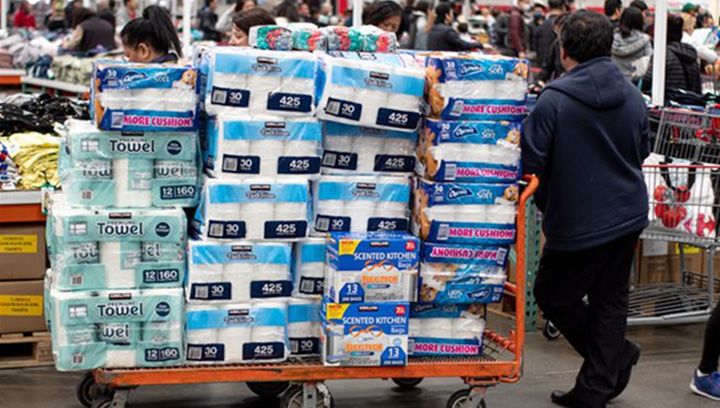
The Great Toilet Paper Run of 2020                                     Europe. Toilet tissue dispensed from rolls was popularized when
(Continued from page 9)                                                the Scott Paper Company began marketing it in 1890.
                                                                           The manufacturing of this product had a long period of refine-
                                                                       ment, considering that as late as the 1930s, a selling point of the
                                                                       Northern Tissue company was that their toilet paper was 'splinter
                                                                       free.' The widespread adoption of the flush toilet increased the
                                                                       use of toilet paper, as heavier paper was more prone to clogging
                                                                       the trap that prevents sewer gases from escaping through the
                                                                       toilet.
                                                                           One tree produces about 200 rolls (100 pounds), of toilet
                                                                       paper and about 83 million rolls are produced per day. Global
                                                                       toilet tissue production consumes 27,000 trees daily.
                                                                           If you really need the comfort of a well-stocked bathroom
                                                                       cupboard, but don't want to join the barbarians at the gates of
                                                                       Costco, there's even another option: Make your own toilet paper.
                                                                       Learn how at: www.ehow.com/how_6132991_make-rag-paper.
                                                                       html. It's a surprisingly simple process. It starts with a few
                                                                       sheets of newspaper — which, these days, may not be easy to
History of Toilet Paper                                                come by. But yesterday's news, in addition to being a wonderful
                                                                       substitute for toilet paper, may also remind us of a powerful truth
    The use of paper for hygiene was recorded in China in the 6th      in even the darkest of times: All things must pass.
century AD, with specifically manufactured toilet paper not
being mass-produced until the 14th century, and only then in
separate sheets. (Source: Wikipedia)
                                                                       Manufacturers in Alabama
    In fact, in many parts of the world toilet paper is still not          Toilet paper is mainly produced by three companies in the
used, especially where it or the necessary plumbing for disposal       United States: Proctor & Gamble, Georgia-Pacific, and Kimberly
may be unavailable or unaffordable. Also, in some parts of the         Clark. There is plenty of the product on inventory and manufac-
world people consider using water to be a much cleaner and             turers are making more, 24/7. More than seven billion rolls of
more sanitary practice than paper.                                     toilet paper are sold yearly in the United States. Americans use
    Cleansing with water is performed with other methods or            an average of 23.6 rolls per capita per year.
materials, for example using a bidet, a lota, rags, sand, leaves,          Toilet paper demand is very predictable, even during emer-
corn cobs, animal furs, sticks or hands. Afterwards, hands are         gencies. Customers regularly wipe out the toilet paper aisle (par-
washed with water and possibly soap.                                   don the pun) ahead of big snowstorms and hurricanes, and the
    So, there are some alternatives out there if you run out of toi-   system can quickly rebound.
let paper!                                                                 In Alabama, a Choctaw County plant is helping to meet the
    Joseph Gayetty is widely credited with being the inventor of       nation’s demand for toilet paper in the wake of the coronavirus
modern commercially-available toilet paper in the United States.       pandemic. Georgia-Pacific’s mill, which employees 900 people,
Gayetty's paper, first introduced in 1857 and named ‘Gayetty's         is working to churn out the product. It produces the Quilted
Medicated Paper’ was sold in packages of flat sheets.                  Northern and Angel Soft brands.
    Modern commercial toilet paper rolls originated in the 19th            Georgia-Pacific is able to meet the demand because it recently
century. Seth Wheeler of Albany, New York, obtained the earliest       invested $120 million facility that specifically improved its toilet
United States patents for toilet paper and roll-based dispensers in    paper capability. The companyhas invested more than $500 mil-
1883, the types of which eventually were in common use in              lion into the mill over the past six years, and about $1.6 billion

                                       General manufacturing roll process to produce paper.

10 / Alabama’s TREASURED Forests     www.forestry.alabama.gov						                                                          Summer 2020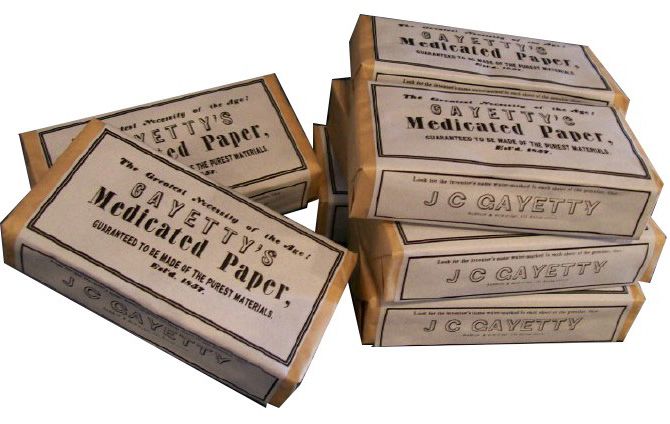
Essity in Cherokee County is a global producer of hygiene
                                                                   products. Employing over 500 people, they use recycled paper to
                                                                   produce Cushelle toilet tissue. (The name Essity stems from the
                                                                   words 'essentials' and 'necessities.' (Source: https://www.essityu-
                                                                   sa.com/)

                                                                   Wrap Up
                                                                       The coronavirus great toilet paper run of 2020 turns out to
                                                                   reveal a great deal about who we are and how we behave in a
                                                                   crisis. Maybe people are squeezing the Charmin because, in
                                                                   uncertain times, we need to hold on to something. But the truth
                                                                   is, there is no toilet paper shortage. Irresponsible response of
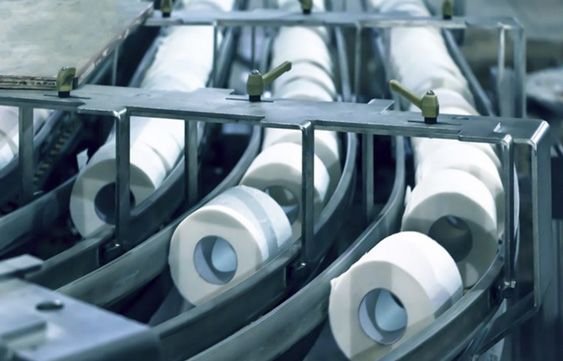
     Manufacturers are rolling with the demand, but                people has unnecessarily divided this country – those with and
      they're not drastically increasing production.               those without one of the greatest necessities of life, at least in the
        (Photo: Studio Dagdagas/Shutterstock)                      bathroom. I suspect no one ever really ran out of toilet paper, nor
                                                                   would they tell anyone if they did!
into its Alabama operations across the State. Maybe they saw the       All will turn out okay. In the fall, I’m certain there will be
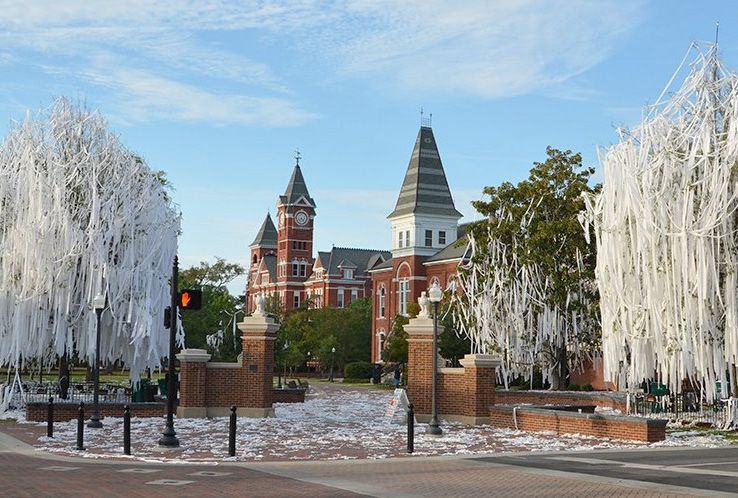
pandemic coming. (Source: Al.com)                                  plenty of supply when Toomer’s Corner is rolled again!
    Two other secondary industry manufacturers produce toilet
paper from recycled paper in the state. Kimberly-Clark in Mobile
County. They produce Scott, Cottonelle, and KC Professional
toilet tissue and paper towels. The company employees over 500
people to keep those rolls churning.

Summer 2020                                                                 www.forestry.alabama.gov   Alabama’s TREASURED Forests / 11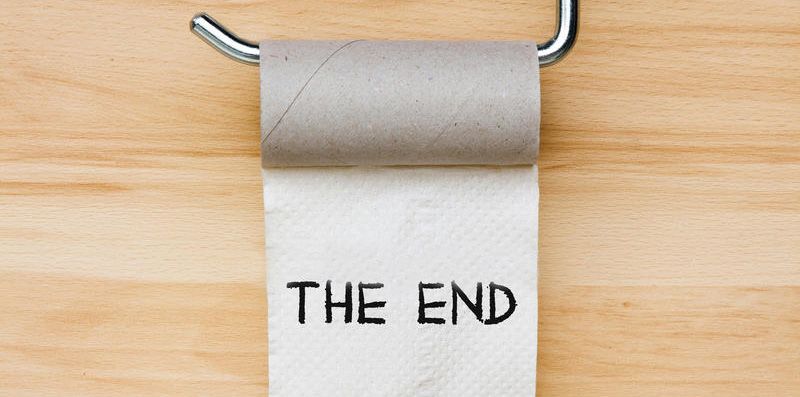

You can also read


