The Health of the African American Community in the District of Columbia: DISPARITIES AND RECOMMENDATIONS - ABFE
←
→
Page content transcription
If your browser does not render page correctly, please read the page content below
The Health of the African American
Community in the District of Columbia:
 DISPARITIES AND RECOMMENDATIONS

                           Prepared for the
                        DC Commission on
                   African American Affairs
                                JULY 2016
My thanks to Dr. Patricia Cloonan, Dean, Georgetown University School of Nursing
                              & Health Studies for her partnership and support of this project, which aids my work as
                              Chair of the District of Columbia Commission on African American Afairs and adviser
                              for DC afairs to Georgetown University President John J. DeGioia. I would also like
                              to thank Dr. Christopher J. King, staf, and student contributors who developed a reader
                              friendly publication that captures health disparities, their underlying causes, and potential
                              solutions. Also, a special note of appreciation to key informants whose contributions
                              helped shaped the recommendations.

                              he report serves as a component of a more comprehensive document that magniies
                              social and economic conditions that impact the city’s African American population—
                              particularly in the wake of massive gentriication and displacement. By focusing on these
                              conditions and their impact on health, we hope to stimulate debate and action on pressing
                              issues that disproportionately afect the African American community. Please join us in
                              that very important discussion.

ACKNOWLEDGEMENTS              Maurice Jackson
                              Department of History, Georgetown University
                              Chair of the Washington, District of Columbia Commission on African American
                              Afairs and adviser for DC afairs to Georgetown University President John J. DeGioia

                              STUDENT CONTRIBUTORS                              STAFF LEAD
                              Taylor Brown (HCMP)                               Brian Floyd
                              Stefanie Kurgatt (HCMP)                           Assistant Dean, Academic Affairs
                              Eileen Marino* (HCMP)
                              Ogechi Nwodim (IH)                                FACULTY LEAD
                              Erik Schimmel (EMHSA)
                                                                                Christopher J. King, PhD, FACHE
                              Jordan Smith (IH)
                                                                                Program Director, MHSA
                              Jaclyn Tatge* (MHSA)
                              John A. Davis, Project Manager (HCMP)

                              EMHSA    Executive Master of Science, Health Systems Administration
                              HCMP     Health Care Management and Policy (undergraduate)
                              IH       International Health (undergraduate)
                              MHSA     Master of Science, Health Systems Administration
                              * Alum

         © 2016 Georgetown University School of Nursing & Health Studies
         Report prepared by the Department of Health Systems Administration at the request of
         Dr. Maurice Jackson, Professor of History and Chair, DC Commission on African American Affairs.
         For more information about this report, please contact:
         Christopher J. King, PhD, FACHE
         Director & Assistant Professor, Master of Science in Health Systems Administration (MHSA) Program
         Georgetown University School of Nursing & Health Studies
         3700 Reservoir Road NW, St. Mary’s #238 | Washington, DC 20057
         202.687.7039 | ck806@georgetown.edu
Since the passage of the Affordable Care Act in 2010,
the District of Columbia has made even greater strides in improving access to care
and allocating resources to promote physical activity and wellness. Life expectancy has
increased and some health statistics exceed Healthy People 2020 targets. Death rates
due to coronary heart disease, HIV infection, and infant mortality have declined and
the majority of residents self-report their health as good or better. Per capita income,
median household incomes, and the percentage of residents with a bachelor’s or advanced
degree are among the highest in the nation.

Despite these accomplishments, health outcomes and quality of life indicators for
African American residents of the District do not relect trends of the general population.
For example, when compared to other racial groups, the life expectancy for Black residents
is the lowest and Black males are most likely to be victims of homicide. Cancer rates and
the prevalence of chronic disease conditions are higher than other demographic groups.         EXECUTIVE
here are also stark diferences in the incidence of sexually transmitted infections and
HIV disease. he percentage of Black families living in poverty is higher than other racial
                                                                                               SUMMARY
groups and the number of Black residents with a bachelor’s degree or higher is the lowest
of all racial and ethnic groups.

African Americans are also disproportionately impacted by high housing costs and
reductions in afordable rental units. As a result, the population has consistently
declined over the last few decades as racial and socioeconomic demographics have
shifted. Many long-term residents who remain in the city struggle to meet basic
needs, compounded by a loss of cultural identity and social cohesion in the wake of
gentriication. hese dynamics have a detrimental efect on total health.

While citywide eforts are underway to streamline how healthcare services are organized
and delivered, the beneit of this approach on the overall health of the African American
                                                                                                 Health outcomes and
community may be marginal. An explicit focus on historically embedded social, economic,        quality of life indicators
political, and environmental injustices that disproportionately impact persons of color
is needed. Examples include employing a racial equity approach when conducting                    for African American
community health needs assessments with a goal of uncovering and eliminating systemic          residents of the District
barriers that perpetuate segregation, neighborhood disinvestment, and inequitable
distribution of resources. Public and private partnerships that examine how planning           do not reflect trends of
eforts, policies and business decisions disproportionately impact African American             the general population.
residents are needed.

Hospitals and healthcare systems, as anchor institutions, can advance the agenda by
sponsoring workforce development and health professional training programs. Instituting
practices aimed at local hiring and contracting with minority owned businesses—
particularly those located in historically marginalized neighborhoods—can be impactful.
Other strategies include integrating social factors in electronic health records; developing
formal, strategic partnerships with community based organizations to meet patients’
holistic needs; and exploring creative ways to engage long-term residents in establishing
healthcare environments that preserve a deep, rich African American cultural identity.

The Health of the African American Community in the District of Columbia: Disparities and Recommendations                   1
Report findings were generated and synthesized from a variety of secondary
                             data sources including the American Community Survey, Medical Expenditure Panel
                             Survey, National Health Interview Survey, Behavioral Risk Factor Surveillance System, and
                             the National Cancer Institute. Statistics were also retrieved from DChealthmatters.org—
                             a website maintained by the DC Healthy Communities Collaborative.1 he site contains a
                             repository of over 130 community health indicators focused on prevention and wellness,
                             morbidity and mortality, access to care, and quality of life. Data were also retrieved from
                             the District of Columbia Department of Health’s 2014 Community Health Assessment.2

                             In order to uncover systemic barriers that contribute to racial diferences in health status,
                             interviews were conducted with 26 key informants. Experts included physicians, health
                             care administrators, nurses, health educators, case managers, and community activists.
                             Findings were analyzed and trends were identiied. A broad range of recommendations
                             is provided.

                             Limitation—his report includes data and trends on the general adult population.
                             Data for other populations are not presented (e.g., children, homeless, LGBT or sexual
                             minorities, returning citizens).
METHODOLOGY

    According to the National Institutes of Health,
    health disparities are differences in the incidence,
    prevalence, mortality and burden of diseases and
    other adverse health conditions that exists among
    specific populations in the United States.

2                                       © 2016 Georgetown University School of Nursing & Health Studies
In addition to presenting health data, this report highlights social factors
that are inextricably connected to health outcomes. According to the National Institutes
of Health, health disparities are diferences in the incidence, prevalence, mortality
and burden of diseases and other adverse health conditions that exist among speciic
populations in the United States.3 Racial diferences in health may be caused by structural
or institutionalized injustices in social, economic, political, and environmental systems.4,5

In order to create a city in which all residents can achieve optimal health, these factors
are especially important; as empirical evidence has shown that clinical care represents
a small fraction of total health status (Figure 1). Social and economic factors, such as
education, employment, income and family support are strongly correlated with health
status. Lifestyle behaviors, such as tobacco use, diet, exercise, alcohol and drug use
and sexual activity inluence health status. he physical environment also plays a key
role. Examples include air and water quality, access to safe and afordable housing, and
public transportation.

herefore, in addition to morbidity and mortality indings, a comprehensive set of
indicators that are correlated with health status and quality of life are presented.
In some cases, White residents are used as a comparison group to express compelling
disparities in morbidity, mortality, lifestyle behaviors, and social and economic conditions.     CONTEXT
An exhaustive list of health data is not presented; however, noteworthy disparities have
been identiied and extracted from secondary data.

Figure 1
Social Determinants of Health                                                                         Racial differences
                                                                                                        in health may be
                                                          Length of Life 50%
    Health Outcomes                                                                                caused by structural
                                                          Quality of Life 50%
                                                                                                      or institutionalized
                                                                         Tobacco Use                 injustices in social,
                                            Health Behaviors
                                                                        Diet & Exercise         economic, political, and
                                                 (30%)
                                                                      Alcohol & Drug Use        environmental systems.
                                                                         Sexual Activity

                                                                        Access to Care
                                              Clinical Care
                                                  (20%)                  Quality of Care

      Health Factors                                                       Education

                                                                          Employment
                                               Social and
                                            Economic Factors                Income
                                                 (40%)
                                                                    Family & Social Support

                                                                       Community Safety

                                                Physical               Air & Water Quality
                                              Environment
 Policies and Programs                           (10%)                 Housing & Transit

County Health Rankings model © 2014 UWPHI

The Health of the African American Community in the District of Columbia: Disparities and Recommendations                    3
According to the United States Census Bureau, the population of the
                         District of Columbia is 676,929. African Americans represent 46 percent—a slight
                         decrease from almost 51% percent in 2010. he White population has grown by more
                         than 5% since 2010.1,6 he city is densely populated and noticeably segregated by ward.
                         Black residents represent 5–10% of the population in western parts of the city and more
                         than 90% in neighborhoods east of the river (Figure 2).7

                         Health outcomes and quality of life indicators for those east of the river do not relect
                         progress that has been made in other parts of the city. According to the 2016 Healthy
                         Community Institute’s SocioNeeds Index—a value based on social and economic
                         factors and preventable hospitalizations, communities east of the river—particularly
                         zip codes 20032, 20020, and 20019 are among the worst in the nation.8 When compared
                         to the western parts of the city, residents are more likely to have lower incomes, lower
                         educational levels, higher morbidity and premature mortality rates, as well as increased
                         exposure to crime. Moreover, low cost, unhealthy food products are more accessible and
                         pervasive than afordable, healthy food products.

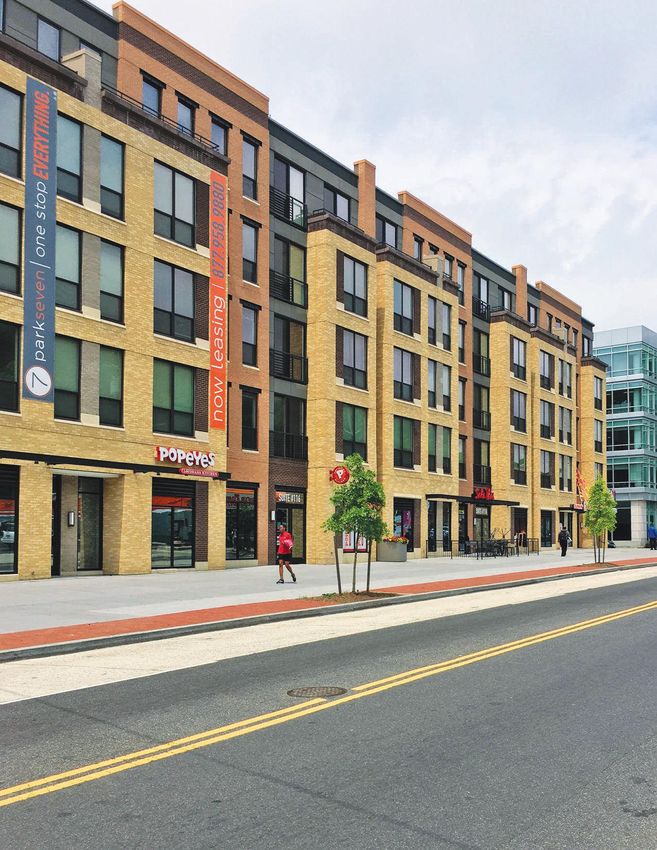
                         hroughout the city, African Americans—particularly long time residents—have been
    THE AFRICAN          disproportionately impacted by redevelopment initiatives and gentriication. Over the
                         past three decades, the Black population has dropped nearly 20%, as individuals and
      AMERICAN           families have migrated to contiguous counties or other more afordable localities.7
                         Many existing residents face a housing cost burden in the wake of rising rental and
     COMMUNITY           real estate costs across the city. Since housing is inextricably linked to health and quality
                         of life, these dynamics have grave implications for thousands of residents. Destabilized
                         housing and housing cost burden can lead to homelessness, food insecurity, job loss, and
                         social disconnection.9 Chronic or survival stress associated with meeting day-to-day needs
                         increase risks for chronic disease conditions and mental dysfunction.9

    African Americans—
                         Figure 2
    particularly long
                         Predominant Race/Ethnicity by Tract,
    time residents—      U.S. Census 2010
    have been
    disproportionately
    impacted by
    redevelopment
    initiatives and
    gentrification.

4                                  © 2016 Georgetown University School of Nursing & Health Studies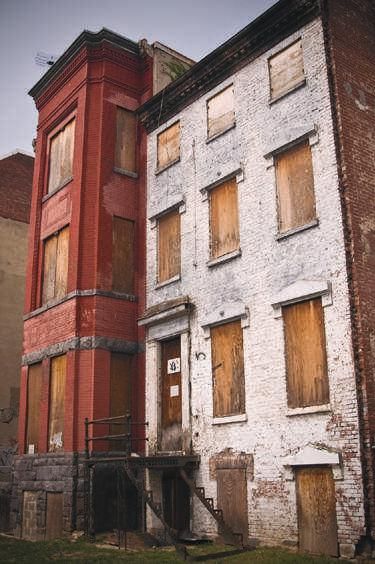
Due to the cost of medical care, insurance is important for annual physicals,
preventive screenings, diagnostic services, disease management, and prescriptions.
Since the implementation of the Afordable Care Act, the District has experienced an
upward trajectory in adult insurance rates. Compared to other states, it has one of the
highest insured rates in the nation. Almost 93% of Black adults are insured and more
than 98% of Black children are insured. Nearly 85% of Black residents receive routine
medical checkups—the highest percentage of all racial and ethnic groups.2

Although the city boasts high rates of health insurance and medical checkups, there
are noteworthy disparities in hospitalization rates. Within a twelve-month period,
75,533 residents were hospitalized; Blacks represented 73%, Whites 15%. Residents
from Wards 1, 4, 5 and 8 accounted for 83% of total discharges.2 Pregnancy, mental
health issues, substance abuse, chronic disease conditions and treatment of complex
comorbidities were key drivers of hospitalizations. Almost 80% of residents were
discharged for home care.2

Oral health is a key contributor to health status and linked to health issues, such as heart
disease, cancer, stroke, diabetes and preterm low-birth weight babies. Seventy-two percent
(72%) of adult residents in the city had a teeth cleaning within the past year. Compared
to other racial and ethnic groups, Black residents (61%) were the lowest demographic to
                                                                                               ACCESS
have a cleaning.1                                                                              TO CARE

Life expectancy is defined as the number of years a newborn is expected to live.
While life expectancy has improved for all populations in the city, Black residents do not
                                                                                               MORTALITY
fare as well as other racial groups. For example, White males in the District are expected
to live almost 15 years longer than Black males (83.2, 68.8, respectively). White females
in the District are expected to live approximately 9 years longer than Black females
(85.2, 76.2, respectively).2                                                                   Differences in Life
                                                                                               Expectancy in the
            Infant Mortality                                                                   District of Columbia
               Death within the irst twelve months of life is one of the most widely
               used proxies for assessing the overall health status of a population.
               he District has been successful in consistently reducing infant mortality
             rates over time. For example, in 2007, the citywide rate was 13.1 deaths/1,000
                                                                                                        15 years
live births. In 2013, the citywide rate was 6.8/1,000 live births. However, during the same
reporting period (2013), infant mortality rates in the African American community were         Black males     White males
9.9/1,000—a noteworthy contrast to a rate of 1.7/1,000 among Whites.1 Birth defects,            68.8 years     83.2 years
preterm birth, Sudden Infant Death Syndrome (SIDS), pregnancy complications, and
accidents are the top ive leading causes of infant mortality in the United States.10

            Homicide
             African Americans are more than 10 times more likely than Whites to be                      9 years
             victims of homicide. Male victims represent 89% of homicide cases and             Black females   White females
             persons between the ages of 15 and 34 account for the majority of cases.2           76.2 years     85.2 years

The Health of the African American Community in the District of Columbia: Disparities and Recommendations                      5
Coronary Heart Disease/High Blood Pressure
                              In most cases, heart disease is preventable, yet it continues to be the leading
                              cause of death in the United States.11 Among District residents, the age-
                             adjusted death rate due to coronary heart disease has improved over time.
                          For example, in 2005–2007, the rate was 193/100,000 and during 2012–2014,
                the rate was 133/100,000. Despite improvements in the general population, Blacks are
                two times more likely to die from coronary heart disease when compared with White
                counterparts. hey are also two times more likely to have high blood pressure than Whites
                and other racial groups.1 Risk factors for coronary heart disease include tobacco use, high
                blood pressure, unhealthy diet, physical inactivity, tobacco, and harmful use of alcohol.12

                             Stroke
                              Stroke is the ifth cause of death and the leading cause of disability in the
                              United States.13 Among District residents, the age-adjusted death rate
                             due to stroke has decreased over time. For example, in 2005–2007, the
                           rate was 40/100,000 and in 2012–2014, the rate was 32/100,000. Despite
                improvements in the general population, Blacks are two times more likely to die from a
    MORBIDITY   stroke when compared with White counterparts.1 Risk factors include high blood pressure,
                cigarette smoking, high blood cholesterol, poor diet, physical inactivity, and obesity.

                             Diabetes
                               Diabetes is the seventh leading cause of death in the United States and the
                               root cause of several disabling conditions.14 Examples include end-stage
                              renal disease, non-traumatic lower extremity amputation, and blindness.
                            Within the past six years, the percentage of adults with diabetes in the District
                ranged from 7.5% to 10.9%. In 2014, 8.4% of adults had diabetes. Almost 15% of Black
                and 3% of White residents are living with the disease.1 Risk factors include high blood
                pressure, cigarette smoking, high blood glucose, poor diet, physical inactivity, and obesity.

                Since 2005–2007, the age-adjusted death rate due to diabetes for the general population
                declined from 31/100,000 to 20/100,000 in 2012–2014; however, death rates among
                Blacks with diabetes are six times higher than Whites.1

                             Mental Health
                             Poor mental health is an underlying cause of many chronic disease
                             conditions and linked to lower productivity and hindered social
                             advancement. It also impacts how one handles stress and interacts with
                          others. When compared to other races, African Americans in the District
                are more than two times more likely to report 15–30 days of poor mental health.
                Percentages are higher among persons with less than a high school education and those
                with household incomes less than $15,000.2

                            Perceived Health Status
                              Perceived health status is how people feel about their health. It is correlated
                              with productivity and how inclined one is to be socially and economically
                             involved in his or her community. Among the general population,
                           87% of District residents report their health as “good or better.” Only 78%
                of African Americans perceive their health as “good or better,” which represents the
                lowest percentage when compared with Whites, other races, and Hispanics.1

6                          © 2016 Georgetown University School of Nursing & Health Studies
Cancer                                                                                Cervical cancer is one of the most common forms
                                                                                       of cancer deaths for American women. Among
Cancer is the second leading cause of death in the United States,
                                                                                       the female population in the District, cervical
accounting for nearly one out of every four deaths.15
                                                                                       cancer rates have declined over time. However,
              Among women, breast cancer is the leading                              Black women are two times more likely to develop
               cause of cancer death and the incidence rate in           the disease than White women.1 he human papilloma virus
               the District has ranged from 128/100,000 to               (HPV), which is transmitted through sexual contact, is the most
              143/100,000 during the past nine years. While the          signiicant risk factor for cervical cancer. he survival rate for
            incidence rate is slightly higher for White women            cervical cancer is high when detected early through a Pap Test.
(149/100,000) than Black women (136/100,000), Black women                Almost 80% of both Black and White residents receive a Pap
are 1.5 times more likely to die from breast cancer. Breast cancer       Test based on recommended guidelines.1
is associated with increased age, heredity, obesity, and alcohol use.1
                                                                                     Influenza/Pneumonia Vaccinations
              Prostate cancer is the leading cause of cancer
               death among men in the United States. Among                            Inluenza is a contagious disease that can lead
               the general male population in the District,                           to pneumonia. Persons age 65 and older with lu
              prostate cancer incidence rates ranged from                             or pneumonia are more likely to die than those
            184/100,000 to 198/100,000 between 2003 and 2012.                       who are younger. Vaccines are highly efective in
Black males in the District are almost two times more likely to          preventing both conditions; however, 47% of Black residents
develop prostate cancer and three times more likely to die from          over age 65 receive a lu vaccine and 58% receive a pneumonia
the disease than their White counterparts.1 he two greatest risk         vaccine. Low vaccination rates may explain why inluenza and
factors for prostate cancer are age and race. Men over age 65            pneumonia death rates are almost two times higher in Blacks
and those of African descent represent demographics with the             than Whites.1
highest incidence rates in the United States.1
                                                                                     Unintentional Injuries
             Colorectal cancer is the second leading cause
                                                                                       Unintentional injuries such as poisonings, falls and
              of cancer in the United States. Among the
                                                                                       motor vehicle crashes are a leading cause of death
              general population in the District, the colon
                                                                                       for Americans. he age-adjusted death rate due to
              cancer incidence rate has decreased from nearly
                                                                                    unintentional injuries in the District exceeds national
            52/100,000 during 2003–2007 to 44/100,000 in
                                                                         targets; however, rates among African Americans do not meet
2008–2012. However, Black residents are two times more likely
                                                                         those targets and are almost two times greater than Whites and
to develop and die from colon cancer compared to Whites.
                                                                         Hispanics.1
Risk factors include a family history of colorectal cancer,
inlammatory bowel disease and heavy alcohol use. According
to the Centers for Disease Control, almost 60% of colon cancer
related deaths can be averted through age appropriate screening                          Despite improvements in the
procedures among persons age 50 and older. Black District
residents (65%) are less likely to have age appropriate screenings                     general population, Blacks are
than Whites (78%) and Hispanics (68%).1                                              two times more likely to die from
              Lung/bronchus cancer is the second most common                             coronary heart disease [and]
               cause of cancer in both men and women. Among
               the general population in the District, incidence
                                                                                        two times more likely to have
              rates have remained relatively stable at close to                      high blood pressure than Whites
             60/100,000. However, Black residents are almost
two times more likely to develop the disease than Whites,                                    and other racial groups.
Asian/Paciic Islanders, and Hispanics. hey are also two times
more likely to die from the disease.1 he most signiicant risk
factor for lung/bronchus cancer is smoking.

The Health of the African American Community in the District of Columbia: Disparities and Recommendations                                     7
Exercise/Weight
                             Obesity and sedentary lifestyle are root causes of many preventable health
                             conditions. Among District residents, 76% of adults report engaging in
                            physical activity within the past 30 days; however, Blacks report it less than all
                          other racial groups (67%). While obesity percentages among White (10%) and
                Hispanic (20%) adult residents exceed national targets, the percentage among Blacks is
                highest (34%).1

                            Tobacco Use
                              Tobacco use is an underlying cause of some of the most common preventable
                              illnesses in the United States. Among the adult population, 16% of District
                             residents smoke and rates among Blacks are three times higher than Whites.1

                            Sexually Transmitted Infections (STI)
                              Chlamydia and gonorrhea are commonly reported STIs in the United States.
                              Chlamydia rates among Black residents in the District (1,088/100,000)
                             are ten times higher than Whites (105/100,000) and ive times higher than
       HEALTH              other racial groups. Gonorrhea rates are almost seven times higher in Blacks
    BEHAVIORS   (445/100,000) when compared with Whites (67/100,000). While syphilis rates in the
                city have declined over the years, the number of new cases among Blacks (31/100,000) is
                two times higher than other races. Risk factors for STIs include unprotected sex, multiple
                sex partners, and alcohol/drug use.1,2

                            Human Immunodeficiency Virus (HIV)
                             As a result of citywide initiatives aimed at reducing HIV infection, the
                             number of new cases has dropped 57% since 2007. However, Blacks make up
                            the majority of new and existing cases. Currently, 16,740 persons have HIV;
                          Blacks represent 74%. In 2014, there were 396 newly diagnosed HIV cases;
                Blacks represented 71%. Unprotected sex and intravenous drug use are leading causes of
                transmission.2

                              In 2014, there were 396
                              newly diagnosed HIV cases;
                              Blacks represented 71%.

8                         © 2016 Georgetown University School of Nursing & Health Studies
Families Living Below Poverty Level
Poverty is associated with a number of factors that impact health status such
as food insecurity, unsafe or unhealthy housing, and exposure to crime and
violence. Among the general population, 14% of District families live below
the poverty line. Compared to all racial groups, the percentage of Black families
in poverty (22%) is higher than all other racial and ethnic groups. Moreover, one out of four
Black adult residents live below the poverty line.1
Household Income
Median household income relects relative aluence and prosperity of a
neighborhood or community. Higher median household incomes are more
likely to have educated residents, lower unemployment rates, and structural
conditions that promote physical activity and access to amenities that foster
wellbeing. Compared to all racial and ethnic groups, the median household income for
Blacks is lowest ($40,000)—three times less than Whites ($115,000).1
Unemployment
Unemployment is associated with a number of factors that impact health. SOCIAL AND
Examples include poor nutrition, unhealthy living conditions, and chronic
stress. Unemployment percentages are greatest in wards with high densities of
ECONOMIC
Black residents: Ward 8 (17%), Ward 7 (19%). Unemployment percentages are FACTORS
lowest in Ward 3 (3.4%).2
Educational Attainment
Persons with a bachelor’s degree or higher are more likely to have health
insurance coverage, higher paying jobs, and greater freedom to make choices
Poverty is
for social advancement and healthy living. Among all residents age 25 and
older, more than 50% have a bachelor’s degree or higher. However, less than 25% associated with a
of Black residents age 25 and older have a bachelor’s degree or higher.1
number of factors
Food Insecurity that impact overall
Almost 15% of DC residents experience food insecurity—deined as limited health status such
or uncertain availability of nutritionally adequate food.16 Poor access to healthy
food results in irregular dietary habits, increasing risk for obesity and various as food insecurity,
forms of chronic disease conditions. Due to lower income levels and cost of unsafe or
housing burden, Black residents are disproportionately impacted. Wards 7 and 8 have been
identiied as food deserts.17 unhealthy housing,
and exposure to
Home Ownership and Housing Cost Burden
crime and violence.
Home ownership is linked to inancial security, wealth building and greater
engagement in civic afairs. However, only 37% of housing units in the city are
occupied by their owners.1 Percentages are lower in Wards 7 and 8 and other
zip codes with higher densities of African American and Hispanic residents.
Median gross monthly rent during 2010–2014 was $1,302, compared to a national average
of $920.18 In areas of the city with more dense populations of African Americans, the
percentage of households spending 30 percent or more of their income on housing is higher
than households in other parts of the District.8,18
The Health of the African American Community in the District of Columbia: Disparities and Recommendations 9Improving the health of the African American District residents requires
an explicit and cross-sectoral agenda to eliminate social, economic and environmental
conditions that stymie upward mobility and compromise well being across the life span.
As the city continues to experience rapid growth and economic progress, proactive eforts
are needed to address policies, practices, and norms that perpetuate segregation and
inequitable distribution of resources—disproportionately burdening African American
residents.
here are also unique opportunities for the healthcare sector. In light of health reform
goals, hospitals—as anchor institutions—can advance the health of the populations
they serve by applying a racial equity lens in how care is delivered, ensuring leadership
at all levels is a relection of the community served. hey can also conduct community
health assessments that support a broad agenda around the identiication of structural
and institutionalized practices that negatively impact African American residents.
Establishing business guidelines that support localized wealth building through
procurement, supply chain management and local investments can also be impactful.
CONCLUSION
Proactive efforts are needed to address policies,
practices, and norms that perpetuate segregation and
inequitable distribution of resources—disproportionately
burdening African American residents.
10 © 2016 Georgetown University School of Nursing & Health StudiesSocial, Economic and Environmental
• Employ a racial equity approach when conducting community health needs
assessments with a goal of uncovering or rectifying systemic barriers that
perpetuate segregation, neighborhood disinvestment, and inequitable distribution
of resources
• Develop formal mechanisms to proactively examine how planning eforts,
policies and business decisions may disproportionately impact people of color
• Convene anchor institutions, local entrepreneurs and businesses to explore
opportunities for localized wealth building initiatives
• Provide incentives that attract new businesses to historically marginalized
neighborhoods
• Enforce local hiring mandates for city funded projects
• Develop, support or reinforce policies to ensure the availability of afordable
housing across all eight wards of the city
• Offer incentives and support place based initiatives to increase the availability
of afordable healthy food products and high quality recreational facilities
• Develop integrated social media platforms to connect residents with
SUMMARY OF
real-time social support services (e.g., food, housing, employment) RECOMMENDATIONS
• Support collaborative eforts between employers and training institutions to
ofer pipeline workforce development and job skills training programs
Clinical Care and Health Systems
• Analyze service utilization and morbidity data by race/ethnicity, zip code
or neighborhood / Develop strategic partnerships with community-based
organizations to hone in on speciic geographic populations
Employ a racial equity
• Educate and increase institutional awareness of institutionalized bias and
structural causes of poor health approach when conducting
• Establish coalitions or partner with entities that advocate for policies or practices community health needs
that promote racial equity
assessments with a
• Ensure board and senior leadership relect the diversity of the community
• Create culturally tailored clinical services and communication vehicles
goal of uncovering
• Expand the capacity and functionality of the Electronic Health Record (EHR) or rectifying systemic
to include social factors barriers that perpetuate
• Institute practices and protocols aimed at local hiring and contracting with
minority owned businesses—particularly those located in historically marginalized
segregation, neighborhood
neighborhoods disinvestment, and
• Sponsor workforce development and competency-based health professional inequitable distribution
training programs
of resources
• Examine cost of living and ofer livable wages for front-line and entry level
positions
• Explore creative ways to engage long-term residents in creating healthcare
environments that visually preserve a deep, rich African American cultural identity
• Integrate mental health in primary care and ensure the availability of behavioral
health services
The Health of the African American Community in the District of Columbia: Disparities and Recommendations 111. DC Health Matters: Measuring what matters in DC. www.dchealthmatters.org.
Accessed May 2, 2016.
2. District of Columbia Community Health Needs Assessment. D.C. Department of
Health. doh.dc.gov/page/district-columbia-community-health-needs-assessment.
Accessed May 2, 2016.
3. HHS Disparities Action Plan. U.S. Department of Health and Human Services
Oice of Minority Health. www.minorityhealth.hhs.gov/omh/browse.aspx?lvl=
2&lvlid=10. Accessed May 2, 2016.
4. Williams DR, Costa MV, Odunlami AO, Mohammed SA. Moving Upstream:
How Interventions that Address the Social Determinants of Health Can
Improve Health and Reduce Disparities. J Public Health Manag Pract JPHMP.
2008;14(Suppl):S8–17. doi:10.1097/01.PHH.0000338382.36695.42.
5. Braveman P. HEALTH DISPARITIES AND HEALTH EQUITY:
Concepts and Measurement. Annu Rev Public Health. 2006;27(1):167–194.
doi:10.1146/annurev.publhealth.27.021405.102103.
6. Black or African American alone, percent, July 1, 2014, (V2014) (a).
U.S. Census Bureau. www.census.gov/quickfacts/table/RHI225214/11001,00.
Accessed May 5, 2016.
REFERENCES 7. he remarkable racial segregation of Washington, D.C., in 1 map. he Washington Post.
www.washingtonpost.com/news/the-ix/wp/2015/06/19/the-remarkable-racial-
segregation-of-washington-d-c-in-1-map/. Accessed May 5, 2016.
8. 2016 SocioNeeds Index. DC Health Matters. www.dchealthmatters.org/modules.
php?op=modload&name=NS-Indicator&ile=socioneeds. Accessed May 6, 2016.
9. Healthy Communities of Opportunity: An Equity Blueprint to Address America’s Housing
Challenges. he Kresge Foundation. kresge.org/library/healthy-communities-
opportunity-equity-blueprint-address-americas-housing-challenges. Published May
3, 2016. Accessed May 6, 2016.
10. What causes infant mortality? National Institute of Child Health and Human
Development. m.nichd.nih.gov/topics/infant-mortality/topicinfo/Pages/causes.aspx.
Accessed May 2, 2016.
11. Healthy Living. American Heart Association. www.heart.org/HEARTORG/
HealthyLiving/Healthy-Living_UCM_001078_SubHomePage.jsp.
Accessed May 2, 2016.
12. Cardiovascular disease risk factors. World Heart Federation. www.world-heart-
federation.org/cardiovascular-health/cardiovascular-disease-risk-factors/.
Accessed May 2, 2016.
13. About Stroke. American Stroke Association. www.strokeassociation.org/
STROKEORG/AboutStroke/About-Stroke_UCM_308529_SubHomePage.jsp.
Accessed May 2, 2016.
14. Statistics About Diabetes. American Diabetes Association. www.diabetes.org/
diabetes-basics/statistics/. Accessed May 3, 2016.
15. Cancer Facts and Statistics. American Cancer Society. www.cancer.org/research/
cancerfactsstatistics/index. Accessed May 3, 2016.
16. Capital Area Food Bank. www.capitalareafoodbank.org. Accessed May 4, 2016.
17. Facts on Hunger in D.C. DC Hunger Solutions. www.dchunger.org/about/facts.
html. Accessed May 4, 2016.
18. Going, Going, Gone: DC’s Vanishing Afordable Housing. DC Fiscal Policy
Institute. www.dcfpi.org/going-going-gone-dcs-vanishing-afordable-housing-2.
Accessed May 6, 2016.
12 © 2016 Georgetown University School of Nursing & Health StudiesYou can also read


