The Impact of a Gameful Breathing Training Visualization on Intrinsic Experiential Value, Perceived Effectiveness, and Engagement Intentions: ...
←
→
Page content transcription
If your browser does not render page correctly, please read the page content below

JMIR SERIOUS GAMES                                                                                                                              Lukic et al

     Original Paper

     The Impact of a Gameful Breathing Training Visualization on
     Intrinsic Experiential Value, Perceived Effectiveness, and
     Engagement Intentions: Between-Subject Online Experiment

     Yanick Xavier Lukic1*, MSc, MA; Shari Shirin Klein2*, BA; Victoria Brügger1, MSc; Olivia Clare Keller1, MSc;
     Elgar Fleisch1,2, PhD; Tobias Kowatsch1,2, PhD
     1
      Centre for Digital Health Interventions, Department of Management, Technology, and Economics, ETH Zurich, Zurich, Switzerland
     2
      Centre for Digital Health Interventions, Institute of Technology Management, University of St. Gallen, St. Gallen, Switzerland
     *
      these authors contributed equally

     Corresponding Author:
     Yanick Xavier Lukic, MSc, MA
     Centre for Digital Health Interventions
     Department of Management, Technology, and Economics
     ETH Zurich
     Weinbergstrasse 56/58
     Zurich, 8092
     Switzerland
     Phone: 41 446328638
     Email: ylukic@ethz.ch

     Abstract
     Background: Slow-paced breathing has been shown to be positively associated with psychological and physiological health.
     In practice, however, there is little long-term engagement with breathing training, as shown by the usage statistics of breathing
     training apps. New research suggests that gameful smartphone-delivered breathing training may address this challenge.
     Objective: This study assesses the impact of breathing training, guided by a gameful visualization, on perceived experiential
     and instrumental values and the intention to engage in such training.
     Methods: A between-subject online experiment with 170 participants was conducted, and one-way multiple analysis of variance
     and two-tailed t test analyses were used to test for any difference in intrinsic experiential value, perceived effectiveness, and the
     intention to engage in either a breathing training with a gameful or a nongameful guidance visualization. Moreover, prior experience
     in gaming and meditation practices were assessed as moderator variables for a preliminary analysis.
     Results: The intrinsic experiential value for the gameful visualization was found to be significantly higher compared to the
     nongameful visualization (P=.001), but there was no difference in either perceived effectiveness (P=.50) or the intention to engage
     (P=.44). The preliminary analysis of the influence of meditation and gaming experience on the outcomes indicates that people
     with more meditation experience yielded higher intrinsic experiential values from using the gameful visualization than people
     with no or little meditation experience (P=.03). This analysis did not find any additional evidence of gaming time or meditation
     experience impacting the outcomes.
     Conclusions: The gameful visualization was found to increase the intrinsic experiential value of the breathing training without
     decreasing the perceived effectiveness. However, there were no differences in intentions to engage in both breathing training
     conditions. Furthermore, gaming and meditation experiences seem to have no or only a small positive moderating effect on the
     relationship between the gameful visualization and the intrinsic experiential value. Future longitudinal field studies are required
     to assess the impact of gameful breathing training on actual behavior, that is, long-term engagement and outcomes.

     (JMIR Serious Games 2021;9(3):e22803) doi: 10.2196/22803

     KEYWORDS
     breathing training; serious game; digital health; mobile health; mHealth; mobile phone; experiential value; instrumental value;
     online experiment

     https://games.jmir.org/2021/3/e22803                                                                   JMIR Serious Games 2021 | vol. 9 | iss. 3 | e22803 | p. 1
                                                                                                                          (page number not for citation purposes)
XSL• FO
RenderX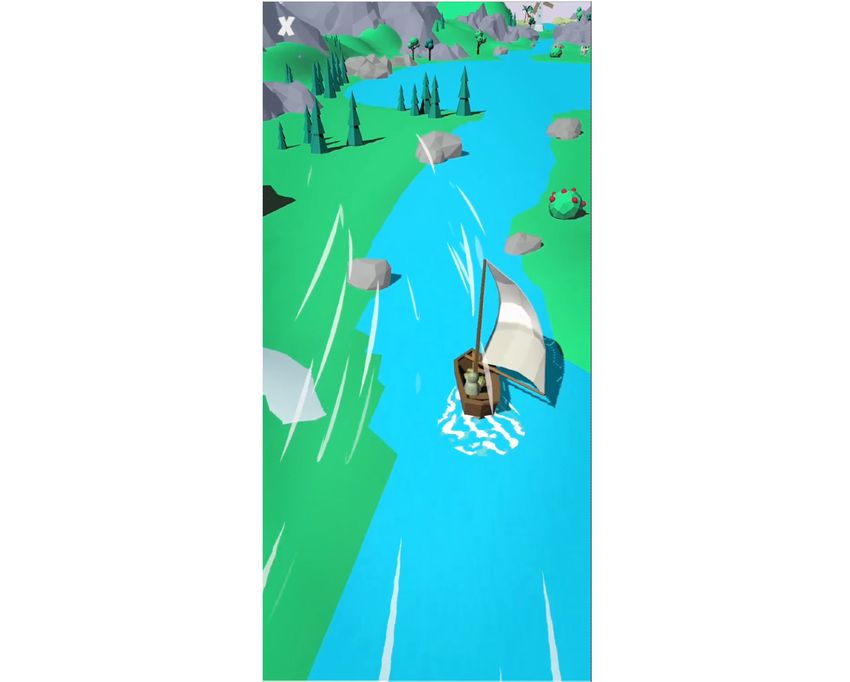
JMIR SERIOUS GAMES                                                                                                                      Lukic et al

                                                                           effective as normal breathing training, it did not investigate
     Introduction                                                          whether there was an experiential gain in gameful breathing
     Background                                                            training. Chittaro et al [12] researched the effectiveness of
                                                                           different nongame breathing training guidance based on
     Slow-paced breathing training has been positively associated          visualizations and audio. The authors found that some types of
     with psychological and physiological well-being. It has the           guidance are more effective than others. However, they did not
     potential to help ease the burden of mental illnesses [1] and         investigate gameful visualizations, and they did not report the
     chronic diseases [2], such as hypertension [3,4], type 2 diabetes     experiential values of these different visualizations. Furthermore,
     [5], and chronic pain [6]. Slow-paced breathing has been shown        whether participants would have the intention to engage in such
     to influence heart rate variability and cardiac vagal tone            breathing training in their everyday life, guided by these
     positively. The latter corresponds to the activity of the             different visualizations, remains unknown.
     parasympathetic nervous system [7]. Therefore, often the main
     goal of slow-paced breathing training is to induce relaxation.        Objectives
     The use of smartphones and apps is increasing as they support         In this study, we compare gameful and standard slow-paced
     users’ daily activities [8,9]. For example, smartphone apps can       breathing training visualizations regarding the intrinsic
     support health and medical actions [9]. Moreover, persuasive          dimension of the experiential value. This perceived intrinsic
     technologies and digital interventions are showing promise in         value serves as a concept to evaluate the effectiveness of the
     influencing personal and health behavior changes [10,11].             visual components of the gameful design. As a basis for the
                                                                           gameful breathing training, we used Breeze (Centre for Digital
     This increase in the use of digital technologies and the positive     Health Interventions), which was first introduced by Shih et al
     effects of breathing training have led to the development of          [27]. Additionally, perceived effectiveness was measured to
     various applications that support breathing training [12-14].         ensure that the gameful design elements do not weaken the
     Usually, such breathing training applications consist of an           instrumental aspect of the task. Furthermore, we measured the
     animation that guides users to breathe at a rate of 6 breaths per     intention to engage, that is, the intention to perform the breathing
     minute. The users usually breathe following a specific breathing      training regularly. Intention to engage was used as a surrogate
     pattern; for example, 5 seconds inhalation and 5 seconds              to study potential long-term engagement.
     exhalation [15].
                                                                           Moreover, the study investigated the impact of gaming time
     While adapting to such healthy behaviors can help prevent the         and meditation experience on the main outcome, namely the
     onset of many diseases [16], behavior changes are challenging         intrinsic dimension of the experiential value. However, the
     to sustain long-term [17]. It has been shown that breathing           analysis was not powered for this latter analysis.
     training apps have very low long-term adherence, even though
     the number of installations is high [18].                             Consequently, this study aimed to compare gameful and
                                                                           nongameful breathing training visualizations regarding different
     One approach to addressing low long-term adherence might be           perceived aspects and thus pursued the following objectives:
     to approach intrinsic motivation through gamification [19].
                                                                           1.   To compare intrinsic values.
     Gamification adds game elements to nongame tasks to make
                                                                           2.   To compare perceived effectiveness.
     them more engaging and enjoyable. This approach is motivated
                                                                           3.   To compare the intention to engage as a preliminary forecast
     by the notion that playing a game is generally considered an
     enjoyable experience [20]. Therefore, the combination of                   of long-term engagement.
                                                                           4.   To preliminarily assess the influence of gaming time and
     technology to influence human behavior [21] and gamification
     in the health care context [22] offers a promising benefit for             meditation experience on the intrinsic value, perceived
     people, especially regarding health behavior change and                    effectiveness, and intention to engage.
     long-term usage.
                                                                           Methods
     It is thus not surprising that experiential values, such as
     fulfillment, enjoyment, meaningfulness, or playfulness, have          Study Design
     received growing recognition in recent years [23,24]. Liu et al       The study compared Breeze (Figure 1), a gameful breathing
     [25] introduced the term meaningful engagement as the main            training visualization, to a standard breathing training
     goal of gamification. It constitutes the experiential and             visualization, hereafter referred to as Circle (Figure 2). The
     instrumental values of a gamified system. In terms of breathing       standard breathing training visualization was adapted from
     training, the instrumental value is the effectiveness of the          previous studies [15,19,27]. The videos used to instruct and
     training in inducing the desired effects, such as relaxation.         guide the participants before and during breathing training can
     Meaningful engagement can be the deciding factor for the              be found in Multimedia Appendices 1-4. Both breathing training
     continued use of a system [26]. However, it must be ensured           visualizations guide the user to breathe at a rate of six breathing
     that an increase in experiential values does not reduce the effects   cycles per minute. We employed a 4-3-3
     regarding relaxation [25]. For example, a previous study [19]         (inhalation-exhalation-pause) pattern in both visualizations. It
     collected breathing rate recordings and heart rate                    is a slight variation from the 4-2-4 breathing pattern from Russel
     variability-derived measures to ensure that gameful breathing         et al [15]. The increase of the exhalation phase was motivated
     training does not impair the effectiveness of breathing training.     by feedback from testers that felt that the exhalation phase was
     While the study found that gameful breathing training is as           too short.
     https://games.jmir.org/2021/3/e22803                                                           JMIR Serious Games 2021 | vol. 9 | iss. 3 | e22803 | p. 2
                                                                                                                  (page number not for citation purposes)
XSL• FO
RenderX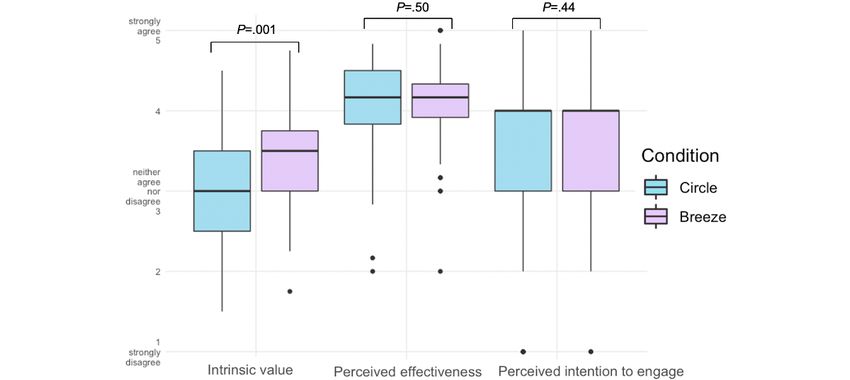
JMIR SERIOUS GAMES                                                                                                                        Lukic et al

     The anonymized study was conducted from June 2020 to July                   The study was reviewed and approved by the ethics committee
     2020 and followed a between-subject design amid the                         of the Swiss Federal Institute of Technology Zurich (ID:
     independent variable visualization versions, Breeze or Circle.              2020-N-82).
     Figure 1. Breeze, the developed gameful breathing training visualization.

     https://games.jmir.org/2021/3/e22803                                                             JMIR Serious Games 2021 | vol. 9 | iss. 3 | e22803 | p. 3
                                                                                                                    (page number not for citation purposes)
XSL• FO
RenderX
JMIR SERIOUS GAMES Lukic et al
Figure 2. Circle, the standard breathing training visualization.
2. H2: Perceived effectiveness does not differ between
Main Outcomes conditions.
The intrinsic dimension of the experiential value induced by 3. H3: Intention to engage differs between conditions.
Breeze and Circle formed the major outcome of the study. The
intrinsic dimension consists of the subdimensions’ aesthetics The study also investigated the effects of the visualizations on
and playfulness. To measure the intrinsic experiential value, the subdimensions’ aesthetics and playfulness of the intrinsic
referred to as intrinsic value in this study, we adapted items experiential value to gain more insight, resulting in the following
from the validated value landscape suggested by Mathwick et hypotheses:
al [28] that have also been used in the mobile gaming context 1. H4.1: Aesthetics differs between conditions.
[29]. However, solely the intrinsic value was included, as the 2. H4.2: Playfulness differs between conditions.
extrinsic values, consumer return on investment, and service
excellence are made for goods on the market. Consequently, no The main hypotheses, H1, H2, and H3, were tested using
price and no sales processes are in place for Breeze or Circle, two-tailed independent t tests.
nor do they include a service component. A multiple analysis of variance (MANOVA) with subsequent
Liu et al [25] suggested that meaningful engagement consists univariate tests was used to test H4.1 and H4.2.
of experiential values and instrumental values. An earlier study Explorative Outcome
[19] had collected breathing rate recording and heart rate
Additionally, an exploratory analysis was carried out regarding
variability-derived measures to ensure that the instrumental
the differences in reported intrinsic experiential values,
values are maintained when using Breeze. Therefore, this study
perceived effectiveness, and intention to engage between
focused mainly on the second category—the experiential value
participants with different levels of experience in gaming and
to evaluate experiential outcomes.
meditation. On the one hand, affluent gaming experiences are
Besides the experiential value, the instrumental value, consisting suspected to diminish the effectiveness of gamification [30].
of perceived effectiveness (including perceived relaxation) On the other hand, mindfulness meditation was suggested to
suggested by Chittaro et al [12], was investigated to ensure that promote health and performance [31,32]. Both these conjectures
the desired effects are achieved. Moreover, intention to use, could influence the experiential outcome.
referred to as intention to engage in this study, was adopted
The effects on the intrinsic value, perceived effectiveness, and
from Shih et al [27] and included to ensure comparability to
intention to engage were investigated to investigate whether
this earlier study.
gaming time or meditation experience impact experiential value,
Consequently, the following main hypotheses were formulated: instrumental value, or engagement. This was done using
1.
pairwise independent t tests on subgroups in both conditions.
H1: Intrinsic experiential value differs between conditions.
For the analysis of gaming experience, the subgroups were
https://games.jmir.org/2021/3/e22803 JMIR Serious Games 2021 | vol. 9 | iss. 3 | e22803 | p. 4
(page number not for citation purposes)
XSL• FO
RenderXJMIR SERIOUS GAMES Lukic et al
gamers and nongamers, and for meditation experience, with relaxation and meditation techniques (Multimedia
meditation experts and nonexperts. Appendix 5).
Questionnaire A questionnaire with the items listed in Table 1 was employed
The questionnaire was structured for both conditions (Circle to measure the participants’ intrinsic value, perceived
and Breeze) as follows: effectiveness, and intention to engage. Each item was rated on
a 5-point Likert scale (1=strongly disagree and 5=strongly
1. Demographic questions. agree). Items I-IV were averaged to assess the intrinsic value,
2. Instruction video with questions regarding the intrinsic consisting of playfulness (items I-II) and aesthetics (items
value, perceived effectiveness, and intention to engage. III-IV), and items V-X were averaged to assess the perceived
The demographic questionnaire asked participants about, effectiveness of both conditions.
amongst other things, their age, gender, and their experience The items used in the questionnaire were based on existing
questionnaires, items, and keywords [12,28].
Table 1. Scale item wordings of each construct (intrinsic value, perceived effectiveness, and intention to engage).a
Construct Scale item wording Cronbach α
Circle Breeze
Intrinsic value .72 .62
I Doing the breathing training makes me feel I am in another world.
II I enjoy doing this breathing training.
III I like the way the breathing training looks.
IV I think the breathing training is very entertaining.
Perceived effectiveness .78 .72
V The breathing training facilitates relaxation.
VI The breathing training is pleasant to use.
VII It is easy to follow the breathing training instructions.
VIII The breathing training effectively teaches how to breath.
IX The breathing training is effective in reducing stress.
X The breathing training is effective in increasing attention to breath.
Intention to engage N/Ab N/A
XI I would perform this breathing training in my everyday life to better manage stressful
situations.
a
Cronbach α of each construct and both conditions Circle and Breeze are described to measure the internal consistency.
b
N/A: Not applicable, as the intention to engage only consists out of one item.
study was carried out with 170 participants (85 females). The
Sample Size participants were recruited from the web-based prolific.co
Prior to the study, a power analysis was conducted to determine platform [33].
the required sample size. A MANOVA with two groups and
two response variables was chosen as the basis of the power Participants were eligible for the study if they were at least 18
analysis to be able to also draw conclusions about the two years old, were not pregnant, were not taking any medication
subdimensions of intrinsic value (playfulness and aesthetics). to treat symptoms of depression, anxiety, or low mood, and
The parameters for the power analysis were a significance level were not suffering from any respiratory diseases, such as asthma
( error probability) of .05, an effect size of 0.0625, and a power or chronic obstructive pulmonary disease. The participants were
(1- error probability) of .80, suggesting a sample size of n=158. filtered by the platform to match the selection and exclusion
The participant sample size exceeded the determined sample criteria. Moreover, participants were expected to take
size due to the inclusion of a safety margin. Thus, the study approximately 15 minutes for the questionnaire. After
aimed to recruit 170 participants. completing the experiment, the participants received
compensation worth £2.09 (US $2.68).
Participants
Procedure
The study was conducted in two phases. First, a pilot study with
8 participants (all females) was carried out to eliminate Participants were greeted through an explanatory introduction
ambiguities and verify the technical setup. Second, the main text informing them that they would conduct a breathing exercise
https://games.jmir.org/2021/3/e22803 JMIR Serious Games 2021 | vol. 9 | iss. 3 | e22803 | p. 5
(page number not for citation purposes)
XSL• FO
RenderXJMIR SERIOUS GAMES Lukic et al
and subsequently answer several assessment questions. After through a video of Circle or Breeze, respectively. During this
accepting the terms and conditions, participants were asked to time, the participants were unable to rewind or fast-forward the
answer a set of demographic questions. The participants were video. Also, the survey could not be continued before the full
then randomly assigned to the Circle or the Breeze condition. 6 minutes of the video had elapsed. Upon completion, the
Subsequently, they were shown an instruction video (Figure 3), participants were asked about the perceived effects of the
accompanied by a tutorial. Next, they were asked to confirm breathing training and how they perceived the visualization.
that the breathing training would be taken seriously to convey Finally, they were led to the final debriefing view, where the
a binding character. In addition, the participants were asked to purpose of this study was explained to them. For the complete
follow the guided breathing instructions for 6 minutes delivered questionnaire or tutorial, see Multimedia Appendix 5.
Figure 3. Exercise instruction: Person on the left showing the exercise with enlarged smartphone screen of Breeze on the right. Participants in the
Circle condition were shown a similar instruction video with Circle.
the experiment or exceeded the time limit of the prolific.co
Results platform [33]. The platform automatically replaced these failed
All analyses were performed in Rstudio (version 1.2.5042; attempts, resulting in 170 participants completing the
Rstudio and PBS) and R (version 4.0.0; R Core Team). For experiment. Of these participants, 14 participants were excluded
constructs that consisted of multiple items, the average of the from subsequent analysis due to requiring more than 10 minutes
items was calculated to arrive at a single score for each for the breathing training. This threshold was set to account for
construct. All measures met assumptions of normality, and no participants who likely did not take the training seriously, as
transformations were made. they stayed on the training page for a long time after the 6
minutes of training. This resulted in a sample size of N=156.
Participant Demographics The participants’ mean age was 27 years (SD 8.47). Additional
The study was attempted by 180 participants, of which 10 did data on participant demographics are depicted in Table 2.
not complete the experiment, either because they abandoned
https://games.jmir.org/2021/3/e22803 JMIR Serious Games 2021 | vol. 9 | iss. 3 | e22803 | p. 6
(page number not for citation purposes)
XSL• FO
RenderXJMIR SERIOUS GAMES Lukic et al
Table 2. Study participant demographics and mean responses.
Variable Overall responses (N=156)
Visualization, n (%)
Breeze 79 (50.6)
Circle 77 (49.4)
Sex, n (%)
Women 77 (49.4)
Men 79 (50.6)
Age, mean (SD) 27.00 (8.47)
Gaming time, n (%)
Never 27 (17.3)
1-3 hours 52 (33.3)
4-6 hours 28 (17.9)
7-9 hours 22 (14.1)
10-12 hours 10 (6.4)
13+ hours 17 (10.9)
Meditation experience, n (%)
Strongly disagree 34 (21.8)
Disagree 53 (34.0)
Neither agree nor disagree 38 (24.4)
Agree 29 (18.6)
Strongly agree 2 (1.3)
Breathing experience, n (%)
Strongly disagree 34 (21.8)
Disagree 53 (34.0)
Neither agree nor disagree 38 (24.4)
Agree 29 (18.6)
Strongly agree 2 (1.3)
Intrinsic value, mean (SD) 3.30 (0.68)
Perceived effectiveness, mean (SD) 4.07 (0.54)
Intention to engage, means (SD) 3.48 (1.04)
[12,34], as the intention to engage only consisted of one item.
Intrinsic Value, Perceived Effectiveness, and Intention For the analyzed data sets and conditions, the
to Engage Kaiser-Meyer-Olkin was greater than 0.60, and Bartlett’s Test
The questionnaire responses regarding the intrinsic value and of Sphericity was significant (Table 3). Therefore, factor
perceived effectiveness were evaluated by factor analysis analysis could be conducted [12,35] (Multimedia Appendix 6).
Table 3. Barlett’s Test of Sphericity observed on questionnaire data.
KMOa P value
Circle Breeze Circle Breeze
Intrinsic value 0.71 0.60JMIR SERIOUS GAMES Lukic et al
A pairwise independent t test was used to investigate the effects effect of Breeze (Figure 4). However, there was no significant
of the conditions on intrinsic value, perceived effectiveness, difference between perceived effectiveness and intention to
and intention to engage. A conservative alpha level of .025 was engage (Table 4). The analysis yields a medium effect size
used to reduce type I errors [36]. (Cohen’s d) for the intrinsic value and a small effect size for
perceived effectiveness and intention to engage [37,38] (Table
The comparison revealed a significant difference between
4).
Breeze and Circle for intrinsic value (P=.001), with a positive
Figure 4. Boxplots, representing intrinsic value, perceived effectiveness and intention to engage median of both conditions (Circle and Breeze). Error
bars indicate standard error of the median.
Table 4. Items of intrinsic value, perceived effectiveness, and intention to engage were averaged of both conditions (Circle and Breeze) to form a
reliable scale.
Circle, mean (SD) Breeze, mean (SD) t test (df) P value Cohen’s d (95%
CI)
Intrinsic value 3.12 (0.73) 3.47 (0.58) –3.34 (145) .001 0.54 (0.21 to 0.86)
Perceived effectiveness 4.04 (0.57) 4.09 (0.50) –0.67 (150) .50 0.11 (–0.21 to
0.42)
Intention to engage 3.42 (1.08) 3.54 (1.01) –0.77 (153) .44 0.12 (–0.19 to
0.44)
The one-way MANOVA showed a statistically significant
Differences in Subdimensions Playfulness and difference between the two conditions on the combined
Aesthetics dependent variables aesthetics and playfulness (Wilks’ λ=0.915,
MANOVA was performed to investigate the condition F2, 153=7.083; P=.001; partial η2=0.085).
differences of the subdimensions of intrinsic values (playfulness
and aesthetics). A conservative alpha level was applied to reduce Subsequent univariate tests (with Bonferroni correction) yielded
the risk of type I errors, as suggested by Cohen [36] and Chittaro a significant difference for the aesthetics dimension (PJMIR SERIOUS GAMES Lukic et al
Influence of Gaming Time and Meditation Experience the boat when exhaling at the right time) might further elevate
Furthermore, explorative analysis of the influence of gaming both subdimensions and the intrinsic dimension of the
time and meditation experience on the intrinsic value, perceived experiential value as a whole. However, a stronger influence
effectiveness, and intention to engage was conducted. The on playfulness than aesthetics would be expected since the
median of gaming time (>3 h/week) was used to assign aesthetics dimension is less strongly linked to interactive aspects.
participants into gamers (>3 h/week) and nongamers (≤3 Nevertheless, further research is needed to confirm this.
h/week). Furthermore, participants were classified as meditation In addition to higher scores in intrinsic value and its
experts if they responded with “agree” or “strongly agree” to subdimensions, it was hypothesized that the Breeze condition
being experienced in meditation. The mean intrinsic value for would be associated with a higher intention to engage. This
gamers was slightly higher in both conditions, yet not significant would have been an additional confirmation that using a gameful
(mean 3.18, SD 0.65 vs mean 3.06, SD 0.80 for nongamers; visualization in breathing training would potentially be
P=.50) for Circle and (mean 3.51, SD 0.60 vs mean 3.44, SD beneficial for long-term engagement. However, the hypothesis
0.56 for nongamers; P=.60) for Breeze. For perceived could not be confirmed as no difference in intention to engage
effectiveness, there was no difference between gamers and was observed between the two conditions. Nevertheless, these
nongamers for Circle (mean 4.06, SD 0.61 vs mean 4.01, SD results are comparable to the results of a previous study [27],
0.54, respectively; P=.77) and Breeze (mean 4.09, SD 0.58 vs in which a small number of participants engaged in both gameful
mean 4.10, SD 0.42, respectively; P=.87. For the intention to and nongameful breathing training. That study also found only
engage, there was no significant difference between gamers and nonsignificant increased values for intention to engage for
nongamers for Circle (mean 3.47, SD 1.01 vs mean 3.36, SD gameful breathing training.
1.16, respectively; P=.64) and Breeze (mean 3.62, SD 1.07 vs
mean 3.48, SD 0.96, respectively; P=.52). The Circle condition Consequently, it can be concluded that while a gameful
had similar mean intrinsic values of mean 3.13 (SD 0.71) for visualization component results in a higher intrinsic value, it
meditation experts and mean 3.13 (SD 0.74) for nonmeditation appears not to increase the behavioral intention to engage with
experts (P=.98), and the Breeze condition’s mean intrinsic value breathing training significantly. At this time, it remains unclear
significantly decreased (P=.03) between experts and nonexperts whether a gameful visualization component could help improve
(mean 3.78, SD 0.52 vs mean 3.41, SD 0.57, respectively). For long-term engagement.
perceived effectiveness, there was no significant difference. Perceived Effectiveness
Circle had a mean of 4.17 (SD 0.46) for meditation experts
The participants reported a clearly positive perceived
compared to a mean of 4.01 (SD 0.59) for nonmeditation experts
effectiveness of the training. Furthermore, no significant
(P=.21), and Breeze had a mean of 4.11 (SD 0.76) for meditation
differences were found regarding perceived effectiveness among
experts compared to a mean of 4.09 (SD 0.44) for nonmeditation
the Breeze and Circle condition. Thus, the gameful visualization
experts (P=.94). Intention to engage showed a slight decrease
of Breeze had no impairing impact on the instrumental value
for nonmeditation experts (mean 3.37, SD 1.10 for Circle and
of the breathing training, which is crucial as gamification should
mean 3.49, SD 1.03 for Breeze) compared to meditation experts
not reduce the instrumental value, even if the experiential value
(mean 3.64, SD 1.01 for Circle and mean 3.79, SD 0.89 for
increases [19,25]. These results align with our hypotheses and
Breeze). However, for both Circle (P=.37) and Breeze (P=.29),
confirm results from previous work where the influences of
the differences were not significant. Additionally, there seemed
gameful and nongameful breathing training on the physiological
to be no moderating effect of gaming time (>3 h/week) or
outcomes were investigated [27].
meditation expertise (“agree” and “strongly agree”) on the
relationship of intrinsic value, perceived effectiveness, and Gaming and Meditation
intention to engage with the condition (Multimedia Appendix No influence of gaming time per week (≤3h or >3h) was
7). observed among conditions, as implied by the lack of significant
differences in mean intrinsic value, perceived effectiveness, and
Discussion intention to engage. Also, no effect was found for meditation
experience on perceived effectiveness and intention to engage
Intrinsic Experiential Value and Intention to Engage
in both conditions. However, a significant difference (P=.03)
Feedback between meditation experts and nonexperts was found for
The intrinsic value for the Breeze visualization was higher than intrinsic value in the Breeze condition. Hence, the gameful
the standard breathing training visualization Circle. Therefore, visualization was better received by meditation experts, but for
the gameful visualization was well received by the respondents the Circle condition, no differences were found between the
and successfully found to raise the intrinsic value. The analysis meditation subgroups. Nevertheless, the moderating effect of
of the subdimensions of intrinsic value, aesthetics, and both gaming time and meditation did not influence the
playfulness showed that both subdimensions scored higher for relationship between the conditions regarding the intrinsic value,
Breeze. The dimension playfulness, however, did not increase perceived effectiveness, or intention to engage.
significantly. It could be argued that this may be because the
video-delivered gameful breathing training visualization did Limitations
not incorporate an interactive component. It is plausible that an This study was conducted with the users’ feedback via video;
interactive component of Breeze (eg, stronger acceleration of therefore, it did not contain biofeedback similar to previous
https://games.jmir.org/2021/3/e22803 JMIR Serious Games 2021 | vol. 9 | iss. 3 | e22803 | p. 9
(page number not for citation purposes)
XSL• FO
RenderXJMIR SERIOUS GAMES Lukic et al
studies employing Breeze [19,27]. Biofeedback is essential to Finally, gamification may influence people with different
provide individuals with real-time feedback information so they backgrounds in different ways. Thus, cultural and social
can adjust their behavior by modifying their physiological influences might affect how gamification is best realized
functions. As Cugelman [39] suggested, biofeedback is a core regarding breathing training [41]. However, this study did not
ingredient with clear linkage to those proven behavior change consider these potential influences since Breeze is not designed
strategies. Therefore, it is a crucial part of gameful breathing with a specific target group in mind, and the participant
training, and thus, the inclusion of biofeedback should be further recruitment process did not include any cultural or social
investigated. parameters.
Likewise, the evaluation of this study was solely based on Future Work
perceived indicators and not on physiological measurements. As this study was conducted as an online experiment consisting
Nevertheless, it can be argued that the online format allowed of one session, the conclusions regarding long-term engagement
the exercise to take place in a more realistic setting, as are limited. Therefore, plans exist to test Breeze in a future
participants were conducting the training in their daily lives longitudinal field prototype with various patient populations,
rather than in an experimental setting. including healthy, vulnerable, and sick individuals that require
The intrinsic dimension of experiential value, composed of breathing training for different purposes. Future studies might
playfulness and aesthetics, was chosen as the main outcome focus on students exhibiting exam stress or depression and
because of the overlapping context of the appeal of the design cancer and hypertension patients that suffer from distress.
and the emotions induced by the application [28]. However, Moreover, a study that includes biofeedback will be crucial to
questionnaire items were selected and slightly adapted to fit assess whether this technique has an advantageous effect on
with this study. While the reliability analyses yielded scores in gamification and consequently on behavior change [39].
the acceptable reliability range [40], the score for intrinsic value
in the Breeze condition was on the lower end of the acceptable Additionally, a collection of physiological data measurements
range. Thus, the results regarding intrinsic value yielded next to the perceived indicators will be beneficial to evaluate
acceptable reliability but should still be regarded with caution. the instrumental value of the breathing training. Other concepts,
Perceived effectiveness and intention to engage were used which could be integrated into further research are flow, user
similar to previous studies to ensure comparability [12,27]. engagement, usability, or technology acceptance.
Moreover, the factor analysis ensured the validity of the items
Conclusions
of intrinsic value and perceived effectiveness. However, no
factor analysis was conducted for intention to engage, as it only In this study, we evaluated the difference between a gameful
consisted of one item. and a nongameful breathing training guidance visualization.
The variables measured were intrinsic value representing
One main goal of Breeze is to enhance long-term usage [19]. experiential value, perceived effectiveness representing
While this study was able to show an increase in experiential instrumental value, and intention to engage representing
value for gameful breathing training, a long-term study is long-term engagement. The results yielded a positive effect by
necessary to conclude whether this increase has a positive effect showing that the experiential value of Breeze was higher than
on long-term usage. the experiential value of Circle without decreasing the
The subgroup analysis of gaming time per week and meditation instrumental value and the engagement. Subgroup analyses
expertise was secondary data analysis and consequently not indicated no impact of gaming time (≤3h and >3h per week)
powered. Thus, further investigations will be necessary to and meditation (experts and nonexpert) on intrinsic value,
confirm that gaming time and meditation experience do not perceived effectiveness, or intention to engage. The only
have a large impact on the intrinsic value, perceived difference identified was that the gameful visualization was
effectiveness, or intention to engage and whether Breeze is better perceived by meditation experts than by nonexperts.
better received by meditation experts. However, this analysis The outcomes showed that the intrinsic dimensions of the
provides a first insight and preliminary results of gaming time experiential value of breathing training could be increased by
and meditation experience influence on the studied dimensions. employing gameful instead of nongameful visualizations without
impairing the perceived effectiveness of the training.
Acknowledgments
The authors would like to thank Helen Galliker for her support in the development of Breeze. This study is cofunded by CSS
Insurance, Switzerland. CSS Insurance had no role in study design, app design, data management plans, or data analysis and
interpretation of the results.
Conflicts of Interest
YL, SK, VB, OK, EF, and TK are affiliated with the Centre for Digital Health Interventions, a joint initiative of the Department
of Management, Technology, and Economics at Swiss Federal Institute of Technology Zurich and the Institute of Technology
Management at the University of St. Gallen, which is funded in part by the Swiss health insurer CSS. EF and TK are also the
https://games.jmir.org/2021/3/e22803 JMIR Serious Games 2021 | vol. 9 | iss. 3 | e22803 | p. 10
(page number not for citation purposes)
XSL• FO
RenderXJMIR SERIOUS GAMES Lukic et al
cofounders of Pathmate Technologies, a university spin-off company that creates and delivers digital clinical pathways. Pathmate
Technologies is not involved in the study app described in this paper.
Multimedia Appendix 1
Instruction video shown to the participants assigned to the Breeze condition.
[MP4 File (MP4 Video), 8856 KB-Multimedia Appendix 1]
Multimedia Appendix 2
Instruction video shown to the participants assigned to the Circle condition.
[MP4 File (MP4 Video), 8928 KB-Multimedia Appendix 2]
Multimedia Appendix 3
Training video (6 minutes) shown to the participants assigned to the Breeze condition.
[MP4 File (MP4 Video), 92223 KB-Multimedia Appendix 3]
Multimedia Appendix 4
Training video (6 minutes) shown to the participants assigned to the Circle condition.
[MP4 File (MP4 Video), 34510 KB-Multimedia Appendix 4]
Multimedia Appendix 5
Employed questionnaire.
[DOCX File , 18 KB-Multimedia Appendix 5]
Multimedia Appendix 6
Factor analyses for intrinsic experiential value and perceived effectiveness.
[DOCX File , 206 KB-Multimedia Appendix 6]
Multimedia Appendix 7
Influence of gaming time and meditation experience on the investigated outcomes.
[DOCX File , 36 KB-Multimedia Appendix 7]
References
1. Patel V, Saxena S, Lund C, Thornicroft G, Baingana F, Bolton P, et al. The Lancet Commission on global mental health
and sustainable development. Lancet 2018 Oct 27;392(10157):1553-1598. [doi: 10.1016/S0140-6736(18)31612-X] [Medline:
30314863]
2. Kvedar JC, Fogel AL, Elenko E, Zohar D. Digital medicine's march on chronic disease. Nat Biotechnol 2016 Mar
10;34(3):239-246. [doi: 10.1038/nbt.3495] [Medline: 26963544]
3. Vaschillo EG, Vaschillo B, Lehrer PM. Characteristics of resonance in heart rate variability stimulated by biofeedback.
Appl Psychophysiol Biofeedback 2006 Jun 13;31(2):129-142. [doi: 10.1007/s10484-006-9009-3] [Medline: 16838124]
4. Liao D, Cai J, Barnes R, Tyroler H, Rautaharju P, Holme I, et al. Association of cardiac automatic function and the
development of hypertension: The ARIC study. American Journal of Hypertension 1996 Dec;9(12):1147-1156. [doi:
10.1016/s0895-7061(96)00249-x]
5. Benichou T, Pereira B, Mermillod M, Tauveron I, Pfabigan D, Maqdasy S, et al. Heart rate variability in type 2 diabetes
mellitus: A systematic review and meta-analysis. PLoS One 2018 Apr 2;13(4):e0195166 [FREE Full text] [doi:
10.1371/journal.pone.0195166] [Medline: 29608603]
6. Gevirtz R. The Promise of Heart Rate Variability Biofeedback: Evidence-Based Applications. Biofeedback (Online) 2013
Sep;41(3):110-120. [doi: 10.5298/1081-5937-41.3.01]
7. Laborde S, Mosley E, Thayer JF. Heart Rate Variability and Cardiac Vagal Tone in Psychophysiological Research -
Recommendations for Experiment Planning, Data Analysis, and Data Reporting. Front Psychol 2017 Feb 20;8:213 [FREE
Full text] [doi: 10.3389/fpsyg.2017.00213] [Medline: 28265249]
8. Sousa PS, Sabugueiro D, Felizardo V, Couto R, Pires I, Garcia NM. mHealth Sensors and Applications for Personal Aid.
In: Mobile Health. Cham, Switzerland: Springer; 2015:265-281.
https://games.jmir.org/2021/3/e22803 JMIR Serious Games 2021 | vol. 9 | iss. 3 | e22803 | p. 11
(page number not for citation purposes)
XSL• FO
RenderXJMIR SERIOUS GAMES Lukic et al
9. Pires IM, Marques G, Garcia NM, Flórez-Revuelta F, Ponciano V, Oniani S. A Research on the Classification and
Applicability of the Mobile Health Applications. J Pers Med 2020 Feb 27;10(1):11 [FREE Full text] [doi:
10.3390/jpm10010011] [Medline: 32120849]
10. Adams A, Costa J, Jung M, Choudhury T. Mindless Computing: Designing Technologies to Subtly Influence Behavior.
In: Proc ACM Int Conf Ubiquitous Comput. PMC6169779; 2015 Sep Presented at: UbiComp 2015; 2015; Osaka, Japan
p. 719-730 URL: http://europepmc.org/abstract/MED/30294729 [doi: 10.1145/2750858.2805843]
11. Foster C, Richards J, Thorogood M, Hillsdon M. Remote and web 2.0 interventions for promoting physical activity. Cochrane
Database Syst Rev 2013 Sep 30;9:CD010395. [doi: 10.1002/14651858.CD010395.pub2] [Medline: 24085594]
12. Chittaro L, Sioni R. Evaluating mobile apps for breathing training: The effectiveness of visualization. Computers in Human
Behavior 2014 Nov;40:56-63. [doi: 10.1016/j.chb.2014.07.049]
13. Patibanda R, Mueller FF, Leskovsek M, Duckworth J. Life Tree: Understanding the Design of Breathing Exercise Games.
In: Proceedings of the Annual Symposium on Computer-Human Interaction in Play. New York, NY, USA: Association
for Computing Machinery; 2017 Presented at: CHI PLAY'17; 2017 Oct; Amsterdam, The Netherlands p. 19-31. [doi:
10.1145/3116595.3116621]
14. Carlier S, Van der Paelt S, Ongenae F, De Backere F, De Turck F. Using a Serious Game to Reduce Stress and Anxiety in
Children with Autism Spectrum Disorder. In: Proceedings of the 13th EAI International Conference on Pervasive Computing
Technologies for Healthcare. New York, NY, USA: Association for Computing Machinery; 2019 Presented at:
PervasiveHealth'19; 2019; Trento, Italy p. 452-461. [doi: 10.1145/3329189.3329237]
15. Russell MEB, Scott AB, Boggero IA, Carlson CR. Inclusion of a rest period in diaphragmatic breathing increases high
frequency heart rate variability: Implications for behavioral therapy. Psychophysiology 2017 Mar;54(3):358-365 [FREE
Full text] [doi: 10.1111/psyp.12791] [Medline: 27925652]
16. Catalano RF, Fagan AA, Gavin LE, Greenberg MT, Irwin CE, Ross DA, et al. Worldwide application of prevention science
in adolescent health. The Lancet 2012 Apr;379(9826):1653-1664. [doi: 10.1016/s0140-6736(12)60238-4]
17. Bouton ME. Why behavior change is difficult to sustain. Prev Med 2014 Nov;68:29-36 [FREE Full text] [doi:
10.1016/j.ypmed.2014.06.010] [Medline: 24937649]
18. Baumel A, Muench F, Edan S, Kane JM. Objective User Engagement With Mental Health Apps: Systematic Search and
Panel-Based Usage Analysis. J Med Internet Res 2019 Sep 25;21(9):e14567 [FREE Full text] [doi: 10.2196/14567] [Medline:
31573916]
19. Lukic YX, Shih C, Hernandez Reguera A, Cotti A, Fleisch E, Kowatsch T. Physiological Responses and User Feedback
on a Gameful Breathing Training App: Within-Subject Experiment. JMIR Serious Games 2021 Feb 08;9(1):e22802 [FREE
Full text] [doi: 10.2196/22802] [Medline: 33555264]
20. Kankanhalli A, Taher M, Cavusoglu H, Kim S. Gamification: A new paradigm for online user engagement. 2012 Presented
at: International Conference on Information Systems; 2012; Orlando, FL p. 3573-3582.
21. Sullivan AN, Lachman ME. Behavior Change with Fitness Technology in Sedentary Adults: A Review of the Evidence
for Increasing Physical Activity. Front Public Health 2016 Jan 11;4:289 [FREE Full text] [doi: 10.3389/fpubh.2016.00289]
[Medline: 28123997]
22. Sardi L, Idri A, Fernández-Alemán JL. A systematic review of gamification in e-Health. J Biomed Inform 2017 Jul;71:31-48
[FREE Full text] [doi: 10.1016/j.jbi.2017.05.011] [Medline: 28536062]
23. Tomaselli F, Sanchez O, Brown S. How to Engage Users through Gamification: The Prevalent Effects of Playing and
Mastering over Competing. In: Proceedings of the International Conference on Information Systems.: Association for
Information Systems; 2015 Presented at: ICIS 2015; 2015 Dec; Fort Worth, Texas.
24. Suh A, Cheung CM, Ahuja M, Wagner C. Gamification in the Workplace: The Central Role of the Aesthetic Experience.
Journal of Management Information Systems 2017 Apr 20;34(1):268-305. [doi: 10.1080/07421222.2017.1297642]
25. Liu D, Santhanam R, Webster J. Toward Meaningful Engagement: A Framework for Design and Research of Gamified
Information Systems. MISQ 2017 Apr 4;41(4):1011-1034. [doi: 10.25300/misq/2017/41.4.01]
26. Chen Y, Burton T, Vorvoreanu M, Whittinghill DM. Cogent: Case Study of Meaningful Gamification in Education with
Virtual Currency. Int. J. Emerg. Technol. Learn 2015 Feb 21;10(1):39. [doi: 10.3991/ijet.v10i1.4247]
27. Shih CH, Tomita N, Lukic YX, Reguera AH, Fleisch E, Kowatsch T. Breeze: Smartphone-Based Acoustic Real-Time
Detection of Breathing Phases for a Gamified Biofeedback Breathing Training. Proc. ACM Interact. Mob. Wearable
Ubiquitous Technol 2019 Dec 11;3(4):1-30. [doi: 10.1145/3369835]
28. Mathwick C, Malhotra N, Rigdon E. Experiential value: conceptualization, measurement and application in the catalog
and Internet shopping environment. Journal of Retailing 2001 Mar;77(1):39-56. [doi: 10.1016/s0022-4359(00)00045-2]
29. Okazaki S. Exploring experiential value in online mobile gaming adoption. Cyberpsychol Behav 2008 Oct;11(5):619-622.
[doi: 10.1089/cpb.2007.0202] [Medline: 18785820]
30. Chee C, Wong DH. Affluent Gaming Experience Could Fail Gamification in Education: A Review. IETE Technical Review
2017 Apr 26;34(6):593-597. [doi: 10.1080/02564602.2017.1315965]
31. Kang YS, Choi SY, Ryu E. The effectiveness of a stress coping program based on mindfulness meditation on the stress,
anxiety, and depression experienced by nursing students in Korea. Nurse Educ Today 2009 Jul;29(5):538-543. [doi:
10.1016/j.nedt.2008.12.003] [Medline: 19141364]
https://games.jmir.org/2021/3/e22803 JMIR Serious Games 2021 | vol. 9 | iss. 3 | e22803 | p. 12
(page number not for citation purposes)
XSL• FO
RenderXJMIR SERIOUS GAMES Lukic et al
32. Carter KS, Carter R. Breath-based meditation: A mechanism to restore the physiological and cognitive reserves for optimal
human performance. World J Clin Cases 2016 Apr 16;4(4):99-102 [FREE Full text] [doi: 10.12998/wjcc.v4.i4.99] [Medline:
27099859]
33. Prolific. 2014. URL: https://www.prolific.co [accessed 2020-07-28]
34. Coolican H. Research methods and statistics in psychology. Abingdon, England: Routledge; 2013.
35. Pallant J. SPSS Survival Manual. Maidenhead, Berkshire, United Kingdom: Open University Press; 2016.
36. Cohen B. Explaining Psychological Statistics. Hoboken, New Jersey, United States: John Wiley & Sons; 2013.
37. Cohen J. Statistical power analysis for the behavioural sciences. Abingdon, England: Routledge; 1988.
38. Sawilowsky SS. New Effect Size Rules of Thumb. J. Mod. App. Stat. Meth 2009 Nov 01;8(2):597-599. [doi:
10.22237/jmasm/1257035100]
39. Cugelman B. Gamification: what it is and why it matters to digital health behavior change developers. JMIR Serious Games
2013 Dec 12;1(1):e3 [FREE Full text] [doi: 10.2196/games.3139] [Medline: 25658754]
40. Taber KS. The Use of Cronbach’s Alpha When Developing and Reporting Research Instruments in Science Education.
Res Sci Educ 2017 Jun 7;48(6):1273-1296. [doi: 10.1007/s11165-016-9602-2]
41. AlMarshedi A, Wanick V, Wills GB, Ranchhod A. Gamification and behaviour. In: Gamification. Cham, Switzerland:
Springer; 2017:19-29.
Abbreviations
MANOVA: multivariate analyses of variance
Edited by G Eysenbach; submitted 17.05.21; peer-reviewed by A Benis; comments to author 08.06.21; revised version received
22.06.21; accepted 08.08.21; published 14.09.21
Please cite as:
Lukic YX, Klein SS, Brügger V, Keller OC, Fleisch E, Kowatsch T
The Impact of a Gameful Breathing Training Visualization on Intrinsic Experiential Value, Perceived Effectiveness, and Engagement
Intentions: Between-Subject Online Experiment
JMIR Serious Games 2021;9(3):e22803
URL: https://games.jmir.org/2021/3/e22803
doi: 10.2196/22803
PMID:
©Yanick Xavier Lukic, Shari Shirin Klein, Victoria Brügger, Olivia Clare Keller, Elgar Fleisch, Tobias Kowatsch. Originally
published in JMIR Serious Games (https://games.jmir.org), 14.09.2021. This is an open-access article distributed under the terms
of the Creative Commons Attribution License (https://creativecommons.org/licenses/by/4.0/), which permits unrestricted use,
distribution, and reproduction in any medium, provided the original work, first published in JMIR Serious Games, is properly
cited. The complete bibliographic information, a link to the original publication on https://games.jmir.org, as well as this copyright
and license information must be included.
https://games.jmir.org/2021/3/e22803 JMIR Serious Games 2021 | vol. 9 | iss. 3 | e22803 | p. 13
(page number not for citation purposes)
XSL• FO
RenderXYou can also read


