The last chance for Madagascar's biodiversity - Phys.org
←
→
Page content transcription
If your browser does not render page correctly, please read the page content below
The last chance for Madagascar's
biodiversity
29 April 2019

                                                       millions of years of evolution), which is the unique
                                                       heritage we are known for around the world. We
                                                       cannot let these natural wonders, including 100
                                                       different types of lemur found nowhere else,
                                                       disappear".

                                                       The group say that Madagascar's protected areas,
                                                       some of the most important for biodiversity in the
                                                       world, have suffered terribly in recent years from
                                                       illegal mining, logging, and collection of threatened
                                                       species for the pet trade. They suggest that much
                                                       of this illegal activity is linked to corruption. They
                                                       emphasise that the insecurity which goes alongside
                                                       this illegal exploitation is bad for people as well as
                                                       nature.

                                                       Dr Herizo Andrianandrasana, the first Malagasy
                                                       DPhil graduate in Oxford University's 800-year
Illegal logging in protected areas in Madagascar has
damaged these globally important sites. Credit: Toby
                                                       history and an experienced Malagasy
Smith                                                  conservationist, commented: "the destruction of
                                                       Madagascar's biodiversity benefits few; those who
                                                       profit from rosewood trafficking, illegal mining in
                                                       protected areas, or the prohibited trade in species
Scientists from around the world have joined           like our Critically Endangered tortoises. However,
together to identify the most important actions        the costs are widespread and affect all Malagasy."
needed by Madagascar's new government to
prevent species and habitats being lost for ever.

In January, Madagascar's recently-elected
president, Andry Rajoelina, began his five-year
term of office. A group of scientists from
Madagascar, the UK, Australia, the USA and
Finland have published a paper recommending
actions needed by the new government to turn
around the precipitous decline of biodiversity and
help put Madagascar on a trajectory towards
sustainable growth.

Professor Jonah Ratsimbazafy, from the University
of Antananarivo and one of the paper's co-authors
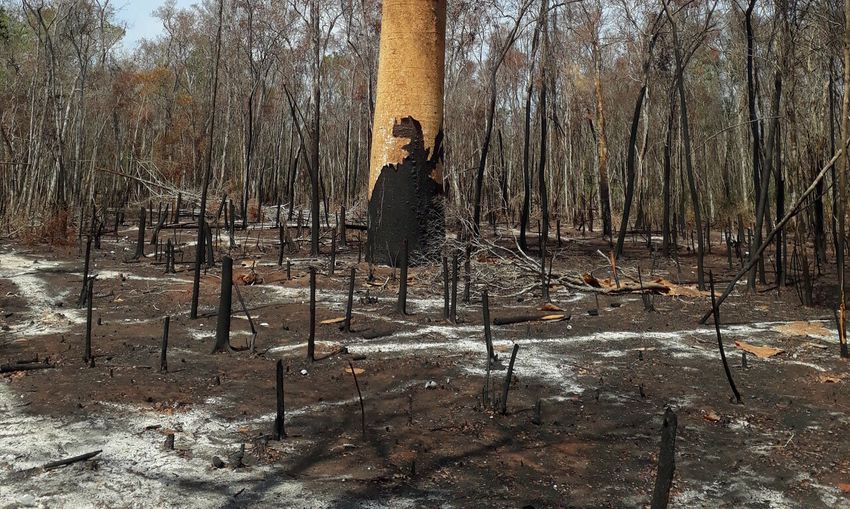
said: "The United States have the Statue of       Large scale clearance of Madagascar's dry forests (to
Liberty, France has the Eifel tower.... For us in clear land for peanuts and corn) is decimating remaining
                                                  patches of this rare habitat, home to species found
Madagascar it is our biodiversity (the product of
                                                       nowhere on the planet. Credit: copyright Tahina Roland

                                                                                                       1/3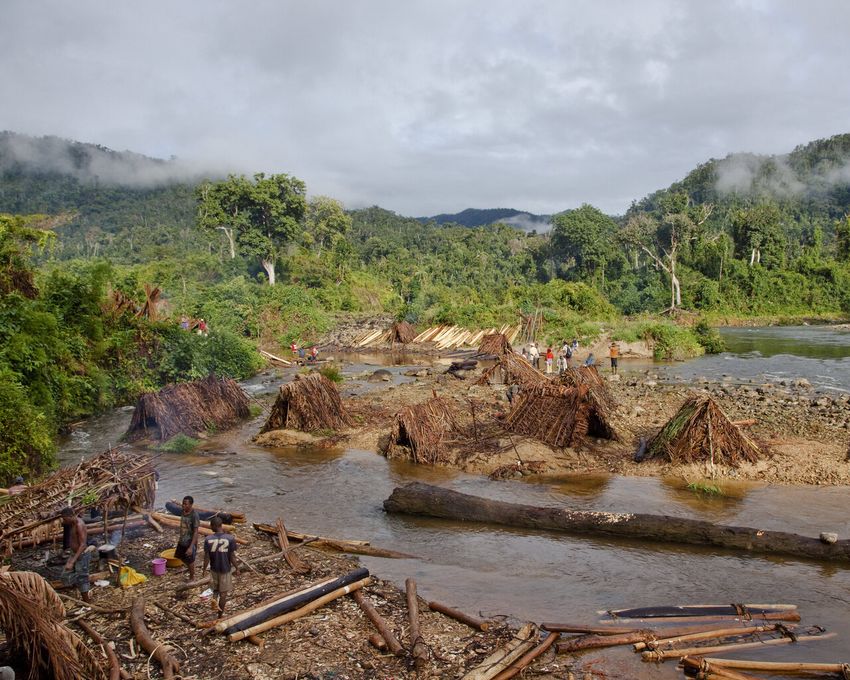
Frederic.                                            The team believe that action in the five areas could
                                                     make all the difference. Professor Ratsimbazafy
                                                     again: "The time has come for action-It's not too
                                                     late to turn things around in Madagascar, but it
The group has identified five priority measures for soon will be."
the new government's focus: investing in protected
areas, strengthening local people's tenure over      Professor Jones added: "Since his election
natural resources, ensuring new infrastructure       President Rajoelina has given positive indications
development limits impacts on biodiversity, tackling that he recognises the importance of Madagascar's
environmental crime linked to corruption, and        biodiversity. We will make sure that he has a copy
investing in major restoration efforts that will     of this paper and that the contents are well shared
address the country's growing fuelwood crisis.       within Madagascar (and with the potential donors
                                                     whose support will be needed). Our co-authors,
The team takes great care to emphasise that          and the many other active Malagasy and
conservation must benefit, not harm, local           international scientists who care about
communities.                                         Madagascar, are all ready to help the new
                                                     president ensure that his term can deliver the
Professor Julia Jones of Bangor University, who led turning point needed for Madagascar, and its
the study said "Madagascar is one of the poorest     wildlife."
countries on the planet. More than 40% of children
under five are stunted due to malnutrition, and the The paper 'The last chance for Madagascar's
country has more people living in extreme poverty biodiversity' is published in Nature Sustainability.
than almost anywhere else on Earth. Conservation
therefore needs to contribute to, and not detract    It was written by authors from Bangor University,
from, national efforts targeting economic            University of Antananarivo, World Wide Fund for
development. It must not make situations worse for Nature Madagascar, University of Queensland,
the rural poor who are so often marginalised in      Durrell Wildlife Conservation Trust Madagascar
decision making."                                    Programme, University of Helsinki, James Cook
                                                     University, The Field Museum of Natural History,
                                                     IUCN, Global Wildlife Conservation, Conservation
                                                     International Madagascar, University of Stirling,
                                                     Madagasikara Voakajy, Wildlife Conservation
                                                     Society Madagascar Program, World Resources
                                                     Institute, and Stony Brook University.

                                                           More information: The last chance for
                                                          Madagascar's biodiversity, Nature Sustainability
                                                          (2019). DOI: 10.1038/s41893-019-0288-0

                                                           Provided by Bangor University

Many of Madagascar's iconic lemur species such as this
black and white ruffed lemur are critically endangered.
Credit: Daniel Burgas.

                                                                                                       2/3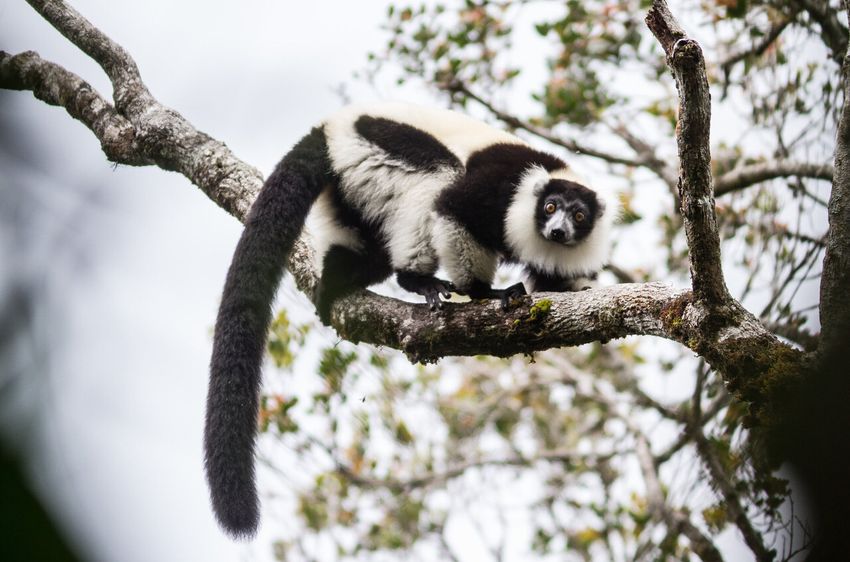
APA citation: The last chance for Madagascar's biodiversity (2019, April 29) retrieved 20 July 2019 from
                                   https://phys.org/news/2019-04-chance-madagascar-biodiversity.html

                                   This document is subject to copyright. Apart from any fair dealing for the purpose of private study or research, no
                                   part may be reproduced without the written permission. The content is provided for information purposes only.

                                                                                                                                                3/3

Powered by TCPDF (www.tcpdf.org)
You can also read


