THE PALM OIL STORY Facts and Figures - European Palm Oil Alliance
←
→
Page content transcription
If your browser does not render page correctly, please read the page content below
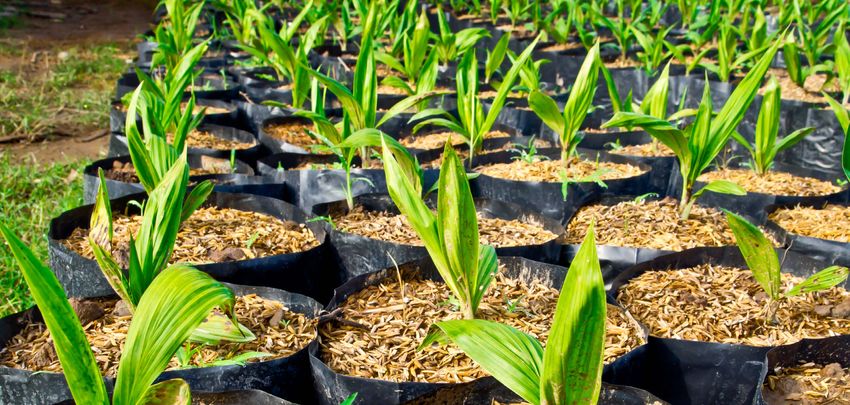
THE PALM OIL STORY Facts and Figures
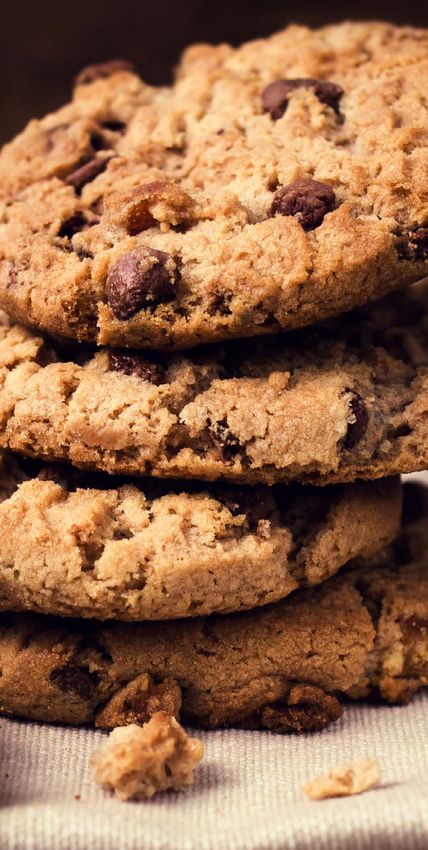
Palm oil offers a good balance between the nutritional composition and taste and texture of a
product. In this brochure you will find information and references on the nutritional composition,
value and effect of palm oil in the diet. It also explains how palm oil is sourced from palm fruit;
stresses the importance of sustainable production, and explains how palm oil can be used in different
food products.

                                        THE PALM OIL STORY - 2
CONTENTS

What is palm oil?.  .  .  .  .  .  .  .  .  .  .  .  .  .  .  .  .  .  .  .  .  .  .  .  .  .  .  .  .  .  .  .  . 4
•      Palm oil production. .  .  .  .  .  .  .  .  .  .  .  .  .  .  .  .  .  .  .  .  .  .  .  .  .  .  . 5
•      Sustainable palm oil .  .  .  .  .  .  .  .  .  .  .  .  .  .  .  .  .  .  .  .  .  .  .  .  .  .  . 7
•      Palm oil consumption.  .  .  .  .  .  .  .  .  .  .  .  .  .  .  .  .  .  .  .  .  .  .  .  .  . 9
•      Palm oil uses.  .  .  .  .  .  .  .  .  .  .  .  .  .  .  .  .  .  .  .  .  .  .  .  .  .  .  .  .  .  .  .  .  . 10
A natural and versatile ingredient.  .  .  .  .  .  .  .  .  .  .  .  .  .  .  .  .  . 11
•      Fatty acid composition .  .  .  .  .  .  .  .  .  .  .  .  .  .  .  .  .  .  .  .  .  .  .  . 11
•      Benefits of using palm oil .  .  .  .  .  .  .  .  .  .  .  .  .  .  .  .  .  .  .  .  .  . 12
•      Alternative to trans fat.  .  .  .  .  .  .  .  .  .  .  .  .  .  .  .  .  .  .  .  .  .  .  .  . 12
Part of a balanced diet.  .  .  .  .  .  .  .  .  .  .  .  .  .  .  .  .  .  .  .  .  .  .  .  .  .  .  . 13
•      Fat recommendations .  .  .  .  .  .  .  .  .  .  .  .  .  .  .  .  .  .  .  .  .  .  .  .  . 13
•      Palm oil and health.  .  .  .  .  .  .  .  .  .  .  .  .  .  .  .  .  .  .  .  .  .  .  .  .  .  .  . 14
•      Healthy lifestyle.  .  .  .  .  .  .  .  .  .  .  .  .  .  .  .  .  .  .  .  .  .  .  .  .  .  .  .  .  .  . 15
About EPOA.  .  .  .  .  .  .  .  .  .  .  .  .  .  .  .  .  .  .  .  .  .  .  .  .  .  .  .  .  .  .  .  .  .  .  .  . 16
Informed by science.  .  .  .  .  .  .  .  .  .  .  .  .  .  .  .  .  .  .  .  .  .  .  .  .  .  .  .  .  . 16
•      References .  .  .  .  .  .  .  .  .  .  .  .  .  .  .  .  .  .  .  .  .  .  .  .  .  .  .  .  .  .  .  .  .  .  . 17

                                                                         © EPOA 2019 Rights reserved

                                                                                                                   THE PALM OIL STORY - 3
WHAT IS PALM OIL?                                                                                             DID YOU KNOW?
                                                                                                              Palm oil and palm kernel oil represent
Palm oil is the most widely-used vegetable oil in       Provided by nature                                    40   per cent of the global vegetable oil
the world. Palm fruit oil, generally known as palm      The oil palm tree grows in regions around the         production
oil, is produced from the pulp of the fruit of the      equator. It is a tropical tree with leaves about
oil palm tree (Elaeis Guineensis). This tropical        5 metres long. Originally found in West africa,
fruit is reddish in colour because of a high beta-      the oil palm tree is now mostly cultivated in
                                                                                                              73 million tons of palm oil is produced
carotene content. The fruit is about the size of a      Indonesia and Malaysia, the world’s largest palm      annually
large olive. The fruit has a single seed or kernel,     oil producing nations.
which is used to produce palm kernel oil. Each                                                                One palm tree produces     40 kilogrammes
palm fruit contains about 30-35 per cent oil. Palm      From a tropical climate                               of palm oil every year
fruit oil and palm kernel oil differ significantly in   Nature plays a big part in the palm oil story. What
their fatty acid composition, but have the same         the tree loves above all, is sun and humidity.        One hectare of oil palm trees can produce
botanical origin.                                       It thrives on plenty of sunshine, temperatures
                                                        ranging between 24 and 32 degrees centigrade
                                                                                                              3.8  tons of oil each year

                                                        and rainfall evenly distributed throughout the
                                                        year. Therefore, the most suitable areas for          Oil palm accounts for  7   per cent of all the
                                                        cultivation are located between ten degrees north     cultivated land for vegetable oils globally,
                                                        and south from the equator. Apart from Indonesia      but has the highest output, producing    40
                                                        and Malaysia there is an increase in palm oil         per cent of all oils and fats
                                                        production in other parts of the world including
                                                        South and Central America, Thailand and Western       Indonesia and Malaysia supply    84  per
                                                        Africa.
                                                                                                              cent of the palm oil used globally but more
                                                                                                              and more palm oil is imported from Latin
                                                                                                              America

                                                                                                              In Indonesia and Malaysia together,
                                                                                                              approximately   4.5  million people earn a
                                                                                                              living from palm oil

                                                                                                              The use of palm oil in human nutrition
                                                                                                              dates back many    thousands         of
                                                                                                              years

                                                                 THE PALM OIL STORY - 4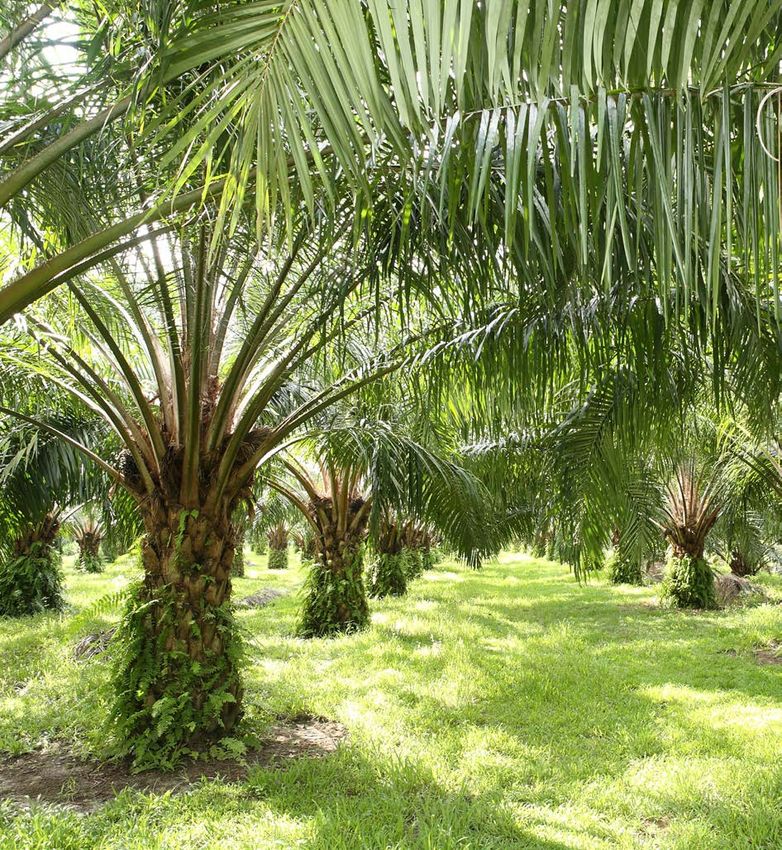
PALM OIL PRODUCTION

     The oil palm tree is the most efficient oil crop              Indonesia & Malaysia                       A highly efficient crop (Oil World 2019)
                                                                                                              Highest yield
     in terms of land use. It has the highest yield
     compared to other oil crops per hectare of land.
                                                                   provide 84% of the world
     When the oil palm trees are three to four years               production                                                                 3.8

                                                                                                              oil (tons) per hectare
     old the fruits are harvested.

     Global palm oil production has increased from                                                                                                          0.8     0.8
     15.2 million tons in 1995 to 72.8 million tons in                                                                                                                          0.5
     2018. This is the highest production volume of
     all vegetable oils, exceeding the second biggest
     oilseed crop by more than 10 million tons. This

                                                                                                                                              Palm

                                                                                                                                                            Rape

                                                                                                                                                                    Sunflower

                                                                                                                                                                                Soy
     volume is mainly produced by Indonesia (57 per
     cent) and Malaysia (27 per cent). There has also
     been a marked increase in palm oil production in
     other parts of the world. Most of the additional
     volume is generated in South and Central America
     (4.5 million tons), Thailand (2.8 million tons) and
     Western Africa (2.7 million tons).

     Global production and major origins of palm oil, 2000 - 2018 (Oil World 2019)
     x million tons

                       World            Malaysia            Indonesia
70
                                                                                                                                                                                       72,8
60

50

40                                                                                                                                                                                     41,5

30

20                                                                                                                                                                                     19,5

10

     2000       2001      2002   2003   2004       2005   2006     2007    2008   2009   2010   2011   2012                            2013          2014    2015   2016        2017    2018

                                                                        THE PALM OIL STORY - 5
Other palm oil producing countries/regions with the strongest volume growth, 1995 - 2018 (Oil World 2019)
      x million tons
5

                                                                                                                                                   1995
4.5
                       4.53                                                                                                                        2018
4

3.5

3

2.5                                              2.72                       2.78

2

1.5

1                                     1.35

0.5
          0.88
                                                                                                            0.63
                                                                  0.35                                                            0.08            0.45
0                                                                                             0.22
            Andes region               Western Africa                Thailand                Papua New Guinea                            Brazil
           Central America

      Among major oilseed crops, oil palm accounts           Major oilseeds: Area in 2018                                 Global production of oils and fats in 2018
      for the smallest percentage (7.4 per cent) of          (Total is 288.7 million hectares) (Oil World 2019)           (Total is 203.3 million tons) (Oil World 2019)
      all the cultivated land for oils and fats globally,
      but produces the largest percentage (39.6 per
      cent) of total output. It uses less than half the                                                                                                       Palm & Palm
                                                                                                     Soybean
      land required by other crops (such as sunflower,                                                                                                        Kernel
      soybean or rapeseed) to produce the same                           Palm Oil                    Rapeseed
                                                                                                                                   Palm Oil                   Soybean
      amount of oil.
                                                                         7.4%
                                                                                                     Cottonseed
                                                                                                                                   39.6%
                                                                                                                                                              Rapeseed

                                                                                                     Sunflower                                                Sunflower
      Despite these advantages, the impact of oil palms
      growing on High Conservation Values Areas, peat                    land use                    Palm                           output                    Cottonseed
      land, and former tropical forests, are issues that
                                                                                                     Others: Groundnut,                                       Groundnut
      need to be adequately addressed. Production and                                                Copra, Linseed,
      use of sustainable palm oil will help to maintain or                                           Sesameseed and                                           Others
                                                                                                     Castorseed
      enhance biological, ecological and social values in
      the countries of origin.

                                                                      THE PALM OIL STORY - 6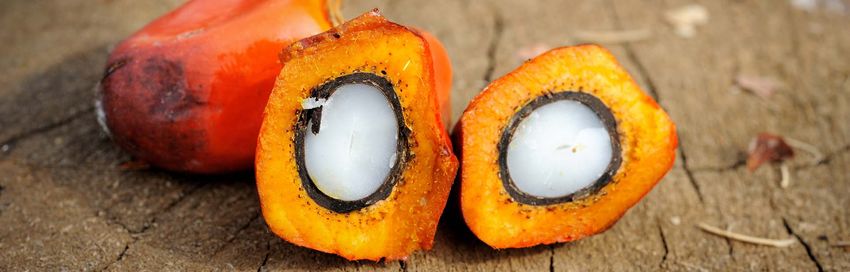
World production of major vegetable oils in 2018 (Total is 200.8 million tons) (Oil World 2019)
     x million tons

70

60

50

40
        73%
30
                         56%

20

                                         25%
10                                                        19%
                                                                            8%                5%            4%              4%               3%               3%
      Palm oil        Soybean oil     Rapeseed oil    Sunflower oil    Palm kernel oil   Cottonseed oil   Corn oil      Groundnut oil      Olive oil      Coconut oil

     SUSTAINABLE PALM OIL

     Oil palms are grown on both large-scale               The long-term focus                                   Sustainable palm oil
     plantations and small-scale family farms. The         With this global rise in the demand for palm oil,     In response to the urgent and pressing need to
     challenge of their sustainable cultivation is two-    the areas of land dedicated to palm oil cultivation   address these concerns and meet global demand
     fold: achieve the highest yields while impacting      has expanded rapidly. The challenge is to ensure      for sustainably produced palm oil, a group of
     nature as little as possible. As a result of          that the expansion takes place sustainably, with      companies and NGOs joined forces in 2004. They
     population and prosperity growth in countries         respect for people and nature in countries with       established the first sustainability standard to
     such as China and India, the demand for palm oil      some of the most biodiverse regions of the planet.    certify the production and use of sustainable palm
     continues to grow strongly. Palm oil production       Deforestation and the decrease of carbon stocks       oil and founded the Roundtable on Sustainable
     is expected to grow to a global level of more         (areas which retain a large amount of carbon) are     Palm Oil (RSPO).
     than 85 million tons by 2025. In most palm oil        serious issues. If not properly managed, large-
     producing countries, palm oil trade has the           scale palm oil productions can adversely affect
     potential to contribute significantly to economic     valuable nature, cause infringements of the land
     growth and poverty reduction.                         rights of the local population and may lead to
                                                           excessive use of pesticides.

                                                                      THE PALM OIL STORY - 7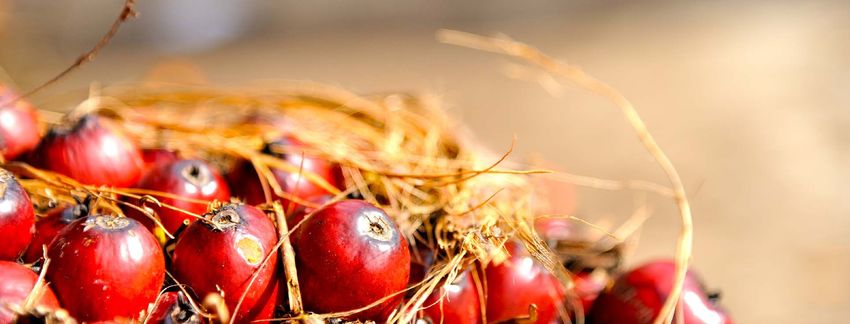
RSPO is a not-for-profit association that unites      European initiatives for sustainable palm oil           The commitment aims to increase and align
stakeholders from seven sectors of the palm oil       To increase the uptake of sustainable palm oil it is    the demand for sustainable palm oil in Europe
industry: palm oil growers, palm oil processors or    essential for industries in the palm oil supply chain   by working together with the European
traders, consumer goods manufacturers, retailers,     to join forces. To this end, companies and sector       sector associations organised in the European
banks and investors, environmental and nature         associations are working together in ‘national          Sustainable Palm Oil Advocacy Group (ESPOAG)
conservation NGOs and social or developmental         alliances on sustainable palm oil’. These alliances     and certification standards such as the RSPO. The
NGOs. Other sustainability standards such as the      are now widespread in Europe, committing many           commitment is also supported by seven European
International Sustainability & Carbon Certification   companies and sectors to use sustainable palm           governments in the Amsterdam Declaration in
(ISCC) also have a certification system for           oil. All national alliances have a commitment to        Support of a Fully Sustainable Palm Oil Supply
sustainable palm oil.                                 use 100% certified sustainable palm oil, with many      Chain by 2020.
                                                      alliances also moving towards additional criteria
Indonesia and Malaysia have also developed            and the continuous improvement of certification
their own standards for certified sustainable         standards.                                              Current national initiatives for sustainable palm
palm oil. The respective Indonesian Sustainable                                                               oil in Europe (in green)
Palm Oil (ISPO) and Malaysian Sustainable Palm                                                                   Supporting the Amsterdam Declaration
Oil (MSPO) are important steps towards a more
sustainable palm oil supply chain.

                              19% of the                 New Principles and
                              global palm oil            Criteria RSPO 2018
                              production is
                              RSPO certified             •   No deforestation
                              (2019)                     •   No new planting on peat
                                                         •   Low pesticides usage
                                                         •   Reinforced protection of human
Annual RSPO certified production
                                                             and labour rights
                                14.5
                       12.9
                                                         •   Fire prevention
                                                         •   Smallholder standard
                5.6
 million tons

                2011   2015     2019

                                                               THE PALM OIL STORY - 8
PALM OIL CONSUMPTION
Global consumption rose from 14.6 million tons The main consumers of palm oil are China, India, demand is entirely met by imports. In 2018, India,
in 1995 to 70.5 million tons in 2018, making it the Indonesia and the European Union. India, China China and the EU a ccounted for 43.9 per cent of
most consumed oil in the world. and the EU do not produce palm oil and their global imports.
Consumption major users of palm oil (Oil World 2019)
x million tons
1995
12
2000
10 2005
2010
8 2015
2018
6
4
2
India China EU Indonesia Malaysia
World consumption of oils and fats in 2018 (total 228.5 million tons) (Oil World 2019)
x million tons
80
70
60
50
40
30
20
10
Palm oil Soybean oil Rapeseed oil Sunflower oil Lard & Tallow Others Butter Palm kernel Cottonseed oil Corn oil Groundnut oil
oil
THE PALM OIL STORY - 9
PALM OIL USES

      Palm oil can be used both as a crude oil as well
      as in the refined form. Only one quarter of the
      palm oil and palm kernel oil worldwide is used as
      a crude oil. In Southeast Asia, Africa and parts of
      Brazil, crude palm oil is widely used for domestic
      cooking.

      In Europe and the United States palm oil
      is mostly used in its refined form, which is
      odourless and pale yellow, making it a valuable
      ingredient providing texture and taste for a                  More than half the products on sale in the supermarket
      variety of products. Refined palm oil is used as
      an affordable ingredient in many food products,                               are made with palm oil
      such as margarine, confectionery, chocolate, ice
      cream and bakery products. It is also widely used
      in non-food products such as soap, candles, and
      cosmetics.

      Consumption vegetable oils worldwide (Oil World 2019)
      x million metric tons

                                                                                 Other
200
                                                                                 Sunflower oil
                                                                                 Canola oil
                                                                                 Soybean oil
150
                                                                                 Palm oil

100

50

           95/96              06/07   09/10      12/13      15/16      18/19

                                                                    THE PALM OIL STORY - 10
A VERSATILE INGREDIENT
Palm oil is widely used by food and non-food Trans fatty acids (or TFA) are unsaturated fatty Fatty acid content in different fats and oils
manufacturers because of its functional benefits, acids in which the carbon chain extends from
SAFA: >60% SAFA: 45-55% SAFA:BENEFITS OF USING PALM OIL • Neutral taste and smell: palm oil can be used ALTERNATIVE TO TRANS FAT
in many different foods without affecting their
Oils and fats serve many functions in the food we taste or smell. One of the reasons for the increase in palm oil use
eat. In food products, palm oil is often combined in the food industry in the nineties is the move
with other oils and fats, which together determine • Solid or semi-solid state at room temperature: away from using unhealthy trans fats. Because
the fatty acid composition and functionality of a higher solid content, as a result of the palm oil is naturally smooth and stable, it is a
the end product. Palm oil offers versatile and presence of saturated fat, is needed for the good replacement for partially-hydrogenated fat
functional benefits. physical and chemical properties of certain containing trans fatty acids.
food products; for example, margarine
• Stability at high cooking temperatures: palm without saturated fat would be liquid at room In many food applications, the use of palm oil
oil maintains its characteristics even under temperature. and palm oil fractions has been instrumental in
high temperatures. It performs better at high lowering trans fat levels. The successful reduction
temperatures than some other oils and fats. • Smooth and creamy texture: palm oil is a very of trans fatty acids in margarine for example, has
suitable solution for increasing solidity and been predominantly the result of using specific
• Stability over time: palm oil is very suitable for improving the consistency of the product. combinations of palm oil and liquid oils.
use in products with a long self life. Products Food products with palm oil have an excellent
containing palm oil maintain their flavours and mouth feel fulfilling specific characteristics
structure – such as crispiness or crunch – for a needed in different products. For example,
longer period of time. palm oil is responsible for the smooth and
creamy texture and spreadability in margarine
and chocolate spreads and the crispiness and
crunch in biscuits and croissants.
The choice of fats and oils influences the nutritional composition (energy percentage) of commercially available plain biscuit
Energy % in final products
70 71%
68% Proteins (en%) Carbohydrates (en%) Fats (en%) SAFA (en%*)
60
50 53%
40
41%
30
20 23% 24%
16%
10
11%
6% 7% 6% 4%
Palm biscuits (440 kcal/100g) Butter biscuits (450 kcal/100g) Sunflower biscuits (479 kcal/100g)
THE PALM OIL STORY - 12PART OF A BALANCED DIET
Everyone needs fat in their diet. Fat is a source In 2019 the EU has issued a regulation maximizing confirmed by randomized controlled trials.
of energy and some of its fatty acids provide the TFA content in consumer products at 2% on In 2015 a systematic review concluded that
essential building blocks for the cells in the body. fat basis (as per 1st of April 2021). lowering SAFA reduced the risk of cardiovascular
Fats also help the body absorb the vitamins A, events by on average 17%. Replacing SAFA with
D, E and K. Not all fat that is stored in the body SAFA recommendations PUFA appeared protective of cardiovascular
originates from fat in the diet. It can also be SAFA have important metabolic functions, but events, while replacing with carbohydrates was
produced by the body itself. can be synthesized by the body and are not not beneficial (Hooper 2015).
required in the diet. Reducing SAFA intake is a The FAO states that there is convincing evidence
FAT RECOMMENDATIONS major focus of most dietary recommendations to conclude that replacing SAFA with PUFA
aiming to prevent chronic diseases including decreases the risk of CHD. There is probable
Fats are a major energy source for the body, coronary heart disease (CHD). National and evidence that replacing SAFA with largely sugars
along with carbohydrates and proteins. To international dietary expert panels recommend and rapidly digested starches has no benefit on
achieve a healthy diet, the European Food Safety that saturated fat consumption should not exceed CHD, and may even increase the risk of coronary
Authority (EFSA) advises that a minimum of 20 10 per cent (Germany, the Netherlands, the Nordic heart disease and favour metabolic syndrome
per cent and a maximum of 35 per cent of daily nations, FAO/WHO 2010) to 12 per cent (France) development (FAO/WHO 2010).
energy intake should come from fat (EFSA 2010, of the overall daily energy intake. EFSA advises
2017). Similar recommendations are provided by SAFA intake should be as low as possible within Individual saturated fats
the 2010 guidelines of the Food and Agriculture the context of food based dietary guidelines Individual Saturated Fatty Acids (SAFA) have
Organization of the United Nations (FAO- (EFSA 2010). Despite the well-established specific effects on blood lipids (Mensink 2016).
WHO 2010), which recommends that a minimum guidelines, the SAFA intake is still beyond However, there are few studies that investigated
of 15 per cent and maximum of 35 per cent of the recommendations in many European countries the effect of individual SAFA on the risk of
daily energy intake should come from fat. (Harika 2013). specific diseases. By nature, specific SAFA always
occur as a mix and different fats and oils have a
Replacing SAFA great variability in fatty acid composition. This
WHO Recommendations (WHO/FAO 2010)
Without paying attention to what SAFA is makes it difficult to draw conclusions about the
Dietary ingredient Abbreviation % of energy
replaced with, SAFA reduction may not reduce impact of specific fatty acids on health resulting in
Total fat 15 - 35 chronic disease risks. Recent meta-analyses differences in dietary recommendations. In France
Saturated fatty acids SAFA < 10 of prospective cohort studies indicate that recommendations on SAFA intake differentiate
Mono unsaturated fatty acids MUFA by difference consumption of SAFA in itself is not associated between the individual fatty acids (ANSES
with increased risk of Cardiovascular disease 2011). According to the Health Council of the
Poly unsaturated fatty acids PUFA 6 - 11
(CVD) (Siri-Tarino 2010, Chowdhury 2014, Netherlands scientific knowledge is inadequate
• Omega-6 fatty acids n-6 PUFA 2.5 - 9 de Souza 2015). However, modelled SAFA for establishing dietary reference intakes for all
• Omega-3 fatty acids n-3 PUFA 0.5 - 2 replacement by PUFA, is related to lower individual fatty acids separately (Health Council of
Trans fatty acids TFACaloric restriction rather than specific macronutrient restriction
is the key determinant of weight loss
PALM OIL AND HEALTH
From a nutritional point of view, there is no Palm oil intake The risk of being overweight
indication that consumption of palm oil in a In food products palm oil is often used in Weight management is crucial for overall well-
balanced diet is related to any specific health combination with other fats and oils which being and health. The risk of being overweight
concern. The relation between nutrients and together determine the fatty acid composition is one of the concerns associated with the total
health must be considered within the whole diet of the product and eventually the effects on amount of fat in food. Reviews show that caloric
and not in terms of single food items. health. No Europe-wide data exists on palm restriction rather than specific macronutrient
oil consumption. In France, in 2013 palm oil restriction is the key determinant of weight loss
Compared to other fats and oils, palm oil has consumption was 2.7 grams per day representing (Mozaffarian 2011).
average levels of saturated fats. A meta-analysis approximately 4 per cent of the total intake of the
on the effect of substituting palm oil with other SAFA in adults (CREDOC 2014). The 2010 FAO/WHO Expert Consultation on Fats
fats and oils on validated biomarkers of heart and fatty acids in Human Nutrition indicated that
disease, showed that substituting palm oil by energy balance is critical to maintaining healthy
other fats resulted in a mix of favorable and body weight and ensuring optimal nutrient
unfavorable changes in markers of CHD and CVD. intakes, regardless of macronutrient distribution
Clear favorable changes occurred when palm oil of energy as per cent total fat and per cent total
replaced trans fatty acids (Fattore 2014). carbohydrates (FAO/WHO 2010).
THE PALM OIL STORY - 14HEALTHY LIFESTYLE
All in all
In order to maintain good health, we need to A healthy and balanced diet relies on variation Substituting palm oil with other vegetable
focus on a healthy diet and lifestyle. Simply put, and moderation. Foods high in saturated fats oils or animal fats will require the use of more
a healthy lifestyle is based on three elements: require moderate consumption. From a nutritional land for equivalent tonnage. This may prove
variation in foods and meals, a balanced energy perspective, the replacement of palm oil with counterproductive for the environment. From
intake and enough physical activity. A healthy diet other fats and oils in food products may lead to the environmental perspective, it is important
includes ample fruits and vegetables, a balanced both favorable and unfavorable effects. Current to focus on sustainable production of palm oil.
carbohydrate, fat and protein intake, and avoiding consumption levels of palm oil, as suggested by If we manage to produce and source palm oil
high intake of salt, refined carbohydrates, data from France should not raise a particular responsibly, palm oil may largely answer the
saturated fats and trans fats. concern. anticipated growth in global demand for fats and
oils.
A healthy lifestyle is based on three elements: variation in foods and meals,
a balanced energy intake and enough physical activity
THE PALM OIL STORY - 15ABOUT EPOA SCIENCE BASED
As a business initiative, the European Palm Oil For more information and disclaimer: Our Scientific Advisory Panel
Alliance (EPOA) has been committed to create The European Palm Oil Alliance is supported by
a science based and balanced view on the European Palm Oil Alliance a Scientific Advisory Panel (SAP). The SAP was
nutritional and sustainability aspects of palm oil. Louis Braillelaan 80 established in 2013 and provides independent
EPOA communicates the full palm oil story and 2719 EK Zoetermeer insights, advice and guidance on nutrition issues
facilitates the European debate on palm oil. The Netherlands and discussions related to palm oil. It is intended
info@palmoilalliance.eu to safeguard the sound scientific base and ensure
In the face of environmental or social problems www.palmoilalliance.eu validity and reliability of communication and
related to palm oil, we take our responsibility messaging.
and cooperate throughout the supply chain to
solve the problems instead of moving away. The following European experts in nutrition and
We encourage farmers, manufacturers and health participate in the SAP:
supermarkets to switch to sustainable palm
oil. Our purpose is to make sustainable palm • Prof. dr. Jean Michel LeCerf
oil production – and consumption – a shared (Institut Pasteur de Lille, France)
responsibility. Working with the private sector, • Prof. dr. Sebastiano Banni
NGOs and the government we lead the public (Universita degli Studi Cagliari, Italy)
debate on the role of palm oil in food and
promote the importance of sustainable palm oil in
achieving the UN Sustainable Development Goals.
We all have to act to make sustainable palm oil
the norm. We invite companies and organisations to join our vision,
Current participants of the European Palm Oil and work together within the alliance towards shared goals
Alliance are: Bunge Loders Croklaan, Cargill,
Indonesian Palm Oil Association, Fedepalma,
LIPSA, Malaysian Palm Oil Council, MVO - The
Netherlands Oils and Fats Industry, Olenex, Sime
Darby and Unigra.
THE PALM OIL STORY - 16REFERENCES
• ANSES. Actualisation des apports nutritionnels conseillés pour les acides gras. ANSES, May 2011
• CREDOC. Comportements et consommations alimentaires en France 2013. CREDOC operations for the French Alliance for Sustainable Palm Oil,
October 2014
• Chowdhury R et al. Association of Dietary, Circulating, and Supplement Fatty Acids With Coronary Risk: A Systematic Review and Meta-analysis. Ann
Intern Med. 2014;160(6):398-406
• De Souza RJ et al. Intake of saturated and trans unsaturated fatty acids and risk of all cause mortality cardiovascular disease, and type 2 diabetes:
systematic review and meta-analysis of observational studies. BMJ. 2015;351:h3978
• FAO-WHO. Fats and fatty acids in human nutrition. Report of an Expert Consultation. FAO Food and Nutrition Paper 2010; 91, ISBN 978-92-5-106733-8
• Fattore E et al. Palm oil and blood lipid–related markers of cardiovascular disease: a systematic review and meta-analysis of dietary intervention trials.
Am J Clin Nutr. 2014;99(6):1331-1350
• Harika RK et al. Intake of fatty acids in general populations worldwide does not meet dietary recommendations to prevent coronary heart disease: a
systematic review of data from 40 countries. Ann Nutr Metab 2013;63(3):229-238
• Health Council of the Netherlands. Dietary Reference Intakes: energy, proteins, fats, and digestible carbohydrates. The Hague: Health Council of the
Netherlands, 2001; publication no. 2001/19ER
• Hooper L et al. Reduction in saturated fat intake for cardiovascular disease. Cochrane Database Syst Rev. 2015;10(6):CD011737
• Jakobsen MU et al. Major types of dietary fat and risk of coronary heart disease: a pooled analysis of 11 cohort studies. Am J Clin Nutr. 2009;89(5):1425-
32
• Mensink RP. Effects of saturated fatty acids on serum lipids and lipoproteins: a systematic review and regression analysis. Geneva: World Health
Organization; 2016.
• Mozaffarian D et al. Components of a cardioprotective diet. New insights. Circulation 2011; 123(24):2870-2891
• Siri-Tarino PW et al. Meta-analysis of prospective cohort studies evaluating the association of saturated fat with cardiovascular diseases. Am J Clin Nutr
2010 91(3):535-546
• www.eur-lex.europa.eu/legal-content/EN/TXT/PDF/?uri=CELEX:32019R0649&from=EN
• www.efsa.europa.eu/en/interactive-pages/drvs
• www.who.int/news-room/fact-sheets/detail/healthy-diet
• www.thelancet.com/journals/lancet/article/PIIS0140-6736(18)31788-4/fulltext
THE PALM OIL STORY - 17For more information, please contact us at: info@palmoilalliance.eu www.palmoilalliance.eu
You can also read


