The Role of Jacquard Inlaid Digital Analog Knitting Technology based on Bridging Method in Improving the Productivity of Ecological Textile ...
←
→
Page content transcription
If your browser does not render page correctly, please read the page content below
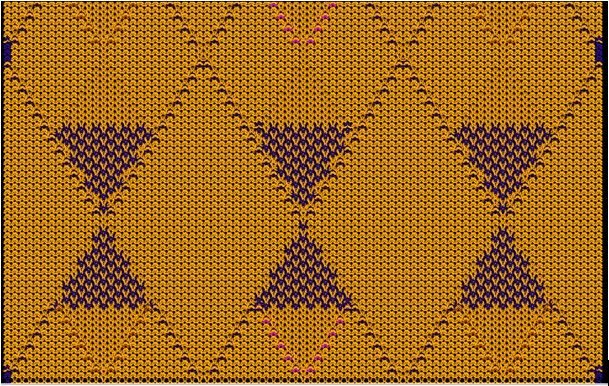
Ekoloji 28(107): 3071-3077 (2019)

         The Role of Jacquard Inlaid Digital Analog Knitting
         Technology based on Bridging Method in Improving the
         Productivity of Ecological Textile Enterprises
         Yuanfei Xing 1*
         1
             Xi’an Jiaotong University, Xi’an, 710049, CHINA
         Abstract
         With the continuous progress of science and technology, computer technology has long replaced manual
         knitting technology. In addition to the use of valuable cheongsam handmade products such as Su embroidery
         and Shu embroidery, no matter large-scale textile enterprises or small-scale workshop-style textile
         enterprises have basically not used manual textile embroidery technology. The application of computer
         technology in the compilation industry is the inevitable result of social progress and division of labor, which
         greatly improves social productivity. Especially for some workshop-type ecological textile enterprises, it is
         urgent and important to use computer technology to improve production capacity. Jacquard inlay can be
         divided into mesh inlay, dotted line inlay and cylinder inlay according to the difference of bottom needle coil
         at bridge junction, and there are structural inlay types according to the situation of turn-over needle and
         wrench needle of coil at bridge junction.
         Keywords: bridge, jacquard, inlay, computerized flat knitting machine

         Xing Y (2019) The Role of Jacquard Inlaid Digital Analog Knitting Technology based on Bridging Method
         in Improving the Productivity of Ecological Textile Enterprises. Ekoloji 28(107): 3071-3077.

       THE CORE WEAVING METHOD OF                                 appear in the same area, in order to maintain the overall
         JACQUARD INLAY-BRIDGING                                  harmony and uniformity of thickness, we usually do not
    Jacquard inlay is the color knitting area set when            use thick cylinder jacquard to bridge, but use thin mesh
guiding yarn knitting. That is to say, jacquard knitting is       jacquard to bridge, that is, the common type of jacquard
the place where the bridge crosses, and the two sides and         jacquard is mesh jacquard bridging, in which mesh
the jacquard area constitute the inlaid knitting, and the         jacquard generally chooses a relatively thin 1 *2 form,
bridge is the core of this kind of jacquard inlaid knitting       because 1 *1 relative is chosen. Thickness, and 1 * 3
technology. As shown in Fig. 1, blue, red and purple              float is too long.
coils each use an inlaid guide to weave their own color            One of the Applicable Conditions-Irregular and
areas, while Beige coils use a guide to weave their own                           Complex Embedding
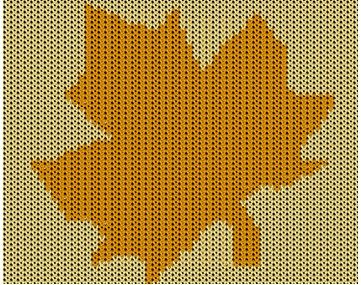
color areas. When knitting, the beige yarn guide passes              The so-called irregular complex inlay refers to the
through the blue, red and purple areas and knits the              complex pattern, which requires too many yarn nozzles
reverse coils on the back needle bed of blue, red and             (the number of yarn nozzles can be seen through the
purple. It can also be cylindrical bottom needle, mesh            yarn area function) to make knitting difficult or
bottom needle or floating thread. This knitting                   impossible. As shown in Fig. 2, if inlaying is done in a
technology is called bridging.                                    normal way, a large number of yarn nozzles are
                                                                  required, as shown in the yarn area view. The leaves
                                                                  themselves need three yarn mouths and four yarn
                                                                  mouths for the background color. That is to say, only
                                                                  the leaf pattern needs seven yarn mouths to complete
                                                                  the knitting.

Fig. 1. Bridging of jacquard inlay

                    MESH INLAY
   Under the same conditions, jacquard fabric is
usually thicker than inlaid fabric. Therefore, when they

© Foundation Environmental Protection & Research-FEPR                        Received: 23 Feb 2018 / Accepted: 14 Jul 2018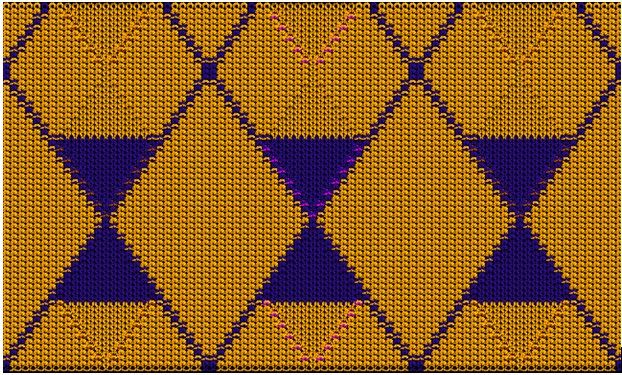
Xing

Fig. 2. A total of seven yarn nozzles are required for   Fig. 4. Process view of needling from one side to two
general mosaic display                                   lines of mesh

                                                         Fig. 5. Inlay patterns with repeated colors

                                                             The above situation can be solved by bridging the
                                                         area with mesh jacquard so as to connect the color
                  (a) Front Fabric View                  blocks on both sides of the complex pattern. This is the
                                                         knitting method of mesh inlay, commonly known as
                                                         patching. The main points of the solution include four
                                                         parts: First, when choosing the area of mesh hair
                                                         hanging, attention should be paid to the top and bottom
                                                         areas, neither more nor less. Secondly, in the jacquard
                                                         dialog box, click on the adjustment yarn bridge, and
                                                         build a bridge to connect the two sides of the same color
                                                         area, that is, through the back knitting to introduce the
                                                         yarn and lead it out. If the two sides of the pattern have
                                                         different colors, they cannot be bridged. Thirdly, npj
                                                         should be set up. That is to say, the single-sided inlaid
                                                         codes are 13, and the mesh codes are 12 or 12.3.
                                                         Fourthly, it is necessary to set an empty needle from one
                  (b) Back Fabric View
                                                         side to the mesh to start the needle suddenly, as shown
                                                         in Fig. 4. Because the transition from unilateral
                                                         structure to double-sided structure cannot start needle
                                                         from single-sided coil to double-sided coil in the same
                                                         process line, otherwise there will be cavity, so it must be
                                                         carried out step by step. That is to say, the needle is
                                                         usually started in two rows. The first line separates the
                                                         needles and the second line starts at the original float
                                                         line while the original float line is pulled at the original
                                                         float line.

                    (c) Process View
                                                            Applicability II - Inlay with Repeated Colors
Fig. 3. Mesh Inlay View                                     When the knitting pattern is mosaic with fewer color
                                                         spacing needles and more repetitions, the number of
                                                         yarn nozzles is too large to be knitted on a flat knitting

3072                                                                           Ekoloji 28(107): 3071-3077 (2019)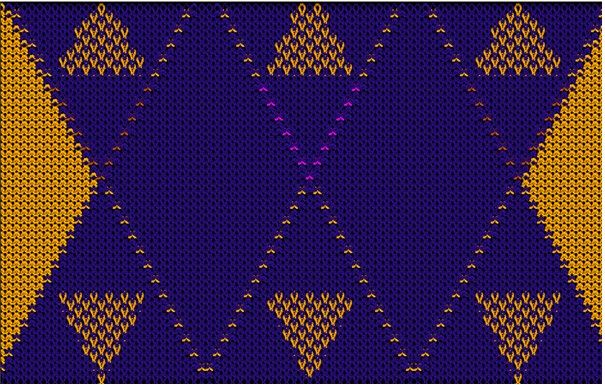
The Role of Jacquard Inlaid Digital Analog Knitting Technology based on Bridging Method …

Fig. 6. Number of yarn nozzles without mesh inlay
bridging

                                                            Fig. 9. View of mesh inlaid fabrics and back fabrics
                                                            consisting of diamonds and forks

Fig. 7. Number of yarn nozzles after setting mesh inlay
Bridge

                                                            Fig. 10. Number of yarn nozzles required for general
                                                            inlay

                                                                            DOTTED LINE INLAY
                                                                When the knitting pattern is diamond and fork inlay,
Fig. 8. Back fabric view after bridging                     if regular inlay pattern is adopted, the number of yarn
                                                            nozzles is too large. As shown in Fig. 10, a total of nine
machine with limited number of yarn nozzles.                yarn nozzles are needed, which results in that the flat
Therefore, mesh mosaic is necessary for bridge knitting,    knitting machine with eight yarn nozzles is unable to
as shown in Fig. 7 and Fig. 8.                              knit, so a bridge structure is also needed. This diamond-
                                                            shaped fork pattern can be knitted with mesh inlay
   Applicability Part 3: Embroidery of Rhombic              bridging, but it is not usually set up in practice. This is
               Cross-line Combination                       because the number of opening needles of the fork is
    When the knitting pattern is diamond-shaped and         too small. If the knitting of the back fork color is
fork-shaped inlay, if regular inlay is adopted, the         artificially increased for mesh inlay bridging, the fabric
number of yarn nozzles is too large, which leads to         becomes thicker and the possibility of exposure is
knitting difficulties. Therefore, mesh inlay bridging is    increased. Therefore, it is usually set as dotted inlaying,
also used. Generally, fork line, diamond block and          as shown in Fig. 11, so as to make the fabric thicker.
unilateral area on both sides are selected, and 1 *1 mesh   Inlay pattern is more clear, concise and even in
inlay is made in the middle, as shown in Fig. 9.            thickness.

Ekoloji 28(107): 3071-3077 (2019)                                                                                3073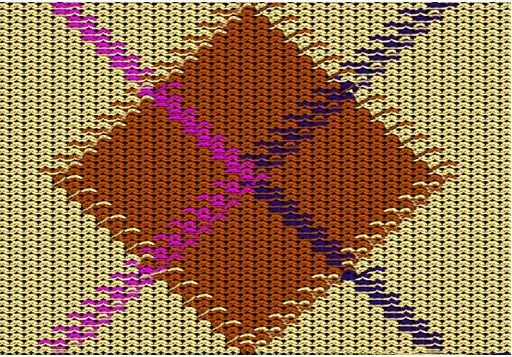
Xing

                                                                Fig. 12. Back fabric view and process view of non-
                                                                knitted fork

                                                                              CYLINDRICAL INLAY
Fig. 11. Sets the number of yarn nozzles and the back
                                                                    Sometimes from the design point of view, we need
fabric view after dotted inlay
                                                                to use the back of multi-color jacquard as the wearing
    There are three main points to be grasped in the            surface, and the bridged jacquard inlays are more
specific settings. First, the junction between the fork         colorful because of the different areas of the bridging
line and the color block should be set as a non-floral          blocks selected. The specific rules are as follows.
connection, as shown in Fig. 12. Because if the adjacent
                                                                   Law of Back Bridging of Four-color Cylinder
flowers are beaten, the pattern is too broad and easy to
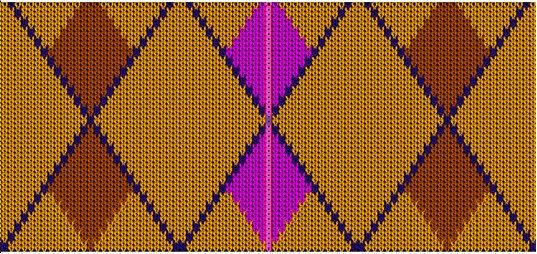
                                                                    As shown in Fig. 14, when choosing the blue, dark
cause a positive exposure and affect the beauty (as
                                                                orange, brown and purple areas as the cylindrical bridge
shown in Fig. 13). Secondly, the float and coil should
                                                                jacquard, the reference color blocks of the bridge center
be separately coded. If it is too tight and loose, the fabric
                                                                are diamond purple blocks near the red box and
will wrinkle and uneven, so it is generally the same or
                                                                rectangular blue blocks, as shown in Fig. 15. The purple
similar length as the body coil, for example, the big body
                                                                diamond is used as the bridge center reference color
code is 13.2, the floating line code is 13. Thirdly, Siping
                                                                block, and its outer side includes dark orange, blue and
inlay and Siping hairs are generally not good for
                                                                brown. Therefore, behind it is a three-color sesame dot
knitting, because the system’s own connection module
                                                                cylinder structure (dark orange, blue and brown). The
makes the knitting needle not easy to eat and break
                                                                unilateral area of the inlay surface is divided into two
when it starts knitting, so it is necessary to build a new
                                                                parts from bottom to top, one is the outermost blue
connection module into Siping inlay and Siping hairs to
                                                                rectangular block, and the other is the outermost dark
start knitting prescription.
                                                                orange diamond block. The bridge area between the
                                                                center reference color block and the outermost end is
                                                                also a mosaic. According to the color types included in

3074                                                                                 Ekoloji 28(107): 3071-3077 (2019)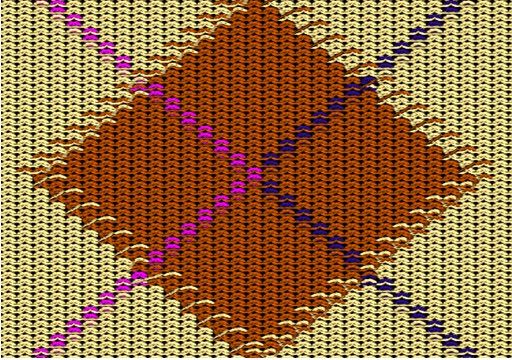
The Role of Jacquard Inlaid Digital Analog Knitting Technology based on Bridging Method …

                                                            Fig. 16. Blue, brown and purple cylindrical bridge back
                                                            fabric view

                                                            and the single side area of the mosaic is the outermost
                                                            dark orange block. The bridge area between the center
                                                            reference color block and the outermost end is also
                                                            inlaid, that is, behind each color block are blue cylinder
                                                            structure and dark orange cylinder structure
                                                            respectively.

                                                              Law of Back Bridging of 4.2 Tricolor Cylinder
                                                                   Blue, brown and purple cylindrical bridging
                                                                As shown in Fig. 16, when choosing the blue, brown
                                                            and purple areas as the cylindrical bridge jacquard, the
Fig. 13. Back fabric view and process view of fork          reference color blocks of the bridge center are rhombic
knitting
                                                            purple, brown and blue blocks respectively. Therefore,
                                                            the outer colors of the three color blocks are calculated
                                                            separately. For example, the dark orange cylinder
                                                            structure is behind the brown side, the dark orange
                                                            cylinder structure is behind the blue side, the dark
                                                            orange cylinder structure is behind the blue side, and
                                                            the dark orange cylinder structure is behind the purple
                                                            side, and the dark orange cylinder structure is behind
                                                            the purple side. However, when two color blocks are
Fig. 14. View of back fabric of four-color cylinder         adjacent to each other, they act as an integral bridge
Bridge                                                      center, both of which are cylindrical structures
                                                            composed of inlaid unilaterals (dark orange). If one
                                                            color block (such as purple) is on both sides of another
                                                            color block (such as blue), then the middle color block
                                                            (purple) is composed of blue and inlaid unilaterals (dark
                                                            orange).

                                                               Dark orange, brown and purple cylindrical bridges
                                                                As shown in Fig. 17, when dark orange, brown and
                                                            purple areas are selected as cylindrical bridging
Fig. 15. View of four-color cylinder bridged fabric
                                                            jacquard, the base color blocks of the bridge center are
the outer side of the current color block area, the         rhombic purple, brown and dark orange blocks
structure of the jacquard is a cylinder jacquard of the     respectively, so the outer colors are calculated separately
included color. The center of the bridge is blue, and the   from the three color blocks mentioned above. For
outer side includes dark orange and blue. So the back of    example, brown, dark orange and purple are blue on
the bridge is orange-blue sesame dot cylinder structure,    both sides, and their respective backs are blue cylinder

Ekoloji 28(107): 3071-3077 (2019)                                                                                3075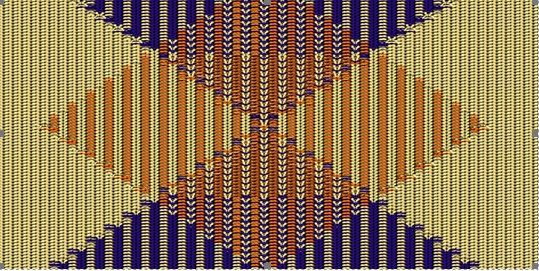
Xing

                                                              Fig. 19. Bridged Alan Embedded Module

Fig. 17. View of dark orange, brown and purple
cylindrical bridge back fabrics

Fig. 18. Back fabric view of two-color cylinder Bridge

structures. However, when the two color blocks are
adjacent to the bridge center, they act as a whole bridge
center, and behind them are cylindrical structures
composed of mosaic unilateral color (blue). If one color
block (e.g. purple) is flanked by another color block (e.g.
dark orange), then behind the middle color block
(purple) is a two-color sesame dot cylinder structure
composed of dark orange and mosaic unilateral color
(blue).
                                                              Fig. 20. Bridged polychromatic orchids
   Law of Back Bridging of Two-color Cylinder
    As shown in Fig. 18, when choosing the brown and          (purple) is composed of blue and inlaid unilaterals (dark
purple areas as the cylindrical bridging jacquard, the        orange).
reference color blocks of the bridge center are rhombic
purple and brown, respectively. Therefore, the outer
                                                                             STRUCTURAL INLAY
colors of the two color blocks are calculated separately.
                                                                   The bridge behind the inlaid flower can be not only
For example, if the brown side is dark orange, its back is
                                                              a dotted line, cylinder and other structures, but also an
dark orange cylinder structure; similarly, when the
                                                              Alan flower structure, i.e. the action of turning needle
purple side is dark orange, its back is dark orange
                                                              and wrenching needle. The bridge mode of inlaid
cylinder structure. However, when two color blocks are
                                                              flower can be defined as a module, and then the module
adjacent to each other, they act as an integral bridge
                                                              can be applied to the pattern, as shown in Figs. 19 and
center, both of which are cylindrical structures
                                                              20. When building a module, attention should be paid
composed of inlaid unilaterals (dark orange). If one
                                                              to the position where multiple process lines are inserted
color block (such as purple) is on both sides of another
                                                              into the pattern. For example, the reference braiding
color block (such as blue), then the middle color block
                                                              line is defined in the module, so that the process line

3076                                                                               Ekoloji 28(107): 3071-3077 (2019)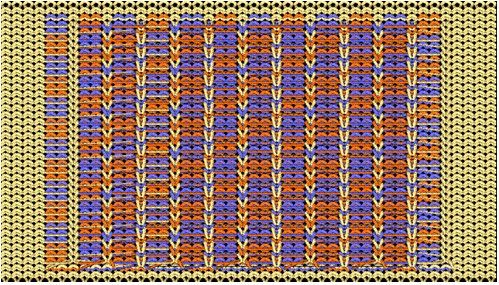
The Role of Jacquard Inlaid Digital Analog Knitting Technology based on Bridging Method …

corresponds to the process line in the pattern. The stop     strategic position by the state for deployment. In the
of the guide should also be considered when the              field of production, we must implement the concept of
structure of the inlaid connection is organized. The         ecological development. Knitting technology is the
better way is to stop the guide at the other edge of the     result of technological progress, but it can well analyze
color area when the pin is turned over at the position of    social phenomena associated with eco-textile
the color connection.                                        enterprises. Through the introduction of jacquard
                                                             inlaid digital analog knitting technology based on
                 CONCLUSION                                  bridging mode, it can be found that the computer
   Sustainable development is the trend of current           knitting end has solved the efficiency problem in textile
social development, and the protection of ecological         enterprises and played a key role in improving the
environment has been put on a more important                 productivity of enterprises.

                                                  REFERENCES
Aysen K (2015) Computer education and instructional technology teacher trainees opinions about cloud computing
    technology. Educational Research & Reviews, 10(14):2043-2050.
Catarino AP, Rocha AM, Monteiro JL, et al. (2004) Surveillance and control of the yarn input tension on circular
    weft knitting machines: new approaches. IEEE International Conference on Industrial Technology. IEEE.
Fournier C, Zoulim F (2008) [Combination therapy in chronic hepatitis B]. Gastroentérologie Clinique Et
    Biologique, 32(1 Pt 2):S42.
Mahamba AT (2011) A Beautiful Theory of Everything: How Simplexity Leads to Reality!.
Poole CJ, Millman A (1995) ABC of medical computing. Adaptive computer technology. Bmj British Medical
    Journal, 311(7013):1149.
Rong H, Senlin Z (2006) Design and production of the digital double-faced jacquard fabric with different
    photographic patterns on face and back. Journal of Textile Research, 27(8):89-91.
Urbanlurain M, Weinshank DJ (1999) Mastering Computing Technology: A New Approach for Non-Computer
    Science Majors.
Zhao W, Sun Y, Dai L (2010) Improving computer basis teaching through mobile communication and cloud
    computing technology. International Conference on Advanced Computer Theory & Engineering. IEEE.
Zijl W (2004) A direct method for the identification of the permeability field based on flux assimilation by a discrete
    analog of Darcy’s law. Transport in Porous Media, 56(1):87-112.

Ekoloji 28(107): 3071-3077 (2019)                                                                                 3077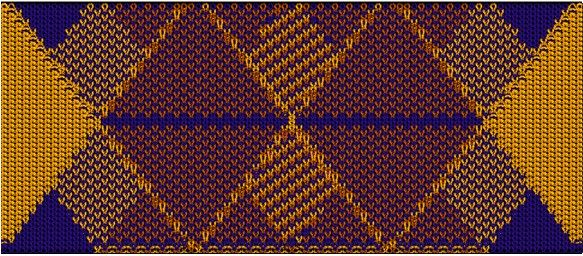
You can also read


