The World Bank Failing Nigeria on Climate Goals and Energy Access
←
→
Page content transcription
If your browser does not render page correctly, please read the page content below
The World Bank Failing
Nigeria on Climate Goals
and Energy Access

                           1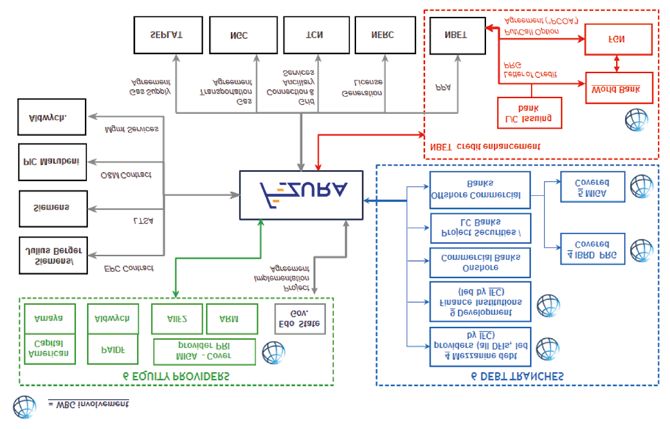
Executive Summary
                                                                                                          The world is faced with an accelerating climate crisis and is already experiencing unprecedented
                                                                                                          extreme weather events. In Nigeria, 24 percent of the population or about 41 million people live in
                                                                                                          areas of high climate risks from storm surges, coastal and inland flooding, wildfires and drought.1
                                                                                                          These climate risks further exacerbate the severe fragility and natural resource-based conflicts in
                                                                                                          Nigeria. Moreover, people living in poverty are the most vulnerable to climate change impacts. The
                                                                                                          World Bank warns:

                                                                                                                      “Climate Change is an acute threat to global development and efforts

              The World Bank Failing
                                                                                                                      to end poverty. Without urgent action, climate change impacts could
                                                                                                                      push an additional 100 million people into poverty by 2030.”2

              Nigeria on Climate Goals                                                                    The World Bank Group (WBG)3 has pledged to assist countries to meet the goals of the United

              and Energy Access
                                                                                                          Nations (UN) Paris Climate Agreement (2015), which include limiting global average warming to
                                                                                                          well below 2°C; and making financial flows consistent with a pathway towards low greenhouse gas
                                                                                                          (GHG) development. The core of the climate crisis is the energy sector´s burning of fossil fuels,
                                                                                                          since it is the largest contributor to GHG emissions. A rapid transformation of the energy sector,
                                                                                                          from fossil fuels to renewable energy, is needed to combat climate change.

                                                                                                          At the same time, the energy transformation must address the energy needs of the poor. Nigeria’s
                                                                                                          rate of electrification is only 55 percent,4 leaving more than 85 million people without electricity (the
                                                                                                          vast majority live in rural areas)5. In 2018, Nigeria had the most people in the world living without
                                                                                                          electricity.6.

                                                                                                          Both the UN and the WBG emphasize that access to energy is essential to reducing poverty. Cor-
                                                                                                          respondingly, the UN’s Sustainable Development Goal 7 aims for universal access to affordable, re-
                                                                                                          liable and sustainable energy by 2030. Likewise, in 2013 the WBG pledged that its energy practice
Published by Recourse, the Swedish Society for Nature Conservation and the African Coalition for
                                                                                                          would be centered on the achievement of the UN’s universal energy access goals.7
Sustainable Energy and Access, June 2020.

Written by Heike Mainhardt. Edited by Nezir Sinani and Anna Ostergren.                                    Poverty reduction, energy access and climate goals are inextricably linked and require urgent and
                                                                                                          bold action. Given Nigeria’s significant climate change risks and substantial electricity deficit, the
Photo by Amol Mande.                                                                                      following paper details an assessment of WBG assistance to Nigeria from 2014 to 2019 against
                                                                                                          achieving climate goals and universal energy access by 2030.8
This document has been produced with the financial contribution by the Swedish International
Development Co-operation Agency (SIDA) through the Swedish Society for Nature Conservation,               Main Findings
(SSNC). The views herein shall not necessarily be taken to reflect the official opinion of SIDA.          Overall, the WBG’s energy sector assistance in Nigeria undermines the Paris Climate Agreement
                                                                                                          goals and falls considerably short in what is necessary to meet Nigeria’s energy access goals. Main
For further information on the issues raised in this report please contact:
                                                                                                          findings include:
Recourse campaigns for a world where people and planet are at the heart of development. For
more information, please visit www.re-course.org.                                                         Oil and gas the overwhelming priority: As shown in Figure 1, the WBG’s assistance is overwhelm-
                                                                                                          ingly in support of fossil fuels, providing over 5 times more funding to fossil fuels than to renewable
The Africa Coalition for Sustainable Energy and Access (ACSEA) is a Pan-African alliance of various       energy in Nigeria. From 2014 to 2019, the WBG provided $1.8 billion or 69 percent of total energy
organizations drawn from the civil society, business, academia and research institutions promoting        sector finance to oil and gas projects, including for multiple oil and gas exploration operations and
renewable energy, energy transformation and access in Africa.                                             one of the world’s largest oil refineries (another oil refinery is pending approval). Meanwhile, Nige-
                                                                                                          ria’s vast potential for renewable energy (e.g., 427 GW solar9) remains mostly untapped. Only 13
The Swedish Society for Nature Conservation is a non-profit environmental organisation with the
                                                                                                          percent of WBG energy finance in Nigeria supported renewable energy.
power to bring about change. For more information please visit https://www.naturskyddsforenin-
gen.se/in-english

This publication may be used free of charge for the purposes of advocacy, campaigning, educa-
tion, and research, provided that the source is acknowledged in full. We request that all such use
be registered with us for impact assessment purposes.

                                                                                                      2                                                                                                               3
Significantly inadequate electrification rate: In order for Nigeria to meet its target rate of 75
percent electrification by 2020, at least 10 million new rural household connections are needed.
The expected WBG 2023 outcome is only 600,000 new rural household connections, which is a
whopping 9.4 million households short of the goal (see Figure 2). There is no indication that this gap
will be closed by a significant degree by the government or any other funder (the government and
others are already financing fifty percent of the total project costs involved in the WBG-accounted
600,000 new connections). If the current pace of electrification continues, Nigeria will significantly
fall short of universal access by 2030.
*New connections attributed to the WBG operation will be reached by 2023 and are jointly funded by the
Nigerian government.
Note: Does not include WBG finance through financial intermediaries. ^The national target represents only the number of new rural household connections deemed necessary by
*Mini- & Off-grid solar solutions 2020 to reach universal access by 2030 as provided in Nigeria’s Rural Electrification Strategy (2016).
WBG focus on gas expansion – misguided and GHG-intensive: The WBG’s Energy Business Plan Inadequate and uncertain funding for energy access: Only 13% of WBG energy sector project
(EBP) for Nigeria focused on the development of the gas sector, from upstream gas production finance in Nigeria ($350 million out of $2.7 billion) is targeting new energy connections. Despite the
through downstream power generation. Correspondingly, from 2014-19, the WBG funded over WBG’s 2013 pledge, it does not appear the WBG’s energy practice in Nigeria is centered on achiev-
$1.1 billion for gas processing, transport and power generation, including for inefficient open-cycle ing universal access by 2030. Unfortunately, sustained funding for Nigeria’s rural electrification pro-
plants. The production, transport and burning of gas emits significant GHG emissions. In addition gram is uncertain, which makes it difficult for the country to plan and sustain progress. At this point,
to carbon dioxide emissions, the global gas sector is one of the largest industrial sources of meth- the WBG has not provided any plans to continue funding Nigeria’s rural electrification program.
ane emissions10 , a GHG with atmospheric warming 80 times greater than carbon dioxide.11
Recommendations
Non-alignment with Paris Climate Agreement, facilitating high-GHG development path: The The WBG has committed to assist countries to meet the goals of the Paris Climate Agreement, and
WBG has clearly prioritized fossil fuel development over renewable energy in Nigeria, including to center their energy practice on achieving universal access to energy by 2030. In order to help
operations involving oil and gas exploration, and the world’s largest oil refinery and petrochemical Nigeria reach these goals, the WBG should:
complex. Nigeria is already a top producer and exporter of oil in the world. Using the WBG’s public
assistance to expand oil and gas reserves and production is clearly counter to “making financial • End all WBG public assistance for fossil fuels: No WBG public assistance should be used
flows consistent with a low-GHG development path” and therefore, the WBG’s energy portfolio in to develop fossil fuels, which further exacerbate the climate crisis responsible for intensifying
Nigeria is not in alignment with the Paris Climate Agreement. droughts, floods and wildfires in Nigeria. This includes assistance for associated facilities; finan-
cial intermediaries; policy-based finance (e.g., fossil fuels excluded from all forms of tax breaks
Increased WBG assistance for mini- and off-grid solar a positive step forward: According to the and investment incentives); guarantees; general budget support (i.e., fossil fuels must be added
World Bank, the Bank has been “the main interlocutor for the Government [of Nigeria] on power to excluded expenditures); technical assistance and advisory services. The IFC’s proposed $35
development” since 2000.12 Yet, in 2017 Nigeria’s rural electrification rate remained as low as it was million for the ND oil refinery should not be approved.
in 1981 (~ 24 percent). This suggests that the WBG had failed to adequately prioritize solutions for
rural energy access. In 2018, the WBG took a significant step forward with the Nigeria Electrification • Scale up funding for renewable energy, including mini- and off-grid solutions: From 2014
Project for $350 million. This WBG Project rightly focuses on increasing rural electrification mainly to 2019, the WBG supported no utility scale renewable energy projects in Nigeria. This lack
with mini- and off-grid solar solutions (i.e., stand-alone-home systems and hybrid-mini grids). of assistance is unacceptable. The WBG needs to provide significant assistance to Nigeria to
develop the country’s renewable resources. Even the substantial WBG funding for mini- and off-
4 5grid solutions in Nigeria needs to be significantly increased and sustained for Nigeria to reach Introduction The core of the climate crisis is the energy sec-
universal access by 2030. The world is faced with an accelerating climate tor´s burning of fossil fuels, since it is the largest
crisis and is already experiencing unprecedent- contributor to GHG emissions. Therefore, it is
• Provide more and sustained funding for new household connections: Nigeria has the sec- ed extreme weather events. According to the US important that the development of Nigeria´s en-
ond highest energy access deficit in the world. Given the WBG’s finance (2014-19) directed at Agency for International Development (USAID), ergy sector does not aggravate the climate crisis
new household connections represents only 13% of its overall energy sector finance in Nigeria, Nigeria has more than 41 million people or 24 further.
the WBG can and should direct more finance to connections. To reduce uncertainty in funding percent of its population, living in high climate
for Nigeria’s electrification strategy, the WBG should commit to long-term (e.g., 10-year), sus- exposure areas.13 Its population faces diverse At the same time, Nigeria is in critical need of
tained funding for new household electricity connections. The 10-year WBG funding commit- and extensive climate risks from storm surges increasing access to energy. Nigeria is the high-
ment needs to be reflected in an updated Country Partnership Framework for Nigeria. Corre- along the entire coast; inland flooding and wild- est energy access-deficit country in the world –
spondingly, the WBG needs to transparently report direct WBG contributions to new household fires in the Niger Delta region; decreased rain- second only to India for having the most people
connections within the context of other sources of energy access funding. fall in the southeast and Middle Belt; droughts without access. In 2017, Nigeria’s electrification
and floods in the north; and flooding across rate stood at only 54.4 percent,17 which leaves
• Perform a gap analysis on universal access by 2030. Given that the electrification rate is inad- the country along the Niger, Benue, Soko and more than 85 million people without access to
equate, the WBG should assist the government to identify where gaps exist and how the gaps Komadugu rivers. electricity. Nigeria’s urban-rural divide in elec-
will be addressed in order for them to achieve annual electrification targets necessary to reach tricity access is extensive. Nigeria’s urban elec-
universal access by 2030. The USAID further states that “the critical con- trification rate is 87 percent, while rural electrifi-
nection between extensive climate risks and cation is only 23 percent.18 From 2010 to 2018,
severe fragility in the country contributes to in- electrification efforts in Nigeria lost ground to
stability the country now faces from food crises population growth, leading to a net increase of
and land conflicts, risking a dangerous feedback 3 million people lacking access to electricity by
loop between fragility and climate risks.” 2018.19
The Nigerian government’s Nigeria Vision Both the UN and the WBG emphasize that ac-
20:2020 Economic Transformation Blueprint cess to energy is essential to reducing poverty.
(2009) recognizes climate change as a critical Correspondingly, the UN’s Sustainable Develop-
challenge in Nigeria and specifically as a “po- ment Goal 7 (SDG7) aims for universal access to
tential driver of damaging and irrecoverable ef- affordable, reliable and sustainable energy by
fects on infrastructure, food production and wa- 2030. Likewise, in 2013 the WBG pledged that
ter supplies, in addition to precipitating natural its energy practice would be centered on the
resource conflicts.” achievement of the UN’s universal energy access
goals.20
Adding to these concerns, the World Bank re-
ports that the poor are the hardest hit by climate Methodology of Assessment – The assessment
change impacts and that climate change threat- reviewed the WBG’s energy portfolio for Nigeria
ens current and future poverty eradication.14 from 2014 to 2019, including project finance (ex-
Most recently, the WBG’s website posts the crit- cluding financial intermediaries21), development
ical warning: policy finance, technical assistance, advisory ser-
vices, and the country partnership framework. In
“Without urgent action, climate change assessing the WBG Nigeria portfolio, the case
impacts could push an additional 100 study focused on reviewing:
million people into poverty by 2030.”15
• WBG contributions to sources of power gen-
The World Bank Group (WBG)16 has pledged to eration (e.g., fossil fuels, renewable energy,
assist countries to meet the goals of the United grid, and off-grid);
Nations (UN) Paris Climate Agreement (2015), • WBG direct contributions to new electricity
which include limiting global average warming connections and the pace of electrification
to well below 2°C; and making financial flows needed to meet universal access by 2030;
consistent with a pathway towards low green- and
house gas (GHG) development. In December • WBG actions addressing the availability of
2015, 195 countries, including Nigeria, adopted finance for energy access.
the Paris Agreement.
6 7It is important to note that the assessment only tainable Energy for All Action Agenda.24 Nigeria’s vast potential for renewable energy in line in the next few years [assumed to have hap-
covers access to electricity and does not cover the country is mostly untapped. The assumed pened or will happen between 2018 to 2023]
access to clean cooking solutions, which is also According to the Rural Electrification Strategy, solar power generation potential is around 427 (see Table 2).33 These plants are in various stag-
of great importance regarding energy access for more than 70 million rural Nigerians lack ac- GW.31 Studies of wind data from 30 stations in Ni- es of development from commissioned to un-
the poor. cess to reliable electricity supply. The Strategy geria indicate immense cost-effective wind-gen- der negotiation. Gas and Gas-Diesel generation
stipulates in order to achieve the national tar- erated power opportunities as well.32 equals 1,615 MW, which makes up 47 percent of
The Nigeria case study includes the following get of 75 percent electrification by 2020, urban the planned generation. Solar-powered genera-
sections: Nigeria’s Electrification Strategy; Plans electrification must reach 95 percent and rural In June 2019, the Government of Nigeria report- tion equals 1,125 MW or 33 percent of planned
for Power Generation; WBG Assistance for Ni- electrification must reach 60 percent. The Strat- ed a total of 3,400 MW of commissioned and generation and small hydro power makes up
geria’s Electrification Strategy; WBG’s Country egy estimates this will take more than 10 million planned generation capacity that will come on 115.5 MW or 3 percent.
Partnership Framework; Proposed WBG Opera- new rural household connections (assuming 7
tions; and Conclusions and Recommendations. persons per household) at a total capital cost of
US$9 billion.25 Table 2. Nigeria’s Near-term Planned Power Generation
Nigeria’s Electrification Strategy Power Station Energy Type Installed (MW)
As repeated in several policies including: the Renewable Energy Targets: In addition, Ni-
2001 National Electric Power Policy, the 2003 geria’s Sustainable Energy for All or SE4All Ac- Afam Fast Power Gas 240
National Energy Policy, and the 2005 Rural Elec- tion Agenda incorporates the country’s Vision Gurara Small Hydro 30
trification Policy, the goal of the Government of 30:30:30 Energy Mix Target of 30,000 MWs by
Kashimbilla Small Hydro 40
Nigeria is to increase access to electricity to 75 2030 with renewable energy contributing 30
percent by 2020 (urban and rural in aggregate) percent.26 By 2020, the Vision targets the on- Dadin Kowa Small Hydro 29
and 90 percent by 2030.22 More recently in July grid electricity generation mix to be 20 percent Kudenda Gas/Diesel 215
2016, these goals were re-affirmed in Nigeria’s solar. In mega-watt terms, this amounts to 2,700
Zungeru Large Hydro 700
Rural Electrification Strategy23 and Nigeria’s Sus- MW by 2020 and 9,100 MW by 2030 of on-grid
renewable energy (solar, small hydro power, Okpai Phase 2 Gas/Diesel 480
6 small hydro concessions Small Hydro 16.5
wind, or biomass).27
Table 1. Nigeria’s Energy Sector Targets 14 Solar IPPs Solar 1,125
2020 2030 Qua Iboe Power Gas 540
Electrification Rate 75% 90% Aba Power Gas 140
New Household Connections >10 – 14 million Total 3,415.5
Source: Nigeria Power Sector Policy Directives Timeline, June 2019
On-grid Renewable Energy*
20% solar; ~2,700 MW 30%; ~9,100 MW Note: Small hydro power equals less than 50 MW. Locking in a High-GHG Development Path
(as percent of electricity generation
Based on the reported planned generation, the – non-alignment with Paris Agreement: The
mix)
end result is a total on-grid generation capacity significant increase in gas power generation and
Off-grid Renewable Energy 13 GW of approximately 15,915 MW by around 2023 plans for large-scale coal plants is locking Nige-
Sources: Nigeria’s Rural Electrification Strategy (July 2016) and Sustainable Energy for All Action Agenda (July comprising of 68 percent gas and gas-diesel34; ria into a high-GHG path and is not in alignment
2016). 29 percent large hydro power35; 7 percent so- with the government’s 30:30:30 Vision target or
lar power; and less than 1 percent small hydro the Paris Agreement.
*Excludes large hydro power; >50 MW. Nigeria’s Power Generation Plans
power.
Furthermore, by 2030, Nigeria aims to have 13 As of October 2017, Nigeria’s installed power
Given current and future climate impacts threat-
GW of mini- or off-grid solar solutions to address generation capacity was 12,500 MW with 74
Although not mentioned in the planned gen- ening Nigeria, it is important that the develop-
both its energy access and climate goals. In percent gas power and 26 percent large hydro
eration provided in the Power Sector Policy Di- ment of Nigeria’s energy sector does not further
2015, it was estimated that Nigeria has between power.29 Nigeria’s actual power generation is
rectives, Nigeria also has plans for coal power aggravate the climate crisis. The production
8 and 14 GW of decentralized diesel generator only about a third of its installed capacity. From
development. In March 2018, it was reported and burning of more gas and the associated in-
capacity.28 The 13 GW solar target is partially 2016 to 2018, less than 4,000 MW were dis-
that PowerChina had recently signed a Memo- crease in GHG emissions is a significant threat
related to switching many of the existing diesel patched on average largely due to challenges/
randum of Understanding (MoU) with the Kogi to the climate. The global gas sector is one of
generators to solar-based systems (also see this gaps in gas supply (including lack of funds to
State Government for a 2,400 MW coal plant in the largest industrial sources of methane emis-
link in the WB’s Nigeria Electrification Project obtain gas and pipeline vandalism), and in elec-
Kogi.36 sions,37 a potent greenhouse gas that in the first
below). tricity transmission and distribution capacities.30
two decades has an atmospheric warming effect
approximately 80 times greater than carbon di-
8 9oxide.38 Methane leakage is a problem across energy portfolio to assist countries to reach uni- Investment
the entire value chain of gas production and dis- versal access by 2030.40 This study reviews what NG-Electricity Transmission Proj- 31-Dec-
$486 Project 15-Feb-18 No
ect upgrades to existing grid 23
tribution and thus, largely offsets the perceived the WBG has done since 2013. Finance
climate benefits of gas relative to coal.39 Glob- Nigeria Electrification Project IDA: In-
al methane emissions have substantially spiked To begin, Table 3 lists WBG project finance op- vestment
off-grid renewables; solar-diesel $350 27-Jun-18 31-Oct-23 Yes
in recent years posing catastrophic climate im- erations in the energy sector in Nigeria from Project
mini grids Finance
pacts. 2014 to 2019. The WBG project documents for
each operation were reviewed to determine if Total $2,681
World Bank Group Assistance for the operation had targets specifically designed Note: World Bank Group divisions – IFC=International Finance Corporation; IDA=International Development
Nigeria’s Electrification Strategy to increase energy access. The last column in Association; MIGA=Multi-lateral Investment Guarantee Agency
The following section reviews how WBG assis- the table specifies if the assistance contributes
tance is contributing to Nigeria’s overall electrifi- to new energy connections, which is an indica- Table 3 shows that out of thirteen WBG energy Component 2 involves stand-alone solar sys-
cation strategy and targets as well as addressing tion of direct support for Nigeria’s energy access sector projects in Nigeria since 2014, only one tems and targets 300,000 new households and
alignment with climate goals. As previously not- goals. project directly targets increasing energy con- 40,000 SMEs. Component 3 involves energiz-
ed, in 2013, the WBG pledged to prioritize its nections – the Nigeria Electrification Project. In ing education with a target of providing seven
addition, one project, NG-Electricity Transmis- federal universities with new or improved energy
Table 3. Nigeria: World Bank Group Energy Sector Project Finance (2014 – 2019) sion Project, does not directly add new electric- services through new solar capacity (~19 MW) at
New ity connections, but targets upgrades to the ex- a total cost of $105 million with the Bank cov-
Amount WBG In- Approval Energy isting grid. Given only the Nigeria Electrification ering $100 million.44 Component 4 is technical
Project (million End Date
strument Date Connec-
US$) Project directly increases energy connections, it assistance with the Bank contributing the total
tions
is the only project that can be measured directly cost of $25 million.
Seven Energy against Nigeria’s electrification targets.
$75 IFC equity 13-Mar-14 active No
oil and gas exploration Overall, the project expects to provide a total
Nigeria Electrification Project – This World of 600,000 new households with access to ener-
Nigeria Power Sector Guaran- IFC guar- Bank project is a $350 million loan covering five gy over five years. However, given the Nigerian
$125 1-May-14 30-Jan-19 No
tees gas power plants antee
years, approved on June 27, 2018 and ending on government reported the use of between 8 and
Nigeria Power Sector Guaran- MIGA October 31, 2023. The Bank lists a total project 14 GW of decentralized diesel generators, it is
$150 1-May-14 30-Jan-19 No
tees gas power plants guarantee
cost of $765 million, thus over half, $415 million, unclear how many households are switching or
Nigeria Power Sector Guaran- of the electrification costs are being covered ei- augmenting their energy access with the solar
tees Azura-Edo & Qua Iboe gas $39541 IBRD guar- 1-May-14 30-Jan-19 No ther by the government of Nigeria, commercial options. Thus, it is unclear or difficult to measure
power plants antee
debt providers or other financial institutions/ an accurate contribution to increasing the overall
Azura-Edo Independent Power donor governments (see African Development rural electrification rate. Although this is unclear,
Plant (IPP) Bank funding below). The main objective of the assessment will assume the rural households
$155 IFC loan 1-May-14 active No
461 MW open-cycle gas power the project is “to increase access to electricity receiving solar services from the Electrification
plant services for households, public educational in- Project represent new connections.
Seven Energy Bond stitutions, and underserved small, and medium
$50 IFC loan 26-Sep-14 active No enterprises (SMEs) mainly through Stand-alone In addition, the African Development Bank
oil and gas exploration Solar Systems for Homes (SSH) and mini-grids.” (AfDB) is providing $200 million from the Afri-
Accugas Ltd. (Seven Energy) can Grow Together Fund to the Nigerian Electri-
MIGA active un- Component 1 involves solar-diesel hybrid mini fication Project through the Rural Electrification
gas processing facility and pipe- $200 10-Jun-15 No
guarantee til 2030 grids aimed at providing electricity to 300,000 Agency.45 It includes solar hybrid mini-grids tar-
line
households and 30,000 SMEs through an esti- geting 105,000 new households, 8 universities,
Azura Power West Africa Ltd. mated 15 mini-grid operators.42 Total compo- and about 20,000 SMEs. It appears this is part of
MIGA active un-
461 MW open-cycle gas power $492 22-Dec-15 No nent 1 costs equal $330 million with World Bank the same World Bank project, but it is unclear.
guarantee til 2030
plant contribution of $150 million. In addition, there
are two investment sub-components that are im- WBG Priority given to Fossil Fuels not Re-
Dangote Industries Limited
plemented in parallel, a minimum subsidy ten- newable Energy: From 2014 to 2019, out of
oil refinery and petrochemical $150 IFC loan 26-May-16 active No
der, and a performance-based grant program the WBG’s $2.7 billion in energy sector project
complex that target different sets of private developers. finance in Nigeria, $1.8 billion or 69 percent
Indorama Port According to the Bank, “it is expected that most went to oil and gas projects (see Figure 3). The
$52.5 IFC loan 22-Jun-16 active No mini grids will use solar generation with battery only renewable energy project finance was the
off-shore oil & petrochemicals
storage, and diesel back-up generation…”43 $325 million coming from the Nigeria Electrifica-
10 11tion Project (Note: $25 million went to technical fossil fuels, providing over 5 times more fund- the equity financing, the debt financing (with IFC WBG assistance not aligned with Paris Cli-
assistance not to project finance). The WBG’s ing to fossil fuels than to renewable energy in playing the transaction advisor), and the govern- mate Agreement: Overall, the WBG’s public
assistance is overwhelmingly in support of Nigeria. ment’s Letter of Credit for the power purchasing assistance to develop the oil and gas sector in
agreement (see Figure 4 below). Nigeria is counter to making financial flows con-
sistent with a low-GHG development path. With
It is very difficult to make sense out of why the regards to the idea that gas is considered by the
World Bank, IFC, and MIGA would all put in so Bank to be low-GHG. This is not true. In addi-
much funding – more than double the finance tion to carbon dioxide emissions, the global gas
given for the whole solar rural electrification sector is one of the largest industrial sources of
project – to support one gas power plant when methane emissions, , a GHG with atmospheric
Nigeria already has several gas power plants warming 80 times greater than carbon dioxide.51
that are running significantly below installed ca- This fact alone largely offsets the perceived cli-
pacity due to gas supply issues and transmission mate benefits of gas relative to coal. In addition,
inadequacies. On top of everything, the WBG’s Nigeria’s energy sector is already dominated
public assistance to Azura-Edo was used to sup- by fossil fuels and the WBG’s public assistance
port an in-efficient gas plant, i.e., an open-cycle should not be used to develop Nigeria’s energy
gas plant instead of a combined-cycle. sector in a way that further aggravates the cli-
mate crisis.
Note: Does not include WBG finance through financial intermediaries.
*Mini- & Off-grid solar solutions
The WBG’s fossil fuel finance included $125 tion to the direct IFC loan, research conducted
million (IFC $75 million equity46 and $50 million by Urgewald shows that IFC provided additional
loan) to Seven Energy’s oil and gas explora- finance through financial intermediaries.48 The
tion operations and another $200 million MIGA Dangote oil refinery received its first $3.3 billion
guarantee for Seven Energy’s Accugas gas pro- consignment of loans in September 2013 from a
cessing and pipeline facilities. In other words, group of 12 lenders.49 Of these 12 lenders, 9 are
Figure 4. WBG Involvement in the Azura-Edo Gas Power Plant in Nigeria
the same amount of project finance, i.e., $325 recipients of IFC finance as financial intermedi-
million, provided for all solar rural electrification aries and the IFC is a shareholder (equity) in at
Source: World Bank, 2015 Africa Energy Yearbook: Nigeria’s Electric Power Sector.
in Nigeria, went to one company’s upstream oil least 5 of them (see Appendix Table 1A).
Note: NBET = Nigerian Bulk Electricity Trading (a government entity)
and gas operations (i.e., exploration, extraction,
or production). The upstream nature of this in- The fossil fuel project that received the most
vestment makes it an exceptional climate risk public assistance from the WBG is the Azura- How does WBG project finance measure up to Nigeria’s energy access
as it is widely understood that the world cannot Edo 461 MW open-cycle gas power plant. The targets?
remain under 2 degrees warming if the already 461 MW plant is phase 1 of a planned 1,500 MW The WBG’s 2013 Energy Directions Paper specifically pledges that the WBG will focus its energy
existing oil and gas reserves are burned. Rec- facility. This project received over $895 million sector operations on achieving the UN’s goal of universal energy access by 2030. Correspondingly,
ognizing this fact, in 2017 the WBG announced in WBG public finance, including an IFC loan of Table 4 provides a summary of the expected new household connections partially funded by the
it would no longer finance upstream oil and gas $155 million; MIGA guarantees worth $495 mil- WBG’s Nigeria Electrification Project compared to Nigeria’s 2020 electrification target.
after 2019.47 lion; and $245 million in IBRD guarantees50. Fig-
ure 4 below is a WBG-produced diagram of all
Furthermore, a $150 million IFC loan went to the ways the WBG is supporting the Azura-Edu
Dangote Industries to build the world’s largest gas power plant and it shows at least six differ-
oil refinery and petrochemical complex. In addi- ent WBG interventions. The WBG helped with
12 13Table 4. Reaching Nigeria’s Access Targets – World Bank’s Nigeria Electrification Project World Bank Group Policy Reform and AS operations addressing the energy sector
(2018-23) and Capacity Building Assistance in Nigeria. WBG documents for each operation
were reviewed to determine if the operation had
New Rural Household Total Cost (mil- WB Contribution In addition to direct project finance covered
Component targets specifically designed to address the chal-
Connections lion US$) (million US$) above, the WBG provides development policy
finance (DPF), technical assistance (TA) and ad- lenges to increasing energy access. The last col-
Solar Hybrid Mini Grids 300,000 $330 $150 umn specifies if the assistance directly addresses
visory services (AS), which involve the drafting
Stand-alone Solar Home Systems 300,000 $305 $75 and adoption of new laws and regulations, and Nigeria’s electrification strategy, such as support
capacity building of government institutions. for new energy connections and/or off-grid re-
Total ~600,000 $635 $225
Table 5 below lists recent and/or active DPF, TA newable energy solutions.
Nigeria 2020 Target
10 million* Table 5. Nigeria: World Bank Group Policy Reform and Capacity Building Operations
75% Electrification
Amount Energy
New Household Connections 9.4 million* Project (million
WBG In- Approval
End Date Access
Gap US$)
strument Date
Targets
*To reach universal electrification in Nigeria additional urban electricity connections would also need to be
made. The assessment only focuses on the rural target because that is where the greatest need exists and IFC Adviso-
Nigeria Lighting Africa 2.8 1-Jul-14 30-Jun-17 Yes
the WBG’s project focused on rural electrification. ry Services
Nigeria Kaduna State Economic
Even though the World Bank Group has been for continued investments for expanding energy Transformation Program-for-Re- 350 IBRD - DPF 20-Jun-17 31-Mar-21 No
actively involved in Nigeria’s energy sector for access after the project ends.” sults Project (Priority PPP projects)
decades, Nigeria’s rural electrification rate has
Gas Sector Development, joint
not improved in 40 years. In 1981, the rural Instead of relying on an unproven “sustainable not avail- Technical not avail- not avail- not avail-
IDA-IFC-MIGA Energy Business
electrification rate stood at 26 percent52 and in framework for continued investments”, the able Assistance able able able
Plan (EBP)
2017 it was 23 percent. Even though it was long WBG should have committed to provide sus- Note: World Bank Group divisions – IFC=International Finance Corporation; IDA=International Development
overdue, the World Bank’s Nigeria Electrification tained WBG finance to ensure Nigeria continues Association. TA = technical assistance; DPF = development policy finance
Project’s exclusive focus on rural electrification to make adequate progress on energy access.
through off-grid solar is a very welcome devel- Unfortunately, sustained funding for Nigeria’s ru- In 2014, IFC provided $2.8 million for advisory WBG-joint Energy Business Plan for Nigeria:
opment. Unfortunately, the WBG’s lone project ral electrification program is completely uncer- services in support of the Nigeria Lighting Af- The WBG’s Energy Business Plan (EBP) for Nige-
is wholly inadequate to reach SDG7 and Nige- tain, which makes it difficult for the country to rica program aimed at accelerating the devel- ria is not disclosed on the WBG’s website. How-
ria’s energy access goals. plan and sustain the progress even if there are opment of the market for off-grid lighting prod- ever, the EBP for Nigeria is referred to in several
private sector investors involved. ucts (mainly solar) in order to avoid the current WBG documents linked to their work in Nige-
Significantly inadequate electrification rate: predominant use of kerosene for lighting. The ria.54 According to the WBG’s Nigeria Country
As previously stated, in order for Nigeria to Inadequate WBG funding for energy access advisory services include such activities as pro- Partnership Strategy (FY2014-17), the EBP was
meet its 75 percent electrification rate by 2020, – not aligned with WBG’s Energy Directions moting the adoption of Lighting Global quality developed jointly by IDA/IBRD, IFC and MIGA
at least 10 million new rural household connec- pledge: Given the WBG pledged to prioritize its standards across the sector; working with the pri- to help mobilize private investment in new gen-
tions are needed. The expected 2023 outcome energy sector assistance to meet the SDG7 goal vate sector to build supply chains to extend dis- eration capacity totaling 1,500 MW, for the ben-
of WBG’s partial funding of the Nigeria Electri- of universal energy access by 2030, the amount tribution to rural areas; and developing financ- efit of independent power producers (IPPs) with
fication Project is only a total of 600,000 rural of funding provided to Nigeria for energy ac- ing facilities to meet the off-grid lighting market the main focus on development of the natural
households or over 9.4 million households short cess does not make energy access a priority. As demand. According to the IFC, outcomes in- gas sector, from upstream gas development
of the goal. If the current pace of electrification shown above, between 2014 to 2019 the WBG clude 2 reports and approximately 770,000 peo- through generation and transmission. The Bank
continues, Nigeria will significantly fall short of gave $350 million for increasing electricity con- ple receiving access to improved lighting.53 considers these activities as contributing to ad-
universal access by 2030. nections, which is only 13% of the $2.8 billion dressing energy access (i.e., grid-connected
the Bank gave to Nigeria’s energy sector. Nigeria Kaduna State Economic Transforma- gas) – though not rural access.
During the project preparation stage, the WBG tion Program-for-Results Project: This DPF
was clearly aware that its project was not enough While the WBG’s Nigeria Electrification Project involves assistance for the development of in- Overall, WBG policy-based assistance and ad-
to address Nigeria’s electrification needs. As rightly focuses on increasing rural electrification vestment policies in support of Public Private visory services are largely centered on gas de-
such, the Bank noted: “Given the scale of the with off-grid solar, the WBG’s overall energy ap- Partnerships (PPP) and support for Nigeria’s pri- velopment with no direct measures aimed at
energy access deficit in Nigeria, this project proach in Nigeria makes it very difficult to under- ority PPP projects. The AKK gas pipeline is one increasing energy access. Only a very modest
alone, even including leveraged investments, is stand just how serious the WBG is about reach- of Nigeria’s priority PPP projects and is by far the amount of advisory assistance is provided for so-
too small to fully address the national and sub – ing universal energy access and addressing the largest PPP project in terms of cost at $2.8 bil- lar lighting solutions.
national electricity access challenge. Hence, the climate crisis, including alignment with the Paris lion. None of the new PPP-related policies re-
project aims to build a sustainable framework Climate Agreement. quire contribution to new energy connections.
14 15WBG Country Partnership ment, but the WBG had already pledged to The transmission system re- 2. Improved the efficiency of elec-
Framework assist countries to address climate change and mains a key bottleneck to a tricity delivery
The Country Partnership Framework (CPF) lays limiting global average warming to 2°C). successful sector reform. The
IFC investments (project
out the WBG’s current and planned program existing wheeling capacity is Outcome Indicator:
development funding,
of engagement in a member country. The CPF For the Nigeria Country Partnership Strategy estimated at 4,800 MW while Aggregate Technical and Commer-
equity, mezzanine and
places individual WBG activities into an overall (FY2014 to FY2017), the WBG’s support was demand is over 10,000 MW. cial losses (AT&C) of privatized distri-
debt) in IPPs, gas infra-
strategic context for a country and lays out the structured around three strategic priorities: The Government’s investments bution companies (DISCOs) support-
structure, and select pri-
country-specific development goals. As such, in new power plants are there- ed by the WBG-EBP reduced by 8
vatized generation and
the CPF is intended to be linked to a country’s 1. Promoting diversified growth and job cre- fore in risk of becoming strand- percentage points from 25% in 2013
distribution companies
national development strategies, such as pov- ation by reforming the power sector, ed. to 17% in 2017.
erty reduction strategies; national electrification enhancing agricultural productivity and in-
creasing access to finance; The Nigerian distribution net- 3. Improved access to modern light- IDA-IFC Advisory Services
strategies; and climate change goals.
2. Improving the quality and efficiency of social work is heavily dilapidated with ing for the base-of-the – pyramid program: Lighting Africa
high losses, poor voltage pro- through supporting the value chain AS Program
Bank staff, in consultation with country authori- service delivery at the state level to promote
file and inaccurate metering of procuring and distributing solar
ties, develops a CPF for each country normally social inclusion;
and billing functions. products such as lanterns and cook-
every four years. The WBG’s website currently 3. Strengthening governance and public sector
stoves
posts a CPF for Nigeria that was published in management with gender equity and con- The poorest rely on kerosene
March 2014 and covers the period FY2014 to flict sensitivity as essential elements of gov- lamps for light at high cost and Outcome Indicators:
FY2017 (note: Nigeria’s 2014-17 CPF goes by ernance. poor quality while exposing 1 million solar lanterns distributed;
older WBG terminology, i.e., Country Partner- themselves to safety hazards 5 million people with improved en-
ship Strategy). There is no information regard- The rest of this section focuses on the Results such as fires and explosions. ergy services (assumes industry esti-
ing either an extension of the current CPF or the Framework, i.e., the country-specific targets and mate of 5 people per household)
preparation of a new CPF. The following section indicators to monitor WBG performance towards 100,000 tCO2 GHG avoided
focuses on determining if the WBG’s 2014-17 achieving the specified development goals/ Source: World Bank Group Country Partnership Strategy for the Federal Republic of Nigeria for the period
CPF specifically targeted universal energy ac- objectives. Table 6 below provides the power FY2014 to FY2017. March 13, 2014.
cess by 2030 and climate goals (note: the CPF sector development goal and the indicators of According to the Nigeria CPF, the Bank has In conclusion:
was published before the Paris Climate Agree- progress towards that goal for Nigeria. been “the main interlocutor for the Government
[of Nigeria] on power development for the past • The CPF prioritized gas development along
Table 6. Nigeria Country Partnership Strategy: Results Framework FY2014-FY2017 15 years;” i.e., since 2000. The CPF also pro- the entire supply-chain and grid-connected
Engagement Area: Power Sector Reform vides that Nigeria’s Electric Power Reform Act power generation over off-grid renewable
passed back in 2005 included a mandate that solutions for rural energy access.
Country Development Goal: Increase the power generation and transmission capacity; and
within one year of passage a Rural Electrification • The CPF did not consider the climate change
improve the efficiency of electricity delivery and access to modern lighting for the base-of-the-
Strategy and Agency were to be set up to drive impacts of continuing public assistance for
pyramid.
rural electrification with the bias to use solar and significant expansion of Nigeria’s gas de-
Development Challenges ad- mini-grids.
CPS Outcomes and Indicators WBG Program velopment. Future CPFs should prove all
dressed by CPS
planned assistance is in alignment with the
1.Increased power generation and Ongoing Finance: Ni- Even though rural electrification based on
goals of the Paris Climate Agreement.
transmission capacity. geria Electricity and Gas off-grid solar was clearly a priority for the
• The CPF did not prioritize rural energy ac-
Improvement Project government of Nigeria since 2005 and the
cess and was not in alignment with the priori-
Outcome Indicators: (NEGIP) IDA, and NEGIP WBG had pledged in 2013 to center its en-
ties of the Nigerian government or the SDG7
Nigeria’s electricity consumers, Guarantees ergy sector assistance around reaching uni-
16 percent increase in generation goal to reach universal access by 2030.
including the poor, are provid- versal energy access by 2030, the WBG’s CPF
ed with unreliable service due capacity supported by the WBG for FY14-FY17only planned to provide very
to poor quality of supply, high interventions by 2017 (Baseline: New Finance: Power Sec- minor assistance to rural lighting, i.e., just the WBG Proposed Operations
losses and a lack of generation 6000MW in 2012) tor Guarantees, Transmis- $2.8 million advisory services for Lighting Af- According to the International Finance Corpora-
capacity to service demand. 8 percent increase in transmission sion and Access Project; rica. A great majority of the Bank’s assistance tion´s (IFC) website (as of March 24, 2020), the
capacity (Baseline: 8588 MVA on Gas Sector Development was directed to gas development from upstream IFC has a pending oil refinery project, ND Re-
Project, joint IDA-IFC-MI- fineries Ltd. (NDRE) (project number 40755).
330kV level in 2013) to downstream. As it turns out, Nigeria did
GA Energy Business Plan
not begin to institute its rural Strategy until This project involves expanding the oil refinery’s
(EBP)
2017, and hence, the country is far behind on capacity from existing 1,000 barrels of oil per
progress necessary to meet universal access day (bopd) to 11,000 bopd at NDRE’s existing
by 2030. facilities in Port Harcourt, Nigeria. The project
16 17sponsor is Niger Delta Exploration & Production Conclusions and Recommendations Increased WBG assistance for mini- and off-
PLC (NDEP), which has integrated assets in both Overall, the WBG’s energy sector assistance in grid solar a positive step forward: According • Scale up funding for renewable energy, in-
the upstream and downstream oil and gas sec- Nigeria undermines the Paris Climate Agree- to the World Bank, the Bank has been “the main cluding mini- and off-grid solutions: From
tor. The total project cost is listed at US$ 140 ment goals and falls considerably short in what interlocutor for the Government [of Nigeria] on 2014 to 2019, the WBG supported no utility
million, with the IFC planning to provide US$35 is necessary to meet Nigeria’s energy access power development” since 2000.57 Yet, in 2017 scale renewable energy projects in Nigeria.
million and mobilizing an additional US$15 mil- goals. Main findings include: Nigeria’s rural electrification rate remained as This lack of assistance is unacceptable. The
lion. low as it was in 1981 (~ 24 percent). This sug- WBG needs to provide significant assistance
Oil and gas the overwhelming priority: The gests that the WBG had failed to adequately pri- to Nigeria to develop the country’s renew-
It is unclear when the project will go up for ap- WBG’s assistance is overwhelmingly in support oritize solutions for rural energy access. In 2018, able resources. Even the substantial WBG
proval by the WBG’s Board of Executive Direc- of fossil fuels, providing over 5 times more fund- the WBG took a significant step forward with the funding for mini- and off-grid solutions in
tors. The original planned Board date for this ing to fossil fuels than to renewable energy in Nigeria Electrification Project for $350 million. Nigeria needs to be significantly increased
project was February 28, 2020. However, the Nigeria. From 2014 to 2019, the WBG provided This WBG Project rightly focuses on increasing and sustained for Nigeria to reach universal
project was not listed on the Board’s schedule $1.8 billion or 69 percent of total energy sec- rural electrification mainly with mini- and off-grid access by 2030.
for February or March 2020. If the IFC approves tor finance to oil and gas projects, including for solar solutions (i.e., stand-alone-home systems
this project, it will facilitate the ND Refinery to multiple oil and gas exploration operations and and hybrid-mini grids). • Provide more and sustained funding for
process 10 times more barrels of oil a day. one of the world’s largest oil refineries (another new household connections: Nigeria has
oil refinery is pending approval). Meanwhile, Ni- Significantly inadequate electrification rate: the second highest energy access deficit in
• The IFC’s proposed finance of the ND geria’s vast potential for renewable energy (e.g., In order for Nigeria to meet its target rate of 75 the world. Given the WBG’s finance (2014-
oil refinery represents public assistance 427 GW solar55) remains mostly untapped. Only percent electrification by 2020, at least 10 mil- 19) directed at new household connections
for the expansion of oil production and 13 percent of WBG energy finance in Nigeria lion new rural household connections are need- represents only 13% of its overall ener-
thereby is not in alignment with the Paris supported renewable energy. ed. The expected WBG 2023 outcome is only gy sector finance in Nigeria, the WBG can
Agreement or the WBG’s pledge to stop 600,000 new rural household connections, which and should direct more finance to connec-
financing upstream oil development; and WBG focus on gas expansion – misguided and is a whopping 9.4 million households short of tions. To reduce uncertainty in funding for
should not go forward. GHG-intensive: The WBG’s Energy Business the goal. There is no indication that this gap will Nigeria’s electrification strategy, the WBG
Plan (EBP) for Nigeria focused on the develop- be closed by a significant degree by the govern- should commit to long-term (e.g., 10-year),
ment of the gas sector, from upstream gas pro- ment or any other funder (the government and sustained funding for new household elec-
Update: IFC Board approves finance for duction through downstream power generation. others are already financing fifty percent of the tricity connections. The 10-year WBG fund-
ND oil refinery in Nigeria Correspondingly, from 2014-19, the WBG fund- total project costs involved in the WBG-account- ing commitment needs to be reflected in an
ed over $1.1 billion for gas processing, transport ed 600,000 new connections). If the current pace updated Country Partnership Framework for
After this report was finalized, on May 15, and power generation, including for inefficient of electrification continues, Nigeria will signifi- Nigeria. Correspondingly, the WBG needs
2020, the IFC’s Board approved a $35 million open-cycle plants. The production, transport cantly fall short of universal access by 2030. to transparently report direct WBG contribu-
loan for the capacity expansion of ND Refin- and burning of gas emits significant GHG emis- tions to new household connections within
eries Ltd. It is not disclosed how much ad- sions. In addition to carbon dioxide emissions, Inadequate and uncertain funding for energy the context of other sources of energy ac-
ditional finance was mobilized under the IFC natural gas is one of the largest sources of glob- access: Only 13% of WBG energy sector proj- cess funding.
syndicated loan, but $15 million was listed in al methane emissions, a GHG with atmospheric ect finance in Nigeria ($350 million out of $2.7
the original project summary. warming 80 times greater than carbon dioxide.56 billion) is targeting new energy connections. • Perform a gap analysis on universal access
Despite the WBG’s 2013 pledge, it does not by 2030. Given that the electrification rate
See: https://disclosures.ifc.org/#/projectDe- Non-alignment with Paris Climate Agree- appear the WBG’s energy practice in Nigeria is is inadequate, the WBG should assist the
tail/SII/40755 ment, facilitating high-GHG development centered on achieving universal access by 2030. government to identify where gaps exist and
path: The WBG has clearly prioritized fossil fuel Unfortunately, sustained funding for Nigeria’s how the gaps will be addressed in order for
development over renewable energy in Nigeria, rural electrification program is uncertain, which them to achieve annual electrification targets
including operations involving oil and gas ex- makes it difficult for the country to plan and sus- necessary to reach universal access by 2030.
In addition, MIGA’s website lists two pending so- ploration, and the world’s largest oil refinery and tain progress. At this point, the WBG has not
lar projects, Pan Africa Solar Limited; and Nige- petrochemical complex. Nigeria is already a top provided any plans to continue funding Nigeria’s
ria Solar Capital Partners. However, these proj- producer and exporter of oil in the world. Using rural electrification program.
ects were supposed to go to the Board in 2017, the WBG’s public assistance to expand oil and
so it is unclear whether or not these projects are gas reserves and production is clearly count- Recommendations
still being considered. er to “making financial flows consistent with a The WBG has committed to assist countries to
low-GHG development path” and therefore, the meet the goals of the Paris Climate Agreement,
WBG’s energy portfolio in Nigeria is not in align- and to center their energy practice on achieving
ment with the Paris Climate Agreement. universal access to energy by 2030. In order to
help Nigeria reach these goals, the WBG should:
18 19Appendix Support to SME banking ETI serves
Ecobank RSF (Risk Shar- corporate, SME and retail clients and
Table 1A. IFC Financial Intermediaries involved in Syndicated Loan for Dangote Oil Refinery ing Facility) - Ecobank $55 operates through its subsidiaries across
May 2015
in Nigeria Transnational Incorporat- guarantee the Sub Saharan Africa region, with 41%
ed (ETI) of group assets in Nigeria. IFC Asset
IFC Amount
Financial Intermediary Approval IFC Description Management Co. 14.1% shareholder.
(million US$)
$200 An existing IFC client, up to US$50 mil-
IFC has provided GTB finance to sup- Firstrand SL; Firstrand
Dec 2017 lion will be allocated for on-lending to
port GTB’s medium to long term funding Bank Ltd. (South Africa) loan
Guaranty Trust Bank V & $30 equity July 2011 women-owned SMEs
requirements. In 2014: US$100 million
VI – GTB IFC’s own account, US$75 million from $200 Aimed at SMEs
Firstrand SL; Firstrand Bank
$170 loan July 2011 Jun 2017
(Lead bank for Dangote IFC’s Managed Co-Lending Portfolio Ltd. (South Africa) loan
syndication loan) $175 loan Dec 2014 Program (“MCPP”) and syndicated B/
parallel loan of US$75 million total: $250 $2.1 The shareholders of Accion Microfinance Bank in-
Accion Nigeria (ACCION MI- Mar. 2015 clude Accion Investment Fund (35.77%) , Ecobank
million
$3.3 Nigeria (21.73%); Citibank Nigeria (19.91%); IFC
CROFINANCE BANK LTD) Oct 2017 (12.60%); Zenith Bank Nigeria (7.33%)
IFC has provided finance to Zenith Bank
$100 since 2006 to support long-term lending loans
Zenith Bank Apr. 2015 including to infrastructure projects. Ze-
loan nith Bank also has an IFC pending loan Source: Urgewald, 2018. $10 billion dollars of World Bank financing pushing Africa’s fossil fueled develop-
of $45 million. ment. https://urgewald.org/shop/10-billion-dollar-world-bank-finance-pushing-africas-fossil-fueled-devel-
opment
ACA plans to invest the fund in the
Note: Gray shading indicates IFC is a shareholder.
CAPE I to IV - Capital business services, energy, fast-moving
Alliance Private Equity - $40 Jan. 2015 consumer goods, financial services, tele-
African Capital Alliance equity communications, media and technology
(ACA) sectors. IFC invested in CAPE I in 1999;
CAPE II ; CAPE III; & CAPE IV (2015).
To fund a pipeline of infrastructure and
industrial projects, to introduce ener-
FCMB II & III – First City $75 Oct. 2011 gy efficiency lending and to grow SME
Monument Bank May 2014 business. In 2014: $37.5 is from IFC’s
$87.5
Managed Co-Lending Portfolio Program
loans (MCPP)
2012: US$70 million to support its ex-
pansion strategy; 2014: US$50 million for
$70 June 2012 Bank’s SME portfolio; US$20 million for
Diamond Bank Plc. agribusiness .
$70 May 2014
loans
$11.3 This is described as a micro finance bank
for small and medium enterprises (SME).
guarantee Shareholders: AccessHolding (60.1%);
Oct. 2012
ABN MF Bank Loan - IFC (15%); AfDB (12.35%) and KfW
$5 Nov. 2013
Access Bank (12.5%).
Feb. 2014
$5
loans
20 21You can also read


