To get you there. We're here.
←
→
Page content transcription
If your browser does not render page correctly, please read the page content below
Postgraduate Study Guide 2021
Exercise science                AUSTRALIAN CATHOLIC UNIVERSITY

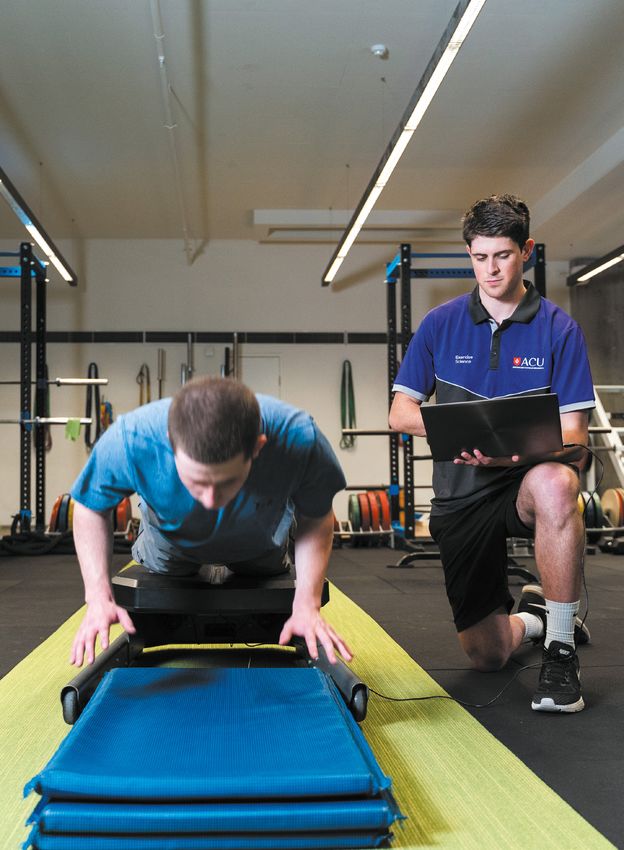
                                                                        Jesse
                                                                 ACU graduate

 We're
 here.
                          To get
                       you there.
1. Times Higher Education Young University Rankings 2019 2. Times Higher Education World University Rankings 2020, ranked IFCU members 3. Excellence in Research for Australia (ERA) 2018
Executive Dean’s
welcome
The Faculty of Health      We’re a young university, but we are making our mark. ACU is ranked in the
                           top 40 of Generation Y universities worldwide1 and in the top 10 Catholic
Sciences at ACU is         universities2. We have more than 200 partners on six continents, community
known for world-           engagement opportunities around the globe, and a campus in Rome, Italy.
                           The faculty is deeply engaged with industry, government, and the community.
leading education          Our curricula are developed and refined in conjunction with industry leaders
and research, and for      to ensure they reflect local and international knowledge, rapid changes in the
                           health environment, and advances in student learning.
producing graduates
                           ACU has three research institutes focusing on health sciences – the Mary
who make a difference.     MacKillop Institute for Health Research, the Nursing Research Institute, and
Whether you want to        the Institute for Positive Psychology and Education. In the latest Excellence in
                           Research for Australia (ERA) assessment, we received the top score for research
gain new professional      in cardiorespiratory medicine and haematology, clinical sciences, cognitive
qualifications, change     sciences, human movement and sports science, nursing, nutrition and dietetics,
                           psychology, public health and health services3.
your career direction,     At ACU, it’s education, but with a bigger purpose. We’re a university committed
or pursue a personal       to standing up for people in need and causes that matter. If you’ve got the desire
                           to make an impact, we’ll give you the skills to change the world.
ambition, we’ve got the
                           I look forward to welcoming you to our university.
brightest minds waiting
to help you on your way.   Professor Michelle Campbell
                           Executive Dean, Faculty of Health Sciences
Contents
02   Think you know ACU?
     You’re just getting started

04   Our campuses

06   Numbers that count

08   Postgraduate study pathways

10   Fees and scholarships

11   Applying to ACU

12   About the faculty

14   Exercise science partnerships

16   Research institutes

20   Course information

36   Executive Education
Think you
    know ACU?
                You’re just getting started.
                It’s education, but not as
                you know it.

2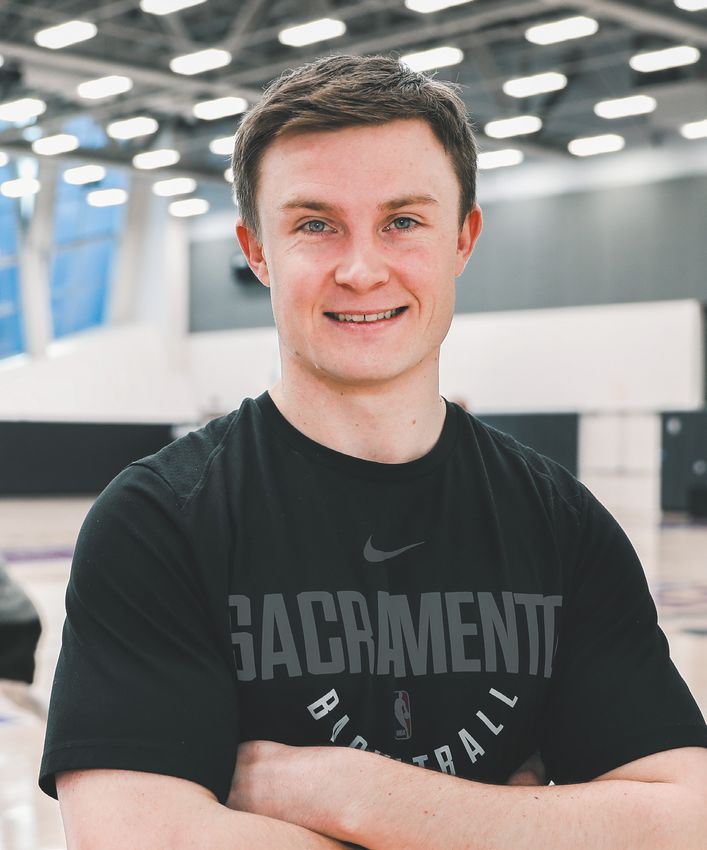
Meaningful education,                                 The world is your campus
not mass production                                   We’re young, but we are making our mark.
We’re a university committed to standing up           We’re ranked in the top 40 of Generation Y
for people in need and causes that matter. If         universities worldwide* and in the top 10
you’ve got the desire to make an impact, we’ll        Catholic universities** – alongside Georgetown
give you the skills to change the world. And if       University and Boston College in the US. We’ve
you want to start making an impact now – you          got more than 200 partners on six continents,
can. Research within our faculties and                community engagement opportunities around
institutes tackles enduring and pressing issues       the globe, and a campus in Rome, Italy.
in society, in Australia, and around the world.       * Times Higher Education Young University Rankings 2019
                                                      **Times Higher Education World University Rankings
                                                      2020, IFCU members

Flexible study                                        We’ve got your back
Study needs to be flexible. We get that life          Whether it’s figuring out how to enrol or
changes fast, and you need to find the right          finding the best coffee on campus, we’ll help
balance of family, work and study. Many of our        you out in person, online, by phone, or even
courses offer part-time options, as well as online    SMS. And if you need support with your
learning, travel opportunities, intensive units,      studies, or counselling services, we’ve got that
and flexible start dates.                             covered too.
                                                      acu.edu.au/askacu

We care about you                                     Connections that count
Everyone is welcome at ACU. We're inclusive           Our partnerships around Australia and
and supportive of everyone, every day, and our        overseas provide rich learning experiences
students feel it – giving us five stars for learner   for our students. These relationships enhance
engagement and skills development*.                   student learning and provide opportunities for
                                                      practical work experience and collaborative
Your wellbeing is our focus. So we have a huge
                                                      research.
range of support services to help you thrive
while on campus.
*Good Universities Guide 2020

Scholarships
We know that balancing the cost of living
and study can be tricky. So we offer nearly
400 scholarship opportunities which
recognise academic achievement, community
participation, and help out students from a
range of backgrounds.
acu.edu.au/scholarships

                                                                                                           3
Our
campuses
We’ve got eight campuses around Australia, and a
campus in Rome, Italy. Each one is unique, but they’re
all dynamic, inviting and great places to learn.
Head to acu.edu.au/tour to take a tour of your campus.

                                             OPENING 2021         Artist's impression only

BALLARAT                                    BLACKTOWN                                        BRISBANE
Our Ballarat Campus is located in           We've partnered with Blacktown City              Whether you want to get involved
the centre of the city. Situated amid       Council to open a new ACU campus in              in campus life, create a professional
historical gardens, beautiful old           Blacktown, Western Sydney.                       network or just find a quiet place to
buildings, and a block from Lake            • Student information centre opening             study — our Brisbane Campus has
Wendouree, it has a lot to offer. Explore     2020                                           you covered. Set on 40 hectares of
the grounds, enjoy a home-cooked            • Range of courses on offer from 2021            parklands, the campus has ample
meal at the canteen, and soak up the                                                         parking, state-of-the-art learning
                                            • Excellent transport links close by
community vibe.                                                                              facilities, and places to hang out like
• Central location                                                                           cafes and a swimming pool.
• Free parking                                                                               • Free parking and shuttle bus
• State-of-the-art physiotherapy                                                             • Excellent health labs and health
  building with labs and simulation                                                            clinic
  rooms                                                                                      • Newly renovated library

4
CANBERRA                                   MELBOURNE                                 NORTH SYDNEY
Just five kilometres from the city         Our Melbourne Campus is right next        Just across the Harbour Bridge from
centre, our Canberra Campus has            to the cafes, art galleries and live      the city centre, our North Sydney
plenty to offer. With a campus             music venues of Brunswick Street.         Campus is a great place to study
lounge, swimming pool and beautiful        Kick back with a coffee on our rooftop    and relax.
landscaped gardens, you’ll have a lot to   garden or hang out with friends in one
keep you busy between classes.                                                       • High-tech nursing simulation labs
                                           of our cafes.                             • Excellent speech pathology and
• Modern nursing, paramedicine,            • Close to six tram routes, bus routes      occupational therapy labs
  social work and health sciences labs       and Parliament Railway Station          • Short walk from the train station
• Free parking and accessible by           • Award-winning library
  light rail and bus                       • Art gallery and media production
• Library and 300-seat lecture               studios
  theatre

STRATHFIELD                                ROME, ITALY                               ADELAIDE
Our Strathfield Campus is set amid         Our Rome Campus is located on             Located in the up-and-coming area
beautiful landscaped grounds and           Janiculum Hill, a site that has a rich    of Thebarton, our Adelaide Campus
historical buildings, with excellent       history dating back to the 3rd century.   primarily offers postgraduate courses
transport links. Whether you want          It sits on a sprawling property that      in theology.
to have a friendly match on our            boasts extensive gardens and terraces
rugby and soccer ovals or take in a        to enjoy beautiful views of the city.
show at our art gallery, there’s always    • Close to the Vatican and popular
something going on.                          tourist sites
• Onsite, undercover parking and           • Contemporary, onsite residential
  shuttle bus                                accommodation
• Art gallery                              • Community engagement
• High-tech biomechanics lab and             opportunities
  FIFA-accredited sports pitch

                                                                                                                             5
IN AUSTRALIA

    5 stars
    FOR EMPLOYABILITY,
    INTERNATIONALISATION AND
    FACILITIES
    QS Stars 2019

    5 stars
    FOR FULL-TIME EMPLOYMENT,
    LEARNER ENGAGEMENT AND
    SKILLS DEVELOPMENT
    Good Universities Guide 2020

                     Numbers
                    that count

6
IN THE WORLD                                                                                         RESEARCH

Top 2%                                                                                               First or equal first
UNIVERSITIES
Times Higher Education World University Rankings 2020*                                               in Australia
                                                                                                     CARDIORESPIRATORY MEDICINE AND
Top 40
                                                                                                     HAEMATOLOGY
                                                                                                     CLINICAL SCIENCES
GENERATION Y UNIVERSITIES
Times Higher Education Young University Rankings 2019                                                COGNITIVE SCIENCES
                                                                                                     HUMAN MOVEMENT AND SPORTS SCIENCE

Top 80                                                                                               NURSING

UNIVERSITIES IN ASIA-PACIFIC                                                                         NUTRITION AND DIETETICS
Times Higher Education Asia-Pacific University Rankings 2019
                                                                                                     PSYCHOLOGY
                                                                                                     PUBLIC HEALTH AND HEALTH SERVICES
Top 10                                                                                               RELIGION AND RELIGIOUS STUDIES
CATHOLIC UNIVERSITIES                                                                                SPECIALIST STUDIES IN EDUCATION
Times Higher Education World University Rankings 2020,
ranked IFCU members
                                                                                                     Four-digit FoRs, Excellence in Research for Australia (ERA) 2018

Ranked 26
SPORTS SCIENCE
ARWU 2018

*Percentage calculated as ACU’s world rank as a proportion of the total number of universities in
  the world: International Handbook of Universities 2019, Palgrave MacMillan.

                                                                                                                                                                        7
Postgraduate study
pathways

In general, postgraduate study falls                                     EXAMPLE PATHWAYS THROUGH
                                                                         POSTGRADUATE STUDY
into two main categories: coursework
and research.
                                                                           Postgraduate                       Postgraduate
                                                                            coursework                          research
                                                                              degrees                            degrees

COURSEWORK
• Programs are generally six months to two years full-time (or
  equivalent part-time).
                                                                          Undergraduate
• You can expect classes (including online classes), units, and set          degree

                                                                                                                                     Undergraduate degree
  assessments, similar to an undergraduate degree.

                                                                                                              Master of Philosophy
• To apply you usually need to have completed an undergraduate

                                                                                                                                        with honours
  degree first. However, professional experience can also be taken
                                                                            Graduate
  into account.                                                             certificate
• The graduate certificate, graduate diploma and master's degree
  are connected and can build on each other.

                                                                                                With thesis
• If you’re considering a master's degree but don’t initially qualify,
  you may be accepted into the graduate certificate or diploma in           Graduate
                                                                            diploma
  the same area of study.
• If you choose to study a master's degree but your circumstances
  change, you may be able to exit the degree early with the relevant
  graduate certificate or graduate diploma.                                Master's by                              Doctorate
                                                                           coursework                                (Phd)
• Coursework programs are ideal for gaining new skills and getting                        With thesis
  ahead in your career.

RESEARCH
• Programs are generally two to three years full-time (or equivalent
  part-time).
• You can expect independent research and exploration of original
  ideas under the guidance of a supervisor.
• To apply you usually need to have completed an undergraduate
  degree with honours or a master's degree.
• ACU offers supervised research at either master's or doctoral          If you’re studying at another
  level.                                                                 university and would like to switch to
• Research programs are ideal for making a new contribution to an        ACU, or you have relevant knowledge
  academic field. They can be a pathway to research or an academic
  career, or help you get ahead at work.                                 and skills acquired in the workplace,
                                                                         you may be able to get credit towards
Honours degrees are also available. They are a one-year degree for
high-achieving students who have already completed a bachelor            your degree.
degree, and allow you to build upon your knowledge, develop              acu.edu.au/priorlearning
research skills, and work closely with an academic expert. The main
focus of the degree is to produce a research thesis under supervision
from experienced academic staff. Some four-year bachelor programs
have honours embedded into the third and fourth years.

8
“My industry experience with Notre Dame
University in the US was a once in a lifetime
opportunity that was only achievable thanks
to ACU and the Master of High Performance
Sport. The internship certainly helped
shape my own identity and philosophies in
regards to elite athletic development and
performance science, as well as providing
a wonderful stepping stone for my future
career aspirations and opportunities.”
Scott
Master of High Performance Sport graduate,
completed the Notre Dame industry internship
9Fees and
scholarships
There are many options to help you manage the cost of study. Tuition fees depend
on the course you enrol in, and there are two placement offer types: fee-paying
place, and Commonwealth supported place (CSP).
FEE-PAYING PLACE COMMONWEALTH RESEARCH TRAINING
A fee-paying place is not subsidised SUPPORTED PLACE (CSP) PROGRAM FEES OFFSET
A small number of postgraduate SCHOLARSHIPS
by the government, so you pay the
full cost of the course. As a domestic courses at ACU offer CSPs, where If you are enrolling in a master's by
fee-paying student, you may be the government pays a proportion research or doctorate program at
eligible to defer payment of your fees of tuition costs. The remainder of ACU, you may be exempt from paying
through the FEE-HELP government the fees are paid by the student, tuition fees. Our Research Training
loan scheme. Repayment of the loan but eligible students can defer their Program Fees Offset Scholarships are
occurs through the tax system once payment through the HECS-HELP for high-achieving domestic students
your income exceeds the minimum government loan scheme. Repayment whose research proposal aligns with
threshold. Your employer may also of the loan occurs through the tax our priority areas.
consider assisting with the cost of system once your income exceeds the acu.edu.au/research-scholarships
study if the course is related to your minimum threshold.
current position. studyassist.gov.au
studyassist.gov.au
FACULTY ALUMNI REBATE POSTGRADUATE RESEARCH TRAINING
COURSEWORK PROGRAM STIPEND
If you’re an ACU graduate, you may SCHOLARSHIPS
SCHOLARSHIPS
be eligible for a 10 per cent rebate on
postgraduate fees. We offer scholarships to help support We offer competitive scholarships with
acu.edu.au/alumni-rebate you financially during your studies. a stipend to help support you financially
Use our online scholarships portal to during your research, and to reward
find the ones that are right for you. outstanding academic achievement.
acu.edu.au/scholarships For international students, this includes
a tuition fee waiver and an Overseas
Health Care Policy.
acu.edu.au/research-scholarships
Got questions? We’re
waiting with the answers.
acu.edu.au/askacu
10Applying to ACU
Postgraduate coursework degrees
Choose the course you would like to study by
1 browsing this guide and visiting
acu.edu.au/courses for more details.
For more information on
Check important dates and application how to apply for
2 requirements carefully – some courses also
require supporting documentation.
postgraduate coursework
degrees, visit
acu.edu.au/apply
3 Check out the postgraduate scholarships
available at acu.edu.au/scholarships
If you still have questions
4 Apply online direct to ACU at
acu.edu.au/courses or need help with your
application, visit
acu.edu.au/askacu
5 Accept your offer and enrol.
Postgraduate research degrees
Application to ACU higher degrees by research, including
the Master of Philosophy and Doctor of Philosophy, is by
direct application to Candidature Services at ACU. For more information and
to apply for postgraduate
1 Choose your course at acu.edu.au/research/apply
research degrees, visit
acu.edu.au/research/
become-a-research-
2 Check entry requirements and your eligibility. candidate
3 Find a research supervisor at rexr.acu.edu.au
4 Check application closing dates.
If you still have questions
or need help with your
5 Complete your application.
postgraduate research
application, contact
6 Gather your documents. res.cand@acu.edu.au
7 Submit your completed application.
11Faculty of Health Sciences The Faculty of Health Sciences works to prepare highly skilled graduates who promote health and wellbeing, and manage illness and injury, for the health and sports industries both in Australia and internationally. We give our students the skills, knowledge, and practical exercise physiology, sports science, sports business/ experience they need to succeed. Our graduates are management, strength and conditioning, data analytics, helping improve the health of individuals, families, physiotherapy, sports medicine, and rehabilitation. Our and communities with their expertise and passion. curriculum is developed and refined in conjunction with Our students come from diverse backgrounds, and industry leaders. receive tailored support from their supervisors in The faculty has a growing research agenda, with an environment known for rigorous and robust opportunities for master's degree and doctoral students intellectual inquiry. They are valued as individuals and to join current research projects. Our exercise science teaching staff are directly involved with their academic researchers, lecturers, practitioners, and clinical development. supervisors consult and conduct research in areas such We get that life is busy, and you need to find the right as sports science, elite athlete preparation and career balance of family, work and study. Flexible learning development, and the clinical applications of exercise in options are available across seven campuses in Ballarat, healthy populations, those with chronic disease, and/or Brisbane, Canberra, Melbourne, and Sydney (Blacktown, injured populations. North Sydney and Strathfield). Many of our postgraduate Our clinical exercise physiology clinics, supervised by our programs can be studied online. team of accredited exercise physiologists (AEPs), provide Cross-disciplinary study units bring together current and invaluable practical experience for our master's degree new knowledge from a range of professions including: students and high-quality exercise services to ACU staff, sports psychology, skill acquisition, nutrition and dietetics, students and members of the general public. 12
ASSOCIATE PROFESSOR STUART                                             ASSOCIATE PROFESSOR SHONA HALSON
CORMACK                                                                Associate Professor Shona Halson from ACU’s School of
Associate Professor Stuart Cormack from ACU's School of                Behavioural and Health Sciences has been a mainstay of
Behavioural and Health Sciences has spent 15 years working             Australia’s high performance sport network. She was the Head
in the Australian Football League (AFL), including eight years         Recovery Physiologist at the Australian Institute of Sport from
as the fitness coach at the West Coast Eagles, highlighted             2002 to 2018 and has been a part of three Olympic campaigns
by two grand final appearances and winning the 2006 AFL                with the Australian Olympic Committee. Associate Professor
Premiership. He also spent four years as a strength and                Halson was named as one of Exercise and Sport Science
conditioning coach at the Australian Institute of Sport, where         Australia’s three Female Leaders in Exercise and Sports Science
he worked with elite athletes in a variety of team and individual      on International Women’s Day 2019. Her research focuses on
sports in preparation for the Sydney 2000 Olympic Games.               recovery, fatigue and sleep and she has published over 100 peer-
                                                                       reviewed articles and multiple book chapters.
Associate Professor Cormack is also a Level 3 Strength and
Conditioning Coach and a Life Member of the Australian                 Associate Professor Halson has a particular interest in
Strength and Conditioning Association. He has published                maximising recovery and monitoring and improving sleep in
numerous papers in scientific journals and co-authored several         elite athletes. She is an Associate Editor for the International
book chapters, including Physiological tests for elite athletes (2nd   Journal of Sports Physiology and Performance, is co-chair
Edition), High performance training for sports, and Strength and       of Exercise and Sport Science Australia’s (ESSA) Research to
conditioning – biological principles and practical applications.       Practice 2020 Conference and is a member of ESSA’s Research
                                                                       Committee.
Associate Professor Cormack regularly presents at sports science
and coaching conferences in addition to providing consultancy          Associate Professor Halson also provides consultancy services to
support to various organisations, including the International          the Australian Open Tennis Tournament and Nike as part of the
Cricket Council and Australian Institute of Sport Combat Centre.       Nike Performance Council and Nike Scientific Advisory Panel
He has an interest in all areas of athletic preparation, with a        and she is a trusted advisor to countless elite teams and athletes
particular focus on monitoring training load and fatigue in elite      both in Australia and internationally.
athletes, and its impact on performance.

                                                                                                                                          13
Exercise science
partnerships
Our partnerships around Australia and overseas provide
rich learning experiences for our students. These
relationships enhance student learning, practical work
experience opportunities and collaborative research.
Clinical exercise physiology
Our partners “Epworth Rehabilitation specialises in neurological rehabilitation,
including acquired brain injury (ABI) and traumatic brain injury
• Austin Health
(TBI), multi-trauma orthopaedic rehabilitation, and amputee
• Centre for Healthy Ageing rehabilitation.
• Cumberland Hospital We focus on achieving high-level outcomes with patient populations
• Epworth Health including return to running and cycling to improve independence and
high-level mobility.
• Monash Health
The skills and attributes we notice in ACU students include a
• Optimum Rehab professional approach to the placement, an eagerness to learn,
• Orygen Youth Health and the drive to develop professional skills over the course of the
placement.”
• Spinal Cord Injuries Australia
Chris Byrne
• The Exercise Clinic
Senior Exercise Physiologist
• Rehab Management Epworth Rehabilitation
• Fresh Start Professional
Healthcare "ACU students have been of great benefit to the clients and staff at
• Green Apple Wellness Seniors Gym. Their supervision and guidance has improved the
• Sydney Sports & Exercise exercise prescriptions, health and wellbeing of Uniting clients they
have managed. This can be attributed to their professionalism and
Physiology
enthusiasm but most importantly their well prepared clinical skills.
• Royal North Shore Hospital All students from ACU have good broad knowledge of chronic disease
• MS Society – Study Centre and musculoskeletal issues and how exercise can be used to help
prevent, treat and manage such conditions."
Elly Williams
Senior Exercise Physiologist
Centre for Healthy Ageing, Uniting NSW, ACT
“Sydney Sports & Exercise Physiology (SSEP) takes ACU students
every year. Students are provided with diverse exercise physiology
practical experience and challenged to apply their knowledge in a
supportive environment.
ACU students are prepared and have a clear understanding of what
the exercise physiology/sports science industry requires.”
Dean McNamara
Director
Sydney Sports & Exercise Physiology
14High performance sport
Our partners • Louisville Cardinals, University of • Queensland Rugby League
• Australian Institute of Sport Louisville, USA • Real Salt Lake FC, Major League
Combat Centre • Melbourne Football Club Soccer, USA
• Australian Rugby Union • Melbourne Rebels Rugby Union • Sacramento Kings, NBA, USA
• Baseball Queensland • Melbourne Storm Rugby League • South Sydney Rabbitohs Rugby
• Brisbane Lions Football Club Club League Club
• Brisbane Roar Football Club • Melbourne United Football Club • Sydney Kings, NBL
• Clemson Tigers, Clemson • Melbourne Victory Football Club • Tennis Australia
University, USA • New South Wales Institute of Sport • Toronto FC, Major League Soccer,
• FIFA • North Melbourne Football Club USA
• Greater Western Sydney Football • Norths Devils Rugby League • Triple Eight Motor Racing
Club Football Club • UFC Performance Institute, USA
• Houston Dynamo SC, Major • Notre Dame Irish, University of • Victorian Institute of Sport
League Soccer, USA Notre Dame, USA • Western Sydney Wanderers
• International Cricket Council • Oklahoma City Thunder, NBA Football Club
• Queensland Academy of Sport • Wests Tigers Rugby League Club
“We are thrilled with our teammates from ACU. We prioritise our investment in their professional growth and
development by providing practical, hands-on experience alongside our sports performance team. They bring
tremendous value in the intern role, whether it be assisting with live tracking during training, force plate testing,
creating coaching reports and data visualisation, assisting in weight room and conditioning sessions and other
opportunities our performance team create for them. The interns display an intellectual curiosity, strive to be great
teammates, and show initiative to help – simply put they make us better and help us toward our aim of maximising
the growth and potential of each one of our student-athletes.”
Mike Harrity
Senior Associate Athletics Director
Notre Dame Athletics
15Research
institutes
ACU has prioritised research intensification. The work within our faculties
and institutes tackles enduring and pressing issues in society, in Australia, and
around the world. The following institutes and centres are linked to the School
of Behavioural and Health Sciences, and provide opportunities for research
collaboration.
The Mary MacKillop Institute for Health Research
their communities and the available health care systems.
This broad-based approach includes:
• clinical-based exercise-nutrition studies and
interventions to:
– improve and maintain muscle health
– improve and maintain metabolic health
– prevent and manage the adverse effects of cancer
• environmental and behavioural epidemiological studies
which aim to:
– identify key physical and social aspects of urban
Director: Professor John Hawley
environments which promote physical and cognitive
The Mary MacKillop Institute for Health Research health across the lifespan
(MMIHR) is focused on undertaking research that
–u nderstand how genetic, psychosocial and behavioural
discovers and promotes effective strategies to create a
factors interact with the environment to impact on
healthier Australia. Our work aims to address critical
health and identify optimal person- and environment-
public health issues by identifying and responding with
tailored intervention strategies
innovative programs that deliver better health outcomes
and transform lives. – develop intervention strategies for the promotion of
health-related behaviours
We bring national and international health experts
together with leading organisations across a broad • clinical osteoporosis intervention studies to:
portfolio of health-related research areas. By fostering an – improve bone metabolism to prevent bone loss by
environment of collaborative research, without discipline- modulating the gut microbiome
based boundaries, the impact we can make is profound – identify components in the gut microbiome related to
and extensive. effects on bone metabolism
MMIHR emphasises the importance of translating research • prospective cohort and database register studies which
findings into practical health initiatives that produce real aim to:
outcomes. Our team of prominent researchers are driven to – identify novel clinical risk factors for fall injury and
improve the quality of health interventions through research fractures in older adults
that tests and improves the effectiveness of existing health-
– develop enhanced imaging methods to determine
related programs, health service delivery, health education,
bone fragility and predict fractures in men and
and community planning and design. Our research enables
postmenopausal women
us to develop and shape individual, social and community
programs based on a rigorous analysis and synthesis of • focused studies to understand and describe the
observational and experimental data, from the molecular to individual impact of risk behaviours and disease
societal level. • the promotion of equitable access to health services and
Our research emphasises the complex interactions active-friendly communities.
between individuals, the social and physical aspects of acu.edu.au/mmihr
16Exercise and Nutrition Research Program
Director: Professor John Hawley • maintaining bone and skeletal muscle health during ageing
As the incidence of chronic lifestyle-related diseases • preventing and managing the adverse effects of cancer,
continues to rise worldwide, the work of ACU’s Exercise and and other chronic metabolic diseases.
Nutrition Research Program has never been more critical. Experimental and clinical trials undertaken by the
The program’s research team conducts clinically based Exercise and Nutrition Research Program are conducted
exercise and nutrition intervention studies directed at: in state-of-the-art laboratory facilities using a range of
• maximising health benefits through the optimal timing contemporary equipment and techniques. Human, animal
of nutrition and exercise and cell models are utilised by our international team
• discovering the biological mechanisms underlying the of researchers, who are dedicated to achieving research
health benefits of appropriate exercise and nutrition excellence using a holistic approach that considers
molecular, cellular and whole-body physiology.
Sports Performance, Recovery, Injury and New Technologies
(SPRINT) Research Centre
Centre Lead: Dr David Opar Sciences at ACU with scope to develop collaboration with
The Sports Performance, Recovery, Injury and New the MMIHR’s Exercise and Nutrition Research Program.
Technologies (SPRINT) Research Centre (formed in 2020) The SPRINT research centre has three primary streams
aims to advance knowledge in the areas of performance, of research: (i) Recovery (led by Associate Professor Shona
recovery and injury in the sporting domain, using a Halson); (ii) Injury (led by Dr David Opar) and; (iii)
combination of established and emerging laboratory and Performance (led by Associate Professor Stuart Cormack).
applied research techniques. SPRINT is closely connected All three streams foster collaborative and multidisciplinary
to the discipline of exercise science in the School of research in projects ranging from recreational to
Behavioural and Health Sciences and the Faculty of Health professional athletes.
17Research success
Health sciences research at ACU is seeing results. In the latest Excellence for Research in Australia
(ERA) initiative we were rated well above world-standard in cardiorespiratory medicine and
haematology, clinical sciences, cognitive sciences, human movement and sports science, nursing,
nutrition and dietetics, psychology, public health and health services.
DISCIPLINE RESEARCH PROJECT TITLE
EXERCISE SCIENCE Optimising the post-operative management of Parkinson’s disease patients with deep brain stimulation
Statistical modelling of the probability of hamstring injury in elite Australian footballers
Assessment of sleep patterns and performance in elite athletes
Investigating the relationship between visual exploratory behaviours, posture and physiological load in field hockey athletes
The impact of thirst on cognitive function
The effects of vigorous intensity interval training (VIIT) on cardiovascular fitness and blood glucose levels in pregnant women
with gestational diabetes
The impact of hamstring strain injury on nervous system function and training adaptations
Lower limb strength recovery and knee joint contact forces after anterior cruciate ligament reconstructive surgery in females
The use of GPS-imbedded triaxial accelerometers for measuring stride parameters and vertical stiffness in Australian Rules
football athletes
NURSING Pressure injury prevention interventions relative to risk level for critically ill patients: an international Delphi study and
randomised crossover trial
Evaluation of a new paediatric emergency department
A qualitative inquiry of the experience of care for mental health consumers in acute medical care settings
The phenomenon of pain management in women with chronic gynaecological pelvic pain: the health care professional's lived
experience
The phenomenon of collegiality between student and registered nurses: an exploration of the attitudes and perceptions held
by registered nurses that influence their engagement with student nurses
Australian mental health nurses' emotional resilience: a mixed methods study
Code stroke 2.0
OCCUPATIONAL THERAPY Upper limb orthoses for children with cerebral palsy: exploring effectiveness and clinical application of the Neurological
Hand Deformity Classification to guide orthosis prescription
PHYSIOTHERAPY Evaluation of the utilisation of an allied health assistant within an adult cystic fibrosis centre: their role and scope of practice
and benefits to improved patient related physiotherapy outcomes
Readiness for discharge from hospital to home in community: physiotherapist, family/care-giver and patient perspectives
Prevalence, profile and efficacy of conservative management for Royal Brisbane and Women's Hospital Ear, Nose and Throat
Department outpatients waitlist category two and three patients with vestibular dysfunction
An investigation into the contribution physiotherapy students make to the delivery of health services within the Queensland
health sector
The effect of high-level mobility skills training program (HLMP) on sustained community participation in physical activity of
children classified at GMFCS I and II with cerebral palsy
Injuries in New Zealand Army Recruits
18DISCIPLINE RESEARCH PROJECT TITLE
EXERCISE SCIENCE
PSYCHOLOGY Optimising
Shame and guilt
the post-operative
in OCD and repugnant
management
obsessions
of Parkinson’s disease patients with deep brain stimulation
Statistical modelling
Investigating the roleof
Oxytocin
the probability
in the decline
of hamstring
of core injury
social in
cognitive
elite Australian
skills in healthy
footballers
ageing
Assessment of sleep
Future-oriented cognition
patterns
in and
the context
performance
of acute
in and
elitedependent
athletes alcohol use
Investigating
Factors impacting
the relationship
the stress response
betweeninvisual
people
exploratory
with Social
behaviours,
Anxiety Disorder
posture and physiological load in field hockey athletes
The impact
Mapping mindfulness-related
of thirst on cognitive
neuroplasticity
function in cannabis users: A randomised double-blind active-controlled study
Factors
The effects
influencing
of vigorous
parents'
intensity
treatment
interval
decisions
trainingfor
(VIIT)
theiron
children
cardiovascular
with Autism
fitness
Spectrum
and blood
Disorders
glucose levels in pregnant women
with gestational diabetes
Is there more to introversion than sociability? Development and validation of a new introversion measure
The impact of hamstring strain injury on nervous system function and training adaptations
The contribution of facial expressivity and subjective emotional experience to facial expression recognition
Lower limb strength recovery and knee joint contact forces after anterior cruciate ligament reconstructive surgery in females
Obesity surgery: early post-surgery psychosis and behavioural predictors of successful and non-successful weight loss
The use ofinGPS-imbedded
outcome laproscopic adjustable
triaxial accelerometers
gastric banding.for measuring stride parameters and vertical stiffness in Australian Rules
football athletes
The measurement and evaluation of tolerance and prejudice towards Muslims
NURSING Pressure injury prevention interventions relative to risk level for critically ill patients: an international Delphi study and
Exploring
randomised the boundaries
crossover trialof embodied cognition and conceptual metaphor
Relationships
Evaluation of abetween discounting,
new paediatric value orientations,
emergency department consideration of future consequences and pro-environmental
intentions and behaviour
A qualitative inquiry of the experience of care for mental health consumers in acute medical care settings
Parents with intellectual disabilities involved with the child protection system
The phenomenon of pain management in women with chronic gynaecological pelvic pain: the health care professional's lived
Defining
experience and measuring weight stigma
Wellbeing,
The phenomenonsocial and emotionalbetween
of collegiality functioning of jockeys
student and registered nurses: an exploration of the attitudes and perceptions held
by registered nurses that influence their
Future-oriented thinking in middle childhood engagement with student nurses
Australian mental
Daily emotional health nurses'
functioning emotional
in social resilience:
anxiety disorder a mixed methods study
Code stroke 2.0 the role of identity centrality in psychosocial health through the lens of gender and sexual identities
Understanding
OCCUPATIONAL THERAPY Upper limb orthoses
Acculturation for children
in Australia: withthe
assessing cerebral
role ofpalsy: exploring
religion, effectiveness
perceived and clinical
discrimination, application of the Neurological
and prejudice
Hand Deformity Classification to guide orthosis prescription
PUBLIC HEALTH Influencing health and wellbeing in the African Australian community: a case study of two immigrant organisations
PHYSIOTHERAPY Evaluation of the utilisation of an allied health assistant within an adult cystic fibrosis centre: their role and scope of practice
Acculturation,
and benefits to perceived
improved discrimination and Type 2 diabetes
patient related physiotherapy among sub-Saharan African migrants in Queensland
outcomes
Developing thedischarge
Readiness for evidence from
base for a classification
hospital to home inofcommunity:
functional visual ability for children
physiotherapist, with cerebral
family/care-giver and palsy
patient perspectives
SCIENCE An investigation
Prevalence, into
profile the
and clinical
efficacy ofutility of robotmanagement
conservative assisted upper
forlimb therapy
Royal within
Brisbane andan Australian
Women's rehabilitative
Hospital Ear, Nosesetting
and Throat
Department outpatients waitlist category two and three patients with vestibular dysfunction
Prescription and transfer of kettlebell training
An investigation into the contribution physiotherapy students make to the delivery of health services within the Queensland
Anterior cruciate ligament and knee joint loading following reconstructive surgery
health sector
Training
The effectload and associated
of high-level outcome
mobility in rugbyprogram
skills training league (HLMP) on sustained community participation in physical activity of
children classified
Fire interval at GMFCS
guidelines aimedIat
and II with cerebral
sustaining palsy are they also sustaining fauna diversity?
flora diversity:
SOCIAL WORK Injuries inlived
Families' Newexperiences
Zealand Army Recruits
of autism
Exploring children's experiences of contact in out-of-home care
Involving children in social research: balancing the risks and benefits
Family violence typology in the context of statutory child protection practice: how differentiating between types of intimate
partner violence could improve practice and outcomes for women and children in the child protection system
SPEECH PATHOLOGY Drooling behaviour in children with cerebral palsy: investigating the value of using Lee Silverman Voice Treatment – LOUD
Approach (LSVT - LOUD): a pilot study
19Courses
ALL OUR COURSES ARE COMPLIANT WITH THE
AUSTRALIAN Qualification Framework
20CLINICAL EXERCISE PHYSIOLOGY
Master of Clinical Exercise Physiology
Brisbane, Melbourne, Strathfield 1.5 yrs FT (or equivalent PT)
This master's degree looks at how exercise is used as a Entry pathways and partnerships:
preventative, prescriptive and rehabilitative process for complex • ACU’s Bachelor of Exercise and Sports Science degree is
and chronic disease, work-related injuries and to promote NUCAP-accredited (National University Course Accreditation
good health. You will gain knowledge and appropriate skills in Program) for exercise science to 2023. It is therefore an entry
screening, assessment, and provision of exercise intervention in pathway to the Master of Clinical Exercise Physiology.
multiple applications across the lifespan, including prevention
• Degrees at other Australian universities that are NUCAP-
and management of chronic disease, workplace conditioning,
accredited at the exercise science level act as entry pathways.
and sport injury rehabilitation.
• Students who attain exercise scientist membership or
Accreditation: This sequence gives you the required training,
graduate entry assessment through ESSA can apply for entry
skills, competencies, and clinical experience in exercise
to the Master of Clinical Exercise Physiology.
prescription and rehabilitation for accreditation as an exercise
physiologist by Exercise and Sports Science Australia (ESSA). • Entry via successful completion of other allied health
Any graduate of our Master of Clinical Exercise Physiology programs will be considered on a case-by-case basis.
program at the Brisbane, Melbourne or Strathfield campus can Practical experience: Students are required to complete 360
apply to ESSA to become an accredited exercise physiologist. hours of professional clinical experience in a range of AEP
This degree is fully accredited for graduates in the program to targeted pathologies.
2023. Career outcomes: On completion of this degree, you will enter
Entry requirements: To apply for this course, you must: the job market as an accredited exercise physiologist (AEP).
1. Have completed a bachelor degree that is accredited by ESSA AEPs work across the lifespan of client needs in:
at Exercise Science level, with one of the following: • hospital or community health environments as part of a
i) a grade point average (GPA) of at least 4.6 on the ACU 7 multidisciplinary team in the management and treatment of
point scale; or complex and chronic disease
ii) evidence of substantial relevant industry experience for at • private practice as part of a multidisciplinary care of clients
least one year post-bachelor graduation; or • workplace/industrial settings in injury prevention, injury
iii) have completed ACU’s Graduate Certificate in Exercise management, and occupational rehabilitation
Rehabilitation for Sports Injuries. • aged care in the prevention of physical decline and
OR maintenance of independence, as well as management of
chronic disease
2. Have met the requirements of ESSA Graduate assessment for
postgraduate study, and have completed a bachelor degree • any work environment that requires an allied health
or higher in exercise science or related field with one of the professional who can prescribe effective exercise prescription
following: for the management of complex and chronic disease
i) a grade point average (GPA) of at least 4.6 on the ACU 7 • any environment that requires the prevention of injury and
point scale; or disease and the promotion of healthy lifestyle practices
ii) evidence of substantial relevant industry experience for at • a sport rehabilitation setting.
Note: This course is currently under review. Check the website for the most up-to-date
least one year post-bachelor graduation; or information including details on entry requirements.
iii) have completed ACU’s Graduate Certificate in Exercise
Rehabilitation for Sports Injuries.
AND
3. Submit a curriculum vitae outlining relevant industry
experience for this course of study.
AND
4. Submit professional referee/s information relevant to industry
experience.
21MASTER OF CLINICAL EXERCISE PHYSIOLOGY – SAMPLE COURSE MAP
Semester 1 Lifestyle and exercise counselling Musculoskeletal analysis, prescription and rehabilitation
YEAR 1
Neurological analysis, prescription and rehabilitation Applied anatomy for clinical exercise physiologists
Semester 2 Responsible clinical practice Occupational assessment and rehabilitation
Cardiometabolic analysis and rehabilitation Clinical experience 1
Semester 1 Clinical experience 2
YEAR 2
Lifestyle and Exercise Counselling Applied Anatomy for Clinical Exercise Physiologists
This unit aims to address three key challenges in exercise The aim of this unit is to provide an advanced understanding of
physiology: how can practitioners use evidence-based strategies the applications of anatomy to clinical assessment, investigation,
to promote adherence to their prescriptions; how do they respond and decision-making. The ability to apply anatomical knowledge
to the unique needs and stages of change for different clients; is integral to effective clinical decision-making and exercise
and how do they play a role in the management of mental health prescription. Within their scope of practice, accredited exercise
within their scope of ethical practice. This is consistent with the physiologists must be able to explain the relationship between
professional standards for accredited exercise physiologists. This human anatomy and clinical decision-making and subsequent
unit will give you concrete, evidence-based skills and strategies exercise prescription. This unit advances your knowledge and
for promoting adherence to exercise prescriptions. These include skills in surface, structural, functional, cross-sectional and
theory and research-driven interventions for evoking motivation radiographic anatomy, relevant to physical examination, exercise
for change, for enhancing commitment to programs, and for testing, clinical imaging studies, and other clinical investigations.
multidisciplinary management of mental health concerns. You will use a case-based approach in developing proficiency in
Neurological Analysis, Prescription and Rehabilitation the application of anatomical knowledge to clinical situations.
The aim of this unit is for you to become proficient in the Responsible Clinical Practice
knowledge and techniques for the determination of neurologic The aim of this unit is to develop your knowledge, understanding
injury and exercise-based rehabilitation of general neurological and skills to become proficient in professional practice. Ethical
impairments, as well as specific neurological disorders. Injury and legislative parameters within the broader health care system
to the nervous system is often devastating. However, extensive framework are used to establish the professional standards under
recovery of function within this system is possible with which an accredited exercise physiologist works. Within their
appropriate diagnosis and rehabilitation. Within their scope scope of practice, accredited exercise physiologists must be able
of practice, accredited exercise physiologists must be able to to work within local, government and industry policy, address
design and prescribe safe, evidence-based exercise interventions individual client needs, and conduct themselves as a professional
for individuals suffering a range of neurological disorders. This in the practice environment. In this unit, you will examine the
unit builds upon a framework of the human nervous system ethical and core legal responsibilities that face the professional
at gross anatomical and fundamental elemental levels, with a exercise physiologist in a clinical setting. Emphasis is placed on
focus upon the sensory and motor components of movement understanding and applying ethical and legal decision-making in
control. This unit will extend the principles of physiology, motor clinical exercise physiology practice.
control and biomechanics, and build upon skills gained during Cardiometabolic Analysis and Rehabilitation
undergraduate studies. You will explore the use of exercise in
This unit aims to develop your knowledge and skills to become
the rehabilitation of individuals with neurological disorders
proficient in the prescription of exercise as a prevention and
(including stroke, spinal cord injury, acquired brain injury,
management strategy for a range of cardiovascular, respiratory,
Parkinson’s and multiple sclerosis). Specifically, pathophysiology
and metabolic conditions. Cardiovascular, respiratory, and
of neural injury, general impairments commonly suffered, as well
metabolic conditions represent the most prevalent conditions
as specific neurological disorders will be examined.
encountered by exercise physiologists. Within their scope of
Musculoskeletal Analysis, Prescription and Rehabilitation practice, accredited exercise physiologists must be able to design
This unit aims to develop your knowledge and skill to become and prescribe safe, evidence-based exercise interventions for
proficient in the prescription of exercise as a prevention and individuals with or at risk of cardiovascular, respiratory, and/
management strategy for musculoskeletal disease, as a treatment or metabolic disorders. This unit presents current medical
strategy for injury, including sports injuries, and as a means of and scientific knowledge of cardiac, respiratory and metabolic
sustaining functional independence throughout the lifespan disorders and diseases. An examination of the aetiology,
in a safe and effective manner. Within their scope of practice, incidence, epidemiology and pathophysiology of the disease
accredited exercise physiologists must be able to design and process, as well as the adaptations that lead to management
prescribe safe, evidence-based exercise interventions for of the disease, are a major focus of the unit. Current evidence
individuals suffering a range of musculoskeletal disorders. In and guidelines for exercise testing and exercise prescription as
this unit, you will analyse current scientific knowledge and related to cardiovascular, cardiopulmonary, and cardiometabolic
understanding of musculoskeletal disorders and diseases, disorders will be discussed in detail. Methodological aspects
examine the mechanisms involved, and the processes that lead of clinical assessment will be discussed and applied together
to dysfunction and pain. Functional restoration, maintenance with the principles of available exercise prescriptions and other
or adaptation forms a major focus of the unit. Methodological treatment therapies.
aspects of the clinical assessment of musculoskeletal disorders
and diseases will be discussed together with the theory and
practice of available exercise prescriptions and treatment
therapies.
22“ACU gave me the best possible chance to learn
all I needed to know before moving into the
workforce. The knowledge I gained during classes
was practical and thorough. I felt I was able to
form relationships with tutors, lecturers and other
students that allowed me the comfort of asking
questions and learning more through positive
feedback.
The placement opportunities I received were
invaluable. The experience offered me the
opportunity to learn practical skills and people
skills by having the freedom to work with clients
but also having guidance from supervisors.”
Christopher
Master of Clinical Exercise Physiology graduate
23Occupational Assessment and Rehabilitation Clinical Experience 2 The aim of this unit is to extend your knowledge and skill base Clinical exercise physiologists must be able to consider clinical, of exercise prescription to manage return to work programs scientific, ethical and legislative parameters, and the broader and deliver workplace and functional capacity assessments. health care system framework, for their practice. Clinical The professional standards for accredited exercise physiologists Experience 2 provides a capstone to student learning; building incorporate elements of workplace rehabilitation and functional on the essential clinical competencies of student practitioners capacity assessment to perform work-related tasks. Functional established in Clinical Experience 1. The unit of study provides movement capacity is limited by the mechanical characteristics you with opportunities to demonstrate evidence-based practice and structures of the human body, as well as the design and professional clinical practice principles in a variety of characteristics of facilities and equipment in work, sport, exercise physiology practice environments. You will interact exercise, and everyday life. This unit provides knowledge of, with, learn from, and be supported by experienced allied health and develops skills in, occupational rehabilitation, including professionals and clinical educators aimed at broadening ergonomic principles as well as assessment and analysis within your scope of practice in your transition to entry-level exercise the workplace and other environments. physiology. Clinical Experience 1 This unit aims to facilitate your transition toward practicing entry-level exercise physiology, consistent with the professional standards for accredited exercise physiologists. Clinical exercise physiologists must be able to consider ethical, clinical and scientific parameters for their practice. Clinical Experience 1 bridges the knowledge gap between theory and practice by focusing on the professional qualities that clinical exercise physiologists must demonstrate within hospital systems, community health, private practice, occupational health and safety, and/or relevant sporting and educational settings. Exposure to the multidisciplinary nature of Australian health care models is important and you will be supervised to conduct assessments and provide safe and effective exercise prescription in a team environment. You will prepare for your first external clinical placement by reflecting on your continuing professional development across semester with respect to your clinical performance during the exercise lifestyle clinic. 24
HIGH PERFORMANCE SPORT
The high performance sport suite of programs includes relevant,    Career outcomes:
professional practice-related learning, independent research       • High performance manager
and project work, and an opportunity for an industry-based
                                                                   • Head of athletic department
internship. The Master of High Performance Sport can also
provide a pathway into further research study, eg a PhD.           • Elite sports team manager
A series of study units focus on the technological advances        • Sports science manager
for athlete monitoring, advanced principles of strength and        • Professional coach
conditioning, and the relationships between fatigue, adaptation,   • Rehabilitation coach
performance and injury. The application of this knowledge to the
                                                                   • Athlete wellbeing manager
planning and delivery of meaningful interventions for athletes
to enhance performance and reduce the likelihood of injury         • Strength and conditioning coach
and illness is essential for a professional working in the high    • Performance analyst
performance sport environment. This includes using appropriate
techniques of analysis to accurately interpret competition and
training information, with advanced information literacy skills
to communicate ideas and outcomes.

Graduate Certificate in High Performance Sport
  Online through Open Universities Australia

Entry requirements: To apply for this course, you must:            • submit a written proposal alongside a formal application,
• h
   ave completed a bachelor degree (or higher) in exercise          demonstrating suitability for study and evidence of relevant
  science, sports science, human movement or a related               industry experience.
  discipline, or
• have completed a bachelor degree (or higher) in a different
  discipline and have evidence of substantial relevant industry
  experience, or

Graduate Diploma in High Performance Sport
  Online with an on-campus intensive component in Melbourne in February or offshore by invitation in the USA in June each year

Entry requirements: To apply for this course, you must:            • have completed ACU's Graduate Certificate in High
• h
   ave completed a bachelor degree (or higher) in exercise          Performance Sport, Graduate Certificate in Performance
  science, sports science, human movement or a related               Analsyis, Graduate Certificate in High Performance
  discipline and have evidence of substantial relevant industry      Leadership or Graduate Certificate in Exercise Rehabilitation
  experience and submit a supporting professional referee’s          for Sports Injuries.
                                                                   Note 1: Applicants having completed a bachelor degree (or higher) in a related allied
  report regarding suitability for this postgraduate program       health discipline may be considered, dependent on specific qualifications and evidence of
  and/or experience in the industry, or                            substantial industry experience.
                                                                   Note 2: Applicants having completed ACU's Graduate Certificate in High Performance
• have completed a bachelor degree in exercise science, sports     Sport, Graduate Certificate in Performance Analysis, Graduate Certificate in High
                                                                   Performance Sport Leadership or Graduate Certificate in Exercise Rehabilitation for
  science, human movement or a related discipline, with a          Sports Injuries will be eligible for recognition of prior learning of up to 40 credit points.
  grade point average (GPA) of at least 4.8 on the ACU 7 point
  scale and submit a supporting professional referee’s report
  regarding suitability for this postgraduate program and/or
  experience in the industry, or

                                                                                                                                                              25
You can also read


