TRANSFORMING THE HEALTH OF OUR POPULATION - IN GREATER MANCHESTER Progress Next Steps - Greater Manchester ...
←
→
Page content transcription
If your browser does not render page correctly, please read the page content below
TRANSFORMING
THE HEALTH OF
OUR POPULATION
IN GREATER MANCHESTER

  Progress and Next Steps
2 | TRANSFORMING THE HEALTH OF OUR POPULATION IN GREATER MANCHESTER | PROGRESS AND NEXT STEPS

               CONTENTS

               Population health in Greater Manchester                        4-5

               INTRODUCTION                                                     6

               Our population health journey                                  8-9

               PART ONE:                                                       10
               The Greater Manchester population health plan
               • Context
               • Our programmes: ambitions and progress
               • Building on our Population Health Plan

               PART TWO:                                                       41
               Creating a Greater Manchester population health system
               • Where next?
               • The case for doing things differently
               • Working together to create a population health system
               • From design to reality
TRANSFORMING THE HEALTH OF OUR POPULATION IN GREATER MANCHESTER | PROGRESS AND NEXT STEPS | 3

   Good health is vital for confident, prosperous and ambitious places.
   This is grounded in things many of us take for granted – good food, warm
   homes, decent jobs, close friends, open opportunities. We’re striving to create
   a place where such things are in place for everyone, so that our communities
   can thrive.
   Working together – across organisational boundaries and with people and
   communities at the heart – is central. Building relationships, collaborating,
   listening and learning. Encouraging, supporting and challenging.
   It’s fantastic to see how much has already been achieved. Our real challenge is to further
   develop and sustain this approach.

   DR CAROLYN WILKINS OBE, GREATER MANCHESTER POPULATION HEALTH PROGRAMME
   BOARD CHAIR AND LEAD FOR SAFER AND STRONGER COMMUNITIES,
   OLDHAM COUNCIL CHIEF EXECUTIVE / CCG ACCOUNTABLE OFFICER.

   For too long, too many people in Greater Manchester have faced serious
   poor health and deep-rooted inequalities.
    Since taking charge of our health and social care in 2017, we’ve worked
   hard with a wide range of partners and our residents to reverse this situation.
   Our ambitious population health plan has pulled together national, local and
   regional funding to invest flexibly in innovative reform at pace and scale.
   We are starting to see evidence that the tide is turning. More children are
   starting school ready to learn. Fewer adults are smoking. More are physically active and able
   to age healthily and independently.
   But we are under no illusions that significant work remains. Only by working together,
   connecting the things which create good health and making this everyone’s business will we
   realise our ambitions and make Greater Manchester one of the best places in the world to
   grow up, get on and grow old.

   SARAH PRICE, EXECUTIVE LEAD FOR POPULATION HEALTH & COMMISSIONING,
   GREATER MANCHESTER HEALTH AND SOCIAL CARE PARTNERSHIP.

   Health in Greater Manchester should and could be better, and there are
   unacceptable and unwarranted inequalities. As Directors of Public Health,
   we are working as a network to change this. We’re collaborating with local
   people and other partners committed to this common goal.
    But success will truly come by looking even broader, and tackling the
   root causes of ill-health. So we’re focused on taking the opportunities of
   devolution to create joined-up, whole-system ways of working and put health
   at the heart of plans across our local areas and our city-region as a whole.

   LESLEY JONES
   BURY COUNCIL DIRECTOR OF PUBLIC HEALTH,
   CHAIR OF GREATER MANCHESTER DIRECTORS OF PUBLIC HEALTH NETWORK.
4 | TRANSFORMING THE HEALTH OF OUR POPULATION IN GREATER MANCHESTER | PROGRESS AND NEXT STEPS

  POPULATION HEALTH IN GREATER
  WE HAVE LONGSTANDING, DEEP-ROOTED
  CHALLENGES…

     OUR PEOPLE DIE ALMOST TWO                                     …AND GET SICK SOONER:
     YEARS EARLIER…
                                                                                Male healthy life
      Male life                                                                 expectancy is

                                                                                60.0
      expectancy

      77.8
                                                                                                     England
                                                                                                     average is
                                   compared to England                                               63.4
                                   average of 79.5
                                                                    Female healthy life
     Female life                                                    expectancy is

                                                                    60.4
     expectancy                                                                      England

     83.1
                                   compared
                                                                                     average is
                                   to England
                                                                                     63.8
                                   average of
                                   79.5
                                                                        But in some         below
     17,200                        preventable

                                                                                            50
                                                                        areas of Greater
                                   deaths                               Manchester that
      between 2015-17 – with all local areas
                                                                        figure is:
      above the national average rate

     DEPRIVATION AND INEQUALITIES ARE WIDESPREAD:                                          That’s 36.3% of the
                                                                                           population, compared

     Over 1 million the 20% most deprived in England
                                                 of our residents live in areas among      to an England
                                                                                           average of 20.2%

     NOT ALL CHILDREN HAVE                 MANY RESIDENTS ARE                   TOGETHER
     THE BEST START IN LIFE:               UNABLE TO CONTRIBUTE                 THIS CREATES
                                           TO OR BENEFIT FROM OUR               SIGNIFICANT
                                           ECONOMIC GROWTH:                     ADDITIONAL
                                                                                DEMAND FOR OUR

                                           236,000
                                                                                PUBLIC SERVICES:

     12,000                                residents are out of work            £7bn        gap
     children                                   150,000 of these are out of
                                                                                between annual income
     (around 1 in 3) each year start
                                                 work for health reasons        and expenditure
     school not ready to learn
TRANSFORMING THE HEALTH OF OUR POPULATION IN GREATER MANCHESTER | PROGRESS AND NEXT STEPS | 5

MANCHESTER
  BUT THROUGH OUR INITIAL ACTIONS,
  THE TIDE IS STARTING TO TURN…
  Early years:                            Smokefree pregnancy:              Under 5s oral health:

              In 2018,                              An additional

              200
              more children
                                                   250
                                                   smoke-free                          31,400
   started school with a good                       babies                   children are benefiting from
                                                                             supervised toothbrushing in
   level of development,                   were delivered in the first
                                                                             schools and nurseries
   compared to 2017                        year of our programme

  Making Smoking History:                                                                Our prevalence
                                                                                         rate is falling
    Around
                  46,500                         fewer smokers
                                                 in two years
                                                                                         twice as fast
                                                                                         as the national
                                                                                         average

  Stable lives:                           Physical activity:                Cancer prevention:

            Focused Care                            Around                            Around
            teams have brought
            positive changes to                     67,000                            7,000
   over 1,800                                       more people
                                          were active in 2018
                                                                             residents signed up to
                                                                             our network of cancer
   households                             than in 2016                       champions

  Nutrition and Hydration:                               Person and community centred approaches

   We’ve assessed                                          Over
   more than 3,800
   over 65s
                                                          8,000
                                                            people
   in under a year – with over 90% of                     have already benefitted from holistic, area-wide
   those at risk gaining or stabilising                   social prescribing programmes in our first five
   their weight                                           boroughs where they were introduced
6 | TRANSFORMING THE HEALTH OF OUR POPULATION IN GREATER MANCHESTER | PROGRESS AND NEXT STEPS

INTRODUCTION
BECOMING ONE OF THE BEST PLACES IN THE WORLD
Our vision, as set out in the Greater Manchester strategy, is to make our
city-region one of the best places in the world to grow up, get on and
grow old.
We have many strengths to draw on to realise our         As the Greater Manchester Independent Prosperity
ambition. Our vibrant towns, cities, communities         Review recently concluded…
and neighbourhoods. Our strong history of
industry and creativity; of invention and innovation;    “…poor health in some Greater
of coming together for collaboration and co-
operation; of pioneers, standing up for what they        Manchester communities, creating
believe in and driving forward change. We’re a           a barrier to work and to progression
home of top-class sport and some to the world’s          in work, provides an important
best culture. The UK’s fastest growing economy.
The birthplace of the NHS. A proud tradition of          explanation for why overall growth
doing things differently.                                has been slow in the last decade.
But our place in the world depends upon the
                                                         It explains why some communities
health of our population, and, when it comes to          have been unable to contribute or
our health, things could be much better. For too         benefit more.”
long we’ve lagged behind other areas. People
here die earlier and experience poor health              These dual harms, to our people and our place,
younger. Deeply embedded health inequalities are         are why we are committed to achieving a radical
blighting individual lives and straining our services.   upgrade in the health of our population, ensuring
                                                         every one of our residents is able to realise their
Poor health has excluded too many local people           potential, unencumbered by poor health or lack
from the many opportunities our rapidly growing          of opportunity. Through this we will create a fully
city-region should present.                              inclusive and rapidly growing economy, which
                                                         everyone is able to contribute to and benefit from,
But these impacts reach far beyond the individual        and which firmly establishes Greater Manchester
lives of thousands of our people. Poor health is         as one of the best places in the world to grow up,
threatening the development of our city-region as        get on and grow old.
a whole.

                                                                                  Photo: Marketing Manchester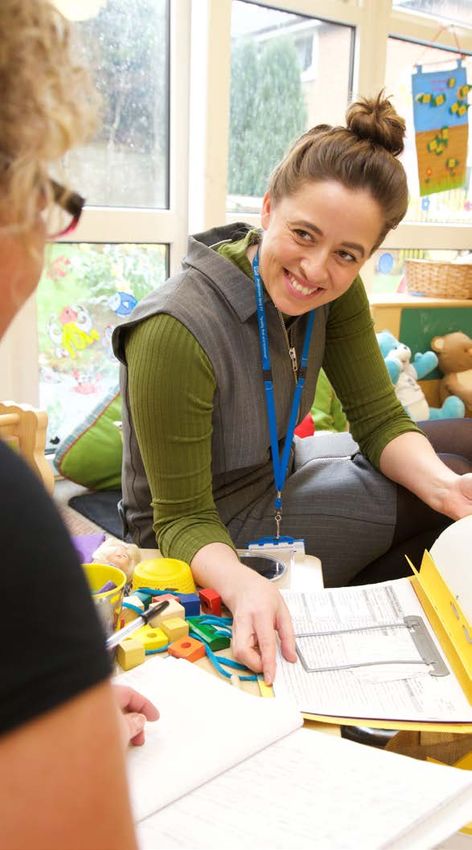
TRANSFORMING THE HEALTH OF OUR POPULATION IN GREATER MANCHESTER | PROGRESS AND NEXT STEPS | 7

THE DEVOLUTION DIFFERENCE: TRANSFORMING THE
HEALTH OF OUR POPULATION
In April 2016, following our historic devolution deal with the Government,
Greater Manchester took charge of our health and social care.
We became the first, and still only, city-region          The first section of this report (pages 10 to
with health and care devolution, making decisions         40), coming midway through our population
locally about how to deliver the greatest, fastest        health plan’s initial five-year period, sets out
improvement to the health and wellbeing of our            the progress we have made so far in delivering
residents.                                                these aims.

We were empowered to develop detailed plans               Our population health plan, however, is only
focused on our people and communities; to put             the start of realising our vision. The scale of the
in place new infrastructure which capitalises on          challenges we face and the potential rewards
local strengths and assets; and to strengthen             available through devolution mean we must do
relationships across our city-region - breaking           even more.
down barriers between services and broadening
our focus. This provided the bedrock for reforming        We are already going further and faster, and
our public services.                                      starting to put the health of our people at the heart
                                                          of public policies and strategies across our city-
These new powers were accompanied by                      region. But we can increase the scale and pace of
budgetary reforms. Health and social care were            change.
brought together through an innovative £6 billion
devolution deal. An additional £450 million Health        As a key part of ‘The Greater Manchester Model’
and Social Care Transformation Fund was agreed            of public service delivery, we are creating “one
to support the development of a new health and            public service”, a truly preventative and person-
social care system.                                       centred way of doing things.

Our Greater Manchester Population Health Plan,            This means placing health at the centre of how we
published in 2017, set out how we would start             develop our approaches to early years, education
to use these devolution opportunities to help             and skills, transport, housing, places and spaces,
everyone here have the best start in life, to live well   and jobs and businesses. We believe this seismic
and to age well.                                          change in thinking is as radical as the creation of
                                                          the welfare state and the NHS.
Our bold and ambitious programme was backed
by an initial £30 million Transformation Fund             Only by putting population health at the heart of
investment, which has since been supplemented             everything will we realise our big ambition – for our
by additional external funding.                           people to both demand better health and have the
                                                          confidence to change their own lives.
By facing up to our biggest challenges and
capitalising on our assets, it began tackling our         The second section of this report (pages 41-
significant long-term health conditions and deep-         45) looks forward to how we’re building on
rooted inequalities.                                      our population health plan and fully using the
                                                          opportunities of devolution to create a Greater
Our focus on prevention and early intervention is         Manchester population health system.
being delivered through a life course approach –
out of our belief that from pregnancy right through
to ageing we have multiple opportunities to
enhance future quality of life.
8 | TRANSFORMING THE HEALTH OF OUR POPULATION IN GREATER MANCHESTER | PROGRESS AND NEXT STEPS
OUR Our
POPULATION HEALTH JOURNEY
OUR POPULATION HEALTH JOURNEY
Population’s Health
14 February 2015 April 2016
November 20 December 2015
Greater Manche Greater Manchester
chester’s
Greater Man ster’s
Taking Charge hea
lth takes charge of its
reement health and socia
devolution ag care devolution
l and social care health and social car
with central strategic plan budget and
e
Government deal
published decision making
July 2017
September 20 July 2017
17
September 2017 Making
BabyClear sm GM Moving Smoking Hi
st
£30m
okefree Strategic
pregnancy physical activity plan
investment in
programme sta hea lth plan
rts pop ulat ion
agreed
January 2018
October 2017 October 2017 November 2017 £3m £4.
5m
Health and
Greater Manchester Inaugural school Making Smoking employment
Strategy – our readiness summit History initial funding funding agreed
people, our place agreed
October
November 2018 2018 October 2018
November 2018
RE stop
Further Innovative CU
programme £5m Big Alcohol Falls preve smoking program
me
ntion
Conversation toolkit co Greater
investments mplete begins in first
spital
agreed Manchester ho
February 20
November 20 18 December 2018
18 November 20 NHS Long Te
chester First north England rolling out M
Selected as NH
S Greater Man member of HIV
blic
England Socia
l Value Model for pu Fast-Track Cities
Health Che
ery
Accelerator sit
e service deliv nat
global network
set out
May 2019
June 201
9 June 2019
May 2019 Alcohol in pregnancy
chester
Greater Man programme launched
Greater M young
anch children and
housing st ester people's plan Clean Air Plan
rategy
agreed published public
conversation
TRANSFORMING THE HEALTH OF OUR POPULATION IN GREATER MANCHESTER | PROGRESS AND NEXT STEPS | 9
Y Building a Sustainable System
February 2017
May 2016 January 2017
Cancer plan
Greater M
anchester Population published
Cancer Va
ngua health plan
further fund rd published
ing
agreed
May 2017 April 2017
June 2017 teams
tory Focused Care
Greater Mancheste gin su pp or ting
r’s be
First
programme
£7m population health po sit ive ch an ges for
plex
investments
board established people in com
situations
agreed
March 2018
March 2018
Commits to April 2018
Further
programme
£5.3m becoming
Age-friendly strategy launch, as
world’s first Daily
investments World Health Organisation
Mile city region
agreed recognises Greater Manchester as
UK’s first age-friendly city region
Septemb £2m
er 2018 July 2018 +
£10m May 2018
Oral health Greater Manchester Moving £0.8 m
programm May 2018
e starts funding agreed, alongside Nutrition an
in schools Sport England Local Delivery hydration pr d
and ogramme Health intelligenc
nurseries Pilot investment for over 65s e
gets and Food and
Lorem ipsum underway nutrition funding
agreed
019
erm Plan – includes February 2019 March 2019
Manchester’s Lung March 2019
Greater Manchester Working Well Early chester
eck programme
Independent Help service launched Greater Man cial
tionwide lth an d So
Prosperity Review Hea
ctus
published Care prospe
published
April 2019
March 2019
April 2019
First trial of First ever Greater
targeting NHS ing
Cancer screen Manchester drugs
nt
health checks and engageme and alcohol
d
service launche strategy agreed
10 | TRANSFORMING THE HEALTH OF OUR POPULATION IN GREATER MANCHESTER | PROGRESS AND NEXT STEPS
PART ONE:
THE GREATER MANCHESTER
POPULATION HEALTH PLAN 2017-2021
Our population health plan was published in January 2017, setting out
our bold and ambitious approach to delivering a radical upgrade to the
health of our 2.8 million residents.
Rooted in the best available evidence of impact, our health and care system which are facilitating
and looking to achieve a balance of short, medium our delivery and establishing a more unified,
and long-term improvements, we committed to an consistent approach. Underpinning our ambition
initial 25 programmes of work which we believed is our goal of building connected and empowered
would add most value to the priorities being communities, where people take control of and
delivered in our ten local areas. make decisions about their own health and look
after themselves and each other. Person and
The majority of these programmes focused on community centred approaches are therefore at
helping all of our residents to start life well, live well the heart of our plan.
and age well. These are supported by reforms to
OUR INITIAL POPULATION HEALTH PROGRAMMES
START WELL AGE WELL
p?? p?? p?? p??
p14 p16 p17 p18 p31 p32 p33
NU
ON
SM
AL
CY
CY
UN
O
TH
DE O
TR
KE N IT
AL AN
C
TI
EA HO A
RLY YEARS
R5
s ORAL HE FRE NA L IN P R E G N
IO
N AN HYDR H O U IN G
E PREG D FALLS S
LIVE WELL SYSTEM REFORM
p?? p?? p??
p22 p?? p??
p34 p?? p??
p19 p20 p23 p35 p36
F O O D, N
IG H T
TRAN
CE
GRE
G
WE
VIN
OR
MA
RY
AT
SF
D ER O
U
IN
KF
RI HE
O
Y
RU
OL RM
K
O
T M SO R
T
G TIO LT KS
H
GS IS MA R ALT C IA L V A L U E O
& ALCOH SM
O KIN G H N C HESTE N AN D HEA H CHEC IN G
OUR W
p?? p?? p?? p?? p?? p?? p??
p24 p25 p26 p27 p37 p38 p39
WO
P
EN
V
EL
KI O
HI
HE
C
AL EA
E
S
N M
NC RD
R
H
SE
DI
FO
NG OF
N
H
Y E G H TH MO LT IO
W ELL EA RL CUS
ED CA
R NE
W CASES
XU
AL HEALT IN T E L LI G E N STANDA H PROTECT
p?? p?? p??
p28 p29 p30
IM
E V E N TIO N
PERSON AND
P R O VIN G CA
IN C E N
COMMUNITY
RS
IO U
PR
CENTRED
TIV
AV
LU
N SI
D
C
S
K H
N
ER G
N
A EC NG
I
HEA E
S C R E E NI N G LTH CH HEALTHY B
APPROACHESTRANSFORMING THE HEALTH OF OUR POPULATION IN GREATER MANCHESTER | PROGRESS AND NEXT STEPS | 11
OUR INVESTMENT
Our Population Health plan was initially backed by £30 million of investment from the £450 million
Transformation Fund agreed with NHS England to enable us to transform health and care in Greater
Manchester.
Health intelligence
Health checks
Smokefree pregnancy
Nutrition and hydration
Under 5s oral health
Greater Manchester
Moving Early Years
Incentivising
healthy
behaviours
£30m Alcohol in pregnancy
Transformation
Focused Fund
Care
Ending new cases of HIV
Working Well Early Help
Making Smoking History NB: Only includes investments over £0.5 million.
Additional Age Well allocations below this value
have been made for falls and housing programmes.
START WELL LIVE WELL AGE WELL SYSTEM REFORM
This Transformation Funding is only part of our ● £4 million from Greater Manchester Combined
overall investment in transforming the health, Authority, the cross-government Work and
wealth and wellbeing of our 2.8 million residents. Health Unit and European Social Fund to help
With our ambitions and initial actions as catalysts, people with poor health stay in or return to work
we have successfully leveraged millions of pounds
of additional public and private funding including: ● £2 million, in partnership with the Greater
Manchester Cancer programme, to roll out our
● £10 million from Sport England to support our innovative CURE programme across 6 further
ambition for more people to be physically active sites as a key component of our plans to make
smoking history.12 | TRANSFORMING THE HEALTH OF OUR POPULATION IN GREATER MANCHESTER | PROGRESS AND NEXT STEPS
OUR OUTCOMES
To ensure we are delivering our population This streamlines the thousands of measures that
health plan at the pace and scale we set out, we currently exist within our system. It focuses on the
have developed a population health outcomes key outcomes which adversely impact upon the
framework, co-designed with a wide range of health and wellbeing of our population.
health and social care, wider public service and
academic partners. These key outcomes are summarised as:
OVERALL Start well Live well Age well
We will live longer We will
What do we want
and healthier have the
to achieve?
lives, with the We will all opportunity to
greatest We will have have the age well and
improvements in the best possible opportunity to remain at home,
the areas and start in life. live well and safe and
groups which fulfil our independent for
have the worst potential. as long as
outcomes. possible.
How will we know if we've
Healthy life More children will More residents will Older residents will
epectancy reach a good level be employed. be supported to
succeeded?
increased to of physical, live a productive,
People will choose
regional average. cognitive, social healthy, safe and
to live healthier
and emotional independent life in
lifestyles.
Reduced health development to healthy
inequalities. prepare them for People will be in communities.
school and life. good mental health.
We are now mid-way through the initial We are clear that reversing generations of poor
five-year period of our Greater Manchester health outcomes and deep-rooted inequalities
Population Health Plan, 2017-2021. won’t happen overnight. Many of the results of
the changes we are making will not be felt for
Our plan includes a range of short-, medium- years, or even decades, to come.
and long-term targets. Some of these we aim
to achieve within the initial five-year period, and But we are making progress we are proud of,
others beyond. and starting to see signs that give us renewed
optimism as we enter the second half of the first
leg of our journey.TRANSFORMING THE HEALTH OF OUR POPULATION IN GREATER MANCHESTER | PROGRESS AND NEXT STEPS | 13
OUR FOCUS ON PEOPLE AND COMMUNITIES
Communities, both place-based and where people a vision for a health and care system based on
share a common identity or affinity, have a vital person and community centred approaches –
contribution to make to health and wellbeing supporting wider health and wellbeing, focusing on
and the design and delivery of public services. the whole person, their life and circumstances.
Connected and empowered communities are
healthy and prosperous communities. Our aim is that all of our public services should
routinely connect people with support, activities
Research has found that health services impact and groups in their community. These key
on as little as 10% of health and wellbeing, with assets have a vital role in helping to prevent and
the remaining 90% determined by factors such manage long-term health conditions, maintain
as housing, income, education, transport and our independence and improve health and wellbeing.
friends, families and communities, and individual
behaviours. There are four key aspects to person and
community centred approaches that we are
Our population health plan therefore sets out adopting:
Communities at the heart of health and wellbeing
Person and Community Centred Approaches
Listening to what matters to me
Person-centred conversations
Recognising the strength Solutions that are more
of my communities than medicine
Asset-based approaches Social prescribing
Designing my own support
Personal budgets
Initial impacts
Eight of our local areas have now commissioned Hundreds of staff and volunteers have received
holistic, area-wide social prescribing programmes. training to become confident and skilled in person-
Over 8,000 people have already benefitted across centred conversations.
five boroughs.
By the end of 2018, over 2,000 personal health
budgets were in place, helping people get NHS
continuing healthcare at home.14 | TRANSFORMING THE HEALTH OF OUR POPULATION IN GREATER MANCHESTER | PROGRESS AND NEXT STEPS
START WELL: EARLY YEARS
We’re working with partners to transform early years services, helping more
children start school ready to learn and be able to realise their full potential.
Why is this important? How are we doing this?
11,800 Greater Manchester children start school Through a region-wide collaboration, we’re
each year without reaching a good level of developing a new school readiness programme.
development. That’s almost a third of new pupils This will enhance services for all children and
already behind their peers. ensure everyone has access to the right level of
support at the right time.
This is harming their life chances and holding back
our region’s development. The 2009 Manchester The programme builds upon our Greater
Independent Economic Review highlighted early Manchester Early Years Delivery model,
years as key to closing our skills and productivity launched in 2012. The model recognises the
gap. What happens in our children’s first years can ‘1001 critical days’ between conception and age
also impact on education, health and crime. 2. It includes universal and targeted pathways
based on consistent, integrated age-appropriate
Analysis has found that each year of inadequate
assessments that promote early intervention and
early years provision costs the city-region £18
prevention.
million over 25 years – with almost a quarter
picked up by public services.
We are collaborating through further work focusing
on priority themes: delivering an evidence- based
What are our aims? model, embedding best practice pathways,
developing our workforce and enhancing the way
We want every child in Greater Manchester to we use data and technology.
have the best start in life. This means that every
child grows up in an environment that nurtures Specific activities include:
their development, derives safety and security
from their parents/care givers, accesses high ● Developing Greater Manchester-specific
quality early years services and has a belief in their standards and measures for school readiness
goals and their ability to achieve them. ● Implementing an early years sector support
model, with schools as system leaders
We’ll meet or exceed the national proportion of
children reaching a good level of development by ● Embedding best practice pathways in key
the end of reception by 2021. This would mean areas including speech, language and
that approximately 1,300 more children each year communication, physical development and
start school ready to learn. complex needs
● Improving the collection and use of data to
All of our early years settings will be rated ‘good’ better inform early years practices and the
or ‘outstanding’ by Ofsted. And all parents will commissioning of services
have access to the support they need, at the time
they need it. ● Supporting the sharing and scaling-up of
existing best practice
70 fewer low birth weight babies will be born every ● Creating a Greater Manchester Early Years
year. Low birth weight increases the risks of death Workforce Academy to deliver a high-quality
and developmental problems in childhood and is training and development programme for
associated with poorer health in later life. early years providers. This will ensure more
Lucy Powell MP, Greater Manchester’s political lead for school readiness:
“We have a big ambition to be the place in the UK where transforming life
chances happens in the early years”.TRANSFORMING THE HEALTH OF OUR POPULATION IN GREATER MANCHESTER | PROGRESS AND NEXT STEPS | 15
consistent skills and knowledge, with a What have we already achieved?
particular focus on shared values, language and
behaviours. It will also provide greater access We are beginning to narrow the gap between
to ongoing development and support through school readiness levels in Greater Manchester
professional groups and services. and the national average, with the benefits of our
earliest activities starting to be felt.
Shared accountability, leadership and
collaboration is critical to achieving our ambitions. In 2018, 11,800 children in Greater Manchester
had reached a ‘good level of development’ by the
School readiness is one of the seven priorities for end of reception. This rate of 68% is a substantial
action in the comprehensive Greater Manchester improvement in school readiness since 2013.
Children and Young People’s Plan, published in It means that approximately 200 more children
June 2018. The plan’s delivery is being overseen started school ready to learn compared with 2017.
by a Children’s Board which brings together a
wide-range of partners including political leads, And we’re seeing positive improvements for our
directors of children’s services and representatives disadvantaged children; outcomes for pupils
of Greater Manchester Police, Greater Manchester eligible for Free School Meals have improved by 7
Combined Authority and the Greater Manchester percentage points since 2015, narrowing the gap
Health and Social Care Partnership. with the England average.
Our specific early years programme investment But we know that more needs to be done.
adds to significant spend on complementary
Our full programme will get underway this year,
initiatives, including oral health (see page 16),
with the impacts seen over the years ahead as the
smokefree pregnancy (page 17), mental wellbeing
children we engage reach school age.
and digital support.16 | TRANSFORMING THE HEALTH OF OUR POPULATION IN GREATER MANCHESTER | PROGRESS AND NEXT STEPS
START WELL: UNDER 5s ORAL HEALTH
We’re reducing tooth decay among under 5s in four priority areas where it has
been persistently high for generations.
Why is this important? reducing pain, sleepless nights, missed school
days, and days off work for parents.
36% of five-year-olds across Greater Manchester
have tooth decay. In some local areas this figures
exceeds 50%, compared to an England national How are we doing this?
average of 25%.
Building on local initiatives and working with
Between 2014 and 2017, our hospitals extracted partners, we’ve developed and invested in a new
teeth from over 15,000 children at a cost to the evidence-based programme focused in Bolton,
NHS of around £1,000 a time. This contributes Rochdale, Salford and Oldham – the four areas
significantly to the £20 million spent each year of Greater Manchester in NHS / Public Health
treating preventable tooth decay in our children. England’s national priority locations for improving
children’s oral health.
What are our aims? Introduced in September 2018, this complements
local work to increase fluoride application to
We’ll reduce levels of tooth decay in under-5s, children’s teeth, improve oral health education and
and thus the number of children needing decayed make regular toothbrushing the norm.
teeth removed under general anaesthetic and the
costs of associated dental care treatment. Specific actions include introducing supervised
toothbrushing every day in schools and nurseries;
This will improve quality of life and narrow training and supporting a new network of dental
inequalities for thousands of our children – by champions in early years settings; working with
health visitors to provide advice and toothbrush /
toothpaste packs to new families; and improving
access to quality dental services for all under-5s.
What have we already achieved?
31,400 children in 722 early years settings across
Bolton, Rochdale, Salford & Oldham are now
benefiting from daily supervised toothbrushing.
Schools and nurseries are reporting that, as
well as preventing dental decay, this is bringing
additional positive impacts for children’s dexterity,
learning, language development and school
readiness.
In addition, health visitors have provided
toothbrush / toothpaste packs to the families of
3,633 under-3s across these four priority areas.
Over 4,000 extra children have visited a dentist in
these four boroughs since our programme began.
Claire Stevens, paediatric dentistry consultant, Manchester University NHS Foundation Trust:
“This new initiative is aiming to tackle the very real problems we face, with
large numbers of young children experiencing significant tooth decay often
before they even reach school age”TRANSFORMING THE HEALTH OF OUR POPULATION IN GREATER MANCHESTER | PROGRESS AND NEXT STEPS | 17
START WELL: SMOKEFREE PREGNANCY
We’re halving the number of women who smoke while pregnant, protecting
thousands of babies from the significant dangers of tobacco.
Why is this important? the next generation of midwives on the importance
of supporting women to stay smokefree during
In early 2017, more than 4,500 pregnant women pregnancy.
across Greater Manchester smoked at the point
of giving birth. That’s 12.8%, or 1 in 8, of all new In many areas we are also offering an innovative
mothers. package of additional support and incentives to
stop smoking and stay quit up to at least their
Smoking is the biggest modifiable risk to a child child’s first birthday. This is available to people
during and after pregnancy. It is a significant cause who are most likely to struggle to stop smoking.
of miscarriage, stillbirth and early infant deaths.
Additional potential impacts include sudden
placenta rupture and stroke and heart disease in What have we already achieved?
mothers, and birth defects, obesity and asthma in
By early 2019, a year on from introducing our
children.
programme, the proportion of mothers known to
be smokers at the time of giving birth has reduced
What are our aims? to 11.7%. An additional 250 smokefree babies
were delivered in the first year of our activities.
We will reduce the number of women who smoke
while pregnant by more than half – to 6% by 2021. This rate of mothers known to be smokers at the
This would mean over 5,000 additional babies time of giving birth is falling here faster than for
being born smokefree. England as a whole. The gap has closed from
1.8% to 0.8% in just over a year.
This is part of a wider NHS Saving Babies’ Lives
care programme, through which we aim to reduce
stillbirths by 20% by 2021.
It also supports our wider Making Smoking History
programme’s aim of reducing our smoking rates
by a third by 2021 (see page 20).
How are we doing this?
We have introduced the proven “babyClear”
model through which smokers who are expecting
are provided advice and help to quit. Maternity
staff and stop smoking advisors are receiving
additional training and support to ensure that all
expectant parents are monitored for dangerous
levels of carbon monoxide and, where appropriate,
offered advice and support to quit smoking.
We’re also working with local universities to train
Charlotte and Harry, residents, Bury:
“Finding out I was pregnant, we were like, ‘We need to stop smoking, now’. I
definitely tell people to seek out any health services to aid them. We wouldn’t
have done it without them”18 | TRANSFORMING THE HEALTH OF OUR POPULATION IN GREATER MANCHESTER | PROGRESS AND NEXT STEPS
START WELL: ALCOHOL IN PREGNANCY
We’re becoming a world-leader in reducing alcohol in pregnancy, with an
ambition to end all new cases of Foetal Alcohol Spectrum Disorders.
Why is this important? raising awareness of the avoidable damage and
establishing the clear and simple fact – that there
Drinking during pregnancy brings a range of is no safe time or safe amount to drink during
risks - such as the baby being born early or with pregnancy.
a low birth weight, which increases the risks of
childhood mortality, developmental problems, and
poorer health in later life. How are we doing this?
A significant number of children are thought to be As part of our overall drugs and alcohol strategy
born each year in Greater Manchester with Foetal (see page 19), we’re investing in a pioneering new
Alcohol Spectrum Disorder (FASD), a lifelong approach to reducing alcohol in pregnancy.
disability caused by being exposed to alcohol in
the womb. They are significantly more likely to Expectant mothers and their partners will receive
be diagnosed with conditions including ADHD, guidance and support throughout their journey
autism and depression, and are at increased risk to parenthood – when planning, while pregnant,
of having a disrupted education and coming into and after giving birth. We’re also reaching out
contact with children’s services and the criminal to people at risk, such as those likely to have an
justice system. unplanned pregnancy.
The majority will not be correctly diagnosed, and These actions are supported by new training
therefore not receive the support they need. across our health and social care workforce. In
addition, a major public awareness campaign will
raise awareness of the harms and encourage all
What are our aims? would-be parents to go alcohol-free and make
We aim to become a world leader in reducing every trimester a #drymester.
and responding to the impacts of drinking alcohol
We are starting off in four areas, learning as we go.
during pregnancy.
Subject to the success of our initial programme
Our ultimate goal is to end all new cases of Foetal and the availability of additional investment, we
Alcohol Spectrum Disorders. We’ll do this by then aim to roll this out further across our region.
We’ll share our evidence and insight on a national
and global stage so others can benefit far beyond
our ten boroughs.
What have we already achieved?
Our full programme launched in May 2019. We
have already trained 100 members of staff to
deliver interventions to reduce alcohol exposed
pregnancies.
Through an initial project in Tameside, the
numbers of pregnant women testing positive for
alcohol consumption fell from 34% to 5% by their
15-20 week appointment.
Raja Mukherjee, consultant psychiatrist, Foetal Alcohol Spectrum Disorder Service, Surrey and Borders
Partnership NHS Foundation Trust:
“This programme is really exciting and a beacon for other areas to model”TRANSFORMING THE HEALTH OF OUR POPULATION IN GREATER MANCHESTER | PROGRESS AND NEXT STEPS | 19
LIVE WELL: DRUGS & ALCOHOL
We’re making it everybody’s business to tackle the impacts of drugs and
alcohol and create a place where everyone can be safe from their harms.
Why is this important? ● Reducing drug and alcohol related crime and
disorder
Alcohol causes almost 400 deaths, 1,000 cancer
diagnoses and 22,000 hospital admissions a year ● Managing availability and accessibility
in Greater Manchester. The rate of deaths is 50% ● Establishing diverse, vibrant and safe night time
higher than for England. economies.
Over 15,000 children live with alcohol dependent Alongside this, we have undertaken the region’s
adults, 165,000 with at least one parent who binge biggest ever engagement around the impact of
drinks, and 11,000 with a drug dependent adult. alcohol in our communities and the views of local
people. The Big Alcohol Conversation explored
Our city-region has seen a 74% rise in drug related the scale of nature of alcohol-related harm and
deaths over the last 10 years. people’s appetite for change. The results will
Alcohol harm costs our public services £1.3bn a inform an ‘Ambition for Alcohol’ setting out actions
year – that’s almost £500 for every resident. we could take, co-designed by our residents and
businesses.
What are our aims?
What have we already achieved?
We want to improve wellbeing, safety and
prosperity by reducing the harms caused by drugs The Greater Manchester Drugs and Alcohol
and alcohol. Strategy was approved in March 2019 and
implementation is underway.
But we are realistic in our ambition. We have a far
bigger problem than most other places in England, More than 5,000 people joined in the Big Alcohol
so are focused initially on closing the gap. This Conversation. Independent evaluation found
alone is an enormous challenge. significant changes in awareness of alcohol-
related harms, appetite for change and feelings
of ability to make a difference among people who
How are we doing this? engaged with the campaign.
We’ve worked with partners and people affected
by drugs and alcohol to develop our first ever
combined drugs and alcohol strategy. This
sets out how we will use the opportunities of
devolution to make drugs and alcohol everybody’s
business, by transforming services and support
and encouraging people to behave safely and
responsibly. Its actions and commitments are
focused in six priority areas:
● Prevention and early intervention
● Reducing drug and alcohol related harm
● Building recovery in communities
Baroness Beverley Hughes, Greater Manchester’s Deputy Mayor for Policing, Crime, Criminal Justice
and Fire:
“We want to be a place where everyone can be safe from the harms caused
by drugs and alcohol. Reducing these harms is central to improving the
safety, wellbeing and prosperity of our city-region”20 | TRANSFORMING THE HEALTH OF OUR POPULATION IN GREATER MANCHESTER | PROGRESS AND NEXT STEPS
LIVE WELL: MAKING SMOKING HISTORY
We’re reducing the number of smokers in Greater Manchester by a third – at
a pace and scale greater than any other major global city.
Why is this important? ● Warn about the dangers of tobacco
In 2016, 18.4% of Greater Manchester adults ● Enforce tobacco regulation
smoked, compared to 15.5% across England. This ● Raise the real price of tobacco
equated to around 393,000 smokers in our city-
region. Our approach includes innovative programmes
like ‘swap to stop’, offering free e-cigarette starter
One in two smokers will die from a smoking- kits to help people change from tobacco, and
related illness. An estimated 4,500 of our residents ‘CURE’ which provides support and stop-smoking
die from smoking-related causes every year - medication to all smokers when they are admitted
that’s around 13 people a day having their lives cut to hospital.
short, many of them in middle age. Many more are
living with chronic health conditions linked to their Alongside such new approaches to tackling
smoking. tobacco addiction, we are also investing in
impactful mass media campaigns to remind
Smoking is the biggest single driver of health people why they should stop smoking and give
inequalities. Almost 88,000 of our households them the motivation to try to quit. These are
below the poverty line include a smoker. combined with actions to change social norms -
such as creating more smokefree public spaces
and growing a social movement of residents
What are our aims? ending tobacco harms. In addition we’re tackling
We’re inspiring and supporting a third of smokers illegal tobacco and securing better regulation of
to quit by 2021. Reducing our smoking rate the sale of tobacco products.
to 13% would mean 115,000 ex-smokers and
would close the significant gap between Greater
Manchester and England rates. As well as vastly What have we already achieved?
improving the health of our population, our Recently published official data showed the rate
ambition could lift more than 34,000 households of residents who smoke had fallen to 16.2% in
and 62,000 people out of poverty. 2018, from 18.4% in 2016. This represents around
46,500 fewer smokers since our programme
Longer-term, we aim to reduce the percentage of began.
population who smoke to 5% by 2027.
The proportion of people who smoke is falling
We have specific targets for groups where impacts twice as fast here as it is across England as a
are particularly high, including routine and manual whole. This has seen the gap between England
workers and pregnant women (see page 17). and Greater Manchester prevalence rates fall from
2.9% in 2016 to 1.8% in 2018.
How are we doing this? In October 2018, the CURE programme was
Our uniquely ambitious five-year strategy aims launched at Manchester’s Wythenshawe Hospital.
to Make Smoking History. Building on a proven This programme is the first of its kind in the UK
World Health Organisation model, this features and is based on a successful initiative in Canada.
seven key components: It aims to treat all smokers for their tobacco
addiction when admitted to hospital for any
● Grow a social movement for a Tobacco Free
reason, with initial stop-smoking advice followed
Greater Manchester
up by access to ongoing support both while in
● Monitor tobacco use and prevention policies hospital and after being discharged.
● Protect people from tobacco smoke
In its first six months, CURE identified 2,393
● Offer help to quit smokers admitted to Wythenshawe Hospital. 96%TRANSFORMING THE HEALTH OF OUR POPULATION IN GREATER MANCHESTER | PROGRESS AND NEXT STEPS | 21 of these (2,297 people) were provided with brief advice and an initial intervention from the admitting team, and 61% (1,401 people) had a specialist assessment with the CURE team. 589 people supported by the CURE team had stopped-smoking four weeks later – this rate of 42% is significantly higher than the National Institute for Health and Care Excellence (NICE) performance target for specialist stop-smoking services of 35%. The initial ‘swap to stop’ pilot ran in Salford in spring 2018. This enabled 1000 smokers living in deprived areas to access free e-cigarette starter kits, alongside local stop-smoking support. 614 participants completed a four-week follow up consultation; 63% (383 people) were validated to have stopped smoking. Over half of these were in routine and manual occupations. For the period of the pilot, the number of people recorded in Salford as having quit smoking increased by nearly 300% compared to the same quarter the previous year. This showed that the offer and promotion of the free e-cigarettes significantly increased demand for stop-smoking services, particularly by residents from the most deprived groups. In February 2018, the ‘Don’t Be The One’ mass media campaign highlighted that smoking kills one in two smokers. Campaign evaluation found that around a third of Greater Manchester smokers took some kind of quit-related action. A subsequent large-scale insight research project provided us with more in-depth knowledge about local smokers than ever before. This helped to develop a new brand identity – You Can Stop Smoking. An associated ‘exsmoker’ campaign began in March 2019, featuring real voices and stories to provide positive and hard-hitting messages to bolster smokers’ confidence and motivation to quit. Professor John Britton, Director of the UK Centre for Tobacco and Alcohol Studies: “CURE is an example of true leadership in delivering smoking treatment services in secondary care”
22 | TRANSFORMING THE HEALTH OF OUR POPULATION IN GREATER MANCHESTER | PROGRESS AND NEXT STEPS

LIVE WELL: GREATER MANCHESTER MOVING
As the UK’s first ‘walking city-region’, we’re making walking a normal part
of everyday life and supporting 75% of people to get active.

Why is this important?                                This contributes to our overall target of decreasing
                                                      the number of adults doing less than 30 minutes
Inactivity is the fourth leading cause of early       of moderate activity a week. We ultimately aim for
deaths. More than a quarter of our adults, over       75% of residents to reach this amount.
756,000 people, and 4 in 5 of our children do
insufficient exercise to benefit their health.        This will improve the health and wellbeing of our
                                                      residents, reduce health care costs and lead to a
Regular physical activity can help prevent chronic    cleaner, greener city by reducing car use.
diseases such as heart disease, diabetes and
cancer.
                                                      How are we doing this?
More activity can also improve mental health,         We’re creating an unprecedented moving culture,
reduce stress, increase self-esteem, strengthen       to make walking a normal part of everyday life.
friendships and community relationships, and          Underpinned by our investment, this is beginning
improve our air quality.                              a social movement, with a network of champions
                                                      and new opportunities, resources and incentives.
Inactivity also costs our economy £325 million.       This includes embedding the Daily Mile in our
15 million days a year are lost through sickness      schools, workplaces and wider communities.
across the North West – with active workers taking
far fewer sick days.                                  Our approach is a key part of a comprehensive
                                                      Greater Manchester Moving plan, delivered with
                                                      GreaterSport, Greater Manchester Combined
What are our aims?
                                                      Authority, Sport England, and hundreds of
We’re becoming the UK’s first walking city-region     partners and communities.
– encouraging everyone regardless of age, ability
or circumstance to get moving for 15 minutes          This is supplemented by additional funding from
every day.                                            Sport England as a local delivery pilot area, to test
                                                      and explore new measures. Greater Manchester
                                                      is also investing in infrastructure, introducing more
                                                      than 1,000 miles of new cycling and walking routes
                                                      to create the UK’s largest joined-up walking and
                                                      cycling network.

                                                      What have we already achieved?
                                                      Around 67,000 more people were active in 2018,
                                                      compared to two years previously. This is a fall in
                                                      inactivity rates of 1.7% - compared to a national
                                                      reduction of 0.5% in the same period.

                                                      45% of our primary schools – almost 400 schools
                                                      with an estimated 110,000 pupils – join in the Daily
                                                      Mile. More than three extra schools a week got
                                                      involved in the past year.

Elaine Wyllie, former head teacher and founder of The Daily Mile said:

“It’s wonderful to see The Daily Mile being championed across Greater
Manchester in all settings from nursery and primary schools, to workplaces”
TRANSFORMING THE HEALTH OF OUR POPULATION IN GREATER MANCHESTER | PROGRESS AND NEXT STEPS | 23
LIVE WELL: FOOD, NUTRITION, HEALTHY WEIGHT
We’re transforming our food environment to make healthy choices easier,
more available and more affordable.
Why is this important? legislation, procurement and workforce health and
wellbeing.
Poor diet has been found to be the behavioural
risk factor with the highest financial impact on We’re working with a wide range of partners,
the NHS – with related ill health costing the UK including from the voluntary, community and social
£5.8 billion a year. Excess weight and high blood enterprise (VCSE) and social housing sectors.
sugar are two of the greatest risk factors for ill Together we’ll develop a Good Food Strategy to
health, while overall more than half of the 24 most support better diets, nutrition and health.
influential disease risk factors are linked to diet.
We’re not starting from scratch. We already have
This burden is expected to grow even further, with a large number of quality projects and initiatives
diet and nutrition related health problems – such across our communities, and the Good Food
as type 2 diabetes, obesity and chronic kidney Greater Manchester food board.
disease – increasing.
We’ll build on these by establishing a new body
Around two-thirds of our adults are overweight or to strengthen collaboration and drive forward the
obese. And with more than 1 in 3 ten- and eleven- strategic leadership needed to embed food across
year olds overweight, our childhood obesity rates our social and political landscape.
are among the worst in the country.
We’ll start to tackle obesity by identifying existing
Food poverty is a real and growing problem here best practice and priorities for healthy weight
too. This has links to broader social issues such in childhood. This will contribute to a dedicated
as unemployment, school readiness and ‘school Greater Manchester Obesity Strategy. An early
holiday hunger’. A positive approach to food has key area of focus will be to establish healthy NHS
the potential to bring people together, reduce premises.
social isolation, help people build life skills and
strengthen individual and community resilience.
What have we already achieved?
What are our aims? Our initial strategic review is nearing completion,
allowing us to identify and then implement our
We’re looking to capitalise on the opportunities detailed approach.
of devolution to start to change our approach to
food. Ultimately, we aim to create a system which
is less damaging to physical health, wellbeing and
equality.
There are many benefits this could bring – from
improving people’s diets and access to fresh
fruit and vegetables, to growing local food co-
operatives and boosting community participation.
We also aim to reverse our high levels of obesity,
particularly in childhood.
How are we doing this?
Our first step is undertaking a detailed review
of all aspects of food in our city-region. This is
identifying opportunities and priorities and setting
out how our new approach can have the most
impact. Potential areas we’re exploring include24 | TRANSFORMING THE HEALTH OF OUR POPULATION IN GREATER MANCHESTER | PROGRESS AND NEXT STEPS
LIVE WELL: WORKING WELL EARLY HELP
We’re helping thousands of people at risk of long-term unemployment because
of their health, boosting their chances in life and our region’s economy.
Why is this important? early action in partnership, we aim to change how
health and employment services work together.
Being out of work can lead to poorer general
health, worsened mental health, increased
likelihood of dying earlier, decreased physical How are we doing this?
activity and greater alcohol and tobacco use.
We’ve provided over half of the funding for the
More than 150,000 working-age residents are not brand new Working Well Early Help Service, which
in employment due to a health condition. That’s we launched in March 2019. This is the largest
almost two in three out-of-work adults . ever NHS investment in local employment support
and adds a prevention programme to Greater
Local adults with long-term health conditions are Manchester’s successful ‘Working Well’ approach.
nearly 13% less likely to be in work than those
without. The first service of its kind in the country provides
residents with ill health up to six months of
Almost half a million ‘fit notes’ were issued by our individually tailored support from a dedicated
GPs to people off work sick for more than seven caseworker. The early intervention focuses on the
days in 2016/17. crucial point when people are first starting to be at
risk of falling out of employment or are newly out
98% of our businesses are Small or Medium of work.
Enterprises (SMEs). The vast majority have no
occupational health or employee assistance Working Well Early Help also provides local
programmes. businesses with advice and support on
employment and health issues, helping them
retain staff and access services they may not
What are our aims? otherwise benefit from. This includes testing a
Over the next three years, we aim to support new approach to complement existing ‘fit notes’
11,000 adults who are newly unemployed or in with accompanying guidance to help boost each
work but at risk of losing their employment due to employee’s health, attendance and productivity.
a health condition.
We will support our region’s SMEs to retain staff
What have we already achieved?
and better manage health in the workplace, by In its first three months, Working Well Early Help
testing how best to ‘fill the gap’ in occupational engaged almost 200 residents.
health and wellbeing services.
The wider family of Working Well programmes
We also aim to reduce the burden of statutory have so far assisted more than 20,000
sickness processes on our GPs. unemployed people with health conditions to
move towards work.
By joining doctors, employers, Jobcentre Plus
advisors, individuals and support services to take
Andy Burnham, Mayor of Greater Manchester:
“Supporting people with health conditions to stay in work or get back to work
rapidly is key. This not only helps them and their families but it is essential to
support and grow our economy”TRANSFORMING THE HEALTH OF OUR POPULATION IN GREATER MANCHESTER | PROGRESS AND NEXT STEPS | 25
LIVE WELL: FOCUSED CARE
We’re helping people with extreme poor health in complex situations to lead
more stable lives and overcome barriers to accessing services.
Why is this important? particularly General Practice and their staff and
volunteers, by people who require more than a
90% of health and wellbeing is determined by prescription to fix their problems.
factors such as housing, income, education,
relationships and behaviours. Complex and
chaotic situations can leave people trapped in a How are we doing this?
downward spiral – with their problems impacting
We’ve provided funding for new Focused Care
on their health which in turn adds to the instability
practitioners who work alongside GPs and other
in their lives. This can result in serious and multiple
health and care professionals to provide an
long-term health conditions, worsened inequalities
alternate ‘whole person approach’ to responding
and dependence on health and care services.
to people’s complex health needs and the life
These situations – more typically found in areas pressures which heighten them.
of severe deprivation - can significantly increase
Working alongside patients and staff in
the volume and complexity of work for General
communities of particularly high deprivation, these
Practices and wider primary care. Patients with
practitioners are supporting GP teams to engage
complex needs often access services in crisis,
with local people and services and help unpick
where the cost is highest to the person and the
complex situations in people’s lives. They provide
system.
clinical, practical and social support to bring
But many people’s situations bring with them stability and help overcome barriers to accessing
significant barriers to seeking support. regular services.
Many people they support have physical and
What are our aims? mental health issues and face challenges such as
addiction, domestic violence, social isolation, poor
We’re helping thousands of residents in deprived diet and low income.
communities to find more stability in their lives.
We’re supporting individuals and their families to What have we already achieved?
overcome complex health conditions and their
impacts, and to deal with the situations in their Since April 2017, our new teams have been
lives which contribute to them. introduced in more than 30 GP practices in
communities where there are particularly high
As well as improving the health of many residents levels of severe deprivation.
with the poorest outcomes, we aim to see
improvements in their overall life chances – greater They have so far worked with over 1,800
independence, better housing, reduced debt, households, with a focus on improving
improved safeguarding, increased screening and safeguarding, enhancing housing, reducing
vaccination, and secure employment. isolation, increasing school attendance and
volunteering, and assisting people to return to
Our support will also reduce the additional work.
demands placed on primary care services,
Greater Manchester resident:
“My brother has suffered with mental illness for a long time to the worst point
him not wanting to live and being homeless because of debt. Focused Care
helped set him on the right track”You can also read


