TRENDS AND IMPLICATIONS
   FOR RETAIL BRANDS
←
→
Page content transcription
If your browser does not render page correctly, please read the page content below
TRENDS AND IMPLICATIONS FOR RETAIL BRANDS

WELCOME TO SLD’S 2021 TRENDS REPORT
If 2020 taught us anything, it is that predictions and best laid plans don’t
always come to fruition. While many brands learned this the hard way, there
are countless success stories from the past year - stories of brands that
adapted, listened and inspired. As we look ahead to 2021, the unknowns and
challenges that brands may face should instead be viewed as exciting
opportunities and areas for growth.

Instead of trying to guess what will happen next, this report looks at trends
that are already occurring and have the potential to play a larger role in the
way that consumers engage with brands. From design trends to political
influences, here is a snapshot of what you can expect in 2021 and beyond.
DESIGN
TRENDS

MAXIMALISM
            DESCRIPTION: After many years of a distinct preference for a light, airy
            minimalist approach to design, maximalism is in the spotlight again as people
            seek out ways to express their individuality, and to see their tastes reflected
            in branded environments.

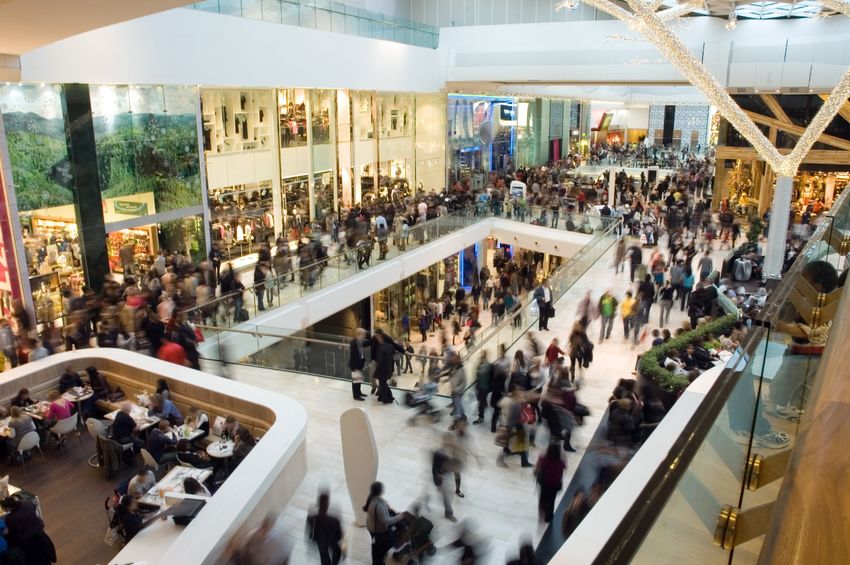
            CONTEXT: When done right, going big and bold with the design of a retail
            space, visual identity or packaging can help a brand stand out and make a
            statement. With so many brands opting for minimalist approaches, the old
            idiom of being a lion among sheep holds true.

            IMPLICATIONS FOR RETAIL BRANDS:
            • A greater desire for personalized experiences is directly related to a
              preference for variety.
            • Brands considering redesign should never jump on a trend but should
              consider whether or not a trend makes sense for their brand.
            • Consumers are looking to renovate their own homes during the pandemic;
              therefore if you incorporate maximalist design in stores, consider which
              elements could become products for sale.

Photo credit: Laurel Bern Interiors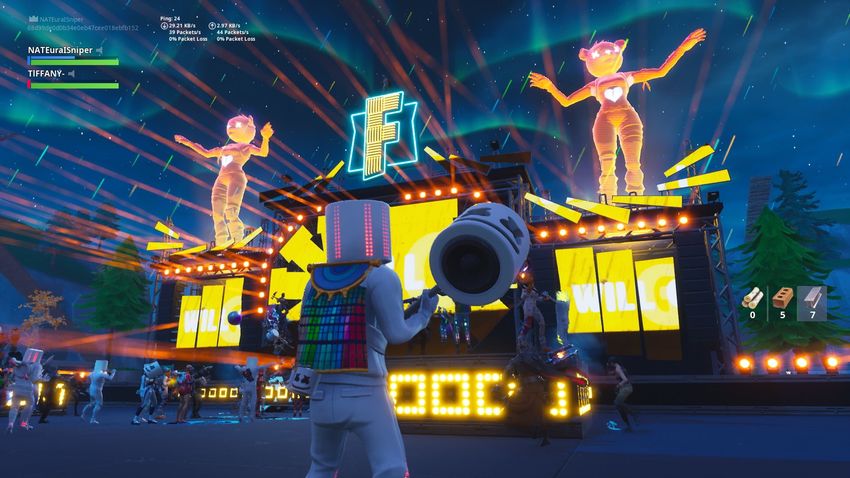
HOW CAN YOU MAKE YOUR SPACE MORE UNIQUE?

    Pattern Mixing   Color Palettes   Perspective

5
DESIGN FOR DISTANCE
             DESCRIPTION: Social distancing in spaces where people are accustomed to
             being close requires a rethinking of how people move in and experience a
             branded environment.

             CONTEXT: From grocery aisles to seating in restaurants, makeshift signage
             and temporary distancing efforts will no longer cut it as consumers become
             more accustomed to social distancing. Finding creative ways to keep people
             safe while also creating enjoyable shopping experiences will be a key way in
             which brand separate themselves in 2021.

             IMPLICATIONS FOR RETAIL BRANDS:
             • Although vaccine rollouts are starting to take place, social distancing will
               be relevant for at least the next 12 months.
             • Brands must protect their staff first and foremost.
             • Even once a vaccine is rolled out, consumer anxiety may make some social
               distancing practices relevant for a longer period.

Photo credit: Business Insider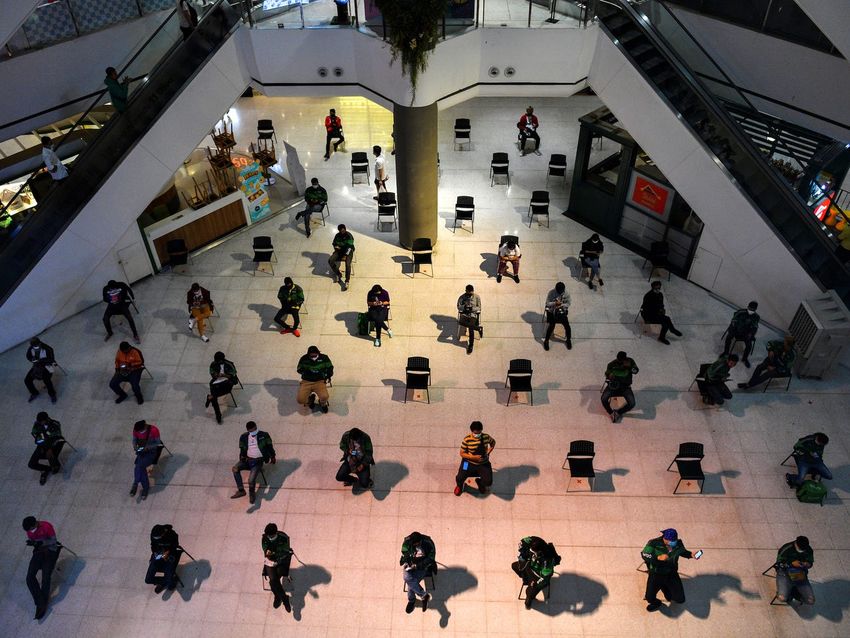
WHAT ARE SOME BEST-IN-CLASS DISTANCING TACTICS?

       Open Doors       Beautiful Bubbles   Humor

7
SCULPTURAL SHAPES
                       DESCRIPTION: Furniture and fixtures as art is a growing trend that allows
                       spaces to be more unique and playful. The current trend leans toward shapes
                       that surprise with curves or patchworks of materials.

                       CONTEXT: Communicating a unique personality through cues such as
                       custom-made lighting fixtures is increasingly popular. In 2021, curved shapes
                       inspired by geometric Japanese symbols and nature are trending in home
                       decor.

                       IMPLICATIONS FOR RETAIL BRANDS:
                       • If you are considering a design refresh, simple changes such as new
                         lighting fixtures or a key piece of furniture can dramatically change the
                         look of a space.
                       • Inspiration from nature is also at play as organic shapes inspire
                         architectural design.

8
    Photo credit: Chandelier & Chair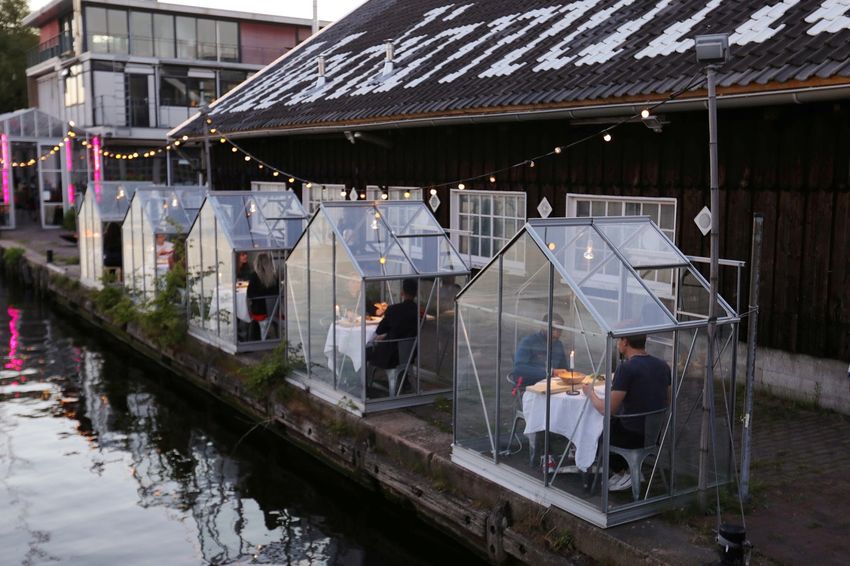
HOW DO YOU WORK AN ARTISTIC PIECE INTO A SPACE?

     Make it a Focal Point   Make a Statement with Materials   Choose a Local Artist

9
GROUNDING COLOURS
                           DESCRIPTION: For 2021 a strong shift towards organic, grounding colours
                           with depth and warmth is notable.

                           CONTEXT: It’s not often that you see such a strong consensus from the
                           various interior design influencers on colour. Although there is a wide range
                           of shades in 2021’s top picks, they all impart a sense of security, depth and
                           quiet curiosity. Rather than cheery optimism, these hues denote a more
                           gentle, contemplative sense of reflection and well-being.

                           IMPLICATIONS FOR RETAIL BRANDS:
                           • The new neutrals have greater warmth.
                           • Blues, teals and greens create a sense of calm.
                           • Plums, clay and berry tones are stronger but still grounding.
                           • Bright accents in gold, coral, red and lime green.
                           • Copper and bronze are coming back for fixtures.
                           • Black matte fixtures and even full counters or walls are also trending.

10
     Photo credit: Shutterstock
WHAT OTHER DESIGN TRENDS ARE BIG IN 2021?
Nature Inspired Closed Loop Ceiling Details
11WHAT PEOPLE WANT
INCLUSION NOW
           DESCRIPTION: Although equal rights are guaranteed under the law, not
           everyone is treated equitably in the real world. In the last few years, equal
           rights have been at the forefront of public discourse.

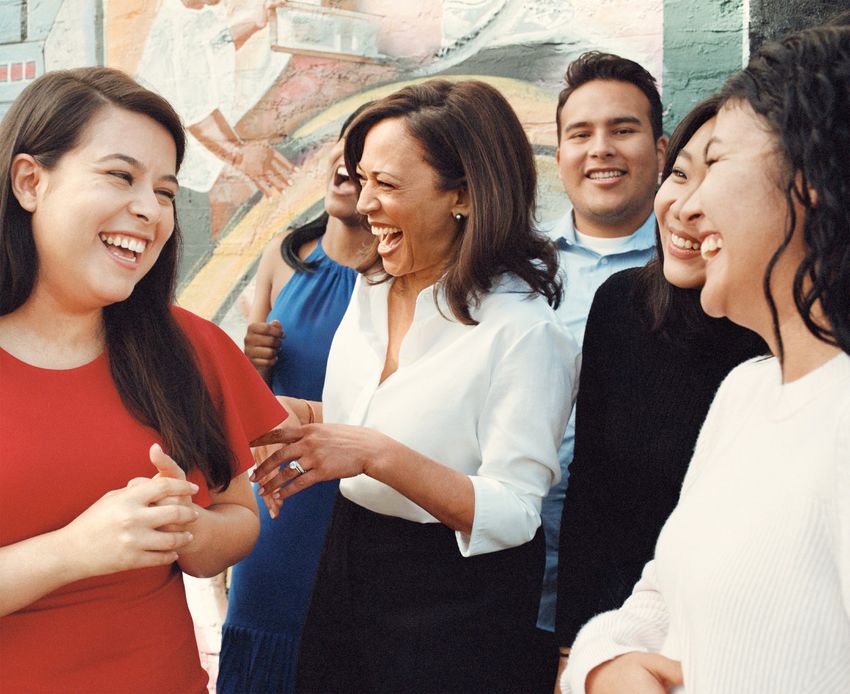
           CONTEXT: In 2020, the Black Lives Matter movement gained significant
           momentum and support. Kamala Harris is now the Vice President-Elect of the
           United States - a first for a woman in her country and especially notable as a
           woman of Black and Asian ethnicity.

           IMPLICATIONS FOR RETAIL BRANDS:
           • Diverse, inclusive companies are more innovative and profitable - but
             without a united internal culture, companies will lag behind.
           • Human Resources must tackle subconscious bias in hiring practices and in
             customer service.
           • Brands must demonstrate transparency in their actions towards inclusivity.

Photo credit: Zoe Ghertner for Vogue
WHO CAN YOU START INCLUDING?
Ageless Gender Expression Black-Owned Businesses
14WORKER WELLNESS DESCRIPTION: Frontline workers in retail have faced hardships during the pandemic, including layoffs or furlough, outbreaks and hostile consumers. CONTEXT: Experts suggest as many as 20 percent of retail workers are planning an exit strategy. Many supermarkets initially gave their workers a bump in pay - but have since retracted. Anti-maskers have harassed and even assaulted workers who attempt to enforce mask-wearing. Some frontline staff left and may not return. IMPLICATIONS: • As regions reopen, having superior service is going to be imperative to ensure a strong recovery. • If you are passing on additional COVID-related work to frontline workers, you will need to adjust your staffing model to provide greater support. • Women are disproportionately represented in frontline work. Being flexible to accommodate school closures is a gender rights issue.
HOW CAN YOU BETTER SUPPORT YOUR TEAM?

     Flexibility     Security          Vision

16
NEW CORPORATE RESPONSIBILITY
DESCRIPTION: Corporate responsibility has become a must-have and during
the pandemic, many brands stepped up to help.
CONTEXT: Consumers have high expectations that brands will share their
values and live by them. Whether it’s action on climate change, supporting
Black Lives Matter or providing PPE, brands must ensure their actions are as
loud as their words.
IMPLICATIONS:
• Monitoring social media vigilantly is ever more important.
• Posting a response to a concern without offering more meaningful action is
seen as an attempt to capitalize on issues and tends to backfire.
• Corporate responsibility initiatives work best when they can leverage the
brand’s expertise and assets - for example, using NBA stadiums as voting
locations or fashion brands manufacturing PPE.
17EMERGING TRENDS IN CSR
Gaming Fundraisers Selling Local Products Pandemic Support
18I MADE IT MYSELF DESCRIPTION: As conscious consumption, well-being and climate awareness meet the pandemic, hobbies are becoming decidedly DIY. CONTEXT: Gardening supplies, lumber, canning jars, knitting yarn, sewing machines, yeast and even beekeeping equipment were some of the items that were in demand in 2020 as people rediscovered the joys of making things with their own hands. IMPLICATIONS FOR RETAIL BRANDS: • DIY is an opportunity for brands to connect with consumers through teaching platforms, how-to videos and supplies. • If there is a DIY trend happening in your category, can you leverage micro- influencers who are sharing their skills online? • DIY is also an opportunity to meet consumers in their homes with coaches, either in person or online.
WHAT DIY TRENDS ARE RELATED TO YOUR BRAND?

     Home Improvements   Green Hobbies   Adult Arts & Crafts

20
LOCATION LOCATION LOCATION
OUTDOOR RETAILING
          DESCRIPTION: COVID-19 is more likely to spread indoors. In response, brands
          have taken their products and services outside.

          CONTEXT: Wherever possible, retail brands have taken their services at least
          partially outdoors. Curb-side pick-up, take-out windows, heated patios,
          dining pods and sidewalk sales have brought much-needed activity to
          business areas. Consumers are flocking to parks, backyards and front porches
          to fill their need to be around other people, even as temperatures cool.

          IMPLICATIONS FOR RETAIL BRANDS:
          • Some of this behavior will become permanent simply because consumers
            like it.
          • This is a great opportunity for brands to test new options for their
            customer journey, including mobile pop-ups, community events and
            collaboration with local artists such as bands or theatre companies.
          • Tailoring product mixes to address an increase in outdoor activities will
            continue in 2021.

Photo credit: NY Post
HOW ELSE CAN BRANDS GET OUTSIDE?
Pop-Up Parks Parking Lots Mobile Brand Experiences
23HOME IS WHERE THE HEART IS
DESCRIPTION: The pandemic has forced all of us to spend a significant
amount of time at home. Consumers are sprucing up their living quarters and
making them as comfortable as possible.
CONTEXT: Time at home has shifted perspectives on work-life balance.
People are staying closer to their local communities, walking and biking
more, and even moving to less densely populated regions. Work-from-home
will continue for many, making this pandemic trend a permanent one.
IMPLICATIONS FOR RETAIL BRANDS:
• Shifting demographics away from downtown to residential neighbourhoods
will change real estate strategies.
• Brands need to think about their product assortment differently.
• Marketing efforts have already shifted in response to a decrease in travel
and a greater amount of time spent online. This trend will continue.
24WHAT SIGNALS OF CHANGE SAY THIS TREND WILL STICK?
Cost of Home Ownership Vaccine Hesitation Parental Rights
25DEAD DOWNTOWN TOWERS DESCRIPTION: Forced to send employees home, downtown offices have been largely abandoned in cities around the world. The surrounding business areas have been severely impacted. CONTEXT: Large downtown office towers present some key challenges when it comes to COVID safety - elevators and public transit being the most problematic. Many companies are likely to continue work-from-home even once the pandemic subsides. IMPLICATIONS FOR RETAIL BRANDS: • White collar work will be permanently changed by the pandemic. • Real estate value will rebound - eventually. • Some office buildings will be retrofitted to allow for residential units in the coming years, creating new opportunities for brands. • New, smaller business areas will strengthen in residential zones.
WHAT WILL THE NEW DOWNTOWN LOOK LIKE?

     Residential Retrofits   “Surban” Business Areas   New Public Transit

27
ANCHOR SHOPS DRIFTING DESCRIPTION: Before the pandemic, malls struggled to find a winning solution to the growing irrelevance of department stores. A rise in e- commerce may offer a solution: distribution centers. CONTEXT: Malls have taken a wide range of approaches to empty anchor stores, including high-end department stores, gyms, DTC showrooms and co- work spaces. Distribution centers may have longer term stability, but would require a rethinking of the mall experience. IMPLICATIONS FOR RETAIL BRANDS: • Shuttered malls that become warehouses may lose up to 90 percent of their real estate value. • If the rest of the mall is to remain operable, logistical concerns will require mall owners to rethink the entire mall experience. Increased traffic, warehouse staff and renovations are key considerations.
WHAT KEY FACTORS SHOULD MALLS CONSIDER?

      Zoning           Traffic       Mixed-Use Scenarios

29
INNOVATION
VIRTUAL EXPERIENCES
            DESCRIPTION: Events typically held in-person, such as concerts, conferences
            and fashion shows, found some salvation in virtual events during the
            pandemic.

            CONTEXT: Platforms such as Facebook Live and Twitch enabled would-be
            stars to host live stream events long before the pandemic. In 2020, a Billy
            Eilish concert, FentyX fashion show and even the Ontario Agricultural Winter
            Fair have been virtual events. More than 10 million people attended a live
            virtual Marshmellow concert in the game world of Fortnite, while their first
            Travis Scott event garnered a crowd of 12.3 million.

            IMPLICATIONS FOR RETAIL BRANDS:
            • In-person events cannot be replicated entirely online, but there are some
              advantages, such as accessibility.
            • In a virtual world such as Fortnite, there are unlimited creative possibilities.
            • Rather than waiting for 3D technology, brands should be working with
              virtual worlds that already exist.

Photo credit: Digital Trends
WHAT EMERGING WORLDS SHOW PROMISE FOR BRANDS?
Virtual Malls VR Touch Tech Virtual Pop-Ups
32BIOMETRICS
DESCRIPTION: Biometric authentication and identification techniques have
improved considerably, but are still controversial.
CONTEXT: The use of voice, palm and fingerprints, retina scan, facial
recognition and gait recognition to provide greater security is growing. But
concerns around data privacy and security directly conflict with their use. A
rise in cybercrime during the pandemic may push this tech forward.
IMPLICATIONS FOR RETAIL BRANDS:
• Facial recognition is more controversial because of its use in surveillance.
• There are strong uses for biometrics with age-restricted or controlled
products, such as cannabis, alcohol and pharmaceuticals.
• Brands should NEVER use any form of biometric measurement or data
collection without explicit consent of the consumer.
33WHAT USES WILL CONSUMERS WANT FOR BIOMETRICS?
Financial Security Health Screen Contactless Payment
34FAST TEST & LEARN DESCRIPTION: The pandemic forced certain innovations upon us, such as e- commerce and curb-side pickup. Some brands are going a step further and using this disruption as an opportunity to test new ideas. CONTEXT: Disruption typically creates new opportunities. Many banks, such as Regions, have integrated 1-to-1 messaging and appointment setting as a way to address social distancing. It has been so positively received, they will continue to expand on the service. IMPLICATIONS FOR RETAIL BRANDS: • The post-pandemic recovery is going to be highly competitive and brands with any edge will capture more of consumers’ tight budgets. • Currently, consumers are more open than usual to new ways to interact with brands. • Innovation doesn’t have to be something big like inventing a new product - it can also be in a small shift in the customer experience that radically addresses hidden needs (think curb-side pick-up).
WHO IS TESTING SOMETHING NEW RIGHT NOW?

     Super World NYC   7NOW Hyper Convenience   Innovative Fitness

36
DELIVERY INNOVATIONS
DESCRIPTION: The growing demand demand for home delivery has put a
strain on delivery systems. Alternatives to traditional delivery methods are
needed to meet demand.
CONTEXT: Even Amazon was not able to keep up same-day delivery
promises during the peak of the pandemic. Increased demand across all
categories has forced retailers to develop alternatives, such as offering a
discount for curb-side pick-up. The use of algorithms, drones and
autonomous vehicles could offer solutions.
IMPLICATIONS FOR RETAIL BRANDS:
• Brands should expect this new behavior to become permanent in the
future and need to develop strategies to ensure consumers have options.
• Testing a variety of methods will help brands discover whether or not
certain strategies will work for them.
• Distribution centers will become essential for all brands.
37WHAT ARE BEST BETS TO IMPROVE DELIVERY IN 2021?
Delivery Algorithms Lockers Micro-Distribution Centers
38POLITICAL INFLUENCES
MINIMUM WAGE RISING
     DESCRIPTION: Western nations, including the United States, are starting to
     support an increased minimum wage.

     CONTEXT: Minimum wage has not kept pace with the cost of living and even
     conservative voters are demanding an increase. In the US election, Florida
     voted for Trump - but they also voted to bump minimum wage to $15/hr - a
     policy Trump opposed. The average minimum wage in the US has not
     increased since 2009. Joe Biden may very well choose to make a $15/hr
     wage a priority.

     IMPLICATIONS FOR RETAIL BRANDS:
     • In places such as Ontario, independent operators were able to pass costs of
       a rise in minimum wage to consumers by transparently sharing that they
       could not afford to keep their employees without doing so.
     • Larger brands will not be given this same latitude by consumers.
     • Options such as automation and e-commerce can assist in buffering
       additional labor costs. However, potential future taxation of automation
       and consumer backlash must also be considered.

     Graphics: Florida Fair Wage

40
WHAT OTHER CHANGES IN ECONOMIC POLICY ARE COMING?
Taxation of Automation Carbon Taxes Waste Removal Costs
41ANTI-CHINA SENTIMENT
DESCRIPTION: As China gains power on the global stage, an inevitable clash
of cultures is beginning. Western sentiment towards China has dipped in
recent months.
CONTEXT: China’s assertive moves in trade have created a strong backlash.
Political tensions about the Uighur internment camps, the extradition
hearings of Meng Wanzhou and the arrest of several Canadians in China in
retaliation are adding fuel to the fire. Joe Biden may adopt a less aggressive
tone, but is expected to attempt to unite Western countries to stand up to
China.
IMPLICATIONS FOR RETAIL BRANDS:
• Supply chain issues are a challenge for retailers and CPG brands, but
especially during a pandemic and with a looming threat of trade wars,
creating flexibility in the supply chain will be a protective factor.
• Consumers may expect “made in China” labels from value retailers, but are
increasingly swayed by products that are made locally.
42HOW CAN BRANDS COPE WITH PROTECTIONISM?
Staycation Local Manufacturing Anti-Racist Policies
43VACCINE TRIALS & TRIBULATIONS DESCRIPTION: Several vaccines are starting to become available, but there are many challenges facing the global effort. CONTEXT: Moderna and Pfizer both have vaccines that appear to be safe and effective (at least in the short term) and we can expect roll-outs to begin in the spring of 2021. However, a global vaccination effort of this magnitude is unprecedented, and anti-vaccine lobbyists, distribution and unknowns about long-term immunity pose major hurdles. IMPLICATIONS FOR RETAIL BRANDS: • Brands will need to ensure that their staff can get vaccinated by making it easy (providing time off if needed) and by covering any associated costs. • Brands will need to understand the legalities of requesting health information. • Brands will need to tread carefully if considering enforcing vaccination as a policy. Anti-vaccine lobbyists will have a field day should they find out, and there will likely be legal challenges.
HOW CAN BRANDS SUPPORT A BELIEF IN SCIENCE?

     Promote Science Heroes   Health Insurance Coverage   Brand Partnerships

45
DIGITAL SHOPPING TRENDS
THE NEW INFLUENCER
     DESCRIPTION: Influencer marketing allows brands to partner with
     independent social media stars to reach their community. Who actually has
     influence is starting to shift.

     CONTEXT: Consumers are more aware of influencer marketing and their
     preference has shifted away from mega-stars towards more niche influencers.
     Live video streaming and video content is performing very well, while highly
     staged photo shoots are no longer as relevant.

     IMPLICATIONS FOR RETAIL BRANDS:
     • Brands need to be plugged into their target demographic to understand
       who will influence them.
     • Using predictive analytics can help brands get ahead of micro-niche trends.
     • Customer personas should be updated regularly and be based on behavior
       over demographic information.

     Photo credit: daisybeet

47
WHO IS THE NEW INFLUENCER?
Video Game Streamers Niche Hobbyists Authentic Content Creators
48ANTI-SOCIAL MEDIA
DESCRIPTION: Teens are abandoning traditional social platforms, preferring
to connect in closed groups, reducing brands’ access to this demographic.
CONTEXT: Teens are digital natives, but many of them see platforms like
Facebook as passé. They prefer chat groups in platforms such as WhatsApp
or Google where there is greater privacy. They also meet in video games, for
example, in the break-out game of 2020, Among Us.
IMPLICATIONS FOR RETAIL BRANDS:
• Teens are quick to spot influencer marketing and dislike any messaging
that seems “fake.” Authenticity is key.
• TikTokers, YouTubers and “streamers” have greater power communicating
to this demographic, but brands need to be cautious about overly curated
messaging.
• It is also important to note that 90 percent of Gen Z self-identifies as
gamers. Gaming platforms and stars are where brands should be investing
innovation dollars to reach this group.
Photo credit: SlashGear
49HOW CAN BRANDS REACH GEN Z?
Free Game Ad Space Inclusive Niche Offerings Authenticity Over Everything
50VOICE SEARCH & VIRTUAL ASSISTANT SHOPPING DESCRIPTION: Alexa, Siri and other applications allow consumers to directly research and purchase items through voice command. CONTEXT: As the technology improves and consumers become more comfortable with using a voice assistant, it is expected that by 2021 the number of voice assistants could surpass 7.5 billion – more than the world population. In Canada alone, more than 25 percent of people now own a voice-activated device, up from just 2 percent in 2017. IMPLICATIONS FOR RETAIL BRANDS: • With more people using voice assistants to conduct internet searches, brands will need to ensure they are optimizing their website for voice search as well as text-based SEO. • There is belief that users could be more susceptible to a voice assistants influence over their choices, due to the more “personal” relationship they have with it. • Privacy concerns are still a big factor when it comes to voice assistants, and brands will have to tread carefully to ensure any personalized offerings don’t come across as creepy.
WHAT OTHER TRENDS ARE EMERGING IN THE DIGITAL CX?

       Appointment Setting   Livestream E-Commerce   Direct Messaging & Chat

52
DATA PRIVACY BACKLASH
DESCRIPTION: Regulations to protect consumer data have been
implemented in the EU and are beginning to become law in the US and
Canada. This will impact how brands can collect, store and use consumer
information.
CONTEXT: Consumer data has been held up as a new form of currency that
allows brands to target consumers with customized ads, predict product
performance and to understand consumer needs. However, concerns about
security, ethics, surveillance and control are driving governments to regulate
the collection and use of data.
IMPLICATIONS FOR RETAIL BRANDS:
• Consumers DO want personalized experiences.
• Consumers want brands to ask permission to collect their data and want to
control how their data is used, stored and shared.
• Biometric security for banks may be acceptable, but other uses may see
extreme backlash.
• They want something valuable in return for their data.
• Brands need to ensure third party contractors are compliant.
Photo credit: The Moscow TimesOTHER TECHLASH CONCERNS
Social Media Echo Chambers Increased Cybercrime Surveillance
54CREATE YOUR OWN FUTURE The trends outlined in this report are meant to serve as inspiration for brands that want to create their own future. If you are interested in learning more or want to discuss what these trends could mean for your brand, get in touch today! FOR MORE INFORMATION, PLEASE CONTACT: Jean-Pierre Lacroix, President and Founder of SLD 387 Richmond Street East, Toronto Telephone: 416-367-1999 Email: jplacroix@sld.com
You can also read


