UNIT GUIDE 2020 - Canberra College
←
→
Page content transcription
If your browser does not render page correctly, please read the page content below
UNIT GUIDE 2020

This unit guide will give you guidance on the units that each course area offers at the college.

The Canberra College is committed to support you in your transition from secondary education to life after
                                                    school.

   Further information regarding the college is available on our website at www.canberrac.act.edu.au
                                 or by contacting the College on 61423288.

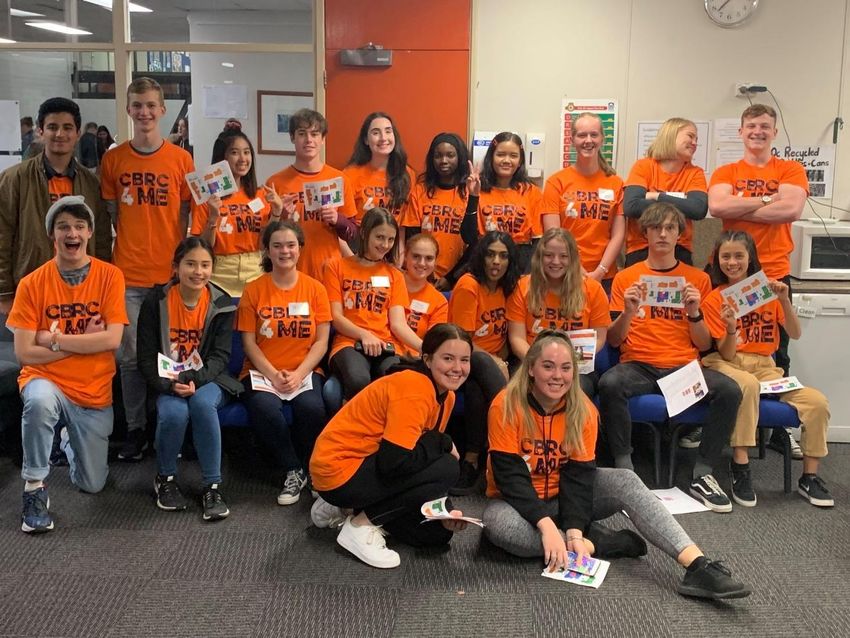
                                 Student Guides at our College Open Night 2019

2 Launceston Street, Phillip ACT 2606 | Phone 02 6142 3288 | Fax 02 6142 3337 | www.canberrac.act.edu.au | Facebook

2 Launceston Street, Phillip ACT 2606 | Phone 02 6142 3288 | Fax 02 6142 3337 | www.canberrac.act.edu.au | Facebook
CONTENTS

Arts................................................. ...   4
Behavioural Sciences ...................... ...             13
Big Picture ...................................... ...      15
CCCares .......................................... ...      16
CLASS ............................................. ...     17
(Commerce/Languages/Social Sciences)
Futures ........................................... ...     22
Hospitality and Tourism ................. ...               22
Humanities ..................................... ...        24
Languages ...................................... ...        31
Mathematics .................................. ...          34
HOPE (Health/Outdoor Ed/PE) ....... ...                     36
Registered Units ............................. ...          38
STEM Unit/s ................................... ...         38
Science ........................................... ...     39
Technology………………………………………                                   42
Information Technology ……… ........ ...                     46

                                                3
                                                                 Canberra College
Arts

Visual Art (T/A)                                               Protest Art
A selection of units will be offered each semester, in         This unit looks at how social issues are explored
line with student needs. PLEASE NOTE: While the                through Protest Art. Students will investigate
content of an A and T course is the same, there are            social, environmental and political issues of
several defining factors between the two. There is a           personal interest and produce artworks that convey
differentiation in the level of analysis in the literacy       a particular cause or message. Students will also
tasks, the conceptual depth in the practical tasks, as         explore the work of artists who produce work with
well as the relevant skill level in the practical tasks.       the intention of promoting counter-thinking about
Assessment criteria varies from T to A.                        the fabric of society.

List of Units                                                  Illustration
Exploring Visual Art                                           This unit explores illustration, artistic expression
This initial unit provides an introduction to the              and communication through a variety of structures
elements and principles of art, skills, terms and              such as zines, graphic novels, picture books,
concepts. Drawing is a major focus although a wide             posters, advertising, animation and album
variety of techniques and methods are covered.                 covers. Students will have the opportunity to
History and theory will be related to the practical            develop skills in a variety of mediums and
work being undertaken.                                         techniques from drawing and painting to
                                                               printmaking. Art theory will include research into
Foundation Skills                                              illustrators and designers as inspiration for practical
Students develop techniques to plan and create art-            tasks completed in class.
works. They develop safe work practices and look
at art movements, periods and styles and analyse               Sculpture
and critique artworks using the Interpretive                   In this unit students create sculptural artworks
Frameworks.                                                    including installations and body adornment in a
Painting                                                       variety of media such as papier-mache, clay,
This unit offers the continuing student exercises in           plaster, mixed media and upcycled
fundamental painting techniques and colour                     material. Accompanying theory is relevant to the
theory, followed by thematic explorations of                   techniques being utilised.
different paint media. Theory is linked with the
                                                               Contemporary Art Practice ( Yr 12 only)
relevant medium, or artists who use that medium.
                                                               Students plan and create a body of work around
Culture and Identity                                           the theme of contemporary art practice, exploring
This unit looks at cultural identity, symbols, stories,        the emergence of contemporary art and its
myths and legends. Students generate ideas for art             relationship to previous art movements, techniques
                                                               and styles. Students study visual language contexts
based on their interpretations and experiences of
                                                               used to create contemporary forms and to express
culture and identity in a global world. Personal
                                                               and communicate ideas.
stories and family history are developed through
the medium of the Artist’s Book.                               Printmaking
                                                               This unit explores the different ways in which artists
Drawing                                                        produce print runs. Students experiment with a
This unit looks at Drawing as a discipline in visual           variety of printing techniques including lino,
art. Students may create works in a range of                   lithography, pochoir, collagraph and drypoint
drawing mediums. The Drawing media can include                 etching, and theory is relevant to the technique,
pastel, charcoal, ink, paint and other mark                    and to the artists who practise the techniques.
makers. It is also expected that students will use
appropriate language to evaluate and critique their
own work and the work of other artists.                    4                                  Canberra College
Visual Arts Negotiated Study                                  Wheel Work in Ceramics
This unit is available to students who have                    Students will develop skills in throwing techniques
demonstrated high conceptual, cognitive and                   using the potter’s wheel. There will be the
organisational outcomes in at least three previous            opportunity to create ceramic collections that are
units (e.g. as the fourth unit in a major or as part of       functional or purely aesthetic. Theory will be
a major minor or double major). Students will                 related to the practical work created in class.
negotiate their own learning outcomes in an area of
interest and critically research and analyse a visual         Nb Teacher negotiated year 12 unit only.
art related area.                                             Course Patterns
                                                               • Art and Ceramics units may be combined to form a
Ceramics (T/A)                                                   Major, Minor, Major/Minor or Double Major.
                                                               • Students may transfer from T courses to A courses.
List of Units
                                                               • Year 11 Semester 1 units are either Exploring
Exploring Ceramics                                               Ceramics or Exploring Visual Art
This foundation course covers basic hand building
and decoration techniques. No previous                        Dance (T/A)
experience in working with clay is needed. The                PLEASE NOTE: The content of the T and A Courses is
emphasis is on learning sound building techniques             similar, but the depth of analysis and conceptual
and developing expressive qualities in a three-               understanding in both the theory and practical
dimensional format.                                           work expected of students studying the T Course is
                                                              greater.
Ceramics, Decorating & Firing
In this unit students are introduced to more                  List of Units
complex surface decoration techniques and have
                                                              Dance Foundations
the opportunity to explore various firing techniques
                                                              Students will be introduced to Dance with the study
including saggar, salt and raku. Theory includes
                                                              of elements of dance, elements of composition,
exploration of the history of firing techniques and
                                                              style or genre, form and the application of creative
their adaption to modern ceramics. Exploring
                                                              stimuli. Students will present work through
Ceramics is a pre-requisite for this Unit.
                                                              performance including dance technique,
Ceramics, Sculpture and Mixed Media                           contemporary. Students will understand how the
This unit offers further opportunities for sculptural         body works and how it moves. Anatomical
exploration and refinement of building and                    awareness may include the study of skeletal and
decorative skills. There are opportunities to explore         muscular systems and so on. Appropriate cultural,
both the functional and expressive elements of                social and historical aspects of dance and related
ceramics. Theory will be related to the practical             arts will be studied. Students with previous dance
work being undertaken. Exploring Ceramics is a                experience will develop greater technique and
pre-requisite for this Unit.                                  choreographic understanding.

Hollow Ceramic Form Sculpture                                 Classical Dance
                                                              In this unit students will compose dance tasks
Students will apply hand building and thrown
                                                              through the study of classical ballet form and the
techniques to create ceramic sculpture. Students
analyse and critique artworks using the Interpretive          modern contemporary dance form with attention
Frameworks.                                                   given to the growth of dance in Australia. A broad
                                                              overview of the development of dance is provided
Nb Teacher negotiated year 12 unit only.
                                                              by studying the beginnings of classical ballet, the
                                                              Romantic Period, Diaghilev and the Ballets Russes;
                                                              Balanchine and the New York City Ballet pioneers,
                                                              choreographers and companies in Australia.
    2020                                                  5                                  Canberra College
Dance and the Media
Contemporary Dance
                                                             This unit explores compositional tasks exploring
In this unit students will understand the elements
                                                             dance and media through study of lighting for film
of choreography and the techniques studied
                                                             and basic video and still camera techniques that can
through performance of compositional tasks. They
                                                             be used to create mood and atmosphere to
will display an understanding of the elements of
                                                             enhance a dance work, artwork or advertisement.
choreography and the techniques studied through
                                                             Students will create their own dance films and
performance. They will research motivations and
                                                             promotional material.
intentions of particular choreographers through the
study of significant works from their repertoire and         Dance in the Community
evaluate how they, as choreographers, relate to              Students will present choreography in a series of
their broader artistic community.                            community performances or workshops. They will
                                                             research the needs and resources of each
Dance and Entertainment
                                                             community group and then create an appropriate
Students will look at past and present contexts of
                                                             project for the current need of that community.
musical theatre covering the cultural origins of jazz,
tap, ballroom, ballet, character, Charleston or rock         Dance Studies — Self Directed
‘n roll. Areas of study may include the evolution of         Dance Studies (T) only
jazz dance and parallels with jazz music, the blend
of European and African traditions in an American            This unit may be available to Year 12 students
environment and the development of musical                   studying Dance Studies as a T Course who wish to
theatre in Australia. Students will also study the           complete a Major minor or a Double major in
development of the Commercial dance genre                    Dance. Students may negotiate to undertake a
including Jazz, Funk and Hip Hop.                            major dance project in a specific area of interest.
                                                             Emphasis will be on linking research and practical
World Dance                                                  studies to areas of study completed in previous
Students will compose tasks based on a style                 units. The unit may include study outside of the
selected from technically demanding styles,                  college.
demonstrating movement sequences with
authentic composition using traditional steps of a           Dance in Our Time
particular country. Students will also look at dance         This unit explores current dance styles including
forms from cultures such as Aboriginal and Torres            street, jazz, social dance and Hip Hop, and
Strait Islanders, African, Indian or dances from the         choreographed dances in the dance styles studied.
Asia Pacific region. Studying dances of particular           Students will perform sequences and understand
societies and their cultural ritual and or religious         terminology used as well as understand the social,
significance involves emphasis on ritual and                 historical and cultural influence of dance in
religious context and the development of social and          contemporary society.
theatrical dance form.
                                                             Dance in Australia
Dance Production                                             Compositional tasks including those inspired by
In this course students will be directly involved in         Aboriginal and Torres Strait Islander Dance, Asian
public performance, rehearsal processes and critical         Dance and other cultural groups in Australia. The
evaluation of their own and others’ work through             growing role of Asian culture, the history of ballet
the study of theoretical principles of stage lighting        and dance in other parts of the world and its
and sound and their use to create mood and                   influence on Australian choreography and dance
atmosphere to enhance a dance work.                          companies, and the role television and the media
                                                             play in developing dance in Australia.

    2020                                                 6                                  Canberra College
Dance Pathways Drama (T/A)
A selection of units will be offered each semester, in
It is highly recommended that students undertaking line with student needs and interest. PLEASE NOTE:
this unit participate in Work Experience style While the content of an A and T course is the same,
placement at a suitable dance related business or there are several defining factors between the two.
institution. The unit looks at applications of dance
as a career and the dance practitioner. A and T units will be differentiated through the
design of appropriate assessment tasks that are
Course Patterns weighted to the requirements of The Arts
This course is non-sequential. These units are
Framework.
usually studied as semester length units (value one
standard unit). Studying them as half units may also
be an option.
List of Units
Minor Students must include
Actor and Director
Dance Foundations and/OR Classical Dance
The focus of this unit is to explore the role, purpose
and/or Contemporary Dance
Major Students must include and focus of the actor and the director and to
Dance Foundations and/OR Classical Dance understand their relationship in making theatre.
and/or Contemporary Dance Acting workshops examine various genres and
Major/Minor Students must include styles of performance / directorial techniques.
Dance Foundations and/OR Classical Dance Students may work as both an actor and a director.
and/or Contemporary Dance
Double Major Students must include Comedy
Dance Foundations and/OR Classical Dance The focus of this unit is to explore the many facets
and/or Contemporary Dance of comedy in performance. Students will develop a
knowledge and understanding of theatrical styles
Prerequisites
such as Commedia dell’Arte and melodrama and
It is recommended that those students wanting to
experiment with techniques such as farce, satire,
do Dance (T) have some previous dance
status and comic timing.
experience. All students are expected to have a
strong interest in dance and a commitment to Devising an Ensemble Production
Dance. This unit is designed for students to work as an
All students are expected to have a strong interest ensemble to create and present original theatrical
in dance. work/s for an intended target audience either
within the school community or for regional or
Year 11 Semester 1 students should choose Dance interstate theatre festivals. The content studied will
Foundations be determined by the production requirements and
may draw on a wide range of both conventional
Students who wish to complete a Double Major
play building techniques and/or specific art forms.
should select the Foundations unit and one other
Australian Theatre
The focus of this unit is to develop an
understanding of the relationship between theatre
practices and content and Australian cultures, both
historical and developing.
2020 7 Canberra CollegeDramatic Explorations Modern and Classical Tragedy
The focus of this unit is to provide students with an The focus of this unit is to explore, examine and
understanding of the fundamental elements of journey through the changing face of the tragedy
Drama as well as the historical influences and styles form. This includes consideration of the essential
such as Stanislavski, Brecht, and Artaud on the questions of life, death and suffering.
development of theatre.
Lighting and Sound Design
Community Theatre The focus of this unit is to design and operate
The focus of this unit is to investigate the ways in lighting and sound for performances.
which theatre can be used by communities as a tool
to express their concerns and seek resolution of Theatre Visionaries
these issues. Students studying this unit may have The focus of this unit is an in depth study of a few
an opportunity to work directly with a specific significant theatre movements and practitioners
community group or festival event in order to from classic to modern times that have had a
create an original theatrical work in response to the profound impact on the development of Western
specific needs of a particular community or event to Theatre.
achieve a targeted impact.
Theatre Production & Performance
Performing Shakespeare The focus of this unit is to work collaboratively to
The focus of this unit is to enable students to develop a polished theatrical production. The unit
engage in a range of workshops, improvisations and explores and practically applies general principles
performances to develop a deep understanding of of a production from all perspectives: performing,
the acting skills required to perform Shakespeare directing, design and technical production. The unit
for a contemporary audience. This is one of our provides opportunities to create work specifically
production units to develop a Shakespearean play designed for performance in front of a live
to production standard. audience. Focus is on team/ensemble work as part
of a cohesive production team.
The emphasis of this unit is on the development of
practical skills that assist students to interpret text Independent Study Unit (Yr 12 Unit only)
and perform characters to heighten their The focus of this unit is to provide experienced and
appreciation of Shakespeare’s plays and language high achieving Year 12 students the opportunity to
negotiate, devise and implement their own project
Realism and Expressionism to extend and shape their understanding of
The focus of this unit is to investigate the dramatic processes.
expressionist movement as a reaction to realism,
and the performance styles appropriate to each. Self-directed Production
The focus of this unit is to provide students with an
Experimental Theatre opportunity to generate their own performance
This unit provides an in-depth study of a range of event. The unit allows students to explore and
theatre styles that have deviated radically from apply new skills as part of a cohesive self-directed
Realism in the 20th century such as Absurdism, Poor production and performance team. The
Theatre, Cruel Theatre, Epic Theatre and Forum progression encompasses pre-production, casting
Theatre. Students will have opportunities to and rehearsing, providing opportunities to create
explore the purpose and nature of theatre by work specifically designed for performance in front
experimenting with the actor/ audience of a live audience.
relationship, space, narrative conventions and
acting styles and apply these in the creation of
innovative theatrical works.
2020 8 Canberra CollegeTheatre for Young People Media (T/A)
The focus of this unit is to explore and appreciate List of Units
the value of theatre designed and intended for
young people. Students are provided with the
Media Foundation
opportunity to devise and perform theatre to This unit is recommended as an introductory unit.
inform, entertain and educate their audience. The This unit is designed to provide a foundation for the
unit will explore the importance of establishing commencement of Media studies.
interaction and rapport between the young This unit introduces technical, symbolic and
performers and their audience. narrative elements, as well as production and
World Theatre media issues. This also investigates the codes and
conventions applicable to the study of
The focus of this unit is to experience dramatic
communication theory. It is designed as a generalist
performance, storytelling styles and contextual
unit – in which the basic codes and conventions of
impacts of performance in a variety of cultures
media communication and production are
other than our own.
identified and developed. It focuses on theory
Voice and Movement (communication, history, issues) and skill
The focus of this unit is to provide students with an development for the creation of media products in
understanding of a range of voice and movement a variety of mediums and a range of genres and
techniques and opportunities to utilise these in a target audiences. Students will evaluate their
variety of practical contexts. creative process through pre-production,
production, post-production and distribution.
Acting For Film and Television
The focus of this unit is to provide students with an Animation
understanding of acting techniques for screen and This unit examines the nature of and concepts
television. Whilst the coursework will require a related to traditional and digital forms of
degree of technical understanding, assessment animation. Students will view, examine and
should emphasise individual acting to chosen critically analyse a range of animated texts, study
camera angles/shots, not the use of editing animation production and processes, and produce
techniques or ability to use the camera. short animated films. Students will evaluate their
creative process through pre-production,
Course Patterns production and post-production. Production and
Year 11 Semester 1 it is recommended that Sound Design
students choose either Dramatic Explorations (T/A)
NB: This is not a prerequisite unit and any other Documentary
unit/s may be selected. This unit explores the social, cultural and aesthetic
impact of the documentary genre through a study
Students who wish to complete a Double Major of documentaries. Fictional forms of the
should select the Explorations unit and one other. documentary genre (mockumentary) may be
included along with a variety of documentaries,
NB: The unit timetabled on line 4 is always a
short documentaries, mockumentaries, and
Production unit and requires commitment to
selected examples of reality television. Students
rehearsals and performances in addition to the
will create their own media product and evaluate
regular timetabled classes.
and reflect on the production process through pre-
production, production and post-production.
2020 9 Canberra CollegeGenre Studies The unit will cover user needs, analysis and
The focus of this unit is to explore a modern designing for the user, selection of suitable
method of film studies that assesses the role of the technology, designing for computer-based media,
audience, the industry and the artist in creating and the use of the major software tools and their
influential genres of film production. Students will accompanying skills. The design and development
explore a wide range of cultural and historical of interactive media systems involves; complex
transformations of popular genres such as science system analysis and design, the application of
fiction, crime and action. Students will create their project management principles, and the integration
own media product and evaluate and reflect on the of diverse content through interactive media
production process through pre-production, authoring. Students will study changes occurring in
production and post-production. society as a result of the emergence of interactive
media. Students will through their own productions
Film Making demonstrate their understanding of conventions
The focus of this unit is to examine the role of and techniques of Interactive Media. Students will
Super 8 film in film history and produce a short film create their own media product and evaluate and
using Super 8 (or if available Super 16) film stock. reflect on the production process through pre-
Students will create their own media product and production, production and post-production.
evaluate and reflect on the production process
through pre-production, production and post- Journalism
production. This unit is a generalist journalism unit. In this unit
students will undertake a series of tasks to develop
History and Development of Film their awareness and understanding of journalism as
The focus of this unit is to engage students in a a whole. It defines journalism and the changing
historical and cultural assessment of the nature of how information is presented in society,
development of film from its inception to the both local and international. It examines the effect
present day. They will explore the technology and on society of developments in the delivery and
forms of film production within their social and orientation of journalism. Students will create their
cultural significance. Students will emulate and own media product and evaluate and reflect on the
explore specific film movements through their own production process through pre-production,
productions and demonstrate their understanding production and post-production.
of conventions and techniques of film production.
Students will create their own media product and Motion Graphics and Special Effects
evaluate and reflect on the production process The focus of this unit is to explore and develop the
through pre-production, production and post- fundamental concepts and techniques used in the
production. production of motion graphics and special effects.
Students will view, examine and critically analyse
Interactive Media texts, including film, television and online works.
Interactive media is the combination of digital The practical component of this unit focuses on 2D
forms including text, images, sounds, video and and 2.5D motion graphics production. Students will
animation with the addition of interactive evaluate their creative process through pre-
elements. This unit aims to build on the theories production, production and post-production.
and principles of interactive media and provide
students with a theoretical and practical
introduction to design criteria and the design
process of information delivered by interactive
media.
2020 10 Canberra CollegePopular Culture Audio Production and Sound Design
The focus of this unit is to examine the concept of This unit examines the nature of and concepts related
culture, ideology, systems of representation and the to traditional and digital forms of animation. Students
role of media in a cultural context. Students will will view, examine and critically analyse a range of
undertake a study of popular culture, its links with animated texts, study animation production and
media organisations and the nature of specific processes, and produce short animated films. Students
popular culture sectors such as the music industry, will evaluate their creative process through pre-
cyber culture, augmented reality, emerging production, production and post-production.
technologies and mass marketing. It focuses on
theory (communication, history, issues) and skill Year 11 Semester 1 students are recommended to
development for the creation of media products in a choose Media Foundation.
variety of mediums and a range of genres and target Students who wish to complete a Double Major
audiences. Students will evaluate their creative should select the Foundations unit and one other
process through pre-production, production and post-
production.
Process to Production Music (A/T)
This unit explores the development of production
Jazz and Music can be combined to form a double Major or
from beginning to end. It focuses on developing Major/Minor. It is expected that by the end of Year 10 that
students’ skills in pre-production, production and students who are intending on choosing a Music course have
instrumental experience.
post-production. Students are required to work
independently on one production for the duration of The Early Western Music stream of units allows the
flexibility to deliver an appropriate general overview of
the semester. It is considered to be a final unit in
two significant periods of western art music history.
media production. Students will critically evaluate The focus can be on specific areas of interest relating
their creative process through pre-production, to these periods ( listed below) as determined by
production and post-production. student needs or areas of interest.
Radio List of Units
• Early Music
The focus of this unit is to explore the history and
social function of the radio industry and its effect • Classical Period
upon popular culture. Students will also use a variety • Romantic Period
of different methods of production from traditional to • 20th and 21st Century
digital. Students will evaluate their creative process • The Blues
through pre-production, production and post-
• World Music
production.
• Early rock Music
Scriptwriting • Rock Music of the 1970’s and 1980’s
This unit involves the analysis and development of a • Film Music
script in preparation for the production of a variety of
media products.
In these units students have the opportunity to
Television Fiction develop their performance skills. The units focus on a
The focus of this unit is to explore the history and wide variety of musical styles. Students have the
social function of the radio industry and its effect opportunity to increase their theoretical knowledge at
upon popular culture. Students will also use a variety an appropriate level.
of different methods of production from traditional to
Year 11 Semester 1 students choose either Music (A) or
digital. Students will evaluate their creative process
Music (T) depending upon their package needs.
through pre-production, production and post-
production.
2020 11 Canberra CollegeJazz (A/T)
Jazz and Music can be combined to form a double Photography (T/A)
Major or Major/Minor.
List of Units List of Units
• Early Jazz Photography Practice (T/A)
Students gain an understanding of the In this introductory unit students learn about camera
influences and social climate of the Early Jazz
types, parts and functions, early history of
years in America during the 1930’s and 1940’s
photography, film and paper structure, film processing
• Swing
and darkroom printing. Students will gain an
Students study the conventions of the Swing understanding of visual design elements and methods
era in America in the 1940’s and learn
performance and composition techniques of print presentation. Specific teacher-directed
specific to the swing era. exercises form the basis of assignment work. This unit
• Bebop is a compulsory unit in both Minor and Major course
patterns.
The Bebop unit is a demanding exploration into
the post swing area of Bebop. Students become
more acquainted with Bebop conventions Photography Communication (T/A)
• Cool and Modern Jazz
Advanced camera techniques and print processing,
including creative photographic manipulation, an
This unit explores the cool Jazz era of the 1950’s and
the Free Jazz and Avante Garde movements. awareness of digital technology, contrast filters and
paper surfaces (fibre base and resin coated) are
In the Jazz units students will be introduced to the
covered in this unit. Specific teacher directed exercises
Jazz genre through playing in an ensemble.
and self-directed images form a portfolio.
Improvisation will be studied as well as early styles
of Jazz. The Jazz units are sequential. Art Photography (T/A)
A study of photography as an art form and exploration
A focus on specific areas of interest relating to
these periods as determined by student needs or of artistic techniques such as cyanotypes,
areas of interest. photomontage, mixed media, self-applied emulsions,
Year 11 Semester 1 students choose Early Jazz lithographic film, infra-red, digital imaging are some
which is the compulsory first unit in the Jazz areas covered in this unit. A student initiated and
course. directed photographic study leading to a portfolio of
exhibition standard work completes the unit.
Music Industry (C)
This course is designed for students interested in Photography Negotiated Study (T/A)
the music industry. It focuses on the fundamental This is only recommended for students completing a
skills and underpinning knowledge to pursue double major or major minor in Photography.
further training and work in a range of music areas.
Digital Photographic Practice (T/A)
Students will be involved with producing and
performing in musical settings across a range of An introduction to digital camera and studio practices,
areas. They will enhance this experience with computers and digital image manipulation, scanning
and use of appropriate software are covered in this
demonstrations of relevant theoretical knowledge
unit. Students plan and produce digital images to set
and listening skills.
criteria, as well as producing a series of self-directed
List of Units experimental images. The links between the
• Performance Skills theoretical and practical aspects of photography play
• Working in the Music Industry an important part of the unit.
• Ensembles and Audio Skills
• Music Culture and Sound Editing
• Music and Technology
2020 12Digital Photography (T/A) Contemporary Photography
Advanced digital imaging techniques, layers, channels A study of contemporary photographic processes
and masks, filters, digital photographic illustration, and practices which may include the following
typography in digital context, ethical issues, and movements: Düsseldorf Academy and Typologies,
copyright are some areas covered in this unit. staged Photography, deconstructed Photography
Students produce a series of self-directed and Appropriation, the New Documentary, the
experimental images. They will prepare a portfolio. everyday, trivial, intimate, the social and political
and the New Photographic Portraiture. The
Photographic Applications (T/A) conceptual nature of contemporary photography
This is the third unit in a digital photography major and common themes such as: identity, time, truth
and consists of the applications of photography in and memory, place, the body and spirituality)
society for example photojournalism, fashion,
advertising, portraiture, illustration, editorial and R Unit Photo Access (0.5 R Unit)
architecture. Technical areas to be addressed in this Students have the opportunity to use the
unit are lighting, studio work, lenses and filters. photography facilities to enhance current
photography studies or pursue their own interests
Course Patterns in this area.
Photography Practice/Digital is the compulsory first
unit of this course if you intend a major in
photography.
Units should be studied sequentially. Variation to
Behavioural Science ( T/A)
this must be discussed with teaching staff.
Unit 2: Early Childhood Health and Safety
This is an interdisciplinary course, with units from
This unit contains two half units and focuses on:
both Psychology and Sociology being able to be • individual children’s health needs and need for
combined to form a major, major minor or double rest, sleep and relaxation
major in Behaviour Science. There are specific • the purpose of effective hygiene practices and
requirements of students for this, so students must the requirement to minimise risk
seek advice from the faculty prior to enrolment. • analyse the purpose of active supervision and
explain the role of the educator and key factors
• the key requirements of effective management
Social & Community Work (A) of allergies (anaphylaxis) and asthma
Students undertaking the course will be those considering
employment or further study in the Community Services Unit 3: Interact with Children
industry, or those with a personal interest in the Community This unit contains two half units and focuses on:
Services area. • the development of children - the physical,
social, emotional and cognitive development
List of Units & Unit Description • role of play in learning
All units are of one semester duration, there are no • child protection and the rights of the child
prerequisites required. It is possible to enter or exit the • organisational standards, policies and
course at the end of each term. procedures
• communicate with stakeholders and follow
Unit 1: Development & Nutrition policies, procedures and programs of various
This unit contains two half units and focuses on: organisations
• the physical, cognitive, social, emotional and Unit 4: Relationships in Early Childhood
communication development of children and plan This unit contains two half units and focuses on:
appropriate learning activities • the qualities of effective communication and
• the importance of creating an environment for positive interactions with children
holistic learning and development • the importance of supporting and respecting
• the key factors that need to be addressed to children, maintaining their dignity and rights
promote healthy eating among children • the requirements of a safe and supportive
environment
• the purpose of maintaining food safety while
• investigate children’s behaviour; develop,
carrying out food handling activities
implement and evaluate strategies for support
13
2020 Canberra CollegePsychology (T/A) Unit 4: Psychology in Society
This unit examines the role of psychology in society.
Psychology is the study of the human mind and Students examine at least two electives for the semester
behaviour. Students develop an understanding of to explain how humans think act and feel in a social
themselves and others by exploring the interactions setting. Students explore the assumptions, applications
between the individuals and groups as well as the roles and limitations of psychological research and literature
of biological and environmental factors. related to psychology in society. Through their studies,
students explore how individual perceptions and
These units are offered on a rotation, over two years of interaction influence social relationships. The key
study. Year 11 semester 1 students will choose Unit 1: conceptual understandings covered in this unit are:
Individual Differences. attitudes, prejudice, forensic psychology, human
relationships, organisational psychology and social
Unit 1: Individual Differences influences.
This unit examines individual differences in human
Excursions—Action Learning/Research
cognition and behaviour. Students examine at least two
electives for the semester to explain individual human During the course of study students may have the option
behaviour as an outcome of influences and interactions. of participating in four excursions based on action learning
Students explore the assumptions, applications and principles which are linked to choices in assessment.
limitations of psychological research and literature
• Taronga Park Zoo, Sydney (day trip)
related to individual differences. Through their studies,
students explore the nature of the individual and how • Nan Tien Temple, Wollongong (day trip)
these differences relate to society. The key conceptual • Psychology Skills Camp, Birrigai, ACT (overnight)
understandings covered in this unit are: differences in • The ‘Street Retreat’, Sydney (overnight)
mental abilities and intelligence, personality,
• Jewish Museum of Sydney (day trip)
development, learning and motivation.
Unit 2: Into the Mind
This unit examines the biological basis of human Sociology (T/A)
cognition and behaviour. Students examine at least two
electives for the semester to explain how individuals
respond to the environment as an outcome of biological Sociology is the study of how individuals and groups
influences and interactions. Students explore the think, feel, and behave. Students develop an
assumptions, applications and limitations of understanding of themselves and others by exploring
psychological research and literature related to the the roles and interactions between individuals and
biological basis of behaviour. Through their studies, society. Students develop their knowledge and
students explore how heredity, environmental and
understanding of theories, concepts and perspectives
biological factors influence behaviour. The key
to explain behaviour. They analyse the nature and
conceptual understandings covered in this unit are:
sensation and perception, consciousness, memory,
purpose of Sociology and develop insights into types
emotion and neuroscience. of behaviour across a range of contexts in society.
The study of Sociology provides continuity with many
Unit 3: Psychology of Wellness tertiary and industry courses.
This unit examines the factors that influence physical
and mental wellbeing. Students examine at least two List of Units - Units are offered on a rotation
electives for the semester to explain how health can be
Unit 1: Identity
positively and negatively affected by biological and
This unit explores society on the individual level: the
environmental influences and interactions. Students
explore the assumptions, applications and limitations of
ways people define themselves and their
psychological research and literature related to the relationships with others. The electives in this unit
psychology of wellness. Through their studies, students provide students with opportunities to study the
explore how heredity, environmental and biological myriad ways that society classifies and categorizes
factors influence physical and mental wellbeing. The key people at an individual and small group level, and
conceptual understandings covered in this unit are: how individuals can be constrained and empowered
positive psychology, mental health, stress, resilience and through their identification with such labels.
coping and human relationships.
2020 14 Canberra CollegeUnit 2: Sociology of Social Justice Unit 4: Power and Institutions
This unit explores social issues that lend themselves to This unit explores the superstructure of society: the
activism and debate: issues of equality, justice and social institutions and systems that determine the
fairness on a social scale. The electives in this unit structure of society on a macro level, and in turn
provide students with opportunities to explore all influence life on a micro level. The electives in this
sides of these issues, to develop the skills and acquire unit provide students with opportunities to study the
the information to make informed decisions about ‘big picture’ of society and explore the ways in which
issues that affect them. their lives are shaped by forces outside of their
control.
Unit 3: Cultural Icons
Year 11 students in Semester 1, 2019 choose the unit
This unit explores all levels of culture: the ideas, ‘Unit 1: Identity. In Semester 2, the unit will be ‘Unit
institutions and practices that define the ways we 2: Sociology of Social Justice.
communicate and interact with each other. The
electives in this unit provide students with
opportunities to study the ways that ideas shape
social life, from mass communication to everyday
recreation activities.
Big Picture
Enrolling in a Big Picture Education Package is an lenses of science, mathematics, geography,
important step in a style of lifelong learning and psychology, sociology and history. A sense of self and
enquiry that focuses on problem solving, individual aspirations or personal qualities are
individualised learning programs and working in an reflected upon and improved through this process of
authentic real world model. “All the components that learning. Students will be required to use real world
make up the student’s learning experience — the strategies to communicate in a variety of forums and
curriculum; the learning environment; the use of time using a range of strategies including technology,
during the school day; the choice of workshops or writing speaking and listening. They will present work
college classes; the focus and depth of investigation to a panel and will demonstrate how they conducted
through the Big Picture learning goals — is developed their study project at the internship. This will involve
based on the student’s individual interests, talents, using empirical and quantitative reasoning; using
and needs”. http://www.bigpicture.org mathematical and scientific thinking in the real world.
The study, related to their interest is based in social
An LTI (Learning through Internship) allows students reasoning; how do the perspectives of others
to explore their interests in real world setting such as influence your work in the real world?
business, community organisation or academic
institution with an expert mentor to guide them. Canberra College Big Picture is committed to helping
Students are linked carefully from the school to students to gain direction, reach their academic
internship and a learning plan created with an potential, personalise their learning to address any
Advisory Teacher who works with them as an gaps and build on areas of strength, connect them
individual to develop a project each term. Students with the world beyond school and to ultimately
are enrolled in a mandatory English and Mathematics ensure that the post school destination is one that
class with individual support to build their literacy and suits them.
numeracy skills.
Big Picture is in partnership with Universities around
The Big Picture learning goals are based on developing Australia to enable University entrance through our
a broad and in-depth knowledge and understanding of Graduation Portfolio.
the area of study through looking through multiple
15 Canberra College
2020CCCares
Canberra College Cares (CCCares) is recognised • Vocational training certification as part of year 12
internationally as a best practice model for Certification. Some of these are delivered by
external RTO’s and are part funded by National
supporting teenage pregnant and parenting partnerships. These are available in:
students with their educational, health, social and
- Business Admin
emotional needs. Canberra College in partnership
- Hair and Beauty
with ACT Department of Education & Training, ACT
Health and significant government and non- - Senior First Aid
government community agencies, provides an - Hospitality
education and support program for pregnant and - Beauty Therapy
parenting students in the ACT and surrounding -Community Services
districts.
- RSA/ RSG/ White Card/ Barista
CCCares offers Individual Learning Packages leading • Take home learning packages
to ACT Year 12 Certification; vocational training; • Advocacy and support programs
personal health and wellbeing support; advocacy • Transport assistance 5 days using 3 buses which
and support services; goal oriented learning drive out and back daily to all of ACT and
packages, on-line learning and employability skills. adjoining NSW
Specific program activities provided on site include • Road Ready
the following; • Cooking facilities + lunch and morning tea
program
• On site MACH nurse visits two times weekly
• Emergency food and clothing relief
• On site monthly antenatal nurse
• On site adjunct care child-minding model
• On-line curriculum through e learning platform
2020 16 Canberra CollegeCommerce, Languages and Social Sciences (CLASS)
Accounting (T/A)
Year 11 Semester 1 students choose Unit 1: Introduction to Unit 3: Measuring Profit
Accounting. In second semester, students choose Unit 4: An overview of Measuring Profit and Cash Flow
Accounting Controls & Analysis.
Structures and operation including accrual accounting,
Accounting courses provide a continuity with many adjusting entries, preparation of fully classified financial
pathways into tertiary and industry studies. statements, sources of finance, cash flow and their
relationship between theory and practice.
List of Units
Concepts and principles of measuring profit and cash
Unit 1: Introduction to Accounting flow, including cash accounting, accrual accounting,
An overview of Accounting includes: the nature of adjusting entries, for example, prepaid and accrued
accounting, financial statements in accounting, business expenses, unearned revenue, depreciation, GST clearing,
structures, accounting principles, accounting equations, classification of cash flow, including operating activities,
and their relationship between theory and practice. investing activities, and financing activities and their
significance.
Concepts and principles of basic accounting, including: the
nature and functions of accounting, the difference between Nature and purpose of measuring profit and cash flow
bookkeeping and accounting, careers in accounting, including profitability and liquidity and the impact of
accounting assumptions and principles and their change locally, nationally and globally.
significance.
Issues, perspectives and viewpoints on measuring profit
Nature and purpose of basic accounting including financial and cash flow, including sources of finance, comparison
statements, for example Statement of Financial Position, between cash and accrual accounting in a range of
Statement of Profit & Loss, and Statement of Cash Flow, historical contexts.
and introduction to financial statement analysis, for
example, working capital, current ratio, debt ratio, quick Research and investigate factors that influence
asset ratio, return on owner’s equity and the impact of measuring profit and cash flows, for example the effect
change locally, nationally and globally. of adjusting entries, the effect of cash holdings/flows, or
the sources of finance.
Issues, perspectives and viewpoints on basic accounting,
including users of accounting information, accounting Unit 4: Accounting Controls & Analysis
regulators and business structures in a range of social and Students may study two electives (1.0) or one (0.5) from
historical contexts. Research and investigate factors that the four offered: controls for cash and credit, controls
influence accounting including stakeholders of financial for inventory and non-current assets, financial statement
information. analysis or breakeven analysis.
Unit 2: The Accounting Cycle Accounting Controls and Analysis covers the structures
An overview of the Accounting Cycle structure and and operation to maintain best practice.
operation including source documents, journals, ledgers of
service and trading entities, trial balance, goods and Concepts and principles of Accounting Controls and
services tax (GST), introduction to accounting software and Analysis.
their relationship between theory and practice.
Nature and purpose of measuring Accounting Controls
Concepts and principles of the accounting cycle, including: and Analysis, for example, profitability and liquidity and
the accounting equation, double-entry accounting, the impact of change locally, nationally and globally.
accounting cycle, accounting software and their
Issues, perspectives and viewpoints on Accounting
significance.
Controls and Analysis, for example, the impact of bad
Nature and purpose of the accounting cycle including: the and doubtful debts, differences in depreciation methods
accounting cycle, ie. original documents, journals, ledgers, and decision making for various stakeholders.
trial balance, financial reports and decision making and
Accounting is available as a Minor or a Major and some
the impact of change locally, nationally and globally. units may be combined with some units from Economics
Issues, perspectives and viewpoints on the accounting or Business to form a Commerce Major, Major-Minor or
cycle, including GST, Business Activity Statement (BAS), Double Major.
accounting computer software, trading entities.
17 2020 Canberra CollegeBusiness Services (A/V) Business (T/A)
BSB10115- Certificate I in Business and BSB20115- Business is the study of the essential planning
Certificate II in Business requirements ranging from a small business to the
broader roles of management, finance, human
Certificates Awarded: Certificate I in Business
resource management, marketing, e-business, ethical
Administration and Certificate II in Business
practices, sustainability and the impacts of
Administration
implications of the future business environment.
Business Services is designed to provide students with
The study of Business enables learners to develop
the opportunity to develop specific skills associated with
their knowledge, understanding and skills to enhance
information management and processing. The focus is
for personal use and for employment in the business the well-being of all citizens locally, nationally and
world globally.
List of Units: The Business course provides continuity with many
pathways into tertiary and industry studies.
Year 11 students in 2019, will choose Navigating the
Business Environment for semester 1. In semester 2, the List of Units
students will choose the unit, Business Services
Changing Business Environment
Pathways.
This unit examines
Navigating the Business Environment (1)
• The nature of business structures, operations and
Students learn to produce business standard word- models
processed documents and presentations, provide • Concepts and principles of the internal and
customer service and the procedures and responsibilities external environment
relating to workplace sustainability, health and safety. • Nature and purpose of the changing dynamics of
They develop oral and written communication skills for business in Australia
the workplace, practicing and creating strategies for a • The impact of globalisation on structures,
wide variety of interactions in a business environment. operations and models
They develop self-management skills and knowledge of • Concepts and principles of globalisation and their
processes that will assist them in a successful transition significance
to work. • Nature and purpose of globalisation and its
impact on consumers, business and governments
Business Services Pathways (2) • Issues, perspectives and viewpoints on the ethical
issues associated with globalisation
Students learn to engage with others in a business
environment, contribute to workplace innovation,
Relationship Management
manage conflict and develop effective workplace
This unit examines
relationships. Students also learn how to use business
technology and develop oral and written skills to • Market research structures, operations and
communicate information with others. models
• Concepts and principles of market research
Implementing Best Practice in Business (3)
• Nature and purpose of market research
Students learn a range of technological skills to design • Marketing structures, operations and models
and produce documents and desktop published articles. • Concepts and principles of marketing
They develop keyboarding skills to support the creation • Nature and purpose of identifying a target market
of these. to meet consumer needs
• Issues, perspectives and viewpoints of developing
Business Environment and Services (4) marketing strategies responding to changing
consumer tastes
Students learn to create simple databases for storage
and retrieval of information. They also learn to identify
customer needs, deliver and monitor customer service
and identify improvements in the provision of customer
service. Students develop skills in the organisation of
workplace information and their own work schedules.
They learn to monitor and obtain feedback on their work Canberra College
performance. 18
2020Planning for Current Context Economics (T/A)
This unit examines
• Finance structures, operations and models The study of Economics enables learners to develop their
• Concepts and principles of finance knowledge, understanding and skills to enhance the well-
being of all citizens locally, nationally and globally. It is a
• Nature and purpose of comparing debt and
study of the actions of individuals and societies, particularly
equity finance, ratio analysis and appreciating
as they relate to choices about satisfying needs and wants,
the risk on businesses
and the utilisation of scarce resources. It uses theories and
• Issues, perspectives and viewpoints of ethical
models to attempt to explain these behaviours.
and legal aspects of finance
• Issues, perspectives and viewpoints of ethical This course provides continuity with many pathways into
and legal aspects of finance tertiary and industry studies.
• Concepts and principles of business planning
• Nature and purpose of business planning and List of Units
the impact of this
Unit 1: Economics
• Issues, perspectives and viewpoints of business
In this unit, students will study economic concepts, models
planning
and relationships. This unit examines the choices which all
• Creating individual business plan
individuals, firms, institutions, markets and governments
Business Challenges attempt to address as they confront the problem of
satisfying their unlimited wants with limited resources.
This unit examines
Students develop the ability to apply economic theory to
• Human resource structures, operations and current real world events. The particular electives studied
models currently implemented in business and within this unit are: Economic Principles and the Price
the relationship between theory and practice Mechanism.
• Human resource structures, operations and
Unit 2: Economics
models currently implemented in business and
In this unit, students will continue the study of economic
the relationship between theory and practice
theories and concepts as applied to the free market. This
• Nature and purpose of employment trends and
unit exams macroeconomic and microeconomic theories as
the impact of this locally, nationally and
business and governments attempt to address economic
globally.
issues of cost, benefits and intervention. The particular
• Management structures, operation and models
electives studied within this unit are: Macroeconomic
and the relationship between theory and
Theories & Macroeconomic Issues
practice
• Management structures, operation and models Unit 3: Economics
and the relationship between theory and
In this unit students will further examine the role of
practice
economic decisions and policies on conflicting issues. This
• Nature and purpose of management processes
unit examines government intervention in a free market at
and the impact of this locally, nationally and
a national and international level. The particular electives
globally.
studied within this unit are: Globalisation Economics and
• Issues, perspectives and viewpoints of Trade Economics.
change management
Unit 4: Economics
Year 11 Semester 1 students choose Changing In this unit students will study the implications and pace of
Business Environment, and in semester 2, Relations economic programs. This unit examines the impact of
Management. globalization, population, trade and development of
nations. The particular electives studied within this unit
are: Development Economics and Population Economics.
Year 11 Semester 1 students choose Unit 3: Economics and
in semester 2, they will choose Unit 4: Economics.
2020 19 Canberra CollegeYou can also read


