UNLOCKING THE POTENTIAL OF ROTORUA - Rotorua Lakefront Development - APPLICATION TO PROVINCIAL GROWTH FUND - Rotorua Lakes Council
←
→
Page content transcription
If your browser does not render page correctly, please read the page content below

APPLICATION TO PROVINCIAL GROWTH FUND

UNLOCKING
THE POTENTIAL
OF ROTORUA
Rotorua Lakefront
Development

www.rotorualakescouncil.nz

              In partnership with:
Application for Funding

    Proposal Name:                        Rotorua Lakefront
    Applicant:                            Rotorua Lakes Council
    Address:                              1061 Haupapa Street, Rotorua
    Contact Details:                      Jean-Paul Gaston
                                          027 655 4415
                                          jean-paul.gaston@rotorualc.nz
    Principal Role of Organisation:       Local Government
    Location/Region:                      Toi Moana/Bay of Plenty – Surge Region
    Partners:                             Ngāti Whakaue, Pukeroa Oruawhata Trust, Te Arawa Lakes Trust

    Steve Chadwick – Mayor                                        Geoff Williams – Chief Executive

    Signature                                                     Signature

    We need your help, to be the tourism portal to the North Island regions
    and the authentic Maori cultural capital of New Zealand. Share in our
    vision – Tatau Tatau, We Together.
    Steve Chadwick, Mayor, Rotorua District

    Investing in Rotorua for current and future generations
    >    Investment funding is being sought from central          >   Central to this project is a commitment to partner
         government so that Rotorua can accelerate the                with Te Arawa, to create sustainable economic
         development of the Rotorua Lakefront and enhance             growth and jobs for iwi.
         the region as a premier tourism destination.
                                                                  >   Rotorua is located within a surge region and this
    >    Government funds will be complemented by our                 project aligns with all objectives of the Provincial
         own ratepayer funds, iwi and private investment to           Growth Fund.
         develop new attractions, improve accommodation
         options and create hundreds of new jobs.

                                             Your                        Our
                                            $19.9m            +         $20.1m

                $305.7m                    $363m
        =         private and
                iwi investment
                                 =       tourism growth
                                        (capacity & yield)
                                                              =         $214m
                                                                      growth in GDP      =      470
                                                                                                 jobs      =       834
                                                                                                                   rooms

                                   = 40% private investment by iwi
2
                                  = Rotorua unlocking its potential

A|      Application
        form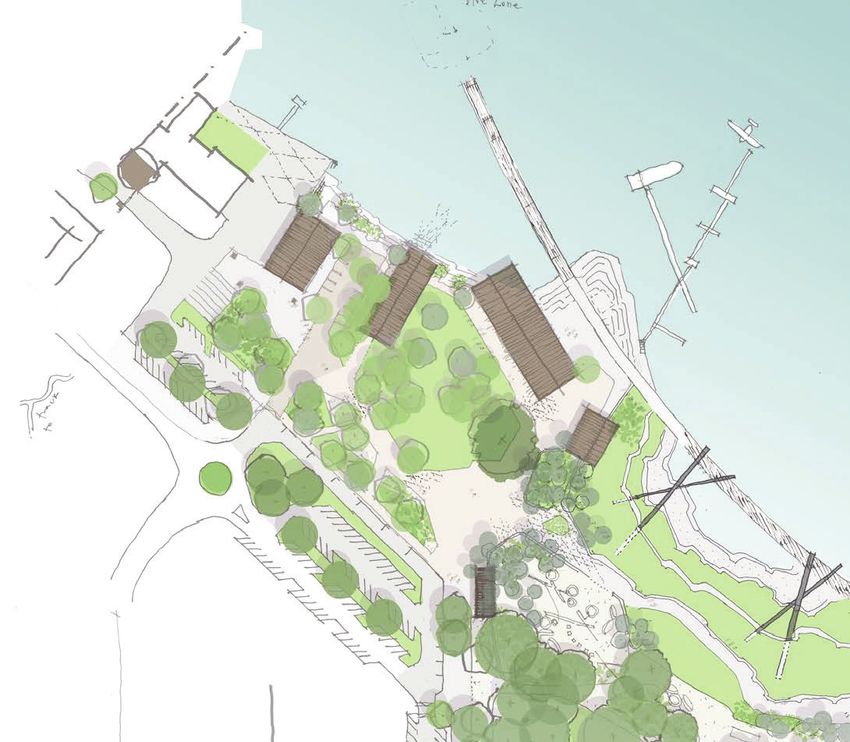
Executive Summary

    Rotorua Lakes Council has aspirations to develop           The economic flow-on effect for our highly-valued
    our Rotorua Lakefront to a world class standard and        tourism sector will be that tourists stay longer,
    seeks $19.9m from the Provincial Growth Fund to            spend more and tell others, plus we’ll be in a position
    match our own investment of $20.1 million so that we       to attract the higher-yield tourists who are currently
    can develop the amenity and deliver transformational       bypassing Rotorua in favour of other higher-end
    outcomes for the city and the wider region.                offerings. New accommodation will also give much
                                                               needed relief from the capacity crunch that is
    This is a ‘surge region’ public amenity project that is    looming as more and more people come to Rotorua
    ‘investment ready’ following ten years of preceding        on the back of New Zealand’s tourism success.
    work. Throughout this period, we have consulted
    widely with all stakeholders including iwi, our wider      Rotorua’s social situation means we can’t deliver
    community and our regional partners, and we have           this vision on our own. While we are a bold city,
    100% support for this PGF application based on the         we are not a rich city and we present with the
    outcomes your funds will enable.                           troubling paradox that Māori, as the major cultural
                                                               drawcard for the region for over 130 years, are
    Your investment will catalyse a number of positive         overly-represented in all social deprivation indices.
    and significant economic and social outcomes.              This situation is not good enough, and by working
    Private and iwi landholders around the lakefront           together in support of mana whenua, Māori assets
    have signalled that they are ready to invest $305.7        can be better leveraged, and more meaningful and
    million into accommodation and attractions once            sustainable jobs created.
    the lakefront project has been started, with 470 jobs
    to be created for the people of Rotorua, particularly      In Rotorua, our approach is one of tatau tatau ‘we
    Māori. New food and beverage offerings will emerge,        together’’ and it is for that reason we submit this
    and there will be opportunities for more events,           Business Case and make this application to you.
    improved social engagement and cohesion, and
    cultural and civic pride.

    Our Te Arawa Lakes are indeed an attraction for locals and tourists alike
    and we are pleased that under the leadership of the Rotorua Lakes Council
    we will see developments that will showcase Lake Rotorua, our community,
    our natural habitats and our culture.
    Sir Toby Curtis, Te Arawa Lakes Trust

                                      It is clear that this is a Council with a bold vision, a strong
                                      leader and a desire to lead the way in cultural partnerships
                                      and expression.
                                      Sir Bob Harvey, Chair Lakefront Strategic Advisory Group

    The partnership approach will allow for the uplift and step change that
    is needed for Rotorua’s tourism experience to continue to innovate and
    change, for the betterment of Rotorua and New Zealand.
    Malcolm Short, Chairman, Pukeroa Lakefront Holdings Ltd

3

A|   Application
     form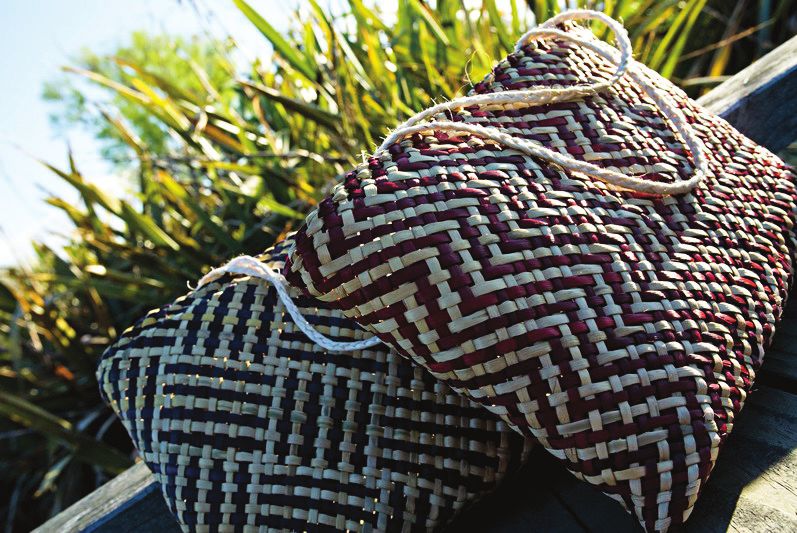
Investment Philosophy

    The following principles were developed in collaboration with our partners:

    Tatau Tatau
    “We together”
    Collaboration at every level of decision making; governance,
    management, planning.

    Kia rangatira ai te mahi
    “To master the process” “Do this work very well”
    Quality collaboration, Quality planning, Quality development
    opportunities, Quality infrastructure.

    Whakahaumakotia, whakamanahia te mauri me te wairua
    “Enriched life force and spirit”
    Respect for the whenua. Positive, sustainable, long-lasting social and environmental outcomes.

    Āheinga mahi
    “Sustainable and long-lived positive social outcomes through employment”
    Create employment for the people of Rotorua, particularly our Māori youth.

    Kia āhei ai te haumitanga me te whai rawa
    “Sustainable and long-lived commercial returns from investment opportunities and
    commercial developments”
    Create commercial returns for the people of Rotorua and the wider region.

                                       Nāku te rourou nāu te rourou ka ora ai te iwi.
                                    With your basket and my basket the people will live.

4

A|   Application
     form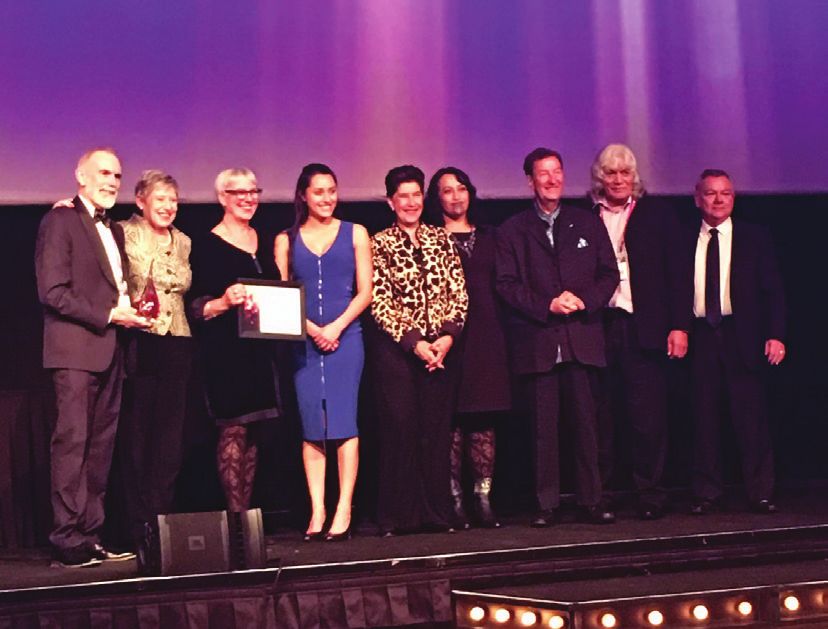
Numbers you should know

    Tourism

                              +                                                   -
        4th most visited place in New Zealand by
                                                          60th for average spend per international visitor
        international visitors

        4th highest number of guest nights in             Lowest hotel average daily rate of the seven
        New Zealand                                       Project HAP focus regions

                                                          No investment means a projected shortfall
        6th most guest nights per capita
                                                          of 354 hotel rooms in 2025

                                                          1980s and 1990s – the date that the
                                                          majority of Rotorua’s existing accommodation
                                                          stock dates from

                                                          1 only – the number of additons to the Rotorua
                                                          hotel market in recent years (that being the
                                                          36 room Quest Serviced Apartment Hotel
                                                          completed in 2012)

    It is clear that tourism in Rotorua is at a cross-roads and decisions about
    the future vision and strategic direction (and associated investments and
    initiatives) have to be made very soon if the goal of achieving a net increase
    in the value of tourism by NZ$350m over the next decade is to be delivered.
    Professor Terry Stevens

    Social
    >    7.8% of the working age population are receiving the Job Seeker Support benefit, 57th worst
         in New Zealand
    >    50% of people live in areas with high socio-economic deprivation, 54th worst in New Zealand
    >    69% of Māori compared with 37% of non-Māori in Rotorua live in areas with high socio-economic
         deprivation.

5

A|      Application
        form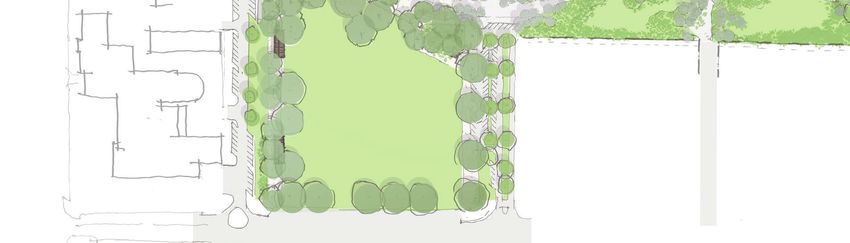
Productivity

                                                                                   More training
    The rationale for the development of the                                     and development
    Rotorua Lakefront is to trigger private                                       partnerships for
    and iwi investment in accommodation and                                          local jobs
    attractions on neighbouring sites. This                                                            Improved
    will result in improved accommodation
                                                                 Up to 11                               Iwi land
    capacity at the higher yield end of the
                                                               development                            development
    tourist market, creating an environment
                                                                   sites                               and value
    to support a range of improved food and                                     $20.1M ROTORUA
    beverage options, better attractions and                                    LAKES COUNCIL
    events, and improved social value and civic
    pride for local residents. These investments               Local
                                                                                        +                  Improved
                                                                                    $19.9M                  value as
    (40% expected from Iwi) will create more                  resident
                                                                                  PROVINCIAL                tourism
    jobs (including sustainable jobs for Māori).                value
                                                                                 GROWTH FUND              destination
    Iwi entities are expecting to protect up to
    25% of jobs for iwi. On a macro level the
    investments will also lead to higher wages
    and increased household consumption for                              $305.7m
    the whole Rotorua community, contributing                          new investment         Approximately
    to an overall increase in GDP for the local                        triggered, 40%           470 jobs
    and regional economy.                                                   by iwi

    I formally advise that at our board meeting, Ngāti Whakaue Tribal Lands
    confirmed our design to invest in the construction of a commercial building
    within the concept design.
    Ray Morrison, General Manager, Ngāti Whakaue Tribal Lands

                              Both sites have huge potential to attract quality tenants from
                              outside of Rotorua. However, each time I have a conversation with
                              a potential new tenant, the quality of the adjacent public spaces is
                              frequently part of the discussion.
                              Tony Bradley, Director, TPB Properties

    Rotoma No.1 Incorporation is currently waiting on the public investment before
    undertaking a large-scale development of our own within the Rotorua city centre. Our
    development involves constructing an exclusive commercial property, investment of at
    least $20 million and is anticipated to create approximately 50 jobs post development.
    Neville King, CEO, Rotoma No.1 Incorporation

6

B|   Strategic Case and
     Regional Alignment
PGF Alignment

                                                          INVESTMENT                             MACRO OUTCOMES
                                                          PHILOSOPHY                                 SOUGHT
      OBJECTIVES                OBJECTIVES

    Lift productivity       To unlock our                 Tatau Tatau “We Together”.     • Increasing tourism spend across all
    potential of the        tourism productivity          Kia rangatira ai te mahi “To     indicators making the local tourism
    region.                 potential by adopting         master the process do this       industry more resilient.
    Build resilient         a destination                 work very well”.               • Closing the yield gap on other NZ
    communities.            management focus.                                              tourism cities.
                                                                                         • Creating a destination which celebrates
                                                                                           our unique cultural value proposition.

    Enhance economic        To catalyse sustainable       Kia āhei ai te haumitanga      • Creating an enabling eco system for all.
    development             economic development          me te whai rawa                • Creating a public domain which acts
    opportunities.          opportunities by              “Sustainable and long-lived      as the anchor tenant for capitalising
    Build resilient         leveraging destination        commercial returns from          commercial developments.
    communities.            management outcomes.          investment opportunities
                                                                                         • Maximising the projected growth in
                                                          and commercial
                                                                                           GDP.
                                                          developments”.

    Boost social            To boost social               Whakahaumakotia,               • Providing high quality public space that
    inclusion and           inclusion and                 whakamanahia te mauri            the community is proud of and visitors
    participation.          participation and civic       me te wairua “Enriched life      talk about, aspirations contribute to be
    Build resilient         pride so that everyone        force and spirit”.               New Zealand first bi-lingual city.
    communities.            benefits and no-one is        Āheinga mahi “Sustained        • Closing the gap on social deprivation,
                            left behind.                  and long-lived positive          ensuring the entire community shares
                                                          social outcomes through          in the benefits of this journey.
                                                          employment”.

    Enable Maori to         To increase utilisation       Tatau Tatau “We Together”.     • Catalysing public and iwi investment
    reach full potential.   and returns for Māori         Āheinga mahi “Sustained          to better leverage the economic
    Build resilient         from their asset base,        and long-lived positive          opportunities of settlement assets.
    communities.            and enable Māori to           social outcomes through        • Unlocking jobs by iwi for greater
                            reach their full potential.   employment”.                     opportunities for Māori employment.

    Create sustainable      To create sustainable         Āheinga mahi “Sustained        • Increase in jobs and training to the
    jobs.                   jobs that build               and long-lived positive          region (to be delivered by local
    Build resilient         resilience and result in      social outcomes                  education providers) with jobs going to
    communities.            less residents living in      through employment”.             locals first.
                            deprivation.                                                 • Leveraging social procurement across
                                                                                           Council developments.

    Meet New Zealand’s      To enhance the health         Whakahaumakotia,               • Promoting commercial activity that
    climate change          and well-being of the         whakamanahia te mauri me         supports the environment.
    targets and sustain     environment and our           te wairua “Enriched life       • Extending national cycleway linking
    natural assets.         relationship with it.         force and spirit”.               urban areas with our lakes, forests
                                                                                           and places of cultural significance and
                                                                                           promoting carbon neutral transport
                                                                                           methods.

7

B|       Strategic Case and
         Regional Alignment
Project Objectives and
    Business Need

     DESCRIPTION                OBJECTIVE                                 NEED

     Stage 1 – Open lawn,       To create an attractive boardwalk
     headland terraces,         which connects the piers anchored
     timber boardwalk,          on the western and eastern ends
                                of the lakefront. This includes           • More impact to complement
     walkways, cycleway,                                                    adjacent spa site and future
                                Tukutuku bridges which highlight the
     piers and shelter                                                      commercial development
                                relationship between the land and lake.
                                                                          • Safer access
     Stage 1a – Concrete        Attractive landscaping and lake edge      • Cultural acknowledgement and
     and grassed terraces,      treatment which will complement             story telling
     timber boardwalk           surrounding private developments
     piers, walkways and        including the Spa development
     tukutuku bridges           currently being built on the Lakefront.

                                To create additional parking for          • Better integration between lakefront
     Stage 2 – Roading,         visitors to the lakefront, and enhance      and Eat Streat
     car parking, covered       the viewshaft from Eat Streat             • Improved amenity
     shelters                   through to proposed commercial            • Diversified activity
                                developments on the lakefront.            • More parking

                                                                          • Commercial activity (F&B) to activate
                                                                            the lakefront day and night
                                                                          • Play space which highlights cultural
                                To create a play space which                significance of the area
     Stage 3 and 3a –           recognises the cultural significance      • Better integration between lakefront
     Walkway and playspace,
                                of the area, and provides a                 and Eat Streat
     roading, car parking and   landscaping platform to capitalise        • Improved amenity
     promenade paving           private investment on the reserve.        • Opportunities for mana whenua
                                                                            investment
                                                                          • Diversified activity and higher quality
                                                                            concessions

                                                                          • Improved amenity supporting
     Stage 4 – Visual           To provide better parking solutions         surrounding private developments
     connections from CBD,
                                and paving which better connects the      • More parking and better link to
     car parking and
                                lakefront and the city.                     proposed future hotels
     promenade paving                                                     • More events

                                To provide a link to the Ohinemutu
                                                                          • Opportunities to create better link
                                village which supports the aspirations
                                                                            to Ohinemutu
                                of the village, and provide an area
     Stage 5 – Car parking      near the rowing club to support
                                                                          • Unlocking community water sports
     and promenade paving,                                                  area (rowing and Waka ama)
                                activation of water sports including
     Wharewaka, site for                                                  • Wharewaka which better celebrates
                                Waka ama. A key part of this stage
     commercial building                                                    Te Arawa Waka and Te Arawa Tangata
                                is also delivery of the new upgraded
                                                                          • Commercial building to combine
                                Wharewaka, and opportunity for
                                                                            operators, F&B opportunities
                                commercial building investment.

                                Improved public amenity to highlight      • Quality public amenity which
                                the cultural significance of the            celebrates our cultural identity
     Improved overall
                                area, and increase opportunity            • Quality infrastructure and amenity to
     amenity                    for commercial investment on                unlock commercial opportunities on
                                surrounding sites.                          surrounding sites

8

B|   Strategic Case and
     Regional Alignment
Concept Plan
The concept plan has been developed with partners with award-winning
landscape architect, Isthmus and a cultural design consultant.
Scale 1:2000 @A3
Layout. Stakeholders.
Masterplan Rationale Adjacency and Response.
Key moves: Key activities:
Existing commercial pier,
1. relocate parking a. boating and water sports future upgrade.
2. remove memorial drive link b. commercial zone Future pier extension
provided for the Lakeland
Queen and Kawarau Jet.
3. relocate wharewaka c. events and markets Boardwalk with sightlines
glimpsing Ohinemutu
General and accessible
village. Proposed location
parking with drop off
4. provide 2000m2 of building d. active openspace and play for swimming and jumping
platform for Manu/bombs.
located within close
proximity to new buildings
and commercial activity.
5. construct public boardwalk e. passive recreation
Public toilets and change
facilities located within
Waka Ama building.
New restaurant building
platform, 1100m2.
New Wharewaka building
aligns with Mokoia Island
and provides a central
gathering space.
Gateway to Ohinemutu
New combined ticketing
created with carvings from
and kiosk building platform,
existing Wharewaka and
300m2.
small landscape threshold.
Potential for commercial
kiosk within future Waka
Ama building to facilitate Convenient parking, taxi
ticketing for Ohinemutu stand and bus parking.
entrance or tours.
Future Development Site
Potential Purchase of Road Reserve
Ohinemutu - the village Commercial operators and future restaurants and cafe
The line drawn between Ohinemutu and Motutara provides a direct connection along the bay. The boardwalk Two proposed building footprints have been established within the existing headland landform. The larger building,
emphasises the tension between the land and water and our relationship to it. Floating it over the shoreline allows sitting at 1100m2, is proposed for restaurant and cafe facilities, while the smaller building, at 300m2, is intended to
space for the overlap of water and land, memory of previous shorelines and direct connection to the water allowing for commercial operators and ticketing adjacent to the commercial pier. The buildings frame views across the lake
respectful adjacency to the village and natural landscape. to Mokoia Island from the civic plaza and have a direct connection to the activity space. The location allows for a
Future Hotel Site Future Spa
seamless interface between plaza and restaurant/cafe facilities during community events but offers lakeside dining
The Ohinemutu village is provided a new entrance directly adjacent to the civic plaza space. The entrance aligns separated from the plaza for a high-end dining experience. The restaurant will be grounded to the headland but a
with the new Wharewaka building creating an Ātea, a gathering space for residents and visitors. The entrance will decking area floating above the lake edge offers a connection to the water. Dining is envisaged to be located on the
create a new gateway for Ohinemutu, this gateway, formed from the carvings of the existing Wharewaka, further northern edge with views over Lake Rotorua and to Mokoia Island.
strengthens the connection between the village and the new Wharewaka.
The existing commercial pier requires a future upgrade but remains in its current location, a new extension will
The design allows for a potential commercial kiosk within the Waka Ama building for ticketing entrance or tours support the Lakeland Queen and Kawarau Jet to provide a single connection to the land and allow the new
through Ohinemutu. It is also home to toilet and change facilities which support the swimming area and jumping boardwalk to reclaim the headland as a public space. Vehicle strength pavement allows service vehicle access,
platform located off the feature boardwalk. including food truck and refuelling trucks to the existing pier and proposed restaurant and ticketing building
Lakefront Redevelopment | Rotorua Lakes Council | 30 July 2018 8 Lakefront Redevelopment | Rotorua Lakes Council | 30 July 2018 17
Full concept design report can be found in Appendix 1
9
B| Strategic Case and
Regional Alignment
Additionality

     Investment by the Provincial Growth Fund will deliver these additionality benefits:

     >   New hotels on the lakefront – to be at the higher         >   New capability building opportunities for mana
         yield (4.5* plus) end of the market where capacity            whenua (new entry through to Governance)
         is currently being squeezed                                   leveraged through partnerships with national and
                                                                       global tourism organisations
     >   New accommodation (apartments) and
         commercial buildings in the lakefront precinct and        >   Flow on social benefits through civic pride and
         CBD area                                                      social opportunities

     >   New restaurants and improved night-time activity          >   More events and attractions
         at the Lakefront
                                                                   >   A more sustainable and resilient tourism offering
     >   Better leverage of Māori assets and increase of the
                                                                   >   A more equitable community with higher yield
         asset base for iwi beneficiaries
                                                                       tourism benefits triggering economic flow on
     >   Improved sustainable jobs for Rotorua residents,              effects that will improve the social situation for
         particularly Māori by partnering with iwi who                 Rotorua, particularly for Māori
         will ensure up to 25% of jobs across their
         developments are allocated to their own

     The lakefront development, with its strong cultural focus,
     will create up to 80 jobs within the spa development alone.
     Malcolm Short, Chairman, Pukeroa Lakefront Holdings Ltd

     The development of the
     Rotorua Lakefront is aligned
     with both regional and
     national strategic frameworks                    ROTORUA
     and development plans                           LAKEFRONT
                                                    DEVELOPMENT
                                                     “BIG MOVE”

                                        Rotorua         Rotorua    Rotorua         Rotorua
                                      Vision 2030     Investment   Spatial      Subregional
                                     “The Rotorua     Philosophy    Plan      Visitor Economy
                                         Way”                                     Strategy

                              Bay of Connections               Queen                Bay of Plenty
                               Regional Visitor               Elizabeth               Economic
                              Economy Strategy              Health Project           Action Plan

                  Maihi       Provincial      NZ          National Policy     NZTE Hotel            National
                  Māori        Growth      Tourism          Statement         Acceleration      Cycleway – Great
                 Strategy       Fund       Strategy         for Urban           Project           Rides Fund
                                                         Growth Capacity

10

B|    Strategic Case and
      Regional Alignment
Regional Benefits
The Big Moves developments have been identified as key priorities
through the development of the Regional Visitor Economy Strategy and
will bring a significant benefit to the sub-regional and wider tourism
sector across the Bay of Plenty.
Doug Leeder, Chair, Bay of Connections
The two Big Move projects being undertaken by Rotorua Lakes
Council align significantly with Toi-Ohomai’s strategic direction and
institutional objectives.
Dr Leon Fourie, CEO, Toi-Ohomai Institute of Technology
This project has the potential to achieve transformational economic,
social and cultural outcomes for our rohe (region) and people.
Te Taru White, Chair, Te Tatau O Te Arawa
Through the Visitor Economy Strategy, we have identified key tourism
projects at a regional and sub-regional level which will act as catalysts for further
growth, and just as importantly, support the future stability of the industry. Importantly
the strategy supports Rotorua Lakes Council’s key “Big Moves” projects; one in the forest,
and the second at the lakefront, As per the core purpose of the Visitor Economy Strategy,
they will both achieve significant benefit for Rotorua, and the wider Bay of Plenty.
We have proved that when a region works together, it can achieve great things.
To everyone that has been involved, thank you for your time and effort in making
this regional visitor strategy a reality.
Graeme Marshall, Deputy Chair Bay of Connections
The development of a five-star hotel and Wai Ariki Hot Springs and Spa
on our lakefront land will not only further increase the asset base for iwi
beneficiaries but many jobs will be created in the community.
Malcolm Short, Chair of Pukeroa Oruawhata Group
11
B| Strategic Case and
Regional AlignmentProject Fit
The lakefront project is part of a series of key projects
and Big Moves outlined in Vision 2030 ‘the Rotorua Way’.
All are being worked on concurrently and holistically to
deliver positive outcomes for the city and the wider region.
1 A revitalised city centre (largely completed) 3 An integrated transport network
A vibrant and exciting inner city is a major Simple and more integrated public transport
factor in attracting people, activities, events networks for Rotorua mean we can continue
and development to the district. to participate fully in the lifestyle we enjoy.
a. Eat Street a. Urban Cycleway Network
b. City Markets b. Te Ara Ahi National Cycleway
c. Sir Howard Morrison Performing Arts Centre c. Central City Corridor Development (with NZTA)
d. Te Aka Mauri Children’s Health Hub and Library d. Eastern Corridor Development (four-lane project
e. Te Manawa Central City with NZTA)
f. I-site development
4 A plan for future growth
2 Enhancing the ring of reserves When we ensure our land, housing and
infrastructure are in the best condition
When we create premier free and low-cost to meet present and future needs, we
community spaces and places around our increase the resilience and vibrancy of our
city, we enhance family-friendly destinations communities and villages.
for locals and visitors to enjoy.
a. Spatial Plan
a. Kuirau Park
b. Housing Initiatives
b. Sanitorium Reserve
c. Sports Facility Upgrades
c. Rotorua Lakefront
d. Rotorua Museum
e. Aquatic Centre 5 Initiatives for an enhanced environment
Our commitment is to enhance and
celebrate the environment…
a. New Rotorua Waste Water Treatment Plan
b. East Rotoiti-Rotomā Waste Water Scheme
c. Whakarewarewa Forest
d. Rotorua Urban Stormwater Upgrade
Consultation on the funding level is complete and was undertaken through
the Long Term Plan process in 2018. To enable the masterplan, Council has
commenced consultation on changes to the Reserve Management Plan and this
will be complete by October. Consultation will continue to occur through the
detailed design process with key stakeholders.
12
B| Strategic Case and
Regional AlignmentCurrent State
1
4
8 5
10
3 9
2
7
6
1 A general disconnect between the city centre and 7 Temporary transportable prefabs that house the
the lakefront, with the lakefront remaining in a ticketing operators creating a transient feel.
timewarp with a food and beverage offering that is
8 Few activity generators to draw people from the
weak and no nightlife to speak of.
city to the lakefront.
2 A disjointed pier not fit for purpose for current and
9 Extensive and unnecessary grass areas
new operators.
contributing no real character.
3 A visual lack of diversity, no storytelling, cultural
10 Damage to the lakefront edge caused by the
recognition of the place setting or modern
lake level rising during storm events in 2017 (with
features. Tired and dated street furniture.
limited remedial work being undertaken to resolve).
4 A stock standard playground that does not meet
11 A lack of any significant cultural interpretation at a
current play styles or cater for a variety of ages.
time when tourists are actively seeking authentic
5 A lakefront that is dominated by vehicles instead of and original cultural experiences.
prioritising people.
6 The Rotorua Soundshell building and café has been
deemed earthquake prone and has been closed
Why the project has not been done before?
for some time. As a result the southern end of the > Partners not aligned
lakefront looks tired and uninteresting. > Affordability
> Awaiting private investment
Unfortunately the current facilities and lack of investment of the years
mean our lakefront area is tired, dated, with limited visitor flow and in some
areas quite embarrassing for a premier tourist city. This has created stagnate
growth of limited private investment with little or no new business creation and
limited areas for local community engagement.
Craig Hammond, General Manager, Lakeland Queen Cruises
13
B| Strategic Case and
Regional AlignmentLocal Support – Tatau Tatau
The key to the success of the lakefront development is Council’s ability to partner between the public,
private and iwi realms to deliver projects of longevity and quality.
Because the Lakefront Project has been ten years in the making, we have initiated many positive
conversations and attracted the support of these entities:
The Lakefront land is owned by the Crown
and managed by Council and co-managed
in accordance with the Gifted Reserves
Protocol with Pukeroa Oruawhata Trust
(on behalf of Ngāti Whakaue).
TPB
Properties
Letters of Support can be found in Appendix 3.
14
B| Strategic Case and
Regional AlignmentIwi Support
The Gifted Reserves Protocol Committee was a key partner in the
development of the Rotorua Lakefront concept design in 2006-2009
and again in the recently amended concept plan in 2017 to 2018.
Malcolm Short, Chair, Pukeroa Oruawhata Trust
The projects are founded on the notion of “Tatau, Tatau”
and will be developed and delivered in partnership with
mana whenua.
Te Taru White, Chair, Te Tatau O Te Arawa
We have consulted with key stakeholders and gained
endorsement on our development aspirations which include
Ngāti Whakaue Tribal entities, Ngāti Whakaue claimants
pursuant to the Lakefront Reserve claims process (Wai1883).
Ray Morrison, General Manager, Ngāti Whakaue Tribal Lands
On behalf of Te Arawa Lakes Trust I confirm our organisations
support for the Lake Front Development project.
Sir Toby Curtis, Te Arawa Lakes Trust
Tēnā koutou e te kōmiti whakahaere koutou e pikauhia nei e ngā wawata, me
ngā whakaaro e whakakotahi mai te kauniherao Rotorua, ngā iwi o Te Arawa,
me ngā pākihi whānui kia eke Tangaroa, kia eke panuku ai tātou katoa. This is in
support for the Provincial Growth Fund application from Rotorua Lakes Council.
Neville King, CEO, Rotoma No.1 Incorporation
The concept plans sited and the consultation to date
indicates that council recognise the importance of the waka.
Laurie Durand, Trustee, Te Arawa Waka Taua
15
B| Strategic Case and
Regional AlignmentWider Benefits
Matched PGF funding will provide a 38% proposed developments, which excludes spending
increase in public and private construction patterns of people staying in existing commercial
accommodation, private accommodation and day
value, and tourism spending.
visitors to Rotorua. For this reason we believe the
Information in the table below is derived from the tourism impact could be larger. The table below
Economic Impact Assessment completed by NZIER summarises the overall impact of securing the PGF
and Colliers. The approach to estimating tourism funding based on both the economic metrics, and the
spending is based on hotel capacity increase from the impact on delivery.
Economic Options Analysis Total cumulative impact out to 2030; Net Present Value
+ IMPACT WITH
SCENARIO PGF FUNDING
SCENARIO
(WITHOUT PGF FUNDING) (WITH PGF FUNDING)
Timescale for Project delivered 5 years
public construction 8 years 3 years earlier, bringing forward private
project investment and tourism benefit
Additional $20m in public
Public Construction $15m $35m
construction
Private and Iwi Additional $124m in private
$118m $242m
Investment construction
Impact on Tourism Additional $254m of value in
$109m $363m
spending Tourism spending
Economic Impact Consumption $41m Consumption $146m Additional $105m
Exports $26m Exports $248m Additional $222m
GDP $63m GDP $214m Additional $151m
238 Construction + 371 Construction +
Total cumulative 39 per annum for tourism 96 per annum for tourism
Additional 190 jobs
Jobs out to 2030
277 467
Source: Economic Impact Assessment, NZIER, Colliers.
The table above confirms the view that the scenario of combining the Long Term Plan funding with the
PGF funding, over the projection to 2030 will contribute to significantly greater economic outcomes for
Rotorua.
16
C| Project costs,
economics & benefitsCost Breakdown
Total project cost breakdown
Rotorua Lakes Council in partnership with iwi stakeholders has been investing in the development and plans
for both Big Move projects for over a decade and has contributed over $1million to date (excluding capital
expenditure) to get this project to its current state of readiness.
The project development has been broken down into three stages:
> Phase 1 Research and Investigation – Including concept design, developing design guidelines, inner city
revitalisaiton strategy development and public consultation. Fully funded by Rotorua Lakes Council
> Phase 2 Business Case Development and Detailed Design of Stage 1 and 1A – Including
Economic Impact Assessment, engaging project management professionals, cultural design consultant and
developed design and detailed design of first stages. Part funded by the PGF.
> Phase 3 Construction and Implementation – All stages, over three years, forms this application,
requesting 50/50 funding of PGF and Rotorua Lakes Council already approved match funding.
If things had been different, our Trust would look to support this project. Regrettably
we are confined to supporting causes of a charitable nature and additionally we
are committed our support to the Sir Howard Morrison Performing Arts Centre and
restoration of the Rotorua Museum. We will not have the funds available over the next
few years to make a contribution to the Big Moves completion.
Tony Gill, Trust Manager, Rotorua Energy Charitable Trust
Total funding sought from PGF: $19.9 million from the PGF be confirmed then this will be brought
forward and delivered over 3 years.
Type of funding sought: Grant
Despite the increase in debt ($55.9m) proposed in
Description and breakdown of funding the Long Term Plan, the Council will still maintain
sought from elsewhere and what funding on average 83% equity in our asset base during the
has been committed: 10-year Long Term Plan period. Further even with the
inclusion of the new debt we are still expecting to
Council has positive and enduring relationships with meet our debt limits as per the metrics below:
multiple funders including BayTrust, Rotorua Energy
Charitable Trust, NZ Charitable Trust, Francis Moss > Net debt to Total Revenue 186.5% against a limit
Boord Trust, Ngāti Whakaue Endowment Trust and the of 225%
Wright Family Foundation. > Net interest to total revenue 8.9% against a limit
These funders all have stated that they support social of 20%
outcomes over economic outcomes and so they have > Net interest to Annual Rates Income 11.47% against
opted to support other Rotorua projects such as a limit of 25%
community events and charity organisations.
This comfort is further reinforced by the Council’s
Unfortunately, projects like the lakefront does not fit into retention of an AA- rating with Fitch ratings despite
their mandate due to its scale, complexity and ultimately, the additional debt proposed in the LTP.
the economic drivers which primarily underpin it.
Required timing of costs: 3 years
Details of ongoing costs and financial viability:
Maintenance costs and funding sources:
Match funding was approved for the lakefront project
Ongoing maintenance of the asset will be funded through
in the Long Term Plan (LTP). This funding is set to
the Council’s operations and capital renewals budgets.
occur from years 1 – 8, however should match funding
17
C| Project costs,
economics & benefitsCost Breakdown
PHASE 1 – RESEARCH AND INVESTIGATION TOTAL RLC PGF
Various pieces of work undertaken to ensure all the $641,350 $641,350 $0
background work for this project was undertaken includin,
urban design guidelines, concept design, options analysis
and exploring a development company, market assessment,
economic impact strategies, engagement and consultation COMPLETED
and data purchasing and analysis.
Sub-total $641,350 $641,350 $0
PHASE 2 – BUSINESS CASE DEVELOPMENT AND DETAILED
TOTAL RLC PGF
DESIGN OF STAGE 1
Taking the project to the next step including, developing the $919,300 $533,800 $385,500
business case, undertaking economic impact assessment,
engaging a project management professional, topographical
Underway
survey, civil and engineering design, engaging culural
design consultant, completing communications and
engagement plan, brand development and setting up clear
goverance structure.
Sub-total $919,300 $533,800 $385,500
PHASE 3 – CONSTRUCTION AND IMPLEMENTATION TOTAL RLC PGF
Stage 1 – Headland terraces, timber boardwalk, walkways,
$7,902,000 $3,970,755 $3,931,245
cycleway, piers and shelter
Stage 1A – Terraces, boardwalk, tukutuku bridges $8,908,000 $4,476,270 $4,431,730
Stage 2 – Car parking and covered shelters $2,817,000 $1,415,543 $1,401,458
Stage 3 and 3A – Walkway and playspace, promenade
$13,855,000 $6,962,138 $6,892,863
paving, public toilets
Stage 4 – Car parking, promenade, event infrastructure $1,806,000 $907,515 $898,485
Stage 5 – Connections to Ohinemutu, Wharewaka, Waka ama
$4,712,000 $2,367,780 $2,344,220
area, site for commercial building (but not including)
Sub-total $40,000,000 $20,100,000 $19,900,000
Source: Quantity Surveyor Report, Accom, see Appendix 2.
SUMMARY TOTAL RLC PGF
Total Phase 1 – Research and Investigation $641,350 $641,350 $0
Total Phase 2 – Business Case Development
$919,300 $533,800 $385,500
and Stage 1 Design
Total Phase 3 – Construction and Implementation $40,000,000 $20,100,000 $19,900,000
Total % Overall Split 51.19% 48.81%
A full cost analysis undertaken by Aecom is in Appendix 2.
18
C| Project costs,
economics & benefitsTiming
Initial Provincial
Growth Fund funding
to complete feasibility,
detailed design &
business case
Confirmed May/June
Rotorua Lakes Council
Long Term Plan funding
Confirmed June
Development of Provincial
Growth Fund Business Case
By late July
Contractors
Detailed design work for
appointed
Rotorua Lakefront Capital Works
November
Completed by end of September
Stage 1 Stages 2, 3 & Stages 4 &
Works starts delivered 3A delivered 5 delivered
on Stage 1 & Stage 2, 3 & work starts & project
December & 3A starts on Stages 4 & complete
Dec 2019 5 Dec 2020 Dec 2021
2018 May Jun Jul Aug Sep Oct Nov Dec 2019 2020 2021
Impact on Balance Sheet
To deliver the projects in the Long Term Plan the Council committed only $20.1 million in the Long Term
Council was required to increase their debt ceiling Plan with an expectation that the remaining is sought
from 175% of revenue to 225%. Over the 10-year period from external funders or the scope is changed.
of the Long Term Plan the Council is proposing to
deliver a total capex programme (renewals and new While the additional debt can be perceived negatively
assets) of $486.937 million dollars, increasing debt by Council’s retention of an AA-rating with Fitch ratings
$55.9 million. If the Council was required to cover the for the last three years running provides comfort in the
full $40 million-dollar cost of the lakefront, it would financial stability of the Council.
form 12% of all debt proposed. For this reason, the
The council’s financial management is a strength, with long-term
projections consistent with local peers and well above similarly
rated international peers. Rotorua Lakes Council has addressed
previously weak performance through a mix of restructuring,
expense cuts and revenue increases.
Raffaele Carnevale, Senior Director, Fitch Ratings
19
C| Project costs,
economics & benefitsProject Management Plan
Project Plan
With support from the Provincial Growth Fund in June, Rotorua Lakes Council contracted project management
services from Veros Property Services. Following good practice and management we have available:
> Project management plan > Stakeholder and engagement plan
> Detailed programme > Communications plan
> Project status reports > Procurement plans
> Minutes of Strategic Advisory Group,
Steering Group and project team meetings
Timeline
PHASE 1 PHASE 2
Incorporating Concept Designs, Incorporating Business
PHASE 3
Partnership Agreements, Case, Economic PHYSICAL WORKS
Governance Structures, Scoping Assessment and UNDERWAY
for Readiness Detailed Design
COMPLETED
Rotorua T
Initial Investment Co-investment E Co-funded Rotorua Lakefront Capital Works
Lakes Council N
D
E
Provincial R
Co-investment Co-funded Rotorua Lakefront Capital Works
Growth Fund S
Private and Catalysed Investment
Iwi Investment + Creation of direct & indirect Jobs
Application to Application to
Provincial Provincial
Growth Fund Growth Fund
– May 2018 – – August 2018 –
Operational Budget Capital Budget
2017 APPROVED Dec
2018
We confirm the
project plan has
been independently
developed with
assistance of project
management
professionals Veros.
20
D| Project
PlanProject Management Plan
Governance arrangements
Rotorua Lakes Council recognises and acknowledges the importance of having robust governance processes in
place to ensure probity and effectiveness in achieving our respective and aligned goals. Our governance structure
and the reporting arrangements for this project are as follows:
DELIVERY DIRECTION
Project Governance COUNCIL
CHIEF
EXECUTIVE
OFFICER
STRATEGIC MEMBERS
PROJECT Sir Bob Harvey, John Dalzell,
ADVISORY
STEERING Patrick Reynolds, Bella Tait
GROUP (SAG)
GROUP (PSG)
Chaired by
Chaired by
Sponsor
Sir Bob Pukeroa Oruawhata
Harvey Alec Wilson, Malcolm Short
Te Arawa Lakes Trust
PROJECT Terry Tapsell, Lana Ngawhika
SPONSOR Facilitated by Project Sponsor
(accountable for
overall successful
delivery)
Project Planning
PROJECT
MANAGER COUNCIL
(responsible PROJECT CO-
to Sponsor for ORDINATOR
overall delivery)
OTHER
DESIGN PROFESSIONAL
CONTRACTOR(S) COUNCIL
(Construction CONSULTANTS SERVICES
SUPPORT
Phase) QS, Comms, EIA,
Marketing
21
D| Project
PlanProject Management Plan
Project delivery gates
We are now at the end of Toll Gate 2, with the Business Case approved by Council and awaiting approval
by the Provincial Growth Fund. Irrespective of that outcome, we are moving into 3 Plan and the PGF results will
determine the scale and speed at which we move into 4 Execute.
5.0 Launch & 6.0 Benefit
1.0 Concept 2.0 Evaluate 3.0 Plan 4.0 Execute
Close Realisation
GATE 3 – APPROVED PROJECT DELIVERY PLAN & BASELINE ESTABLISHED
1. Project Brief 1. Sponsor 1. High level 1. Detailed 1. Project close 1. Benefits
complete identified requirements requirements activities reporter
complete complete complete identified
2. Project Brief 2. Steering
submitted and Group in place 2. Detailed 2. On-going 2. Final project 2. Benefits
prioritised in design project reviews review owner(s) track
3. Project
Long Term complete established complete outcomes
Registered
Plan
3. High level 3. Change control 3. Handover 3. Benefit
4. Business Case
estimates process activities owner(s)
GATE 5 – BENEFITS REALISATION PLAN HANDOVER
complete
complete established complete report actual
5. Baseline forecast
4. Project 4. Procurement
benefits and outcomes
delivery plan process complete
GATE 1 – IDEAS PROJECT BRIEF APPROVED
targets agreed
complete
5. Communications
GATE 4 – APPROVED LAUNCH / GO LIVE
6. Business Case
5. Status plan implemented
GATE 2 – APPROVED BUSINESS CASE
approved
reporting
by Council,
established
waiting
approval by 6. Procurement
PGF Plan approved
7. Funding
streams
approved
By end of
September
December
2018
December
2021
We acknowledge the leadership of Lakes Council with the inclusion
of our own people into the planning and engagement process of the
development which is why we enthusiastically support this project.
Sir Toby Curtis, Te Arawa Lakes Trust
22
D| Project
PlanFeasibility Assessment
The feasibility of this project can be broken into two domains as per below:
Public Domain: The pre-feasibility for Private Domain: Council provided Colliers
the public domain was conducted as part of with a list of private development assumptions
preliminary developed design for the Rotorua expected to be capitalised from the Lakefront
Lakefront project. This involved engineers, development. The feasibility assessment
landscape architects and project managers completed by Colliers on these assumptions
testing assumptions and finding solutions. determined that they were plausible. This
This will continue through the detailed design message is further reinforced in the letters of
process (stage 1 expected to be final in support from iwi partners and local developers.
September), which will involve consenting and
other rigorous engineering and architectural
assessments.
Council has also engaged Veros to provide feasibility advice and guidance
on attracting a private developer to build a commercial building on the lakefront.
This will replace the RLC’s current building footprints, which have been
determined earthquake prone and outdated. Indication from iwi validate the
feasibility of this development.
We have been having ongoing dealings with commercial clients…
the feedback from these people, particularly in the tourist/visitor related
industries, is all in a similar vein – that the lakefront and forest experiences
don’t necessarily attract the quality of tenants or customers they are
looking for and they are struggling to find a return on investment.
Mark Rendell, Manager, Colliers Rotorua Commercial
23
D| Project
PlanRisk
Risk Management Methodology
Council considers risk management to be an essential Council manages risks continuously using a process
function in all areas of its business. The risks Council involving the identification, analysis, evaluation,
faces are grouped into three areas which are each treatment, monitoring and review of risks. It will be
managed separately – corporate risk, health and safety applied to decision making through all levels of the
at work and project risk. For project risk this project organisation in relation to planning or executing
has been assessed and identified as “complex” due to any function, service or activity. The framework is
the scope of the project, number of stakeholders and consistent with standard AS/NZS ISO 31000:2009.
level of funding. For this reason a dedicated Steering
Group has been established to regularly reviews
project risk.
Risk Register
Council has a sound risk methodology and strategy and the project manager maintains a detailed risk register
that is updated, reviewed and monitored closely by the Steering Group.
PMO Ref:
Project Name:
Project Sponsor:
RISK REGISTER
2017092
Big Move Projects
Jean Paul Gaston
The top key risks to this application are:
Project Manager: Michael Hancock and Portia Mckenzie
Group: Strategy
1. Delays in construction due to availability of
Business Unit: Strategy
Date Updated: 9-May-18
Version no: 4
RISK DESCRIPTION RISK MITIGATION
construction contractors – Run a registration of
RISK Category RAW RISK RATING RESIDUAL RISK RATING
RESIDUAL RISK Rank
LIKELIHOOD Rating
LIKELIHOOD Rating
RAW RISK Rating
RAW RISK Level
Service Delivery
RAW RISK Rank
CONSEQUENCE
CONSEQUENCE
RESIDUAL RISK
RESIDUAL RISK
Date Raised
Date Closed
Operational
Reputation
RISK Event
Political
RISK ID
Quality
Rating
Rating
Rating
BY WHO
Scope
Level
Legal
Time
Cost
(Describe the Event and PROPOSED ACTIONS BY WHEN
interest process once PGF application is submitted
(RISK OWNER)
Consequences)
Work closely with MBIE Regional advisor to ensure the applications align closely to
with option of Early Contractor Involvement
the outcomes of the Provincial Growth Fund, create a sound business case which
Failure to secure funding through the Extreme Medium
3 4-Apr-18 100 4 400 1 articulates the economic, social and cultural rationale for the lakefront development, Portia McKenzie 1/08/18 40 3 120 5
provincial growth fund Risk Risk
provide business case to central government by August 2018, and demonstrate that
we can deliver developments within the current ministerial cycle
Procure a dedicated marketing and public relations resource to sit alongside the
(ECI). Prepare tender documents should PGF be
project team, develop a detailed communications plan developed to coincide with
Misinformation shared with the public Medium
5 4-Apr-18 100 3 300 High Risk 2 project plan, and provide proactive information at each key milestone, engage with Ingrid Tiriana 1/08/19 70 2 140 1
resulting in a lack of public support Risk
key partners and ensure they are updated regularily and able to dispel
misinformation
Loss of strategic partner (CNI, Ngāti Whakaue Hold fortnightly governance meetings, stakeholder engagement strategy built and Medium
1 4-Apr-18 70 3 210 High Risk 3 J P Gaston/H Weston Ongoing 70 2 140 1
approved and commence public tender process as
and Tūhourangi) support implemented, include a representative of each group in the governance group Risk
Lack of availability of quality resource to
Procurement plan written and approved by Council CEO, allow for dedicated Medium
2 4-Apr-18 complete requirements of business case in 70 3 210 High Risk 3 Michael Hancock Complete 70 2 140 1
resource for project management to ensure key activities and milestones are met Risk
required timeframe
Lack of stakeholder and political support Ensure the iwi stakeholders are kept well informed, tailor communications for
Michael Hancock/G Medium
4 4-Apr-18 leading to changes on the Co-governance 70 3 210 High Risk 3 different needs of key stakeholder groups, provide one point of contact for 10/10/18 40 2 80 7
soon as possible.
Rangi Risk
group stakeholder groups and in some cases dedicated resource
Run a registration of interest process early and consider Early Contractor
Delays in construction due to availability of Involvement (ECI), Prepare tender documents for release soon after the government Medium
7 4-Apr-18 70 3 210 High Risk 3 Kerry Starling 10/10/18 70 2 140 1
construction contractors announcements are made, provide potential companies with a heads up, using Risk
publicly available information from LTP
Inadeqaute definition of objectives and
Develop and define objectives and benefits through business case process with Medium
10 4-Apr-18 benefits result in project not achieving 100 2 200 High Risk 7 Portia McKenzie 30/07/18 100 1 100 6
stakeholders and governance group, undertake benefit tracking Risk
outcomes sought
2. Loss of strategic partner – Hold fortnightly
Cost estimates increase beyond concept
Medium QS at each stage, good change control (scope and budget management), clear Go/No Medium
8 4-Apr-18 estimates as design progresses resulting in 70 2 140 8 Portia McKenzie 1/08/18 70 1 70 8
Risk go decision points Risk
additional funding or scope reduction
Appropriate contract with good incentives and/or penalties; utilise expertise in
Medium Medium
12 4-Apr-18 Quality of execution 70 2 140 8 contract development; good contract management; good quality management; peer J P Gaston 1/08/19 70 1 70 8
governance meetings, stakeholder engagement
Risk Risk
reviews etc
Delay in construction due to land legal Medium Resource appropriately and engage legal, use strategic governance group for support,
6 4-Apr-18 40 2 80 10 Portia McKenzie 1/09/18 40 1 40 Low Risk 10
clasifications and covenants Risk potentially consider staging process where necessary
Buildings contain asbestos and results in Very Low
11 4-Apr-18 40 1 40 Low Risk 11 Investigative reports commence in business case stage Rob Pitkethley 14/05/18 10 1 10 11
delays in demolition Risk
strategy built and implemented, include a
Unforseen ground conditions impact Very Low
9 4-Apr-18 10 2 20 Low Risk 12 Investigative reports commence in business case stage Andrew Wilson 1/08/18 1 1 1 12
buildability or cost Risk
representative of each group in the governance
group. Project sponsor to attend partner board
Printed: 11/05/2018 Page | 1
meetings to provide face-to-face update to all
members.
3. Cost estimates increase beyond concept
estimates as design progresses resulting in
additional funding or scope reduction – Cost
analysis conducted at each stage, good change
control (scope and budget management), clear
Go/No go decision points.
24
D| Project
PlanDelivery Options
Full options analysis has been undertaken to understand which option will best
meet the Council, partners and PGF objectives.
Partial v Full Fast v Slow
SS1: Deliver SS2: Deliver IMP1: Staged IMP2:
minor full concept over Staged over
lakefront plans of 3 years 10 years
improvements lakefront
OBJECTIVES OBJECTIVES as per LTP with LTP
INVESTMENT with $20.1 and PGF
PHILOSOPHY million investment
investment $40 million
Lift productivity To unlock our Tatau Tatau “We
potential of the tourism productivity Together”.
region. potential by Kia rangatira ai te
adopting a mahi “To master the
Build resilient destination process, do this work
communities. management focus. very well”.
Kia āhei ai te
To catalyse
haumitanga me
sustainable
Enhance economic te whai rawa
economic
development “Sustainable
development
opportunities. and long-lived
opportunities
commercial returns
by leveraging
Build resilient from investment
destination
communities. opportunities
management
and commercial
outcomes.
developments.”
Whakahaumakotia,
whakamanahia te
To boost social mauri me te wairua
Boost social inclusion inclusion and “Enriched life force
and participation. participation and and spirit”.
civic pride
Build resilient so that everyone Āheinga mahi
communities. benefits and “Sustained and long-
no-one is left behind. lived positive social
outcomes through
employment.”
To increase Tatau Tatau “We
Enable Maori to reach utilisation and Together”.
full potential. returns for Māori Āheinga mahi
from their asset “Sustained and long-
Build resilient base, and enable lived positive social
communities. Māori to reach their outcomes through
full potential. employment.”
To create
Create sustainable Āheinga mahi
sustainable jobs
jobs. “Sustained and long-
that build resilience
lived positive social
and result in less
Build resilient outcomes through
residents living in
communities. employment.”
deprivation.
To enhance the Whakahaumakotia,
Meet New Zealand’s
health and whakamanahia te
climate change
well-being of the mauri me te wairua
targets and sustain
environment and our “Enriched life
natural assets.
relationship with it. force and spirit.”
Yes Partial No
25
D| Project
PlanA Track Record
of Success
2018
> Winner – LGNZ National Awards – Judges Choice (third year in a row)
> Winner LGNZ Excellence Award for Best Practice Contribution to Local Economic
Development (Revitalisation of the Inner City) project.
> Winner LGNZ Excellence Award for Service Delivery and Asset Management – Rotorua’s Te
Aka Mauri Library & Children’s Health Hub
2017
> Winner Excellence Martin Jenkins Judges’ Choice Award for Outstanding Value and Service
Delivery Award for Best Practice Contribution to Local Economic Development.
2016
> Winner – Martin Jenkins Judges’ Choice Award for Outstanding Value and Service Delivery. The
Te Arawa Partnership was also Highly Commended in the Community Engagement category,
held at the annual LGNZ Conference.
> Winner – Bike Wise 2016 Award for best off-road or adventure ride – Redwoods, Rotorua.
> Winner – Public Architecture at Waikato and Bay of Plenty Architecture Awards 2016 – Eat Streat.
2015
> Awarded Gold-Level ride Centre Status – by the International Mountain Biking Association –
(positioning the destination as one of six pre-eminent ride centres in the world).
> Finalist – Tourism Marketing Category, Tourism Industry Awards – Destination Rotorua – Famously
Rotorua campaign.
2014
> International Green Flag Award – the Redwoods and Tokorangi Forest (second year running).
> Designer of Rotorua Lakes Council’s new public toilets at The Redwoods Visitor Centre.
> Two awards for Rotorua architect Darryl Church, toilets at Whakarewarewa Forest (“an innovative
design that mixes function with Maori art and conservation”)
> Winner, Local Government Māori Language Excellence Award, Rotorua Library – in recognition of
commitment to Te Reo Maori.
The culmination of a clearly thought out long-term strategy for
central business district redevelopment which has given confidence
to, and drawn support from, the private sector. It has well-measured
outcomes and shows the Council’s consistency of forward thinking.
Head Judge LGNZ, Lawrence Yule commenting on Rotorua’s 2018
award-winning submission
26
E| Commercial
ViabilityYou can also read


