Vice President, Cancer Immunology, Genentech - Ira Mellman, Ph.D. The renaissance of immunotherapy is a revolution for cancer patients
←
→
Page content transcription
If your browser does not render page correctly, please read the page content below
The renaissance of immunotherapy is a revolution for
cancer patients

Ira Mellman, Ph.D.
Vice President, Cancer Immunology, Genentech

                                                       1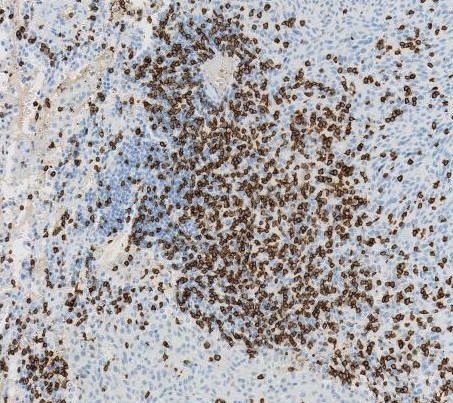
This presentation contains certain forward-looking statements. These forward-looking
statements may be identified by words such as ‘believes’, ‘expects’, ‘anticipates’, ‘projects’,
‘intends’, ‘should’, ‘seeks’, ‘estimates’, ‘future’ or similar expressions or by discussion of, among
other things, strategy, goals, plans or intentions. Various factors may cause actual results to
differ materially in the future from those reflected in forward-looking statements contained in
this presentation, among others:
1    pricing and product initiatives of competitors;
2    legislative and regulatory developments and economic conditions;
3    delay or inability in obtaining regulatory approvals or bringing products to market;
4    fluctuations in currency exchange rates and general financial market conditions;
5    uncertainties in the discovery, development or marketing of new products or new uses of existing
     products, including without limitation negative results of clinical trials or research projects, unexpected
     side-effects of pipeline or marketed products;
6    increased government pricing pressures;
7    interruptions in production;
8    loss of or inability to obtain adequate protection for intellectual property rights;
9    litigation;
10   loss of key executives or other employees; and
11   adverse publicity and news coverage.
Any statements regarding earnings per share growth is not a profit forecast and should not be interpreted to
mean that Roche’s earnings or earnings per share for this year or any subsequent period will necessarily
match or exceed the historical published earnings or earnings per share of Roche.
For marketed products discussed in this presentation, please see full prescribing information on our website
www.roche.com
All mentioned trademarks are legally protected.                                                                    2
The renaissance of immunotherapy is a revolution
for cancer patients
Early data suggests that anti-PD-L1/PD-1
is active across a wide range of tumor types

       •   Melanoma: FDA approval
       •   NSCLC (squamous): FDA approval, 2nd line
       •   Renal cell carcinoma
       •   Breast cancer (e.g. TNBC)
       •   Metastatic bladder cancer
       •   Head & neck cancer
       •   Hodgkin's lymphoma

                  Response rates are modest, at ~10-30%

  Broad activity but most patients do not benefit from single agent therapy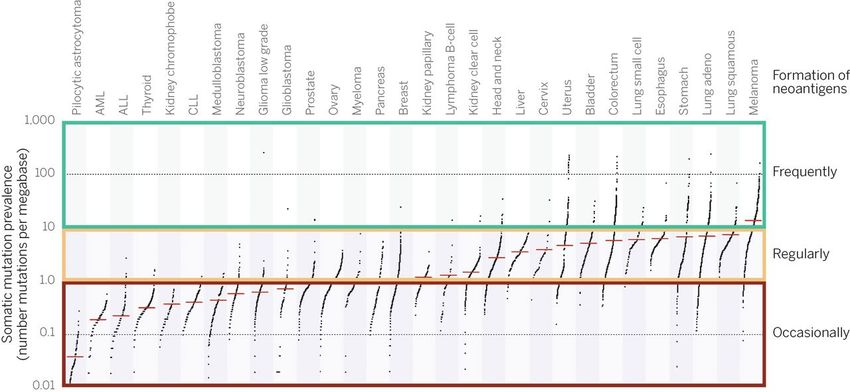
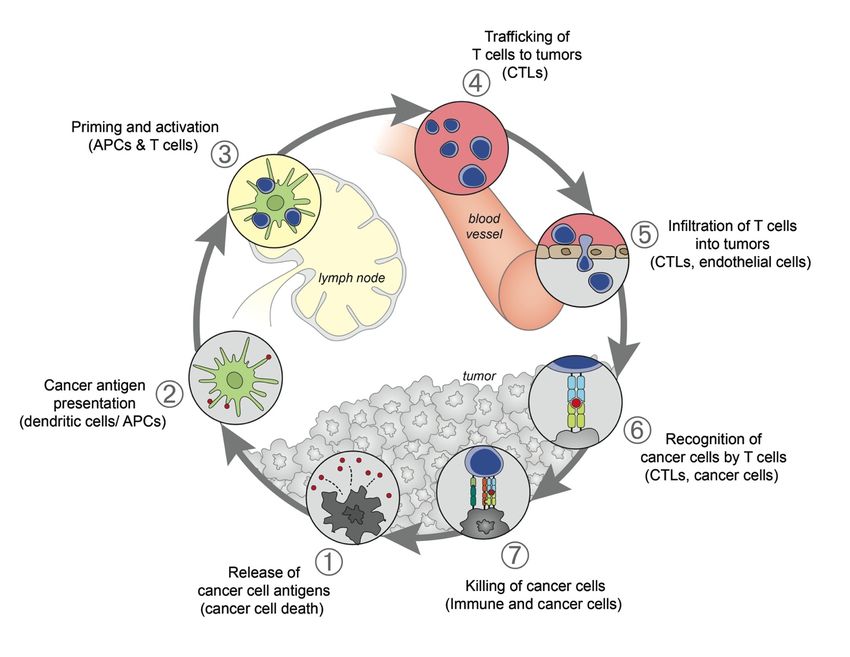
Using patient data to understand cancer immunity
cycle

         MPDL3280A Phase 1 Data:
      Urothelial Bladder Cancer Patients   Progressive Disease (PD)
                                           Why do many patients not respond?
                                           • No pre-existing immunity?

                                           Stable disease (SD)
                                           What combinations will promote PRs & CRs?
                                           • Insufficient T cell immunity?
                                           • Multiple negative regulators?

                                           Monotherapy durable responses (PR/CR)
                                           What are the drivers of single agent response?
                                           How can PRs be enhanced to CRs?
                                           • Insufficient T cell immunity?
                                           • Multiple negative regulators?
The cancer immunity cycle
 Immunosuppression as the rate limiting step to effective
 anti-tumor immunity

                    α-CTLA4
                 (ipilumumab)

                                 Immuno-
                                 suppression

                                               α-PD-L1/PD-1
                                                 (multiple)

Chen & Mellman (2013) Immunity
Combinations of immunotherapeutics
 Increasing response rates by keeping cancer immunity
 cycle turning
                                           * = Genentech/Roche programs

                                   α-VEGF-A*

                   α-CTLA4*
                   α-OX40*
                   α-CD27*
                   α-CD137
                   α-GITR

                   vaccines*
                   α-CD40*             α-PDL1*/PD1   α-OX40* (Treg)
                                       α-LAG-3       α-CTLA4* (Treg)
                                       α-TIGIT*      α-CSF1R*
                                       α-KIR         IDO inhibitor*

Chen & Mellman (2013) Immunity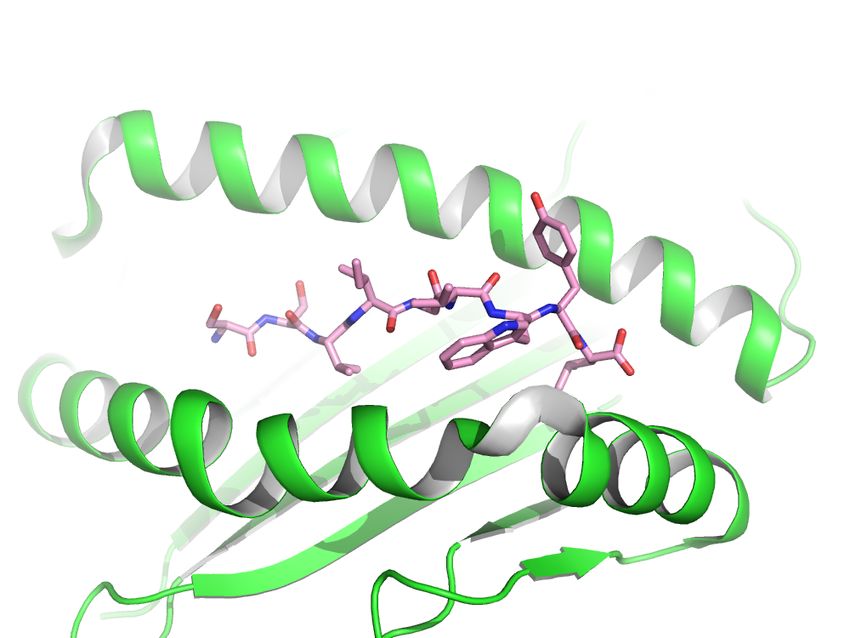
IDO (indoleamine di-oxygenase)
Another suppressor of effector T cells
Adaptive expression of PD-L1 Adaptive expression of IDO
IDO
IFNγ-‐mediated
IFNγ-‐mediated
up-‐regulation
of
up-‐regulation
of
tumor
IDO
tumor
PD-‐L1
Inhibition
of
effector
T
cell
function
Shp-2
Shp-2
MAPK"
MAPK" PI3K
PI3K pathways"
pathways"
Georgia Hatzivassiliou, Yichin Liu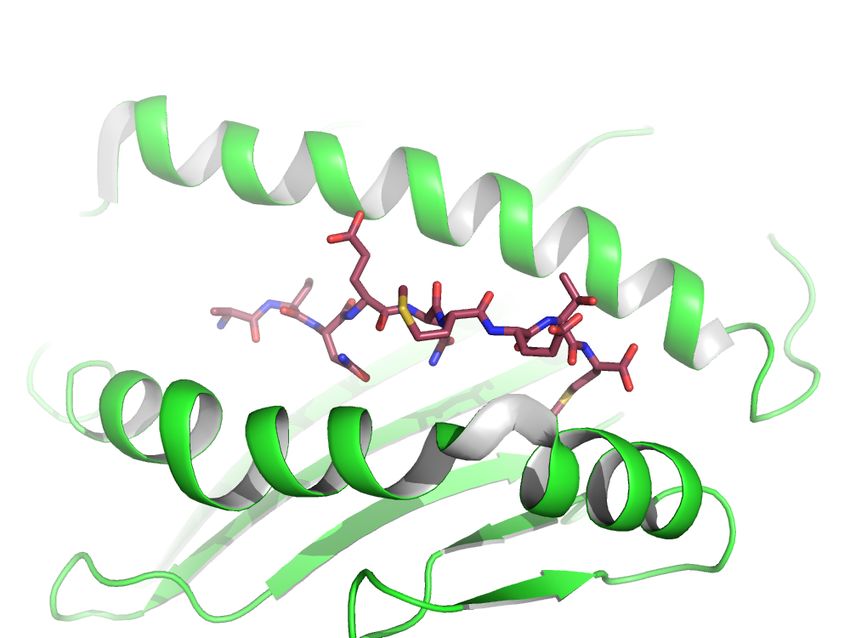
IDO mediates T cell suppression by reducing
extracellular tryptophan and increasing kynurenine
Tumor cells
Dendritic
cells Macrophages
IDO*
IFNg activates
Free tryptophan IDO expression Kynurenine
high low
ñ Uncharged arylhydrocarbon
mTOR
Tryptophanol-tRNA receptor
suppressive
GCN2 kinase cytokines
FoxP3
Promote
translation Stress response Suppress Enhance
T effectors T reg
*TDO (tryptophan dioxygenase) is a second related target to IDO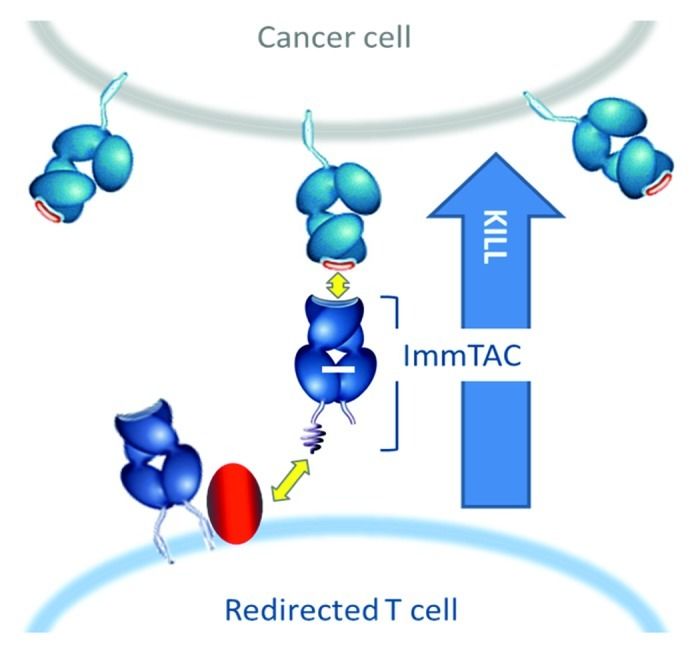
Early combination data shows promising efficacy
    Phase I/II study of INCB024360 plus ipilimumab in
    melanoma

                          Best percent change
                            in tumor burden
                          in tumor burden
                          Percent change

Gibney et al. ASCO 2014
TIGIT
Model of TIGIT regulation of T cell responses
Tumor cell
or DC • Human and murine tumor-infiltrating
CD8+ T cells express high levels of
TIGIT
ITIM • Antibody coblockade of TIGIT and PDL1
1 Competes
with
CD226
for
PVR
elicits tumor rejection in preclinical
PVR
models
100nm 1nm
CD226 TIGIT • TIGIT selectively limits the effector
function of chronically stimulated
ITAM 2 ITIM
Disrupts
CD226
ac7va7on
3 Directly
inhibits
T
cell
in
cis
CD8+ T cells
• TIGIT interacts with CD226 in cis and
disrupts CD226 homodimerization
T cellTIGIT
TIGIT and PD-L1 combination effective in PD-L1
non-responsive model
Median Tumor Volume (mm3)
10000
40 60
+ NME1
anti-PD-L1
Tumor cell
or DC Control
Control
Median Tumor Volume (mm3)
Anti-PD-L1
anti-PD-L1
NME1
TIGIT
anti-PD-L1
Complete Remission (CR)
1000
30
NME1
ITIM
Control
Day
PVR 1 Competes
with
CD226
for
PVR
20
100nm 1nm Anti-PD-L1
anti-PD-L1
100
CD226 TIGIT + TIGIT
+ NME1
10
ITAM 2 ITIM
Disrupts
CD226
ac7va7on
3 Directly
inhibits
T
cell
in
cis
Complete Remission (CR)
0
10
10000
1000
100
10
0 10 20 30 40 60
Day
T cellOX40 function and potential in oncology
Promote antigen dependent effector T cell activation and
T regulatory cell inhibition
OX40 engagement on
Treg cells
Primary Tumor Challenge (EMT6)
OX40L
Tumor Volume (mm3)
Antigen Control
Presenting Cell 3000
Anti-mouse OX40
Treg
2000
OX40L
OX40L 1000
TCR
OX40
0
OX40 IFN-γ
0 10 20 30 40 50
day
day
Effector T Treatment
cell
Adapted from Nature Rev Immunol. 4:420 (2004).Increase in Teff cells by anti-OX40 may create need to
combine with anti-PDL1
anti-OX40
OX40L
OX40
IFN-γ"
T cell
IFNγ
PD-L1 PD-1 T cell
increase
CD8
anti-PDL1
receptor
HLA
PD-L1
Tumor
cell
Chen & Mellman (2013) Immunity Jul 25;39(1):1-10Anti-OX40 combined with anti-PDL1 in the MC38
model
2500 anti%PD%L1*
Tumor Volume (mm3)
2500
Tumor Volume (mm3)
!!!!!!!!!!!!!!!!!!!!!!!anti&OX40! control*
2000 !!!!!!!!!!!!!!!!!control! 2000
1500 1500
1000 1000
500 500
0 0
0 10 20 30 40 50 0 20 40 60
day day
2500
Tumor Volume (mm )
30000
3
PD-L1 Expression
2000 anti%OX40*+*anti%PD%L1*
20000
1500
1000
10000
500
0 0
0 20 40 60
C T
T
nu loid
C te
ye r
o
4+
8+
cy
m
day
D
D
Tu
lo
M
ra
G
Jeong Kim et al. AACR 2015Combination with Avastin
Increasing response rates by keeping cancer immunity
cycle turning
α-VEGF-A
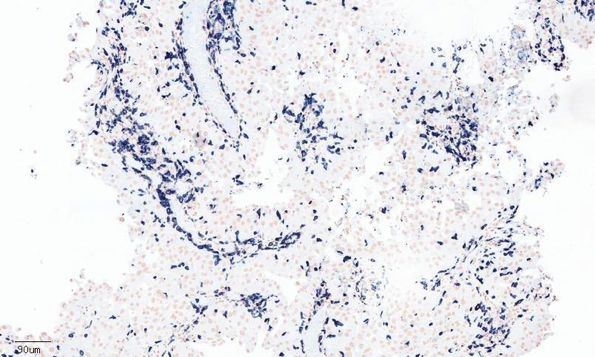
Chen & Mellman (2013) ImmunityIncreases in CD8+ T cell infiltration and
vasculature changes with treatments in RCC
Pretreatment Post Avastin Post Avastin + aPD-L1
CD8 (T cells)
CD31 (vasculature)
Sznol et al. ASCO GU 2015
17Anti-PDL1 in combination with Avastin
Anti-VEGF combination: Combination of anti-PDL1 and Avastin
preclinical data (Ph1 data in renal cancer)
Cloudman melanoma
2000
a-PD-L1
1500 Control
a-VEGF
3
Tumor Volume, mm
1000
a-PD-L1 + a-VEGF
500
0
0 10 20 30 40 50
Day
Sznol et al. ASCO GU 2015
18Combinations with chemotherapy
Induced inflammation & antigen release may enhance
anti-PDL1 efficacy
Chemotherapy
Chen & Mellman (2013) ImmunityInflammation is necessary for response
Inflamed Non-inflamed
Can responses Can we convert these
be improved? to responsive?
Tumor phenotype by T cell staining
20-30% patients 70-80% patients
• T cells present in tumor • Lack lymphocytic infiltrates
• Chemokines present
(attract leukocytes)
Responsive to single agent Non-responsive to single
immunotherapies agent immunotherapies
20Combinations with chemotherapy extend the
benefit of anti-PDL1
Pre-clinical data
3000
oxaliplatin • Platinum chemo increases number of
Control
α-PDL1 CD8+ cells in animal models
2500
2000
• Compelling chemo+PD-L1
combination efficacy observed in
3
Tumor Volume, mm
1500
phase 1 studies
• Broad phase 3 combination program
1000
500 initiated in 1L NSCLC and TNBC
combo
0
0 6 12 16 22 29 36
Day
Dosing
Phase 1 chemo combination data to be presented at ASCO 2015Not all patients may have pre-existing immunity:
monitoring & promoting T cell responses
ImmTACs and bispecific antibodies
4
3
5
2 Recognition of cancer
6 cells by T cells
(CTLs, cancer cells)
ImmTACs
Bispecifics
1 7Recruiting T cells to cancer cells
ImmTACs and bispecific antibodies
Targeting intracellular tumor markers Targeting extracellular tumor markers
Cancer cell
Tumor
antigen
TCR
Knob into holes
full-length IgG T cell
Immune-mobilizing mTCR Against Cancer* T-cell Dependent Bispecific
*In colalboaration with ImmunocoreNot all patients may have pre-existing immunity:
monitoring & promoting T cell responses
Vaccines
4
3
5
Cancer antigen
presentation 2
(dendritic cells/APCs)
6
Vaccines:
• Endogenous
• Exogenous
1 7
Chen & Mellman (2013) ImmunityAnti-PDL1 Phase Ia: indication response
rates correlate with mutation frequency
Schumacher and Schreiber (2015) ScienceStructural analysis suggests that only some mutations
will be accessible to T cell receptors
Immunogenic Non-immunogenic
solvent-exposed mutation mutation in MHC groove
S E
M T S I V
Y
A G
E S W
N N M L
V
PàA RàM DàY
REPS1! AQLPNDVVL! Copine-1! SSPDSLHYL!
ADPGK! ASMTNRELM! H60! SSVIGVWYL!
FLU-NP! ASNENMETM!
26
Yadav et al (2014) NaturePromise for a PHC vaccine?
Immunization with antigenic peptides regresses growth of
established MC38 tumors
14-0584: mutated MHCI MC38 peptide vaccine; MC-38 14−0584:mutated
14-0584: mutated MHCI
MHCI MC38
MC38 peptide vaccine;
peptide MC−38MC-38
vaccine;
Raw and LME Fit Tumor Volume
Overlay Fits Tumor Volume
700
Raw and LME Fit Tumor Volume
1
0 2
2
4 6 Dose
● Control
01 − untreated control Control Adj ● ●
600 ●
Adj02 − d1: anti−CD40 50µg + pIC 100µg, IP injection. d10: anti−CD40
●
500
●
●
400
03
Adj+ − d1: anti−CD40 50µg + pIC 100µg + 3Xpeptide mix 100µg, IP
Peptides
300
●
●
●
●
● ●
● ●
● ●
●
●
Tumor Volume ( mm3)
200 ●
● ●
● ● ●
● ● ●
●
● ● ●
●
● ● ●
100 ●
●
● ●
● ●
●
● ●
● ● ●
●
● ●
0
3
700
Adj+peptides
600
500
● 400
Immunization
300
●
● 200
●
●
●
●
●
●
●
●
●
●
● ● 100
●
● ●
●
● ●
0
0 2 4 6
Day
Yadav et al (2014) NatureStrategic vision: lead by developing best in class
combination therapies
T cell trafficking Combinations with immunotherapies
4 aCD40 ✔
Priming & activation
Vaccines, Oncolytic Viruses ✔✔
anti-CEA-IL2v
aCTLA-4 ✔
anti-OX40
anti-CTLA4 3 aOX40 ✔
aCD27 ✔
anti-CD27*
aCEA-IL2v ✔
anti cytokine
CD38*
5 TaVEGF
cell infiltration
T Cell Bispecifics ✔
ImmTACs Planned
IDOi ✔✔
aCSF1R ✔
aTIGIT Planned
Cytokines, anti-cytokines ✔
2 Immuno- Combinations with other agents
suppression 6 aVEGF ✔
Antigen presentation Cancer T cell recognition aCD38 ✔
anti-CD40 anti-HER2-CD3 FGFR1 ✔
IMA942 vaccine* anti-CD20-CD3 EGFRi ✔✔
oncolytic viruses* ImmTAC* ALKi Planned
1 7 BRAFi ✔
Antigen release T cell killing MEKi ✔
EGFRi anti-OX40 BTKi ✔
ALKi anti-CSF-1R aCD20 ✔
BRAFi anti-CEA-IL2v aHER2 ✔
MEKi IDO inhibitor* Chemo ✔ ✔
Chemo TIGIT HDAC ✔
FGFR1* IDO1/TDO inhibitor* A2V ✔
BTKi
HDAC
Clinical development ✔ Partnered external combo
Preclinical development ✔ Internal combo
* Partnered projects
Chen & Mellman (2013) ImmunityDoing now what patients need next
You can also read


