VIRTUAL CONFERENCE PROGR AM - Soil and Water ...
←
→
Page content transcription
If your browser does not render page correctly, please read the page content below
V I RT UA L C O N F E R E N C E P R O G R A M
Helping farmers protect their
crops and the environment
Science, safety and stewardship are at the heart of our
innovations that help farmers use less land, water and
inputs while growing more. We work with farmers and
applicators to ensure crop protection products are used in
a safe and environmentally sustainable way. These activities
help ensure we can meet our Good Growth Plan targets for
2025—specifically our commitment to enhance biodiversity
and soil health on 3 million hectares of rural land annually.

For more information, please visit www.goodgrowthplan.com.

All photos are the property of Syngenta or are used with permission.
©2020 Syngenta. The Syngenta logo is a registered trademark of a Syngenta Group Company. All other trademarks are the property of their respective owners.

www.swcs.org/20AC
                       2                                                                                                                                 #SWCS75
TA B L E O F C O N T E N TS
    GENERAL INFORMATION
    Conference Schedule in Brief                   4
    Welcomes and Volunteer Recognition
      Program Planning Committee Chair Message     5
      Iowa Chapter Message                         6
      Conference Volunteers                        7
    SWCS Board of Directors, Officers, and Staff   8

    SPONSORS AND POSTER PRESENTATIONS
    Corporate Partners                             9
    Conference Sponsors                            10
    Poster Presentations                           11

    CONFERENCE PROGRAM
    Monday Schedule and Events                     14-20
    Tuesday Schedule and Events                    21-26
      Symposia Sessions                            27-35
    Wednesday Schedule and Events                  36-41
      Symposia Sessions                            42-51
    2020 SWCS Awards and Scholarships              52-60
    SWCS Conference Sites and Chairs               61

               JOIN THE CONVERSATION ONLINE!
                                #SWCS75
                                @SWCSNEWS

www.swcs.org/20AC
                       3                                   #SWCS75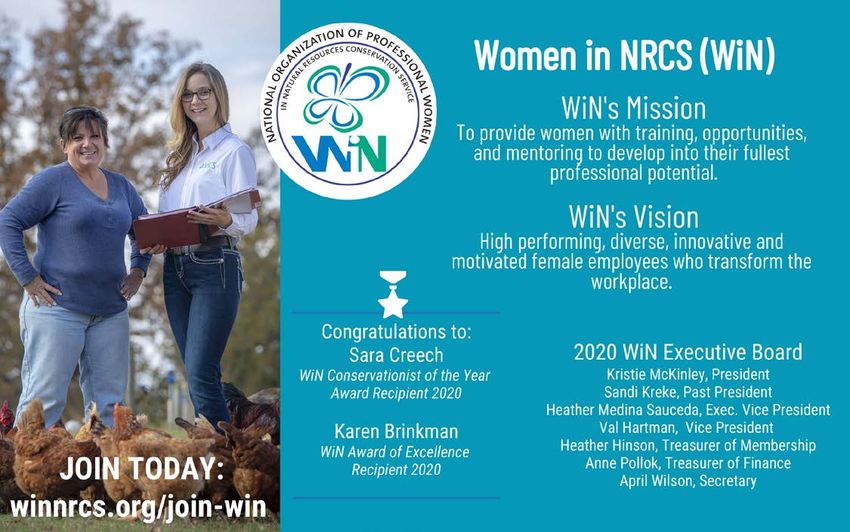
CONFERENCE SCHEDULE IN BRIEF
                                    Times listed below are Central Time.
                   All sessions are included with conference registration, unless otherwise indicated.

MONDAY, JULY 27                                                 TUESDAY, JULY 28
9:00 AM – 1:00 PM            *Workshop 1: Training to Use       9:00 AM – 10:45 AM          SWCS Conference Opening,
                             Partial Budget Analysis                                        Syngenta Keynote Sponsor,
                             to Estimate Soil Health                                        and Pritchard Keynote Panel
                             Economic Outcomes and Data         10:45 AM – 11:00 AM         Morning Break
                             Collection Methods for NTT         11:00 AM – 12:30 PM         Concurrent Sessions
                             and COMET Tools                                                (See pages 24-26)
9:00 AM – 1:00 PM            *Workshop 2: Watershed Tools       12:30 PM – 1:00 PM          Lunch Break
                             at Your Fingertips                 1:00 PM – 2:30 PM           Concurrent Sessions
9:00 AM – 1:00 PM            Professional and Chapter                                       (See pages 24-26)
                             Development Sessions               2:30 PM – 3:00 PM           Afternoon Break
9:00 AM – 12:30 PM           ARCSE Annual Meeting               3:00 PM – 4:30 PM           Concurrent Sessions
                             (Partner Event)                                                (See pages 24-26)
9:00 AM – 1:00 PM            CEAP Watershed Assessment          4:30 PM – 5:30 PM           Evening Social
                             Studies Annual Meeting
                             (Partner Event)
11:00 AM – 1:00 PM           *Workshop 3: WiNning
                             Strategies for Navigating          WEDNESDAY, JULY 29
                             USAJobs and Building Resumes
                                                                8:00 AM – 9:00 AM           Morning Social
1:00 PM – 2:30 PM            State of the Society Address to
                                                                9:00 AM – 10:45 AM          Plenary Sessions
                             the House of Delegates and
                             Regional Sessions (For Chapter     10:45 AM – 11:00 AM         Morning Break
                             Leaders and Members)               11:00 AM – 12:30 PM         Concurrent Sessions
1:00 PM – 2:30 PM            WiN Annual Meeting                                             (See pages 39-41)
                             (Partner Event)                    12:30 PM – 1:00 PM          Lunch Break
2:30 PM – 4:00 PM            Agriculture Innovation             1:00 PM – 2:30 PM           Concurrent Sessions
                             Agenda Panel                                                   (See pages 39-41)
4:00 PM – 5:00 PM            Evening Social                     2:30 PM – 3:00 PM           Afternoon Break
                                                                3:00 PM – 4:30 PM           Concurrent Sessions
*Not included in conference registration. Additional fees                                   (See pages 39-41)
apply. Registration by July 15 was required.

www.swcs.org/20AC
                       4                                                                                     #SWCS75
PROGR AM PLANNING COMMITTEE CHAIR MESSAGE

  W    elcome to the 75th International Annual Conference of the Soil and Water Conservation
       Society (SWCS). This year’s conference will be our first virtual conference as we celebrate our
  75-year history.
  The conference theme, Expanding Horizons: Where Conservation Meets Innovation, evokes images
  of the expansive views of the region and the deep and varied soil horizons that make Iowa’s
  farmland some of the most productive in the world. This year’s theme also speaks to the broadening
  of individual perceptions and experiences as attendees discover new concepts, partners, and
  advancements in soil and water research.
  The Expanding Horizons: Where Conservation Meets Innovation conference begins Monday, July 27,
  with a full day of workshops in the morning and early afternoon followed by an Agriculture Innovation
  Agenda panel and a virtual social. On Tuesday, July 28, don’t miss the conference kickoff, including
  keynote sponsor Syngenta and the Pritchard keynote panel. Throughout the conference, symposia,
  oral presentations, and poster presentations will explore the following special topics:
     •   Applied Data in Agriculture
     •   Back to the Future
     •   Edge-of-Field Practices and Monitoring
     •   The Producer and the Plot
  Additionally, three virtual tours are offered Wednesday: Agriculture in an Ever-Changing World, Growing
  Urban Agriculture in Postindustrial Communities, and Restoration of Impacted Landscapes. The
  Society strives to provide its diverse membership a range of technical and practical sessions.
  I have the honor of being program planning committee chair and have been impressed by the quality
  and breadth of the 2020 submissions. Our virtual platform will provide the opportunity to engage in
  nearly 200 symposia, oral presentations, and posters this year. Them mobile app also makes it easy to
  ask presenters questions, connect with other attendees, and reach out to old friends.
  This conference is made possible by the many member volunteers, SWCS staff, and sponsors who
  have volunteered their time and talents. Special thanks to members of the Iowa Chapter, this year’s
  host chapter. I want to extend my personal thanks to all who have helped make this a successful
  conference and wish Katie Flahive all the best as she assumes the chair for the 76th annual
  conference next year.
  We hope you enjoy your time during the virtual conference and come away inspired and with new
  concepts and understandings to help protect our water and soil resources!

                          Peter Tomlinson, 2020 Program Planning Committee Chair
                          Kansas State University

www.swcs.org/20AC
                       5                                                                                #SWCS75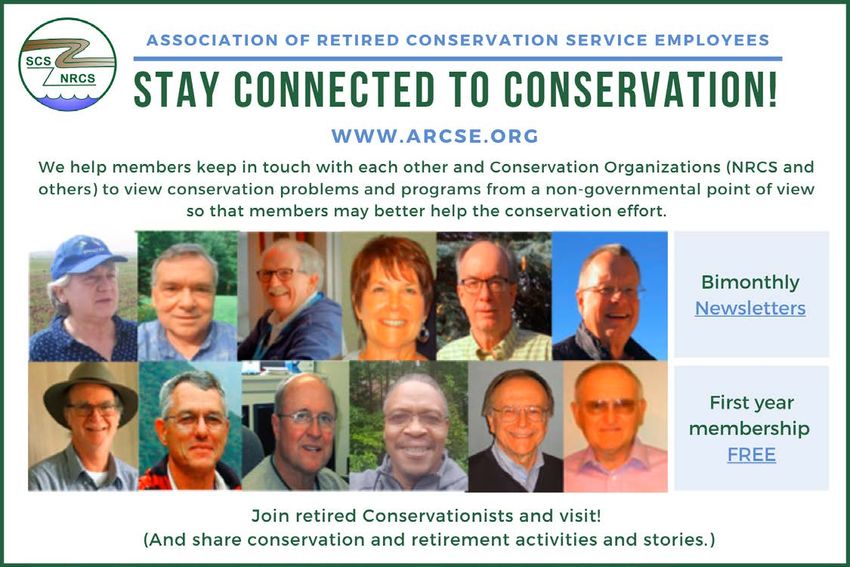
W E LC O M E T O ( V I RT UA L) I O WA
  The Iowa Chapter of the Soil and Water Conservation Society is excited to welcome you to an
  unprecedented 2020 SWCS International Annual Conference held in an online format. While we
  are disappointed that we are unable to host our members and our out-of-state community in
  Des Moines this year, we are glad that this format enables you to remain safe at home during this
  extraordinary time.
  The State of Iowa spans 36 million acres in the heart of the Midwest, with approximately 85% of
  that land used for agriculture production. These 30.6 million acres are managed by 85,300 farm
  operations. Des Moines, our host city and largest metro area in the state, rests on some of the most
  productive soils in the state and is surrounded by farms. Iowa leads the nation in corn production
  and is second in soybean production. On the livestock side, Iowa is the highest producer of eggs
  and hogs. Within the state there are eight distinct landform regions, formed by the effects of two
  separate glacial periods. Iowa also ranks 2nd in wind energy installed capacity, and generates
  enough electricity to power equal to more than 2 million average American homes.
  Normally, this welcome message is a space for the chapter president to introduce what you will see,
  hear, and experience from the host state for the conference. I would have reminded you to bring
  sunscreen on a tour to see an award-winning farm that boasts several conservation practices and
  serves as a model for how a suite of conservation practices can work together to transform a farm
  into holistic agroecosystem. I would have also reminded you to grab a free beer at the opening
  reception that is made with cover crops in Iowa, courtesy of the Iowa Chapter. Unfortunately, we
  cannot send a beer to your home—we checked—but we can provide a virtual showcase of Iowa’s
  agriculture and recreation, as well as encourage critical discussion regarding the future of our soil
  and water resources through virtual social rooms during the next three days.
  We will have a social room that will tour innovative urban conservation practices in Polk County,
  Iowa. The Iowa Department of Natural Resources (DNR) will also have a one-hour session that
  takes you out on Iowa’s trails and in Iowa’s lakes and streams. The Iowa DNR-managed state park
  system is celebrating its 100th anniversary this year! We invite you to participate in a discussion
  regarding the complexity of soil and water’s impacts on society and to discuss the critical issues
  that often arise in the quest for equity and access to clean water with Pulitzer-prize winner and
  reporter for the Storm Lake Times Art Cullen, The Des Moines Register’s Donnelle Eller, and The
  Gazette’s Erin Jordan. Is the art and science of beer more your style? SingleSpeed Brewing in Cedar
  Falls, Iowa, will give you an exclusive tour of their brewing facility and discuss what makes Iowa-
  made beer so delicious.
  We hope that this conference inspires you to make a trip out to Iowa in the future to experience our
  land, water, and wildlife. In the meantime, please enjoy this conference and stay safe and healthy.

  Hanna Bates, President, Iowa Chapter
  Program Coordinator, Iowa Water Center

www.swcs.org/20AC
                       6                                                                                 #SWCS75
C O N F E R E N C E V O LU N T E E R S
ANNUAL CONFERENCE PROGRAM                                Hanna Bates, Iowa Water Center
                                                         • Outreach, Education, and Community Engagement
PLANNING COMMITTEE
Peter Tomlinson, Kansas State University                 Linda Prokopy, Purdue University
Chair                                                    • Social Sciences Informing Conservation

Katie Flahive, US Environmental Protection Agency        DeAnn Presley, Kansas State University, and Peter
Incoming Chair                                           Tomlinson, Kansas State University
                                                         • Soil Health Resources, Indicators, Assessment,
Courtney Allen, SWCS                                       and Management
Event and Professional Development Director/Executive
Assistant to the CEO                                     Katie Flahive, US Environmental Protection Agency
                                                         • Water Resources Assessment and Management
Cheryl Simmons, USDA NRCS
International Committee Liaison
                                                         SWCS IOWA CHAPTER LIAISONS
Jorge Delgado, USDA ARS                                  Hanna Bates, President, Iowa Water Center
JSWC Editorial Board Liaison                             Steve Konrady, President Elect, Iowa Department of
                                                         Natural Resources
Rebecca Fletcher, USDA NRCS
Professional and Chapter Development Committee Liaison   Heidi Ackerman, Past President, Iowa State University
                                                         Greg Townley, Secretary, USDA NRCS
Andrew Sharpley, University of Arkansas
                                                         Alan Lauver, Treasurer, USDA NRCS
Science and Policy Committee Liaison
                                                         Larry Beeler, Central Area Chair, Retired
Francisco Arriaga, University of Wisconsin-Madison       Josh Balk, Northeast Area Chair, Iowa Department of
Soil Science Society of America Liaison                  Natural Resources
                                                         Olivia LaGrange, Southeast Area Chair, Stanley Consultants
TECHNICAL TEAM LEADERS                                   Carolyn Schwartz, Southwest Area Chair, USDA NRCS
Maysoon Mikha, USDA ARS
                                                         Clare Lindahl, Membership Chair, Soil and Water
• Adaptive Management of Conservation Efforts
                                                         Conservation Society

Heidi Ackerman, Iowa State University                    Anna Golightly, Information Chair, Madison County Soil and
• Back to the Future                                     Water Conservation District
• The Producer and the Plot                              Sarah Ham, Social Media Chair, USDA NRCS
                                                         Additional Planning Committee Members: Jonathan
Andrew Sharpley, University of Arkansas
                                                         Swanson, Paul Miller, Jennifer Welch, Amanda Brown, Larry
• Conservation Economics and Policy
                                                         Jones, Kate Giannini, Laurie Nowatzke, Clint Miller, Tom
• The Producer and the Plot
                                                         O’Connor, and Duane Miller
Deanna Osmond, North Carolina State University
• Conservation in Organic, Specialty, Small-Scale, or
  Urban Agriculture                                             Thank you to all who assisted
• Edge-of-Field Practices and Monitoring
                                                                in planning the 75th SWCS
Skye Wills, USDA NRCS                                           International Annual Conference!
• Conservation Models, Tools, and Technologies
• Applied Data in Agriculture

www.swcs.org/20AC
                       7                                                                                     #SWCS75
S WC S B O A R D O F D I R E C T O R S , O F F I C E R S , A N D S TA F F

OFFICERS                                     SWCS HEADQUARTERS STAFF
Chair: Rex Martin                            Clare Lindahl, CEO
Vice Chair: Wendi Goldsmith                  Courtney Allen, Event and Professional Development
Secretary: Dale Threatt-Taylor                Director/Executive Assistant to the CEO

Treasurer: Don Wysocki                       Annie Binder, Director of Publications/Editor
                                             Erika Crady, Membership and Chapter Coordinator
NORTHEAST REGION                             Catherine DeLong, Special Projects and Policy Director
Wendi Goldsmith                  2017–2020   Joe Derry, Student Summer Intern
Incoming: Ellen Gilinsky         2020–2023   Joe Otto, Project Manager/Historian
                                             Jody Thompson, Editorial Assistant
NORTH CENTRAL REGION
Rebecca Power                    2018–2021

NORTHWEST REGION
Don Wysocki                      2017–2020
Incoming: Keith Berns            2020–2023

SOUTHEAST REGION
Dale Threatt-Taylor              2019–2022

SOUTHWEST REGION
Steve Kadas                      2019–2022

AT-LARGE
Rex Martin                       2018–2021
Bruce Knight                     2017–2020
Jason Weller                     2017–2020
                                 2020–2023
Jane Hardisty                    2019–2022
Incoming: Jerry Hatfield         2020–2023

www.swcs.org/20AC
                       8                                                                       #SWCS75
C O R P O R AT E PA RT N E R S
SWCS is pleased to have the following organizations as Corporate Partners in the effort to advance soil, water, and
related natural resource conservation to achieve sustainability.

                                            PLATINUM PARTNER

                                               GOLD PARTNERS

                                              SILVER PARTNERS

                                            BRONZE PARTNERS

Are you interested in having your organization recognized for its dedication to natural resources protection and
sustainability? Contact Clare Lindahl through the conference app or at clare.lindahl@swcs.org to discuss all the
benefits of becoming an SWCS Corporate Partner.

www.swcs.org/20AC
                       9                                                                                     #SWCS75
CONFERENCE SPONSORS
          Thank you to our 75th SWCS International Annual Conference sponsors!
Visit this year’s conference sponsor exhibit booths in the Exhibit Hall tab of the online platform and request follow up
or schedule a meeting with them in their individual sponsor profiles within the Sponsors tab during the event.

                                          PRESENTING SPONSOR

                                            PLATINUM SPONSOR

                                               GOLD SPONSORS

                                               SILVER SPONSOR

                                             BRONZE SPONSORS

             STUDENT LEADER                                                       SUPPORTER
          DEVELOPMENT SPONSOR

www.swcs.org/20AC
                      10                                                                                       #SWCS75
P O S T E R P R E S E N TAT I O N S
Posters will be showcased within the Poster Presentations tab of the online platform for the duration of the event.
ADAPTIVE MANAGEMENT OF 14. Moving Forward with a National Comprehensive
CONSERVATION EFFORTS Soil Health Assessment Framework
1. Cover Crops at Work: Impact of Winter Cover Crops 15. Plasma Arc Venturi Technology for Agricultural Waste
on Tile-Drain Water Quality and Soil Organic Matter Treatment: A 2017 USDA CIG Project Summary
at the Franklin Research and Demonstration Farm 16. Soil Moisture is a Major Obstacle to Cover Cropping
in Lexington, Illinois on Water Limited Farms in South Texas
2. Dynamic Soil Properties: Snapshot in Time for 17. Subtropical Soil Health Initiative
Meade County, South Dakota
18. Wheat Double Cropping Systems to Improve
3. Poultry Farm Pollinator Habitat Seeding Soil Health
4. Recent Advances in AgCROS, a Network of
Networks that Could Contribute to Assessments CONSERVATION ECONOMICS AND POLICY
of Conservation Practices across the USA and 19. Cement-Modified Soil on Temporary Sites
Internationally in Energy Applications: Are Remediation
5. Winter Cover Crop Effects on Nitrogen Leaching Practices Satisfactory?
Estimated from Cost-Share Enrollment Data, 20. Scaling Conservation Effort: An Economic Analysis
Satellite Remote Sensing, and SWAT Modeling of Private and Social Benefits from Cover Crops
Adoption in Two Indiana Watersheds
APPLIED DATA IN AGRICULTURE
21. Stimulating Soil Health: Perceptions and Barriers
6. Augmented Reality as a Tool for Technology- within Nebraska's Natural Resource Districts
Driven Conservation
7. Daily Erosion Project and STRIPS: A Promising CONSERVATION MODELS, TOOLS,
Partnership for Soil Conservation Research AND TECHNOLOGIES
8. Precision Irrigation for Golf Courses Using Sensor 22. Application of New Geospatial Data and Tools to
and Mapping Technologies Inform Spatially Targeted Conservation
9. Valuing Ecosystem Services under Contrasting 23. Comparing Surrogate to Full Water and
Land Use Scenarios in the Grand River Basin, Iowa Wind Erosion Model Simulations for Ranking
and Missouri Conservation Reserve Program (CRP) Offers
24. Daily Erosion Project II—Ephemeral Gully Initiation
CIG SHOWCASE
Point and Its Influence on Soil Erosion Estimation
10. Deploying the Living Mulch Crop Production System
25. Developing an Alternative to Current Agronomic
to Build Soil Health
Phosphorus Recommendations
11. Developing a Decision Tool to Assist Management
26. Digital Soil Mapping the Missouri River Floodplain: A
of Prescribed Fires in the Flint Hills Region in Order
Pilot Study to Begin in 2020
to Reduce Smoke Impact on Ambient Ozone
27. Evaluation of Remote Sensing Indices for
12. Field and Laboratory Evaluations of Prototype Edge-
Differentiating Nitrogen Stress and Corn Yield
of-Field Runoff Monitoring Systems to Support
NRCS Conservation Investments and On-Farm 28. High Performance Soil Loss Estimation with
Decision Making: Lessons Learned Machine Learning and RUSLE2
13. Minding the Microbes: The Adoption of Soil 29. Leveraging Geospatial Data to Support
Health Management Techniques by Oklahoma Conservation Planning through CART: Initial
Wheat Producers Observations and Next Steps
www.swcs.org/20AC
11 #SWCS75P O S T E R P R E S E N TAT I O N S
30. Mitigation of Antibiotic Resistance from Manure- SOIL HEALTH RESOURCES, INDICATORS,
Amended Crop Fields by Prairie Buffer Strips: ASSESSMENT, AND MANAGEMENT
Laboratory Flume Study
44. Can We Improve Soil Health and Recycle Soil
31. Water Erosion Prediction Project (WEPP) Model for Nitrogen by Amending Agricultural Soils with Crude
NRCS Field Conservation Planning Glycerin, a Biodiesel By-Product?
32. Yield and Economic Assessment of a Cover Crop/ 45. Cover Crop Termination Timing Impacts on Soybean
Minimum Tillage Practice in Mid-South Corn/ and Maize Production in Northeast Arkansas
Soybean Rotation
46. Cropland State and Transition Modeling of Impacts
CONSERVATION IN ORGANIC, SPECIALTY, on Soil Health and Climate Resilience
SMALL-SCALE, OR URBAN AGRICULTURE 47. Development of Soil Carbon within a Matrix of
Restored Prairie on Former Agricultural Land
33. Ecological Agriculture Application with Winter Flooding
48. Long-Term Perennial Management and
EDGE-OF-FIELD PRACTICES AND MONITORING Cropping Effects on Soil Microbial Biomass for
34. Can Stratified Soil Sampling Provide Insight into Claypan Watersheds
Edge-of-Field Phosphorus Losses? 49. Long-Term Soil Health and Water Quality Impacts of
35. Determination of Woodchip Media Hydraulic Poultry Manure Application to Row Crops
Properties for Denitrifying Bioreactor Design 50. Magnetic Properties of Agricultural Soils as a Proxy
36. Multiyear Precipitation Variations and Relationship for Soil Organic Matter and Soil Health
with Nonpoint Source of Nitrogen and Phosphorous 51. Soil Microbial and Enzyme Activities Affected by
Contamination to Surface Waters Selected Land Management
37. Optimal Hydraulic Retention Time to Balance 52. Southwest Iowa NRCS Soils Their Undies to Show
Nitrate Removal Efficiency, Potential Greenhouse Off Soil Health
Gas Emissions, and Longevity in Pilot-Scale
Woodchip Bioreactors THE PRODUCER AND THE PLOT
53. Agriculture and Agri-Food Canada Living
OUTREACH, EDUCATION, AND
Laboratory Initiative
COMMUNITY ENGAGEMENT
54. Empowering Farmers and Improving Farm
38. Development and Use of an Annotated Profitability with On-Farm Research and
Bibliography as an Open Textbook for Soil and Demonstrations: Our Recipe for Success
Water Conservation
55. Farmer-Led Research Provides Insight on
39. Positioned for Success: Engaging Undergraduates Challenges and Opportunities with Cover Crops
through Building a Sense of Place in Nebraska
40. River Stories: Views from a Watershed
WATER RESOURCE ASSESSMENT
41. Watershed Mitigation Farm
AND MANAGEMENT
SOCIAL SCIENCES INFORMING CONSERVATION 56. Assessing Zeolite Amended Bioretention Media for
42. Developing Farmer Typologies to Inform Soil Removing Nutrients and Metals from Stormwater
and Water Conservation Outreach in Iowa’s 57. NRCS and Bureau of Reclamation Collaboration
Agricultural Landscapes. for Watersmart
43. Exploring Farmers’ Perceptions of Agricultural 58. Specific Method for the Detection of Viable E. Coli
Nutrient Loss Risk: Who Is “Accurate”? Using Nanoparticle Immuno-Fluorescent Probes
59. Strategic Areawide Conservation Planning in Six
HUC 12 Watersheds in Vermont
www.swcs.org/20AC
12 #SWCS75M O N D AY, J U LY 27
SCHEDULE AND EVENTS
SCHEDULE WORKSHOPS
Times listed below are Central Time. Workshops are not included in conference
registration. Additional fees apply. Registration by
9:00 AM – 1:00 PM *Workshop 1: Training to Use July 15 was required.
Partial Budget Analysis to
Estimate Soil Health Economic Workshop 1: Training to Use Partial Budget
Outcomes and Data Collection Analysis to Estimate Soil Health Economic
Methods for NTT and Outcomes and Data Collection Methods for
COMET Tools
NTT and COMET Tools
9:00 AM – 1:00 PM *Workshop 2: Watershed Tools at 9:00 AM – 1:00 PM CT
Your Fingertips
Instructors: Michelle Perez, American Farmland
9:00 AM – 1:00 PM Professional and Chapter
Trust and Soil Health CIG Project Leader; Florence
Development Sessions
Swartz, Consultant and Retired USDA NRCS
9:00 AM – 12:30 PM ARCSE Annual Meeting
This training will share methods and materials
(Partner Event)
developed by American Farmland Trust for a 2018
9:00 AM – 1:00 PM CEAP Watershed Assessment USDA Conservation Innovation Grant (CIG) that
Studies Annual Meeting enables conservationists and farmers to quantify
(Partner Event) economic, water quality, and climate outcomes of
11:00 AM – 1:00 PM *Workshop 3: WiNning Strategies soil health practices. Eight two-page case studies
for Navigating USAJobs and have been developed using these methods and can
Building Resumes be found at https://farmlandinfo.org/publications/
1:00 PM – 2:30 PM State of the Society Address to soil-health-case-studies/.
the House of Delegates and The economic methods involve development of
Regional Sessions (For Chapter an Excel-based partial budget analysis calculator
Leaders and Members) for quantifying the benefits and costs experienced
1:00 PM – 2:30 PM WiN Annual Meeting by “already soil health successful farmers,” (i.e.,
(Partner Event) those that had four or more years of economic
success with one or more soil health practice). The
2:30 PM – 4:00 PM Agriculture Innovation
methods were tailored to analyze California almond
Agenda Panel
production, Midwest corn–soybeans, and New York
4:00 PM – 5:00 PM Evening Social diversified crop rotations. Note this training will
focus on row crop operations rather than almonds.
*Not included in conference registration. Additional fees
The training will include steps on how to modify the
apply. Registration by July 15 was required.
materials for use with slightly different production
systems and locations than those the project was
initially developed for.
The CIG project used the USDA’s Nutrient Tracking
JOIN THE CONVERSATION ONLINE! Tool and the USDA’s COMET-Farm Tool to quantify
the water quality and climate outcomes of selected
#SWCS75 fields with implemented soil health practices.
To enable conservationists to collect data from
@SWCSNEWS farmers ahead of using both tools, an Excel-
based questionnaire was developed. The training
will include steps to modify the questionnaire for
use with similar-enough production systems and
www.swcs.org/20AC
14 #SWCS75M O N D AY, J U LY 27
new locations. In addition, a technique to analyze the Workshop 3: WiNning Strategies for Navigating
greenhouse gas reduction effect of already-adopted soil USAJobs and Building Resumes
health practices from COMET results exported to Excel 11:00 AM – 1:00 PM CT
will be shared.
Instructors: Kristie McKinley, USDA NRCS and WiN
Finally, tips will be shared on how to identify and secure President; Candi Sanders, FPAC-BC; Uretha Bostic,
farmers that satisfy the criteria for “already being soil FPAC-BC and WiN South East Regional Representative;
health successful,” and then to write two-page “Soil Sandi Kreke, USDA NRCS and Past WiN President;
Health Economic and Environmental Case Studies” to Heather Medina Sauceda, USDA NRCS and WiN
disseminate the results of the economic, water quality, Executive Vice-President; Jeanne Hamilton, USDA
and environmental analyses. NRCS and WiN Northern Plains Regional Representative
Workshop 2: Watershed Tools at Your Fingertips Learn how to successfully apply for your next federal
9:00 AM – 1:00 PM CT job with expert tips for navigating through USAJobs
and creating custom resumes from a Senior Human
Instructors: Rob Davis, Minnesota Board of Water Resources Specialist with the Farm Production and
and Soil Resources and Houston Engineering; Matt Conservation (FPAC) Business Center and Women in
Drewitz, Minnesota Board of Water and Soil Resources NRCS’s (WiN) Past President. Hiring managers from
and Houston Engineering; Nancy Grudens-Schuck, USDA NRCS will share best approaches and common
Iowa State University; Lisa Schulte-Moore, Iowa State mistakes to avoid to help you land your next job.
University; Neh Batwara, Iowa State University; Linda
Shenk, Iowa State University; Kristie Franz, Iowa State
University; Bill Gutowski, Iowa State University; Nick
Gans, Iowa State University; Arie Sirotiak, Iowa State
SWCS EVENTS
University Professional and Chapter Development Sessions
This hands-on, interactive workshop will feature 9:00 AM – 1:00 PM CT
three different watershed tools. The People in The Professional and Chapter Development sessions
Ecosystems/Watershed Integration (PEWI) tool is are for the growth of professionals and chapters. This
a simple web-based educational game designed to year’s professional development session is hosted
help people understand the impacts of land use. PEWI by Women in NRCS (WiN) and will feature successful
is open-source and can be used with students and women in conservation career panels and discussion.
stakeholders to explore how different land use types This year’s chapter development sessions will feature
and configurations result in tradeoffs in ecosystem lightning presentations of the activities of this year’s
service outcomes. The Prioritize, Target, and Measure chapter achievement award winners.
Application is a desktop and web application tool
that translates landscape goals to best management Successful Women in Conservation Career Panel
practices. The tool enables practitioners to build 9:00 AM – 11:00 AM CT
prioritized and targeted implementation scenarios,
Moderator: Heather Hinson, USDA NRCS and WiN
measure cost-effectiveness, and report the results to
pursue funds for project implementation. The third Presenters: Catherine “Cadie” Pruss, USDA NRCS
tool, Watershed Community, is a computer simulation and National Federal Women’s Special Emphasis
model to help community groups foster small-scale Program Manager; Jeanne Hamilton, USDA NRCS and
collaborative conservation projects. Utilizing social WiN Northern Plains Regional Representative; Karma
science research and storytelling techniques, this tool Anderson, USDA NRCS; Monica Wymer, USDA NRCS and
supports collaborative community building around WiN Midwest Regional Representative; Kasey Taylor,
water-, soil-, and pollinator-related conservation USDA NRCS and WiN Leadership Team Member; Uretha
efforts. Join the workshop to experience these unique Bostic, Farm Production and Conservation Business
watershed tools and return to your workspaces, Center and WiN South East Regional Representative
communities, and farms equipped with new knowledge
and resources.
www.swcs.org/20AC
15 #SWCS75M O N D AY, J U LY 27
Chapter Achievement Award Winner Agriculture Innovation Agenda Panel
Lightning Presentations 2:30 PM – 4:00 PM CT
11:00 AM – 1:00 PM CT Moderator: William Hohenstein, USDA Office of Energy
Moderator: Susan Meadows, USDA NRCS and Environmental Policy
Presenters: John McCann, California-Nevada Chapter; Presenters: Scott Hutchins, USDA Deputy Under
Krista Kirkham, Illinois Chapter; Curtis Knueven, Indiana Secretary for Research, Education, and Economics; Bill
Chapter; Hanna Bates and Heidi Ackerman, Iowa Northey, USDA Under Secretary for Farm Production
Chapter; Marni Thompson, Montana Chapter and Conservation; Bruce Kettler, Indiana State
Department of Agriculture; Steve Hagen, Dagan;
State of the Society Address to the House of Jonathan Coppess, Gardner Agriculture and University
Delegates and Regional Sessions (For Chapter of Illinois
Leaders and Members) Earlier this year, the USDA launched the Agriculture
1:00 PM – 2:30 PM CT Innovation Agenda, a department-wide initiative with
SWCS leadership will deliver the State of the Society a goal of increasing US agricultural production by
Address to the House of Delegates. SWCS Regional 40% while cutting the environmental footprint of US
Directors will lead local discussion with chapter leaders agriculture in half by 2050. To do so, the initiative will
and members in regional virtual breakout rooms. Don’t align public and private research efforts, integrate
miss this opportunity to guide the future direction of the latest innovative conservation technologies and
your professional society. practices into USDA programs, and improve USDA data
collection and reporting. SWCS is partnering with USDA
to assemble a panel to discuss items within the agenda
pertinent to the conservation community.
AGRICULTURE INNOVATION AGENDA PANELISTS
William Hohenstein, Director of USDA’s Office of Energy and Environmental Policy
William Hohenstein is the Director of USDA’s Office of Energy and Environmental Policy (OEEP),
within the Office of the Chief Economist. OEEP serves as a focal point for the department’s
energy, environmental markets, and climate change activities.
Before working at USDA, Hohenstein served as a Division Director in EPA’s National Center
for Environmental Economics. Prior to that, Hohenstein served in the Climate Change
Division of EPA’s Office of Policy Planning and Evaluation. He represents the United States
at international climate change negotiations and has served as a US representative to the Intergovernmental
Panel on Climate Change (IPCC). Hohenstein has a BS in natural resource management from Cook College,
Rutgers University, and a MEM in resource economics and policy from Duke University’s School of Forestry and
Environmental Studies.
Scott Hutchins, USDA Deputy Under Secretary for Research, Education, and Economics
Scott Hutchins is the Deputy Under Secretary for the US Department of Agriculture’s Research,
Education, and Economics mission area (REE), which is comprised of the Agricultural
Research Service, Economic Research Service, National Agricultural Statistics Service, and the
National Institute of Food and Agriculture. Hutchins also leads the USDA Office of the Chief
Scientist (OCS) to coordinate and communicate science topics across USDA and the scientific
community. Together, REE and OCS have unique federal leadership responsibility to advance
agriculture research, extension, and education.
A board-certified entomologist and adjunct professor of entomology at the University of Nebraska–Lincoln, Hutchins
is a past president of the Entomological Society of America (ESA), ESA fellow, and honorary member of ESA. He
www.swcs.org/20AC
16 #SWCS75M O N D AY, J U LY 27
AGRICULTURE INNOVATION AGENDA PANELISTS (CONTINUED)
received a BS in entomology from Auburn University, MS in entomology from Mississippi State University, and PhD in
entomology from Iowa State University.
Hutchins’ research focused on integrated pest management, particularly addressing the impact of insect-induced
injury on crop physiology for developing economic-injury levels and action thresholds. Hutchins joined USDA after
retiring from the private sector where he served in various technical and leadership roles focused on agricultural
innovation and technology development.
Bill Northey, USDA Under Secretary for Farm Production and Conservation
Bill Northey has served as Under Secretary for Farm Production and Conservation since
February of 2018. Previous to leading the Farm Production and Conservation Mission Area
overseeing the Natural Resources Conservation Service, the Risk Management Agency, and the
Farm Service Agency, Northey served as the Iowa Secretary of Agriculture from 2006 to 2018.
A fourth-generation farmer, Northey’s experience and depth of knowledge also brought him to
serve as a commissioner of the Dickinson County Soil and Water Conservation District, and as
president and chairman of the National Corn Growers Association. He was also president of
the National Association of State Departments of Agriculture from September of 2011 through
September of 2012.
Northey has a bachelor's degree in agriculture business from Iowa State University and an MBA from Southwest
Minnesota State University.
Bruce Kettler, Director, Indiana State Department of Agriculture
Bruce Kettler is the Director of the Indiana State Department of Agriculture (ISDA), appointed
by Governor Eric Holcomb on January 8, 2018, as well as the Director of Agribusiness
Development for the Indiana Economic Development Corporation. Kettler was appointed to
Governor Holcomb’s cabinet in December of 2019. He joins the department with over 30 years
of agricultural leadership experience and knowledge that spans from production agriculture
and sales, to community and industry relations.
Kettler grew up in western Ohio and developed a passion and appreciation for agriculture at an
early age. After serving as the National FFA Vice President, he attended The Ohio State University
and graduated with a bachelor’s degree in agronomy with emphasis in agricultural business.
He began his professional career in 1987 at Dow AgroSciences where he spent 17 years
working in a variety of roles. In 2006, he joined Beck’s Hybrids as a sales consultant and worked his way up to Area
Team Leader, Field Sales Manager and then Director of Public Relations, the position he held prior to joining ISDA.
Bruce is a 2012 graduate of the Indiana Agricultural Leadership Program.
At ISDA, his main priorities include agricultural advocacy, economic development, youth development, and
environmental stewardship. He is married to Tammy and has two children and three grandchildren.
Steve Hagen, Chief Operating Officer and Senior Scientist, Dagan
Steve Hagen is the Cofounder, Chief Operating Officer, and Senior Remote Sensing Scientist
at Dagan, Inc, a new company that provides cutting-edge agricultural and environmental
data services to support the expansion of regenerative agriculture. Hagen combines
expertise in the extraction of land surface information and interpretation of large geospatial
datasets (particularly remote sensing data) with strengths in leadership and critical thinking
to head Dagan’s research team in the development of effective technology that improves
environmental outcomes in agriculture and forestry.
www.swcs.org/20AC
17 #SWCS75M O N D AY, J U LY 27
AGRICULTURE INNOVATION AGENDA PANELISTS (CONTINUED)
Jonathan Coppess, Director, Gardner Agriculture Policy Program, and Assistant Professor,
University of Illinois
Jonathan Coppess is on faculty at the University of Illinois at Urbana-Champaign, director of the
Gardner Agriculture Policy Program and author of The Fault Lines of Farm Policy: A Legislative
and Political History of the Farm Bill. Previously, he served as Chief Counsel for the Senate
Committee on Agriculture, Nutrition and Forestry, Administrator of the Farm Service Agency at
USDA, and Legislative Assistant to Senator Ben Nelson. Coppess grew up on his family’s farm in
Western Ohio, earned his bachelor’s from Miami University in Oxford, Ohio, and his Juris Doctor
from The George Washington University Law School in Washington, DC.
Evening Social Rachel Beck serves as the Sustainability Coordinator,
4:00 PM – 5:00 PM CT Social Media Manager, and Brand Ambassador at
SingleSpeed Brewing Company. She received her
Join your fellow conference attendees in one of our many bachelor’s degree in earth science from the University
social rooms. These rooms offer time for networking and of Northern Iowa.
interaction among the learning and dialogue.
Joe Bolick is the Director of the Iowa Waste Reduction
Room 1 Brewing Up Conservation in Iowa: Clean Center at the University of Northern Iowa and also
Water and Craft Beverages leads the Iowa Green Brewery Certification program.
Moderator: Josh Balk, Iowa SWCS Chapter He received his bachelor's degree in marketing from
Presenters: Rachel Beck, SingleSpeed Brewing the University of Northern Iowa and his master’s
Company; Joe Bolick, University of Northern Iowa degree in communications and leadership studies
from Gonzaga University.
Clean water, conservation, and craft beverages
all go hand-in-hand. Grab your favorite brew and Room 2 Iowa Urban Conservation Tour
take a virtual tour of an award-winning local Iowa Moderator: John Swanson, Polk County Public Works
brewery. SingleSpeed Brewing has been a staple in Presenters: Amanda Brown, Polk County Conservation;
the Cedar Valley since they opened their doors of their Jennifer Welch, Polk Soil and Water Conservation
3 barrel brewhouse in 2012. In 2016, they expanded District; Paul Miller, Iowa Department of Agriculture and
their operations and opened a second taproom Land Stewardship
in a historically renovated WonderBread building.
Sustainability has been a cornerstone for SingleSpeed This tour will provide an overview of urban conservation
and earned them the first Platinum Level Iowa Green practices in Polk County, Iowa, in the heart of the State
Brewery Certification from the Iowa Waste Reduction of Iowa.
Center. What is that? Well, you'll have to tune in while Virtual Stop 1 – Prairie Trail Development in Ankeny
our guest presenters Rachel Beck and Joe Bolick
This stop will highlight the premier stormwater
enlighten you on these crafty conservation efforts.
management development in central Iowa, in one of
If you're looking for a suggestion on a brew to enjoy
the nation’s fastest growing cities. Through a series
during this session, this last month SingleSpeed
of wetlands, ponds, and other best management
released Cover Charge, a Hazy Pale Ale that
practices, the Prairie Trail development was able
incorporates two commonly used cover crops into the
to find ways to achieve a balance between urban
recipe: wheat and oats. This great beer aims to boost
development and conservation.
momentum for the future of clean water and healthy
soil with a portion of the revenue from each Cover Virtual Stop 2 – Lower Fourmile Creek Greenway
Charge sold supporting water quality improvement and Developed in the 1950s and 1960s, the neighborhoods
carbon sequestration. Cheers to conservation! along lower Fourmile Creek have been devastated by
www.swcs.org/20AC
18 #SWCS75M O N D AY, J U LY 27
flooding and stormwater issues. To correct these past 75th Anniversary Conference Experience this year.
mistakes a multi-agency effort has helped remove over The online event will include a presentation by the
200 homes from the floodplain, and the area is being SWCS historian, an exhibit of never-before-seen Hugh
converted to a natural restored floodplain with native Hammond Bennett artifacts, a networking activity, and
prairie, wetlands, and stabilized stream banks. state and national updates from ARCSE, NRCS, and
SWCS representatives. A primary goal is to network
Virtual Stop 3 – Urban Wetlands
past, present, and next generation conservationists
Oxbow restorations and constructed stormwater wetlands looking forward to the decades of work ahead, please
have been a key practices to utilizing natural areas to join us! Registration is free for this event. More
improve water quality in the Des Moines metro. With over information can be found at www.arcse.org.
25 wetlands installed in the past five years across central
Iowa, local coordinators seek to bring together local public View Agenda
spaces with water quality opportunities.
CEAP Watershed Assessment Studies
Virtual Stop 4 – Gray’s Station Development Annual Meeting
Located on the banks of the Des Moines River and in 9:00 AM – 1:00 PM CT
the heart of downtown Des Moines, the Grays Station
Development project is bringing redevelopment Please join USDA’s Natural Resources Conservation
and modern stormwater management together. Service (NRCS) and Agricultural Research Service
With significant environmental concerns and poor (ARS) Conservation Effects Assessment Project
stormwater management, this project was able to (CEAP) scientists to learn about and discuss the CEAP
create a large wetland system that provides unique Watershed Assessments in small watershed studies.
resources for future residents. This year’s meeting will occur prior to the general
SWCS conference program. Presentations in the CEAP
Room 3 Two Hughs and a Lie meeting will feature ongoing ARS and university CEAP
Moderator: Joe Otto, SWCS Watershed Assessments followed by a stakeholder
engagement session on water and soil conservation
Play Two Hughs and a Lie in which SWCS Historian Joe assessment (to contribute to the new Five Year NP211
Otto will share stories with attendees about Society Water Availability and Watershed Management Action
founder Hugh Hammond Bennett. Attendees will be able Plan) needs and research priorities. If you have an
to use polling to weigh in on the accuracy of the stories interest in outcomes and documenting benefits of
presented. See just how much you and your colleagues conservation, please join us to provide your input into
know about the father of soil conservation. future efforts!
Room 4 Dialogue and Drinks (LIMIT 20 ATTENDEES) View Agenda
Moderator: Catherine DeLong, SWCS
WiN Annual Meeting
This will be a moderated session that allows attendees 1:00 PM – 2:30 PM CT
to share their perspectives on technologies in
agriculture that could advance conservation. Grab your Women in the Natural Resources Conservation Service
drinks and come early because this session is first (WiN) will be hosting their annual organization meeting
come, first served. via Zoom. The annual meeting will go over the highlights
of the year. If you are interested in joining, this session
this is a good time to hear about the recent activities that
PARTNER EVENTS WiN is doing. The Mission for WiN is “to provide women
with training, opportunities, and mentoring to develop
Association of Retired Conservation Service into their fullest professional potential.”
Employees (ARCSE) Annual Meeting
View Agenda
9:00 AM – 12:30 PM CT
The Association of Retired Conservation Service
Employees (ARCSE) will hold a special virtual ARCSE
www.swcs.org/20AC
19 #SWCS75Monday, July 27, 2020
Central Time
Workshops
Workshop 1: Training to Use Partial Budget Analysis to Estimate Soil Health Economic Outcomes and Data Collection Methods for NTT and COMET Tools - Michelle Perez, American Farmland
9:00 AM - 1:00 PM
Trust and Soil Health CIG Project Leader; Florence Swartz, Consultant and Retired USDA NRCS (Additional Fees Apply, Registration by July 15 Required)
Workshop 2: Watershed Tools at Your Fingertips - Rob Davis, Minnesota Board of Water and Soil Resources and Houston Engineering; Matt Drewitz, Minnesota Board of Water and Soil Resources and Houston
9:00 AM - 1:00 PM Engineering; Nancy Grudens-Schuck, Iowa State University; Lisa Schulte-Moore, Iowa State University; Neh Batwara, Iowa State University; Linda Shenk, Iowa State University; Kristie Franz, Iowa State University; Bill
Gutowski, Iowa State University; Nick Gans, Iowa State University; Arie Sirotiak, Iowa State University (Additional Fees Apply, Registration by July 15 Required)
Workshop 3: WiNning Strategies for Navigating USAJobs and Building Resumes - Kristie McKinley, USDA NRCS and WiN President; Candi Sanders, FPAC-BC; Uretha Bostic, FPAC-BC and WiN
11:00 AM - 1:00 PM South East Regional Representative; Sandi Kreke, USDA NRCS and Past WiN President; Heather Medina Sauceda, USDA NRCS and WiN Executive Vice-President; Jeanne Hamilton, USDA NRCS and WiN
Northern Plains Regional Representative (Additional Fees Apply, Registration by July 15 Required)
SWCS Events
9:00 AM - 1:00 PM 9:00 AM - 11:00 AM
11:00 AM - 1:00 PM
Professional and Chapter Successful Women in Conservation Career Panel - Heather Hinson,
Chapter Achievement Award Winner Lightning Presentations - Susan Meadows, USDA NRCS
Development Sessions USDA NRCS and WIN
1:00 PM - 2:30 PM State of the Society Address to the House of Delegates and Regional Sessions (For Chapter Leaders and Members)
Agriculture Innovation Agenda Panel - William Hohenstein, USDA OEEP; Scott Hutchins, USDA Deputy Under Secretary for Research, Education, and Economics; Bill Northey, USDA Under Secretary for
2:30 PM - 4:00 PM
Farm Production and Conservation; Bruce Kettler, Indiana State Department of Agriculture; Steve Hagen, Dagan; Jonathan Coppess, Gardner Agriculture and University of Illinois
Room 1
Room 2 Room 3 Room 4 (LIMIT 20 ATTENDEES)
4:00 PM - 5:00 PM Brewing Up Conservation in Iowa: Clean Water
Iowa Urban Conservation Tour - John Swanson, Two Hughs and a Lie - Joe Otto, Soil and Water Dialogue and Drinks - Catherine DeLong, Soil and
Evening Social and Craft Beverages - Josh Balk, Iowa SWCS
Polk County Public Works Conservation Society Water Conservation Society
Chapter
Partner Events
9:00 AM - 12:30 PM Association of Retired Conservation Service Employees (ARCSE) Annual Meeting
9:00 AM - 1:00 PM CEAP Watershed Assessment Studies Annual Meeting
1:00 PM - 2:30 PM WiN Annual Meeting
20T U E S D AY, J U LY 28
SCHEDULE AND EVENTS
SCHEDULE Paul Lasley, Iowa State University
Times listed below are Central Time. Paul Lasley is a sociology
professor at Iowa State University
9:00 AM – 10:45 AM SWCS Conference Opening,
and has a role with university
Keynote Sponsor Syngenta,
extension and research. Lasley's
and Pritchard Keynote Panel
research focuses on the
10:45 AM – 11:00 AM Morning Break organization of US agriculture and
11:00 AM – 12:30 PM Concurrent Sessions how changes in agriculture affect
(See pages 24-26) rural communities. Upon starting
12:30 PM – 1:00 PM Lunch Break at Iowa State in 1981, Lasley created the Iowa Farm and
Rural Life Poll. The longest running survey of its kind,
1:00 PM – 2:30 PM Concurrent Sessions the annual poll provides timely and relevant information
(See pages 24-26) on agriculture, conservation, and rural life.
2:30 PM – 3:00 PM Afternoon Break
Paul Lasley will share how diffusion of innovation
3:00 PM – 4:30 PM Concurrent Sessions and other sociological theories play a role in the
(See pages 24-26) adoption of new ideas and lessons learned from his
4:30 PM – 5:30 PM Evening Social experience on agricultural projects and programs
throughout his career.
Linda Prokopy, Purdue University
Through literature reviews, surveys,
EVENTS interviews, and focus groups,
SWCS Conference Opening, Keynote Sponsor, and Linda Prokopy has made a name
Pritchard Keynote Panel for herself as an expert in how
to encourage people (primarily
9:00 AM – 10:45 AM CT
farmers) to adopt environmentally
The Tuesday general session will be opened by SWCS friendly practices. She has
CEO Clare Lindahl. This year’s presenting sponsor, published over 100 peer-reviewed
Caydee Savinelli from Syngenta, will address the journal articles as well as several book chapters, feature
audience, followed by the Pritchard Keynote Panel. articles, and data sets. Her highly cited publications
have advanced research in the fields of water resources
Moderator: Clare Lindahl, SWCS
planning, adoption of conservation behaviors and
Presenters: Paul Lasley, Iowa State University; Linda practices, climate change adaptation, and sustainable
Prokopy, Purdue University; Roger Wolf, Iowa Soybean agriculture. Prokopy is a professor of natural resources
Association; Tony Maxwell, USDA NRCS social science at Purdue University in West Lafayette,
Indiana. She is also Co-Director of the Natural
Diffusing Conservation Innovations Resources and Environmental Science interdisciplinary
Innovation is pertinent to advancing conservation. New undergraduate degree, and Director of the Indiana
ideas, tools and technologies are regularly unveiled, Water Resources Research Center.
but just because an idea is new or even good does not
mean it will be adopted. This year’s Pritchard Panel Linda Prokopy will discuss the factors that drive
embraces a core value of SWCS and conservation, participation in conservation efforts from her global
the value of an interdisciplinary approach to explore research efforts so we can collectively design new
opportunities to advance conservation innovations from ideas and innovations to encourage engagement
your own watershed to the nation and world. moving forward.
www.swcs.org/20AC
21 #SWCS75T U E S D AY, J U LY 28
Roger Wolf, Iowa Soybean with the Soil Conservation Service in Audubon, Iowa, in
Association 1987. He has worked in Red Oak, Grundy Center, and
Roger Wolf was raised on a Nevada, Iowa. He has been in Washington for 23 years.
farm and is a lifelong, native Maxwell has also operated a farm in Henry County for
Iowan. He holds a bachelor’s 20 years.
degree in geography from
Tony Maxwell will share his over 20 years of experience
the University of Iowa. In the
as the USDA NRCS District Conservationist in
late 1980s and early 1990s,
Washington County, Iowa, a county known for being a
he served as Environmental
statewide leader in conservation practices throughout
Specialist and Watershed
history. Maxwell will offer a field-scale perspective and
Project Coordinator with the
share what he feels are key factors to the long-term,
Iowa Department of Agriculture
countywide successes they have achieved.
and Land Stewardship. In the mid-1990s he was an
entrepreneur and watershed management consultant.
Today, as the Director of Innovation and Integrated
Solutions with Iowa Soybean Association’s Research
Center for Farming Innovation, he works to advance
innovative programming that integrates knowledge
development, enhanced cropping systems, and
robust resource management with active farmer and
collaborator engagement, leading to more resilient
CONGRATULATIONS
on
agricultural environments. Wolf is an active proponent
of the One Water Management approach, which fosters
leadership from conservation, agriculture, and the water
sector to capitalize on innovative ways of reducing
nutrient pollution while improving natural resource
management and resiliency in Iowa and the Mississippi
River Basin. years!
Roger Wolf will discuss factors that have led to the
Iowa Soybean Association’s leadership in on the
ground conservation including fostering urban-
ag partnerships, getting to scale with watershed The Conservation Infrastructure initiative
planning, and their pilot effort to develop and fosters continued innovation to expand
test the concept of watershed diffusion hubs, a
model to expand and scale up watershed projects.
conservation to improve water quality.
Wolf will also touch on their work to advance new
environmental finance mechanisms.
Tony Maxwell, USDA NRCS
Tony Maxwell is the USDA
NRCS District Conservationist
in Washington, Iowa. A native of
Mount Pleasant, he has worked
in Iowa his entire life. Maxwell
graduated from Iowa State
University with a Bachelor of
Science degree in agricultural
studies. He started his career
www.swcs.org/20AC
22 #SWCS75T U E S D AY, J U LY 28
Evening Social morning’s panelist. Grab your drinks and come early
4:30 PM – 5:30 PM CT because this session is first come, first served, and the
Join your fellow conference attendees in one of our many maximum participation is 20 to allow for robust dialogue.
social rooms. These rooms offer time for networking and
interaction among the learning and dialogue.
Room 1 Conservation Trivia
Moderator: Catherine DeLong, SWCS
Test your personal knowledge of conservation and
find out how much your fellow colleagues know during
this poll-based trivia hour! A nod to our conference
sponsors and supporters in Iowa and beyond.
Room 2 Iowa's Outdoor Recreation Tour
Presenters: Steve Konrady, Iowa DNR; Tyler Stubs,
Iowa DNR
The Iowa Department of Natural Resources (DNR)
manages over 375,000 acres open to public recreation,
with the mission to conserve and enhance our natural
resources in cooperation with Iowans and visitors to
Iowa. From the trout streams in the rugged karst of the
northeast, rolling hills with the feel of the endless prairie
of Iowa's past in the south, to the stunningly unique
Loess Hills of the west, Iowa has much variety to share.
Join Steve Konrady of the Environmental Services
Division (Iowa Chapter SWCS President Elect) and Tyler
Stubbs of the Conservation and Recreation Division
along with other featured guests to explore some of
these recreational opportunities and see how the DNR
leads Iowans in caring for our natural resources.
Room 3 Spotlight on an Artifact
Moderator: Joe Otto, SWCS
Join this session for a deep dive into SWCS’s impressive
collection of conservation archival documents and
conservation mementoes, some formerly owned by
Hugh Hammond Bennett. Visit the gallery portion of
the online conference platform for a slideshow of these
never-before-seen artifacts and more.
Room 4 Syngenta Sponsored Pritchard Panel
Dialogue and Drinks (LIMIT 20 ATTENDEES)
Presenters: Paul Lasley, Iowa State University; Linda
Prokopy, Purdue University; Roger Wolf, Iowa Soybean
Association; Tony Maxwell, USDA NRCS
This will be a moderated session that allows attendees
to further discuss diffusing innovations with this
www.swcs.org/20AC
23 #SWCS75Tuesday, July 28, 2020
Central Time
SWCS Conference Opening - Clare Lindahl, Soil and Water Conservation Society ; Keynote Sponsor - Caydee Savinelli, Syngenta ; Pritchard Keynote Panel: Diffusing Conservation Innovations -
9:00 AM - 10:45 AM
Paul Lasley, Iowa State University; Linda Prokopy, Purdue University; Roger Wolf, Iowa Soybean Association; Tony Maxwell, USDA NRCS
10:45 AM - 11:00 AM Morning Break
11:00 AM - 12:30 PM Symposia Sessions
Conservation Innovation Grants Program Overview and Stakeholder Updates - Leah Hermens, USDA NRCS ; The Future of Iowa Conservation through Innovations
Conservation Innovation Grants Showcase
in Agricultural Land Management Systems - Scott Cagle, USDA NRCS
Back to the Future Soil and Water Conservation: A Celebration of 75 Years - Clark Gantzer, University of Missouri
Conservation Economics and Policy Farms Under Threat: New Tools for Saving Farmland - Ann Sorensen, American Farmland Trust
Conservation Models, Tools,
Extending the Agricultural Conservation Planning Framework for NRCS: Evaluation and Adoption in Multiple States - Mark Tomer, USDA ARS
and Technologies
Practical Farmers of Iowa’s Cooperators’ Program: Who Better to Investigate Cost-Effective, Best Management Practices Than the Farmers Asking the Questions? - Stefan Gailans, Practical Farmers
The Producer and the Plot
of Iowa
11:00 AM - 12:30 PM Oral Presentations
11:00 AM 11:23AM 11:46 AM 12:09 PM
Effects of Long-Term Tillage and Nitrogen Growth, Yield, and Plant-Water Status of
Impact of 4R Management on Crop Production
Adaptive Management of Fertilizer Rates on Sorghum Yield, Nitrogen Cotton and Sorghum under Different Cover
and Nitrate-Nitrogen Loss in Northwest Iowa -
Conservation Efforts Uptake, and Utilization Efficiency - Mosaed A. Crop and Tillage Systems - Madhav Dhakal,
Matthew Helmers, Iowa State University
Majrashi, Kansas State University USDA ARS
Applying Computed Tomography Scanning to Modeling Ephemeral Gully Development under Sensitivity of the Soil Vulnerability Index to Assessing Soil Vulnerability Index Performance
Conservation Models, Tools,
Study Soil Porosity for Water Conservation - No-Till Managements - Dalmo A.N. Vieira, Thin Topsoils above a Restrictive Layer - with Respect to Rainfall Characteristics - Quang
and Technologies
Navdeep Singh, South Dakota State University USDA ARS Claire Baffaut, USDA ARS A. Phung, University of Missouri
Engaging the Private Sector in Edge-of-Field Edge-of-Field Roadmap: A Collaborative
Building Capacity to Reduce Nutrient Losses Educational Opportunities Associated with
Edge-of-Field Practices and Monitoring Practice Implementation by Recognizing Process to Accelerate the Adoption of Edge-of-
from Tile-Drained Lands - Adrienne L. Marino, Edge-of-Field Monitoring and Discovery Farms
(Track Sponsored by The Nature Conservancy) Barriers and Identifying Solutions - Keegan J. Field Practices - Shamitha Keerthi, The
The Nature Conservancy - Mike Daniels, University of Arkansas
Kult, Ag Drainage Management Coalition Nature Conservancy
Understanding Soil Health Indicators and
Circular Grass Buffer Strips for Restoring Soil Crude Glycerin as a “Liquid Cover Crop” to Selecting for Microbial Life Strategies in
Soil Health Resources, Indicators, Assessment, Nitrogen Dynamics in Southeastern United
Health in Great Plains Agriculture - Rajan Reduce Nitrogen Loss and Improve Crop Yield Agricultural Soils under Soil Health Promoting
and Management States Grazing Systems - Dorcas H. Franklin,
Ghimire, New Mexico State University - Stephen Potter, Iowa State University Practices - Elizabeth L. Rieke, Soil Health Institute
University of Georgia
Developing an Optimized Decision Support
Sediment Microbiome Structure and Nutrient
Framework for Sustainable Field-Scale
Water Resource Assessment Prioritizing Resources to Meet Water Quality Removal during Development of a Constructed
Assessment Using Hydro-Conditioned
and Management Goals - Heidi M. Peterson, Sand County Foundation Wetland - Mahsa Izadmehr, University of Illinois
Watershed Modeling Tools - Srinivas Rallapalli,
at Chicago
University of Minnesota
24You can also read


