SUSTAINABILITY REPORT 2020 ENVIRONMENT, Carlsberg Group
←
→
Page content transcription
If your browser does not render page correctly, please read the page content below
SUSTAINABILITY
  REPORT 2020
                 ENVIRONMENT,
                 SOCIAL & GOVERNANCE
                 DISCLOSURES
CARLSBERG GROUP SUSTAINABILITY REPORT 2020   2

INTRODUCTION
Welcome to the                           INTRODUCTION......................................... 3                         FIND OUT MORE

Carlsberg Group’s                        TOGETHER TOWARDS ZERO ................. 9
                                                                                                                                                                    SUSTAINABILITY REPORT
                                                                                                                                                                    + SUMMARY
Sustainability                                    ZERO
                                                                                                                                                                    This full Sustainability Report provides
                                                                                                                                                                    detailed information on our strategy,
Report for 2020                                   CARBON
                                                  FOOTPRINT ...................................... 10
                                                                                                                                                                    governance, partnerships and
                                                                                                                                                                    performance. The Summary includes
                                                                                                                                                                    extracts from this report to provide an
                                                  ZERO
                                                                                                                                                                    overview of our approach and progress.
Here we present an update on                      WATER
progress on our Together Towards                  WASTE ............................................... 20
ZERO programme as we work with                    ZERO
our people and partners to achieve                IRRESPONSIBLE                                                                                 Annual Report
ZERO carbon footprint, ZERO water                 DRINKING ......................................... 27                      Our Annual Report focuses on our
waste, ZERO irresponsible drinking and                                                                                        financial performance. It includes
                                                  ZERO                                                                     information on sustainability that is
a ZERO accidents culture. We explain              ACCIDENTS
                                                                                                                                    most pertinent to investors.
how we do business responsibly to                 CULTURE .......................................... 35
support these goals and our business
strategy. And we provide information     RESPONSIBLE BUSINESS ...................... 41
on sustainability governance.
                                         GOVERNANCE AND
                                         TRANSPARENCY ..................................... 51                                                                      Website
                                                                                                                                                                    Carlsberggroup.com hosts our reports
                                                                                                                                                                    and policies, as well as showcasing
                                                                                                                                                                    stories on our biggest sustainability
                                                                                                                                                                    achievements.

                                                                                                                                 Social media
                                                                                                             We share our latest sustainability           carlsberggroup.com              @carlsberggroup
                                                                                                                      stories on social media
                                                                                                                        throughout the year.              @carlsberggroup                 Carlsberg Group
Introduction

                                                                                                    CARLSBERG GROUP SUSTAINABILITY REPORT 2020 INTRODUCTION     3

MESSAGE FROM OUR CEO

                                        2020 has been an incredibly              organic decline in operating profit to    DKK 956m to support research, arts,
                                        challenging year for our                 3.1%. We ended the year with              culture and civil society, including
                                                                                 reported revenue of DKK 58.5bn,           DKK 109m specifically for COVID-19
                                        business, our customers and
                                                                                 operating profit of DKK 9.7bn and         relief efforts.
                                        our people all around the                free cash flow of DKK 5.1bn.
                                        world.                                                                             Our purpose is brewing for a better
                                                                                 Despite the challenges posed by           today and tomorrow. Despite the
                                        Through it all, we have remained         COVID-19, our strategic priorities        immense and immediate threat to
                                        resilient, buoyed by our strong          and ambitions remain intact, and we       human health, I am encouraged to
                                        performance over the past few years.     have continued to invest in our           see that the global pandemic has
                                                                                 brands. While volumes sold have           sharpened the world’s focus on the
                                        I would like to thank each and every     declined overall, we have seen            long-term sustainability of the
                                        one of our people for their role in      growth of 1% in our craft & speciality    planet too. We must not lose sight of
                                        continuing to support our business       brews and 11% in our alcohol-free         this overriding objective and I joined
                                        and our customers through these          brews.                                    other leading CEOs in urging
                                        tough times.                                                                       governments to ensure their recovery
                                                                                 Our financial performance and             efforts support the Paris Agreement’s
                                        During the year, our top priority was    SAIL’22 business strategy are             1.5˚C climate goal.
                                        the health and wellbeing of our          underpinned by our ongoing
                                        employees, while at the same time        commitment to responsibility and          At Carlsberg, we have our own
                                        taking the actions required to protect   sustainability.                           ambitious targets to cut carbon
                                        the financial health of our business                                               emissions and water waste, and we
                                        this year and capture long-term          This year, we increased our support       will not let COVID-19 throw us off
       We are on track                  growth opportunities for the future.     for local communities – including the     course. We are on track to meet our
to meet our ambitious                                                            hard-hit hospitality industry – and       2022 targets, and since 2015 we
sustainability targets for              The market decline and prolonged         transformed production lines to help      have reduced our brewery emissions
2022 and we will not let                on-trade closures in many markets        meet unprecedented demand for             by 39% and our water use by 18% for
COVID-19 throw us off course.           led to an 8.4% organic decline in        hand sanitiser. The Carlsberg             every hectolitre of beer produced.
                                        revenue, but our relentless focus on     Foundation, together with the New         From 2015 to 2019, we cut our
                        Cees ’t Hart,
               CEO, Carlsberg Group     cost efficiencies and early              Carlsberg Foundation and the              beer-in-hand emissions by 7%.
                                        intervention enabled us to limit the     Tuborg Foundation, also donated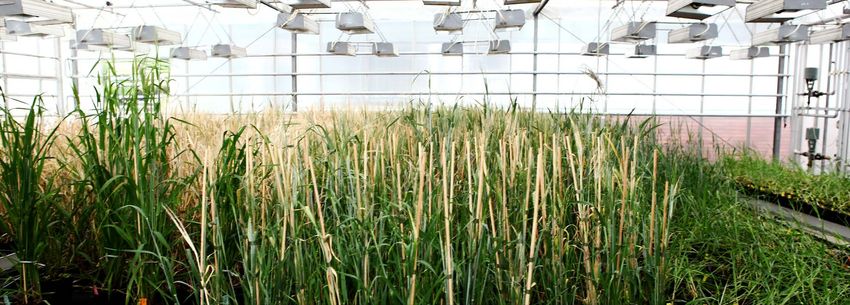
CARLSBERG GROUP SUSTAINABILITY REPORT 2020 INTRODUCTION        4

Achieving these targets as we work       accidents culture. Our efforts           steadfast in our commitment to                      ABOUT THIS REPORT
Together Towards ZERO will help us       towards achieving all four ambitions     uphold the principles of the UN                     Our annual reporting suite comprises three
mitigate risks to our business that      play a critical role in the success of   Global Compact. With the creation of                reports: our Annual Report, this Sustainability
will be amplified by climate change      our business now and in the future –     the Carlsberg Sustainability Advisory               Report and a Remuneration Report. Each
in the future. I am pleased to see the   not only by addressing risks but by      Board, we are inviting external                     includes content tailored to its specific audience
increased focus on ESG risks and         creating opportunities for growth.       experts to provide an “outside in”                  and cross-references to the other reports
opportunities by our stakeholders,                                                view to help us stay true to the                    where relevant. Download all the reports at
including investors, which will          Our burgeoning range of alcohol-         values of our founder, challenging                  carlsberggroup.com.
contribute to creating progress at the   free brews has delivered 11% growth      ourselves to constantly strive for
pace and scale needed.                   in sales volumes this year as more       better as we work towards our                       This Sustainability Report describes our
                                         people embrace healthy balanced          ambitious targets.                                  approach and performance on our most
This year, for the first time, we are    lifestyles in the wake of the                                                                material social, environmental and ethical
reporting in line with the               pandemic. We also want consumers         I am convinced that driving progress                issues for the financial year 1 January to
recommendations of the Task Force        to enjoy our alcoholic products          Together Towards ZERO will help                     31 December 2020.
on Climate-related Financial             responsibly and reached our target       Carlsberg keep brewing for a better
Disclosures to better understand and     to include messaging about               today and tomorrow as the world                     It covers all Carlsberg Group subsidiaries in
act on climate-related risks and         responsible drinking on all packaging    recovers from COVID-19.                             which we have a controlling stake and possess
opportunities for our business.          two years early.                                                                             more than 50% of the voting rights, across
                                                                                                                                      31 countries, including 86 breweries and soft
Climate change is also increasing        The success of our business depends      Cees ’t Hart                                        drinks production sites (together referred to as
water risks and our ground-breaking      on our people, and their health and      CEO, Carlsberg Group                                “breweries” in this report) and two malting
water risk scenario analysis with        safety remains our top priority. As                                                          plants. See page 74 for more on our reporting
WWF is helping us target action to       well as supporting them through the                                                          scope and methodology. Selected data on key
sustain essential water supplies –       challenges of the pandemic, we have                                                          performance indicators is subject to limited
both for our breweries and for the       stepped up our efforts to embed safe                                                         assurance by PwC (see page 90).
communities whose water resources        behaviour and continued to drive
we share. Our innovative partnership     down accident rates by a further 19%                                                         This report serves as our annual
with Desolenator will use renewable      across the business in 2020. But this                                                        communication on progress to the UN Global
energy from the sun to create access     progress was overshadowed by the                                                             Compact and as our statutory statement on
to clean water for thousands of          death of a contractor during                                                                 corporate social responsibility in accordance
people in an area of India stricken by   dismantling work at a former                                                                 with section 99a of the Danish Financial
the effects of both climate change       production site. Any accident is one                                                         Statements Act.
and COVID-19.                            too many and this tragedy
                                         strengthens our resolve to get to                                                            Our actions to contribute to the UN Sustainable
ZERO carbon footprint and ZERO           ZERO.                                                                                        Development Goals are signposted in relevant
water waste are key ambitions in our                                                                                                  sections and summarised in the Governance
Together Towards ZERO                    Carlsberg was founded over 170                                                               and transparency section (see pages 59-65).
programme, alongside ZERO                years ago on a strong sense of social
irresponsible drinking and a ZERO        responsibility – and we remain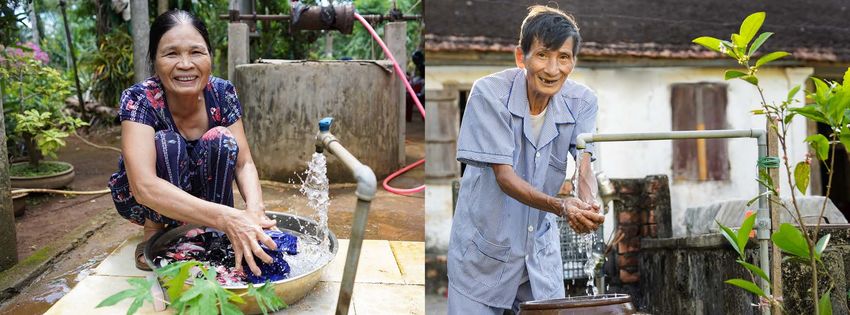
CARLSBERG GROUP SUSTAINABILITY REPORT 2020 INTRODUCTION      5

EXTERNAL PERSPECTIVES

The Carlsberg Sustainability Advisory
Board (CSAB) was established and                  I am pleased to be part of                    It has been my utmost                          Since 1847, Carlsberg and
held its first meetings in 2020 to        the CSAB and have the opportunity              pleasure and privilege to be a                 its people have remained true to the
provide additional “outside in”           to follow – and influence – the                part of the CSAB, which has allowed            founder’s heritage, aspirations and
perspectives directly to our CEO and      Carlsberg sustainability journey.              me to contribute my consumer                   responsible way of working. The
senior executives. We invited the                                                        trends expertise for a higher cause.           decade leading to 2030 will
three external members to provide         From my perspective it is a genuine                                                           be dynamic and challenging.
feedback on our sustainability            improvement journey that seeks to              It’s heartening to see how the
approach and performance.                 continuously raise the bar, focusing           Together Towards ZERO initiative               To transform itself whilst securing
                                          on the material issues. Much has               is more than just a CSR campaign;              business continuity and success will
See page 53 to find out more about        been done in recent years, which               but a well-crafted strategic plan              not be an easy task. Well-supported
the CSAB, their feedback and our          allows us to set high ambitions.               to lead Carlsberg towards a more               by a bold company purpose, with its
response.                                 All companies are today truly at an            sustainable future.                            ambitious Together Towards ZERO
                                          inflection point with regard to ESG                                                           sustainability programme and strong
We also completed an update of our        and sustainability, and it is clear to         Looking ahead, I’m hopeful that the            commitment from its leadership and
materiality assessment, analysing         me that Carlsberg is stepping up to            executive leadership of Carlsberg              staff, Carlsberg is ready for the job.
the greatest risks and opportunities      this challenge.                                will be able to set new standards
for our business. This included an                                                       for how business success will be               The CSAB will play its part, acting as
                                                                      Knut Haanaes,      measured – not just by financial               a sparring partner for the leadership
internal survey across a range of                              Professor of Strategy,
functions and geographies, as well                        Lundin Sustainability Chair,
                                                                                         metrics and shareholder value, but             team and helping to stay in sync with
as a series of interviews with external                         IMD Business School      by the organization’s impact on                expectations of the outside world.
stakeholders.                                                                            people and planet.                             Companies must adapt to survive,
                                                                                                                                        and we will challenge the speed and
                                                                                                                 Acacia Leroy,          scale of sustainability implementation,
See page 57 for more about our                                                                       Greenhouse Labs Manager,
materiality assessment and our most                                                                               Deloitte SEA
                                                                                                                                        advising on the tough dilemmas and
material issues.                                                                                                                        trade-offs on the way Towards ZERO.

                                                                                                                                                                       Frank van Ooijen,
                                                                                                                                                    Independent Sustainability Consultant
CARLSBERG GROUP SUSTAINABILITY REPORT 2020 INTRODUCTION   6

OUR BUSINESS

Carlsberg is one of the world’s       by 1% and alcohol-free brews by        through domestic sales, exports and       together with the New Carlsberg
largest brewery groups. In            11%, although the overall volumes of   licensing agreements.                     Foundation and the Tuborg
                                      beer we sold declined due to the                                                 Foundation, granted DKK 956m to
2020, we produced almost
                                      impact of various COVID-19             We deliver value to our shareholders      support scientific research, arts,
117 million hectolitres (hl) of       restrictions.                          and society, and support sustainable      culture and civil society, including
quality beers and beverages.                                                 development, through the                  over DKK 109m towards COVID-19
                                      More than 40,000 employees help        contribution we make to economies         relief efforts.
Our 100+ consumer brands include      us produce, transport and sell our     around the world (see graphic).
international premium brands such     beer. We have 88 sites in Western                                                See our Annual Report for more
as Carlsberg, Grimbergen, 1664 and    Europe, Eastern Europe and Asia.       Our majority shareholder, the             information on our business and
Tuborg, as well as strong local       Our products reach consumers in        Carlsberg Foundation, uses its            financials at carlsberggroup.com/
brands. In 2020, we increased sales   over 100 countries around the world    dividends for wide societal benefit. In   reports-downloads.
volumes of craft & speciality brews                                          2020, the Carlsberg Foundation,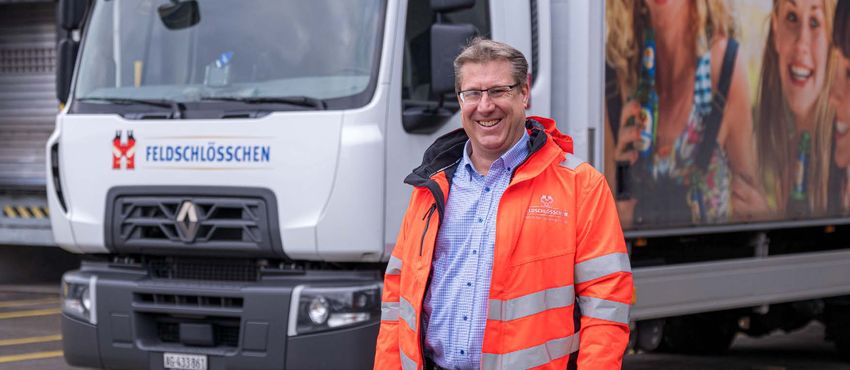
CARLSBERG GROUP SUSTAINABILITY REPORT 2020 INTRODUCTION   7

TOGETHER TOWARDS ZERO
At Carlsberg, we are brewing                        brewing for many more years to       issues. It also enables us to capture    irresponsible drinking and ZERO          Development Goals (SDGs) where
for a better today and                              come. See our Annual Report for      opportunities by meeting growing         accidents culture. Identified through    we can have the greatest impact.
                                                    more on our SAIL’22 strategy.        consumer demand for more                 a materiality process (see page 57),
tomorrow. That is our purpose.
                                                                                         sustainable products and healthier       these are the areas where we can         We partner with suppliers, NGOs and
                                                    Our Together Towards ZERO            choisces.                                have the biggest impact on               others in our industry to make
We have been brewing for over 170                   programme helps us mitigate long-                                             sustainable development through our      progress Together Towards ZERO.
years. Doing business responsibly                   term risks and make our business     The programme sets out                   business and our partnerships. We        Our steadfast commitment to doing
and sustainably will help us stay on                more resilient by tackling global    transformative targets to drive action   have aligned our ambitions and           business responsibly underpins
course to achieve our SAIL’22                       challenges such as climate change,   in four priority areas: ZERO carbon      targets to the UN Sustainable            progress in all four priority areas.
strategy, deliver value for                         water scarcity and public health     footprint, ZERO water waste, ZERO
shareholders and society, and keep

1   Beer-in-hand data for 2015-2019. See page 88.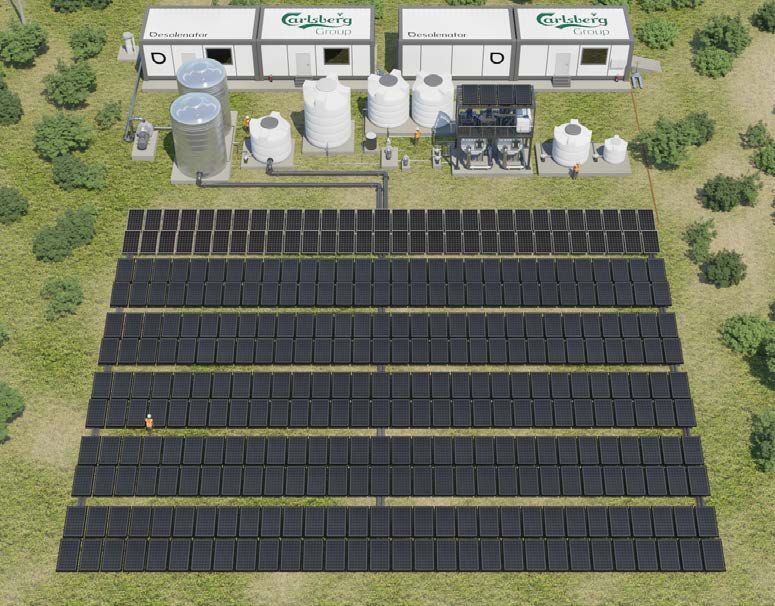
CARLSBERG GROUP SUSTAINABILITY REPORT 2020 INTRODUCTION   8

SUPPORTING
PEOPLE THROUGH
THE COVID-19 CRISIS
The COVID-19 pandemic has               research, arts, culture and civil
impacted lives and livelihoods          society.
worldwide, with far-reaching health
and economic consequences.              CALLING FOR A LOW-CARBON
                                        RECOVERY
During these unprecedented and          As we work to respond to COVID-19
challenging times, we prioritised the   challenges and reset our business for
health and wellbeing of our people      the future, we know society must
(see page 39) and stepped up efforts    also do the same and we are
to support our customers and            determined to play our part in
communities.                            supporting a low-carbon recovery.

HELPING COMMUNITIES STAY                Together with the Science Based
STRONG                                  Targets initiative and 150 other
We transformed brewery production       leading businesses, we called on
lines to produce alcohol for hand       governments around the world to
sanitiser. We donated equipment and     align their COVID-19 recovery
alcohol-free beverages to support       efforts with the latest climate
healthcare workers. And we ran          science. We also joined business
campaigns to support the hard-hit       leaders and investors in urging the
hospitality sector. See map for local   European Union to put the European
examples.                               Green Deal at the core of its recovery
                                        package.
We made corporate contributions
and Carlsberg teams around the
world raised funds for local
organisations. In addition, the
Carlsberg Foundation, together with
the New Carlsberg Foundation and
the Tuborg foundation, donated DKK
109m during the crisis to support
CARLSBERG GROUP SUSTAINABILITY REPORT 2020 INTRODUCTION   9

TOGETHER
TOWARDS ZERO
Our ambition is to achieve ZERO
carbon footprint, ZERO water
waste, ZERO irresponsible drinking
and a ZERO accidents culture. We
are making good progress towards
our targets by working in partnership
Towards ZERO.

IN THIS SECTION
ZERO carbon footprint ..................................... 10
ZERO water waste ............................................. 20
ZERO irresponsible drinking ........................... 27
ZERO accidents culture .................................... 35

                                                                    MAKING OUR BEER
                                                                    MORE SUSTAINABLE
                                                                    Watch our video to find out how our Together Towards ZERO
                                                                    programme helps us produce our beer more sustainably, enables
                                                                    consumers to enjoy it responsibly and keeps our people safe.
ZERO Carbon Footprint

                                                                                                                   CARLSBERG GROUP SUSTAINABILITY REPORT 2020 ZERO CARBON FOOTPRINT                           10

                         ZERO
                         CARBON
                         FOOTPRINT

The world is facing a climate                          glass – what we call beer-in-hand
                                                       emissions – by 30% by 2030 (from
emergency that threatens
                                                       2015 levels).
people, the environment and
our business.                                          Beyond our own operations, we
                                                       work with partners who supply our
Governments, businesses and                            ingredients, packaging, logistics and
individuals must take action now to                    refrigeration. Together, we are
help prevent the worst effects of                      supporting sustainable agriculture,
climate change. We are determined                      making the transition to lower-
to do our part by cutting the carbon                   carbon transport and cooling, and
footprint of our operations and our                    creating packaging solutions like our
entire value chain.                                    Snap Pack and Green Fibre Bottle.

Our ambitious targets, approved by                     Extreme weather and shifting rainfall
the Science Based Targets initiative                   patterns as a result of climate
in 2017, are in line with the latest                   change pose a direct risk to our
climate science to limit global                        brewing operations and to the crops
warming to 1.5˚C. In 2020, we                          and water we need to make our
joined other leading companies in                      products. This year, we signed up to
urging governments to ensure their                     the Task Force on Climate-related
COVID-19 recovery efforts align with                   Financial Disclosures and are
the Paris Agreement’s 1.5˚C goal and                   applying its recommendations to
calling for European Union leaders to                  better understand and report on
embrace a 55% carbon emissions                         these risks. We were also included in
reduction target by 2030.                              the CDP A List of global corporate
                                                       leaders for transparency and action
We are making strong progress on                       on climate risks and opportunities.
our 2022 targets to switch to 100%
renewable electricity, eliminate use
of coal and halve carbon emissions
at our breweries as we drive progress
towards ZERO carbon brewing by
2030. Eliminating emissions from
our breweries will help us cut our                       7.2 & 7.3    13.1 & 13.3   17.16 & 17.17    12.2, 12.5,
value chain footprint from field to                                                                 12.6 & 12.9
                                                                       See SDG index, page 59.
1   Emissions from driving a car 20,000 km a year at                                                                         We have discontinued our target specifying 30 supplier partnerships as collaboration
    a rate of 130 g CO2/km = 2.6 tonnes CO2/year                                                                             with suppliers has become such an integrated part of our approach. See page 16.
CARLSBERG GROUP SUSTAINABILITY REPORT 2020 ZERO CARBON FOOTPRINT 11
Our farm is one of the leading farms in the
Yaroslavl region and has grown brewing barley for
several years. Thanks to the Carlsberg Group, our
experience turned out to be a success: the harvest
almost tripled within three years. The barley must meet
specifications and grows under regular monitoring that
allows it to reach high quality. Carlsberg Group
specialists provide consultations and always assist us
with expert advice.”
FEATURE: ZERO CARBON FOOTPRINT IN ACTION Nikolay Minakin, Head of Kurdumovskoye farm, Yaroslavl, Russia
PROMOTING SUSTAINABLE AGRICULTURE
THROUGH CROP INNOVATION
Scientists at the Carlsberg Research ground-breaking research into resilient traits such as greater integrate those varieties into our beer current elite varieties. Their yield is
Laboratory in Copenhagen have climate-tolerant crops. In the last tolerance to drought and heat supply chain. approximately 10% higher than
been exploring the boundaries of decade, we have invested more than waves, deeper roots and the ability varieties developed locally in Russia.
crop science and perfecting the art of DKK 50m in research on breeding to grow in saline soils. Barley bred to produce higher yields
brewing since 1876. Today, they are new sustainable and climate- also has a lower climate impact We set requirements for these
turning their attention to sustainable tolerant raw materials, as well as We are now partnering with local because the same amount can be farmers on fertiliser use and hold
agriculture to reduce climate risks in advances in hop, yeast and brewing breeders in Australia to see how the grown using less fertiliser, which field days to prepare them to harvest
our supply chain. processes. new crop varieties cope in extreme takes a lot of carbon to produce. In the benefits of future innovations
drought and adverse soil conditions. Russia, the 70 farmers who supply from our lab.
Barley is an essential ingredient for Our scientists have isolated more The varieties that grow best will form our Baltika breweries are using
our beer – and the focus of the lab’s than 40 candidates for barley a pipeline for barley breeding, and barley varieties developed by our lab
varieties that display climate- we will work with partners to rapidly that are more sustainable thanCARLSBERG GROUP SUSTAINABILITY REPORT 2020 ZERO CARBON FOOTPRINT 12
ZERO
CARBON
FOOTPRINT
ELIMINATING sites to track progress. In 2020,
carbon emissions totalled 563,000
SWITCHING TO RENEWABLE
ENERGY
BREWERY tonnes. We are well over halfway towards our
WHAT WE
EMISSIONS goal to source 100% of electricity for
MEAN BY ZERO
We are switching to 100% renewable our breweries from renewable sources
Our global Environmental Policy
supports our progress towards ZERO
electricity, eliminating use of coal and like the sun and wind by 2022. To CARBON
adopting best practices and advanced ensure a robust approach to the
carbon emissions from our breweries. technologies in production processes. measurement and use of renewable
FOOTPRINT
It sets out our commitment to robust electricity, we are members of the Brewery emissions: We aim to
environmental standards with In 2020, we reduced relative emissions RE100, and apply their technical eliminate carbon emissions from our
particular focus on energy and at our breweries by 12% to 4.3 kg CO2 criteria when working with renewable 88 sites – including breweries and
emissions as well as water, waste and per hl from 4.9 kg CO2 per hl in 2019. electricity – see overview of approved malting sites – by 2030. To help us
packaging. That is a 39% reduction since 2015, renewable electricity types below. In drive progress towards this absolute
well on the way to our target of 50% 2020, we reached 64% (up from 56% target and improve production
We manage our 86 breweries and two by 2022. Overall, across our breweries in 2019). Our breweries in China efficiency on the way, we aim to
malting sites as part of our integrated and malting sites we have cut our achieved 100% this year, joining all our halve emissions per hectolitre (hl) of
supply chain, using best practice absolute emissions by 33% since 2015. breweries in Western Europe, which production from our 86 breweries –
environmental management systems This is a saving of 283,000 tonnes of achieved this target several years ago. including breweries, soft drink and
to drive continuous improvement. CO2, equivalent to taking 109,000 water plants, but excluding malting
These systems are certified to the ISO cars off the road for a year1. Most of our renewable electricity sites – between 2015 and 2022.
14001:2015 standard at 79 of our comes from the grid through the
breweries, and energy management We are on course to eliminate purchase of renewable electricity Both targets include Scope 1 and 2
systems at 19 sites are also certified emissions from our breweries and certificates, totalling 570,077 MWh emissions and exclude owned
to ISO 50001. malting sites by 2030. in 2020. At eight of our sites, we logistics and distribution, which are
generate renewable power from on- included in our beer-in-hand target.
We collect environmental data from site solar panels. We are also
across all our breweries and malting exploring options to buy renewable Beer-in-hand emissions: We aim to
reduce our value chain (beer-in-
RE100 OPTIONS FOR RENEWABLE ELECTRICITY hand) emissions per hl of beer
To achieve 100% renewable electricity, a company produced by 15% by 2022 and 30%
may choose from the following options:
by 2030 from our 2015 baseline.
Self-generated electricity These reductions cover Scope 1, 2
1. Generation from installations owned by the company
and 3 emissions from: growing and
Purchased electricity malting raw materials; brewing,
2. Purchase from on-site installations owned by a supplier
packaging, distributing, and chilling
3. Direct line to an off-site generator with no grid transfers
4. Direct procurement from offsite grid-connected generators
our products; and handling our
5. Contract with suppliers (green electricity products) packaging waste after use.
6. Unbundled energy attribute certificate purchase
7. Other options
1 Emissions from driving a car 20,000 km a year at a rate of 130 g CO2/km = 2.6 tonnes CO2/year.
* 2020 data within PwC's assurance scope. 2015-2019 data assured in prior years (see previous sustainability reports).CARLSBERG GROUP SUSTAINABILITY REPORT 2020 ZERO CARBON FOOTPRINT 13
electricity directly from wind and solar certificates. In Switzerland, 52% of all
producers through power purchase heat generation came from renewable
agreements. fuels, including 27% from ethanol
extracted while producing our alcohol-
Our site at Farris in Norway achieved free beer.
zero carbon emissions in 2020,
switching from fuel oil to renewable TRANSFORMING BREWING
electricity. Globally, eight of our EFFICIENCY
breweries are now carbon-neutral, Our breweries continued to break new
powered by 100% renewable electricity boundaries for efficiency and
and thermal energy. innovation in 2020.
By targeting 100% renewable In Asia, we cut the amount of heat our
electricity for brewing, and through breweries use by 13% from 2019
our membership of the RE100, we through investments in bottle washing
aim to encourage our industry peers and energy recovery systems.
and suppliers to make the same switch
to renewables. In Western Europe, we installed new
brewhouse heat recovery systems in
ELIMINATING COAL Estonia and Lithuania that cut heat
In 2020, we converted a coal-fired use by over 10%. CASE STUDY
boiler at our Okocim brewery in
Poland to run on biogas generated on In Eastern Europe, we added OUR SCIENTISTS PURSUE
site and, if necessary, natural gas.
That leaves just one site where we still
recuperative heat exchange units in
Ukraine and reduced brewhouse TOMORROW’S ZERO CARBON
use coal, our Aurangabad brewery in
India. Plans to convert the coal-fired
evaporation in Russia.
SOLUTIONS
boiler at this site to run on biomass Climate and water risks to our Post-doctoral researchers at the Carlsberg energy-saving solutions at our breweries
have been delayed due to an extended business are connected and so are Research Laboratory are using next-generation without disrupting current production. The
COVID-19 lockdown in India, but we many of the solutions. For example, technology to bring us a step closer to a ZERO scientists are already trialling interventions
aim to complete this in 2021. the new advanced water-recycling carbon future. that could help our brewery in Ukraine cut
plant at the Fredericia brewery in energy use by up to 15%.
Many of our breweries have replaced Denmark, operational in 2021, will In 2020, the talented members of our Young
coal and natural gas with innovative halve water consumption, and biogas Scientists Community created a “digital twin” They are also evaluating early-stage
technology to harness carbon-neutral generated from the wastewater brewery in close collaboration with colleagues technologies with the potential to save energy
thermal energy. In 2020, 28 breweries treatment process will replace around from our integrated supply chain and Baltika in and carbon at our breweries globally, including
made use of biomass, biogas 10% of the site’s natural gas Russia. This unique virtual tool will enable us to solar-assisted brewing, heat pump integration
extracted from on-site wastewater, consumption. simulate new ideas, brewing techniques and and energy from spent grain.
renewable district heating or biogasCARLSBERG GROUP SUSTAINABILITY REPORT 2020 ZERO CARBON FOOTPRINT 14
CUTTING OUR In 2020, we conducted our most
extensive analysis yet of our global
BEER-IN-HAND value chain carbon footprint, based We have worked closely with Carlsberg REPORTING ON
EMISSIONS on the European Commission on their supply chain emission CLIMATE-
guidelines and with support from the
calculation model since 2016, and the
We look beyond the brewery gates
to understand and reduce the climate
Carbon Trust. Suppliers representing
work we did this year sets new RELATED
more than 60% of our spend provided
impact of our products across the in-depth product-level data on the standards for Scope 3 emissions FINANCIAL RISKS
value chain – from growing and emissions they generated to provide accounting and measurement. The AND
malting grain to brewing, packaging, model we have developed together
transporting and cooling our
ingredients, packaging and transport
for our beer.
OPPORTUNITIES
products. We call this our beer-in-
uses very granular data for each value
hand emissions. chain step. This enables Carlsberg to Recognising the increasing risk of climate
The results showed that our value
chain emissions in 2019 totalled 6.8 track, measure and reduce its Scope 3 change to businesses and communities
MEASURING OUR VALUE CHAIN million tonnes of CO2-equivalents emissions on a market, regional and across our regions, in 2020 we
FOOTPRINT global level with great precision, which broadened our analysis and reporting in
(CO2e). For every hectolitre of our
We cannot manage what we do not this area by aligning with the
beer that consumers enjoyed, it took puts the company at the forefront of recommendations of the Task Force on
measure. We conduct in-depth 56.4 kg of CO2e to do everything
assessments of our carbon emissions
Scope 3 accounting.” Climate-related Financial Disclosures
needed to put the beer in their hand.
across the value chain every three Myles McCarthy (TCFD).
That is 7% less than in 2015, putting
years, using leading best practices us almost halfway towards our 2022 Director Implementation, The Carbon Trust
and the Greenhouse Gas Protocol. Using the TCFD reporting framework, we
goal of 15%. We will use the data to
will continue to improve our
help identify and implement the
understanding and disclosure of the
actions needed to achieve our target.
medium- and long-term impact of
climate change on our business.
Our first disclosure according to the
TCFD reporting framework is included in
our 2020 Annual Report (page 36),
available at carlsberggroup.com/
reports-downloads.
It provides a brief summary of our
governance, strategy, risks, metrics and
targets in relation to climate change with
links out to more information in this
Sustainability Report and elsewhere.CARLSBERG GROUP SUSTAINABILITY REPORT 2020 ZERO CARBON FOOTPRINT 15
The graphic illustrates our progress
across each stage of the journey
from field to glass. It shows that we
have significantly cut carbon from
our brewing and cooling, and made
some progress on packaging and
transport. However, emissions
generated from agriculture – over
which we have least control – have
risen slightly.
Methodologies for value chain
footprinting continue to develop, and
in our latest analysis we updated our
2015 baseline to reflect the
improved methodology, greater
availability of primary data, and
additional sector guidance on both
calculations and emissions factors
from the Product Environmental
Footprint Category Rules (PEFCR)
and the Beverage Industry
Environmental Roundtable (BIER).
This resulted in a 12% increase in our
2015 baseline.
THE SCIENCE BEHIND OUR CARBON Industry GHG Emissions Sector Guidance We were early adopters of the product reduction target – exceeding the 67% required
ACCOUNTING (Version 4.1), developed by the Beverage environmental footprint guidelines, developed by the Science Based Targets initiative.
We conduct a comprehensive analysis of our Industry Environmental Round Table (BIER). by the European Commission for measuring a
Adopting globally recognised best-practice
global beer-in-hand carbon footprint every product’s environmental footprint. And we
Detailed data from our suppliers enables us to standards gives us confidence that we are
few years, using stringent processes that apply the relevant parts of these specific
track emissions by market down to product gathering science-based information to inform
enable us to identify and conduct reduction product rules for beer to measure our
group level. In total, we collect primary data our efforts to reduce our carbon footprint and
activities specific to each market. corporate value chain footprint.
for more than 60% of our spend, covering our mitigate climate-related risks to our business.
We adhere to the rigorous GHG Protocol for wide-reaching value chain from raw materials Seventy-five percent of our Scope 3 emissions
Read more about the methodology on page 88.
Scope 1, 2 and 3 emissions and the Beverage to point of sale. are covered by our 2030 beer-in-hand carbonCARLSBERG GROUP SUSTAINABILITY REPORT 2020 ZERO CARBON FOOTPRINT 16
PARTNERING TO SHRINK OUR Together with O-I Glass, a supplier of Our own packaging – including glass that can make them last three times
SHARED FOOTPRINT our Western European markets, we and plastic bottles, cans, kegs, as long.
With 87% of our value chain carbon localised production of our Grimbergen plastic wrap and cardboard boxes –
footprint outside our operations and bottles in France at an energy- generates 41% of our beer-in-hand Many of our breweries support local
direct control, partnering is key to efficient plant. The bottles are made emissions. This is by far the largest initiatives to boost recycling rates for
reducing our beer-in-hand emissions. using almost 80% recycled broken part of our value chain carbon packaging. In 2019, Baltika launched
glass and delivered to our nearby footprint. 19 partnerships to operate 10,000
We collaborate with partners who Kronenbourg brewery by train, a recycling containers in 50
supply our ingredients, packaging, lower-carbon emission alternative to To cut the climate impacts of municipalities across Russia. And in
transport and refrigeration on trucks. packaging, we invest in innovation 2020, the powerhouse brand
efficiencies and innovation that drive and promote reuse and recycling. We expanded its trial with retailer
down their carbon footprint and ours. Some of our key suppliers have are also developing industry-leading VkusVill to install vending machines
For example, partnerships are helping adopted their own carbon-cutting solutions to reduce our plastic in St. Petersburg and Moscow stores
us drive progress in areas such as roadmaps that support our 2022 and packaging, which can have a wider where consumers can drop off used
sustainable packaging and switching 2030 targets to reduce our beer-in- environmental impact, particularly if cans and plastic bottles – the first
to renewable energy. hand footprint. Examples include two it ends up in the world’s oceans (see initiative of its kind in the country.
major beverage can suppliers, Ball and feature on next page).
Originally, we set a fixed target to Crown. We are also experimenting with
enter into 30 partnerships with Aluminium cans are the containers product packaging to reduce our
suppliers to reduce our shared carbon In 2020, Ball completed two long- we use most for our products and carbon footprint. With our supplier
footprint by 2022. Partnerships have term renewable energy agreements account for the biggest share of our DS Smith, we are testing stronger,
now become such an integral part of for 93.4 MW of new wind energy emissions from packaging. This year, thinner cardboard boxes that could
our approach that we have decided to and secured additional Guarantees of we partnered with suppliers to cut raw material use and related
stop tracking the number of Origin to address 100% of its energy continue reducing their weight, use emissions from a multipack by
partnerships and focus on their impact. load in Western Europe moving more recycled content and improve around 20%. In 2020, we started
forward. Meanwhile, Crown has recycling rates after use. Our beer- trialling the boxes at our brewery in
This year, we were able to obtain launched new goals to halve its in-hand analysis showed we cut Falkenberg, Sweden.
primary data input on greenhouse gas operational emissions and source emissions from cans by around 17%
emissions from suppliers representing 60% of its electricity from renewables from 2015 to 2019 – a testament to
more than 60% of our spend to inform by 2030. the impact we and our suppliers can
our beer-in-hand carbon footprint have when we work together.
analysis. RETHINKING PACKAGING
High-profile campaigns and new Around the world, we support well-
More than 98 companies in our supply regulations have put the established and efficient bottle return
chain have joined the Science Based environmental impacts of packaging, systems for consumers with high
Targets initiative, 12 of which account and particularly plastics, in the collection rates. In some markets we
for more than 13% of our total carbon spotlight. wash and refill returnable glass
footprint and have a significant direct bottles. And in Malaysia we
impact on our beer-in-hand targets. implemented a protective coatingCARLSBERG GROUP SUSTAINABILITY REPORT 2020 ZERO CARBON FOOTPRINT 17
FEATURE
SPOTLIGHT ON PLASTICS
We are continuing our efforts to packs of cans together. It is now in The Green Fibre Bottle, made from launched a trial in Sweden and savings will total 200 tonnes of CO2e
reduce, recycle and avoid plastics. use in Denmark, Estonia, France, sustainably sourced wood fibre, has the UK. a year. Meanwhile, in 2020, Bon
Germany, Latvia, Lithuania and the the potential to offer a more Aqua in Finland launched 100%
In 2020, we partnered with suppliers UK. sustainable alternative not only for We are also innovating in our use of recycled PET bottles, joining our
to extend our revolutionary Snap Pack beer, but for other drinks and liquid recycled plastics for product Imsdal brand in Norway, which
technology to three more markets. We are getting closer to a “paper” products. We were joined by other packaging. We now use shrink film moved away from virgin plastic in
Launched in the UK in 2019, Snap beer bottle that can be launched leading companies in the project, all made of 100% recycled plastic in 2019. And we launched the first PET
Pack cuts plastic by up to 76% per commercially, with a trial planned for of which have made good progress Denmark, Finland, France, Norway, bottle-recycling machine in Belarus
multipack by replacing plastic shrink 2021 pending regulatory approval this year: Coca-Cola has launched its Poland and Sweden. For the Karhu together with supermarket and waste
wrap or rings with glue dots that hold with our technology partner, Paboco. first prototype and Absolut has brand in Finland alone, carbon collection partners.CARLSBERG GROUP SUSTAINABILITY REPORT 2020 ZERO CARBON FOOTPRINT 18
PROMOTING SUSTAINABLE The energy used to malt grain for making up around 70% of the fleet Russia, Sweden, Switzerland and From 2021, we will introduce energy
AGRICULTURE our beers – by our suppliers and at globally. Ukraine. management systems in all
The second biggest share of our our own malting plants in Russia – replacement fridges, where feasible,
value chain climate impact – 25% of accounts for around 3% of our total Outsourcing most of our outbound CUTTING IMPACTS FROM to reduce electricity use and related
emissions – comes from growing, value chain emissions. Between logistics enables us to make COOLING carbon emissions. This will require
malting and processing ingredients 2015 and 2019, we reduced carbon efficiency gains, including higher fill Most of our products are best additional investment from us, but it
for our beers and other beverages. emissions from malting processes by rates, by transporting our products enjoyed chilled. The fridges and beer will save our customers energy and
19% for every hectolitre of beer alongside others. We set clear coolers used for our beer and money – and help us reach our 2022
Our business depends on a long- produced. This was achieved through sustainability requirements in our beverages in bars, restaurants and and 2030 targets.
term, sustainable supply of crops, decarbonising efforts at our own contracts with logistics providers. For retail stores account for 9% of our
mainly barley and rice. We generally plants and by our supplier Viking, example, they must train drivers to beer-in-hand footprint.
purchase barley as a commodity. which has converted a large part of maximise fuel efficiency, and track
While we only work directly with its heat generation to sustainable fuel use and emissions. We work closely with two major
farmers in one country, Russia, we biomass. suppliers, Frigoglass and Klimasan,
support sustainable agriculture more In some markets, where we operate to adopt the latest market
broadly in several ways. MAKING OUR LOGISTICS our own fleets, we use telematics technologies and solutions, switching
SMARTER programmes to monitor and improve to more energy efficient fridges and
We invest in next-generation crops The logistics of getting our beer from our drivers’ awareness on the road. refrigerants that have a lower
through the work of scientists at the breweries to warehouses and on to These have helped to cut emissions climate impact. This proactive
Carlsberg Research Laboratory. Their bars, restaurants and retailers by by improving fuel efficiency, as well approach, combined with more
ground-breaking efforts, highlighted road, rail and sea account for 12% of as reducing accidents and vehicle electricity from renewable sources in
on page 11, include developing beer-in-hand emissions. wear and tear. In 2021, new route national grids, reduced our
climate-tolerant and high-yield planning software will reduce our refrigeration emissions by 21% from
varieties of barley. Emissions from transport decreased road mileage, further cutting 2015 to 2019.
by 12% between 2015 and 2019. We emissions. In 2020, we took delivery
Our beer-in-hand analysis enables plan to take advantage of improving of the first of our fleet of 26-tonne The fridges and beer coolers we
us to identify drivers of emissions, technology to make our fleet more electric trucks in Switzerland – the provide to our retail customers last
which we will work on factoring into sustainable. first of their kind manufactured by around eight years on average. To
our purchasing decisions in the Renault Trucks. minimise their carbon footprint, all
future. For example, higher-yield At our warehouses, whenever we new models we buy must use LED
crops can significantly reduce carbon replace machinery such as forklift Even at its most efficient, transport lighting and refrigerants such as
emissions from agriculture. This trucks we aim to switch from natural by road is a relatively high-carbon hydrocarbons that have a lower
means we may buy grain from gas and diesel to electric models, solution. We therefore look for climate impact than
regions that produce higher yields and from lead acid batteries to more opportunities to transport products hydrofluorocarbons. In 2020, 97% of
even if this involves transporting our efficient lithium ion batteries. To do by train wherever national rail fridges and beer dispense equipment
raw ingredients over longer this, we also need to invest in networks allow. In 2020, we purchased through our central
distances, since it reduces overall suitable infrastructure for charging continued to use rail in Denmark, procurement team used low-
carbon emissions. electric vehicles. We now have over France, Kazakhstan, Norway, climate-impact hydrocarbons & LED
1,550 electric powered forklifts, lightning.CARLSBERG GROUP SUSTAINABILITY REPORT 2020 ZERO CARBON FOOTPRINT 19
ZERO CARBON FOOTPRINT: OUR PROGRESS & TARGETS
PLANNED ACTIONS FOR 2020 STATUS PROGRESS IN 2020 PLANNED ACTIONS FOR 2021 2022 TARGETS 1 2030 TARGETS
Breweries
We converted a coal-fired boiler at Poland’s Okocim
Phase out coal at our two remaining coal-fuelled brewery to natural gas. Plans to convert the coal Convert the boiler at our Aurangabad brewery in Zero coal at our
sites. boiler in India to biomass were delayed due to India – our last remaining use of coal – to biomass. breweries
COVID-19.
Explore additional on-site generation and power
Increase use of renewable heat and electricity through
We increased electricity from renewables to 64% (up purchase agreements to secure renewable electricity
sourcing renewable power (such as international 100% electricity from
from 56% in 2019) primarily by investing in more for all regions for 2022. Zero carbon emissions at
renewable energy certificates and power purchase renewable sources at our
renewable energy certificates. 28 breweries now our breweries
agreements), biogas generation and on-site solar breweries
operate fully or partly on biomass or biogas. Explore increasing use of renewable electricity for
projects.
heating.
Increase use of biogas from wastewater to replace
We upgraded equipment at breweries in China, natural gas.
50% reduction in carbon
Estonia, Lithuania, Russia and Ukraine, and reduced Explore low-carbon alternatives with heat and gas
Upgrade equipment to improve heat recovery. emissions at our
heat usage where possible by optimising production suppliers to reduce carbon emissions.
breweries
processes. Support research on new renewable heat
technologies.
Beer-in-hand
We completed a detailed analysis based on supplier Engage with major packaging and malt suppliers to
input in line with the Greenhouse Gas Protocol (and support their transition to renewable electricity.
Update beer-in-hand carbon footprint analysis using 15% reduction in beer-in-
European Commission guidelines specific to beer). Continue to pursue reductions in carbon emissions
2019 data. hand carbon footprint
This showed a 7% emissions reduction per hl from in the areas identified for all steps of the value
2015 to 2019. chain, from growing crops to packaging,
transporting and chilling our beer.
30% reduction in beer-in-
hand carbon footprint
We engaged with refrigeration partners on low-
climate-impact cooling, with farmers in Russia to
Support local market teams with tracking and Introduce energy management systems in all
improve barley yields, with suppliers to extend 100% low-climate-
reducing beer-in-hand carbon footprint and engaging replacement fridges, where feasible, to reduce
sustainable packaging solutions to more markets, and impact cooling
with suppliers to reduce joint carbon footprint. electricity use and related carbon emissions.
with logistics partners to improve the efficiency of our
product transport.
Fully Partially Not
achieved achieved achieved
1 We have discontinued our target specifying 30 supplier partnerships as collaboration with suppliers has
become such an integrated part of our approach. See page 16.ZERO Water waste
CARLSBERG GROUP SUSTAINABILITY REPORT 2020 ZERO WATER WASTE 20
ZERO
WATER
WASTE
Water shortages directly hectolitre (hundred litres) of beer.
affect communities and our We have already achieved an 18%
business. reduction through best practice
efficiency and water treatment
Many parts of the world face upgrades at our breweries. And we
increasing water scarcity challenges will accelerate progress with state-
as the effects of climate change of-the-art water-recycling
trigger droughts and alter rainfall technology.
patterns. As soon as 2025, two
thirds of people worldwide may be In 2020, we updated our water risk
dealing with water shortages. And by assessment for 81 of our 86
2050, almost half of global GDP majority-owned breweries and
could come from areas facing high finalised a ground-breaking scenario
water risk.1 analysis with WWF to prepare for
future risks to our business. The
Water is an essential ingredient in findings will help us prioritise actions
our products, and other key as we work with partners to protect
ingredients, such as grain and hops, and improve water supplies for the
need it to grow. Put simply, no water communities whose resources we
means no beer. With 17 of our share. We disclose our management
breweries located where water risk is of water risks to the CDP and
high, our focus on pushing the achieved an A- rating in the latest
boundaries of efficiency and assessment.
technology is both a business and a
sustainability priority.
Industries like ours have a big role to
play in safeguarding water supplies
wherever we operate. That is why
we have set ambitious global targets
for ZERO water waste.
By 2030, we aim to halve the
amount of water used to make every 6.1, 6.2, 6.3 17.16 & 17.17
6.4, 6.5, 6.6
1 Source: WWF, October 2020. See SDG index, page 59.CARLSBERG GROUP SUSTAINABILITY REPORT 2020 ZERO WATER WASTE 21
Since ages a communal well has been our
village’s water source. Day in day out, we took buckets
of water from that well home for drinking, cooking and
personal hygiene. Every day we anticipated the
completion date [of the Huda project] to be able to
FEATURE: ZERO WATER WASTE IN ACTION access freshwater for our daily life.”
Villager, central Vietnam
IMPROVING WATER QUALITY
AND ACCESS IN VIETNAM
Brewed and bottled in central public taps are available, they often First, we identified the communities we accelerated expansion to support
Vietnam for 30 years, our popular run dry. most in need, then we collaborated over 14,000 more people as the
Huda brand is deeply rooted in its with local people to plan how best to COVID-19 pandemic made the need
local communities. The brewery put our commitment to provide clean, reliable fresh water. for reliable clean water even more
safeguard shared water resources Projects included installing or urgent.
Many people across the region still into action – bringing clean water at repairing water pipelines, reservoirs,
get their drinking water from the turn of a tap to almost 20,000 wells, pumping stations, filter tanks, Huda’s highly effective approach
unhygienic wells or ponds, store people. We partnered with local water flow meters and a concrete offers a useful template as we
rainwater or are forced to buy costly authorities to construct new water dam. partner to extend water projects in
bottled water to avoid drinking from infrastructure in five provinces, priority areas across Asia to fulfil our
contaminated supplies. Even where including Thua Thien Hue, where the The projects we completed in 2019 2030 target to safeguard shared
brewery is based. serve around 5,500 people. In 2020, water resources.CARLSBERG GROUP SUSTAINABILITY REPORT 2020 ZERO WATER WASTE 22
ZERO
WATER
WASTE
ELIMINATING To meet our 2022 target (see box)
and reduce our reliance on fresh
• India: Our Mysuru brewery was
recognised as a noteworthy water-
WATER WASTE water, we will combine continued efficient unit in the 2020
WHAT WE
FROM BREWING efficiency upgrades with investments Confederation of Indian Industries
MEAN BY ZERO
OPERATIONS in wastewater recycling and reuse. National Awards for excellence in
We are building an advanced water management. WATER WASTE
We employ best practices and the wastewater recycling plant in
latest technologies to continually Denmark and are assessing the INNOVATING TO REUSE
improve the efficiency of our 86 opportunities for other breweries. WASTEWATER
Breweries: We aim to progressively
breweries and avoid any water being Treating and reusing wastewater
eliminate water waste in our
wasted. Our focus on efficiency IMPLEMENTING BEST-IN- offers huge potential to shrink our
operations by reducing water use at
reduces costs and the risks to our CLASS EFFICIENCY MEASURES water footprint, while creating biogas
all our majority-owned breweries
business, as well as delivering We maintain rigorous environmental for our heat use. We have 58
(including soft drinks and water
sustainability benefits. management standards at all our wastewater treatment plants in
plants, but excluding malting sites).
breweries (see page 12) that support operation at our breweries.
All our operations at these sites are
In 2020, it took 2.8 hl of water for continuous improvement. To drive
covered, including offices, production
our breweries to produce 1 hl of progress towards our targets, our At our Fredericia brewery in
and warehousing.
beer. That represents a 7% breweries invest in making water- Denmark, we are investing in
improvement on 2019, saving more intensive cleaning and production advanced recycling technology that
Our targets are to reduce relative
than 1,100 Olympic swimming pools processes more efficient. Highlights will make it the world’s first brewery
water use by 25% by 2022 and by
of water. Overall, the water from 2020 include to virtually eliminate water waste.
50% by 2030 compared with the
efficiency of our breweries has Once operational, the new water-
2015 baseline performance of 3.4
improved by 18% since 2015. • Vietnam: The Phu Bai brewery recycling plant will halve water
hectolitres (hundred litres) of water
installed two new bottle washers consumption at the brewery, cutting
used to produce 1 hectolitre of our
that, combined with best practice the amount of water used to produce
beer and beverages (3.4 hl/hl).
water management, have helped each hectolitre of beer from 2.9 hl to
cut water use from 3.24 to 2.48 1.4 hl.
Communities: We will begin
hl/hl of beer produced. This will
partnering to safeguard shared
save the equivalent of 75 Olympic Construction of the plant began in
water resources for communities in
swimming pools per year. 2020 and the Danish Minister for
areas identified as high-risk by 2022
Higher Education and Science
and have a partnership in place in all
• China: Our Dazhulin brewery is at attended a ceremony at the site (see
high-risk areas by 2030.
the forefront of implementing quote on next page), along with our
Carlsberg operating practices in partners in DRIP – the public-private
water management (see feature on partnership behind the project.
next page).
* 2020 data within PwC's assurance scope. 2015-2019 data assured in prior years (see previous sustainability reports).CARLSBERG GROUP SUSTAINABILITY REPORT 2020 ZERO WATER WASTE 23
Other significant progress included
building a state-of-the-art
wastewater treatment plant at our We want to make
Shumen brewery in Bulgaria, which Denmark a green and
will begin operating in 2021. In sustainable pioneer
Eastern Europe we built three
country, and one of the
wastewater treatment plants, in
Novosibirsk, Rostov and St.
things that means a lot to
Petersburg. In India, our Alwar me is how we make more
brewery introduced a rooftop green research work in
rainwater harvesting system and society. Here in Fredericia,
extended wastewater recycling. A you have done it, across
new water-recycling plant planned
business, government and
for our Kolkata brewery was not
installed due to COVID-19
researchers.
lockdowns. Ane Halsboe-Jørgensen
Danish Minister for Higher Education
Looking further into the future, our and Science
Young Scientists Community – a
team of postdoctoral researchers CASE STUDY
based at the Carlsberg Research
Laboratory – developed a promising WATER WASTE DETECTIVES
prototype that will reduce the water
and chemicals needed for brewery
cleaning. Our dedicated team at the Dazhulin brewery water. Based on this analysis, the team
in China has made it their mission to introduced measures such as reusing water in
MEASURING EVERY DROP dramatically reduce water waste. The brewery, cleaning processes and using less water in
We source water for our operations one of our priority sites for water risk, is bottle washing and pasteurisation. These have
from municipal supplies, boreholes at located within the Yangtze river basin. delivered big results for little additional cost.
our own sites and surface water. We
continually monitor intake at both The team scrutinised brewing and packing In just four months, the team reduced water
site and global level to drive processes, checked all water pipes to detect used in beer production by 18% – from 2.7 to
improvements and understand any leaks, inefficiencies or blind spots, and 2.2 hl/hl. Dazhulin’s striking success brings the
broader performance trends. In installed more water meters to get a fuller brewery close to achieving our 2022 target to
2020, our total water consumption picture of water use in specific areas of explore going below 2.0 hl/hl at sites in areas
decreased by 8% to 33 million m3. production. of high water risk. We are now sharing the
team’s approach and lessons learned as best
They also asked employees at every level to practice across our breweries.
use their experience to share ideas for savingYou can also read


