What's now and next in China's e-commerce sector: A brief account of key things happening now and outlook in the post COVID-19 era - Fung ...
←
→
Page content transcription
If your browser does not render page correctly, please read the page content below
What's now and next in
China's e-commerce sector:
A brief account of key things happening now
and outlook in the post COVID-19 era

Asia Distribution and Retail
March 2020

Content
P.3    Introduction

P.4    4 things happening in China's e-commerce sector amid COVID-19 outbreak
           1. E-commerce players offer support to brands and retailers

           2. Livestreaming becomes an indispensable sales and marketing tool

           3. Social commerce gains traction

           4. An on-demand delivery boom

P.26   What’s next in the post COVID-19 era

                                                                                2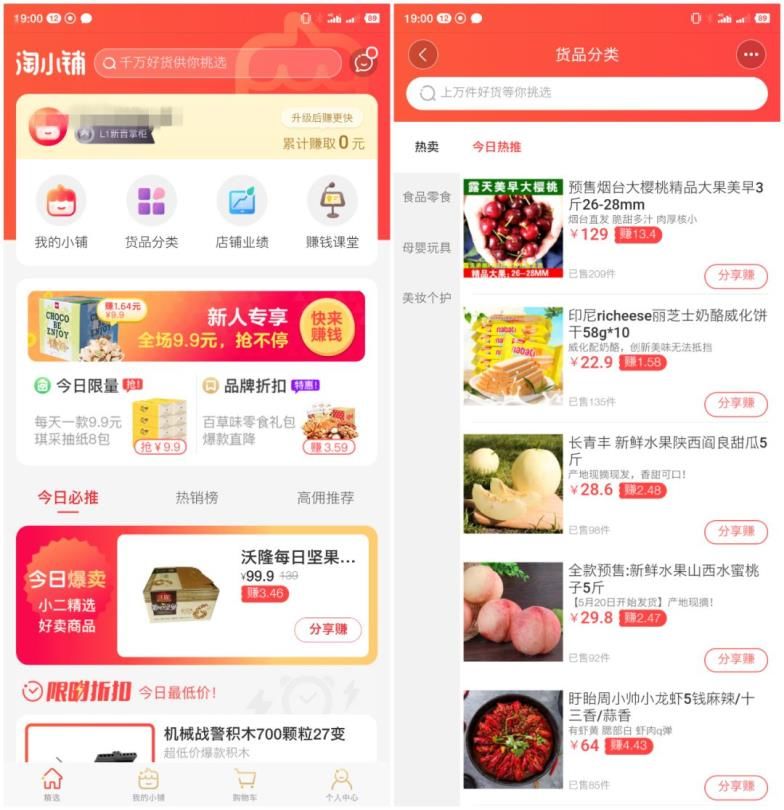
Introduction
COVID-19 is having a severe impact on retailers in China, especially offline retailers. To compensate the
suffer in losses offline due to significant drop in foot traffic, many retailers are eyeing the online market
– selling online, leveraging digital marketing tools, digitalizing their supply chain, etc. – to weather the
crisis. Meanwhile, some leading e-commerce platforms have taken various initiatives to help merchants
tide over the challenging times, such as providing financial support and subsidies, and helping them to
roll out their online strategies.

This report summarizes four key things happening in China’s e-commerce sector amid the COVID-19
outbreak and demonstrates how retailers survive and thrive in difficult times. It also envisages some
possible post COVID-19 developments in the sector.

Editor’s note: China is presently experiencing widespread economic disruption owing to the outbreak of the coronavirus disease 2019 (COVID-19) and
stringent government measures to contain it. This in turn is taking a toll on China’s retail and distribution sector. While comparisons are inevitable with the
economic toll taken by another coronavirus, SARS (2002-03), the difference for China, now, is that its economic fundamentals are more robust, its retail
sector more vibrant, as illustrated by its thriving e-commerce sector, its technology more advanced, and its consumers more resilient. These present ample
opportunities for retailers to transform and recover from the loss of business in physical retail.                                                                3
4 things happening in China's e-commerce sector
amid COVID-19 outbreak

                                                      2. Livestreaming
                1. E-commerce players
                                                         becomes an
                    offer support to
                                                  indispensable sales and
                 brands and retailers
                                                       marketing tool

                 3. Social commerce                 4. An on-demand
                    gains traction                   delivery boom

                                                                            4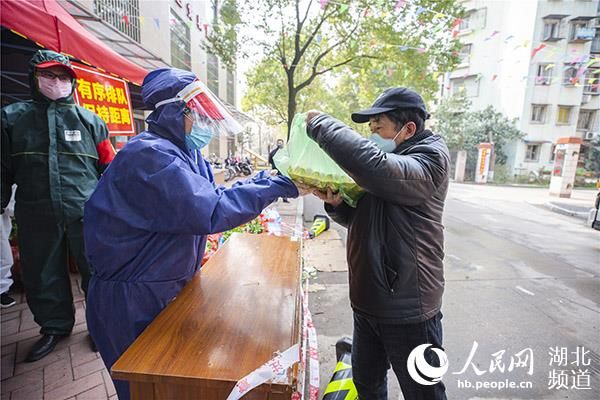
1. E-commerce players offer support to
                           brands and retailers
                           In order to help merchants weather the crisis, some major e-
                           commerce platforms have provided financial support to
                           merchants, and offered them different online marketing tools to
                           reach consumers. They have also provided special logistics
                           solutions during the disease outbreak to help merchants better
                           handle delivery orders.

                                                                                             5
(Photo source: Unsplash)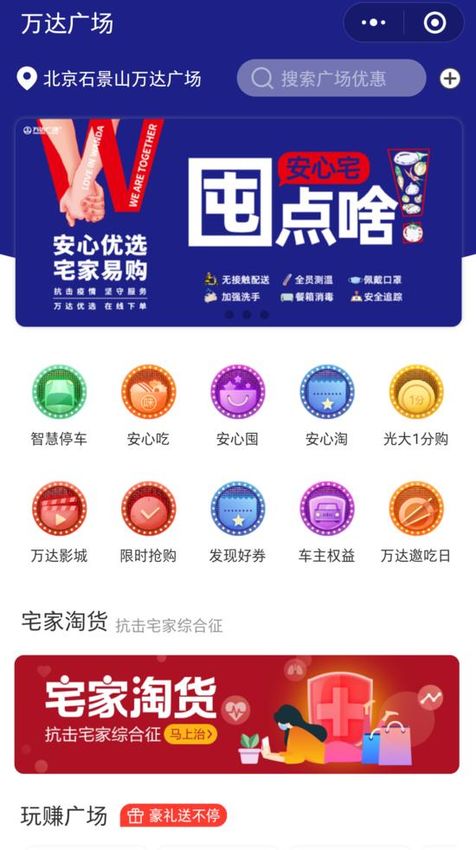
Reduce or waive platform fees; give out subsidies to
         merchants; offer low-interest loans
To relieve the cash flow burden of merchants suffering losses due to the COVID-19 outbreak, major e-commerce
platforms have reduced service fees or provided subsidies to merchants, while others have offered interest-free
/ low-interest loans to merchants.

Selected e-commerce platforms which reduce fees for merchants
E-commerce platform Selected measures to help and support merchants

Alibaba Group        Tmall: Waives service fees for the first half of 2020 and offers free services to eligible merchants registered
                     in Hubei, the epicenter of the coronavirus outbreak.
                     Cainiao: Offers two months of waived fees for warehouse rentals before the end of March.
                     Koubei: Waives commissions for merchants until the end of February, or until the end of March for Wuhan-
                     based businesses.
                     Tmall Global: Offers a six-month waiver on the annual service fees for some merchants, and free use of its
                     online shop setup tool; reduction or exemption of warehouse rent.
                     Taobao Live: Waives entrance (service) fees for all brands and retailers.

JD.com               Launches an expedited channel for SME merchants to open stores on JD.com, enabling enrollment in as
                     fast as six hours.
                                                                                                                                       6
Reduce or waive platform fees; give out subsidies to
          merchants; offer low-interest loans (Cont’d)
Selected e-commerce platforms which reduce fees for merchants (Cont’d)

E-commerce platform   Selected measures to help and support merchants

Pinduoduo             Provides subsidies (2-3 yuan per order) for merchants on its platform who take on the costs for offering
                      logistics services at subsidized prices and keep on operating and delivering orders amid the COVID-19
                      outbreak.
                      There is no upper limit on the subsidies; Pinduoduo has already set aside the first batch of 1 billion yuan
                      subsidy funds rewarding merchants for maintaining services during the outbreak.

Suning.com            Suning Supermarket waives the annual service fees for merchants who join/renew contract in February.

Meituan               Launches seven measures, including a 350 million yuan fund to support restaurants and commission fee
                      waivers in Wuhan, the center of the outbreak.

                                                                                                                                    7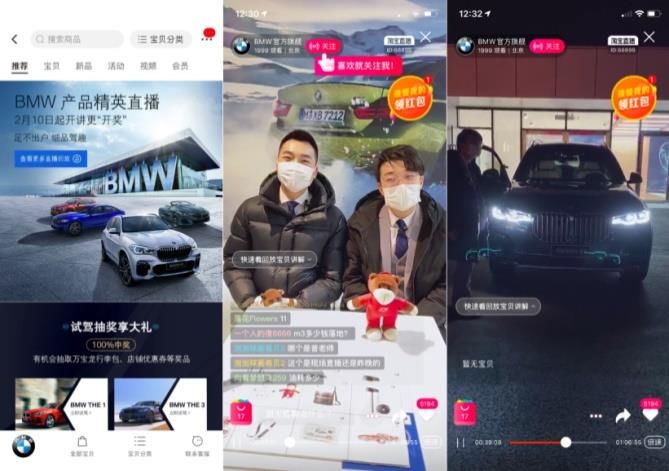
Reduce or waive platform fees; give out subsidies to
          merchants; offer low-interest loans (Cont’d)
Selected e-commerce platforms which offer low-interest loans for merchants

E-commerce player     Details
Alibaba Group         Ant Financial’s online bank brand MYbank offers interest-free and low-interest loans to Taobao and
                      Tmall merchants registered in Hubei. The one-year loans will total 10 billion yuan and be interest-free
                      for three months, after which the rate will be reduced by 20% from current levels. Another 10 billion
                      yuan in one-year loans will be available to merchants outside Hubei with interest rates 20% below
                      current levels. From now until March, payments will also be issued to merchants free of charge as
                      soon as an order has been fulfilled.

JD.com                JD Digits reduces interest rates for loans and allows merchants to delay repayment; it also provides
                      low interest or interest-free loans to merchants.

Meituan               Meituan works with various financial organizations to provide no less than 10 billion yuan low
                      interest loans for merchants.

                                                                                                                                8
Provide support in digital marketing (e.g. livestreaming)

Some e-commerce platforms have offered supportive measures to encourage brands and retailers to engage
with their target audience online via various digital channels. Among which, livestreaming is one of the most
commonly used channels.

     Case: JD.com offers financial support to merchants
     using its livestreaming platform

     ►   Recently, JD.com has rolled out a number of measures to support
         merchants using its livestreaming platform JD Live, such as
         reducing commissions of using JD Live to as low as 1%; removing
         threshold of joining the platform; supporting new hosts by
         providing online traffic; subsidizing merchants which sell
         agricultural products; subsidizing hosts with 50 yuan per show for
         selling major product categories such as fresh food, daily
         necessities, etc. until 29 February.

                                                                                JD Live reduces fees for using livestreaming
                                                                                and gives out subsidies for hosts

                                                                                                                               9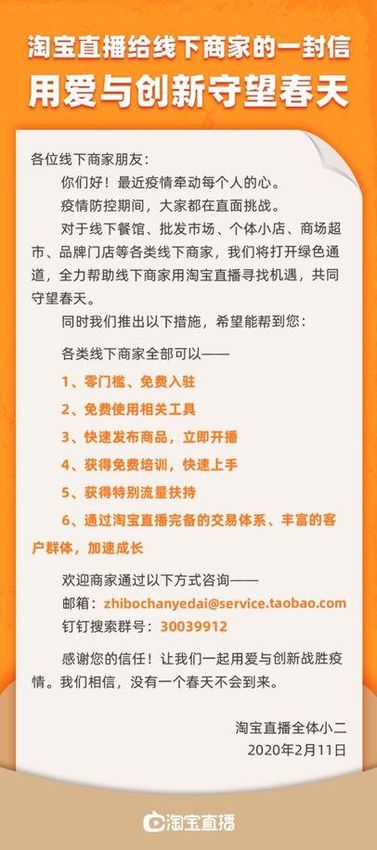
Provide support in digital marketing (e.g. livestreaming)
    (Cont’d)
Case: Taobao Live waives entrance fees for new
entrants

►   Taobao Live, Alibaba’s livestreaming platform, has waived the
    entrance fees for brands and retailers joining the platform. It also
    provided free tools for brands and retailers to help them market
    and sell their products via livestreaming, and offered training
    sessions for using these tools.

                                                                           Taobao Live reduces fees
                                                                           for using livestreaming
                                                                           service
                                                                                                      10
Provide last-mile logistics support
Some e-commerce operators have ramped up efforts to offer “contactless delivery” and deployed
autonomous vehicles or drones to deliver orders in a bid to prevent the spread of the COVID-19 through
human-to-human contact.
Some O2O delivery platforms, including Meituan Waimai,
Freshippo, Ele.me, Missfresh, Suning Xiaodian and JD
Daojia, as well as restaurants which offer takeaway service
adopt "contactless delivery" strategy to avoid direct contact
between delivery staff and customers. For safety concerns,
customers can request delivery staff to put the parcel or
food at designated places such as company’s front desk or
doorstep for pick up.
Meituan Waimai allows customers to choose
“contactless delivery” on its ordering platform
11Provide last-mile logistics support (Cont’d)
Case: Meituan pilots driverless delivery to minimize human contact
during delivery
► Recently, Meituan autonomous vehicles team joined hands with Meituan Maicai
to pilot driverless delivery in Beijing.
► Once customers – whose addresses are covered by the autonomous delivery
service – place orders on the Meituan Maicai platform, the system will assign the
orders to respective autonomous vehicles. Staff of Meituan Maicai will place
Meituan autonomous
goods into the vehicles before they pull out and begin deliveries. Customers can vehicles team joined hands
pick up their goods at the designated points in the neighborhood. The vehicles with Meituan Maicai to
exempt them from making direct human-to-human contact. pilot driverless delivery in
Beijing
► Currently the vehicles serve customers living in a 10km radius with orders
exceeding 20kg and communities contracted with the COVID-19 disease.
12Provide last-mile logistics support (Cont’d)
Case: JD Logistics deploys autonomous shuttles and drones for
last-mile deliveries in coronavirus quarantine zones
► Soon after the COVID-19 outbreak, JD Logistics has deployed autonomous
shuttles and drones to deliver medical and commercial cargo throughout
coronavirus quarantine zones in Wuhan and other cities in Hubei.
► Since most people in the region order goods online to minimize human
contact in offline stores, JD Logistics' autonomous warehouses have
reportedly fulfilled nearly double their usual number of daily orders, from JD Logistics deploys drones for last-mile
600,000 to 1 million between 24 January and 2 February. deliveries in Wuhan and other cities in Hubei
Province
132. Livestreaming becomes an indispensable
sales and marketing tool
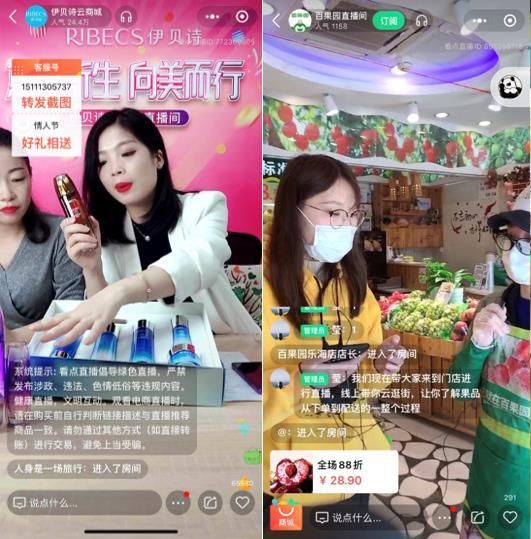
Livestreaming is a very popular tool for brands and retailers to
engage with and market their products to potential customers.
During the COVID-19 outbreak, even more brands and retailers
are leveraging livestreaming platforms to continue their
business.
14
(Photo source: CBNData)Livestreaming platforms see sharp increase in brand
activities
Many e-commerce platforms have already developed their own tools for livestreaming before the COVID-19
outbreak. During the crisis, even more many merchants have turned to these tools as a way to connect with
target customers. Many livestreaming platforms saw a sharp increase in the number of brands and retailers using
livestreaming to attract new customers and increase user engagement.
Case: Taobao Live sees sharp increase in brand
activities
► Taobao Live, Alibaba Group’s livestreaming platform, saw a sharp rise in
brand activities in the past month as merchants partially resumed their
operations and looked for ways to reach consumers in the midst of the Livestreaming is also popular across
different industries. Auto dealers
COVID-19 outbreak. In early February, livestreaming sessions on the
showcase the interior of luxury cars with
platform had increased by 110% yoy, according to Taobao Live. Taobao Live.
► Example: Sportswear brand Adidas hosted an exclusive online debut of its
limited-edition Superstar sneaker during its Super Brand Day in February.
Its “See Now, Buy Now” stream, which lets viewers make real-time
purchases of featured items from their mobile phones, drew 2.23 million
viewership and generated more than 200 million yuan in sales in 10 Adidas hosted an online showcase for its
hours. new shoes model
15Livestreaming platforms see sharp increase in brand
activities (Cont’d)
Case: Tencent’s Kandian Zhibo enables brands to host
livestreaming activities around the clock
Kandian Zhibo
► Through Kandian Zhibo, Tencent’s live commerce Mini Program, hosted a series
brands and retailers can keep on engaging with customers and of livestreams
promoting their products 24x7 amid the COVID-19 outbreak; such during 14-16
move can ease the operation pressure on brands and retailers February and
during the tough times, while allowing users to shop for daily gave out
coupons during
necessities, fresh food, fruits, clothing items and other products
the shows
from home.
► Example: On 14-16 February, a number of well-known brands and
retail chains including Watsons, OPPEIN Home Group, Rainbow
Department Store and Pagoda lined up with Kandian Zhibo to hold
livestreaming activities around the clock .
163. Social commerce gains traction
Social selling or social commerce has been trending in recent
years, especially popular among individuals and small or micro
enterprises. During the COVID-19 outbreak, more large-scale
retailers have tapped social commerce, especially WeChat Mini
Programs, to sell products and drive sales.
17
(Photo source: Pexels)Brands and retailers sell with WeChat Mini Programs
During the COVID-19 outbreak, increasing numbers of offline brands and retailers have launched WeChat Mini
Programs to market and sell their products. With its comprehensive functions and “use-to-go” convenience,
WeChat Mini Programs offer a quick solution for brands and retailers to go online immediately instead of
developing their own online selling platforms.
Case: Wanda Plaza leverages WeChat Mini Program to sell
► During the COVID-19 outbreak, Wanda Plaza launched an online sales
and marketing scheme to promote home shopping. The scheme
leverages Wanda Plaza’s WeChat Mini Program to help 60,000
merchants across China to go online from 19 February.
► Customers can select goods and place orders online through the Mini
Program, and they can be directed to brands’ e-commerce platforms to
confirm orders. Customers can all also add the contact of shopping
guides of merchants (sales associates) into their WeChat contact to
receive real-time assistance. Customers can enjoy home delivery
services.
Wanda Plaza’s WeChat
Mini Program 18Brands and retailers urge staff to turn into salespersons
online and sell via WeChat Mini Programs
For some brands and retailers, one common way to sell via Mini Program is by turning their sales associates of
brands into online shopping guides or salespersons to interact with customers.
Case: Youzan helps retailers turn their sales associates into
shopping guides on WeChat Mini Program
► Youzan, the largest service provider of WeChat stores, recently offered
free trial of its latest “sales assistant” software solution to WeChat
enterprise account users. The solution is designed to enable enterprises
to turn their employees or customers into salespersons to boost client
acquisition rate and sales.
► Example: TeenieWeenie’s WeChat Mini Program adopted Youzan’s “sales
assistant” software solution to drive sales. TeenieWeenie’s staff can
create their own “stores” and share TeenieWeenie’s products to target
customers. They can earn a commission for every sales generated through Youzan allows shopping
the Mini Program. Since the launch of the WeChat Mini Program on 14 guides to easily share
February, TeenieWeenie has reportedly made over 10 million yuan in products to target customers
and manage customer
sales within two days.
information 19Individuals leverage social-commerce platforms to sell
For individuals, social-commerce platforms also allow them set up businesses by creating their own “online stores”
easily. Amid the COVID-19 outbreak, the number of individuals setting up their own businesses online also saw
sharp increase.
Case: Sharp increase in number of merchants joining Tao
Xiaopu
► “Tao Xiaopu” is a social-commerce platform developed by Alibaba in
May 2019. Individual users or merchants can easily create their own
“stores” on the platform; they can source products from Taobao and
earn commissions by sharing the products on their “stores”. Tao Xiaopu
provides merchants with convenient tools for store management,
marketing, etc.
► Tao Xiaopu is particularly popular among small and micro enterprises.
According to statistics from Taobao, around 30,000 new merchants
opened stores on the platform every day in the first two weeks of
February 2020.
Merchants select products and share product link
on their own Tao Xiaopu store.
204. An on-demand delivery boom
The COVID-19 outbreak is driving larger-than-usual demand for
fresh food, groceries and other daily necessities on on-demand
delivery platforms such as JD Daojia, Yonghui Daojia and Dmall.
These platforms enable customers to place orders online easily
and have their groceries delivered to designated addresses
quickly.
21
(Photo source: Pixabay)Supermarket chains expand on-demand delivery services
Before the outbreak of the COVID-19, some supermarket and department store operators have already partnered
with third-party on-demand delivery platforms to promote and sell their products online. In the midst of the
disease outbreak, these traditional retailers have strengthened their partnership with delivery platforms. For
retailers that have their own delivery capabilities, many have further expanded their on-demand delivery services.
For example, some supermarket chains have significantly increased the frequency of fresh food replenishment;
they have also assigned more staff to pick and pack online orders and increased the number of part-time couriers.
On 26 February, 2020, the General Office of the Ministry of Commerce (MOFCOM) released the “Notice of the
Typical Measures Ensuring the Supply of Daily Necessities for COVID-19 Prevention”. The Notice encouraged
traditional supermarkets to launch online shopping business; to coordinate with suppliers to provide group buying
and delivery services for communities that were locked down during the COVID-19 outbreak; to offer “contactless
delivery” service, etc. This demonstrates that the government highly recognizes the important role played by on-
demand delivery platforms amid the COVID-19 outbreak.
22Supermarket chains expand on-demand delivery services
(Cont’d)
Case: Yonghui Superstores expands capacity for Yonghui
Daoji to handle the surge in online orders
► Yonghui Superstores recorded 150% yoy increase in order volume for its
O2O delivery service Yonghui Daojia during 1-10 February in Fuzhou. To
cope with the increase in order volume, Yonghui added over 200 staff
from different departments to handle online orders. It also adopted an
“employee-sharing scheme” and lined up with several catering
enterprise to onboard more staff temporarily. Its on-demand delivery
platform also launched “contactless delivery” feature to prevent direct
contact of couriers and customers. Both customers and couriers can use
the app to decide where to drop off the order. Yonghui launches “contactless
delivery” service during the
COVID-19 outbreak
23Supermarket chains expand on-demand delivery services
(Cont’d)
Case: Supermarket chains partner with JD Daojia
to expand on-demand delivery service
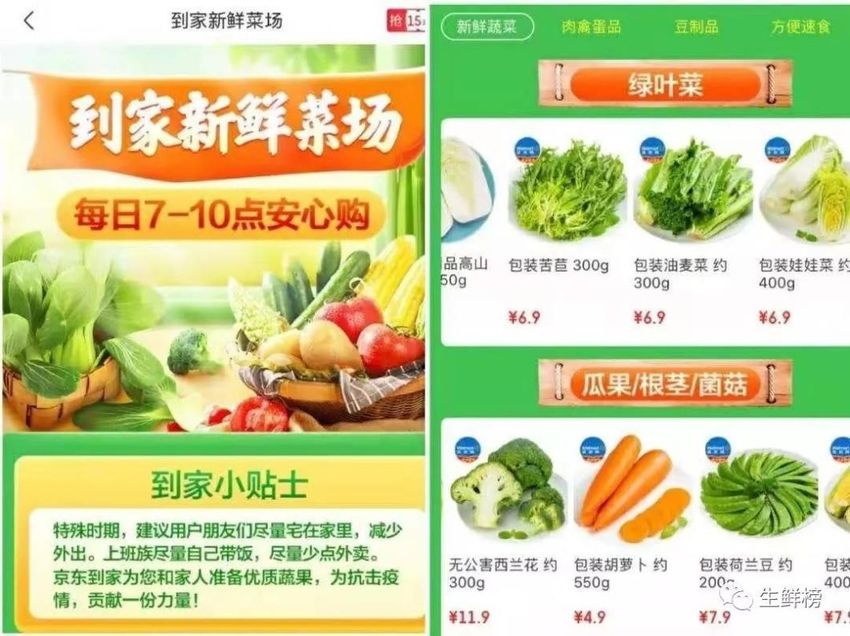
► JD Daojia is a popular on-demand platform in China. Seeing the
huge online demand for fresh food and groceries amid the
COVID-19 outbreak, JD Daojia has launched a program to ensure
stable supply of fresh food everyday during 7-10am. Over 40
supermarket chains including Walmart China, Yonghui, Better
Life, Aeon, 7Fresh, CP Lotus, and Lianhua have joined the
program and allowed customers to order their food and
groceries on JD Daojia’s platform. To streamline the ordering and
delivery process, the supermarket chains have added more staff
to pick and pack the orders and increased communication with
JD Daojia. Meanwhile, JD Daojia has also increased the number
of couriers to handle the increasing number of orders.
JD Daojia ensures stable supply of fresh food everyday
► During 24-30 January 2020, JD Daojia saw a 470% yoy increase in during 7-10am amid the COVID-19 outbreak
sales amid the outbreak of COVID-19.
24More older consumers use on-demand delivery platforms
The COVID-19 outbreak has altered the way people shop, especially for the middle-aged consumers or some older
consumers. They now shop more on on-demand delivery platforms for daily necessities and fresh food, as they
have to stay at home to prevent the spread of the disease.
According to a report from QuestMobile, among the users of on-demand delivery platforms, in February 2020,
20.8% were aged above 41, up from 19.4% in January 2020. A popular fresh food e-commerce platform Missfresh
also said that its users aged 40 or above grew by 237%, among which 90% learned online fresh produce shopping
with the help of their children.
Meanwhile, many people have volunteered to teach
elderly people in communities to make orders online via
on-demand delivery platforms. This also helps boost the
adoption of on-demand delivery service in communities,
especially among elderly people.
An elderly customer collects his order in
designated spot in community.
25What’s next in the post COVID-19 era
There is an old saying, “In the midst of every crisis, lies great opportunities.” The COVID-19 outbreak not
only brings challenges to China’s retail and e-commerce market, but also opportunities. It also helps unfold
a new market landscape. Meanwhile, we also see changes of consumer behavior as Chinese consumers are
more used to shop via O2O channels during the disease outbreak.
When the COVID-19 outbreak ends, Fung Business Intelligence expects the following to happen in China’s
e-commerce sector.
1 Online retail sales as a proportion of total retail sales will expand at a faster pace. China’s online retail sales
accounted for 20.7% of total retail sales of consumer goods in 2019. With more brands and retailers selling
through different online channels, the share of online retail sales in total retail sales of consumer goods is
expected to expand at a faster pace.
Partnership between e-commerce platforms and merchants will strengthen. Providing financial, technology,
2 marketing and logistics support to merchants on their platforms during the COVID-19 outbreak is a win-win for
both e-commerce operators and merchants. Since merchants are important business partners of the e-
commerce platforms, their success will enable the platform operators to drive sales growth and gain market
share. When the COVID-19 ends, we expect the partnership between merchants and e-commerce platform
operators to become more solid and stable.
26What’s next in the post COVID-19 era (Cont’d)
Digital transformation will accelerate. The pursuit of O2O strategies has long been a key priority for both offline
3 retailers and e-commerce players. The COVID-19 outbreak has further reinforced the need for companies to
embark digital transformation, which now becomes a matter of survival in the digital economy. To ensure
seamless integration of online and offline businesses, brands and retailers will further deploy state-of-the-art
technologies, while strengthening supply chain management and customer relationship management. On the
other hand, e-commerce giants will harness their digital capabilities to increase their offline presence and
further expand their business ecosystems.
Social commerce, especially live-commerce will become mainstream; yet challenges will remain. Livestreaming
4 started to gain traction, particularly among young generation, well before the COVID-19 outbreak. What we are
seeing now is that more offline retailers are leveraging social media platforms or livestreaming functions
provided by e-commerce operators to sell their products as a way to offset losses from physical businesses. As
O2O integration continues to gain steam, live-commerce, along with WeChat Mini Programs, is set to become a
major sales and marketing channel for brands and retailers. They will continue to pour resources to build their
social e-commerce capabilities.
That said, adopting live-commerce is not without challenges. Issues such as sustainability of the business model,
consumers’ intention to continue using live-commerce in the post-COVID-19 period, and whether or not
livestreaming hosts such as KOLs can sustain and expand their influence are among some of the major concerns.
27What’s next in the post COVID-19 era (Cont’d)
5 On-demand delivery will scale up; “smart” pick-up options and services will come to the fore. During the
COVID-19 outbreak, we are seeing huge demand for on-demand delivery services – from surgical masks to fresh
food to groceries and daily necessities. This provides a silver lining for the already fast-growing on-demand
delivery market. In the post COVID-19 period, we expect on-demand delivery to continue to expand in scale and
scope. At the same time, the advent of new “smart” pick-up and delivery methods during the COVID-19
outbreak such as contactless delivery, autonomous vehicles, drones delivery and “smart” lockers will continue to
grow in popularity.
28Contacts
Asia Distribution & Retail Fung Business Intelligence
10/F, LiFung Tower,
888 Cheung Sha Wan Road,
Teresa Lam Kowloon, Hong Kong
Vice President Tel: (852) 2300 2470
Fax: (852) 2635 1598
Email: teresalam@fung1937.com
Email: fbicgroup@fung1937.com
http://www.fbicgroup.com/
Christy Li
Senior Research Manager
Email: christyli@fung1937.com
© Copyright 2020 Fung Business Intelligence . All rights reserved.
Though the Fung Business Intelligence endeavours to have information presented in this document as accurate
and updated as possible, it accepts no responsibility for any error, omission or misrepresentation. Fung Business
Intelligence and/or its associates accept no responsibility for any direct, indirect or consequential loss that may
arise from the use of information contained in this document.You can also read


