WHAT WE HEARD CONSULTATION SUMMARY REPORT
←
→
Page content transcription
If your browser does not render page correctly, please read the page content below
WHAT WE HEARD
CONSULTATION SUMMARY REPORT
Comox Strathcona Waste Management
Regional Organics Facility

March 2, 2020

Submitted by:
Katie Hamilton, Principal
Tavola Strategy Group Ltd.
140 Meadow Park Lane, Victoria, BC V9B6N1
250.217.8343
tavolagroup.com | katie@tavolagroup.com
WHAT WE HEARD SUMMARY - February 2020
                                   Comox Strathcona Waste Management Regional Organics Facility

TABLE OF CONTENTS

About The Project . . . . . . . . . . . . . . . . . . . . . . . . . . . . . . . . . . . . . . . . . . . . . . . . . . . . 3
Overview Of Consultation Process. . . . . . . . . . . . . . . . . . . . . . . . . . . . . . . . . . . . . . . 3
  Open Houses. . . . . . . . . . . . . . . . . . . . . . . . . . . . . . . . . . . . . . . . . . . . . . . . . . . . . . . 5
  Survey . . . . . . . . . . . . . . . . . . . . . . . . . . . . . . . . . . . . . . . . . . . . . . . . . . . . . . . . . . . . 6
What We Heard Overall. . . . . . . . . . . . . . . . . . . . . . . . . . . . . . . . . . . . . . . . . . . . . . . . 7
Next Steps. . . . . . . . . . . . . . . . . . . . . . . . . . . . . . . . . . . . . . . . . . . . . . . . . . . . . . . . . . . 7
Appendix A - Survey Results - What Was Heard By Question. . . . . . . . . . . . . . . . . 8
Appendix B - Comments Received at Open House. . . . . . . . . . . . . . . . . . . . . . . . . 20
Appendix C - Neighbouring Properties. . . . . . . . . . . . . . . . . . . . . . . . . . . . . . . . . . 23
  Follow-Up Comments Received After Open House . . . . . . . . . . . . . . . . . . . . . . . 23
Appendix D - Stakeholder Groups. . . . . . . . . . . . . . . . . . . . . . . . . . . . . . . . . . . . . . 25
  Follow-Up Comments Received After Open House . . . . . . . . . . . . . . . . . . . . . . . 25
Appendix E - Display Boards Presented at Open House. . . . . . . . . . . . . . . . . . . . . 27

                                                                                                                         Page 2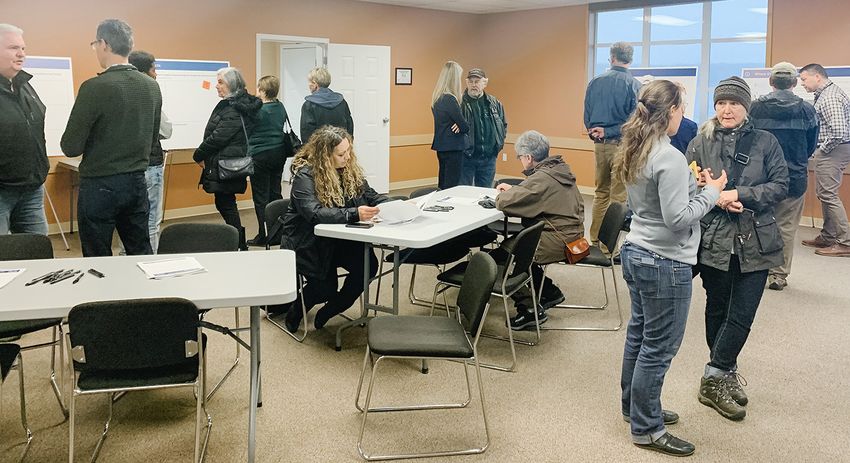
WHAT WE HEARD SUMMARY - February 2020
                           Comox Strathcona Waste Management Regional Organics Facility

ABOUT THE PROJECT
Comox Strathcona Waste Management is planning a new regional composting facility for
the Campbell River Waste Management Centre, enabling a phased introduction of organics
collection for over 30,000 single family dwellings in Campbell River, Comox, Cumberland and
Courtenay. The composting facility will be operational in fall 2021.

Organics, which includes food and yard waste, currently makes up about 30% of the total
waste that is landfilled. A composting facility will divert these organics and extend the life of the
landfill, which is a cost-effective approach for handling solid waste for the taxpayers.

When buried in a landfill, organic material also produces methane gas, a key contributor to
global climate change. Composting organic waste is an important step to sustainably manage
waste in the Comox Strathcona region, as it reduces the greenhouse gas emissions that would
otherwise be associated with its decomposition. The composting facility will repurpose this
organic material into a nutrient rich compost for agriculture and landscaping.

The overall project cost estimate is $14.7 million with $6.4 million to be funded by grants and
the remaining $8.3 million by reserves and tipping fees.

Comox Strathcona Waste Management is committed to designing a state-of-the-art facility
that minimizes impacts to neighbours and the environment. The facility will meet stringent
environmental and community standards, and exceed these standards wherever reasonable.

OVERVIEW OF CONSULTATION PROCESS
In January and February 2020, the CSWM offered a variety of
opportunities for residents to learn more about what is planned,
                                                                                                                            Visit an
                                                                                                                            Open
meet with project staff, and provide feedback to inform the design                                                          House
and operations of the facility. Residents could offer input through a                                                       on January 30th
                                                                                                                            or February 5th
survey (online and print) or in person at two public open houses.
                                                                                                                            Or complete

A number of communications activities were undertaken to
                                                                                                                            a survey at
                                                                                                                            cswm.ca/
                                                                                                                            regionalorganics
raise awareness of the opportunities to learn more and provide                                                              until Monday,
                                                                                                                            February 10,

feedback:                                                                                                                   2020

y A media release was distributed on Thursday, January 9, 2020               Regional Organics
y More than 1,000 residents visited the interactive engagement               Composting Facility
  portal at www.cswm.ca/regionalorganics which provided                      to Open in 2021
  information about the project and consultation process.                    A new regional composting facility is coming to Campbell River
                                                                             in 2021 to enable curbside food and yard waste collection for

  It included the location and times of open houses and was a                over 30,000 homes in Campbell River, Comox, Cumberland
                                                                             and Courtenay.

  portal for asking questions and participating in the online survey.        We Want to Hear from You
                                                                             Provide your comments and help to inform the design and

y Social media posts were shared on Twitter and Facebook and                 operations of the facility at an upcoming open house.

  promoted throughout the process.
                                                                                          Thursday, January 30, 2020
                                                                                           Maritime Heritage Centre
                                                                                                4 p.m. – 6 p.m.

y Print ads appeared in the Comox Valley Record                                         Wednesday, February 5, 2020
                                                                                         Maritime Heritage Centre
                                                                                              4 p.m. – 6 p.m.

y Radio ads promoted the upcoming open houses and the                        Or complete a survey at

  website available to learn more.                                           www.cswm.ca/regionalorganics
                                                                             until Monday, February 10, 2020.

                                                                                   For more information visit: www.cswm.ca/regionalorganics

                                                                          Print Ad

                                                                                                                                   Page 3
WHAT WE HEARD SUMMARY - February 2020
                                                                       Comox Strathcona Waste Management Regional Organics Facility

 Online engagement

   Backgrounder                                                                                                          Frequently Asked
    January 2020
                                                                                            Did you know?
                                                                                                                         Questions                                                                                            January 2020

New Regional Composting Facility
A new regional organics composting facility will soon be built at                           The new composting           New Regional Composting Facility
the Campbell River Waste Management Centre, enabling a phased
                                                                                            facility will help achieve   Here are some responses to frequently asked questions:
introduction of organics collection for over 30,000 single family
dwellings in Campbell River, Comox, Cumberland and Courtenay.                               targets within the Comox
                                                                                            Strathcona Solid Waste       1. Why is a composting facility needed?
                   Org                  Organics, which includes food
                       a   ni                                                                                                 Organics currently make up about 30 per cent of the total waste that is landfilled within the Comox Strathcona
                                                                                            Management Plan to
                                        and yard waste, currently makes                                                       Waste Management (CSWM) service area. By removing organic material from the waste stream, we will extend the
                            cs

                                        up about 30 per cent of the                         remove 70%                        long-term life of our landfills. This will result in a smaller environmental footprint and, in the long term, provide the
                                =3

                                        total waste that is landfilled. A                                                     most cost-effective approach for handling solid waste for the taxpayers.
                                                                                            of food waste from the
                                0%

                                        composting facility will divert
                                        these organics and extend the                       waste stream by 2022.             When buried in a landfill, organic material also produces methane gas, a key contributor to global climate change.
                                                                                                                              Properly composting organic waste is an important step to sustainably manage waste in our region as it reduces the
                                        life of the landfill, which is a cost                                                 greenhouse gas emissions that would otherwise be associated with its decomposition.
                                        effective approach for handling
                                                                                                                         2.   What is being built at the Campbell River Waste Management Centre?
                                        solid waste for the taxpayers.
       Current Landfill                                                                                                       A new regional composting facility will be built at the Campbell River Waste Management Centre. Construction will
                                     When buried in a landfill, organic                                                       be complete in 2021, enabling a phased introduction of organics collection for over 30,000 single-family dwellings
           Waste
                                     material also produces methane                                                           in Campbell River, Comox, Cumberland and Courtenay.
gas, a key contributor to global climate change. Composting organic                                                      3.   Why is food waste being composted together with yard waste?
waste is an important step to sustainably manage waste in our
                                                                                                                              Collecting food and yard waste together at the curb minimizes the number of curbside pickups which helps reduce
region, as it reduces the greenhouse gas emissions that would                                                                 costs. In addition, comingled food and yard waste provides a better feedstock to the composting process.
otherwise be associated with its decomposition. The composting
facility will repurpose this organic material into a nutrient rich
compost for agriculture and landscaping.

                                     For more information visit: cswm.ca/regionalorganics                                                                   For more information visit: cswm.ca/regionalorganics

                                                                                                Information pieces available at the event

                                                                                                                                                                                                                                              Page 4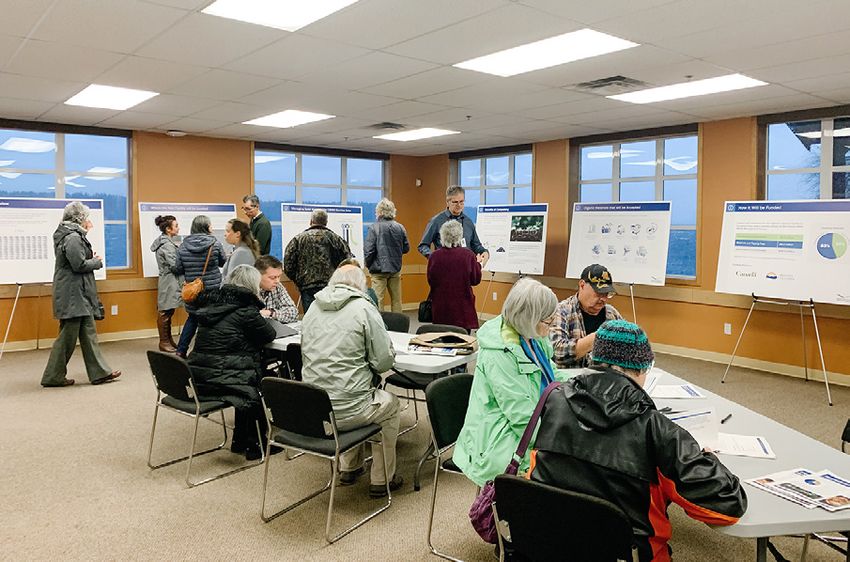
WHAT WE HEARD SUMMARY - February 2020
                          Comox Strathcona Waste Management Regional Organics Facility

Open Houses
Two drop-in style open houses provided opportunity for the community to learn more, ask
questions of staff, and provide feedback about the project. The open houses were held on
Thursday, January 30, 2020, and Wednesday, February 5, 2020, from 4 p.m. – 6 p.m. at the
Maritime Heritage Museum in Campbell River.

45 people attended, with most indicating they were from the Campbell River area.
Residents from three neighbouring properties and representatives from the Campbell River
Environmental Committee, Recycling BC and Coast Waste Management Association attended.

Backgrounders, Frequently Asked Questions and informational and interactive display boards
were available at the open house. Print surveys were also available. A multi-disciplinary team
of staff and consultants was on-hand to answer questions.

                                                                                         Page 5
WHAT WE HEARD SUMMARY - February 2020
                           Comox Strathcona Waste Management Regional Organics Facility

Information on a variety of topics, including the 15 display panels noted below, were shared at
the open house and online. The display panels are available as Appendix E.
    1)   Tell Us About You                           9)    Public Engagement
    2)   Overview                                    10) Community Benefits
    3)   Managing Solid Waste in the CSWM            11) Topics of Importance
         Service Area                                12) Mitigating Impacts Through Design
    4)   Where the New Facility will be Located          & Operations
    5)   Benefits of Composting                      13) Mitigating Impacts
    6)   Organic Materials that will be Accepted     14) Mitigating Impacts
    7)   Road to Regional Organics                   15) Communication Preferences
    8)   How It Will be Funded

Survey
A survey was available from Thursday, January 9, 2020, – Monday, February 10, 2020, through
www.cswm.ca/regionalorganics online and print. 549 residents responded to the survey.

Of the 549 respondents to the survey, 39% were from Courtenay, 38% from Campbell River,
11% from Comox and 3% from Cumberland. The remaining respondents were from CVRD Area
A, CVRD Area B, CVRD Area C, General CVRD, Strathcona RD Area D, and Nanaimo.

                                     Courtenay

                                  39%                                     CVRD Area A:   13
                                                                          CVRD Area B:   5
                                                                          CVRD Area C:   14
                                                                CVRD Unspecified Area:   3
                                                                 Strathcona RD Area D:   2
Campbell River       38%                                                     Nanaimo:    1
                                         3%
                                   11%        Cumberland

                                     Comox

81% of the respondents currently receive municipally supplied garbage and recycling services.

                                                                                              Page 6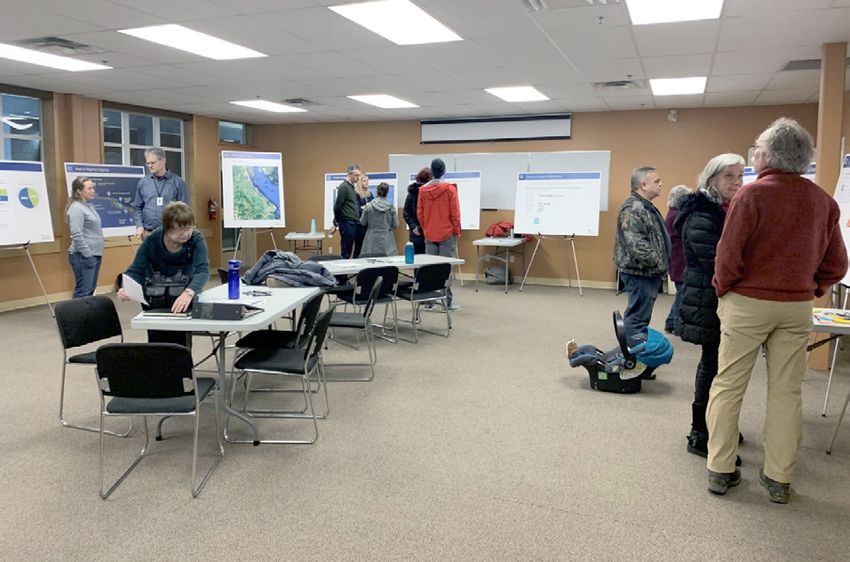
WHAT WE HEARD SUMMARY - February 2020
                          Comox Strathcona Waste Management Regional Organics Facility

WHAT WE HEARD OVERALL
In early 2020, communications and consultation occurred to raise awareness of the planned
regional organics facility and to seek input on the design and operations of the facility. 549
people responded to the survey and 45 people attended two open houses, providing input
on top of mind issues, communications preferences and mitigation measures that could be
considered within the design and operations.

A number of strong themes emerged:
y Overall, survey respondents were very supportive of a regional facility and collection
  program, and are concerned about the environmental impacts of landfilling food and yard
  waste. 93% of respondents indicated they are concerned about the environmental impact of
  landfilling organic waste and 96% feel a regional organics composting facility and collection
  program are needed.
y The greatest perceived benefits of composting are: reducing waste going into the landfill,
  repurposing waste into nutrient-rich soil, and reducing greenhouse gases.
y The top concerns expressed related to a regional composting facility are related to
  groundwater, odour and pests.
y Residents felt the top issues to be addressed within the design and operations of the facility
  are: water quality, odour, and carbon emissions. Comparatively, visual disturbance, lighting
  and traffic were significantly lower in terms of issues of importance.
y When asked whether respondents in the survey were happy with the mitigation measures for
  managing odour, pests, groundwater, trees and wildlife, and traffic, over 90% indicated they
  are happy with what is proposed, or have no concerns.
y Neighbours from two adjacent parties and one stakeholder group are strongly opposed to
  the siting of the facility at Block J.
y Residents from Campbell River had more concerns and questions about potential impacts
  to neighbours, including odours, pests and water quality and monitoring, than other
  communities.
y There is a strong desire to see consistent monitoring and evaluation of mitigation measures
  to ensure best practices are in place.
y A variety of questions and comments were posed wondering how the collection program will
  work, e.g. bins, compostable bags, what items will be included etc. There was also interest
  expressed for multi-family building participation within the program.
y When asked how best to communicate with residents about composting and waste
  management in future, survey respondents indicated the top methods (in order) were the
  local newspaper, the CVRD Facebook page, the CSWM website, local radio and electronic
  newsletter. CVRD Twitter was rated considerably low in terms of communications
  preference. Open house attendees also noted the local newspaper as the preferred method,
  followed by open houses.

NEXT STEPS
This What We Heard report will be provided to proponents to inform the facility design and
shared with the CSWM board in March 2020. For more information about the project as it
progresses, visit: www.cswm.ca/regionalorganics

                                                                                           Page 7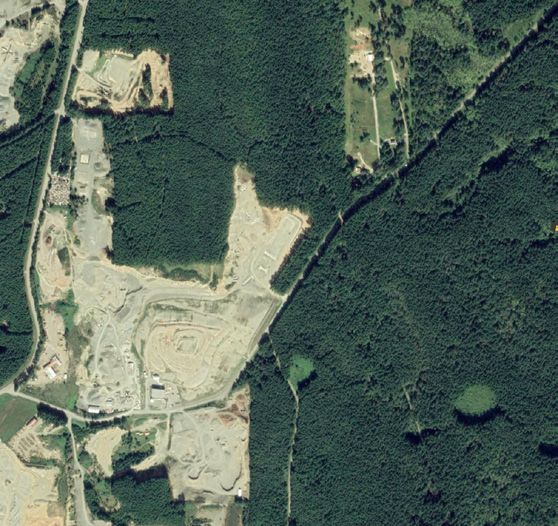
WHAT WE HEARD SUMMARY - February 2020
                                     Comox Strathcona Waste Management Regional Organics Facility

         APPENDIX A
         Survey Results - What Was Heard By Question

         1. Which municipality do you live in?

                                             Courtenay

                                          39%                                     CVRD Area A:   13
                                                                                  CVRD Area B:   5
                                                                                  CVRD Area C:   14
                                                                        CVRD Unspecified Area:   3
                                                  9%                     Strathcona RD Area D:   2
         Campbell River        38%                                                   Nanaimo:    1
                                                 3%
                                           11%        Cumberland

                                             Comox

         2. Do you currently have municipally supplied curbside garbage and recycling pick-up in your
            neighbourhood?

                                                      19%
                                                      No

                                                                  81%
                                                                  Yes

                                                      Question 2                     Question 3
         3. Are you concerned about the environmental impact of throwing food and yard waste in
            the landfill?

                                                                                     12%
                                                                                     Yes
                                                           7%
                                                            No

                                                                                           88%
                                                                                           No
                                                                 93%
                                                                 Yes

                                                      Question 6                     Question 8
                  Question 2                           Question 3                          Appendix A - 8
Page 8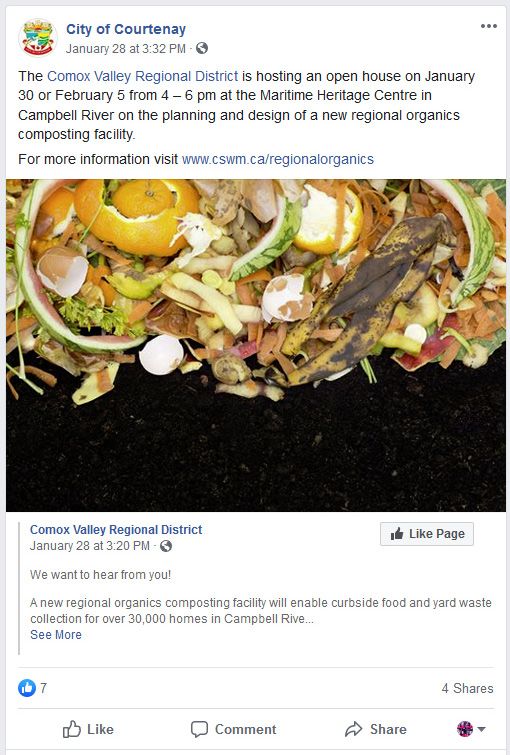
WHAT WE HEARD SUMMARY - February 2020
                                                             Comox Strathcona Waste Management Regional Organics Facility

                           4. What do you currently do with your food waste?

                                                   Throw it in
                                                  the garbage
                                            Use a backyard
                                                composter
                                Participate in the Town of
                           Comox or Village of Cumberland
                              curbside collection program
                                           Use a garburator
                                                                                                                                              Throw it
                                       Courtenay        Other                                                                                the garba
                                                                                                                                           Use a backya
                                 Campbell River                                                                                                compost
     150             200                                         0            50         100          150         200       250Participate in the Town
                                          Comox                                                                           Comox or Village of Cumberlan
                                                                                                                             curbside collection progra
                                      Cumberland                  Do with food waste?                                                   Use a garburat
                                 Other:       y     Feed it to chickens or other livestock
                                           Other
                                              y Take it somewhere else for processing                                                             Oth
                                                    (E.g. either to a facility or to a friend who has a backyard composter)

                                              0            50            100                         150           200
                           5.               Water Quality
                                 What do you currently do with your yard waste?
                                                    Municipality
                                                      Odour      Live In

                                                          Pests

                                             Carbon
                                 Participate in      Emissions
                                                my municipal
                                curbside collection program
                                             Cost to Taxpayers                                                                               Water Qu

50         200       250        300         Use a backyard
                                            Treescomposter
                                                  and Wildlife                                                                                     Od

                                                          Noise                                                                                     P

                                                      Other
                                           Visual Disturbance                                                                            Carbon Emiss

                                                         Traffic                                                                           Cost to Taxpa
                                                               0         50        100         150          200    250       300
                                                       Lighting                                                                          Trees and Wild
                                                                 Do with yard waste?
                                                         Other                                                                                      N
                                 Other:       y   Burn it
                                              y   Throw it in the garbage                                                       Visual Disturba
                                              y   Some who 0live in apartments
                                                                          50       commented
                                                                                  100       150  they didn’t
                                                                                                       200   know what
                                                                                                                250    happened
                                                                                                                         300
                                              LocaltoNewspaper
                                                      it after the building landscaper takes it away                                         Tr

                                                  CVRD Facebook                                                                                   Ligh

                                                                                                                                                    O
                                       Comox Strathcona Waste                                                            Appendix A - 9
            Page 9                       Management Website
WHAT WE HEARD SUMMARY - February 2020
                                      Comox Strathcona Waste Management Regional Organics Facility

          A new regional composting facility will process food and yard waste from 30,000 single family homes
          in Campbell River, Comox, Cumberland, and Courtenay, starting in 2021.
          9 Diverting organics from the garbage helps extend the life of regional landfills, reducing the cost
            and environmental impact of creating new landfills.
          9 Decomposing food and yard waste produces methane gas, a key contributor to greenhouse gas
            emissions and climate change. Removing organics from the waste stream is an important step in
            reducing our environmental footprint.
          9 The composting facility will re-purpose food and yard waste into a nutrient rich compost for
            agriculture and landscaping. Healthy soil reduces the need for chemical fertilizers, unnatural
            methods of soil enrichment, and the use of pesticides.

          6. Based on this description, do you thinkQuestion
                                                     a regional
                                                             2 organics composting Question
                                                                                   facility and
                                                                                             3
             collection program are needed?

                                                            4%                               12%
                                                            No
                                                                                             Yes

                                                                 96%                               88%
                                                                 Yes                               No

                                                        Question 6                          Question 8
              If yes, what do you think are the greatest benefits?

              The top benefits indicated by respondents
                                                      10were:
                                                        %                                   14%
              1) Reducing waste in the landfill       Yes                                   Yes

              2) Repurposing into nutrient rich compost
              3) Reducing greenhouse gases – methane
              4) Extending the life of the landfill
                                                                 90%                               86%
                                                                 No                                No

                                                        Question 9                          Question 10

                   7%                                      8%                                  6%
                   Yes                                     Yes                                 Yes

                      93%                                     92%                                  94%
                      No                                      No                                   No

                                                                                               Appendix A - 10
Page 10
composter
Participate in the Town of
Comox or Village of Cumberland
curbside collection program WHAT WE HEARD SUMMARY - February 2020
Use a garburator
Comox Strathcona Waste Management Regional Organics Facility
Other
150 200 0 50 100 150 200 250
7. Here are some issues that we will manage at the new regional organics composting facility
to minimize our impact on the community and the environment. Please choose the top
Do with
three issues that you feel foodimportant
are most waste? for us to consider during the planning and
design of this facility.
Water Quality
Odour
Pests
Carbon Emissions
Cost to Taxpayers
0 200 250 300
Trees and Wildlife
Noise
Visual Disturbance
Traffic
Lighting
Other
0 50 100 150 200 250 300
Other: y Costs
y Location/hauling distance
150 200 250 300
Appendix A - 11
Page 11WHAT WE HEARD SUMMARY - February 2020
Comox Strathcona Waste Management Regional Organics Facility
8. Odour: The successful management of odour is a high priority and a critical component in
the design and operations of this facility. To minimize the impact on residents, odours will be
managed within our property boundary. The processing of organic waste will take place within
enclosed buildings and air will be treated on site with biofilters. The finished compost will be
stored outside and will resemble rich, dark earth.
Question 2 Question 3
Do you have any comments about management of odour at the facility?
12%
Yes
88%
No
If no, please tell6us why?
Question Question 8
I am happy with the I am happy w
10% measures
mitigation 14% mitigation m
Yesas described Yes as de
I am not concerned about I am not concerne
odour at the facility pests at th
I do not have an opinion I do not have an
about90 %
this issue 86% about th
No No
Other
Question 9 Question 10
0 50 100 150 200 250
Comments: Odour Why
7% 8% 6%
Yes CampbellYes
River: (21 comments) Yes Cumberland: (0 comments)
y Concern there would be odours Other: (3 comments)
y Facility shouldn’t be built at Block J
I am happy with the Area B I am happy w
y Nanaimo composting facility and
mitigation measures
as described
y Concerns about the facility being near mitigation m
as de
Richmond facility were noted as being
93% 92% 94% homes
No
smelly
I am not concerned
No about No I am not concerne
Nanaimo
groundwater at the facility trees and wildlife at th
Comox: (2 comments) y Concerns about the Nanaimo plant
yI doNoted Duke
not have Point in Nanaimo being
an opinion smelling I do not have an
smellyabout this issue about th
Question 13 Question 11 Question 12
Courtenay: (14 comments)
Other
y Concerned about odour
y Want to see a proper and above industry
standard filtering system
0 put into
50 place 100 150 200 250
Groundwater Why Appendix A - 12
Page 12Question 2 Question 3
WHAT WE HEARD SUMMARY - February 2020
Comox Strathcona Waste Management Regional12
Organics
%
Facility
Yes
9. Pests: The daily processing of organic material indoors not only minimizes odours, 88
but% also
helps to control rodents and pests. Once the material is placed into an active compost
Nopile,
temperatures reach between 50-60 degrees celsius for several days. This environment is
inhospitable for mammals and prevents their interest in the material. As the material is moved
frequently, animals do not have time to establish a refuge.
Question 6 Question 8
Do you have any comments about management of pests at the facility?
10% 14%
Yes Yes
90% 86%
No No
If no, please tell us why? Question 9 Question 10
I am happy with the
mitigation
7% measures 8% 6%
Yes as described Yes Yes
I am not concerned about
pests at the facility
I do not have an opinion
about this issue
93% 92% 94%
No No No
Other
Question 13 Question 11 Question 12
50 200 250 0 50 100 150 200 250
Comments: Pests Why
Campbell River: (20 comments) Courtenay: (9 comments)
y Possibility of rats and pests y Concerned that will curbside pickup will
y Noted the rat problem in town and attract rodents or bears
I am happy with the
wondering what measures will prevent
mitigation measures Cumberland: (0 comments)
that from happening
as described
yI amConcerned
not concerned about
aboutrats and other pests Other: (2 comments)
trees andaccessing
wildlife at the facility at curbside
organics CVRD - unspecified area
Comox: (4 comments)
I do not have an opinion
y Concerned about about an increase in
about this issue rats
y Noted an existing rodent problem and
not wanting to see it increase
y Concerned about Otherrats and other pests
accessing organics at curbside
50 200 250 0 50 100 150 200 250
Trees Wildlife Why Appendix A - 13
Page 13Question 2 Question 3
WHAT WE HEARD SUMMARY - February 2020
Comox Strathcona Waste Management Regional Organics Facility
12%
Yes
10. Groundwater: Water use on-site will be managed carefully and will not have an impact on
groundwater quality or supplies. There will be no88 %
discharge to the environment during the
No
composting process. Water that comes into contact with organic waste at the facility will
be collected andwith
I am happy reused
the as part of the composting process. Excess water will be stored in a I am happy
sealed tank and
mitigation trucked offsite for treatment. Clean storm water will be collected in an onsite
measures mitigation m
managementasponddescribed
and re-infiltrated into the ground. as d
Question 6 Question 8
I am not concerned about I am not concern
Do youodour
haveatany comments about management of groundwater at the facility?
the facility pests at th
I do not have an opinion I do not have an
10%
about this issue 14% about t
Yes Yes
Other
90% 86%
0 50 100 150 200 250
No No
Odour Why
If no, please tell9us why?
Question Question 10
I am happy with the I am happy
mitigation measures mitigation m
7% 8%as described 6% as d
Yes Yes Yes
I am not concerned about I am not concern
groundwater at the facility trees and wildlife at th
I do not have an opinion I do not have an
about this issue about t
93% 92% 94%
No No Other No
0 50 100 150 200 250
Question 13 Question 11 Question 12
Comments: Groundwater Why
Campbell River: (31 comments) Courtenay: (12 comments)
y Asking for consistent monitoring of y Questions about where the water will be
water transported and why there won’t be a
y Unsure what it means to haul water place to test water on site.
off-site for monitoring and the cost ○ Many respondents asking for more
associated with it information on this process
I am happy with the I am happy
y Concerned the mitigation measures are
mitigation measures mitigation m
not enoughas described
Cumberland: (0 comments) as d
○ Stating it’s already on contaminated Other: (2 comments)
I am not concerned about I am not concern
land at the facility
traffic lighting and noise at th
Area B
y Worried the quality of drinking water will
y Concerned about the contamination
I dodecrease
not have an opinion from the trucks I do not have an
about this issue about t
Comox: (3 comments) Area C
y Interested in more information about y Question about how and where the
whether/howOther
water will be continually water will be treated off-site and
and consistently monitored whether it could be done on-site
0 50 100 150 Appendix
200 A - 14
Page 14Question 6 Question 8
WHAT WE HEARD SUMMARY - February 2020
Comox Strathcona10
Waste
% Management Regional14
Organics
% Facility
Yes Yes
11. Trees and Wildlife: The facility will be located on90
already
% 86%
disturbed land to avoid disruption to
No area will be kept around theNo
adjacent forested areas and natural habitat. A wooded facility to
mitigate visual impacts. Delivery of compost feedstock and active composting will occur indoors
to prevent birds from being attracted to the site. The site will be secured to ensure bears do not
frequent the area and become a nuisance.
I am happy with the Question 9 Question 10
mitigation measures
Do you haveasany comments about management of trees and wildlife at the facility?
described
I am not concerned about
7pests
% at the facility 8% 6%
Yes Yes Yes
I do not have an opinion
about this issue
Other
93% 92% 94%
No No No
50 200 250 0 50 100 150 200 250
Pests Why
Question 13 Question 11 Question 12
If no, please tell us why?
I am happy with the
mitigation measures
as described
I am not concerned about
trees and wildlife at the facility
I do not have an opinion
about this issue
Other
50 200 250 0 50 100 150 200 250
Trees Wildlife Why
Comments:
Campbell River: (12 comments) Courtenay: (3 comments)
y Want to ensure the trees are protected y Want to ensure the trees are protected
y Want to ensure wildlife isn’t harmed if y Suggest the use of bird spikes to keep
on site, especially bears birds away
I am happy with the
y Questions about how this will be
mitigation measures Cumberland: (0 comments)
monitoredas described
Other: (0 comments)
I am not concerned
Comox: (2 comments)about
lighting and noise at the facility
y Questions about monitoring of hawks
y I doWant to ensure
not have the trees are protected
an opinion
about this issue
Other
Appendix A - 15
Page 15Question 6 Question 8
Other
WHAT WE HEARD SUMMARY - February 2020
10% 14%
Yes Comox StrathconaYes
Waste Management Regional Organics Facility
0 50 100 150 200 250
Odour Why
90% 86%
12. Traffic: There are
No almost no roadway improvements No required and traffic impacts will be minimal,
as organic waste collection
I am happy with the
will integrate with the existing garbage collection system. The main I am happy
access to the site would
mitigation measures be from Hwy 28, which will not affect most neighbouring properties on mitigation m
Argonaut Road.as described as d
Question 9
I am not concerned about
Question 10 I am not concern
Do you haveatany
groundwater comments about management of traffic at the facility?
the facility trees and wildlife at th
I do not have an opinion I do not have an
7% about
8% this issue 6% about t
Yes Yes Yes
Other
0 50 100 150 200 250
93% 92% 94%
No No No
Groundwater Why
Question 13 Question 11 Question 12
If no, please tell us why?
I am happy with the I am happy
mitigation measures mitigation m
as described as d
I am not concerned about I am not concern
traffic at the facility lighting and noise at th
I do not have an opinion I do not have an
about this issue about t
Other
0 50 100 150 200
Comments: Traffic Why
Campbell River: (6 comments) Cumberland: (1 comment)
y Questions about why smaller sites closer y Question about whether transportation
to each city are not being built emissions are being taken into account
y Concerned about the quality of the road and whether those emissions have the
y Questions about how spillage from the weighted against the greenhouse gases
trucks will be monitored produced by the compost
y Question about whether a traffic study
been completed Other: (1 comment)
Area B
Comox: (1 comment)
y Concerned about the increased number
y Asking for truck route to be designated
of trucks
Courtenay: (4 comments)
y Concerned about spillage from trucks
y Suggestions of electric trucks rather than
diesel
Appendix A - 16
Page 16about this issue
Other 10%
WHAT WE HEARD SUMMARY - February
Yes
2020
Comox Strathcona Waste Management Regional Organics Facility
50 200 250 0 50 100 150 200 250
Pests Why
90%
No
13. Lighting and Noise: The current design creates the greatest buffer area possible between the
facility and neighbours, protecting sightlines and minimizing light and noise.
I am happy with the
mitigation
Do you have anymeasures Question 9
comments about management of noise and light at the facility?
as described
I am not concerned about
trees and wildlife at the facility
7% 8%
I do not have an opinion Yes Yes
about this issue
Other
93% 92%
No No
50 200 250 0 50 100 150 200 250
Trees Wildlife Why
Question 13 Question 11
If no, please tell us why?
I am happy with the
mitigation measures
as described
I am not concerned about
lighting and noise at the facility
I do not have an opinion
about this issue
Other
150 200 0 50 100 150 200
Lighting Why
Comments:
Campbell River: (19 comments) Courtenay (4 comments)
y Concerned about the loud back up y Concerned about light pollution and
beepers nocturnal animals
y Concerned about light pollution in the Cumberland: (0 comments)
area affecting residents and wildlife
y Calling for the biggest buffer possible to Other: (0 comments)
reduce noise for the neighbours
Comox: (1 comment)
y Would like to see biggest buffer possible
to mitigate noise, light and site aesthetic.
Appendix A - 17
Page 17curbside collection program
Water Quality
Use a backyard WHAT WE HEARD SUMMARY - February 2020 Odour
composter
Comox Strathcona Waste Management Regional Organics Facility
Pests
Other
Carbon Emissions
Cost to Taxpayers
14. As we work towards introducing the new residential organics collection program, we want
0 50 100 150 200 250 300
to tailor our communications to the needs and preferences of our residents. What areTrees
the and Wildlife
best ways to keep you informed about composting
Do with yard waste? and waste management?
Noise
Visual Disturbance
Local Newspaper Traffic
CVRD Facebook Lighting
Other
Comox Strathcona Waste
Management Website
Local Radio
E-Newsletter
Direct Mail
Open Houses
CVRD Twitter
Other
0 50 100 150 200 250 300
Other: y Text
y Garbage app
y Information at each municipal building
Appendix A - 18
Page 18WHAT WE HEARD SUMMARY - February 2020
Comox Strathcona Waste Management Regional Organics Facility
We welcome any additional feedback you might like to offer
(209 comments)
Campbell River:
y Excited this is happening
y Concerned about location chosen
y Those in condos/apartments/stratas hoping to be able to use it
y Many questions about specifics – What will be included? What will pick-up look like?
Who will be included in roadside collection?
Comox:
y Keep costs low
y Introduction of pet waste
y Support for the program in condos/apartments/stratas
y Very supportive
y Questions about bags that can be used in the bins – wanting compostable ones like in
Victoria
Courtenay:
y Very supportive
y Those in apartments concerned about not being able to take part
y Concerns about the facility being so far away and the carbon footprint involved
Cumberland:
y Happy to see the project happening
y Would like to be able to use compostable bags
Other:
y Very supportive
y Concerned those in rural areas will be excluded from the program
y Would like bear proof bins for their compost
y Questions about whether residents will be able to take their compost directly to the site
without curbside pick-up
Appendix A - 19
Page 19WHAT WE HEARD SUMMARY - February 2020
Comox Strathcona Waste Management Regional Organics Facility
APPENDIX B
Comments Received at Open House
What do you feel are the greatest benefits of a regional composting facility and
collection program?
y Composting is a great way to recycle food y Increasing the life of the landfill, decrease
waste and make its way back into the rodent habitat in the city, more compost
environment as a nutrient source for use in local home gardens
y Diversion of waste from the Landfill y Divert waste from the landfill
y Collecting in a facility reduces probability y Local control to meet the needs of
of increased rat population inspired by Campbell River
some backyard composting efforts y The sooner the better
y Life of the landfill and reusing food waste y Animal feces? Yes or no?
y Can there be a facility in the city populated y Would like to see move of this type of
area for those without vehicles, using thing
buses, bicycles, etc.
y Creating opportunity for local food
y Less waste to landfills production initiatives
y Great that it’s taking meat, bones, fish, y Glad to see organics out of waste stream
dairy
y Make compost available for residents
y Reduction of waste in the landfills
y Demonstration garden to showcase
y I’ll be glad not to have compost at home benefits of compost city (municipal) flower
y Location makes sense gardens – strategic beautification
Topics of Importance:
Odour
Pests
Noise
Trees & Wildlife
Traffic
Water Quality
Lighting
Visual Appearance
Carbon Emissions
Cost to Taxpayers
Other
0 5 10 15 20 25
Open House Response - Topics of importance Appendix B - 20
Page 20WHAT WE HEARD SUMMARY - February 2020
Comox Strathcona Waste Management Regional Organics Facility
Anything else to add?
y Use of gas/diesel trucks for pick-up
y Curbside pickup containers blow over/away in wind now
y Contamination – garbage/non-compostable materials – how will that be handled?
y Carbon footprint of trucking organics from Comox Valley to CR Facility
y Loud Backup alarms
y Impact to neighbours is important to me
y Not happy with process to date
y Norm Wood would be preferred
Mitigating Impacts Through Design and Operations
Odour:
y See January 2018 report ”Odour from a Compost Facility” – odour is caused by air emissions
– contain bacteria , toluene, ethyl alcohol. Measures 800m downstream of compost facility
y Organic kitchen waste amount 3 gallon/week one family
y Good fitting lid
y Weekly curbside pick-up same as recyclables – simply rinse and reuse
y Concerned about odours like at Duke Point
Pests:
y Rats are already a problem in Campbell River
y Bears, rats, racoons and other pests are already coming to the bins on the street
y Is 50 to 60 degrees Celsius to kill weed seeds?
y Organics at the curb – concerned about pests
Trees & Wildlife:
y Ensure fully enclosed and covered to eliminate birds access
y Eagles and wildlife disrupted by facility – construction and operating
Traffic:
y Traffic in general – why are we trucking compostables using trucks? Do it locally.
y More heavy industrial traffic along Campbell River impacting fishing, hiking, and other uses
of River area
y Combine pick-up times for better efficiency for both residents and municipality
Lighting & noise:
y Backup alarms are loud! Neighbours can hear them from the landfill
Groundwater:
y Settling pond stormwater
y Contamination of environment
y Cumberland problems with stormwater management
y Leachate runoff management
y Like the proposed contaminated soil dump across from the landfill, it’s imperative that
nothing gets into the John Hart reservoir to contaminate the water supply for City of
Campbell River
Appendix B - 21
Page 21Odour
Pests
WHAT WE HEARD SUMMARY - February 2020
Comox Strathcona Waste Management Regional Organics Facility
Noise
Trees & Wildlife
Traffic
y Contamination of drinking water – why take the risk?
y Treatment Water Quality
of leachate
Anything else you would
Lightinglike to add?
y The bins should be consistent design in all communities
Visual Appearance
y Bins should state what’s accepted
y Don’t forget apartments and condos – they need collection too
Carbon Emissions
y Use leachate as nutrient source
y Waste of Cost to Taxpayers
taxpayer dollars to build a facility on a site that is too small to begin with and has
no room for expansion
Other
y Why was the decision made before CR people were given information and a property of
choice?
y What will compost cost?0Where will5I be able to10buy it? At a 15
processing20
site or landscaping
25
supply facilities?
y Why aren’t representatives from the city of Campbell River here?
Open House Response - Topics of importance
Communication Preferences
Local Newspaper
CVRD Facebook
Comox Strathcona Waste
Management Website
Local Radio
E-Newsletter
Direct Mail
Open Houses
CVRD Twitter
Other
0 5 10 15 20 25
Other:
Open House Response - Comms Preferences
y LinkedIn
y Education in schools
Appendix B - 22
Page 22WHAT WE HEARD SUMMARY - February 2020
Comox Strathcona Waste Management Regional Organics Facility
APPENDIX C
Neighbouring Properties
Residents from three nearby properties attended the open houses on one or both nights. Two
of the neighbours expressed concern about siting the facility at block J, with several reasons
provided including: impacts to adjacent and nearby properties, site constraints due to ALC
approval, uncertainty regarding regulatory approvals for future expansion of the facility, lack of
due-process in choosing the site and the need to amend the current grant application before
full funding is secured. There is a strong feeling that one family is being sacrificed for a location
which does not appear to offer many benefits over the original site identified at the Norm
Woods facility.
Dust, air pollutants, noise, traffic, odours, pests and safety of groundwater were all identified
as major concerns for neighbours. Specifically, the following comments from two neighbouring
property owners were recorded:
y The road leading to the site is narrow and has a sharp curve, which could pose a problem
for large trucks. Safety is a concern, particularly after weather events which can make road
conditions dangerous.
y Property owners can already hear operations at the landfill and pre-construction activities
happening on Block J are causing a disturbance. Noise from the fans required for the
compost facility, as well as air handlers and facility lighting, are all likely to be disruptive.
y Soil around the landfill is likely contaminated due to past practices. One resident was
concerned that construction at the compost facility site could disturb contaminants in the soil
and impact groundwater while another felt that groundwater may already be contaminated.
y Potential contaminants in soil and groundwater could impact the adjacent property’s ability
to obtain the appropriate accreditations needed to start-up an organic farm.
y The ability to control rats and other pests was questioned given the issues faced by
downtown Campbell River as it unsuccessfully tries to control rodents around homes and
businesses.
Follow-Up Comments Received After Open House
Email received on February 13, 2020, from 5900 Argonaut Road
y There are no fire hydrants in the area - composting using static aerated piles technology
generates a lot of heat and the risk of fire is high at compost facilities, as they contain many
fuel sources
y Bacteria has been detected 1400 m downwind of compost facilities and VOCs have been
detected up to 800 meters from compost facilities. Biofilters do not remove all emissions.
Therefore to site a compost facility at a distance of 250 m away from a residence is too close
for the health of the residents
y The site has the potential for extra construction costs, for example the steep undercut bank
will need securing and use of the gravel extraction site will require additional fill
y Additional costs (and carbon footprint) should be considered for trucking clean water to the
site and trucking contaminated water to the waste water treatment plant
y In order to meet diversion goals, the facility should consider public access at some point. As
well, will the public be able to access the site to purchase the final product? Both of these
Appendix C - 23
Page 23WHAT WE HEARD SUMMARY - February 2020
Comox Strathcona Waste Management Regional Organics Facility
scenarios will increase traffic to Argonaut Road, which is already in terrible condition. Local
residents choose Argonaut to travel by when accessing the CRWMC, as it is a shorter distance
and often not patrolled by law enforcement. Hence the trash that often lines the side of road
- everything from plastic bags to entire couches.
y Lack of a biological inventory - how can environmental impacts be considered if there is no
knowledge of birds, amphibians, mammals etc in the area
y Current OC amendment request is yet another example of CVRD seeking retroactive approval
for operations already undertaken. Continued non-compliance, operation without permit,
and giving misleading information leaves neighbours with zero faith that the CVRD will
operate this new compost facility following proper regulation and legislation
* Note: The project team has met in-person with neighbours located at 5800 and 5900 Argonaut
Road to discuss and respond to their concerns. This additional input will be considered and will be
responded to in separate correspondence. Members of the Project Team will continue to be available
to neighbours to answer questions throughout the project.
Appendix C - 24
Page 24WHAT WE HEARD SUMMARY - February 2020
Comox Strathcona Waste Management Regional Organics Facility
APPENDIX D
Stakeholder Groups
Representatives from Recycle BC, Strathcona Regional District and Coast Waste Management
Association attended the Open House and were supportive of the project, seeking to obtain
more information about the project itself and the consultation process.
Representatives from the Campbell River Environmental Committee had specific concerns
related to the siting of the facility and the following comments were recorded:
y Concern about current use of Block J to store tires and mattresses
y Dust and air contaminants from the facility, including the possible presence of Volatile
Organic Compounds, harming nearby residents.
y Properties are located down-gradient of Block J putting groundwater at risk.
y CSWM will need to comply with Canadian laws pertaining to odour.
y Perceived inconsistency with CSWM position on tree removal.
y Harming the potential of nearby properties to achieve organic farm status.
Follow-Up Comments Received After Open House
Email received on January 31, 2020, from the Campbell River Environmental Committee
y CREC has concerns with emissions of bacteria measured up to 1400 meters downwind of
compost facilities including gram-positive actinomycetes; fungi such as moulds; viruses;
algae; and pollen identified in this report.
y A study by the National Collaborating Centre for Environmental Health has reported VOC
emissions measured up to 800 meters downwind of compost facilities which include:
○ “Emissions from composting facilities typically belong to any of the following chemical classes of
VOCs: aromatics, sulphur compounds (mercaptans, and organic sulphides), aldehydes, alcohols,
amines (ammonia), volatile fatty acids, terpenes, ketones, benzene, toluene and ethylbenzene.”
○ “The most common VOCs characterized in samples from one compost facility were acetic acid,
acetone, limonene, benzene derivatives, hexane, pinenes, toluene, napthalene, and xylene.”
○ “Another study identified 74 compounds in the ambient air of a composting plant, with ethyl
alcohol detected at the highest concentration of all compounds”
y The same report indicates that Bio Filters do not totally eliminate emissions.
○ “...odour emissions are still possible despite use of biofilters. For instance, terpenes have
been detected in the effluent air stream of compost facilities equipped with biofilters, and
in one facility, the outlet of the biofilter contained dimethyl disulphide, which is known to be
malodorous”
y The above report also identified that:
○ “There may be interactions between different types of VOCs with non-odourous co-pollutants,
such as particulates, which can contribute to health symptoms. Chronic exposure to elevated
levels of bioaerosols is known to affect respiratory health. Potential health effects to bioaerosols
include allergic asthma, rhinitis, hypersensitivity pneumonitis, chronic obstructive pulmonary
disease, and organic dust toxic syndrome, as well as eye and skin irritation. An experimental
Appendix D - 25
Page 25WHAT WE HEARD SUMMARY - February 2020
Comox Strathcona Waste Management Regional Organics Facility
study of airborne endotoxins around composting sites found an association between endotoxin
levels and cytokine induction in human cells, suggesting a mechanism for health effects
resulting from infection, immune responses, or inflammation.”
*Note: The above referenced study by the National Collaborating Centre for Environmental Health
titled Odour from a Compost Facility, was submitted to the project team via email. This additional
input will be considered and will be responded to in separate correspondence.
Appendix D - 26
Page 26WHAT WE HEARD SUMMARY - February 2020
Comox Strathcona Waste Management Regional Organics Facility
APPENDIX E
Display Boards Presented at Open House
Tell us About You
Where do you live?
> Place a sticker on the map to show us roughly where you live:
Campbell
River
Black
Creek
Merville
Courtenay
Comox
Royston
Cumberland
Appendix F - 27
Page 27WHAT WE HEARD SUMMARY - February 2020
Comox Strathcona Waste Management Regional Organics Facility
Overview
A new regional composting facility will facilitate organics collection
from 30,000 single family homes in Campbell River, Comox,
Cumberland, and Courtenay, starting late in 2021.
The state-of-the-art facility will have the capacity to process 14,500
tonnes of organics each year. That’s about the weight of one
hundred and fifty blue whales!
1 Year
14,500 tonnes
150 x
blue whale
Blue whales are the largest known animal to ever
inhabit Earth; larger than all known dinosaurs!
Managing Solid Waste in the CSWM Service Area
Diverting organics from the waste stream will help meet the goals
of the CSWM Solid Waste Management Plan, significantly reducing
greenhouse gas emissions and extending the life of the landfill.
Solid Waste
Organics, which includes food and yard waste, currently makes up about
Diversion Channels
30% of the total waste that is landfilled within the CSWM service area.
ORG
AN
RECYCLABLES
ORGANICS
IC
S=3
0%
Current Landfill Waste
A new regional composting facility provides an opportunity to repurpose
organic material into compost for agricultural and landscaping use.
Appendix F - 28
Page 28WHAT WE HEARD SUMMARY - February 2020
Comox Strathcona Waste Management Regional Organics Facility
Where the New Facility will be Located
The new regional organics composting facility will be built at the Campbell River Waste
Management Centre.
The property is zoned for this use and the facility will be located on already disturbed
land avoiding disruption to adjacent forested areas, natural habitat and wildlife.
The proposed layout will provide a buffer area between the facility and neighbours,
Site
Location protecting sightlines and minimizing any potential noise or odour.
Property Boundary
y
d
er Hw
Site
tR
au
Location
on
Gold Riv
g
Ar
Rd
ut
na
Campbell
o
Arg
River Waste
ND
Management
PO
ER
Rd
Centre
AT
ut
MW
na
OR
go
ST
G
Ar
IN
IST
EX
100m
OFFICE
50m
Benefits of Composting
Diverting organics helps extend the life
of regional landfills, reducing the cost
and environmental impact of creating
new landfills.
When buried in a landfill, decomposing food and yard
waste produces methane gas, a key contributor to
greenhouse gas emissions and climate change.
When Organics Go To Landfill
Methane
The composting facility will re-purpose organic
material into a nutrient rich compost for use in
agriculture and landscaping.
Replenishing the soil, enriching plant health, and promoting
garden sustainability are some of the ways composting gives back
Organic waste in landfill is starved of oxygen as to the Earth.
it decomposes. This results in the production of
methane, which is a more potent greenhouse gas Healthy soil reduces the need for chemical fertilizers, unnatural
than carbon dioxide. methods of soil enrichment, and toxic pesticides that are harmful
to our environment, health, and food.
Appendix F - 29
Page 29WHAT WE HEARD SUMMARY - February 2020
Comox Strathcona Waste Management Regional Organics Facility
Organic Materials that will be Accepted
The following are examples of organic materials that will be collected and will no longer go in the garbage:
Breads, Baked Fruits and Egg and Nut Solid Dairy Soiled Paper
Goods, Pasta, Rice, Vegetables Shells Products Products
and Grains
Meat, Bones, Leftover or Cut Yard Waste (grass
and Fish Expired Cooked Flowers clippings, leaves,
Foods small branches)
Road to Regional Organics
Fall 2019 - Location selected
November 2019 to March 2020 -
Procurement
Fall 2020 - Facility Design complete
Summer 2021 -
Construction
complete
Spring 2020 -
• Finalize agreements with
municipalities
• Contract award for design and
construction
Fall 2021 to Spring 2022-
Phased curbside collection
Summer 2022 -
Facility fully
operational
Appendix F - 30
Page 30WHAT WE HEARD SUMMARY - February 2020
Comox Strathcona Waste Management Regional Organics Facility
How It Will be Funded
Capital cost estimates for the regional organics facility in
Campbell River and a transfer station at the Comox Valley Funding Sources:
Waste Management Centre:
e Gr
a
vic
nt
r
Se
Fu
New Building Canada Grant $5.5 million
CSWM
n
ding
Organics Infrastructure Program $909,630
44%
56%
Reserves and Tipping Fees $8.3 million
Total Capital Cost Estimate $14.7 million
These amounts are reflected in the preliminary 2020-2024 Financial Plan.
Funding Partners:
Public Engagement
A common understanding of public engagement is important to help ensure we are working towards common goals.
The following table illustrates the goals and promises associated with different levels of engagement.
Inform Consult Involve Collaborate Empower
To provide the public with To obtain public feedback To work directly with the To partner with the public To place final decision
Public Participation Goal
balanced and objective on analysis, alternatives public throughout the in each aspect of the making in the hands of the
information to assist and/or decisions. process to ensure that decision including the public.
them in understanding public concerns and development of alternatives
the problem, alternatives, aspirations are consistently and the identification of the
opportunities and/or understood and considered. preferred solution.
solutions. Infrastructure
Program grant.
We will keep We will keep you informed, We will work with you to We will work together with We will implement
Promise to the Public
you informed. listen to and acknowledge ensure that your concerns you to formulate solutions what you decide.
concerns and aspirations, and aspirations are and incorporate your advice
and provide feedback on directly reflected in the and recommendations
how public input influenced alternatives developed and into the decisions to the
the decision. We will seek provide feedback on how maximum extent possible.
your feedback on drafts and public input influenced the
proposals. decision.
INCREASING IMPACT OF THE DECISION
The public engagement to support the design and operations of
the regional composting facility falls under Inform-Consult.
Your feedback will
be used to help us:
Design the best Mitigate impacts to Communicate with residents
facility that we can the community effectively about the project
Appendix F - 31
Page 31WHAT WE HEARD SUMMARY - February 2020
Comox Strathcona Waste Management Regional Organics Facility
Community Benefits
What do you feel are the greatest benefits of a regional composting facility and collection program?
> Share comments that can be posted for others to see:
Topics of Importance
Please choose the top three issues that you feel are most important to minimize our impact on the
community and the environment.
> Place a dot on the three issues that are most important to you:
Odour
Pests
Noise
Trees & Wildlife
Traffic
Water Quality
Lighting
Visual Appearance
Carbon Emissions
Cost to Taxpayers
Other
Anything else to add?
> Share comments that can be posted for others to see:
Appendix F - 32
Page 32WHAT WE HEARD SUMMARY - February 2020
Comox Strathcona Waste Management Regional Organics Facility
Mitigating Impacts Through Design & Operations
A number of measures are in place to mitigate impacts through the design and operations of the facility.
> Share comments that can be posted for others to see:
Odour
The successful management of odour is a
high priority and a critical component in the
design and operations of this facility. To minimize the impact
on residents, odours will be managed within our property
boundary. The processing of organic waste will take place within
enclosed buildings and air will be treated on site with biofilters.
The finished compost will be stored outside and will resemble
rich, dark earth.
Pests
The daily processing of organic material indoors
not only minimizes odours, but also helps to control
rodents and pests. Once the material is placed into an active
compost pile, temperatures reach between 50-60 degrees
celsius for several days. This environment is inhospitable for
mammals and prevents their interest in the material. As the
material is moved frequently, animals do not have time to
establish a refuge.
Trees & Wildlife
The facility will be located on already disturbed
land to avoid disruption to adjacent forested areas
and natural habitat. A wooded area will be kept around the
facility to mitigate visual impacts. Delivery of compost feedstock
and active composting will occur indoors to prevent birds from
being attracted to the site. The site will be secured to ensure
bears do not frequent the area and become a nuisance.
What do you think? Is there anything else you’d like to see?
Mitigating Impacts
A number of measures are in place to mitigate impacts through the design and operations of the facility.
> Share comments that can be posted for others to see:
Traffic
There are almost no road improvements
required and traffic impacts will be minimal,
as organic waste collection will integrate with the
existing garbage collection system. The main access to
the site will be from Hwy 28, which will not affect most
neighbouring properties on Argonaut Road.
Lighting & Noise
The current design creates the greatest
buffer area possible between the facility and
neighbours, protecting sightlines and minimizing light
and noise.
What do you think? Is there anything else you’d like to see?
Appendix F - 33
Page 33WHAT WE HEARD SUMMARY - February 2020
Comox Strathcona Waste Management Regional Organics Facility
Mitigating Impacts
A number of measures are in place to mitigate impacts through the design and operations of the facility.
> Share comments that can be posted for others to see:
Groundwater
Water use on-site will be managed carefully
and will not impact groundwater quality or
supply. There will be no discharge to the environment
during the composting process.
Best practice involves clear separation of areas where
leachate is generated and areas where stormwater is
collected and drained. Leachate is water that comes into
contact with organic waste. Stormwater is all water that
drains from structures, covered areas, roads and areas
that are not used for waste processing or storage.
Leachate will be collected and reused as part of the
composting process. Excess water will be stored in a
sealed tank and trucked offsite for treatment. Clean
stormwater will be collected in a management pond and
re-infiltrated into the ground.
As part of the operation of the landfill, the CSWM service
undertakes an extensive annual water monitoring
program. Groundwater monitoring reports are available
at www.cswm.ca/campbellriver
What do you think? Is there anything else you’d like to see?
Communication Preferences
As we work towards introducing the new residential organics collection program, we want to tailor our
communications to the needs and preferences of our residents.
What is the best way to keep you informed about composting and waste management?
> Place a dot on your top three preferences:
Local Radio
Local Newspaper
CVRD Twitter
CVRD Facebook
Open Houses
CSWM Website
E-Newsletter
Direct Mail
Other
> Share “other” examples:
Appendix F - 34
Page 34You can also read


