WIDE BAY BURNETT REGIONAL ORGANISATION OF COUNCILS WASTE STRATEGY 2015 - 2020 WASTE MANAGEMENT & - Wide Bay Burnett Regional ...
←
→
Page content transcription
If your browser does not render page correctly, please read the page content below
WIDE BAY BURNETT
REGIONAL ORGANISATION
     OF COUNCILS
    WASTE STRATEGY

    WASTE MANAGEMENT &
  RESOURCE RECOVERY STRATEGY
        2015 – 2020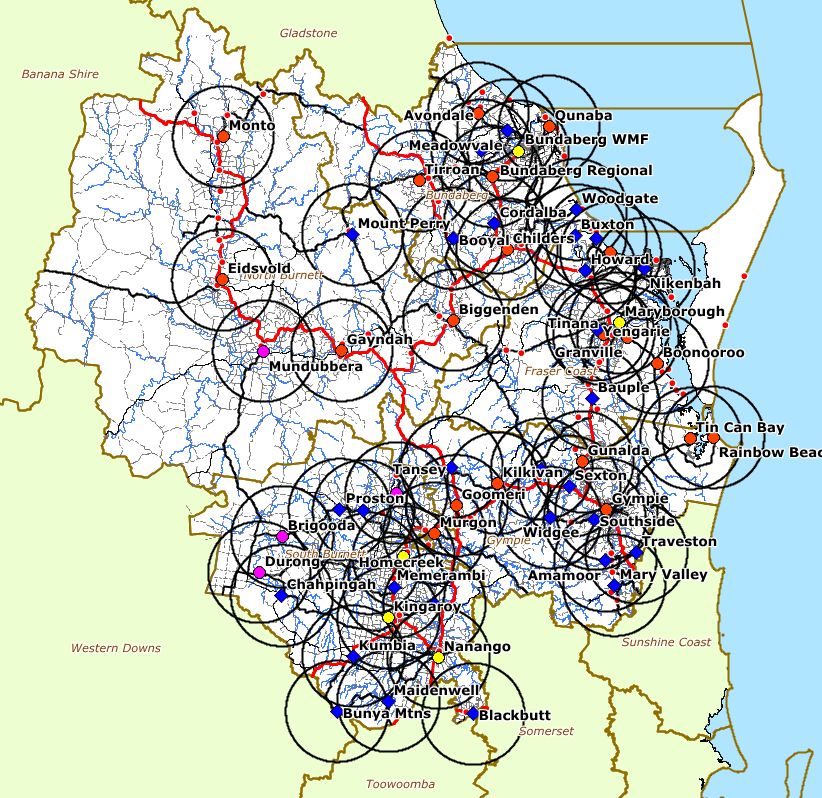
WBBROC Waste Management and Resource Recovery Strategy 2015 - 2020

Contents

TABLE OF CONTENTS
EXECUTIVE SUMMARY ....................................................................................................................... 3
2. OVERVIEW ..................................................................................................................................... 4
    2.1      ADOPTED PRINCIPLES ................................................................................................................... 5
    2.2      THE VISION ................................................................................................................................. 6
       2.2.1 WBBROC Vision ....................................................................................................................... 6
       2.2.     2 Vision for the Waste Management and Resource Recovery Strategy ............................. 6
    2.3      OBJECTIVE .................................................................................................................................. 6
    2.4      STRATEGY FRAMEWORK ................................................................................................................ 6
3       BACKGROUND ........................................................................................................................... 7
    3.1 REGULATORY FRAMEWORK.................................................................................................................... 7
       3.1.1 National Waste Policy ............................................................................................................. 7
       3.1.2 Clean Energy Act 2011 ............................................................................................................ 7
       3.1.3 Australian Packaging Covenant .............................................................................................. 7
       3.1.4 Mandatory Renewable Energy Targets................................................................................... 8
       3.1.5 Environmental Protection Act 1994 (QLD) – Environmental Protection Regulations 2008 .... 8
       3.1.6 Waste Reduction and Recycling Act 2011 (QLD) and the Environmental Legislation
       Amendment and Repeal Legislation (No1) 2014 ............................................................................. 8
       3.1.7 Queensland Waste Reduction & Recycling Strategy 2010 - 2020 ........................................... 8
    3.2      THE WIDE BAY BURNETT REGION- INDUSTRIAL & ECONOMIC BASE................................................... 9
       3.3.1 Population ............................................................................................................................... 9
       Wide Bay Burnett Regional Organisation of Councils (WBBROC) Area ......................................... 10
       3.3.2 Current Waste Data .............................................................................................................. 10
       3.3.3 Sources of Waste .................................................................................................................. 11
       3.3.4 Total Waste Projections ........................................................................................................ 13
    3.4      WASTE REDUCTION AND RECYCLING .............................................................................................. 13
       3.4.1 Goals and Targets ................................................................................................................. 13
4       STRATEGY DEVELOPMENT ....................................................................................................... 14
    4.1 STRATEGY GOALS .............................................................................................................................. 14
    4.2      WASTE FACILITY NETWORK PLANNING ........................................................................................... 14
       4.2.1 Levels of Service .................................................................................................................... 14
5. WBBROC STRATEGY ..................................................................................................................... 20
    5.1      COLLECTION SERVICES................................................................................................................. 20
       5.1.1 Purpose ................................................................................................................................. 20
       5.1.2 Overview ............................................................................................................................... 20
       5.1.3 Domestic Waste ................................................................................................................ 20
       5.1.4 Domestic Recycling ........................................................................................................... 22
       5.1.5 ORGANIC WASTE .............................................................................................................. 23
       5.1.6 Street and Park Litter Bins ................................................................................................ 23
       5.1.7 Grease Trap and Liquid Waste Services ............................................................................ 24
       5.1.8 Commercial Waste and Recycling ..................................................................................... 24
       5.1.1.9 Construction and Demolition Waste .................................................................................. 25
    5.2      WASTE TRANSFER AND DISPOSAL FACILITIES.................................................................................... 25
       5.2.1 Purpose ................................................................................................................................. 25
       5.2.2 Overview ............................................................................................................................... 25
       5.2.4 Strategy Goals / Actions........................................................................................................ 26
Docs # 2988053
WBBROC Waste Management and Resource Recovery Strategy 2015 - 2020
5.3 RESOURCE RECOVERY ................................................................................................................. 27
5.3.3 Strategy Goals / Actions........................................................................................................ 28
6 STRATEGY IMPLEMENTATION ....................................................................................................... 30
7 STRATEGY CONSULTATION ............................................................................................................ 30
8.GLOSSARY………………………………………………………………………………………………………………………..………..31
ATTACHMENT “A” – SUMMARY OF STRATEGY GOALS AND ACTION PLAN ....................................... 30
ATTACHMENT “B” – REGIONAL WASTE FACILITIES ………………………………………………………………………..33
ATTACHMENT “C” – REGIONAL WASTE SITES 20 KLM DISTANCES ……………………………………………….. 34
Strategy Goals
1. Investigate Regional waste collection services
2. Investigate opportunities of current landfills that meet the regions short & long term
waste disposal needs
3. Provide opportunities to reduce waste disposal to landfill.
4. Provide Community Waste Education.
5. Investigate opportunities for regional procurement of services / shared
procurement.
6. Investigate regional landfills or alternative disposal options
7. Investigate Landfill Rehabilitation Provisions
Docs # 2988053WBBROC Waste Management and Resource Recovery Strategy 2015 - 2020
Executive Summary
Wide Bay Burnett Regional Organisation of Councils (WBBROC) is made up of Fraser Coast Regional Council,
Bundaberg Regional Council, Gympie Regional Council, North Burnett Regional Council, South Burnett Regional
Council and Cherbourg Aboriginal Shire Council. Each Individual Council will have a waste strategy that outlines how
they intend to manage their waste activities within their own area.
This regional waste management strategy focuses strongly on a review of all the facilities and services within the
WBBROC group of Councils and look at any opportunities to manage waste better as a region which will include
procurement of services. WBBROC has an abundance of transfer stations and landfills. Some of these may not meet
current environmental and safety standards. The intention is to review these facilities to plan ahead to establish an
appropriate waste facility network that will provide for the future waste disposal needs for the WBBROC region. This
could include some current sites becoming regional landfills accepting waste from other Councils and future
establishment of major waste landfill/s to service the WBBROC area.
The vision for Waste Management in the region is summarised as:
“An engaged Regional Group of Councils and the community working together for sustainable and cost
effective waste management”
This strategy addresses waste prevention and minimisation, collection, treatment, resource recovery and final
disposal. It considers the regulatory frameworks that impact on managing waste and applies local understanding of
the region to provide a strategy that is relevant to the WBBROC area. The strategy development process assessed
the existing arrangements against industry benchmarks and service levels.
The development of Strategy Goals provides a framework to focus the actions that WBBROC will take over the next
five years. Seven Strategy Goals have been developed being:
1. Investigate Regional waste collection services
2. Investigate opportunities of current landfills that meet the regions short & long term waste disposal needs
3. Provide opportunities to reduce waste disposal to landfill.
4. Provide Community Waste Education.
5. Investigate opportunities for regional procurement of services / shared procurement.
6. Investigate regional landfills or alternative disposal options
7. Investigate Landfill Rehabilitation Provisions
There is a wide range of waste collection and disposal facilities by either contract or day labour these services
include waste collection and recycling, bulk bins for domestic and commercial waste, Roll On Roll Off (RORO) bin
service, landfills and transfer stations. Recycling collection services are provided at the three (3) larger Councils,
Fraser Coast, Gympie, Bundaberg.
There are three (3) materials recovery facilities (MRF) within the WBBROC area. The first is located at University
Drive Bundaberg (council owned, contractor managed), the second is at Industrial Avenue, Dundowran, Hervey Bay
servicing Fraser Coast and Gympie Regional Councils (Cleanaway owned and managed) with the third being
Cherbourg Aboriginal Council which have a council owned and managed MRF.
Finally timeframes have been provided to guide the successful implementation of the strategy. The actions and
timeframes are summarised below:
Page 3WBBROC Waste Management and Resource Recovery Strategy 2015 - 2020
Short Term Actions – 2015 to 2016
Review current services provided and see what opportunities are available for regional procurement or shared services.
i.e. – environmental monitoring services -groundwater and leachate collection services etc.
Options and opportunities to extend the landfill life at some waste sites to be able to receive regional wastes and cost
sharing/ management arrangements.
Investigate opportunities to establish a regional waste education program
Review a regional network of landfills and transfer stations
Investigate opportunities to jointly manage some disposal sites to create economies of scale, improved operations and
reduction of costs per unit
Medium Term Actions – 2016 to 2018
Investigate options and locations for major regional landfill/s able to service all Councils within WBB
Commence arrangements to investigate and establish new collection contracts prior to the expiry of existing contract/s.
Review all waste facilities and provide general recycling options at all sites where feasible.
Long Term Actions – 2018 to 2020
Commence arrangements to develop and manage new regional landfill/s through a joint venture or other options to
manage waste as a regional group
Ongoing Actions
Monitor actions initiated by the private waste sector and remain informed of any changes to local government’s position
in relation to commercial service delivery.
Councils continue operating their own landfill’s to achieve the approved landfill profiles.
Continue to work together as a regional collaborative waste management group
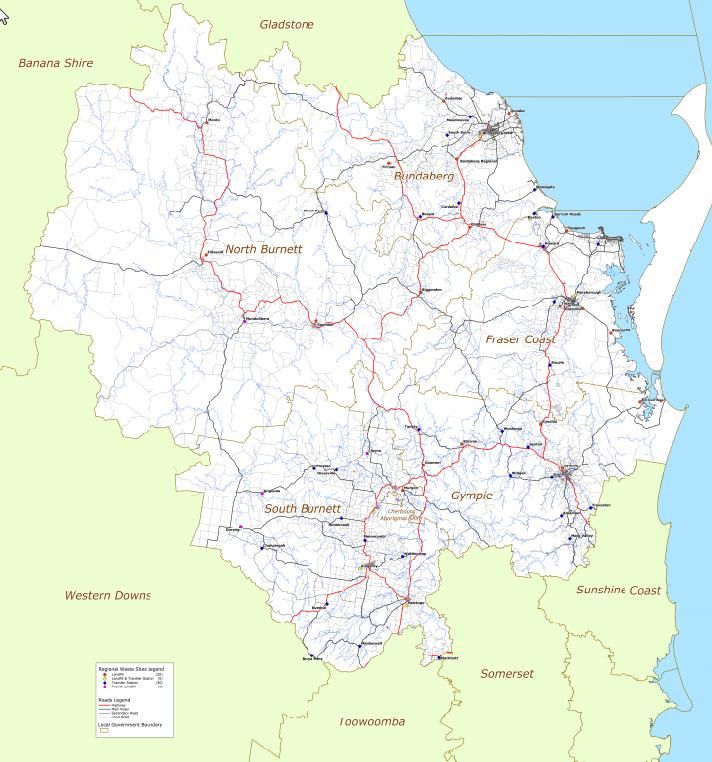
Documents attached to the strategy contain two (2) maps attachment “B” the existing network of all regional waste
management sites available for general public access and attachment “C” the industry standard travel distance with
20 kilometre radius to waste facilities.
WBBROC will release after adoption the Waste Management and Resource Recovery Strategy 2015 – 202 to the
community through their website.
2. OVERVIEW
Although individual Councils have responsibility for managing the wastes generated in the region, the Wide Bay
Regional Organisation of Councils has an important role in coordinating aspects of this waste management, where it
advantages its members. This strategy will guide the way waste is managed and will provide a timetable for
WBBROC to prioritise how and when it addresses the issues associated with a growing community and a changing
waste management landscape.
Managing waste today and in the future needs to consider and respond to a growing list of impacts that result from
the ways we choose to manage discarded items. Community health and safety, economic conditions, environmental
impacts, climate change, resource recovery and recycling are key areas of consideration. A number of these are
influenced by legislative requirements which will be considered in the development of this strategy.
Councils do not have total responsibility for managing all waste. Principally, Councils are required by legislation to
be responsible for collecting waste from households. The extent of Queensland Councils involvement in other
services including landfill, transfer stations and commercial services is to a large degree influenced by private sector
involvement in the various activities. For the WBBROC area, as for most Councils, the involvement extends into
virtually all areas of waste management in the region. Therefore this strategy will attempt to address solid wastes
identifiable within the region.
This strategy is intended to address all areas of waste management from waste prevention and minimisation, to its
collection, treatment, resource recovery and final disposal. This strategy is designed to where possible compliment
Page 4WBBROC Waste Management and Resource Recovery Strategy 2015 - 2020
and amalgamate the provision of waste services from the individual Councils waste strategies especially disposal
sites to give the best outcome to the region and participating Councils by:
• establishing a program of actions to manage waste in ways that are economically and technically feasible,
environmentally safe and publicly acceptable
• allowing for the incorporation of new and emerging technologies and appropriate responses to be made in
the event of changes in the solid waste stream
• enhancing the Wide Bay Burnett Regional Organisation of Councils capacity to co-operate with industry, the
community and other tiers of government on waste management issues.
A fundamental goal of the strategy is to review the facilities and services that exist across the WBBROC Group area.
The intention is to identify and utilise landfills that can be used as regional facilities which will accept waste from
other WBBROC Councils outside the individual council area. There is also a need to plan ahead to establish
appropriate larger regional waste facilities that will provide for the future waste disposal needs of the Wide Bay
Burnett Regional Organisation of Councils.
The strategy also recognises the various sectors that make up the overall waste stream. These include the Domestic,
Commercial and Industrial (C&I) and Construction and Demolition (C&D) waste streams.
This Waste Management and Resource Recovery Strategy is a tool for WBBROC to review performance, identify
potential areas for improvement, provide frameworks for improving waste minimisation and education, as well as
allowing for the development and achievement of future environmentally responsible goals and objectives and plan
future annual operational and capital budgets.
2.1 ADOPTED PRINCIPLES
Waste is recognised as a potential resource, and WBBROC will develop cost effective strategies to minimise waste
production and embrace sustainable resource management.
This regional strategy endeavours to give the highest priority to waste avoidance, reduction and re-use as the
guiding principles for developing strategies and actions.
Other principles which may apply, where feasible, include:
Environmental Responsibility:
• Sustainable resource management
• Best Practice
• Continuous Improvement
• State of the art major regional landfills
Financial Responsibility:
• Pricing
• User pays
• Polluter pays
• National Competition Policy
• Regional procurement opportunities
Responsibility to the Community:
• Ongoing education
• Effective information and feedback channels
• Best practice service provision
Page 5WBBROC Waste Management and Resource Recovery Strategy 2015 - 2020
2.2 THE VISION
2.2.1 WBBROC Vision
A key outcome for WBBROC waste management is to implement a Waste Management Resource and Sustainability
Strategy which seeks to:
• Minimise waste to landfill, maximise the potential of waste as a resource and explore innovative solutions in
management, resource recovery and recycling of waste.
• Work together to provide cost effective waste management across all Councils through shared services or
resources.
• Investigate the ability to create and manage regional landfill site/s and transfer stations to service the
WBBROC area by meeting current environmental and health and safety standards
• Investigate future regional landfill/s to service the WBBROC areas
• Shared procurement opportunities.
2.2. 2 Vision for the Waste Management and Resource Recovery Strategy
Wide Bay Burnett Regional Organisation of Councils maximises the environmental, social and economic
opportunities of waste management activities by:
• Pursuing responsible and sustainable resource management, innovation, effective business development
and systems, and community consultation;
• Being leaders in waste management through innovation with a commitment to high quality and cost
effective waste management services;
• Fostering partnerships with the community, industry and governments to develop initiatives that reduce
waste;
• Achieving our vision through working together with innovation, leadership and a commitment to responsible
and sustainable solutions.
2.3 OBJECTIVE
The Waste Management and Resource Recovery Strategy should address the legislative and regional conditions that
impact on waste management, and assess the existing practices. The objective is to provide short, medium and long
term action and goals over the term of the five (5) year strategy for the Wide Bay Burnett Regional Organisation of
Councils to consider.
The Goals and actions are identified in Short, Medium and Long Term timeframes
Figure 1 - Strategy Goal Timeframes
Year 2015 2016 2017 2018 2019 2020
Timeframe Short term Medium Term Long Term
Strategy Goal Identified project
Goals supported by recommended actions
Detail options
2.4 STRATEGY FRAMEWORK
The strategy is divided into logical waste management functions based on the areas that WBBROC will focus on. A
description of the services involved with these functions is provided below.
Page 6WBBROC Waste Management and Resource Recovery Strategy 2015 - 2020
Figure 2 - Strategy Framework
Strategy Vision Focus Services Involved
Collection Services Domestic Waste wheeled bins.
Domestic Recycling wheeled bins
Street & Park Litter Bin collection
Commercial Waste
Commercial Recycling
Construction and Demolition Waste
Waste Transfer and Disposal Facilities Transfer Stations
Landfill sites
Regional landfill/s
Resource Recovery Domestic Recycling
Commercial Recycling
Sort and Processing Facilities (eg Dirty MRF1)
Waste Minimisation and Education
1 Dirty MRF (Materials Recovery Facility) is generally a site that accepts and processes Construction and Demolition materials including
timber, concrete, steel, plastics. The materials may be processed on site for supply direct to markets or consolidated and moved off-
site to a recycling facility.
3 BACKGROUND
3.1 REGULATORY FRAMEWORK
Virtually all activities that occur when managing waste are influenced by a regulatory environment. Principally these
frameworks are defined at the National and State levels and they include both policies and laws.
3.1.1 National Waste Policy
In November 2009 all Australian Environment Ministers signed off a National Waste Policy (NWP). Its intent is to be
a driver for change and future planning. A key principle of the NWP is the promotion of partnerships between
various stakeholders, with each taking responsibility for their own waste minimisation. To date the NWP has
focused on Extended Producer Responsibility (EPR) with self-funded programs being initiated in 2012 for the
collection and management of items including electronic waste (end-of-life televisions and computers) and possibly
tyres at a future time. These are similar to existing funded programs for chemical container and used oil collections.
For WBBROC the expansion into other types of waste may involve providing or assisting with the collection of items.
3.1.2 Clean Energy Act 2011
Under the Clean Energy Act a carbon price mechanism is levied on a designated large landfill facility which is defined
as having emissions of 25,000 tonnes or more of carbon dioxide equivalent (CO2- e) in a single year. As a guide 1
tonne of waste placed in a landfill can over time result on 1 tonne of CO2- e. Complicated assessment and reporting
arrangements apply therefore identifying whether a landfill is a designated facility can be difficult particularly for
those sites operating around the threshold levels. This could be the case for WBBROC where a regional landfill/s
could reach the estimated waste to landfill volume. The impacts on site costs and pricing arrangements will need to
be assessed by WBBROC. Currently the Carbon tax has been repealed.
3.1.3 Australian Packaging Covenant
The Australian Packaging Covenant (APC) formerly known as the National Packaging Covenant (NPC) provides a
mechanism for industries involved in consumer packaging supply chains to contribute to managing the impacts of
packaging waste. Funds created by the covenant arrangements are applied to projects and previously this has
included funding to local governments for packaging related projects including littering and collection/processing of
recyclables. WBBROC should maintain a watching brief to identify any project funding opportunities available from
the APC.
Page 7WBBROC Waste Management and Resource Recovery Strategy 2015 - 2020
3.1.4 Mandatory Renewable Energy Targets
Australia has adopted targets for renewable energy generation with the arrangements being managed under several
pieces of supporting legislation and regulations. In 2010 Mandatory Renewable Energy Targets (MRETS) were
established which require 20% of Australia’s energy generation to come from green or renewable energy sources by
2020.
One area of interest in achieving the targets is Bioenergy which includes energy from waste. The types of
technologies that convert waste to energy are generally more expensive than traditional landfill costs.
3.1.5 Environmental Protection Act 1994 (QLD) – Environmental Protection Regulations 2008
The Environmental Protection Act (1994) is the Queensland legislation that controls the general environmental
impacts of managing waste. This act and subordinate legislations are aimed at protecting the environment while
allowing for development to occur in a sustainable way. The design and operations of waste facilities particularly
landfills are significantly controlled by requirements of this legislation.
3.1.6 Waste Reduction and Recycling Act 2011 (QLD) and the Environmental Legislation Amendment and Repeal
Legislation (No1) 2014
In 2011 the Queensland Government introduced the Waste Reduction and Recycling Act with the aims being to:
• Promote waste avoidance and reduction, and resource recovery and efficiency actions;
• Reduce the consumption of natural resources and minimise the disposal of waste by encouraging waste
avoidance and the recovery, re-use and recycling of waste;
• Minimise the overall impact of waste generation and disposal;
• Ensure a shared responsibility between government, business and industry and the community in waste
management and resource recovery;
• Support and implement national frameworks, objectives and priorities for waste management and resource
recovery.
Subsequent to the adoption of the Act the Queensland Government has amended the legislation including the
removal of the waste disposal levy with a new Strategy due for release in September 2014.
An Environmental Legislation Amendment and Repeal Regulation (No. 1) 2014 have amended the Environmental
Protection Act 1994 and the Waste Reduction and Recycling Act 2011on 28 August 2014.
3.1.7 Queensland Waste Reduction & Recycling Strategy 2010 - 2020
The Queensland Waste Reduction and Recycling Strategy 2010-2020 was adopted prior to the introduction of the
Waste Reduction and Recycling Act. It promotes the creation of a price signal (waste levy) however as noted above
the Queensland Government has since effectively removed the levy impost.
Strategy targets have been identified for reducing waste to landfill, increasing recycling and reducing the generation
of waste. The priority targets listed include:
• Reduce waste to landfill by 50% by 2020;
• Reduce landfill gas emissions by 50% by 2020;
• Increase the recovery and recycling of materials across target waste streams;
• Reduce the per capita generation of waste; and
• Reduce litter dumping and associated effects.
Page 8WBBROC Waste Management and Resource Recovery Strategy 2015 - 2020
3.2 THE WIDE BAY BURNETT REGION- INDUSTRIAL & ECONOMIC BASE
The geography of the WBBROC area is very diverse including coastal beachfront townships, Fraser Island, river
townships and village areas, developing industrial and business areas, fishing, rural townships and agricultural areas.
The main suburbs and towns within the Wide Bay Burnett Regional Council area are included in the Population
trends.
3.3 POPULATION TRENDS
3.3.1 Population
The population of the WBBROC area is outlined below:
Area hectares Annual growth
LG Area Population 2012/13
1.3%
Fraser Coast 107,297 711,665
0.6%
Bundaberg 93,976 643,564
0.4%
North Burnett 10,360 1,970,800
0.5%
Cherbourg 1,286 3160
1.3%
Gympie 48,145 689,800
1.0%
South Burnett 32,614 839,900
1.0%
Wide Bay - Burnett 286,705 4,858,889
Page 9WBBROC Waste Management and Resource Recovery Strategy 2015 - 2020
Wide Bay Burnett Regional Organisation of Councils (WBBROC) Area
3.3.2 Current Waste Data
It is common to have waste generation rates of 1.8 to 2.1 tonne per person.
Waste data are generally based on volumes represented as tonnage. All Councils have initiated processes for
capturing waste data at the majority of sites. Some of the actual tonnage data is captured via weighbridge
transactions while at some sites volumetric capacity is recorded. Therefore it should be noted that some of the data
represented in this document as waste tonnages are based on estimates using industry benchmarks and site
assessments. This can invariably lead to some distortion of the data.
Page 10WBBROC Waste Management and Resource Recovery Strategy 2015 - 2020
Developing a Waste Management and Resource Recovery Strategy requires some understanding of the types of
waste generated in the region and an assessment of the current arrangements to manage those wastes. Once the
sources and volumes of waste are known then the appropriate assessments can be made and well informed
conclusions and plans can be formulated.
3.3.3 Sources of Waste
The Queensland Governments legislation requires Councils to plan for and report on all waste within their respective
area where practicable. This recognises that other factors such as private commercial operators will limit the
controls and planning that Councils can exercise over all wastes.
The information below provides an estimate of the waste managed annually at each waste facility, licence conditions
and estimated lifespan.
Figure 3 - Estimated waste tonnages 2013/14
Regional Town / Shire Name of facility Landfill/ Waste Licenced Future use Lifespan
Council area Transfer volume volume tonnes
tonnes per per annum years
annum
North Burnett
Biggenden Biggenden Landfill 432 50 - 2000 Landfill 10 – 15
years
Eidsvold Eidsvold Landfill 360 10,000 – Landfill 6 years
20,000
Gayndah Gayndah Landfill 1100 2000 – 5000 Landfill 10 – 15
years
Monto Monto Landfill 720 5000 – 10,000 Landfill 60 years
Mount Perry Mount Perry Skip Bins 360 50 – 2000 0
Mundubbera Mundubbera Landfill 1440 10,000 – Landfill 349 years
20,000
South Burnett
Murgon Cloyna Landfill 78 50 - 2000 Transfer TS in
/transfer station 2015/16
station
Murgon Murgon Landfill 1250 2000 - 5000 4
Wondai Hivesville Landfill 250 50 - 2000 Transfer 1 to TS
station
Wondai Proston TS 117
Wondai Brigooda Landfill 52 50 – 2000 Transfer TS in
station 2015/16
Wondai Durong Landfill 114 50 – 2000 Transfer TS in
station 2015/16
Wondai Home creek TS 234
Wondai Wondai Landfill & TS 1866 50 – 2000 14
Kingaroy Chahpingah TS 22
Kingaroy Kumbia TS 585
Kingaroy Memerambi TS 234
Kingaroy Kingaroy Landfill & TS 9376 5000 – 10000 15
Nanango Maidenwell TS 108
Nanango Blackbutt TS 208
Page 11WBBROC Waste Management and Resource Recovery Strategy 2015 - 2020
Nanango Wattlecamp TS 175
Nanango Bunya TS 40 15
Mountains
Nanango Nanango Landfill & TS 6352 5000 - 10000
Bundaberg
Bundaberg Bundaberg Landfill 35,200 40000 Landfill 37
Regional landfill
– Cedars Rd
Bundaberg Bundaberg Landfill & TS 18,000 100000 - 24
WMF – 200000
University Drive
Burnett Qunaba Landfill 20,000 10000 - 20000 18
Burnett Meadowvale Landfill TS 2,500 5000 - 10000 10
under
construction
Burnett Avondale Landfill 1,000 2000 - 5000 5
Burnett South Kolan TS unknown
Isis Childers Landfill 7,900 5000 – 10000 15
Isis Woodgate TS Unknown
Isis Cordalba TS Unknown
Isis Buxton TS Unknown
Isis Buxton TS unknown
Kolan Tirroan Landfill 3,750 50 - 2000 17
GYMPIE
Cooloola Gympie landfill Landfill 27738 20000 - 50000 8
Bonnick Rd
Cooloola South side TS 561.60 50 -2000
Cooloola Mary Valley TS 384 50 - 2000
Cooloola Traveston TS 702
Cooloola Tin Can Bay Landfill 3816 50 - 20000
Cooloola Rainbow Beach Landfill 591 50 - 2000
Cooloola Amamoor TS 561
Kilkivan Kilkivan landfill Landfill 801 50 - 2000
Kilvivan Goomeri landfill Landfill 2918 50 – 2000 3
Kilkivan Sexton TS TS 187
Kilkivan Woolooga TS 93.6
Kilkivan Tansey TS 93
Kilkivan Widgee TS 187
Tiaro Gunalda Landfill 971 50 - 2000
FRASER COAST
Hervey Bay Nikenbah TS TS & 11,500 green ERA 53 50+
Composting waste compost
ERA 62 TS
Hervey Bay Toogoom Landfill & 809 5000 - 10000 Transfer 50+
landfill composting station
Hervey Bay Burrum Heads TS 317 25+
Page 12WBBROC Waste Management and Resource Recovery Strategy 2015 - 2020
Hervey Bay Howard TS 497 25+
Maryborough Tinana Landfill 1363 5000 - 10000 Transfer
station
Maryborough Saltwater Creek Landfill & TS 62000 50000 – 20+
100000
ERA 62 &ERA
53 compost
Maryborough Granville landfill 894 5000 - 10000
Maryborough Boonooroo landfill 50 50 - 2000 Transfer
station
Tiaro Bauple TS 52 50 - 2000 20+
Woocoo Aramara landfill 40 50 - 2000 Transfer 1TS
station
Woocoo Yengarie TS 325
Fraser Island Eurong TS 131 QPWS owned
Fraser Island Happy Valley TS 105 QPWS owned
Fraser Island Orchid Beach TS 263 QPWS owned
3.3.4 Total Waste Projections
Combining the population projections with the current total waste data provides a future view of the amount of
waste that would be expected to be generated in the WBBROC area. These projections do not take account of any
waste reduction or diversion that may occur or any of the volumes from sites that the waste volumes are unknown.
They are only meant to indicate the quantum of waste that may require managing at various time intervals. These
figures are required when planning a MAJOR regional landfill FACILITY.
Figure 4 - Projected Total Waste (Tonnes)
Year 2014 2016 2018 2020
Total Waste 202,531 206,581
194,666 198,560
(tonnes)
3.4 WASTE REDUCTION AND RECYCLING
Waste reduction targets set nationally and continuously promoted to reduce the amount of waste to landfill have
not seen a significant reduction in waste tonnages. Locally this is not caused through the endeavours of the Councils
to reduce waste to landfill through recycling and reuse but is recognised as a function of lifestyle and consumption
patterns.
There needs to be an increased effort to ensure that Councils face the added challenge of managing these increased
wastes not only from consumption but from the increases in domestic and industry growth and associated issues.
3.4.1 Goals and Targets
Setting future waste reduction and recycling targets for the various waste streams including residential,
commercial/industrial and construction/demolition wastes will require a change to council practices. Currently, the
three major coastal Councils have kerbside collections. Further recycling activities may be implemented in the future
where practical and feasible. The collection of recyclable and reusable items from all waste facilities will need to be
strengthened to achieve any additional waste reduction targets.
Page 13WBBROC Waste Management and Resource Recovery Strategy 2015 - 2020
4 STRATEGY DEVELOPMENT
4.1 STRATEGY GOALS
Strategy goals must be developed and implemented if WBBROC is to continue to move forward with regional waste
management. The provision of regional waste facilities and procurement services could through a collective
arrangement benefit the regional councils allowing all to participate in better management and reduced costs.
4.2 WASTE FACILITY NETWORK PLANNING
Waste facilities represent a key part of the waste management system. The facilities are supported by collection
services provided by Council and private operators. The type, number and location of facilities will impact on the
overall waste management cost and levels of service to individual Councils. A reduction in minor substandard
landfills and the implementation of strategic regional waste disposal facilities will reduce waste management costs
for some councils but transport costs may increase for others, provide better infrastructure, plant and staffing to
manage other sites more environmentally acceptable way and in full compliance with licence conditions. Each
Council has addressed the issue of location of waste facilities within their own waste strategy.
4.2.1 Levels of Service
The reason for defining a level of service is to balance the needs of domestic and commercial customers with
economic and environmentally sustainable service delivery requirements. Defining the level of service generally
involves consideration of such issues as:
• Customer travel time to facilities
• Site supervision
• Facility opening hours
• Types of facilities and services required
4.2.1.1 CUSTOMER TRAVEL TIME TO WASTE AND RECYCLING FACILITY
Customers will create a perception of the level of service provided based on the time taken to reach a facility. This
level of service will define what the community can expect from their Council and will also assist in identifying the
appropriate number and location of facilities across the WBBROC area. Generally accepted industry best practice
levels of service are:
• 80 per cent of the population within a 20 minute travel time to a facility; or
• 95 per cent of the population within a 30 minute travel time to a facility.
Customer travel times are identified by the compilation of existing waste management facility location data on each
facility. Map Attachment B gives a view of the WBBROC area showing the location of the individual waste
infrastructure and the relationship to other sites.
Map Attachment C shows all the waste facility locations for WBBROC area with 20km circles around each facility and
the industry standard of approximate a 30 min travel distance.
4.2.1.2 Site Supervision
Waste management facilities by nature can expose people to health and safety risks. Similarly inappropriate
placement of wastes can create risks and can render recycling materials unrecyclable. Appropriate supervision of
site activities is necessary to reduce risks and to ensure proper disposal practices occur. At least one staff member
should be present while the facility is open to the public.
There are a number of sites that are not manned in the Wide Bay Burnett Area.
Page 14WBBROC Waste Management and Resource Recovery Strategy 2015 - 2020
4.2.1.3 OPTIMAL OPERATING DAYS/HOURS
Historically waste facilities have generally over-serviced communities with many examples of facilities being
available 24 hrs, 7 days a week. Given the legislative requirement to supervise waste facilities, Councils must
consider the operating costs and balance these with the customers perceived service levels. The desired result is to
provide opening days and hours applicable to the usage the facility receives.
A generally accepted industry benchmark is applicable for smaller sites defined as facilities with predominately
residential clients which receive less than 5,000 visitors per year. It is normal for these sites to open for
approximately 12 hours per week with the norm being to open for a half day on the weekend days and another half
day during the week. Larger sites with higher usage are assessed on an individual basis.
Figure 5. – - Existing Waste Facility Opening Days/Hours*
FRASER COAST REGIONAL COUNCIL
Total
Location Mon Tues Wed Thu Fri Sat Sun
Hours
Fraser Coast Recycling 7.30am to 7.30am to 7.30am to 7.30am to 7.30am to 7.30am to 7.30am to
66.5
Centre – Nikenbah 5.00pm 5.00pm 5.00pm 5.00pm 5.00pm 5.00pm 5.00pm
1.00pm to 1.00pm to 1.00pm to 1.00pm to 1.00pm to
Toogoom Landfill Closed Closed 20
5.00pm 5.00pm 5.00pm 5.00pm 5.00pm
Howard Transfer 8.00am to 8.00am to 8.00am to 12.
Closed Closed Closed Closed 12
Station 12. Noon 12. Noon noon
Burrum Heads 12 noon to 8.00am to 12.
Closed Closed Closed Closed Closed 8
Transfer Station 4.00pm noon
Maryborough
7.30am to 7.30am to 7.30am to 7.30am to 7.30am to 7.30am to 7.30am to
Recycling Centre & 66.5
5.00pm 5.00pm 5.00pm 5.00pm 5.00pm 5.00pm 5.00pm
Landfill
12 noon to 12 noon to 12 noon to 12 noon to
Granville Landfill Closed Closed Closed 20
5.00pm 5.00pm 5.00pm 5.00pm
7.00am to 7.00am to 7.00am to 12 noon to
Tinana Landfill Closed Closed Closed 20
12 noon 12 noon 12 noon 5.00pm
Yengarie Transfer 7.00am to 7.00am to 7.00am to 12 noon to
Closed Closed Closed 20
Station 12 noon 12 noon 12 noon 5.00pm
7.00am to 7.00am to 7.00am to 7.00am to
Boonooroo Landfill Closed Closed Closed 40
5.00pm 5.00pm 5.00pm 5.00pm
Bauple Transfer 7.00am to 7.00am to 7.00am to 12 noon to
Closed Closed Closed 20
Station 12 noon 12 noon 12 noon 5.00pm
Aramara Landfill
Open all hours - 7 days 168
(Brooweena)
Eurong
168
Fraser Island Open all hours - 7 days
Waddy Pt Note that these sites on Fraser Island are not owned by Council but are jointly operated with the
Orchid Beach Queensland Government - Department of Environment and Heritage Protection. 168
Fraser Island
Happy Valley
168
Fraser Island
*The above opening hours are subject to change by the individual Council.
Page 15WBBROC Waste Management and Resource Recovery Strategy 2015 - 2020
GYMPIE REGIONAL COUNCIL
Total
Location Mon Tues Wed Thu Fri Sat Sun
Hours
8.00 am to 8.00am to 8.00am to 8.00am to 8.00am to 8.00am to
Gympie Landfill 8.00am to 5pm 63
5pm 5pm 5pm 5pm 5pm 5pm
South Side transfer 7.00am to 7.00am to 7.00am to 7.00am to 7.00am to 7.00am to
7.00am to 6pm 77
station. Sept - May 6pm 6pm 6pm 6pm 6pm 6pm
South Side transfer 7.00am to 7.00am to 7.00am to 7.00am to 7.00am to 7.00am to 7.00am to
73.50
station June - Aug 5.30pm 5.30pm 5.30pm 5.30pm 5.30pm 5.30pm 5.30pm
Kilkivan Landfill 24hrs 24hrs 24hrs 24hrs 24hrs 24hrs 24hrs 168
Goomeri landfill 24hrs 24hrs 24hrs 24hrs 24hrs 24hrs 24hrs 168
Sexton transfer station 24hrs 24hrs 24hrs 24hrs 24hrs 24hrs 24hrs 168
Woolooga transfer
24hrs 24hrs 24hrs 24hrs 24hrs 24hrs 24hrs 168
station
Mary Valley Transfer 7.00am to 7.00am to 7.00am to 8.00am to
Closed Closed 8.00am to 4pm 46
station 5pm 5pm 5pm 4pm
Traveston transfer 7.00am to 7.00am to 7.00am to 8.00am to
Closed Closed 8.00am to 4pm 46
station 5pm 5pm 5pm 4pm
8.00am to 8.00am to 8.00am to 8.00am to 8.00am to 8.00am to
Tin Can Bay landfill 8.00am to 4pm 61
5pm 5pm 5pm 5pm 5pm 4pm
Rainbow Landfill Sept - 7.00am to 7.00am to 7.00am to 7.00am to 7.00am to 7.00am to
7.00am to 6pm 77
May 6pm 6pm 6pm 6pm 6pm 6pm
Rainbow Landfill June - 7.00am to 7.00am to 7.00am to 7.00am to 7.00am to 7.00am to 7.00am to
73.50
Aug 5.30pm 5.30pm 5.30pm 5.30pm 5.30pm 5.30pm 5.30pm
Amamoor transfer 7.00am to 7.00am to 7.00am to 8.00am to
Closed Closed 8.00am to 4pm 46
station 5pm 5pm 5pm 4pm
Tansey Transfer
24hrs 24hrs 24hrs 24hrs 24hrs 24hrs 24hrs 168
station
Widgee transfer 7.00am to 7.00am to 7.00am to 8.00am to
Closed Closed 8.00am to 4pm 46
station 5pm 5pm 5pm 4pm
Gunalda Landfill Sept - 7.00am to 7.00am to
Closed Closed Closed Closed 7.00am to 6pm 33
April 6pm 6pm
Gunalda Landfill May – 7.00am to 7.00am to
Closed Closed Closed Closed 7.00am to 5pm 30
Aug 5pm 5pm
* The above opening hours are subject to change by the individual Council.
SOUTH BURNETT REGIONAL COUNCIL
Total
Location Mon Tues Wed Thu Fri Sat Sun
Hours
Cloyna Landfill 24hrs 24hrs 24hrs 24hrs 24hrs 24hrs 24hrs 168
6.30am – 6.30am – 6.30am – 6.30am – 6.30am – 6.30am – 6.30am –
Murgon Landfill 77
5.30pm 5.30pm 5.30pm 5.30pm 5.30pm 5.30pm 5.30pm
Hivesville Landfill 24hrs 24hrs 24hrs 24hrs 24hrs 24hrs 24hrs 168
Proston transfer 6.00am to 6.00am to 6.00am to 6.00am to 6.00am to 6.00am to 6.00am to
84
station - keypad 6.00pm 6.00pm 6.00pm 6.00pm 6.00pm 6.00pm 6.00pm
Brigooda Landfill 24hrs 24hrs 24hrs 24hrs 24hrs 24hrs 24hrs 168
Durong Landfill 24hrs 24hrs 24hrs 24hrs 24hrs 24hrs 24hrs 168
Page 16WBBROC Waste Management and Resource Recovery Strategy 2015 - 2020
Total
Location Mon Tues Wed Thu Fri Sat Sun
Hours
Home creek transfer
station key and 24hrs 24hrs 24hrs 24hrs 24hrs 24hrs 24hrs 168
padlock
Wondai Landfill & 6.30am to 6.30am – 6.30am – 6.30am – 6.30am – 6.30am – 6.30am –
77
transfer station 5.30pm 5.30pm 5.30pm 5.30pm 5.30pm 5.30pm 5.30pm
Chahpingah transfer
24hrs 24hrs 24hrs 24hrs 24hrs 24hrs 24hrs 168
station
Kumbia transfer 6.00am to 6.00am to 6.00am to 6.00am to 6.00am to 6.00am to 6.00am to
84
station – key pad 6.00pm 6.00pm 6.00pm 6.00pm 6.00pm 6.00pm 6.00pm
Memerambi transfer
station key and 24hrs 24hrs 24hrs 24hrs 24hrs 24hrs 24hrs 168
padlock
Kingaroy Landfill & 8.00am to 8.00am to 8.00am to 8.00am to 8.00am to 8.00am to
8.00am to 5pm 63
transfer station 5pm 5pm 5pm 5pm 5pm 5pm
Maidenwell transfer
24hrs 24hrs 24hrs 24hrs 24hrs 24hrs 24hrs 168
station
Blackbutt transfer 8.00am – 8.00am to 8.00am to 8.00am to 8.00am to
Closed closed 45
station 5.00pm 5.00pm 5.00pm 5.00pm 5.00pm
Wattlecamp transfer 8.00am to 8.00am to 8.00am to
Closed Closed Closed Closed 27
station 5.00pm 5.00pm 5.00pm
Nango Landfill & 7.30am to 7.30am to 7.30am to 7.30am to 7.30am to 7.30am to 7.30am to
63
transfer station 4.30pm 4.30pm 4.30pm 4.30pm 4.30pm 4.30pm 4.30pm
Bunya Mountains
24hrs 24hrs 24hrs 24hrs 24hrs 24hrs 24hrs 168
transfer station
* The above opening hours are subject to change by the individual Council.
BUNDABERG REGIONAL COUNCIL
Total
Location Mon Tues Wed Thu Fri Sat Sun
Hours
Cedars Road landfill – 7.00 am to 7.00 am to 7.00 am to 7.00 am to 7.00 am to
Closed Closed 55
no public access 6.00pm 6.00pm 6.00pm 6.00pm 6.00pm
Bundaberg university 6.15am to 6.15am to 6.15am to 6.15am to 6.15am to 6.15am to 6.15am to
80.50
drive Summer 5.45pm 5.45pm 5.45pm 5.45pm 5.45pm 5.45pm 5.45pm
Bundaberg university
6.15 am to 6.15 am to 6.15 am to 6.15 am to 6.15 am to 6.15 am to 6.15 am to
drive 78.75
5.30pm 5.30pm 5.30pm 5.30pm 5.30pm 5.30pm 5.30pm
Winter
Qunaba Landfill 7.00am to 7.00am to 7.00am to 7.00am to 7.00am to 7.00am to 7.00am to
75.25
Summer 5.45pm 5.45pm 5.45pm 5.45pm 5.45pm 5.45pm 5.45pm
Qunaba Landfill 7.00am to 7.00am to 7.00am to 7.00am to 7.00am to 7.00am to 7.00am to
73.50
Winter 5.30pm 5.30pm 5.30pm 5.30pm 5.30pm 5.30pm 5.30pm
Meadowvale Landfill & 7.00am to 7.00am to 7.00am to 8.00am to 8.00am to
Closed Closed 50.50
transfer station 5.30pm 5.30pm 5.30pm 5.30pm 5.30pm
8.00am to 8.00am to 8.00am to
Avondale Landfill Closed Closed Closed Closed 27.00
5.00pm 5.00pm 5.00pm
South Kolan transfer 8.00am to 8.00am to 8.00am to
Closed Closed Closed Closed 27.00
station 5.00pm 5.00pm 5.00pm
7.00am to 7.00am to 7.00am to 7.00am to 7.00am to 7.00am to 7.00am to
Childers Landfill 61
5.00pm 2.00pm 2.00pm 2.00pm 5.00pm 5.00pm 5.00pm
Woodgate transfer 9.00am to 9.00am to 9.00am to 2.00pm to
Closed Closed Closed 12
station 12pm 12pm 12pm 5.00pm
Cordalba transfer 1.00pm to
Closed Closed Closed Closed Closed Closed 4
station 5pm
Buxton transfer 1.00pm to
Closed Closed Closed Closed Closed Closed 3
station 4.00pm
Page 17WBBROC Waste Management and Resource Recovery Strategy 2015 - 2020
Total
Location Mon Tues Wed Thu Fri Sat Sun
Hours
9.00am to 12.00pm to
Booyal transfer station Closed Closed Closed Closed Closed 6
12pm 3.00pm
7.30am to 7.30am to 11.00am to
Tirroan Landfill Closed Closed Closed Closed 15
12.30pm 12.30pm 4pm
* The above opening hours are subject to change by the individual Council.
NORTH BURNETT REGIONAL COUNCIL
Total
Location Mon Tues Wed Thu Fri Sat Sun
Hours
8.00am to
1.00pm to 12.00pm 1.00pm to 8.00am to
Biggenden Landfill Closed Closed Closed 20
5.00pm 1.00pm to 5.00pm 12pm
5.00pm
9.00am to 9.00am to 9.00am to 9.00am to
Eidsvold Landfill Closed Closed Closed 32
5.00pm 5.00pm 5.00pm 5.00pm
10.00am to 10.00am to 10.00am to 10.00am to
10.00am to 12.00 12.00 12.00 12.00
Gayndah Landfill Closed Closed 32.5
5.00pm 12.30pm to 12.30pm to 12.30pm to 12.30pm to
5.00pm 5.00pm 5.00pm 5.00pm
9.00am to 9.00am to 9.00am to 9.00am to
12.30pm to 12.00 12.30pm to 12.00 12.00 12.00
Monto Landfill Closed 39
5.00pm 12.30pm to 5.00pm 12.30pm to 12.30pm to 12.30pm to
5.00pm 5.00pm 5.00pm 5.00pm
Mount Perry Transfer 8.00am to 1.00pm to 8.00am to 8.00am to
Closed Closed Closed 17
station 1.00pm 5.00pm 12.00pm 12.00pm
8.00am to 8.00am to 8.00am to 8.00am to 8.00am to
Mundubbera landfill Closed Closed 32
4.00pm 12.00pm 12.00pm 4.00pm 4.00pm
* The above opening hours are subject to change by the individual Council.
CHERBOURG ABORIGINAL COUNCIL
Total
Location Mon Tues Wed Thu Fri Sat Sun
Hours
9.00am to 9.00am to 9.00am to 9.00am to 9.00am to 9.00am to 9.00am
Fisher Street landfill
5.00pm 5.00pm 5.00pm 5.00pm 5.00pm 5.00pm 56
(Cherbourg) to 5.00pm
Mickelo Drive Loop 9.00am to 9.00am to 9.00am to 9.00am to
5.00pm 5.00pm 5.00pm 5.00pm Closed Closed Closed 32
Road recycling station
* The above opening hours are subject to change by the individual Council.
4.2.1.4 TYPE OF FACILITIES AND SERVICES
4.2.1.4.1 Transfer Stations
Waste transfer facilities operate to:
• consolidate smaller loads into larger more efficient loads for transfer off-site;
• provide safe and more environmentally acceptable customer interface;
• provide facilities for the collection of reusable and recyclable items;
• provide a permanent waste disposal site.
Transfer stations are long term waste management assets located within a site user catchment area. Unlike landfills
the site location should not need to change and they do not generally have a defined end of life for the site.
Page 18WBBROC Waste Management and Resource Recovery Strategy 2015 - 2020
Therefore the site should have sufficient footprint and be designed to allow it to change over time should the
community grow or waste management practices change.
Major transfer stations are considered to be those facilities that will accept large volume waste from small and large
vehicles such as waste collection compactor trucks. Generally this includes the transaction of large commercial
vehicles on a price per tonne basis and weighbridge installation is common at these sites. Major transfer stations
also generally accept waste and recyclables from domestic and commercial customers. Design usually incorporates
machinery to push/load waste into large transfer vehicles.
Minor transfer stations are facilities that only accept smaller domestic and commercial vehicles, generally vehicles
up to 4.5 tonne gross vehicle mass (GVM). Two types of facility designs allow either for waste to be deposited by the
customer directly into a large (RORO) bin or onto a sort floor for sorting prior to loading and transfer. Providing
weighbridges at minor transfer stations is dependent on pricing arrangements and should consider site traffic
volume. Where a low volume of payment transactions occurs the capital outlay exceeds the return and these sites
are better calculated as a price per m3 with transaction data being captured on a hand held device. Weights for
waste removed from minor transfer stations will be captured at the landfill weighbridge.
4.2.1.4.2 Landfill
When reviewing the WBBROC regional councils current waste management assets, landfills are strategic assets
which have defined lives based on approved closure plans. Unfortunately a number of small non-viable landfills that
accept only small volumes of waste are operated within the WBBROC area. Modern landfills are disposal facilities
where full containment of waste and leachate and landfill gas is secured by designing lining systems, leachate and
gas collection and treatment systems and appropriate landfill operations. The environmental impacts of modern
landfills are minimised. However, it is inefficient and cost prohibitive to design and operate a modern landfill site
with less than 30,000 tonnes of waste per year. Therefore, only joint approach and combining the waste volumes
controlled by regional councils in the WBBROC area could provide economies of scale to develop and operate such a
landfill. Council have some control over the life of the asset by varying the closure profile but there are limits and
accepted norms that control these decisions. Councils can also influence the defined life through actions to increase
recycling and reduce waste going to landfill.
Landfill sites operate under an environmental authority (licence) which includes operational requirements and
nominates a cap on the volumes of waste that can be disposed of annually. A new landfill is generally a difficult
facility to locate due to strict environmental and planning requirements and generally low community acceptance.
This places importance on maximising the opportunities available from existing landfill assets within the WBBROC
area. Landfill site selection, acquisition, planning, development and approval processes will generally take at least 7
to 10 years. Therefore any moves to identify a new site will require a long lead time prior to the site being
established.
Poorly located or operated landfills can be a liability due to significant site management and compliance costs.
Closed landfills also represent a financial liability where closure requirements are not planned and where costs and
ongoing monitoring have not been considered and funded.
A common misconception in the community is that new technologies will remove the need for landfill. There are no
examples of processing technologies which remove the need for a landfill all together.
4.2.1.4.3 Resource Recovery
Residential and commercial customers self-transporting waste typically need recycling facilities for green waste,
timber, steel, cardboard, reusable items, oil, batteries and other household hazardous waste. Commercial
customers generally have larger volumes of green waste, timber, steel, cardboard and concrete along with some
plastics.
Federal legislation is facilitating the increased collection and reprocessing of some wastes. This has occurred
previously to facilitate programs such as used oil recycling which some Councils have adopted at some of their waste
management facilities. Changes have also seen e-Waste (electronic items such as computers and TV’s) being
Page 19WBBROC Waste Management and Resource Recovery Strategy 2015 - 2020
addressed by similar programs. WBBROC will need to remain informed of these programs and assess site changes
that may be required to facilitate collection of such items on a regional recovery basis.
Mature markets exist for many recyclable items such as steel, plastic, cardboard and paper. These commodities are
generally valued and traded in a global market which can be affected by economic conditions however these
markets remain reasonably constant. Such recyclable items can be simple to segregate and manage at collection
locations providing the site activities are properly supervised.
In addition to traditional waste management facilities such as landfills and transfer stations other more specialised
waste sorting and processing facilities are used to separate and process items. Examples include Material Recovery
Facilities (MRF’s) where kerbside collected recyclables are sorted and consolidated for sending to markets, organic
and green waste facilities such as composting sites, and construction and demolition waste sorting facilities where
items including concrete, timber and steel are separated and processed or consolidated for sending to markets.
These facilities can be co-located with the more traditional landfill and transfer station sites.
5. WBBROC STRATEGY
5.1 COLLECTION SERVICES
5.1.1 Purpose
To provide an efficient and cost effective combined waste collection service across the entire Regional area where
practical.
The service with the highest profile is the wheeled bin service. This service is the public face of each Councils waste
management operations. Most Councils provide a weekly wheeled bin service to the majority of premises in their
cities/townships in defined waste collection areas.
5.1.2 Overview
A range of waste services are provided throughout the region with Bundaberg, Gympie and Fraser Coast Regional
Councils also providing a recycling service.
Providing a wheeled bin collection service is the best waste service that Council can provide to residents. Putrescible
waste is collected in a timely and hygienic and safe manner and transported directly to an authorised disposal
location.
Some councils and private commercial operators also offer services to commercial businesses as well as construction
and demolition waste services through bulk bin services. South Burnett Council bulk bin services are provided totally
by private contractors.
5.1.3 Domestic Waste
5.1.3.1 EXISTING ARRANGEMENTS
5.1.3.1.1 Type of Service
Residential properties in serviced areas are provided with a 240litre wheeled bin for weekly collection of domestic
waste and a fortnightly service for recycling in some council areas
Page 20You can also read


