WORLD'S NURSING - INVESTING IN EDUCATION, JOBS AND LEADERSHIP - STATE OF THE - DBFK
←
→
Page content transcription
If your browser does not render page correctly, please read the page content below

Embargoed until 7 April 00.01 CEST.

S TAT E O F T H E

WORLD’S
NURSING
E X E C U T I V E S U M M A RY
                                      2020

Investing in education,
jobs and leadership
Investment in nurses
will contribute not
only to health-related
SDG targets, but also
to education (SDG 4),
gender (SDG 5),
                                                                                                       Tedros Ghebreyesus
decent work                                                                                            Director-General, WHO

and economic
growth (SDG 8).

                                                                                          Elisabeth Iro
                                                                                          Chief Nursing Officer, WHO

                                                                                     Annette Kennedy
                                                                                     President
                                                                                     International Council of Nurses

                                                                                            Sheila Tlou
                                                                                            Co-Chair, Nursing Now

                                                                                                             Nigel Crisp
                                                                                                             Co-Chair, Nursing Now

ISBN 978-92-4-000329-3 (electronic version)
ISBN 978-92-4-000330-9 (print version)

© World Health Organization 2020. Some rights reserved.
This work is available under the CC BY-NC-SA 3.0 IGO licence.

Cover images
Row 1 (left to right): © Vladimir Gerdo/TASS via Getty, © Irene R. Lengui/L’IV Com, © Tanya Habjouqa
Row 2 (left to right): © Jaime S. Singlador/Photoshare, © AKDN/Christopher Wilton-Steer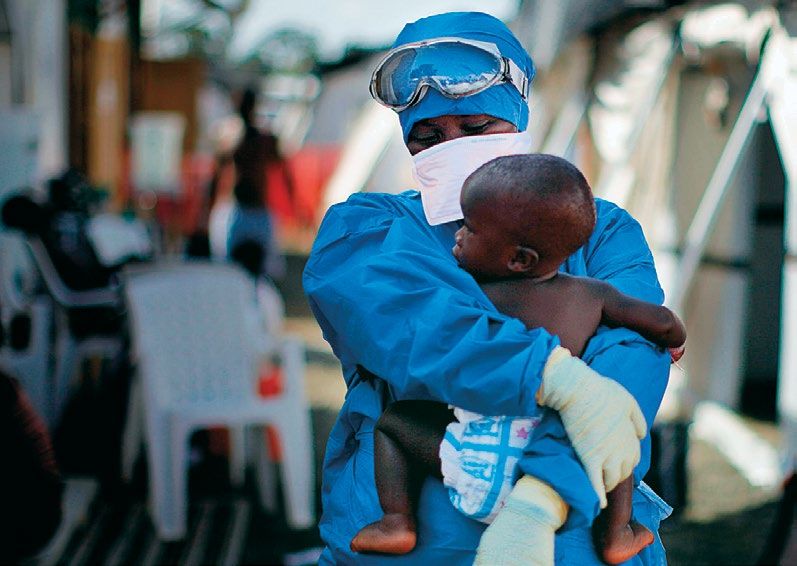
SDG   3
           FOREWORD

The State of the world’s nursing 2020: investing in education, jobs and leadership
comes as the world witnesses unprecedented political commitment to universal
health coverage. At the same time, our emergency preparedness and response
capacity is being tested by the current COVID-19 outbreak and mass population
displacement caused by conflict. Nurses provide vital care in each of these
circumstances. Now, more than ever, the world needs them working to the full
extent of their education and training.
                                                                                                   SDG   4
This first State of the world’s nursing report reveals much to celebrate about the
nursing workforce. Opportunities for advanced nursing education and enhanced
professional roles, including at the policy level, can drive improvements in
population health. At the same time, we continue to see vast inequities in the
distribution of nurses around the world which we must address.

2020 is the International Year of the Nurse and the Midwife. This is an opportunity
to leverage the evidence in the State of the world’s nursing 2020 report and commit

                                                                                                             5
to an agenda that will drive and sustain progress to 2030. To this end, we urge
governments and all relevant stakeholders to:
                                                                                                     SDG
• invest in the massive acceleration of nursing education – faculty, infrastructure
  and students – to address global needs, meet domestic demand, and respond to
  changing technologies and advancing models of integrated health and social care;

• create at least 6 million new nursing jobs by 2030, primarily in low- and middle-
  income countries, to offset the projected shortages and redress the inequitable
  distribution of nurses across the world;

• strengthen nurse leadership – both current and future leaders – to ensure that
  nurses have an influential role in health policy formulation and decision-making,
  and contribute to the effectiveness of health and social care systems.

All countries can take action in support of this agenda. Most countries can accomplish
these actions with their own resources. For countries requiring assistance by the
international community, we must direct a growing share of human capital
investments into the health and social care economy. Such investments will also
drive progress across the Sustainable Development Goals, with dividends for
gender equity, women’s economic empowerment and youth employment.

Let us seize this opportunity to commit to a decade of action that begins with
investing in nursing education, jobs and leadership.

                                          SDG   8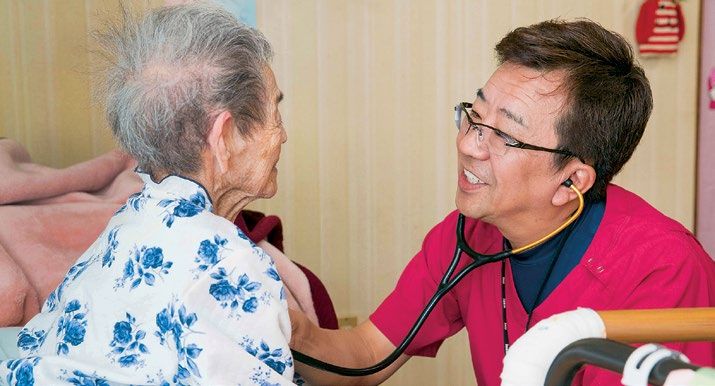
EXECUTIVE SUMMARY

               Central role of nurses in achieving
               universal health coverage and the
               Sustainable Development Goals
               Nurses are critical to deliver on the promise of “leaving no one behind” and the global effort
               to achieve the Sustainable Development Goals (SDGs). They make a central contribution to
               national and global targets related to a range of health priorities, including universal health
               coverage, mental health and noncommunicable diseases, emergency preparedness and
               response, patient safety, and the delivery of integrated, people-centred care.

               No global health agenda can be realized without concerted and sustained efforts to maximize
               the contributions of the nursing workforce and their roles within interprofessional health
               teams. To do so requires policy interventions that enable them to have maximum impact and
               effectiveness by optimizing nurses’ scope and leadership, alongside accelerated investment
               in their education, skills and jobs. Such investments will also contribute to the SDG targets
               related to education, gender, decent work and inclusive economic growth.

               This State of the world’s nursing 2020 report, developed by the World Health Organization
               (WHO) in partnership with the International Council of Nurses and the global Nursing Now
               campaign, and with the support of governments and wider partners, provides a compelling
               case on the value of the nursing workforce globally.

© Shapecharge/Getty Images

               Nursing is the largest
               occupational group in
               the health sector,
               accounting for
               approximately

               59%
               of the health
               professions.
Current status of evidence in 2020
The nursing workforce is expanding in size and professional scope. However, the expansion is not
equitable, is insufficient to meet rising demand, and is leaving some populations behind.

191 countries provided data for this report, an all-time high and a 53% increase compared
to 2018 data availability. Around 80% of countries reported on 15 indicators or more. However,
there are significant gaps in data on education capacity, financing, salary and wages, and health
labour market flows. This impedes the ability to conduct health labour market analyses that will
inform nursing workforce policy and investment decisions.

The global nursing workforce is 27.9 million, of which 19.3 million are professional nurses.
This indicates an increase of 4.7 million in the total stock over the period 2013–2018, and confirms
that nursing is the largest occupational group in the health sector, accounting for approximately
59% of the health professions. The 27.9 million nursing personnel include 19.3 million (69%)
professional nurses, 6.0 million (22%) associate professional nurses and 2.6 million (9%) who are
not classified either way.

The world does not have a global nursing workforce commensurate with the universal
health coverage and SDG targets. Over 80% of the world’s nurses are found in countries that
account for half of the world’s population. The global shortage of nurses, estimated to be 6.6
million in 2016, had decreased slightly to 5.9 million nurses in 2018. An estimated 5.3 million (89%)
of that shortage is concentrated in low- and lower middle-income countries, where the growth in
the number of nurses is barely keeping pace with population growth, improving only marginally
the nurse-to-population density levels. Figure 1 illustrates the wide variation in density of nursing
personnel to population, with the greatest gaps in countries in the African, South-East Asia and
Eastern Mediterranean regions and some countries in Latin America.

    Figure 1             Density of nursing personnel per 10 000 population in 2018
      < 10      10 to 19                20 to 29     30 to 39      40 to 49         50 to 74         75 to 99        100 +
      not applicable                    not reported

0   500 1,000   2,000   3,000   4,000
                                   km

*Includes nursing professionals and associates.
Source: National Health Workforce Accounts, World Health Organization 2019. Latest available data over the period 2013–2018.

                                                                                                                          Executive summary   3
Ageing health workforce patterns in some regions threaten the stability of the nursing
    stock. Globally, the nursing workforce is relatively young, but there are disparities across regions,
    with substantially older age structures in the American and European regions. Countries with
    lower numbers of early career nurses (aged under 35 years) as a proportion of those approaching
    retirement (aged 55 years and over) will have to increase graduate numbers and strengthen
    retention packages to maintain access to health services. Countries with a young nursing
    workforce should enhance their equitable distribution across the country. As shown in Figure 2,
    countries with higher proportions of nurses nearing retirement compared to young nurses (the
    countries above the green line) will face future challenges in maintaining the nursing workforce.

           Figure 2                             Relative proportions of nurses aged over 55 years and below 35 years (selected countries)

                                                     Each dot represents a country      Green line indicates where the number of nurses near retirement
                                                                                        equals the number of young nurses in the workforce.
                                          70%

                                          60%         18 countries at risk
                                                      of an ageing workforce
    Percentage of nurses aged 55+ years

                                          50%

                                          40%

                                          30%

                                          20%

                                          10%

                                          0%
                                                0%            10%           20%            30%            40%               50%        60%           70%
                                                                                  Percentage of nurses less than 35 years

    *Includes nursing professionals and nursing associate professionals.
    Source: National Health Workforce Accounts, World Health Organization
    2019. Latest available data reported between 2013 and 2018.

4   State of the world’s nursing 2020
To address the shortage by 2030 in all countries, the total number of nurse
      graduates would need to increase by 8% per year on average, alongside an improved
      capacity to employ and retain these graduates. Without this increase, current trends
      indicate 36 million nurses by 2030, leaving a projected needs-based shortage of 5.7 million,
      primarily in the African, South-East Asia and Eastern Mediterranean regions. In parallel, a
      number of countries in the American, European and Western Pacific regions would still
      be challenged with nationally defined shortages. Figure 3 shows projected increases in
      numbers of nurses by WHO region and by country income group.

ENGLISH
    Figure 3      Projected increase (to 2030) of nursing stock, by WHO region and by country income group

       Americas           Eastern Mediterranean                                       High income                  Low income
       43%                4%                                                          6%                           6%
                                      Africa
                                      6%                                                                                    Lower middle
                                          Europe                                                                            income
                                          7%                                                                                27%

                  BY REGION                                                                      BY INCOME

                                         South-East
                                         Asia
                                         18%
                     Western Pacific                                                                      Upper middle income
                     22%                                                                                  61%
                                   *Includes nursing professionals and nursing associate professionals.

                                                                           While the patterns are evolving,
                                                                           equitable distribution
                                                                           and retention of nurses is a
                                                                           NEAR-UNIVERSAL
                                                                           CHALLENGE.

                                                                                                           EXECUTIVE
                                                                                                              Executive
                                                                                                                      SUMMARY
                                                                                                                        summary            5
                                © ICAP/Sven Torfinn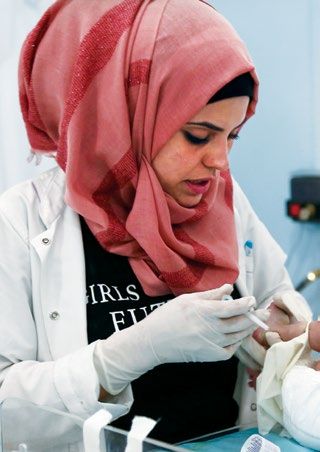
Figure 4         Average duration (years) of education for nursing professionals, by WHO region

     WHO REGION                       2 years             3 years             4 years             5 years

     Africa

     Americas

     South-East Asia

     Europe

     Eastern Mediterranean

     Western Pacific

     Global

                                 0%                     20%                    40%                    60%                     80%                   100%
    Source: National Health Workforce Accounts 2019 for 99 countries and Sigma database for 58 countries. Latest available data reported by countries
    between 2013 and 2018.

    The majority of countries (152 out of 157 responding; 97%) reported that the
    minimum duration for nurse education is a three-year programme. A large majority
    of countries reported standards for education content and duration (91%), accreditation
    mechanisms (89%), national standards for faculty qualifications (77%) and interprofessional
    education (67%). However, less is known about the effectiveness of these policies and
    mechanisms. Further, there is still considerable variety in the minimum education and training
    levels of nurses, alongside capacity constraints such as faculty shortages, infrastructure
    limitations and the availability of clinical placement sites. As shown in Figure 4, the duration
    of nursing education is predominantly three or four years globally.

                                                                                                   © Nazeer Al-Khatib/AFP via Getty
    A total of 78 countries (53% of those providing a
    response) reported having advanced practice roles
    for nurses. There is strong evidence that advanced
    practice nurses can increase access to primary health care
    in rural communities and address disparities in access to
    care for vulnerable populations in urban settings. Nurses
    at all levels, when enabled and supported to work to the
    full scope of their education and training, can provide
    effective primary and preventive health care, amongst
    many other health services that are instrumental to
    achieving universal health coverage.

    One nurse out of every eight practises in a
    country other than the one where they were
    born or trained. The international mobility of the
    nursing workforce is increasing. While the patterns are
    evolving, equitable distribution and retention of nurses
    is a near-universal challenge. Unmanaged migration

6   State of the world’s nursing 2020
can exacerbate shortages and contribute to inequitable access to health services. Many high-
income countries in different regions appear to have an excessive reliance on international nursing
mobility due to low numbers of graduate nurses or existing shortages vis-à-vis the number of
nursing jobs available and the ability to employ new graduate nurses in the health system.

Most countries (86%) have a body responsible for the regulation of nursing. Almost
two thirds (64%) of countries require an initial competency assessment to enter nursing
practice and almost three quarters (73%) require continued professional development for
nurses to continue practising. However, the regulation of nursing education and practice is not
harmonized beyond a few subregional mutual recognition arrangements. Regulatory bodies are
challenged to keep education and practice regulations updated and nursing workforce registries
current in a highly mobile, team-based and digital era. Figure 5 shows the proportions of
reporting countries with regulatory provisions on working conditions in place.

Nursing remains a highly gendered profession with associated biases in the workplace.
Approximately 90% of the nursing workforce is female, but few leadership positions in health
are held by nurses or women. There is some evidence of a gender-based pay gap, as well
as other forms of gender-based discrimination in the work environment. Legal protections,
including working hours and conditions, minimum wage, and social protection, were reported
to be in place in most countries, but not equitably across regions. Just over a third of countries
(37%) reported measures in place to prevent attacks on health workers.

A total of 82 out of 115 responding countries (71%) reported having a national nursing
leadership position with responsibility for providing input into nursing and health
policy. A national nursing leadership development programme was in place in 78 countries
(53% of those responding). Both the presence of a government chief nursing officer (or
equivalent) position and the existence of a nursing leadership programme are associated
with a stronger regulatory environment for nursing.

Figure 5      Percentage of countries with regulatory provisions on working conditions

Regulation on working hours and conditions
(133 yes out of 142)                                                                                                94%

Regulation on social protection
                                                                                                                  91%
(125 yes out of 137)

Regulation on minimum wage                                                                                       89%
(119 yes out of 134)

Nursing council                                                                                               86%
(141 yes out of 164)

Existence of advanced nursing roles                                                 53%
(50 yes out of 95)

Measures to prevent attacks on health workers                           37%
(20 yes out of 55)
                                                0%            20%             40%            60%             80%              100%
                                                                Percentage of countries reporting yes

                                                Source: National Health Workforce Accounts, World Health Organization 2019.

                                                                                                        Executive summary            7
TEN KEY ACTIONS
Future
directions
for nursing
workforce
policy
© John W. Poole/NPR
1 Countries affected by shortages will need to increase funding to educate
and employ at least 5.9 million additional nurses. Additional investments in
nursing education are estimated to be in the range of US$ 10 per capita in low- and
middle-income countries. Further investments would be required to employ nurses
upon graduation. In most countries this can be achieved with domestic funds. Actions
include review and management of national wage bills and, in some countries, lifting
restrictions on the supply of nurses. Where domestic resources are constrained in the
medium and long term, for example in low-income countries and conflict-affected or
vulnerable contexts, mechanisms such as institutional fund-pooling arrangements should
be considered. Development partners and international financing institutions can help by
transferring human capital investments for education, employment, gender, health and
skills development into national health workforce strategies for advancing primary health
care and achieving universal health coverage. Investments in the nursing workforce can
also help drive progress in job creation, gender equity and youth engagement.
8 State of the world’s nursing 20202 Countries should strengthen capacity for health workforce data collection,
analysis and use. Actions required include accelerating the implementation of National
Health Workforce Accounts and using the data for health labour market analyses to
guide policy development and investment decisions. Collation of nursing data will require
participation across government bodies, as well as engagement of key stakeholders such
as the regulatory councils, nursing education institutions, health service providers and
professional associations.
3 Nurse mobility and migration must be effectively monitored and responsibly
and ethically managed. Actions needed include reinforcement of the implementation of
the WHO Global Code of Practice on the International Recruitment of Health Personnel
by countries, recruiters and international stakeholders. Partnerships and collaboration with
regulatory bodies, health workforce information systems, employers, government ministries
and other stakeholders can improve the ability to monitor, govern and regulate international
nurse mobility. Countries that are overreliant on migrant nurses should aim towards greater
self-sufficiency by investing more in domestic production of nurses. Countries experiencing
excessive losses of their nursing workforce through out-migration should consider
mitigating measures and retention packages, such as improving salaries (and pay equity)
and working conditions, creating professional development opportunities, and allowing
nurses to work to their full scope of education and training.
4 Nurse education and training programmes must graduate nurses
who drive progress in primary health care and universal health coverage.
Actions include investment in nursing faculty, availability of clinical placement sites and
accessibility of programmes offered to attract a diverse student body. Nursing should
emerge as a career choice grounded in science, technology, teamwork and health equity.
Government chief nurses and other national stakeholders can lead national dialogue on the
appropriate entry-level and specialization programmes for nurses to ensure there is adequate
supply to meet health system demand for graduates. Curricula must be aligned with national
health priorities as well as emerging global issues to prepare nurses to work effectively in
interprofessional teams and maximize graduate competencies in health technology.
5 Nursing leadership and governance is critical to nursing workforce
strengthening. Actions include establishing and supporting the role of a senior nurse in the
government responsible for strengthening the national nursing workforce and contributing to
health policy decisions. Government chief nurses should drive efforts to strengthen nursing
workforce data and lead policy dialogue that results in evidenced-based decision-making on
investment in the nursing workforce. Leadership programmes should be in place or organized
to nurture leadership development in young nurses. Fragile and conflict-affected settings
will typically require a particular focus in order to (re)build the institutional foundations and
individual capacity for effective nursing workforce governance and stewardship.
Executive summary 96 Planners and regulators should optimize the contributions of nursing
practice. Actions include ensuring that nurses in primary health care teams are working
to their full scope of practice. Effective nurse-led models of care should be expanded
when appropriate to meet population health needs and improve access to primary
health care, including a growing demand related to noncommunicable diseases and the
integration of health and social care. Workplace policies must address the issues known
to impact nurse retention in practice settings; this includes the support required for
nurse-led models of care and advanced practice roles, leveraging opportunities arising
from digital health technology and taking into account ageing patterns within the nursing
workforce.
7 Policy-makers, employers and regulators should coordinate actions in
support of decent work. Countries must provide an enabling environment for nursing
practice to improve attraction, deployment, retention and motivation of the nursing
workforce. Adequate staffing levels and workplace and occupational health and safety
must be prioritized and enforced, with special efforts paid to nurses operating in fragile,
conflict-affected and vulnerable settings. Remuneration should be fair and adequate to
attract, retain and motivate nurses. Further, countries should prioritize and enforce policies
to address and respond to sexual harassment, violence and discrimination within nursing.
8 Countries should deliberately plan for gender-sensitive nursing workforce
policies. Actions include implementing an equitable and gender-neutral system of
remuneration among health workers, and ensuring that policies and laws addressing the
gender pay gap apply to the private sector as well. Gender considerations should inform
nursing policies across the education, practice, regulatory and leadership functions, taking
account of the fact that the nursing workforce is still predominantly female (Figure 6).
Policy considerations should include enabling work environments for women, for example
through flexible and manageable working hours that accommodate the changing needs of
nurses as women, and gender-transformative leadership development opportunities for
women in the nursing workforce.
Figure 6 Percentage of female and male nursing personnel, by WHO region
WHO REGION Females Males
Africa 76% 24%
Americas 87% 13%
South-East Asia 89% 11%
Europe 89% 11%
Eastern Mediterranean 78% 22%
Western Pacific 95% 5%
0% 20% 40% 60% 80% 100%
Source: National Health Workforce Accounts, World Health Organization 2019. Latest available data reported between 2013 and 2018.
10 State of the world’s nursing 2020Workplace policies must address the issues known
to impact nurse retention in practice settings; this
includes the support required for nurse-led models
of care and advanced practice roles.
9 Professional nursing regulation must be modernized. Actions include
harmonizing nursing education and credentialing standards, instituting mutual
recognition of nursing education and professional credentials, and developing
interoperable systems that allow regulators to easily and quickly verify nurses’
credentials and disciplinary history. Regulatory frameworks, including scope of
practice, initial competency assessments and requirements for continuous professional
development, should facilitate nurses working to the full scope of their education and
training in dynamic interprofessional teams.
10 Collaboration is key. Actions include intersectoral dialogue led by ministries of
health and government chief nurses, and engaging other relevant ministries (such as
education, immigration, finance, labour) and stakeholders from the public and private
sectors. A key element is to strengthen capacity for effective public policy stewardship
so that private sector investments, educational capacity and nurses’ roles in health
service provision can be optimized and aligned to public policy goals. Professional
nursing associations, education institutions and educators, nursing regulatory bodies
and unions, nursing student and youth groups, grass-roots groups, and global
campaigns such as Nursing Now are valuable contributors to strengthening the
role of nursing in care teams working to achieve population health priorities.
© Yoshinobu Oka via Sasakawa Health FoundationCONCLUSION Investing in education, jobs and leadership This report has provided robust data and evidence on the nursing workforce. This intelligence is needed to support policy dialogue and facilitate decision-making to invest in nursing to strengthen primary health care, achieve universal health coverage, and advance towards the SDGs. Despite signs of progress, the report has also highlighted key areas of concern. An acceleration of progress will be required in many low- and lower middle-income countries in the African, South-East Asia and Eastern Mediterranean regions in order to address key gaps. However, there is no room for complacency in upper middle- and high-income countries, where constrained supply capacity, an older age structure of the nursing workforce and an overreliance on international recruitment jointly pose a threat to the attainment of national nursing workforce requirements.
National governments, with support where relevant from their domestic and international
partners, should catalyse and lead an acceleration of efforts to:

    build leadership, stewardship and management capacity for the
    nursing workforce to advance the relevant education, health, employment
    and gender agendas;

    optimize return on current investments in nursing through adoption of
    required policy options in education, decent work, fair remuneration, deployment,
    practice, productivity, regulation and retention of the nursing workforce;

    accelerate and sustain additional investment in nursing education,
    skills and jobs.

The investments required will necessitate additional financial resources. If these are made
available, the returns for societies and economies can be measured in terms of improved
health outcomes for billions of people, creation of millions of qualified employment
opportunities, particularly for women and young people, and enhanced global
health security. The case for investing in nursing education, jobs and
leadership is clear: relevant stakeholders must commit to action.

                                                             © St Thomas’ Hospital, London
In collaboration with:
You can also read


