2018 Farm Bill: What's Next for Hemp? - The new rules and business opportunities from nationwide legalization - Hemp Industry Daily
←
→
Page content transcription
If your browser does not render page correctly, please read the page content below
SPECIAL
                                            REPORT

 2018 Farm Bill:
 What’s Next for Hemp?
 The new rules and business opportunities
 from nationwide legalization

SPONSORED BY:
FARM BILL 2018                                                                                                                                                           SPECIAL REPORT

From the Editor
 P
        rohibition is over. Kind of.
          After decades of being treated like an illegal drug, industrial hemp was removed from
        the Controlled Substances Act (CSA) on Dec. 20, 2018.
  Seven little words at the end of the 2018 Farm Bill—“The term ‘marihuana’ does not include
hemp”—amount to the most significant change to American drug policy since the CSA was
enacted in 1971. For the first time, Congress has acknowledged that not all varieties of the plant
cannabis sativa L. are intoxicating. Instead, the law now says, cannabis varieties with trace
amounts of THC—no more than 0.3%—should be treated like any other crop.
  This change unleashes enormous business opportunities. Hemp can be grown legally anywhere
                                                                                                                                                                   Kristen Nichols
and sold anywhere in the United States. Interstate commerce is guaranteed. Entrepreneurs
                                                                                                                                                                   Hemp Industry Daily
working with the plant will see banking and regulatory barriers fall away, just as new                                                                                          Editor
opportunities for crop insurance and loan acquisition become available.
  But are riches guaranteed for the newly legal hemp industry? Absolutely not.
  Big questions remain about how federal agencies will regulate hemp’s commercial applications.
  This report is a first step to helping the hemp industry navigate uncharted waters.
  Inside you’ll find:
  • Details on the next steps for the hemp industry, including specifics about the federal agencies
    now in charge of regulating hemp and its products.
  • A full breakdown of what the Farm Bill does (and doesn’t) do.
  • Updated market estimates for hemp-derived CBD.
  • An updated crop report detailing U.S. hemp production.
  • A look at the Farm Bill’s impact on publicly traded hemp companies.
  • Global opportunities in hemp and CBD.
  This report gives anyone interested in starting or growing a hemp or CBD business key market
information they’ll need to thrive in this unexplored territory.
  Prohibition may be over for industrial hemp. But here’s what’s not changing: uncertainty about
hemp’s market potential and the role of CBD and other nonintoxicating cannabinoids found in the
plant.
  Another constant is Hemp Industry Daily’s commitment to bringing clear-eyed analysis to
market forces that will determine hemp’s future. As the hemp industry enters a new legal era, the
need for objective coverage has never been greater. A good starting point is this Special Report
about the ramifications of the 2018 Farm Bill.
  And as always, if you have any questions, please let me know: kristenn@hempindustrydaily.com.

                                                                                                         Best Regards,

                                                                                             3

      Copyright 2019, Hemp Industry Daily, a division of Anne Holland Ventures Inc. You may NOT copy this report, or make public the data and facts contained herein, in part or in whole.
                                      For more copies or editorial permissions, contact CustomerService@MJBizDaily.com or call 720.213.5992 ext. 1.
FARM BILL 2018 SPECIAL REPORT
Industry Impact
WHAT THE FARM BILL DOES: WHAT THE FARM BILL DOESN’T DO:
• Removes the plant cannabis sativa L. from the Controlled • Give states any guidelines about regulating hemp
Substances Act if it or a plant contains no more than manufacturing or processing.
0.3% THC on a dry-weight basis. This applies to any and • Guarantee interstate commerce for products containing
all parts of the plant. CBD, not just the molecule itself.
• Tells the U.S Department of Agriculture (USDA) to come • Limit the U.S. Food and Drug Administration (FDA)’s
up with national hemp regulations “as expeditiously as authority to ban CBD from foods, drugs and cosmetics,
practicable.” which the agency has done.
• Leaves marijuana a Schedule 1 drug. • Explain whether the clause guaranteeing interstate
• Allows states, territories and Indian tribes to submit commerce for “hemp products” affects the FDA’s ability
hemp-growing regulations plans to the USDA, with no to limit CBD use in foods, drugs and cosmetics.
deadline for doing so. The plans must include:
THC testing procedures, including inspections done
at least annually.
Bookkeeping procedures to keep track of land
approved for hemp cultivation.
Plans for “effective disposal” of hemp plants with
too much THC.
• Gives the USDA the ability to approve or reject those
cultivation regulations within 60 days.
• Gives the USDA one year to study the 42 existing hemp
states’ progress with the plant and “determine
the economic viability of the domestic production and
sale of industrial hemp,” with the findings due
to Congress.
• Bans hemp cultivation by people with drug felonies in the
past 10 years.
• Guarantees that hemp and hemp products can be moved
from state to state to state and imported and exported
the same as any other crop
5
Copyright 2019, Hemp Industry Daily, a division of Anne Holland Ventures Inc. You may NOT copy this report, or make public the data and facts contained herein, in part or in whole.
For more copies or editorial permissions, contact CustomerService@MJBizDaily.com or call 720.213.5992 ext. 1.
For the right products,
     technical expertise,
    and customer support,
      please contact us.

HydrofarmCommercial.com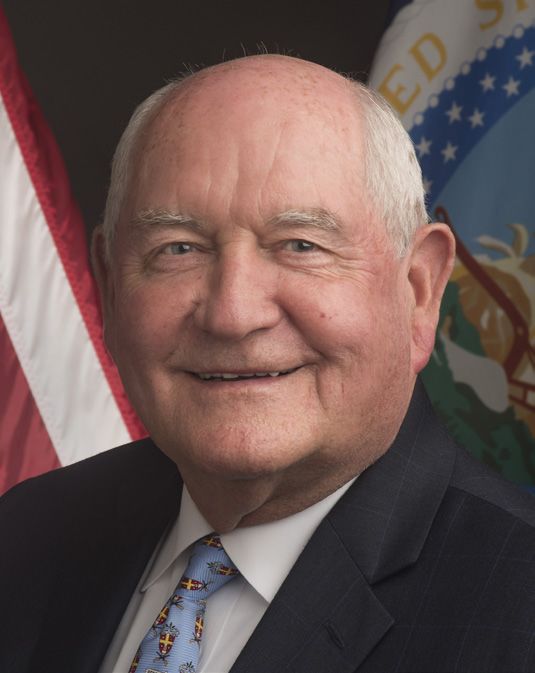
FARM BILL 2018                                                                                                                                                           SPECIAL REPORT

Meet the New Bosses
T
     he 2018 Farm Bill sets up business opportunities
     that would have been unimaginable to hemp
     entrepreneurs even a few months ago. But it’s
important to remember that the new hemp industry will
remain a regulated one, subject to rules and inspections by
government regulators who may know little about hemp.
  Here’s a look at hemp’s new bosses and what to expect
from each agency.

U.S. Department of Agriculture
The 2018 Farm Bill gives hemp cultivation authority to
the U.S. Department of Agriculture, which also oversees
other commodity crops. Here’s how the USDA is going
                                                                                                 USDA Secretary Sonny Perdue
to be involved in the hemp business and what hemp
entrepreneurs need to know about it:
  • The USDA must develop its hemp regulations “as
    expeditiously as practicable.”
  • The agency must consult with the U.S. attorney general
    on the new hemp rules, though it is not clear in the
    Farm Bill what authority the AG could exert.
  • Once the USDA receives a plan on hemp oversight, the
    agency has 60 days to approve or reject it.
  • If states, territories or American Indian tribes fail to
    submit hemp-oversight plans, or if their plans are
    rejected by the USDA, farmers in those jurisdictions will
    have to follow the as-yet-unwritten federal guidelines
    for hemp production.
  • Farmers who commit multiple violations of THC limits—
    defined as three times in a five-year period—could lose
    the ability to grow hemp for five years.
  • Farmers who exceed THC limits and show a “culpable
    mental state greater than negligence” must be reported
    to state or tribal law enforcement authorities.

                                                                                             7

      Copyright 2019, Hemp Industry Daily, a division of Anne Holland Ventures Inc. You may NOT copy this report, or make public the data and facts contained herein, in part or in whole.
                                      For more copies or editorial permissions, contact CustomerService@MJBizDaily.com or call 720.213.5992 ext. 1.
FARM BILL 2018 SPECIAL REPORT
Meet the New Bosses (continued)
U.S. Food and Drug Administration
Once hemp plants are harvested, federal agencies
other than the USDA have a say in how hemp can be
manufactured and sold.
The most important agency for the industry to watch is
the U.S. Food and Drug Administration, which oversees a
wide range of pharmaceuticals and consumer packaged
goods, from snack bars to supplements.
Here’s how the FDA is going to be involved in the hemp
sector or industry and what hemp entrepreneurs need to
know about it:
• The Farm Bill specifically notes that the FDA retains
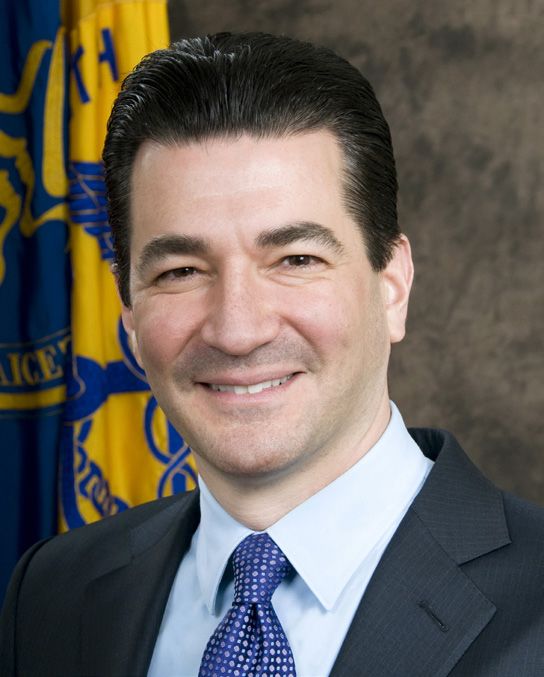
its authority over food, drugs and cosmetics. In other FDA Commissioner Dr. Scott Gottlieb
words, just because all hemp is legal does not mean
that hemp can be manufactured and sold in any
preparation.
• The FDA has announced plans to review CBD use in
food, drugs and cosmetics “in the near future.”
• The FDA has repeatedly asserted that CBD (whether
from hemp or marijuana) cannot be used in a food or
dietary supplement because CBD is listed as “an active
ingredient in a drug product.” This refers to Epidiolex,
an FDA-approved treatment for rare types of epilepsy.
• The FDA considers all CBD products except for
Epidiolex to be “adulterated” or “misbranded.”
• The FDA has only sporadically enforced its ban on
adding CBD to food, drugs and cosmetics, with
enforcement so far limited to a handful of warning
letters to CBD manufacturers making possible
medical claims.
• One state, Colorado, has specifically passed a
law declaring that “food and cosmetics are not
adulterated or misbranded by virtue of containing
industrial hemp,” including CBD. That rule is in direct
conflict with the FDA’s interpretation, but the conflict
hasn’t been tested in court.
• Other states, including California and New York, have
said that CBD cannot be added to food until the FDA
updates its CBD posture, though CBD manufacturers in
those states report only limited enforcement of the rules.
8
Copyright 2019, Hemp Industry Daily, a division of Anne Holland Ventures Inc. You may NOT copy this report, or make public the data and facts contained herein, in part or in whole.
For more copies or editorial permissions, contact CustomerService@MJBizDaily.com or call 720.213.5992 ext. 1.FARM BILL 2018 SPECIAL REPORT
Is this a first step to full, nationwide marijuana legalization?
Could the 2018 Farm Bill portend the end of marijuana prohibition? Absolutely.
Consider:
• Marijuana and hemp are the same plant, cannabis sativa L.
• Marijuana and hemp have different cannabinoid levels at different stages of life, so the same
plant could be legal one day but illegal the next.
• The plant’s versatility—a food source, fuel source and pharmacological agent all in one—
has long bedeviled regulators wondering how to treat cannabis. Hemp’s new legality gives
those government officials a nonthreatening version to try regulating this complicated
plant, while giving cannabis pioneers room to err without facing prison time.
• Cannabis critics have warned for decades that legalization would empower criminals.
However, the 2018 Farm Bill will attract established consumer brands to the cannabis sector,
dispelling myths that only criminals would touch the plant.
• Mainstream news coverage of hemp will increase. Every newspaper article and TV
segment about the hemp industry gives cannabis skeptics a face that doesn’t match old,
(or maybe) outdated, stoner stereotypes, and the coverage could help change minds
about how a fully legal marijuana industry might work.
• Hemp sales will certainly rise because of the 2018 Farm Bill. That bigger market will help
gird arguments that marijuana legalization would help the overall economy.
• Availability breeds familiarity. Familiarity breeds acceptance.
9
Copyright 2019, Hemp Industry Daily, a division of Anne Holland Ventures Inc. You may NOT copy this report, or make public the data and facts contained herein, in part or in whole.
For more copies or editorial permissions, contact CustomerService@MJBizDaily.com or call 720.213.5992 ext. 1.FARM BILL 2018 SPECIAL REPORT
Chart 1: Annual U.S. Hemp-Derived CBD Retail Sales Estimates: 2019-23
Annual U.S. Hemp-Derived CBD Retail Sales Estimates: 2019-2023
$7B $6.1B - $7.5B
$6B
Total Estimated Retail Sales
$5B
$4.0B - $4.8B
$4B
$3B $2.5B - $3.0B
$2B $1.5B - $1.9B
$900M - $1.1B
$1B
$0B
2019 2020 2021 2022 2023
Source: Hemp Industry Daily
© 2019 Hemp Industry Daily, a division of Anne Holland Ventures Inc. All rights reserved.
The hemp-derived CBD market has soared in recent years. retailer selling a product that contains CBD will
But a lack of data regarding existing hemp-derived CBD sales— want absolute certainty that the CBD was derived
combined with many unanswered questions about how hemp- legally, which means they’ll likely buy only from
derived CBD will be regulated and sold—makes it very difficult sophisticated, domestic manufacturers with strict
to accurately predict sales. quality-control standards. It’s not clear how many
But after extensive conversations with lawyers, regulators, CBD manufacturers currently meet such criteria—
analysts, executives and entrepreneurs in the hemp and CBD and these relationships take time to develop—but
industry, we’ve made a few key assumptions to guide our it’s likely well short of the number it would take to
estimates: support a national product rollout.
• Products containing CBD will likely appear on the shelves • Existing CBD retailers and manufacturers will likely benefit
of mainstream retailers such as Target or Walmart, but the in the short term.
selection will be limited. Current CBD consumers purchase highly
CBD is an active ingredient in an FDA-approved concentrated tinctures, edibles and vaporizers, a
drug, and the agency has made it clear that far cry from the type of products containing CBD
selling food and dietary supplements containing that are likely to show up in traditional retail outlets.
an active medical ingredient remains illegal. It’s This benefits existing CBD retailers that are willing
less clear, however, how the FDA will treat non- to take the risk and sell products that the FDA still
ingestible products containing CBD such as lotion considers illegal, allowing traditional retail outlets to
or conditioner. function as something of a marketing platform for
• The rollout of products containing CBD in national retailers CBD in general.
will be slow. Crucial components of the 2018 Farm Bill have yet to be
Although hemp-derived CBD is no longer a finalized, and several key questions—such as how long it will
Schedule 1 controlled substance, CBD derived take the U.S. Department of Agriculture to issue regulations on
industrial hemp cultivation and how aggressively the FDA will
from a marijuana plant containing more that
enforce restrictions on CBD in food and dietary supplements—
0.3% THC remains federally illegal. Any national
remain unanswered.
10
Copyright 2019, Hemp Industry Daily, a division of Anne Holland Ventures Inc. You may NOT copy this report, or make public the data and facts contained herein, in part or in whole.
For more copies or editorial permissions, contact CustomerService@MJBizDaily.com or call 720.213.5992 ext. 1.FARM BILL 2018 SPECIAL REPORT
Chart 2: Hemp Acreage by State
ACRES PLANTED ACRES PLANTED
STATE
2016 2017
Colorado 5,921 9,890
Hawaii 1 0
Kentucky 2,525 3,200
Maine 1 30
Minnesota 51 1,205
Montana 0 542
Nevada 216 435
New York 30 2,000
North Carolina 0 2,135
North Dakota 70 3,020
Oregon 500 3,000
Pennsylvania 0 36
Tennessee 225 130
Vermont 180 300
Virginia 37 78
Washington 0 186
West Virgina 10 30
Total 9,767 26,217
11
Copyright 2019, Hemp Industry Daily, a division of Anne Holland Ventures Inc. You may NOT copy this report, or make public the data and facts contained herein, in part or in whole.
For more copies or editorial permissions, contact CustomerService@MJBizDaily.com or call 720.213.5992 ext. 1.FARM BILL 2018 SPECIAL REPORT
Hemp Acreage By State
T
he number of states that established industrial data shows the Bluegrass State’s hemp acreage more than
hemp pilot programs boomed in the past few years, doubled in 2018, up to 6,700 acres from 3,200 in 2017.
spurring a major uptick in domestic production. In Montana is another notable callout, as the number of
addition to new states authorizing hemp, existing hemp acres of hemp planted in the state skyrocketed from just
states stepped up production—largely a result of increasing under 550 in 2017 to 22,000 in 2018—a fortyfold increase.
demand for CBD and farmers looking for alternatives to More 2018 production data will be filtering in throughout
traditional commodity crops. the year, and while the type of massive gains seen in a state
Farmers planted nearly 10,000 acres of hemp in Colorado such as Montana will likely not be the norm, big gains are
in 2017, placing it atop the list of hemp-producing states expected across the board.
last year. Kentucky was a distant second, but preliminary
Chart 3: Direct and Indirect Impacts of 2018 Farm Bill on Hemp Cultivators’ Top Challenges
Direct & Indirect Impacts of 2018 Farm Bill on Hemp Cultivators' Top Challenges
50% 47.4%
Percent of Hemp Cultivators Facing Challenge
Direct
Indirect
40%
30% 28.9%
26.3%
23.7% 23.7%
21.1%
20%
15.8%
13.2%
10%
0%
Finding Lack of Banking Finding Finding Seeds Managing Federal Laws/ Pest/Weed Finding
Processors Services Harvesting or Clones Growth/ Intervention Pressure Qualified Labor
Equipment Scalability
Source: Hemp Industry Factbook
Copyright 2019 Marijuana Business Daily, a division of Anne Holland Ventures Inc. All rights reserved.
Several major hurdles undermining hemp cultivators’ state laws and regulations that have so far underpinned the
ability to run successful, profitable businesses are set to industry—will be directly addressed by the 2018 Farm Bill.
crumble now that President Donald Trump has signed the In addition, issues such as finding adequate harvesting
2018 Farm Bill. equipment or qualified management could be resolved
Challenges such as finding processors or accessing bank- over time as a result of hemp and CBD’s new federally
ing services—problems attributable to the patchwork of legal status.
12
Copyright 2019, Hemp Industry Daily, a division of Anne Holland Ventures Inc. You may NOT copy this report, or make public the data and facts contained herein, in part or in whole.
For more copies or editorial permissions, contact CustomerService@MJBizDaily.com or call 720.213.5992 ext. 1.FARM BILL 2018 SPECIAL REPORT
Chart 3: Direct and Indirect Impacts of 2018 Farm Bill on Hemp Cultivators’ Top Challenges (contintued)
Expanding access for the hemp side of the cannabis cultivators’ lack of banking services, opening the door to
industry could have a positive effect on the marijuana increased access to investment capital and low-interest
industry, as well, in that it will provide a pathway for loans—financial vehicles that businesses in the mainstream
growers to experiment with a variety of the plant that is economy can readily employ.
federally legal—which could lead to improved processes for It is worth noting, however, that while concerns around
all cultivators. federal laws and intervention are directly addressed in the
Data regarding hemp cultivators’ top challenges was pub- Farm Bill, uncertainty around the legality of CBD remains.
lished earlier this year in the Hemp & CBD Industry Factbook, The Farm Bill removes hemp and its derivatives from the
before any significant movement on the federal level. Controlled Substances Act, though CBD will still be regulat-
The report showed that the top challenge—by a wide ed by the FDA.
margin—was finding processors, largely a function of the That means CBD will still be subject to the provisions of
inability to look outside their home states. the Federal Food, Drug and Cosmetic Act (FFDCA), which
But once the 2018 Farm Bill is signed, growers will be free may ultimately limit the ways the extract can be marketed
to ship their products to processors across the nation. and sold commercially.
“While the new provisions allow states to adopt their own “It’s significant to acknowledge that the 2018 Farm Bill
plans for regulating hemp, no state can prohibit the trans- expressly doesn’t do anything to amend the FFDCA that
port of hemp across its lines,” said Shawn Hauser, chair still governs all food and drugs, cosmetics and devices sold
of the hemp and cannabinoid group at Denver’s Vicente in commerce,” Hauser said.
Sederberg law firm. While these direct impacts will likely play a significant
“There’s an express protection in the final language pro- role in moving the hemp industry forward, multiple other
hibiting interference with interstate transport, regardless of challenges will be indirectly impacted as well.
what kind of plan states choose to adopt.” Access to equipment, managing growth and scalability as
That provision allows growers in a state such as North well as to qualified labor may improve through the intro-
Dakota—where just five hemp processors were licensed in duction of new public and private investment.
2018—to ship their crop to Oregon, which has more than Financial losses to pest and weed pressure can also be
150 licensed processors. reduced by allowing hemp cultivators access to traditional
The 2018 Farm Bill will also directly alleviate hemp crop insurance products.
13
Copyright 2019, Hemp Industry Daily, a division of Anne Holland Ventures Inc. You may NOT copy this report, or make public the data and facts contained herein, in part or in whole.
For more copies or editorial permissions, contact CustomerService@MJBizDaily.com or call 720.213.5992 ext. 1.FARM BILL 2018 SPECIAL REPORT
Hemp Business Do’s and Don’ts
T
he door has been flung wide to new business DON’T
opportunities, but before you throw caution to the • Think you’ll get rich quick. Hemp cultivation techniques
wind and invest your life savings in a new endeavor, take as long to perfect as those for any other crop.
here are some things you should keep in mind. Devoting huge acreage to hemp if you’ve never grown it
before is an enormous gamble.
DO
• Buy federally backed crop insurance. Terms are much • Make health claims. Don’t imply your product can cure or
more reasonable for a USDA-backed crop than for a crop treat any specific disease, and watch your testimonials.
with only state-level protection. If a customer raves that your product cured an ailment
and you put that testimonial on your website or social
• Read FDA guidance closely. If you’re making a food
media page, the FDA considers you guilty of making an
product, follow all federal and local food-production
unproven health claim.
guidelines. If you’re making a dietary supplement, follow
the FDA’s production and marketing rules for dietary • Tune out. The DEA doesn’t care what drug producers
supplements. Strict adherence could help your company think about regulations. The USDA and FDA, on the
survive any changing rules from the FDA. other hand, often look to product manufacturers for
help crafting guidelines. Your participation in state
• Advertise. Social media marketing and traditional
and local work groups could prove invaluable in terms
display advertising has been stymied for years because
of knowing what rules are coming and helping craft
those channels hesitate to take money from an industry
guidelines that work.
deemed illegal under federal law. The end of hemp
prohibition means that newspapers, TV stations and • Ignore market forces. Hemp’s pilot-program status
social networks have no legal barriers to accepting insulated many hemp entrepreneurs from global market
hemp dollars. forces. Now that nagging uncertainty about interstate
commerce and the FDA’s role in product oversight have
• Look for proven genetics. Kentucky and Colorado have
been resolved, hemp businesses will see new competition
researched the best hemp cultivars for CBD-rich flower
from other states and countries.
production, with those varieties legal for sale in any state.
• Play with the word ”organic.” One of hemp’s big
• Apply for other aid. The 2018 Farm Bill streamlines
advantages over marijuana has long been its ability to
existing USDA programs to support beginning and
seek USDA Organic certification. That ability will remain.
socially disadvantaged farmers and triples the spending
But remember that hemp is a “bio-accumulator”—meaning
on those programs to $435 million over the next 10 years.
that pesticides and heavy metals in soils can show up
The new Farmer Opportunity Training and Outreach
in the plant even when a farmer tries to avoid them.
Program gives new farmers help completing loan
Make sure your plants qualify as organic before using
applications and provides grants for agronomic training
the “O” word.
for new farmers.
• Link to studies. Nothing helps market a product like
• Keep meticulous records. Hemp is legal now, but
flaunting scientific studies showing the product’s
marijuana is not. Business owners at every layer of the
value. But the FDA has a limited list of studies that are
hemp and CBD supply chain need a paper trail to prove
acceptable for use in advertising. Get to know those
that their products are derived from legal hemp.
guidelines before touting a study.
14
Copyright 2019, Hemp Industry Daily, a division of Anne Holland Ventures Inc. You may NOT copy this report, or make public the data and facts contained herein, in part or in whole.
For more copies or editorial permissions, contact CustomerService@MJBizDaily.com or call 720.213.5992 ext. 1.FARM BILL 2018 SPECIAL REPORT
Investor Insights
B
efore the Farm Bill was signed into law, CBD sales The Farm Bill also paves the way for Canada’s largest
were on pace to exceed $1 billion by 2020, according public cannabis operators to enter the U.S. market—a
to estimates by Hemp Industry Daily. maneuver the firms can’t try in the marijuana sector
With this policy shift, rapid growth is expected as because of the plant’s federally illegal status in America.
traditional financing and advertising ramp up and thousands In October, Canopy Growth spent $19.3 million to
of chain retailers consider stocking products—including acquire Colorado-based Ebbu—a research firm working
CBD-infused beverages, cosmetics and pet foods—on their on THC-free hemp.
shelves across the U.S. Meanwhile, investors can expect to see a flurry of activity
The bill’s removal of heavy tax burdens and interstate among U.S.-based hemp and cannabis operators that will
supply limitations will help boost investor confidence for be competing to gain market share and scale nationally.
an industry that’s already gained keen interest among retail
and consumer packaged goods giants.
Consider the landscape:
• In September, the world’s largest beverage maker, The
Coca-Cola Co., confirmed it’s eyeing the CBD market.
• The world’s largest retailer, Walmart, confirmed in
October it’s pursuing “preliminary fact-finding” as
it considers selling CBD products in Canada.
By the Numbers
A look at some of the largest hemp-derived CBD companies
The largest hemp firms have already experienced record revenue gains this year. Their sales, however, pale in
comparison to the consumer packaged goods giants eyeing the industry, such as Coca-Cola, which posted annual
revenue of $35.4 billion in 2017.
Charlotte’s Web (CSE: CWEB) Medical Marijuana Inc. (OTC: MJNA) CV Sciences (OTC: CVSI)
OPERATIONS: Colorado-based OPERATIONS: Based in San OPERATIONS: The San Diego-
maker of hemp-derived CBD Diego, the firm owns a portfolio of based company makes Plus CBD
products that are sold in more than companies that provide hemp and oil products, which is sold in nearly
3,000 stores in the U.S. CBD-based products. 2,000 organic and natural health
Q3 REVENUE: $17.7 million, up Q3 REVENUE: $16.8 million, up food stores.
57% from the same period last year. 116% over Q3 2017 Q3 REVENUE: $13.6 million
Sources: Company earnings reports and Securities and Exchange filings
15
Copyright 2019, Hemp Industry Daily, a division of Anne Holland Ventures Inc. You may NOT copy this report, or make public the data and facts contained herein, in part or in whole.
For more copies or editorial permissions, contact CustomerService@MJBizDaily.com or call 720.213.5992 ext. 1.FARM BILL 2018 SPECIAL REPORT
Chart 4: Sampling of Stock Performance of Hemp & CBD Companies in December 2018
Sampling of Stock Performance of Hemp & CBD Companies in December 2018
50%
12/12/18
40% Farm Bill passes House of 12/20/18
12/21/18
% Difference in Close Price From 12/3/18
Representatives Farm Bill signed by
President Trump FDA issues reminder that CBD
30% is not allowed in food or
dietary supplements
20% 12/11/18
2018 Farm Bill approved by
House-Senate panel
10% Charlotte's Web
Holdings
0%
-10% Isodiol
CV Sciences
-20%
GW
Pharmaceuticals
12/03 12/05 12/07 12/09 12/11 12/13 12/15 12/17 12/19 12/21 12/23 12/25 12/27 12/29 12/31
Source: Yahoo Finance
© 2019 Hemp Industry Daily, a division of Anne Holland Ventures Inc. All rights reserved.
Stock prices of companies operating in the hemp and erased the very next day, after the FDA issued a reminder
CBD industry oscillated throughout December, with that it remains illegal to introduce food containing added
investors seemingly undecided on how the Farm Bill will CBD into interstate commerce or to market CBD products
affect the business landscape. as, or in, dietary supplements, regardless of whether the
On Dec. 12, the day the 2018 Farm Bill passed the substances are hemp-derived.
House of Representatives, stock prices for Charlotte’s The removal of hemp and CBD from the list of controlled
Web Holdings, Isodiol International, CV Sciences and GW substances is a major win for the industry at large, as
Pharmaceuticals all reached December highs. Those gains, companies should now expect easier access to capital,
however, proved to be short-lived, as stock prices for all banking services, equipment and qualified staff. But for
four companies steadily declined the following week. individual businesses—especially those that found success
On Dec. 20—the day President Trump signed the 2018 in the previous regulatory environment—the 2018 Farm Bill
Farm Bill into law—stock prices got a boost, which was introduces a great deal of uncertainty.
16
Copyright 2019, Hemp Industry Daily, a division of Anne Holland Ventures Inc. You may NOT copy this report, or make public the data and facts contained herein, in part or in whole.
For more copies or editorial permissions, contact CustomerService@MJBizDaily.com or call 720.213.5992 ext. 1.FARM BILL 2018 SPECIAL REPORT
Retail Landscape and Opportunity
S
ales of hemp-derived CBD products have largely been But the absence of clarity won’t necessarily stop some
relegated to small or independent retail channels, retailers from forging ahead and capitalizing on the market
such as e-commerce sites, cannabis and smoke momentum for hemp-derived CBD products.
accessory shops as well as natural wellness stores. Retailers have less product liability than manufacturers
They have also picked up traction in alternative health and are consequently more likely to take risks.
settings—acupuncture, massage and pain management Once mainstream retailers have some indication
clinics, for example. that dissonant state and federal regulations or federal
Hemp-derived CBD products fare less well in medical or intervention won’t disrupt sales or jeopardize business,
adult-use marijuana dispensaries because of the competition expect rapid growth in the number of stores selling these
there with cannabis-derived CBD and THC products. products.
This landscape has kept the industry relatively small. Mainstream retailers and beauty and department stores—
Still, specialized retailers claim there is strong demand for Target, Costco, Walgreens, Sephora and Bloomingdale’s,
hemp-derived CBD products. to name a few—are more likely to carry products that
“They have a hard time keeping these products on have established a brand name and have a record of
shelves,” said Bethany Gomez, the director of research at manufacturing pesticide-free products that undergo
Brightfield Group. rigorous third-party testing.
One area of explosive growth: Natural-food stores have A second wave of growth will happen when large
had a 162% increase in sales of CBD products in the past 12 consumer packaged goods companies enter the mix—think
months, Brightfield Group reports. beverage, beauty product, supplement and over-the-counter
Case in point: Lucky’s Market, a Colorado-based drugmakers.
multistate chain of natural food shops backed by Because of increased product liability, manufacturers
supermarket giant Kroger, carries hemp-derived CBD are more likely to hold out until the U.S. Food and Drug
products in roughly two dozen of its stores. Administration provides some guidance on hemp-derived
CBD products.
Mainstream retail potential
To date, mainstream retailers have mostly stayed out of the Competition between mass-market retail and
mix, with some notable—albeit short-lived—exceptions: specialized retail
• Minneapolis-based Target briefly advertised hemp- Mainstream retailers will control most of the market
derived CBD products for sale through its online for hemp-derived CBD products—but the widespread
store—and then quickly yanked the product with no availability of those products won’t radically alter current
explanation as to why. consumer behavior.
• 7-Eleven swiftly distanced itself from a Colorado That is to say, if a consumer shops in an independent
company that claimed its hemp-derived CBD natural food store and buys hemp-derived CBD products
products would be sold in 4,500 of the well-known there, the sale of those products in Target or Costco isn’t
convenience stores nationwide—but that hasn’t likely to change that consumer’s buying habits.
stopped roughly 140 franchisees from carrying CBD, Yes, there will be more competition for specialized
one expert told Hemp Industry Daily. retail—but that already exists in the form of e-commerce.
Now that hemp has been removed from the Controlled As availability and awareness of hemp-derived CBD
Substances Act, mainstream retailers and consumer products grow, expect moderate to strong growth in small,
packaged goods manufacturers will want clarity on what specialized retail channels.
they can and can’t do.
17
Copyright 2019, Hemp Industry Daily, a division of Anne Holland Ventures Inc. You may NOT copy this report, or make public the data and facts contained herein, in part or in whole.
For more copies or editorial permissions, contact CustomerService@MJBizDaily.com or call 720.213.5992 ext. 1.FARM BILL 2018 SPECIAL REPORT
Chart 5: Retail Store Count By Type & CBD Product Penetration
Retail Store Count By Store Type & CBD Product Penetration
Supercenters
4,393 Natural/Organic
Grocery Stores
Tobacco Stores/
3,469
Head Shops
11,327
Warehouse/
Club Stores
1,798
Convenience Stores & Gas Stations Drug Stores
174,183 43,169
Tobacco Stores/Head Shops
Supercenters
11,327 4,393
Significant CBD
Grocery Stores
Product
Grocery Penetration?
Stores
30,129
Warehouse/Club
Yes
30,129 Stores
Natural/Organic Grocery Stores
1,798
No3,469
Source: U.S. Census Bureau, National Association of Convenience Stores, Pharmacy Times, Progressive Grocer
© 2019 Hemp Industry Daily, a division of Anne Holland Ventures Inc. All rights reserved.
Though products containing CBD are gaining significant would result in a retail footprint of just over 9,700 stores.
traction, their presence on the shelves of physical retail A 20% CBD product penetration rate applied to other
stores remains limited. Online retailers currently account conventional retail channels—including convenience stores/
for the vast majority of CBD sales, but the tide could shift if gas stations, drug stores, supercenters, warehouse/club
national retailers begin stocking CBD products. stores and grocery stores—would result in CBD products
While exact numbers are hard to pin down, many appearing in nearly 51,000 retail stores—a fivefold increase.
tobacco stores/head shops and natural grocery stores are It will likely take several years for products containing
currently selling products that contain CBD. CBD to gain a significant toehold in traditional retail outlets,
If, for example, 20% of natural grocery stores and 80% of but it could open an opportunity for CBD manufacturers to
tobacco stores/head shops carry CBD products now, that serve a significantly larger market than they have now.
18
Copyright 2019, Hemp Industry Daily, a division of Anne Holland Ventures Inc. You may NOT copy this report, or make public the data and facts contained herein, in part or in whole.
For more copies or editorial permissions, contact CustomerService@MJBizDaily.com or call 720.213.5992 ext. 1.FARM BILL 2018 SPECIAL REPORT
Chart 6: Average Number of Daily Customers Per Store By Store Type & CBD Product Penetration
Average Number of Daily Customers Per Store By Store Type & CBD Product Penetration
Supercenters 4,249
Warehouse/Club Stores 2,595
Grocery Stores 941
Drug Stores 682
Convenience Stores & Gas
650
Stations
Natural/Organic Grocery Significant CBD
516
Stores Product Penetration?
Yes
Tobacco Stores/Head Shops 75 No
Source: Food Marketing Institute, National Association of Convenience Stores, Nielsen, Progressive Grocer, Pharmacy Times, Statista, VapeMentors
© 2019 Hemp Industry Daily, a division of Anne Holland Ventures Inc. All rights reserved.
Gaining shelf space in traditional retail outlets, such as a customers per day relative to a tobacco store. While a
grocery store or supercenter, would also be a major boon customer in a tobacco store/head shop may be more
for CBD product manufacturers due to the sheer amount of likely to purchase CBD than someone making a quick trip
foot traffic these stores receive—typically much more than to the grocery store to pick up some milk, most shoppers
stores where products containing CBD are more readily make multiple visits per week to grocery stores and
available now. supercenters—providing many opportunities to expose new
On average, supercenters see nearly 60 times more consumers to the CBD category.
19
Copyright 2019, Hemp Industry Daily, a division of Anne Holland Ventures Inc. You may NOT copy this report, or make public the data and facts contained herein, in part or in whole.
For more copies or editorial permissions, contact CustomerService@MJBizDaily.com or call 720.213.5992 ext. 1.FARM BILL 2018 SPECIAL REPORT
Business Opportunities: Cultivation
S
ome small, traditional-crop farmers are no doubt • Research whom you’re working with. Don’t buy any
watching the Farm Bill news with dollar signs in their genetics until you’ve had them tested. Don’t get
eyes. With corn at less than $4 a bushel, a pivot to a scammed by buying bunk seeds. It happens more often
new crop can seem mighty appealing. than you think.
U.S. farmers have seemed eager to jump into this market. • Focus on small-batch quality to differentiate yourself
National hemp acreage jumped 168% between 2016 and from the large, production-focused corporate
2017, according to state crop reports (national 2018 figures operations. The CBD market is going to be insatiable
are so far unavailable or incomplete). for the immediate future.
However, hemp remains a niche crop. While the U.S • Follow the lead of the wine industry and advertise
planted roughly more than 26,000 acres of hemp in 2017, your hemp with a focus on terroir. If the region you’re
farmers planted nearly 90 million acres of corn that same growing in has special, beneficial environmental
year. Still, hemp’s meteoric rise has caught the attention of qualities, market your hemp accordingly.
many small farms. • But be realistic in your expectations for returns. New
But is it a good idea for a small farmer to jump into the hemp farmers are not likely to turn a massive profit on
hemp market when large corporate agriculture operations an untested crop the first year out. In fact, in 2017, only
are poised to dominate? 36% of hemp farmers surveyed by Hemp Industry Daily
It could be if you keep a few things in mind: reported generating any revenue from their crops.
• Smaller hemp farmers who are strictly growing need • The market for products—particularly those outside
to make sure they’re getting the best deal possible CBD—is still developing. Consider developing
if they’re contracting with a processor. Get paid first. partnerships at the outset rather than hoping to find
Don’t rely on the profits the processor is going to make buyers after harvest.
with your raw material.
20
Copyright 2019, Hemp Industry Daily, a division of Anne Holland Ventures Inc. You may NOT copy this report, or make public the data and facts contained herein, in part or in whole.
For more copies or editorial permissions, contact CustomerService@MJBizDaily.com or call 720.213.5992 ext. 1.FARM BILL 2018 SPECIAL REPORT
Business Opportunities:
Ancillary Products and Services
T
he sky’s the limit when it comes to ancillary business While some commercial hemp farming equipment has
opportunities related to the hemp industry. If it’s been developed in Canada and Europe, there may be a
needed for another business, it will likely be needed window of opportunity for smaller domestic equipment
for hemp as well. manufacturers to make inroads before the behemoth
Essentially any mainstream business sector can be agriculture corporations get involved. Domestic firms
applied to this space, including: already have built equipment such as mobile decortication
• Insurance systems to strip the outer bark, or fiber, from the woodier
• Banking core of the plant, known as the hurd.
• Accounting Harvesting remains one of the largest challenges
• Tax preparation for hemp farmers. More than half of American hemp
• Equipment leasing farmers, 56%, surveyed by Hemp Industry Daily reported
• Investment counseling harvesting the plant exclusively by hand in 2017, according
• Consulting to the Annual Hemp & CBD Industry Factbook. Just 4%
• Packaging and labeling used harvesting equipment, with the remainder using a
• Human resources management combination of hand and machine harvesting.
To date, the hemp industry has had a few tall hurdles, Another large opportunity is in infrastructure for storage
mainly banking, insurance and loans. Expect to see smaller and processing of hemp oil, grain and fiber. It’s no stretch
companies, such as credit unions, making some of the first to imagine hemp silos and elevators evenly dispersed
plays in the banking space. across the rural U.S.
Hemp growers should also welcome the prospect of Farmers will also be looking for a solution when it comes
federally backed crop insurance. to field testing for THC content. They’ll want to conduct their
As hemp becomes a true industrial-scale crop in the U.S., own field tests to monitor cannabinoid levels so they’re not
the market for commercial agricultural equipment should surprised by a state-run test—or to contest failed tests.
be ripe. Agriculture equipment giants, such as John Deere There is also money to be made for laboratories that
or Case IH, have yet to roll out a complete line of U.S. hemp secure the state government testing contracts. Regulators
farming equipment—machines that don’t get bound up by will be watching THC levels very closely in the early days of
the strong fibers and stalks of hemp plants. the industry.
21
Copyright 2019, Hemp Industry Daily, a division of Anne Holland Ventures Inc. You may NOT copy this report, or make public the data and facts contained herein, in part or in whole.
For more copies or editorial permissions, contact CustomerService@MJBizDaily.com or call 720.213.5992 ext. 1.FARM BILL 2018 SPECIAL REPORT
Business Opportunities:
Hemp Genetics
A
s a deluge of small companies—and a number of big But hemp genetics breeders say the industry is still too
ag companies—try to break into the hemp genetics small for many large agricultural companies—which is likely
market, competition and business opportunities in why we haven’t seen many major headlines in that space.
the United States should intensify, posing new challenges The question is: How long will that remain the case?
to existing hemp genetics businesses. Bayer (which acquired Monsanto in 2018) pulled back
For the near- and midterm, however, business that are from the cannabis market in Canada—specifically on
already operating in this area may have a bit of an edge to recommending its pesticides for usage on cannabis crops—
capitalize on the legal changes quickly. but noted that it is working to understand the market better.
One of the biggest challenges for new markets has Hemp genetics executives are also considering
been finding cultivars that grow well—and within the legal cooperation with mainstream food companies, such
THC range. For example, 25% of hemp acres tested in as Coca-Cola and Pepsi, that want to quickly create
Colorado in 2016 failed THC compliance, according to the CBD-infused product lines. But for that to happen, big
Annual Hemp & CBD Industry Factbook. In 2017, that figure ag likely will need to play a role in meeting increased
dropped to 8% as growers found seeds better suited to the product demand.
climate and desired end uses.
Research and development takes time, so companies Research Impact
that have already invested in the process may also find The new Farm Bill will boost hemp genetics research, too.
themselves the target of acquirers looking to get a boost. Many plant geneticists who may have had an interest in
Some early examples include: hemp but stayed out because of legal uncertainty will now
• In October, cannabis giant Canopy Growth Corp. of feel free to come in.
Canada acquired a Colorado hemp-genetics firm, Ebbu, In addition, the Farm Bill makes hemp eligible for USDA
for $25 million Canadian dollars ($19.3 million) and research grants. The agency spent more than $1.6 billion on
6.2 million shares, for a total upfront value of more agricultural research in 2018, a much larger pool than could
than CA$320 million. be accessed by the industry under a patchwork of state
• A month later, MariMed, a multistate marijuana hemp programs.
operator based in Massachusetts, invested $30 million
in GenCanna, a Kentucky company that breeds hemp
varieties for CBD production.
22
Copyright 2019, Hemp Industry Daily, a division of Anne Holland Ventures Inc. You may NOT copy this report, or make public the data and facts contained herein, in part or in whole.
For more copies or editorial permissions, contact CustomerService@MJBizDaily.com or call 720.213.5992 ext. 1.FARM BILL 2018 SPECIAL REPORT
The Global Hemp Marketplace
R
oughly 30 countries in Asia, Europe, and North and Global investment
South America already allow hemp cultivation. The Farm Bill is certain to trigger a global shift in cannabis
The United Nations’ Food and Agriculture investing.
Organiszation, which tracks global farming, reports that That’s because U.S.-based hemp companies now have
global acreage in hemp cultivation in 2016—the most full access to the largest and most prestigious exchanges,
recent year available—was 192,000 acres. Nasdaq and the New York Stock Exchange.
The U.N. estimated total hemp production in 2016 at Will Wall Street create hemp giants that will leverage
355 million pounds. their capital and competitive edge overseas?
But those numbers are incomplete. Not all nations report According to Preston Gardner, an analyst with CVC
hemp acreage to the U.N. Partners, U.S. hemp investors should expect:
Among the producers left out of the U.N.’s hemp count: • Significant M&A activity.
• Canada, where industry groups say about 138,000 • Hemp activity in the agricultural, pharmaceutical and
acres of hemp were planted in 2018. technology industries.
• Uruguay, where 2,471 acres of hemp were licensed in • American hemp companies seeking a global edge
2018. through quality control.
• Colombia, where acreage counts are not available. The last point could be the best way for U.S. hemp
With those exceptions, global acreage in hemp entrepreneurs to compete against larger hemp producers
cultivation in 2016 was 192,000 acres, with total production around the globe.
of 355 million pounds. Leading hemp producers are: “Our cost to cultivate is going to be greater compared
• *European Union with international competitors,” Gardner said. He
• China believes American hemp producers will tout “a quality
• South Korea differentiation factor,” particularly their expertise cultivating
• Russia high-CBD cultivars.
(*Most production takes place in France, the Netherlands, Instituting quality considerations, such as Good
Lithuania and Romania.) Manufacturing Practice and standard operating procedures,
Many of the Latin American countries that have been will be key for American hemp to find markets overseas.
developing cannabis legislation have been cautious to
allow cultivation and started with restrictive, import-only
programs of CBD products—which opens the door for new
hemp producers to enter the market.
These include:
• Brazil
• Argentina
• Paraguay
• Mexico
But legislation is evolving rapidly, and only Brazil has no
plans in place to eventually allow cultivation.
23
Copyright 2019, Hemp Industry Daily, a division of Anne Holland Ventures Inc. You may NOT copy this report, or make public the data and facts contained herein, in part or in whole.
For more copies or editorial permissions, contact CustomerService@MJBizDaily.com or call 720.213.5992 ext. 1.FARM BILL 2018 SPECIAL REPORT
Appendix
O:\RYA\RYA18A12.xml [file 11 of 13] S.L.C.
429
SEC. 10113. HEMP PRODUCTION.
The Agricultural Marketing Act of 1946 (7 U.S.C. 1621 et seq.)
is amended by adding at the end the following:
‘‘Subtitle G—Hemp Production
‘‘SEC. 297A. DEFINITIONS.
‘‘In this subtitle:
‘‘(1) HEMP.—The term ‘hemp’ means the plant Cannabis
sativa L. and any part of that plant, including the seeds thereof
and all derivatives, extracts, cannabinoids, isomers, acids,
salts, and salts of isomers, whether growing or not, with a
delta-9 tetrahydrocannabinol concentration of not more than
0.3 percent on a dry weight basis.
‘‘(2) INDIAN TRIBE.—The term ‘Indian tribe’ has the mean-
ing given the term in section 4 of the Indian Self-Determination
and Education Assistance Act (25 U.S.C. 5304).
‘‘(3) SECRETARY.—The term ‘Secretary’ means the Secretary
of Agriculture.
‘‘(4) STATE.—The term ‘State’ means—
‘‘(A) a State;
‘‘(B) the District of Columbia;
‘‘(C) the Commonwealth of Puerto Rico; and
‘‘(D) any other territory or possession of the United
States.
‘‘(5) STATE DEPARTMENT OF AGRICULTURE.—The term ‘State
department of agriculture’ means the agency, commission, or
department of a State government responsible for agriculture in
the State.
‘‘(6) TRIBAL GOVERNMENT.—The term ‘Tribal government’
means the governing body of an Indian tribe.
‘‘SEC. 297B. STATE AND TRIBAL PLANS.
‘‘(a) SUBMISSION.—
‘‘(1) IN GENERAL.—A State or Indian tribe desiring to have
primary regulatory authority over the production of hemp in the
State or territory of the Indian tribe shall submit to the Sec-
retary, through the State department of agriculture (in con-
sultation with the Governor and chief law enforcement officer of
the State) or the Tribal government, as applicable, a plan under
which the State or Indian tribe monitors and regulates that
production as described in paragraph (2).
‘‘(2) CONTENTS.—A State or Tribal plan referred to in para-
graph (1)—
‘‘(A) shall only be required to include—
‘‘(i) a practice to maintain relevant information re-
garding land on which hemp is produced in the State
or territory of the Indian tribe, including a legal de-
scription of the land, for a period of not less than 3 cal-
endar years;
‘‘(ii) a procedure for testing, using post-
decarboxylation or other similarly reliable methods,
delta-9 tetrahydrocannabinol concentration levels of
hemp produced in the State or territory of the Indian
tribe;
24
Copyright 2019, Hemp Industry Daily, a division of Anne Holland Ventures Inc. You may NOT copy this report, or make public the data and facts contained herein, in part or in whole.
For more copies or editorial permissions, contact CustomerService@MJBizDaily.com or call 720.213.5992 ext. 1.FARM BILL 2018 SPECIAL REPORT
Appendix (continued)
O:\RYA\RYA18A12.xml [file 11 of 13] S.L.C.
430
‘‘(iii) a procedure for the effective disposal of—
‘‘(I) plants, whether growing or not, that are
produced in violation of this subtitle; and
‘‘(II) products derived from those plants;
‘‘(iv) a procedure to comply with the enforcement
procedures under subsection (e);
‘‘(v) a procedure for conducting annual inspections
of, at a minimum, a random sample of hemp producers
to verify that hemp is not produced in violation of this
subtitle;
‘‘(vi) a procedure for submitting the information
described in section 297C(d)(2), as applicable, to the
Secretary not more than 30 days after the date on
which the information is received; and
‘‘(vii) a certification that the State or Indian tribe
has the resources and personnel to carry out the prac-
tices and procedures described in clauses (i) through
(vi); and
‘‘(B) may include any other practice or procedure estab-
lished by a State or Indian tribe, as applicable, to the ex-
tent that the practice or procedure is consistent with this
subtitle.
‘‘(3) RELATION TO STATE AND TRIBAL LAW.—
‘‘(A) NO PREEMPTION.—Nothing in this subsection pre-
empts or limits any law of a State or Indian tribe that—
‘‘(i) regulates the production of hemp; and
‘‘(ii) is more stringent than this subtitle.
‘‘(B) REFERENCES IN PLANS.—A State or Tribal plan re-
ferred to in paragraph (1) may include a reference to a law
of the State or Indian tribe regulating the production of
hemp, to the extent that law is consistent with this subtitle.
‘‘(b) APPROVAL.—
‘‘(1) IN GENERAL.—Not later than 60 days after receipt of a
State or Tribal plan under subsection (a), the Secretary shall—
‘‘(A) approve the State or Tribal plan if the State or
Tribal plan complies with subsection (a); or
‘‘(B) disapprove the State or Tribal plan only if the
State or Tribal plan does not comply with subsection (a).
‘‘(2) AMENDED PLANS.—If the Secretary disapproves a State
or Tribal plan under paragraph (1)(B), the State, through the
State department of agriculture (in consultation with the Gov-
ernor and chief law enforcement officer of the State) or the Trib-
al government, as applicable, may submit to the Secretary an
amended State or Tribal plan that complies with subsection (a).
‘‘(3) CONSULTATION.—The Secretary shall consult with the
Attorney General in carrying out this subsection.
‘‘(c) AUDIT OF STATE COMPLIANCE.—
‘‘(1) IN GENERAL.—The Secretary may conduct an audit of
the compliance of a State or Indian tribe with a State or Tribal
plan approved under subsection (b).
‘‘(2) NONCOMPLIANCE.—If the Secretary determines under
an audit conducted under paragraph (1) that a State or Indian
tribe is not materially in compliance with a State or Tribal
plan—
25
Copyright 2019, Hemp Industry Daily, a division of Anne Holland Ventures Inc. You may NOT copy this report, or make public the data and facts contained herein, in part or in whole.
For more copies or editorial permissions, contact CustomerService@MJBizDaily.com or call 720.213.5992 ext. 1.FARM BILL 2018 SPECIAL REPORT
Appendix (continued)
O:\RYA\RYA18A12.xml [file 11 of 13] S.L.C.
431
‘‘(A) the Secretary shall collaborate with the State or
Indian tribe to develop a corrective action plan in the case
of a first instance of noncompliance; and
‘‘(B) the Secretary may revoke approval of the State or
Tribal plan in the case of a second or subsequent instance
of noncompliance.
‘‘(d) TECHNICAL ASSISTANCE.—The Secretary may provide tech-
nical assistance to a State or Indian tribe in the development of a
State or Tribal plan under subsection (a).
‘‘(e) VIOLATIONS.—
‘‘(1) IN GENERAL.—A violation of a State or Tribal plan ap-
proved under subsection (b) shall be subject to enforcement sole-
ly in accordance with this subsection.
‘‘(2) NEGLIGENT VIOLATION.—
‘‘(A) IN GENERAL.—A hemp producer in a State or the
territory of an Indian tribe for which a State or Tribal plan
is approved under subsection (b) shall be subject to sub-
paragraph (B) of this paragraph if the State department of
agriculture or Tribal government, as applicable, determines
that the hemp producer has negligently violated the State
or Tribal plan, including by negligently—
‘‘(i) failing to provide a legal description of land on
which the producer produces hemp;
‘‘(ii) failing to obtain a license or other required
authorization from the State department of agriculture
or Tribal government, as applicable; or
‘‘(iii) producing Cannabis sativa L. with a delta-9
tetrahydrocannabinol concentration of more than 0.3
percent on a dry weight basis.
‘‘(B) CORRECTIVE ACTION PLAN.—A hemp producer de-
scribed in subparagraph (A) shall comply with a plan es-
tablished by the State department of agriculture or Tribal
government, as applicable, to correct the negligent viola-
tion, including—
‘‘(i) a reasonable date by which the hemp producer
shall correct the negligent violation; and
‘‘(ii) a requirement that the hemp producer shall
periodically report to the State department of agri-
culture or Tribal government, as applicable, on the
compliance of the hemp producer with the State or
Tribal plan for a period of not less than the next 2 cal-
endar years.
‘‘(C) RESULT OF NEGLIGENT VIOLATION.—A hemp pro-
ducer that negligently violates a State or Tribal plan under
subparagraph (A) shall not as a result of that violation be
subject to any criminal enforcement action by the Federal
Government or any State government, Tribal government,
or local government.
‘‘(D) REPEAT VIOLATIONS.—A hemp producer that neg-
ligently violates a State or Tribal plan under subparagraph
(A) 3 times in a 5-year period shall be ineligible to produce
hemp for a period of 5 years beginning on the date of the
third violation.
‘‘(3) OTHER VIOLATIONS.—
26
Copyright 2019, Hemp Industry Daily, a division of Anne Holland Ventures Inc. You may NOT copy this report, or make public the data and facts contained herein, in part or in whole.
For more copies or editorial permissions, contact CustomerService@MJBizDaily.com or call 720.213.5992 ext. 1.You can also read


