2021 Aboriginal Community Caring for Country Grants - Guidelines - OFFICIAL-Sensitive
←
→
Page content transcription
If your browser does not render page correctly, please read the page content below
2021 Aboriginal Community
  Caring for Country Grants
                         Guidelines

    OFFICIAL-Sensitive
Warning: Health and safety is paramount
You must put in place relevant Work Health Safety policies and procedures to ensure the safety of
those undertaking grant activities.
You must comply with any government measures and requirements in relation to coronavirus
(COVID-19). Stay up to date at dhhs.vic.gov.au/coronavirus
Acknowledgements
We acknowledge and respect Victorian Traditional Owners as the original custodians of Victoria’s land and
waters, their unique ability to Care for Country and deep spiritual connecto to it. We honour Elders past and
present whose knowledge and wisdom has ensure the continuation of cultur and traditional practices.
We are committed to genuinely partner, and meaningfully engage, with Victoria’s Traditional Owners and
Aboriginal communities to support the protection of Country, the maintenance of spiritual and cultural practices
and their broader aspirations in the 21st century and beyond.
DELWP supports the aim of Pupangarli Marnmarnepu to supports Traditional Owners’ rights on Country so that
their aspirations for land, water and culture are realised, and build better relationships between the wider
community and Aboriginal and Torres Strait Islander peoples for the benefit of all Australians. It is important that
staff and stakeholders understand and respect the significance of recognising the Traditional Owners of the
land.
Pupangarli Marnmarnepu means ‘owning our future’ (Wadi Wadi/Mutti Mutti language) embodies what it means
for Traditional Owners to be self-determining. We aim towards a future where the concept of pupangarli
marnmarnepu is embedded, so that Victoria’s First People are in control of their future.
We acknowledge that Aboriginal Victorians have a right to make choices that best reflect them on their journey
to self-determination; that is our responsibility to partner with Traditional Owners and Aboriginal Victorians to
advance self-determination.
Photo credit
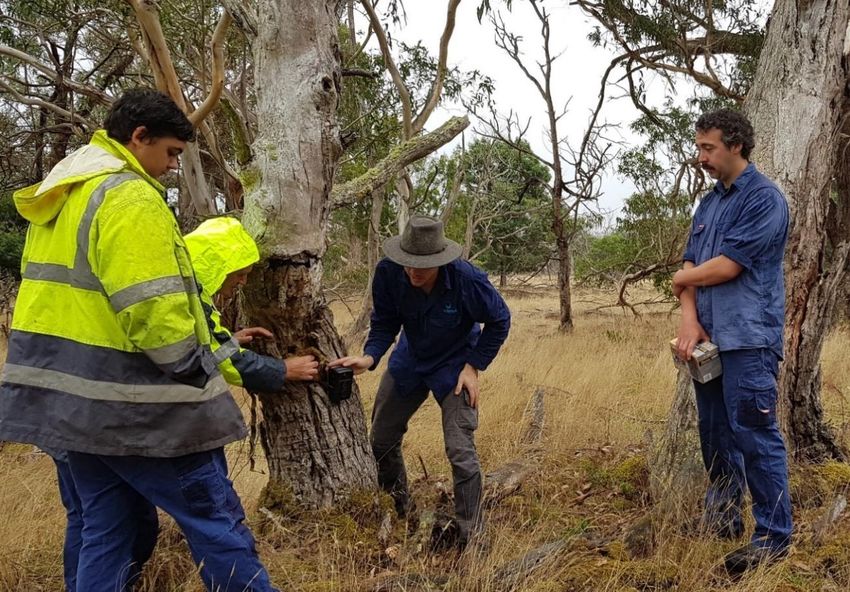
These photos are from Winda Mara Aboriginal Corporation - Traditional Owner 2018 Traditional Owner &
Aboriginal Victorian Group Initiative grant funding.
© The State of Victoria Department of Environment, Land, Water and Planning 2020
This work is licensed under a Creative Commons Attribution 4.0 International licence. You are free to re-use the work under that
licence, on the condition that you credit the State of Victoria as author. The licence does not apply to any images, photographs or
branding, including the Victorian Coat of Arms, the Victorian Government logo and the Department of Environment, Land, Water and
Planning (DELWP) logo. To view a copy of this licence, visit http://creativecommons.org/licenses/by/4.0/
Disclaimer
This publication may be of assistance to you but the State of Victoria and its employees do not guarantee that the publication is without
flaw of any kind or is wholly appropriate for your particular purposes and therefore disclaims all liability for any error, loss or other
consequence which may arise from you relying on any information in this publication.
Accessibility
If you would like to receive this publication in an alternative format, please telephone the
DELWP Customer Contact Centre on 136186, email customer.service@delwp.vic.gov.au,
or via the National Relay Service on 133 677 www.relayservice.com.au. This document is
also available on the internet at www.delwp.vic.gov.au.Contents
Warning: Health and safety is paramount.....................................................................................................2
2021 Aboriginal Community Caring for Country Grants .............................................................................5
About the program ..........................................................................................................................................5
Grant Objectives ..............................................................................................................................................5
Available funding .............................................................................................................................................5
Key dates ..........................................................................................................................................................6
Project location ................................................................................................................................................6
Who can apply? ...............................................................................................................................................6
What are the eligibility criteria? .....................................................................................................................6
Ineligible applicants ........................................................................................................................................6
Do we need an auspice (sponsor)? ...............................................................................................................6
Who can act as auspice (sponsor)? ..............................................................................................................7
Budget and GST...............................................................................................................................................7
Eligible actions ................................................................................................................................................7
Eligible items....................................................................................................................................................8
Ineligible activities / budget items .................................................................................................................9
Co-contribution ................................................................................................................................................9
How to apply? ................................................................................................................................................10
What supporting documents do I need to provide? ..................................................................................10
Creating maps ................................................................................................................................................10
Things to check early ....................................................................................................................................11
Things to check when planning ...................................................................................................................11
How many applications can we submit?.....................................................................................................11
Assessing applications .................................................................................................................................11
When will I be notified? .................................................................................................................................12
If our project is successful, when will we be paid? ...................................................................................12
Stream 1 – Connecting Aboriginal Communities with Knowledge to Care for Country ........................13
Assessment criteria.......................................................................................................................................13
Stream 2 – Delivering Caring for Country ...................................................................................................14
Assessment criteria.......................................................................................................................................14
Terms and Conditions ...................................................................................................................................15
Conditions of funding ...................................................................................................................................15
Legislative and regulatory requirements ....................................................................................................15
Tax implications.............................................................................................................................................15
Monitoring and Reporting .............................................................................................................................15
Photos of Projects .........................................................................................................................................15
OFFICIAL-SensitiveVideos of Projects .........................................................................................................................................15 Acknowledging the Victorian Government for their support ....................................................................15 Privacy Collection Statement .......................................................................................................................16 Pupangarli Marnmarnepu – Aboriginal Self-Determination Reform Strategy 2020-2025.......................16 Victorian Aboriginal Affairs Framework 2018-2023 (VAAF) ......................................................................16 Victorian Government Self-Determination Reform Framework (SDRF) ...................................................16 Traditional Owner Country Plans.................................................................................................................16 Protecting Victoria’s Environment - Biodiversity 2037..............................................................................16 Useful Resources ..........................................................................................................................................17 Incorporation through Consumer Affairs Victoria .....................................................................................17 Child Safe Standards.....................................................................................................................................17 Land manager consent to undertake works ...............................................................................................17 Occupational Health and Safety...................................................................................................................17 Citizen science project planning..................................................................................................................17 More information ...........................................................................................................................................17
2021 Aboriginal Community Caring for Country Grants
About the    The 2021 Aboriginal Caring for Country Grants are part of the Department of Environment,
program      Land, Water and Planning’s Biodiversity on-ground action program and aim to support
             Traditional Owners’ rights on Country and drive Aboriginal self-determination by supporting
             Aboriginal communities to identify, understand and apply Aboriginal values and traditional
             ecological knowledge in the management of Country to enable healthy Country and healthy
             people.
             These grants support the Department’s commitment to Aboriginal self-determination.
             Pupangarli Marnmarnepu ‘Owning Our Future’ is the Department’s roadmap to building a
             better future with Traditional Owners and Aboriginal Victorians, through systemic and
             structural change that fully supports Aboriginal decision-making, evaluation and talent
             building to inform its policy and projects.
             The Strategy roadmap has five domains, and these grants focus on two domains in
             particular, where DELWP:
             People - is culturally capable and safe; recognising, supporting, valuing and embracing
             Aboriginal decision making
             Country - supports Traditional Owners’ rights on Country so that their aspirations for land,
             water and culture are realised.
             Other funding opportunities from the Biodiversity on-ground action program available to
             Victorian Aboriginal communities in 2021 include:
             •   Port Phillip Bay Fund
             •   Community Volunteer Action Grants
             •   Victorian Junior Landcare and Biodiversity Grants
             •   Victorian Landcare Grants
             You can learn more about these grants at environment.vic.gov.au/grants

Grant        The 2021 Aboriginal Community Caring for Country Grants aim to:
Objectives       •   Support Traditional Owners’ rights on Country and drive Aboriginal self-
                     determination so that aspirations for land, water and culture are realised
                 •   Recognise and include Aboriginal values and Traditional Ecological Knowledge in
                     the management of Country
                 •   Provide opportunities for Aboriginal communities to access Country and biodiversity
                     for community, cultural and economic development
                 •   Build capability and skills to care for Country including understanding how to
                     manage local native plants and animals
                 •   Support Aboriginal communities achieve healthy Country and people
             And through these actions address threats to biodiversity, improve and expand habitat and
             help native species and ecosystems become more resilient to climate change impacts.

Available    Funding of $350,000 is available for grants in 2021. Grants are available to successful
funding      applicants through two separate grant streams with a minimum application of $4,000 and the
             upper limit described below.
             The grants are available for single projects.
                 •   Stream 1 – Connecting Aboriginal Communities with Knowledge to Care for
                     Country – up to $25,000
                 •   Stream 2 – Delivering Caring for Country – up to $50,000

                                    OFFICIAL-Sensitive
Key dates Applications Close 12pm, Thursday 22 April 2021
Successful applicants notified June 2021
Agreements signed July 2021
Job Safety Plan Submitted September 2021
Project completed 30 June 2022
Final report due 5 August 2022
Projects must be delivered within 12 months and project extensions will not be granted.
Project Public and/or private land in Victoria.
location Applications must include written consent of the landowner.
Who can Applicants that can demonstrate their fit one of the following categories are eligible to apply:
apply? • Any Victorian Traditional Owner or Aboriginal community group with an interest in caring
for Country to achieve healthy Country and healthy people.
• Incorporated Victorian Traditional Owner and Aboriginal Victorian organisations.
Applicant groups must either be:
• a not-for-profit organisation registered with the Australian Charities and Not for Profit
Commission at the time of the application, or
• an incorporated body either registered through Consumer Affairs Victoria or an
incorporated association under the Commonwealth Corporations (Aboriginal and Torres
Strait Islander) Act 2006.
What are the To be eligible for funding applicants must:
eligibility • have public liability ($10 million minimum) and personal accident insurance cover to
criteria? safeguard volunteers and participants involved in the funded activities, and
• possess an Australian Business Number (ABN) or provide a completed Australian Tax
form (statement by supplier) so that no withholding tax is required from the grant
payment.
If you do not meet the eligibility criteria described above, you can partner with a group,
organisation or Aboriginal business who meet these requirements.
Ineligible Recipients of previous grants with outstanding project completion reports are ineligible for
applicants further funding until funding reporting requirements have been met.
If any of the following categories describes you or your group, you are ineligible to apply for
these grants:
• Non-Aboriginal group or organisation
• Private individuals
• Local government
• State government departments
• Commonwealth government departments
Do we need an If you do not meet the eligibility criteria described above, you can partner with a group,
auspice organisation or Aboriginal business who meet these requirements.
(sponsor)? The auspicing group, organisation or Aboriginal business will enter into a contract with us
and will be legally responsible for the project. They will receive the money from us and be
responsible for reporting and acquitting the funds, but they will likely expect you to help or do
this, even though the legal requirement is theirs.
You will need to include an email or letter from your auspice (sponsor) in your application,
showing that they agree to take on this responsibility for you.Who can act as Potential auspicing organisations include: corporations, Aboriginal businesses, catchment
auspice management authorities, water authorities, local government, statutory authorities and Parks
Victoria.
(sponsor)?
The auspicing group, organisation or Aboriginal business who can sponsor you must have
$10 million public liability insurance, with enough construction allowance to cover the project
and be either:
• incorporated through Consumer Affairs Victoria, or
• have an ABN with Australian Charities and Not-for-profit Commission registration.
Budget and If you are not registered for GST
GST • you should include the total cost of your expenses including GST where applicable.
• ensure that the budget in your application covers your total costs (e.g. include the
impact of any GST on your purchases) so you are not out of pocket.
• for example, if Contractors have quoted $11,000 including GST, then request the full
$11,000.
If you are registered for GST
• you should not include GST in your budget expenses
• if you are registered for GST, where applicable we will pay the grant amount plus GST.
The budget provided in your application should be exclusive of GST.
• for example, if Contractors have quoted $11,000 including GST, then you will request
only $10,000.
When developing budgets, you should ensure that activity items such as equipment,
materials and contractor charges are fully costed. Refer to the Terms and Conditions of the
Victorian Common Funding Agreement Victorian Common Funding Agreement forms and
templates | Victorian Government (www.vic.gov.au) for more information
We encourage applicants to provide quotes from contractors to support their application.
Eligible actions Projects should support Traditional Owners’ aspirations for Country and drive Aboriginal self-
determination by providing opportunities for Aboriginal communities to access and connect
with Country, undertake training to build capability and skills to deliver caring for Country
activities and deliver outcomes within the following scope:
• Activities that enable learning and sharing of Aboriginal values and Traditional Ecological
Knowledge within Aboriginal communities to better understand and care for Country
• On-ground activities that aim to care for Country
• Cultural activities that support Aboriginal communities to connect with Country
• Activities that support Aboriginal training and employment outcomes related to caring for
Country
OFFICIAL-SensitiveEligible items The program will support the following categories of expenditure noting that this is not an
exhaustive list.
• Advertising, printing/design, postage
• Assessment and monitoring of wildlife and plants, such as citizen science
• Capital items & equipment must become a registered asset of the entity and have a
lifespan beyond one year. Where possible, hire, borrow or share assets between groups
rather than purchased for one-off projects.
• Contractors must demonstrate that this is work that your group is unable to carry out
due to specialised skills, equipment and safety considerations, be appropriately licenced,
insured and trained, follow best practice and any label and legal requirements. Any
contractor that is engaged must have a COVID-safe plan in place.
• Educational signage
• Engagement or training event
• Expert advice for the protection of cultural heritage
• Fencing
• Hire of equipment or vehicles for transport
• Materials (e.g. fencing, plants, mulch, weed management chemicals etc)
• Native vegetation protection and restoration using Indigenous tube stock or smaller
cell plants and seeds are eligible.
• Personal protective equipment
• Pest animal control
• Project management or coordination
• Purchase of iPad or laptop for data collection (not for personal use)
• Rubbish removal/reduction from habitat
• Terrestrial feature Seek expert advice for the species you are targeting. Record
locations of features to ensure that they are not taken over by feral bees and non-target
species.
• Threatened species activities undertaken under expert supervision, and where
applicable, must be in line with requirements for the species identified through plans and
under permit.
• Venue hire and accommodation other event costs associated with project activities
• Waterway and wetland restoration. You may require Works on Waterways approval
from the Catchment Management Authority and other relevant approvals before
undertaking your activities and recognise that this may take time to process.
• Weed control work must be carried out by appropriately licenced, insured and trained
persons and must follow best practice, label and legal requirements.
There are no caps or limits for eligible items. However, value for money will be considered
as part of the assessment process.Ineligible Funding will NOT be provided for:
activities / • Activities (or components) already funded through another organisation, program or fund
budget items source. Your project can build on the success of past or existing projects but must be
new work.
• Any activity or costs associated with native vegetation offset sites to meet a condition of
a permit, contract or investment program.
• Any activity or costs to manage/control cats or Indian mynahs which are not declared
pest species.
• Clearing of native vegetation unless it is a declared environmental weed in your area. In
this instance, a permit for removal of vegetation may still be required.
• Development of recreational facilities, beautification, purely artistic projects or focussed
on improving amenity.
• Erosion control structures.
• Fencing of title boundaries.
• High risk activities involving the use of firearms, tranquilisers, traps or explosives
(excluding the use of confinement traps allowed under permit and expert supervision for
monitoring projects).
• Infrastructure or engineering works for example boardwalk, greenhouse. Note: tracks
may be considered where they are not for amenity or recreational purposes.
• Non-indigenous or advanced plants.
• Positions (such as facilitators, staff or project management costs) that are already
funded through other investment.
• Where a cost share arrangement is inherent in a project, groups cannot apply for
activities that should be delivered as the cost share contribution. For example, you
cannot request funds for weed control on a planting project where you were required to
undertake the weed control as your contribution.
• Projects not relating to the understanding or protection of Country.
• Purchase of goods or services for competitions, prizes, giveaways, vouchers or alcohol.
• Purchase or use of barbed wire fencing.
Co-contribution Do groups need to contribute to their project’s budget?
Applicants do not need to contribute direct funding to a project. However, an application
that demonstrates in-kind contribution provides greater value for money.
Contribution can be in various forms and include time, expertise, equipment, donated
materials or funds. Projects should demonstrate how it supports community members to
actively participate in caring for Country.
How do I calculate the value of our volunteer contribution?
Volunteer contributions (time) of activity is costed as $40 per person per hour of in-kind
contribution. It will be calculated in your application. You will need to estimate:
• Number of volunteers participating at event/s
• Number of event days
• Hours volunteered per day.
OFFICIAL-SensitiveHow to apply? Submit applications online using the DELWP Grants Online portal. Use the links below to
start your application and click on the ‘Start New Application’ button.
Stream 1 - Connecting Aboriginal Communities with Knowledge to Care for Country
Stream 2 - Delivering Caring for Country
To return to a saved draft application, click on the ‘Access Saved Application’ button. You
can save your application and work on it until you are ready to submit it. We recommend
that you start your application as early as possible.
To access existing drafts or submitted applications go to https://delwp1.force.com/
You will need to register for an account before commencing your application. When you
start your application in the Grants Portal you will receive an application number.
Your application can only be accessed by one set of login details. We recommend signing
up to the Grants Portal with a generic group/organisation email, if you have one.
Remember to save your draft application as you work on it, until you are ready to submit
it.
Submit your application by 12pm, 22 April 2021. Late and incomplete applications will
not be considered.
If you require technical assistance submitting your application online contact the Customer
Contact Centre on 136 186 during normal business hours or email
granstinfo@delwp.vic.gov.au. Please quote your application number and “Aboriginal
Community Caring for Country Grants” in your communications with DELWP.
What Please supply the following documents with your application:
supporting • Written support from the relevant Traditional Owner group and land manager to
documents do I undertake work or activity on their Country.
need to • Budget details using the Budget and Activities templates:
provide?
Stream 1 Budget and Activities template
Stream 2 Budget and Activities template
• A PDF map generated using MapShare of proposed work area – location, names and
project area (hectares).
• Insurances - a copy of your public liability insurance certificate of currency.
• A list of indigenous plants (Stream 2 applicants only - if relevant).
• Supporting documents must be in an acceptable file type, such as Word, Excel, PDF,
or JPEG. The maximum file size for each file is 5MB.
Only one file can be uploaded for each upload type in the application form. If you have
more than one file to upload (for example, multiple landholder support letters), zip these
into a file and then upload the file.
If you have documents to submit that cannot be attached to your online application, you
can email them to enviro.grants@delwp.vic.gov.au quoting your application number.
Attach all documents to one email, zipping the files if required. All supporting material
must be received by the application deadline.
Make sure your application is submitted by 12pm, Thursday 22 April 2021.
Creating maps Stream 1 applicants are not required to submit a map.
Stream 2 applicants will need to provide a map of their proposed project to complete their
application. Refer to How to create a map.
You can use MapShare to identify the location of your project and generate an attachment for
your application.Things to Permits and approvals
check early It is wise to check early what permits and approvals you may need, and to factor additional
time and costs into your project timeframe and budget.
You need to identify the public and private land managers for all project sites and discuss the
project with them. Check if they would agree to your project, and if other further approvals or
permits are required. Give them adequate time to consider your project.
Auspicor (sponsor)
If your group or organisation needs an auspicor (sponsor), you will need to provide written
confirmation (letter or email) before contracts are issued, that they agree to act as your
auspicor.
Things to check Parks Victoria contractor agreements
when planning Work on Parks Victoria land which engages a contractor will require entry into a three-way
partnership agreement, known as C-220 Project External Funding Form. Contact Parks
Victoria on 131 963 for more information.
Research or science permits
If activities require scientific or expert involvement, obtain advice before including the activity
in your application. This could include seeking advice on genetics, planting for specific
species such as Mallee fowl, waterways work, research permits, including fauna surveys
such as bat monitoring and citizen science projects.
Contact Arthur Rylah Institute on 03 9450 8600 or via email research.ARI@delwp.vic.gov.au
Health safety and COVID-19
Your projects must be undertaken in accordance with the latest public health measures,
including:
• Before undertaking any activity, please contact your program manager or land
manager and adhere to any program specific safety requirements
• Ensure any contractor your group engages has a COVIDSafe plan in place. Request a
copy of the plan and keep it on file.
• Collect an attendance record on site with name and phone numbers of all volunteers
• Follow the maximum participation numbers
Adhere to wearing fitted face masks, physical distancing and good hygiene practices as per
DHHS guidelines.
Native vegetation and planning
Native vegetation are plants that are indigenous to Victoria, including trees, shrubs, herbs
and grasses. Native vegetation provides habitat for plants and animals and delivers a range
of ecosystem services that make land more productive and contribute to human well-being.
In Victoria, a permit is usually required to remove, destroy or lop native vegetation. These
regulations are known as the native vegetation removal regulations and are primarily
implemented through local council planning schemes.
When planning your projects, please consider the following information:
environment.vic.gov.au/native-vegetation/native-vegetation
How many Groups may submit more than one application but must demonstrate that projects in each
applications application target distinctly separate sites.
can we Projects must be clearly different and project activities must not overlap.
submit? Projects must be ‘stand-alone’ in that they can be delivered separately from other projects or
activities that are already funded by other programs.
Assessing Applications will be assessed by a panel of Department of Environment, Land, Water and
applications Planning (DELWP) staff and sector representatives based on the criteria outlined below.
Applications must meet a passable standard in each criterion to be considered for funding.
Non-completion of projects and overdue reports from previous funding rounds will be taken
into account as part of the assessment.
OFFICIAL-SensitiveWhen will I be All applicants will be notified of the result following the completion of the assessment
notified? process. Please be patient as it can take some time to assess and seek approvals before
groups can be notified.
Successful projects will also be announced and published on the DELWP website. We
encourage unsuccessful applicants to seek for feedback on their application.
If our project is Successful recipients will need to enter into a contract with DELWP.
successful,
A single upfront payment will be made when all paperwork has been completed and
when will we be
submitted to DELWP. There are no further payments.
paid?
If you have an auspicor, then they will receive the contract and payment on your behalf.Stream 1 – Connecting Aboriginal Communities
with Knowledge to Care for Country
Grants are available for up to $25,000 which seek to connect Aboriginal communities with Country to better
understand Aboriginal values and traditional ecological knowledge, and to develop the skills to care for
Country to support healthy Country and healthy people.
This grant stream aims to:
• Support Traditional Owners’ rights on Country and drive Aboriginal self-determination so that their
aspirations for land, water and culture are realised
• Provide opportunities for Aboriginal communities to access Country and biodiversity for community,
cultural and economic development
• Support Aboriginal communities to connect with Country to better understand Aboriginal values and
traditional ecological knowledge
• Build capability and skills to care for Country including understanding how to manage local native
plants and animals to achieve healthy Country and healthy people
Assessment criteria
Stream 1 Value Description
Assessment
Criteria
Aboriginal Self- 30% Extent to which Aboriginal communities are leading the project design and
determination delivery based on aspirations for Country and alignment with Country
Plans.
Aboriginal 30% Extent to which Victorian Aboriginal communities participate in the project
Community to better understand Aboriginal values and traditional ecological
Outcomes knowledge, and build capability and skills to care for Country.
Caring for 20% Extent to which project outcomes will contribute to maintaining and
Country improving the overall health of Country, including protecting native plants
outcomes and animals.
Risk 10% Extent to which application identifies potential risks to the project and
Management adequate actions to remove, manage or reduce the risks.
Budget 10% Extent to which the project represents good value for money by delivering
multiple outcomes, realistic costs and clear, transparent justification of
items for activities and in-kind contribution.
Connecting Aboriginal Communities with Knowledge to Care for Country
An Aboriginal community group survey their young members to understand what interests them about culture
and Country.
The group coordinate six weekends in the year to camp on Country to protect bird nests and chicks from
being trampled on the beach.
The Elders meet on Country to share their knowledge and the group employ an ecologist to work with the
members to support cultural and scientific understanding to collect information on the native fauna at the
beach, their habitat, threats and breeding cycle.
The members erect fencing around important habitat, plant to increase habitat and survey for the presence
of birds and their predators over the weekends.
The results are then presented and discussed with the community at an event at the beach.
OFFICIAL-SensitiveStream 2 – Delivering Caring for Country
Grants are available for up to $50,000 which seek to support Aboriginal communities to undertake caring for
Country projects that apply Aboriginal values and traditional ecological knowledge to support healthy Country
and healthy people.
This grant stream aims to:
• Support Traditional Owners’ rights on Country and drive Aboriginal self-determination so that their
aspirations for land, water and culture are realised
• Provide opportunities for Aboriginal communities to access Country and biodiversity for community,
cultural and economic development
• Apply Aboriginal values and traditional ecological knowledge in the management of native plants and
animals to achieve healthy Country and healthy people
• Address threats to biodiversity to improve and expand habitat and help native species and
ecosystems become more resilient to climate change impacts.
Assessment criteria
Assessment Value Description
Criteria
Aboriginal Self- 30% Extent to which Aboriginal communities are leading the project design
determination and delivery based on aspirations for Country and alignment with
Country Plans.
Aboriginal 20% Extent to which Aboriginal communities participate in project to better
Community understand Aboriginal values and traditional ecological knowledge and
Outcomes build capability and skills to care for Country.
Caring for Country 30% Extent to which project outcomes will contribute to maintaining and
outcomes improving the overall health of Country, including protecting native plants,
animals.
Risk Management 10% Extent to which application identifies potential risks to the project and
adequate actions to remove, manage or reduce the risks.
Budget 10% Extent to which the project represents good value for money by
delivering multiple outcomes, realistic costs and clear, transparent
justification of items for activities and in-kind contribution.
Delivering Caring for Country
A group would like to undertake pest plant and animal control on an area of bush that is important to them.
However, they need to build their skills and qualifications before they can fully participate in control
measures.
Several group members complete chemical user training for the safe handling of chemicals.
On completion, a couple of the members also apply for an Agriculture Chemical User Permit to enable the
use of restricted chemicals so that they can bait for foxes.
The group then schedule a few days each season to complete pest plant and animal control to improve the
bush site.Terms and Conditions
Conditions of funding
• Successful applicants and auspicors (if an auspicor is used) are required to:
• have appropriate land manager / landowner approvals and relevant permits;
• enter into a funding agreement with DELWP. Information about the Victorian Common Funding
Agreement can be found at: vic.gov.au/victorian-common-funding-agreement
• be responsible for meeting contractual obligations to deliver the project and report on its success by
the due date;
• adhere to all relevant legislation including Occupational Health and Safety requirements, and child
safe standards;
• acknowledge the Victorian Government funding in publications and promotions; and
• work with DELWP to identify and promote major project milestones and completion.
Legislative and regulatory requirements
In delivering the activity grant recipients are required to comply with all relevant Commonwealth and
state/territory legislations and regulations, including but not limited to:
• The Privacy Act 1988 (Commonwealth)
• The Freedom of Information Act 1982 (Vic)
• Occupational Health and Safety Act 2004
Tax implications
Applicants should consult the Australian Taxation Office or seek professional advice on any taxation
implications that may arise from this grant funding.
Successful applicants without an ABN will need to provide a completed Australian Taxation Office form
‘Statement by a Supplier” so that no withholding tax is required from the grant payment.
Monitoring and Reporting
Grant recipients are required to comply with monitoring and reporting requirements as outlined in the funding
agreement. This may include progress reports, photos, videos, case study, site inspection, completion reports
and acquittal documentation.
On completion of a project the group will need to submit a final report to acquit the funds and demonstrate the
outcomes of the project. Recipients will have four weeks from their project end delivery date to submit their
final report.
Photos of Projects
DELWP may use the photos and materials you provide as part of your reporting, to publicise funded projects,
and may retain the photos for future possible use in other communications materials. Please refer to the
standard terms and conditions of the Participant Photography Consent Form.
Videos of Projects
DELWP may use the videos you provide as part of your reporting, to publicise funded projects, and may
retain the videos for future possible use in other communications materials. Please refer to the standard
terms and conditions of the Participant Video Consent Form.
Acknowledging the Victorian Government for their support
Successful, applicants are expected to acknowledge the Victorian Government’s support and promotional
guidelines will form part of the funding agreement. Please read the Acknowledgment and Publicity
Guidelines for Victorian Government Funding Support.
Successful applicants must liaise with the departmental program area to coordinate any public events or
announcements related to the project.
OFFICIAL-SensitivePrivacy Collection Statement
The Department of Environment, Land, Water and Planning (DELWP) is committed to protecting personal
information provided by you in accordance with the principles of the Victorian privacy laws.
The information you provide will be used to:
• assess your application for grant funding 2021/22 including to check for previous funding compliance
issues;
• announce successful applicants in media releases by describing the work you will undertake as part
of your grant from the department;
• publish a list of successful applicants including local government area and amount funded on the
DELWP website and/or social media pages; and
• contact you regarding program updates and to notify you of future funding.
The information you provide will be made available to the Minister for Energy, Environment and Climate
Change delegates including ministerial office staff and DELWP employees in the assessment and
compliance stages as well as internal communications staff for publishing on the DELWP website and social
media pages.
If you need to request confidentiality, please contact enviro.grants@delwp.vic.gov.au quoting your
application number and reason for requesting confidentiality.
More information about the DELWP Privacy Policy.
Pupangarli Marnmarnepu – Aboriginal Self-Determination Reform Strategy 2020-2025
Pupangarli Marnmarnepu – Aboriginal Self-Determination Reform Strategy 2020-2025 is the Department
of Environment, Land, Water and Planning’s (DELWP) commitment to partner with Victoria’s First People’s
to advance self-determination. The Biodiversity on-ground action program works towards this vision by
supporting Traditional Owners’ rights on Country so that their aspirations for land, water and culture are
realised.
Victorian Aboriginal Affairs Framework 2018-2023 (VAAF)
The VAAF is the Victorian Government’s overarching framework for working with Aboriginal Victorians,
organisations and the wider community to drive action and improve outcomes.
The VAAF sets a clear direction for how government will ‘Plan’, ‘Act’, ‘Measure’ and ‘Evaluate’ to progress
change across government, address inequity and deliver stronger outcomes for and with Aboriginal
Victorians.
Victorian Government Self-Determination Reform Framework (SDRF)
The SDRF guides government action to enable self-determination in line with the VAAF. It also provides an
architecture for government departments like DELWP to report annually on this action, outlining an
outcomes-based approach to transform government systems and structures to enable self-determination.
Traditional Owner Country Plans
Traditional Owner Country Plans express the vision, aspirations, strategies and actions of Traditional Owners
for their Country. Traditional Owner Country Plans support Traditional Owners in communicating their rights,
cultural authority or interest in Country.
If you have a Country Plan, we encourage you to use this to develop your project.
If you don’t have a Country Plan, you could develop a project that seeks to begin to develop one.
Protecting Victoria’s Environment - Biodiversity 2037
Protecting Victoria’s Environment – Biodiversity 2037 is the Victorian State Government’s policy response to
addressing the decline in biodiversity. The Biodiversity Plan presents a long-term vision for Victoria’s
biodiversity supported by two goals:
1. Victorians Value Nature, and
2. Victoria’s natural environment is healthy.Specific targets have been developed to deliver on these goals, and 20 priorities have been identified to guide
actions. Conservation actions delivered through the plan will be more strategic, deliver better value for money
and will be underpinned by the best available science to ensure efforts deliver the most benefit for the most
species. A collaborative Monitoring, Evaluation and Reporting Framework has been developed to track the
progress of achieving the Plan’s goals and targets.
Useful Resources
Incorporation through Consumer Affairs Victoria
To find your group’s incorporation number, and for information about incorporating, please visit the Consumer
Affairs Victoria website: consumer.vic.gov.au/clubs-and-not-for-profits/incorporated-associations
Child Safe Standards
For information about Child Safe Standards, please visit the Department of Health and Human Services
website: providers.dhhs.vic.gov.au/resources-child-safe-standards
Land manager consent to undertake works
Applicants may need to demonstrate that the site land managers, both public and private, support the project
being carried out on the land they manage. A short letter or email from your land manager will need to be
attached to your application. Formal approval is not required at the application stage.
Example land manager statement of support
I, of support occurring on .
My contact details are .
Occupational Health and Safety
For information about Occupational Health and Safety, please visit the Landcare Gateway website:
landcarevic.org.au/resources/health-and-safety
Citizen science project planning
swifft.net.au/cb_pages/citizen_science.php
More information
For more information about these grants, contact Jackson Chatfield on 0419 504 451 or
enviro.grants@delwp.vic.gov.au and quote your application number.
For technical support with Grants Online, email grantsinfo@delwp.vic.gov.au or contact the DELWP
Customer Service Centre on 136 186.
For further advice and information about land use consent (where required), go to:
• Department of Environment, Land, Water and Planning (DELWP) biodiversity officer advice on
BRP focus landscapes or for works on crown land, call 136 186 or contact your local DELWP office.
• Parks Victoria for parks and reserves, call 131 963 or your local Park Contact. Refer above for
further information about approvals.
• Catchment Management Authorities for regional priorities and works on designated waterways.
• Local Council planning staff for council owned land. Local government planning staff for -council
owned land
knowyourcouncil.vic.gov.au
• Water Authorities for water supply catchment areas.
OFFICIAL-Sensitivedelwp.vic.gov.au
You can also read


