2021 REEXAMINATION & MASTER PLAN AMENDMENT - Deborah Alaimo Lawlor, FAICP, PP License No. 33LI00428400 Nicholas A. Dickerson, PP, AICP License No ...
←
→
Page content transcription
If your browser does not render page correctly, please read the page content below

2021 REEXAMINATION & MASTER PLAN AMENDMENT

                                     Adopted by the Planning Board: _______________

__________________________________                __________________________________
Deborah Alaimo Lawlor, FAICP, PP                  Nicholas A. Dickerson, PP, AICP
License No. 33LI00428400                          License No. #33LI00628700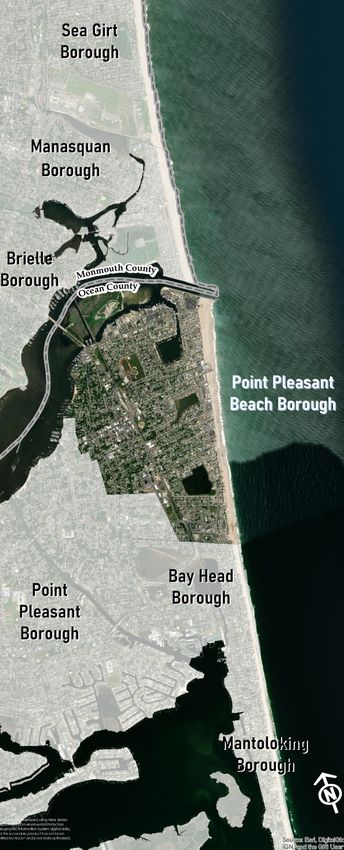
Acknowledgements
             Point Pleasant Beach Planning Board
                 Ryan Simunovich (Class I / Mayor’s Rep)
                           Karen Mills (Class II)
                          Tom Migut (Class III)
                         Jerry Woolley (Class IV)
                        Peter Ritchings (Class IV)
                        Courtney Bixby (Class IV)
                        Glen Paesano (Class IV)
                       Dave Cavagnaro (Class IV)
                       Peter Calderone (Class IV)
                     Doug Vitale (Class III Alternate)
                   Carolyn Villani (Class IV Alternate)

                          Master Plan Subcommittee:
                             Paul M. Kanitra, Mayor
                     Christine Riehl, Business Administrator
                  Peter Ritchings, Planning Board Chairman
            Greg Cox, Historic Preservation Commission Chairman
Jerry Woolley, Planning Board and Historic Preservation Commission, Member
                 Dennis Galvin, Esq., Planning Board Attorney
             Deborah Alaimo Lawlor, FAICP, PP, Borough Planner

                             Special thanks to:
                     John Mele, PE, Borough Engineer
                Ray Savacool, PE, Special Projects Engineer
                 Kevin B. Riordan, Esq., Borough Attorney

                           The original of this report was signed and sealed in accordance with NJSA 45:14A-12.
                                                                                        MC Project # POB-002B

                                                       2020 Reexamination Report | 2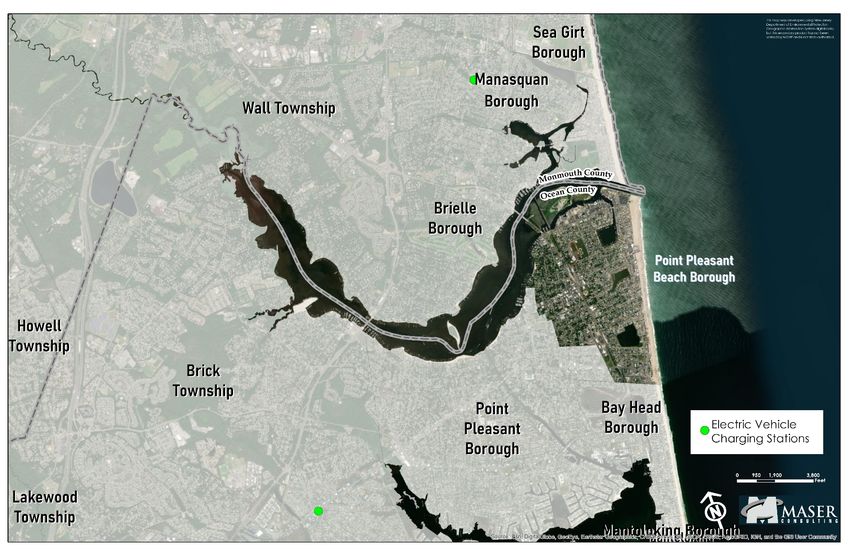
Table of Contents

INTRODUCTION                                                4

PROBLEMS & OBJECTIVES AT THE TIME OF THE LAST REEXAMINATION
REPORT                                                      7

EXTENT THAT PROBLEMS & OBJECTIVES HAVE CHANGED              9

EXTENT OF CHANGES IN POLICIES & OBJECTIVES FORMING THE BASIS
OF THE MASTER PLAN OR DEVELOPMENT REGULATIONS               14

REEXAMINATION RECOMMENDATIONS                              22

RECOMMENDATIONS CONCERNING THE INCORPORATION OF
REDEVELOPMENT PLANS                                        28

RECOMMENDATIONS CONCERNING THE INCORPORATION OF
CHARGING INFRASTRUCTURE                                    29

MASTER PLAN AMENDMENTS                                     30
Introduction
The Borough of Point Pleasant Beach is located
in Ocean County and encompasses roughly 1.74
square miles.

Point Pleasant Beach’s development is coastal
suburban in character, bounded to the west and
north by the Manasquan River and Inlet, and to
the east by the Atlantic Ocean. The borough is
bisected by State Route 35, which crosses over
the Manasquan River from Brielle to the north,
and then south into Bay Head. The borough is
part of the North Jersey Coast rail line operated
by NJTransit and has one stop located at the
western terminus of Central Avenue. Point
Pleasant Beach is bounded to the north by the
Manasquan Inlet, which divides Monmouth
and Ocean counties. Opposite the inlet include
the neighboring boroughs of Brielle and
Manasquan. South and southeast of Point
Pleasant Beach are the boroughs of Bay Head
and Point Pleasant Borough, respectively.

While the Municipal Land Use Law requires a
general reexamination of the Master Plan and
development regulations every ten years,
reexaminations can be undertaken more
frequently. It can be as frequent as an individual
municipality believes it to be warranted. The
Borough originally adopted a Master Plan in
1963. i A subsequent Master Plan was adopted in
September 1978, which was then amended
through the adoption of a housing element in
1988, a land use element in 1990, and an update
to the land use element in 1992. The borough
adopted reexamination reports in in 1982, 1988,
1992, 1999, ii 2007, iii and then again in 2015. iv The
2015 reexamination was prepared in response to
Hurricane Sandy and placed special emphasis
on facilitating immediate-term recovery and
promoting longer-term resiliency to future
storm impacts and other natural hazards. To
further those recommendations on recovery and
resiliency, the 2015 reexamination was
accompanied by amendments to the Borough’s            A. The major problems and objectives relating
Master Plan, including a comprehensive list of           to land development in the municipality at
objectives, and amendments to the Land Use               the time of the adoption of the last
Element, Traffic Circulation Element, Open               reexamination report.
Space and Recreation Plan, and Community
Facilities Plan Element.                              B. The extent to which such problems and
                                                         objectives have been reduced or have
While the original master plan dates back to 1963,       increased subsequent to such date.
these reexamination reports were based off of the
Borough’s Master Plan, adopted in 1978, and           C. The extent to which there have been
later amended through an updated Land Use                significant changes in the assumptions,
Element in 1990, a Community Facilities Element          policies and objectives forming the basis for
and Traffic Circulation Element in 1992, and an          the master plan or development regulations
updated Housing Element in 1988.                         as last revised, with particular regard to the
                                                         density and distribution of population and
This reexamination of the Borough of Point
                                                         land uses, housing conditions, circulation,
Pleasant Beach Master Plan and development
                                                         conservation of natural resources, energy
regulations conforms to the requirements of the
                                                         conservation, collection, disposition and
New Jersey Municipal Land Use Law (MLUL)
                                                         recycling of designated recyclable materials,
which stipulates that each municipality in the
                                                         and changes in State, county and municipal
State of New Jersey shall reexamine its Master
                                                         policies and objectives.
Plan and development regulations at least every
ten years. Specifically, N.J.S.A. 40:55D-89 states:
                                                      D. The specific changes recommended for the
    “The governing body shall, at least every ten        master plan or development regulations, if
    years, provide for a general reexamination of        any, including underlying objectives, policies
    its Master Plan and development regulations          and standards, or whether a new plan or
    by the Planning Board, which shall prepare           regulations should be prepared.
    and adopt by resolution a report on the
    findings of such reexamination, a copy of
                                                      E. The recommendations of the planning board
    which report and resolution shall be sent to
    the Office of Planning Advocacy and the              concerning     the     incorporation     of
    County Planning Board. A notice that the             redevelopment plans adopted pursuant to
    report and resolution have been prepared             the “Local Redevelopment and Housing
    shall be sent to any military facility               Law”, P.L. 1992, c.79 (C.40A:12A-1 et seq.)
    commander who has registered with the                into the land use plan element of the
    municipality pursuant to section 1 of PL             municipal master plan, and recommended
    2005 c.41 (C.40:55D-12.4) and to the
                                                         changes, if any, in the local development
    municipal clerk of each adjoining
                                                         regulations necessary to effectuate the
    municipality, who may request a copy of the
    report and resolution on behalf of the military      redevelopment plans of the municipality.
    facility or municipality.”
                                                      F.   The recommendations of the planning board
This report addresses the requirements of a                concerning locations appropriate for the
reexamination in accordance with the MLUL,                 development of public electric vehicle
N.J.S.A. 40:55D-89, by including sections                  infrastructure, including but not limited to,
addressing the following:                                  commercial districts and, areas proximate to
                                                           public transportation and transit facilities
and transportation corridors, and public rest
stops; and recommended changes, if any, in
the local development regulations necessary
or appropriate for the development of public
electric vehicle infrastructure.
Problems & Objectives                                 OBJECTIVES TO PROMOTE
at the Time of the Last                               SUSTAINABILITY AND RESILIENCY

Reexamination Report                                  • Automate, update and expedite the borough’s
                                                        system for processing zoning and construction
                                                        permits.
The first step in the reexamination process,
                                                      • Promote efficiency within and streamline the
known as Section “A”, reviews the major                 development review process.
problems and objectives relating to land
development in the municipality at the time of        • Prepare a Green Buildings and Environmental
                                                        Sustainability Element.
the adoption of the last reexamination report.
                                                      • Adopt an updated Floodplain Management Plan.
The 2015 Reexamination evaluated the continued
                                                      • Install new generators at the municipal building
validity of the major problems and objectives           and other locations, as necessary; new generators
from the previous reexamination in 2007,                should be equipped with a natural gas backup
ultimately adopting a Master Plan amendment             facility.
which amended and replaced the Borough’s              • Explore opportunities and establish agreements
general objectives. The Master Plan Amendment           for shared services and mutual aid, in particular
also added a set of objectives intended to              with adjoining communities, to improve
promote sustainability and resiliency, resolve          emergency response for a greater number of
parking issues, and minimize the risk of local          residents.
flooding.                                             • Create a borough Debris Management Plan
                                                        including such components as allocating debris
GENERAL OBJECTIVES                                      removal sites, collection strategies, and debris
                                                        reduction methods.
• Strive to foster an aesthetically pleasing          • Provide the Department of Public Works with an
  downtown commercial district for the ease and         emergency staging facility.
  safety of pedestrians.
                                                      • Provide temporary housing for emergency
• The Land Use Plan and Development Ordinance           personnel.
  should be a simple, straightforward set of
  regulations.                                        • Develop recovery information resources (e.g.,
                                                        guidebooks, pamphlets, and websites) and a
• Continue developing at prevailing land use            training program for borough staff.
  intensities.
                                                      • Continue and, where possible, expand outreach
• Recognize the inherent incompatibility of certain     through local radio stations and school programs.
  land uses and strive to segregate those that are
  potentially incompatible.                           • Maintain and improve emergency warning
                                                        systems (e.g., Nixle and Reverse 911).
• Foster a diversity of housing that: lowers the
  proportion of renter-occupied housing in order to   • Reinforce existing and, where needed, provide
  support a stable population base; and, promotes       new bulkheads.
  the expansion of bed-and-breakfast uses in the      • To the greatest extent possible, provide dunes
  borough’s commercial and resort residential           along the beachfront through participation in
  districts.                                            United States Army Corps of Engineers beach
• Regulate the unique and valuable resources in the     replenishment and dune restoration projects and
  community—the beach, ocean vista, and river           other means.
  frontage—and strengthen the borough’s resort        • Continue participation in the Community Rating
  economy and tax base.                                 System Program of the Federal Emergency
                                                        Management Agency.
• Continue participation in the National Flood LAND USE ELEMENT GOALS AND
Insurance Program.
OBJECTIVES
• Develop a GIS database and user interface to
catalog and inventory all infrastructure owned by • To recognize the importance of protecting and
the borough, including roadways, its stormwater stabilizing established residential and commercial
collection system, its sanitary sewer collection areas of the borough.
system, and residential and commercial property
• To separate those land uses, which are inherently
information.
incompatible, and in those transition areas
• Continue to vigilantly enforce building codes. between zoning districts to encourage adequate
traffic separation, buffering and screening.
• Work with the state and county to improve year-
round emergency evacuation capability. • To provide appropriate land use regulations to
preserve the pedestrian scale of the central
• Where feasible, elevate residential properties above
business district along Arnold Avenue.
the Advisory Base Flood Elevation.
• To relate land use decisions to the established land
• Encourage the use of green building and
use pattern of the borough, with new development
infrastructure techniques.
taking place at essentially the same scale and
intensity as nearby existing development
patterns.
PARKING OBJECTIVES • To adequately relate planning in the borough to
adjoining municipalities, Ocean County, and the
• To the greatest extent possible, expand the supply State of New Jersey to assure full recognition of
of parking spaces in the downtown area of the regional planning issues.
borough.
• To protect and preserve areas of environmental
• Where possible, increase the turnover of parking sensitivity, such as wetlands.
spaces in the downtown area of the borough.
• To restrict impervious surface coverage through
• Strictly enforce parking regulations. the development regulations ordinance as a way of
• Promote pedestrian circulation and reduced controlling stormwater runoff.
dependence on motor vehicle transportation by • To regulate development in recognition of the
upgrading and expanding the availability of importance of retaining the borough’s valuable
pedestrian facilities, such as sidewalks and natural resources, including the beach, views of
pedestrian crossings. the ocean, and relationship to the Manasquan
• Quantify existing public and fee-based, private River.
parking areas and land use patterns adjacent to • To recognize the continuing role of Point Pleasant
Ocean Avenue, and maximize parking options Beach as a family resort, while addressing its
while buffering residential areas. increasing attractiveness as a year-round
community.
OBJECTIVES TO MINIMIZE THE RISK
OF LOCALIZED FLOODING
• Protect life and property from present and
foreseeable flood risks.
• Promote the development and use of both active
and passive flood hazard mitigation techniques.
• Approach the issue of flood hazard mitigation
from multiple perspectives, including land use,
engineering, and design.Extent that Problems & which such problems and objectives have been
reduced or have increased subsequent to the 2015
Objectives Have Reexamination. For ease of reference, the goals
Changed and objectives identified in Section “A” are
reiterated in their entirety below, with an
evaluation of their current status in the adjacent
The second step in the reexamination process,
column.
known as Section “B” evaluates the extent to
Objectives as Identified in the 2015
Reexamination 2020 Status
Strive to foster an aesthetically pleasing This objective appears to address two different
General topics: safety and aesthetics. It is recommended
downtown commercial district for the
Objectives that this objective be divided into two new
ease and safety of pedestrians.
objectives:
1) Protect and enhance the borough’s historic
maritime character by maintaining appropriate
scales of development, intensity of use, and
architectural style.
2) Promote streetscape designs that encourages
pedestrian activity and enhances safety.
The Land Use Plan and Development
This objective is a general statement that is
Ordinance should be a simple, understood to be a given and should be removed.
straightforward set of regulations.
Continue developing at prevailing land It is recommended that this objective remain.
use intensities.
Recognize the inherent incompatibility of This objective is a general statement that is
certain land uses and strive to segregate understood to be a given. Considering that a
those that are potentially incompatible. similar, but more detailed objective exists under
the Land Use Element, it is recommended that
this objective be removed.
Foster a diversity of housing that: lowers This objective appears to address multiple
the proportion of renter-occupied different topics, some of which are redundant
housing in order to support a stable with others, and where each of which address the
topic of encouraging investment in the
population base; and, promotes the
community. It is recommended that this
expansion of bed-and-breakfast uses in
objective be divided into three new objectives:
the borough’s commercial and resort
residential districts. 1) Foster a diversity of housing that supports a
stable, year-round population base.
2) Pursue opportunities to encourage private
investment and reinvestment into existing
residential and nonresidential properties.
3) Promote the historic maritime character of the
area through special events programming
centered in the downtown.Objectives as Identified in the 2015
Reexamination 2020 Status
Regulate the unique and valuable It is recommended that this objective be revised
resources in the community—the beach, to include reference to the three bays:
ocean vista, and river frontage—and 1) Regulate the unique and valuable resources in
strengthen the borough’s resort economy the community—the beach, ocean vista, river
and tax base. frontage, and view of the three bays—and
strengthen the borough’s resort economy and tax
base.
Automate, update and expedite the
Objectives borough’s system for processing zoning It is recommended that this objective remain.
to Promote
and construction permits.
Sustainability
and Promote efficiency within and streamline It is recommended that this objective remain.
Resiliency the development review process.
Prepare a Green Buildings and This objective is being addressed concurrently
Environmental Sustainability Element. and is a component of this reexamination report.
Adopt an updated Floodplain It is recommended that this objective remain.
Management Plan.
Install new generators at the municipal
building and other locations, as Objective addressed. New generator was
necessary; new generators should be installed with grant funding to power the
equipped with a natural gas backup municipal building and water treatment plant.
facility.
Explore opportunities and establish It is recommended that this objective remain. The
agreements for shared services and Borough has mutual aid agreements with Bay
mutual aid, in particular with adjoining Head and Mantoloking and is currently
communities, to improve emergency retrofitting its ambulance with shared services,
response for a greater number of cost sharing from Bay Head and Mantoloking.
residents.
Create a borough Debris Management Objective addressed. Debris Management Plan
Plan including such components as was created and adopted for future disaster
allocating debris removal sites, collection scenarios.
strategies, and debris reduction methods.
Provide the Department of Public Works It is recommended that this objective remain. The
with an emergency staging facility. Borough acquired and demolished the Sea Coast
Oil site in 2019, with plans to construct a
combined Public Works/Office of Emergency
Management emergency staging facility.
Provide temporary housing for It is recommended that this objective remain. The
emergency personnel. Borough’s plans for the aforementioned Sea
Coast Oil site includes an area that can be used to
set up cots during emergency events.
Develop recovery information resources It is recommended that this objective remain. The
(e.g., guidebooks, pamphlets, and Borough adopted a strategic recovery plan in
websites) and a training program for 2014.
borough staff.Objectives as Identified in the 2015
Reexamination 2020 Status
Continue and, where possible, expand It is recommended that this objective remain. The
outreach through local radio stations and Borough has taken additional actions to improve
school programs. outreach, such as through the addition of
electronic message signs as part of its emergency
program and radio station 1630 AM.
Maintain and improve emergency Objective addressed. The Borough utilizes
warning systems (e.g., Nixle and Reverse Swiftreach 911 to provide reverse 911 calls and
911). other pertinent information.
Reinforce existing and, where needed, It is recommended that this objective remain. The
provide new bulkheads. borough has been in the process of improving its
bulkheads. The last bulkhead on Lake Louise has
been designed, issued out to bid, awarded and in
the process of commencing construction. Once
this is completed, the only remaining older
bulkheads to be addressed are at Will’s Hole
between Boston and St. Louis Avenue off
Channel Drive. We note a significant portion of
the privately-owned bulkhead in this area has
since been replaced.
To the greatest extent possible, provide
dunes along the beachfront through
participation in United States Army Corps Objective addressed. The Army Corps of
of Engineers beach replenishment and Engineers project was completed.
dune restoration projects and other
means.
Continue participation in the Community
Rating System Program of the Federal It is recommended that this objective remain.
Emergency Management Agency.
Continue participation in the National
It is recommended that this objective remain.
Flood Insurance Program.
Develop a GIS database and user A GIS database was developed following
interface to catalog and inventory all Hurricane Sandy, and data collection efforts are
infrastructure owned by the borough, ongoing. As a result, it is recommended that this
including roadways, its stormwater objective be revised as follows:
collection system, its sanitary sewer 1) Continue to develop, enhance, and maintain
collection system, and residential and the borough’s GIS database of municipal
commercial property information. infrastructure and property data, that can be
used in applications that will assist municipal
operations and the public.
Continue to vigilantly enforce building
It is recommended that this objective remain.
codes.
Work with the state and county to
improve year-round emergency It is recommended that this objective remain.
evacuation capability.Objectives as Identified in the 2015
Reexamination 2020 Status
Where feasible, elevate residential FEMA’s updated flood hazard maps for the area
properties above the Advisory Base Flood became effective in June 2018. It is recommended
Elevation. this objective be revised accordingly:
1) Where feasible, elevate residential properties
above the Base Flood Elevation.
Encourage the use of green building and
It is recommended that this objective remain.
infrastructure techniques.
To the greatest extent possible, expand It is recommended that this objective remain. A
Parking the supply of parking spaces in the related objective should be added:
Objectives
downtown area of the borough. 1) Optimize use of the train station lot to better
accommodate visitors.
Where possible, increase the turnover of
parking spaces in the downtown area of This objective is no longer relevant.
the borough.
Strictly enforce parking regulations. It is recommended that this objective remain.
Promote pedestrian circulation and
reduced dependence on motor vehicle
transportation by upgrading and It is recommended that this objective remain.
expanding the availability of pedestrian
facilities, such as sidewalks and
pedestrian crossings.
Quantify existing public and fee-based, Objective addressed. This analysis was
private parking areas and land use completed, and Ordinance 2016-15 was adopted
patterns adjacent to Ocean Avenue, to maximize parking space use by permitting
and maximize parking options while parking in the Resort Commercial District west
buffering residential areas. of Ocean Ave.
Protect life and property from present It is recommended that this objective remain.
Objectives and foreseeable flood risks.
to Minimize
Promote the development and use of
the Risk of It is recommended that this objective remain.
Localized both active and passive flood hazard
Flooding mitigation techniques.
Approach the issue of flood hazard
mitigation from multiple perspectives, It is recommended that this objective remain.
including land use, engineering, and
design.
To recognize the importance of
Land Use protecting and stabilizing established It is recommended that this objective remain.
residential and commercial areas of the
borough.
To separate those land uses, which are This objective continues to remain valid,
inherently incompatible, and in those however, it is recommended that this objective be
transition areas between zoning districts revised for further clarity:
to encourage adequate traffic 1) To separate inherently incompatible land uses
separation, buffering and screening. through context-sensitive bulk, use, and designObjectives as Identified in the 2015
Reexamination 2020 Status
standards and appropriate buffering and
screening requirements.
To provide appropriate land use
regulations to preserve the pedestrian It is recommended that this objective remain.
scale of the central business district along
Arnold Avenue.
To relate land use decisions to the
established land use pattern of the
borough, with new development taking It is recommended that this objective remain.
place at essentially the same scale and
intensity as nearby existing development
patterns.
To adequately relate planning in the
borough to adjoining municipalities,
Ocean County, and the State of New It is recommended that this objective remain.
Jersey to assure full recognition of
regional planning issues.
To protect and preserve areas of
environmental sensitivity, such as It is recommended that this objective remain.
wetlands.
To restrict impervious surface coverage It is recommended that this objective remain. The
through the development regulations Borough has eliminated the provision in the
ordinance as a way of controlling Development Ordinance that considers pavers
stormwater runoff. set in sand or other pervious material as 50
percent impervious, unless genuinely porous
with an acceptable storage capacity.
To regulate development in recognition It is recommended that this objective be revised
of the importance of retaining the to include reference to the three bays:
borough’s valuable natural resources, 1) To regulate development in recognition of the
including the beach, views of the ocean, importance of retaining the borough’s valuable
and relationship to the Manasquan River. natural resources, including the beach, views of
the ocean, views of the three bays, and
relationship to the Manasquan River.
To recognize the continuing role of Point
Pleasant Beach as a family resort, while It is recommended that this objective remain.
addressing its increasing attractiveness as
a year-round community.Extent of Changes in greater precision; however, data may not be as
current as the 1-year estimate. v For the purposes
Policies & Objectives of this report, because data from the 2020
Forming the Basis of decennial census is still being processed, this the
sections below utilizes estimates from the 2018
the Master Plan or American Community Survey 5-Year Estimates,
Development historic census data, the New Jersey Department
of Labor, and the New Jersey Transportation
Regulations Planning Authority.
The third step in the reexamination process,
POPULATION GROWTH
known as Section “C,” reviews the extent to
which there have been significant changes in the Historic population information since 1940 is
assumptions, policies and objectives forming the readily available. Between 1950 and 1980, the
basis for the Master Plan or development population of Point Pleasant Beach grew by over
regulations. 3,350 persons, a 163 percent increase, to 5,415.
This was the peak of the Borough’s population.
DEMOGRAPHIC CHANGES In the 1980s, the Borough’s population decreased
by 300 residents. The following decade made up
Data from the Decennial Census of Population for about 200 of those residents but since 2000,
and Housing, conducted every ten years, Point Pleasant Beach’s population has declined.
provides detailed demographic information such The 2018 ACS estimates the Borough’s
as total population, sex, age, race, and household population at 4,545 residents.
size among others. The last decennial census was
completed in 2010; the 2020 Census is currently POPULATION GROWTH
underway. The decennial census is Year Population Change Percent
1940 2,059 --- ---
constitutionally mandated and, in many ways,
1950 2,900 841 40.8%
dictates where and how much federal funds are 1960 3,873 973 33.6%
distributed across the nation for a multitude of 1970 4,882 1,009 26.1%
programs. The American Community Survey 1980 5,415 533 10.9%
1990 5,115 -300 -5.5%
(“ACS”) is a US Census Bureau program that is
2000 5,314 199 3.9%
designed to estimate population and housing 2010 4,824 -490 -9.2%
characteristics such as age, school attainment, 2018 4,545 -279 -5.8%
Source: http://lwd.dol.state.nj.us/labor/lpa/census/2kpub/ njsdcp3.pdf, 2010 Census table P1, and
journey to work, and type of housing, on an 2018 ACS table DP05
annual basis. The ACS then releases these
The North Jersey Transportation Planning
estimates as “1-year estimates” and “5-year
Authority (“NJTPA”), which is the regional
estimates,” based on the period of time used for
planning agency for northern New Jersey,
data collection. According to the US Census
projects in their “Plan 2045” long range plan that
Bureau, 1-year estimates provide the most
the Borough will grow from 4,666 residents in
current data but have a larger margin of error due
2015 to 6,086 residents by the year 2045. vi In
to a smaller number of people surveyed (“sample
order for that to occur, Point Pleasant Beach
size”). In addition, 1-year estimates are only
would need to gain 1,432 residents by 2045,
prepared for geographic areas with populations
which translates to approximately 48 residents
of 65,000 and over, with limited data available to
annually. However, the 2018 ACS reported a
communities with populations of at least 20,000
population of 4,545, 121 less than what the
people. On the other hand, 5-year estimates
NJTPA reported in 2015. Therefore, the Borough
utilize a larger sample size and thus providewould need to gain 1,541 residents by 2045, or 55 HOUSING OCCUPANCY & TENURE
persons per year between 2018 and 2045. A
population of 6,086 residents in 2045 is unlikely Point Pleasant Beach contained an estimated
since the Borough’s population has been 3,104 housing units in 2018. Approximately 64.5
declining since 2000. percent of the housing units were occupied,
while the remaining 35.5 percent were vacant. As
PERMANENT POPULATION PROJECTION shown in the table on the following page, most
Year Population Change Percent occupied households were owner-occupied (72.7
2000 5,314 --- ---
2010 4,824 -490 -9.2% percent), while renter-occupied units totaled 27.3
2015 4,666 -158 -3.3% percent. There were six categories of vacant
2045 6,086 1,420 29.4% housing units, of which nearly 800 units were for
Source: 2000 & 2010 Census table DP-1; NJTPA Population Forecast 2015-2045
“seasonal” use, which represents over a quarter
of the Borough’s housing units. This is evident by
AGE DISTRIBUTION OF POPULATION
the Borough’s location along the Jersey Shore,
Over 30 percent of Point Pleasant Beach’s which brings homeowners and renters into their
population was estimated to be 60 years or older, vacation homes during the summer months.
while persons 19 years or younger comprised HOUSING OCCUPANCY
only 17.4 percent of the population. The cohorts Households Percent
Occupied Total 2,001 64.5%
for persons aged 45 to 55 years, 55 to 59 years, and
Owner Occupied 1,455 72.7%
65 to 74 years each had over 600 residents. These Renter Occupied 546 27.3%
three cohorts represent 41.4 percent of the Vacant Total 1,103 35.5%
Borough’s population. This elderly population For rent 88 8.0%
Rented, not occupied 7 0.6%
contributes to the Borough’s median age of 51.3
For sale 29 2.6%
years old. The following table shows the age Sold, not occupied 23 2.1%
distribution of the population. Seasonal 799 72.4%
Other 157 14.2%
POPULATION BY AGE COHORT
Total 3,104 100.0%
Age Total Percent Source: 2018 ACS tables DP04 & B25004
Under 5 years 99 2.2%
5 to 9 years 238 5.2% HOUSEHOLD SIZE
10 to 14 years 225 5.0%
15 to 19 years 228 5.0% Point Pleasant Beach had a total of 2,001
20 to 24 years 238 5.2% households in 2018, according to the ACS. Over
25 to 34 years 503 11.1%
40 percent of those households were two-person
35 to 44 years 342 7.5%
45 to 54 years 651 14.3% households. Nearly a third of households were
55 to 59 years 627 13.8% one-person households. Three- and four-person
60 to 64 years 398 8.8% households comprised only 12.9 percent and 9.2
65 to 74 years 607 13.4%
percent of households, respectively. Only 5.3
75 to 84 years 298 6.6%
85 years and over 91 2.0% percent of households had five or more persons.
Total 4,545 100.0% See the following table below for details.
Median Age 51.3
Source: 2018 ACS table DP05HOUSEHOLD SIZE LAND USE (2020)
Size Total Percent Land Use Class Parcels Percent
1-person 641 32.0% Vacant 189 5.55%
2-person 808 40.4% Residential 2,880 84.63%
3-person 259 12.9% Apartment 5 0.15%
4-person 185 9.2% Public School 1 0.03%
5-person 86 4.3% Public Property 50 1.47%
6-person 13 0.6% Commercial 253 7.43%
7+ person 9 0.4% Personal Property Telephone 1 0.03%
Total 2,001 100.0% Church and Charitable 13 0.38%
Source: 2018 ACS table B11016 Other Exempt Property 11 0.32%
Total 3,403 100%
Source: https://www.state.nj.us/treasury/taxation/lpt/TaxListSearchPublicWebpage.shtml
HOUSEHOLD INCOME
The Borough had a median household income of LAND USE
$90,785 according to the 2018 ACS. This is over
The Borough of Point Pleasant Beach is
$22,000 more than the reported median income of
developed primarily with residential uses, with
Ocean County and over $11,000 more than the
some commercial development. According to the
State’s median household income. The median
New Jersey Department of Treasury, the borough
family and per capita incomes follow the same
contained 3,403 parcels in 2020. Most of these
trend with Point Pleasant Beach having a median
parcels (84.63 percent) were assessed as
family income of $120,333 and per capita income
residential, with even more residential properties
of $57,882. The Borough has the lowest poverty
assessed as apartments (0.15 percent). In addition
rates of individuals and families, compared to
some residential parcels fall under the “exempt”
Ocean County and the State. See the following
category due to the various state exemptions in
table and chart for additional details.
place for disabled veterans. The borough
INCOME CHARACTERISTICS contains 253 commercially assessed parcels (7.43
Point
Ocean New percent), followed by vacant parcels (5.55
Income Type Pleasant
County Jersey percent), and public property (1.47 percent).
Beach
Median Household Income $90,785 $68,021 $79,363
Median Family Income $120,333 $84,999 $98,047
COMMUTE TO WORK
Per Capita Income $57,882 $34,784 $40,895
Poverty Status (Percent of People) 6.3% 10.7% 10.4%
The overwhelming majority of residents
Poverty Status (Percent of Families) 1.8% 7.1% 7.6%
Source: 2018 ACS table DP03 commute to work by driving alone (79 percent),
according to 2018 ACS estimates, which
Income Characteristics represents a greater proportion of residents than
the state as a whole (71.4 percent), but less than
$140,000
$120,000 Ocean County (82.5 percent). In terms of the
$100,000 proportion of workforce residents, this is
$80,000 followed by those who work from home (6.9
$60,000 percent), public transportation (5.3 percent), and
$40,000
carpooling (3.9 percent).
$20,000
$0
Median Median Family Per Capita
Household Income Income
Income
Point Pleasant Beach Ocean County New Jersey2000, many communities were unaware of their
COMMUTE CHARACTERISTICS (2020)
obligations to comply.
Workers (Age 16+) 2,131
Mean Travel Time to Work 32.5 Minutes
Drove to Work Alone 79% This letter noted that land use regulations
Carpooled 3.9% frequently can impede the ability of religious
Public Transportation (excludes taxi) 5.30% institutions to carry out their mission of serving
Walked 3.60% the religious needs of their members. Zoning or
Bicycle 0
Taxi, Motorcycle, Other Means 1.40% landmarking laws that create a substantial
Worked at Home 6.90% burden on religious exercise have been
Total 100% invalidated unless they are supported by a
Source: 2018 ACS, Table S0801
compelling governmental interest pursued
through the least restrictive means. For example,
FEDERAL CHANGES zoning codes and landmarking laws cannot
exclude religious assemblies in places where they
permit theaters, meeting halls, and other places
REED V. TOWN OF GILBERT (2015) where large groups of people assemble for
secular purposes. Under RLUIPA, zoning codes
In 2015, the US Supreme Court ruled that a sign
may not completely, or unreasonably, limit
ordinance by the Town of Gilbert, Arizona,
religious assemblies in a jurisdiction. viii
which established different requirements for
different types of temporary signs, was an
STATE CHANGES
unconstitutional regulation of content. Per the
syllabus of the court decision, “This decision will
not prevent governments from enacting effective COUNCIL ON AFFORDABLE HOUSING
sign laws. The Town has ample content-neutral (COAH)
options available to resolve problems with safety
and aesthetics, including regulating size, COAH originally adopted affordable housing
building materials, lighting, moving parts, and rules for the third round period in 2004.
portability. And the Town may be able to forbid However, an Appellate Division decision in 2007
postings on public property, so long as it does so stayed COAH from reviewing any plans as part
in an evenhanded, content-neutral manner.” vii of a petition for substantive certification, and
resulted in a remand of the 2004 rules back to
COAH to revise them consistent with the
RELIGIOUS LAND USE AND
Appellate Division decision. COAH
INSTITUTIONALIZED PERSONS ACT subsequently adopted revised third round rules
(RLUIPA) in 2008.
The land use provisions of the Religious Land In 2010, the Appellate Division invalidated
Use and Institutionalized Persons Act of 2000 COAH’s 2008 third round rules, and the “growth
(RLUIPA), 42 U.S.C. § 2000cc, et seq., protect share” methodology upon which they were
individuals, houses of worship, and other based. In 2013, the New Jersey Supreme Court
religious institutions from discrimination in upheld and modified the Appellate Division’s
zoning and landmarking laws. In December 2016 2010 decision that invalidated COAH’s third
the US Department of Justice submitted a letter to round rules. As a result, COAH was then ordered
state, county, and municipal officials outlining by the NJ Supreme Court to adopt new affordable
the protections established by RLUIPA. The letter housing rules on or before October 22, 2014.
noted that even though the law has existed sinceAt its October 20, 2014 meeting COAH of Third Round housing elements and fair share
deadlocked 3-3 on the rules it had issued on April plans. This Housing Element and Fair Share Plan
30, 2014, thereby failing to adopt them. In is prepared in response to and in compliance
response, the Fair Share Housing Center (FSHC) with the March 10, 2015 NJ Supreme Court
filed a motion in aid of litigant's rights with the decision.
NJ Supreme Court and oral argument on that
motion was heard on January 6, 2015. On January 17, 2017, the NJ Supreme Court
issued a decision In Re Declaratory Judgment
On March 10, 2015, the Supreme Court issued a Actions Filed By Various Municipalities, 227 N.J.
ruling on the motion in aid of litigant’s rights (In 508 (2017) that found that the “gap period,”
re Adoption of N.J.A.C. 5:96 & 5:97, 221 NJ 1, aka defined as 1999-2015, generates an affordable
“Mt. Laurel IV”). This long-awaited decision housing obligation. This obligation requires an
provides a new direction for how New Jersey expanded definition of the municipal Present
municipalities are to comply with the Need to include new housing for low- and
constitutional requirement to provide their fair moderate-income households formed during the
share of affordable housing. The Court gap period. Accordingly, the municipal
transferred responsibility to review and approve affordable housing obligation is now composed
housing elements and fair share plans from of the following four (4) parts: Present Need
COAH to designated Mt. Laurel trial judges in (rehabilitation), Prior Round (1987-1999, new
each vicinage. The implication of this was that construction), Gap Period Present Need (1999-
municipalities could no longer wait for COAH to 2015, new construction), and Prospective Need
adopt Third Round rules before preparing new (2015 to 2025, new construction).
Third Round housing plans and municipalities
must now apply to the Court, instead of COAH,
STATEMENT OF STRATEGY
if they wished to be protected from exclusionary
zoning lawsuits. These trial judges, with the P.L. 2017, Chapter 275 (A4185/S2873) was
assistance of an appointed Court-appointed approved on January 8, 2018, which amended the
Special Master in each case, were directed to Municipal Land Use Law to require that the
review municipal plans in much the same adoption of any subsequent Land Use Element to
manner as COAH had previously done. Towns include a “statement of strategy” related to
whose plans are approved by the Court would sustainability and storm resilience. In particular,
receive the judicial equivalent of Substantive the statement must address the following: smart
Certification (a Judgment of Compliance and growth, with a focus on the potential locations for
Repose). the installation of electric vehicle charging
stations; storm resiliency with respect to energy
While the NJ Supreme Court’s decision set a supply, flood-prone areas, and environmental
process in motion for towns to address their infrastructure; and environmental sustainability.
Third-Round obligation, it did not calculate or
prepare a methodology to determine municipal
fair share obligations. The responsibility fell, ENERGY MASTER PLAN
instead, to the individual trial courts. The
The New Jersey Energy Master Plan (EMP) Pathway
Supreme Court stated that municipalities should
To 2050 was unveiled in January 2020,
rely on COAH’s first and second round rules
envisioning initiatives to achieve 50 percent clean
(N.J.A.C. 5:93) and those components of COAH’s
energy by 2030 and 100 percent clean energy by
2008 regulations that were not specifically
2050. The plan concedes that the State’s current
invalidated, as well as the Fair Housing Act
trajectory will not allow it to meet these goals, so
(N.J.S.A. 52:27D – 301 et seq.), in their preparation
the Master Plan identifies major contributors tothe state’s carbon footprint—such as In December 2018, the New Jersey Department of
transportation and electric generation—and Environmental Protection proposed changes to
evaluates carbon neutral solutions. In reducing the state’s stormwater management rules
the dependence on fossil fuels, the EMP outlines (N.J.A.C. 7:8), requiring developers to utilize
seven key strategies guiding New Jersey’s path to green infrastructure to meet the minimum
energy efficiency, each with underlying goals standards for stormwater management
and objectives intended to aid the transition to a standards for water quality, groundwater
clean energy future. recharge and stormwater volume control as part
of any major development. If approved, these
While the strategies, goals, and objectives of the rules could significantly change how stormwater
Energy Master Plan are geared primarily toward is managed in New Jersey. Previously,
state agencies and policy, many have the developers were only required to consider and
potential for replication on the local level, incorporate green infrastructure “to the
including, conversion of fleet vehicles to electric, maximum extent practicable,” which the NJDEP
installation of electric vehicle charging now acknowledges involved a measure of
infrastructure, increasing transportation options, subjectivity. A public hearing on these rules was
reducing congestion, encouraging transit held in January 2019, with a public comment
oriented development, installation of alternative period until February 2019. On March 2, 2020,
energy systems, improving energy efficiency in these rules were published in the New Jersey
new and existing construction, developing Register, and will take effect in March 2021.
shared bike and scooter programs, and
incentivizing energy efficient purchasing. As In March 2019, the Clean Stormwater and Flood
such, Goal 6.1 and its underlying objectives seek Reduction Act (S1073/A2694) was signed into
to encourage municipalities to establish and law, which gives municipalities and counties the
enact community energy plans that will allow option to establish “stormwater utilities.”
them to identify their own priorities and Stormwater utilities are a tool used in
obstacles to complement the Energy Master Plan. communities throughout the country to fund
The EMP suggests that a Community Energy maintenance, construction, and operation of
Plan could include community redevelopment stormwater management systems through the
mechanisms to increase public space, assessment of fees on certain impervious surfaces
walkability, and bike-ability; decrease congestion that contribute into the stormwater system.
and idling; and enable equitable, multi-modal
transportation opportunities to improve public ELECTRIC VEHICLE CHARGING
health and quality of life. The EMP suggests that
INFRASTRUCTURE
solid waste reduction plans, such as through a
municipal composting program, could provide In 2019, the New Jersey State Legislature adopted
numerous benefits, including the energy saved Senate Bill 606 (P.L 2019, Chapter 267), which
from a reduction in waste sent to the landfill. made amendments to the Municipal Land Use
Law (N.J.S.A. 40:55d-1 et. seq.) and the Local
STORMWATER REGULATION Redevelopment and Housing Law (N.J.S.A.
40A:12a-1 et. seq.), intended to encourage
The State of New Jersey has recently undertaken municipalities to consider Electric Vehicle
several efforts to provide for the enhanced Charging Infrastructure as part of the master
regulation of stormwater runoff. plan, periodic reexamination of the master plan,and redevelopment plans. The following area in a manner that appropriately connects
subsections summarize these new requirements. with an essential public charging network.
MASTER PLANS COUNTY CHANGES
Land Use, Circulation, and Green Buildings and
OCEAN COUNTY MASTER PLAN
Environmental Sustainability Plan Elements are
required to identify potential electric vehicle The 2015 Reexamination Report reviewed Ocean
charging stations. In the land use plan element, County’s comprehensive master plan, which was
this relates to the statement of strategy showing adopted in 2011. Since that time, Ocean County
the existing and proposed location of public amended its plan in 2018. These amendments
electric vehicle charging infrastructure. In the included a functional roadway map (revised
circulation element, this includes identifying through February 28, 2017), a right-of-way
existing and proposed locations for public widths map (Dated January 18, 2018), and a
electric vehicle charging infrastructure. A green transportation model update for Brick, Jackson,
buildings and environmental sustainability plan Lakewood, and Toms River.
should encourage and promote the development
of public electric vehicle charging infrastructure
OCEAN COUNTY MULTI-
in locations appropriate for their development,
JURISDICTIONAL ALL-HAZARDS
including commercial districts, areas proximate
to public transportation and transit facilities and MITIGATION PLAN
transportation corridors, and public rest stops.
The Federal Emergency Management Agency
(FEMA) approved Ocean County’s 2018 Multi-
PERIODIC REEXAMINATION OF THE Jurisdictional All-Hazard Mitigation Plan on July
MASTER PLAN 16, 2020, ix which had originally been adopted in
2014, in accordance with state and federal
Reexamination reports are now required to requirements to prepare updates every five
include a section that recommends locations years.
appropriate for the development of public
electric vehicle infrastructure, including The County’s Plan updated the list of mitigation
commercial districts, areas proximate to public actions for each municipality. The mitigation
transportation and transit facilities and actions identified in the County plan for the
transportation corridors, and public rest stops; Borough are as follows:
and recommended changes, in the local
development regulations necessary or • Acquire 1 home in the borough to protect
appropriate for the development of public from flooding related hazards.
electric vehicle infrastructure. • Elevate 353 homes to build to higher
standards and elevation that will
mitigate impact of flood related hazards
REDEVELOPMENT PLANS while maintaining residents in the
For a redevelopment plan, the plan shall indicate community.
the project area’s relationship to the development • USACE replenishment project and dune
of public electric vehicle charging infrastructure restoration.
in appropriate locations. The plan shall also • Continue participation in the CRS
include proposed locations for public electric program and consider upgrading to the
vehicle charging infrastructure within the project next class level to complete pro-activefloodplain management and assist ORDINANCE CHANGES SINCE 2015
residents with flood insurance costs.
(SELECTED)
• Examine and implement both
maintenance and new projects that • Ordinance No. 2016-02 rezoned Lots
utilize dredging and pump stations as 1.01, 1.02, 1.03, 1.04, and 1.05 of Block
appropriate to improve drainage and 91.02 from Highway Commercial (HC) to
minimize flooding. Single Family (SF-5).
• Acquire and maintain equipment • Ordinance No. 2016-15 rezoned Lots 1, 2,
including concrete and moveable 3, 4, and 26 of Block 99, Lots 1, 27, 28, and
barriers to protect people natural and 29 of Block 100, and Lots 1, 2, and 37 of
human‐made hazard events (i.e. to keep Block 123 to Resort Commercial (RC).
people away from flooding or terrorist This ordinance also revised sections of
event). the code related to parking.
• Plan and complete outreach on storing • Ordinance No. 2020-16 enhanced the
hazardous household materials. grading and drainage and As-Built plan
• Increase access to emergency generator review and approval criteria. This
power for critical facilities and ordinance expanded the requirement for
infrastructure. providing drainage systems on-site, to
capture and recharge stormwater.
MUNICIPAL CHANGES • Ordinance No. 2020-17 enhanced the
road restoration criteria for utility
openings.
THIRD ROUND HOUSING
• Ordinance No. 2020-18 enhanced the
The borough adopted a third round Housing definition of 'deck' and 'impervious
Element and Fair Share Plan in 2008, which coverage', eliminating the 50% credit for
outlined the means by which Point Pleasant pavers unless genuinely porous with an
Beach intended to meet its fair share affordable acceptable storage capacity. This
housing obligation. While COAH deemed the ordinance also requires curbs and
plan complete in September 2009, it did not grant sidewalk to be provided along all street
substantive certification prior to the invalidation frontages and establishes a Pedestrian
of the third round rules. Please see the section Safety Fund.
“Affordable Housing (COAH)” of this report for • Ordinance No. 2020-19 prohibits the
an expanded discussion of the challenges to the location and operation of any new
COAH process and the impacts they have on the establishment involved in the sale of
borough. The borough continues to work to vaping, e-cigarette and CBD products
address its housing obligations and has been within 1,000 ft of any school,
preparing an update to its Housing Element and church/place of worship, park and/or
Fair Share Plan. lake within the Borough.Reexamination OPEN SPACE AND RECREATION PLAN
Recommendations ELEMENT
The 2015 Reexamination and Master Plan
The fourth step in the reexamination process, Amendments focused on improving resilience to
known as Section “D”, identifies the specific future storm events. With greater attention by the
changes recommended for the master plan or state and county toward promoting resilience
development regulations, if any, including from extreme weather events, protection of open
underlying objectives, policies and standards, or space, flood prone areas, and natural lands, or the
whether a new plan or regulations should be effective management of existing parks and
prepared. Recommended changes for the Master preserved spaces, may help to protect residents
Plan and development regulations identified in and businesses. The Borough should consider an
this process are detailed in the following sections. update to its Open Space and Recreation Element
MASTER PLAN An analysis of recreational amenities can assist to
identify areas of the Borough that are currently
underserved, and also outline specific
GOALS AND OBJECTIVES recommendations for the improvement of
existing sites to reflect the needs of the
Section B of this Report recommends that the
community. This plan element could
Goals and Objectives be revised to reflect
complement other elements, including
changing conditions, eliminate redundancies,
Circulation and Land Use to ensure recreational
and clarify language. A revised listing is included
amenities meet the needs of the community. They
as a proposed amendment to the Master Plan.
also identify maintenance needs for existing
parks and recreational facilities. They can also
VISION STATEMENT identify sustainable funding sources for
implementation.
Based on a review of the Borough’s Master Plan
and prior reexamination reports, it is not clear if
a specific vision statement was ever prepared. A HISTORIC PRESERVATION ELEMENT
vision statement is included with this report as a
It is recommended that the Borough prepare a
proposed amendment to the Master Plan.
Historic Preservation Element to its Master Plan.
LAND USE PLAN ELEMENT
GREEN BUILDINGS AND
In accordance with the MLUL, if the Master Plan ENVIRONMENTAL SUSTAINABILITY
is amended, a Statement of Strategy must be ELEMENT
added to the Land Use Element. A Statement of
The 2015 Reexamination and Master Plan
Strategy is included with this report as a
Amendments predominantly focused on the
proposed amendment to the Land Use Element.
immediate-term recovery from Hurricane Sandy
and more long-term strategies to promote
COMMUNITY PROFILE
Updated population and housing demographics
should be prepared following the release of the
2020 Census.Figure 1: The above image is an example of the updated branding used by the Borough.
resilience to future flooding and extreme weather Department of Environmental Protection will
events. The 2015 report recommended the take effect on March 2, 2021. By March 2021,
Borough prepare a Green Building and municipalities will be required to update their
Environmental Sustainability Element to its stormwater regulations. As such, the Borough
Master Plan. A Green Building and may want to consider updating its Stormwater
Environmental Sustainability Element is Management Plan Element of its Master Plan to
included with this report as an amendment to the reflect these changes.
Master Plan.
DEVELOPMENT REGULATIONS AND
ECONOMIC PLAN ELEMENT OTHER RECOMMENDED ACTIONS
Considering the numerous challenges and
DESIGN AND IDENTITY
disruptions to the economy in recent years, both
locally and globally, it is recommended that the (1) Put the ‘Beach’ back in Point Pleasant Beach
Borough prepare an Economic Plan Element as by establishing a recognizable identity
an amendment to the Master Plan that helps (coordinate municipal website branding,
identify economic conditions and potential wayfinding, tourism, and event branding).
strategies to maintain and enhance the local
economic base, while ensuring that development (2) Consider developing design guidelines that
address all types of development, possibly
regulations do not inadvertently restrict
in the form of a Pattern Book which
economic activity.
provides visual examples. Such a document
can serve as a guide to the types of design
STORMWATER MANAGEMENT PLAN elements characteristic of a historic maritime
ELEMENT community that the borough finds to be
aesthetically acceptable while still providing
As described in the previous section, the revised for development flexibility. The guide
stormwater rules published by the New Jersey should include, but not be limited to,building materials, façade treatments, street furnishings, participation in activities and
furnishings, parking layout options, hard events.
and soft landscape elements, green
infrastructure, lighting, and signage. The (13) Assess COVID related impacts and ways to
borough should evaluate potential address them - pop up shops for emerging
incentives for new development or businesses, outdoor dining (sidewalk,
renovation of existing development that parklets, rooftop), limitations on indoor
choose to adopt these design standards. capacity, limited time parking spaces for
take-out, expanding outdoor entertainment
and recreation opportunities.
ECONOMIC DEVELOPMENT AND
DOWNTOWN REVITALIZATION
HISTORIC PRESERVATION
(3) Prepare Downtown Revitalization Plan for
(14) Establish regulations that guide the
Arnold Avenue and Bay Avenue
Borough’s Historic Preservation
commercial district (can be part of an
Commission, outlining parameters on how
Economic Development Element or an
it receives and reviews applications for
independent report to guide downtown
development.
revitalization)
(15) Establish a downtown historic district
(4) Establish a Business Improvement District
(BID) (16) Define character and incentivize
improvements through new code
(5) Increase entertainment options and
encourage a mix of commercial uses. (17) Plaques recognizing historic buildings –
Particular attention should be given toward residential and commercial
uses that complement others, either in close
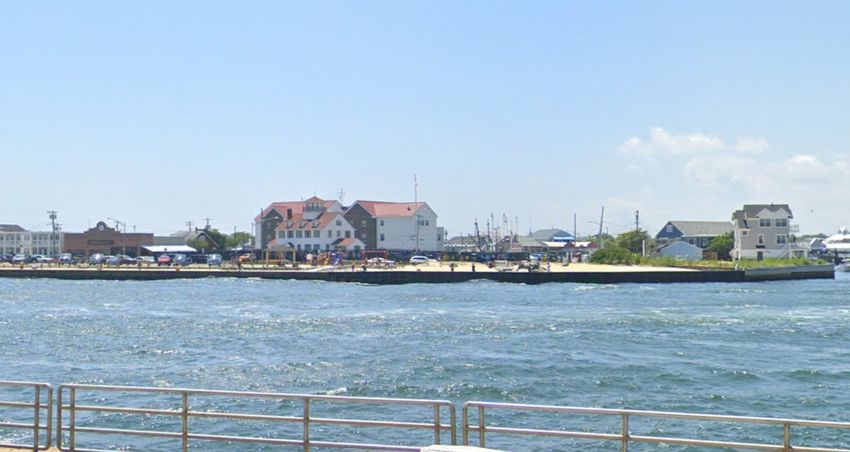
proximity, or as part of a mixed commercial (18) Secure Coast Guard Station for town use
development. Consider ways to attract
“experiential”-type retailers, such as wine (19) Update list of buildings and sites of historic
tasting, brewery, distillery. significance
(6) Encourage retailers to increase their hours of
SUSTAINABILITY AND RESILIENCY
operation.
(7) Decrease vacancies by considering – short- (20) Green up Point Pleasant Beach, through -
and long-term alternatives. trees, landscaping, clean up, and healthier
lakes. It should be noted that a lake
(8) Consider a Façade Improvement Program. management plan is currently underway.
(9) Consider inclusion of elements from the (21) Continue participation in the Sustainable
Main Street NJ/USA programs Jersey certification program.
(10) Enhance the appearance of downtown.
CIRCULATION
(11) Enhance the appearance of the Channel
Drive corridor. (22) Continue to seek grants under the Safe
Routes to School Grant program to enhance
(12) Create an energy to the downtown by bicycle/pedestrian facilities and routes.
establishing a commonality that businesses
(shops and restaurants) strive toward, (23) Publicize the local shuttle service, providing
including architectural design information to residents and visitors on
features/theme, coordinated street schedule and stops.You can also read


