East Gippsland Region
Water Corporation
2019/20 Corporate Plan
←
→
Page content transcription
If your browser does not render page correctly, please read the page content below
East Gippsland Region Water Corporation 2019/20 Corporate Plan
East Gippsland Water | 2019/20 Corporate Plan

Aboriginal acknowledgement
East Gippsland Water acknowledges the Gunaikurnai people as the Traditional Custodians of the
land and water on which we live and work. We pay our respects to Elders past and present. We
commit to working respectfully to honour their ongoing cultural and spiritual connections to this
country. We recognise the role and value of culture in our community.

Sunrise over Bairnsdale Wastewater Treatment Plant

2

3

East Gippsland Water | 2019/20 Corporate Plan

Contents

     Aboriginal acknowledgement. . . . . . . . . . . . . . . . . . . . . . . . . . . . . . . . . . . . . . . . . . . . . . . . . . . . . . . . . . . . . . . . . . . . . . . . . . . . . . . . . . . . . . . . . . . . . . . 2
     Managing Director’s introduction. . . . . . . . . . . . . . . . . . . . . . . . . . . . . . . . . . . . . . . . . . . . . . . . . . . . . . . . . . . . . . . . . . . . . . . . . . . . . . . . . . . . . . . . . 6
     Our Values. . . . . . . . . . . . . . . . . . . . . . . . . . . . . . . . . . . . . . . . . . . . . . . . . . . . . . . . . . . . . . . . . . . . . . . . . . . . . . . . . . . . . . . . . . . . . . . . . . . . . . . . . . . . . . . . . . . . . . . . . 7

SECTION 1: BUSINESS STRATEGY. . . . . . . . . . . . . . . . . . . . . . . . . . . . . . . . . . . . . . . . . . . . . . . . . . . . . . . . . . . . . . . . . . . . 8
     Vision, role, objectives. . . . . . . . . . . . . . . . . . . . . . . . . . . . . . . . . . . . . . . . . . . . . . . . . . . . . . . . . . . . . . . . . . . . . . . . . . . . . . . . . . . . . . . . . . . . . . . . . . . . . . . . 8
     East Gippsland Water strategic plan. . . . . . . . . . . . . . . . . . . . . . . . . . . . . . . . . . . . . . . . . . . . . . . . . . . . . . . . . . . . . . . . . . . . . . . . . . . . . . . . . . . . 10

SECTION 2: CURRENT BUSINESS OVERVIEW. . . . . . . . . . . . . . . . . . . . . . . . . . . . . . . . . . . . . . . . . . . . 12
     Facts and Figures. . . . . . . . . . . . . . . . . . . . . . . . . . . . . . . . . . . . . . . . . . . . . . . . . . . . . . . . . . . . . . . . . . . . . . . . . . . . . . . . . . . . . . . . . . . . . . . . . . . . . . . . . . . . . . 12

SECTION 3: DELIVERING ON OUR STRATEGY. . . . . . . . . . . . . . . . . . . . . . . . . . . . . . . . . . . . . . . . . . . . 14
     Strategic Challenges and Opportunities. . . . . . . . . . . . . . . . . . . . . . . . . . . . . . . . . . . . . . . . . . . . . . . . . . . . . . . . . . . . . . . . . . . . . . . . . . . . . . . 14
	Alignment with Water for Victoria and the Minister’s Letter of Expectations. . . . . . . . . . . . . . . . . . . . . . . . . . . . . . 16
		                 Climate Change. . . . . . . . . . . . . . . . . . . . . . . . . . . . . . . . . . . . . . . . . . . . . . . . . . . . . . . . . . . . . . . . . . . . . . . . . . . . . . . . . . . . . . . . . . . . . . . . . . . . . . . . . . 16
		                 Customer and Community Outcomes.. . . . . . . . . . . . . . . . . . . . . . . . . . . . . . . . . . . . . . . . . . . . . . . . . . . . . . . . . . . . . . . . . . . . . . . . . . . . . 18
		Water for Aboriginal Cultural, Spiritual and Economic Values. . . . . . . . . . . . . . . . . . . . . . . . . . . . . . . . . . . . . . . . . . . . . . . . 20
		                 Resilient and Liveable Cities and Towns. . . . . . . . . . . . . . . . . . . . . . . . . . . . . . . . . . . . . . . . . . . . . . . . . . . . . . . . . . . . . . . . . . . . . . . . . . . 22
		                 Recognising Recreational Values. . . . . . . . . . . . . . . . . . . . . . . . . . . . . . . . . . . . . . . . . . . . . . . . . . . . . . . . . . . . . . . . . . . . . . . . . . . . . . . . . . . . 24
		                 Leadership and Culture. . . . . . . . . . . . . . . . . . . . . . . . . . . . . . . . . . . . . . . . . . . . . . . . . . . . . . . . . . . . . . . . . . . . . . . . . . . . . . . . . . . . . . . . . . . . . . . . 26
		                 Financial Sustainability. . . . . . . . . . . . . . . . . . . . . . . . . . . . . . . . . . . . . . . . . . . . . . . . . . . . . . . . . . . . . . . . . . . . . . . . . . . . . . . . . . . . . . . . . . . . . . . . . 28

SECTION 4: MEASURING SUCCESS. . . . . . . . . . . . . . . . . . . . . . . . . . . . . . . . . . . . . . . . . . . . . . . . . . . . . . . . . . . . . . . . 30
	Outcome 1:
  100 per cent achievement of price submission measures and targets. . . . . . . . . . . . . . . . . . . . . . . . . . . . . . . . . . . . . . . . . . . . 30
	Outcome 2:
  44 per cent net emissions reduction to 4650 tonnes CO2-e by 30 June 2025. . . . . . . . . . . . . . . . . . . . . . . . . . . . . . . . . . 34
	Outcome 3:
  Customer satisfaction levels at or above 90 per cent each year. . . . . . . . . . . . . . . . . . . . . . . . . . . . . . . . . . . . . . . . . . . . . . . . . . . . 34
	Outcome 4:
  Total Reportable Injury Frequency Rate (TRIFR) safety indicator < 10 by 30 June 2023.. . . . . . . . . . . . . . . . . . . . . 35
	Outcome 5:
  100 per cent achievement of key business ratios. . . . . . . . . . . . . . . . . . . . . . . . . . . . . . . . . . . . . . . . . . . . . . . . . . . . . . . . . . . . . . . . . . . . . . . 37
	Outcome 6:
  Attestation with no material deficiencies under Ministerial Standing Directions for 30 June 2020. . . . . . . . . 37
	Outcome 7:
  Identify and prioritise program of works for all vulnerable assets with the view to achieving no material
  deficiencies in the Asset Management Accountability Framework Attestation for 30 June 2020. . . . . . . . . . 38
	Outcome 8:
  Employee Engagement Index 79 per cent or above for 2020 People Matter Survey results. . . . . . . . . . . . . . . . 39

4
SECTION 5: LINKING RISK AND STRATEGY. . . . . . . . . . . . . . . . . . . . . . . . . . . . . . . . . . . . . . . . . . . . . . . . . 40
     Strategic Risks.. . . . . . . . . . . . . . . . . . . . . . . . . . . . . . . . . . . . . . . . . . . . . . . . . . . . . . . . . . . . . . . . . . . . . . . . . . . . . . . . . . . . . . . . . . . . . . . . . . . . . . . . . . . . . . . . . 40

SECTION 6: FINANCIAL OBJECTIVES AND ASSUMPTIONS. . . . . . . . . . . . . . . . . 42
		                Overarching Objectives. . . . . . . . . . . . . . . . . . . . . . . . . . . . . . . . . . . . . . . . . . . . . . . . . . . . . . . . . . . . . . . . . . . . . . . . . . . . . . . . . . . . . . . . . . . . . . . . 42
		                Customer Growth and Demand. . . . . . . . . . . . . . . . . . . . . . . . . . . . . . . . . . . . . . . . . . . . . . . . . . . . . . . . . . . . . . . . . . . . . . . . . . . . . . . . . . . . . . 42
		                Bulk Water Supplies and Restrictions. . . . . . . . . . . . . . . . . . . . . . . . . . . . . . . . . . . . . . . . . . . . . . . . . . . . . . . . . . . . . . . . . . . . . . . . . . . . . . 44
		                Price Increases and Customer bills. . . . . . . . . . . . . . . . . . . . . . . . . . . . . . . . . . . . . . . . . . . . . . . . . . . . . . . . . . . . . . . . . . . . . . . . . . . . . . . . . 44
		                Environmental Contribution. . . . . . . . . . . . . . . . . . . . . . . . . . . . . . . . . . . . . . . . . . . . . . . . . . . . . . . . . . . . . . . . . . . . . . . . . . . . . . . . . . . . . . . . . . . 44
		                Forecast Inflation Rates. . . . . . . . . . . . . . . . . . . . . . . . . . . . . . . . . . . . . . . . . . . . . . . . . . . . . . . . . . . . . . . . . . . . . . . . . . . . . . . . . . . . . . . . . . . . . . . . 44
		                Borrowings. . . . . . . . . . . . . . . . . . . . . . . . . . . . . . . . . . . . . . . . . . . . . . . . . . . . . . . . . . . . . . . . . . . . . . . . . . . . . . . . . . . . . . . . . . . . . . . . . . . . . . . . . . . . . . . . 44
		                Interest Charged on Receivables. . . . . . . . . . . . . . . . . . . . . . . . . . . . . . . . . . . . . . . . . . . . . . . . . . . . . . . . . . . . . . . . . . . . . . . . . . . . . . . . . . . . 45
		                Wastewater Reuse.. . . . . . . . . . . . . . . . . . . . . . . . . . . . . . . . . . . . . . . . . . . . . . . . . . . . . . . . . . . . . . . . . . . . . . . . . . . . . . . . . . . . . . . . . . . . . . . . . . . . . . 45
		                Dividend Calculation. . . . . . . . . . . . . . . . . . . . . . . . . . . . . . . . . . . . . . . . . . . . . . . . . . . . . . . . . . . . . . . . . . . . . . . . . . . . . . . . . . . . . . . . . . . . . . . . . . . . 45
     	           National Tax Equivalent Regime (NTER) Payments. . . . . . . . . . . . . . . . . . . . . . . . . . . . . . . . . . . . . . . . . . . . . . . . . . . . . . . . . . . . . 45
		                Interest on Investment. . . . . . . . . . . . . . . . . . . . . . . . . . . . . . . . . . . . . . . . . . . . . . . . . . . . . . . . . . . . . . . . . . . . . . . . . . . . . . . . . . . . . . . . . . . . . . . . . . 45
		                Wage Price Index and Staff Numbers. . . . . . . . . . . . . . . . . . . . . . . . . . . . . . . . . . . . . . . . . . . . . . . . . . . . . . . . . . . . . . . . . . . . . . . . . . . . . . 45
     	           Development and New Customer Contribution Charges. . . . . . . . . . . . . . . . . . . . . . . . . . . . . . . . . . . . . . . . . . . . . . . . . . . . . . 45
		                Operating Expenditure. . . . . . . . . . . . . . . . . . . . . . . . . . . . . . . . . . . . . . . . . . . . . . . . . . . . . . . . . . . . . . . . . . . . . . . . . . . . . . . . . . . . . . . . . . . . . . . . . 45
		                Capital Expenditure. . . . . . . . . . . . . . . . . . . . . . . . . . . . . . . . . . . . . . . . . . . . . . . . . . . . . . . . . . . . . . . . . . . . . . . . . . . . . . . . . . . . . . . . . . . . . . . . . . . . . 46
		                Guaranteed Service Levels. . . . . . . . . . . . . . . . . . . . . . . . . . . . . . . . . . . . . . . . . . . . . . . . . . . . . . . . . . . . . . . . . . . . . . . . . . . . . . . . . . . . . . . . . . . . 46
		                Essential Services Commission Standard Key Performance Indicators. . . . . . . . . . . . . . . . . . . . . . . . . . . . . . . . . . . 48
		                Financial Performance Indicators.. . . . . . . . . . . . . . . . . . . . . . . . . . . . . . . . . . . . . . . . . . . . . . . . . . . . . . . . . . . . . . . . . . . . . . . . . . . . . . . . . . . 49
		                Summary of Significant Changes from 2018/19 Corporate Plan. . . . . . . . . . . . . . . . . . . . . . . . . . . . . . . . . . . . . . . . . . . . 50

SECTION 7 – FORECAST OUTCOMES 2018/19. . . . . . . . . . . . . . . . . . . . . . . . . . . . . . . . . . . . . . . . . . . 51
SECTION 8 – APPENDICES. . . . . . . . . . . . . . . . . . . . . . . . . . . . . . . . . . . . . . . . . . . . . . . . . . . . . . . . . . . . . . . . . . . . . . . . . . . . . . . . . . . 54
     Strategic Risk Register. . . . . . . . . . . . . . . . . . . . . . . . . . . . . . . . . . . . . . . . . . . . . . . . . . . . . . . . . . . . . . . . . . . . . . . . . . . . . . . . . . . . . . . . . . . . . . . . . . . . . . 54
     Financial Projections. . . . . . . . . . . . . . . . . . . . . . . . . . . . . . . . . . . . . . . . . . . . . . . . . . . . . . . . . . . . . . . . . . . . . . . . . . . . . . . . . . . . . . . . . . . . . . . . . . . . . . . . . 56
     Detailed Outcomes for 2018/19. . . . . . . . . . . . . . . . . . . . . . . . . . . . . . . . . . . . . . . . . . . . . . . . . . . . . . . . . . . . . . . . . . . . . . . . . . . . . . . . . . . . . . . . . . . 61

                                                                                                                                                                                                                                                                 5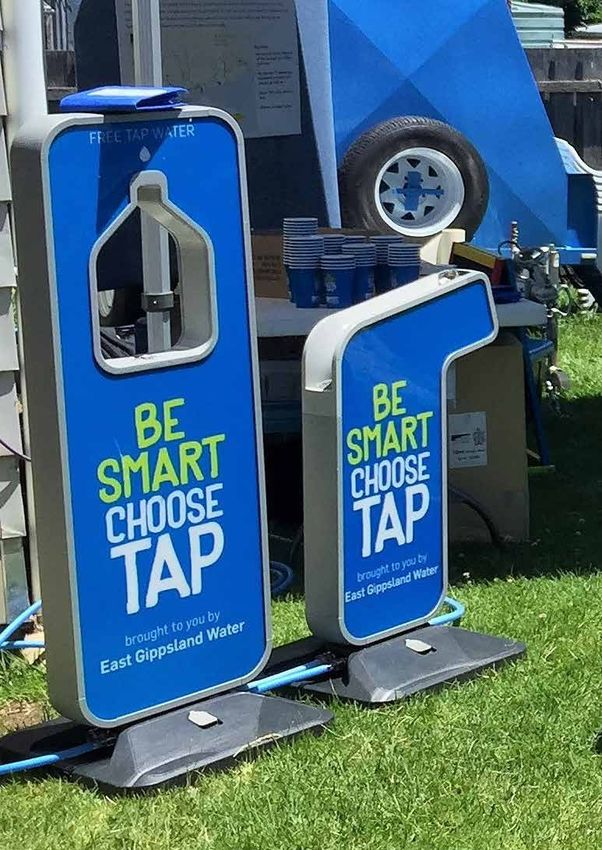
East Gippsland Water | 2019/20 Corporate Plan

Managing Director’s introduction

Managing Director’s introduction
On behalf of the board, I am pleased to present East      meaning by the board as part of the planning
Gippsland Water’s Corporate Plan for 2019/20.             process. The extension of our role is “We are a
                                                          provider of efficient, reliable, high quality water
East Gippsland Water has been through an
                                                          and wastewater services. We proactively engage
extensive strategic planning process to create a
                                                          with customers and the community on related
plan that has streamlined our major focus areas
                                                          issues, as we strive to enhance our delivery of
and provides an umbrella across all our key
                                                          services and to promote liveability and healthy
deliverable areas. Termed our ‘plan on a page’,
                                                          lifestyles in our region.”
this key planning framework will be our platform
to deliver core services, as well as community and        These two critical statements articulate the
government priorities.                                    business’ strategic positioning and provide
                                                          the platform to identify objectives, goals and
As part of the strategic planning process, the
                                                          measureable outcomes for 2019/20.
board spent significant time contextualising our
vision to ensure that we are aspiring to be at the        Recognising that our people are key to the success
heart of the region’s attraction. This work resulted      of our vision and our role we have invested
in an extension of the current vision to further          significantly in the development of our management
encapsulate what we want to be.                           team over the past 18 months with a bespoke
                                                          program designed to:
“We are an industry and community leader,
driven to future-proof services using customer-           • Identify and enhance leadership competence.
focused water and wastewater solutions, which
                                                          •	Provide opportunities for the management
are efficient, affordable and represent value for
                                                             team to form as ‘one team’ and work together,
money. Our people are inspired to work within a
                                                             across organisational boundaries, on key
strong values-focused organisation, with safety
                                                             strategic challenges strengthening organisational
at its core. Our water solutions contribute to
                                                             capability and whole of business sustainability.
making us a location of choice, which is at the
heart of the region’s attraction, and what makes          An area of particular focus has been on the core
East Gippsland a great place to live and work.”           values and behaviours that align with the business’
                                                          vision and role. Over the past 12 months, the
With respect to the first Australians’ association with
                                                          organisation has been engaged in developing a set
the word ‘mission’ the board has made a deliberate
                                                          of values that align with the Victorian Public Sector
decision to change the use of the word ‘mission’
                                                          whole of government values. This has resulted in
to ‘role’ throughout the planning framework. The
                                                          a set of values and enabling behaviours, that East
role was also workshopped and crystallised in
                                                          Gippsland Water owns.

6
Our Values
Proudly United
We are proudly united as a team, as members
of East Gippsland Water and as members of our
community.
We work towards a common goal in a safe,
respectful and inclusive workplace.
We celebrate success together.

Truly Authentic
We act openly and honestly in everything we do
and earn the trust of others by delivering what we
promise.
We understand our strengths and our limitations.
We earn respect.

Passionately Innovative
In an ever changing world our key to success is
innovation and making the most of our resources.
We achieve this by challenging the status quo,
collaborating and embracing change.
We value each other’s ideas and learn from honest
mistakes.

Openly Accountable
We take personal responsibility and accountability
for our actions and their outcomes.
We have a clear understanding of what is expected
of us and act accordingly.
We seek to understand the changing needs of
our internal and external customers and respond
appropriately.
The combination of the vision, role and values
work provides the groundwork and platform to
deliver our strategy in 2019/20.

                                                     7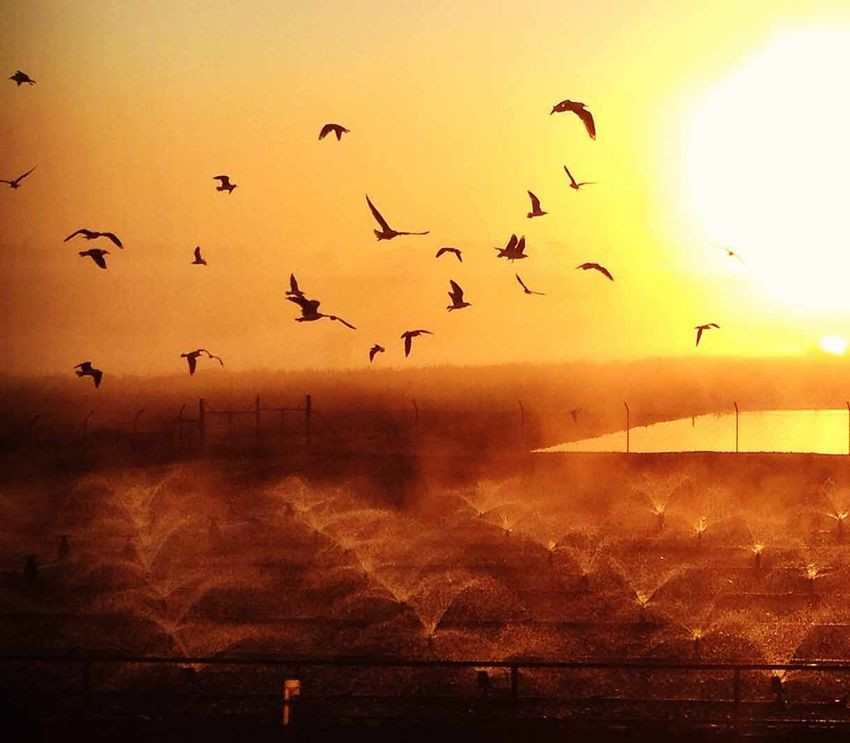
East Gippsland Water | 2019/20 Corporate Plan

Section 1: Business Strategy

Vision, role, objectives                                Expanding on each objective:
                                                        1	To deliver safe and sustainable water and
1.1 Our Vision                                             wastewater services to our community
		Sustainability and resilience through leading     		The delivery of core services to our
    and innovative water solutions                       communities is the key pillar of our strategic
                                                         framework. This objective centres the
1.2 Our Role                                             business in the heart of what we do in
                                                         providing safe and sustainable water to
		Providing quality water and wastewater
                                                         our customers and ensuring the safe and
   services to sustain and enhance our
                                                         effective removal of wastewater. In a year of
   community
                                                         lowest on record stream flows for many of
                                                         the rivers supplying our communities, this
1.3 Our Objectives                                       objective ensures we have a clear line of
		     •	To deliver safe and sustainable water and      sight to what is critical.
          wastewater services to our community
                                                        2	To meet the expectations of our
		     •	To meet the expectations of our                  customers and stakeholders
          customers and stakeholders
                                                      		This objective aligns with our vision for our
		     •	To enhance the liveability, development        business to be at the heart of the region’s
          and resilience of our region                   attraction. We will do this by engaging
		     •	To maximise the performance and                with customers and stakeholders and
          potential of our people                        understanding what they want and need,
                                                         creating partnerships to deliver regional
		     •	To innovate and achieve whole of               outcomes, supporting all of our customers
          business sustainability                        through service affordability and extra
                                                         assistance, where necessary, for those
1.4 Our Values                                           experiencing hardship. We will recognise
		     Proudly United                                    and support Aboriginal cultural values and
                                                         economic inclusion.
		     Truly Authentic
                                                        3	To enhance the liveability, development
		     Passionately Innovative                             and resilience of our region
		     Openly Accountable                             		We are proud of where we live and want to
                                                         enhance the place we call home. The goals
1.5 Our plan                                             we have developed seek to provide regional
		The strategic plan presented below is an              leadership in climate change mitigation
   umbrella across all of the key obligations            and adaption, collaborating and facilitating
   that ensure we are a successful essential             regional development and assisting to
   service provider and provide place-based              develop the social fabric of our towns as
   leadership within the Water for Victoria              great places to live, work and play.
   policy context.

8
4	To maximise the performance and potential of      5	To innovate and achieve whole of
   our people                                           business sustainability
		We recognise the importance of our people      		By creating customer-focused solutions
   in this business and in the community,            across the business, we support business
   which is why we aim to inspire them to be         efficiency and effectiveness. This is done
   their best in a values-focused business           in the context of an organisation with
   with safety at its core. We support and           strong governance systems and robust
   empower our people not only to contribute         risk-management practices, which ensure
   and lead in the business, but also to             financial sustainability and resilience to
   demonstrate commitment and leadership             climate change.
   in our communities. That way we create
                                                  In Section 3, ‘Delivering on our strategy’, further
   advocates for the business with customers
                                                  detail is provided on how this plan will deliver for our
   and stakeholders and equally can ensure
                                                  customers and shareholders, including alignment to
   we understand community needs when
                                                  the Water for Victoria policy setting.
   delivering services. We aim to enhance
   our inclusive culture so we are more           Section 4 tells how we will measure success.
   representative of the communities we serve.

 Woodglen Water Treatment Plant

                                                                                                             9
East Gippsland Water | 2019/20 Corporate Plan

East Gippsland Water Strategic Plan

                                                          Sustainability and resilience thro
  OUR VISION                We are an industry and community leader, driven to future-proof services using custom
                            Our people are inspired to work within a strong values-focused organisation, with safe
                                                                                  region’s attraction and what ma

                                           Providing quality water and wastewate
     OUR ROLE               We provide efficient, reliable, high-quality water and wastewater services. We proactive
                                                                                            vices and to promote liv

 OUR VALUES                          Proudly United                                            Truly Authentic

                             Strategic Objective 1:                        Strategic Objective 2:                      Stra
  STRATEGIC                 To deliver safe and sustainable
  OBJECTIVES               water and wastewater services for
                                                                           To meet the expectations of our
                                                                            customers and stakeholders
                                                                                                                      To enha
                                                                                                                       ment a
                                   our community

                             Goal 1.1 – Reliably and safely deliver core   Goal 2.1 – Provide open channels of         Goal 3.
                             water and wastewater services.                engagement.                                 leaders
                                                                                                                       of East
                             Goal 1.2 – Understand and optimise the        Goal 2.2 – Ensure service affordability
                                                                                                                       live, wo
                             performance and condition of our critical     and support for all our customers.
                             asset base.                                                                               Goal 3.
                                                                           Goal 2.3 – Collaborate with our regional
                                                                                                                       leaders
                             Goal 1.3 – Plan and manage our water          partners and regulators to deliver
                                                                                                                       and ada
                             and wastewater services in a sustainable      mutually beneficial outcomes.
                             manner minimising environmental impacts.                                                  Goal 3.
                                                                           Goal 2.4 – Recognise and support
                                                                                                                       regiona
                             Goal 1.4 – Effectively manage contractor      Aboriginal cultural values and economic
                             and public safety.                            inclusion.
                             Goal 1.5 – Plan water resources to respond
                             to drought and extreme climate variability.

                                         1. 100 per cent achievement of price submission measures
                                         2. 44 per cent net emissions reduction to 4650 tonnes CO2-
                                         3. Achieve customer satisfaction levels at or above 90 per c
                                         4. TRIFR safety indicator
ough leading and innovative water solutions
mer-focused water and wastewater solutions, which are efficient, affordable and represent value for money.
ety at its core. Our water solutions contribute to making us a location of choice, which is at the heart of the
akes East Gippsland a great place to live and work.
er services to sustain and enhance our community
ely engage with customers and the community on related issues as we strive to enhance our delivery of ser-
veability and healthy lifestyles in our region.
c Passionately Innovative Openly Accountable
ategic Objective 3: Strategic Objective 4: Strategic Objective 5:
ance the liveability, develop- To maximise the performance and To innovate and achieve whole of
and resilience of our region potential of our people business sustainability
.1 – Demonstrate regional Goal 4.1 – Develop, support and Goal 5.1 – Innovate to achieve business
ship in developing the social fabric empower our people. efficiency and effectiveness.
Gippsland to be a great place to
Goal 4.2 – Ensure the overall health, Goal 5.2 – Ensure ongoing financial
ork and play.
safety and wellbeing of our people. sustainability.
.2 – Demonstrate regional
Goal 4.3 – Enable our people to be Goal 5.3 – Support business systems
ship in climate-change mitigation
advocates for East Gippsland Water. that provide assurance through robust
aptation.
risk-management practices.
Goal 4.4 – Enhance our workforce
.3 – Collaborate and facilitate
diversity and inclusion. Goal 5.4 – Build resilience to climate
al development opportunities.
change scenarios.
and targets
-e by 30 June 2025
cent each year
s
al Standing Directions for 30 June 2020
e assets with the view to achieving no material
amework Attestation for 30 June 2020
020 People Matter Survey results
11East Gippsland Water | 2019/20 Corporate Plan
Section 2: Current Business Overview
East Gippsland Region Water Corporation is Nine water supply systems serve the communities
responsible for harvesting, storage, treatment of Bairnsdale, Banksia Peninsula, Bemm River,
and distribution of drinking water, and Bruthen, Buchan, Cann River, Dinner Plain, Eagle
wastewater collection, treatment and reuse for Point, Johnsonville, Lakes Entrance, Lake Tyers
urban customers throughout East Gippsland. Aboriginal Trust, Lake Tyers Beach, Lindenow,
Our activities cover an area from Lindenow Lindenow South, Mallacoota, Marlo, Metung,
eastwards through to the Victoria-New South Newlands Arm, Newmerella, Nicholson, Nowa
Wales border and to the high country of the Nowa, Omeo, Orbost, Paynesville, Raymond Island,
Victorian Alps. Sarsfield, Swan Reach and Swifts Creek.
Eleven wastewater systems serve Bairnsdale,
Facts and Figures Banksia Peninsula, Bemm River, Bruthen, Cann
River, Dinner Plain, Eagle Point, Johnsonville,
We serve a region covering over 21,000
Lakes Entrance, Lake Tyers Aboriginal Trust,
square kilometres with a service population of
Lake Tyers Beach, Lindenow, Mallacoota, Marlo,
approximately 35,000.
Metung, Newlands Arm, Nicholson, Omeo, Orbost,
Paynesville, Raymond Island and Swan Reach.
The East Gippsland Water Region
12Table 1: East Gippsland Region Water Corporation’s area statistics
Between 280 kilometres (Bairnsdale) and 580 kilometres (Mallacoota) distance
Location
from Melbourne
Area 21,051 km2
Population – East East Gippsland Shire together with Dinner Plain (Alpine Shire) population: 46,372
Gippsland Shire estimated
East Gippsland Water serviced population: 35,000*
resident population
30 June 20181 *Estimated by East Gippsland Water
Bairnsdale, Bruthen, Dinner Plain, Lakes Entrance, Mallacoota, Marlo, Metung,
Main towns
Omeo, Orbost, Paynesville
Buchan Caves, Dinner Plain snow fields, Gippsland Lakes, Lake Tyers,
Key environmental
Mallacoota Inlet, Mitchell River, Snowy River, national parks (Snowy River,
features
Mitchell River, Croajingolong, Errinundra, Lind, Cape Conran), Ninety Mile Beach
Agriculture, horticulture, forestry, fishing, energy, visitor economy, health care and
Key industries2
social assistance, manufacturing and education
1
East Gippsland Shire Council Community profile https://profile.id.com.au/east-gippsland/population-estimate
2
Ibid https://profile.id.com.au/east-gippsland/industries
Table 2: East Gippsland Region Water Corporation’s service information
Water 2019*
Customer numbers
23,324
Serviced properties - residential assessments
3,244
- non-residential assessments
Water consumption - 2017/18 (ML) 5,002
Length of water mains (km) 961
Water treatment plants 9
Water disinfection plants 11
Separate water supply systems 9
Wastewater
Customer numbers
20,208
Serviced properties - residential assessments
2,362
- non-residential assessments
Volume of wastewater collected – 2017/18 (ML) 3,103
Length of sewer mains (km) 710
Wastewater treatment plants 11
Wastewater recycled 100%
Separate wastewater systems 11
* as at March 2019 unless otherwise noted
13East Gippsland Water | 2019/20 Corporate Plan
Section 3: Delivering on our Strategy
Strategic Challenges and Opportunities
Efficiently providing safe and sustainable water by a visitor, agriculture, health, education and
and wastewater services underpins health and service-based economy, which is expected to
wellbeing in our community, economic development grow to 55,000 people by 2036 . Abundant natural
and, importantly, protects the pristine environment resources, pristine environments and natural assets
of East Gippsland. Success for East Gippsland ranging from alpine snowfields, national parks and
Water in this fundamental role is attributable to forests, to healthy waterways and coastal lakes
wide ranging factors, with key strategic advantages and beaches are a major attraction for tourists and
being: people relocating to the region. As a major food
and fibre producing region, and forecast growth in
• Our diverse, committed and talented workforce.
demand for these staples in Australia and South
• Our connection within communities, where our East Asia, there is significant potential for future
employees interact daily in their professional and economic growth in primary and value-adding
private lives in and around the towns where we industries in East Gippsland.
work and reside.
The region has been renowned for its abundant,
• An enviable financial position, with a solid reliable and high-quality water resource relative
balance sheet and low debt. to regional agricultural and urban consumption
needs, with a high potential to cater for significant
Our region has one of the highest and steadiest
future growth. The impacts of climate change are
growth rates in regional Victoria underpinned
Macleod Morass - Photo courtesy of Kate McSweeny
14challenging this with abnormally low water levels in East Gippsland Water has historically enjoyed an
many of our rivers, following several dry years. This enviable reliability for supply from the Mitchell River.
includes the Mitchell River, upon which we rely to
On 3 March 2019, East Gippsland Water
supply 85 per cent of our customer water needs.
ceased pumping when the Mitchell River fell
The East Gippsland region has been declared to unprecedented low levels, highlighting the
‘drought affected’ following several dry years. In vulnerability of having one major source of water
February 2019, irrigation licences in the Mitchell supply for the majority of our customers. Cessation
system were placed on a total ban. Distribution of of pumping from the Mitchell River by East
rainfall can be seen in the diagram below. Gippsland Water continued through March and
compulsory water restrictions are possible in the
This did not immediately affect East Gippsland
coming 12 months.
Water as we had extracted water during winter and
spring and stored this in off-stream storages for During 2019/20, East Gippsland Water will review
summer use. the trigger level of water restrictions, taking into
account what appears to be a record low level of
Our bulk entitlement places limits on our water
water flow in the Mitchell River. We will also review
extraction which taper our pumping rights down
critical assumptions in our 50-year (2017 – 2067)
to zero when the Mitchell River daily flow rate falls
Urban Water Strategy, which we use to plan our
to 30 megalitres per day. This is very rare and
future water resource augmentation requirements.
Victorian Rainfall Deciles - 1 April 2017 to 31 March 2019
Distribution based on Gridded Date - Australian Bureau of Meteorology
15East Gippsland Water | 2019/20 Corporate Plan
Alignment with Water for Victoria and the Minister’s
Letter of Expectations
East Gippsland Water is well placed to continue to • Increased demand and changed usage patterns
deliver efficient, affordable and responsive water for water in a hotter and drier environment.
and sewerage services and to meet the future
• Increased competition for water resources from
needs of our growing community. As part of
other users.
meeting these core functions and capitalising on
related opportunities, the corporate plan delivers • Impact on our catchments through extended
tangible outcomes consistent with the Water for dry periods, more intense flooding and more
Victoria policy, with a particular focus given to the frequent bushfires.
priority areas detailed in the Minister for Water’s
• Reduced asset life attributable to rising sea
Letter of Expectations. The following sections
levels and soil moisture profile extremes.
provide further detail.
We are committed to reducing our contribution to
Climate Change global emissions and to demonstrating leadership
on mitigation in our region. We are also committed
East Gippsland Water will provide services
to developing robust planning processes that
that minimise environmental impacts, reduce
ensure we embed climate change considerations in
our carbon footprint and develop adaptation
our planning and build resilience to climate change
strategies. This will include actions to reduce
scenarios.
carbon emissions and to plan to adapt to future
warmer temperatures and reduced rainfall. During 2018/19, we continued to progress the
mitigation and adaptation actions committed
Key strategic goals developed to achieve this
to in our 2017-19 Climate Change Action Plan.
include (see Section 1.5):
Key achievements from this plan include the
development of our emissions reduction program
Goal 1.3 and the completion of a ‘stage one’ asset
Plan and manage our water and vulnerability assessment. We also developed our
wastewater services in a sustainable new Climate Change Management Strategy 2018-
manner minimising environmental impacts 23, which aligns with DELWP’s Water Sector Pilot
Climate Change Adaptation Action Plan 2018 and
Goal 1.5 the Water Services Association of Australia Climate
Plan water resources to respond to drought Change Guidelines. East Gippsland Water has
and extreme climate variability been an active contributor to the development of
this plan, particularly in the areas of climate risk,
Goal 3.2 emergency management and water supply.
Demonstrate regional leadership in climate-
Our new strategy provides a roadmap for our key
change mitigation and adaptation
mitigation and adaptation actions including progress
Goal 5.4 towards a more ambitious internal carbon emissions
Build resilience to climate change reduction target (beyond our pledge to the Victorian
Government of 21 per cent emissions reduction
scenarios
to 44 per cent net reduction in emissions by
2025) and further embedding carbon emission
Key among the challenges facing our region is
impacts into our decision making processes. The
climate change, which will potentially affect our
new strategy also aims to build on the vulnerability-
existing operational paradigm through:
assessment work completed previously through
• Decreased availability, reliability and quality of a detailed risk assessment and prioritisation
water resources. process for adaptation options identified. Actions
16identified from this work will be incorporated into improvements in electricity consumption, local
our 2023 price review with the Essential Services investment in behind-the-meter renewable
Commission. energy projects (including some with battery
storage) and, where appropriate, taking up
In 2018/19 we continued to progress a number of
collaborative opportunities with regional and
energy-efficiency initiatives through our emission
water industry partners.
reduction program, including a 24kW solar array
and battery storage at Cann River water treatment • Continuing to improve business processes that
plant as well as small-scale solar installations at embed climate change impacts into decision-
Omeo, Orbost and Mallacoota water treatment making processes in accordance with our 2018-
facilities. 23 Climate Change Management Strategy.
Work is progressing on the Bairnsdale wastewater • Reviewing critical assumptions, associated with
treatment plant food waste to energy project, which climate variability risk in our 2017 Urban Water
is partially funded through the Sustainability Victoria Strategy.
Waste to Energy Infrastructure Fund. Completion
• Progressively improving our vulnerability
of this project is planned for the first half of 2019/20
assessment program in accordance with our
and is expected to reduce our emissions by up to
2018-23 Climate Change Management Strategy.
500 t CO2-e per annum.
• Supporting East Gippsland Shire Council in
We are also participating in the Victorian water
its application for funding towards a Climate
industry power purchase agreement (PPA), which
Change Risk Assessment for East Gippsland
will result in us reducing our annual emissions by
(through DELWP’s Community Climate Change
up to 1,000 t CO2-e p.a. from 2024/25. The PPA
Adaptation Grants Program).
involves investment and continued financial support
of a large scale solar farm in regional Victoria. • Participating in the development and application
of the Guidelines for Assessing the Impact of
Our long-term water planning strategies, including
Climate Change on Water Supplies in Victoria.
our 50 year Urban Water Strategy, also consider the
impacts of climate change and apply the Guidelines • Continuing to implement food waste co-
for Assessing the DELWP Impact of Climate Change digestion at the Bairnsdale sewerage treatment
on Water Supplies in Victoria. plant in collaboration with Gippsland Food &
Fibre, Sustainability Victoria and East Gippsland
During 2019/20 and beyond our outcomes for
Shire Council.
climate change include:
Our target for the 2019/20 reporting period is 8,095
t CO2-e. Our program will accelerate in future Priority internal references:
years as current initiatives come on line and more
initiatives are implemented. • Climate Change Management Strategy
Our other key commitments for 2019/20 and • 2017 Urban Water Strategy
beyond include:
• Targeting a net reduction in carbon emissions of
44 per cent by 2025 from the five-year average
baseline emissions (2011/12 to 2015/16). This
is beyond what was pledged to the Victorian
Government (21% reduction by 2025) and will
be achieved through a combination of efficiency
17East Gippsland Water | 2019/20 Corporate Plan
Customer and Community leadership in our community.
Outcomes We have developed a Customer Strategy that will
provide a platform to confirm our customer touch
East Gippsland Water will ensure that all points, ensuring they are customer-centric and
aspects of service delivery will be customer responsive. Key objectives of the strategy are to
and community centred, we will communicate ensure we continually assess changing customer
and engage effectively and transparently with preferences. This will be achieved through formal
customers and the local community. surveys and systems but also by analysing and
Key strategic goals developed to achieve this leading interactions that are more informal. As
include (see Section 1.5): we discuss elsewhere, the unique advantage we
have through our people being ‘in community’ and
the business supporting them to give back to the
Goal 1.1 communities we serve ensures we have a direct
Reliably and safely deliver core water and line to engage. We will measure the success of
wastewater services our customer focus by ensuring our customer
satisfaction levels are at or above 90 percent
Goal 1.2 each year.
Understand and optimise the performance
and condition of our critical asset base In preparation for the 2018 price submission, we
completed an extensive engagement program with
Goal 1.5 customers and representative agencies to validate
Plan water resources to respond to drought the conclusions in the submission. A key pillar of
and extreme climate variability this process was the involvement of our Customer
Committee, which endorsed the submission and
Goal 2.1 reflected that the process was one of ‘genuine
Provide open channels of engagement community consultation’. East Gippsland Water
uses the IAP2 framework and has embedded it
Goal 2.2 across the business. It includes empowering the
Ensure service affordability and support for Customer Committee to develop the Guaranteed
all of our customers Service Levels.
Goal 3.1 Community engagement continues to be a
Demonstrate regional leadership in significant and ongoing business activity, and is
proving to be an invaluable aspect of developing
developing the social fabric of East
and testing our service and value delivery strategies.
Gippsland to be a great place to live, work Key tools we use to ensure effective ongoing
and play engagement include:
The strategy development process confirmed our • Embedding the IAP2 methodology across all our
emphasis on customers being at the heart of what major plans.
we do in providing ‘customer-focused water • Using the Customer Committee as our primary
and wastewater solutions which are efficient, engagement link.
affordable and represent value for money’.
• Developing customised methods of engaging
We recognise that our people ‘live, work and play’ with non-residential customers, including
in our community and as such provide a strong Gippsland Food & Fibre, our local leaders
connection to the community views and direction. In network, which includes all major government
ensuring our services are customer and community employers across East Gippsland, and the water
centred, we appreciate that as a major employer in corporation regional alliance.
the area we play an influential role in place-based
18During 2019/20 and beyond we will continue • Providing a ‘community dividend’ by
to deliver customer and community outcomes encouraging and supporting staff to be actively
including; involved in community groups, regional boards
and mentoring disadvantaged youth.
• Ensuring customer satisfaction results of 90 per
cent or above. • Continuing to use ‘Target your water use’ water
efficiency messaging to assist our community to
• Developing an asset management improvement
understand and adapt their water usage.
plan to optimise the performance of our critical
asset base. • Collaborating with our local agency partners to
leverage our collective skills and capabilities for
• Implementing the Customer Strategy to deliver a
shared benefit, such as employee secondments,
consistent, transparent and responsive customer
work experience programs, career fairs,
experience.
traineeships and apprenticeships.
• Continuing to implement actions in our
• Committing $90,000 each year to support local
Community Engagement Strategy.
schools and community groups with grants for
• Supporting affordability through no increase to native vegetation planting and habitat creation.
the average customer bill (beyond CPI).
• Partnering with welfare organisations locally Priority internal references:
to educate and assist vulnerable customers
recognising that we have one of the highest • Customer Satisfaction survey
disadvantage indexes in the state.
• Customer Strategy
• Participating in the Healthy Eating and Active
Living partnership to promote healthy eating and • Community Engagement Strategy
drinking across East Gippsland which has above
average obesity rates. • Customer Charter
• Sponsoring community events such as the East
Gippsland Business Awards, the Schools Solar
Challenge and providing our water trailer and
portable water refill stations to numerous events
and community groups.
19East Gippsland Water | 2019/20 Corporate Plan
Water for Aboriginal Cultural, We work hard to develop long-standing
relationships with Traditional Owner and aboriginal
Spiritual and Economic Values groups, founded on collaboration, cross-cultural
East Gippsland Water will recognise and learning and shared outcomes. These relationships
support Aboriginal cultural values and economic are many and varied, with examples including:
inclusion. We will better recognise and manage • Partnering with Clontarf Foundation, which
these values by: for many years has auspiced traineeship
• Committing to include these values in water opportunities for local Aborigines.
planning. • Collaborating with Gippsland and East Gippsland
• Generating economic opportunities through Aboriginal Cooperative by providing financial
supporting access to water. services support, mentoring their employees to
build internal capability and self-sufficiency. This
• Increasing Aboriginal participation in water has culminated in 2017/18 in the cooperative
management. being able to fully insource its financial
Key strategic goals developed to achieve this management activities.
include (see Section 1.5): • Ongoing collaboration on local artwork projects,
such as the Bruthen sewerage pumping station,
Goal 2.4 which depicts Jiddalick the Frog dreamtime
Recognise and support Aboriginal cultural story and the transformation of Bairnsdale’s
values and economic inclusion Dalmahoy Street sewerage pump station and
sewerage treatment plant anaerobic digester
Goal 3.1 with Aboriginal-inspired artwork.
Demonstrate regional leadership in • Engaging with our Traditional Owners through
developing the social fabric of East the whole business participating cultural heritage
Gippsland to be a great place to live, work awareness training.
and play
• Regular meetings between East Gippsland
Goal 4.4 Water and the Gunaikurnai Land and Waters
Enhance our workforce diversity and Corporation at senior officer and director level,
inclusion as a way to understand our Traditional Owners’
culture and build a partnership for collaboration
Our region has a rich cultural heritage with an and support.
Aboriginal population well above the Victorian The hallmark of the efforts to recognise and support
average. Along with our catchment and local Aboriginal values has been collaboration with local
government partners, our activities are intrinsically Gippsland environment agencies leading to the
linked with Traditional Owner cultural values and establishment of a joint partnership agreement
heritage.
20with Gunaikurnai Land and Waters Aboriginal • Supporting the GLaWAC ‘Aboriginal water
Corporation (GLaWAC). This important agreement project’ to gain a deeper understanding of
is an underpinning commitment towards shared Aboriginal water values in our landscape.
objectives and opportunities to meet our respective
• Using the outcomes of the GLaWAC ‘Aboriginal
goals.
water project’ to promote place based Aboriginal
The agreement enabled us to support the inclusion water values.
of a project in the East Gippsland Integrated
• Supporting executive and manager shadower/
Water Management (IWM) forum. This provides an
observer role as identified by GLaWAC to assist
opportunity to acknowledge and develop Aboriginal
in gaining experience in such roles without
values in water planning. The first step of this
committing to the formal accountability.
process is to gain a stronger understanding of the
Aboriginal cultural values in our landscape. The • Continuing to offer placement and traineeship
East Gippsland and West Gippsland Catchment opportunities to enhance economic
Management Authorities along with GLaWAC are in independence and careers for regional
the planning stages of the ‘Aboriginal water project’. Aborigines. This includes our target to have 3
per cent of our staff identify as Aboriginal or
Key outcomes supporting Aboriginal cultural,
Torres Strait Islander.
spiritual and economic values for 2019/20 will
include:
Priority internal references:
• Exploring opportunities for GLaWAC to become
a provider of choice for land management • Gunaikurnai Land and Waters Aboriginal
services at our operational sites and recycled Corporation and Gippsland Environment
water irrigation facilities. Agencies Partnership Agreement
• Continuing to implement relevant actions in the • Workforce Plan
annual action plan of GLaWAC and Gippsland
Environment Agencies Partnership Agreement. • Diversity and Inclusion Plan
• Reviewing our tendering processes to promote
inclusion and providing appropriate procurement
and safety system training of Gunaikurnai people
to enable GLaWAC to engage as a capable and
trusted service provider.
21East Gippsland Water | 2019/20 Corporate Plan
Resilient and Liveable Cities and Customer engagement during the development of
our 2018 price submission identified that customers
Towns want to see East Gippsland Water supporting
East Gippsland Water will contribute to healthy liveability in our region. We have actively contributed
communities by supporting safe, affordable, to this by:
high-quality services and resilient environments. • Supporting affordability through no increase to
We will do this by: the average customer bill (beyond CPI).
• Implementing relevant actions within the East • Delivery of key capital projects to improve water
Gippsland Integrated Water Management quality at Mallacoota, Buchan and Lindenow.
Forum Strategic Directions Statement.
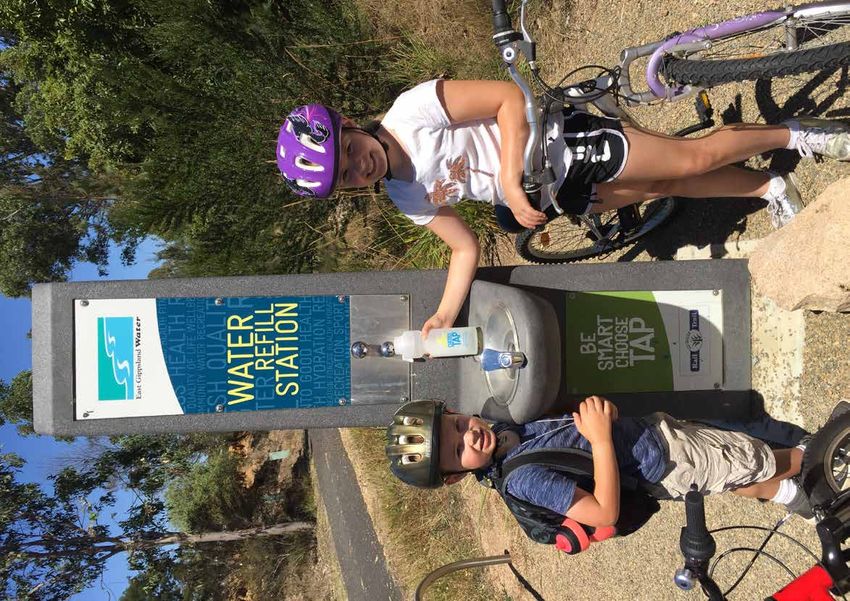
• Installing new drinking water fountains across
• Delivering improved value to customers East Gippsland.
and looking for additional opportunities to
support vulnerable customers and those • Providing bill rebates for outdoor community- run
experiencing hardship. not-for-profit recreation groups.
• Managing assets to safeguard the quality • Collaborating with local government to progress
and quantity of water and meets regulatory the commitments in the Urban Water Strategy
standards. and identify critical community assets which
could be exempt from water restrictions during
Key strategic goals developed to achieve this times of water shortage .
include (see Section 1.5):
• Implementing the planned Urban Water Strategy
program to maintain customer-agreed frequency
Goal 1.1 of water restrictions in times of water shortage.
Reliably and safely deliver core water and
wastewater services We recognise this region has one of the highest
disadvantage indexes in Victoria. Supporting
Goal 1.2 affordability through no increases to average
Understand and optimise the performance customer bills and having extensive support for
and condition of our critical asset base vulnerable customers are key to ensuring we deliver
Goal 1.3 value for money and care for our customers. We
Plan and manage our water and wastewater also appreciate we have the fourth highest rate
services in a sustainable manner minimising of family violence in Victoria and cannot enable
environmental impacts a healthy community without assisting these
vulnerable customers. In 2018/19 we provided
Goal 1.5 targeted education campaigns across our whole
Plan water resources to respond to drought
business to educate our people on how to support
and extreme climate variability
customers experiencing family violence. A key
Goal 2.2 outcome to measure resilience and liveability
Ensure service affordability and support for all will be 100 per cent achievement of our price
of our customers submission measures and targets.
Goal 2.3 For 2018/19 we also continued to chair the
Collaborate with our regional partners and East Gippsland Integrated Water Management
regulators to deliver mutually beneficial Forum and Working Group. With wide-ranging
outcomes representation from our municipal, catchment
and other community partners, the hallmark of
Goal 3.1
our efforts was when we finalised the strategic
Demonstrate regional leadership in
directions statement for the region in September
developing the social fabric of East Gippsland
2018. This plan identified a range of integrated
to be a great place to live, work and play
water management opportunities we are
progressing.
22From 2019/20 and beyond our focus to support • Continuing to expand our existing regional
resilient and liveable communities will include: network of drinking water fountains to enhance
accessibility and the ‘Be Smart Choose Tap’
• Ensuring our high-quality water and wastewater
brand.
services to sustain the health and wellbeing
of our community and to limit environmental • Continuing to collaborate with East Gippsland
impacts. Shire Council and our local health service
providers on campaigns to encourage our
• A program of water conservation initiatives
community to switch from sugary drinks to
consistent with our commitment to ‘Target Your
drinking water.
Water Use’, involving community education,
efficient fixture exchange programs, non-revenue • Increasing customer awareness of our financial
water reduction and substitution initiatives assistance program and family violence program
identified in the Integrated Water Management aimed at supporting customers in hardship
Strategic Directions Statement and our Urban through assistance programs, flexible payment
Water Strategy. plans and our incentive payments scheme.
• Collaboration with East Gippsland Shire Council • Continuing to collaborate with the local
to deliver liveability initiatives, such as securing Aboriginal community, Neighbourhood
essential water supplies to maintain priority Houses and Lakes Entrance Aboriginal Health
community assets in times of water shortage. Association by attending community events to
meet with customers seeking service assistance.
• Leading the East Gippsland Integrated Water
Management Forum to harness collaborative
efforts with our catchment, municipal and other Priority internal references:
water agency partners to identify and implement
integrated water management opportunities. • East Gippsland Integrated Water
Priority projects for 2019/20 include: Management Strategic Directions
- development of a Bairnsdale Integrated Water Statement
Management Plan;
• Customer Strategy
- reviewing alternative sources of water for
the Bairnsdale Livestock Exchange and the • Community Engagement Strategy
adjacent Bairnsdale City Oval; and
- reviewing alternative water sources for snow-
making at Dinner Plain including concept
design of preferred option.
• Actively contributing to various DELWP, Water
for Victoria and Water Act initiatives including the
Long Term Water Resource Assessment.
23East Gippsland Water | 2019/20 Corporate Plan
Recognising Recreational Values From our own perspective, we continue to support
community water-cycle knowledge, recreational
East Gippsland Water will support the wellbeing opportunities and community liveability throughout
of regional communities by considering our region, including:
recreational values in water management. We
will commit to strong engagement with our • Providing tours of our facilities for community
community to consider shared benefits including and school groups.
recreational benefits of water. • Building a network of drinking water fountains
Key strategic goals developed to achieve this throughout the region, enhancing the experience
include (see Section 1.5): of those using recreational parks, walking and
bike paths.
Goal 3.1 • Collaborating with Landcare and other
Demonstrate regional leadership in community groups in revegetation and habitat
developing the social fabric of East creation projects, including providing grants to
Gippsland to be a great place to live, work local schools and community groups for native
and play vegetation planting and habitat creation projects
across East Gippsland.
Goal 3.3 • Continuing to work with East Gippsland Shire
Collaborate and facilitate regional Council to identify high-value recreational and
development opportunities community facilities and making provision to
maintain water supplies to these facilities during
Unlike some other water businesses in Victoria, we times of water shortage in keeping with the
do not have large dams and recreation areas that Urban Water Strategy.
present community opportunities for recreation.
Our focus is to enhance recreational opportunities • Sponsoring regional community events where we
and outcomes through collaboration with our leverage our water literacy messaging.
regional partners, adopting an integrated approach • Collaborating with local agencies such as Parks
to planning our own works and influencing other Victoria to manage and protect wetlands such
projects led by our partners. as the Ramsar-listed Macleod Morass, which
The East Gippsland Integrated Water Management supports over 80 species of birds, a diversity of
Strategic Directions Statement explores and frogs, a healthy native fish population and long-
confirms numerous opportunities aligned to necked turtles. This includes creating walking
supporting recreational values and having paths to enhance community accessibility while
community values reflected through place- protecting their unique environmental values.
based planning. We lead this forum and ten key
opportunities were identified in the plan released in
September 2018.
24For 2019/20 and beyond, we will explore • Continuing to lead the East Gippsland
new opportunities that deliver recreational Integrated Water Management Forum to harness
community benefits through collaboration. collaborative efforts with our catchment,
Notable opportunities include: municipal and other water agency partners
to identify and implement integrated water
• Collaborating with BirdLife Australia, Field and
management opportunities. This includes the
Game Victoria, DELWP, Parks Victoria, East
potential to provide treated wastewater to the
Gippsland Catchment Management Authority
Bairnsdale Livestock Exchange and adjacent
and East Gippsland Shire Council for Ramsar-
Bairnsdale recreation precinct, and revegetation
listed Macleod Morass to identify opportunities
of a local gully to supplement a walking track
to monitor environmental impacts to ensure this
with Aboriginal inspired art.
unique wetland is used and enhanced for future
generations.
• Exploring a partnership with Greening Australia Priority internal references:
to rehabilitate Browns Swamp in Lindenow as a
• East Gippsland Integrated Water
turtle habitat.
Management Strategic Directions
• Assessing additional revegetation opportunities Statement
at our recycled-water farms with a view to
partnering with local communities in their • Community Engagement Strategy
restoration.
• Expanding our network of drinking-water
fountains at key recreational sites in the region.
• Continuing to actively partner with regional
environmental agencies and other stakeholders
to enhance our catchments and waterways
under the banner of the East Gippsland
Catchment Partnership Agreement.
25East Gippsland Water | 2019/20 Corporate Plan Leadership and Culture East Gippsland Water commits to providing place-based leadership that reflects the needs of the diverse communities we serve. We will develop strategies and goals that improve gender and cultural diversity in the workforce including our executive leadership. Key strategic goals developed to achieve this include (see Section 1.5): Goal 4.1 Develop, support and empower our people Goal 4.2 Ensure the overall health, safety and wellbeing of our people Goal 4.3 Enable our people to be advocates for East Gippsland Goal 4.4 Enhance our workforce diversity and inclusion We recognise that our people ‘live work and play’ in the local communities we service. This gives us a valuable opportunity to support our people to provide community leadership and in turn to create advocates for the business. We appreciate the depth of connections our people have across the region and that in supporting and empowering them we are demonstrating regional place-based leadership. We will measure success in this area by ensuring our employee engagement increases to 79 per cent. As an established employer of choice in the region, we continue to build our capability and capacity through our ongoing support for, and strong partnerships with, the Local Learning and Education Network, the local chapter of the Clontarf Foundation and participation in the Victorian An echidna takes a welcome drink - photo courtesy Terry Mattingley 26
Certificate of Applied Learning program. Our             •	Exploring through the Gunaikurnai Land and
engagement of apprentices, interns and trainees             Waters Aboriginal Corporation and Gippsland
is fundamental to supporting the development                Environment Agencies Partnership Agreement
of youth and building capability in our region.             opportunities for Traditional Owner committee
Collaboration with Federation University via the            participation, while respecting the competing
Industry Placement Program, Federation Training             commitment requests and limitations on
and our regional partners on local delivery of              resourcing capacity of our Traditional Owner
skills and development programs supports the                partners.
ongoing viability of these local providers and is a
                                                         •	Continuing to participate in the People Matter
cornerstone in our succession framework.
                                                            Survey as a means of evaluating our relative
Ongoing initiatives supporting leadership and               and improving performance as an employer of
culture for 2019/20 and beyond are:                         choice.
•	Developing, supporting and empowering our             •	Maintaining our certification to AS 4801
   people through our Workforce Plan.                       Occupational Health and Safety and our
                                                            commitment to continuously improving
•	Providing a ‘community dividend’ by
                                                            performance and safeguarding the wellbeing of
   encouraging and supporting staff to be actively
                                                            our employees and the wider community.
   involved in community groups, regional boards
   and mentoring disadvantaged youth                     •	Continuing to participate in the Water Services
                                                            Association of Australia health and safety
•	Actively implementing our Diversity and Inclusion
                                                            benchmarking initiative.
   Plan with an aim to:
   -	tapping into the talent, skills and capabilities
      within our community;
                                                           Priority internal references:
   -	reflecting the demographic of our regional           • Workforce plan
      community, enhancing our accessibility
      and connection and to better understand              • Diversity and Inclusion Plan
      perspectives of different customer groups;
                                                           • People Matter Survey
   -	enhancing the cultural diversity and
       perspectives throughout our business and            • Safety Culture Survey
       quality of decision-making; and
   -	enhancing the organic, innovation culture of
       our business.
•	Continuing with our commitment to traineeship
   and placement opportunities for local Aboriginal
   people to support diversity of our workforce and
   benefit from the wider cultural perspectives and
   awareness this brings. Through this approach,
   we aim to build the water literacy and work
   readiness in our Aboriginal community and
   the cultural awareness of our employees for
   enhanced place-based and economic outcomes.

                                                                                                              27
You can also read


