3-D CLIENT VALUE ASSESSMENT FOR ACRE RWANDA MAIZE & LIVESTOCK INSURANCE PRODUCTS - Findings & Recommendations brief for ACRE Rwanda August 2020 - ILO
←
→
Page content transcription
If your browser does not render page correctly, please read the page content below
3-D CLIENT VALUE ASSESSMENT FOR ACRE RWANDA
        MAIZE & LIVESTOCK INSURANCE PRODUCTS
            Findings & Recommendations brief for ACRE Rwanda
                                                  August 2020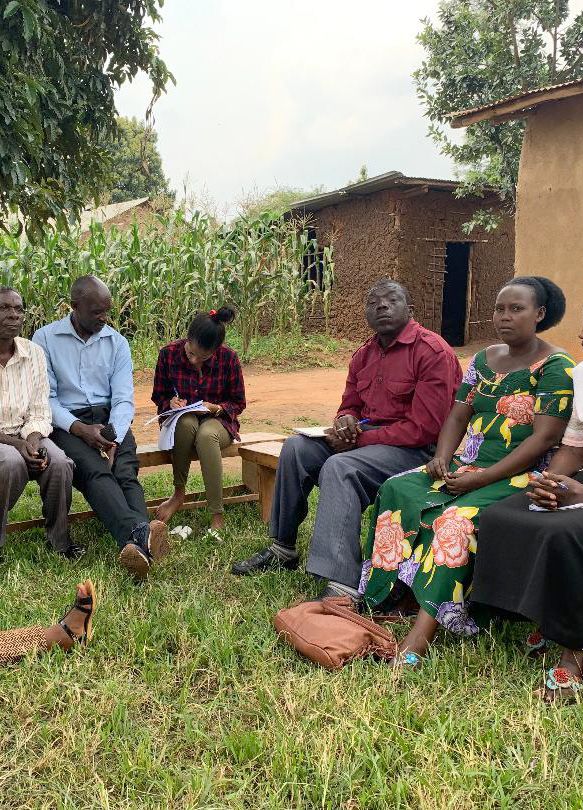
2

TABLE OF
                                            CONTENTS
3-D CLIENT VALUE ASSESSMENT FOR ACRE RWANDA
MAIZE & LIVESTOCK INSURANCE PRODUCTS

1.0 Introduction                                                     4
  About 3-D Tool                                                     5
  Methodology                                                        6

2.0 Finding and Recommendation
  Scores- Overview of 3-D Assessment Findings per                    7
  Indicator Assessed

2.1 Design
  1. Product Reliability to predict farmer’s experience              8
  2. Cover appropriate activities                                   10
  3. Cover appropriate risk                                         11
  4. Enables productive Investment decision making                  12
  5. Minimizes Gaps in coverage                                     13

2.2 Distribution
  6. Covered farmers are adequately informed of product             15
      details
  7. Staff and agents are adequately trained, incentivized          16
      and supervised to inform clients and sell responsibly
  8. Payment process Minimizes liquidity constraints                18
  9. Product is inclusive                                           19

3.0 Delivery
  10. Product Delivers adequate Coverage for money                  20
  11. Benefits Delivered in a Timely Manner                         21
  12. Procedure to Deliver benefits is reliable and                 22
      understood
  13. Provider is responsive and Proactive about Questions          23
  14. Covered farmers receive evidence of coverage                  24

Annex 1
  Acre Rwanda Client portfolio analysis                             25

                                                                     3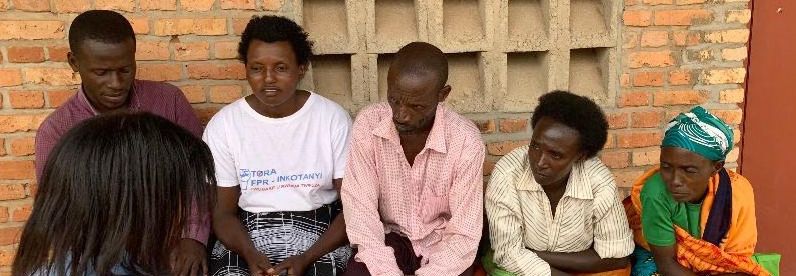
1.0 Introduction11
ACRE
ACRE Africa
Africa started
started its
its operations
operations in in Rwanda
Rwanda in in July
July 2012
2012 resulted
level. The from the changing
financial education landscape
proposal on
under
under the
the Kilimo
Kilimo Salama
Salama Project.
Project. The
The feasibility
feasibility study
study was
was the
is insurance
also intended delivery channelfinancial
to enhance working
conducted by Syngenta Foundation for Sustainable
conducted by Syngenta Foundation for Sustainable Agriculture Agriculture with the government
literacy for smallholder through
farmers MINAGRI.and
(SFSA)
(SFSA) with
with the
the support
support from
from Access
Access to to Finance
Finance Rwanda
Rwanda key stakeholders in the Agricultural
(AFR)
(AFR) and the Ministry of Agriculture and Animal
and the Ministry of Agriculture and Animal Resources
Resources Invalue
orderchain
to reposition
targetingitself to the
138,000
(MINAGRI).
(MINAGRI). The The goal
goal of
of the
the feasibility
feasibility study
study was was toto investigate
investigate changing
smallholder business
farmers, environment
170 officials andfrom
the
the potential
potential of of developing
developing cropcrop and
and livestock
livestock insurance
insurance meet the needs of
Micro-Finance the stakeholders,
Institutions (MFI) and
products
products in in Rwanda.
Rwanda. The The Syngenta
Syngenta Foundation
Foundation (SFSA) (SFSA) team
team ACRE Africa submitted
cooperatives, two proposals
20 Agricultural input
conducting
conducting thisthis study
study focussed
focussed on on establishing
establishing the the commercial
commercial tosuppliers
Swiss capacity
and 250 Building
Government Fund (SCBF) extension
viability
viability of
of 10
10 agricultural
agricultural value
value chains
chains in in the
the Country.
Country. Analysis
Analysis inofficers.
2019 seeking funding
This blended approach ofsupport for
was
was done on maize, wheat, sorghum, beans, Irish potatoes,
done on maize, wheat, sorghum, beans, Irish potatoes, product
utilisingupscale and financial
behaviour-based education
research with
coffee,
coffee, tea,
tea, rice,
rice, cassava,
cassava, andand dairy
dairy livestock.
livestock. The The outcome
outcome of of campaigns linked to
financial literacy product
linked upscale
to agriculture
the
the study
study found
found out
out that
that smallholder
smallholder farmers
farmers are were exposed
exposedtoto initiatives.
insuranceProductofferingupscaleaims ataimed increasing
various
various risks
risks and
and recommended
recommended the the introduction
introduction of of innovative
innovative atcapacity
facilitating agricultural
within market insurance
the agricultural
insurance
insurance products
products for
for these
these value
value chains
chains to to be
be delivered
delivered development
value chain with by improving
a projectexisting
goal of serving
mainly
mainly through
through cooperatives
cooperatives and and financial
financial institutions.
institutions. products based
3,960 by August 2021. on assessment of
current insurance schemes from the
Maize
Kilimowas Salamaranked number
project one onon
prioritized insurance
Maize crop business viability
insurance perspective
To achieveof clients
these goalsusing
and3-D client
solve the
scale followed
beginning by dairy
its pilot roll-out cows. Based
in 2012 on these
season findings, Maize
A (October value assessment
challenge of current toollow designed
business by the
product
2012-March was piloted
2013). Thein 2012pilotseason A (Octoberon2012-March
was successful, boarding ILO Impact ACRE
volumes, Insurance Rwanda Facility and Future
contracted
2013).
20,000The pilot was
farmers and thesuccessful,
scheme on-boarding
showing potential 20,000for farmers
growth Innovation
ClimaTechLab RiskforSolutions
Assets and as aMarket
and with the
in farmer scheme
numbers andshowing
products potential
portfolio foruntil
growth in farmer
2015. There Access
consultant(AMAtoInnovation
conduct the Lab) 3-DatClient
UC
numbers
was growth andinproducts
businessportfolio
betweenuntil 2012 2015.
and There
2016 butwasthis
growth Davis. On the
value assessment. other hand, the financial
in business between 2012 and 2016 but
milestone was quickly fading from basis risk. Smallholder this milestone was education proposal aimed at identifying
hampered by basis risk. Smallholder
farmers remained exposed to loss of crops with minimal farmers remained exposed
or behavioural aspects key to improving
About ClimaTech Risk Solutions
to
noloss of crops with
compensation minimal
(payout) and or the
no compensation
risk transfer through(payout) due
crop understanding of the technical product
to the prevalence
insurance for theseof farmers
basis riskdecreased
and the risk transfer
in value through crop
subsequent aspects in order to stimulate demand
insurance for these2014
years, 2017-2019. farmers sawdecreased
the introductionin value offor subsequent
Livestock in ClimaTech
the long termconsulting
at small is a climate risk-consulting
holder level.
years,
insurance2017-2019.
productAlthough Maize weather
for dairy farmers. index product
This product showed Thefirmfinancial
leveraging education
technology proposal
to providealso data driven
was technically
substantial a product
potential and the thatgovernment
would suit the fragmented
of Rwanda and
adopted intended to enhance financial
risk management solutions for agricultural literacy for
scattered
it for the “one cow program” as a risk management solutionof
smallholder farming systems in Rwanda, the use smallholder farmers and key stakeholders
and climate risks. The Kenyan based firm has
satellite rainfall
for livestock data toThe
farmers. compute
product the produceattributes
desirable loss was laidbeyond
a in the Agricultural value chain targeting
consulting operations in Africa, Asia and Latin
farmer’s understanding.
strong foundation for National Livestock Insurance scheme 138,000 smallholder farmers, 170 officials
under the Ministry of Agriculture Rwanda (MINAGRI). The America;
from designing, evaluating
Micro-Finance Institutions and(MFI)
implementing
2014
openingsawup theofintroduction
Livestock insuranceof Livestock market insurance product
by MINAGRI, and cooperatives,
customized 20 Agricultural
risk management solutionsinputfor
for dairy farmers. This Product was
through national insurance scheme had huge impact on trailed for 3 years under
Acre’s suppliers and 250 Government
smallholder farmers, to enable them to better extension
ACRE Africa pilot program. The amount
business strategy. This resulted from the changing landscape of data generated, officers. This blended approach of
understand and manage their risk. These
and the success
on insurance accumulated
delivery over the with
channel working coverthe period was
government utilising behaviour-based research with
solutions have enabled smallholder farmers to
used
throughto sensitise
MINAGRI. and bring on board the GoR as a strategic financial literacy linked to agriculture
partner. The involvement of the GoR played a vital role in the develop climate
insurance offering riskaims
resilience, to be food secure
at increasing
insurance
In order toprogram
reposition rollitself
out through various policy
to the changing business directives capacity within
and generate the agricultural
better incomes. insurance
that included and
environment waiver
meet of premium
the needstaxation, enforcementACRE
of the stakeholders, of a value chain with a project goal of serving
mandatory insurance cover for every
Africa submitted two proposal to Swiss capacity Building animal distributed under
Fund 3,960 by August
ClimaTech 2021.
constitute of qualified and certified
One Cow national program, a strong education
(SCBF) in 2019 seeking funding support for product upscale and mobilisation
trainers on 3-D Client assessment tool and has
strategy vis a education
and financial vis the country wide network
campaigns linked to ofproduct
Cooperatives,
upscale To achieve these goals and solve the
the introduction of 40% premium subsidy as well as high level conductedofsimilar
challenge current work
lowforbusiness
Asuransi Usaha Tani
initiatives. Product upscale aims is to facilitate agricultural
Government
market developmentadvocacybyand politicalexisting
improving support.products
Unlike Maize
based on volumes, ACRE Rwanda contracted
Padi (AUTP) rice insurance program in Indonesia.
weather
assessment indexofparametric product,schemes
current insurance Livestockfrom cover is perspective
the a simple ClimaTech Risk Solutions as a consultant
indemnity insurance
of clients using product
3-D client valuethat showed potential
assessment for growth,
tool designed by toClimaTech
conduct the
and 3-D
AcreClient value
3-D field mission was
the products desirable attributes laid a strong
the ILO Impact Insurance Facility. On the other hand, financial foundation for assessment.
implemented with the lead support from Enock
the National
education Livestock
proposal aims Insurance
to identify scheme under the
behavioural Ministry
aspects key of
Agriculture Rwanda (MINAGRI). Thetechnical
openingproduct
up of Livestock Sing’oei. Enock is a former fellow from the ILO
to improving understanding of the aspects
insurance
in order tomarket by MINAGRI,
stimulate demand inthrough the longnational
term at insurance
small holder Impact insurance and has been involved in
scheme had a big impact on ACRE ’s business strategy. This various field research on Agriculture and Climate
1
Basic risk describes misalignment between the farmer’s actual experience
1and therisk
Basis insurance policy
describes payout. There
misalignment is where
between thethe farmer
actual experiences
experience insurance
theinsurance policy
and the initiatives
payout. in Africa
This is where and Asia.
the farmer experiences
lossloss
the at the
at farm level and
whilethe
theindex
indexproduct
productisfails
not picking the the
to pick out same experience.
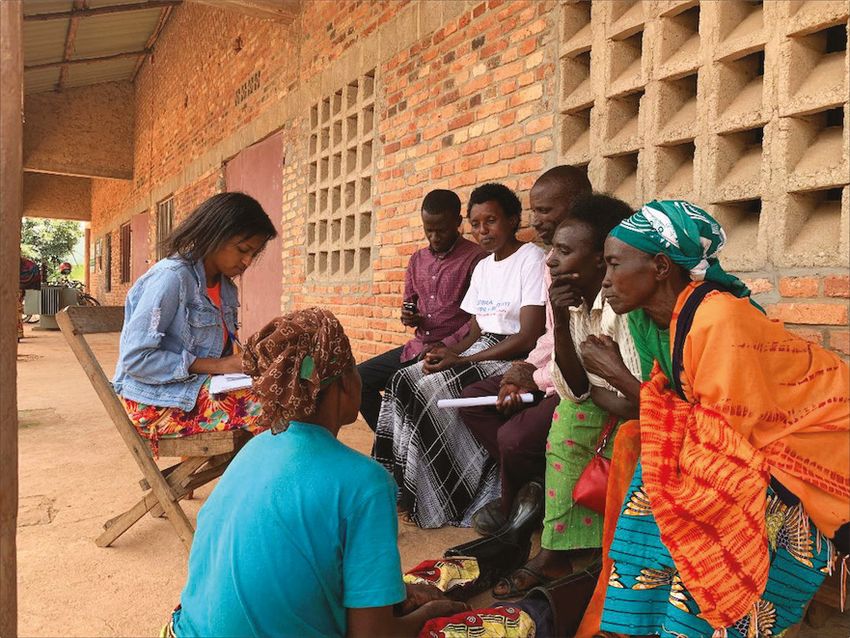
same.
4
About ClimaTech Risk Solutions and experts who supported in Implementation.

ClimaTech consulting is a climate risk-consulting firm leveraging technology to provide data driven risk
management solutions for agricultural and climate risks. The Kenyan based firm has consulting operations
About
in Africa,the
           Asia3-D
                 andTool
                      Latin America; designing, evaluating and implementing customized risk management
solutions for smallholder farmers, to enable them to better understand and manage their risks. These
The 3-D tool
solutions      provides
            have  enableda smallholder
                            framework to    conduct
                                         farmers   to analysis for agriculture
                                                      develop climate           and climate
                                                                        risk resilience, to beinsurance products
                                                                                                food secure       with
                                                                                                            and generate
the aim
better    of understanding the products’ value proposition to smallholder farmers. The tool provides a multi-
        incomes
dimensional understanding of the value proposition for potential or existing clients.
ClimaTech constitutes qualified and certified trainers on 3-D Client assessment tool and has conducted similar
The 3-D
work  for Client  value
           Asuransi     assessment
                     Usaha    Tani Paditool allows
                                        (AUTP)      insurance
                                                 rice insuranceproviders
                                                                 programtoinmeasure    the value of their agricultural
                                                                              Indonesia.
insurance products. Key components of the 3-D tool are: Design, Distribution and Delivery of products. There is
a total of 14and
ClimaTech      Indicators:
                   Acre 3-D field mission was implemented with lead support from Enock Sing’oei. Enock is a
former fellow from the ILO Impact insurance and has been involved in various field research on Agriculture and
Climate   insurance initiatives
        Dimension                in Africa and Asia.
                           Indicator
At implementation, Acre1.staff
                             Index reliably
                               received     predictson
                                         a training   farmers’ experienceAcre staff were actively involved at field
                                                         3-D assessment.
level and entire 3-D analysis process
                        2. Covers      to final report
                                     appropriate       production. Great appreciation Acre Staff:
                                                   activities
  • Muthithi Kinyanjui - Head of Business Development, partnership
  • Thomas Design
             Bazarusanga3. -Covers
                              Countryappropriate   risks
                                       Manager, Rwanda.
  • Claude Rutaremara4.- Account
                             EnablesAssociate,
                                      productive Acre  Rwanda decision making
                                                   investment
  • Acre Actuarial Team - (Reuben K Saina and Lawrence Kenduiywa)
                        5. Minimizes gaps in coverage
                         6. Covered farmers are adequately
About the 3-D Tool
     Distribution        7. Staff and sales agents are not adequately trained
The 3-D tool provides a 8.framework
                              Paymenttoprocess
                                         conductminimizes
                                                   analysis for  agriculture
                                                              liquidity      and climate insurance products with
                                                                        constraints
the aim of understanding the products’ value proposition to smallholder farmers. The tool provides a multi-
                          9. Product is inclusive
dimensional understanding of the value proposition for potential or existing clients.
                          10. Product delivers adequate coverage for money
The 3-D Client value assessment     tool
                          11. Benefits   allows
                                       are       insurance
                                            delivered        providers
                                                      in a timely mannerto measure the value of their agricultural
insurance products. Key components of the 3-D tool are: Design, Distribution and Delivery of products. There is
           14 Indicators: 12. Procedure to deliver benefits is reliable and understood
a total of Delivery
                          13. Provider is responsive and proactive about questions, problems and complaints
       Dimension         Indicator
                         14. Covered farmers receive evidence of coverage
                         1. Index reliably predicts farmers’ experience
                       2. Covers appropriate activities
Each component has specific Indicators used to score the performance of the product.
          Design
The indicator          3. Covers
              score ranges        appropriate
                           from 0 to           risks
                                     2. (0= Poor, 1= average & 2= strong). This means:
                         4. Enables productive investment decision making
                        5. Minimizes gaps
 Indicators receivig a “Poor”             in coverage
                                       Indicators receivig a                       Indicators receivig a
 score                                 “Average”
                        6. Covered farmers        score
                                           are adequately                          “Strong” score
     Distribution       7. Staff and sales agents are not adequately trained
 Important shortcomings                   The product meets the                   The product fully meets the
 have been identified 8. Payment process        minimizes
                                          minimum            liquidityset
                                                      requirements    constraints standards set by the 3-D
                                          by the tool, but gaps have
                        9. Product is inclusive                                   Tool.
 Informations collected                   been highlighted by the
                        10. Product delivers adequate coverage for money
 throughthe 3-D Analysis                  analysis.                               Relevant insight on how to
 can be used to define 11. Benefits are delivered in a timely manner              increase client value may still
 recommendations
          Delivery and12. Procedure toThe      data
                                           deliver   obtained
                                                   benefits is reliable           have been uncovered by the
                                                                throughand understood
 identify potential product               the 3-D Analysis can be used            3-D analysis
 improvements           13. Provider is responsive
                                          to addressand   proactive
                                                       these   gaps. about questions, problems and complaints
                        14. Covered farmers receive evidence of coverage

Each component has specific Indicators used to score the performance of the product.
The indicator score ranges from 0 to 2. (0= Poor, 1= average & 2= strong). This means:

                                                                                                                     5
 Indicators receivig a “Poor”              Indicators receivig a                   Indicators receivig a
Each component has specific Indicators used to score the performance of the product.
The indicator score ranges from 0 to 2. (0= Poor, 1= average & 2= strong). This means:

 Indicators receivig a “Poor”             Indicators receivig a                Indicators receivig a
 score                                    “Average” score                      “Strong” score

 Important shortcomings                   The product meets the                The product fully meets the
 have been identified                     minimum requirements set             standards set by the 3-D
                                          by the tool, but gaps have           Tool.
 Informations collected                   been highlighted by the
 throughthe 3-D Analysis                  analysis.                            Relevant insight on how to
 can be used to define                                                         increase client value may still
 recommendations and                      The data obtained through            have been uncovered by the
 identify potential product               the 3-D Analysis can be used         3-D analysis
 improvements                             to address these gaps.

Methodology                                                            Discussions (FGD’s) with 14 groups and
                                                                       at least 109 farmers were conducted.
3-D Assessment of ACRE Rwanda aims at analysing the value              Three districts (Kamonyi, Muhanga and
that Maize and Livestock agriculture insurance products and            Rwamagana) focused on Maize insurance
                                                                       assessment,Busegera district focused on  5
schemes provides to clients and makes recommendations to
enhance value to both demand and supply side of the insurance          livestock and Kigali has a mix of the two.
market niche.                                                          There was more focus on Maize because
                                                                       over 90% of ACRE Rwanda clients are
To evaluate how a product performs against the 14 indicators           Maize farmers and this is a product that
of client value, the 3-D tool provides specific data requirement       they have had a rough experience with
criteria and thresholds. A 3-D Analysis involves obtaining the         as far as basis risk issues are concerned
relevant information from multiple sources, conducting both            since 2013.
qualitative and quantitative data analysis, and obtaining a
scoring for each indicator.                                            In-depth interviews were conducted on
                                                                       distribution channels mainly Agricultural
ACRE Rwanda shared the historical data for insured farmers             cooperative officials (Ubumwe, IABM
(2013-2018) for Maize Index Insurance product) and (2015-              and Kohunya agricultural cooperatives),
2019 for the Livestock product). The consultant analysed the           livestock veterinary distribution outlets,
data with the aim of understanding historical performance of           district farmers and officials under
the scheme by creating KPI’s (growth ratio, causes of losses,          the One Cow program and Dairy
Loss ratio, retention ratio, portfolio performance per channel         cooperative officials (Ruhuha Livestock
and insurer, etc) for analysis – See annex 1- ACRE Rwanda              farmers cooperative). Four independent
client portfolio analysis. The data analysis framework employed        veterinary doctors in Busegera district
for this purpose was descriptive statistical analysis. This            also participated in in-depth interviews.
framework provides a description of data; its contents and what        Interviews were conducted with
it shows, it helps to simplify large amounts of data in a sensible     various input suppliers, government
way. Descriptive statistics therefore enables presentation of          institutions and local experts involved in
large data simply, meaningfully and with ease of interpretation.       the implementation of the agricultural
                                                                       Insurance scheme with ACRE Africa
The consultant and ACRE Africa team conducted a field mission          and the National government, MINAGRI,
on the 19th -25th January 2020 in Rwanda regions including:            ACRE Rwanda staff, Radiant Insurance
Kigali, Kamonyi, Muhanga, Rwamagana and Busegera districts.            Company, Prime Insurance Company,
On 20th January 2020, the consultant trained 3 ACRE Africa             Sonarwa Insurance Company and UAP
staff and 3 independent local research assistants. Focus Group         Insurance Company.

 6
2.0 Findings & Recommendation
The
The Rwanda
Rwanda agricultural
agricultural insurance
insurance market
market is is still
still atnascent
at the earlystage. However,
formative stagewith
andcurrent
scale isinterventions
still minimal.by the
National
However,government
with currentthere is an increasing
interventions awareness
by the National and a promising
government there isfuture for growth
an increasing of the industry,
awareness and a as
such, ACREfuture
promising Africafor
should
growthaimofto align
the its strategy
industry, as such, to fit the government
ACRE Africa shouldprogram. Generally,
aim to align ACREtoRwanda
its strategy fit the
scheme has a huge potential and role in bringing value to clients. ACRE Africa needs
government program. Generally, ACRE Rwanda scheme has a huge potential and role in bringing value to to redefine its identity
in the market
clients. ACRE by playing
Africa needsan to
active role in
redefine theidentity
their governmentin therun initiative
market by blending
by playing it with
an active roletheir
in thecommercial
government
ventures.
run initiative by blending it with their commercial ventures.
The
The numbers
numbers correspond
correspond toto each
each indicator
indicator assessed
assessed andand the
the figure
figure provides
provides an
an overview
overview of
of which
which indicators
indicators
performed
performed well,
well, which
which ones
ones performed
performed satisfactorily,
satisfactorily, and
and which
which ones
ones were
were underperforming.
underperforming.
Scores- Overview of 3-D Assessment Findings per Indicator Assessed
Maize Insurance Score:
Results from
Results from the
the overall
overall quantitative
quantitative and
and qualitative
qualitative analysis
analysis shows
shows that
that 33 indicators
indicators performed
performed well
well for
for crop
crop
insurance, most
insurance, most indicators
indicators performed
performed averagely
averagely (8
(8 out
out of
of 14)
14) and
and 44 reported
reported poor
poor performance.
performance.
Figure 11:provides
Figure providesaasummary
summaryof ofcrops
cropsfindings
findingsper
perindicator:
indicator:
2 1 0
2. Covers appropriate activities 3. Covers appropriate risks 1. Product reliability to predict farmer’s
4. Enables productive investment 5. Minimizes gaps in coverage experience
decision making informed of product 6. Covered farmers are adequately 10. Product delivers adequate coverage for
details 7. Staff and sales agents are not money
8. Payment process minimizes liquidity adequately trained 14. Covered farmers receive evidence of
constraints 9. Product is inclusive coverage
11. Benefits are delivered in a timely 13. Provider is responsive and proactive
manner about questions, problems and
12. Procedure to deliver benefits is complaints
reliable and understood
Livestock Insurance Score:
Unlike crop, there a big difference on indicators performance. Livestock scheme is performing better than
crop with many indicators scoring high. Most indicators performed well (8 out of 14), 5 reported medium
performance and only 1 reported poor performance.
Figure 2: provides a summary of livestock findings per indicator:
2 1 0
1. Product reliability to predict farmer’s 6. Covered farmers are adequately informed 14. Covered farmers receive evidence of
experience of product details coverage
2. Covers appropriate activities 7. Staff and sales agents are not adequately
3. Covers appropriate risks trained
4. Enables productive investment decision 11. Benefits are delivered in a timely manner
making 12. Procedure to deliver benefits is reliable
5. Minimizes gaps in coverage and understood
8. Payment process minimizes liquidity 13. Provider is responsive and proactive
constraints about questions, problems and
9. Product is inclusive complaints
10. Product delivers adequate coverage for
money
7
index insurance products. This is
2.1 Design caused by potentially the micro-climates
caused by the varying land topography
and other natural bodies such as lakes
andfrom
forests. Other
clients andlimitations
observations include
1. Index reliability predicts farmer’s experience weak(Product basis risk).
data collection and Allmanagement
contracts
have monthly
infrastructure client to
required reviews
informduring
2. Covers appropriate activities the cover
accuracy period during
in product design.which the
Actuarial team sends an update on
3. Covers appropriate risks Duehow the policy
to issues is performing
of basis risk and the based
on the index data and
limited resources required to supportif any aspects
4. Enables product investment decision-making newofproducts
the contract
fromhave triggered.
insurers/ localClients
provide feedback if they
underwriters, there has been a huge have any
5. Minimizes gaps in coverage concerns or have noticed losses
drop in smallholder farmers and
that are not
subsequent valuereflected
insuredinover the current
the years.
01 Thecontract
analysisreview.
showsAll feedback istrend
a decreasing
01 analysed, and indexes or dataover
sources
Product Reliability to predict farmer’s experience in value of insured investments
Product Reliability to predict farmer’s experience may be slightly adjusted
the years. Season A had the highest based on it.
Indicator one looks at basic quality requirement for an insurance contract 3. Allowing the weather-based
insured value in 2014 (over USD 8,000) products
Maize
to provideInsurance
value to the client. The underlying assumption is that any to have atodynamic
decreasing start,USD
slightly over so that the
3,000
contract should cover the main shocks faced by farmers and provide a first day of the cover is
in 2015. It was lowest in 2017 having aligned with
lessthe start of the season (Temporal
pay-out when
Findings production
- There was alosses
mixedoccur. If the contract
experience does not
of farmers on deliver
Maizeon
this promise, it might have a negative impact on the farmers’ well-being.
that USD 1,000. On the other hand,
insurance. A bigger percentage of Maize farmers purchased basis risk). This enables the rest of
Season B had an increasing trend from
insurance in the past 2 years, with most farmers failing to renew the growing stages to match up with
2013-2015 dropping to less than USD
Maize
their coversInsurance
because of high incidences of basis risk. At its the actual crop in the field. This has
1,000 in 2016. Since 2018, ACRE Rwanda
inception, ACRE Africa started with Weather Index Insurance become increasingly important as
farmer numbers dropped because most
Findings
(WII) product - There duewas to itsa potential
mixed experience for farmers
to cover large on
areas using erratic rainfall may shift the onset of
of the crop initiatives were taken over by
Maize insurance.
satellite and weather A bigger
stationpercentage
data and of Maizeafarmers
provide cheaperhave the growing season by a month or
National Agricultural Insurance Scheme
purchased to
alternative insurance over the
the traditional past 1-2covers.
indemnity years, withACRE most farmers
Africa later more.
(NAIS)
4. whichaismargin
Allowing offering products
in the number at of
a
introduced the Area Yield Index Insurance (AYII) product of
failing to renew their covers because of high incidences as a subsidised rate. when setting up the
basis risk.
strategy toACRE
resolve Africa startedofwith
the issues basisWeather
risk that Index Insurance
are inherent in days covered
(WII) and later introduced Area Yield
WII products. WII had the highest basis risk and on the Index Insurance (AYII)
supply index, e.g. by adding an extra 5-7
as a strategy
side, the claims to resolve
ratio were thehigher.
issuesThe of basis
analysisrisk.shows
WII had theover
that Recommendation:
days to the average time taken in
highest a particular phase (Temporal basis
the pastbasic risk and
five years, theon theweather
pure supply side
indexthe claimsreceived
product ratio are
The risk).
consultant proposes for ACRE Rwanda
higher.
large for the analysis
premiums and paid shows
higherthat over value
claims the past andfive
thusyears,
a highthe
to invest
5. in product
Limiting refinement
the maximum to sufficiently
distance
pure weather index product has received
claims ratio of 68% compared to the AYII product that has the large premiums and tailorbetween
crop insurance
paid higher a farm(particularly for Maize)
and the weather
lowest claimclaimsratio at value
17%and thus
(Refer toaAnnex
high claims ratio ofanalysis).
1 for further 68% to the needs and preferences of smallholder
compared to the AYII product that has the lowest claim ratio station to be used (Spatial basis risk).
The two products (Index and hybrid) have had limitations in farmers and agricultural cooperatives.
(17%)- Refer to Annex Given the effect of topography on
design in matching the1actual
for further
crop analysis. The twoinproducts
losses resulting a negative weather patterns and rainfall, limiting
have had
market limitationsoninagricultural
experience design in matching the actual
index insurance crop
products. Another recommendation is to increase the
the distance
technical capacityfrom
for thefarmer
ACRE to the
Rwanda
losses
This is resulting to negative
caused potentially bymarket experience on
the micro-climates agricultural
arising from weatherHiring
operations. dataacollection pointofficer
local actuarial helps
varying land topography and other natural bodies such as lakes
whoto reduce
will the risk
work closely that
with thethe farmer
local will
National
and
Trend forests.
Analysis: Other Sumlimitations
insured include
per personweakhistorically
data collection and experience
Scheme (MINAGRI)significant
agronomist differences
in mapping
management
10,000
infrastructure required to inform accuracy in risk throughout
at sector or cellthelevel
season that would
and conduct
product design. frequent
impact on-field product
the yield andrefinement
payout.
9,000
campaigns
6. Working every
withseason. The actuarial
high resolution
ACRE 8,000
Africa’s Strategies in Reducing Basis Risk major role will be to use
satellites, where possiblehis expertise
(Spatialto
ACRE 7,000
Africa has since been working on a number of capture relevant data from the
basis risk). Given the availabilityNAIS (National
methodologies to combat this and has implemented various agriculture insurance scheme) that are key in
of ground automated station data
strategies to minimize exposure to the different kinds of basis the product refinement and customization of
6,000
throughout East Africa, satellite-based
the agroclimatic and ecological diversity. The
risk, though this is a key challenge area where continuous
5,000
NAISindexes
schemeare willaneed
necessary
such bigalternative
data service
improvement is critical, including: for monitoring contracts,
on a medium to long term and ACRE and theAfrica
4,000
quality/correlation
will be a resource for such ofcomponent.
the data has
1. Selecting
3,000 data sources and product structures that show improved greatly in the past 10 years.
a2,000
strong correlation with the peril to be covered (Product WithACRE Africa proactively
this resource ACRE Rwanda analyses
will have
basis risk). This is done through accessing multiple sources better
newbargaining
satelliteindata
taking over Technical
sources has they
1,000
and ‘ground truthing’ them against the most accurate data Assistance
become (TA) role at National
available, checking Agricultural
them
source,
0 however one that may not have the time series or Insurance Scheme (NAIS),
against current sources and which is indexes
availability
2013
to run 2014
the product
2015
from. 2016 2017 2018 dependent on international
to determine which most consultants
accurately KMD
2. Continuous improvement of the indices based on feedback for AYI and MAMDA Morocco for Hybrid
Year capture the on-farm experience.
Maize Insurance.
Sum insured (Season A) Sum insured (Season B)
88limited resources required to support
4. Enables product investment decision-making new products from insurers/ local
underwriters, there has been a huge
5. Minimizes gaps in coverage
drop in smallholder farmers and
subsequent value insured over the years.
01 The analysis shows a decreasing trend
Product Reliability to predict farmer’s experience in value of insured investments over
the years. Season A had the highest
Basis risk
Indicator one looks at basic quality requirement for an insurance contract insured value in 2014 (over USD 8,000)
to provide value to the client. The underlying assumption is that any decreasing to slightly over USD 3,000
contract
Basis risk should
is the cover the mainbetween
difference shocks faced by farmers
the loss and provide
experienced a farmer and the payout triggered by the
by the in 2015. It was lowest in 2017 having
pay-out when production
index insurance product. losses occur. If can
Its effects the contract does not
be negative deliver
to the on (i.e. if it leads to the farmer not receiving
farmer
this promise, it might have a negative impact on the farmers’ well-being.
less that USD 1,000. On the other hand,
compensation when they have suffered a loss due to the occurrence of the insured
Season B had peril), or negative
an increasing to from
trend the
insurer (i.e. if it leads to farmers receiving compensation when no loss2013-2015 has occurred).
dropping to less than USD
Maize Insurance
Several types of basis risk have so far been identified in index insurance: 1,000 in 2016. Since 2018, ACRE Rwanda
farmer numbers dropped because most
Findings
1. Product - Therebasiswas a mixed
risk – Thisexperience
occurs where for farmers
there is no on clear-cut relationship between losses and the indexed
of the crop initiatives were taken over by
Maizeweather
insurance. A Itbigger
peril. can be percentage
minimizedofbyMaize farmers
properly have the peril that has the highest impact on the
identifying National Agricultural Insurance Scheme
purchased
expected insurance
yield inover the area.
a given past 1-2
Thisyears, with most
is normally donefarmers
by comparing deficits in the peril of interest,
(NAIS) which is offering productse.g.
at a
failingrainfall,
to renew with their
thecovers because
historical of high
production incidences
experience ofofthe area to besubsidised
insured. rate.
basis risk. ACREbasis
2. Temporal Africariskstarted with due
– Occurs Weather Index Insurance
to inter-annual variations in the length of the crop phases, so that they
(WII) are
andnotlater introduced
always aligned Area
with Yield
the Index
phases Insurance
set out in(AYII)
the insurance product. It can be minimized by allowing
as a strategy to resolve
the index-based the issues
product of basis
to have risk. WII
a dynamic hadsothe
start, that the firstRecommendation:
day of cover is aligned with the start of
highest basic risk and on the supply side the claims ratio
the season. It can also be minimized by allowing a margin in the The are number of days covered when setting
higher.upfor
thethe analysis
index, e.g. byshows
addingthatanover
extrathe past five
5 days to theyears, the time takenconsultant
average in a
proposes for ACRE Rwanda
particular phase. to sufficiently
to invest in product refinement
pure
3. weather
Spatial basisindexrisk
product has received
– Occurs largevariations
due to local premiums inand
the peril occurrence,
tailor crop e.g. the rainfall
insurance surrounding
(particularly a
for Maize)
paid higher
weather claims value
station. Thisandcanthus a high claims
be minimized by ratio of 68%the potential
identifying for needs
to the microclimates in a given
and preferences area and
of smallholder
compared
working to the AYIIdata
to find product that that
sources has the
bestlowest
allow forclaimthisratio
to be taken into account.
farmers It can also
and agricultural be minimized by
cooperatives.
(17%)- Refer to
limiting theAnnex
maximum 1 for further
distance analysis.
between The two products
a farm and the weather station to be used for insurance and by
have working
had limitations
with high in design in matching
resolution satellites,the actual
where crop
possible. Another recommendation is to increase the
losses resulting to negative market experience on agricultural technical capacity for the ACRE Rwanda
operations. Hiring a local actuarial officer
USD
who1,000. Onclosely
will work the otherwithhand, Season
the local National
Trend Analysis: Sum insured per person historically B Scheme (MINAGRI) agronomist
had an increasing trend fromin2013-
mapping
10,000 risk at
2015 sector orto
dropping cell level
less andUSD
than conduct
1,000
frequent on-field product refinement
in 2016. Since 2016, the Government
9,000
campaigns every season. The actuarial
of Rwanda approached ACRE to work
major role will be to use his expertise to
out the NAIS program which was due to
8,000
capture relevant data from the NAIS (National
7,000 start by 2017A
agriculture season.
insurance Due tothat
scheme) various
are key in
6,000
reasons, the program was postponed
the product refinement and customization toof
2020A season. This initiative saw ACRE
the agroclimatic and ecological diversity. The
5,000
Rwanda farmers
NAIS scheme will drop
need in number
such asservice
big data
4,000 on a medium to long term and
most clients kept waiting for the NAIS ACRE Africa
will be a resource for such component.
program which would benefit them with
3,000
a partial premium subsidy offered by the
With this resource ACRE Rwanda will have
2,000
government.
better bargaining in taking over Technical
1,000
Assistance (TA) role at National Agricultural
0 Recommendation
Insurance Scheme (NAIS), which is
2013 2014 2015 2016 2017 2018 dependent on international consultants KMD
Year for consultant
The AYI and MAMDA Morocco
proposes for for
ACREHybrid
Maize Insurance.
Rwanda to invest in product refinement
Sum insured (Season A) Sum insured (Season B)
to design appropriately tailored crop
Due insurance products (particularly for
8 to the issues of basis risk and the limited resources Maize) to the needs and preferences
required to support new products from insurers/ local
underwriters.There was an issue of market instability as well of smallholder farmers and agricultural
i.e most Cooperatives collapsed, a number of partners such cooperatives in the country.
as micro finance institutions experienced funding /budgetary
challenges and left the agriculture market or changed their Acre Rwanda should adopt a structured
business models. All these lead to a huge drop in smallholder Human Centered designed model for
farmers and subsequent value insured over the years. frequent collection of customer insights
The analysis shows a decreasing trend in value of insured to inform product building and refinement.
investments over the years. Season A had the highest insured
value in 2014 (over USD 8,000) decreasing to slightly over Another recommendation is to increase
USD 3,000 in 2015. It was lowest in 2017 having less than the technical capacity for ACRE Rwanda
9as independent sales agents. Alternative Outlet distribution of claims activities.
channel customers liked the product, but ACRE Africa could
not scale the program because of cost associated with retail Secondly, ACRE Africa should leverage
distribution model. On the one hand, the infrastructure under on the existing “One Cow” infrastructure
one cow program is adequate but customers lack product and client base by designing an agent
knowledge and there is no customer retention beyond the one- network program (Village Champion
operations.
year Hiring a local
fully subsidized actuarial
insurance officer The
premium. whoone will cow
workdelivery
closely include
Model).outlet
With retail model
this, the design would
champion by
with the local National Scheme (MINAGRI) agronomist
channel is still new and need to first stabilizes. The next stage is in ACRE
serveRwanda
as the agentto use inveterinary
every sector doctors
mapping
to risk at sector
set up strategies thatorwill
cellallow
levelto
and conduct
extend frequent on-
the insurance policy asandindependent sales be
their role would agents. Alternative
the high touch
field product
beyond refinement
one-year cover. campaigns every season. The main outlet distribution
distribution point channel
responsible customers
for
role for the actuarial expert will be to apply their expertise liked the product,
financial education butand ACRE Africa could
customer on
Ittowas
capture relevant
difficult data from
to measure the NAIS
farmer (National
experience agriculture
because the policy not scaleupwhen
boarding the program
the policybecause
expires ofasthe
insurance scheme) that are key to the product
holder is the district since the entire project is undertaken by refinement and costs
well asassociated with setting
the data collection up and
point for all
customization of the agroclimatic and ecological
government officials from the sourcing of the animal suppliers diversity. running a retail
issues that distribution
arise model.toOn
that are related the
the
ACRE
to Africa isthe
identifying a valuable
categorypartner
1 farmers as aeligible
technical expert
for the freetoanimal one hand, of
success thetheinfrastructure
cover from seasonunder the start
support
at villageinlevel.
the design,
In mosttechnical
cases, the adaptation,
survey found monitoring and
that farmers one cowUsing
to end. program thisisapproach
adequatewill butopen
on the
the
are not even aware that they are insured and those with little for
managing of the insurance products developed and required other, customers
opportunity lack product
to scale-up knowledge
at a higher rate
the NAIS programme
knowledge to operate
about insurance are notboth efficiently
sure and effectively
of the process to and there the
to reach is no customer
intended retention
target of 350,000
due to the size and amount of data that will
follow in case of claims. The qualitative survey shows that be generated. beyond
familiesthe one-year
receiving fully The
cows. subsidized
program
With this
under theresource
One CowACRE Rwanda
Program, will have
3 farmers a betterdistrict
in Ruhuha bargaining insurance premium.
has distributed overThe first-year
279,000 cows cover
and
hand in applying for the Technical Assistance
experienced a loss (death of animal) six months ago and (TA) role at they 100%
mostsubsidised
cows havepremium calved down policyto under
more
National Agricultural Insurance Scheme (NAIS).
are yet to receive a payout. Comparatively, there was a better The TA role is the
cowsOneand
cow delivery
there channel
is strong is still case
business being
being played
experience onby external
claims for consultants
the programs such
thatas KMDAfrica
ACRE for AYIhasand enforced
for ACREand needson
to focus time
thistomarket.
become fully
MAMDA Morocco for Hybrid Maize Insurance.
direct control over on the claim process. Claims under these integrated into community norms before
schemes were settled within one month. it can be considered fully streamlined.
The next stage is to set up strategies that
Livestock Indemnity Insurance2 2 will allow to extend the insurance policy
12 beyond one-year cover in order to give the
The program has
farmers sufficient time to have earned
distributed over
10
from the animal and experienced its value
8
7 at household level as well as received
279,000
the requisite training on the importance
6 of insuring their animals. Given that
cows and most
most of the beneficiaries of the One Cow
4 programme are the poorest of the poor
2 2 2 and often have not had the experience of
2
cows have calved
owning and managing a dairy animal, two
years would be a more feasible timeframe
0
2015 2016 2017 2018 2019
down to more cows
for learning sufficiently to generate
demand for essential animal care.
Year
It was difficult to measure farmer
Farmers / outlets Cooperatives insured
experience because the policy holder
is the district since the entire project is
Findings - Findings Since its introduction in 2015, Livestock undertaken by government officials from
Insurance has had an upward trend in business growth with the sourcing of the animal suppliers to
2
identifying
There was an adaption of Indicator 1 for Livestock Insurance, considering that the product
the onboarding of 12 clients / aggregators cumulatively and the category
is an indemnity and not1index.
farmers eligible
The indicator
was adapted to look at the general performance of the product as per the product guideline.
for the free animal at village level. In most
insuring over 6,000 animals. Despite the slow growth rate, 2019
client numbers grew significantly compared to the previous cases, the survey found that farmers
years. This can be attributed to market stimulation by ongoing are not even aware that they are insured 9
government interventions of the livestock insurance product. and those with little knowledge about
The One Cow program, an initiative of the government, has insurance are not sure of the process to
contributed to over 80% of ACRE Rwanda’s current client base. follow in case of claims.
20% are customers from alternative distribution channels which
Recommendation
ACRE Africa should undertake high level negotiation with the Government for a binding contractual agreement
where ACRE Rwanda takes on the role of technical assistance provider for product monitoring, data recording
and computation, product refinement and claims management on behalf of Insurance Companies. Further,
ACRE Africa and MINAGRI should build a system of certified registered insurance agents at sector level to help
with the coordination of claims activities.
10Secondly, ACRE Africa should leverage on the existing “One Cow” infrastructure and client base by adapting
the Kenya piloted agent network program dubbed ‘the Village Champion Model’. With this, the champion would
serve as the agent in every sector and their role would be the high touch distribution point responsible for
financial education and customer onboarding when the policy expires as well as the data collection point for
all issues that arise that are related to the success of the cover from season start to end. Using this approach
will open the opportunity to scale-up at a higher rate to reach the intended target of 350,000 families receiving
cows. The program has distributed over 279,000 cows as at end of 2019 and most cows have calved down
to more cows. There is, however, no structured system to keep the records. While looking at scale of the “one
cow” initiative, it is clear that there is a strong business opportunity for ACRE though it requires some strong
political negotiations. ACRE are now at this stage with more than 25,000 animals insured by various insurers
and using different cover products with more animals being registered on a daily basis. If ACRE can propose to
reorganize the sector, identify some gaps in the supply / demand with a thorough review of the program and
data recording and management while at the same time proposing other programs such as the review of the
cover/product and cover renewal terms.
02 farmer cost of production. Under the NAIS
Cover appropriate activities program, the estimated sum insured (cost
of production) per household has been
Indicator 2 assess whether the crop insured is an asset to the valued at RWF 362,750/Ha and yet the
smallholder farmers by looking at contribution to household farmers’ actual cost of production is over
income and investment required verses other smallholder RFW 500,000/Ha. There is an opportunity
activities. to increase the product coverage to cover
the farmer’s full cost of investment for
both ACRE Africa and the NAIS products.
Maize Insurance
Findings - In recent years, Rwanda has demonstrated huge
potential in Maize production. The country has increased its Case of Ubumwe farmers’
maize harvest by 213% from 0.8 tons per hectare to 2.5 tons cooperative
(KT press 2017). From FGD’s with 13 maize producing groups,
most farmers mentioned that maize contributes between 70-
80% of their household income. Most farmers joined agricultural They harvest (Ha) in a good season close
cooperatives because maize production is a profitable business to 5.7 tonnes per hectare and sell a kilo at
and farmers are getting value from them by accessing loans 230 RWF ($ 0.25).
for inputs and aggregation of their Maize produce for sale to
the Rwanda Agricultural Board (RAB) at a fair price. Progressive
farmers linked to cooperatives sell their produce to RAB. The Making a total of RWF 1,311,000
majority of farmers sell their produce to various off takers – ($ 1,380)/Ha.
mainly grain millers for domestic consumption at a relatively
moderate price 200-250 RWF/KG) as compared to seed
multipliers who earn about 1200 RWF/KG. The cost of production ranges from
RWF 130-155/kg.
The profit margin in a good season enables the farmers to pay
for their children schools fees, invest part of the money into
next season inputs and purchase food for their families. In the The approximate margin is 100 RWF/KG,
case of a bad year and farmers fail to harvest due to losses equivalent to a profit of approximately
caused by risks such as climate and pests & diseases,, these RWF 570,000 ($ 600)/Ha
farmers are subjected to heavy debt and often have to sell other
assets such as cows, goats, poultry or sheep in order to meet
their household needs.
NAIS has listed maize as a priority crop in Rwanda and maize
farmers are eligible for the government subsidy on the crop
insurance premium value. The value insured is bundled with
the loan amount and loan amount does not cover 100% of
11Recommendation bred dairy animals are given to the
farmers when pregnant and expected
Develop categories of insurance covers to create flexibility for to calve within 6 months on average.
smallholder farmers and agriculture cooperatives based on their The assumption of the policy is that
willingness and ability to pay in order to comprehensively cover farmers will get an additional income
their investments. The assumptions here include: from the milk sales and enable them
to cater for the basic maintenance
1. Provide a product whose sum insured is the loan amount needs of the animals’ management and
bundled with Insurance and distributed for access to care including treatment, feeding, and
smallholder farmers through the cooperatives. hygiene. This would take place in the first
year of receiving the animal as they are
2. Provide a product based on total cost of production with the also educated during this government
premium component financed through options offered by assistance period.
the cooperatives.
Recommendations
3. Provide coverage based on expected produce to cover
farmers expected Margin. This kind of product is on high ACRE Rwanda should explore the
demand both from the farmers and government and would opportunity of designing an innovative
reflect the true value of insured capital, but the lack of hybrid livestock insurance product that
consistent data has been a setback. Such challenge offers covers the complete farmer investment
an opportunity for further research and innovation. Piloting (Cow value plus the care package). This
the commoditised crop insurance product that is currently would be an asset protection cover that
under distribution in Kenya would help to establish the pays for the care package services in
demand and level of interest in that type of deployment. case of an incident (drought, diseases,
and drugs/medication etc) to keep the
animal alive as opposed to compensating
Livestock Indemnity Insurance when the animal dies (mortality).
Findings - The Girinka program known as the One Cow Program A small-holder farmer’s decision making
started in 2006. The One Cow program aims to reduce extreme on purchase of insurance is largely
poverty in rural areas of Rwanda by providing each poor family influenced by their loss experience.
with a cow. The available evidence suggests that this program The more frequently and/or severely a
has been effective in increasing household income through the farmer experiences loss, the higher the
sale of milk and increase in crops yields from the use of animal likelihood to consider insurance as a risk
manure. Livestock is the main economic activity and the second mitigating tool. The converse is also true
main source of income for farmers in the Eastern region. The where farmers with low loss experience
insurance coverage value is the value of the animal ranging from have been seen to have low or no priority
RFW 350,000 ($ 370) - 600,000 ($650). Animals are acquired for insurance. As such, this poses a risk
under an open procurement process and various animal experts of selective insurance uptake with high
bid. A one-year insurance cover is a component of the tender risk areas experiencing high insurance
application. The winner of the tender quantifies the value of uptake and low risk areas experiencing
the animal that in turn constitutes the value or sum insured of low insurance uptake thus increasing the
the same animal. The animal is supplied to the farmer with an claims ratio experience. A high claims
accompanying package that includes essential drugs and basic ratio makes insurance companies to
materials such as hand spray material as well as the first-year increase cover exclusions and tighten
insurance cover. compensation conditions consequently
making the product unattractive to the
The investment by farmers and the district is higher than the end user. Bundling insurance with other
value of animal. The District, under the One Cow program, services and products has proven to
provides free animal care support for a period of one year. be more attractive to the farmers as
The rationale behind this policy is that the animals are given compared to providing insurance as a
to extremely poor people to lift them above the poverty line. stand-alone solution. As such, packaging
Further, to this is that these BoP households may not be able the insurance product with other fast-
to maintain a cow in terms of medical care and initial follow moving products such as heifers and
up during acclimatization, therefore the government provides dairy credit has previously been observed
technical veterinary service support during the 1st year. Cross to improve uptake.
12Through the integrated risk management approach, ACRE Livestock Insurance
Africa should repackage their mortality cover that is currently
under pilot in Kenya. It is designed to include a medical Findings - Livestock covers accidents and
insurance component that ensures that small-holder farmers disease incidences. If insured animals
receive compensations on veterinary charges in the case of die, district or sector veterinary doctors
a clinical incidence. The bundled products are subsequently conduct a post-mortem to determine
offered to farmers registered onto the MyFugo platform where the cause of death. The cover pays up to
they will also have access to quality breeds, good animal 100% of the value insured. The existing
nutrition, and reliable diseases management administered by exclusions are incidences that can be
reputable veterinary service provider. This solution would need avoided/managed by the farmer without
to be adapted and piloted in Rwanda before adopting it at scale. substantial financial loss.
03 Recommendation
Cover appropriate risk
ACRE Africa should investigate enhancing
This indicator aims to assess whether the risk(s) covered is/ the livestock products by leveraging
are adequate, i.e. whether it brings value to the client. The on the veterinary network to design an
evaluation relies on whether farmers perceive the risk as animal care calendar linked to the animal
important. health platform. NAIS should consider
using modern tracking chips to help
Maize Insurance farmers track the animals in case they are
stolen and linking health data collected by
Findings - ACRE Rwanda crop insurance product has gone these tracking chips to the animal health
through a series of multiple evolution and re-design since their tracking platform - MyFugo.
first ever product pilot in 2012. The goal of this seasonal change
is aimed at adjusting the parameters to match the historical
loss experience. Based on the survey results, the major risks
are drought, hail, floods, and pests & diseases. Initial ACRE
Rwanda Maize Index insurance product covered the drought
component, which was not the only main risk. Later, ACRE
Africa introduced AYII and Hybrid (WII+AYII) products targeting
improvement of its product offering to smallholder farmers.
With the introduction of multiple products over the years,
farmers are still experiencing losses and not receiving pay-outs.
It has been difficult to set parameters that match the actual loss
experience.
Recommendation
1. ACRE Africa should drive the multi-stakeholder campaign
to create a road map of product design and reviews every
season. This can be achieved through a strong co-opetition
partnership under the NAIS program where ACRE Africa will
leverage on the NAIS infrastructure and NAIS would benefit
from ACRE Africa’s historical experience and expertise.
2. Under this partnership, ACRE Africa should take the
specialised local Technical Assistance role under NAIS for
all claim assessments, adjustments, and end to end claims
management. This requires investment in open claims
management tool that facilitate claims processes in timely
and accurate manner with total transparency to farmers
and stakeholders.
13You can also read


