500,000 Affordable Homes Program - Delivery framework overview June 2019 - Boma Yangu
←
→
Page content transcription
If your browser does not render page correctly, please read the page content below
500,000 Affordable
Homes Program
Delivery framework overview
June 2019
INTRODUCTION

           Big 4 Agenda
Over the next five years and founded on social impact, the Government of Kenya will implement the big four agenda targeting four priority initiatives

                                                                                        15% of GDP from the
                                  500,000 affordable homes                              manufacturing sector

                                                                                        100%
                                  100%
                                                                                        Universal Health Coverage
                                  Food and Nutrition
                                                                                        (UHC)
                                  Security

  Job creation at scale      Infrastructure investment    Competitive utility costs          Governance                     Security             Technology innovation
Jobs creation at scale                          Infrastructure       Competitive       Governance Security Technology
                                                investment           utility costs                         innovation
Jun-19                                                                      CONFIDENTIAL                                                                                 2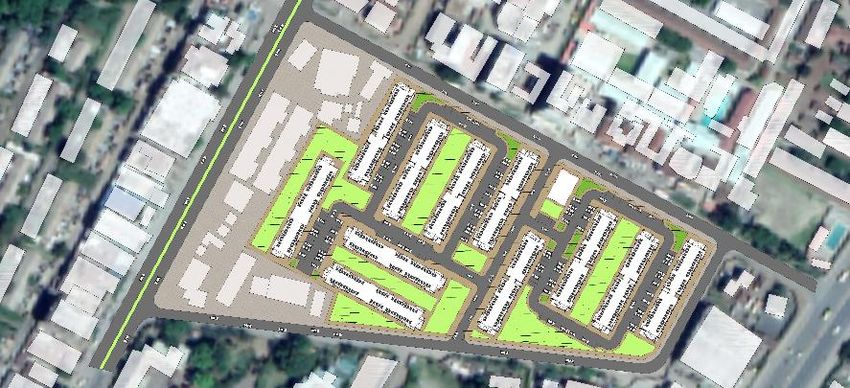
INTRODUCTION

         Why is housing a part of the Big 4 Agenda?

                                                                   1       Housing ranks high after food as a fundamental
                                                                           human need.

                                                           2
                                                                  Our Constitution in Article 43 (1)( b) recognizes the right
                                                                  to accessible and adequate housing, and to reasonable
                                                                  standards of sanitation.

                                                               Kenyans in urban area spend a considerable part of their

                                                      3        income on rent, for instance, Nairobi residents spend more
                                                               than 40% of their income on rent, well above the
                                                               recommended 30%.

                                                           4
                                                                  The cheapest home formally built by a developer in 2012
                                                                  cost more than $15,000, which is more than 10 times
                                                                  the average annual income of $1,340.

                                                                           Available lower income housing is not adequate

                                                                   5       and does not promote a quality of life that we
                                                                           want as evidenced by the fact that 6.4M
                                                                           Kenyans were living in slums representing
                                                                           about 56% of the country’s urban population.

Jun-19                                      CONFIDENTIAL                                                                    3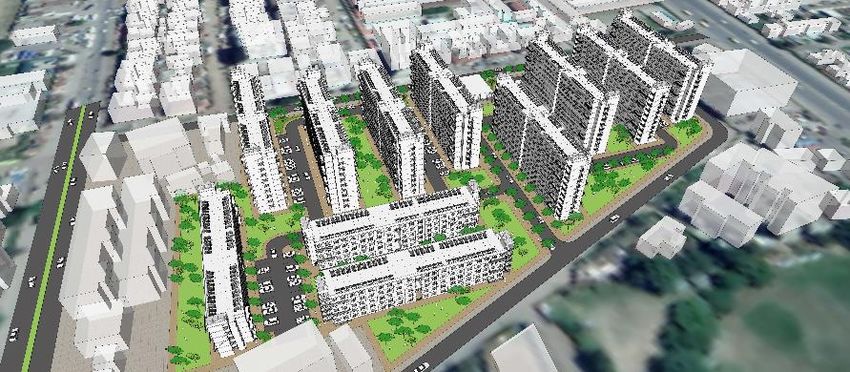
INTRODUCTION

           Affordable housing and economic development

The affordable housing program can have an impact on the broader economy beyond the delivery of homes

                                                                                                     Formalization
     Impact on                                                                                           of the
                                                    Job creation
       GDP                                                                                             informal
                                                                                                        sector

 •   Estimate that the contribution of real     •   Construction of housing is labor             •    Ringfencing strategies will ensure
     estate and construction to GDP will            intensive                                         that the Jua Kali sector are able to
     increase from the current 7% to 14%        •   Labor can capture up to 10.5% of the              supply inputs to the affordable
     by 2022.                                       value created by the spend on                     housing program
 •   Between USD 1.5 and USD 3                      affordable housing                           •    Light industries will also have the
     induced in the economy for every           •   We estimate that for every unit                   opportunity to provide construction
     USD 1 invested                                 constructed, there are 3 – 5 new jobs             materials such as cement
 •   Increased construction activity can            created
     become an important source of              •   Up to 8 indirect jobs created per unit
     revenue through processing of
     permits, approvals, and other related
     activity

Jun-19                                                         CONFIDENTIAL                                                                  4
INTRODUCTION

            The current housing deficit is 1.9M and growing

             Annual housing supply vs demand country wide
             Number
                          170.000          High end      Low end
                                                                               § It is estimated that Kenya has an annual housing demand of 250,000 annually
                                                                                 with an estimated supply of 50,000 p.a. (80% deficit) targeting the high-end
                                                                                 market.
                                                                               § In 2010 the demand for urban housing was estimated at around 80,000 units a
                                                                                 year, with demand projected to increase to nearly 300,000 units a year by 2050.
                                                                                 By comparison, in 2013 only 15,000 housing construction permits were issued
                                                                                 in Nairobi, where most demand exists and most of these were for high-income
                                                                                 apartments.
                                                                               § Only 2 percent of formally constructed houses are targeted to the lower income
                 80.000                                                          segments of the market, which account for the largest share of demand.
                                                                               § Furthermore, estimates of housing demand are for new housing only and do not
                                                                                 speak to the high qualitative housing deficit in Kenya estimated at 1.8 mn.
                                           49.000                              § The high cost of formal housing means that home ownership is out of reach for
                                                                                 most urban Kenyans with vast majority of this population finding housing
                                                                                 through rental markets (91% in Nairobi)
                                                                               § Kenya has an estimated 25,000 mortgages

                                                      1.000

                Annual demand          Annual supply for housing
                 for housing

SOURCE: State Department for Housing and Urban Development, World Bank

 Jun-19                                                                  CONFIDENTIAL                                                                              5
INTRODUCTION

         We require solutions to enhance supply and facilitate demand

                           SUPPLY SIDE

                   • Developers have limitations on
                     the number of units they can
                     build because there are no
                     guarantees on who will buy                        • Buyers lack adequate funding to take
                   • Instead of building thousands                       up units
                     of units, they limit their risks                  • They do not qualify for mortgages
                     and build only limited numbers                      because of lumpy cash flows
                                                                       • Existing mortgages are too costly due
                                                                         to high interest rates and short
                                                                         repayment periods

                                                                                     DEMAND SIDE

Jun-19                                                  CONFIDENTIAL                                             6
INTRODUCTION
           The affordable housing program incorporates supply, demand, and enabling
           environment interventions

                    þ     proven demand master plan and mega city approach
                    þ     mixed use developments with provision of social infrastructure and amenities
                    þ     affordable developer financing through provision of offtake undertaking

                                                                  Supply

  þ      Provision of land and bulk
         infrastructure
  þ      Infrastructure funding under
         K.U.S.P                                                                                    þ   Tenant Purchase Schemes
  þ      Tax incentives                                                                                 (TPS)

  þ      Tax breaks ( Zero rating of                                                                þ   KMRC (extending Mortgages
         Stamp duty for first time                                                                      tenures)
         home owners                                                                                þ   Housing Portal to assist in
  þ      Standardised designs and/or                                               Demand               identifying the end buyer
                                                 Enablers
         processes
  þ      Legal and policy review and
         amendments

Jun-19                                                           CONFIDENTIAL                                                         7
INTRODUCTION

         The affordable housing program currently targets three income segments

    Middle to High Income
                                                    Income Range: KES 150,000 +

    Mortgage Gap

                                           Income Range: KES 50,000 – KES 149,999

    Low cost

                                    Income Range: KES 20,000 – KES 49,999

    Social

                             Income Range: KES 0 – KES 19,999

Jun-19                                             CONFIDENTIAL                     8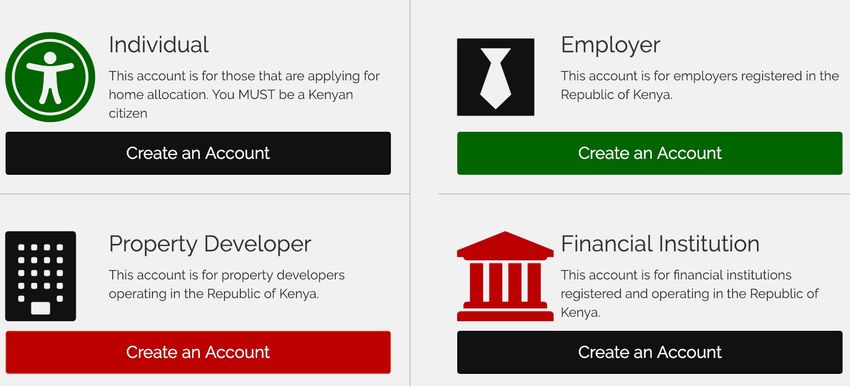
INTRODUCTION

            Key priority areas

         Housing spread for the affordable         Enhance affordability of homes by         Reduce cost of construction per square
          homes pillar by land ownership           addressing interest rate and tenure                       meter

 Housing spread                                 Cost of home ownership                      Cost per square meter
 Units                                          %/Years                                     KSh
                                                                        25 yrs   Interest           44,754
                                                                                 Tenure
                                                                                                                                 -30%
                          150,000     500,000
                                                                                                                      31,328
                225,000                            10 %
                                                          8 yrs
                                                                   7%
  125,000

   Social        Low      Mortgage     Total       Saccos         Housing Fund                Market rate       Housing programme
                 Cost       Gap        units

Jun-19                                                        CONFIDENTIAL                                                            9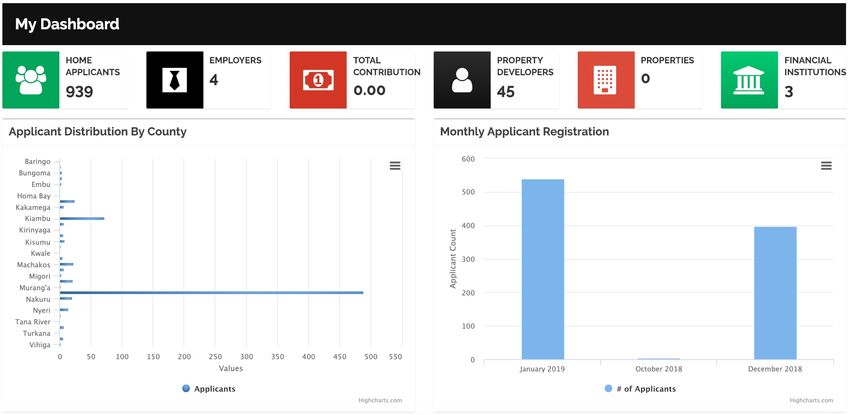
INTRODUCTION

            Key priority areas

   Close the annual low-income housing             Create 350,000 jobs in the                    Increase construction sector
               gap by 60%                             construction sector                            contribution to GDP

Annual low income housing gap               Jobs created                                   Contribution to GDP
Units                                       Number                                         KSh Billions
                                                                         350 000                                       905
         170 000

                                                                                                    452
                                                                                                                                +100%
                                     -60%
                                                                                   +600%
                           70 000

                                                   50 000

          2018             2022                    2018                   2022                      2018               2022

Jun-19                                                    CONFIDENTIAL                                                           10
HOUSE MODELS, CONSTRUCTION COSTS, AND SELLING PRICES
AFFORDABLE HOUSING PROGRAM

              House models, construction costs, and selling prices

 House Models                                                                                                       Construction Costs
 • AHP houses have are of three major typologies                                                                    • The AHP delivery framework places the onus of
   with the following minimum plinth/usable areas:                                                                    brining the cost of construction down to the
       • 1 bedroom – 30 m2                                                                                            developer
       • 2 bedroom – 40 m2                                                                                          • By capping the costs of the units at offtake, the
       • 3 bedroom – 60 m2                                                                                            developer is compelled to find innovative ways to
                                                                                                                      reduce costs
 • Units must meet the AHP Development
   Framework Guidelines which have been                                                                             • The DFGs give quality guidelines which ensures
   summarized below                                                                                                   that developers will not compromise quality for
                                                                                                                      cost
 • AHP Strategic Partners are encouraged to
   innovate and proposed better typologies and                                                                      • Lastly, there are various incentives to further
   other improvements                                                                                                 reduce costs:
                                                                                                                           • Development split
                                                                                                                           • Provision of land and bulk infrastructure
                                                                                                                           • Tax incentives (e.g. corporate tax rate of
 Selling Prices                                                                                                              15% for building 100 units or more)
• Generally the max. selling prices are:
      • 1 bedroom – KES 1 M
      • 2 bedroom – KES 2 M
      • 3 bedroom – KES 3 M
• The benefit of AHP for homebuyers, however, is in running a national tenant purchase scheme that will allow the
  home owners to spend current rent payments towards home ownership payment

   Jun-19                                                                    CONFIDENTIAL                                                                           12
AFFORDABLE HOUSING PROGRAM
Affordable housing program max. unit costs
To enhance range of affordability, we have the maximum cost for each unit to be delivered under the program
1 room 2 room Bedsitter 1 bedroom 2 bedroom 3 bedroom
KES KES KES KES KES KES
• 600,000 • 1,000,000 • n/a • n/a • n/a • n/a
Social housing
(Max. Selling Price)
Affordable Housing • n/a • n/a • 800,000 • 1,000,000 • 2,000,000 • 3,000,000
(Max. Selling Price)
Jun-19 CONFIDENTIAL 13AFFORDABLE HOUSING PROGRAM
Accessibility to all Kenyans from social perspective
Accessibility to Kenyans has been considered across various aspects of the program from eligibility, registration, and even design principles.
Development Framework Communication and
Eligibility and Registration Selection of homes Demand survey
Guidelines Engagement
• The program has • This program is intended to • The housing portal will • SDHUD hired KPMG to • AHP campaign program
incorporated principles on benefit all Kenyans offer participants various develop a Housing Master will be rolled out to engage
social safeguards which • Participation is open to all choices in terms of the Plan Kenyans and explain the
considers the needs of Kenyans above the age of kind of home they would • This master plan included a aims of the program
vulnerable groups 18 who register on the like to own nationwide survey on • All key aspects on
• Design principles cover Affordable Housing Portal • This includes typology and demand registration, allocation of
accessibility for people • Registration will be location • Views on the typologies, homes, and other salient
with disabilities and the facilitated through various • There is a policy for 1 demand for homes, features will be explained
elderly options including Huduma individual, 1 home locations of projects, etc. • The communications
• Considerations for different Centers where Kenyans were covered in the project campaign will be
types of households currently receive services • The outputs continue to conducted across the
including single parent from Government impact the Development country using a variety of
homes, child-headed • Huduma Centers will have Framework Guidelines media and dissemination
households, etc. support services for which are in the process of methods
• Considerations on family registration help, and other revision
sizes and culture have areas where users may
impacted design e.g. unit require assistance
sizes, use of bedsitters for
students only, etc.
• Continued revisions to
framework based on feed
back from various
stakeholders
Jun-19 CONFIDENTIAL 14DEVELOPMENT FRAMEWORK
Key design principles
Open Space Smart Building
Technology Technology
Access &
Creating
Movement
Communities
Safety &
Security
June 19 CONFIDENTIAL 15DEVELOPMENT FRAMEWORK
Design principle: open space
Public Realm
Networks
Open Space
Active Spaces
Playground
Sports Facility Gathering Space Pocket Park
June 19 CONFIDENTIAL 16DEVELOPMENT FRAMEWORK
Design principle: access and movement
Cycling Path
Access
&
Movement
Green Verge
Treelined Avenue Pedestrian Friendly
June 19 CONFIDENTIAL 17DEVELOPMENT FRAMEWORK
Design principles: safety and security
Security
Management
Safety &
Security
Access Control Perimeter
June 19 CONFIDENTIAL 18DEVELOPMENT FRAMEWORK
Design principle: community facilities
Community Centre
Community
Facilities
Schools Retail Centre Clinic
June 19 CONFIDENTIAL 19DEVELOPMENT FRAMEWORK
Design principles: building technology
Building
Technology
Frame & In-Fill
Pre-cast Panel
InSitu Formwork
June 19 CONFIDENTIAL 20DEVELOPMENT FRAMEWORK
Design principles: smart technology
Telecommunication
Payment System
Smart
Technology
Gas Reticulation
Waste
Management
Renewable Energy Transportation Water
June 19 CONFIDENTIAL 21DEVELOPMENT FRAMEWORK
Development split and development returns
Development Split
The preliminary target split under the AHP is a 70% - 30%, in favour of affordable
housing, subject to review by SDHUD on a project-by-project basis.
Development Returns
Where the land contribution has been made by the GoK, the development returns
above the hurdle will be allocated based on a pre-agreed split.
June 19 CONFIDENTIAL 22DEVELOPMENT FRAMEWORK
Typical land breakdown
Utilities, Roads,
and Services
25%
Residential
50%
Open Space
15%
Community Facilities
with Retail
10%
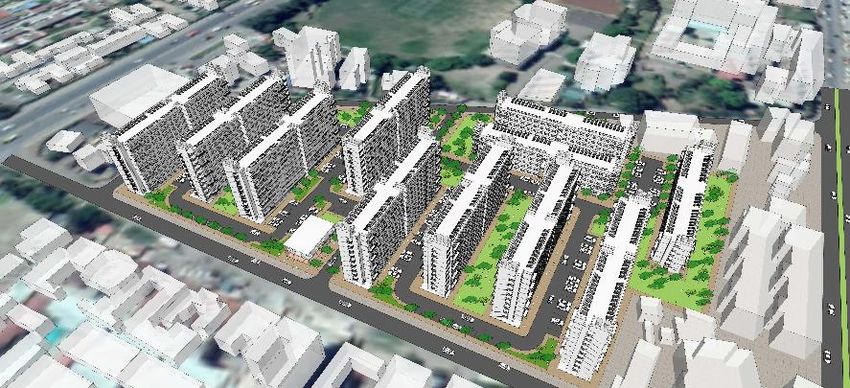
June 19 CONFIDENTIAL 23DEVELOPMENT FRAMEWORK
Typical site master planning
June 19 CONFIDENTIAL 24DEVELOPMENT FRAMEWORK
Modular design approach
June 19 CONFIDENTIAL 25DEVELOPMENT FRAMEWORK
Modular and traditional construction
Structural Frame & In-fill Pre-Cast Frame In-Situ System
• Structural slab, • reduced wet • Most widely used in
columns / beams; works trades on current supply chain;
• Block in-fill with site; • relatively low skill labour
traditional stone • created in factory required;
• Mix of off-site and on- conditions for increased • Programme takes longer
site construction quality; than alternatives;
methods • logistical opportunities • More demanding for on
• Maximise local content through just in time site logistics;
and contractors principles; • Multiple trades linked on
engagement • standardisation principles delivery
reflected in design
June 19 CONFIDENTIAL 26PROJECT LOCATIONS COUNTRY WIDE
AFFORDABLE HOUSING PROGRAM

         Project locations and criteria

                                          •   AHP targets projects across the country in urban areas
                                          •   AHP includes solutions for social housing as well as innovations for rural housing projects
                                              as well

                                          •   The program framework anticipates the use of National and County Government land to
                                              ensure distribution of homes and to catalyze projects

                                      •       The State Department of Housing and Urban Development (SDHUD) has signed MoUs with
                                              24 counties
                                                • Counties aim to build at least 2,000 units annually
                                                • Counties will identify land which is suitable for housing
                                                • Other counties are also in the process of reviewing MoUs

                                          •   To rationalize housing unit targets across the nation, SDHUD also completed a demand
                                              survey which aggregated data on the demand for housing across the country

                                          •   In addition, the Development Framework Guidelines (DFGs) have provisions for selecting
                                              and prioritizing projects across the country based on demand, suitability of proposed land
                                              location, availability of offtake, among other important factors

Jun-19                                                    CONFIDENTIAL                                                                  28
AFFORDABLE HOUSING PROGRAM
Project pipeline heatmap – national and county land
Counties that haven’t signed MoUs
Nairobi County – 67,800 Units
Mombasa County – 10,900 Units
LAPSSET Lamu Project – 20,000 Units
Kiambu County – 6,000 Units
Homa Bay County – 2,000
Nyandarua County – 2,000
Meru County – 2,000
Nyeri County – 2,000
Kisii County – 2,000
Tharaka Nithi County – 2,000
Uasin Gishu County – 2,000
West Pokot County – 2,000
Bomet County – 2,000
Elgeyo Marakwet County – 2,000
Nandi County – 2,000
Embu County – 2,000
Siaya County – 2,000
Vihiga County – 2,000
Garissa County – 2,000
Baringo County – 2,000
Kilifi County – 2,000
Kirinyaga County – 2,000
Kisumu County – 2,000
Kakamega County – 2,000
Bungoma County – 2,000
Isiolo County – 2,000
Wajir County – 2,000
Jun-19 CONFIDENTIAL Murang’a County – 2,000 29AFFORDABLE HOUSING PROGRAM
Project pipeline heatmap – private land
Call 1: Call 2:
77 potential project sites across 21 counties with over 9,600 44 potential project sites across 32 counties with over 2,700
acres offered by private sector acres offered by private sector
Counties with proposed private land projects
Jun-19 CONFIDENTIAL 30AFFORDABLE HOUSING PROGRAM
Rural housing
One of the major challenges of housing in rural areas is the quality of building materials. We have constructed 92 appropriate
building technology (ABT) centres across the country to promote use of local materials in building construction.
Research and Training Region specific solutions Matofali Machine Funding
§ Train youth, women, and § Improving fire resistance § Developed with § Funding for rural housing
children in use of on makuti roofing and Numerical Machining to continue from NHC
building materials use of coral stones in Complex § Offering funding at
§ Conduct research on coast region § Used for manufacture of competitive interest
improving local materials § Modernizing roofing in stabilized soil blocks rates of 7% from
for sustainable Masai land for water § Improves walling Housing Fund
construction harvesting while construction
§ Modernizing construction maintaining cultural
design § Reduces construction
practices while cost by 30%
preserving cultural values § Discouraging use of
burning bricks in western § Machines to be
region which deplete our distributed to ABT
forests centers
Jun-19 CONFIDENTIAL 31AFFORDABLE HOUSING PROGRAM
Slum upgrading and social housing
§ In every community, we work with settlement executive committees which
represent community interests and ensure that those living in the community are
beneficiaries
§ Completed 822 houses in Kibera Soweto A
§ Sold to those living in the slum and were registered in 2005
§ Enumeration was done to confirm and verify the right beneficiaries
§ Occupancy in July 2016
§ Homes were sold as rent-to-own with 25 years tenure and 3% interest rates
§ One room sold at KES 600k – KES 2,500 per month
Case Study: § Two rooms sold at KES 1M – KES 4,500 per month
Slum Upgrading § Three room sold at KES 1.35M – KES 6,500 per month
§ Next projects include Kibera B, C, D followed by Mariguini and Kiambiu
§ Enumeration for Kibera B is completed and verification is ongoing
Next § 498 slums in the country have been mapped and will work with County
Steps
Governments to improve housing conditions
§ The Housing Fund will be consolidating financing solutions to ensure social
housing projects are delivered
Jun-19 CONFIDENTIAL 32FINANCING FRAMEWORK OVERVIEW
FINANCING FRAMEWORK
                The financing framework for affordable housing supports both the supply and demand
                side

                        SUPPLY                                     HOUSING FUND                                               DEMAND                      MORTGAGE REFINANCING

                                                                                                                   Homes
                        FINANCIERS                                       BANK                                              MORTGAGE BUYERS                         BANKS
                                                                                                                                             Home Loans

                                     Offtake Agreement
 Construction Finance                                                           TPS Cash Management &                                                                  Mortgage Refinancing
                                                                                       Custody
                                        Homes
                                                                                                                   Homes
                       DEVELOPERS                                    HOUSING FUND                                             TPS BUYERS                           KMRC
                                                                                                        Payments
                                     Development Cost

Construction Finance

                                                                                                                   Homes                                      BANK SYNDICATED
                        FINANCIERS                       CONTRIBUTIONS          DEBT & BORROWINGS                            CASH BUYERS                          FACILITY

                                                                                                                                                                       Wholesale Funding

                                                                                                                                                             INVESTORS, BANKS &
                                                                                                                                                                    DFIs

                                                                                                                                                           Targeted at households
                                                                                                                                                            with monthly income
                                                                                                                                                            between 50,000 and
                                                                                                                                                                   above
Jun-19                                                                                      CONFIDENTIAL                                                                                      34
PROPOSED SOLUTION
The Housing Fund is the suitable mechanism for providing funding support for both
developers and home owners
SUPPLY SIDE
The Housing Fund will be the
Bulk Purchaser of housing
units from developers,
thereby mitigating the offtake The Housing Fund will be the
risk. Long Term Financier offering
homeowners affordable and
accessible funding to buy homes
primarily through a National
Tenant Purchase Scheme
DEMAND SIDE
Jun-19 CONFIDENTIAL 35HOUSING FUND
Mandate and primary functions
The Housing Fund will mobilize capital, offer certainty of sales in the form of an off-take undertaking to developers, and provide accessible
finance for home buyers through a National Tenant Purchase Scheme
Principle Description
Capital mobilization § The Housing Fund will mobilize capital from Government (through 3% employer/employee contribution,
Development Finance Institutions, Affordable Housing Home Owners Savings Plans from the Home Owners
and Local Banks to fulfil its mandate.
Bulk Purchaser § Offer certainty of sales in the form of an off-take undertaking that will allow the developers access construction
(De-risking financing.
developers) § Purchase the housing units for cash once construction is complete to allow the developers to recycle their
capital and develop more units.
Long-Term Financier § Allow ordinary Kenyans to save for an affordable home via a Savings Plan which they can use as a down
(Enabling payment towards their affordable house.
homeowners) § Offer home buyers the ability to purchase their homes via an affordable 25-year Tenant Purchase Scheme.
§ Target interest rates between 3% and 7%
§ Allow Kenyans to purchase affordable houses nationwide through the Housing Fund while paying a monthly
rate nearly equal to their current rental expense
Jun-19 CONFIDENTIAL 36HOUSING FUND
Mandate and primary functions
The Housing Fund will mobilize capital, offer certainty of sales in the form of an off-take undertaking to developers, and provide accessible
finance for home buyers through a National Tenant Purchase Scheme
Employer/Employee
Contributions, Exchequer,
DFIs, & Other Investors
SUPPLY SIDE Funding &
DEMAND SIDE
Support
Offtake undertaking
Developer 1 and cash Principal & Interest Home Owner 1
Developer 2 Housing Fund Home Owner 2
Developer 3 Housing Units Housing Units & Home Owner 3
Tenant Purchase
Regular savings Scheme
contributions
towards a
home
Affordable Housing Registered
Members’ Savings
(affordable housing HOSP)
Jun-19 CONFIDENTIAL 37HOUSING FUND
Funding sources
The Housing Fund will have funding from various sources
• Short-term credit lines from banks, DFIs, and other financial institutions
• Issuance of asset-backed securities to institutional investors to fund the NTPS,
Debt and Borrowings issued in 3 classes:
1. Short-term notes (0-5 years)
2. Medium-term notes (5-10 years)
3. Long-term notes (10-20 years)
Employer/
Employee • Contributions from employers and employees (3%)
Contribution
Other GoK
Funding • Other GoK funding (e.g. short-term loan, etc.)
Jun-19 CONFIDENTIAL 38HOUSING PORTAL
HOUSING PORTAL

         Overview – Demand consolidation

                                        • The Housing Portal is a platform that connects individuals to
                                          the Affordable Housing Program & Housing Fund
                                        • It will provide real live evidence of demand aggregation to
                                          strategic partners of the AHP
                                        • It will allow individuals to see progress towards and a real
                                          connection to the dream of home ownership
                                        • Ultimately, the portal will make the National Tenant Purchase
                                          Scheme more accessible online
                                        • Provides potential home owners ability to share information to
                                          facilitate allocation of homes through a ballot-based system
                                        • It will accept payments from mobile money, bank accounts,
                                          credit and debit cards
                                        • Will be accessible through a variety of platforms including:
                                          USSD, mobile app, mobile web, and web portal

Jun-19                          CONFIDENTIAL                                                         40
HOUSING PORTAL
Individual Registration
• The system registers aspiring home owners and
allows them to make contributions into their savings’
wallets in the Housing Fund
• Registration Options:
• Mobile – USSD
• Dial *500# to Register Details
• Mobile & Web-based
• Visit www.bomayangu.go.ke
• Huduma Centres – with web-enabled stations
that allow:
• Registration
• Update of Details
Welcome to
• Upload of KYC documents BOMAYANGU
REGISTRATION
1. Register
2. Exit
Jun-19 CONFIDENTIAL 41HOUSING PORTAL
Fair and Transparent Allocation
Allocation Move In
• Preference of location and housing 06
05 • TPS/Mortgage/ Cash Sale
typology available
• Sign Agreements
• 12.5% Deposit Saved
Qualification 04
• KRA registered Contributions
• Continuous saving
03
• Statutory & Voluntary
• Need assessment • Savings for Deposit
Registration
• Online Portal 02
• Provide all personal details
01
Pre-Qualification
• ID Verification
• Income Verification
• Credit Profile
Jun-19 CONFIDENTIAL 42HOUSING PORTAL
Allocation procedure and process
• Potential home buyers will be required to register on the housing • It also allows for balancing of scales among those who have
portal the most need (e.g. single parent with four children in the
• Allocation will be conducted through a transparent and unbiased social housing bracket vs single lady in the middle- to high-
process with no human interference income bracket)
• During registration, the online form will ask questions that will • It allows for housing projects to cater to special groups such
allow for profiling of individuals e.g. are users married, do they as police officers, nurses, doctors, etc. who contribute
have children, etc. essential services that can be useful in creating sustainable
• These markers will be used to determine the most comprehensive communities
grouping to place individuals • In order to be eligible and considered for a draw, a registered user
• The groupings will then have draws from which individuals will be must have:
awarded the homes • a full profile on the Housing Portal
• The objective of separating individuals into groups is to ensure • Been making contributions to their online wallets for at least
that housing projects have minimum attributes of diversity six months
• This will avoid selection of only one type of family or that • Accumulated 2.5% of the value of the home they wish to
only very vulnerable families are selected in a particular purchase, they will be eligible for the allocation process
neighborhood
Jun-19 CONFIDENTIAL 43HOUSING PORTAL
Strategic Partners
• Online registration
• Property Developers
• Financial Institutions/Investors
• Land owners
• User access
• Ability to upload:
• Descriptions of Projects
• Breakdown of housing typologies
• Price points per type
• GIS/Mapped locations
• Images – incl. renderings, floor plans
• Financial Products offering
• Access to
• Overview of demand
• Customer profiles by category
Jun-19 CONFIDENTIAL 44HOUSING PORTAL
Basic Allocation Criteria
Social Housing Low Cost Housing Mortgage Gap Mortgage Market
Income Range KES 0 – 20,000 KES 21,000 – 59,999 KES 60,000 – 149,999 KES +150,000
(monthly)
Tax Registration Unlikely to have tax Some probability of tax Likely to have tax More likely to be tax
registration registration registration registered
Banked Unbanked or solely on Mix of traditionally banked Banked Banked
mobile money and mobile banking only
users
Transaction History Less visible transaction Somewhat visible Visible transaction history Highly visible transaction
history transaction history history
Capacity for Savings Low capacity for savings Some capacity for savings Decent to good capacity Better capacity to save
towards housing to save towards housing towards housing
contributions contributions
Purchase Profile Best candidates for TPS Mixed candidates: TPS & Good candidate for low Best candidate for low
Mortgage interest mortgage interest mortgage
Jun-19 CONFIDENTIAL 45HOUSING PORTAL
Analytics for Transparency
• Analytics to support decision making
• Demand assessments
• Registration visibility
• Savings & Contributions
Transparency
• Partners visibility
Jun-19 CONFIDENTIAL 46LEGAL FRAMEWORK
LEGAL FRAMEWORK

         Principles of legal framework
                                                                                             Development Framework Agreement
             Commitment Agreement
                                                                                             This agreement provides a guideline of the fundamental
             This agreement governs the provision requiring a                                heads of terms to be addressed and provided in the Project
             commitment fee of up to 10% of the project cost of a                            Agreement as project details emerge. It works as an
         $   particular development to be deposited by the developer
             into a designated escrow account as advised by SDHUD.
                                                                                             “interim Agreement” for urgent works to commence
                                                                                             pending final negotiations and execution of the Project
                                                                                             Agreement.

     $       Escrow Agreement
             This governs the use of the commitment fee which the
                                                                                             Project Agreement
                                                                                             This agreement governs the relationship between the GoK
             successful developer, private investor or contractor shall
             provide, pending negotiations and signing of the Project                        and the developer, private investor, or contractor, and sets
             Agreement.                                                                      out in detail the terms and conditions for the development
                                                                                             and delivery of each Project.

             Letter of Support                                                               Offtake Agreement
             This is a letter that may be issued by GoK through the                          This agreement is issued by the GoK in favour of the
             National Treasury, in favour of the developer, private                          developer, private investor, or contractor as an
             investor, or contractor and its financiers to provide that the                  undertaking for the purchase on behalf of the GoK of the
             GoK will ensure that the Housing Fund is not wound up so                        completed housing units within a specified period from the
             long as it has continuing outstanding obligations. The Letter                   date of construction completion, this time period being
             of Support will only be issued in appropriate circumstances.                    determined on a project-by-project basis.

Jun-19                                                                        CONFIDENTIAL                                                                  48
ENVIRONMENT AND SOCIAL SAFEGUARDS
ENVIRONMENT AND SOCIAL SAFEGUARDS

            Principles of environment and social safeguards
                       ELIGIBILITY SCREENING OF PROPOSALS                                EVALUATION/SELECTION OF PROPOSALS
                       Review of eligibility of proposal, excluding                      ESA screening, evaluation of environmental &
                       any with high environmental and social risks                      social issues and proposed mitigations; scope
                                                                                         of ESIA/ESMP, if required
                                                                      3             4
      SUBMISSION OF PROPOSALS
      Identify potential environmental issues and
      proposed mitigation measures                      2                                                   PROJECT APPROVAL

                                                                                                  5         Environmental & social mitigation measures
                                                                                                            included in project contract; includes specific
                                                                                                            provisions for environmentally sound procurement,
PROGRAM ADVERTISEMENT                                                                                       contracting
Advice to prospective applicants on
eligible/ineligible activities, potential
environmental and social issues; potential
                                                    1
impacts and mitigation measures for different                                                               NEGOTIATION AND AGREEMENT ON WORK
types of sub-projects                                                                               6       PLAN, CONTRACT SIGNING
                                                                                                            Procurement include environmental & social
                                                                                                            provisions in bidding documents, specifications,
                                                                                                            contracts (including penalties for non-compliance)

                                                                                         7      PROGRESS REPORT, ACCOUNTING, VERIFICATION
                                                                      8                         Monitoring according to environmental monitoring
                                                                                                plan, reports to IPDU and other relevant authorities

                               FINAL REPORTING AND ACCOUNTING
                               Final reports, on EMP compliance and
                               environmental/social impacts
 Jun-19                                                                   CONFIDENTIAL                                                                           50
KEY MILESTONES
AFFORDABLE HOUSING PROGRAM

                Summary of key milestones
                                                              JAN                     FEB                     MAR                     APR                           MAY               DELIVERABLES

                                                              07.   14.   21.   28.   04.   11.   18.   25.   04.   11.   18.   25.   01.   08.   15.   22.   29.   06.   13.   20.

§ Integrated delivery unit set up and operationalization                                                                                                                              Delivery unit set
                                                                                                                                                                                      up and
  – Consulting firm onboarded to delivery unit                                                                                                                                        consultants
                                                                                                                                                                                      onboarded
  – Delivery unit operationalization

§ Development framework guidelines finalization                                                                                                                                       DFGs revised and
                                                                                                                                                                                      published
  – Revisions to development framework

  – Approvals and updated publication

§ Housing Fund Development                                                                                                                                                            Housing Fund
                                                                                                                                                                                      setup completed,
  – National assembly review and approval                                                                                                                                             operationalization
                                                                                                                                                                                      finalized, and
  – Housing Fund administrative guidelines development                                                                                                                                collections
  – Housing Fund guidelines approval                                                                                                                                                  mechanisms
                                                                                                                                                                                      completed.
  – Collections protocol and operationalization

  – Operationalization of the Housing Fund

  – Investment decision mechanism operationalization

§ Housing Portal Development                                                                                                                                                          Housing Portal
                                                                                                                                                                                      launched, support
  – Modules use testing                                                                                                                                                               activated
                                                                                                                                                                                      nationwide,
  – Portal launch soft launch                                                                                                                                                         registrants
  – Contributions and profiling modules operationalization                                                                                                                            onboarded and
                                                                                                                                                                                      contributions
  – Huduma Center support operationalization                                                                                                                                          begun

  – Nationwide campaign for registrations and contributions

Jun-19                                                                                        CONFIDENTIAL                                                                                           52
AFFORDABLE HOUSING PROGRAM
Summary of key milestones
JAN FEB MAR APR MAY DELIVERABLES
07. 14. 21. 28. 04. 11. 18. 25. 04. 11. 18. 25. 01. 08. 15. 22. 29. 06. 13. 20.
§ Project Pipeline Development (private land projects) Project pipeline
for private land
– Evaluation of Round 1 Applications
developments
– Negotiations with successful private land projects completed;
schedule of units
– Site programming and strategic assessment
to be delivered
– Prioritization of suitable projects from private land completed by Q2
2019
§ Flagship projects Delivery of first
288 units by
– Park Road
August 2019;
§ Contractor onsite Project
completion by Q1
§ Delivery of first units
2021
§ Project completion
– Starehe Delivery of first
units by Q4 2019
§ Procurement
§ Contractor onsite and mobilized
– Shauri Moyo Delivery of first
units by Q4 2019
§ Procurement
§ Contractor onsite and mobilized
– Makongeni Delivery of first
Q1 2020.
§ Procurement
§ Contractor onsite and mobilized
– Mavoko Delivery of first
units by Q3 2019
§ Procurement
§ Contractor onsite and mobilized
Jun-19 CONFIDENTIAL 53AFFORDABLE HOUSING PROGRAM
Summary of key milestones
JAN FEB MAR APR MAY DELIVERABLES
07. 14. 21. 28. 04. 11. 18. 25. 04. 11. 18. 25. 01. 08. 15. 22. 29. 06. 13. 20.
§ Flagship projects Contractor onsite
by Apr 2019; First
– Kibera B units delivered by
Q4 2019
§ Physical planning (complete)
§ Enumeration and verification of beneficiaries
§ Relocation strategy development
§ Procurement
§ Contractor onsite
– Kiambiu Relocation
strategy by end of
§ Physical planning Apr 2019;
Procurement in
§ Enumeration and verification of beneficiaries May 2019;
Contractor on site
§ Relocation strategy development
by Jun/Jul 2019
§ Procurement
§ Contractor onsite
– Mariguini Contractor onsite
by Apr 2019; First
§ Physical planning (complete) units delivered by
beginning of Q4
§ Enumeration and verification of beneficiaries 2019
§ Relocation strategy development
§ Procurement
§ Contractor onsite
Jun-19 CONFIDENTIAL 54Thank you Disclaimer: The purpose of this Presentation is to provide recipients with information on proposed program approach for the 500,000 Affordable Homes Program. This presentation is subject to change as the development framework is challenged and subjected to stakeholder engagement and market sounding.
You can also read


