ACTION PLAN A PLAN TO PROSPER TARANAKI - TAPUAEROA MAKEWAYFORTARANAKI ACTIONPLAN 1 - Tapuae Roa
←
→
Page content transcription
If your browser does not render page correctly, please read the page content below
ACTION PLAN
A PLAN TO PROSPER TARANAKI

      TAPUAE ROA MAKE WAY FOR TARANAKI ACTION PLAN   1
Tapuae Roa refers to the footprints
across centuries, looking into the past
and looking ahead to the future. It
acknowledges the importance of taking
a long-term intergenerational view to
drive the right collective behaviour and
investment decisions. The core focus of
Tapuae Roa is people. It is people who take
economies forward.
CONTENTS
MESSAGE FROM NGĀ IWI O TARANAKI.................................................................................................................2

MESSAGE FROM THE TARANAKI MAYORAL FORUM . . ..........................................................................................3

MESSAGE FROM THE LEAD TEAM. . .........................................................................................................................4

EXECUTIVE SUMMARY..............................................................................................................................................5

INTRODUCTION - UNDERSTANDING TAPUAE ROA...........................................................................................11

THE FOUR FUTURES................................................................................................................................................14
           ENERGY FUTURES..............................................................................................................................................................15

           FOOD FUTURES..................................................................................................................................................................23

           MA-ORI ECONOMY FUTURES............................................................................................................................................ 31

           VISITOR SECTOR FUTURES . . ............................................................................................................................................. 37

THE FOUR FOUNDATIONS . . ....................................................................................................................................43
           TALENT, ENTERPRISE AND INNOVATION........................................................................................................................44

           ACCESSIBILITY AND CONNECTIVITY...............................................................................................................................51

           VIBRANCY AND LIVEABILITY............................................................................................................................................59

           INVESTMENT. . .....................................................................................................................................................................65

MAKING IT HAPPEN . . ...............................................................................................................................................70
ACRONYMS...............................................................................................................................................................73

                                                                                       TAPUAE ROA MAKE WAY FOR TARANAKI ACTION PLAN                                                                1
MESSAGE FROM
NGĀ IWI O TARANAKI

Tukua e au taku Tapuae Roa, Ko Huakinuku, Ko Huakirangi

Tēnā ka whai tapuae, tēnā ka whai taumata

Te whāinga i te taumata nō Rongo

Te taumata o Taranaki Maunga e tū nei

Hoaia tukua ko te Tapuae Roa ki te ao.

Titiro whakamuri kia anga whakamua, ā, me whai i       By working on this strategy with our councils and
ngā tapuae o rātou mā. Whakaraupohia e te iwi kia      other stakeholders, Ngā Iwi o Taranaki are signalling
kōtahi te rautaki whai rawa, mā ngā iwi o Taranaki     to the wider Taranaki Community that we are ready
maunga mā te hapori whānui.                            to work together as Treaty partners. That is not to say
                                                       at times we will continue to be very much focused as
Kua puta kētia te rautaki o Tapuae Roa kei konei ōna   eight individual iwi on our own endeavours that are
tū mahi hei whāinga mō ngā rā kei mua i te aroaro      primarily to support our tribal communities on the
tīhei mauriora.                                        ground both culturally and economically.

Me kī pēnei haere ngā mate, haere ngā mihi, haere      The Tapuae Roa strategy and action plan will have
tēnei kaupapa kia eke ki ōna taumata.                  meaning when this is achieved. When Ngā Iwi o
                                                       Taranaki are strong and confident culturally this will
As tangata whenua, Ngā Iwi o Taranaki take an          have a positive impact on us economically and in turn
intergenerational approach to developing our           be of benefit to the wider community. With this in
strategic endeavours and future planning.              mind let us all be prepared to work together.

Tapuae Roa acknowledges our past to ensure we step     ‘Ki te hoe’
confidently into the future. The Treaty settlements
over the last 15 years in Taranaki have helped us to
regroup after 170 years of major upheaval where        Te Pahunga (Marty) Davis – Aotea waka
our tūrangawaewae, our economic base was taken
                                                       Liana Poutu – Tokomaru waka
from us.
                                                       Wharehoka Wano – Kurahaupō waka
MESSAGE FROM THE
TARANAKI MAYORAL FORUM

Every now and then it pays to pause and look at              Fifteen years ago we established Venture Taranaki Trust
our region with fresh eyes – that’s Tapuae Roa.              (VTT) and, largely reliant on funding from
The Tapuae Roa Strategy, published in July 2017,             local government, VTT has vigorously pursued
was an act of collectively thinking aloud about              development, and with notable success. VTT will be
                                                             vital to the next stage in our journey. They too may
the ‘what’ - what we have achieved and what
                                                             have to adapt, and they certainly cannot do this alone.
does the future hold for us? This Action Plan is
                                                             We are all going to have to act together in ways we
about the ‘how’ – how we will achieve the future             perhaps haven’t before.
we want for our region?
                                                             The world does not stand still. In today’s world regional
Looking back, we should feel very pleased. We have           development is not just about economic development.
a strongly performing region and this performance            It is about improvement in the quality of our lives,
has been sustained over a long period. But nothing is        which has many dimensions. The relationship between
guaranteed. As a region and as a nation we are facing        wealth and wellbeing needs to be carefully planned
monumental challenges such as limits to natural              so we get what we want and what our environment
resource use. For example, the new Government is             can sustain.
taking us down a path of addressing climate change
and the quality of the fresh water in our rivers and         This Action Plan is like a road map which we need
waterways. Development of our region has to be seen          to follow to avoid getting diverted and losing the
in the context of such national priorities.                  momentum that our years of success have created.
                                                             Each of us in our own councils has committed
Taranaki people have never shirked hard work or              ourselves to the direction laid out in this Plan. We must
shrunk from a tough challenge, but the next set of           now pursue it with vigour.
challenges will need more than the sweat of our brows.
It will require us to exercise our smarts, further develop   Neil Holdom – Mayor New Plymouth District Council
those smarts and undertake strong collective action.
                                                             Neil Volzke – Mayor Stratford District Council
Our future ‘wealth’ will come less from beneath our feet     Ross Dunlop – Mayor South District Council
(from grass, oil and gas) and more from between our
ears. We need to identify, develop and foster the talents    David MacLeod – Chair Taranaki Regional Council
of our people. We need to transform those talents
into enterprise – the business of economic activity –
whether in existing or new businesses, large or small.

Historically we have been supported by our mainstay
industries such as dairy and energy, a range of other
primary industries, and more latterly poultry. They
have boosted employment and GDP giving us higher
household incomes than other regions and a steady
inward flow of wealth. For the future they will still be
important, particularly as Taranaki spring boards into a
modern high-value economy, but we need to diversify
those mainstays to build long-term resilience.

                                                      TAPUAE ROA MAKE WAY FOR TARANAKI ACTION PLAN                       3
MESSAGE FROM THE
LEAD TEAM
Taranaki has significant advantages, nationally           This is a serious initiative that is going to require
and internationally. They say you can take the            serious leadership, serious money and serious
boy or girl out of Taranaki, but you can never            commitment. It has arisen from deep analysis of
take Taranaki out of the boy or girl!                     what it will take to lift our region into the new
                                                          economy that is coming at us, with all its threats
                                                          and all its opportunities. We will need renewed
As a people, and as a region we are truly unique –
                                                          enthusiasm, new thinking, new organisations and
those that call this place home do not all live here.
                                                          attitudes to take us forward.
There are hundreds of thousands of folk around
New Zealand and around the world that are
                                                          This Action Plan is the start.
committed to this place – all that it is, and all that
it can be. They want to stay connected, and they
                                                          We are sure the people living here, and associated
want to help. Many of these folk have put their hand
                                                          with this place, are up for the challenge.
up during this process. To truly achieve our potential,
it is essential we create an opportunity for everyone
                                                          Together we can make it happen!
to play their part.

Our Regional Economic Development Strategy is
                                                          Peter Tennent - Chair
unashamedly aspirational. To achieve (and surpass)
our regional potential, we all need to play our part,     Wharehoka Wano - Deputy Chair
and we all need to be working together.                   Sophie Braggins
                                                          Robin Brockie
Tapuae Roa has created an opportunity for that
                                                          Andrew Clennett
to happen.
                                                          Te Pahunga (Marty) Davis
The main drivers of our economy in the past, will still   Neil Holdom
play their part going forward (the energy industry,       David MacLeod
the dairy industry, the Government, and so on), but
                                                          Al Morrison
our future will involve so much more.
                                                          Bronwyn Muir
Our future involves harnessing our unique                 Kevin Murphy
advantage – our people. “Taranaki – where talent          Liana Poutu
becomes enterprise”. We are the ones who are going
to make it happen! Increasingly it is falling on us in    Dan Radcliffe
the regions to lead our development and create “our       Scott Walls
place” for ourselves.

We were appointed by the Mayoral Forum as a Lead
Team to lead the preparation of a development road
map. This is it.

We might have been given the initial lead but a great
team of committed people took that lead and did
the grunt work to get this plan in place. This is where
it starts, not where it stops. The scope and scale of
the actions detailed in this plan are breath-taking
in their ambition. At other times in our history they
may have been discretionary - “nice to have”. But we
are facing a very different future. Now“nice to have”
is “need to have”. There is a new urgency required as
we move forward.
EXECUTIVE SUMMARY
This Action Plan follows the Tapuae Roa Strategy published in August 2017. The Strategy
was published early to generate thinking and discussion, and it has been successful in
doing so. This Action Plan reflects advances in that thinking and should now be treated
as the definitive planning document from the Tapuae Roa strategy development process.

ACTION TEAMS
The strategy analysed the issues facing the region           As with energy, it is seeking to future-proof an
and the opportunities. The Action Plan phase                 industry that is becoming constrained by the finite
focused down to eight areas and eight Action                 capacity of the regional (and national) environment
Teams were formed. Three were focused on the                 and where downstream processing has the most
transformation of the traditional sectors – energy,          potential for extension and expansion.
food and the visitor sector. To those three was added
a fourth – Māori economy. These are now called the           The challenges in Food Futures will involve
“Four Futures”.                                              industries, that have historically operated in silos,
                                                             thinking collaboratively about new products and
The other four Action Teams examined development             using commodities as ingredients for consumer-
enablers: talent, enterprise and innovation;                 ready products. Such added-value production has
accessibility and connectivity; vibrancy and                 expanded gradually in recent years. Food Futures
liveability; and investment. These are termed the            is an opportunity to accelerate that growth. As
“Four Foundations”.                                          with Energy Futures, this initiative has its risks and
                                                             uncertainties, but the region has a strong presence
The Action Plan recommends activity and                      in food production, and there is considerable
investment in all eight areas and specifies a                experience on which to draw.
programme of action in detail.
                                                             Food Futures also extends to Farm Futures. This is the
                                                             boosting of productivity and profitability on-farm,
FOUR FUTURES                                                 especially in the hill country. It is also about the most
                                                             productive and profitable use of land which brings
The Four Futures are a carefully constructed mix
                                                             into play the forestry initiatives of the incoming
of sectors.
                                                             Government as an antidote to climate change.
Energy Futures is the most ambitious. It recognises
                                                             Māori Economy Futures is the result of a fresh
the threats of climate change to Taranaki’s energy
                                                             look at directions for participation of Māori
industry. It seeks to establish a position for Taranaki
                                                             and iwi in the economy. Ngā Iwi o Taranaki are
in the coming world of renewable energy, off the
                                                             looking to focus on a new generation of Māori
back of the current non-renewable industry. The
                                                             leadership through ensuring they have the requisite
greatest threat is that the energy industry of the
                                                             technical and technology skills to participate in the
future will consolidate in other parts of the world
                                                             modern economy.
and Taranaki and New Zealand will gradually lose its
stake in this sector.
                                                             Visitor Sector Futures involves the extension of an
                                                             already significant industry which has potential to
The challenge in Energy Futures centres on the
                                                             grow in the region. Being located “slightly on the
development of low emission and renewable
                                                             edge” of the main national travel routes, Taranaki
energy technical capability in the region with a New
                                                             lags behind areas with comparable visitor sector
Zealand-wide and international reach. It also seeks
                                                             natural assets. The visitor sector involves lower risk
to establish a place for Taranaki in the emerging
                                                             than Energy or Food and has the added advantage
hydrogen economy with a particular focus on zero
                                                             of being labour-intensive with the potential to
emissions and heavy and long distance transport.
                                                             create job opportunities in urban and rural parts
This is a high risk, high reward initiative. If successful
                                                             of the region.
it would be the basis of a strong economic future for
the region, similar to the role energy has played in
the past.

Food Futures is a derivative of the already strong
commodity-producing economy of Taranaki. As a
strong producer of protein, Taranaki has the base to
build into the international value-added market.

                                                             TAPUAE ROA MAKE WAY FOR TARANAKI ACTION PLAN                5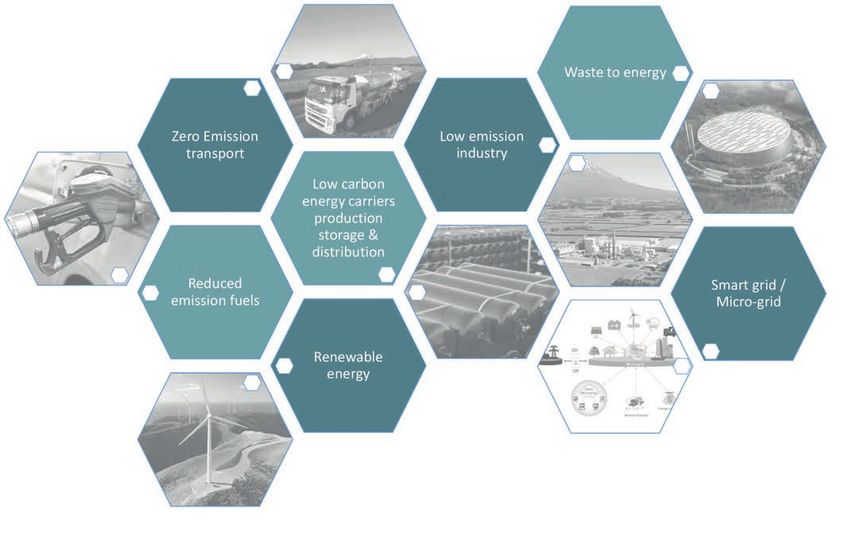
FOUR FOUNDATIONS                                        Vibrancy and liveability are key attractors both
                                                        to the region and to retain people and their skills
Underpinning the Four Futures are the Four              in the region. Tribally iwi are also looking to retain
Foundations. As with the Futures, they have             their people in their tribal areas and to encourage
been carefully selected for their impact on the         those skilled ones living out of the region to
local economy and in the context of a people-           come home. This requires us to ensure we provide
centred development strategy.                           opportunities to grow capacity locally along with
                                                        work opportunities. The Vibrancy and Liveability
Talent, enterprise and innovation is the most           actions focus is on what can be done to further
important and ambitious of the Four Foundations,        enhance the attractiveness of Taranaki to talented
and the most challenging to successfully execute.       and entrepreneurial people, their families, their
It recognises the importance of skills and business     staff and their businesses. The actions include:
development for the future of the region. It aims to    marketing and promotion, services for people,
bridge the gaps between the education sector and        events, infrastructure, services for immigrants,
industry needs.                                         enhancement of the natural environment and
                                                        culture of doing business.
The particular focus of this Foundation is on
training for a modern economy. The required skills      Investment is arguably the single greatest enabler,
have been identified in the Māori Economy area          and barrier, to regional development. Limited funds
by the acronym STEAMID1 (Science, technology,           are available through local government as a result of
engineering, arts/design, mathematics, innovation       pressure on local body rates. Private sector funding
and digital), and also in the idea of the Eight         sources are available but have not historically been
Emerging Technologies (robots, internet of things,      particularly geared to regional-level funding and
drones, blockchain, artificial intelligence, 3D         investment. There is a heavy reliance on central
printing, augmented reality and voice recognition).2    government funding in the early stages of projects.

The purpose is to grow the enterprise and               A systematic approach to funding and investment
innovation capability in Taranaki across all sectors.   is required over the life of the strategy with the
The backbone of this initiative is the formation        burden gradually falling more on the region (rather
of a series of up to six talent and enterprise hubs     than central government) as projects mature.
around the region. These hubs, which will overlap
with those proposed in the Māori Economy,               Funding options considered in the strategy include
Food and Energy Futures, and the Vibrancy and           regional royalties, angel investment, a Taranaki
Liveability focus areas, involve taking the services    Growth Fund, Iwi investment, foreign direct
to the people more than the reverse. Hubs would         investment and philanthropic contributions.
be closely inter-connected and would be larger or
smaller depending on their location.
                                                        INSTITUTIONAL ARRANGEMENTS
Accessibility and Connectivity is an important          Finally, the Action Plan opens up the questions
enabler for Taranaki because of the region’s            of what types of institutional arrangements are
geographical location. It is characterised by           required to provide the leadership necessary to
improvements in conventional transport together         take this programme forward. An enhancement
with the neutralising effect digital connectivity       of the present arrangements is proposed with
and the internet have on geographical isolation.        a sharper leadership focus. In particular, it
There are recommendations around the                    involves greater participation by local business in
enhancement of the port, roads, rail, the airport       development, together with clear roles between
and digital connectivity.                               the key players such as local government and
                                                        Venture Taranaki Trust.

1
    KPMG REPORT TO TAPUAE ROA (unpublished)
2
    PWC REPORT TO TAPUAE ROA (unpublished)
“Where talent becomes enterprise”
‘Kia eke panuku’
Making people the centre of development
VISION
ATTRACTIVE TALENTED MODERN, HIGH-VALUE
LIFESTYLE PEOPLE ECONOMY
GOALS
The Taranaki lifestyle Taranaki is a place where Taranaki has the highest proportion
offering retains and talented people want to of technology-enabled and digitally-
attracts people live and work focussed enterprises in regional NZ
VALUES
Whanaungatanga: Kaitiakitanga: Guardianship Tuakana teina: Succession
Relationships Sustainability of our natural Thinking long term, preparing for
The people of Taranaki are environment is paramount the next generation
at the heart of the strategy
FUTURES FOUNDATIONS
ENERGY FUTURES TALENT, ENTERPRISE & INNOVATION
-
MAORI ECONOMY FUTURES ACCESS AND CONNECTIVITY
FOOD FUTURES VIBRANCY AND LIVEABILITY
VISITOR SECTOR FUTURES INVESTMENT
LEADERSHIP AND OVERSIGHT
MAYORAL FORUM / VENTURE TARANAKI / COUNCILS
FUNDING AND DELIVERY
Local councils, regional council, central government, iwi, business, private
investors, trusts and philanthropic organisations and individuals
TAPUAE ROA MAKE WAY FOR TARANAKI ACTION PLAN 7FIRST STEPS
This is a large programme of work. It contains some near “ready- to-go” projects, whereas others require in-depth
investigation beyond the scope of this Action Plan.
The key first steps are those associated with the Four Futures, but equally immediate are the organisational and
funding arrangements that will carry the programme forward.
FIRST STEPS FOR THE FOUR FUTURES
ENERGY FUTURES FOOD FUTURES
New Energy Development Centre Taranaki Food Network
Immediate actions: Immediate actions:
• Assessment of costs and shareholder/ • Detailed assessment of the proposal for a
stakeholder participation over a five to ten Taranaki Food Network and associated food
year period in the Centre. ecosystems.
• Confirmation of initial projects. • Preparation of a detailed Food Futures
Development Plan.
• Preparation of a development plan to attract
and secure investment. • Engagement with, and commitment of,
investors to the programme.
H2 Taranaki - Hydrogen Technology
Immediate actions:
• Connect with other countries and regions for
learning and collaboration opportunities.
• Scope a Road Map, business case and initial
projects with local councils and central
government for H2 Taranaki.
MĀORI ECONOMY FUTURES VISITOR SECTOR FUTURES
Māori Economy Development Plan Taranaki Crossing upgrade
Immediate actions: North Egmont Visitor Centre
• Stocktake of existing iwi economic plans.
Enhanced regional events programme
• Analysis of the current state of individual
communities and their readiness for Taranaki Cathedral upgrade
development.
Immediate actions:
• Workshop to design the detail of local
initiatives. • Prepare development plans for each project.
• Design of funding models and engagement • Get projects underway.
of potential investors.FIRST STEPS FOR THE FOUR FOUNDATIONS
TALENT, ENTERPRISE AND INNOVATION ACCESSIBILITY AND CONNECTIVITY
Talent, enterprise and innovation hubs Port Taranaki diversification
Immediate actions: Upgrade of SH43
Upgrade of Airport Drive and SH3
• Undertake design of the regional hubs
intersection
concept – proposed for up to six locations.
Trial the use of fibre in schools for broader
• Partner with WITT, private education rural application
providers, councils and industry on this
Review progress on resolving cellular and
feasibility.
broadband blackspots
• Assess viability.
Immediate actions:
• Assess requirements for shared space and
• Prepare development plans for each project.
incubator services within the hubs.
• Commit to a timetable.
• Assess exemplars from other locations –
New Zealand and offshore. • Get projects underway.
VIBRANCY AND LIVEABILITY INVESTMENT
Perceptions Research New revenue streams for regional
development
Immediate actions:
Immediate actions:
• Conceive and undertake a survey to
understand the drivers of population attraction • Mount a regional investment seminar.
and retention.
• Investigate the proposition for a Regional
• Use this as a foundation for setting priority Growth/Investment Fund.
actions.
• Publish the first edition of a Regional
Investment Prospectus.
These Futures and Foundations have been assessed into the following categories:
• Near-ready-to-go: Visitor Sector; Accessibility and Connectivity.
• Project development ready: Energy; Māori Economy; Talent, Enterprise and Innovation.
• Concept required: Food; Vibrancy and Liveability; Investment.
TAPUAE ROA MAKE WAY FOR TARANAKI ACTION PLAN 9INTRODUCTION –
UNDERSTANDING TAPUAE ROA
To understand the Tapuae Roa Strategy is to understand one thing
– the potential of our people.
The realisation is emerging in regions around New Zealand, and for that matter in many western coun-
tries, that the real challenge of the future will be human talent and enterprise - attracting and retaining
people who will drive the changes required to achieve a modern high-value economy and the sense of
wellbeing that communities aspire to.
The other challenge is harnessing that talent and Development of these Four Futures will “show the
turning it into business enterprise. This involves way” towards the modern high-value economy we
the region leading its own economic development are seeking to create in our region.
rather than relying solely on the domestic and
These futures could be seen as brands within the
international markets, both of which have their own
overall umbrella of the Tapuae Roa brand. It is
priorities, which include trends such as urbanisation
envisaged that each would have its own focus and
and centralisation that do not support regions.
leadership, vision and goals. Each would seek to
galvanise its stakeholders into the programme. Each
This Action Plan is about continuing to attract
would be locally, domestically and internationally
people, despite controls on immigration; continuing
connected as required.
to retain people (especially young people), despite
the pull of the main centres; and upskilling and
reskilling our people to bring them into, and FOUR FOUNDATIONS
contributing to, the labour market. Underpinning the “Futures” would be “Foundations”.
Taranaki is generally on the wrong side of the These are the structures that support the
national average on skills and qualifications – not development effort. These are listed below and
seriously so - but enough to mean that the situation described in detail in this Action Plan. They are:
needs to be put right, if we are to have a prosperous i. Talent, Enterprise and Innovation – building
future with everyone included. Tapuae Roa is about the skills and businesses of the future.
making those people as productive as possible,
which means jobs, businesses and the pursuit of ii. Vibrancy and Liveability – continuing to ensure
opportunities. that Taranaki is a great place to live and work.
iii. Accessibility and Connectivity – transport and
FOUR FUTURES digital connection.
We have attempted to make this Action Plan as iv. Investment – investment sources and channels
simple as possible in a complex world. We are for development.
seeking to lead economic development with what
we have called the “Four Futures”:
i. Energy Futures – carving out an international
business in low emission and renewable
energy just as we have previously done in non-
renewable energy.
ii. Food Futures – extending our capability in
processed foods to add value to our existing
commodity food production.
iii. Māori Economy Futures – bringing Māori
enterprise into the mainstream of modern
business and enterprise.
iv. Visitor Sector Futures – lifting the scale of the
Taranaki visitor sector to the levels of other
regions of New Zealand.
TAPUAE ROA MAKE WAY FOR TARANAKI ACTION PLAN 11NEW THINKING
Grasping these Futures and strengthening these iii. Think digital and technical
Foundations will require some recalibration of While there is more to the world than digital and
our thinking. It will fall heavily on the leaders of technology, it will be a foundation of any future
Tapuae Roa to not only lead development, but to high-value economy. Two types of skills are
lead thinking. There are five key areas where “new central to this way of thinking: STEAMID and the
thinking” will be required: “Eight Emerging Technologies”.
i. Think international These knowledge and skill areas, which
McKinsey’s give us a context with their are described in detail in this plan, will be
observation that trade was once largely fundamental to the “regional CV” of the future.
confined to advanced economies and their large A high level of digital and technical capability is
multinational companies. Today, a more digital what will give Taranaki the edge in domestic and
form of globalisation has opened the door to international markets.
small companies and start-ups, and to billions of
iv. Think enterprise
individuals. Tens of millions of small and midsize
enterprises worldwide have turned themselves Value in a regional economy is created through
into exporters by joining e-commerce business enterprise. Technology means that
marketplaces such as Alibaba, Amazon, eBay, this value is not the exclusive area of corporates
Flipkart, and Rakuten. Approximately 12 per and large organisations. In fact, much of the
cent of the global goods trade is conducted via innovation of economies is arising from small
international e-commerce. Even the smallest outfits driven by clever people. This is the future
enterprises can be born global: 86 per cent of of Taranaki.
tech-based start-ups surveyed by McKinsey v. Think values
Global Institute report some type of cross-border
A future based on people needs to be based on
activity. Today, even the smallest firms can
values. Tapuae Roa has three core values and it
compete with the largest multinationals.
is these values that inject the intensely human
This must be part of Taranaki’s future. This is a dimension into development.
prime area in which the Taranaki economy can
Whanaungatanga: Relationships – The people
be broadened and deepened, and prepared for
of Taranaki are at the heart of this strategy.
changes in the nature of work and enterprise
which will soon be upon us. Kaitaikitanga: Guardianship – Sustainability of
our natural environment is paramount.
ii. Think transition
A significant part of the future of Taranaki Tuakana teina: succession – Thinking long
will involve its traditional industries, but not term, preparing the next generation.
necessarily in their traditional form. The current
fossil fuel-dominated energy industry will
gradually give way to low carbon alternatives
and if Taranaki is to remain an energy centre it
will have to make this transition. Gas, which is
an important product of Taranaki, will likely be a
transition fuel.
Productivity improvements in primary industries
will be more difficult to win with gains more
likely in value-added products. It will be
important that the people of Taranaki are aware
and engaged in the transition, so that they can
contribute to it.APPROACH
There are four guiding principles for the Action Plan:
i. Public/private
The conventional wisdom is that the public
sector is risk averse and the private sector
isn’t. At times this is true, but for many of the
initiatives in this Action Plan there will be a need
for the public sector – local and central – to set
the pace, to chance its arm. The private sector
will take confidence and gradually come in
behind, but in the early stages of programmes
like this it is the private sector that is generally
“bearish”. Public/private partnerships, often
sequenced across time, will be vital.
ii. Whole-of-region
Unless there is a whole-of-region effort, the
danger remains that initiatives will be too small
and too vulnerable to failure. Scale and multiple
participants are a hedge against risk. One of the
key regional resources will be determination
and that means being prepared to operate at
scale and make it work.
Whole-of-region also means all councils, iwi,
private enterprise and projects that impact not
just the cities but outside the cities and in
rural areas.
iii. Partnershipership
It will only be possible to achieve the scale
required with the pooling of resources and
talent. Partnerships, joint ventures and
cooperative endeavour will be essential. Silos
will be the enemy of progress in this stage of
the development of the region.
iv. Communication
To be successful this Action Plan requires the
people of Taranaki coming along for the ride. It
cannot be the Plan of a few in leadership. It must
reach right out through the community so that
everyone is engaged with what is being
undertaken and why. For this reason, there must
be an active communication programme with a
strong element of engagement.
TAPUAE ROA MAKE WAY FOR TARANAKI ACTION PLAN 13THE 4 FUTURES
ENERGY FUTURES
OPPORTUNITY                                                           The energy sector is the backbone of the Taranaki
Energy Futures is a key growth sector for Taranaki. It                economy producing 30 per cent of its GDP. It is
is the highest risk/reward initiative in this Action Plan             vital that regional support for the existing industry
and is included for that very reason.                                 remains strong while recognising that future growth
                                                                      is likely to come from new initiatives supported by
Taranaki has a well-established energy sector                         the Energy Futures programme.
dating back more than 70 years. It is currently based
primarily on conventional oil and gas extraction                      The global energy sector is in the midst of a
with the addition of value-added products such as                     significant transition, driven by new technologies,
methanol and ammonia-urea. With the impending                         changing consumer preferences, and efforts to
international shift to renewables and low emission                    reduce pollution and greenhouse gas emissions. This
energy solutions, Taranaki is faced with either the                   transition will create demand for new products and
gradual contraction of this industry or participation                 services both in New Zealand and in export markets.
in developing renewable and low emission
energy markets.                                                       The International Energy Agency conservatively
                                                                      projects that in five years to 2022, growth in
The energy industry, which has broader international                  renewable generation will be twice as large as that of
concerns and priorities, is not necessarily going to do               gas and coal combined.
this in Taranaki. It thinks at a global scale and could
easily decide to focus its energies elsewhere. It will                Taranaki is well positioned to participate in the
require leadership from the region if Taranaki (and                   growing renewable energy markets. It has a
New Zealand) is to capture this ‘Future’.                             world class industrial and technical capability
                                                                      across engineering, fabrication, manufacturing,
The vision for the future is to have strong, secure and               construction, logistics, operations, maintenance and
sustainable energy and petrochemical industries,                      health and safety built on the energy sector.
but also to be an exporter of renewable energy, new
energy ideas, solutions and technologies. Ideally                     However, the region lacks tertiary and research
it would be the location of choice in New Zealand                     institutions and is at risk of losing skills, capability
for new energy companies and energy technology                        and infrastructure when the existing industry activity
developers. It would seek to enhance Taranaki’s                       fluctuates. New renewable and low emission energy
status as the nation’s energy leader.                                 technologies are challenging to commercialise and
                                                                      the Energy Futures work stream aims to consolidate
                                                                      activities in the region and leverage existing industry
                                                                      and skills to create new energy opportunities.
CONTEXT
Energy Futures involves attracting new business,                      The desire for renewable low emission transport and
talent and investment in this sector to the region,                   heat solutions is also driving international interest
leveraging international skills and connections, and                  in hydrogen as a clean energy carrier. McKinsey
gradually reskilling and retooling the industry. In                   estimates that Hydrogen Council members and
short it is preparing the region for a major transition               government investments in hydrogen of USD 20-25
over a relatively short time – just a few decades.                    billion per annum could create a self-sustained
                                                                      market by 2030, turning over more than $2.5 trillion
                                                                      and creating some 30 million jobs along the
                                                                      value chain.

                               Visualising the Future
                               “Energy Futures” is intended as a brand under which new energy initiatives would be fostered.
                               At its heart is a New Energy Development Centre promoting development in clean energy
                               technology and practice. This is a virtual and actual hub designed to accelerate enterprise
                               development in new technologies. It connects Taranaki with the rest of the country and the world.
                               Beside it, but separate to it, is proposed a significant clean energy ‘play’ – the development
                               of Taranaki as a hydrogen centre. Hydrogen is a clean energy carrier and storage medium for
                               renewably generated electricity, and can be used for zero emission transport. It is one piece, a
                               significant piece, of the renewable, low emission, energy picture of the future. It gives Taranaki a
                               piece of that future.

                                                          TAPUAE ROA MAKE WAY FOR TARANAKI ACTION PLAN                                15
Taranaki is particularly well suited to pilot a zero HYDROGEN ENERGY ECOSYSTEM
emission hydrogen ecosystem. It has significant
water, wind and solar resources, established – “H2 TARANAKI”
gas infrastructure, and a deep-water port with Establish a hydrogen-based energy ecosystem
convenient geographical position for access to for the demonstration of zero emission transport
Australian and Asian export markets. It is unique that solutions for heavy transport, renewable energy
it is home to the country’s largest current hydrogen storage solutions, industrial feedstock and
producers with significant technical capability heating, and the export of renewable energy. The
and has heavy industry users clustered in the one initiative will enable aggregation of demand, and
geographical area that could be leveraged by the development of public infrastructure, that will
“H2 Taranaki” initiative. provide a platform for scaling and participation in
international supply chains. The initial focus would
Two major initiatives are proposed: be on the development of refuelling infrastructure
and piloting of hydrogen transport solutions.
CLEAN ENERGY DEVELOPMENT CENTRE The initiative includes provision of initial
infrastructure to connect the region to other
Establish a New Energy Development Centre in
planned hydrogen projects and demonstration
the region to support new energy technology and
of a rail transport solution.
commercialisation. The aim is to bridge the gap
for new technology demonstration and scaling
A rapid programme of development is envisaged to
which is challenging within existing innovation
ensure that Taranaki remains at the forefront of not
and commercialisation programs due to longer
only domestic, but international development in
timeframes and capital requirements. The Centre
this space.
will partner with local industry to create a testbed
environment for national and international energy
research demonstration and commercialisation.TAPUAE ROA MAKE WAY FOR TARANAKI ACTION PLAN 17
CONTRIBUTION

                                In the first instance Energy Futures will likely attract a relatively small number of technically
    POPULATION          Mod.    capable people doing specialist work, but as the programme scales up, a broader range of
                                skills will be required, attracting people to the region.

                                The contribution to GDP will potentially be very significant. The industry will not only
  GROSS DOMESTIC
                        High    supply Taranaki, but a New Zealand and export market. The contribution will be measured
     PRODUCT
                                in decades, not years.

                                Initially creating new jobs in the low emissions renewable industry will help offset job
        JOBS            Mod.    losses in the traditional energy sector. If the sector achieves the scale anticipated there will
                                be a steady growth of jobs.

    HOUSEHOLD                   This industry has the potential to attract high salaries that will feed into the local economy
                        High
     INCOMES                    and boost the average household income.

SUCCESS
There is a potential double benefit here. Not                   Other success statements:
only will the new industry attract investment,
enterprise and jobs, but it will increase the                   •     Continued high labour productivity resulting
resilience of the energy industry in the region.                      from high capital investment and a highly
Without this initiative the assets of the industry,                   skilled workforce.
including people, will gradually relocate to other
                                                                •     Support for a local technology and
parts of the world when activity levels in the
                                                                      enterprise culture.
existing industry fluctuate and gradually decline.
                                                                •     Clustering of STEAMID skills and application
These initiatives will also have significant
                                                                      of the Eight Emerging Technologies,
reputational benefits in international markets.
                                                                      which can feed into other industries and
It can brand the region as technically advanced,
                                                                      developments.
sustainable, clean and green, thereby assisting in
the marketing of other products and services.                   •     Businesses, large and small find a place in
                                                                      the sector.

                                                                •     The number of New Zealand-based SMEs
                                                                      trading internationally in this sector increases.

                                                                •     Export of renewable energy, and low
                                                                      emission energy technologies, products
                                                                      and services.
BUILDING BLOCKS
Energy Futures will require investment well beyond the scale available in the region, but there are
CAPITAL AND
✔ a lot of attractors to investment in the region, notably the experience and infrastructure already in
FUNDING
the region.
While new infrastructure and assets will be required, the existing energy industry and all its
ASSETS ✔
components, are a major asset for this development.
There is substantial experience and skill at all levels of the sector. Some retooling and reskilling will
SKILLS ~ be required, but off an advanced base.
Technical and scientific knowledge appropriate to the renewable energy sector would require
KNOWLEDGE ✔
building, but from an already developed base. International connection will be vital.
Sufficient leadership to mount this initiative exists, but quickly broadening the base of leadership
LEADERSHIP ✔
will be vital.
The market for low emission technologies is emergent and it is not yet clear what way it will go.
The attitude of the New Zealand Government and other sovereign governments in the next five
MARKET ~ years will be vital to how this area unfolds. Global commitments to low emission and renewable
energy solutions are strong and growing. Large international markets are emerging – China, US,
Japan, Korea and Taiwan.
Digital connection and capability will be vital. At present this capacity is developing sufficiently
CONNECTION ✔
quickly to meet the immediate needs of an Energy Futures sector. This must continue.
RISKS, CHALLENGES AND SOLUTIONS contribute consultancy and componentry will also
be vital.
• These are high risk and high reward initiatives.
To enter this industry is likely to be a roller-
These initiatives involve the transition of the sector
coaster ride in an emerging sector.
to a new paradigm. As such these initiatives should
• The direction of the renewables industry is be positioned as experimental - Taranaki as a test-
going to be strongly influenced by international bed – with wider application. This will hopefully
trends and developments. Not all the “cards will attract international interest which will assist in
be in our hand”. We will have to play “our hand” sustaining the programme.
very well.
INVESTMENT
• Attracting and retaining talent will be a
challenge. Lifestyle values will very much come Assembling a stable financial package will be vital to
into play. success. This may prove challenging. The investment
package required will be complex and take time and
• The initiatives require significant central skill to bring together. The scale of the investment
government support coordinated via required will be significant with specific government
multiple agencies. contributions required at an early stage, estimated
LEADERSHIP at $36m over a minimum of five years for both
elements of the programme. It is anticipated that
This programme will not succeed without the active ultimately a private to public investment ratio of 4:1
involvement of the current broader energy sector, is expected based on similar initiatives overseas in
and that is not assured. If this sector does not have similar economies.
the appetite, then progress would be difficult. It
must be recognised that it may be a challenge for Potential investors are: current large energy players,
the larger investors in the existing sector to be new international players, SMEs in energy and
actively involved in certain initiatives as they may associated industries, Government as part of its
not align with their current business activities. climate change initiatives and iwi seeking to take a
position for Māori in the sector.
Leadership will not just involve the people at the
top, but the scientists, technicians, engineers and
operators at all levels. Small enterprises that can
TAPUAE ROA MAKE WAY FOR TARANAKI ACTION PLAN 19ACTIONS
IMMEDIATE Priorities for for the New Energy Development Centre:
• Proposition development
– Map current regional capabilities and resources.
– Map current industry research links – NZ and international.
– Confirm research and development technology themes.
– Identify initial projects and potential funding sources and
in-region partners.
– Engage with other applied research and development initiatives in NZ
and overseas.
– Engage with research institutions in NZ and Callaghan Innovation.
– Ensure alignment with Tapuae Roa and coordination with other actions
including innovation hubs.
• Preparation of a detailed development plan
– Detailed assessment including costs and shareholder/stakeholder
indications over a five to 10 year period.
– Governance, operational guidelines, key roles, and staffing.
– Secure core funding commitments and investment for the first five years
of operation.
MEDIUM TERM Priorities for for the New Energy Development Centre:
• Establish the Centre
– Appoint initial Board.
– Hire CEO and agree initial budget including staff, overheads and project
funding if applicable.
• Commence operations
– Identify research and development themes with greatest potential impact
for the region.
– Develop a new energy opportunity funnel – a list of technologies that have
the maturity for test/pilot deployment.
– Create a technology maturation roadmap, aimed to mature researched
technology into pilot/full scale development.
– Identify partners and resources and regional competence gaps in
supporting new energy opportunity funnel. Facilitate commercial
partnerships for deployment of technology testing.
– Link Taranaki companies to national and international research capability.
– Attract international projects and funding to the region.
ACTIONS
IMMEDIATE Priorities for the “H2 Taranaki" Hydrogen Ecosystem initiative:
• Proposition development
– Business case development for initial "H2 Taranaki" projects with district
and regional councils and central government to develop a roadmap
for H2 adoption in Taranaki .
– Connect with other countries and regions to understand progress,
learnings, and opportunities to work together.
– Participate in MBIE led initiative to establish a New Zealand Hydrogen
Industry Association.
– Agree administrative and governance structure, and funding plan.
• Establish administrative and governance structure
– Appoint independent directors to oversee the establishment of the
administrative and governance structure, branding and marketing, and
detailed project planning.
MEDIUM TERM Priorities for the “H2 Taranaki" Hydrogen Ecosystem
development:
• Execute base scope projects
– Fuel Cell Electric Vehicle (FCEV) bus fleet for New Plymouth and regional/
district council light vehicles.
– Combined power and back-up generation for regional infrastructure.
– Materials handling demonstration.
– Medium commercial vehicle fleet hub.
– Heavy commercial vehicle fleet hub.
• Develop expanded scope projects
– Inter-regional infrastructure.
– Regional and inter-regional transport services.
– Rail project demonstrating replacement of diesel locomotives for
regional freight.
– Marine project leveraging Taranaki’s marine architecture and
shipbuilding capability.
TAPUAE ROA MAKE WAY FOR TARANAKI ACTION PLAN 21FOOD FUTURES
OPPORTUNITY The ambition in Taranaki is to further
Food production is the backbone of most New ‘transform ingredients’ locally, rather than
Zealand regions and Taranaki is no exception. necessarily produce more of them.
The opportunity is to leverage new directions
off established industries. Food Futures involves Beyond the strengths in the larger industries there is
the acceleration of the production of high-value an increasing number of small, agile and innovative
branded food items for domestic and international locally-owned food production companies adding
markets. Examples include niche meats, specialist diversity in areas such as coffee, honey, craft alcohol,
dairy products, functional snacks, Mānuka, fresh produce, specialty chocolate and baked goods.
botanicals, ‘new crops’, and others.
To accelerate this development a strong focus is
The broader opportunity is to accelerate a Food required on the pipeline of support of innovation
Futures ecosystem in Taranaki given the growing and R&D, new product development, specialist
pool of food production companies and new skills and assistance with implementation. This
enterprises interested in creating market-led kind of ecosystem does not exist in Taranaki to
branded products. a significant extent although relationships are
strengthening with CRI’s and Universities such
These initiatives would be supported by the as NIWA, Scion and Massey, and via the business
promotion of a Taranaki ‘food story’ which would advisory work of Venture Taranaki and the interface
place the full range of food production and with Callaghan Innovation.
manufacturing into a regional context – Taranaki as a
progressive food region. Collaboration also builds momentum and critical
mass. The Taranaki Honey Collective and Taranaki
There is also the opportunity to take the initiative Food Producers Group are embryonic clusters that
“upstream” to the farm, and enhance productivity are ripe to be taken to the next level.
and profitability through developing practice and
encouraging diversification. This is somewhat Major food production opportunities, which have
broader than food and would include forestry, in line been identified through global market scans, have
with the priorities of the new government. the capacity to build on Taranaki’s competitive
advantage, and could be progressed through
feasibility analysis and prospectus development.
CONTEXT
Farm Futures is about boosting profitability,
Taranaki has an extensive primary industry with productivity and entrepreneurial farm-food
traditional sheep, beef and dairy production, ventures that would provide the raw material
together with more recent industries such as poultry for Food Futures. This involves the alignment of
and Mānuka honey. It has processing plants for all farm production with changing food processing
these products such as Fonterra, Silver Fern Farms, practices and strategies to enhance productivity
ANZCO and Tegel. and profitability. Value chain connectivity is
pertinent given the increasing premium placed on
Food production contributes $340m to Taranaki’s product origin, and its interface with environment/
economy and 4,300 jobs, representing half of sustainability, care of animals, authenticity
Taranaki’s manufacturing base. Taranaki is good at and traceability.
producing protein.
These initiatives will extend to the sustainable
The Food Futures area adopts a value chain use of land and associated natural resources, the
approach – leveraging from pasture to plate. This accelerated planting of trees to reduce erosion,
can be seen as stretching across the value chain from protect waterways and foster the creation of carbon
a “Farm Futures” to a “Food Futures” concept with sinks plus the development of new value-add
integration at all stages. propositions, including new crops and capitalising
on microclimates.
While extensive product value-adding is already
occurring, significant opportunities remain to reduce Ngā Iwi o Taranaki are focused on ensuring
the proportion of product sold as commodities or that future food production is aligned with our
‘ingredients’ and instead increase the proportion sustainable environment aspirations that protect
of niche, innovative, branded products capitalising our waterways and coastal areas where our
on consumer trends and new dimensions in, for traditional food sources are under threat. Foods
example, packaging and delivery channels. including eels, whitebait and seafood are kai that
have sustained our people and need to be managed
Providing branded products leads to differentiation for all future generations.
of products beyond their functional attributes, to
secure a more sustained competitive advantage
(than price and volume) and position in a higher
price bracket for the product than the generic brand.
TAPUAE ROA MAKE WAY FOR TARANAKI ACTION PLAN 23Together the Food Futures initiative involves four elements:
• Taranaki Food Network
Establish a connection point for the Food Futures ecosystem, probably co-located with one of the Talent,
Enterprise and Innovation hubs, with a product design and enterprise development capability to support
the establishment of food manufacturing and production programmes. It would be surrounded by an
industry cluster.
• Major new ventures initiative
Activate major food production opportunities capability including experimental cultivation of new plants,
crops and agricultural systems, and value-add food propositions with potential to expand the Taranaki
offering. This will involve mobilising ‘tight teams’ around future food opportunities, undertaking market scans
and identifying priorities.
• Telling the Taranaki story
Building a programme of marketing and communication that ties back to the Food Futures programme.
The brand is a "Taranaki that is taking Food Futures to the market and to the world". It may involve the
development of a Taranaki food brand, but first and foremost it is a brand about a region modernising its
offering to the world. Like the broader Taranaki story, it is about making Food Futures happen.
• Farm Futures Acceleration
This is a programme of knowledge and technology transfer linked to the broader Food Futures initiative that
focuses on improved productivity and profitability as well as new ventures.
Visualising the Future
Food Futures is a brand and an outcome for a progressive food producing industry in
Taranaki. It is not a consumer brand, but a regional development brand.
A Food Futures Food Network would be the beating heart of an enhanced Food Futures
ecosystem in Taranaki.
Half virtual, half actual, the Network will likely be a place – a hub – but also a virtual
network transmitting knowledge and connecting the Taranaki food ecosystem to other
networks around the country and around the world. These networks might be production,
science, marketing and product development focused.
The Network will connect development work in the larger companies in Taranaki and
also the small innovative ones, from plant-based processing to on-farm production. The
Network will be a strong and integrating source of leadership, capability and ambition.TAPUAE ROA MAKE WAY FOR TARANAKI ACTION PLAN 25
CONTRIBUTION

                                 This is envisaged as an incremental programme, so benefits such as population will also be
     POPULATION          Mod.    incremental though steady.

    GROSS DOMESTIC               Food Futures will contribute at many different levels of the economy creating
                         High
       PRODUCT                   positive multipliers.

                                 A combination of capital and skills investment will be required. It will produce better
         JOBS            Mod.
                                 quality jobs rather than a large number of new jobs. Many will be in SMEs.

     HOUSEHOLD                   The focus of this programme is on gaining higher value. The rewards from this will flow
                         High
      INCOMES                    through into household incomes.

SUCCESS
The real success of this programme will be to continue to gain increasing returns from primary
industries where production is being limited by finite environmental capacity. By moving up the
value chain and diversifying the offering, premiums will be possible.

Other success statements:

•     Farmer confidence will grow.

•     Continued high labour productivity resulting from high capital investment.

•     Support for a local technology and enterprise culture.

•     That the number of SMEs trading internationally in this sector will increase.
You can also read


